

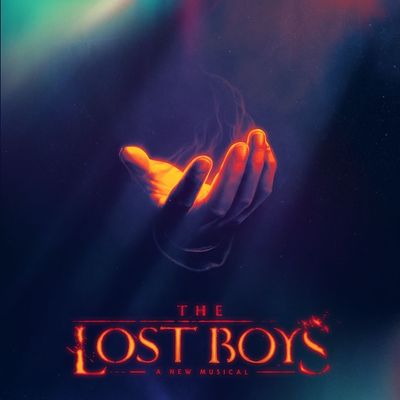
Tony Nominated Book Writers David Hornsby & Chris Hoch visited Behind the Awards to talk about the process of writing The Lost Boys musical. The discuss the must have movie moment such as Saxophone Man, Rob Lowe and The Video Store as well as the must have new moments theater goers will experience... Read More
From the show: Behind the Awards with Eila Mell & Bruce Gotlieb
Guests
Featured Shows
About
Tony Nominated Book Writers David Hornsby & Chris Hoch visited Behind the Awards to talk about the process of writing The Lost Boys musical. The discuss the must have movie moment such as Saxophone Man, Rob Lowe and The Video Store as well as the must have new moments theater goers will experience. They discuss creating a work for fans or the movie and newcomers alike.
Chris Hoch’s Broadway credits include Amazing Grace, Matilda, La Cage aux Folles, Shrek, Spamalot, Dracula and Beauty and the Beast. Off-Broadway credits include Far From Heaven (Playwrights Horizons), Die Mommie Die!, Play It Cool and Face the Music (Encores!). National tours include Mary Poppins and Beauty and the Beast. Regional credits include A Christmas Story (Paper Mill Playhouse); Dracula, Zhivago, Palm Beach and Private Fittings (La Jolla Playhouse); Far From Heaven (Williamstown Theatre Festival); Amazing Grace (Goodspeed Opera); Next To Normal (Hangar Theatre); Spamalot (The Muny); Candide (Prince Music Theatre) and Picasso at the Lapin Agile (City Theatre). Television credits include 30 Rock, Guiding Light, All My Children, One Life to Live, The Good Wife, Gossip Girl and Braindead. He received his BFA from Carnegie Mellon University.
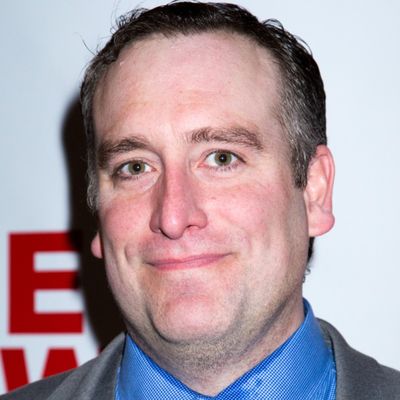
David Hornsby is a writer, director, producer, and actor. Hornsby is currently making his Broadway debut, writing the book alongside Chris Hoch for the musical adaptation of The Lost Boys (Warner Bros.). The production has emerged as one of the season’s most nominated new musicals, earning 12 Tony Award nominations, including Best Musical and Best Book of a Musical for Hornsby and Hoch. The Lost Boys has also received 11 Outer Critics Circle Award nominations, including Outstanding New Broadway Musical and Outstanding Book of a Musical, as well as four Drama League Award nominations, including Outstanding Production of a Musical. The production opened at the Palace Theatre on Broadway, marking Hornsby’s Broadway debut.
This summer releasing globally on Netflix on July 16, 2026 he will co-star in The Hawk, starring Will Ferrell, and can recently be seen in Amazon’s Scarpetta, starring Nicole Kidman. Hornsby was also a series regular on Apple TV+’s critically acclaimed comedy Mythic Quest. He serves as an executive producer and writer on It's Always Sunny in Philadelphia for FX, where he also originated and continues to recur in the role of “Rickety Cricket” since Season Two, currently airing on FXX. Hornsby has created and starred in several original series, including CBS’s How to Be a Gentleman, FX’s animated series Unsupervised, and NBC’s Mission Control. His writing credits also include Netflix’s Big Mouth, and he has recurred on Universal/Netflix’s Good Girls.
Hornsby co-wrote the film The Layover, starring Kate Upton and directed by William H. Macy. His film acting credits include Pretty Bird opposite Paul Giamatti and Billy Crudup; Flags of Our Fathers directed by Clint Eastwood; and Alien vs. Predator: Requiem. On television, he has appeared in numerous series, including FOX’s New Girl, HBO’s Hello Ladies and Six Feet Under, FX’s Baskets, and Spike TV’s The Joe Schmo Show. As a voice actor, Hornsby has contributed to a wide range of animated projects, including Amazon’s Merry Little Batman (Annie Award–nominated), Cartoon Network’s Ben 10, Nickelodeon’s Fanboy & Chum Chum, and Welcome to the Wayne.
Make sure to check out Eila's book, "The Tony Awards", and all her other amazing books: https://amzn.to/43WMu5Y.
Connect with Eila and Bruce:
- Instagram @behind_the_awards
- Eila @eilamell
- Bruce @cominghomewithbruce
Transcript
This transcript was automatically generated and might contain errors.
[0:00] Eila Mell: This is Christine Sherrill, and you're listening to Behind the Awards.
[0:13] Eila Mell: Hello, and welcome to Behind the Awards. I'm Eila. I'm here with my trusty Bruce.
[0:18] Bruce Gotlieb: Hello. Good afternoon. How are we doing?
[0:20] Eila Mell: Very good. So, Bruce, you do most of the posting on our Instagram, and yesterday, you posted something that has gone crazy. People love this old video of our former guest, Benjamin Pajak.
[0:35] Bruce Gotlieb: Yes. When he was Oliver at City Center.
[0:37] Eila Mell: Yes. And, you know, it's funny watching the video. Of course, he's grown, but you don't realize the growth spurt he had in, you know, the short period of time because he's so much taller.
[0:49] Bruce Gotlieb: I know. And so much more. I mean, he was a little boy then. It was only three years ago, but in his life, that's a big chunk.
[1:00] Eila Mell: Yeah. Yeah. Because when you get older, three years is nothing, right?
[1:03] Bruce Gotlieb: Right. When you're a kid, three years is a big deal.
[1:07] Eila Mell: Yeah. Especially when your voice is changing. And, you know, it's a really pivotal three years.
[1:11] Bruce Gotlieb: Yes. So, you know, when he was on our show, we got to talk to him about doing the workshop of Lost Boys because he hadn't yet gone into rehearsals for the Broadway version. And he was a little tight-lipped whether he was even moving forward, but we understand why.
[1:26] Eila Mell: I know. I know he couldn't announce it yet. But all of that is water under the bridge. And now we can talk about all of it. And luckily, we have the writers of the Lost Boys today.
[1:41] Bruce Gotlieb: Absolutely. David Hornsby and Chris Hoch. So let's bring them out. Let's do it.
[1:47] Eila Mell: Well, Bruce, it's not every day that we get two Tony nominees on our show together.
[1:55] Bruce Gotlieb: That's right. We would love to welcome David Hornsby and Chris Hoch to our show. Hello.
[2:02] David Hornsby: Hello. Thank you very much.
[2:04] Chris Hoch: Two for one.
[2:06] David Hornsby: Yes. We bring value with nothing else.
[2:08] Chris Hoch: Well, I do love a good deal, but we are thrilled to have you.
[2:12] David Hornsby: Thank you. We're lucky to get you. Now that you're so fancy, you're big nominees. You're running from the Drama League Awards. You had the nominee luncheon. What's your life like these days?
[2:20] Chris Hoch: Oh, it's a never-ending swirl of glitz and glamour.
[2:24] David Hornsby: Of course. It's a theatre life.
[2:28] Chris Hoch: It's a theatre life.
[2:30] David Hornsby: Hi-ho, the glamorous life. They meant it when they said that. It really is. And time is probably a fleeting construct at this point.
[2:35] Chris Hoch: Yes. So guess what I did last night?
[2:39] Eila Mell: What's that?
[2:42] Chris Hoch: I went to see the Lost Boys.
[2:44] Eila Mell: Oh, fantastic.
[2:46] David Hornsby: Oh, okay.
[2:48] Chris Hoch: Yes. What a thrill. This is a very actor-y production. You guys are actors. I mean, Chris, you have about 12 zillion credits. I couldn't even keep them all straight.
[2:57] David Hornsby: And David, you too. People know you from It's Always Sunny in Philadelphia.
[3:02] Chris Hoch: Certain people know you from In Chum Chum. I mean, there's so many things.
[3:07] David Hornsby: Michael Arden is an actor.
[3:10] Chris Hoch: Certain various people.
[3:12] David Hornsby: Exactly. Your producers are actors. So how did that inform writing this script?
[3:16] Chris Hoch: Everyone's got an opinion. No, I mean, it's been great. I mean, I think from anyone who's—and nowadays so many people do it, where, you know, you have multi-hyphenates now. I feel like it's more normal. I mean, almost by demand, you have to be a multi-hyphenate. You know, there's so many people that have sat on the other side of the table or been in front of the table. And so that plays a part, certainly, in all levels of stages of the production, you know, be it from whether it's Chris explaining, I can't act that line, you know, or, you know, just being in auditions and being like, oh, we've all been there. Let's be extra kind or let's make sure, you know, all that stuff. I think that's certainly—it shows itself in each stage, the understanding of pace, of like, you know, we'll get there. We're going to have a lot of bites at the apple. We know the process. I mean, that's—I think that's where it shows itself.
[4:10] Chris Hoch: Yeah, I think I could help with that in terms of also, like, there were a lot of times where David will—because he's, you know, an excellent film and television writer—that he, you know, there would sometimes be like, and, you know, he's going to say that line and cut, and then he'll be on the ocean. And it's like, you know, well, in theater, David. We're going to start close, right? And we're going to pull out. And then we're going to have a CGI, have that—it was like, David, we're now in theater. There was a lot of theater explaining.
[4:34] David Hornsby: Yes, there was theater explaining. There was definitely a lot of that. I feel like the theater explaining probably happens on both sides of the table, because this show in particularly has a built-in fandom from the movie. So you have people that are coming to the theater that might not be your typical theatergoer, which is thrilling for Broadway, because now we get new people that are introduced to Broadway and hopefully will stay around. And they're coming in with a whole different perspective for this piece. Did you have to, within your writing, plan for that, too, do you think?
[5:06] Chris Hoch: Oh, sure. I mean, I think we definitely pinpointed—well, I was a big fan of the movie growing up, so we definitely pinpointed, you know, what we could bring to the adaptation. You know, we didn't want to, like, piss on the fans, you know, like, well, we are going to do our version. You know, like, it was—it wasn't—we definitely wanted to. And still, there are some people that are like, where's the dog? Where is the dog? I want a nook, you know. But no, I mean, I think that—oh, definitely, I think that we always wanted to honor the movie and to not be so out of left field that the people who love the movie would be disappointed.
[5:43] David Hornsby: Yeah, I think we knew we were doing something big, something to welcome so all the audience. And so we even talk about with the jokes, even, you know, with the humor of the show, which has such a particular unique tone, and we had to kind of decide what that tone was, and et cetera. But, you know, different levels of jokes, right? Well, this one is just an obvious one. This one is—you know, it's—you sort of try to play—you do a movie reference here, but you're inventing something completely new over here. So hopefully we sort of changed it up in that regard and had a little bit of a service and fan service, but sort of moved it forward a bit and expanded it.
[6:19] Eila Mell: Now, can you tell me the reason for killing off Grandpa?
[6:25] Chris Hoch: I think the theory—I mean, some things just because we wanted like a streamlined story, like some things just had to go. And I mean, I think also it's just a matter of, well, you got a grandpa, then you got an understudy grandpa, you got two understudy grandpas. And so, I mean, yeah, there were some difficult choices that were made, or some of them were easy choices. I mean, like, you know, are we going to be able to see maggots? Probably not. Like, everyone loves the maggots, but we probably can't have the maggots. I mean, so yeah, so there was—but no, but still it was, you know, we—that was gone back—that decision went back and forth, you know, like just a little bit in terms of— But you look ahead and you sort of see, you know, is this necessary?
Is this—you know, we don't want to hand the action off to the grandfather. Well, what if we—and then sometimes we have those rules, you come up with, you know, well, what if we took the grandfather as an idea and we put him into the house, and then we use the house as a way to kind of be the protective grandfather family unit to reinforce that theme and have him play a part with Lucy later in the story. So, we tried to kind of put an homage—pay homage to him that way.
[7:34] David Hornsby: And there is a special appearance by him at one point in the show.
[7:38] Chris Hoch: Yes, yes, yes, in a way, yes, yes.
[7:41] Eila Mell: No spoilers at this point in the conversation.
[7:44] Chris Hoch: Now, as we know, in order to get a Broadway production up and on its feet is years of, you know, sometimes even just different people coming in and out. When did you guys come along with the project, and how did you and the project find one another?
[8:01] David Hornsby: Well, you know, Chris and I started working together during the pandemic, writing something together, which was a new thing for us. But we had an idea for a musical, and we thought our talents, our strengths, and our weaknesses would fit together well. And I think we found it did. And then, so, they had already started working on Lost Boys, and that needed a writer. And they had a handful of songs written. We came in, and we went hard at pitching ourselves for the part for the role of writers. We knew the producers. We went to school with them, which was unique. So, that's how we heard about it. I don't think—to be fair to them, they were like, well, we can't really hire these guys. We know them, and they probably are not.
So, I think we just made sure we worked extra hard to show them that we could. And we came up with a big pitch. We wrote probably 50 pages as sort of, oh, and by the way, here's this. Just to say, listen, we have a vision for this. We see it as a chosen family thing. You know, let's start off with Ronald Reagan. Let's do something bold. We tried to be bold in the beginning. And Chris had a great line early on of, let's have smart be the stake in the heart of the vampire curse. Let's just try to keep being as smart as we can. And that's all we can do so it doesn't come off as silly.
[9:25] Chris Hoch: Yeah.
[9:26] David Hornsby: Yeah, because unfortunately, vampires and theater, or Broadway at least, haven't always melded together very well.
[9:30] Chris Hoch: Yes, I was in Dracula, so I know that. I know that quite well. No, I remember when I was in, because we did it in La Jolla first. We did Dracula in La Jolla. And I remember at the end of the first act, I put a stake through my wife. And when we were rehearsing, everyone's crying in the room. And we were like, oh, my God, we're going to sweep the Tonys, and I staked my wife. And they had this really interesting kind of blood pack that exploded at that time. And the audience just burst out laughing at the end of the first act. I mean, like, yeah, burst out laughing. It was like titters. And I remember thinking like, it's okay, I just split my pants. And you know, I split my pants. And for some reason, I split my underpants as well.
And my genitalia is hanging out. But that's fine. Because that means that we won't be this won't be ridiculous. But sure enough, I look down and I'm like, okay, no, my pants are perfectly, you know, attuned. Everything's fine. And I was like, we're dead. Like, we're like, they are, they burst out laughing at our vampire music. We wound up like fixing the stake stuff. But But no, I mean, like, you just don't know what is just ridiculous. I mean, on stage, because it's, you know, I just don't think that, you know, musical theater has a lot of blood kind of, you know, it can get it's very, it was very tricky. And that's why I mean, some of the obviously, the preview process here was essential and, and very scary.
[11:04] Chris Hoch: Yeah, yeah, I'm sure. So what from the movie? Did you know you had to take over to the Broadway version?
[11:11] David Hornsby: I mean, well, there was certainly big questions the beginning, like, are we doing the bridge? Are we doing the motorcycle race? Are we doing how are we doing action in this, you know? And that's where we look to Arden, certainly Michael Arden, our director, who's just great at creating these worlds, Dane, obviously, it's such a collaborative medium. We have, you know, our composers, the band, we have the producers, we have the production team, and everyone has that favorite thing. Well, we got that. So but I think early on, we certainly knew like, we, we wanted to walk the line between
[11:44] Chris Hoch: You know, just a fun musical at times, you know, a story about a family. So we got to have the saxophone player, you know, we because that is the first question that everyone asked me when I first said I was working on it. You know, like, we have to have things that represent some of the movie just in terms of how fun we can go. But then we have to sort of represent just for ourselves what we want to make you push forward in the story. So I think just to answer your question, I think the sax player, the maggots was definitely a point of contention, because those starts to turn to like, can we do this? You know, you're like, it doesn't even matter what we think at some point. It's like, do you Michael Arden want to do this?
Do you see that as something that is theatrically worthy? I think we also try to do is we tried to if we wanted to keep something from the movie, we tried to ground it. Like our first even our pitch document had, you know, there's this part in the movie where Michael jumps off the bridge and he's kind of the smoke comes in, he's kind of like, ah, ah, you know, and we were like, so that that's we first pitched like, and he's gonna have like a kind of the time stops and like a little song there that turned into that wound up turning into belong. But it was like, okay, so this way, we can ground that moment, like the sax player, we were like, okay, but if the sax player is because some people like, well, why isn't he in the band, you know, but it's like, no, but if we can make the sax player part of that were Sam and Lucy noticed that, you know, they're not in Kansas anymore, sort of thing, then we can make sure that he's not just because we didn't want that thing where and still some of it is like that, but we didn't want that thing where, you know, like half the audience is like, you know, and it has that kind of real story involved. Right? So people just so we tried to avoid that as much as possible.
[13:29] David Hornsby: Well, I will tell you, I went, I think it was the second or third preview. And the place went crazy for the saxophone player. Yeah. Right. Yeah. Yeah. Cameron is amazing. He comes on stage too. And you're like, geez. So it's a fan favorite. So it's fun. It's fun to see the reaction. Absolutely. Are there any Easter eggs we might have missed from the movie? I was looking so hard at the video store trying to see if the movies that were displayed if there were any clues there to anything.
[13:59] Chris Hoch: No, I think there's just there is some horror in there. But I mean, some horror films in there that are kind of fun, but not that the Rob Lowe poster is not I mean, that's present. It's never you know, actually, I think has a robe over it. In the movie, does he do we see it like super clearly? Or did they always kind of cover it up? And well, in the movie, it's just I don't think it's as focused on as we focus on. Right. Well, certainly. I just didn't know. Yeah. I mean, so we brought that forward. Right. But I wouldn't call that an Easter egg. That's like an Easter banquet. If you miss.
[14:31] David Hornsby: Yeah, if you miss the Rob Lowe poster, like what now? Was there a Rob Lowe reference? And then it's like, well, that's yes. Has he come to see the show? Do you think he's gotten wind of his poster hanging in the closet? I think he has gotten I don't know if he's seen the show, but he definitely has gotten wind of it. Because when we were going to do a pre-show announcement before like, we want to just not do it because it works better just go right to the prologue. But I think he was being approached to do the pre-show announcement. So he definitely he's definitely aware that he's spoken a very favorable if he has seen it, he has not called it. Well, then he hasn't seen it. Right. That would have that would have given it away. If he had done the pre-show announcement. It's better he didn't do it.
[15:16] Chris Hoch: I agree. Yeah, I agree. The beginning of the show is so exciting. It's like you're watching and you're part of a horror movie. And then the way the way the set just changes immediately. It's almost like, what did I just see? I don't even know what's happening. It's so what a thrill to start the show with.
[15:39] David Hornsby: Yeah, the set is really, you know, obviously being Lafries and Michael Arden together, you know, they're the dream team. And they just have a set that keeps revealing itself. And I think it's obviously a big spectacle. It keeps unfolding. And I think we found ourselves in the theater, also looking wide eyed, you know, especially certainly when you are used to working sitting on a computer, and you're used to working on and seeing it in a workshop. And to take that next level and actually see it keep revealing itself for the first time was pretty incredible. So even though it's a huge spectacle of a set, um, you know, I think our goal was always to make an intimate story as much as possible about the family, but the set just takes it to a whole new level.
[16:22] Chris Hoch: Yeah, they've known each other, apparently, they would just camp together. And they work together so closely. I mean, it's an amazing collaboration.
[16:30] David Hornsby: Yeah. And even you can see it just the way the direction of the set is one thing, just the way it moves.
[16:35] Chris Hoch: Absolutely. I think, you know, when I got theaters by Kristen Reilly, so it's transitions, you know, one of the things about working together with the set, the director, have to work together, okay, well, where do we go in the next scene? How does that work? How can we flow in and out? Or, hey, we need to change this transition. So even in writing it early on, Chris was explaining, like, look, the transitions are gonna be the whole thing. They're gonna be focusing on that. And how are we gonna get from here to here. So we have to keep that in mind as we can hopefully set them up for success.
[17:05] David Hornsby: So that's something I've learned. That's what's so amazing about Michael and Dane is that you know, while we're working on a narrative for the show, they have a whole, like, visual narrative. And if anything, it's like, we'll get on your page, like, you know, because you guys are, you know, amazing.
[17:25] Chris Hoch: Yeah. So, you know, we wanted to support their vision as much as possible. And if Michael didn't have enough to do, he's also one of the lighting designers.
[17:32] David Hornsby: Right. Yes. Not only Michael is just a fount of talent. A fount or a fountain? He's a fountain?
[17:39] Chris Hoch: Both. He's that good.
[17:45] David Hornsby: When you guys are writing a project, and inevitably, workshops happen and different incarnations of a piece to get to where you are now. So in your case, now you have a new person, a new actress coming in to play the mother that wasn't involved before. Does your writing change? Because now there may be certain things that this person brings to the table versus what somebody else would?
[18:08] Chris Hoch: No, I think we totally rewrote everything for the particular actors. I mean, that's great, because we had a nice long rehearsal process and obviously a nice long preview process. It just seems like it would be foolish to try to force an actor into another actor's strengths or weaknesses or whatever. I mean, everyone's got their own kind of vibe. And we definitely, dialogue-wise, definitely work with Shoshana, because she's a totally different person, obviously.
[18:43] David Hornsby: Well, yeah. And that's one of the things about the process. We have this extended preview process to quickly learn how it looks and feels on its feet, because there's a transition from even rehearsal to stage and be like, OK. But even for Shoshana comes in and how I think she might do it, how she actually does it, how she starts to gravitate towards the character. But the theater process, you're sitting with 1,500 people, listening to everything, listening to her do her part and how it's coming off. So you're constantly being taught by the audience, by the actors, what works and what doesn't work.
[19:22] Chris Hoch: So that's just really what keeps it so alive on the creative side. You can watch the show a thousand times, but each time it's so new because you're seeing how even small things work and don't work and how we need to change that line for her, because that feels like it's clunky, you know, all those things. That's what keeps it exciting.
[19:44] Laura Bell Bundy: I am Laura Bell Bundy, and Behind the Awards will be right back.
[19:48] Chris Hoch: There's so much to look at. There's, you know, there's this great music and obviously the set and the technical aspect of it. But really, what's the most special part of the show is the relationship between the mother and the sons. It's really touching, especially at the end. I love that so much about this show. It was important to have, you know, Lucy being the matriarch of the family, to expand her parts, to feel that there's a real closure for that. It's a story of two teenage sons, and each has a very specific story for those characters. So just tracking that arc and making sure it feels complete, because ultimately it is the story and the arc of this family and forgiveness and the story of a chosen family, which all stories will serve. So that was important to us and to the band, certainly.
[20:42] David Hornsby: Yeah. As an actor, I did La Cage with Harvey Fierstein, who is probably, for my money, the best book writer around. I remember I would just go up to his dressing room and just listen to his stories, because he's got, you know, just amazing stories, amazing gossip. I remember him saying, well, before I started writing, he said, you know, when you do a movie or something, you know, existing IP, it's important for any kind of story. For a musical, it has to be about something, you know. And when we pitched, it was like, okay, this story is going to be about family, the Lost Boys family, the Emerson family, chosen family, and, you know, how you can choose your family, but you are choosing your biological family, or if you're not.
And so that was something that was very important for us, that we could always ground the story in something real to everyone, so we didn't wind up happening where people are laughing at it, like laughing at, you know, my Dracula in La Jolla, where it was just like, you know, where it was just like, you know, the Liz vampire story, you know, and they didn't give them anything in their lives to hold on to, then, you know, you're at the whims of, you know, vampires and teeth and exploding blood and, you know, but if you can give them something that they can all relate to, then, you know, then they can be invested in something that's in their own lives.
[22:07] Chris Hoch: Yeah, for sure.
[22:07] Laura Bell Bundy: Spoiler alert, if you haven't seen the show, maybe fast forward 30 seconds or so, but I want to talk about the very end of the show, because that's something that I've seen a lot in movies, absolutely never in a Broadway show. And it's so exciting when there's something new, because, you know, there have been 100 years of Broadway shows now, but you have a coda in this show. Where did that idea come from?
[22:32] David Hornsby: That was Michael Arden's idea. I mean, we had talked about, at one point, we pitched something like there was an idea of having where Max met David, and like, when he perhaps would Max met David in the hotel. He's talking about the prologue, we had an idea for the prologue. No, no, no, we had a prologue. And then we ended up seeing if it could go at the end. No, no, but we were talking about, at one point, we were talking about it happening at the beginning of the second act, too. Right, like, you know.
[23:02] Chris Hoch: We're talking about years of, like.
[23:04] David Hornsby: But then Arden came up with the idea of it happening at the end, and it was brilliant. I mean, it was just a brilliant idea.
[23:12] Chris Hoch: Well, the cycle starts all over again.
[23:14] David Hornsby: It's funny, because it started previews, you know, or maybe.
[23:20] Chris Hoch: Did you guys have that in the workshop?
[23:23] David Hornsby: No, yeah, that was that was brand new.
[23:29] Chris Hoch: I wrote something in the workshop where there was some brief at the top of the second act, but it never got in, but then Arden came up with this. Yes, that came up with this fresh.
[23:59] David Hornsby: It got pulled for a minute in the preview process. You know, at one point we were over and we were over saying our welcome. You feel it in the audience. So I think, you know, we punished, not we, but, you know, we as a production punished ourselves like, oh, we were taking it away or we're making this shorter, but it felt like, no, we, I think everyone felt like, oh, we need this. This was special. People just seemed to respond to it.
[24:29] Chris Hoch: It got tweaked a bit. And with the cuts, everything kind of went back in.
[24:33] David Hornsby: Once the show got to an appropriate length, then the coda could be added again. And it was great.
[24:40] Eila Mell: Where were you guys when the Tony announcement happened? Were you home? Were you like, I'm not watching. I don't want to know.
[24:46] David Hornsby: I was at home. I live in L.A., so I was in bed asleep and I sort of joked because my wife is out of town and she called me crying. But it was a good call. So she said, you know, did you see you got nominated?
[25:02] David Hornsby: It was really special. It was sweet to share that with her and to be groggy and not be fretting, because honestly, I just wasn't, you know, I it's hard to imagine, you know, that we would actually be nominated. So it meant a lot.
[25:17] Chris Hoch: Yeah. I'm in New York and I'm just like, I'm not getting up, you know, I'm not getting up. But then, you know, of course, I got up at like 8:30 and just started nodding. So I was like, OK, fine. And I turned on the TV.
[25:30] Eila Mell: Chris, you probably never expected that your nomination would come as a writer.
[25:35] Chris Hoch: No, that that has taken a bizarre turn for sure. Yeah. I mean, yeah, it's, you know, life long enough and life will surprise you.
[25:44] David Hornsby: Yeah. So, you know, I grew up watching the movie like so many people did. It never occurred to me that Sam was queer coded in the movie. I didn't realize that. Do you think it was obvious or did I miss it or what are your thoughts?
[26:00] Chris Hoch: Apparently, Joel Schumacher wanted that. The director of the studio kind of tamped it down a little bit or he knew he couldn't get it through. I remember when we came on board, it was known that the creative team, the Joel Schumacher was very fine with that happening.
[26:22] Chris Hoch: So, I mean, yeah, it helped that Patrick has a relationship, had a relationship with Joel and, you know, would always speak fondly of him and what he, you know, you know, built with love, et cetera. So that helped. And I think, yeah, it's important to the same story as identity and what the Frog Brothers represents of, you know, just owning who you are, being yourself and taking a step forward to that show.
[26:47] Chris Hoch: That felt right to us. I think it was just the level to which we were going to do it. And all of that comes with the collaboration.
[26:53] Eila Mell: Do you have a favorite moment or line or something that stands out?
[26:57] Chris Hoch: I have a list. It's in a note. I think we've always liked the idea of the dinner scene, because I think whenever I'm in a musical, the really great ones have a good, strong book scene.
[27:14] Chris Hoch: Like, for example, in The Josh with Harvey, there's a great monologue that George has before I am what I am. And I was like, we get like a good, a quality scene that has like a beginning and a middle of that as opposed to like beginning, middle and song.
[27:31] Chris Hoch: And it seemed like just naturally from the movie that the dinner scene was kind of like, we can't take it with you moment of like, you know, the hell that goes wrong. So that seemed like the best place to do that.
[27:45] Chris Hoch: And the Miss Saigon joke goes over really well in the theater. I like the dinner scene in a way that, yeah, the build to the actions, that feels like, oh, good, we took them on. If the audience rewards us with a laugh at that moment, it feels good. Oh, good, we earned it. You know, like, they're with us. And then you just let it like just bathe in that laughter. And it fills you for a minute. And then it's gone. And you're like, it could be more.
[28:17] Chris Hoch: And then our souls are out again. And we have to find the next one.
[28:21] Eila Mell: So as actors, as well as writers, did you ever entertain the idea of being in the show yourselves?
[28:30] David Hornsby: Oh, god, no.
[28:31] Chris Hoch: Too much?
[28:32] David Hornsby: It could be bad. Can you keep the max at some point?
[28:35] Chris Hoch: No, no, no, no.
[28:36] David Hornsby: You don't have the range.
[28:37] Chris Hoch: Well, let's put it this way.
[28:38] David Hornsby: You already said, I don't have the range.
[28:40] Chris Hoch: Not the acting range. You don't have that.
[28:42] David Hornsby: No, no.
[28:43] Chris Hoch: But the range, the acting range, we should do some work.
[28:46] David Hornsby: We should. There's a couple of things I'd like to...
[28:49] Chris Hoch: No, I can't. I mean, that would be just...
[28:52] David Hornsby: I feel like we channel ourselves in certain ways for the characters.
[28:55] Chris Hoch: Like, you have this, you know, max is just somehow an extension of you. Whereas, you know, like Barry Goldwater sort of feels, you know, like just an extension of you. Whereas, Em is a bit more an extension of me sometimes.
[29:05] David Hornsby: I feel like that would just be a nightmare scenario for the other actors, too. You know, like, are you going to do it like that?
[29:11] Chris Hoch: Right.
[29:16] David Hornsby: I was in a play at Williamstown with James Norton. I was the carrier sort of thing. Report number, whatever. But he was directing it and in it. And that was amazing. You know, I guess I imagined like, all right, let me just go behind the table now for a second. Now, let me just get in here.
[29:30] Chris Hoch: Yeah, I don't know how people do that. It's very interesting.
[29:37] David Hornsby: I got to imagine for both sides, for the actors to be like, Oh, is this director you? Or are you now a character?
[29:45] Chris Hoch: I really appreciate that in Sam, you know, you cast someone who is the right age for the part. Because so often it goes to an actor who is a few years older so they can work more.
[29:55] Chris Hoch: But, you know, but Benjamin kind of has this qualities. He doesn't have to act it. He just is it. So he can just, you know, he doesn't have to worry about playing young.
[30:05] David Hornsby: Yes, that was another Michael Arden suggestion. I mean, which was a risk because, I mean, firstly, you know, my voice has changed. Secondly, you have to pay for tutors and guardians.
[30:18] David Hornsby: And Michael Arden was very consistent about that. I think that he's, you know, there's an inherent dynamic just naturally. Like, oh, he's young and he's so OK. I feel the dynamic of you do want to protect him as a young person.
[30:35] Chris Hoch: That was interesting. Oh, this is interesting. This feels like the DNA of just a casting piece.
[30:42] David Hornsby: Right. It adds another layer of danger to the show.
[30:47] Eila Mell: So you guys are on this whirlwind out of previews. The show's up and running. Now you have Tony time. You probably don't have much free time. But is there anything else you guys are working on that people can keep an eye out for?
[31:01] Chris Hoch: Well, I mean, we, you know, taking meetings on stuff. We have another musical we were writing before that. We were just starting to get up when the Lost Boys came along.
[31:10] Chris Hoch: It's so rudely interrupted on Broadway. So, no, I mean, that's an original. It's comedic. It has hearts. And but I think this road tested us working together. And, you know, the crazy circumstances and amazing circumstances.
[31:27] David Hornsby: So, you know, we're we're open to the next opportunity. And this is obviously open to us. So it's exciting. But there's no game plan of like, oh, we're going to do an intimate musical now or we're going to do the same type of IP thing.
[31:43] Chris Hoch: You know, I think we'll always be with what we really respond to. We feel like we can add value to it. And I'm excited to see what our next.
[31:54] David Hornsby: We're thinking.
[31:56] Chris Hoch: Yeah.
[31:57] Eila Mell: So I just want to let people know before we go that you don't have to be in New York pretty soon to see Lost Boys because you have a tour already.
[32:09] David Hornsby: Yes. Just to know. Congratulations.
[32:13] Chris Hoch: Yeah, it's like the timeline has accelerated. It's like we open there's a tour. It's just it's gotten really compacted in a very, you know, it's intense.
[32:22] David Hornsby: But we were we're opening the beach town of Cleveland. So it's perfect. You know, it's got the ocean right there.
[32:33] Eila Mell: Now, one thing that I know creatives have shared is that they love, obviously, for many reasons when their show goes on tour. But it gives them a chance to make more changes that they might have wanted to make when you guys open because you guys have to stop tinkering with it at some point.
[32:52] Chris Hoch: So people can just get on with performing the show. So what does that timeline look like? Are you guys now starting that creative process? How much time do you have to work on that?
[33:05] David Hornsby: Oh, I mean, we just found out about the tour as well. I mean, you're definitely right. I think it's a Jerome Robbins lie that shows are never finished or disbanded.
[33:16] Chris Hoch: Correct.
[33:17] David Hornsby: At some point, I think everyone was like, and then go. You know, I think once the kind of starting will start again, everyone will want to just tinker with it.
[33:28] Chris Hoch: We're going to learn lessons. Again, this process has been teaching us constantly. So that next step will be teaching us. And obviously this shows such a scale. You know, how do we put it on tour?
[33:39] David Hornsby: And it feels as big. But I think an exciting challenge for our thing to certainly production wise. I know they're excited about it, but I think that will inform as well.
[33:52] Eila Mell: Well, congratulations. I mean, obviously, you both know this doesn't normally happen this way. So this is, you know, this is really a dream scenario for your Broadway debut to have as writers, your Broadway.
[34:12] Chris Hoch: I'm sure.
[34:13] Eila Mell: Well, if you haven't gotten an opportunity to see The Lost Boys, everyone should grab a ticket and go see it. That way, you know, you have a rooting interest come Tony night.
[34:24] David Hornsby: Yes. Come to New York and then you can see it at a theater near you coming very soon.
[34:30] Chris Hoch: You can be a groupie and follow it all the way.
[34:32] David Hornsby: Yes. We have a lot of groupies. It's very exciting. A lot of people keep seeing the show many times. So that's another fun aspect that popped up.
[34:39] Chris Hoch: But following it from city to city. Now, that would be something else.
[34:41] David Hornsby: That's right.
[34:45] Chris Hoch: Exactly.
[34:47] David Hornsby: The fish people.
[34:48] Chris Hoch: The fangs.
[34:49] David Hornsby: The fangs for everything.
[34:52] Chris Hoch: That's good. You'll come up with something and put it on a T-shirt.
[34:57] Eila Mell: All right. Well, thank you guys so much. We're going to be rooting for you come Tony time.
[35:02] David Hornsby: Thank you very much.
[35:04] Eila Mell: We'll see everyone next time on Behind the Awards.
[35:06] David Hornsby: All right.
[35:07] Chris Hoch: Bye bye.
© Broadway Podcast Network, All Rights Reserved