

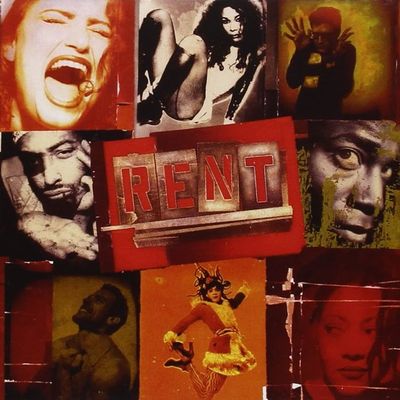
A pair of high heels and jumping over Jesse L. Martin’s head helped win Wilson Jermaine Heredia the Tony for playing Angel in Rent. His journey with the show started Off-Broadway and led him to eventually starring in the film version... Read More
From the show: Behind the Awards with Eila Mell & Bruce Gotlieb
Guests

Featured Shows
About
A pair of high heels and jumping over Jesse L. Martin’s head helped win Wilson Jermaine Heredia the Tony for playing Angel in Rent. His journey with the show started Off-Broadway and led him to eventually starring in the film version. He gives Behind the Awards a deep dive into the creation of this iconic show. Who would have thought this Tony winner would have to be convinced to even audition for this show?!
We also discuss a medical emergency at a performance of The Outsiders, as well as the show's chances of getting a Tony nomination for Best Musical.
Also included is a throwback to Elaine’s Stritch’s Emmy win in 2004 for Elaine Stritch at Liberty.
Born and raised in Brooklyn, Wilson J Heredia was always surrounded by music. His mother was a seamstress and his father was a super. But they were both very musical. He studied medicine, and thought about advertising, but he realized he had to express himself, so he got into acting. He worked at a railway station in NY before he auditioned for the musical, RENT. He said he needed the $300 a week. Unbeknownst to him, his stint with the hit-musical would bring him popularity as a singer, dancer and actor, fans from all over the world and both the 1996 Tony award and Drama Desk award for Best Featured Actor in a Musical. He has appeared in several films, including his portrayal of Cha-Cha, the drag queen, in 1999's Flawless, where he worked opposite former Rent castmate Daphne Rubin-Vega. The film also stars Robert De Niro and Philip Seymour Hoffman. Heredia also appeared in the Law & Order: Special Victims Unit episode “Nocturne".
Along with five other principal members of the original Broadway cast, Heredia appeared in the film release of Rent, directed by Chris Columbus.
On January 9, 2006, he presented an a\ward at the Critics' Choice Awards with Rosario Dawson, Taye Diggs, and Tracie Thoms, his costars from the Rent motion picture. He appeared along with Dawson and Thoms on the 2007 film Descent, playing the character of Diego. Heredia has also guest starred on Medium and Without a Trace, and in 2009 he filmed a pilot called Three Chris’s. He made his return to Broadway in La Cage aux Folles on February 15, 2011, in the role of Jacob (replacing Robin de Jesús). He starred alongside Harvey Fierstein (who won a Tony Award for writing the Book of the musical) as Albin/Zaza and Broadway veteran Christopher Sieber as Georges. As of 2013, Heredia lives in the San Francisco Bay Area. He starred in San Francisco Playhouse's production of Camelot, as Sir Lancelot, and Berkeley Playhouse's production of A Little Princess as Pasko. He made an appearance in the 2021 film Tick, Tick ...BOOM!, which was based on the musical of the same name by Rent creator Jonathan Larson. In 2022, Heredia was cast as the lead in Syracuse Stage's world premiere of the musical How to Dance in Ohio, based on the award winning documentary of the same name by Alexandra Shiva.
Make sure to check out Eila's book, "The Tony Awards", and all her other amazing books: https://amzn.to/43WMu5Y.
Connect with Eila and Bruce:
- Instagram @behind_the_awards
- Eila @eilamell
- Bruce @cominghomewithbruce
Transcript
This transcript was automatically generated and might contain errors.
[0:00] Wilson Jermaine Heredia: This is Wilson Jermaine Heredia, and you're listening to Behind the Awards.
[0:05] Wilson Jermaine Heredia: And look at the company I'm in. Just look at it. I mean, and I'm so glad none of them won. I'm so none of them won. I won! And I listen, I can hardly take a compliment. I've got a problem. Tonight, be my guest.
[0:39] Eila Mell: Hello and welcome to Behind the Awards. So Bruce, who was that that we just heard accepting?
[0:46] Bruce Gotlieb: The incomparable Elaine Stritch.
[0:48] Eila Mell: Of course. Who else could it be? I mean, the iconic voice. Like it's one of those people that when you hear you just you know who it is. And what she said is so her and what a fun clip, huh?
[1:01] Bruce Gotlieb: Yeah, you know, a little brassy, and who doesn't love that?
[1:04] Eila Mell: Uh everybody loves that.
[1:06] Bruce Gotlieb: So this was for her Eileen at uh Liberty.
[1:10] Eila Mell: Yes.
[1:10] Bruce Gotlieb: George Wolf was one of the producers, George C. Wolf.
[1:13] Eila Mell: Wow. The director, yeah, of that.
[1:15] Bruce Gotlieb: It's not bad company.
[1:16] Eila Mell: No, it's pretty good.
[1:18] Bruce Gotlieb: Yeah, so that's one of his many Tonies that he won. But then the I guess this was on TV because she this was her Emmy speech.
[1:25] Eila Mell: Yeah. Uh she's great. She's just I she's an icon.
[1:29] Bruce Gotlieb: Yeah, right. I always picture her with like a fedora and a man's shirt and no pants.
[1:35] Eila Mell: I'm a boa for some reason.
[1:36] Bruce Gotlieb: Oh, a boa.
[1:38] Eila Mell: All right. I could see that.
[1:41] Eila Mell: So I'm Eila. I'm here with Bruce as always. What's new, Bruce?
[1:47] Bruce Gotlieb: Oh, what's new? Well, the other night we had we got to go to the theater, which is the first one.
[1:53] Eila Mell: Yes. Well, he isn't new for us.
[1:55] Bruce Gotlieb: No, it's not new for us, but what was new, because we're a new podcast, we got to go to an event thrown by the Broadway Podcast Network, which was so nice. And there were a couple of live recordings of some other podcasts.
[2:12] Eila Mell: There was Ladies Who Lunch, Donna McKechney, and her guest was Priscilla Lopez. And they were so much fun. Like you could tell, I mean, they've been friends for so many years. It's gotta be 50 years now. You almost felt like you were like peeking into their kitchen table while they're just sitting there chatting.
[2:29] Bruce Gotlieb: Absolutely. So, you know, check that out because it's really great. And Priscilla Lopez is a hoot. I just adore her. And then um Adam Pascal was there talking about Rent with Michael Riedel, which is kind of, you know, having to do with our guest today.
[2:45] Eila Mell: Absolutely. A little bit. It's very relevant.
[2:48] Bruce Gotlieb: Yes. And as if they don't know who the guest is.
[2:51] Eila Mell: That's true. They know. But and who else was there?
[2:55] Bruce Gotlieb: Dennis Stowe.
[2:56] Eila Mell: Yes. He was there.
[2:57] Bruce Gotlieb: So he's in Aladdin. He's been in Aladdin, I think, since day one.
[3:00] Eila Mell: Since day one, yes.
[3:01] Bruce Gotlieb: Yeah. They're doing this whole 10th anniversary.
[3:05] Eila Mell: Yeah, that is, you know, the uh the party that keeps on giving.
[3:09] Bruce Gotlieb: Right. So yes, Frank Delella, everyone knows him from his fantastic show. But now he's doing a podcast on the network on our network, um about Aladdin and Disney. So that should be wonderful.
[3:22] Eila Mell: So I'm gonna listen to those.
[3:24] Bruce Gotlieb: Absolutely. And what was fun was, you know, obviously we're a podcast, so we're not on TV, but when we do record a little behind the screen, yeah, um, we do it on on a Zoom-like setup.
[3:36] Eila Mell: Right. So a lot of times the people that we're talking to, even within the network itself, we only see from the shoulders up.
[3:43] Bruce Gotlieb: So it was nice to actually see.
[3:46] Eila Mell: Yeah, when we have meetings, it's you know, it's never nothing's in person anymore. When I write books and I interview people, it's always on like a Zoom or you know, something uh yeah, some other kind of software that's very similar.
[3:59] Bruce Gotlieb: Right. So it was nice to be able to be face to face with these people.
[4:02] Eila Mell: Yes, be able to, you know, see them close up and you know, see that they have legs and exactly.
[4:09] Bruce Gotlieb: And of course, we were in the you know, ever famous Sardis.
[4:13] Eila Mell: Sardis, what a nice place for an event.
[4:15] Bruce Gotlieb: Yeah. Perfect.
[4:15] Eila Mell: So it was just lovely, and it was a quick, not too long, not too short type of event.
[4:21] Bruce Gotlieb: Perfect. It was really perfect. But then we were not so excited just because we didn't really have time to think about it, but we were so we went to The Outsiders.
[4:30] Eila Mell: Yes. Now I was happy to go. I was very Switzerland, I'll be honest. I didn't because Well, you hadn't read the book or seen the movie.
[4:39] Bruce Gotlieb: You're one of those freaks who didn't really know The Outsiders.
[4:42] Eila Mell: That's right. But I was intrigued because there is um a buzz. In some circles, it's feverish. It's been selling out. And in other circles, you know it's there. So it's kind of this weird like dichotomy between it.
[5:00] Bruce Gotlieb: So not anymore.
[5:02] Eila Mell: Not anymore. It seems to be taking over the world of Broadway anyway. So I was excited because it's something new and something with no expectation.
[5:12] Bruce Gotlieb: I know. I'm gonna be a little bold and say, I think it could be a contender for Best Musical.
[5:18] Eila Mell: It could, it could. It's you know, that dark horse, right?
[5:21] Bruce Gotlieb: It's the sleeper hit.
[5:23] Eila Mell: Yes. Do you call Broadway show sleepers? I know you call movies sleepers, but I'm gonna call it that.
[5:27] Bruce Gotlieb: I would think I think it's appropriate.
[5:29] Eila Mell: Yeah. So okay. So we go to The Outsiders, and everything is pretty normal. We're in the back row of the orchestra.
[5:36] Bruce Gotlieb: Yes. And we were lucky to get those seats, let me tell you. It was selling like crazy, right?
[5:41] Eila Mell: So we're there and the show starts and everything's fine. Yeah. It's uh it's it's it's not your typical Broadway show in in the respect that uh it's just the the type of feel that you get for it, right?
[5:54] Bruce Gotlieb: It's a little a little grittier, it's a little a little rough around the edges by design.
[5:59] Eila Mell: Exactly. And I I really like that about it. Like Pony Boy, the lead character, if you don't know, comes he just comes on stage long before the show actually starts, and he comes from right out from the audience.
[6:12] Bruce Gotlieb: Yes. And at one point he jumps into the audience during the performance.
[6:17] Eila Mell: Yes. You know, it's just it's it's very outside the box. Um there's the absence of a lot of things that are normally, you know, you don't think about, but there's like the absence of light, which was really used to great effect.
[6:32] Bruce Gotlieb: Yes, the absence of sound in some cases.
[6:36] Eila Mell: You know, I I just thought the direction was really bold and really interesting.
[6:40] Bruce Gotlieb: Yeah, and I liked, and one of the things I said to you when we left the theater or were walking out of the theater was it's a new style for Broadway.
[6:49] Eila Mell: Yeah, the music is yes, the music is not typical Broadway music, it's not anything so radical, but it's just it's just a little off center.
[6:58] Bruce Gotlieb: Yeah, the choreography also was was effective, yeah, and really good, but just not what you would expect from a different.
[7:06] Eila Mell: Actually not what you'd expect.
[7:07] Bruce Gotlieb: Right. And that makes it exciting and really fresh. And I think it makes people talk about it.
[7:13] Eila Mell: Yes, I think so. But we have a lot more to talk about because there was an incident.
[7:14] Bruce Gotlieb: There was an incident.
[7:18] Eila Mell: So we're in the middle of act two.
[7:21] Bruce Gotlieb: Yes. Wait, it was was it act two?
[7:23] Eila Mell: It was act two, and I would say probably about midway, I would think.
[7:26] Bruce Gotlieb: Yeah. And all of a sudden, you saw these two women running up the aisle.
[7:32] Eila Mell: But they were walking kind of funny. I they were almost like hunched over. It was weird.
[7:36] Bruce Gotlieb: It was and So Bruce and I look at each other like, what's that about? And we then, you know, back to focus. But then all of a sudden, someone else comes running up the aisle.
[7:47] Eila Mell: Right. And I hear from behind us, because we are in the last row of the orchestra. And they're the house managers. The house manager are right behind us. And you hear a little like whispering and we don't know what's going on.
[7:57] Bruce Gotlieb: So during intermission, I saw that Jerry Mitchell was there. I know Jerry a little bit. And I was gonna say hello. He was busy. I was like, ah, I'll catch him after the show.
[8:05] Eila Mell: Of course. So then we see Jerry Mitchell come running up.
[8:09] Bruce Gotlieb: Right. And it's like, what is going on? And now at this point, once Jerry came up a few seconds later, you saw a little bit more commotion in the front row.
[8:20] Eila Mell: Yeah. Some and the actors are still on stage. Still going. Now, let me tell you, this was happening right center stage in the house. So right directly in front of where these three actors are, it was Pony Boy, Dallas, and um Johnny.
[8:37] Bruce Gotlieb: So that's so Brody Grant, Joshua Boone, and Sky Lakota Lynch.
[8:42] Eila Mell: Yes. So they're there. They are troopers, because you know, they're going on with the show. We don't know if people upstairs even know that anything's going on because you didn't see anyone running right up the aisles, probably.
[8:55] Bruce Gotlieb: So, okay. So then all of a sudden, I more and more people start going up.
[9:00] Eila Mell: Yeah. And then the house manager is getting louder, right?
[9:04] Bruce Gotlieb: Yes. And so then they then the actors.
[9:08] Eila Mell: So what did you hear?
[9:09] Bruce Gotlieb: So uh I heard within the commotion before the house manager got to the front. Yeah, that somebody's having a seizure.
[9:19] Eila Mell: Okay. So now by this point, the house manager gets to the front.
[9:24] Bruce Gotlieb: Right, because you only heard it because of where we were sitting.
[9:27] Eila Mell: Correct. Yeah, okay. And at that point, I heard a voice off stage saying, Stop the show. I've never been in a situation where they've stopped showing.
[9:34] Bruce Gotlieb: And then one of the actors It was Sky Lakota Lynch.
[9:38] Eila Mell: Yes. Who plays Johnny? He said to the audience, he says, okay, we're gonna stop, we're gonna hold. Correct. Someone's having a medical emergency.
[9:45] Bruce Gotlieb: Right. And then by that point, the house manager is in the front. You hear her on her walkie-talkies. She took charge. She was pretty great. I would put her in charge of anything.
[9:54] Eila Mell: Yes.
[9:55] Bruce Gotlieb: She could be president, really.
[9:56] Eila Mell: Really? If Donald Trump gets the nomination, let's replace him with her, no matter what her politics are.
[10:01] Bruce Gotlieb: Run the show.
[10:02] Eila Mell: Yeah, right. I mean, he's got the nomination. So let's go let's get her in. Um, but anyway, so she says actors clear the stage.
[10:10] Bruce Gotlieb: Correct. And they took off. And then you heard her ask for some juice from the concession.
[10:16] Eila Mell: Yes. And giving directions. And they asked for medical, you know, a medical person. If there was a doctor or someone in the house. And then you hear her on her walkie-talkie headset thing, you know, giving directions, take Shuperd Ali, but like she's telling everybody where to go and how to get there.
[10:32] Bruce Gotlieb: So then the next thing we know, there's a woman, we don't know her name, unfortunately, but she's she has sort of commandeered the situation. So maybe she was a doctor.
[10:41] Eila Mell: Sure. If not a doctor, maybe a nurse or a PA. We don't know. But anyway, so she's taking charge, and there's a circle of people around her.
[10:49] Bruce Gotlieb: But the most amazing thing was that everyone stayed in their seats and gave them their space.
[10:53] Eila Mell: Yes. So there were whoever their people that they were with were standing around, and the people in that aisle had to clear, obviously. So there's a small circle of people, and she's giving whatever medical attention she was giving. We couldn't see, but the whole audience is buzzing.
[11:08] Bruce Gotlieb: What are the women? All right. So Bruce had this woman who is alone, mind you, next to him. What did she say out loud?
[11:14] Eila Mell: Out loud, and maybe she thought she was saying it to herself. Well, still, you know, you're not going to be able to do that. Because it's one of those commons that you you say, Did I say that out loud? But she did. She said, Well, I wonder if they're just doing it for attention.
[11:30] Bruce Gotlieb: Could you imagine that?
[11:33] Eila Mell: Yeah, I'm gonna stop. I mean, come on. It would be a very sick mind to do that just for attention.
[11:38] Bruce Gotlieb: Yeah. And that was not the case. So then finally, they the police come in. They come watching in the audience applauds because the police were there. It was very dramatic.
[11:49] Eila Mell: So then I turn to Eila and I say, Are they gonna get up on stage?
[11:53] Bruce Gotlieb: Like Yeah, we thought it was strippers. It wasn't really the police.
[11:57] Eila Mell: Of course, just to you know, bring some levity to something obviously that is.
[12:02] Bruce Gotlieb: That's right, you know, serious.
[12:03] Eila Mell: Yes, and they were not strippers, surprisingly. They were the actual New York City police, and they came in and paramedics were called and everything.
[12:10] Bruce Gotlieb: So they came in. Now, the house manager made an announcement that he's going to be okay. It turned out it was this young guy. He looked like maybe 20.
[12:21] Eila Mell: If, yeah. Yeah, I mean, I don't know, but he was he'll be fine.
[12:25] Bruce Gotlieb: Everything's under control.
[12:26] Eila Mell: So everyone, you could feel like everybody relaxed.
[12:29] Bruce Gotlieb: Yes.
[12:29] Eila Mell: Because it was like, how many people do you think are there in the audience?
[12:32] Bruce Gotlieb: I probably had to be what, like 1600 or something?
[12:36] Eila Mell: Right.
[12:37] Bruce Gotlieb: And everybody is, you know, in this moment together.
[12:40] Eila Mell: Yeah.
[12:40] Bruce Gotlieb: Very tense.
[12:41] Eila Mell: But it was actually kind of a wonderful thing to be involved in because just everyone came together to help one person.
[12:49] Bruce Gotlieb: It was really kind of a special thing to see.
[12:51] Eila Mell: And it was wonderful then, you know, once a little bit more time passed, um, that you saw this gentleman able to walk up on his own.
[12:59] Bruce Gotlieb: Yeah, he didn't look great.
[13:00] Eila Mell: He didn't look great, but the fact that you he was able, he wasn't being held up.
[13:04] Bruce Gotlieb: No.
[13:04] Eila Mell: He was able to walk right.
[13:06] Bruce Gotlieb: Of course, then the audience, of course, applauding again.
[13:08] Eila Mell: Right.
[13:09] Bruce Gotlieb: Um, and then I did hear as they were walking behind us, the house manager say, as soon as you're feeling better, you let us know and we'll get you back.
[13:15] Eila Mell: Right.
[13:15] Bruce Gotlieb: Here to, you know, which I thought was very sweet.
[13:18] Eila Mell: We felt better, but then Bruce made me worried again because he said, What if he's from out of town and he can't come back?
[13:25] Bruce Gotlieb: So then I was thinking, oh no, what if that's the case?
[13:28] Eila Mell: I felt bad for him. But anyway, so the medical emergency was, you know, okay.
[13:34] Bruce Gotlieb: It turned out fine.
[13:35] Eila Mell: Thankfully, he's okay. So then it's not over because the three actors come back out on stage because they're gonna resume.
[13:43] Bruce Gotlieb: Right, right, right.
[13:44] Eila Mell: So, and they don't go right back into the show.
[13:47] Bruce Gotlieb: No.
[13:48] Eila Mell: So Joshua Boone, who plays Dallas, he said, is everybody okay?
[13:52] Bruce Gotlieb: Right.
[13:52] Eila Mell: Everyone cheer. Check for everybody there, you know, and and he also jumped up a couple of times, like trying to get the energy.
[13:59] Bruce Gotlieb: Right, right.
[13:59] Eila Mell: They were sort of getting back into it. Just literally from maybe like three seconds.
[14:04] Bruce Gotlieb: Yeah, the whole thing probably was 15 minutes, although it felt longer.
[14:09] Eila Mell: Yeah, it felt longer than 15 minutes, but I don't know.
[14:12] Bruce Gotlieb: It was under a half hour.
[14:14] Eila Mell: Oh, yeah.
[14:15] Bruce Gotlieb: Yeah, yeah.
[14:15] Eila Mell: So anyway, so then after like five seconds, it was like end scene. And they go right back into the moment.
[14:22] Bruce Gotlieb: It was a little like, oh, okay, we're doing this again.
[14:25] Eila Mell: Right.
[14:26] Bruce Gotlieb: Because when it stopped, there was it was not at a natural point to stop.
[14:30] Eila Mell: No, and they were and it was it was heavy. This part of the show was a little heavier.
[14:35] Bruce Gotlieb: Not like you were at the peak of of whatever is going on, but they was definitely they were working through some stuff.
[14:40] Eila Mell: Yeah, like the outsiders is not like 42nd Street.
[14:44] Bruce Gotlieb: Right, right.
[14:45] Eila Mell: So yeah. So anyway, the show ended and everyone sort of went through this experience together.
[14:50] Bruce Gotlieb: So it was quite something to be a part of. Now, the the cool thing I will say, which I thought was different too about the show itself, not to give anything away.
[15:01] Eila Mell: Yeah.
[15:01] Bruce Gotlieb: But this is another show that we've seen that it rains on stage.
[15:05] Eila Mell: I think rain is a trend on Broadway.
[15:08] Bruce Gotlieb: It is and and when it rained in the notebook, it was rained.
[15:13] Eila Mell: I would call it isolated rain.
[15:16] Bruce Gotlieb: Um and you even didn't.
[15:17] Eila Mell: Well, I was I was in the front, so you were I could see how it was done a little bit.
[15:22] Bruce Gotlieb: Like there were two panels of rain, and you could walk in between and not get wet.
[15:28] Eila Mell: This rain, everyone was soaked.
[15:38] Bruce Gotlieb: Yes, which is part of what makes it so magnificent.
[15:41] Eila Mell: It was very, very good. Let's not even say what happens in the scene, but it's a big moment of scene.
[15:45] Bruce Gotlieb: No, but I just couldn't like when the scene was over, like it looked like somebody l just dumped water over like head to toes. Like, how are they drying after that?
[15:54] Eila Mell: We need to get one of the people on the show to explain all this to us.
[15:57] Bruce Gotlieb: Uh, the other thing I thought was interesting was the entire floor of the stage is gravel.
[16:03] Eila Mell: Yes.
[16:03] Bruce Gotlieb: So we walked up at Intermission to take a look, and yeah, there's actual gravel that we saw a lot of gravel in the front row and in the aisle.
[16:11] Eila Mell: I feel like if you're in the front row, you might be getting like a little gravel.
[16:14] Bruce Gotlieb: Yeah, you might want to wear a splash guard if you're in the front row.
[16:17] Eila Mell: Just with the rain and the gravel.
[16:19] Bruce Gotlieb: Right.
[16:19] Eila Mell: But it's well worth it.
[16:21] Bruce Gotlieb: Exactly. So those are, you know, those are things that you don't see in a typical show.
[16:27] Eila Mell: No. Now I had a unique experience because I actually, for the first time in my life, used a booster.
[16:33] Bruce Gotlieb: That's right.
[16:34] Eila Mell: You did. During intermission because I had to get an intermission. There was a very tall person in front of me, and I felt like I was watching through a window for a lot of it.
[16:43] Bruce Gotlieb: And then I had a man on the other side of me, and I didn't want to lean over into his space.
[16:47] Eila Mell: And I it wasn't. But it'd be one thing if you knew him.
[16:49] Bruce Gotlieb: I did not know him.
[16:51] Eila Mell: Yeah. I leaned over into your space a little, but I thought that was okay.
[16:54] Bruce Gotlieb: But on the other side, yeah, so and then um I feel like your world was forever changed with with the booster.
[17:01] Eila Mell: That was great. Let me tell you, if you are not the tallest person, there's no shame in the booster.
[17:07] Bruce Gotlieb: I loved it. I was like, I'm not using a booster, and then I couldn't see, so I really had to get one.
[17:12] Eila Mell: I mean, and I guess the good thing is uh whether I don't, you know, there was no one behind you to worry about boosting in front of.
[17:18] Bruce Gotlieb: Yeah.
[17:19] Eila Mell: Although I feel like some people will get the booster that I don't know that they care.
[17:23] Bruce Gotlieb: I know.
[17:24] Eila Mell: Some people don't care, but you know, at least I could see and I wasn't blocking it.
[17:29] Bruce Gotlieb: Exactly. So, with all that said, I am super excited about Wilson Jermaine Heredia.
[17:35] Eila Mell: He's exciting.
[17:36] Bruce Gotlieb: He's Rent.
[17:38] Eila Mell: He is the original Broadway cast of Rent.
[17:41] Bruce Gotlieb: He was Angel, he created that role.
[17:44] Eila Mell: That's a big deal.
[17:45] Bruce Gotlieb: It is a big deal.
[17:46] Eila Mell: Big big show.
[17:48] Bruce Gotlieb: And um we have questions.
[17:50] Eila Mell: We have many questions.
[17:51] Bruce Gotlieb: So I think without further ado, we should get to Wilson.
[17:55] Eila Mell: That's right.
[17:59] Bruce Gotlieb: I am here with a very special guest.
[18:02] Eila Mell: It's Wilson Jermaine Heredia, how are you?
[18:05] Wilson Jermaine Heredia: I'm doing very, very good. Thank you for having me.
[18:08] Eila Mell: It's such a thrill, really, to have you on this show. So I don't know if you know this, but I have a brand new book called The Tony Awards that's out.
[18:16] Wilson Jermaine Heredia: And you are featured in the book, of course, as a Tony Winner.
[18:19] Eila Mell: Thank you.
[18:20] Wilson Jermaine Heredia: Thank you.
[18:22] Eila Mell: And you know, something that is special to me is that the photo of you that was taken wasn't taken by a professional photographer.
[18:29] Wilson Jermaine Heredia: It was a photo that's never before seen, and it's from Isabel Stevenson's private collection.
[18:35] Eila Mell: Oh wow.
[18:35] Wilson Jermaine Heredia: So yes, so I can't wait for you to see it.
[18:38] Eila Mell: Me too.
[18:39] Wilson Jermaine Heredia: Yes, absolutely. We'll have to get you a copy.
[18:42] Eila Mell: So I would love one. What was what went into the decision to wear leather to the Tonies?
[18:47] Wilson Jermaine Heredia: I love that. Actually, it wasn't leather, uh, it was vinyl. Um back then, Kyle Rottenstein, the artistic director of Bloomingdales, who took a liking to our show and and if you remember back in the day, also created the Rent Boutique that a lot of people only back in the day remember.
[19:04] Eila Mell: Right.
[19:05] Wilson Jermaine Heredia: Um he took a liking to the show and he would visit quite a bit, and he wanted to dress me. I'm a kid from Brooklyn who who definitely and also was not about following um protocol.
[19:20] Eila Mell: All all I knew is that that the invitation said black suit.
[19:24] Wilson Jermaine Heredia: And I'm like, okay, black suit black yes.
[19:26] Eila Mell: Yes, yes, exactly.
[19:28] Wilson Jermaine Heredia: It was black. So we were trying all these other stuff you know no no disrespect to any of the other designers that that were offering to to dress us that there it was all fantastic it was it was you know Donna Karen and and and so forth I I never had that much attention in my life right um to to get to get free stuff but I wanted something that that really defined me and also defined the show as well that's exactly right yeah that that had to feel like the show and something that that that I would wear out that I would consider dressing up I didn't feel I mean I would say now I I I like a nice suit but back then I really wasn't a suit kind of cat yeah uh and and so we were going from place to place to place and I saw this outfit this we we you know j just for giggles we we threw it on and uh it was it was Jean Paul Gautier and no slouch uh yeah no slouch um I I threw it on and it fit like a glove it fit it fit like it was made for me and I threw it on with with the boots that that I that I normally sported and I thought I don't know can I get away with it and Kyle said like yes yeah you can absolutely get away with it um he's like you out of all people can get away with it right and that was it.
[21:01] Wilson Jermaine Heredia: Uh I I fell in love with it and and I decided, yeah, it's let let's let's go with let's let's take the chance.
[21:08] Eila Mell: I think it's timeless.
[21:09] Wilson Jermaine Heredia: Yeah, yeah.
[21:11] Eila Mell: Well, I I don't have it anymore.
[21:13] Wilson Jermaine Heredia: Um lost lost in in many moves and so forth.
[21:18] Eila Mell: But uh man, I had it I had it for for a while, and and uh I think that it I think it was the right choice for the right time and the right occasion.
[21:30] Wilson Jermaine Heredia: Absolutely. You can't be in this rebel punk rock kind of show and wear a traditional tuxedo to win your tone.
[21:36] Eila Mell: Yeah, exactly.
[21:38] Wilson Jermaine Heredia: It had to be you know, and I had to like you know, and and I had to also like a rock a big rock a big old earring as well, you know.
[21:45] Eila Mell: Very very very prince, by the way.
[21:46] Wilson Jermaine Heredia: It this that was more and I don't know if people wondered what that was about. It's it's it all had to do with Prince.
[21:50] Eila Mell: It's like I just was just and still am a huge admirer of Prince and uh um very much like how he wore it in Purple Rain, like just the big just the one big hoop.
[22:03] Wilson Jermaine Heredia: And and so that that that's what that was about. I was like, you know what? I'm gonna throw on just one big hoop.
[22:08] Eila Mell: I love that.
[22:09] Wilson Jermaine Heredia: I love Prince so much too.
[22:11] Eila Mell: Yeah, yeah.
[22:11] Wilson Jermaine Heredia: Oh my gosh. Dirty Minds and Little Red Corvette.
[22:14] Eila Mell: Oh yes, yes.
[22:16] Wilson Jermaine Heredia: Oh, and and and all of Sign of the Times.
[22:19] Eila Mell: That whole album is ridiculous.
[22:21] Wilson Jermaine Heredia: Oh my gosh.
[22:22] Eila Mell: Um, so this is behind the award.
[22:24] Wilson Jermaine Heredia: So, you know, you obviously have a Tony Award, you have a Drama Desk Award too.
[22:29] Eila Mell: Yes.
[22:29] Wilson Jermaine Heredia: Uh Drama Desk Obi as well.
[22:32] Eila Mell: Amazing.
[22:33] Wilson Jermaine Heredia: Yeah, yeah, yeah.
[22:36] Eila Mell: Brooklyn Kid does good.
[22:38] Wilson Jermaine Heredia: Really?
[22:38] Eila Mell: So how did Rent come to you?
[22:40] Wilson Jermaine Heredia: Uh as an audition like everybody else, um, at that time. I was in another agency.
[22:48] Wilson Jermaine Heredia: Uh and and I was sort of um I wouldn't say that I was freelancing with them. It was it was definitely understood that we were that I was going to sign with them.
[22:56] Eila Mell: Mm-hmm.
[22:58] Wilson Jermaine Heredia: But they just didn't get to it. So they were throwing me, you know, a couple of auditions here and there. And and I had I already had a full-time job.
[23:05] Wilson Jermaine Heredia: Uh I was the complaint center for a uh property management company that that owned property like all around the tri standard.
[23:14] Eila Mell: So a real a real job.
[23:16] Wilson Jermaine Heredia: Yeah, yeah. It was it was a job job with with health insurance and so forth.
[23:19] Eila Mell: Right.
[23:20] Wilson Jermaine Heredia: Um that just kicked in. And I was working the graveyard shift, which was at 12 o'clock to nine o'clock in the morning.
[23:28] Eila Mell: All right.
[23:29] Wilson Jermaine Heredia: It's a very important part of the story. Actually, that pay attention, people, because this is what happened.
[23:35] Wilson Jermaine Heredia: So I was given the audition. I was I was sent the audition. Um the late Fritz Collister, who was my agent at that time, said, like, okay, you know, there's this audition musical that that um was a workshop the year prior.
[23:49] Wilson Jermaine Heredia: There was a lot of fanfare and it's very exciting. People are looking forward to seeing it, and you should audition for it.
[23:55] Eila Mell: And and I and I thought, musical. Now, if anyone saw my resume prior to rent, they would see that that I had maybe I had one credit, which was Elizabeth Suedos, uh, The New Americans, and that was a show that was a play with music, but not necessarily a musical where people randomly broke out into song.
[24:22] Wilson Jermaine Heredia: Right. Meaning that that this was not my thing. Um But you're such a good singer.
[24:27] Eila Mell: Thank you.
[24:28] Wilson Jermaine Heredia: You obviously had the talent to do it, so I'm surprised.
[24:32] Eila Mell: Well, well, I so was I actually let me tell you, let me so was I.
[24:38] Wilson Jermaine Heredia: Meaning that I I studied all these things separate. Actually, by that point I was self-taught as a singer, um, but not dancing and and acting uh I went to hunter college.
[24:47] Wilson Jermaine Heredia: So all these things I never had designs on being in a musical or doing that kind of performing. I was a dancer, yes, I definitely sang in rock bands. Yes, I did all that and acting I considered myself at that time a very, very serious actor. That's right. So I thought I have a job that is not going to allow that to happen. It's gonna be very difficult for me to do it. And the only way that I would step away and that I would even get a break from the job is if I were in a television show and or film. This is me, the adult saying this, but the way that it came out was like I only want television and film. Right, right, that's what I said. I was like, I'm a television and film actor. I'm not a musical theater actor, which is crazy, I know, right?
I was like fine and mind you people that do musicals they usually have a book. Well again, I didn't have a book because that's not what I worked on. I had one thing, I had one piece of sheet music that I will let you guys in on after I'm done working. After I explained to you like how this initially audition went, so firstly I'm supposed to show up, I go to work, I work my 12 to nine, I go home, I eat, I shower. I think when I'm gonna take a quick cat nap and freshen up right before I have to audition. I think the audition's like maybe like 11 o'clock or something like that. Of course, what happens naturally when you don't sleep throughout the night and you've been working and you decide to eat, take a shower, all those signs, everything you're just signaling your body to go to sleep for a very long time.
And I did, I did not, and I slept through my alarm. My God, Fritz Colliser called me up. He just tore me a new one. And he says, I cannot believe you didn't show for the audition. And meanwhile, in my head, I'm thinking like, but it's just a musical anyway. It's just gonna be off-Broadway for about a month anyway, and it's not a big deal. But it didn't even matter to you that you missed it. It did, it did not matter at all. At that time it did not matter at all. Again, in retrospect, it's just so funny. He says, you better go in tomorrow and you better apologize to everyone, you better go in and do it. You know, I pulled a lot of strings to get you into this. I'm like, all right, fine, fine, fine, fine, fine.
So in order to make everybody happy, I do it. The next day, I go through the same exact routine, except I don't sleep at all. I stay awake. I just drink a little bit more coffee than usual. I was a cigarette smoker, so I just was like, all right, I'm just gonna smoke a cigarette and it was ready to go. And I go in and I see everyone sitting there. I see Michael Grife, I see Martha Banta, I see Bernie Telsi, I see Tim Weil, the musical director. Before I start anything, I apologize and I say, I just want to apologize to everyone because this is what I do. I work, I overslept, the whole thing. And who comes as I'm saying that, who comes behind me? Who's John? It's Jonathan Larson. He comes up from behind me and he says, like, it's okay, I work late too.
I wasn't here yesterday either. Oh my, so had you gone the day before, he would never have seen you. It was meant to be. Wow. It was meant to be. So now, ladies and gentlemen, what did I sing for my audition song? What can that be? Great Balls of Fire. Of course. Great Balls of Fire, of course, because it's the only piece of sheet music that I ever had. That's your musical theater audition song. But not such a bad choice for Rent, actually. Right. Yeah, well, because I heard that it was rock, but for me, the thing is, like, remember like back in the day, also there was Colony Records. That was the only place to get sheet music. And it was when I auditioned for Rocky Horror, the Rocky Horror Picture Show for a London production.
I didn't have sheet music, and I bought it just for that audition, and that was the only time it was like, you know what? So it was just kind of like laying there, you know, I shoot my wad there, my Great Balls of Firework, thinking like, ah, big deal. Mine was mind you, like I had combat boots, overalls, you know, beard like this. And I'm like, all right, I'm done. And I'm thinking, you know, thank you now, and I can go to bed. And they say, and Michael goes, like, stop, can you do these two songs by tomorrow? And I'm thinking like, I'm literally thinking like more work to do, more things to do. Like, what do they want? It was I and I was just shocked.
[29:52] Wilson Jermaine Heredia: Uh, that they even wanted to see me again after Great Balls of Fire, I thought like for sure, like that everyone's bringing in some other kind of like, I don't know, something from Hair or like other kind of rock things. But once I heard also later on, once I heard what everyone in the show brought in as their first songs, that you like Anthony, like Losing My Religion, like that's what he did. Okay. Um, so I was like, all right, cool. I was like so it w it wasn't so completely like far far off the beaten path.
[30:21] Wilson Jermaine Heredia: We'll be right back. We have to listen to some commercials.
[30:29] Wilson Jermaine Heredia: So um.
[30:22] Wilson Jermaine Heredia: Uh, I go home and I wasn't able to listen to it 'cause I mean the first thing that I do is fall asleep immediately. And then wake up, do my whole getting going to work routine and I go to work, I put in the cassette. That's right, folks, it was a cassette. I listened to it and all of a sudden my perspective and my skin in the game completely changed once I heard Jonathan singing the demos for the songs. And I thought this is the first time I felt included in a musical in a Broadway show, well not Broadway, 'cause it wasn't Broadway yet, but it's the first time that I was included in the musical. Which is also by the way, the reason that I never had interest in doing a musical or being in a Broadway musical before that was because there wasn't enough representation for me.
Right. At least no significant, like there wasn't enough representation because I wasn't that kind of dancer where I would audition for a chorus line and do that. Yeah. I couldn't, I started dance training late in life, so I wasn't interested in that anyway. I wasn't interested in being in the back anyway. I mean being in the ensemble, I'll just be quite honest. I hearing that I felt, oh my God, this is something that I can be really part of. This sounds like me. This sounds like something I can really do. And all of a sudden I really wanted to do it. And the songs, which songs did they give you? It was Cover You and Today for You. Oh wow. Cover You for anyone who has sung that song since me knows that that song starts out with you mixing it.
You have to mix it like right on the top of your just hanging out in your hard palate and soft palate at the same time where you're almost sort of falsetto-e kind of ish. The definition of mixing it. It's using all those elements. I didn't know how to, I didn't know how to do that. I only knew how to sing trained singer yet. No, no, I didn't. But Tim Weil decided to turn the session into a work through, and I've never been through any of those either. Where I thought you usually mean they listen to you, they go like thank you very much. He can't do it. Bye. Let's look at somebody else. He did, he literally, if he didn't work through with me, then we wouldn't be talking today. But he worked through it.
And so he said, you sound like you have the little like a little bit of a little Stevie Wonder quality, like little Stevie Wonder quality. He's like, I don't want to offend it. Was I gonna offend him? He's like, try it that way. So Live in My House became Live in My House, I'll be a shelter. He's like, that's where you need to be. He's like, that's where. So he was sort of giving me a singing lesson at the same time. Yeah. And so we sang through the whole thing. And they just wanted to hear whether I had the notes. And they wanted raw performers. They wanted raw singers. They didn't want like, you know, super, super, super trained. They wanted it to definitely reflect what he wrote. And I was that and I was definitely raw when it came to that.
And we went through the whole song. I knew they knew that I had the notes. It's just kind of getting there. And then we did Today for You, and they asked me to do a little dance, which is like what my forte is, and being a club kid, and so I give him my club kid thing, which I'm very confident in, and I started to walk away. And Michael Graves said, he's like, you know that this is for drag. This is the drag queen character. I was like, yeah, you know, it actually said it's always been a dream of mine to actually play drag, completely lied. Complete lied. Also, not a complete, completely far off in the way that I would dress anyway when I would go to the club anyway. Yeah, because I was a club kid, dressing up was part of it, but yeah, but you know, wearing makeup so that way you could stand out and prior to getting in the dance floor, going into the circle and battling, you just had to also look really good.
And so back, I mean if you remember back in the day, especially if you were around New York City, the guys and the girls pretty much looked exactly the same. Yeah, they had the hairstyles, we all kind of dwarfed, you know, everyone had like short-ish on the side, but really big and curly, right? You know, yeah, which is basically everybody, the guys, the girls, and one that clubbed, and so we and the people that were all represented in the show and that are represented in the show are the people that I hung out with. Those were my friends. That was my life. That was my nightlife. So it wasn't foreign to me, is what is my point.
[35:30] Wilson Jermaine Heredia: Yeah, even though the part of Angel isn't really who you are naturally, right? So that's really interesting. But the backdrop of the show is, yeah, yeah. The whole thing is completely familiar to me. Doing drag, I've never, I never did that before. Never had to wear those kind of heels and just be the whole thing. But I thought, like, you know, well, I'm not a crab, rather, I'm not a lobster in real life either, but you know, I had to dress up in that in college. You know, exactly right. So I just kept on repeating. I was like, why do I even bother with this? I've been doing this for so long. Meanwhile, like this a 20, 23-year-old. How long could you have really been doing it? Right, yeah. I mean, I've been a performer since I was 13.
So for me, it was a lot, it felt like, oh, forget it. You know, it's forever, forever, forever, forever. I go home, I curl up, and I didn't hear from them for about a week. And I contact the agency and I go, like, whatever happened with that show? And the head of the agency says, like, oh, they love you. You start work next week. Right, right. I was like, I was like, well, what did you tell me? Like all we, you know, for this whole week I was just knocking myself and feeling sorry for myself and voila, that's how the show came about. Oh, but also I wasn't sure that I was going to take it because again I had to split my time or do them both. And for a while, for like about two weeks, I did them both. Oh, that must have been a killer schedule.
[37:10] Wilson Jermaine Heredia: Yeah, that was half that's it for any sort of musical rehearsal process, it's a month. That's half the process. I did it for half the the process. And Michael Grife was just and and the producers, I know that they were worried and and unhappy with with my progress because of that. And then I got fired from that job on New Year's on New Year's Eve. Oh New Year's, yeah, on New Year's Eve, and then my father said, It's gonna be a great year for you. And no true words have been spoken. Um and after that, I was able to go completely headlong into the the whole energy of the show. And not that I wasn't before, but it's before I was synambulus um every morning, just trying to catch up. And then after that, it was I was able to just one hundred give one hundred percent of my energies and you know, also be able to participate with with the choreography of today for you, which was between Marlies and Yerby and and me and and all of it, you know, it was amazing, you know.
By that point it was like all right, we're all in, we're all in, and by that point it became a challenge for me to conquer this medium of musical theater and also this character, and I just wanted to do good. By that point I was like, all right, because that's the kind of person I am. I was like, I'm 100% with anything that I do. But that's how Rent came about, and it was really my mentor who told me prior to me accepting the job. He said, Are you a dispatcher or are you an actor? That's really good advice. Yeah, and I said, Fuck, you're right. Yeah, absolutely right. Uh fine, I'll take the job. I wasn't sure. Because again, I wasn't sure whether I wanted to, you know, bother doing even though by that point I felt I was in love with the story and the music, but I was worried about my health insurance.
[39:15] Bruce Gotlieb: Of course.
[39:16] Wilson Jermaine Heredia: I was I was worried about it I'm sure it wasn't a high paying job at the time.
[39:21] Bruce Gotlieb: No, no, right.
[39:22] Wilson Jermaine Heredia: It wasn't a high paying job, but it was like, you know, I'll put it pretty too this way. Like between for a while, between both jobs, I was getting paid 300 for each job. You know, it was about 300 and so so dollars. I was like, so I was like, oh yeah, I'm banking six hundred dollars, I'm making a whole lot of dough, you know, and and and and and not sleeping at all. I'm glad that it happened the way that it did. And one of the people that used to run out of maybe I think she still runs, um Friends Indeed, she said something that that's has stayed with me since I heard it, is that everything that has happened in your life couldn't have happened in any other way. It's supposed to happen exactly the way it happened, good or bad. That's exact and you're and you uh and then there's the other phrase that the uh I believe I heard in Buckaroo Banzai. Um he's like, Wherever you are, there you are.
[40:22] Bruce Gotlieb: Yeah.
[40:23] Wilson Jermaine Heredia: You know, I think your friend's quote's a little better, but you know, it's a lot better than Buckaroo Banzai. But you know what a gift that your father gave you in just letting you not worry, giving you that okay, that it was okay to not worry about the health insurance and the real job and to follow, you know, what your passion was.
[40:45] Wilson Jermaine Heredia: Yeah. And it's funny because it's about the first time that he sounded supportive over any of my artistic endeavors because they were not huge fans of my choice.
[40:55] Bruce Gotlieb: Right.
[40:56] Wilson Jermaine Heredia: It's scary for parents.
[40:57] Bruce Gotlieb: Yeah.
[40:58] Wilson Jermaine Heredia: It was it's purely out of fear. It's not because they didn't have any faith in me. It's just because, you know, being a person also of color and knowing how much people struggle and and and fight to just make ends meet.
[41:12] Bruce Gotlieb: Yeah.
[41:13] Wilson Jermaine Heredia: Period. Not you know, much much less getting a huge film or TV show or or a huge Broadway show. It's just just working, period.
[41:23] Bruce Gotlieb: Exactly.
[41:24] Wilson Jermaine Heredia: You know, exactly. And at the time this wasn't even anything that was going to pay your bills.
[41:29] Bruce Gotlieb: Exactly.
[41:30] Wilson Jermaine Heredia: Exactly. It was it was very much uh and it's it's I'm gonna say this deliberately, it was a leap of faith it was a huge leap of faith.
[41:42] Bruce Gotlieb: Yeah.
[41:43] Wilson Jermaine Heredia: But here I am, you know, and here we are. So how long did it take you to find Angel?
[41:48] Wilson Jermaine Heredia: I would say um completely, completely by the time that I got to London. Wow. Uh yeah. I mean, Angel was a the the angel off Broadway was there. I say that we had a good foundation there, uh, off Broadway, on Broadway, my angel grew. My angel grew more and more the more Collins I had. After Jesse left and and I had to and I had to make adjustments for other Collins. Right. Uh for for other for people, other people playing Collins. I learned to be emotionally quick on my feet and to adjust to those particular kinds of energies and how they perceived their Collins, how Collins was supposed to be with Angel.
[42:39] Bruce Gotlieb: You know, that's interesting.
[42:41] Wilson Jermaine Heredia: It was they all they they all had different every yeah, every every either understudies or or people that that actually replaced um had had different ways of approaching it. And there was just w the one thing that that um and and that I tell now anytime anyone um plays the character Angel is that uh Michael Grife said, like just remember that the one thing above all is that Angel is about unconditional love. Above all things, above all things, yeah, the one thing that has to be running through that that your performance is that that it's it's the unconditional love that he has that they had depending on on whoever whatever preference people have of what they want to uh call Angel as far as pronouns.
I prefer to call Angel a day. But it was just one of those things that that uh made it clear for me. It made it very, very clear. And then when I got to London, it's just I guess because of the pressures of opening the night were were was maybe like a year or two years behind me already by that point. And by that point, I it was I wouldn't say that I that I was in cruise control, but it was it was more like like all right fine I figured a lot of things out and now and I was there with Jesse anyway and I and I knew I've done this before and so for me what was left was to further explore the the minutiae of the moments all the bigger things all the all the broad strokes were figured out and I just wanted to add little moments here and there little moments that that for me just filled the the character out a lot more and oh there was an there was an interview uh I had for in theater magazine I believe it was like for their very first issue ever um one of their first issues and and I was I was an idiot young kid and and I said like um I was uh it was just because I I meant it to be really funny what when I said because the question was asked like so how it was like oh you know I bet it's like old hat like you know you've done the so much like like I'm pretty sure like you're doing your laundry list I was like I was like no no no I'm doing I'm not doing my laundry list I'm I'm actually my my grocery list and I was like ha ha ha I would it it was meant to be funny on paper it did not come off that way.
[45:04] Bruce Gotlieb: Yeah things don't always translate.
[45:05] Wilson Jermaine Heredia: Yeah, yeah and I was I or rather in my 20s I I didn't know any better and and I looked down at that 20 year old and go like you've like you're you're stupid you should have always be be cautious about like what's gonna be printed. Let's take a minute to hear a word from our sponsors my feelings is is that once you do things for for a while is it is it that easy just because you have figured it out and it it number one, you can never really drop the ball on on a character like Angel or a show like Rent because anything can happen. So you can never relax. You should never relax, especially when you're wearing five and a half inch platform heels. Um never fell. Um but that but definitely um but prematurely had to get off the table during Live Ebo M that uh has destroyed my ankle that has pulled the ligaments so much and so far that that uh at this age, it's only recently that I that I uh took a look at it, a deep, deep dive into it, uh, and I discovered that I did fracture my ankle uh at that time.
So I and I have to get like what what they call restabilization surgery when I actually have the time. I have a daughter, I uh right now like a 14 month old, and I don't really have the time for any of that.
[46:23] Bruce Gotlieb: Yeah, you have no time.
[46:24] Wilson Jermaine Heredia: So yeah, not at all. Um but yeah, that's how long it took me to feel as of though like I completely owned her, completely was and and was able to start playing jazz, if you know what I mean. You know, I was able to start playing jazz with her. It was like, all right, you know what? Fine. It was like and it was like I I'm not just gonna play the majors or the minors. I'm gonna I'm gonna start some playing some flats and some fives and here and there.
[46:53] Bruce Gotlieb: Yeah.
[46:53] Wilson Jermaine Heredia: And and and I added a lot of little nuances and and and Blake Burba, the the lighting designer, um, did say that one day after after the show over there in London. He said he's like, he's like, there's something about your performance that's different. I was like, what I was like, what is it? But I was thinking my head was like, it's working. But he's seeing like what I what I'm doing. Yes I I was still striving to make my performance better. Uh not necessarily the performance better, but my performance better. I was still exploring the character, and um, I say that to anybody who's an actor uh that has been in the a show for any period of time that if you any time that you are bored and stop exploring and you and and you're just clocking in, then you should leave the show. Mm-hmm. Unless like you really need the money.
[47:41] Bruce Gotlieb: So yeah so was it hard to leave the show when you eventually did?
[47:46] Wilson Jermaine Heredia: Yeah. Yeah it was hard.
[47:47] Bruce Gotlieb: What went into that decision?
[47:51] Wilson Jermaine Heredia: My back. I've seen a couple of people on Broadway do it. I know I saw Wilson Cruz um who's who took the role right after I left. I'll say this the only the it'll be the only thing that that I'm gonna pat myself on the back for is that no one jumped harder than I did. No no one jumped harder and higher than I did. I was I jumped with reckless abandon um off that table. It was it was never people would always think that it was the jump on the table that people were worried about because people would and and I would have a way of making it seem as if though I was floating on the table. That was just a skill that that I learned over the years from from being very athletic. But it was the jump off the table because um there is a picture of me um during one of the rehearsals I think during the B roll and it's me in midair during during today for you and I am about I would say three heads still above Jesse.
Jesse's six Jesse's about six two. Oh my god yeah I w I'm three heads above him still and and I'm not just jumping up, I'm going diagonal at the same time. So I jumped really, really because I had a 24-year old body that was able to take that kind of punishment over and over and over again. And eventually my body was just telling me like either you take a break or or you just stop altogether. So it it was um and then there was there were things uh that had to do more more with negotiations and and and so forth.
[49:34] Wilson Jermaine Heredia: So I decided that I needed a life break. And I was a snot-nosed kid that had life issues still that I was working out through, and I discovered like all these things started to flood through. I was like, Wilson needs a break. Well, Wilson needs a little bit of a break. But then shortly after that, that's when I did the London show. And then I did that for seven months, and I was gonna stay there a lot longer because I just fell in love with London. And then when I came back, I did a couple of things here and then jumped right back into the show again. And but then I was sort of making it obvious to producers and the show that I didn't want to be there for that much longer anymore because physically it just was a lot for me because I was just taking off a lot.
Then I stopped doing matinees as much. It was almost expected that when Saturday and Sunday came, because by the way, folks, it was the schedule at that time, I think our show was the first show that created that kind of schedule ever, which was two show Saturdays and two shows Sundays, as opposed to the Wednesday matinee, right, in order to spread things out for, as they call it, you know, the blue-haired population. Right. Because it wasn't a blue-haired population kind of show. No. Yeah, so doing Rent Friday evening, you're done with that. Then next day you show up, you do two shows, you bang those out, and then again you bang those two shows out again on Sunday, and then you have a right.
And it's a lot. And then at one point they changed the schedule where it was two shows Saturday, two shows Sunday, Monday, Tuesday, and then Wednesday off. Oh my gosh. It was too much for my body. And actually, it was that was the time that I returned to the show, and I just couldn't do it. I mean, I am never gonna knock—it's just gonna sound weird—I'm never gonna knock what producers have to do. It's a lot more complicated than people think it is. It isn't like they're not just the money guys that are trying to screw everyone over. Right, it's hard to keep the show running. They exactly, there's rent, there's the rent they have to pay, there's investors, there's all that. So it just wasn't right for me anymore.
And so they didn't renew my contract afterwards because I'm pretty sure because of that interview with your magazine, number one, but also because I was taking off because I just couldn't anymore. I just couldn't do it. And I was thinking to myself, you know, years I would think now, like, you know what, what would have happened if I just went back into the show and stayed for, you know, who knows, for four or five—like the money that I could have made, it's great, but then my body—yeah, what my body would have suffered even more. Actually, I discovered that I also fractured my back as well.
[52:32] Eila Mell: My gosh, that's a big deal.
[52:34] Wilson Jermaine Heredia: Yeah, I did a lot of things to my body, and I don't regret a single thing. I still don't regret it at all. It's the best thing that's ever happened to me in my life—next, no, well, the second best thing. Well, we'll say the third. Yeah, the third. First meeting my wife and then having my baby girl. But the best by far. Yes, it is the best professional thing. It gave me a career. Yeah, right. It gave me a long-lasting career.
[53:09] Eila Mell: And you're in the history books, you're a Tony winner.
[53:13] Wilson Jermaine Heredia: Crazy. It's crazy. Right. It's crazy. It's such an amazing thing. And the icing on the cake is that you got to do the movie because that almost never happens.
[53:22] Eila Mell: Yes, it never, never happens.
[53:25] Wilson Jermaine Heredia: And it was crazy. I took a year hiatus from the industry at large and my dog died. And I was like, you know, I just really need to take a break. A lot of things are happening. And then someone's manager called me up that knew me and said, like, hey, did you know that Chris Columbus is looking for you? Actually, no, not Chris—well, Chris Columbus and Bernie Telsey looking for you. I go, for what? And he was like, Well, they're gonna do the film Rent. I'm like, oh well, that's that role is mine. And I went in and then they— I flew to San Francisco and Chris Columbus and I, we chatted for a while, quite a bit, and then that was that. He's like, All right, you're in. He's like, it's gonna be you, it's gonna be Jesse, it's gonna be that—it's gonna be Idina, Tay, and Adam and Anthony, and I enjoyed that. That was such a delicious experience, I have to say.
[54:41] Eila Mell: Yeah, yeah.
[54:42] Wilson Jermaine Heredia: I really got to flush everything out. All the little nuances, everything that had to be for the very last row and the last seat up in the balcony and huge gestures. I was able to take just a little pinky and just go hello, you know, just to say hello to Mark coming in there. I was able to take all those little things that I believe that were Angel—that you were more intimate. You were able to see the more intimate side of Angel.
[55:13] Eila Mell: Yeah, yeah. What a treat.
[55:15] Wilson Jermaine Heredia: Yeah, and that also it's actually what's allowed these generations to become familiar with Rent. I mean, all the times that I have taught master classes as of late within the last seven years, it's all from kids that know the film. There's some kids where like, I love Rent. I was like, I see it all the time. It was like, you mean the film, right? You know, I've loved it ever since I was a kid, and like you would have to—like you're a kid because you weren't born. It's so crazy to me that there's a whole generation that doesn't really understand what the world was back then.
[55:53] Eila Mell: Yeah, because you know, I saw a production of it that my friend Matt directed recently over the summer, and it just took me right back. That show is such a time capsule for that period in time, and wow, it just hits you really hard.
[56:07] Wilson Jermaine Heredia: Yeah, that's kids like to say it hits different, you know.
[56:10] Eila Mell: You know, it hits really different, and yeah, the village is not that anymore.
[56:16] Wilson Jermaine Heredia: Oh, oh no. You know, I'm from Williamsburg, Brooklyn. That's not, you know, the same place.
[56:23] Eila Mell: I'm from Queens, same thing.
[56:24] Wilson Jermaine Heredia: All right, so you know what I'm talking about. I actually went to high school right across the street from Hunter College.
[56:30] Eila Mell: Okay.
[56:30] Wilson Jermaine Heredia: Get out. I went to Julia Richmond.
[56:33] Eila Mell: Oh, Julia Richmond.
[56:35] Wilson Jermaine Heredia: Yeah.
[56:37] Eila Mell: Is that crazy?
[56:38] Wilson Jermaine Heredia: And then I went to City Ads, which was down in the West Village.
[56:42] Eila Mell: Yeah.
[56:43] Wilson Jermaine Heredia: I was gonna go to City Ads because I was tired of my school.
[56:46] Eila Mell: That's what I did. So we were in each other's backyards.
[56:48] Wilson Jermaine Heredia: Yes, we were. Oh my god, same generation.
[56:51] Eila Mell: Oh my god, it's scary.
[56:52] Wilson Jermaine Heredia: Yeah, yeah, yeah.
[56:53] Eila Mell: Yeah, exactly. And so you know when the Gap put its first store on A Street, that was the end of the village.
[56:59] Wilson Jermaine Heredia: Yeah, yes, it was.
[57:01] Eila Mell: Yeah, I remember all of us thinking, like, you know, like what? What? You know, there was the antique boutique.
[57:10] Wilson Jermaine Heredia: There's—I worked at the antique boutique.
[57:16] Eila Mell: I can't believe that's the first show, the first store that you said.
[57:20] Wilson Jermaine Heredia: Yes.
[57:21] Eila Mell: Oh my god.
[57:22] Wilson Jermaine Heredia: Right, because it was right around that area.
[57:25] Eila Mell: Right.
[57:25] Wilson Jermaine Heredia: And it was right on A Street.
[57:27] Eila Mell: Yes.
[57:29] Wilson Jermaine Heredia: So I mean that's the place—if you wanted to spend some money.
[57:34] Eila Mell: Yes.
[57:35] Wilson Jermaine Heredia: That was the fancy place, yeah.
[57:36] Eila Mell: Yeah, the fancy club gear, you know.
[57:40] Wilson Jermaine Heredia: But do you remember Patricia Field had a store on A Street?
[57:44] Eila Mell: Yeah, before anyone knew who she was.
[57:46] Wilson Jermaine Heredia: It was amazing.
[57:47] Eila Mell: Yeah, oh my god, yeah, but—and so it's before the place that she had in St. Mark's, right?
[57:54] Wilson Jermaine Heredia: Yes.
[57:55] Eila Mell: Yeah, yeah, yeah.
[57:56] Wilson Jermaine Heredia: Oh my god, yeah, and all the shoe stores, all the shoes, all the European shoes and all the chunks—the chunks of Fiuchi—you could get Fiuchi boots on Eighth Street for less. It was amazing.
[57:57] Eila Mell: Yeah, it was. That's the world that, you know, Jonathan was referring to in the world that I lived in. It's amazing that, you know, this generation will see the show and still not really understand. I mean, if anything that was—if there were anything that was missing in Rent the film was that—to show more of that.
[58:40] Wilson Jermaine Heredia: Right, the gritty.
[58:40] Eila Mell: Yeah, yeah, the real city.
[58:40] Wilson Jermaine Heredia: Yeah, yeah, taking me—like show a little bit more of the village, downtown, Soho, Boho, all of that. Exactly. Now I know that we're short on time, but we have to just mention Jonathan Larson.
[58:56] Eila Mell: Yes, how well did you get to know him?
[58:56] Wilson Jermaine Heredia: I got to know him not as well as I wanted to, but what I did know of him and what I—as I was working with him, he was very passionate about his work. He was very, very specific about what he wanted to hear. He was funny. It's amazing. Andrew Garfield captured a lot of that, and he was written well—that's how I remembered him as well. I remember when I first saw the first version—not the first version, but the advanced screening of it that Netflix allowed us to watch. I remember just at the end just bawling, and then at the actual premiere, I was like, okay, I'm gonna be good, okay, I've already seen this, and then just losing it again as well. That movie is a killer.
[59:51] Eila Mell: Yeah, yeah, it is a killer.
[59:52] Wilson Jermaine Heredia: But Anthony and Daphne are the ones that know him more, that knew him because they did the workshop with him prior.
[1:00:02] Eila Mell: Yeah, yeah. I mean, I wish I got to know him more. I didn't even get to go to the peasants feast because what was I doing? I was working.
[1:00:10] Wilson Jermaine Heredia: Well, it's amazing what he accomplished. He really did change theater.
[1:00:13] Eila Mell: Yes, yeah, and that's a huge deal because only a few people really get to do that.
[1:00:19] Wilson Jermaine Heredia: So, you know, we're all better for it.
[1:00:22] Eila Mell: Yes, we are. We are. It was a new era in theater, and yeah, Broadway goes a couple steps forward, in my opinion, then it goes a couple steps backwards, a couple steps forward. And, you know, without that, we wouldn't have a Lin-Manuel.
[1:00:47] Wilson Jermaine Heredia: That's right.
[1:00:48] Eila Mell: Yeah.
[1:00:48] Wilson Jermaine Heredia: Yeah.
[1:00:49] Eila Mell: Uh, thank you so much. You are such a joy. We'll have to get together and go around our old haunts in the city.
[1:00:56] Wilson Jermaine Heredia: Yes.
[1:00:57] Eila Mell: Please, and you know, and you will have to come back. We would love to have you on the show again.
[1:01:02] Wilson Jermaine Heredia: Oh, please do. Yeah, yeah, yeah, yeah, because I'm working on some other stuff, and I know we didn't even talk about that yet, so yeah, yeah, but I'm very verbose. So where can people find you?
[1:01:15] Wilson Jermaine Heredia: You can find me online on Facebook, on Instagram is Wilson Jermaine Heredia.
[1:01:23] Eila Mell: Okay.
[1:01:23] Wilson Jermaine Heredia: I'm following you today.
[1:01:24] Wilson Jermaine Heredia: Yeah, on Instagram. And yeah, I haven't been posting as of late because I'm a full-time dad.
[1:01:30] Eila Mell: That's a lot of things.
[1:01:32] Wilson Jermaine Heredia: Yeah, yeah.
[1:01:33] Eila Mell: Enjoy it.
[1:01:34] Wilson Jermaine Heredia: Thank you.
[1:01:35] Eila Mell: Thank you.
[1:01:36] Wilson Jermaine Heredia: All right. Well, until next time, this was Behind the Awards with Wilson Jermaine Heredia.
[1:01:41] Eila Mell: Woohoo!
[1:01:43] Wilson Jermaine Heredia: No bet today.
[1:01:45] Eila Mell: That's so great.
[1:01:47] Wilson Jermaine Heredia: Thank you so much.
[1:01:48] Eila Mell: You're welcome.
© Broadway Podcast Network, All Rights Reserved