

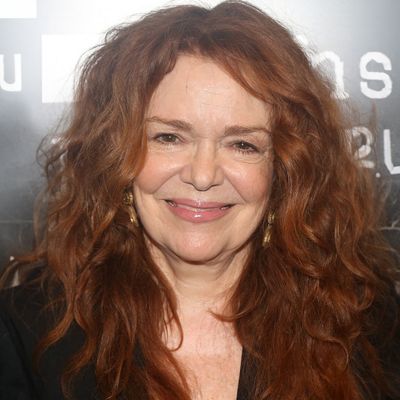
Coming off heels of an Off Broadway run in Pre-Existing Condition Tony winner Deirdre O’Connell stops by to chat about her new MAX Series The Penguin Starring Colin Farrell. She takes us back on the journey to create Dana H. And the woman the play is based on... Read More
From the show: Behind the Awards with Eila Mell & Bruce Gotlieb
Guests
About
Coming off heels of an Off Broadway run in Pre-Existing Condition Tony winner Deirdre O’Connell stops by to chat about her new MAX Series The Penguin Starring Colin Farrell. She takes us back on the journey to create Dana H. And the woman the play is based on.
Also in this episode - Judith Lights Isabelle Stevenson Award Speech at the Tony Awards. Closing of The Notebook and the many lives of Catwoman past, present and future.
O'Connell began her career at Stage One, an experimental theatre at the Boston Center for the Arts. She made her Broadway debut in the 1986 revival of The Front Page, and was nominated for the 1991 Drama Desk Award for Outstanding Featured Actress in a Play for her performance in the off-Broadway production Love and Anger. She is the recipient of two Drama-Logue Awards and a Los Angeles Drama Critics Circle Award for her stage work in Los Angeles.
O'Connell made her screen debut in Tin Men. Additional film credits include State of Grace, Straight Talk, Leaving Normal, Fearless, City of Angels, Hearts in Atlantis, Imaginary Heroes, Eternal Sunshine of the Spotless Mind, Wendy and Lucy, What Happens in Vegas, Secondhand Lions, and Synecdoche, New York.
She was a regular on L.A. Doctors and has made numerous guest appearances on series such as Kate & Allie, Chicago Hope, The Practice, Six Feet Under, Law & Order: Criminal Intent, and Nurse Jackie. From 1994 to 2010, O'Connell appeared on six episodes of Law & Order, four of them as Dr. Valerie Knight, Anita Van Buren's oncologist in Season 20.
Make sure to check out Eila's book, "The Tony Awards", and all her other amazing books: https://amzn.to/43WMu5Y.
Connect with Eila and Bruce:
- Instagram @behind_the_awards
- Eila @eilamell
- Bruce @cominghomewithbruce
Transcript
This transcript was automatically generated and might contain errors.
[0:00] ⚠ About 4 minutes of audio could not be automatically transcribed.
[4:20] Eila Mell: Women, you know, all women in 1776.
[4:23] Bruce Gotlieb: Try it. What you know, what do you do you have to lose, except the producer's money, but you know, that's not our problem.
[4:30] Eila Mell: Right, they're signing up for it. Right, but artistically, try everything. Why not? So, you know, I don't people get so upset when you do something different, but I don't get it.
[4:40] Bruce Gotlieb: Well, and people also get upset when you have different incarnations of characters and casting. So I'm gonna use that as a little bit of a springboard.
[4:48] Eila Mell: Okay. We are doing our next, you know, dream cast, but we're stepping a little bit away from Broadway for this one.
[4:55] Bruce Gotlieb: A little bit, yes. But we love to compare, you know, different people in the same role. I mean, what's more fun than that? We decided, you know, with our guest Deirdre O'Connell being in the new Penguin’s TV show.
[5:08] Eila Mell: Yeah. Why don't we stick in that world, that universe, and talk about Catwoman? Because she's been done so many times in so many different ways.
[5:16] Bruce Gotlieb: I mean, I grew up thinking Catwoman was so glamorous. I wanted to be Catwoman.
[5:21] Eila Mell: Well, so you had in the TV show you had Eartha Kitt.
[5:24] Bruce Gotlieb: Yes.
[5:25] Eila Mell: And you had Lee Merriweather.
[5:27] Bruce Gotlieb: And Julie Newmar.
[5:29] Eila Mell: Than Julie Newmar. She was my favorite on TV, Julie Newmar.
[5:32] Bruce Gotlieb: Okay. But you liked Eartha Kitt the best, right?
[5:34] Eila Mell: I just loved, you know, what she did with her voice.
[5:37] Bruce Gotlieb: Yeah. You know, everything she said purred.
[5:40] Eila Mell: I know. I mean, amazing.
[5:42] Bruce Gotlieb: Right. And I love the Catwoman hair with the flip at the bottom from the TV show.
[5:46] Eila Mell: I love that.
[5:48] Bruce Gotlieb: And then I want to bring that back.
[5:50] Eila Mell: Why not?
[5:51] Bruce Gotlieb: Right. Start a trend.
[5:53] Eila Mell: I will.
[5:53] Bruce Gotlieb: All right. I'm gonna hold you to it.
[5:55] Eila Mell: Okay. And so then we had the movie with Michelle Pfeiffer.
[5:58] Bruce Gotlieb: She went to the first one in a movie?
[6:00] Eila Mell: Yes. And that was the Tim Burton movie with Michael Keaton, Jack Nicholson, and Danny DeVito.
[6:06] Bruce Gotlieb: Okay, so did you like her in that?
[6:08] Eila Mell: I loved her in that. She was great.
[6:10] Bruce Gotlieb: Yeah, amazing. And the costume that they used for Catwoman really, you know, took you in a totally different direction than anybody was used to based on, you know, with the TV show.
[6:20] Eila Mell: Oh, it was quite different from the TV show. The TV show was, you know, more like lounging at home.
[6:26] Bruce Gotlieb: And this one was full on like latex and ready for battle.
[6:30] Eila Mell: Latex ready for battle and stitched up like she's been through eight of her nine lives already.
[6:35] Bruce Gotlieb: Right, that's right.
[6:37] Eila Mell: And did she have a cowl on her face too?
[6:41] Bruce Gotlieb: Like her face is covered.
[6:42] Eila Mell: It was like a whole head piece, yeah.
[6:43] Bruce Gotlieb: Yeah, yeah.
[6:45] Eila Mell: Yeah, I like the TV version where she gets to look prettier.
[6:47] Bruce Gotlieb: She doesn't have to wear that head.
[6:49] Eila Mell: Yes, yes. I don't like the whole head covering cowl.
[6:54] Bruce Gotlieb: No, yeah, it's not as flattering.
[6:56] Eila Mell: So that's not as good.
[6:57] Bruce Gotlieb: Okay. And then after then the next incarnation we got in another the next Batman movie was Anne Hathaway.
[7:05] Eila Mell: Right.
[7:06] Bruce Gotlieb: And hers was a little bit more sexy and a little bit more like Cat Burglar, like high stakes, Ocean's Eight, that kind of world.
[7:16] Eila Mell: Right.
[7:16] Bruce Gotlieb: And I believe she only had the mask.
[7:18] Eila Mell: She definitely her hair was out.
[7:20] Bruce Gotlieb: Yeah.
[7:20] Eila Mell: Well, you need the hair out, according to me.
[7:24] Bruce Gotlieb: And then most recently in The Batman, we had Zoe Kravitz.
[7:29] Eila Mell: Right.
[7:29] Bruce Gotlieb: Who is a little bit more rugged and a little bit more street.
[7:32] Bruce Gotlieb: More action-y.
[7:34] Eila Mell: Correct.
[7:34] Bruce Gotlieb: Right.
[7:35] Bruce Gotlieb: Because that's just where movies are right now.
[7:37] Eila Mell: Everything is very action-oriented.
[7:39] Bruce Gotlieb: Absolutely.
[7:40] Eila Mell: The other incarnation, too, we had was on TV, that TV series Gotham.
[7:45] Bruce Gotlieb: And Catwoman there was played, she was like before she was Catwoman.
[7:50] Eila Mell: So almost like a prequel.
[7:51] Bruce Gotlieb: And she also was a little bit more street younger, late teens, early twenties, I want to say.
[7:56] Eila Mell: Okay, so I'm looking it up, and it says portrayed by Carmen Bickendova, seasons one through five.
[8:03] Bruce Gotlieb: And then on the series finale, Lily Simmons played her as an adult.
[8:08] Eila Mell: Okay.
[8:09] Bruce Gotlieb: So I never watched Gotham, so I don't know that.
[8:12] Eila Mell: So I had to look it up.
[8:13] Bruce Gotlieb: I didn't either, but yeah, I appreciate the arc.
[8:16] Eila Mell: Yeah.
[8:16] Bruce Gotlieb: And I like that they included Catwoman because she's major.
[8:20] Eila Mell: She is, absolutely.
[8:22] Bruce Gotlieb: So if we're talking this, you know, now that we've talked about all the people that have played it.
[8:27] Eila Mell: Yeah.
[8:27] Bruce Gotlieb: You know, we're gonna ask our followers and our listeners to chime in with who do they who do they want to see play Catwoman?
[8:34] Eila Mell: So because it's quite possible there will be another version of Catwoman.
[8:38] Bruce Gotlieb: So who should be Catwoman?
[8:40] Eila Mell: And who's your favorite up to now? Who's your favorite, Bruce?
[8:45] Bruce Gotlieb: So my favorite, I think I would go with the Eartha Kitt. I just it just stays with me from like a nostalgia perspective. I love the TV show. It was so fun and so campy.
[8:56] Eila Mell: Yeah.
[8:56] Bruce Gotlieb: So I think she's I would hold on to that.
[9:00] Eila Mell: Alright. Well, I my favorite. I actually kind of surprised myself. I thought it was going to be Julie Newmar, but it's not. It's Michelle Pfeiffer.
[9:08] Bruce Gotlieb: Oh, that I mean she's it's hard to pick, I guess.
[9:11] Eila Mell: I know.
[9:11] Bruce Gotlieb: Oh, but we forgot one. Halle Berry.
[9:14] Eila Mell: That's right.
[9:15] Bruce Gotlieb: She was Catwoman too.
[9:17] Eila Mell: That's right.
[9:18] Bruce Gotlieb: How can we forget about Halle?
[9:19] Eila Mell: She had her own Catwoman movie.
[9:22] Bruce Gotlieb: Right.
[9:23] Eila Mell: And she was before Anne Hathaway, right?
[9:25] Bruce Gotlieb: She was before Anne Hathaway.
[9:27] Eila Mell: But it was I don't remember her being in a Batman movie.
[9:30] Bruce Gotlieb: I think it was just a standalone.
[9:32] Eila Mell: Right.
[9:32] Bruce Gotlieb: So yeah. And she was a sexy Catwoman.
[9:35] Eila Mell: Well, she's a sexy everything.
[9:37] Bruce Gotlieb: That's true.
[9:38] Eila Mell: Has she ever didn't have a cowl, but she I remember her having like ears somehow.
[9:44] Bruce Gotlieb: Did she?
[9:45] Eila Mell: Okay. Maybe it was just like a headband. I don't know.
[9:48] Bruce Gotlieb: Smart. I like the headband.
[9:49] Eila Mell: Yeah.
[9:50] Bruce Gotlieb: If I was gonna be Catwoman, I'd go with a headband kind of thing.
[9:53] Eila Mell: So who would your pick then be for a new Catwoman?
[9:57] Bruce Gotlieb: The first person that came to my mind would kind of fit in that I guess that middle time frame, more of like the action star.
[10:04] Eila Mell: Okay.
[10:04] Bruce Gotlieb: Um was Lucy Liu.
[10:07] Eila Mell: Oh, she'd be great.
[10:08] Bruce Gotlieb: I thought she could be fun. A little bit spy, because like she does that well.
[10:13] Eila Mell: Yeah.
[10:13] Bruce Gotlieb: Like spy character.
[10:15] Eila Mell: No, absolutely.
[10:17] Bruce Gotlieb: Alright. I have two thoughts. So one more traditional Beyoncé.
[10:22] Eila Mell: She'd be amazing.
[10:23] Bruce Gotlieb: She'd be great.
[10:24] Eila Mell: She'd be great, right?
[10:25] Bruce Gotlieb: But then I was thinking someone who could do it in an unexpected way and be so much fun, Billy Porter.
[10:33] Eila Mell: Oh, that's true.
[10:35] Bruce Gotlieb: So I don't know. I can't pick. I maybe I go with Billy Porter just for something new.
[10:40] Eila Mell: Well, there could be, you know, they do all these multiverses, so they could be in the same movie at the same time.
[10:45] Bruce Gotlieb: They did that with Spider-Man.
[10:47] Eila Mell: All the Spider-Men were in it at one point.
[10:49] Bruce Gotlieb: That's a good idea.
[10:50] Eila Mell: And Lucy too. Why not? Throw her else out.
[10:53] Bruce Gotlieb: Throw them all in. We're gonna have to start writing this.
[10:56] Eila Mell: Oh my gosh.
[10:57] Bruce Gotlieb: Alright. Well, I think I want to talk about the Penguin’s now.
[11:00] Eila Mell: Can you believe that's Colin Farrell in that makeup, by the way?
[11:03] Bruce Gotlieb: It's so good.
[11:04] Eila Mell: When I saw The Batman, the movie, which he was in, and that's kind of what springboarded this series, you wouldn't recognize him.
[11:11] Bruce Gotlieb: No trailer. Like it is doesn't look like him.
[11:14] Eila Mell: No.
[11:15] Bruce Gotlieb: And I know Deirdre said, which people will hear, that she that he his call times were like three hours before because the amount of work that it took to get him into that.
[11:23] Eila Mell: So she barely ever saw him outside of that makeup.
[11:27] Bruce Gotlieb: That's so crazy.
[11:28] Eila Mell: I know.
[11:29] Bruce Gotlieb: Alright. Well, let's bring her out and let's get this going.
[11:32] Eila Mell: Sounds good.
[11:35] Bruce Gotlieb: We are so happy to welcome Deirdre O'Connell to Behind the Awards.
[11:41] Deirdre O'Connell: Hello. I'm so happy to be here.
[11:44] Deirdre O'Connell: Happy to have an award to be behind.
[11:47] Bruce Gotlieb: Thank you so much for joining us.
[11:49] Deirdre O'Connell: I got perfect way of pointing back to it.
[11:51] Bruce Gotlieb: So since you're a Tony winner, do you go to the Tonys all the time?
[11:55] Deirdre O'Connell: No, it's not. I mean, it's funny. It's like that time that we saw each other a few weeks ago was the first time I'd gone back, but I mean, it was two years ago.
[12:04] Bruce Gotlieb: Yeah, you just won.
[12:04] Deirdre O'Connell: And I'd won. I think I went one turn before I was friends with one of the guys working on Billy Elliott.
[12:12] Bruce Gotlieb: Oh, so that was a while ago.
[12:13] Deirdre O'Connell: I went with those guys. It feels like I've been in another one.
[12:16] Bruce Gotlieb: Yeah, I've been at that one.
[12:17] Deirdre O'Connell: Yeah. The one in 2022, and then I went and then I went this year. But no, it's not. It's as you may know, it's not that that's easy to get into.
[12:25] Bruce Gotlieb: I know.
[12:26] Deirdre O'Connell: No.
[12:28] Deirdre O'Connell: It's not like they say, Oh, you born a Tony, you're welcome to come and I guess there's only so many things.
[12:34] Bruce Gotlieb: Which I learned.
[12:35] Deirdre O'Connell: Yeah, I had so many friends this year. No, so I was just excited. I was I was gonna sit in the rafters because I just wanted to be there for them. As I did I did that an uncanny number of wonderful people up for them this year. So it was the first time I've been like, I'm just gonna go. So I called, you know, whoever you're supposed to call and say, like, so how do I make that happen?
[12:59] Bruce Gotlieb: You don't.
[13:00] Deirdre O'Connell: You don't make that happen. If you want to spend $2,000, you can have an invitation to spend $2,000.
[13:07] Bruce Gotlieb: So I just gotta not go.
[13:08] Deirdre O'Connell: And then my friend Gail Rankin was nominated for Cabaret. Cabray wanted me to go. I but I hadn't even thought of it and that she wanted me to go as her date because we we're dear, dear old friends. And so I went as her date. So I ended up sitting in the like the super vert row where there's not even anything in front of you, a slightly terrifying front row.
[13:27] Bruce Gotlieb: Oh, that's nice though. That's a good scene.
[13:30] Deirdre O'Connell: You can see and you can really kind of experience all the numbers in a way that I I mean it was a pretty spectacular I think. It was watched on TV a bunch, but I think that this was a spectacular one in terms of the musical numbers that were up there. Each one was remarkable in its own way, and they were all really different from each other. I was especially excited to be in the room where Pete Townsend was playing guitar.
[13:54] Bruce Gotlieb: That was pretty great.
[13:55] Deirdre O'Connell: That was amazing. But to be right up against to be sitting in the front row for all those songs, it was pretty incredible.
[14:04] Deirdre O'Connell: And the more things that? I was really struck by was how utterly violent it all is. I mean, just how much it asks of those performers. Sure. That they're like hammers being thrown in the air, and you got people who can catch hammers once in a while. If you do it, you know, two million times. And every show seemed to have like some amazing, even just the dancing. It's so intense. I was really struck by that partly, I think, just because I was sitting right in the front row for number of shows. Number after number after number, you're just like, wow, it's like watching, you know, cheerleaders who are throwing themselves up, right? Getting thrown up in the air, time is a million, and all those shows have all those numbers.
It's really blown away by the sheer beauty and athleticism, but also the sheer like thing it asks of all those performers. I was kind of this is a lot. Yeah, you can't lose focus for even quite a second. It's dangerous. It's not, it's not just beautiful and exciting. You know, I mean, of course, ballet's dangerous, it's all dangerous, particularly when they're choosing their most athletic showy number. Right. You're just seeing danger, danger, danger, danger. It's thrilling, but also takes your breath away in terms of like what it is to be a performer.
[15:19] Eila Mell: Yes. So speaking of thrilling and breathtaking moments, do you remember where you were when you got your Tony nomination? Were you watching live? Did you get a phone call from somebody?
[15:28] Deirdre O'Connell: It's a good question. Weirdly I can't remember. That's so weird that I can't remember. Was it just overwhelming? Obviously. I can't. I it it's so funny because I I mean I remember where I was when I wanted, and I remember many of the events along the way, but where I was when I found out, if I looked like on the whole texts and stuff, there's probably a person that texted me. I'm sure your phone just starts taking over a life of its own at that point.
[15:55] Eila Mell: Yeah, my phone, my phone had a life of its own for a while there. My phone had a terrifying with its own piece. And we've we've had the luxury of being able to speak to many winners and nominees. And I know that, like you were saying, all the events leading up. And they all remember when they got nominated, right? Every single person.
[16:12] Deirdre O'Connell: I don't think we've asked going to the doctor right now. There's something wrong with me. I was just gonna like a cognitive problem that I can't remember out. Where no, I was just gonna say they all do talk though about that, like it is event after event, and there there is so much that's asked of you aside from doing the show that you're nominated for if it's still running.
[16:34] Eila Mell: Yeah, I was lucky that my show wasn't running, but I was in another show, which might be why it got buried in my spiritual memory here because I was rehearsing for another show at the time. And they were they were great about like, okay, so do you have to go to a cheese? So she's not gonna be the first half of rehearsal this day. They were great about I think it was at Playwrights Horizons, and I've worked there a lot, and they were old friends, and they think they we canceled the Sunday show. We had a matinee that day and we canceled the show, and they let me have the dressing room sort of as my like fancy lady hotel rooms and I could do all my hair makeup in that in a in the dressing room and giving the key to the door and it would sweet nice. So I sort of went to Playwrights Horizons and did all the setup.
[17:16] Deirdre O'Connell: That sounds very cool. I'd much rather do it with him. It was they were they were so helpful and great, but nonetheless, we did have to do a show the next day. You know, we had to we had to keep it going. So I got right back on the train of a very, very beautifully made, very quiet. It was a Will Arbory play, and Sam Gold had directed it, and it was a four-person play, and it was all about this like beautiful quiet and this and these these delicate relationships in this small town. Not that it wasn't hilarious and lively, but it it did the bottom line of it was this like strange way of asking the audience to spend time. And the first thing that I had to do in the show was walk on stage with a bag of groceries and put them down on the floor and lean against the wall and wait for, I'm gonna say 60, 80, 90 seconds before anything else happened.
And all I did was lean against the wall, and then two of the other actors came in, and then they sat down on the couch, and then they waited another, you know, Thursday, and then they started talking, and it had nothing to do with me. It was just that was the set. So the first day after the Tony's when I entered the vlog, the truth was like this. I sent you some applause for an experimental theater piece. In which I will do nothing. I'm not gonna do anything funny or fun. Let's put these groceries down instead with leaning against the wall. It was kind of great. But I was like, let's not make a I think I can do the end of the supplaps for those for this like uber quiet end every time. And I didn't have to. It was just that one.
[18:44] Eila Mell: That's so nice though. Worlds collide, you know, like showbiz, and then this this piece of quiet art. What was the name of that play you were doing?
[18:52] Deirdre O'Connell: Quarthakana.
[18:53] Eila Mell: I remember that, yeah.
[18:55] Deirdre O'Connell: Yeah, it was it was a wonderful thing, and it was sort of the opposite of uh it was very unshow busy. It was very unbusy. It was very, it was very quiet and very delicate. Well, I mean, obviously, we want to talk about Dana H, but before that, I just want to say congratulations because you just finished a run of Pre-Existing Condition.
[19:12] Deirdre O'Connell: I did, yeah. And I mean that I I did my two weeks. Right. And it's still going on even as we speak. Tatty Gavinson's doing it, and then Edie Falco's going in next week. She'll do it for two weeks. We should do it for two weeks. I was thinking there is weirdly enough, like a little a little baby camps, so because the way the thing has been made, it's been made by people who are often in Vancouver working and then trying in to do their shows and stuff. So we have a way to watch the show even if you're not in the theater and also with COVID and I I've watched Hattie do it a couple of times and it's so delicious to be able to have something going on and see it. It's kind of like a dream. Like you do you do have sometimes a a weird period after you're done with something as if it's still going on and this actually is still going on.
Yeah. And I can't wait to be sitting and watching Edie Falco do it. And of course I'm sure I'd had dreams where Edie Falco was playing my you know, she was just a goddess to me. So I'll get to go s I'll see what she did and I'll be like, oh no, that's exactly it. Okay, look at flying again. Not that I could pretend Edie.
[20:14] Eila Mell: So where did the idea come from to have, you know, the the lead character sort of rotate as it's happening?
[20:20] Deirdre O'Connell: I think it was a combination of things that I mean, one of the things that this piece is about is something that I think a lot of women, but all humans have experienced. So it there there was definitely the desire to somehow make the piece work as a as a kind of container for a lot of people to be able to relate to it, to to have it not be about one woman's fantastic performance of this particular experience, but be able to be like this this is what something that that many of us have gone through or are watching someone go through or trying to understand how to relate to. It may not be the exact event that the pieces about it could be any anything that someone is sort of carrying and feeling shame about and ha and and worried about how to put out into the world and worried about sharing with their friends, et cetera.
So there was a way in which you wanted to make like a weaved basket that holds that character. And I know that Marin had always wanted to find a way to have that be the way the piece worked. And then on top of that, her just thinking about the burden and the gift of playing the part. And how can you share the gift of it and let more than one person sort of be able to sit in that chair and have that story be something that has to go through the come through them? And also, how can you ask someone to do that eight times a week for four months? You know, as an actress, I think she felt the burden of it very vividly and thought, I don't I don't want to ask. So somehow in the in the thinking about those two things, it well, she did not write it to be made that way, but thinking about those two things, this sort of became the natural, and then just not wanting to settle on any of the casting, you know.
I'm like, I'm much older than other people that do it. And just she weren't she wanted to be able to have Maria Dizzy, who directed it, have two weeks at it. She she'd always thought that Maria would be fantastic in that part, which she was. She had several people that she really wanted to have see do it. She's like, I'm just gonna ask everybody. I love that idea. See it and they'll say, Yeah, so we did.
[22:16] Eila Mell: So does that then change like the process before you go up like the rehearsal process with these women? Or is it now the next person's coming in so they they have like a put in?
[22:26] Deirdre O'Connell: We had two hours. You have two hours. Oh my wow, two hours. Everybody, I mean, uh in all honesty, I I think think I was the the most virginal because it was always figured that you would do it in two hours that you know there would be a put in the day you were going in. And yet what ended up happening was other people ended up having more rehearsal. Julia Chen got more rehearsal because she was the understate. So she was she was there sort of as they were building the piece. Tatiana got more because she was there for a week before. So she ended up having a whole week of so you know, people got more than the two hours, but there's two hours looked. Wow. So my two hours were spent. I sprained my knee.
[23:06] Deirdre O'Connell: Oh no. The day before I was supposed to start. So we put my start off a week and put somebody else in for that week. And then when I started, I was still gimping around pretty badly. So I couldn't do any of the running around that the character did. So we re-blocked it so that I could do most of it from a sitting position. And so my whole two hours got eaten up. Just going like, okay, so if they move the chair that way, so I had to use up my two hours doing that. And then you just go in. You just go in and it's wild. And you just you just are held by the other three actors. And you have a book. You you know, I had of course looked at the book, you know, obsessively, but I I was reading. I was full full on reading.
By the end, I was probably looking up more than I even should in a way reading as part of that. I always felt like the way the piece worked was kind of here's the text. Marin actually wrote all this down. It's not, I'm not improvising, even though the writing itself, I don't know if you guys got to see it, but the writing itself is extremely natural with you. Like she just has an uncanny sense of how people really talk. So it seemed, you know, at best, it seems like people are thinking talking, and there's a lot of, you know, she does it, she's just a beautiful writer in terms of like going back on your sod and starting the sentence again and how people really speak and think and struggle with the expression and the fact that all that was written down exactly.
I loved that. And I wanted somehow that to be clear that it says okay four times here. Then there's a doubt about that. Then there's an um, and then there's a bit, you know, I wasn't like quoting it and I wasn't doing it like I'm reading this, but the fact that I was reading it, I think made it very clear that this is skilled writing. It's a poem.
[24:43] Eila Mell: I feel like you take on a lot of roles with very specific challenges, right? Like that's a specific challenge.
[24:47] Deirdre O'Connell: I do enjoy that. I do enjoy that. I feel like I like to get a little undone. I feel like I like to be a little a little thrown or not allowed to just be up there going like, here I am doing show. I'm like, I like to be have to be in an altered state.
[25:03] Eila Mell: Why not make it a little bit harder?
[25:07] Deirdre O'Connell: Exactly. We'll be right back. We have to listen to some commercials.
[25:14] Eila Mell: So let's talk about Dana H, because I mean this leads perfectly into that because I think, well, if people know about the show, I think what they know is that your performance was lip sync.
[25:27] Deirdre O'Connell: Yes.
[25:27] Eila Mell: So but let's just go back a little bit more and talk about how that project even came to you.
[25:32] Deirdre O'Connell: It's funny because Lucas, I think when he was a kid, he actually the way that he tells the story to me is that when that real event was going on in his mother's life was his first year at NYU. And one of the you know, terrible elements of the perfect storm that made it possible for her to go through that was that he had just left home. And he was in New York and she was in Florida. And and uh during that year, I was doing a play in New York, I was doing Maria Reinforness's mud, and he came to see it. And it was way before we knew each other. And he was I don't even think he thought he was gonna be a playwright. I think he just thought he was gonna be pre-med and he came to see the play, and he was so struck by how much I reminded him of his moral.
And he sort of had that in the back of his head for years and years and years. And then I think we had met a couple of times, but we didn't know each other when he reached out to me to say, I've I've made this written this thing. No, we had. We'd done one workshop of another play. And I took a loved working with him so much. We sort of have similar math brains. Like we similarly will see see a problem and want to get in and solve it and come at it from different angles. And so it was so fun to have him as a person to talk to about how this this play he was working on then works. And I just felt like I had met a compadre, and she was like brainiac nuts about dramaturgy.
[26:49] Eila Mell: Do you think it was a bigger nightmare for his mother to be kidnapped or to have her son drop out of pre-med and become a playwright?
[26:57] Deirdre O'Connell: I think she was fine with the playwright. She was always a very creative person. Well, that's I think she was really good at the playwright. She would have been happy either way, because for a long time she was a hospice worker and she's she's done she's done both. She's a very creative person. Maybe if he had been able to jungle both, that would have been the best for the world. The whole world would be happy if he'd done that.
[27:19] Eila Mell: But let's talk about the real life event that this play is about. You know better than I do, so why don't you tell us?
[27:25] Deirdre O'Connell: Yeah, I mean, it's it's funny because the whole time that we were working on, it was very clear to me that there were only certain ways that I should really talk about it to the world because everything that you needed to know was in the piece. Now nobody's doing repeats now, so through the left left to those of us who know it to describe it. But the short version is that his his mom was working as a chaplain in a hospital, and through a series of coincidences had begun working as a chaplain with a kid who was, I think he was in his early 30s, who was um in a psychiatric war there. And through another series of coincidences, this this guy who she had befriended was being released on Christmas Eve, and couldn't go back to the the the shelter he'd been living in before he'd been admitted to the hospital.
[28:14] Deirdre O'Connell: So he was about to be homeless. So she and her husband at the time, you know, just took mercy on this guy and said, like, come home with us. That's insane. And Lucas was just home for crap from college that same. It was Christmas time. So that was the beginning of the story. This guy, you know, had had had a lot of troubles. Then it's like his adopted family. I think I I'm not remembering the details exactly correctly, but it wasn't his, it was his stepdad was involved in Aryan Brotherhood in prisons, and he is a small kid, had been had gotten arrested a bunch, and he got just got involved in a very dark world. And he was also not well mentored. So in the course of this help that she and her husband were giving this guy over the next couple of months, she and her husband were actually in the process of breaking up.
So they ended up splitting. Lucas went back to school, and Dana was on her own in her apartment trying to help Jim find a place to live. Actually, she had to have hooked him up with an apartment and paid his first month's rent. And, you know, as one might do, she was helping this kid out. She felt like he just needed somebody to help him get on his feet. In the process of that, Jim kind of went through another level of psychotic break and ended up becoming obsessed with her and kidnapped her. And this was for a period of months that he had her. It wasn't it was for a period of months. Yeah, it was for a period of months. She came to know a very sort of dark underworld. It was very hard for her to get any cops to pay attention to Derwitt to help her.
He seemed to be very connected in that world in a way that was uncanny and strange. And she has a lot of theories about why that might have been the case. But at any rate, she got sort of caught in this vortex and has this amazing story about that. And then she has an amazing story about escaping and literally escaping, which took some doing. Wow. And then going and going sort of underground herself and working with a little construction crew and traveling the country, and she just had this amazing experience when she was in her 30s. Once she had sort of gotten free of it and moved back to Florida, she had a very hard time talking to anybody about it. Because I think oddly enough, in the same case of Ray's interesting condition, also there's just kind of a world where people say, Well, that I think we all say that could never happen to me.
What did happen? Well, who are you and what did you do wrong that made it possible for that to happen to you? I think we're all so afraid when we hear a story like that that we immediately jump to like there's some way in which your behavior made that possible. Which I suppose is yes, working with mentally ill people at the chaplain might be the problem. Yeah, no, don't do that, I guess. You know, it's like it's so interesting. It's like, yeah, don't put yourself in harm's way, so that means don't be in the world. Um but at any rate, so she had it, she had it as a secret for a long time. Could you imagine living with them? Wow. Part of the reason for the piece to exist in Lucas and her mind.
I mean, I think they very much like made it together and wanted it to be in the world together, was just partly just like for her to be this occurred. And this is a thing that I've been carrying, and I've been carrying it by myself. Uh yeah. It was amazing how many people didn't have that exact story, but had a story that was their secret and to unburden themselves by it. Was it always the plan? Because you lip-synced your performance to the tapes of Dana actually speaking? Was that always how the play was intended to be? When Lucas first recorded his mom in the recordings that the piece is made up, his intention was to have his friend Steve do an interview with her so that he would have a version of the story told to a stranger so that he could refresh it.
He felt like he knew the story very well. They knew the story together and he knew all the details. She kept saying, look if there's a play in here. There's a play in here. And he was like, I don't know, mom. Let me hear let me let me have let's do an experiment. Let me have you tell, let me have you take a couple of days. I think it was like three days. Let me take you you take a few days with Steve, who's an expert interviewer, and you tell him the whole story. And then I'll have that document and I'll sit down and listen to it, and I'll see if if I if it refreshes my, you know, if something sparks me about like there's a play in here. So that was the work that they would do. As soon as he heard her voice, he knew what to do.
He said he was oh my god. He just felt immediately. I'm sure he just saw in his mind exactly what we ended up doing. Then it only took, you know, whatever, four years to build the easy, but I think it came to Lucas full-blown, like what this thing should feel like, what it should be, why it should be that. It was crystal clear to him that you should be watching somebody do the task of lip sync through her as precisely as humanly possible, that that was somehow the metaphor of the event for her, and watching someone do that would give you a certain kind of concentration and also give you a certain kind of um you would know that the actor wasn't imposing their feelings and interpretation on the event but you would know that you were watching Dana's experience of telling the event.
That is a bold choice. I mean I wonder how producers reacted to that at first. How I reacted I was like I think it would make a really good monologue. I was like this sounds like it'll probably feel like being an astronaut. And I'll feel very isolated and out of control and or in someone else's control. And I don't know that it'll be possible number one. And satisfying number two, it might just be an impossible thing that I that you can't do that for an hour and 15 minutes. And then it might also be once I've learned how to do it, it might just be hell to do it. So I had to go in not knowing either thing and knowing that it was gonna take most of a month without me knowing whether it would give any pleasure as a performance at all.
And I kept pushing for like well what if I was rushing and it was my voice or what if I learned it on the model. Can I try I kept saying like can you just let me let me show you what it would be like and because it was like I already know what it'll be like. No, it's that's not what it is. You have to if you sign on for this you have to sign on for the task. So I thought about it for about I don't know two minutes. And I had a quick conversation where I mean in the course of that conversation where I said you know there is this performance that I remember I've remembered my whole life, which is Ron Bodder in Rumstick Row at the Wooster Group. Before it was the booster I know it was just starting out to be called the Worcester Group then doing this phone call that Spaulding had had with his mom psychiatrist and he s think the phone call.
And I remember the feeling of watching that performance. And I'd watched that show maybe five times. Like it felt like my chair went out from under me. I felt like I didn't understand what I was seeing. I didn't understand how he was doing it. I couldn't figure all of a sudden there was this uncanny truth in the room. And so I said, like, I remember that experience. And Lucas said, That's exactly the performance that I'm talking about. He had, because he's so much younger, he had never seen Ron Barr do it. Yeah. He had seen a murder of it. And he had that same experience watching a movie of it. So he's like, that's the more that's the thing that I saw that made me want to do that. So I was like, okay, well, if we both feel that way, then okay, yes.
Yes, I will spend the next four years of my life trying to do this thing that might just be a horrible thing to do. But what a great way to communicate. You're on the same page. Yeah, it was it was quite clear that the lightning in a bottle that I had seen was the same thing that he wanted to try to make have somebody do. Let's take a minute to hear a word from our sponsors.
[36:14] Deirdre O'Connell: Do you remember where along the process where you were when you were like, okay, this is I I'm not flying without a net anymore. This is gonna work. And all of those feelings of am I crazy for embarking on this actually is gonna be what we think it's gonna be. It took a long time. I spent a long time by myself before um, because I just had to. I had to, I had to learn it. And there was no way anybody could help me learning it. Steve Shippo was that he he's a magic consultant on the piece, and he's this and magic consultant. Lucas on a lot of things, and they've made pieces together. He helped me with lip syncing because he had done a lot of lip syncing. And he lip sync of consultant, and he's made the pieces, he's lip sync to Lenny Bruce.
He knows a lot of stuff. So he was really, really helpful. And he was the one person who would listen to me doing it. But mostly I was even by the time I was in a room with him, I had learned the piece. So I was by myself learning it and it was not going well. I was I would like spend a day memorizing the sound of it and then spend a day memorizing the words on the page and then decide to put them together and then they would just sort of both crumble in my brain. It was almost like the right side left side brain would explore. Right. So it was but I just kept plotting ahead. It was maybe three months and then finally I actually did it for Gail. I think Gail's the first person that I did it for in my bedroom or just said okay I'm just gonna sit in this chair.
I'm gonna I figured out a way to get a speaker so that she would be able to hear it at the same time as I was hearing it like all those tech problems that I had to solve them sort of like in in my house with you know wires and soldering and I figured that out and I made a thing where the speakers would be half her voice and I would be hearing it at the same time and da-da-da-da-da-da-da-da. So I made a little at-home version of it and sat down in a chair and she sat on my bed and I did the whole thing for her and I could do it. I could do it. And so we were both crying at the end like I can do it. I can do it. And that was when I first knew that I could do it. And then it was a while later then I did it for them.
Well because traditionally when you're learning a piece you're obviously you know you're memorizing your becoming off book. You're developing a character you have all the all the nuances that an actor goes through to put a piece up and this, I have to imagine it's completely different because you're not developing a character. You're you're becoming somebody, and you have to learn their cadence and their intonation. And there's so much more because when you're looking when you're creating a character, you get to put your spin on whatever's on the paper. And in this, I feel like that almost is taken away from you a little bit. Exactly. You're exact exactly right. But this other thing is given to you, which is just surrender.
You just have to surrender and know that if you follow the exact way someone says something, you will learn who they are. You just have to believe that that's true, and it eventually occurs that way. It was it's like an empathy machine or something. It really functioned like that. It functioned like I would I was part of a science project. Like, can you actually be in a state of absolute empathy? What you know, by doing the exact actions of somebody else. The answer is yes, general. Right. I was lucky. The answer could have been no. The answer could have been I'm dead inside. Rashad to below what the answer would be. You know, talk about when they say, like, oh, put yourself in someone else's position or shoes, like literally.
The technical problem was just so uh took so much rigor that I had I had to just be trying to solve the technical problem and not think about the first thing and let those other things happen to me. I couldn't add those other things. If I added them, I'd be like off a beat, you know. If I thought, oh, I'm gonna I have a cool idea, you know, maybe she'll take a breath here, wash your thing. We can't like no boom, it happened just at ranked. The recording is the recording. Yeah, anytime I thought I had a cool idea. The piece would just stratter me. Nope, it's not there, but it is there, you know. You know, like it's on this this breath does happen, and you might not know why until you're in the middle of doing it, and then you're like, oh, the event would start to happen to you.
It was it was pretty amazing that way. It sounds like a puzzle you were figuring out as you were doing it. Yeah. And it became a meditation. It was a puzzle at first to just let my brain begin to burn it. And then it was a meditation to trust that that had happened. And not get ahead of it or behind it. I could never get ahead of it or behind it. And the thing that I was thinking of the other day, I get because I was about to go on stage and I started coughing. I caught a little piece of plug in my throat. Was that when that would happen in Dana, like I it it happened maybe five times, oh million times I did it, but that was plenty to give that give me the fear of gut. Yeah. If I breathed in like a little piece of dust, when you're talking, you move it.
You would just move it through your throat, and you can ignore it, or maybe you'll cough for a little bit. But because I was never moving moving sound through my throat, the piece of dust would just sit there. Uh oh. And I would end up having a coughing pitch. There was no and so and a piece of dust going into your throat is nothing you can do anything about. It's not you can't get ahead of it. You can't get but you can't avoid it. Oh my god. So I would just have to pray. No dust in my throat, please, God. And I learned sort of how to, I'm sure I was learning all kinds of weird things that I don't even know, like read to my nose instead of my mouth, but all kinds of things to avoid that, because that was actually the worst thing that could have happened.
Yeah. Right. Yeah. It takes everyone out of the play. Right. Yeah. And it and it and sometimes I wouldn't be able to recover very quickly. So there'd be I didn't have to take some water and her voice would still be talking, and we'd all be like, Yeah, see it was still like but you know, the audience obviously they loved those things too.
[42:16] Deirdre O'Connell: I don't know. But they loved them. Well, you know, people like to see sort of as behind the scenes as you can. Exactly. So to see a mistake offering. Yeah. I love that. Yeah, right. She was charged more. Oh my god. That's right. An extra dollar for every cough. Oh my God. So did you get to spend time with Dana herself to build your character? You know, I wanted to. And I kept bugging Lucas and her and Dana like, okay, you know, I want to fly down to Florida and have her give me a tour of all places or whatever the hell I thought was gonna happen. Or I just want to meet her and work with her and just and they would be like, sure, sure, sure. And then it would always every time we can't they would cancel.
They would be like, Oh no, you can't come this week because of this or that, or and then she came into New York to see Lucas a couple of times and I'd be like, Okay, well I'll meet you for lunch or and I'll always be careful and then I realized they really don't want me to. And it wasn't I don't even think conscious. I think they thought they wanted me to, but then there should have third or fourth time I went that I'm just bugging these guys and they would rather I don't, so I'm not gonna all the information I'm gonna get is gonna be on this document. And there were other there was more written there where there were written documents that she, you know, she had kept a journal and she had written a book basically about the story, and then she there were hours and hours more.
So I had a lot of material, but in terms of meeting her, they were not into it. So I or I think maybe she was not into it. So then the only time I met her, I mean I mean I've met her a few times because she came to the opening. The first opening in LA. She came to the opening in New York. I don't think she came to Chicago. And then she and I have emails back and forth. But kind of no you know and those events were very like then we were at the opening at party and tried to talk but it wasn't like we could immediately sit down and be like, you know what about this map? Right. And I think it was very hard for her though she over the period of the couple of years that I did it by the end she she was like if yours.
Fifth years now. But I at first I think she was a little taken aback by having to first feel that exposed and have maybe in charge of the level of exposure and she doesn't know me. But by the end I think she felt like um that the sort of pre-verbal connection that I felt with her she felt with me. But it took her seeing it quite a few times before I think she felt that way I think she maybe I got better at it. I really had no objectivity about it but she but by the end she was like now now it's yours. So I have been glad right like you were saying you have to just you had to surrender to get the piece to work. She probably also had to surrender letting it go from her to somebody else. Yeah I think so I think so and all and all of it sort of through Lucas and it was it it was very intense without us talking about it very much. I think it was very intense for both of us.
[45:17] Bruce Gotlieb: Yeah well it was I mean such a traumatic tremendous experience.
[45:22] Deirdre O'Connell: Yeah. So let's switch gears I mean that is a very indie kind of theater project and now you're in a very big potential blockbuster series coming up, The Penguin. How did you get involved with that?
[45:35] Deirdre O'Connell: I think because I won a Tony Award pretty quick. I mean it doesn't hurt. Um I don't think that that would have happened if I didn't have a Tony Award. I ba I think basically Craig Zobel, the wonderful man and uh director. I had done an episode of a TV show that he made a few years ago called One Dollar. And we I liked him so much and we we liked each other so much. But we didn't know each other outside of that. And um he was one of the producers of Penguin’s. And I didn't know anything about Penguin’s, whatever that was two years ago. And he's he got in touch with me and said, Where's this part? And in my in my stupid arrogance was feeling it's with stupid arrogance, but it was also kind of I'm I'm a million years old.
I was kind of like, I don't really want to be on a TV series. I don't have kids done and putting through college. I don't, you know, I'm I don't care that much about money that I'm like, I want that money in. So I was a little bit like, I maybe I'll never be on a TV show again, and that's okay with me. And I had I had done a bunch of TV in my life, and I was kind of like, I'll never need to do that again. So it looks pretty arrogant in retrospective. I was like, I don't know if I want to be on a Batman Calderon show and as my life's work, but it was a limited series. So it wasn't like you know, usually the reason not to do it is because you're signing away six years and I'm 71. So that means I would be 77 when I was free again.
So, you know, at a certain point, you're like the math doesn't work anymore. That's so but because this was limited, it was you know, six months, it turned into a year because of the strike. So we did work on it for a year. But then um they sent I should only want to read two episodes to find out if I was gonna sign a one for this thing because the way that those franchises work, it's all so top secret that's oh my god, saying they're gonna be in it. You can I mean I didn't even think I read the episodes. I think I read the scene. I think I got to read like three scenes. I think I got to read like ten pages where I was like, yes, I will sign away the rest of the year of T. But they were great, they were great ten pages.
They were so odd and so particular, and the writing was so hilarious and also really scary. And I had never read anything quite like it. You'll see when you see it, it's a very odd, quite beautiful, strange aesthetic that this show has. Very elegant and very, very funny and very awful. So in a way, I really liked it. So I had to sort of sign on sight unseen, and I knew Craig was doing it, and I was like, what Batman show would Craig Zobel want to do? I mean, that's just a mere eastwitch guy. Like obviously, this is an odd show. So I signed on, kind of only knowing that I was Penguin’s's Law. And I did watch Da Batman and saw Colin's performance in it. Right. And that show that thing. I did. I didn't see the movie.
So when I saw the trailer for the penguin, I was thinking, well, where's Colin Farrell? I didn't recognize him. Because even in the movie when they unveil this character, if you didn't know it was him, it's such masterful makeup design. It's unbelievable. And he's unbelievable in the in the in the person, the the persona of it. It's really incredible. And I'm not a person who is not intimidated by a movie stars. I am you know like those first couple days when you're calling gonna just be like, hey, we're all just actors together. You're Colin Farrell, let's not pretend we're all just actors together. But I actually I met him one time, pretended it's you know, had a little like beat and greet, like, hello, you know, do we want to have a hearst line?
And he'd be like, not really, let's not. That's not beautiful Irish movie star. And then never, never in the whole year did I see him again without his full prosthetic on because it took three hours to put arrival. Yeah. Right. So his call would always be way and and so even if I even if I ran into him in the hall, he'd be like half done. So I was always with him when he was in full Osragalia from the second we met for the first time to do like camera tests where we were gonna be like, you know, should we wear these clothes or those clothes? And here we are, just you know, improving together. Just fell in love with this character he'd made, fell in love with how much fun and and freedom we somehow.
You know, sometimes you're just lucky. You're just not lucky because there's no way to make that happen with somebody. But he and I just somehow like went, Oh you just had so much fun. We had so much fun. The dialect is very specific. He and um his dialect coach had developed the dialect to do the Batman movie, and it's not from the you've never heard before, but it's very specific to him. So I had I had a lot of sessions with her with Jessica Drake, a genius, and also a very tough lady. So I would go on room meetings with her and you know, precise, precise like work that took weeks before I started working. I had sort of again come from the outside in, like, I just dialect, but he and I were the only people that had to do that dialect. So until until there's some little kids showed up later in the show for the first seven episodes, we were the only ones that become on our soldiers. So we had that in common.
[50:56] Bruce Gotlieb: Yeah.
[50:56] Deirdre O'Connell: She phones with all God, is it you or me? Because her her work is so precise. So she used on the set with us all the time. And and uh, you know, ha every every sound that came out of us. But that was also really helpful because it made there's there was this thing to lean into that had a lot of precision to it. But we also were able to just made stuff up and Jessica would always be there to be like, okay, if you're gonna make that up. This sh you gotta put this sound in, not that sound. But it was really, really, really fun. So then after I signed on to do it and didn't even know it's just gonna be a great part or or an okay part. And if it's an okay part, I'm fine with that. The show runner Lauren Lefka sat down and told me the story, the epic tale of the eight episodes.
And in fact, I had a great part, and I didn't know that thing when I signed on. I that's exciting. I thought I thought she was kidding. Yeah, but the story just kept going on and on, and every time she told me what was gonna happen in the next episode. Really? Really? And I'm gonna get to do that and that and that and that. And she was like, Yeah, really. Yeah, because I've done a lot of TV. I was I kind of was going in like, yeah, we'll see. I'm I wonder if we get all the way to episode eight and this story really it really stay holds, and I really get to do all that. I mean, God bless if I do, but then I do. I mean, that's gonna stay really exactly what she wanted it to be. She was really, really great with it, and they knew that they had gold with her writing.
[52:21] Bruce Gotlieb: So this is such a teaser. Now I can't wait to see it.
[52:22] Deirdre O'Connell: It's really fun. It's fun to take, you know. I love superhero movies and all TV shows from back in the day, you know, all of that. So, but you're taking a character that is known and has gone through different iterations, whether it be the Adam West Batman or the Tim Burton Batman, like the characters existed, so it's fun to see somebody else's spin or somebody else's take on this character. Because it's not the same as when Danning DeVito played it or from the TV show. It's it's completely different.
[52:50] Deirdre O'Connell: Yeah, it's sort of a a hybrid between the the way the Batman movies work and the way the Joker movies. It's a dystopian universe, but it's more realistic than uh Batman. Nobody's wearing Batman suit. Yeah. Everybody, everybody's supposed to be wearing a realistic person, but it's pretty extreme. And it's all built around Colin's incredible performance. I'm pretty objective. I don't think you ever think about a space. I don't think I think it's unbelievable. Just look like they found that guy. Right. Right. Really it was like getting the room. I was with him. I could put my hands on the space. And I it it was unbelievable.
[53:25] Bruce Gotlieb: Did it feel like this is not the Colin Farrell I watch uh, you know, in the movies? This is a just a new person here.
[53:31] Deirdre O'Connell: No, not at all. And also just the way the makeup you couldn't find. You could I couldn't find a line. I couldn't see the I couldn't see the strange way someone's mouth move or the way their eyebrows don't move. If you can catch that like oh, there it is. Okay, I know it's fake. Yeah, I couldn't see it. And I was right there.
[53:46] Bruce Gotlieb: That's incredible. I can't wait to see it.
[53:48] Deirdre O'Connell: So I think it premieres on the 8th, September 8th. So you know, we will definitely be watching.
[53:53] Bruce Gotlieb: We'll tune in and we'll have all of our people tuning in.
[53:56] Deirdre O'Connell: Absolutely. I did love doing it. I really did. And I'm not, and you know, I don't always love doing that as a premise preface. That's I went in with a bad attitude. Or the if I don't like doing this, I'm never doing anything like that again. And I really like doing it.
[54:13] Bruce Gotlieb: Is the door open for another season?
[54:15] Deirdre O'Connell: I don't think so. I wouldn't presume to know, but it would it was not part of the gossip.
[54:20] Bruce Gotlieb: Okay.
[54:21] Deirdre O'Connell: Well, then we will see. I think the way that it functions and it's pretty pretty tightly uh uh controlled Batman universe, is that the Oz story follows exactly from the end of the Batman movie to the next Batman movie. Okay, you know, the way the the evolution of what happens in Gotham will match that.
[54:37] Bruce Gotlieb: Okay, interesting.
[54:44] Deirdre O'Connell: Yeah, I think they hold they hold a pretty tight, you know. They want to make they want to make it, as you can imagine, the the true Batman fan can be pretty uh precise about what's the detail that they're like that look like that happened on a Thursday and it happened on a Tuesday and the other one. You're like okay boss, dude.
[55:02] Bruce Gotlieb: Right.
[55:03] Deirdre O'Connell: Yeah, I think you have to you have to honor that kind of mind when you're building these things.
[55:09] Bruce Gotlieb: Thank you so much. Is there anything else that you have going on? I mean, as if this wasn't enough, but is there anything else that we need to know about that you're doing?
[55:17] Deirdre O'Connell: I'm doing that, I'm doing a part on a show called But The Better Sister with Elizabeth Banks and Corey Stoll. I show up at the end of that show. I'm not sure when that's gonna go on. And I haven't shot it yet, but I shoot it in September. And the show looks really good. It's based on a novel by the same title. The writing in the show is so tough and so funny and so odd.
[55:39] Bruce Gotlieb: All right. We'll keep an eye for it.
[55:40] Deirdre O'Connell: Once you're on our show, we we like to promote you forever.
[55:44] Deirdre O'Connell: Your family.
[55:45] Bruce Gotlieb: Thank you.
[55:48] Deirdre O'Connell: Obviously, and I chatty Cassie today. I think that's what's called for on a podcast.
[55:53] Bruce Gotlieb: Well, it is a podcast, so that helps.
[55:56] Deirdre O'Connell: Well, we will invite you back very soon. And thank you so much for joining us.
[56:00] Bruce Gotlieb: And thank Braham for joining us.
[56:02] Deirdre O'Connell: Yes.
[56:02] Bruce Gotlieb: And we will see you next time on Behind the Awards.
[56:05] Deirdre O'Connell: Bye-bye.
© Broadway Podcast Network, All Rights Reserved