

Tony Winner Joe Mantegna talks all things Criminal Minds, Madonna, David Mamet, and being part of The Godfather. From Stage to Screen to TV Joe recounts his 55 year career as an Actor/Director/Writer. Also in this episode, Andre DeShields Tony win for Hadestown... Read More
From the show: Behind the Awards with Eila Mell & Bruce Gotlieb
Guests
About
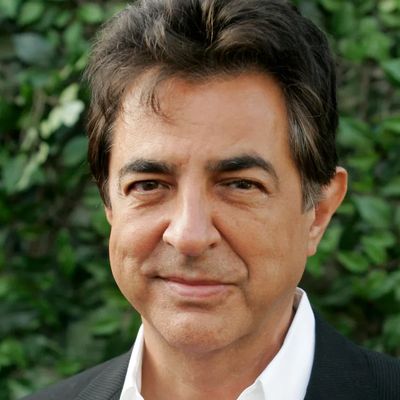
Tony Winner Joe Mantegna talks all things Criminal Minds, Madonna, David Mamet, and being part of The Godfather. From Stage to Screen to TV Joe recounts his 55 year career as an Actor/Director/Writer.
Also in this episode, Andre DeShields Tony win for Hadestown. Eila & Bruce stop by Our Town rehearsal and give you a glimpse of what’s to come.
Joe Mantegna has starred in the CBS television series Criminal Minds since 2007 as FBI Supervisory Special Agent David Rossi. He has voiced the recurring role of mob boss Fat Tony on the animated series The Simpsons, beginning with the 1991 episode "Bart the Murderer", as well as The Simpsons Movie (2007).
Mantegna began his career on stage in 1969 in the Chicago production of the musical Hair. He earned a Tony Award for Best Featured Actor in a Play and a Joseph Jefferson Award for portraying Richard Roma in the first American productions of David Mamet's Pulitzer Prize–winning play Glengarry Glen Ross, the first of many collaborations with Mamet. His long-standing association with Mamet includes the premieres of A Life in the Theatre, The Disappearance of the Jews and Speed-the-Plow on Broadway. Mantegna also directed a highly lauded production of Mamet's Lakeboat, which enjoyed a successful theatrical run in Los Angeles. He later directed the film version of Lakeboat. In addition to theatrical appearances directed by Mamet, Mantegna appeared in Mamet's films House of Games (1987), Things Change (1988), Homicide (1991), and Redbelt (2008).
In film and on television, Mantegna is best known for his roles in box office hits such as Three Amigos (1986), The Godfather Part III (1990), Forget Paris (1995), and Up Close and Personal (1996). He starred in the television series First Monday (2002) and Joan of Arcadia (2003–2005). He has earned Emmy Award nominations for his roles in three different miniseries: The Last Don (1997), The Rat Pack (1998), and The Starter Wife (2007). He has also served as executive producer for various movies and television movies, including Corduroy (1984), Hoods (1998), and Lakeboat (2000), which he also directed. Additionally, he played Robert B. Parker's fictional detective Spenser in three made-for-TV movies between 1999 and 2001, and has narrated a number of audiobook readings of the Spenser novels.
Make sure to check out Eila's book, "The Tony Awards", and all her other amazing books: https://amzn.to/43WMu5Y.
Connect with Eila and Bruce:
- Instagram @behind_the_awards
- Eila @eilamell
- Bruce @cominghomewithbruce
Transcript
This transcript was automatically generated and might contain errors.
[0:00] Bruce Gotlieb: There are not enough minutes for me to name the many people who during my 73 years on the earth plane have loved me into consciousness.
[0:12] Bruce Gotlieb: So I would like to share with you just three cardinal rules of my ability and longevity.
[0:21] Bruce Gotlieb: One, surround yourself with people whose eyes light up when they see you coming.
[0:29] Bruce Gotlieb: Two, slowly is the fastest way to get to where you want to be.
[0:38] Bruce Gotlieb: And three, the top of one mountain is the bottom of the next.
[0:44] Bruce Gotlieb: So keep climbing.
[0:56] Eila Mell: Hello and welcome to Behind the Awards.
[0:58] Eila Mell: I'm Eila.
[0:59] Eila Mell: I am, as always, here with Bruce.
[1:02] Bruce Gotlieb: Hello, Eila.
[1:03] Bruce Gotlieb: Good morning, Eila.
[1:04] Bruce Gotlieb: How are you?
[1:04] Eila Mell: I'm good. How are you?
[1:06] Bruce Gotlieb: Doing well, doing well. That was 2019, Andre DeShields' Tony Win.
[1:11] Eila Mell: For Hadestown.
[1:12] Bruce Gotlieb: Yes.
[1:13] Eila Mell: He has such an air, like a, uh, maybe like a regal air about him.
[1:17] Bruce Gotlieb: He's just, oh, absolutely, yes.
[1:19] Bruce Gotlieb: You know, when he speaks, you need to listen.
[1:22] Eila Mell: And I loved that he wore these amazing shoes when he won.
[1:26] Bruce Gotlieb: Do you remember the shoes?
[1:27] Eila Mell: They were like sneakers, but they sort of had, I think, wings on them.
[1:30] Eila Mell: They were very cool.
[1:32] Bruce Gotlieb: Yes.
[1:32] Bruce Gotlieb: He does have a certain fashion sensibility to him.
[1:36] Eila Mell: Oh, he always looks impeccable.
[1:38] Eila Mell: I ran into him once and got to spend a little time with him at just at this bar, and he looked amazing.
[1:43] Bruce Gotlieb: It was after a performance of Death of a Salesman, and he was just perfect.
[1:47] Eila Mell: You think he's his own stylist?
[1:49] Bruce Gotlieb: Oh, yes.
[1:49] Bruce Gotlieb: He doesn't need a stylist.
[1:51] Eila Mell: Yeah, even at the end, after a show, just to go get a drink, he looked perfect.
[1:56] Bruce Gotlieb: So yes, absolutely.
[1:58] Bruce Gotlieb: Amazing.
[1:58] Eila Mell: Yeah, the whole cast was there.
[2:00] Bruce Gotlieb: It was very cool.
[2:01] Eila Mell: Very cool. So speaking of mingling with a cast, we were thrilled to be able to go to a rehearsal of Our Town.
[2:08] Bruce Gotlieb: Yes.
[2:09] Bruce Gotlieb: We, you know, getting invited to these things is thrilling because it gives us the opportunity, you know, to get sneak peeks or, you know, little bits of information into our listeners as much as we're allowed to, of course.
[2:22] Eila Mell: Um, and it was really, really cool to sit there and watch it kind of bare, you know.
[2:27] Bruce Gotlieb: So, yeah, let's explain to people what it was.
[2:29] Bruce Gotlieb: It was in a rehearsal studio, but it was still a full run-through of the show of Our Town.
[2:34] Eila Mell: We haven't seen the final, you know, the final like frozen performance because we didn't have any costumes or anything like that.
[2:42] Bruce Gotlieb: No set, obviously, in a rehearsal studio.
[2:45] Eila Mell: But what we can tell you is this is gonna be really special.
[2:48] Bruce Gotlieb: It is.
[2:49] Bruce Gotlieb: It's under two hours.
[2:50] Bruce Gotlieb: I think it was like an hour and a half, hour 40 something, no intermission.
[2:54] Eila Mell: No intermission, yeah.
[2:55] Eila Mell: Which is, you never think of Our Town like that.
[2:58] Bruce Gotlieb: No.
[2:59] Bruce Gotlieb: And it worked because even after you and I said, we were like, it didn't feel like there had to be some cuts made, but it didn't feel like you were missing anything.
[3:07] Eila Mell: I don't know if there were cuts.
[3:08] Eila Mell: Yeah, I don't know.
[3:10] Eila Mell: I'm not really sure.
[3:11] Eila Mell: It flows.
[3:12] Eila Mell: At one point, you know, George and Emily were just getting together, and then all of a sudden they were married.
[3:17] Bruce Gotlieb: Usually you have an intermission in between that to break it up, but it didn't matter.
[3:21] Eila Mell: No, it didn't, it totally worked, and it's a very different beginning than you're used to seeing for Our Town.
[3:28] Bruce Gotlieb: I love that it was beautiful.
[3:30] Bruce Gotlieb: It was beautifully done.
[3:31] Eila Mell: Kenny, I know he mentioned to us when we were interviewing him during the Tony season.
[3:36] Eila Mell: He said he was going to, but the way he incorporated music into the show is really done beautifully.
[3:41] Eila Mell: And I think it helps update it a little bit because you're not changing anything with the show.
[3:46] Eila Mell: The text is the same. Everything is the same.
[3:48] Eila Mell: It's almost similarly the way that they did the revival of Oklahoma.
[3:54] Bruce Gotlieb: It was different, but used the same source material.
[3:57] Eila Mell: Uh, just not a word was changed.
[4:00] Bruce Gotlieb: Right.
[4:00] Bruce Gotlieb: And just the telling of the story was told through different eyes, a different perspective, perhaps.
[4:07] Eila Mell: Right.
[4:07] Eila Mell: And just to be very clear, you're talking about Kenny Leon, the director.
[4:10] Bruce Gotlieb: Yes.
[4:11] Bruce Gotlieb: He made just a little speech before the run-through.
[4:15] Bruce Gotlieb: He's such a great speaker anyway.
[4:16] Eila Mell: But you know, he said it's Our Town for now, for then, and for always, sort of that kind of thing.
[4:23] Bruce Gotlieb: Yeah, I mean, it takes place obviously, you know, years and years ago, but it does also feel, it doesn't feel dated.
[4:32] Eila Mell: Um, which I think is important.
[4:34] Eila Mell: At the very beginning of the show, you don't know when it is.
[4:37] Eila Mell: It's not necessarily back then.
[4:40] Bruce Gotlieb: And then it is.
[4:41] Eila Mell: Right.
[4:41] Eila Mell: People will understand when they see it.
[4:43] Bruce Gotlieb: We don't want to spoil it for anyone, certainly.
[4:45] Eila Mell: No, but, uh, and I will say that, you know, Kenny, we don't know how it's going to be done, other than some renderings that we saw on the wall with Beowulf's set.
[4:54] Eila Mell: And just what he said is that he's incorporating all of the space within the Barrymore.
[4:58] Bruce Gotlieb: So it'll be interesting to see once they get into the space and they put that vision to reality, how that is gonna look.
[5:05] Eila Mell: Where, you know, I know I'm excited to see where they go from where they were to where they're going to be when previews start.
[5:12] Bruce Gotlieb: Because, uh, honestly, the performance that we saw, and now at this point was what, a week and a half ago, two weeks ago?
[5:19] Eila Mell: Yeah, probably two weeks ago.
[5:21] Eila Mell: It could have opened.
[5:22] Eila Mell: I mean, you're dealing with, uh, you know, such professionals, you know, on stage, and you know, everyone, even though it was a rehearsal, they were giving show quality performances.
[5:32] Bruce Gotlieb: Oh, of course.
[5:33] Bruce Gotlieb: Yeah, absolutely.
[5:34] Eila Mell: You know, I'm, I love design, so I'm excited to see anything that Beowulf designs.
[5:41] Bruce Gotlieb: He's one of my favorites, but let's talk about this cast.
[5:44] Bruce Gotlieb: I mean, you have Jim Parsons as the stage manager leading the way, absolutely making it his own.
[5:50] Eila Mell: Absolutely.
[5:51] Eila Mell: Katie Holmes as Mrs. Webb.
[5:53] Bruce Gotlieb: Yes.
[5:54] Eila Mell: Uh, you have Ephraim Sykes as George.
[5:57] Bruce Gotlieb: Our guest, Ephraim Sykes.
[5:58] Eila Mell: Yes, yes.
[5:59] Eila Mell: We love Ephraim.
[6:00] Bruce Gotlieb: Uh, Zoe Deutsch is Emily.
[6:02] Eila Mell: She's wonderful.
[6:03] Eila Mell: She's making her Broadway debut, so that's especially really, really spectacular.
[6:09] Bruce Gotlieb: Yeah.
[6:10] Bruce Gotlieb: Just a special performance.
[6:11] Eila Mell: You could tell.
[6:12] Eila Mell: Emily is really the center of the story.
[6:14] Eila Mell: I always think she absolutely owns it.
[6:17] Bruce Gotlieb: She's wonderful.
[6:18] Bruce Gotlieb: Who else am I forgetting?
[6:19] Eila Mell: One of Billy Eugene Jones, one of my all-time favorite actors.
[6:23] Eila Mell: He's wonderful.
[6:24] Eila Mell: He is.
[6:25] Eila Mell: He's Doc Gibbs.
[6:27] Bruce Gotlieb: And then Michelle Wilson plays his wife, Mrs. Gibbs.
[6:29] Eila Mell: She's great.
[6:30] Eila Mell: She was a standout, really, really just beautiful performance.
[6:34] Bruce Gotlieb: And then something that I know I said this to you, I think is kind of brilliant casting.
[6:38] Bruce Gotlieb: It's Richard Thomas as Mr. Webb, because Richard Thomas, so many people grew up with him in The Waltons, which takes place around the same time as Our Town.
[6:49] Eila Mell: So he automatically sort of puts you into that space.
[6:52] Bruce Gotlieb: Sure.
[6:52] Bruce Gotlieb: And he's great in the show.
[6:54] Eila Mell: He's such a good actor.
[6:55] Eila Mell: They all are.
[6:55] Eila Mell: There's no, you know, sometimes you go to see something, whether it be on Broadway, uh, you know, regionally, and you're like, okay, you know, the leads were good.
[7:03] Eila Mell: Or this, everybody is giving it.
[7:06] Eila Mell: Everybody's really good.
[7:07] Bruce Gotlieb: My pal Bill Timoney, who was Alfred on All My Children, for anyone out there who watched, he's in it.
[7:13] Eila Mell: He's great.
[7:14] Bruce Gotlieb: Donald Webber is Simon Stimson, he's so good.
[7:14] Eila Mell: So good.
[7:14] Eila Mell: Julie Halston, I mean, this is some cast and they're all super nice too.
[7:14] Bruce Gotlieb: They are.
[7:14] Bruce Gotlieb: We got, uh, the opportunity when they were breaking between the rehearsal that we saw and then, you know, the next whatever wave of rehearsal they were going to do because when we were leaving they were gearing back up to get, uh, back to work.
[7:14] Eila Mell: We had a moment to just, you know, kind of thank everyone for allowing us into their space and to see what they were doing, and that was really special.
[7:43] Bruce Gotlieb: Yeah, and we got to chat with everyone and see, you know, how they're feeling about the show.
[7:48] Eila Mell: Yeah, and everyone was feeling good.
[7:48] Eila Mell: Everyone was so gracious and you could tell there's really, they've come together as like a little family as you do when you're doing a show, and it's just, you could tell it's a, it's really special for all of them.
[8:05] Eila Mell: Yeah.
[8:06] Eila Mell: So it's so nice.
[8:07] Eila Mell: So I hope that people will go see it because I think it's really worthwhile.
[8:11] Bruce Gotlieb: And Zoe especially was saying that she was so happy that she got to work opposite Ephraim, that they really just bonded.
[8:11] Eila Mell: And even if you've seen Our Town a thousand times as I have, this one really holds up.
[8:24] Bruce Gotlieb: I know that you are already pulling for Zoe.
[8:27] Eila Mell: Uh, she, I just, she just grabbed me in.
[8:27] Bruce Gotlieb: She did.
[8:31] Eila Mell: No, she's wonderful and she goes on such a journey through the show, right?
[8:31] Eila Mell: And we starts out young and then, you know, I mean, she doesn't age that much because, well, I think for people, but yeah, I'm not gonna do it.
[8:31] Bruce Gotlieb: But yeah, I'm not gonna do it.
[8:44] Eila Mell: But she matures a lot.
[8:48] Eila Mell: And so you'll see.
[8:49] Bruce Gotlieb: People will see.
[8:49] Bruce Gotlieb: Eila, how excited were you to get Joe Mantegna for our show?
[8:53] Eila Mell: I mean, he's just, you get a historian for and for the entertainment industry between TV, movies, theater.
[9:01] Bruce Gotlieb: I know.
[9:02] Bruce Gotlieb: He's touched them all.
[9:03] Eila Mell: I don't know this to be a fact, but I like to think he was David Mamet's muse.
[9:08] Bruce Gotlieb: I mean, based on what he said and what people will hear him speak of him, uh, you know, there had to be some of that in there because you don't just create like that and to keep reaching out to the same person without them being, you know, influencing your work.
[9:24] Eila Mell: Right.
[9:24] Eila Mell: Like how much was he thinking of Joe when he wrote Glengarry Glen Ross or, you know, any of these iconic parts he created.
[9:31] Bruce Gotlieb: Which is also exciting.
[9:32] Bruce Gotlieb: That's coming back this season too.
[9:34] Eila Mell: I mean, we'll have to get Joe back on after he's had the opportunity to see this new incarnation come out so he can give us a little bit of his feedback.
[9:44] Bruce Gotlieb: If he gets to New York even, I mean, it's hard for him to get away.
[9:48] Eila Mell: He's so busy doing Criminal Minds.
[9:50] Bruce Gotlieb: Yes, which is premiering, so we're excited for a new season of that.
[9:54] Eila Mell: He's been on that show for how many years?
[9:56] Bruce Gotlieb: And it's so, that show holds up.
[9:58] Eila Mell: It's so good.
[9:59] Bruce Gotlieb: I love that show.
[10:00] Eila Mell: Do you watch it ever?
[10:02] Bruce Gotlieb: I do.
[10:02] Bruce Gotlieb: Okay, good.
[10:03] Bruce Gotlieb: I know sometimes you don't like the darker stuff, like I do.
[10:08] Eila Mell: So all right.
[10:08] Eila Mell: I think we should get Joe out here.
[10:10] Bruce Gotlieb: We have so much to talk to him about.
[10:12] Eila Mell: Absolutely.
[10:13] Eila Mell: All right.
[10:14] Bruce Gotlieb: We'll be right back.
[10:15] Bruce Gotlieb: We have to listen to some commercials.
[10:21] Eila Mell: We are so excited to welcome Joe Mantegna to Behind the Awards.
[10:25] Eila Mell: Hello, Joe.
[10:26] Joe Mantegna: Hi, how are you?
[10:27] Eila Mell: We're great.
[10:28] Eila Mell: You're here with us.
[10:29] Eila Mell: Thank you so much for joining us.
[10:30] Joe Mantegna: Oh, my pleasure.
[10:31] Joe Mantegna: Thank you.
[10:31] Eila Mell: It's always special to have a Tony winner on the show.
[10:34] Joe Mantegna: Thank you.
[10:35] Joe Mantegna: Special to be one.
[10:36] Eila Mell: So, Joe, so many people know you from so many different things.
[10:39] Eila Mell: Growing up, I mean, I knew you as the ultimate stage actor.
[10:43] Eila Mell: And that's sort of changed for a new generation who know you from Criminal Minds.
[10:48] Joe Mantegna: Now, you've been on that 16 years, 17 years?
[10:51] Joe Mantegna: Well, the show's been on. This is their 17th season, and it's my 15th season.
[10:55] Eila Mell: Wow.
[10:55] Eila Mell: That's amazing.
[10:56] Bruce Gotlieb: So is this the longest relationship you've had with the character?
[10:59] Joe Mantegna: Actually, not the longest is with this license plate over my shoulder, Fat Tony on The Simpsons.
[11:03] Eila Mell: I was gonna bring that up.
[11:05] Joe Mantegna: That's right. I've been doing that character for I believe it's, uh, this is my 33rd year doing that character.
[11:11] Eila Mell: Oh my gosh.
[11:12] Eila Mell: That's amazing.
[11:12] Joe Mantegna: We're having Yardley on the show. I'm so excited about that.
[11:14] Eila Mell: Oh, great.
[11:16] Joe Mantegna: Next to that, yeah, I would say David Rossi and Criminal Minds would be second place for longevity.
[11:20] Bruce Gotlieb: Is there any different approach you take when you're doing a role that's just a voice as opposed to where the audience can see you?
[11:27] Joe Mantegna: It's a good question.
[11:28] Joe Mantegna: Not really.
[11:28] Joe Mantegna: I mean, I think you find yourself, at least when I'm in the studio and I'm doing Fat Tony, I kind of feel it.
[11:33] Joe Mantegna: I take on that persona, whatever it may be.
[11:35] Joe Mantegna: I mean, you just can't help yourself, but maybe even physically think of yourself as that character.
[11:39] Joe Mantegna: And you kind of do that.
[11:40] Joe Mantegna: But, uh, beyond that, you don't have to put on a costume and makeup.
[11:43] Joe Mantegna: That's different.
[11:44] Joe Mantegna: That part's nice.
[11:45] Eila Mell: I've heard that The Simpsons like to record together, that people aren't just in studios themselves.
[11:50] Joe Mantegna: Yeah, yeah.
[11:50] Joe Mantegna: I mean, that it was more so 33 years ago, 34 years ago.
[11:54] Joe Mantegna: When we were in the basement at Fox, we was like there was no respect at all.
[11:58] Joe Mantegna: I mean, it was like then they weren't sure the show was gonna go, maybe.
[12:01] Joe Mantegna: So we're down in a basement, they had a pink pond table there, and everybody was in a circ semi-circle with these microphones.
[12:06] Joe Mantegna: And so it was kind of like that for a while until, you know, it really became one of the stalwart shows for Fox.
[12:13] Joe Mantegna: And so now they have their own building.
[12:14] Joe Mantegna: There's the Marge Simpsons building, the Marge Simpsons this and the Simpsons that, and all that.
[12:19] Eila Mell: Oh, wow.
[12:19] Joe Mantegna: There are times when we're able to get together, but as you can imagine, because of the technology, you're able to do some recording.
[12:25] Joe Mantegna: You know, if you had to, you can be in Europe and still do your show.
[12:28] Joe Mantegna: And or during COVID, they would send recording equipment to wherever we were, and we would do that.
[12:33] Joe Mantegna: You know, you go in a closet and they'd set up the equipment.
[12:35] Joe Mantegna: It was pretty interesting.
[12:37] Joe Mantegna: So when possible, they try to get people together.
[12:39] Joe Mantegna: And of course, we all prefer doing that.
[12:40] Joe Mantegna: But the most fun thing is when the whole cast used to do these read-throughs.
[12:43] Joe Mantegna: That was always the most exciting thing because they would have guests and a lot of young people would show up and they'd all get a script and met everybody's there.
[12:50] Joe Mantegna: So it's the only time you can actually hear and see everybody doing their roles. And that was kind of special.
[12:54] Bruce Gotlieb: That's gotta be a really cool experience to hear everyone's voices and you're seeing everyone acting through.
[13:00] Joe Mantegna: Oh yeah. People walk around the script getting autographs from everybody. I mean, you're thinking this is eBay gold. Do you memorize your lines when you're doing a voiceover role like that?
[13:08] Joe Mantegna: No, actually, I find it's the same thing in theater. I find that it's not as good to try to memorize what you're supposed to be reading as opposed to, you know, not. So in other words, I mean, sure, if I get familiar with the lines and it's not that much, and yeah, you just it's kind of sinks in there. But otherwise, you have to you take the medium for what it is. So in other words, if I'm talking to another actor, of course, no, I don't want to be looking at a script or having somebody tell me the lines right there. I have to know that. But if I'm reading something, I know that microphone is inanimate, and if I have to do it multiple times, then I kind of wing it.
[13:36] Joe Mantegna: Well, I could talk about The Simpsons all day, but there's so much else to talk to you about. So obviously you have a long association with David Mamet and his work. How did that begin? How did you meet each other?
[13:45] Joe Mantegna: You know, I would say the year would have been 1972, and I had already done the play here in Chicago. I had done the play Godspell. In fact, I thought I was gonna be the next Jim Dale. I mean, it was kind of a musical comedy guy. I just finished the two years at the Goodman School of Drama at the time. When I was about to start my third year, they had their auditions throughout Chicago. Something like 4,000 people auditioned for it. And I tried out, it was the summertime, and I would known I was gonna start school in the fall, but I said, let me give this a word. And I'd done musicals in high school, junior college. Wow.
[14:17] Joe Mantegna: So I try out for the play. As it turned out, I get cast. Not only do I get cast, a girl I had known from the district-wide musicals we had done also got cast. She's in the next role because she became my wife, and we've been together next year will be our 50th wedding anniversary. How amazing is that? And we've been together actually since '69, which actually precedes our 50th wedding anniversary. So I did Hair. I did Godspell. Now, after Godspell, I joined this theater company out of Chicago called the Organic Theater Company of Chicago, which you may be familiar with, with Stuart Gordon, was the head of, and actors like John Hurd, Michelle Taylor, Dennis Franz. We all came out of that particular theater company.
[14:56] Joe Mantegna: Well, I had done a couple plays at that point with them, maybe one or two. And I was going to the Goodman to visit some friends. Back then, the Goodman School of Drama, it's now part of DePaul University, but that back then was downstairs behind the Art Institute of Chicago. You have to like walk down all these stairs. And I remember distinctly, walking down these stairs, going to see whoever I was going to see. And this young man's coming up the stairs about my age, dressed a lot better than I was, though. And he comes up and he stops me and goes, Excuse me, you're Joe Mantegna. I go, Yeah. He goes, I saw you in this play a couple nights ago. I think you're really good. I'm a playwright. My name's David Mamet.
I've got some stuff I really would like to work with you someday. Maybe we'll go work together. And I'm like, oh yeah, cool, great. Whoever you are, you know. Thank you. Thinking, all right, you know, that was a nice shift to pass in the night, but I thought no more of it.
[15:42] Joe Mantegna: Well, as it turned out, he was making the rounds himself. He was going to the Goodman to try to convince them, hey, I got these plays. Would you do my play? He had just finished kind of teaching up in Vermont where he had been at a faculty there and was now back to his hometown to try to peddle his stuff. And as it turned out, among the theaters he went to was the Organic, and they did respond and they agreed to do the production of Sexual Perversity in Chicago. Wow, right. His production of that. As it turned out, that was going to be the summer show that year.
[16:09] Joe Mantegna: Now, at the Organic, we worked for peanuts basically, because it was a small little theater. So here it was the summer. We had run out of grant money, so everybody kind of went on their own way. I got cast as the understudy to the play Lenny that had been on Broadway. And they were paying me pretty good because I was also in the cast. I played another part. So when Stuart Gordon contacted me and said, Hey, this new playwright, this guy David Mamet. And I said, Oh God, I think I met that guy on the stairs. His daughter's play Sexual Perversity in Chicago. We both think you should play this character, which was one of the lead roles. They had sent me the play, and I said, Oh man, it's great, but I'm committed and I really need the money. I mean they had a for the summer to pay rent. I can't live on the, you know, the fifty bucks a week that we get or whatever it is back at the I said I can't also back out.
[16:51] Joe Mantegna: So they understood. And I never wound up doing that. It just kind of was disappointing because of course as an actor, you love to go by the roles you get. And I thought this is pretty cool. In fact, I often use that the Danny stuff for as audition pieces, you know, months and years later after that. So I didn't do it, but I back we end up thinking, boy, I hope this, you know, I hope this guy had no bad feelings about it because he just seems like a good writer. Maybe there'll be something else. Right. And thank God there was plenty of something else.
[17:17] Joe Mantegna: That's right. Because he came to me, and as it turned out, he came to me to do other things like, hey, I'm doing these readings of this, such and such at the library. Would you do that? Yeah, I can do that. I'm in it. Would you do this? Yeah, I'm through that. Then A Life in the Theatre happened, which was his play. I did that with Mike Nosbaum, one wonderful actor from Chicago. We used to call it the Chicago two-step. In other words, you do something in Chicago, then it goes to New York and then somebody else. Other people do it. The New Yorkers do it. You know, Chicago hadn't really kind of solidified themselves as a nationwide phenomenon in terms of theater. That kind of started to happen not only with David Mamet, helped Jim Jacobs and Warren Casey with the play Grease. Yes. All these things kind of kind of convoluted in the 70s, early 70s.
[17:59] Joe Mantegna: I wound up doing these things, one thing led to another with Dave. Ultimately, I had gone to New York. I did another musical working for with Studs Turkle. I've got two songs on that album. Again, I thought, oh, maybe this is my technique, you know, the musicals. And I'd also conceived this play Bleacher Bums for the Organic Theater, which had gone to some success, and it was now playing off Broadway in New York. So when Working closed in New York, I went into back into Bleacher Bums, which is a show I was obviously root connected to since I also conceived it. But then when that closed, it was like I told my wife, I said, Well, we've done Chicago, we've done New York. Let's how about let's try California? I said the weather, being Italian, I was taken to that weather. Right.
[18:31] Joe Mantegna: Because we had come out to California on a tour with the Organic a year prior, and I thought, man, this is like Italy. Because we've been to Italy in '75 on a tour with the Organic Theater. It was like I'm genetically inclined to do in this kind of weather. As much as I love Chicago, I said, let's give it a. Not that I wanted to be a TV movie guy. I just thought, well, we'll do theater in LA. And if we're not working, we can go to the beach. So I go to California, we're out here for a couple of years. I work my way up. I'm doing a little bit parts here, there, and the other. And then I get that phone call from David Mamet.
[18:58] Joe Mantegna: Hey, Monte, I got this play. I think we're gonna do it in Chicago with the Goodman, we're gonna take it to New York. You in? I said, Well, well, you know, sure. Dave, let me see the script. And that was the script to Glengarry Glen Ross. And that opened up that whole chapter of my life, which continues today.
[19:13] Bruce Gotlieb: Right. It's amazing. For anyone who doesn't know, you created the role of Richard Roma, and it's just such an iconic role. Now, when he made that phone call, was it an immediate I'm in because you have this relationship, or did you have to sit down and read it first?
[19:26] Joe Mantegna: No, it wasn't, because first of all, it was settled. I'm living in California. My wife and I were in a little one-bedroom apartment that we'd been in for about at that point, about five years. We were established. I was working enough to get to live on. You can do that out here, but at least back then, you get a guest shot, you go on unemployment, get paid a rent, you go to the beach. You know, it wasn't a bad life. But of course I wanted to read it. And then I gotta tell you, when I got the play and I read it, I went, I don't know what the hell this is about.
[19:48] Joe Mantegna: Really? Yeah. And part of the reason was I had never lived in a house in my life at that point. My father was partly disabled all his life. My mother wrapped packages at Sears. So we weren't we lived in apartments all the time, and never even on the ground floor. We're always up somewhere, an apartment in Chicago. So all of a sudden I'm reading this play that's talking about leads, this and all this real estate jargon. And I didn't know what the hell they were talking about.
[20:11] Bruce Gotlieb: That's so funny.
[20:12] Joe Mantegna: And so I finished it. I'm thinking it's some real interesting characters and the sky rookie enrollment's interesting, but I don't know what the hell he's talking about. And so I think Mamet called me the next day and said, Yeah, what'd you say, what you think? And I'm like, so I lied. I said, you know, Dave, I couldn't get to it yet, but I'm gonna read it today. Call me tomorrow. So then instantly I get on the phone to anybody I know who lived in a house. You know, some of my uncles were contracting. I said, What the hell is a lead? What is this? So they start explaining to me.
[20:36] Joe Mantegna: So at least I'm able to know, okay, now I'm understanding the jargon of what they're talking about. Yeah. So I read it again, and now I was kind of able to appreciate it on that level. I'm thinking, oh, okay, this guy is that guy. This is okay. Yeah, I think Richie Roma might not such a far reach. So why not? So now I look at my wife, I say, What do you think? You know, so they think they're gonna open in Chicago, maybe go to Broadway. We could be home in half an hour, you know, if it doesn't work on Broadway, because that's kind of what happened with the Studs Turkle's the musical Working that didn't run very long. Right, yeah.
[21:05] Joe Mantegna: But she was gay. We said, you know, hey, you know, let's go. You know, let's let's give it a shot. Maybe maybe maybe it's New York and maybe Broadway. Yeah, okay, let's do it. So I said yes, and that led to Chicago, which led to New York, which led to changing my life.
[21:17] Bruce Gotlieb: Yeah, and going on to do more of David Mamet's shows.
[21:21] Joe Mantegna: Yeah. Do you feel like he wrote with you in mind because he knew your voice as an actor?
[21:27] Joe Mantegna: You know, I don't want to speak for him. You'd have to ask him. I mean, I've certainly heard that, and I think I think he has been quoted as saying that. God bless him. I see you know, I should have his picture hanging up over my bed. But look, Dave, I kind of understood, especially in his casting, that he often would gravitate toward guys that kind of emulated the kinds of people he spoke of.
[21:46] Joe Mantegna: And I'm thinking specifically of guys like the late Jack Wallace, the late JJ Johnson, both these guys, and they wouldn't be embarrassing me to admit they were both ex-carnivores back in the 50s. I mean, nothing serious, but you know, just you know, that kind of stuff. But ultimately they got into acting in theater. And Mamet, I know, is fascinated by those kinds of guys because they spoke the verbiage that he wrote in a way. You know, that the deep they were those these dems and those guys, you know, and that was just who they were.
[22:15] Joe Mantegna: And I suppose being from Cicero, Illinois, growing up in the west side of Chicago and go then moving to Cicero for when I went to high school, I somewhat fit that category to date, you know. And we were born 18 days apart in 1947. Oh wow. But he grew up on the south side of Chicago, whereas his father, like I said, I think was a labor lawyer. I grew up on the west side of Chicago, where my dad was an insurance manager until his disabilities kept him from doing it. And my, like I said, my mother wrapped packages for Sears Roebuck in the mail order for 25 years. So we were from different ends of the stick, but a lot of similarities too.
[22:47] Joe Mantegna: We both grew up in Chicago. We both, you know, and when I read his stuff, you gotta understand too, as an actor, especially in theater, so many of the plays, so much in of the literature of theater comes much of it comes out of New York. So when you're reading these kinds of plays, unless it's like Tennessee Williams or stuff like that, there's a whole New York slant to it, New York environment, New York language, things associate with. Here I was reading scripts by a guy that was like, hey, he's talking about places, you know, I'd been to that I understand Riverview, that you know.
[23:14] Joe Mantegna: And so I always felt that his verbiage was something I felt connected to. I felt I at least I'm not having to do a lot of research, is like I mean, I'm thinking about when I was hosted Saturday Night Live and we did they they wrote this original skip for me about dub bears, which became this whole thing later. But I remember even Chris Farley coming up to me, hey Joe, can you teach me a Chicago accent? You can't put me with stuff because he wanted to sound like you know, like guys that would be talking about the bears, you know, or there's three guys. But I mean I always said uh Dennis Franz, Dennis Farina, and I all stood on a street corner, the the the rugby building would appear, you know, all just based on our accents.
[23:48] Joe Mantegna: But anyway, like I said, I read the play, we did the play. In that, you know, in that space of time, from the time we got to New York with that play, within a few months, right wins the Pulitzer Prize. I win the Tony Award. What could be better? We you know, we won uh I think a drama desk award for the cast. I mean, you could I couldn't have written a better script for myself.
[24:08] Bruce Gotlieb: Right. This is what I'd like to do.
[24:09] Joe Mantegna: Yeah, right. 1984, you know, yeah. It was it was it was a monumental for for all of us and and on a wonderful, wonderful time.
[24:17] Bruce Gotlieb: We'll be right back. We have to listen to some commercials.
[24:24] Joe Mantegna: And so did that lead to just be, you know, being cast in so many incredible movies?
[24:30] Joe Mantegna: It led to everything because it was it was a perfect storm for me. Because first of all, the play opened, I think maybe in February and March. I won the Tony Award, the Pulitzer Happens. That's all wonderful. I mean, look, it's wonderful. It's it's humbling too. Those that kinds of those kinds of things. But was even better was sometimes people win these awards and stuff like that for plays that were done six months ago and nobody ever really saw it except maybe the committee and the no, we were just starting. And so now I was able to do that play and that performance for like a year on Broadway.
[25:00] Joe Mantegna: Absolutely. And you gotta understand the Pulitzer Prize winning play, everybody in the world is gonna try to come see it, including all your major directors, including Woody Allen, including Francis Coppola, including Barry Robinson, who I wound up working with all three of those guys times. So I mean, I don't kid myself to think had I not they not seen me do that play, that would it would most likely would not have led to the other things that came from that. But just those three directors alone, I wound up working multiple films with all of them and and that's you know the tip of what became an iceberg in many ways.
[25:33] Joe Mantegna: So yeah, and I love being able to do it. I mean, I did the play for the whole run on Broadway. I did the entire national tour. Peter Falk, who became one of my dearest friends, played Shelley Levine for the six months we were on tour. So I got to play San Francisco, Chicago, uh, Boston, wow, LA. So as a stage actor, it was like the best possible scenario. And doing a role that I loved, you know.
[25:58] Bruce Gotlieb: Exactly.
[25:59] Joe Mantegna: Then you get to be in a Godfather movie, which is just, I mean, wow, that's as high as it gets, I think. Well, when I got the role, one of my closest friends, you could tell what nationality he is because his name is Vincent Guastaferro. But my dear friend Vinnie, when he heard I got the role, he goes, "Joey, you're gonna be in the Italian Star Wars."
[26:19] Bruce Gotlieb: Yeah.
[26:19] Joe Mantegna: And I was like, "Yeah, I guess I am." But yeah, of course. That was an interesting kind of a little anecdote itself of how I found out I got that role.
[26:27] Bruce Gotlieb: Oh, so how? What happened?
[26:28] Joe Mantegna: Well, what happened was I knew I was up for the role in Godfather III because I'd already done a film called Wait Until Spring Bandini, which is based on a John Fontaine book. And Coppola was one of the producers of it. While I had never met him, I knew he'd co-produced the movie along with these European producers. No way he knew, besides seeing me and Greg Langhier, he's seen some of my other work. And I had not done a movie that he was involved in, even though he wasn't a director. I knew I was up for the role. So it was a Friday. I remember my wife wanted Linguini and clams from this Italian restaurant in the neighborhood out here in California. So I go to the restaurant, and as I walk in, the owner of the restaurant goes, "Johnny, you son of a bitch. You're gonna be in the Godfather." I go, "What? How did he know?"
[27:06] Joe Mantegna: He goes, "You're gonna be in the movie. You're gonna be in the movie, the Godfather." I go, "What are you talking about?" He goes, "Come on, what are you kidding me? My nephew works in the New York casting office. He said they were having a meeting today. They put in the pictures of the people into the play up on a bulletin board. They got Al Pacino, they got Diane Keaton. They put up a Joey."
[27:30] Bruce Gotlieb: Wow.
[27:36] Joe Mantegna: So I'm saying, "Well, oh, well, you know, yeah, I don't know. I'm up for it. Maybe, uh, let me here give me the Linguini. I gotta go." You know, so I run home.
[27:46] Bruce Gotlieb: Right.
[27:47] Joe Mantegna: And I call my agent instantly. It's like five o'clock in LA at this time. Like the agency's about ready to close. And I reach him. I go, "The pizza guy in the corner just told me I'm in the movie." He goes, "I was just gonna call you. We just got the call. Hey, you got it."
[28:02] Joe Mantegna: Wow. Okay, well, I thought it's kind of fitting then. You know, a guy from the world was the Italian restaurant around the corner is able to tell me. So that's how I found out. That, of course, yeah, that became to this date monumental. Of course, to be part of that trilogy. And just to work with Francis, arguably one of the greatest directors in the history of cinema.
[28:21] Bruce Gotlieb: So absolutely.
[28:22] Joe Mantegna: And then a movie I love that's just so beautiful, Searching for Bobby Fischer. That was another very special film. I mean, Steve Zaillian. That's another—there's the interesting thing about that one is I read the script. They sent me the script and I read it and I go, "I must be kidding myself. This is one of the best scripts I've ever read in my life."
[28:38] Bruce Gotlieb: Yeah.
[28:39] Joe Mantegna: I mean, just everything about it. I was taken. I'm starting to get emotional thinking I'm looking at characters. I think this is brilliant.
[28:47] Bruce Gotlieb: Yeah.
[28:47] Joe Mantegna: So as it turns out, within a day from that, there was a party where I had just done the movie Bugsy. And so they had some sort of event. There was a party or something. And Ben Kingsley, of course, was also in Bugsy. So they had—I had heard that Ben had been offered a role in the Bobby Fischer movie as well. So I get to this event and I see Ben and I go, "Ben, come here. By any chance, have you read that script, Searching for Bobby Fischer?"
[29:16] Joe Mantegna: "Oh Joe, I think it's perhaps one of the finest scripts I've ever read in my life." He said, "Bingo." Okay, thanks, Ben. Not that I needed the confirmation, but it helped when, you know, when Sir Ben Kingsley tells you, yeah, he thinks it's the best thing he's ever read.
[29:30] Bruce Gotlieb: Right.
[29:30] Joe Mantegna: Okay, Ben. I like it too. You know. Then I thought to myself, once we got cast and we had the first reading of it, we shot initially up in Toronto, then we moved to New York. But I remember even at the read-through, Scott Rudin was one of the producers. I mean, he was crying at the end of the read-through. And I thought, wow, I never saw a producer cry before, except like, you know, when they're over budgeted.
[29:49] Bruce Gotlieb: Yeah, right.
[29:49] Joe Mantegna: For bad reasons. But he's crying. And then I'm thinking, then when I look at the kid who was going to play Josh Waitskin, and I could see he was like a brown-eyed kid, you know, brown hair, very kind of Italian looking in a way, or Jewish looking. I mean, it is the same kind of—I guess would be the same kind of look, you know. And as I get to know him and talk about the research they did, they had to cast that kid first because they needed a kid that could play chess.
[30:12] Joe Mantegna: So that kid was one of the top ten chess players in New York City at the time in the school system. He was only eight years old.
[30:18] Bruce Gotlieb: Oh my gosh.
[30:19] Joe Mantegna: Yeah, because they wanted a kid that knew what the hell he was doing. They didn't want to have to waste time like, "Oh, bite through this thing." They wanted to look like he knew it. And he did.
[30:26] Bruce Gotlieb: Right.
[30:26] Joe Mantegna: But then I thought to myself, boy, thank God this kid didn't look like Robert Redford as a kid or something. If he'd have been a blonde, blue-eyed kid, there'd have been a whole other list of actors to play his dad.
[30:37] Bruce Gotlieb: Had that feeling.
[30:38] Joe Mantegna: You know. But anyway, it was a brilliant experience. And perhaps one of the more amusing anecdotes that I remember from that is on one of the last days of filming. And it's so Steve Zaillian's first time as a director.
[30:47] Bruce Gotlieb: Yeah.
[30:50] Joe Mantegna: And he was wonderful. He had, you know, one of the greatest cinematographers of all time shooting it. I mean, it was wonderful. When we would take a break, he would run off and he'd stop and he'd be scribbling in the corner. And I could watch him do this. And he was doing this all day. I said, "Steve, you keep running off in like a panic. What's going on? What is you all right?" He goes, "Oh, I'm behind on the script for Spielberg of this thing I'm doing next."
[31:07] Bruce Gotlieb: Yeah.
[31:15] Joe Mantegna: I go, "What is it?" He goes, "It's this thing called Schindler's List." And then I go, I start thinking, Schindler's List. I'm thinking Five Easy Pieces, Schindler's List. I go, "What is it?" He says, "It's about a guy that goes to a grocery store with a list from his wife and turns into this whole, you know, because I didn't know."
[31:31] Bruce Gotlieb: Right.
[31:31] Joe Mantegna: And he says, "Uh, no, it's not that. Little different." But I also think that's also part of the reason when Stephen, I think, also was able to kind of get to know Kingsley a little bit, which perhaps helped Ben, you know, secure that role in that film as well.
[31:44] Bruce Gotlieb: Yeah.
[31:45] Joe Mantegna: But I just thought, okay, well, that's how I found out about Schindler's List. Then I thought to myself, Schindler's List wound up winning the Oscar for Best Screenplay. And I thought to myself, if Steve hadn't written that one, he should have won the Oscar for Searching for Bobby Fischer.
[31:56] Bruce Gotlieb: Yeah, right.
[31:57] Joe Mantegna: I think it was just as brilliant a script. It's just a smaller movie, so it doesn't get the same attention, but it is. It's a beautiful movie. And then so let's fast forward to Criminal Minds. Um, had you watched the show in the first couple of seasons?
[32:12] Joe Mantegna: No, I don't watch much television. I mean, I watched reruns of things. I mean, my wife and I still are watching all the Golden Girls reruns.
[32:18] Bruce Gotlieb: Well, so am I.
[32:19] Joe Mantegna: Susan Harris, because I had done one of the things I'd done in the past was I did the last eight episodes of Soap.
[32:25] Bruce Gotlieb: Oh wow.
[32:25] Joe Mantegna: That's how we got to know Billy Crystal and all that. And I loved doing it. I loved everything about it. It was interesting.
[32:30] Bruce Gotlieb: Yeah.
[32:30] Joe Mantegna: And then it got canceled, and that was there. I was left in a cliffhanger too. I was supposed to do the next season. Anyway, no, I didn't watch Criminal Minds. But my one of my dearest closest friends in all the world was the actor Meshach Taylor, who you may remember, of course.
[32:44] Bruce Gotlieb: Oh my gosh, from Designing Women.
[32:45] Joe Mantegna: Designing Women and beyond. Well, my wife and I couldn't be closer to him because he was from Hair as well. We could go back to doing Hair back in '69, '70.
[32:53] Bruce Gotlieb: Yeah.
[32:54] Joe Mantegna: So he was like a brother to me and to my wife. Anyway, he loved that show. And he used to talk to me about it before I was offered the role, saying, "Joe, you gotta see the show Criminal Minds. I love it."
[33:04] Joe Mantegna: I took the turn. I'm saying, "Yeah, check, I will, I'll catch it." I never did. I because I just don't. I watch sports and news on TV. I don't go to the movies either. I'm like that. I love being an actor. I—it's hard for me. I watch Turner Classic Movies. I like the old stuff.
[33:20] Bruce Gotlieb: Yeah.
[33:20] Joe Mantegna: For the most part. I'll catch up eventually. You know, like I'll see all the Stones eventually. But now I don't know. Anyway, so I know I never saw it. So then I get the call saying, you know, but such and such has happened, you're looking maybe your name came up. I thought, wow, okay, wow, this is Shaq's favorite show in the room. I gotta at least check this out.
[33:39] Joe Mantegna: So of course I went quickly watched a couple episodes. And I had heard that Mandy Patinkin had was doing this role and left, and that now they were in production because things kind of happened somewhat abruptly. And so they couldn't stop production. And yet so they were kind of going along and through the writing, acknowledged that this one character is gone and with them. They weren't quite sure what was gonna happen. So I watched those episodes. They do some research and then they sent me the stuff they've already been shooting, you know, without Mandy in it.
[34:04] Joe Mantegna: And I'm watching those episodes and I'm thinking, God, this is such a strong ensemble. Every one of these characters are really definitive, strong. And for me, that's what it's all about. I mean the camaraderie, the who you're acting with, the other characters.
[34:18] Bruce Gotlieb: Absolutely.
[34:18] Joe Mantegna: You know, for me, especially in television, the most successful shows are the ones that have incredible ensembles.
[34:23] Bruce Gotlieb: Yeah.
[34:23] Joe Mantegna: Go back in history to I Love Lucy and, you know, whatever it may be. Seinfeld, you gotta have that thing. And I thought, well, I think of it in terms of baseball terms, because I'm like a, you know, my— in my fantasy life, I played left field for the Cubs.
[34:36] Bruce Gotlieb: Right.
[34:36] Joe Mantegna: But I watched those episodes and I thought to myself, they're all solid. I love these people. I love—I kind of love what I see what Shaq is taken by. And I says, "So they want me to come in and, you know, play left field. I'm in. I'll give that a shot because I love every call these other—these are all—I love all the other position players."
[34:51] Bruce Gotlieb: Right.
[34:52] Joe Mantegna: So this looks like a World Series team, you know. So I go and meet with Ed Bernero, the showrunner, who was a former Chicago cop, as it turns out.
[35:00] Bruce Gotlieb: Oh wow.
[35:01] Joe Mantegna: And his last name is Bernero. And so I thought, gee, he's a former Chicago cop. He's Italian. I find out he's a Sox fan, so that's the only detriment to the—otherwise it would have been perfect.
[35:11] Joe Mantegna: I told him that because he knew I was a Cubs fan because of the play Bleacher Bums. He goes, "Yeah, yeah, Joey. You know, I know you're a Cubs fan, me being a Sox fan. Otherwise, I think we're a perfect match, you and I." I said, "Ed, I feel exactly the same."
[35:24] Joe Mantegna: And so we had that initial meeting and, you know, the rest is a 15-year history for me.
[35:31] Bruce Gotlieb: I can only imagine that you didn't expect that the show would even be on that long, let alone that you would still be doing it.
[35:37] Joe Mantegna: No, because you have to understand this too. I've been on some TV shows throughout my career, especially after New York and after Glengarry and then I just speed the plow with Madonna on Broadway. And I was getting, you know, I was working in the movie business. I was still working for Woody Allen, for Coppola, for Barry Levinson, for, you know, whoever named the—you know, a lot of wonderful films.
[35:58] Joe Mantegna: And I would get these offers from the network TVs and I didn't have a prejudice against it, but it was like, you know, I kind of—I'm doing this. I'm getting—but, uh, boy, I hope you're there when I'm looking for it. And the other thing I enjoyed about the life I was living is my oldest daughter has autism and she's going to be 37. And then we have another child, my daughter Gia, who's just about three years younger. Once they were born, I mean, I came to the conclusion, look, I love this life we have. Things have worked out really well.
[36:21] Joe Mantegna: But I don't want to be one of those dads who like, "Hey, okay, dad's going to be in, you know, Europe for two months. You know, you guys hold on before it'll maybe we'll see I'll come in every two weeks." That wasn't going to fly, especially with the condition of how we started. It was a concern. So we always went together. We always—wherever the location was, I mean, we did only like I think 10 days in Moscow and the producers couldn't understand it. But we were just going to be there 10 days.
[36:44] Bruce Gotlieb: Yeah, I know, but they all got to go.
[36:46] Joe Mantegna: I said, "They all gotta go. If they don't all go, they go." Okay. And nobody ever, you know, they didn't blink. And I even told my agent, I said, "Don't make it about the money. I said, I'll take less cash, but we all gotta go." And it was great because my feeling was—and it was once they were in school in fourth, fifth grade, my oldest story had a lot of special ed, but my feeling was as we go to these places, we'll find out what they're doing.
[37:05] Joe Mantegna: And we did, and that was very rewarding and informative and educational.
[37:09] Bruce Gotlieb: Sure.
[37:09] Joe Mantegna: And my feeling was they'll learn the capital of Indiana some other time if they're missing geography class that day. But they're gonna be with me, and then every night I come home, we're all gonna be together. So I did that. I did that. I did that. Then I got to the point. They were older, they were both of high school age, and it wasn't good for them to be going where I gotta go.
[37:26] Joe Mantegna: And I would have to go and I have to go places for sometimes a month or so at a time. And then I thought to myself, you know, my career's gone pretty well. I've been blessed with a great life here. But this is not giant for me. So I called Les Moonves at the time, who was president of CBS, and they were always offering me things because I had done this mini-series for them, The Last Don, which was very successful.
[37:43] Joe Mantegna: And I thought they got nominated for an Emmy for that, so it was all really—it was good, you know, I had good vibes with them. So I said, "Look, Les, I'm ready. You know what?" I remember I said, "I hope you guys would be there." And right away they came up with a series called First Monday with James Garner.
[37:55] Joe Mantegna: And they said James Garner didn't want to be a lead, he wanted to be second position, and I loved James Garner. I said, "What's wrong with this?" Right, a legend. And they're gonna shoot it in LA. And that was the other priority. I said, "I'm not gonna shoot a series anywhere else. It's gotta be at home." I told my agent, "Just look for stuff in LA." That came up. We did it, only ran one season, but I loved doing it.
[38:11] Joe Mantegna: And I thought to myself, okay, I know what it takes to do an hour drama on television. I know it's hard, it's very hard, especially if we're the number one on the call sheet because you're there all the time.
[38:20] Joe Mantegna: It's all about you. I thought I'm up for it. The great thing is around six o'clock, I go home and I live a normal life. I did that, didn't work out. A year later, Joan of Arcadia comes up. I had a development deal with CBS. I decided I want to do this show. I read the script. I knew I wouldn't be the lead. I'm not a 17-year-old girl, but I loved what it was about. I got involved, I was involved in all every aspect. There was one of the producers, I casted, I helped cast it. I, you know, cast Amber Tamblyn, you know, American, Jason Ritter. Loved it. Did two seasons of that. We won the People's Choice Award. I loved it. It was about something. I thought it was intelligent. It was really about some big show, two seasons out.
You know, that's business. I mean, that's a whole other issue. Okay. That one didn't work out. But I'm still not, you know, I'm not down on the industry. I'm not down on the television. My feeling is okay. I still love the lifestyle, you know. If only there would be something with legs. And you know, as Paul Newman said in the movie, Somebody Up There Likes Me. Somebody up there likes me. Because that next call I got was hey, there's the show Criminal Minds that are looking, want to meet with them. And like you said, hey, okay, maybe like the other two, something to do for a year or two until something really great. Wow, needless to say. It clicked and it's still. Yeah, I mean, no one can imagine a success like that.
No, you didn't you you you hope for those things, but you can't predict them. I mean, you know, even when the Beatles got together, I don't think they said, hey, we're gonna be the biggest band that ever. You know, we hope for them. Of course. You know, but then for some people it works out. Let's take a minute to hear a word from our sponsors.
[39:46] Joe Mantegna: Now, one point during the course of this, you got the opportunity to direct some episodes of Criminal Minds. How did that come about? We're on episode eight right now. In fact, I'm going to work later today on episode nine. We started up episode nine yesterday of the ten we do on Paramount Plus. I directed episode four this season, and that was my 11th episode total that I've directed of the show of the last two years. No, I wasn't like pursuing it, but I will say this: I directed the movie of David Mamet's play Lakeboat some years ago. So, and the reason I did that is I had directed the play here in Los Angeles. It was very successful. It was a great thing, it was great. A lot of my friends were in it.
Jake Jack Wallace, JJ Johnson was in it, Vinny Gustaferro. Three people I mentioned were all in the play. Ed O'Neill, Stan Loria, a great cast. They told me, they said the play was very successful. But I remember David Mamet's brother, Tony, who was one of the producers, said, Now, if we get to make a movie of this, will you be able to direct the movie? And I'm thinking I'd never directed a movie before, direct the theater, but that I said, Yeah, sure, yeah. Oh, you did it. You can make a movie, I'll do it. Right, right. Yeah, right. Two years later. We got the money. We're gonna do it. It's like, oh, okay. But I loved it. I wound up doing it. I was reading a lot of directing books and stuff.
You know, Sidney Lumet's book was very helpful. But I get there, shot the movie. I felt very good about it. I felt comfortable about it. I thought, okay, I've been an actor long enough. But I even told a DP. I said I had dinner with him. I said, I don't, I'm not gonna be telling you use the 50 millimeter. I'm gonna say, give me a shotgun just like this or like this. I want to do this. You do the technicality. They all get it. That broke the ice of me being the director. I didn't direct anything else on television beyond that. I was doing all kinds of different things. But then Erica Messer, or no, it was actually prior to that when Ed Bernero was still running the show, said, Hey, you ready to direct an episode, you know, of the show?
And I knew some of the other actors like Matthew Gray Gubler or Thomas Gibson, who had been there from the beginning, wanted to direct, and I wanted them to get their shot because they were pursuing that, especially Matt graduated. Oh, I didn't know directing from the Columbia New York. So my feeling was let them get their shots, which they did. And then I said, Yeah, you know what? I'm gay. Let's give it a shot. And I did. One of the best things about it, too. One of the things I wanted to do is I pitched the idea of we got to at some point bring in Meshach Taylor and do an arc involving a character of his. And then we and they let me, you know, spitball a lot of ideas. Like it was my idea that I was married three times.
It was my idea that I'm a Vietnam veteran because I'm very involved with our military, you know, as the other side of my likes. They bought into all of it to the which I love, you know, get which I loved about our production. That's great to be able to collaborate that way. They're into it. They're like, if you've got an idea they think it's good, they'll adopt it. So how about Meshach Taylor being my commanding officer from Vietnam? We find out he's homeless. And my assistant for 23 years, Dan Rand was still works for me, wound up co-writing the script because he's a wonderful writer in his own right. And then one of the staff writers wrote it. That started it. And we wound up doing these three episodes, two of them with Michael.
But during the second one, he was battling cancer. But I knew it. We did the episode and he passed away. And then we were able to do that third episode, which was much about his death, that character's death, and the funeral. I was able to fly in two Marine three-star generals in Washington, DC to be part of the scene. It was an actual three-star Marine General who gives the flag to the family and scene. You know, the average person wouldn't know that. But the last scene, I got my hand on the coffin, and I realized I'm burying not just this character, but I'm burying one of my best friends in life. And it was just perfect. God bless CBS. They allowed me at the very end to put up they don't often do always do that, but they put up a thing that this show is in memory of Meshach Taylor. What an honor. So getting to your question about directing, to me, that was the epitome of ultimately being able to direct at the top of the ladder.
[43:13] Joe Mantegna: That's such a gift to be able to do that for your friend. Oh, it was a gift without question. For his whole family, his whole family come to my house. How beautiful. I used to watch his wife on General Hospital years ago. Yes, that's right. So you haven't done Broadway in a while, and I'm guessing that, you know, that there's a number of reasons. I would guess that because you're on this show. So you only have so much time off. Do you think that that's something that you'll revisit? Yeah. At the right time, the right material, all the right circumstances. You know, why not? Why wouldn't I? It's a commitment. And the thing is I don't want to do it, and I don't want to do it like a half-baked commitment in the sense of like, you know, do it.
We'll do it for a month. Yeah. One of my dearest friends is Penny Lepore. I'm gonna be calling her, in fact, as soon as we finish this thing because she's in town because she's doing a concert here at Gordon. We'll see her Saturday night. We became friends on their play working. Oh, really? What this was prior to Aviva and all that. And she's like, uh she's like a sister. Yeah, you know what I mean? She's an example of somebody too who doesn't look halfway. Patty's in, she's in it. And it's hard work, and anybody who works on Broadway knows it's not a walk in the park. Right. It's a commitment. And that's fine. And I'm up to that commitment. But unless I can make that commitment, I'm not gonna be like, okay, yeah, I'll come in for a little bit and I'll see you like no. If you're gonna take take the time and energy to learn a play and become that character, and every night do it live on the stage. Let's do it. Let's give everybody their money's worth.
[44:29] Joe Mantegna: Well, you mentioned Speed the Plow before, and that was a huge show at the time, partly because Madonna was in it, and Madonna had just become, you know, the superstar. It seemed like that overshadowed the play itself. Did you have any feelings about that? You know, she wasn't originally cast in the play. There was another actress that had been cast in the play. I can't I don't remember who it was now. And then she dropped out at least a month or so before we start rehearsals due to personal reasons. In the meantime, Madonna had written a letter to Mamet saying, I saw the movie House of Games. I think it's the best movie I've seen now in 10 years. I would do anything of yours if the opportunity arises.
So things became serendipitous in a way, like all of a sudden one actress leaves. We're looking to cast that role. No, of course, every actress in Hollywood in New York was anxious to maybe do a role in this three characters. But the producers, of course, I think they when they heard Madonna wrote Dave this letter, like maybe this is a sign. And I remember they called, they called me. Dave called me, Mante. He goes, uh, we're all talking about maybe what do you think? What do you think about Madonna doing the part? And what I said was this don't cast her just because she's Madonna, but don't not cast her because she's Madonna. That's pretty good advice. If you think she's got the juice, if you think she's got the thing, I said, It's cool with me.
You know, I mean, I'm there for you. Whatever. And I think it was based on that. I like Madonna. Once you got the role, she was married to Sean Penn, man. My wife and I had over for dinner with the two of them. Got the whole rehearsal process with her. I think we became pretty close. I think she sensed and meetup. To me, she was an Italian girl from Michigan. You know what I mean? Primarily. So we liked each other, even to this day. When she was out here in concert, not this last one, but the one before, she instantly gave my whole family seats in the front row with her children. Oh, how nice. We said to watch her in concert. And then when she they were gonna make this movie of her life, which I don't know if it's gonna happen or not.
We did a reading of it, and she called and asked if I would read the role of her father. Because I knew her father. I'd met her father back in the day. But I could never play it a part though, because it was gonna the movie's gonna take her life from like childhood to like just to when she made the movie. So I would have been too old to play the role. But I was flattered that she even wanted me to do that. You know, that was giving me a chance to say hello. But yeah, when she did the play, you couldn't help but look, you were working with Madonna, who was this huge, she was as big as she was ever gonna be, I think at that time. Her book had come out called, you know, sex or whatever it was. Um one instance, I was I came out of the theater one day uh after the matinee, and of course there would always be hordes of the girls there, you know, waiting by the stage door for her to jump in the car to go for lunch.
I come out a little bit later. They see me and I and I and I kind of wave and I run across the street. I pick up the phone to call my wife to tell her, you know, blah blah blah. I'm coming home for lunch or whatever it is. These girls come running across the street and circle me on the phone, and the one girl's going, Pete Caution's home. And I'm thinking, honey, I gotta cut this short. Okay, click. Okay, we're glad you like the show. And then you're gonna you know, beat it through the subway or whoever it was. Can you imagine what her life was then? If if you got that. Oh, well, yeah. But you know, but I give her credit though, because there would also be times when, like on a matinee day, she'd say, Joe, you want to go out to get something to eat?
I go, Yeah, sure. She'd throwing a babushka. She did not have an entourage, she did not do that ordeal. You know, the theater provided her security guy in the back of the theater. And they only did that because at one performance, a guy did come up out of the audience, came up on the stairs and walked up on the stairs. Oh my god, that was scary. Get up close. And what's funny is the next day, I think it was the post or news at the time said, you know, last night at the performance like uh speed the plow, Joe Mantegna probably saved Madonna's life, which was bullshit. Oh because what had happened is it was again it's a three-character play. So it's me and Madonna. We're having this moment of talking to her, and Ron Silver is all the way on the other side of the stage, his character.
And all of a sudden we're doing the scene, and I see on her face like this look. And I'm thinking, Well, that's a reaction I you know she hasn't done before for my line. And then I realized there's this guy coming up the stairs on the stage. And what's funny is you don't know what you're gonna do, you know, you'll prepare yourself those moments. All I could go through is my mind is hey buddy, this is a three-character Broadway play. You ain't in it. Is all I could think. I th I think it I'd spend a lifetime getting up on the stage in Broadway. You're not making your premiere tonight. So I just turned around as he's moving toward Madonna. Not only he wasn't there to hurt her, I think he was there to hug her.
Oh, yeah, who knows? Right. But as he's coming toward her, I just grabbed him by the arm. I took him and I threw him in the wing. And of course at the stagehands are they were ready and then there was a moment's pause. I don't think the audience even understood what what had happened, you know, because it happened so quickly. But from that point on, they did have the security guy, you know, there every night, you know. But y you needed it. And she'd be the first to admit it, you know. And there was one instance I think you might find this amusing. Her and I and Ron Silver were doing a press thing at some restaurant in Midtown, near wherever her apartment was. She had this beautiful place uh up on Central Park West.
We said, Well, we'll we'll walk you there after the thing's over, Ron and I. No, you don't have to walk down my wife. I said, Well, now we're gonna walk you. So the three of us go to walk her home. This little kid, this little like 10-year-old kid comes out of nowhere with a camera, jumping in front of us going, Hey Madonna, come on, take a picture. Come on, come Madonna, and he's backing up and works keep walking, and she's backing up. Come on, come on, come on, smile. And she's scored about it. You know she's go through this every day. So she kind of steps up a few feet and just she does like a she kicks at him. Not to kick him, just to like get out of here like this with a smile on her face.
And the kid goes, uh and it runs away. So we go, okay, great. We go, we take her, we drop her off at the apartment. Okay, say we'll see you tomorrow at the show. The next day, the front page of the inquirer was the photo. It was a setup. The photographer across the street, they had this kid do it. They cut Ron and I out of the phone. Really? And so all you see is Madonna with her leg out. And wow. And the headline is Madonna tries to kick fan who only wants to. Oh my gosh. And I thought to myself, here I am an absolute eyewitness to what bullshit this kind of stuff is, this kind of paparazzi kind of stuff is. That they can manufacture something. Because I was there. And I know I'm on that edge of that photo.
And that's not what happened. But anyway, that hopefully answers your question, Roy. What's it like to work on stage with Madonna? I even was quoted. I said it's like working with Godzilla. Right. But not I don't mean it in a bad way. I'm saying it's it's just that Godzilla happens to be in the play, and it's gonna cost some attention. But that's not her fault. You know, she got good notices from the Times.
[50:30] Bruce Gotlieb: Well, Joe, thank you so much. I mean, we've kept you way longer than we should have, but we couldn't stop. I mean, amazing. Such wonderful stories.
[50:39] Joe Mantegna: Absolutely. No, I appreciate it. Like I said, I've I've had a pretty blessed life, and if it gives somebody amusement and here's somebody anecdotes, I'm happy to share them.
[50:47] Bruce Gotlieb: Well, we'd love to have you come back for next season of Criminal Minds.
[50:50] Joe Mantegna: Yeah, that'll be great.
[50:51] Bruce Gotlieb: Yeah, we're looking forward to Eastern 18th, be where that goes.
[50:53] Joe Mantegna: That's incredible. Well, thank you so much, and we will see you next time on Behind the Awards.
[50:58] Joe Mantegna: Thanks, you guys.
[50:59] Joe Mantegna: Bye-bye.
© Broadway Podcast Network, All Rights Reserved