

Theater has the power to challenge, connect, and inspire—and that’s exactly what Maiden Mother Crone: A Duet of Solo Plays delivers... Read More
From the show: Behind the Awards with Eila Mell & Bruce Gotlieb
Guests

About
Theater has the power to challenge, connect, and inspire—and that’s exactly what Maiden Mother Crone: A Duet of Solo Plays delivers. This groundbreaking production, featuring Sugarcoated by Jen Ponton and The Longer My Mother is Dead, the More I Like Her by Deborah Unger, invites audiences to explore universal themes of identity, resilience, and transformation through two uniquely personal perspectives.
In Sugarcoated, acclaimed actor and writer Jen Ponton (AMC’s Dietland) delivers a searing, humorous exploration of the polished facade society expects from women. This performance strips away the "sugar" to reveal the raw truths of trauma, survival, and unapologetic self-discovery.
In The Longer My Mother is Dead, the More I Like Her, Deborah Unger crafts a witty and poignant narrative of her lifelong, and even posthumous, relationship with her mother. The result is an honest and bittersweet meditation on love, understanding, and reconciliation.
Also in this episode - Kathy Bates Emmy win for Supporting Actress in American Horror Story: Coven.
Jen Ponton (she/her) Last seen off-Broadway in Halley Feiffer’s How To Make Friends and then Kill Them (Rattlestick, 2013), Jen has spent the past decade building a vibrant career in film and television. Highlights include Dietland, 30 Rock, The Unbreakable Kimmy Schmidt, Orange is the New Black, Law & Order: SVU, and Blue Bloods, among many others. Jen also starred in Ash Christian’s Love on the Run, alongside Frances Fisher, Annaleigh Ashford, and Steve Howey. She has since appeared in Rebecca Miller’s She Came to Me and Todd Solondz’s Wiener-Dog, opposite Greta Gerwig and Kieran Culkin.
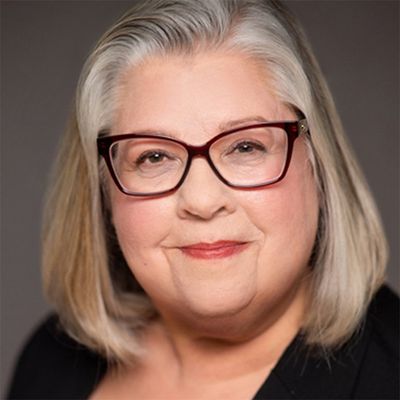
Deborah Unger’s (she/her) artistic journey has been as dynamic as it is enduring. She began her career with dreams of musical comedy stardom, crafting and performing cabaret shows in the vibrant Village scene. From there, she transitioned to film and television, debuting in Ragtime and continuing with roles in 911: Lone Star, FBI: Most Wanted, and her personal favorite, Olga, the Penguin’s Russian maid in Gotham. Her film credits include acclaimed projects such as Motherless Brooklyn, Eighth Grade, and the Oscar-winning Birdman.
Make sure to check out Eila's book, "The Tony Awards", and all her other amazing books: https://amzn.to/43WMu5Y.
Connect with Eila and Bruce:
- Instagram @behind_the_awards
- Eila @eilamell
- Bruce @cominghomewithbruce
Transcript
This transcript was automatically generated and might contain errors.
[0:00] Deborah Unger: Okay, well I I was sure I wasn't gonna win. I'm serious because uh the first place I went when I got here was the green room, and there were the guys in there with the little silver suitcase, and they had it open. It was like they were going through the winners and losers, and so um they caught my eye when I walked in and they both kind of tilted their heads in that sort of social worker I'm sorry. And then I came in tonight and I was way over there, and I thought, yeah, that's right, I'm not gonna win.
[0:36] Eila Mell: Hello and welcome to Behind the Awards. I'm Eila, and I'm here with Bruce.
[0:42] Bruce Gotlieb: Good morning.
[0:43] Eila Mell: How are you today, Bruce?
[0:45] Bruce Gotlieb: I'm doing well. I'm doing well. That was um Kathy Bates Emmy win for Coven, best supporting actress in a miniseries. And she uh didn't think she was gonna win based on her where she was seated that night.
[1:00] Eila Mell: Uh huh. The looks the accountants gave her in the green room, which I thought was funny.
[1:04] Bruce Gotlieb: That is funny. I guess you never know.
[1:06] Eila Mell: No, she came home with the prize that night.
[1:09] Bruce Gotlieb: I loved her in that American Horror Story season.
[1:13] Eila Mell: I didn't really watch it.
[1:15] Bruce Gotlieb: Uh but I love I love Kathy Bates. I think she's great.
[1:17] Eila Mell: I know. I and she's doing Matlock now. It's so much fun.
[1:20] Bruce Gotlieb: Absolutely. Should we get to our guest?
[1:24] Eila Mell: We have two of them today. Jen Ponton and Deborah Unger.
[1:28] Bruce Gotlieb: Yes. And they're doing a show together called Maiden Mother Crone, which I didn't realize until we started talking to them.
[1:38] Eila Mell: It's like the three stages of being a woman.
[1:41] Bruce Gotlieb: Right.
[1:41] Eila Mell: Yeah. So I don't know what stage I'm in.
[1:45] Bruce Gotlieb: Maybe you'll have to ask them.
[1:46] Eila Mell: Maybe, maybe. Although I'm not sure I want to know, actually. It might be depressing.
[1:53] Bruce Gotlieb: Well, so they're doing a show together, so let's let's get to them.
[1:57] Eila Mell: And so we can hear all about what they're doing.
[1:59] Bruce Gotlieb: Absolutely. Jen Ponton, how are you?
[2:05] Jen Ponton: Good morning. I'm great. How are you both?
[2:07] Eila Mell: I'm good.
[2:08] Bruce Gotlieb: So good.
[2:09] Jen Ponton: Thank you for much for joining us.
[2:11] Eila Mell: Yes. And before we jump into your solo show, I just want to tell you that I love Dietland. That was so much fun.
[2:16] Jen Ponton: Oh yay. Thank you.
[2:21] Eila Mell: Yes. I appreciate that. That must have been a lot of fun to do.
[2:25] Jen Ponton: It was. It was so radical. And then honestly, going back to regular TV and being like, wait, we're not blowing up the system.
[2:31] Bruce Gotlieb: Yeah, right.
[2:33] Jen Ponton: Corporate chills again.
[2:34] Eila Mell: Yeah.
[2:36] Jen Ponton: A little bit of a um, you know, a 180, but um it was so special. So special.
[2:42] Eila Mell: Yeah. A really great show. I did. So, but that's not what you're here to talk about.
[2:47] Jen Ponton: No.
[2:48] Eila Mell: You're here because you are doing a solo show.
[2:52] Jen Ponton: So it's two shows. Maiden Mother Crone, a duet of solo plays.
[2:57] Jen Ponton: And yours is called Sugarcoated.
[3:00] Jen Ponton: It sure is. Uh what a great title. I love anything that's sugar.
[3:04] Jen Ponton: Yeah, really.
[3:05] Eila Mell: Me too.
[3:06] Jen Ponton: Yeah.
[3:08] Eila Mell: So how did that how did the play come to be?
[3:11] Jen Ponton: So um COVID was a real game changer for me in that I sort of had a very like Stepford life built around me. And I realized at the end of 2019 that I needed to come out and pretty much press the boom button on that life. And that was terrifying. And I was like, I'm gonna do it in March of 2020. When like things chill out. And then March came.
[3:36] Bruce Gotlieb: Right.
[3:37] Jen Ponton: And then I just couldn't stop myself, though. Like I waited a couple months and then it like it just it was too full to bursting. And I came out and it detonated my home life and sent me on this wild journey of self-discovery and queerness and grief and joy, and I mean everything that you could feel for something that is at once so freeing and also so destructive.
[4:06] Eila Mell: Right.
[4:07] Jen Ponton: Um once I was like out of the thickest, thorniest parts of it, I was like, I think I want to write a book because I've never done that before.
[4:16] Eila Mell: Yeah.
[4:17] Jen Ponton: Um, and I do write, uh like I'm a screenwriter, but I haven't written a play yet. And so I had been like working on essays of memoir for like a year and a half. And I met up with this woman for whom I do audiobooks often. And um, and she was like, Well, tell me about your book. And I was like, Oh, you know, it's sort of my journey of coming out and XYZ. And she grabs my arm and she's like, Jen, this is a solo show. And it was the weirdest light bulb moment ever because I've been an actor so much longer than I've been a confident writer. And so I was like, why did this not occur to me? And it just felt so right. So, like, it's not not a book, but yeah, I was like, oh, well, of course, it's this first.
[5:09] Eila Mell: Yeah.
[5:09] Jen Ponton: Of course, this is like the way that I get it out into the world, and also in the artistic language that I most like speaking.
[5:17] Eila Mell: Sure.
[5:17] Jen Ponton: So yeah, and and it allowed it also to take on literally a more playful affect, a more theatrical effect, rather than just like narrative stories, which are very fun. But it was a real artistic challenge and game for me to like move it further away from storytelling and more into like, where are we in time? What's the age here? Who are the people around me? You know? So that's how it was birthed. And like two months later, maybe less, I had my first draft, which was first of seemingly hundreds, but yeah.
[5:54] Eila Mell: That's so fast.
[5:55] Jen Ponton: That's amazing.
[5:56] Eila Mell: It so fast. So did it just pour out of you?
[5:59] Jen Ponton: Poured right out of me. And I I had all the time in the world because we were on strike. I had all the time in the world to like really get in and just spend all day writing. And so I'd hook up with a friend of mine on Zoom, and we would just like head down write for hours and hours on end. But yeah, it was it was fast. It was totally immersive.
[6:19] Eila Mell: It also had to be cathartic in a way, too, to be able to kind of sort through all of all the murky feelings, all of the roller coaster ride that you had just been on.
[6:29] Jen Ponton: Hundred percent. Yeah. Um, it would it was yes, there was a lot of crying, there was a lot of catharsis, there was a lot of like, I pulled this out as far as I can go, and now I'm gonna talk to my therapist and and you know, then like do it some more. There was a full-on writing workshop where I was like tackling the hardest piece of all, which was this very buried piece of trauma. And I had no idea what I was getting into saying it for the first time. And I was a wreck. I was a total wreck for that whole like beautiful weekend that everyone else was having fun, and I was like rending my garments.
[7:09] Eila Mell: Oh my gosh. How did the people react around you?
[7:12] Jen Ponton: Uh gobsmacked. By and large, like sort of, you know, uh my my friend Catherine who was there with me was such a beautiful container for it. It was so loving and so caring. But the other people in the workshop who didn't personally know me, they were like, do we give you feedback? Like what do we clap? Do we just slither away?
[7:37] Bruce Gotlieb: Totally.
[7:38] Jen Ponton: Yes. Well, you know you have something good when you make everyone uncomfortable. That's really good. That's what you know.
[7:42] Eila Mell: The best theater does.
[7:46] Jen Ponton: That's very true. Yeah. They were your first audience and they didn't even know.
[7:50] Jen Ponton: Oh my god, those poor guinea pigs. They got the rawest, least distilled version of it. Like, yeah. Yeah, it was intense.
[8:01] Eila Mell: Really? So has has the show been on its feet yet, or is this the premiere of it?
[8:06] Jen Ponton: Thankfully, it has been on its feet. I premiered it in 2024 at the Denver International Fringe, which was wonderful. Like very fringy in terms of you're performing at a brewery in the middle of the afternoon. But the vibe there was so good and so it was during pride. So like there was that element of it too. It was so queer. It was so artistic. Everybody was bringing really powerful, potent like grief and hilariousness together.
[8:38] Eila Mell: Sure.
[8:39] Jen Ponton: So it was a really great um curated art festival for it to be in. And then I did one night only at a I'm down in South Jersey. I'm near Philly. Currently, that's sort of where the tornado left Dorothy after everything. And so I have dear friends from college who have a theater nearby, and they were like, let's do not even a stage reading, like let's just put this up. All you really need is a black box. So I then did like a one night only there.
[9:10] Eila Mell: And it hasn't been on stage since June.
[9:12] Jen Ponton: Has it gone under any further like reworks or is it kind of frozen and it stays as it is?
[9:19] Jen Ponton: It has changed a little bit. Like there were definitely changes from Denver to the one night only performance, which I got to do for my 40th birthday, which is very fun.
[9:29] Eila Mell: Oh, amazing.
[9:30] Jen Ponton: Yeah, it was a delight. And just I think by virtue of being able to be in a space that I could fully prepare for, as opposed to a brewery in the middle of the afternoon, like go really low stakes. But I was afforded the opportunity to go a little bit more uh ritzy, you know, with my technical elements and to make it more immersive. And so those were pieces that I was like, oh, I really like it like this. And so if I'm not doing it in a fringe, if I'm not doing it just like by the seat of my pants, then I would love to have it as like a birthday party atmosphere, and people have little birthday party hats and hoodie bags. So that was a rewrite from June. And since then I haven't really touched it. We've trimmed it a little bit for this performance. But yeah, other than that, there's no new material in there.
[10:23] Eila Mell: So when you're on stage, you're obviously getting feedback from the audience as they take in the show. Has that affected how you've sort of edited and changed the show?
[10:33] Jen Ponton: Yeah, because it's allowed me to build in a little bit more conversation, which is very fun. So, as opposed to like the early drafts, which were very much I'm just kind of talking to myself where I'm talking into the void. There are some moments of breaking the fourth wall and like coming out into the audience and interacting with them and asking them for prompts. So that's really fun. And it doesn't go too far into the realm of improv because it so quickly gets looped back into the into the structured story. But it definitely keeps things feeling really alive in the room and for me, which is a joy.
[11:11] Eila Mell: So I really like that element of it.
[11:14] Bruce Gotlieb: I well, you always want to connect with your audience, but you're literally connecting with them, talking to them.
[11:19] Jen Ponton: That's so cool.
[11:20] Jen Ponton: It's really fun. Yeah. Can't remember the last time I did a performance that would have been so immersive. I I know I have in my career somewhere in there, but this is just it's a real joy. It's a real joy.
[11:34] Eila Mell: And what is the title in well, why sugarcoated? Why is that the title, I guess, is the way I want to ask you.
[11:41] Jen Ponton: Sure. Well, the play revolves around cake.
[11:45] Eila Mell: Ah, gotcha.
[11:47] Jen Ponton: Is that a birthday cake?
[11:48] Jen Ponton: It is a birthday cake.
[11:49] Eila Mell: Got it.
[11:50] Jen Ponton: The play revolves around cake and it takes place, you know, the container for the show is kind of like my seventh birthday party. And there are moments of cake in the show, whether that's like the sweetness of being loved, or whether that's literally cake, or whether that's wedding cake, or you know, like what have you. So there are a couple of elements that we really focus on. And one of them is that it's really a show about desire and deprivation. And like coming from a background of eating disorders and just life as a fat person, which is already like a radical life, right? Very Dietland coded.
[12:34] Eila Mell: All right.
[12:35] Jen Ponton: There's so much inherently expected of fat people, especially fat cis women, where you want this and you can't have it. And that's under for everything. That's food, that's love, that's sex, that's career advancement, that's, you know, being seen as beautiful. It's all of those things. So there's a real push and pull of being deprived of something and wanting it so badly, and just how much cake exemplifies that in culture, let alone to just, you know, me as a human who loves cake.
[13:10] Jen Ponton: All right. But also wanting desperately to connect with my queerness for my whole life. And like that is the sweet cake, and that is the nectar that I've been searching for forever and being deprived of it at every moment where I really should have known and I should have been able to like transition and kind of come into this sense of myself. And then of course, there's the very unfortunately familiar sense of women specifically, but like femmes as a whole, having to sugarcoat themselves in life just to be even remotely palatable, to escape violence, to escape further objectification, you know, um, and how damaging that is. And I and I think how not understood that adaptation is that we pretty universally share.
[14:04] Eila Mell: Yeah.
[14:05] Jen Ponton: And there's a lot of that in taking your voice back, is like stripping off all of the icing and allowing yourself to be yourself and say the hard things and not be violated in the process.
[14:19] Eila Mell: I have so much to say about all of that.
[14:21] Jen Ponton: Oh my god.
[14:22] Eila Mell: Oh my gosh, really. Um, that hits home on so many levels. The the first thing I want to address is the deprivation because when I hear sugar coated, I think, well, sugar, that's poison. I can't have that. That's I don't I don't do sugar, you know.
[14:37] Jen Ponton: Right.
[14:38] Deborah Unger: Yes.
[14:38] Jen Ponton: And it's so for me, that title represents something very different from someone who isn't in that mindset where sugar is a great thing and they love it. So I'm so it's it's so interesting that that you do talk about that deprivation.
[14:52] Deborah Unger: Absolutely.
[14:53] Jen Ponton: Yeah, yeah, yeah. And I I feel the same, I even feel the same, like, yeah, I oh, I can't have that.
[14:59] Deborah Unger: Oh, right.
[15:00] Jen Ponton: Even if that wasn't like the choice that I navigated to on my own. Like, I can't have that.
[15:03] Deborah Unger: Right.
[15:04] Jen Ponton: Who's gonna look at me if I eat this cake? Who's gonna give me the stink eye? What's my, you know, right? What's this friend gonna say? Like, oh my gosh.
[15:12] Deborah Unger: Yeah, there was a period where I didn't even want to eat in public. I didn't want anyone seeing me. I mean, it's crazy, right? But the things we put ourselves through.
[15:20] Jen Ponton: It's very universal.
[15:22] Deborah Unger: Which is like the only cold comfort, right?
[15:24] Jen Ponton: Yeah.
[15:25] Deborah Unger: You're so not alone in it, and also it's absolute trash that you're not alone in it.
[15:29] Jen Ponton: I know, and it's exhausting too, just having to think about all these things.
[15:34] Deborah Unger: Yes.
[15:34] Jen Ponton: Yes, and do all the other labor on top of it, whatever that is in your life.
[15:38] Deborah Unger: Yeah, right. Um do you feel like I mean, there's a there's been a lot of talk and a lot of some representation of different sizes now. Do you feel like we have made strides in that, you know, every size is okay and beautiful?
[15:56] Jen Ponton: I think we did. I think we are having uh a terrible elastic snap back right now. And it actually felt like during quarantine, COVID, because people were less active and because they were home and because they were seeking comfort, their bodies were not as manipulated as they generally are.
[16:18] Deborah Unger: And so there was like this cultural imperative of I can be a little softer. I can gain weight, I can wear sweatpants, and we're all doing it right.
[16:29] Jen Ponton: So what had been a fat liberation conversation, and even like plus size or uh body positivity, right? Which is the watered down version of it. Right. What had been body positivity kind of became everybody, you know, your sizes, eights and tens and your larges and your mediums, like everyone was on board.
[16:48] Deborah Unger: But then as soon as quarantine broke, they were like, just kidding. I'm going back to the gym, I'm going back to this diet. GLP ones became all the rage to my constant grief. I'm so popular and so immediately like that's kind of what was foisted upon us once we were out from under the blanket of quarantine.
[17:12] Jen Ponton: And so unfortunately, I think we've lost a lot of ground.
[17:17] Deborah Unger: That's too bad.
[17:17] Jen Ponton: I would have it's terrible. In 2019, I would have been like, I don't even need to do this play because my voice is no longer additive. Like, congratulations, you did it.
[17:29] Deborah Unger: Yeah.
[17:31] Jen Ponton: And now I'm like, again.
[17:34] Deborah Unger: Yes.
[17:34] Jen Ponton: Again.
[17:35] Deborah Unger: Right. Well, we're now living in an ozempic world. And it's yeah.
[17:37] Jen Ponton: And that's so damaging to people. And I don't even think they realize what they're doing to themselves at this point.
[17:44] Deborah Unger: No.
[17:44] Jen Ponton: No.
[17:46] Deborah Unger: We never know. Remember when like Olestra came out, right? And like everybody had diarrhea all the time.
[17:53] Jen Ponton: Right.
[17:56] Deborah Unger: I know. All that for a chip.
[17:57] Jen Ponton: Just like the chips.
[17:58] Deborah Unger: Yeah, but just to have the chips.
[18:00] Jen Ponton: Oh my god. Maybe not the whole bag, which I've been known to do. No moderation.
[18:04] Deborah Unger: But just have the real chips, the one without all the stuff.
[18:08] Jen Ponton: Yes.
[18:09] Deborah Unger: Yes. 100%.
[18:10] Jen Ponton: Right? Like.
[18:12] Deborah Unger: And the baked ones are just not even worth anybody's.
[18:14] Jen Ponton: They are not.
[18:15] Deborah Unger: No.
[18:17] Jen Ponton: I'm so intrigued by by this play because it seems there's so many universal themes that you're hitting on. And I think it's not just women that suffer from this, you know, it's definitely not.
[18:28] Deborah Unger: Absolutely men too.
[18:31] Jen Ponton: Can we talk a little bit about your coming out?
[18:34] Deborah Unger: Absolutely.
[18:35] Jen Ponton: So what do you think held you back for so long? Because you said it's something that you always felt. Did you always know consciously, or do you feel like it was kind of hiding there?
[18:44] Deborah Unger: It was really hiding. And the most fun parts of the play are as you go through my life and you're like, really, girl? Really girl. And then there's like so there was this moment in college where here's the reveal on me. The reveal is I didn't know I was queer because I was never around butches.
[19:05] Jen Ponton: Okay.
[19:06] Deborah Unger: So you hadn't met your type.
[19:08] Jen Ponton: Because I'm a theater kid. I had never been around butch women. Everybody was just always like your standard femme, or like maybe athletic but straight. And I was like, I don't, I guess I don't like girls. Like, I think it's pretty. I don't think. And I got to college and I met theater tech butches. And as my brain was fully melting, and I had never had a boyfriend. I had never, like, a lot of markers, had never had a first kiss, had dated anybody. And had had a guy in high school who was so sweet who was like, would you like to go out with me? And I was like, yeah, why not? And then I was like, no, uh, I don't think I'm ready. Like, you're wonderful, but I this doesn't feel right.
[19:52] Deborah Unger: So as I'm about to like just go to full mush over this girl, who was also not at all a good match for me. Like she was a really rough personality, but I knew she knew I was hot. And that just melted my brain.
[20:08] Jen Ponton: Yeah, that could be enough.
[20:09] Deborah Unger: Sure.
[20:10] Jen Ponton: Yeah. Right. It was crazy. It was crazy. As that happened, I was descended upon by who ended up being my first boyfriend. And it was like, it was this is where the sugar coated of it all really comes into it because I was like bullied into a relationship and it ended up being incredibly abusive and terrorizing. And then you're just kind of in this place of like what just happened to me.
[20:37] Deborah Unger: And after that, not too long after that, I met I met the man who would go on to be my husband. Like he was my college boyfriend as well. And all that really mattered was that he was gentle and kind.
[20:53] Jen Ponton: Sure.
[20:53] Deborah Unger: And didn't pressure me to have sex with him or anything, right? And not this whole bag of like snakes that I had sadly been subjected to. So there was like no time because by the time I was 20, I was in love and with this person who was like incredibly traditional and monogamous. And like before I knew it, we were engaged.
[21:17] Jen Ponton: And that's so young.
[21:19] Deborah Unger: It's so young.
[21:20] Jen Ponton: Like life just takes off without you.
[21:23] Deborah Unger: And so I think when I was 18, I was it's like I got to look through the window and I was like, whoa, what just happened? And then after I was married, um, in my mid-20s, and I was more in the world and spending more time in New York, and specifically in fat liberation places, like you're watching Dietland, you know it's also very queer.
[21:46] Jen Ponton: Yeah.
[21:47] Deborah Unger: And I was around butches again, and I was like, what something weird is happening. Something really weird is happening. Because I wasn't like attracted to men who are not my spouse. And all of a sudden, I'm like getting these crazy feelings around queer women. And it's it's just like the pinballs are binging all over me. And for years, I was like, maybe I'm like into girls, but I can just be in love and be straight because I'm sure this is like what a lot of people choose to do. But it just gnawed at me for years.
[22:27] Jen Ponton: Yeah, it's a heavy week to carry on.
[22:29] Deborah Unger: Really heavy. Especially if you're then not, I mean, I don't identify as Polly. I'm pretty much like I'm a very romantic person. But like, if you're not in a marriage or a relationship that has any interest in allowing you to explore your queerness within the safety of your relationship, and of course, that was like the most destructive force.
[22:51] Jen Ponton: It must have been devastating, feeling like, well, I'm married, so this is for my whole life. I'm never gonna get to do what I think I really need to do.
[22:59] Deborah Unger: Oh my God. It was so devastating. It just it ate my whole soul. And like, and my scripts started to get queerer and queerer. And I was like, well, I will find a trans person in this script. And I will, you know, I'll, I'll find a butch in this one and like I'll make these love stories work. And uh it's interesting. Even before I was out, I had a friend of mine commissioned me to write a script of hers where two women just happen to fall in love. And they weren't women who otherwise identified as queer. They thought they were straight. But like they hit this level of intimacy between e themselves. And it's just like, oh, this is real love. This is like love I've never had before. And she was like, You'll be great. And I'm like, why do you think I'll be great at this? And she's like, I don't know.
[23:44] Jen Ponton: Yeah.
[23:46] Deborah Unger: And then I was like, oh, I get it.
[23:51] Jen Ponton: Well, I, you know, I'm so happy for you that you're now, you know, free of all of those restraints.
[23:57] Deborah Unger: Thank you.
[23:58] Jen Ponton: Yeah, it's a good idea. You get to live your truth and be authentic to who you are and who you strive to be.
[24:04] Deborah Unger: Totally.
[24:05] Jen Ponton: Totally. And it's absolutely worth it. Like the level of destruction is comically awful. But I get to wake up every day and kind of be the person that I feel like I left behind at the door 20 years, 20 plus years ago now, which is like amazing.
[24:23] Deborah Unger: During COVID, a lot of people were like, Well, look at the art that's gonna come from this, right? Because there's so much art that's born out of that.
[24:31] Jen Ponton: So you did, you know, on a personal level, you took your own personal, you know, traumas and and journeys, and you know, you're turning it into art. So that's amazing.
[24:40] Deborah Unger: Yeah, 100%.
[24:43] Jen Ponton: And I do a I do address COVID in there. And I did go on to fall in love during COVID.
[24:49] Deborah Unger: Ah.
[24:49] Jen Ponton: And I ended up with a partner with uh with a partner who I'm still with. And we've been together for over four years at this point.
[24:57] Deborah Unger: Wow.
[24:58] Jen Ponton: Amazing.
[24:59] Deborah Unger: That's fantastic. Have they come to see the play?
[25:02] Jen Ponton: Yes.
[25:02] Deborah Unger: They love me okay. And they will continue to be at the play in this iteration.
[25:07] Jen Ponton: Yeah. Well how can other people come to the play?
[25:10] Deborah Unger: So we're we open we open for previews on Wednesday, February 12th, and we have our official opening night on Valentine's Day, which is either going to be the best night to go to the theater or the worst.
[25:21] Jen Ponton: No, the best, the best.
[25:23] Deborah Unger: And you can go to Maidenmother Crone Show.com for all information as well as a ticket link and we're up on eventbrite directly for tickets as well.
[25:33] Jen Ponton: And do you have social media for the show specifically or should we just have everyone follow you personally?
[25:38] Deborah Unger: Oh they can do either they can follow at Maiden Mother Crone Show on Instagram or they can follow me at Jen Ponton.
[25:47] Jen Ponton: Excellent. Well I mean we could certainly talk to you all day. You're just so much fun but we will let you go and we hope that you'll come back the next time you have a project.
[25:58] Deborah Unger: I would really love that that's I would really love that. I feel like I'm gonna keep making theater so good we feel like we've only scratched the surface of what you have to share.
[26:07] Jen Ponton: So thank you both for one thank you for joining us and we'll see you next time on Behind the Awards.
[26:15] Deborah Unger: Bye bye.
[26:16] Jen Ponton: Bye.
[26:18] Jay Harrison G: Hi, this is Jay Harrison G. You're listening to Behind the Awards.
[26:23] Jen Ponton: We'll be right back.
[26:27] Bruce Gotlieb: Bruce, do you know that there is a special event happening?
[26:32] Jen Ponton: And it's called Maiden Mother Crone, a duet of solo plays.
[26:37] Bruce Gotlieb: I heard.
[26:37] Jen Ponton: I know.
[26:38] Bruce Gotlieb: So we are so lucky because we have Deborah Unger.
[26:42] Jen Ponton: Hello, Deborah.
[26:43] Deborah Unger: Good morning.
[26:44] Jen Ponton: Good morning.
[26:45] Deborah Unger: Glad to see you both.
[26:46] Jen Ponton: Oh, well, thank you.
[26:47] Deborah Unger: Thank you so much for stopping by.
[26:49] Jen Ponton: Yes.
[26:49] Deborah Unger: Absolutely. So tell us about this event. What is happening?
[26:52] Jen Ponton: You know how things just happen in the world that you plan as much as you want to, and then something happens and you go, oh, sure, I'll do that.
[27:00] Deborah Unger: Right. So uh Jen and I have known each other for over 15 years, and we bonded the first half hour we spoke. And as life would have it, through our journeys, we came to this moment in time last fall when I um had written a show. It just took me 15 years to write it. That's all.
[27:22] Jen Ponton: Very small amount of time.
[27:24] Deborah Unger: Yeah. And I had done a reading of it and I had done it in a development work performance series at Emerging Artists' Theater. Their festival is called the Spark Theater Festival. And so I was ready to like take take it on the road to festivals and fringes. Well, at the very same time, Jen had been writing something and it turned into a solo show. And she had just started doing the same kind of circuit. And she decided she wanted to do a short run here in New York. And then our mutual very good friend said, uh, well, Debbie's doing the same thing. Why don't y'all do your show together? And thus was born Maiden Mother Crone. So we're sharing the theater. We're sharing this overarching title for our two shows. And we're just having the best time getting to spend all this time together and talk on the phone. And some of it is incredibly frustrating as producing is. But it's like the best of all possible worlds.
[28:27] Jen Ponton: Yeah.
[28:27] Deborah Unger: And we have that dichotomy of it took me 15 years and she was writing a memoir and turned it into a solo show in less than six months. So you know.
[28:36] Jen Ponton: Life is funny.
[28:37] Jen Ponton: They are not.
[28:37] Deborah Unger: Yeah. Are your shows in conversation with each other?
[28:41] Deborah Unger: So she is act one, then we take a short intermission, and then my show is act two. And I have to say that even though this show did take me 15 years to write, because the first script was so crappy, wouldn't I? You wouldn't believe it. But the very first thing that I got was the in my head while writing it was the title of the show. It's a great title. For your listener, no disrespect meant, but it is the truth. The longer my mother is dead, the more I like her.
[29:13] Deborah Unger: So let's dive into that.
[29:16] Eila Mell: And so I can guess from that title that maybe you had a tumultuous relationship with your mother.
[29:21] Deborah Unger: Yes.
[29:22] And uh in the show, I tell of the first moment when I realized this, Mom and I were maybe gonna be butting heads.
[29:32] And I was the uh ripe age of five when that happened.
[29:36] Eila Mell: What happened? What was the event?
[29:38] Deborah Unger: Well, it will be telling, but it had to do with my going to kindergarten and having gotten out my library books, and since I couldn't read, I was making up stories for the pictures that I saw in the books.
[29:51] And it pissed her off that I sort of had the books all over the living room, and so she wouldn't take me to school until I cleaned up.
[29:58] Eila Mell: Oh wow.
[29:59] Deborah Unger: But when you're five, you don't have a sense of time, you know.
[30:03] Eila Mell: Right.
[30:03] Deborah Unger: So or the or the desire to clean.
[30:07] Well, I mean, to me, these were my friends. This wasn't a mess in the living room. These are my friends I was talking to, you know.
[30:14] Eila Mell: Yeah.
[30:14] Deborah Unger: But uh Mom had a different point of view on that.
[30:19] Eila Mell: So I'm guessing she was not a creative person, especially.
[30:22] Deborah Unger: You know what? Here's the funny thing.
[30:25] She was very creative.
[30:27] Oh, okay.
[30:28] Deborah Unger: She was a crafty person.
[30:30] And she was a brilliant cook, which as an army wife was a really necessary skill.
[30:36] And she taught me so many different things.
[30:40] Craft things.
[30:41] Something I don't get time to talk about and show is my dad was a colonel.
[30:46] He made colonel when I was in the third grade.
[30:48] So he was pretty much the colonel my whole growing up.
[30:51] He retired the same month I graduated from high school.
[30:55] So mom would take on all these army wife tasks, and one of them was she took over toys for tots for two years in a row.
[31:02] And she just thought it was lazy to just buy toys and give them to kids.
[31:08] So she rounded up her other crafty officer wives, friends, and they made God, I don't even know how many, somewhere between 50 to 100 pairs of Raggedy Ann and Raggedy Andy from scratch.
[31:24] Eila Mell: Wow.
[31:24] Deborah Unger: And uh, you know, lest I think I didn't have a job too, or my sister.
[31:32] The ladies would make them and they would be weirdly sitting in the living room on the sofa with no faces.
[31:40] Eila Mell: Oh wow.
[31:41] Deborah Unger: Oh my god.
[31:42] My job and my sister's job was just to embroider on the faces.
[31:46] The little Really?
[31:47] Deborah Unger: Yeah, the little uh uh triangle nose and the little straight eyebrows and eyes and the little mouth.
[31:53] That that was our job.
[31:54] Eila Mell: Oh wow.
[31:55] Deborah Unger: Kind of like a sweatshop from very young age.
[32:00] Eila Mell: Almost baby.
[32:01] Deborah Unger: That's right.
[32:02] I almost I almost feel like you the setup for your next whatever you write is those dolls on the couch.
[32:11] They could tell some stories, yeah.
[32:13] Deborah Unger: I'm sure they can.
[32:14] Eila Mell: Is there photographic evidence of these dolls?
[32:17] Deborah Unger: You know, sadly, I don't think there is.
[32:22] Eila Mell: Oh, that is sad.
[32:23] Deborah Unger: That was work. See, that was work, not oh, look what I did.
[32:27] And bragging was very, you know.
[32:30] What is wrong with you that you have to tell people you did this, dear?
[32:34] Eila Mell: Sure.
[32:34] Deborah Unger: Yeah, yeah, yes.
[32:35] Eila Mell: Oh has your sister had the opportunity to see the show yet?
[32:38] Deborah Unger: Uh no, my sister has Alzheimer's.
[32:41] Uh so at this point she doesn't really know who I am or why I keep bothering her on the telephone.
[32:47] Eila Mell: No.
[32:47] Deborah Unger: But uh once I moved to New York thank you.
[32:51] Once I moved to New York, the only time she came to New York to see me was the first year I was here, but she really only came because she wanted to go to the Macy's Thanksgiving parade.
[33:02] After that, no interest whatsoever.
[33:05] I was just her big mouth, little sister.
[33:09] Eila Mell: Yeah.
[33:10] Deborah Unger: Yeah.
[33:11] Eila Mell: So when did you come to New York?
[33:13] Deborah Unger: I came after six years of college.
[33:16] As soon as well, I I got my MFA in acting, um, and for which we had to do a solo show, ironically.
[33:24] Uh and my show was about Janice Joplin.
[33:27] So I had a friend who was in San Francisco.
[33:29] He said, get out here, do your show here.
[33:32] And I did that, and then I moved to New York.
[33:35] So 24, I was 24.
[33:37] Eila Mell: Wow.
[33:38] Deborah Unger: Yeah.
[33:38] Eila Mell: Yeah.
[33:39] Deborah Unger: That's amazing.
[33:40] Deborah Unger: So this is my home.
[33:41] I mean, I was an army brat, lived everywhere.
[33:44] Eila Mell: Right.
[33:45] Deborah Unger: Here, this is home.
[33:47] I've been here for a long time.
[33:49] Eila Mell: So this is the longest you've been in any one place.
[33:52] Deborah Unger: Before New York, I had never lived in any one house longer than three years.
[34:01] Eila Mell: Wow.
[34:02] Deborah Unger: I mean, to us, that's kind of crazy, but to you it must be totally normal.
[34:06] Deborah Unger: Well, here's the thing.
[34:08] Yeah, to me, it's how I grew up.
[34:10] Eila Mell: Right.
[34:10] Deborah Unger: We okay.
[34:11] We moved the first time when I was six weeks old.
[34:16] So I don't even know the town I was born in.
[34:19] Eila Mell: Oh wow.
[34:20] Deborah Unger: Yeah.
[34:20] So um I have the complete opposite experience of everybody else in New York because I lived in a million places growing up.
[34:30] And when I moved here, I've literally only lived, and it's been over 40 years.
[34:36] I have literally only lived in three different apartments, and two of them are in the same building.
[34:42] Eila Mell: Oh wow.
[34:43] Deborah Unger: Yeah.
[34:43] Eila Mell: I guess it's a good building.
[34:45] Deborah Unger: Yeah, I yeah, I was renting, and then the opportunity came up to buy, and I did.
[34:51] Eila Mell: Yeah.
[34:52] Deborah Unger: Excellent.
[34:53] Eila Mell: So tell people where they can go to see the show and when it's running, all of this important information we need.
[34:59] Deborah Unger: Very important.
[35:00] So we are playing at a theater complex called the Flea Theater, and it's on 20 Thomas Street.
[35:07] So it's sort of in that downtown adjacent to the courthouse area.
[35:11] But every train in the world freaking goes to there.
[35:14] And because it's downtown, it's very small.
[35:16] It's a very few blocks to walk to get to the theater.
[35:20] Eila Mell: Yeah, that's nice too.
[35:21] Deborah Unger: Theater complex, it was founded, initiated somehow by Sigourney Weaver.
[35:26] It's a beautiful space.
[35:28] There are two other theaters there as well.
[35:31] So the Flea Theater, we are in the Pete space, and it's at 20 Thomas Street.
[35:38] And we are uh running for two weeks on a Wednesday through Sunday schedule with evenings and Wednesday through Saturday and matinees on Saturday and Sunday.
[35:49] Eila Mell: Well, that's a pretty good schedule.
[35:51] Deborah Unger: It's not bad for two girls who are just you know saying, Hey, let's run the theater and do a show, you know.
[35:57] Eila Mell: That's right.
[35:58] Deborah Unger: Oh, and the dates are our first preview is February 12th.
[36:02] We open on Valentine's Day and we run through the 23rd.
[36:05] Eila Mell: So all February.
[36:07] Deborah Unger: Excellent.
[36:08] Eila Mell: So I mean, the title implies that it's very female centric, but I'm sure that men will like this too.
[36:13] Deborah Unger: I'm gonna tell you when I did the reading, and I'm gonna tell you that as I was doing the reading, I'm gone, oh God, that sucks.
[36:21] I need to cut that, you know, is going on in my head while I'm reading to my my beloved friends who have consented to listen to this.
[36:28] And after so after they each person came up and said, Oh, blah blah blah blah blah blah, my friend's husband, who's about a foot taller than me, came up, basically lifted me off the ground, hugging me.
[36:42] It is not just women, yeah.
[36:45] And and I am going to venture to say that it's not solely about relationships with mothers.
[36:51] Because if you've ever had a contentious relationship with someone that you love, but you just couldn't tell them you loved them because they were pain in your ass, you know, uh people can relate.
[37:03] And so while my experience is very daughter mother, everybody kind of gets the fight and the resolution.
[37:14] Eila Mell: Yeah.
[37:15] Deborah Unger: Was it therapeutic for you writing this?
[37:18] Deborah Unger: That's why I was doing 15 years.
[37:21] Eila Mell: There you go.
[37:22] You're your own therapist.
[37:23] Deborah Unger: That saves a lot of money.
[37:25] Eila Mell: Well, I didn't do the regular therapy.
[37:27] Deborah Unger: Oh, you didn't begin, but it took me the the the thing the part of the reason for the title, The Longer My Mother's Dead, the More I Like Her, is that and I'm sure this is a common experience, she lives in my head.
[37:40] She's up there talking to me, giving me advice, yelling at me all the time.
[37:46] And I figured if that's gonna I couldn't shut it up.
[37:50] I could shut it up for periods of time, but at the worst possible moment, right.
[37:56] Eila Mell: So I figured I had to make peace with this thing somehow.
[38:00] And she's dead, you know, so I really had to kind of work on it on my own.
[38:06] I didn't get to work it out with her.
[38:11] Deborah Unger: I did after my dad died.
[38:13] I sort of started, but she wasn't really a willing participant.
[38:16] Eila Mell: So Yeah.
[38:18] Deborah Unger: Yeah.
[38:19] Eila Mell: Yeah.
[38:20] Deborah Unger: Which is what we all find out that's the only way to really resolve things is on our own.
[38:24] For our with no other people doing good things that help.
[38:33] Eila Mell: Now, after this after the run uh that you have uh in February, is the plan to take it back out again on the road?
[38:43] Deborah Unger: Well, as a matter of fact, um, less than a week after we close, I will be performing in LA at the White Fire Theater Solo Fest.
[38:52] Then in the middle of talking whether I'll then go to Pittsburgh Fringe, then I go to Sarasota, Florida, which is where I got my MFA, got some good friends there, um, and perform it there, and then my next hope is Cleveland, and then Jen and I are gonna take a little trip to Edinburgh for Sunday.
[39:12] For the festival.
[39:14] We decided maybe it would be smart to check it out first, and it's not a cheap proposition.
[39:20] So we're gonna go so we can look at the venues and kind of get the flow of how it works, and then our aim is to take Maiden Mother Crone, the two of us doing a two-actor, to Edinburgh in 2026.
[39:34] Eila Mell: Amazing.
[39:35] Deborah Unger: So you and Jen both have done a lot of television.
[39:38] Eila Mell: Yes.
[39:38] Deborah Unger: Have you have you had any thoughts about maybe doing this for television?
[39:43] Deborah Unger: Well, it will be recorded.
[39:48] Um we haven't really talked about for television, but for instance, Whitefire out in LA has a streaming platform for their because they do months to two or three months of Thursday, Friday, Saturday, Sunday solo shows.
[40:04] So they make use of the streaming platform for so people who can't attend can see it live on tape.
[40:12] Eila Mell: But for television, yeah, we haven't talked about that yet.
[40:14] Deborah Unger: We're still like I'm buying cushions for the folding chairs.
[40:17] Eila Mell: Yeah, no, I get it.
[40:18] Deborah Unger: People's butts to be sore, you know.
[40:20] Eila Mell: You know, that's we're still there.
[40:22] Deborah Unger: See, so if you go, you're gonna be comfortable.
[40:25] Eila Mell: Deb is gonna see to that.
[40:27] Deborah Unger: Courtesy, yes, courtes.
[40:28] Eila Mell: Courtesy of my experience of folding chairs, yes.
[40:31] Deborah Unger: I don't know.
[40:32] Eila Mell: It can be rough.
[40:33] Deborah Unger: Nice question onto your tushy.
[40:35] Eila Mell: Oh my god.
[40:36] Deborah Unger: I hate when I'm at a show and I'm sitting for a long time and then I try to move and my ass hurts.
[40:41] Eila Mell: So I'll tell you, had that experience at Broadway shows too.
[40:46] Deborah Unger: Yeah, I right.
[40:47] Eila Mell: It's universal.
[40:48] Deborah Unger: The the price of the ticket doesn't equate to but I'm gonna tell you a secret.
[40:54] Deborah Unger: I have an enormous personality, but uh my doctors say I'm barely five foot three.
[41:01] So when I go to the theater, if a tall person and his girlfriend are in front of me and puts his arm around her, or she around hers, whatever they're gonna do.
[41:12] I'm screwed because here's my eye level and here's their oh, I get it.
[41:16] Eila Mell: You can ask the usher for a booster seat.
[41:20] Deborah Unger: I do it every show.
[41:22] Eila Mell: I love it.
[41:23] Deborah Unger: Every stinking time.
[41:24] Eila Mell: And it's much more comfortable.
[41:26] Deborah Unger: Yeah, because usually it's uh it's either a really excellent foamy thing or it's a seat.
[41:31] Eila Mell: It is another theater seat, right?
[41:34] Deborah Unger: And you just put it on top of yours.
[41:35] Eila Mell: So my god.
[41:39] Deborah Unger: And you're so tall when you're sitting on it.
[41:42] Eila Mell: You can't I was with a friend who had never seen a booster before, and I got one, and he looked at me like I had two heads.
[41:48] Deborah Unger: He didn't understand what happened.
[41:50] Eila Mell: Yeah, he was a taller person, wasn't he?
[41:53] Deborah Unger: No, but he just no, but you know, he he would never ask for a booster.
[41:59] Eila Mell: I'm gonna tell you, anger is the mother of invention, and that is the truth.
[42:04] Deborah Unger: Oh my god.
[42:04] Eila Mell: And I figured if Kimf could get a booster, why I couldn't lie.
[42:08] Deborah Unger: Oh, absolutely.
[42:09] Eila Mell: Absolutely.
[42:10] Deborah Unger: Yeah, Bruce was with me when I discovered it.
[42:12] Eila Mell: Yeah, I said I said to her, I said, Well, why don't you ask for a booster?
[42:15] Deborah Unger: And she said, What do you mean?
[42:19] Eila Mell: I thought it was for kids, but no, you're right.
[42:21] Deborah Unger: And I didn't really advertise it.
[42:23] Eila Mell: Yeah.
[42:24] Deborah Unger: No.
[42:24] Eila Mell: There's no looking back now for Ila.
[42:26] Deborah Unger: Oh, no, no, no.
[42:26] Eila Mell: Because yeah, I don't want to take any chance.
[42:29] Deborah Unger: Unless I'm in the front row.
[42:31] Eila Mell: I need some help.
[42:33] Deborah Unger: Exactly.
[42:34] Eila Mell: One time I had a giant in front of me.
[42:36] Deborah Unger: It was awful.
[42:38] Eila Mell: I went to a show years ago, and I had two giants in front of me.
[42:42] I happened to be uh on the end of the row.
[42:45] And I was just like, I mean, I was practically, you know, like trying to see around them.
[42:50] And uh I just finally got up and stood against the wall, and the usher came over and said, I'm sorry you can't stand there.
[42:56] It's again bio.
[42:58] And I said, those two people.
[43:01] And she looked and she looked at me and said, Oh you still can't stand here.
[43:07] Sorry.
[43:08] Eila Mell: I know.
[43:09] Deborah Unger: So you find ways to make it work.
[43:13] Eila Mell: See, this is these are very valuable New York survival tips.
[43:17] Deborah Unger: Exactly.
[43:20] Eila Mell: Well, um, is there a website for the show where people can go to buy tickets?
[43:24] Deborah Unger: We do have a website for the show, which is Maiden Mother Crone Show.com.
[43:29] Eila Mell: Deborah, thank you so much for joining us.
[43:31] We're very excited about this show and so happy for you.
[43:34] Deborah Unger: Oh, I hope to see you both there.
[43:36] Eila Mell: Absolutely, absolutely great.
[43:38] Deborah Unger: Thanks so much.
[43:39] Eila Mell: You're welcome.
[43:39] Deborah Unger: Thank you for stopping by, and then we'll put the link up so everyone can click and buy tickets.
[43:44] Deborah Unger: Oh, I'd love that.
[43:45] Eila Mell: Thank you.
[43:46] Deborah Unger: No problem.
© Broadway Podcast Network, All Rights Reserved