

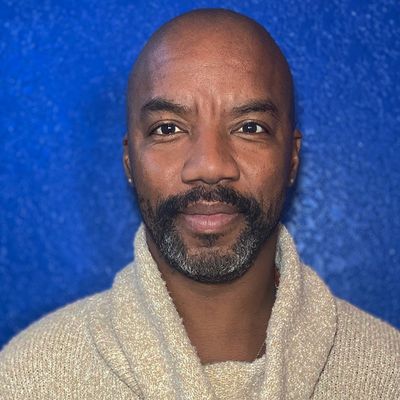
Original Rent cast member Rodney Hicks joins Behind the Awards to recount the creation of the cult phenomenon Rent and his friendship with Jonathon Larson. Fun Fact the OBC still has an active group text... Read More
From the show: Behind the Awards with Eila Mell & Bruce Gotlieb
Guests
Featured Shows
About
Original Rent cast member Rodney Hicks joins Behind the Awards to recount the creation of the cult phenomenon Rent and his friendship with Jonathon Larson. Fun Fact the OBC still has an active group text. Rodney discusses for the first time ever 1968: An American Love Story, a project that he has been writing for the past 5 years. Rodney shares how Susan Stroman made him a dancer, his battle with Spasmodic Dysphonia and upcoming feature film.
Also in this episode - Julianne Moore 2015 Best Actress win for Still Alice. Review of Idina Menzel’s return to Broadway in Redwood.
Rodney Hicks is a meditator, playwright, and TV/Film/Stage actor. Plays: 1968 an American Love Story (musical); inhale-EXHALE; Just Press Save; FLAME BROILED. or the ugly play(2019 Local Theatre Company premiere/Boulder, CO); Ms. Pearl’s. Broadway actor credits: Come From Away, The Scottsboro Boys, Jesus Christ Superstar, RENT. Film: Mighty Oak (Apple TV, Amazon), Rent: Live on Broadway, The Sleepover (Disney+) TV: Leverage, Grimm, Hope & Faith, Student Affairs (Pilot), Law & Order: CI; NYPD Blue, FOREVER (Netflix series, May 2025)
Make sure to check out Eila's book, "The Tony Awards", and all her other amazing books: https://amzn.to/43WMu5Y.
Connect with Eila and Bruce:
- Instagram @behind_the_awards
- Eila @eilamell
- Bruce @cominghomewithbruce
Transcript
This transcript was automatically generated and might contain errors.
[0:00] Bruce Gotlieb: I read an article that said that winning an Oscar could lead to living five years longer.
[0:10] Eila Mell: If that's true, I'd really like to thank the Academy because my husband is younger than me.
[0:27] Bruce Gotlieb: Hello and welcome to Behind the Awards.
[0:29] Eila Mell: I'm Eila.
[0:30] Bruce Gotlieb: I'm here with Bruce.
[0:32] Eila Mell: Hello there, Bruce.
[0:33] Bruce Gotlieb: So that was Julianne Moore.
[0:35] Eila Mell: Uh not only did she win an Oscar, but according to, uh, people, I don't know who the people are, uh, she now gets an additional five years added to her life for the Oscar win.
[0:44] Bruce Gotlieb: Well, how nice.
[0:45] Eila Mell: She's gonna need it because now she's banned, you were telling me.
[0:48] Bruce Gotlieb: What's going on?
[0:49] Eila Mell: Uh craziness is going on in this world and apparently her children's, uh, Freckle Freckleface Strawberry is the latest, um, I guess, uh, recipient of the crazy.
[1:03] Bruce Gotlieb: Wow, so for whatever reason this children's book is considered dangerous now somehow.
[1:09] Eila Mell: Uh, you know, I will have to, I guess, keep digging to find out the truth, but, uh, something that came up, she even said I don't understand why.
[1:18] Bruce Gotlieb: Yeah, so they don't have to give a reason, they can just ban whatever they want.
[1:22] Eila Mell: I wish your guess is as Freckleface Strawberry, which is also an off-Broadway, is it a musical?
[1:29] Bruce Gotlieb: I'm pretty sure it's a big one.
[1:30] Eila Mell: It might be.
[1:30] Bruce Gotlieb: I think they did adapt it, yeah.
[1:32] Eila Mell: So who knows what the hell is going on.
[1:34] Bruce Gotlieb: But Broadway, or speaking of musicals, yes, we'll segue this into, uh, the fortune to go see Redwood last week.
[1:44] Eila Mell: Yes, we got to see it very early, which you know I really like.
[1:47] Bruce Gotlieb: Yes.
[1:47] Eila Mell: Um, so what'd you think?
[1:49] Bruce Gotlieb: I really, really enjoyed it. It really stayed with me. I kept thinking about it. So if you don't want to hear any spoilers, just fast forward, uh, you know, a few minutes.
[1:58] Eila Mell: That's a good idea.
[1:59] Bruce Gotlieb: That's a good idea.
[2:00] Eila Mell: I thought it was really good. The tech is outstanding.
[2:03] Bruce Gotlieb: Oh, it's beautiful. Really, really outstanding.
[2:05] Eila Mell: You walk into the theater, and the anticipation of what the tech will be, because there's nothing. It's just blank, completely blank.
[2:13] Bruce Gotlieb: But it still takes your breath away.
[2:15] Eila Mell: It does. It's really cool. It's the kind of room that I like. I like that kind of cold white room.
[2:20] Bruce Gotlieb: Yes, I love that. Very modern.
[2:23] Eila Mell: I thought Adina was great. She sounded really good.
[2:27] Bruce Gotlieb: It's five people, so you're not inundated with a lot of characters to sort through.
[2:33] Eila Mell: Right. There's no big numbers.
[2:35] Bruce Gotlieb: Right.
[2:37] Eila Mell: I was so taken by Kayla Wilcoxon, who plays Becca. She's been making her way different replacements here and there throughout Broadway. She was in Hadestown, she was in Six. She's originating this role now. And if I were a Tony nominator, I would nominate her.
[2:55] Bruce Gotlieb: Yeah.
[2:56] Eila Mell: That's just how she just took over this part, I felt.
[3:01] Bruce Gotlieb: What about you? What was your initial, uh, takeaways?
[3:03] Eila Mell: Um, it was something that I had to and wanted to think about for a while afterwards. I didn't have an immediate reaction. I mean, I definitely liked it and I really connected with it. And I think certain people will have that connection. And if you do, it's really strong.
[3:18] Bruce Gotlieb: Sure.
[3:19] Eila Mell: And if you don't, then I could see someone not thinking it's so great.
[3:24] Bruce Gotlieb: I heard someone behind us say, well, the last half hour was good, but I didn't think so.
[3:30] Eila Mell: You know, I was with it the whole time. I think it's really a very, very good show. I think it flies under the radar.
[3:37] Bruce Gotlieb: Sure.
[3:38] Eila Mell: It's smaller than a lot of shows, but there's so much going on. The story is really rich. I find Adina Menzel's character super interesting. She's not necessarily the most likable character, but she doesn't have to be.
[3:53] Bruce Gotlieb: No.
[3:54] Eila Mell: And it, I mean, I think at some point you do wind up rooting for her. I mean, the character itself, you know, it deals with trauma, with drug addiction, it deals with death, it deals with relationships both as a married couple and as a parent. And just really as a human interaction, interacting with other, when she interacts with the other characters, it's just, you know, more pure relationship, but all of that is driven by this trauma that's been experienced.
[4:22] Bruce Gotlieb: So I think as an audience member, once you understand what's going on and why she's behaving in the way she is, I think you're a little bit more forgiving of maybe her sharp tones or her short answers or, you know, just some of the way that she's behaving as a character.
[4:42] Eila Mell: Well, yeah. And I didn't mean to imply that I didn't like her. I just didn't, I was neutral about her. I was just watching the story unfold. But usually, you know, your main characters are supposed to be, you know, they charm you and you love them and you want to be on the journey with them. And with her, I just was more interested in what she was doing. And by the end of the show, you understand exactly why she did everything she did because she, that was the only way to sort of get back to her roots, pun intended, you know.
[5:15] Bruce Gotlieb: And for our listeners who haven't seen it that have maybe want to hear a little bit more, you are getting a Redwood on stage. You are getting tree climbing by quite a few characters.
[5:27] Eila Mell: Yes.
[5:27] Bruce Gotlieb: Not just Adina. You're also getting swinging from the tree. You're getting, you're also getting movement. There's a lot within the projections, movement of the tree, movement of the surroundings.
[5:39] Eila Mell: Yeah, it's kind of like being on a 4D ride almost.
[5:42] Bruce Gotlieb: A little bit.
[5:43] Eila Mell: Sure.
[5:44] Bruce Gotlieb: Sure. Yeah, I think it's really interesting. I think the whole cast is great. Tina Landau has directed everyone to do small performances, which I appreciate. There's nothing showy in this. It's all very, very realistic in a heightened sense because of the projections really make everything heightened. But everything else is very grounded in reality.
[6:07] Eila Mell: Um, you know, it's not a Sunset Boulevard where you're getting an over-the-top performance, which is great. This is another really great performance, but it's just, it's very different. And I really liked it so much. And, you know, I could go back and see it again. I just found it so interesting, and there's so many layers to it.
[6:27] Bruce Gotlieb: So yeah, the one thing I guess, and I don't know that I would call it a negative, but typically when you go see a musical, you want to leave with the music still. And while I think the music suited the storytelling, sat in everyone's range really nicely, everyone sounded really good.
[6:47] Eila Mell: Right.
[6:53] Bruce Gotlieb: But this just, you know, when you, when something sits in someone's sweet spot, it's even that richer. Um, and I felt that that was the case for almost every performer, but I didn't leave with a song. I didn't leave humming or remembering a song.
[7:10] Eila Mell: The only one that I think I could recall if I tried is the Leaves song.
[7:16] Bruce Gotlieb: But only because they've already started playing that on XM.
[7:19] Eila Mell: So that helps.
[7:21] Bruce Gotlieb: It's been there a little bit more to repeat.
[7:23] Eila Mell: Well, I don't know if this is the song, but for me, the standout song is the one that Zachary Noah Piser does at the end with Adina Menzel.
[7:30] Bruce Gotlieb: Sure, it's beautiful.
[7:31] Eila Mell: I'm not sure what it's called, maybe Still.
[7:33] Bruce Gotlieb: I'm not sure if it that could be totally wrong.
[7:36] Eila Mell: But I again, if I had to say take something negative away from it, it would be that it was beautiful. And in the moment it was perfect. But not being able to recall the name of it, I find that I leave other shows and other musicals with being able to say, oh my god, this song and be able to say the title or be able to recall something from it.
[7:59] Bruce Gotlieb: So if I had to say one thing that maybe wasn't so great, is that it just, I wish I had a little bit more connection with that way.
[8:08] Eila Mell: Well, that's interesting. Because for me, I don't leave any musicals anymore with songs in my head unless they're a theme and they keep playing over and over. But usually, you know, I kind of take all of the, I think that was something that you got, I don't know.
[8:25] Bruce Gotlieb: May it seems like that's just the norm at this point.
[8:29] Eila Mell: Or maybe it's just me. Maybe I just can't absorb it as well.
[8:32] Bruce Gotlieb: I don't know.
[8:33] Eila Mell: Maybe I mean when I left, uh, Death Becomes Her, I still had songs in my head.
[8:38] Bruce Gotlieb: Really?
[8:38] Eila Mell: Okay.
[8:39] Bruce Gotlieb: All right.
[8:40] Eila Mell: Well, for the gays is pretty hard to forget.
[8:43] Bruce Gotlieb: So maybe, maybe you're right. Maybe you've got something there.
[8:48] Eila Mell: But I think when a song is funny too, you know, that helps you remember it.
[8:52] Bruce Gotlieb: Sure, sure.
[8:53] Eila Mell: Redwood for me is definitely a go see. It's a recommended one for sure. I'm curious to see what's going to happen award season. I would consider it a snub if it didn't get any tech nominations.
[9:07] Bruce Gotlieb: Oh, it's got to. Because it is just so, so good. Hannah Kim, she did the video and the projections. That work is just really outstanding.
[9:18] Eila Mell: It's so good. And without that, you can't tell the story.
[9:21] Bruce Gotlieb: I would agree. I'd be curious. I wonder if in any incarnation they try to tell it with traditional sets.
[9:28] Eila Mell: Um, I don't think it would be as successful, although not seeing it, it's hard to say for sure.
[9:33] Bruce Gotlieb: Right.
[9:33] Eila Mell: And you do have a tree. I mean, you have a traditional set, but it's very enhanced by the video.
[9:40] Bruce Gotlieb: Absolutely.
[9:41] Eila Mell: Which you really need. Tech wise, I think it should pull some nominations in every time Adina originates a role, she gets a nomination.
[9:48] Bruce Gotlieb: So well, this would be very deserved, I think.
[9:52] Eila Mell: I know it's just so we've talked about this. It's like, who do you leave out, right?
[9:56] Bruce Gotlieb: I know it's really, it's a tough category.
[9:59] Eila Mell: But I think the tech category, because there is no video or projections category, which you know, I always say there really should be. So I guess this will get combined with set design. Sometimes it gets combined with lighting. It'll be curious to see how the committee rules on this one because it could go either way and be appropriate because the use of light throughout also is used really successfully.
[10:24] Bruce Gotlieb: Yeah.
[10:25] Eila Mell: So I guess we'll see. That's something unknowable at this point.
[10:29] Bruce Gotlieb: Absolutely. But I'm pulling for Kayla to get a nomination.
[10:33] Eila Mell: Yeah. It would be our first. So that would be exciting.
[10:35] Bruce Gotlieb: Yeah, I mean, they're all really good. Michael Park, I love seeing him.
[10:39] Eila Mell: Yeah.
[10:40] Bruce Gotlieb: It's definitely worth seeing. I think parents especially will connect with it.
[10:45] Eila Mell: Sure. I think again, we're continuing the conversation of musicals just becoming a little bit different and storytelling being a little bit different than your traditional. You're still gonna have your musical comedies that are the Death Becomes Her, the loop smashes that formula. But this kind of, I feel like takes the same vein of like how The Outsiders was telling stories a little bit differently. And I appreciate the evolution.
[11:12] Bruce Gotlieb: Yeah.
[11:13] Eila Mell: And I really appreciate the smallness of this show. That's in no way a negative. I like that. I think that really works for this.
[11:20] Bruce Gotlieb: So speaking of Adina and speaking of the Needlander Theater, is there a better segue?
[11:27] Eila Mell: There really isn't. We were so lucky to get some time with Rodney Hicks, original company member of Rent.
[11:37] Bruce Gotlieb: How lovable is this guy?
[11:39] Eila Mell: Oh my gosh. I mean, if you need sunshine in your life, you just like stick him in your pocket.
[11:45] Bruce Gotlieb: No, just, you know, I hope people will follow Rodney because you just, right, he just brings warmth and happiness and joy. He's just the loveliest person.
[11:55] Eila Mell: So we got an opportunity to speak to him not only about his career, but about this new musical that he's writing.
[12:02] Bruce Gotlieb: Yeah, it's really exciting. 1968: An American Love Story. We had the opportunity to speak to him, I guess it was a few weeks ago, about maybe close to a month ago.
[12:11] Eila Mell: Yeah.
[12:12] Bruce Gotlieb: And then he was generous enough to invite us to the first table read that they were all getting together of this incarnation because it's had a life to get to where it is.
[12:21] Eila Mell: Right.
[12:22] Bruce Gotlieb: So he shares a little bit about the show and how he's created it and how much it means to him. It's a real passion project that we could see coming soon to a stage near you.
[12:34] Eila Mell: I mean, he's worked on it.
[12:35] Bruce Gotlieb: Yes.
[12:36] Eila Mell: Yeah.
[12:36] Bruce Gotlieb: So let's bring Rodney out. Dive into Rent, into 1968, into all things Rodney.
[12:45] Eila Mell: Bruce, we have such a special guest. I'm so excited to welcome Rodney Hicks to our show.
[12:51] Rodney Hicks: Hi, Rodney.
[12:52] Rodney Hicks: Hello.
[12:53] Rodney Hicks: How are you?
[12:54] Eila Mell: We're so excited to meet you. Thank you so much for joining us.
[12:58] Rodney Hicks: Thank you for having me. It is much appreciated.
[13:01] Eila Mell: Ah, well, we're always excited when we have an original Rent cast member on. That's a big deal in theater history.
[13:09] Rodney Hicks: Love that. Love that.
[13:09] Eila Mell: We have 30 years actually.
[13:12] Rodney Hicks: Wow.
[13:13] Eila Mell: Yeah.
[13:14] Rodney Hicks: Wow.
[13:14] Eila Mell: Yeah.
[13:15] Rodney Hicks: One of our first guests we ever had on the show was Wilson Jermaine Heredia.
[13:19] Rodney Hicks: Love this.
[13:20] Eila Mell: Yeah.
[13:21] Rodney Hicks: I love Will. I mean, I love all of them.
[13:22] Eila Mell: So I'm sure.
[13:23] Rodney Hicks: I'm sure.
[13:25] Eila Mell: You know.
[13:25] Rodney Hicks: That must have been a big bonding experience. Were you in it at the public also when it first started?
[13:30] Rodney Hicks: New York Theater Workshop, yes.
[13:31] Eila Mell: New York Theater Workshop, right, right.
[13:33] Rodney Hicks: Right. We were fortunate to be a cast that, you know, usually, not usually, but a lot of times when shows start somewhere, they have replacements, you know, uh, for one reason or another. And, uh, by the grace of, you know, the theater gods, uh, we all continued on and we were able to continue Jonathan's legacy.
[13:56] Eila Mell: So, and we, you know, we're on a text thread like all of these years later.
[14:01] Rodney Hicks: Um, we're very, very close.
[14:02] Eila Mell: So it's pretty special here, yeah.
[14:05] Rodney Hicks: And then lucky enough that after you had left the cast, you got to come back, and now you were in the closing company, which is just archived forever.
[14:14] Eila Mell: I mean, you know, what is that about, right?
[14:17] Rodney Hicks: It's like I began my journey with Rent when I was, uh, 21 still.
[14:22] Eila Mell: Wow, 22 when we opened is when I turned 22 years old.
[14:26] Rodney Hicks: And I was supposed to be graduating college at that time, and I was opening a Broadway musical, and then 10 years later, I auditioned actually. I had a break in my schedule, and I had an offer for a Shakespeare, um, show at Lincoln Center, and then Rent as well.
[14:47] Rodney Hicks: And I was like, I have to go back and do Rent.
[14:50] Eila Mell: Yeah, you know, so it was kind of a no-brainer.
[14:53] Rodney Hicks: Yeah, absolutely. Shakespeare's come and go pretty often.
[14:57] Rodney Hicks: So you'll you'll have other chats for that.
[14:59] Bruce Gotlieb: Yeah, it was Cymbaline, you know, and it was like it's fine.
[15:03] Rodney Hicks: That's right.
[15:04] Bruce Gotlieb: You know, one of the lesser Shakespeare's.
[15:07] Rodney Hicks: That's right.
[15:08] Bruce Gotlieb: That's right.
[15:09] Rodney Hicks: I mean, it's such a story, right? Rent is such an iconic show at this point. But when you came into it, nobody knew anything about it, right?
[15:18] Bruce Gotlieb: Had you known Jonathon Larson at that point?
[15:20] Rodney Hicks: That's a great question. Thank you for asking. I did, actually. Yes, Jonathan was my friend. Um, I came to New York in 1994, in the fall of '94, at 20 years old, and just kind of a whim, but not because I'd always wanted to go to New York to be an actor since I think I was five, you know.
[15:38] Bruce Gotlieb: Yeah.
[15:39] Rodney Hicks: And I was in my sophomore year and I did a summer show called Mark Twain The Musical. And the person who turned out to be my first voice coach, Jack Waddell, who actually just passed like two weeks ago. Um and he said, You need to go to New York in this very big bass profan um basal voice. And and he said, You're going to work. And but what I didn't know was how to, it's not about just the work. It's about building community. It's about the friendships you make, and it's about the lessons you learn. And it's also about falling up, right?
[16:19] Bruce Gotlieb: And so when I got there, of course, I did book right away, and I got a Theaterworks USA job. This leads into Rent. And then like two weeks into the show, my manager had got me another audition. I was still rehearsing. And she said, But this is a Broadway Backer. Remember those Broadway backers?
[16:37] Rodney Hicks: Yeah.
[16:40] Bruce Gotlieb: We did it at the Apollo Theater, and it was a show called Bring in the Morning A Wake Up Call. It was like the sequel to The Me Nobody Knows, Gary William Friedman's musical. And it was about young people, you know, and Lauren Hill played my sister in it.
[16:53] Rodney Hicks: Oh wow.
[16:54] Bruce Gotlieb: You know, it was pretty incredible. The cast was stacked. Andrea Burns, uh uh Kimberly Juan, Philip Anthony Rodriguez, you know.
[17:03] Rodney Hicks: I went to high school with Philip.
[17:04] Bruce Gotlieb: Are you serious?
[17:05] Rodney Hicks: Oh my gosh, yes. Philip and I played best friends in that, you know, and we're all still connected, you know?
[17:11] Bruce Gotlieb: And so Oh my gosh.
[17:13] Rodney Hicks: Um, it's so the show opened and closed. We we closed like much sooner than we were supposed to. So I was out of a job, and I went back home to Jersey and then just stayed with my grandparents, and then it was like January. My aunt gave me some money. I had saved some money, and they were like, You need to be back in New York. And thankfully I did because my second job was a Jonathan's show called Blocks.
[17:42] Rodney Hicks: Um that uh it was a TYA, and that's where I met Anthony Rapp, and that's where I met Yasmin Ahlers. And so we we all three of us were in it, and Jonathan was like amazing and there every single day. And we just became friends. And, you know, he had these demos. And so that was when I first heard one of the songs from Rent. He played it because he had his old, you know, everything in Tic Tic Boom, the movie, that literally was his apartment.
[18:08] Rodney Hicks: I mean, it looked just like it with the bathroom and the kitchen and like and his posters everywhere. I mean, I was like, who is this person? This is amazing.
[18:18] Bruce Gotlieb: Yeah.
[18:18] Rodney Hicks: And, you know, um, he told me a little bit about Rent, but that was it. You know, they had done a studio uh um, a studio workshop of it, um, or reading. They did that actually simultaneously when I was doing Bring in the Morning in '94, around the same exact time.
[18:38] Bruce Gotlieb: So that was really fun to know.
[18:40] Rodney Hicks: And then I did a show in uh Jesus Christ Superstar, the tour of that over that summer, and Bernie Telsey, uh, they had called me in for a show. It was Peter Sellers directed it, and it was I was looking at the ceiling, and then I saw the sky. Very long title.
[18:57] Bruce Gotlieb: Yes.
[18:58] Rodney Hicks: Okay. John Adams wrote the music, and it was the hardest score to date that ever encountered in my life. Jerry Dixon was in it, Darius Dahaas. I mean, the list goes on with this cast, and I've just been fortunate, you know.
[19:13] Bruce Gotlieb: And um, we were in Paris in Germany, and then by the end of the run, we get an email to audition for Rent. And it was 20s or 30s, and I didn't even look like I was my age at the time. So I went to my audition, and of course I knew Jonathan, and Michael was there, Michael Grife and Tim Wil, our music director, and Jim Nicola, the artistic director at the time at New York Theater Workshop, and Bernie Telsey.
[19:41] Rodney Hicks: And so Bernie and Jonathan knew me, right? They knew I was a little touched. And so, meaning I thought, well, I don't look this age, so I'm gonna paint on a goatee. I couldn't grow facial hair at the time. So Jesse Martin was the first person I met in the waiting room.
[20:02] Rodney Hicks: And I could tell he wanted to say something to me about that, but he didn't. He was so kind. But what he did say was, Do you know anything about this play? Because I don't know anything about this, you know? And uh, you know, we all just had a little demo, and of course, I proceeded to recite the whole breakdown because I was that theater geek kid.
[20:21] Rodney Hicks: And uh, I go in and I had a red Christmas cardigan from the gap on, and because I thought I was auditioning for Benny. Uh huh. And uh half hour later, my sweaters off. They have me doing backflips and break dancing, because that was a thing at the time.
[20:39] Bruce Gotlieb: Right.
[20:40] Rodney Hicks: And then I sang This is the moment, the most wrong song for the show, but no one knew what the show was, right? So Tim said, Do you have anything more RB? And I sang On the Wings of Love by Jeffrey Osborne. And then we danced a little, and then after Bernie said, Rodney, you want to go in the bathroom. Uh, because you you're you got he just kind of looked at my face and I was so embarrassed.
[21:04] Rodney Hicks: Yeah. And I just knew I went to the bathroom, just smeared all over my face. The mascara.
[21:12] Bruce Gotlieb: And oh, that's what you use, mascara.
[21:15] Rodney Hicks: Oh yeah. Oh yeah. The mascara brush.
[21:17] Bruce Gotlieb: Oh yeah.
[21:18] Rodney Hicks: And I I sweated it all. Okay. A half hour later, I get home and they said I got the job.
[21:25] Bruce Gotlieb: Oh.
[21:25] Rodney Hicks: Amazing.
[21:26] Bruce Gotlieb: Well, they couldn't forget you, certainly with that message.
[21:30] Rodney Hicks: I guess not, you know. And it's interesting because at the time I was engaged to a woman, and I I thought she was three years older than me, and she had a two-year-old, and I was ready. I was like instant family. I am not gay. That then I do it was everything I was afraid of.
[21:49] Bruce Gotlieb: Yeah.
[21:49] Rodney Hicks: You know, and I came out on that show. I ended my relationship with my fiance on Valentine's Day, sadly.
[21:57] Bruce Gotlieb: Oh boy.
[21:58] Rodney Hicks: Um, but it felt liberating to me because I I felt I love this person, but I'm not in love with this person. And it was because of Rent that I started to understand to start to fall in love with who I was, but I did come out twice, so it's okay.
[22:15] Bruce Gotlieb: A few years later.
[22:16] Rodney Hicks: It was you know, coming out is hard, especially in the nineties. It was very we didn't have the support that people have now.
[22:23] Bruce Gotlieb: Right.
[22:23] Rodney Hicks: And there was a lot of fear back then. It was very different. A different world, really.
[22:28] Bruce Gotlieb: And fear, especially because when I came into the industry, my team at that time, literally the first thing they said, do not tell anyone you're gay.
[22:37] Rodney Hicks: I mean, and I think about many of us were told that, like in the nineties, and so it's not, you know, but now you think about it.
[22:44] Bruce Gotlieb: Yeah, now you're like, who would say that to somebody?
[22:47] Rodney Hicks: Right. You'd never know. And they're basically saying, Don't be yourself.
[22:52] Bruce Gotlieb: Yeah.
[22:52] Rodney Hicks: Right. You know, and so it took me, I say that because it took me many years to find my authentic self. Because I just kept hiding and hiding and just I didn't I was afraid. I thought, well, I'm not going to work. Or I I, you know, until I just said, let 'em.
[23:13] Bruce Gotlieb: Yeah.
[23:14] Rodney Hicks: Let people think what they want to think. And and I everyone's gonna have an opinion about you anyway, right?
[23:19] Bruce Gotlieb: And so um, you know, I thank God I'm in my life now, uh tenure meditator and um, you know, Reiki energy healer, and doing what I love still to this day. So I'm grateful.
[23:31] Bruce Gotlieb: Yeah.
[23:32] Rodney Hicks: And just proudly gay.
[23:36] Bruce Gotlieb: It's amazing to me.
[23:39] Rodney Hicks: But it's amazing to me that there are still people who can't come out or are too afraid to come out. Cause, you know, let's not think that everyone who is gay feels as free as you do.
[23:50] Bruce Gotlieb: It's it's you're absolutely right.
[23:53] Rodney Hicks: It is sad, and I just now I just kind of my my my place, I guess, in life is to be myself because everyone else is taken.
[24:06] Bruce Gotlieb: You know.
[24:07] Rodney Hicks: One of my favorite quotes that be yourself because everyone else is taken.
[24:12] Bruce Gotlieb: And I think that's Oscar Wilde, I believe, or someone.
[24:16] Rodney Hicks: I think so, yeah. You know, it just, but that took a lot of years.
[24:17] Rodney Hicks: A lot of years, you know, and and um, but I'm grateful to be 50 years old and just going, wow, I actually love who I am, and I actually love and forgive my younger versions, you know, because you'll never see them again.
[24:37] Bruce Gotlieb: Right.
[24:38] Rodney Hicks: Right. I'll never see them again. You know what I mean? You might as well let it go.
[24:42] Bruce Gotlieb: You might as well let it go.
[24:43] Rodney Hicks: And so I really I say that to people. I'm like, the past is a past. It's not a life sentence. You know, we learn from it. And that's how we evolve and grow. You know.
[24:54] Bruce Gotlieb: And it's a heavy baggage to carry around.
[24:57] Rodney Hicks: You know, you know what? That feeling of release.
[25:01] Bruce Gotlieb: It until you experience it.
[25:04] Rodney Hicks: Yes.
[25:04] Bruce Gotlieb: You can't even describe it to anybody because it it is like nothing else that you you allow yourself to be free of yourself, you know.
[25:13] Rodney Hicks: Yes, yes, you know.
[25:15] Bruce Gotlieb: And it's and it's not easy, you know.
[25:18] Rodney Hicks: It really isn't because our world is doing this kind of recessive thing in a way. Um, but it's like I will not be moved because didn't do all this work for nothing.
[25:30] Bruce Gotlieb: Right.
[25:31] Rodney Hicks: And it's more important now. More important than ever. And it's like, you know, I always say hate is too great a burden of to bear. I'm gonna stick with love.
[25:39] Bruce Gotlieb: That's Martin Luther King, right?
[25:41] Rodney Hicks: And it's like I I'm going to stick with love because and peace, because as docile as people may think that is, you know, in passive, it's it's a verb. Peace is a verb. You know what I mean? Love is a verb. It's like I've worked too hard to not have that energy.
[25:41] Bruce Gotlieb: Yeah.
[25:41] Rodney Hicks: You know.
[26:02] Bruce Gotlieb: But you just come across, right, as someone who is just so at peace and just so comfortable.
[26:11] Rodney Hicks: So it's hard for me to even imagine that you ever were another version of yourself.
[26:15] Rodney Hicks: I was many versions of myself, you know. And like, and like and I and I say that proudly because I'm grateful to have had friends for 30 plus years who have watched my evolution as I've watched their evolution and growth.
[26:29] Bruce Gotlieb: Um, and it's really beautiful because they have given me so much grace to, you know how we can hold people to like, oh, I remember when that person was, and it's just like when people say that, I silently don't judge, but I silently think, man, I hope that you can one day see that person for where they're at now.
[26:50] Rodney Hicks: You know, unless they're still the same, you know.
[26:52] Bruce Gotlieb: Oh, yeah.
[26:54] Rodney Hicks: But then I find that people change or people want to change, unless they just don't want.
[27:01] Bruce Gotlieb: You know, I mean, and and it's it's not for me to judge anybody.
[27:05] Rodney Hicks: It's like because once you live a certain many years, you've been through it. So it's just like nobody, nobody's like everybody has stunk sometime in their life.
[27:17] Bruce Gotlieb: Right.
[27:17] Rodney Hicks: You know what I mean?
[27:18] Bruce Gotlieb: Yeah, that's how we grow.
[27:20] Rodney Hicks: Yeah. We have to fall. We have to make the mistakes in order to grow.
[27:25] Bruce Gotlieb: And we can't keep people in places when they were 20 years old or 22.
[27:30] Rodney Hicks: Right.
[27:31] Bruce Gotlieb: Hopefully they've evolved since then.
[27:33] Rodney Hicks: You know, right. I just try to let my work and my humanness speak for itself.
[27:46] Rodney Hicks: Hi, everyone, this is Rodney Hicks with Behind the Awards. We'll be right back.
[27:53] Bruce Gotlieb: Well, we would like you to speak to us about 1968. What is this project?
[27:57] Rodney Hicks: We're so intrigued. I'm very excited about this project. It's been five years in the making, and really longer than that, but five years of I sat during the pandemic.
[28:09] Rodney Hicks: It was the end of 2020. I was watching a documentary called 1968, The Year That Changed America. Um are you familiar with that?
[28:18] Bruce Gotlieb: I've heard of it, but I haven't watched it.
[28:20] Rodney Hicks: It's on HBO Max. And I I think everyone should watch this. It's four hours, and it does winter, spring, summer, fall. That's how it's cool.
[28:31] Bruce Gotlieb: Okay.
[28:32] Rodney Hicks: And immediately I thought, I watched the whole thing and I thought, there's a musical in this.
[28:43] Bruce Gotlieb: Right.
[28:43] Rodney Hicks: Yeah. Sure. Like, okay, yes, we know all the things that went on in 1968. It's like the most populated of events that year, actually.
[28:53] Bruce Gotlieb: Right.
[28:54] Rodney Hicks: And I just thought, well, what about the people? What were the everyday people doing in this time? I, you know, we already know about the events and the big moments.
[29:05] Bruce Gotlieb: Yeah, but what so then I started watching documentaries about the people of that time, you know, and I mean I found so much.
[29:13] Rodney Hicks: And then I went through two composition books of notes and just really kind of mapping it out, mapping it out. And I called a producer friend of mine and I said, I have this idea, but I don't know if I can even do it, you know?
[29:28] Bruce Gotlieb: And they were like, why not you?
[29:30] Rodney Hicks: Right.
[29:30] Bruce Gotlieb: And I was like, right? I had read it. It was your idea.
[29:33] Rodney Hicks: Yeah, and I thought, yeah, but this is a this is a lot, you know.
[29:38] Bruce Gotlieb: That's 1968.
[29:39] Rodney Hicks: I'm like, it's like, really? And I love the music of that time, but I still thought I had imposter syndrome, you know?
[29:47] Rodney Hicks: And I thought, oh man, okay, well, let me see. And I thought, well, maybe I need someone to write the music, you know, and like and collaborate.
[29:55] Rodney Hicks: And I did for a second. Um, and this year is when I said, and I made the hard heart decision. And I called my dear friend and I said, David, because he wrote four songs, so amazing songs. And I said, you know, I can't stop hearing these songs of that time. I said, there's a reason why these songs came out and they changed us. They helped people like move forward. And they also helped bring everyone together with music from all over. And you know, he understood. He said, I'm so sad, but I get it. And I just, that's a relief. Yeah. It was a relief because, uh, thankfully I had wrote the book first, and I had spent four years writing that. And just kind of when we did two, we did a zoom reading of act one in 2021, and of what act one, so not what it is now, but you as you know, we did a zoom of it, and after people were like, you must finish this.
I said, I don't even know where, okay. I, okay, let's go. And I thought at that time I was gonna write this four-hour two-part piece. Yeah, no one wants to sit for that. No, after seeing The Inheritance, I got excited. Yes, right. Maybe we could do this. Right, right. No one had told me that yet. Everyone was like, well, keep going. Because I knew later it was a writing exercise. And what I did, we did another Zoom reading. Uh, and later that about three months later, and I wrote a draft of four acts and a four-act structure, right? And that was the point of doing that. So I could mine, see what stories are out there. And it was all about the everyday people. And I wanted to make sure that it wasn't a message show, that it wasn't an us versus them show.
I was like, whoa, there's a lot that I can mine from this year. Yeah. Whose story is it? It's all of our stories. And I want that to, I want to reflect the harmony in the piece. Because again, that time things were dividing again. And um where we're at now. And it was a lot of like, you know, uh the race stuff was coming up again. And I was just like, oh, I'm supposed to be writing this. I don't know when I'll finish it. So we did a Zoom reading, four-hour Zoom. And I'm talking about these actors like Adrian Lennox, like the list goes, I mean, these people grew it. Yes. And I mean, the list goes on. They all were like, we're here for you. And I said, y'all know half of this is going to get cut, and half of these characters are not going to be no more, but I need to figure it out.
And they say, we got you. And we did it. And, uh, we had a little talk after, and then I took another year and worked on it some more, and then presented another four-act structure in person. Who does that? Knowing it wasn't gonna be a four-hour piece. Right. But at that time I thought, oh, well, because then someone said, well, maybe, maybe it's a mini-series. Maybe it's, it's, and I thought, oh, well, that's okay. Let's figure out that. We do the in-person reading in New York, and I invited just a few people, and you know, of course, people were leaving after each act, you know, like we know you're gonna, but I told them, I said, please you feel free to leave whenever. You know, um, the people watching.
I said, this is literally a writing exercise to figure out what it is and what it can be. And by the grace of theater gods, I was introduced to, I think he's a script whisperer. Um, and I'm not gonna say his name because he's one of those people that's just like a script whisperer, you know. He doesn't want it out there. You know, those creative producers that are just like, it's not about the recognition or whatever. They just, oh, I can't even imagine that. Yeah, right, right. They just want to help you. And this person, when I say this person has been helping me for three years now, uh, dramaturgically, and like reading, whoo, draft after draft. And that's a lot, that's a big ask to ask people.
That's an angel. He was the first person to say, girl, no one's gonna sit through a four-act musical. Right. Literally, and I said, bless you. Thank you for saying this. Now, how do I, how do I condense it? Right. I know he never told me what to do or how to do it, just notes. You know, and then then started giving suggestions. Oh, what if, what if? So three years later, we now have a two-hour and 15-minute musical. Amazing. He's like, he's like your Glinda. You learn how to get there all along. He's like Glinda, and I'm alphabet because I'm like, it's changed within me, you know? You know, it's like, I mean, really, there were times where I mean the notes I was like, in my hand, I got them.
I'm like, okay, great. And then I'm like, there's no way I do this. Because you get attached, you know, and of course. And I, it helped me let go. It helped me just let go. And what serves the piece, what serves the characters, and how do I want to make people feel? Yeah. And how can this be different than the jukebox musicals we know? Right. That we've seen. Some of them are amazing. Some of them were like, okay, next, you know? And so it's like, okay, we've come this far with jukebox musicals. I can't like do something and people are like, we've already seen it. It's like, how do I do something that we haven't seen? And something that is needed in a way. And also it's like, okay. And he got me to create this book.
Because at one point it would, people were like, is it a play or a musical? Make up your mind. And I was like, well, it's a hybrid. Is it a play or a musical? Make up your mind. So I was like, stereophonic. Is it a play? Okay, people, I get. So he was adding more music, but also figuring out when it's needed and when the music when they're gonna sing it, or when it's diagactic, where it's coming from they're putting on the record player. And then literally you're hearing the actual real song and they're jamming to it in the show. Or if that's cool. Oh, yeah. And sometimes it comes from, uh, other places than them just singing it. So there's gonna be both live performances, obviously, but also some of the original recordings in the show.
Yes. And, uh, like there's a whole huge scene. It's a party scene, and you get to know a lot of things in that party. There, you know, of course, it's the prerequisite smoking marijuana. And, um, with some lace mushrooms, I guess. But like, um, what I love about it, what I love about the show is the five years of research to get to this point, to make it authentic, and to drop it into it's like, because everyone's gonna think of Hair, period. Sure. You know, and it's like, this is someone said, well, it's Hair with the book. You know? And but it's the opposite. So this show is now I can tell you, 1968 is about seven unforgettable friends navigate the highs and lows of life, forging an unbreakable bond amidst the chaos and heartbreak of the world, proving that love and unity can thrive even in the darkest of times.
And these individuals that you're going to meet, what I also wanted to do was a lot of times when we have shows in the 60s and we deal with Vietnam and everything, we deal with people who are white and they're leading us, right? And then people who are of color where it's supporting, you know what I mean? And I thought, okay, what if I reverse it? Where everyone is part of it. But what if the main love story is these two black people and they're actually about peace? And like, because it's so hard to live there. I'm like, that's gonna be the hardest thing to have someone who was like a John Lewis incarnate, a young, you know, st early 30s, and this black woman who is who's 20-somethings, and she lost her young husband to the Vietnam War, and she's grieving, and she's holding a lot of just stuff, and he's helping her bring it, he's bringing her into the light, and then you have another couple who she is, uh, Mexican and he is Native American, not only Native American, but he's also, um, he's also an amputee paraplegic, and because, uh, he lost his legs in the war.
And these are all people in their 20s. Wow, right? And his face, he's Johnny and his half his face is burned, you know. So those are the other two love stories. And they are estranged because the first time she knows what happened to him is at Port Authority in New York City. So they have a long way to go to get to what their love is. And then there is, oh, I'm sorry, I'm choking up a little bit because this character is very special. Um, it's Darren Garrison slash Renee. And we first meet Darren as Darren, and they're singing, um, uh, the Nina Simone song, uh, How Does It Feel to Be Free? And just putting on makeup and like putting on the dress and everything. You still don't know what's happening here, and it gets interrupted by their sister.
Yes, you know, and they don't have the words for trans or they say transvestite. You know, that's what people said then. Exactly. And the mother, woo! The scene with the mother, just wait. I can't wait. Um, she, it's, it's, we're just going in. Yeah, you know, and so Renee is his 40s. Cause I thought, I don't want to make this character, uh, 20-something. I was like, that'd be too easy. I want someone who is in their, you know, who's been in it and has been struggling, and they are from Memphis, so they find their way to New York City, and it's about chosen family. And then there's Deborah, who is Jewish and she's like the mother hen of everybody. You know, she's because it's almost, you think it's gonna be a show within a show, right?
How it starts. Because she's the director of this avant-garde kind of musical that's like trying to be Hair, but they're just like, oh, that's a fluke. It'll whatever. You know, but their show never made it past the opening number because she was that kind of director's like, you know. So they, um, basically are just trying to make ends meet and trying to just survive the year. Then there's Larry and Corey, and they are a gay couple, and Corey is also a veteran, a Vietnam vet, a gay Vietnam veteran. And so Corey, Johnny, and Taisha's ex-fiancé, Darnell, they were all in the same unit in Vietnam. And so there's that connection. And it's just, and I thought, oh, I want to have a gay military person in that time.
We were there. Exactly. Right. It didn't just happen when Bill Clinton started talking about it. Yeah. Right. And Larry is black and Corey is Asian American. And I thought, we never see an Asian American Vietnam story. They're always the bad people, like the Viet Cong. I'm like, what happens if this American just happens to be Asian American? You know, and it's interesting because none of them really say what their races are in the show, but it's very intentional, right? Where you could actually just put anybody in these roles. Yeah. And this core group of people move through this year. Then there's a lot of characters that come in and out, you know, we do it with the Columbia riots. It goes through the whole year.
And, uh, by the end of act one, it ends with a meditation. That's all I'll say. Because you know we just at the end of act one, we've had King's assassination. And then at the very tail end, we have Bobby Kennedy's the announcement of Bobby Kennedy. And then what leads us to finish the act is the song Let It Be. And by the end, the whole company, they, um, they sit and they meditate. Wow. Black Eye I bet that's powerful. Yeah. I'm sure I feel like could feel like how that could be very powerful. Yeah. I I'm so excited, you know, and then act two opens in Stonewall, you know? And um, and it opens with I think it would be the first, I don't know, the first time we potentially will see a lip sync in a theatrical show.
Oh because Larry is also drag queen. Sure. Um, Betty Drift and they open act two lip syncing to Don't Rain on My Parade. Oh amazing which is interrupted by the antagonist of the is there when you're creating all of this and you hear these songs and these moments as you're creating is there a thought in your mind of well what happens if I can't get the rights to such and such or do you have God option A B C D E yes I have options A through Z. And um there is, and so many songs have already been changed out, you know. But and it's what's great about this piece is once we get to the next juncture, we're doing a a really cool table read that in two weeks in New York, that we're doing it almost like a live radio show.
Oh, wow. Where the actors are not going to sing the songs. The songs are going to be the actual songs that will be played when we get to that. And it's gonna be kind of cool. And I'll play some of the sound effects and all, you know, that goes along with it, and some of the bites of speeches that are in the show. Um, and did a dry run of it, and I was like, oh, this is gonna hold. Okay. This, this is because you're gonna feel the energy regardless. And this is really for rangers and stuff to go, uh, got it to take it to the next level. So then the next juncture, the actors will be singing rearranged songs. So it's like just really taking the steps. And if there are songs, uh, when we get to licensing that we can't get the license for, I will do what I did to get the songs.
[44:55] Rodney Hicks: I will just research and look up what is this moment needing, you know, what is this song? Because they're so specific. And I what whenever this sees the light of day fully, I am so excited for you to see it because you'll understand, you're gonna go, this feels like this was original, this was meant for this moment.
[45:14] Rodney Hicks: Um Johnny suffers from PTSD throughout the whole show. And I didn't want to make someone who's in a wheelchair, you know, and they just kind of feel sorry for him, or they're like an angel. You know what I mean?
[45:27] Bruce Gotlieb: That's right.
[45:27] Rodney Hicks: Maybe even worse. Yeah. Oh, he's like, he goes off. I mean, he has a whole tyrant about hair, you know, because he's like, you know, it's a draft dodger musical. I actually went to war.
[45:39] Bruce Gotlieb: Yeah.
[45:39] Rodney Hicks: You know? Right. It's you're like, throws it on the heels for us. We're like, ooh, whoa. Okay, so hair was about people who didn't go to war.
[45:48] Bruce Gotlieb: Right.
[45:49] Rodney Hicks: And they're rebelling against the war. These people, half of them went to war, half of them know firsthand the experience of losing someone to war. And a lot of and some of them, you know, that I think they had a they had a cross-dressing moment in here. Margaret Mead. So I said, well, let's really have a fully realized person who's who who's, but their journey isn't about persecution or self-shamed and all.
[46:15] Bruce Gotlieb: Right.
[46:16] Rodney Hicks: It's a whole kind of journey that you don't even want. You're like, oh, oh, wow, you're going there. You know? I mean, we have Lionel as another character, Giannini. He owns, he runs Stonewall, because you know, Stonewall was run by the mob.
[46:31] Bruce Gotlieb: Right.
[46:32] Rodney Hicks: The whole thing. How crazy. They didn't want drag queens to be there. And so it's really, we go there, you know. I love the piece because it's unexpected. As it unfolds, by the end of Act One, you feel, I know these people. I just want to hug all of them.
[46:48] Rodney Hicks: And then act two, you think you know where we're gonna go, and then we introduce a new character that has been talked about in Act One, and then you're like, this, this shady queen, you know, you know, this closet case. And he and they're not, I don't know what they are, but they are nasty. Una unapologetically, they are a mob and they are homophobe. And they don't say, because I'm like, what are they gonna sing? They don't need to sing, but they really, once you get everyone, once you get to know everybody in act one, then act two, you get this antagonist that is a very real, very real, and you're like, wow, and then people are falling in love, and then all of the things and reconciling, and by the end, the last scene is in Stonewall.
[47:34] Rodney Hicks: Because we all know 1969. Right. You know. And so what I wanted to do was create a last scene that was a celebration. And there's this really great arrangement of put a little love in your heart. So that takes it out of what we think can be corny to a celebration, this RB kind of tinge kind of thing. And they're all these people of different walks of life just loving one each other, vibing, whether they're gay, straight, doesn't matter, all in one place before destruction actually happens the next year.
[48:10] Bruce Gotlieb: Yeah.
[48:11] Rodney Hicks: So this this all sounds like I'm ready to buy a ticket now.
[48:15] Bruce Gotlieb: I know.
[48:17] Rodney Hicks: I just I'm so I'm excited, and you'll get to hear the songs sung by genders or races that you wouldn't, you go, oh, yeah. I've never thought both sides now will be sung by that person in that situation, and you're the way that song is used in the show now, hopefully it's our 11 o'clock number that like a month ago, my one of my people on my team, they're like, you need an 11 o'clock number, Rodney. Please give us an 11 o'clock number. We want to cry. I'm like, okay, you know.
[48:52] Rodney Hicks: So there's a whole thing they have is that why people wind up in the hospital, and I don't want to give anything away, but it's a sort of magical realism that happens when they're waiting for some results, and you're just kind of and uh and I'm very, very, very excited about it. Um, but you know, it's a happy, it's a happy ending, actually.
[49:13] Rodney Hicks: And it's an ending, I don't want to say happy. It it is an ending that my goal and hope is that everybody in that audience will look at one another differently than when they came into that theater, especially given everything that's happening in our world, and we will probably continue to happen in these four years to come. It's like no matter where people lie on the political side or any of it, it takes politics out of the show.
[49:40] Bruce Gotlieb: Smart, yeah.
[49:40] Rodney Hicks: I took politics out of the show in a way. It's still there, but you're just kind of like in the character who's a Black Panther, I made her a woman. No, based on Angela Davis.
[49:52] Bruce Gotlieb: Yeah.
[49:52] Rodney Hicks: And I just thought I was very careful not to for her not to be an antagonist, you know. But for you to go, well, she has some points here. But how she's going about it, you know what I mean?
[50:05] Bruce Gotlieb: You're just kind of like, whoo, this is I want a producer friend of mine said, I need you to make a Thanksgiving meal.
[50:17] Rodney Hicks: Okay. Not junk food.
[50:19] Bruce Gotlieb: Yeah, right.
[50:20] Rodney Hicks: So everything. So that's my everything matters.
[50:23] Bruce Gotlieb: Yeah, right.
[50:23] Rodney Hicks: Thanksgiving's my favorite holiday.
[50:25] Bruce Gotlieb: Okay.
[50:28] Rodney Hicks: Right. The goal was to make a Thanksgiving meal, and I cannot wait to hear this cast.
[50:34] Rodney Hicks: Oh my God, I can't talk about them right now. But publicly, but like, we have an amazing cast of 13 people that like I'm like, you all said yeah. Oh my gosh. And they're they're so human, is the word.
[50:49] Rodney Hicks: And what I'm really excited about is the character of Johnny is being portrayed by someone who is an actual amputee. You know, you know.
[50:56] Bruce Gotlieb: That's great.
[50:58] Rodney Hicks: And he's a brilliant, brilliant actor and singer. Like, brilliant. And I thought when I was writing it, I was like, who am I gonna get to play this role?
[51:06] Bruce Gotlieb: Right.
[51:06] Rodney Hicks: It's specific. I want to be authentic, you know?
[51:09] Bruce Gotlieb: Right.
[51:10] Rodney Hicks: Yeah. Right. It's not necessarily. You know what I mean?
[51:13] Rodney Hicks: Uh on stage. But thankfully the movie said we have to do this. And interesting enough, last year I I was here in Denver at my home, and they were doing a new theater thing, and I saw my friend, and I said, Summer, he's like, hey, I forgot, you know.
[51:31] Rodney Hicks: And and I'm like, You you good? Because he was limping a little. And he goes, You you know I have one leg. You know, and I love that he was just like, dude. And I was like, I love you even more.
[51:43] Rodney Hicks: And I hadn't thought about him for this role. I'm like, all right, well, I'll see you later, you know. I'm walking to my car. All of a sudden like, oh I wrote this role for you. I literally ran back to the theater, to where they were having a dinner, and I said, brother, I wrote this role for you.
[52:04] Rodney Hicks: Uh the script is is not like finished finished yet, but I just want to share what I have. And he said, Oh my gosh, I love where you're going with this. And and this was last year, and um, you know, sometime last year or two years ago even. And a month ago when I was putting the offers out, uh, he's like, I'm in.
[52:26] Bruce Gotlieb: Amazing.
[52:27] Rodney Hicks: How special. We're given what we need at the time when when when we need it, right? Everything just presents itself how it's supposed to.
[52:34] Bruce Gotlieb: That so when you're now where you are with this, yes.
[52:37] Rodney Hicks: Cause we all hear of all these shows, you know. We spoke with people from Shockton. It took 10 years to get from where it was to Broadway, and you know, all of these things. So is that is Broadway the goal? Off Broadway? What's you know what?
[52:48] Rodney Hicks: No, Broadway is the goal. And you know what's interesting? And I'm gonna say that. I'm gonna say that proudly because I don't know how long it'll take, and I don't care. It doesn't matter.
[52:58] Rodney Hicks: Yeah, it doesn't matter. I literally wrote that yesterday. Um, because it's like you have to write down your goals because a dream is something we think about. A goal is something you do, and so that was Mel Robbins, right? So it's like I'm like, don't be ashamed to say what you want right for your goal.
[53:17] Rodney Hicks: I know what it takes to get there. It's gonna take a minute, you know, and I'm okay.
[53:24] Bruce Gotlieb: Right.
[53:25] Rodney Hicks: And thankfully, I've been working day in and day out for five years on this piece, and we have some interests, so I'm you know, whatever that means in the scheme of building musicals, but I'm like, I can control what I can control, and I am going to just carefully intentionally put things out on social media just to go, this is happening, this is happening, it's going to happen.
[53:54] Rodney Hicks: And if I don't believe in it, who is right, exactly.
[53:57] Bruce Gotlieb: Well, and it's funny because I saw your 1968 post that you did, and you wrote your little blurb.
[54:04] Rodney Hicks: And I did.
[54:05] Bruce Gotlieb: I and I said to Ayla, I said there I I don't know what this is, but there's something. Like some this is something. And we need to have a conversation.
[54:17] Rodney Hicks: Yeah.
[54:18] Bruce Gotlieb: That means so much.
[54:19] Rodney Hicks: It means so much because it's interesting because it's the tone is the opposite of my my other play, Inhale Exhale, which is like just go for broke, because that's about race and culture, right?
[54:31] Rodney Hicks: And um, we had so much fun with that play. I mean, every reading we've done, like these actors just as caustic as the play is, it's a lampoon. It's very funny. It's um, you know, but it goes all the way there, right?
[54:47] Rodney Hicks: And it's of course a lot of everything I write is LGBTQ centered, you know, and it's also straight. I like to mix everybody in.
[54:54] Bruce Gotlieb: Yeah.
[54:56] Rodney Hicks: And I've been doing that since I started writing in college. I've always, no, sorry, my senior year in high school, I wrote my first play and invited people to come see it.
[55:06] Rodney Hicks: Uh, and that was our first school auditorium where a student did it, you know. And um, and and I love putting people in place that I write to not be in it for me, but to get people from all walks of life.
[55:22] Rodney Hicks: And in that particular situation, whether when I was in school, I used people from the cheerleading team, people from the football team, people from the drama department. I just like to discover like untapped potential of humanness, you know.
[55:39] Rodney Hicks: So inhale exhale is about it upends the ugly. And 1968, an American love story, it embraces and caresses the love without being schmaltzy or corny.
[55:58] Bruce Gotlieb: Right.
[55:59] Rodney Hicks: It it gets devastating a little bit, but it's like I wanted something that just your heart just can't help but just to go. I have to keep seeing this again and again. And I need to bring my tissues because you're going to have a visceral reaction if you know the history of 1960s, which I believe we all do.
[56:19] Rodney Hicks: And especially those of us in our 40s and up. And also, people, so many people have been comparing this moment in time to 1968, specifically that year. So, you know, it's really it's good timing.
[56:33] Rodney Hicks: I'm hitting my nose if no one can see me. But like yes. And that's and that's what I mean. It's like, I know the timing will take care of itself because it always does. Because I believe that you couldn't have known that when you started five years ago.
[56:46] Bruce Gotlieb: So it's just it's that the world was gonna be where it's at today.
[56:50] Rodney Hicks: Exactly. I'm like, oh, this is very all of a sudden, oh yes, this is a piece about yesterday for today.
[56:58] Bruce Gotlieb: Right.
[56:58] Rodney Hicks: Yeah.
[56:59] Rodney Hicks: So we're not walking into a museum.
[57:01] Bruce Gotlieb: Right.
[57:02] Rodney Hicks: And it was making sure that the songs were not just all, oh, I love this song.
[57:08] Bruce Gotlieb: Right.
[57:09] Rodney Hicks: No, it's like, oh, oh, he's hitting us. Oh, okay. There's a whole like get together, the song Get Together. That the two leads, they don't even sing the song.
[57:19] Bruce Gotlieb: Oh, cool.
[57:21] Rodney Hicks: They're in a whole scene the entire time. It's the ensemble who sings the chorus. And it's playing as if it's important authority, the speakers.
[57:27] Bruce Gotlieb: Oh, cool.
[57:28] Rodney Hicks: It comes out from there. Very cool. So it's very much intentional and purposeful.
[57:34] Rodney Hicks: And when Renee first sings a dare as Darren putting the makeup on, the song you realize when this gets interrupted, it was coming from the radio.
[57:44] Bruce Gotlieb: Cool.
[57:44] Rodney Hicks: So they were kind of singing along with it, even though you never hear Nina Simone, but you realize, oh, they were singing to the radio.
[57:52] Bruce Gotlieb: I love that.
[57:53] Rodney Hicks: I love that. It's very Greece. They had the radio in Greece. That's the only other play I can think of.
[57:58] Bruce Gotlieb: Well, no, that's exactly it.
[57:59] Rodney Hicks: And in Stonewall, there's a jukebox in Stonewall. And the plug gets pulled in it too. So it's very the music is a part of the fabric of that time.
[58:09] Rodney Hicks: Music is part of the fabric of this. And that's why I was saying to my composer friend, I have to go this way. It has nothing to do about your music. His music is amazing. And I just thought I can't unhear that music.
[58:24] Rodney Hicks: And if I can't unhear that music, no, I think other people are gonna feel the same. You know, the music then was sort of like what social media is to us now. It was so ingrained.
[58:34] Bruce Gotlieb: Come on.
[58:37] Rodney Hicks: Well, no, that that literally, that is what what we've been saying when I've been talking about it. The music was our social media.
[58:44] Bruce Gotlieb: Right.
[58:45] Rodney Hicks: Exactly. You know, that was our connector. And so that is the hope of this show is that the book and the music connects us all because we all know what it's like now to mourn.
[58:59] Rodney Hicks: We know what it's like to grieve these fires in LA. God bless everyone. It's like I'm like, oh no, this piece, and I posted another new image. We came up with a new cover art, and I was like, oh, purple, because purple is the color of healing, you know.
[59:15] Rodney Hicks: And it was like, oh, I actually have to post this now.
[59:19] Bruce Gotlieb: And you're wearing purple right now.
[59:21] Rodney Hicks: That's right.
[59:23] Rodney Hicks: I love this is my favorite shirt. It's my human rights campaign. Uh gay flag shirt. And I just um it it makes me feel proud to wear it because there's so many people that are attacking um the LGBTQ community.
[59:40] Rodney Hicks: And sorry, I'm gonna tear up a little bit because I remember how invisible I used to feel and made myself in my early 20s and 30s because I was so ashamed to be gay, and now it's like no, this is pride every single day.
[1:00:00] Rodney Hicks: You know, and no one can take that from you. And that is the core message of the show. Right. You know, whoever you are, whatever you believe in, you know. Right, whatever's inherent to you is not less than anything else. No, no, you know, and so that's 1968, an American love story in a nutshell without giving everything away.
[1:00:21] Eila Mell: Okay, so how can people like Bruce and I, who can't wait to see any version of it, how can we be updated on when we can see some of it?
[1:00:30] Rodney Hicks: Oh, yes. I will post another update after the reading. Cause I am really big on process. I love to share my process. A lot of people think, oh, don't, don't, don't share. And I'm like, why not? Mm-hmm. Why not? Because oh, we think about the results all the time. And I'm like, I like to fall on my face. I like to put something out to go, guess how far I've come. Yeah. You know what I mean? I'll say my readings, what I love about them is and I'm so grateful that I have people in my life who, you know, I'll fundraise and do asks, you know, and I'm just like, I kind of have to do this myself, don't I? Because I gotta do it. Right. And the worst thing that happened is someone says no, or you they just don't reply to your email, and that's okay. Oh, you'll live through that. I had to learn that, right? Yeah. In the beginning, I'm like, what is this? I know. I know. And you realize it's okay. Because someone will say yes.
[1:01:34] Bruce Gotlieb: From an actor, from someone who's been doing this for so long, you know, you know that grind. You know the knocking on the door and the is it a yes, is it a no? Is it a what is it? You've lived. You have to put yourself out there. Like Coleman Domingo, man, my friend, he told me this years ago when we were doing Scottsboro Voice. He said, we were on the corner. You know, New York City, the corner is where you see everybody. Yeah. And you have amazing street corner symphonies with people. Yeah. And and some of the best conversations are on the corner. You know what I mean? Yeah. For an audition, before a meeting. But like, you get real gems. And he said to me all those years ago, Brandon, you gotta put yourself out there.
And at that time, I had no clue what that meant. I was afraid to do that. And in internally, I didn't say it out loud, but I was deeply like, oh God, how I don't, I don't, how does that happen? I just want to show up and go to the audition. You know what I mean? And write in my closet. That's it.
[1:02:32] Rodney Hicks: Um, but all these years later, I will never forget you have to put yourself out there. And then again to Mel Robbins, you can't be afraid of what others are going to think about you. You cannot. That is the hardest thing ever. But it's the it's the let them theory. Right. Right. Let them. Because only you know the work that you've done to get to where you are. So otherwise you have to let them, because otherwise you're not gonna be living your life. Right. You know, as long as you're living with intention and purpose and being a good person, you know, if you're not, that's not my business. You know what I mean? Yeah. But I can control that. I can control my integrity, and I can control my honesty and my heart and my authenticity, because I know what it's like to not be authentic.
I had to live that years ago. And that's the it's I think this is the most crippling thing ever. Because you're always thinking about what you have to say. Always hiding. Right, worrying about what someone's gonna think, what someone's gonna know. Yeah. Yes, and you're just kind of like, you know what? I have to live my life. It's exhausting to do it.
[1:03:52] Bruce Gotlieb: It's exhausting.
[1:03:53] Rodney Hicks: Yes. And I'm like, I don't know, I'd rather meditate. No. You know, it's like I've been training for I'm doing a film, just as an actor, I'm doing a very amazing film. I can't say much about that either. Until the press release comes out, it was going to come out soon. We start, we start actually shooting next month. It's a four-month shoot. I will be in Asia, four weeks in New York City as well, and then I'm back in Japan with it. And so it it's um based on a real story. It's a Vietnam set film of it all. Um playing a straight man and um, you know, which is I I'm like, okay, we got it. It's it all just fits into this thing. But had you told me at 50 years old that I would get this amazing life-changing opportunity, yeah.
At this time in my life, I would have been like, what? But of course, you know, when I got it, I was not where I'm at physically, and the director and producers, they were like, so this is what you need to look like. And so I had to get a trainer. Okay. I am not a gym person. I guess I am now, but I was never a gym person.
[1:05:10] Bruce Gotlieb: Yeah.
[1:05:10] Rodney Hicks: I would always stay in shape by just doing shows. Right. You know, and I probably dancing eight times a week. I know. And yeah, that's a whole other story. That's tell you a quick story. Scottsboro Boys, Susan Stroman. Just I will always love her. And like when we were setting the dance stuff, the opening number, hey, hey, hey. And there's people on the floor doing all of the acrobatic dancing and stuff, and then people on the chairs just gesturing. Uh when she told us who was doing the gesturing, who was on the floor doing the dancing, and she said my name, I freaked out inside, because that was not on my dance call. My dance, you know, and my dance called back. I just I walked up to her, the nerve, and I said, Hey Stro.
And she smiled as she does. She goes, Yeah, hon. And I said, um, so I think you got that wrong. I think I'm supposed to be on the chairs doing the gestures, and not, and she goes, Oh no, you're gonna do it. Never lost her smile, and just never lost her grace. And that was the last time I ever said anything like that again, and I never took a break. The guys, they every break, I said, can y'all go with this? I don't know what a bat ma is. I don't know. I mean, we were doing double pirouette putting a tambourine, and I hadn't even done a single pirouette at that time. So, but she made me believe in myself. And I had got to do all of these things, and I was like, No, don't ever shortchange yourself.
[1:06:43] Bruce Gotlieb: So my goal is for this to one day be on Broadway.
[1:06:48] Rodney Hicks: But my my goal right now is to make it through this table read and then hopefully open at a regional theater, you know, and like all the things. I want to take the steps, you know. I want to take the steps, and uh then build on the collaboration, build the team, all of it. Um, and so, but this film, I can't say enough about it. I did not see this coming because I was just playing dads in movies for the past seven years. So I was like, that's gonna be my lot. It's all good. And it's not so bad. No, not so bad, Kerching Kerching. But I knew God, I know there's more. I know there's more.
[1:07:29] Bruce Gotlieb: Yeah.
[1:07:29] Rodney Hicks: And then this just this gift of a role. Um, I and I just I mean, when it gets announced, and you then when it gets announced who I'm starring alongside, I I am just um someone who I've been a fan of forever.
[1:07:49] Bruce Gotlieb: That's incredible.
[1:07:50] Rodney Hicks: And we literally are through the whole movie. We go through a 30-year journey in this film. Wow. And um, I every day I'm at the gym, I'm like, this is what you're doing it for, you know. Right, right, right. It'll pay off. It will pay off. So these three months of transformation physically and and and mentally as well, and having a whole new regime, because I had to literally train like a soldier, like an athlete. I portray a Vietnam War veteran, I can say that. So it's the irony of it all. I'm like, and I'll actually be in Vietnam. What is happening?
[1:08:26] Bruce Gotlieb: That's amazing.
[1:08:27] Rodney Hicks: And who knows what that's gonna bring to 1968, too. The synchronicity of it all, yes. That that's exactly it. And it's already already helped to change the show already with these new changes. I'm like, oh uh, oh, right, that's what this is. So I I I am it's 2025, people are hurting, people are going through it, and I'm like, I'm holding space for all of that. But I also have to go, but Rodney, you have to keep your joy because you worked so hard for it, and this opportunity doesn't come along often. And you just have to stay gracious and kind. These are the two things that I know. It's like you can lead a movie, but like anybody can lead a movie, but not everybody is kind and compassionate. And it's like, that's how you lead. And I learned that from Jen Kalella. On from come from away on the show.
[1:09:21] Bruce Gotlieb: Yeah, oh, come f honey. We didn't even get to go there.
[1:09:24] Rodney Hicks: I know, I know. That that that's that's the gift that that keeps giving and in miraculous ways, you know, because I I will leave with this is that that's actually how they saw they found me for this film. They saw me and come from away when we were in DC before I had an interruption with spasmodic dysphonia. And you know, that whole journey, losing my voice, and then the year later, my dad dies, and that morning my voice comes back, and I'm like, but it took these six years. I sound stronger than I've ever sounded in my life.
[1:10:01] Bruce Gotlieb: That's great.
[1:10:01] Rodney Hicks: And the doctor said, You'll never get your voice back. You will always sound broken. And I you'll never sing again. I'm singing on February 3rd. I've been I'm like, in They never know. They never know. But had I given into that, we wouldn't be here today talking. Um, the move none of this would have happened, you know. Um, and I because there were times where I was like, I don't want to be here. If I can't do the thing I love, oh, what a tragedy that would be. It was yeah, but I I'm grateful because friends, family, chosen family, and people I've never met in my life. They were the energy that helped me to keep going. That's why I'm like, there's no going back for me. And I can't apologize for wanting more.
You know, it's like I want to live out my potential for as long as I'm here, and I want to see what that I can do if I'm doing my potential. When I get up, I get up at 5:30 every morning between 5:30 and 6. And that's what I've been doing. I get up, I do my yoga, my meditation, qigong, and I do my power walk for three and a half miles. And then I do another walk in the middle of the day. Then I do another two miles. So it's like the discipline that I've learned, you know, of not taking life for granted. And I think that's the core of 1968. Not taking life for granted.
[1:11:24] Eila Mell: Well, we can't wait for all the little kernels and tidbits that we're gonna follow along the way.
[1:11:33] Rodney Hicks: And I will email you after this.
[1:11:35] Eila Mell: Please. And we hope to go on this journey with you with this show.
[1:11:38] Rodney Hicks: Thank you.
[1:11:39] Eila Mell: Thank you. Yeah, it sounds like a special show.
[1:11:42] Bruce Gotlieb: Yes.
[1:11:42] Eila Mell: And you're a special person. So you know, we just so thrilled to have you on. We would love to have you back at any point, but especially when this movie is out in you know, a year or two, we can talk about that.
[1:11:54] Rodney Hicks: Yeah, yeah, yeah, yeah. Once you're on our show, you're family.
[1:11:57] Rodney Hicks: So you're all thank you. Thank you so much. You know, I've just I I'm very excited about this film as well. I mean, I just and I can talk about it without talking about it, which is good, as we're getting closer and closer, because I've been sitting on it for two years.
[1:12:13] Eila Mell: Oh, wow.
[1:12:14] Rodney Hicks: I've known about I've known that I had it for two years, but the strike happened. Yeah. You know. And so yeah. And so it's like, and then when we got the green light in August, it's it's been like, oh my gosh. You know? And so I I'm I'm very every day. We had our dialect session yesterday working through the script, and I was like, and I'm working with the top dialect coach. It's amazing.
[1:12:39] Bruce Gotlieb: Wow.
[1:12:40] Rodney Hicks: I again, I'm like him modic. And I'm like, you go, oh, you oh my gosh, you're complimenting me. You know what I mean? It's like so I'm just dreams do come true. You know, dreams do come true, and it's not about the destination. It's not about fast way to get somewhere slowly. Andre Deschill said that.
[1:13:04] Bruce Gotlieb: Yeah, that's all I'm quoting everybody.
[1:13:06] Rodney Hicks: I know. Amazing. And Andre, that's my I love him so much. And it's like, you know, the it's it's true. Because I look back and I'm like, oh yeah, I'm 50, been in this industry for 31 years, and the best way to get anywhere is slowly. And I'm like, yeah, this has been a beautiful, slow journey of life lessons and rebuilding and going, what are you made of? Mm-hmm. And it's like, oh, I'm made of love.
[1:13:35] Eila Mell: I love that. Amazing.
[1:13:37] Rodney Hicks: Ah, well, thank you so much. I mean, this was such a privilege and a pleasure.
[1:13:43] Eila Mell: Yes.
[1:13:43] Rodney Hicks: Likewise. Thank y'all.
[1:13:45] Eila Mell: Thank you for hitting me up too. I you know, of course.
[1:13:48] Rodney Hicks: Never really check my my DMs.
[1:13:50] Eila Mell: Oh, I'm glad you saw it.
[1:13:52] Rodney Hicks: Yeah. Well, they come sometimes if I'm not connected to someone, it'll go in another inbox.
[1:13:57] Eila Mell: Yes.
[1:13:58] Rodney Hicks: Yes. And I don't see it. And I'm like, oh. So these kind of things, you know, uh people usually ask me to do messages for rant, you know, their opening rant or something, or talking about spasmodic dysphonia. And I'll I'll I love helping people in that way. And you know, when I saw that, I'm like, oh, that would be fun. I would love to talk about this.
[1:14:18] Eila Mell: Wow. Well, we're glad you did. Here we are.
[1:14:21] Bruce Gotlieb: All right. Well, we will see everyone next time on behind me boards, and hopefully, Rodney will be back with us at some point soon.
[1:14:28] Rodney Hicks: That's right.
[1:14:29] Eila Mell: Thank you all so much.
[1:14:30] Rodney Hicks: Thank you, Rodney.
© Broadway Podcast Network, All Rights Reserved