

We're gonna whomp, and stomp, and whoop it up all night with the legendary director/choreographer Jeff Calhoun... Read More
From the show: BEHIND THE CURTAIN: BROADWAY'S LIVING LEGENDS » Podcast
Guests
Featured Shows
About
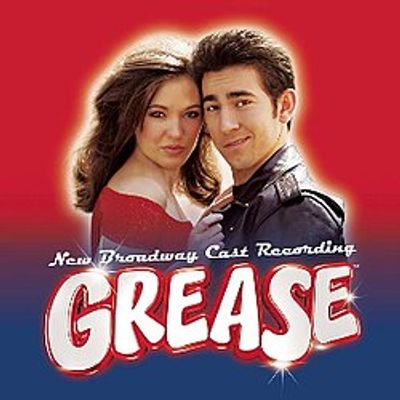
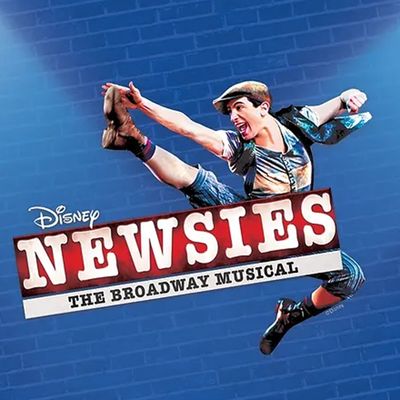
We're gonna whomp, and stomp, and whoop it up all night with the legendary director/choreographer Jeff Calhoun. From his days as a hoofer in Seven Brides for Seven Brothers, My One and Only, and The Best Little Whorehouse in Texas film, to helming the Broadway revivals of Grease, DeafWest's Big River, Jekyll and Hyde and the original Broadway companies of Brooklyn, Bonnie and Clyde, and Newsies, Jeff tells all to Rob and Kevin. Jeff pulls back the curtain on his career to discuss how he befriended Tommy Tune, what it was like documenting the life of the infamous John Kenley, and why Grease '94 started with a sock-hop! Also, Jeff shines the spotlight on Dolly Parton, Laura Osnes, and Frank Wildhorn! Become a sponsor of Behind The Curtain and get early access to interviews, private playlists, and advance knowledge of future guests so you can ask the legends your own questions. Go to: http://bit.ly/2i7nWC4
Transcript
This transcript was automatically generated and might contain errors.
[0:00] Robert W. Schneider: Dear friends, we are so sorry about the ads. They are a nightmare in every way, but with your donations, we can get rid of ads someday.
[0:09] Kevin David Thomas: Beautiful Kevin.
[0:10] Robert W. Schneider: Thanks, Rob. Bach and Harnick are smiling so friends.
[0:14] Kevin David Thomas: Yes, we are back with a new plea. Much like those adorable puppets from Avenue Q, we are asking for you to give us your money.
[0:23] Robert W. Schneider: For those of you who have headed over to Patreon to throw a little money our way, we thank you so much from the bottom of our hearts. Your contributions are the only budget we have for this show, and it provided us a new soundboard and better studio space. So a thank you.
[0:23] Kevin David Thomas: Thank you.
[0:36] Robert W. Schneider: And as you know, nothing is more fulfilling than talking to the legends of Broadway and hearing them share their thoughts, wisdom, and talents with all of us. However, it does cost money. And if you want to help us keep the show going, please head over to Patreon.com. That's P-A-T-R-E-O-N.com. Search for Behind the Curtain, and you can give as little as a dollar a month. And trust me, that dollar will help us more than you will ever know.
[1:00] Kevin David Thomas: Plus, for certain monetary donations, you will get to pick your favorite thing and have advanced knowledge of our future guests so you can ask the legends your own questions.
[1:09] Robert W. Schneider: Ooh. Or you can simply leave canned goods and an original cast recording of How Now Dow Jones outside our doors if you don't want to contribute on Patreon.com. Truth.
[1:19] Kevin David Thomas: So once again, please head over to Patreon.com. That's P-A-T-R-E-O-N.com to help us out. Thanks.
[1:24] Robert W. Schneider: Thank you.
[1:25] Robert W. Schneider: Hi, I'm Robert W. Schneider.
[1:27] Kevin David Thomas: And I'm Kevin David Thomas.
[1:28] Robert W. Schneider: And this is Behind the Curtain Broadway's Living Legends. Don't forget to follow us on Twitter at Broadway Curtain. And make sure to join our Facebook page at Behind the Curtain Broadway's Living Legends. And follow us on Instagram at Broadway Curtain Podcast. Plus, you can always listen to our podcasts on Broadway World and Stitcher.
[1:45] Kevin David Thomas: Today's guest has had one of the most versatile careers in our industry. You might know him as a performer from not only Broadway shows like Seven Brides for Seven Brothers and My One and Only, but as one of the high step and Aggie football players in the movie version of The Best Little Whorehouse in Texas. But our guest did not stay on stage for very long.
[2:02] Robert W. Schneider: Oh no, because under the mentorship of Tommy Tune, our guest started a thriving career off stage, where he was the director of the acclaimed revivals of Grease, and one of my favorites, Deaf West's Big River, as well as the original musicals like Brooklyn, Bonnie and Clyde, and Newsies. You can hear millions of teenagers at Broadway Con swooning as we speak.
[2:23] Kevin David Thomas: Yes, to tell us what it was like to work with such legends as Dolly Parton, Tommy Tune, Michael Arden, Twiggy, Laura Osnes, David James Carroll, and countless others. Here is the man who is the expert on all things John Kenley, Jeff Calhoun.
[2:39] Jeff CALHOUN: Wow. You guys, like we're just, just so people are like at home listening. No, we're just sitting here going, you know, in Shetler studios and we're talking like real people. Then all of a sudden, next thing you both get these like radio voices. Hello, welcome to, I'm like, wow. We were having a full chat and you were just like shot out of a cannon.
[2:57] Jeff CALHOUN: Anyway, a little bit of a high attack. Our fifth interview today, we might have been like a big thing. Well, now I know why you're in your second year. You're really good at it. I was very impressed with that little tag team intro. We should tell Jeff this is all we do is intros. Now we're done and you can go home, so thank you so much.
[3:13] Robert W. Schneider: Oh my god, what you just did is better than anything I'm gonna do.
[3:16] Jeff CALHOUN: Oh my god. Thanks for having me.
[3:18] Kevin David Thomas: Oh, we are so happy to have you. Okay, so we're gonna start a little bit out of order on this one. Um, if that's okay with you.
[3:24] Jeff CALHOUN: I'm okay with that, Rob.
[3:25] Robert W. Schneider: One of the things we talk about on this podcast a lot that we love is John Kenley. And we know he's a running theme.
[3:31] Jeff CALHOUN: It is. Are you kidding me? No, no, seriously. Very few people know the legend John Kenley.
[3:36] Robert W. Schneider: Well, very few people that we've talked to actually knew John Kenley.
[3:40] Jeff CALHOUN: I have to tell you what's amazing, and this is not planned, and this sounds so scripted. Uh, he's foremost in my life right now. I just finished a documentary about him. And a couple writers saw the documentary and have been interested in turning it into a musical. And we're going to be going to The Colony, which is a retreat for writers at Goodspeed in the next month to actually work on a musical of his life.
[4:07] Robert W. Schneider: Would you tell us a little bit about his life and who he was and how he influenced you?
[4:11] Jeff CALHOUN: Well, John Kenley has the most remarkable story of anyone I've ever met. But that aside, he was a theater impresario. He really was one of the forefront pioneers of summer stock. And if you were a kid like myself from Pittsburgh, Pennsylvania, and wanting to get into the business, what better place than to go to his summer stock, the Kenley Players, at least during the 70s when I was growing up.
[4:40] Jeff CALHOUN: One of the things that the Kenley Players was known for was bringing in a lot of big names to come in for a week or less than a week sometimes to do major musicals and major plays.
[4:51] Robert W. Schneider: That's exactly right, Rob. He created the formula that has become Broadway. He took a star, put him in a revival, and brought these, well, brought these MGM movie stars to a live theater in cities like Akron, Dayton, Columbus, Warren, where it all began in front of them, and it was really thrilling. And I mean every star, every MGM star, you can't imagine the list.
[5:15] Jeff CALHOUN: Well, you look at the posters that are now popping up on Facebook, and it's, you know, Ann Miller's in this, and Ginger Rogers is in that. They got to see them in the flesh in person in these great American musical films.
[5:25] Jeff CALHOUN: Yeah, listen, my first professional job was at age 16, dancing with Ann Miller in Anything Goes.
[5:31] Robert W. Schneider: It's my phone.
[5:34] Jeff CALHOUN: Oh my god, we're gonna see a photo of the case. I don't know how to get rid of the, uh, were you like dancing with her too?
[5:41] Jeff CALHOUN: Yeah, no, I was, yeah. I was, yeah, I was one of the sailor boys, tap dancers. And I tried to kick higher than she did on opening night and ended up on my butt.
[5:50] Robert W. Schneider: Never kick higher than Ann Miller.
[5:52] Jeff CALHOUN: No, I learned that. I learned that in a hurry.
[5:55] Kevin David Thomas: Did you get starstruck?
[5:59] Jeff CALHOUN: Oh wow, that's a good question. I don't remember. You know what? I almost don't remember who I used to be as a performer. I mean, I know I had a great experience. I know that as a child and a young adult, I loved being on stage. But I almost don't remember who that person is now.
[6:16] Robert W. Schneider: Yeah.
[6:16] Jeff CALHOUN: I feel, I don't know what it is. The last show I performed in was My One and Only when Tommy Tune left to direct the national tour of Nine. And so I got to marry Twiggy and dance with Honey Coles 16 times.
[6:31] Kevin David Thomas: Amazing.
[6:32] Jeff CALHOUN: And at the end of that, I closed the door of my performing career because it was so stressful. You know, and that show starts where Billy Buck Chandler is hanging 30 feet off the ground behind a cloud. And that's where I was hanging when I heard the announcement at tonight's performance. The role usually played by Tommy Tune will be played by Jeff Calhoun. And you heard everyone in the St. James Theater go, "Oh," and start to get up. But my mom and my dad and my grandmother were like, "Sit down. That's my son, that's my grandson." And so I guess some of them stayed. But anyway, when that was over, I stopped performing. And I honestly can't tell you. I don't remember much about who that person was that used to love performing. It's weird.
[7:10] Robert W. Schneider: Well, we're gonna...
[7:11] Jeff CALHOUN: So starstruck, I don't know, but I do know at the Kenley Players, and I could talk about John Kenley forever because, as I said, he was a hero to me. And one of his claims to fame is he has given more, he gave, he's no longer with us. He died at 103 years old. But one of his great claims to fame is he gave more people, more young performers their equity cards than anyone in the history of the theater.
[7:34] Kevin David Thomas: And that holds true today.
[7:35] Jeff CALHOUN: That's incredible. And not only gave them the equity card, but gave them an experience with active working professionals as well.
[7:41] Robert W. Schneider: So you're apprenticing with these, the best in the business.
[7:45] Jeff CALHOUN: Yeah, at the same time. Absolutely. And had I not gone to Kenley, I wouldn't have met Tommy Tune, who, as you mentioned in that wonderful introduction. I wouldn't have met Tommy and who knows where my career would be, or if I'd even had one.
[7:58] Kevin David Thomas: How many seasons did you have?
[8:00] Jeff CALHOUN: I did three seasons.
[8:01] Kevin David Thomas: Yeah.
[8:01] Jeff CALHOUN: I was our, I was our quarterback in high school.
[8:04] Robert W. Schneider: Right.
[8:04] Jeff CALHOUN: But after I got injured, and what that summer, I went to Kenley Players, and then usually you do five shows at Kenley in the summer. But I can only only do four because instead of coming back to football training, I had to come back for band camp.
[8:20] Jeff CALHOUN: I went from, yeah, I went from quarterback to drum major. And this was before Glee.
[8:25] Robert W. Schneider: This is the first time.
[8:25] Jeff CALHOUN: This is before High School Musical, right now. Because you just slipped in there, you're like, I had to go back and be QB at my...
[8:28] Jeff CALHOUN: No, but I did because I hurt my knee as a freshman. After my freshman year, I went to the Kenley Players. And I mean, I love sports. A lot of my friends think I'm crazy, but I see sports as a perfect metaphor for the theater.
[8:43] Kevin David Thomas: Well, and dancing is like one of the hardest sports, really. If you compare it to football, it's similar.
[8:49] Jeff CALHOUN: Well, you're both athletes. There's no doubt about that.
[8:51] Kevin David Thomas: Yeah, they're both athletes. Are you still a football guy?
[8:53] Jeff CALHOUN: Oh my god, I'm from Pittsburgh. Are you kidding me? I got to have the Steeler game coming up. I don't know when this airs, so I don't know if I'm, but oh my god, are you kidding me? I was just gonna ask you.
[9:01] Kevin David Thomas: Very excited.
[9:01] Jeff CALHOUN: Oh yeah. College footballers fans were...
[9:03] Kevin David Thomas: No, no, no. My only, my freshman year in high school. Then I had my knee bent backwards, which was very stressful because I was supposed to be Fiat G in my community theater production of Fiddler on the Roof. I did recover in time to do the bottle dance. Thank God. But anyway, I digress.
[9:19] Jeff CALHOUN: I digress. But John Kenley, just in closing, I'm very excited about, you know, honoring his life and celebrating it because he also, I don't want to give away too much because he had a very interesting life. Let me just say that. And John Kenley was more than John Kenley, he was really a couple different people.
[9:39] Kevin David Thomas: Yes, indeed.
[9:40] Jeff CALHOUN: And I think in these times and what's happening right now in the landscape, our cultural landscape, hopefully he will provide inspiration for a lot of people that may need it.
[9:49] Robert W. Schneider: Right. That's really beautiful. We cannot wait to see it come to fruition. We will be first in line to buy tickets.
[9:55] Kevin David Thomas: And happy that his name will not be forgotten.
[9:57] Jeff CALHOUN: Yes, since it informs and helps people.
[10:00] Jeff CALHOUN: I hope that's true. He still has, um, let's say mature family members that have reservations and don't really want me to tell his story, but I can tell you firsthand that John asked me to tell his story and wants his story told, and I'm very proud to do that. And ultimately, I hope that the family comes aboard and helps me celebrate his life.
[10:22] Kevin David Thomas: That's wonderful. I'm glad. Growing up in Pittsburgh, how did you discover your love of musical theater?
[10:28] Jeff CALHOUN: Or discover the love of theater in the world?
[10:30] Jeff CALHOUN: The television.
[10:31] Kevin David Thomas: Yeah.
[10:31] Jeff CALHOUN: Oh, yeah. Every Saturday night seeing the Ernie Flatt dancers on the Carol Burnett Show, watching Ken Berry tap dance between the F Troop episodes or Ray Bulger, you know, Buddy Ebsen, forget the Beverly Hillbillies, just him and those old movies, that eccentric dancing in his body. And of course, the obvious are Dick Van Dyke changed my life. Fred Astaire, Gene Kelly, Donald O'Connor, the list goes on. I wanted to be all of those people wrapped into one.
[10:58] Kevin David Thomas: That's amazing.
[10:59] Jeff CALHOUN: And Gene Kelly, being from Pittsburgh, I was fortunate enough to actually study tap dance from the same family that taught Gene Kelly.
[11:07] Kevin David Thomas: Oh my god.
[11:07] Jeff CALHOUN: Yeah.
[11:08] Kevin David Thomas: Oh my god.
[11:09] Jeff CALHOUN: At that point, um, the mother, Mrs. Fairgreaves, was no longer teaching. She was collecting money at the door when you'd go in, but her daughter Nancy Fairgreaves was actually my teacher.
[11:18] Kevin David Thomas: Um, were your parents supportive of the interest in dance classes?
[11:22] Jeff CALHOUN: Always. From the very, from the very beginning.
[11:25] Kevin David Thomas: Wow. That's rare.
[11:27] Jeff CALHOUN: I have amazing parents. I'd like to think that they've influenced me. Well, they obviously have influenced me more than anyone else. And I try to pass that along the way I work. I try to instill in the cast and the company the same kind of work ethics and values that my parents instilled in me, as corny as that sounds. But they were always very supportive.
[11:47] Kevin David Thomas: What did your mother and father do?
[11:49] Jeff CALHOUN: My mother was a housewife and was a great housewife. She took care of my brother, myself, drove me to every single, from basketball to wrestling to football to theater to dance class. I mean, you can't imagine. She dedicated her life to driving me where I needed to get to. And my dad was a businessman who traveled a lot and we moved a lot growing up. So I went to a lot of new schools, which I think ultimately helped me make friends easily and understand the life of a theater person.
[12:22] Kevin David Thomas: Yeah, on the road constantly moving.
[12:23] Jeff CALHOUN: But no, they, I couldn't have asked for more supportive parents. Were you going to see live theater growing up? The first Broadway show that I went to was A Chorus Line.
[12:33] Jeff CALHOUN: Oh, and I just couldn't believe when you walked into the Schubert Theater that there wasn't a curtain. And then subsequent to that I learned that that was the first Broadway musical that didn't have a curtain. And so of course when I went back to Richmond High School, I did all the shows there without curtains. Because I wanted to be Michael Bennett.
[12:53] Jeff CALHOUN: So our talent show or whether it was Guys and Dolls or whether it was Godspell, all the shows I was involved with there were no curtains. I said to the school, "No, we can't have a curtain. I want to be like Michael Bennett." But that was the first Broadway show I ever saw. I think I also remember, I mean, I did shows before I saw shows on the stage. Yeah, because community theater, I was brand, I was in Heidi. I would, you know, I did all of that. But I guess downtown Pittsburgh, I went to the Nixon Theater that I'm sure is no longer there, no relationship to the ex-president, and I saw a traveling production of Hair. And I don't think my parents understood because I double dated with my brother.
[13:35] Jeff CALHOUN: Okay. I had a girl that I brought and he had his girlfriend and he drove us downtown and we went to the show, obviously it was well before I could drive, and I was just shocked. I mean, I was absolutely shocked and enamored, but I can't say there wasn't really a lot of dancing, so I can't say that actually changed my life. But I think it's the first show I remember seeing in a theater.
[13:47] Jeff CALHOUN: A Chorus Line though is the first show that made me go, "Oh, I would like to do that for the rest of my life."
[14:05] Kevin David Thomas: And you had impulses always to not just dance but to choreograph or direct?
[14:09] Jeff CALHOUN: Because you were saying you put on shows that you would, you know, be emulate Michael Bennett.
[14:14] Jeff CALHOUN: Yeah, I mean, I always wanted to be those performers that I mentioned earlier. But even from, I guess like 11 and 12 years old, I would, when I visit my grandparents, they lived in this house that had a separate garage that had a garage door that you could, with chains, you could work like you would a curtain, and it would raise the door of the garage door.
[14:35] Jeff CALHOUN: And I every time I visited her, I would get all the kids in the neighborhood over, and I would make up a show, and then we'd all be in the garage, and I'd put chairs out in the driveway, and then I would open the curtain.
[14:48] Kevin David Thomas: Amazing.
[14:48] Robert W. Schneider: Oh wow.
[14:49] Jeff CALHOUN: And we I remember stopping at three feet up, trying to recreate the beginning of 42nd Street. We only saw them from the knees down.
[14:57] Kevin David Thomas: Yep.
[14:57] Jeff CALHOUN: And my mom would make uh you know popcorn, and my grandmother nanny would make lemonade. And so I always directed and choreographed shows.
[15:06] Kevin David Thomas: Yeah.
[15:07] Jeff CALHOUN: I mean, to this day, I have cousins that won't talk to me because they made them these ridiculous shows. But you can't be 15, 30, you know, and be a director. So you have to start, you know.
[15:18] Jeff CALHOUN: I uh you have to pay your dues. And you, you know, I was a dancer, and then I was a dancer that had a couple lines in a show, and then I had a dancer that got to be like on a white contract, which meant you were a principal, and then you know, you work your way up.
[15:32] Kevin David Thomas: Yeah, you work your way up.
[15:34] Jeff CALHOUN: Yeah, but I wasn't really good enough to be completely candid with you.
[15:37] Kevin David Thomas: Okay.
[15:37] Jeff CALHOUN: No, I wasn't really good enough. I you know, I it was smart that I moved on. Let's just say that.
[15:43] Kevin David Thomas: I think we've all had that at some point in our journey.
[15:46] Jeff CALHOUN: I mean, as I would audition, I'd had this out-of-body experience where I would look at myself and go, I wouldn't even hire you. And that's not a good, that's not no, no, no.
[15:54] Kevin David Thomas: We ask all of our guests, what was your go-to audition song?
[15:58] Jeff CALHOUN: Oh.
[15:59] Jeff CALHOUN: Well, there were a couple that, you know, all I need is the girl.
[16:02] Kevin David Thomas: Classic.
[16:03] Jeff CALHOUN: Although that G was really hard, and I'd squitter it out, I would just scream it for a whirl. You know, oh my lord. Um what's the other one that when you can't sing, you always sing?
[16:13] Jeff CALHOUN: Um Pippin. Uh corner of the screen.
[16:16] Kevin David Thomas: Uh no, that was too high.
[16:17] Jeff CALHOUN: No, no, no. That's my idea of a perfect day when you're extraordinary. You gotta do it, because the range wasn't too great.
[16:27] Jeff CALHOUN: So it's funny because to this day, when someone comes in to sing that, I go, I wonder if they can sing.
[16:31] Kevin David Thomas: Right.
[16:32] Jeff CALHOUN: Because I chose that song because I couldn't really sing. I would act the heck out of it, but you know.
[16:37] Kevin David Thomas: That's amazing.
[16:38] Jeff CALHOUN: I think you're our first guest to say extraordinary from Pippin.
[16:42] Kevin David Thomas: Well, that's how old I am.
[16:43] Jeff CALHOUN: Now it's all, you know, please.
[16:45] Kevin David Thomas: It's okay.
[16:45] Jeff CALHOUN: Richard J. Alexander gave us Seesaw, so you're okay.
[16:48] Kevin David Thomas: You're okay, great.
[16:49] Jeff CALHOUN: Yep.
[16:50] Jeff CALHOUN: Okay, great. We're moving on. Um, we'll cut that out.
[16:53] Kevin David Thomas: No, Seesaw.
[16:54] Jeff CALHOUN: I are you kidding me?
[16:55] Jeff CALHOUN: All right, I went to Northwestern University. Um after my freshman year, I was gonna direct the next show the following year, and it was gonna be Seesaw.
[17:04] Jeff CALHOUN: Because my mentor being Tommy Toon, and you know, a lot of people didn't know it, didn't know the show Seesaw.
[17:09] Kevin David Thomas: Right.
[17:09] Jeff CALHOUN: Um, and uh and it's never been revived, actually. But anyway, I wanted to do it at Northwestern. It's my little tribute to Tommy Toon, my recent mentor.
[17:17] Jeff CALHOUN: And I cast Jane Atkinson.
[17:20] Kevin David Thomas: Yes, the fabulous.
[17:21] Jeff CALHOUN: I had I went to school with you know, Megan Malley.
[17:24] Kevin David Thomas: Yeah, uh Jane Atkinson.
[17:26] Jeff CALHOUN: There, I mean, the list just goes on and on. Um, anyway, Jane does not sing.
[17:31] Jeff CALHOUN: I I don't think she'd be offended by that. I think she does not sing. You know what it did, it did not matter.
[17:37] Jeff CALHOUN: She was so good. She goes, but Jeff, it's a musical. I said, It doesn't matter. You are so good, you're gonna play giddle in Seesaw.
[17:43] Jeff CALHOUN: Now, unfortunately, during that summer vacation is when Tommy asked me to be in the National Tour of the Best Solid Horace in Texas.
[17:49] Jeff CALHOUN: So I never got to go back to direct Jane in Seesaw.
[17:53] Kevin David Thomas: Maybe and to this day I would love to do a revival of C saw.
[17:56] Jeff CALHOUN: Yes, please.
[17:56] Kevin David Thomas: Well, come on down to 54 below, you and Jane.
[18:00] Jeff CALHOUN: I'll do a concert.
[18:01] Jeff CALHOUN: That's what I think. That's not that's it's because it's a good score.
[18:04] Jeff CALHOUN: It's a great one. I mean you saw the people that like of a certain era that were there when they either saw it or know the LP love.
[18:12] Jeff CALHOUN: Oh, come on, Cy Coleman, Dorothy Fields. We love Dorothy.
[18:16] Jeff CALHOUN: I mean, it was Tommy Toon's, I believe it was his first Tony Award, best supporting actor.
[18:21] Kevin David Thomas: It was it was 1973 or something like that.
[18:25] Jeff CALHOUN: Yeah.
[18:25] Kevin David Thomas: Wow.
[18:25] Jeff CALHOUN: You know everything.
[18:26] Kevin David Thomas: We we love it.
[18:27] Jeff CALHOUN: You've been doing this.
[18:28] Kevin David Thomas: We just really love City.
[18:30] Jeff CALHOUN: I just happened to find something to talk about.
[18:32] Kevin David Thomas: How so if you might if we don't you don't mind rewinding, what was it like when you first met Tommy Toon?
[18:37] Jeff CALHOUN: Well, you have to remember coming from Pittsburgh, I didn't know a lot of exotic people.
[18:45] Jeff CALHOUN: Okay.
[18:46] Jeff CALHOUN: Yeah, you know, and Tommy had um silver toenails.
[18:50] Jeff CALHOUN: Literally. Now that may well, no, not that he painted them. Yes, I wasn't like he was.
[18:54] Jeff CALHOUN: Okay, no, no, no, no. He was like, in the Guinness Girls Board.
[18:58] Jeff CALHOUN: He literally painted his toenails silver.
[19:01] Jeff CALHOUN: And I just can't believe I haven't thought about this for like a million years.
[19:04] Jeff CALHOUN: See, I don't remember what that 16 year old felt on stage or whether I was starstruck with Ann Miller, but I remember being at the pool, the hotel in Akron, Ohio, and looking at Tommy Toon's toenails and going, Oh my god, a boy has silver toenails.
[19:18] Jeff CALHOUN: Now, this was 1976, so he put it in context. It was so you know, how did I I mean that impression established with me?
[19:27] Jeff CALHOUN: And uh God, you know, we uh but there was something about us we were very similar.
[19:32] Jeff CALHOUN: I went to a um a reader, is that what they're called? Someone who tells you about your past and your like a tarot like a medium, but there weren't a medium, yeah.
[19:42] Jeff CALHOUN: It was I forget uh Linda Walton, I think was her name in California. And I went to her when I was 21 years old, and she said to me, There's an important person in your life who is twice your age.
[19:55] Jeff CALHOUN: Well, at that point I was 21, Tommy Chun was 42. She said, You you were like cowboys and Indian. He he was an Indian, and Tommy has Indian in his blood, and you pricked your fingers and you became like blood brothers, and it really was kind of crazy for me because I was like, wow, she's describing this man that actually next to my parents had the greatest influence on my life, and it was Tommy Toon.
[20:17] Kevin David Thomas: That's and I'm not like that kind of like kind of a person, but anyway, so uh from that indelible memory of those silver toenails to this day.
[20:33] Jeff CALHOUN: I saw him uh two days ago at a party that we've remained very good friends, and he literally changed my he just changed my life.
[20:40] Kevin David Thomas: And this business is that way, yes right?
[20:42] Jeff CALHOUN: It's you can be really talented, but you have to meet the right people and you have to be in the right place at the right time.
[20:48] Kevin David Thomas: Be ready for it.
[20:49] Jeff CALHOUN: Well, yeah, you have to deliver when given the opportunities, but I just feel such a responsibility to try to find people and help them and give them opportunities because I know that's how my career happened.
[20:59] Jeff CALHOUN: And uh anyway, I'm sorry.
[21:03] Kevin David Thomas: No, no, I don't know why I got lost in that train of levels.
[21:07] Kevin David Thomas: Who were some of the influential teachers you had at college?
[21:10] Jeff CALHOUN: You know what?
[21:11] Jeff CALHOUN: College that we can people hear that?
[21:15] Kevin David Thomas: I don't want them to think like having gas.
[21:17] Jeff CALHOUN: No, no, no. We'll we'll tell our listeners what's happening because it happens a lot while we record here.
[21:21] Jeff CALHOUN: Um we are now recording in an upstairs voice studio.
[21:25] Kevin David Thomas: Um, usually.
[21:27] Jeff CALHOUN: This is a first for us.
[21:28] Kevin David Thomas: Usually there's an off key soprano to the left of us, but to the right, someone keeps opening a door.
[21:32] Jeff CALHOUN: It sounds like an elephant, but it's not Jeff.
[21:34] Kevin David Thomas: Jeff is feeling perfectly fine, so don't be worried.
[21:36] Jeff CALHOUN: It wasn't me.
[21:38] Kevin David Thomas: It was not really.
[21:39] Jeff CALHOUN: Don't worry. If you hear this, don't worry, folks.
[21:41] Kevin David Thomas: Okay, so you're asking about I have to tell you, since uh my teachers, my great influences were not at Northwestern.
[21:52] Jeff CALHOUN: Listen, Northwestern was great for a lot of things, but prior to that, you have to remember I done three years at the Kenley Players with Mr. John Kenley, the most exotic person that you'll ever meet.
[22:03] Jeff CALHOUN: And I worked with Barry Manilow, I mean, um, not very manilow, with Barry Williams, yeah, you know, Greg from the Brady Bunch.
[22:09] Jeff CALHOUN: Who is cool, and one Maxine Andrews of the Andrews Sisters, and you know, Shirley McClain, and uh it just went it just Lucy Arnaz, Tommy Toon, the list just went on, and uh Henry Winkler, all of these people that were big stars, and it was very exciting for me.
[22:24] Jeff CALHOUN: So by the time I got to Northwestern, you know, I was a freshman, and we had to do like crew and backstage and props before they let you be.
[22:34] Jeff CALHOUN: And right, I don't know, you know, I was young and just I don't know, it's different.
[22:40] Jeff CALHOUN: I was I just wanted to be in the shows and I wanted to choreograph the shows.
[22:44] Jeff CALHOUN: And for some reason, they were kind enough to let me do it.
[22:46] Jeff CALHOUN: I think because I had my union card, and not a lot of kids did.
[22:50] Kevin David Thomas: No.
[22:50] Jeff CALHOUN: They did let me choreograph Gypsy and play Tulsa, which is why I know whirl is a G, and I barely do it.
[22:56] Jeff CALHOUN: And though that we have something called the Wam You Show at Northwestern that's very famous.
[23:00] Jeff CALHOUN: Um I got to choreograph that.
[23:02] Kevin David Thomas: Oh wow, and be in that.
[23:03] Jeff CALHOUN: So I had fun at Northwestern, and I did what 18-year-olds do when they go away to college.
[23:11] Jeff CALHOUN: I may have done it too much and too early in the morning.
[23:14] Jeff CALHOUN: So my memory of college isn't really about the uh the teachers.
[23:18] Jeff CALHOUN: But the the social let me just say I had a really good time.
[23:22] Jeff CALHOUN: And it's probably a good thing I didn't go back after my freshman year.
[23:26] Kevin David Thomas: So you so you booked, I mean, you Tommy booked you into the tour.
[23:30] Jeff CALHOUN: Yeah, he had me audition.
[23:31] Jeff CALHOUN: We that was back in the days when you still auditioned on Broadway Station.
[23:34] Kevin David Thomas: We love these kinds of stuff.
[23:35] Jeff CALHOUN: Because I remember it was at the Winter Garden Theater, and it was just an empty stage.
[23:39] Jeff CALHOUN: It was a dark theater.
[23:40] Jeff CALHOUN: Right.
[23:40] Jeff CALHOUN: And uh, you know, it was petrifying.
[23:43] Jeff CALHOUN: I don't know if he knew I was gonna be in the show or if I knew, but I went through the processes and I bought a new shirt, you know what?
[23:50] Jeff CALHOUN: Kaufman's which is in Pittsburgh on Route 19.
[23:53] Kevin David Thomas: Oh, yes.
[23:53] Jeff CALHOUN: And I wore that plaid shirt because I thought it looked like country and Texas, and I was soaking wet by the end of the audition.
[24:00] Jeff CALHOUN: I mean, soaking wet.
[24:02] Jeff CALHOUN: And it was a really it was frightening.
[24:05] Jeff CALHOUN: It was a frightening experience.
[24:06] Kevin David Thomas: And they don't we don't do that anymore.
[24:08] Jeff CALHOUN: Rarely do we have auditions on stage like that.
[24:10] Jeff CALHOUN: But this was like the old movies where they were sitting in the house.
[24:12] Jeff CALHOUN: Oh, yeah, the lights were on us, it was an empty stage, we were facing out, and you just heard voices in the dark void talking to you.
[24:19] Kevin David Thomas: It's terrifying.
[24:20] Jeff CALHOUN: It was terrifying.
[24:21] Kevin David Thomas: But you got it.
[24:22] Jeff CALHOUN: But I did get that.
[24:23] Jeff CALHOUN: But that was the national tour with Alexa Smith.
[24:26] Jeff CALHOUN: And toured for 18 months, and um, you know, that was a big deal because Tommy had to talk with my parents about leaving Northwestern, which is a very big deal in my family, uh, to quit school to tour in the best little whorehouse in Texas.
[24:42] Kevin David Thomas: I mean, but I just want to take a step out.
[24:44] Jeff CALHOUN: You're saying Tommy Toon spoke to your parents.
[24:46] Jeff CALHOUN: Yes.
[24:46] Kevin David Thomas: Well, but don't forget, we had done summer stock together, so kind of knew who to do though.
[24:52] Jeff CALHOUN: And uh the deal was they would let me do it if I agreed at the end of the tour to return to college.
[25:00] Kevin David Thomas: Okay.
[25:01] Jeff CALHOUN: Yeah.
[25:01] Jeff CALHOUN: And they're still waiting for that.
[25:03] Jeff CALHOUN: And the reason I know that is um the the um the first uh Tony nomination that I got, I just was nerve.
[25:11] Jeff CALHOUN: I went with myself and um and my boyfriend at the time, but then after the newsies nomination, I invited my parents to go.
[25:19] Kevin David Thomas: Oh and after the award ceremony, I said to my dad, I hope you think now, with two Tony nominations, that I made the right decision by leaving college.
[25:29] Jeff CALHOUN: And he looked at me very seriously and he said, Well, if you had stayed in college, you might have won.
[25:36] Kevin David Thomas: So, okay, you can't, you know.
[25:38] Jeff CALHOUN: We're still living that one.
[25:43] Jeff CALHOUN: Maybe he's right.
[25:44] Kevin David Thomas: You know, maybe he's right.
[25:46] Jeff CALHOUN: What was it like working with Alexis Smith?
[25:49] Jeff CALHOUN: I love that your followers like know these names.
[25:51] Jeff CALHOUN: First of all, John Kenley, you've blown me away, because no one knows John Canley.
[25:55] Jeff CALHOUN: Alexis Smith was one of the most fabulous people that she had she was known for her legs.
[26:01] Jeff CALHOUN: They say she she had like the best walk in Hollywood and the best games.
[26:06] Jeff CALHOUN: And she was a very famous B movie star, married to uh Craig Stevens, who is Peter Gunn, and that was always exciting.
[26:14] Jeff CALHOUN: Although Peter Gunn was before my time, I knew of it, and so it was exciting when he came to visit Alexis because he's a big TV star.
[26:22] Jeff CALHOUN: But Alexis, she was listen, I remember we were we were out of town at the Colonial Theater, and she took she was staying at that fancy hotel there at the time.
[26:31] Jeff CALHOUN: I don't remember the name of it.
[26:33] Jeff CALHOUN: No, it was the one.
[26:36] Jeff CALHOUN: Well, I don't know the name.
[26:37] Jeff CALHOUN: But they had a beautiful restaurant, and I know she she was the first person that ever asked me to taste escargot, because you know, we didn't have a lot of escargot in the North Hills of Pittsburgh growing up on Fruit 19.
[26:49] Kevin David Thomas: From anti brothers doesn't offer it.
[26:51] Jeff CALHOUN: No, it doesn't exactly that's exactly right.
[26:54] Jeff CALHOUN: And I think the only way I kept it down was because I knew I was with Alexis Smith and I didn't want to cause a scene.
[26:59] Jeff CALHOUN: I I mean I just don't have a sophisticated palette as it comes to it.
[27:03] Jeff CALHOUN: I have not had an escargot since Alexis Smith.
[27:06] Jeff CALHOUN: But she was great.
[27:08] Jeff CALHOUN: You know, she was really great.
[27:09] Jeff CALHOUN: Now she wasn't a singer, which was kind of funny, but she was a movie star and she had great legs and she was a great actress.
[27:16] Jeff CALHOUN: But she would warm up every night in her dressing room as if she was a singer.
[27:20] Jeff CALHOUN: And it was really great.
[27:22] Jeff CALHOUN: I wish I had tape recordings on it.
[27:24] Jeff CALHOUN: No, because it was really it defies description.
[27:27] Jeff CALHOUN: But she was wonderful and she was great, and she was great in the part.
[27:30] Kevin David Thomas: Oh, wish I could have seen that.
[27:32] Jeff CALHOUN: Um, what's it like making your Broadway debut and Seven Brides for Seven Brothers?
[27:37] Jeff CALHOUN: Well, it was just awful.
[27:39] Jeff CALHOUN: Because again, I fell on opening night, like with you know, yeah, and Tommy was in the audience, and my parents was in the audience.
[27:47] Kevin David Thomas: Yes, kicking too high.
[27:48] Jeff CALHOUN: I was just too excited.
[27:49] Jeff CALHOUN: That's my problem.
[27:50] Jeff CALHOUN: I tend to be too excited to do things and to be places, which is why I'm better off the stage.
[27:56] Jeff CALHOUN: So my excitement can I can have other people translate my excitement.
[28:00] Jeff CALHOUN: So and we we opened on a Thursday.
[28:05] Jeff CALHOUN: Friday, Frank Rich's review said Seven Brides for Seven Clowns.
[28:10] Jeff CALHOUN: And Sunday we closed and I got in a car and went to Fire Island and mourned mourned that and on with Tommy and Fire Island.
[28:19] Kevin David Thomas: Not so bad.
[28:20] Jeff CALHOUN: Do you want to ask about your favorite person who was in Seven Brides for Seven Brothers?
[28:24] Kevin David Thomas: Debbie Boone?
[28:25] Jeff CALHOUN: No, not Debbie Boone.
[28:26] Kevin David Thomas: Oh, David Carroll.
[28:27] Jeff CALHOUN: Yeah, Kevin.
[28:28] Jeff CALHOUN: I um I another name that we just there's certain names that we just can't believe.
[28:33] Jeff CALHOUN: He's he is the yeah.
[28:35] Jeff CALHOUN: I love talking about him on here.
[28:36] Jeff CALHOUN: One of the biggest shames uh truly David's not with us.
[28:39] Jeff CALHOUN: Yeah.
[28:40] Jeff CALHOUN: Obviously a victim of his time, of our time, I should say, not his time, and David was one of my favorite people.
[28:45] Jeff CALHOUN: David was so generous to everybody and enormously talented.
[28:51] Kevin David Thomas: Yeah.
[28:52] Jeff CALHOUN: Yeah, he was a good friend. I loved him. I just loved him. Didn't he go on to do Chess before he did?
[28:59] Kevin David Thomas: Grand Hotel and then I remember oh that's right.
[29:01] Jeff CALHOUN: I remember Grand Hotel. But uh I remember the legend, you know.
[29:07] Kevin David Thomas: He is a legend, he's just such a great guy.
[29:09] Jeff CALHOUN: What year was Grand Hotel?
[29:11] Kevin David Thomas: That's '89.
[29:14] Jeff CALHOUN: I remember being so devastated by that show that and it was in the theater. It wasn't called, it's different now. It wasn't called the Hirschfeld. It was Martin Beck.
[29:24] Kevin David Thomas: It was the Martin Beck.
[29:26] Jeff CALHOUN: And I remember going down after the show down into the bowels of the theater with Tommy because he had to get me away because I was crying. I was weeping.
[29:33] Kevin David Thomas: Yeah.
[29:34] Jeff CALHOUN: I was so amazed with what Tommy had done. We hadn't seen anything like that before. The style, the concepts, you know, Tommy put his DNA on everything. And when you went to the theater and it said a Tommy Tune show, you always knew you were gonna see something you hadn't seen before. And as a budding director, I was I guess half intimidated by it, but mostly just inspired. And I just couldn't control myself. And he had to take me down into the bowels of the theater and calm me down because I just couldn't stop crying. I was so moved by that production, and David was great, and Jeter was great.
[30:06] Kevin David Thomas: Oh, yeah.
[30:07] Jeff CALHOUN: Yeah. I mean, everyone, I mean, what a cast. What a cast, Lillia. I mean, what a cast.
[30:12] Kevin David Thomas: When did you first know that you wanted to be a director? When did that flame start to flicker?
[30:17] Jeff CALHOUN: I think putting on those shows in my grandma's garage.
[30:21] Kevin David Thomas: But what about pursuing it professionally to say I'm not gonna be a dancer anymore?
[30:26] Jeff CALHOUN: I think there's an inevitability, and you know Robert Frost, you know, talks about the secret confessions a man makes in his heart are his greatest source of wisdom. And I think I'm a realist, and somewhere in the secret confession, I knew that I wasn't really good enough to continue being a performer, and that you know, starring in My One and Only may have been the pinnacle of that, and so I just closed the door on that and moved on to the next logical step, which was you know, choreography and then direction because as a performer, you're limited by your physical abilities. As a director choreographer, you're limited only by your imagination, and so I just knew I just knew that that's where I wanted to go.
[31:10] Kevin David Thomas: Well, I had to go there.
[31:12] Jeff CALHOUN: Yeah, and did you know that you could work with Tommy, that you could assist him, or did you ask him to you know learn from him? Or was it just sort of a symbolic relationship that just happened on its own?
[31:24] Jeff CALHOUN: Wow, it's a good question. I don't think I've ever heard that question or thought about it. I don't think I asked him anything. I think there was sort of a given that I think we were soulmates or are soulmates, there was some inevitability there. I think most things in life that happen are inevitable, both on and off stage. Like when you meet your partner, like my husband, I think that was inevitable that we met, and when you have a show that's new, you're praying for that moment where it starts to leave you, and then the next scene becomes inevitable. I think you look in life for inevitabilities, right? And I think that shows you you're on the right track when things work that way.
[32:06] Kevin David Thomas: Yeah, that's good.
[32:07] Jeff CALHOUN: At least that's what I found. At least that's been true for me. For those of us who have never been in a room while Tommy Tune is creating something, what makes him so special as a leader of a room?
[32:18] Jeff CALHOUN: Well, I think that process begins well before you're in the room. I think that begins when you hear him talk about a script to a designer, and then it carries through to his casting, and then it carries through in the rehearsal room. I mean, I don't know how do you explain genius? It's just how do you I don't know. I'm not smart enough to put into words his imagination, but it's his imagination.
[32:41] Kevin David Thomas: Yeah, he's one of the he's just a true artist.
[32:44] Jeff CALHOUN: I mean, the thing is what you know, in his mind, he's a song and dance man, he's a tap dancer. But for me, he's really a true artist that I wish would just get back in and give us more shows as a director.
[32:59] Kevin David Thomas: Yeah, but he just loves he loves to tap dance for people.
[33:02] Jeff CALHOUN: Great. And I think he'd rather be on the road right now with Cheetah, which is what he's doing, yeah, than being in the back of the house creating a new Broadway musical. It is because he is really an artist and a genius. And I don't use that word loosely, but he's a genius.
[33:16] Kevin David Thomas: What does an associate choreographer do? How would you define that?
[33:24] Jeff CALHOUN: Pick up the slack. So your mentor, if he's a genius like Tommy Tune, is allowed the breathing space to do what he does well. You know, you there's not really a way to define it. It's like maybe if he lays the bricks as the genius, you come along and fill in the cracks that need to be filled so his foundation is stronger.
[33:53] Kevin David Thomas: Did you pursue any other sort of mentorships with any other choreographers? I mean, you're working with the best of the best, so I don't know if you did or not.
[34:04] Kevin David Thomas: Or did you, I passed on.
[34:06] Jeff CALHOUN: No, didn't, no, I hope you haven't passed on. Um, did you work with other mentors besides Tommy Tune? Did you ever try to seek out a mentorship with, say, uh, Bob Fosse or that was, Bob was before my time, Michael Bennett was before my time.
[34:21] Jeff CALHOUN: No, I have to say I didn't, because from the time Tommy and I started working together, that was enough. I mean, there were at he was the he was at the top of his game, I think, in the 80s. I think Frank Rich even said after the nine to five, I mean, after Grand Hotel Review, I'm paraphrasing, but he said something like perhaps there isn't a greater mind working in the American musical theater today than Tommy Tune. So I don't quite know where to go from there. And I was with him for so long that when it was time to move on, I was kind of on my own.
[34:56] Kevin David Thomas: How does Grease come into your orbit?
[34:58] Jeff CALHOUN: Grease came into my orbit because Barry and Fran Weisler wanted Tommy Tune to direct it. And Tommy was at a point in his career where that did not interest him. He said, however, I have this protege who I think can do this, and as an insurance policy, now this is me talking. This is, I'm sure there may be another side to the story, but from my perception, Tommy said, I will be your insurance policy. So you can call it the Tommy Tune production of Grease, but it will be directed and choreographed by Jeff Calhoun. So I think if I was not delivering, or if we were in trouble, Tommy would have come in if needed. If needed. So I think that's I think that's how it worked out.
[35:42] Kevin David Thomas: Okay, so big Broadway show, revival of this major iconic story. Where do you begin? How do you begin directing a piece?
[35:49] Jeff CALHOUN: Are you talking about Grease?
[35:52] Kevin David Thomas: We'll talk about Grease.
[35:53] Jeff CALHOUN: We'll take Grease specifically. That's interesting because you're getting me to be very honest to you. I have to Grease, I'm one of the few people, I probably shouldn't even say this, but Grease is not like my dream show to make my Broadway debut. Right. I know people love it, so it's you know sacrilegious to even say that. But I had to figure out how to fall in love with Grease.
[36:12] Kevin David Thomas: Yeah.
[36:13] Jeff CALHOUN: And that's why I think our Grease was very different than the original or the subsequent revival. MTV had just created a sensation. We had never seen a TV channel that just had these fast cut editing things. So MTV had just come out. So I wanted to make Grease kind of the first MTV sensibility Broadway musical. Because I thought it needed that kind of storytelling. And also the challenge was usually it's John Travolta, or it's Barry Bostwick. The star is Danny.
[36:48] Kevin David Thomas: Yeah.
[36:49] Jeff CALHOUN: Well, in this situation, the star was Rosie O'Donnell. So we had to figure out right from the beginning how I mean that was absurd. And not playing, I'm sorry, not playing Danny Zuckerberg.
[36:58] Kevin David Thomas: Right, but like everyone went into this no.
[36:59] Jeff CALHOUN: Not that she couldn't. No, I'm not sure. But we knew going in that she was going to be the star.
[37:03] Kevin David Thomas: That's right, but it's also Grease, and you know Rizzo's the third, you know, I mean it's Danny, Sandy and Rizzo.
[37:08] Jeff CALHOUN: Right. So right from the beginning, the idea was, I mean, my thought process was okay, how and John McDaniel had a huge, I mean, John McDaniel's contribution to the revival of Grease is invaluable. I mean, it's invaluable. You can't separate its success from what John did. But we sat down and went, how are we going to reintroduce these characters to the world after all these years? And they'd seen the movie since the original Broadway show. So how were we gonna do that? So we created what we called roll call. So the curtain would go up and everyone would be in silhouette facing upstage. And one at a time, starting stage right, they would turn as they would be front lit and they would say, you know, Roger, Frenchie, Chacha.
And we would go down the lit, down the line until the finally it was all the way downstage left was and Rizzo. Bom bum bum bum, and we were off. So I think that was that was one of the keys. Before that, even I didn't know how to start the show because it starts with that old-fashioned alma mater. And I that did not grab me. It's like the only time we have that in the entire original language. Yes, it's just a little weird.
[38:10] Kevin David Thomas: Yeah.
[38:12] Jeff CALHOUN: Yeah, it didn't grab me, and I didn't know how to do it, quite frankly. And I had a friend at the time who is a very funny stand-up comedian who I wanted to play, Vince Fontaine. So I guess just to save, you know, my butt from something I didn't know how to do, is I thought if I don't like the beginning of the show, I won't have a beginning to the show. So when people walk in off the street, Vince Fontaine is on stage spinning records, so it feels like the show is already in progress. So you come in and you start dancing, you go up on stage and you dance, and it's already in progress, and then Miss Lynch, I stole from my community theater director, Priscilla Gardner, who used to start every rehearsal blowing her whistle.
So we're spinning records, and all of a sudden Marsha Lewis in the back of the house who's playing Miss Lynch blows the whistle. The DJ stops spinning records, she goes, okay, everyone, class and order, and she walks down the aisle and we go into the show. So just little things like that. And John's arrangements. I mean, come on, we had Sam Harris. So imagine Judy's song, Magic Changes just killed it. And he was the Star Search winner. Well, well before the one now, American Idol. Star Search was the first one. Yeah, I grew up watching it. We made that, much to the critics' chagrin. We actually intentionally made that song kind of a star search number. We also had Billy Porter for crying out loud.
So rather than normally that role of Teen Angel is like a Pat Boone character, Pat Boone ripped off Little Richard. And so I thought, let's go back to Little Richard. And so that's what we did with Billy. So anyway, we had a lot of fun, but it was just me kind of modifying the show in a way that I would find really entertaining. So I had to fall in love with it to create what luckily, you know, ran four years much to the credit of the Weisslers, because as I said, I refer to it as it was the love boat of Broadway.
[40:01] Kevin David Thomas: Yeah.
[40:01] Jeff CALHOUN: I mean, listen, we had Dominic Dawes in the show to keep us running, and she wasn't really an actress, singer, dancer. That's not what she was known for for all of her, for all of her, all of her stuff her scenes. I just had her walk us takes a fine dance. Because she was an Olympic, you know, gold medal winner. So anyway, yeah, no, no, no.
[40:18] Kevin David Thomas: Oh, Al Jordan's.
[40:19] Jeff CALHOUN: Yeah. I mean, you could write a book just on the people that came in and out of that revolving door. You know, but it kept the show open. They're brilliant at there's no one better, there's no one better at that than Fran and Barry. And I'm very grateful to them.
[40:31] Kevin David Thomas: We had a nice chat with him.
[40:32] Jeff CALHOUN: We chat with Barry, yeah.
[40:34] Kevin David Thomas: You don't have to answer this if you don't want to. Was there someone that they cast or you cast that made you go, oh God, how are we gonna pull this one off? And maybe you were pleasantly surprised by the end.
[40:45] Jeff CALHOUN: Well, listen, I never thought that we would have a Patty Simcox that would do all of her scenes standing on her hands.
[40:54] Kevin David Thomas: Okay.
[40:55] Jeff CALHOUN: I have to say everybody brought something, it was fun.
[41:00] Kevin David Thomas: Yeah.
[41:01] Jeff CALHOUN: I have to say it was fun. Whether it was Lucy Lawless, who at the time was so big with Xena: Warrior Princess.
[41:07] Kevin David Thomas: That's huge.
[41:08] Jeff CALHOUN: And you know, and it was a chance for Brooke Shields at the time to play against type and to play Rizzo. You know, no, it was really, I have to tell you, it was really fun. It Chelby Checkers, for God's sakes. I got to work with Chubby Checkers and Al Giro. I mean, I won't tell you about going into his dressing room without knocking. I learned a lesson there. Let's just say that. But no, I just thought they did what it needed to be done to keep the show open and to entertain people. And that's what we did.
[41:37] Kevin David Thomas: Your original cast, which included people like Rosie O'Donnell and Hunter Foster, Megan Mullally, let's not forget Megan, who I who I went to Northwestern with, as I mentioned earlier. That was her Broadway debut. How do you get all of your actors in the same world? One of the things that I'm always so impressed by whenever I see a show that you direct is it looks like everybody is in the same exact story, no matter how stylized or naturalistic the piece. So I'm wondering how you go about that process.
[42:03] Jeff CALHOUN: I'm not sure I can tell you how to accomplish that. I think just knowing that you have to ask that question of how do I do that, and know that it's important to do that? Because you're absolutely right, and it's a really good question. So many times you see contrary tones on stage. And I just call it keeping it of the same tone. And I just think that's a director's job. You know, you have to marry the physical production to the text, it all starts with the text, and being sure everyone is in the same show is just because I think just being aware of it is important because it doesn't always happen. And it is difficult, but I can't tell you I know how to do it. I just know that every day you ask you you check yourself to be sure that that's being accomplished.
[42:49] Kevin David Thomas: What to you is the ideal rehearsal process? Do you like to do a lot of table work? Do you like to get them right on their feet real fast? How do you like to work?
[42:58] Jeff CALHOUN: It depends, I think if it's a revival or if it's a new musical.
[43:01] Jeff CALHOUN: Obviously, if it's a revival, the tablework has been done for you.
[43:04] Kevin David Thomas: Yeah.
[43:05] Jeff CALHOUN: Um usually people better than yourself. But a new musical, yeah, it starts, you have to be sure that what you're asking the actors to do works on page before you move it to the stage. So there's much more tablework on a new show than there is on a revival.
[43:23] Kevin David Thomas: But do you enjoy that process? Or do you enjoy sitting around talking about it, or do you just want to get on your feet and go?
[43:29] Jeff CALHOUN: If you had, if you had, you know, my f I love finding a show that speaks to me that has heart, and then working with my designers. That's could be my favorite part of the process. Because by the time I get into the first day of rehearsal, you already know how the show moves. The set usually in my shows are another character in the show.
[43:56] Kevin David Thomas: Yeah.
[43:56] Jeff CALHOUN: And I know how we get when the curtain goes up, if there is a curtain, how we get from scene one to scene two to scene three. We have that all storyboarded. And I love that process because that is the choreography. That's doing, that's my hat as a choreographer. I'm choreographing the scenery before there's an actor even hired.
[44:04] Kevin David Thomas: Right.
[44:04] Jeff CALHOUN: And I love that process. So a lot of that work's done by the time I start with the actors. So do I like doing a lot of table reads? It's, uh, I would say it differently. I think a good director hires the people that are best for the role. And so your work is done for you. Ninety percent of your work is done for you if you're hiring the right person.
[44:36] Kevin David Thomas: What am I gonna tell Jeremy Jordan about how to play Jack Kelly that he that hasn't been given by Harvey and by Alan and by Jack?
[44:48] Jeff CALHOUN: So I think it's in casting. And I don't need to hear myself talk a lot. I like to talk as little as possible, so I only say something when I think it's appropriate. I also don't want to say too much because I want my fellow collaborators to give me something better than I could ever articulate.
[45:06] Kevin David Thomas: That's great.
[45:06] Jeff CALHOUN: So I'm more of a referee, more of an umpire, more of an arbiter of taste than I am spoon feeding people.
[45:15] Kevin David Thomas: Yeah, taste is a word that comes up a lot when we interview a lot of directors. That seems to be the big T word.
[45:19] Jeff CALHOUN: Um, taste and tone.
[45:21] Kevin David Thomas: Taste and tone.
[45:23] Jeff CALHOUN: Those are, yeah, two very important qualities for a director. I'm so, uh, I'm interested because after you direct and choreograph Grease, the next couple of Broadway credits you have are choreography. You're choreographing Annie Get Your Gun, and you're choreographing Bells Are Ringing, you're not directing them.
[45:38] Kevin David Thomas: Um, you were okay moving, taking off that hat for a little bit, the director hat.
[45:43] Jeff CALHOUN: I don't, you know what? I wonder if that was out of necessity. Was Brooklyn right after? Where was Brooklyn?
[45:51] Jeff CALHOUN: Brooklyn. Was that before?
[45:54] Kevin David Thomas: No, that was later after these other choreographic jobs.
[45:57] Jeff CALHOUN: Yeah, after Big River. Well, I can tell you it wasn't by some grand of me saying, you know what, I don't want to direct. It was going where the work was and wanting to work with that person. Like, for instance, Annie Get Your Gun. Why would I not want to work with Grazia and Danielle? So that was a no-brainer.
[46:16] Kevin David Thomas: Yeah.
[46:17] Jeff CALHOUN: And my ego is such that I don't mind what job I would have if I'm working with people that I look up to and I want to learn from. There's not much I wouldn't do if I was working with, you know, I mean, if Baz Luhrmann wanted me to do anything, I'd be in the room. I would do props. I would do, you know, there are just people that I still want to learn from.
[46:36] Kevin David Thomas: Yeah.
[46:37] Jeff CALHOUN: So I think clearly people weren't offering me jobs to direct. The jobs that were coming my way, you know, were choreographing Annie Get Your Gun. And what else did you mention?
[46:48] Kevin David Thomas: Uh, Bells Are Ringing.
[46:49] Jeff CALHOUN: Yeah, Bells Are Ringing. That was a difficult, that was difficult for me. I didn't, I have not had very many difficult situations. Even shows that aren't successful or are not, don't run a long time or pay back the investors, I've had great experiences on. Bells Are Ringing was tricky because I loved Tina so much, but we had different ideas, I think, of what the show could be.
[47:11] Jeff CALHOUN: And Tina Landau, who has this huge head right now at the Palace, which I couldn't be happier for her. And I actually, um, was offered that job to direct that job. But Tina and I had done a, uh, a concert of it at the Kennedy Center, and she was the director at that point. And this was before I was offered to do it in New York. And I told the producer at the time that I think Tina had a better handle on the show than I would have done, and so, um, it was of my own doing, but, uh, and I loved her, but we just had very different sensibilities.
[47:45] Jeff CALHOUN: I always saw it as a Valentine to the theater, and she's just so cool and hip that I think she was pushing it in a different direction. And if ever there was a show for painted drops, and I thought, you know, it was Bells Are Ringing. But you know, when you start a show with a movie, yeah, which we did, it's really hard in my mind to compete with that.
[48:09] Kevin David Thomas: Yeah, so we just had different takes, but you know, that's what's great about the arts. It's a very subjective thing. I have nothing but respect and admiration for Tina, and I couldn't be happier for her success.
[48:19] Jeff CALHOUN: Um, you're right, the arts are subjective, but one thing I think we can, it's not subjective is the fact that when Big River came out, everybody loved it when your Big River came out. When did you start your relationship with Deaf West?
[48:28] Jeff CALHOUN: Because it was before that, wasn't it?
[48:32] Jeff CALHOUN: It was before that. We, the first show we did at Deaf West was Oliver, right?
[48:36] Kevin David Thomas: Yeah, which was, uh, still a highlight. I mean, Big River was also, but Oliver was just great.
[48:42] Jeff CALHOUN: It was an intimate, you know. I read articles about Cameron talking about Oliver is all about the architecture, but for our production of Deaf West, it was more about architecture of the heart because it was a very intimate, modest production with nothing but sort of a Shakespearean set and a street light.
[49:00] Kevin David Thomas: Now, before we talk about Big River, what is the objective of Deaf West theater for our listeners who might be unfamiliar?
[49:06] Jeff CALHOUN: Yeah, it's hard for me because a man named Ed Waterstreet was the genius behind that, so I don't know how he would answer that. What, uh, for me, yes, it was the first time that a theater piece had half the cast deaf, half the cast hearing, it was a musical, but you did not discriminate for a deaf audience where their focus was supposed to be.
[49:33] Jeff CALHOUN: Until then, you always had people signing shows standing off to the side.
[49:39] Kevin David Thomas: Yes.
[49:39] Jeff CALHOUN: So if you were a deaf audience, you missed the show because you had to look stage left or right at the signer. And Big River was the first time where we put the focus on the person who was actually supposed to be delivering the lines, whether in sign language or vocally.
[49:56] Kevin David Thomas: And that had not been done before.
[49:59] Jeff CALHOUN: Did you, how did Deaf West come into your orbit?
[50:02] Jeff CALHOUN: Did you a guy named Bill O'Brien, a really good friend of mine, played Will Rogers for me in the Sacramento production of the Will Rogers Follies? And when he, when I got that job, the Will Rogers Follies was known for being done at the Palace Theater on a stage filled with a huge staircase.
[50:20] Kevin David Thomas: Right.
[50:20] Jeff CALHOUN: Well, Sacramento was in the round. You can't have a staircase. And so I guess as Bill tells it, this sounds very self-serving. I'm a little embarrassed, but he was, he just thought he was impressed that I figured out how to redo the show without a staircase when it was designed for a staircase. That I guess when the opportunity came up for him to reach out to a director to do a musical where half the cast was deaf, he said, you know, call the guy who did Will Rogers without a staircase.
[50:46] Jeff CALHOUN: You know, and I had Grease running at the time, and I'm embarrassed to say I was like kind of poo-pooed the idea. I thought I'm gonna go to Lancashire and Boulevard for $250 dollars to do a show, a musical where half the cast is deaf. Well, now I look back and I'm so ashamed of my arrogance because as most things in life that scare you that you dive into, it was the greatest thing I could have done. And it also changed my life.
[51:10] Kevin David Thomas: Profoundly changed my life and made me a much better storyteller.
[51:14] Jeff CALHOUN: Overcoming the challenges.
[51:16] Kevin David Thomas: Right. Did you know any ASL going into this?
[51:19] Jeff CALHOUN: I never had met a deaf person.
[51:21] Kevin David Thomas: So you're going into this totally.
[51:23] Jeff CALHOUN: Oh, yeah.
[51:24] Kevin David Thomas: Wow.
[51:25] Jeff CALHOUN: Yeah. It was, uh, it was really hard. I know it's, uh, it was, I'm not pretending I was, where do you start?
[51:31] Kevin David Thomas: I don't even know where you start.
[51:33] Jeff CALHOUN: That's exactly right. You know what? You start with page one.
[51:36] Kevin David Thomas: No, you do.
[51:36] Jeff CALHOUN: You start with page one, and then I know in the script it said, you know, there's a knock on the door, and I'm waiting for the knock, and everyone's looking at me like I'm crazy, and I go, Oh, right, we can't knock on the door because they won't hear it. And that's where it began.
[51:48] Kevin David Thomas: And I went, Well, how, what do we do?
[51:51] Jeff CALHOUN: And they said, Well, we have lights as cues.
[51:53] Kevin David Thomas: Oh, okay, so we'll do a light, not a knock.
[51:56] Jeff CALHOUN: And it just, I just, in solving every challenge as it arose, this new vocabulary and this new language emerged, and it wasn't some mastermind of me, it was truly just solving problems as they came up.
[52:10] Kevin David Thomas: Which I think is what a director does.
[52:11] Jeff CALHOUN: Yeah.
[52:12] Kevin David Thomas: Okay, yeah. Would you like to go back down that route at some point?
[52:15] Jeff CALHOUN: Absolutely. It's just, it's really hard because it's very expensive because of the interpreters and the translators, and then you have to think of the dressing rooms have to be rewired to accommodate the deaf actors, and the stage has to be rewired. It's, it, people just don't know how. It's just so expensive.
[52:34] Kevin David Thomas: And as much as people, um, liked Big River, it never made its money back.
[52:41] Jeff CALHOUN: Rocco Landisman always called it the Go to Heaven project because all the investors knew they'd never see their money back, but they just believed in it so much. So it's, that's gonna be, it's difficult. Let me just say that it's difficult.
[52:53] Kevin David Thomas: Was there a moment in the creation of the show where you thought to yourself, I have no idea how to tell this part of the story, and then you found a solution that makes you go, I'm so proud of that?
[53:05] Jeff CALHOUN: Well, those are, yeah, there are separate questions all the time. You go home going, I don't know how to do that. More often than not, uh, you solve them, but that's not, um, mathematically equivalent to being proud of it. I mean, maybe you're proud that you solved the problem, but it's not like you created something that will be on your top 10 list of being proud.
[53:30] Jeff CALHOUN: Um, I think though, what you might be, um, insinuating is the moment in the show that people remember where we did turn off the volume, yes, but the people continued with the visuals, yeah, it makes me want to cry even right now, and um, again, that was not, that was out of me just being very cognizant of my surroundings during a time where Michael Gilliam was taking in an inordinate amount of time with this lighting cue.
[53:58] Jeff CALHOUN: And so rather than just sit there going crazy, Steve Landau, our musical director decided to rehearse, um, waiting for the light because that's where we were in the show. And as you remember, I don't know if you remember, but the upstage we opened these sliders to reveal the ensemble, and so that's the cue that Michael Gilliam was lighting.
[54:17] Kevin David Thomas: So we had our band upstage, not unlike Grand Hotel, but just off to the side, and not as expensive.
[54:24] Jeff CALHOUN: And without Jack Lee.
[54:25] Kevin David Thomas: But anyway, all Jack Lee.
[54:27] Jeff CALHOUN: I know we could, I know, right? God, you guys know.
[54:29] Kevin David Thomas: He's my mentor when I came to New York.
[54:31] Jeff CALHOUN: Yeah. You guys are amazing. You guys should have a show.
[54:36] Jeff CALHOUN: So, um, so we're in that queue, and Steve Landau is, uh, rehearsing with the ensemble, both the hearing and deaf actors. I'm waiting for the light, and we're signing and we're singing, and then all of a sudden Steve wanted to make it correct something. And so he made the gesture you make when you cut off the orchestra and the orchestra stopped and the hearing singers stopped. But the deaf actors continued to sign, and I happened to see that moment.
[54:59] Jeff CALHOUN: And I had the feeling in that moment that the audiences had in our show, and I'm like, oh my God. Yeah, how do I incorporate this into the show? And we just happened to be at that moment where we were at the climax for Huck. We're actually, he's supposed to hit bottom. And I just thought at that moment, if we did that, it would, the audience would immediately identify with Huck's plight, both in the show contextually, and in life as a deaf actor as a human.
[55:29] Jeff CALHOUN: And, uh, again, that was just, and a lot of being a director is just being aware of your surroundings and the circumstances, so you don't have a missed opportunity.
[55:37] Kevin David Thomas: Right.
[55:39] Jeff CALHOUN: How do you handle conflict in a rehearsal hall?
[55:43] Jeff CALHOUN: I have to say this is really gonna sound like BS, but I haven't often in my later years when, you know, as a director of the show, I haven't really had conflict. Younger, on my way up, you're thrown into positions that may create conflict.
[55:59] Kevin David Thomas: Sure.
[55:59] Jeff CALHOUN: Um, when you're brought in to doctor a show, or with, you know, that's different. But when I've been at the helm from the beginning, I really can't. I'm looking back over all the shows that you've mentioned thus far, and I can honestly tell you I don't work with conflict and I don't hire people that I think are gonna create conflict.
[56:22] Kevin David Thomas: So I, I don't know how to answer that question.
[56:24] Jeff CALHOUN: You hear, you know, a lot of people in the drama of the theater. I haven't really, we haven't really had that. I haven't had that anyway. We've been lucky, we've asked that question a lot, and it comes up, people, uh, give us the same answer a lot, so you're, you're not an anomaly.
[56:37] Kevin David Thomas: Um, talk to me about the role of a show doctor.
[56:41] Jeff CALHOUN: Yeah, I don't really, I mean you don't have to mention any titles, but I don't know.
[56:45] Jeff CALHOUN: It's only doctor when you don't need a license. You, you know, I've, I've probably, uh, doctored four shows.
[56:55] Kevin David Thomas: Wow, that I can think of it.
[56:57] Jeff CALHOUN: You know, you don't know, you don't, that's the whole point is that you don't get, you're there to help. And the one thing I learned early, and I learned it from Tommy, is you don't accept those jobs unless you talk to the person that you're helping to doctor and they approve and welcome you with open arms.
[57:14] Kevin David Thomas: Wow.
[57:14] Jeff CALHOUN: Because if they don't do that, uh, I wouldn't want to, I wouldn't want to do that to a person because it's, it's always very emotional sensitive time, and we're all in this together, and it's like family and brethren, and I don't know.
[57:28] Jeff CALHOUN: Personally, I wouldn't do that if someone didn't want to welcome me with open arms. Because I've also been on the other end of that.
[57:35] Kevin David Thomas: Oh, have you?
[57:36] Jeff CALHOUN: And it's yeah, you never want to make someone else feel the way someone has made you feel if it's not a good memory for you. So I try to live, I try to live that way. I also try to live in a way where I handle every situation the way I want to remember having handled it. I call it immediate foresight.
[57:55] Kevin David Thomas: That's really lovely. How did um Brooklyn come into your radar? Is there an interesting story how that uh came to the story's not so interesting?
[58:03] Jeff CALHOUN: I mean, a good friend of mine, Scott Price, introduced me to this guy. What was interesting is this guy. He's crazy, Mark Schoenfeld, and we were in the Central Park because I didn't want a stranger to come into my apartment. So I'm sitting outside the monkeys cages in Central Park, and this crazy man shows up, puts down a boom box, pushes the button, music starts, and for the next 90 minutes off script, he did the entire show for me.
[58:31] Kevin David Thomas: Oh my god.
[58:33] Jeff CALHOUN: Book and lyrics. Oh my god. And I was floored. Now I was young enough not to have learned the lesson that Jack O'Brien tried to teach me, which is don't ever get seduced by the music. Be sure the script is good enough to warrant a show because you'll always get seduced by good music. But you need to have the script as good as the score. And I think that was my lesson from that. I mean, there were a lot of good things to come out of that. In Espinoza, that score. You know, I mean, uh Tobinos, my relationship with Tobin. I thought it was a real celebration of the imagination. I'm proud of very many things in that show. But looking back on it, I now have the experience to understand what didn't work.
[59:19] Kevin David Thomas: If you had the opportunity to go back and do another production, what would you have altered? Or what will you alter?
[59:24] Jeff CALHOUN: I'm not sure I wouldn't go closer to Mark Schoenfeld with a boom box. To be honest with you.
[59:30] Kevin David Thomas: Really?
[59:31] Jeff CALHOUN: Yeah. Um, let's talk about the big juggernaut that is Newsies.
[59:36] Kevin David Thomas: Yeah. Because our listeners would have to do that. I wish your audience could just watch you two. We're together. You're really good.
[59:42] Jeff CALHOUN: Oh, shucks.
[59:43] Kevin David Thomas: You're like Martin and Lewis. You're just, I don't know.
[59:47] Jeff CALHOUN: No, you really are.
[59:50] Kevin David Thomas: Oh, Sean. I'm blushing. I love watching you.
[59:52] Jeff CALHOUN: Oh, this is the show. Somebody has to.
[59:54] Kevin David Thomas: So thanks, Jeff. Let's talk about Newsies because I know our listeners would kill us if we didn't talk about it. Is this the only interview you'll do where you'll talk more about Alexa Smith and John Kenley than you will Newsies?
[1:00:05] Jeff CALHOUN: I have to tell you. I wish it wouldn't be true, but I know it is true. And I am grateful to you both for that. No, I'm serious. And especially a lot of times today, because of the economics, a lot of theater critics and theater people that were hired to write about theater in local papers have lost their jobs. So sometimes I do interviews, and it's with like the local food critic. Oh, you're in the theater. Could you please tell me? Did you ever take dance lessons? I mean, you're like, you know, so just kill me now.
[1:00:38] Kevin David Thomas: Exactly.
[1:00:38] Jeff CALHOUN: But when you lead off with John Kenley, you've won me over. I love you guys.
[1:00:44] Kevin David Thomas: No, it's fun when the people really are passionate and love it and know what they're talking about.
[1:00:48] Jeff CALHOUN: We have great listeners.
[1:00:50] Kevin David Thomas: And our listeners as well. Who know 10 times more than we would ever hope to know, my God. Tell us right away on Twitter when we get something wrong. Um so how does Newsies come about for you? Had you seen the original film?
[1:00:59] Jeff CALHOUN: No, I was probably the only one involved that hadn't. I'd done a show years before. Well, not too many years. I don't even know, but it was it was before Newsies called High School Musical.
[1:01:09] Kevin David Thomas: Yes.
[1:01:09] Jeff CALHOUN: And that was a Disney show. Oh, yes. And so it took the whole world by storm in the early aughts. It was I it was epic. I loved it. I loved everything about it. Working with young talent, you know, going around the world, you know, mounting those shows. I absolutely loved it.
[1:01:24] Kevin David Thomas: The state you did the stage, the live stage.
[1:01:26] Jeff CALHOUN: Yeah, Kenny Ortega did the original clarifying. As he did Newsies. Yeah, yeah, yeah. He's a good friend of mine. No, Kenny's a good friend, and I tease him. I said, You keep making those movies so I can have a stage career. So when they were doing a reading, um Schumacher invited me and said, I want you to come to a reading and see if you know you like the show. And it was over, and we met and he said, What are you, you know, is this something you'd like to be involved with? And I was like, Absolutely, are you kidding me? And uh it was really an honor because it again, it had such heart, which is always the way I judge material. It touched me. You know, this group of this band of kids just touched me, wanting to change the world. And it it had such heart. And Alan's score was amazing. I mean, I'm stating the obvious, but for all the reasons everyone loves the show, is why I loved being asked to be part of it.
[1:02:18] Kevin David Thomas: How uh active are you in the rewriting of a new musical? Do you I'm trying to think of a way of articulating this? Do you and the writers sit down a lot before the rehearsal show even goes into rehearsal? Do you like to try out a lot of stuff in the rehearsal room? How flexible are you?
[1:02:39] Jeff CALHOUN: I think you collaborate well before you get into the rehearsal room. And by the time you get into the rehearsal room, you think you've nailed it. Yeah. That's never the case. Yeah. But you always think with each draft, you think you've nailed it. And of course, there's always ten more drafts than the one you think you initially nailed. But Harvey's, you know, when you're working with someone as smart as Harvey. There's not a lot you're doing other than once you start to marry his text with the physical production, there are inevitably things that just need to change to accommodate three tons of scenery. We need more time here. I'm seeing this dance number sequence traveling from this location to this location to this location.
Can you help me with that? Um, same with Jack. Maybe there are a couple of lyrics that need to change. Alan needs to extend a musical phrase so we can fulfill certain things physically. So those kind of things always come up. And if you're working with generous people like Harvey and Alan and Jack, it's pretty symbiotic. It's pretty it's pretty cool. It's pretty easy.
[1:03:43] Kevin David Thomas: And the show was a paper mill first, correct?
[1:03:45] Jeff CALHOUN: Yeah, it was just a one-off at paper mill. So you do that, and that was it. I think it's a good idea. Yeah, just so Disney could have a product to license the stock an amateur because people were doing it anyway. And I think there was lost revenue. Yeah. Disney went, wait, were you crazy? We own this. Let's create something to send the schools. Right. And that's why we all agreed to sign on. Not knowing that it would have this life on Broadway. No, not in our wildest imagination.
[1:04:10] Kevin David Thomas: When a show like Newsies runs for a long time and they're, you know, touring productions and this and this and this, do you still go how often do you go back and check in on a long-running show?
[1:04:20] Jeff CALHOUN: Well, there's two answers to that. You go back as often as the producer will let you, or your schedule will let you. Yeah. There's not like a set every Thursday, every other week. No. If you have another show, you send other people. As soon as you have a gap, you rush out. You know, you try not to. It's hard to maintain a show. You know, movies, once you have them in the can, you move on, and that performance is preserved forever. On stage, that performance tends to morph. Especially when you're out playing bigger theaters, and the longer you're out, the well, who said it the best? I think Jerry's uh Jerry Sachs said it the best when he said he would often go visit his shows to take out the improvements.
But you don't blame anyone, you don't you know Peter Stone told me the theory where when I asked him why that happened with shows where actors you tend to leave and you come back and they're they're bigger, right? They're doing everything magnified than what they used to. And his theory was in New York, when you start a show, there's a certain uh uh theater audience that appreciates certain things, you're also closer to the actor, so you don't have to work so hard to get a reaction. Then you go to a bigger theater and you do the same thing, and you're not getting that reaction for whatever reason. The size of the theater, the audience members seeing your show, whatever reason, and so you start to do a little more to equal that reaction that you were used to getting. The theaters get bigger, the performances get bigger, and that's not always you know what's best for the show. Yeah, but to answer your question, you go back as often as you need to.
[1:06:09] Kevin David Thomas: It's an interesting theory though from Peter Stone. I like it.
[1:06:12] Jeff CALHOUN: Yeah, that's really really fascinating. Um, you've worked with this young. I'm gonna say he's up and coming because he's so young in his point of his career, and that's Jeremy Jordan. What's it like working with him? How what's his process like? How do you enjoy collaborating?
[1:06:28] Jeff CALHOUN: I don't know. I find people like Jordan and Sutton and yeah, people like that, you get out of their way and you you just protect them. You put them in a production that's worthy of their talent, and that's you know, you don't learn or teach someone to be Sutton or to be Jeremy. They bring that with them. Yeah. And I was just lucky enough to be in a room when he happened to come in and audition for the part. You know, so you really just get out of their way and you try to do your job as well as they do theirs. So they're in a production that honors their talent.
[1:07:08] Kevin David Thomas: What do you wish you knew? What do you know now that you wish you knew then?
[1:07:15] Jeff CALHOUN: Well, well, a lot of things. I mean, I guess what I said earlier that I wish I had known from early on to handle every situation the way I want to remember having handled it, because that wasn't always the case. Yeah. I wish I knew that a director's job was not to be everyone's friend. You were hired to do a job. That doesn't mean that you can't be friendly. But like for instance, in Grease, I was younger than a lot of the actors in the show, and I wanted to be liked by everyone, and so I became friends with everybody. So then when it came time to give notes or something, things, you know, I was just surprised of the reaction because I thought I was talking to a friend, but ultimately it came down to a director giving notes to an actor, and everyone's very sensitive in that.
And so, you know, I think it's just no different than a young parent having a newborn, and then if you ask them in their 60s after the kids have gone off what it's like to raise a child, you just become a better parent, right? With each passing year. And I think that just happens.
[1:08:20] Kevin David Thomas: What advice would you give to people that want to start a career in directing?
[1:08:24] Jeff CALHOUN: Fresh out of read as much as you can. Um see as much art as you can, absorb, be a sponge, be a sponge, and then when you do meet people, take advantage of those opportunities, be humble, treat everyone really, really nice, whether or not they're the producer or the box office or the usher, treat everyone the same. I think all those things I I had to learn. I was never told those things. I had to learn them, and uh I think they're good lessons, and I would try to pass that on to everybody.
[1:09:02] Kevin David Thomas: Looking ahead, what's something that you really want to accomplish? A dream that is yet to be fulfilled.
[1:09:08] Jeff CALHOUN: I'm living my dream. Yeah. I don't have I'm living my dream. I just want to keep being blessed enough to have the opportunity to put new works out into the world and try to entertain people and try to create shows that when people leave the theater, they have more energy than they had when they came in. Yeah. And to keep working with new people and giving people the opportunity and maybe mentoring as many people as I can and touching as many people's lives in a positive way as I as I can. Right. And to keep working on the balance between how much of life is about making me happy and how much of life is about helping the others achieve happiness. And it's a hard it's hard to it's hard to negotiate that.
[1:09:53] Kevin David Thomas: Good day, Mr. Thomas.
[1:09:54] Jeff CALHOUN: Good day, Mr. Schneider. Well, it has happened. We finally hit over 100 iTunes reviews, and would like to thank each and every person who took the time to do so.
[1:10:04] Kevin David Thomas: Huzzah. Now we want to climb those charts even faster. And that is where you lovely folks who have not yet rated us come in. The process is very simple. On your podcast app, tap the search tab, enter our name Behind the Curtain, Broadway's Living Legends. Tap the search key, tap our beautiful logo, tap the reviews, tap write a review, then tap your way into our hearts.
[1:10:28] Jeff CALHOUN: Tap your troubles away.
[1:10:30] Kevin David Thomas: That's nice, Rob. Once you are there, you can rate us from one star to five stars. Think of one star as Hervey V Rob, how do you say this name?
[1:10:38] Jeff CALHOUN: Herve Ville Shell.
[1:10:40] Kevin David Thomas: Oh, dear God. I walked right into that one. Think of one star as Erve Via Jez and Ema Sumac in Sideshow and five stars as front row seats to the opening night of Gypsy.
[1:10:50] Jeff CALHOUN: But they keep me.
[1:10:52] Kevin David Thomas: Yeah, they keep me for the first time. I thought that was pretty good.
[1:10:55] Jeff CALHOUN: I want to get good reviews, Rob.
[1:10:57] Kevin David Thomas: We want to get good reviews. Excuse me, Arthur Lawrence.
[1:11:00] Jeff CALHOUN: Excuse me, but trying to liven up our commercial ads a little bit.
[1:11:04] Kevin David Thomas: Eight-minute long commercial.
[1:11:07] Jeff CALHOUN: It's an infomercial at this point. I'm gonna be like that lady that sells you the copper pots. Look at this. You can put 400 pounds of manure in it, and it slides right out. Then you can make an omelet.
[1:11:19] Kevin David Thomas: You got another line, Kevin?
[1:11:21] Jeff CALHOUN: I'm waiting for you to say, plus you can leave your comment and let us know if you'd like me what guests were like.
[1:11:21] Kevin David Thomas: Plus, you can leave a comment to let us know what you are liking, what you're not liking at this point, or what guests you'd like to hear next. So head on over to iTunes and let us know what you think of our little show.
[1:11:35] Jeff CALHOUN: Speaking of little, I'll tell you a story about Charles Lawton later. Thanks, guys.
© Broadway Podcast Network, All Rights Reserved