

Rob and Kevin are back for another round with one of the most celebrated choreographers of the 1970s, Larry Fuller. Joining us via phone from his new home in Palm Springs, California, Larry looks back on choreographing the original productions of Hal Prince’s A Little Night Music (film), On The 20th Century, Sweeney Todd, Evita, Merrily We Roll Along, and A Doll’s Life... Read More
From the show: BEHIND THE CURTAIN: BROADWAY'S LIVING LEGENDS » Podcast
Featured Shows

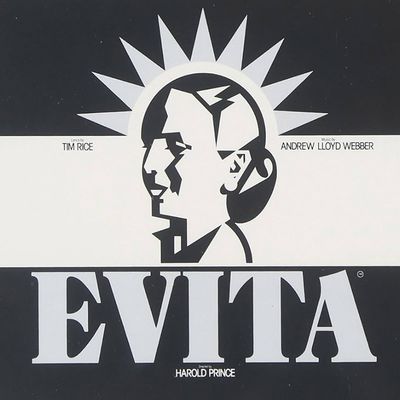

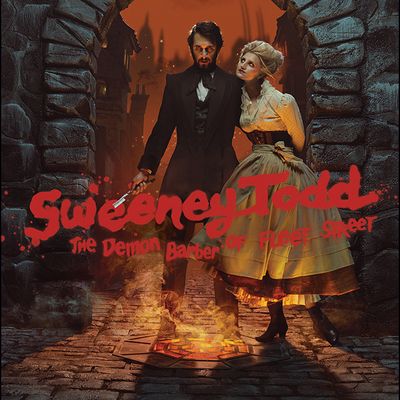
About
Rob and Kevin are back for another round with one of the most celebrated choreographers of the 1970s, Larry Fuller. Joining us via phone from his new home in Palm Springs, California, Larry looks back on choreographing the original productions of Hal Prince’s A Little Night Music (film), On The 20th Century, Sweeney Todd, Evita, Merrily We Roll Along, and A Doll’s Life. Larry pulls back the curtain on his career to discuss how he calmed the nerves of the First Lady of Argentina, what it was like jumping into the world of Merrily We Roll Along, and why he is excited to revisit his works. Also, Larry shines the spotlight on Mandy Patinkin, Patti LuPone, and Ron Fields! Become a sponsor of Behind The Curtain and get early access to interviews, private playlists, and advance knowledge of future guests so you can ask the legends your own questions. Go to: http://bit.ly/2i7nWC4
Transcript
This transcript was automatically generated and might contain errors.
[0:00] Kevin David Thomas: Headed over to Patreon to throw a little money our way. We thank you so much from the bottom of our hearts. Your contributions are the only budget we have for this show, and it provided us a new soundboard and better studio space. So a thank you. Thank you. And as you know, nothing is more fulfilling than talking to the legends of Broadway and hearing them share their thoughts, wisdom, and talents with all of us. However, it does cost money. And if you want to help us keep the show going, please head over to Patreon.com. That's P-A-T-R-E-O-N.com. Search for Behind the Curtain, and you can give as little as a dollar a month. And trust me, that dollar will help us more than you will ever know.
Plus, for certain monetary donations, you will get to pick your favorite thing and have advanced knowledge of our future guests so you can ask the legends your own questions. Ooh. Or you can simply leave canned goods and an original cast recording of How Now Dow Jones outside our doors if you don't want to contribute on Patreon.com. Truth. So once again, please head over to Patreon.com. That's P-A-T-R-E-O-N dot com to help us out. Thanks. Thank you.
[1:01] Robert W. Schneider: Hi, I'm Robert W. Schneider.
[1:03] Kevin David Thomas: And I'm Kevin David Thomas.
[1:04] Robert W. Schneider: And this is Behind the Curtain Broadway's Living Legends. Don't forget to follow us on Twitter at Broadway Curtain. And make sure to join our Facebook page at Behind the Curtain Broadway's Living Legends. And very quickly, I do that sentence with you every week.
[1:13] Kevin David Thomas: Right.
[1:16] Robert W. Schneider: I can never find a place to take like a take of air, so I'm always at the end of it.
[1:21] Kevin David Thomas: And you're always like out of breath a little bit.
[1:22] Robert W. Schneider: Yeah, let me try it again. Okay. And this is behind the curtain, Broadway's Living Legends. Don't forget to follow us on Twitter at Broadway Curtain. And make sure to join our Facebook page at Behind the Curtain Broadway's Living Legends.
[1:33] Kevin David Thomas: Very nice. And follow us on Instagram at Broadway Curtain Podcast. Plus, you can always listen to our podcasts on Broadway World and Stitcher. Ooh.
[1:41] Kevin David Thomas: Today's guest has had one of the longest choreographic careers in the theater. He first began his career as a dancer, dancing in the 1957 revival of Carousel, which was soon followed by the original Broadway productions of The Music Man, Do Re Mi, Bravo Giovanni, and Funny Girl, which is where, as dance captain, he began his choreographic foundations. When Funny Girl's choreographer passed three months after the show opened, our guest took the reins and was so good at what he did. He captured the attention of Hal Prince, who hired him to choreograph On The 20th Century, Sweeney Todd, Evita, Merrily We Roll Along, and A Doll's Life. Not too shabby.
[2:20] Robert W. Schneider: No, not too shabby indeed. To tell us what it was like to work with such legends as Carol Haney, Barbra Streisand, Stephen Sondheim, and countless others, here is the man who owes everything to Miss Zoe, LARRY FULLER.
[2:33] LARRY FULLER: So now, let's see. The last time that we had spoken to each other, we were talking about On The 20th Century, and we're about to transition into Sweeney Todd.
[2:43] Kevin David Thomas: Right.
[2:44] LARRY FULLER: Um the first time I ever saw the script unfinished of Sweeney Todd was when um after we did a I guess yeah, after we did Evita in London. Um Hal invited me uh with him and his wife Judy to go to um Majorca. They had a house in Majorca at the time. And uh talk about the next project, which was Sweeney Todd. And so I went. Beautiful home, you know, big swimming pool and all that stuff. Uh, and he gave me the script of Sweeney Todd as it was at that time. Uh, Hugh Wheeler had completely written a an old new script from uh Steve had seen um a version of it. I can't remember what the name of the title of it was, in a fringe theater in England in London, and he just decided he wanted to do it. So he came to Hal with it, and Hal said, Well, if you want to do it, I will, because evidently Hal told me that he'd been always the one to uh instigate or to inaugurate a project, and Steve would go along with it, so he couldn't say no. And this time Steve was the one that started it off.
Um so Hugh wrote rewrote the play be brilliantly. I never thought Hugh uh Wheeler ever got enough credit for what he did because uh then Steve uh turned it into what it is now. But the first um maybe half of the first act, perhaps if that much, Steve had uh rewritten uh with lyrics and such, um, what Hugh had uh done as an entire play. So the rest of it was Hugh's play, and it obviously was far from finished. Um but I realized it was wonderful material.
[5:03] LARRY FULLER: Uh and I also realized that it was going to be extremely difficult to pull off. Well, how do you do this? I mean, do you really do it like a for real horror thing? Or do you do it kind of tongue in cheek and have all the body parts and things hanging down upstairs where the furnace is being mannequined? Obviously, you know, not real. Uh it's such a choice to make.
[5:33] LARRY FULLER: Yeah. And um he said, I don't know, we'll have to find it. We'll have to kind of, you know, tiptoe along and find it along the way, which obviously he did with Steve. Um, and um when we got into uh rehearsal, I remember there was a a lot of we were rehearsing at the what used to be uh oh god, it was the Virginia Theater for a while. It's on 52nd Street between 8th and 9th. Um yes, it's it was the Virginian, I think it was the Anta before that. Yeah, I think that's what it was. Anyway, I told you some of this, didn't I?
[6:17] Kevin David Thomas: No, we hadn't touched Sweeney yet.
[6:20] LARRY FULLER: Oh, okay. Then I I don't risk repeating myself.
[6:24] Kevin David Thomas: No, um not at all. You're good.
[6:27] LARRY FULLER: Um anyway, so we were rehearsing at the end of the first day of rehearsal. Um after we did the read-through with the company, uh, he then said, Hal, said, LARRY, okay, and he he'd warned me he was gonna do this. Take uh Angela down to the lounge, they have a big lounge there, uh start on Worst Pies in London. So the stage management had uh uh uh a mock-up of her um work counter there and all the props and so on, and I was prepared because I knew that I was gonna have to do it that day. So um, so we worked on it every day for about an hour and a half to two hours through the week.
[7:17] LARRY FULLER: Oh wow. Until I would stop when I start to see her eyes kind of cross, like I can't take any more in here. It's that's that's capacity for now. So then we'd stop and then we'd pick up the next day review and go further and further, and finally and about towards the end of the week we had it all done. But Steve wrote it so that it was almost straight jacket like. I mean, the lyrics told you what the action had to be.
[7:49] Kevin David Thomas: Right.
[7:50] LARRY FULLER: And but they were so fast, you know, a machine gun bullet. And um we got to the point where at the very end of the week she did the whole thing through, not one mistake. And I said, Oh, Angela, that's terrific. You did it, you did it, yay, so on. And she said, Well, there were about eight bars there in the middle. But don't worry about that, I'll fill that in. And I thought, what does she mean? She did everything perfect.
[8:21] Kevin David Thomas: Right.
[8:22] LARRY FULLER: And then I realized that I think what she meant was that she wasn't Mrs. Lovett for eight bars. She was the actor trying to remember what the hell came next. So and the minute you'd stop to think about what came next, then it would you'd blow it, it was gone.
[8:40] Kevin David Thomas: Yeah.
[8:41] LARRY FULLER: We did the same thing with the second act opening, um God That's Good, where she has all of these non sequiturs to suddenly she's talking about one thing and bang, she switches subjects in a beep. And so we did that number the same way, uh, more or less. After lunch every day when we got to that, um we have the whole company on stage, and uh Hal did the stuff upstairs in the barbershop with when the chair was delivered and so on, and I did all the stuff downstairs with the people at the tables and Angela and all the other characters.
[9:24] LARRY FULLER: And we worked it the same way. We just do it until she was oh you know, oversaturated and she couldn't learn anymore that day because it was just again, many, many lyrics in a very short time, and she would jump from one subject to the other without anything to really help her re go there and so to speak. But then after a few days we got it done.
[9:54] LARRY FULLER: And um it was uh it was quite a feat, I must say, for her, or for any actor to have to do those two numbers, um and get through them without absolutely blowing it. Um but she was in top form then, I must say.
[10:15] Kevin David Thomas: And then LARRY, a question for you on something like God That's Good, which is so prop heavy and so complicated with multiple characters going in and out. Do you pre-block?
[10:27] LARRY FULLER: Or do you pre-choreograph before you go into a rehearsal like that?
[10:32] LARRY FULLER: Uh not particularly. I mean, I know I know it well enough, I know the material well enough to know what's coming up, and have a thought in my head uh for when it does come up and you know what will I do then? But it's like blocking a scene in a way, a number like that. You can't really choreograph it so to speak in advance because it when I first started directing, that's what I would do. I would have it all worked out in my head, and then I I'd get into rehearsal with the actors, and what would happen organically would be something totally different.
[11:11] LARRY FULLER: So I just stopped doing that. Unless it's really dance, I don't uh are are real heavy uh musical staging. Um I don't really do that. I kind of have the idea of what I'm gonna do, but I don't really know exactly what I'm gonna do until I'm there with the company.
[11:32] LARRY FULLER: Now the the people at the table, all of the ensemble people, I got some Hogarth prints, and I looked at those a lot for the freezes, because there were a lot of freezes where they had to they would action, action, action freeze. And um that helped me in uh you know the the physical pictures that I was making.
[12:00] Kevin David Thomas: Interesting. Um and then how when you're working with an ensemble, uh, which is supposed to be random, you know, townspeople, do you work with them in terms of character? Do you try to cultivate each personality?
[12:15] LARRY FULLER: Well, if you've got twenty-five people there, you can't really do one at a time, but um you're certainly trying to make them create a personality, and at any given time I might say, okay, who are you? What's your name? What's your relationship to that person? Do you know them? Don't you know them? You know, if you know them, are they your friend? Are they a relative? Who are they?
[12:40] Kevin David Thomas: Oh, and okay, interesting.
[12:41] LARRY FULLER: So you honor the character work as you're creating this piece.
[12:46] Kevin David Thomas: Exactly.
[12:47] LARRY FULLER: Amazing. Um when you were in the rehearsal hall, did you think that the show was gonna be as big of a hit as it was?
[12:54] Kevin David Thomas: Sweeney?
[12:55] LARRY FULLER: Sweeney wasn't a hit. It never made its money back in any production except I think the bus and truck. Oh wow. That was a mystery to me. Uh because, you know, down the block, so to speak, was playing the Chainsaw Murders or something in a but that was a movie. This was a piece of theater and much pricier to get in to see. And yet nobody was coming. Oh. With Love Letter Rave Reviews. And um when we got to London with it at the Drury Lane, yes, which is a theater known for being haunted. Um I thought, oh boy, now it's really gonna find its home. This is gonna s just they'll love this fit. Uh and the uh British critics just tore it to shreds, hated it. And it ran about two months.
[14:03] Kevin David Thomas: Why do you think the show has never been financially successful?
[14:08] LARRY FULLER: Well, it is now because opera companies do it and as soon as the national Theatre did their first production with uh Julie oh God, I can't think of her last name right now. Mackenzie. Yes. Playing Mrs. Lovett in their small three-quarter round theater. It was a smash. You couldn't get in. But when we opened it in London uh at the Drury Lane, uh a couple of the critics said, Well, I can see where Mr. Prince copied um oh god, what was the name of that play that went on and on? You had to see two acts in one day. Um which had just come from uh Oh Nicholas Nickleby. Nicholas Nickleby, right? Um and it had been a big success in New York, and um they didn't stop to think that Sweeney Todd was done before Nicholas Nickleby. Uh and yet they were saying, Well, I can see where Mr. Prince stole the idea for the staging and how it looked, and uh I mean it was so unfair the way they were tre he the the way they were writing about it. But spilt milk under the bridge.
[15:27] Robert W. Schneider: Um And have you have you had a chance to uh return to the piece at some point in the director's chair?
[15:36] LARRY FULLER: No, actually I've never been asked to do it since the beginning, uh since we did it in London first, uh I mean in New York first and then in London. Um, unlike Evita, I've a I've directed Evita several times, but um nobody ever asked me to come back to Sweeney for some reason until they did it at the New Year uh New York City opera, um when it was still at home in the state theater. Um is going to restage it. And um, because he was Hal's assistant on it originally, or he was there, he was working on it. I I know can't remember exactly what his position was. And he called me and said, Would you come back and redo your work? And I was living out of the city at the time, and I said, Well, how what are they going to pay?
How many hours is this gonna be? Because I have to then find a place to stay. And it just they they they were paying very little, uh, which opera companies tend to do except if you're a diva opera star. Um but um so he redid my work. But I was I was there for the opening, we were all asked to be there and walk out on stage for the bows and all that stuff. Um and Elaine Page of all people played Mrs. Lovett. Oh wow. And she was very good at it too, I must say. She's she is talented.
[17:17] Robert W. Schneider: Um now, unlike Sweeney Todd, you have had this very long association with Evita. How did you first get involved with that project?
[17:29] LARRY FULLER: Uh first I think I told you how how Hal and I actually got to know each other when we were working in the same theater in Vienna. Yes, you yes, you did. Well, while he was there putting all the finishing touches on A Little Night Music, and I was doing the jazz and dancing American thing. And we'd become quite friendly. And he one day said, um, I've just been sent uh a tape of a new show by the guys that wrote Jesus Christ Superstar, Andrew Lloyd Webber and Tim Rice, and they want me to direct this show. It's about Ava Perone. And I thought, Ava Perone. Um I think I remember her from when I was a little kid in a newsreel or something. And um, so he said, Would you listen to it and tell me what you think? Well, I was flattered that he'd even ask my opinion.
[18:33] LARRY FULLER: But um, because we had not worked together, didn't even know I didn't even know we would work together at that point. I didn't even know about doing Candide at that point. And um, the movie of Night Music, nothing. So um I listened to it and I liked it most of it. And I I said, you know, this is uh I like the writing a lot, most of it anyway, and it's a very difficult piece because it is, of course, very political, and um I know you like political theater, so um I think if you would do it, it could work, but it's a very difficult piece to pull off, and only there were there aren't very many directors in the musical theater that could do it, but you certainly I would say are the top of the list.
So that was the end of that. I didn't hear anything more about it until um oh god, I guess I would I was uh I can't remember exactly when I found out he was actually gonna do it, but um it was n many many, many months later when I knew that I was gonna work with him on On the Twentieth Century.
[19:53] LARRY FULLER: Um and you know, I didn't assume that he'd ever asked me to do anything else. You never know. So um, but during the beginning of re beginnings of rehearsal in On the Twentieth Century, which was the first time we actually worked together as a creative team with me being the choreographer, not the assistant, um, that he I guess felt secure in uh our work relationship and felt that what I was doing was pleasing enough to him that he'd asked me to do another show. So he asked me to do Evita, and uh I was absolutely over the moon, you know.
[20:39] Kevin David Thomas: Oh wow, that's fabulous.
[20:41] LARRY FULLER: And it's opening in London and blah blah blah. So I remember him sitting in the St. James Theater during rehearsals of On the Twentieth Century. Uh probably tech because I don't think we were in that theater until we were attacking it, but um working on the script, which was simply a book of lyrics that he had been given by the authors, molding it into a show, so to speak. Um and then On the Twentieth Century opened, I think in March of 78. And we were scheduled to open Evita the end of June of 78. So the minute the opening night of uh On the Twentieth Century was over, we were off to London. And it was bang bang bang. Then right after that was uh Sweeney Todd in New York.
[21:45] LARRY FULLER: But um I mean going back and forth here after we had opened Evita in London, that's when I went to Majorca and saw the first uh script of Sweeney Todd. Right. It's a bit confusing because they kind of um domino jumped each other.
[22:28] Robert W. Schneider: Um how did you bring in your research process into the world of Ava Perona in Argentina?
[22:36] Kevin David Thomas: Yeah.
[22:36] LARRY FULLER: First it was On the Twentieth Century, then it was Evita in London, then it was Sweeney in New York, then it was Evita in New York and Sweeney in London. Bing bang, bing bang. What a time.
[22:36] LARRY FULLER: Well, there are several biographies written about him and about her. Yeah. So I did a lot of reading and then I picked uh at least one. I don't remember the exact name of it, it's packed in a box around here somewhere, that um I felt was the best source material. You know, and I went through and I highlighted certain things um and Hal and I sat and talked about it which he does with his creative teams but he and I alone sat and talked about how we were going to do each scene because really I mean I kind of describe it as a documentary review because it's a series of musical numbers depicting somebody's life and time and um this the staging had to be very metaphoric and kind of poetic because if it wasn't you you'd get lost you wouldn't get the whole story just trying to understand all the lyrics um so we would talk about how we were going to accomplish each musical piece and help to tell the story visually as much as uh vocally.
[22:58] LARRY FULLER: Um because I rem I do remember on a plane trip once over to London the meetings about Evita I think um w we were sitting in our seats and both of us were working on Evita separately and um I came to a fr uh an area in the book I was reading that had a list by name of all of her lovers as she slept her way up the ladder to uh what turned out to be Perone. But uh there was a radio uh uh an executive from the radio station, and she got a job through him, so then she had a radio show, and she was doing uh film by then. She was starting to become a known actress, and um the uh goodnight and thank you number in the show is uh a series of men coming out of her door, so to speak. And uh I said, but why don't we look how look this this is the list of who comes out of that door?
They're right here, name for name, and uh and I had the idea to have the door revolve so that you could see her on the inside when she was alone, and on the outside when she was talking or interacting with one of these men, and um so that's how we did that number. Eventually, that's how it ended up being.
[25:53] LARRY FULLER: By the time it was ended, there were like eight guys lined up outside her door, all comparing headshots on which she had written exactly the same thing. And so it was fun that way, and it was clear metaphorically or poetically or whatever, visually, uh what she was up to. Um that I was gonna say that staging, even today still sends chills down my spine of how staggeringly brilliant it is. Um yeah, and the good night and thank you with the revolving door is just genius. Um I wanted to ask you about another brilliant moment in the staging, which is the art of the possible.
[26:42] LARRY FULLER: Exactly. We were in, I don't know if it was the same plane trip, but it could have been. Uh we were sitting next to each other on a plane, uh going to work on Evita. I think maybe it was the same trip. And I heard Hal say to himself, musical chairs. Oh no, that won't work. And I turned to him and I said, What did you say? And he said, Oh, you know, art of the possible, musical chairs, but uh I said, Hal, that's a brilliant idea. You have to do that. What a wonderful idea. And so that's then that's how it ended up being musical chairs. And he's he blocked it, and then I more or less musicalized the staging a little more. But um, you know, it that's kind of we just played this ping pong game of creative uh metaphoric ideas.
[27:33] LARRY FULLER: Was there a metaphoric idea that you came up with that for whatever reason just didn't make it into the show? Oh, I'm sure there were several, but then of course you don't remember the ones that didn't get in there or didn't work. Like um uh the the uh what's new Buenos Aires, which is an eight minute number, and the the dancers are dancing the entire time, except that nobody remembers it as a dance number, which means that I did my job correctly, because they didn't distract. Um about her when she first gets to Buenos Aires, and um she's just uh a street person, so to speak, like all of the others on stage that portrayed by the dancers. And uh, you know, I made I didn't tell everybody what their name was, I just told them what their relationships were.
I made little groups, little pockets of different uh male, female uh carryings on, goings on, it was all sexual interplay, and that she was the uh the new girl on the street, and the women didn't like her very much, and the men did.
[28:46] LARRY FULLER: It was a new piece of ant, so to speak. And um uh and up until the time when the aristocrats cross, and she tries to engage them, and they just walk right over her, and then very, very rude to her, and um then she they they she becomes one of them, one of the other the street people, because she too has been treated like they have. And um it tells a story, so to speak, that then turns out in the second act when she strips the um uh aristocrats or has the aristocrats stripped of all their finery, uh the actress hasn't learned her lines. Um she i I had to tell the story in the number through action, not really through words. And um Hal would come in every time I'd finish a version, and he'd look at it and he'd say, Well, that's good, LARRY, but I don't understand what's happening there.
What does that mean? And uh one of my dancers said, you know, we had 14 versions of that number before we finally froze it. And because it was such a delicate balance of really making the audience look where they were supposed to look and get what they were supposed to get.
[30:18] LARRY FULLER: And um the uh but Hal would turn the tables on himself. He'd say, you know, come in and look what I've done here and to see what you think. Uh we really collaborated so completely on that show. Of course the way it looked and the concept of what what it was about and so on was Hal's. The staging was about 50/50. But we both came to it at a certain point in our creative careers. There it just everybody, including the writers who weren't really known, and so Hal was totally in charge. Um it was just everybody and the set and costume designers, um to Zina Firth and Tim O'Brien, and the sound was a character in the show, uh which was um and the light uh that was uh Abe Jacobs and the lighting, uh David Hersey. I mean, because the sound in the show was really a character, uh and the difference between when they were when they were in the public eye and when they were in the private eye, a private of privacy, excuse me.
[31:32] LARRY FULLER: Of course. Um so and I wanted to ask you, um, you know, you're also working at the beginnings of their careers with Patti LuPone and uh Mandy Patinkin and Bob Gunton. So what was it like working with these three people who were gonna go off to have very large careers later on in their future? Well they were excited, they were scared. I wasn't really nervous about the show at that point because we knew it worked, which brings me to digress. During previews in London and then I'll get back to the Broadway original. At that time in London, I'm not sure anymore, they only allowed you to have twelve previews and then the critics would descend upon you whether you liked it or not. You got 12, that was it. And that's not a lot of previews to fix a show in if it isn't working that well um but this show from the first performance on except for cutting some of the montage at the end which was a bit too long um we didn't really change hardly anything.
[32:55] LARRY FULLER: I know I tried to put a big ta-da musical theater ending on what's new Buenos Aires since it was such a a long piece of choreography and it didn't really work. So I put it back to the way it is now which is it doesn't go up, ta-da, at the end, it goes down. And um it's um it was a lesson to learn about how that show needed to be treated. So we went through these 12 previews, and I remember the first preview. Um Hal and Ruth Mitchell, uh who was his associate, as you probably know, and myself were standing in the Prince Edward Theater in London, house left in the side aisle, and Hal had told the um company, oh well, we haven't really done the bows properly, so just at the end, kind of stay where you are, and the curtain will go out, and of course the principals come forward and everybody bow together, and that'll be it. So that's what they did.
[34:09] LARRY FULLER: And the show curtain, I don't know if you remember or not, did not go all the way into the wings. There were about three feet on either side of it that were open. Uh so everybody, of course, was told to go upstage and off, not downstage off, um, so that the audience wouldn't see them. Anyway, so the uh show was over, the the company all bowed together, and uh the audience was applauding almost hypnotically, kind of womp womp, wom, maybe a bit faster than that, but almost in unison. It was the strangest thing. And Hal and I and Ruthie walked through the stalls bar, up the aisle and through the stalls bar, and we're coming down the house right aisle, and suddenly the audience, but just in those 10, 20 seconds, whatever it was, they started to change the rhythm of their applause, and they began to get bigger and bigger and more insistent.
And then you could see the company scurrying back on stage in those open areas between the show curtain and the wing. And then they took the house, the show curtain out and they went nuts. And I remember Hal turning to Ruth and I said, Well, I guess it works.
[35:37] LARRY FULLER: That was the understatement of the year. Oh, yeah. And it worked it did. Worked it did. Well, nobody knew because it was so unusual. Nobody'd ever done a piece of musical theater quite. You're right. Yeah. And uh the material was just not musical comedy. So, you know, you had to find another way. Anyway, I think his career had brought him to that show, and certainly mine had. And we just all met at the same time at the right time. So Mandy and Patti and and Bob Gunton. Um, well, Mandy was he wasn't cast, he wasn't even seen for the part until the very, very end of auditions. You could not, we couldn't find a chain everybody liked. Um actually, Hal originally had wanted Barry Bostrick, which I'm sure he would have been wonderful in it. But Barry's management told Hal, oh no, no, he can't do a Broadway show and tie himself up for a year. We have television and film plans in store for him, so uh, we don't want him to do that.
[36:54] LARRY FULLER: Turned out later that Barry didn't even know that Hal wanted him to do it. His management hadn't told them. Oh wow. And he was really upset. But anyway, um Joanna uh Joanne, uh God, come on, LARRY. I started to say Gleason. Merilyn, thank you. Um she was his casting director and then a very qualified actor herself, and she was looking everywhere. And at the very towards the very end of auditions, and we still, as I said, hadn't found Che. She said, I saw this guy down at the public theater in this musical that I'm sure won't probably won't work, but he's terrific, and I think he might be your guy. So he came in, he did one audition, and Hal said, He's it. Oh wow. And um, so that's how Mandy got in there, and he was a dream.
He just he was so excited, I'm sure, that he was doing this. Um Hal, for some reason had uh Patti in his head before we even started casting, I think, because when uh when she at the very very end, there were like five of them, and they all had to go to uh Paul Huntley and be fitted for an Ava balcony scene wig, and they all had to come in dressed very, very young and do Buenos Aires, and then they had to go out off and put on a version of the white dress which had been rented from some costumers and the wig and do Don't Cry for Me.
[38:53] LARRY FULLER: And I remember Patty came out for to do BA with pigtails and blue jeans rolled up to her knees and a plaid baggy shirt. That was her version of the young Ava. And um anyway at the end of the audition Hal said, I think she was maybe the last I don't know. Anyway he said that's it. Patti LuPone she's it isn't she's fabulous. Anybody else who was going to interject anything that might be considered non not agreeable, um, he just steamrolled right over. So it turned out to be Patty and um she was known really as an actress who could sing as opposed to a singer so she did have the voice to break that I mean nobody had ever written a score like Evita for a leading lady where she had to mix her chest voice or as they used to call Broadway belt and her head voice, which is the soprano part.
Um most voices on women break somewhere around a D, and that's below high C, of course. Um, and they flip from a Belty voice to a soprano, and it it's very disturbing to hear them use two different voices in the same song. So um she had to be coached a bit, but it it was um it was something that her voice was very capable of. We just not used to do it. But nobody had ever written a score like that for a woman. Now they're all every chorus girl's expected to do it practically. And as a result, they all sound the same. But anyway, um we went into rehearsals, she was so excited, and so and she's such a good actress, but I would watch her rehearsals and well, especially when I was doing BA with her, I'd say it was like watching somebody take a deck of cards and hold them in a hand and just go flip right through them.
You'd see all these various things going on very quickly, but in her eyes, like and it would almost be uh kind of overwhelming to watch. And I would say to her, Patty, you're a terrific actress, but pick one thing and do that. And if it doesn't, if we don't think it works, then we'll try another one, but don't try and do them all at the same time. Um she was uh a very good mover, so I didn't I I guess she'd had dance training. I don't remember if I asked, so I didn't have any problem about that. Um, because I wasn't gonna ask her to do anything technically very hard, it's just style, and um she did very well there. Um kind of skipping on when we opened in uh LA, which was the first stop, LA six weeks, San Francisco six weeks, and then New York.
And um Sylvie Drake, I think her name was is the um critic for the LA Times at the time. Um can't think of the man's name right now. He was on sabbatical for a year, so she was doing the uh reviewing she hated Patty, I mean with a vengeance and she not only tore apart in the original review of the show, but she did two more follow up articles. Every two weeks she'd do another article about how terrible Patti LuPone is in Evita. Oh my God. And you know it was like the elephant in the room backstage. N nobody said a word about it in the theater. And everybody pretended like everything was just fine. But Patty was having vocal problems. Um she oversang it at the orchestra rehearsal in LA because the way the show is orchestrated I don't care if you have the biggest voice in the world, you'd never get over that electric amplification without a microphone.
Right. And um and she was excited and all keyed up and she she sang so hard. She was trying to be as loud as she could, and she uh you know, she hurt her voice. So she was out for the first two previews. She couldn't sing. So the understudy who was a dancer in the show, Terry Klosner, she was on. She was very good, I must say. Uh, and then Patty came back and she was having vocal trouble all the way along. And so um there were rumors going around that she might be replaced. And she said she came to me at the end of the LA run and she said, LARRY, I really, really need to talk to you. Uh very seriously. Uh once when we finished the tech rehearsal run through in San Francisco, which was at the Golden Gate, um, could we stay later after everybody's gone and talk?
I said, sure. Uh and so I did, and she did, and I remember she came out with her hair all kind of hanging, and she had long hair then and sweatshirt and jeans, and we sat down on the stage. That set had a deck that had a step down in the front. It was like stepping off of a street curb onto uh an extension that was about four feet wide before it ended. And so we sat on the curb of the stage, so to speak, and she started to talk to me, and before she got hardly anything out of her mouth, she broke down sobbing. Oh, I don't know what to do. I don't know what to do. This show is just I can't I never know if I'm going to be able to get through it vocally, and I never know if it's okay until the end of Act One, which is where she has to sing the ID.
Uh and she was just really distraught, major. And she knew that there were rumors about replacing her. And so of course she was terrified. And I said, Look, Patty, I'm going to talk to Hal about No, no, no, don't talk to Hal. Listen, Hal is your director. He wants you to be good. He will help you. Um, oh you know, I see he's not some god with a long white beard sitting on a marble throne. He's your director. Um so I did, I went to Hal and I told him what had happened. And Hal through I don't know how he did this, but he found one of the ensemble guys, David Fossberg, I remember his name well, who was a qualified vocal teacher, very good one. And he worked with Patty four days a week. The matinee days he didn't, but every day but Sunday, I think.
I don't know. Anyway, he worked with her almost every day of the week while we were in San Francisco for those six weeks. And when she got to New York, she was singing it standing on her head, spinning. She had no vocal problems. So wow. It was by the hair of her chiny chin chin that she kept the role. But that's amazing. It's amazing that she opened up to you when you had the intelligence enough to go and get some support for her. That's brilliant, LARRY. I'm not quite sure. She I guess it's because she was so afraid to go to Hal that she came to me because she knew I was very close with him as a person. Right.
[47:47] Kevin David Thomas: No, that's a great story. But it also underlines what we'd like to promote on this podcast, which is, you know, strong vocal health and strong vocal technique. So, you know, get yourself the help that you need.
[47:59] LARRY FULLER: Absolutely. Yeah. And this story, by the way, it does exist in print in uh edition of Dance Magazine. We did it. Patty and I did an interview together for Dance Magazine right after the show opened in New York, which was in September of 78. No, no, 79. Um, and um they we talked about that together.
[48:25] Kevin David Thomas: Oh.
[48:35] LARRY FULLER: So it's in a dance magazine, which I have in the box around here somewhere as well.
[48:39] Kevin David Thomas: That's lovely.
[48:40] LARRY FULLER: It is amazing. So this brings us to your next collaboration with Hal Prince, which ended a little differently than the Evita one. That would be Merrily We Roll Along, which is a cult favorite for so many people. Um and much has been written about. Um how was how did that come on to your radar? Did you know that you and Hal would be working always together after your, you know, run of shows?
[49:08] LARRY FULLER: No, I mean uh I think Pat Birch is the only one that's done as many shows with them as I did did five shows with them and an as an opera operetta, so to speak, Brecht piece called Silver Lake at New York City Opera.
[49:24] Kevin David Thomas: Oh well.
[49:24] LARRY FULLER: Um starring Joel Grey. That tells you it wasn't an opera. I was gonna say the that great opera tenor. Um anyway I wasn't going to do uh Merrily. I um I was starting to get to the point where I wanted to branch out on my own and I had a project that I was that I was working on about um Russian ballet dancers, a married Russian ballet uh couple who uh come to New York with their company and he defects and she doesn't and what the consequence what leads up to that and what the consequences are but it was no singing. It was all dancing and acting speaking. So it was not easy to get off the ground. I didn't have uh I had some uh a producer who was interested in doing it uh but then he dropped out and then I had to drop the piece because I took it to the Schuberts, I took it to the Neelanders.
They were afraid of it and who knows what would have happened. But anyway um I was not really available because I had committed to doing this and I had a writer working on it and so he and he he he uh decided to to ask uh Ron Fields again who had done Cabaret with him of course and Zorba and um Ronnie was very uh uh rough with his casts so to speak he would get we've heard this before and um I don't think anybody knew uh certainly Hal didn't know but he had AIDS by that time and he knew it I think so of course he was living in terrible fear which makes people even meaner um and um he I don't know of course I wasn't there for the auditions uh or the rehear the whole rehearsal process but it seemed like Ron was uh uh resentful because Hal didn't let him have dancers and do some dance stuff and so he because what I saw at the uh you know like what they used to call the gypsy run through where they'd ask you come and see it before the first preview um and then I saw it at the beginning of previews at some point too.
[52:11] LARRY FULLER: Anyway, I couldn't figure out why Ron had tried to make these people who were tech the cast members who were technically unable to do what he was asking them and had given them to do. They just looked bad and I thought, well, what's the point? If they're supposed to look bad, fine, but that was not what they were supposed to look like. Um, and then I was hearing that the company was having trouble with them. So evidently Daisy Prince, who was in the show, yes, a very talented young woman too and turned into quite a nice director. Um, she evidently came home twice in tears because of what Ron Fields how he had treated them. And I don't know, maybe that was the last nail in the coffin, as they say, but then he fired Ron.
And I got a call from Howard Haynes, who was his business manager then, yeah, general manager, excuse me. And of course, I knew Howard quite well from shows that we had done with him before. And I guess this was before Hal said, you know, go out and don't knock on my door again, um, because Howard said, what are you up to now? And I said, well, I thought I was going to be in a workshop showcase thing for the show I was developing, but that kind of fell apart, so I'm not up to anything. And he said, oh, okay, well, that's interesting. That was the gist of the conversation. So I knew that something was up.
[54:04] LARRY FULLER: Yeah. And within a day or two after that, Hal called me and said, do you think you could come in and help us on Merrily? Um, Ron has left the show. So he said, come and see it tonight, and I did, and I said, I think for sure I can help, but I can't do it in the amount of previews you've got left. Uh, it's not enough time. And so he said, well, don't worry about it. I'll extend the previews an extra ten days or something, which he did. And I was working so fast it was like doing summer stock. I mean, I'd go in and do a number or two per day.
[54:51] Kevin David Thomas: Were you basically restaging or re-choreographing everything?
[54:57] LARRY FULLER: Everything but the nightclub review number about the Kennedys. Bobby and Jackie and Jack. I didn't touch that because it worked so well. Okay. And um, but most of the other numbers I redid completely. And um, the score was so good I didn't realize how good that score was until after the show closed and I had enough time of grief, you know, I couldn't listen to it for about a month and then I listened to it and I thought, my God, what a phenomenal score this is.
[55:42] LARRY FULLER: And um, I couldn't I also couldn't figure out why the concept of going backwards in time worked for the Pinter play that was on that year, um, with Blythe Danner and Raul Julia and Roy Schneider, uh, Betrayal, I think was the name of it.
[56:10] Kevin David Thomas: Yeah, and Betrayal.
[56:11] LARRY FULLER: Yeah. But that was a three-character play, and that went backwards in time. And this was a twenty something almost thirty character musical, so it was a little harder to keep track. You had to keep reminding yourself, oh, this is happening before what I saw the after what I it it was so confusing. And I know the stage manager, uh, production stage manager Beverly Anderson told me at the end of previews, you know, there's three pages left in the original script we started with that haven't been changed. And uh, it got, uh, I mean when Hal took all the costumes away, which was before I came in. And he did that because he thought he wanted to do a show with very young people.
[57:05] Kevin David Thomas: Right.
[57:07] LARRY FULLER: And he thought the costumes made them look too sophisticated. So this is when they gave them all like sweatshirts that said like friend or Charlie. It said literally what their character did or was. Yes, exactly. And that was always, uh, evidently intended that they were going to be costumes, that the sweatshirts were an interim thing, but as we all know, that didn't happen. The sweatshirts stayed.
[57:37] Kevin David Thomas: Yeah.
[57:39] LARRY FULLER: And so I did a lot of heavy staging really. Um, there were only three people in the cast that could actually dance had dance training. I mean, and uh, Jimmy Walton, who was the also replacement for the lead. Yeah, was one of them, and um, a couple of others Donna Marie Asbury and um, I forget who the other one was right now. But anyway, there was no point in trying to do a dance segment particularly anywhere that wasn't more or less possible by anybody that could just move okay.
[58:18] Kevin David Thomas: Right.
[58:19] LARRY FULLER: Right. Wow. Anyway, um, and then oh I was gonna say then after Merrily, um, what does the eighties and nineties hold for you in terms of your choreographic and your directing work? Well, the eighties I ended up coming to Los Angeles the end of the eighties or mid to and I can't I started going back and forth a lot uh in eighty six yeah because I had a relationship and the relationship was living in Los Angeles and so I went back and forth and back and forth and back and forth and um then I moved to Los Angeles permanently uh the middle of eighty eight I had a house in Connecticut and I sold it and I bought a condo in West Hollywood.
[59:17] LARRY FULLER: Oh yes and I was trying to because nothing much was coming up for me on Broadway. I couldn't figure out why the hell nobody wanted me. Um, and I thought well maybe I'll try to break into television direction. So I did that for quite a while. I observed on different kinds of shows one camera film, three camera film, four camera tape, and every single one of them led to a dead end because either it was the last season or the uh, you had to be a very close friend of one of the writer producers or the star of the series to get your first couple of shows. I had choreographed some big stuff uh on television, but that's choreography, it doesn't count.
[1:00:09] LARRY FULLER: So uh one thing led to another, and I didn't get a break on any of those different shows to come through as a director. Um, I thought, well, maybe that's because I didn't really want to do it anyway.
[1:00:27] Kevin David Thomas: Yeah.
[1:00:28] LARRY FULLER: But then I started directing A.V.I.T.s and uh various places and doing some other stuff in Europe. Uh, did a great big production of On Your Toes, uh, None of it Ballan Sheen.
[1:00:44] Kevin David Thomas: Um, it was all me.
[1:00:46] LARRY FULLER: Uh, with the Stuttgart Pallet. And uh, it was a huge, huge success there. It's like you would have thought My Fair Lady opened.
[1:00:56] Kevin David Thomas: That's amazing.
[1:00:57] LARRY FULLER: Now, LARRY, before we wrap up with you, we just wanted to talk about one last thing, and that is the fact that dancers over 40 honored you with an evening of your choreographic work. Is that correct?
[1:01:09] LARRY FULLER: Yes, they did. What is that like to sit there and see a retrospective of everything that you have created brilliantly over the years?
[1:01:17] LARRY FULLER: Well, as I said, there's nothing like having your memorial while you're still alive. It was a thrilling and overwhelming evening, and some of the people that showed up that I didn't expect were even in town. Was absolutely thrilling. Angela did a video tribute to me and Hal and did one and uh a couple of other people, Bob Avian, so on. I just, it was so wonderful.
[1:01:46] Kevin David Thomas: Oh, well, you know, your work is so fantastic, and you know, we wanted to thank you for everything that you've given us over the years, but also to thank you so much for taking so much time to talk with us.
[1:01:59] LARRY FULLER: Well, it was a pleasure to go over the old road of memories.
[1:02:05] Kevin David Thomas: You make it sound like such an exciting, wonderful road.
[1:02:08] LARRY FULLER: Yeah. Well, it was there for a time. I mean, I certainly can't complain about my life and career.
[1:02:15] Kevin David Thomas: Uh, no, not at all.
[1:02:16] LARRY FULLER: And now you get to enjoy the wonderful warmth of Palm Springs.
[1:02:20] Kevin David Thomas: With all the other oldie goldies out here.
[1:02:23] LARRY FULLER: That's great.
[1:02:24] Kevin David Thomas: That's where genius goes to relive.
[1:02:27] LARRY FULLER: I love it.
[1:02:27] Kevin David Thomas: Well, I don't know about genius, but some of them are.
[1:02:30] LARRY FULLER: I'm putting you in that category.
[1:02:32] Kevin David Thomas: All right, LARRY, thank you so much for all your time, and I so hope we get to meet you in person someday.
[1:02:38] LARRY FULLER: Same here. Uh, take care and enjoy your week.
[1:02:42] LARRY FULLER: Thank you so much.
[1:02:45] LARRY FULLER: Good day, Mr. Thomas.
[1:02:47] LARRY FULLER: Good day, Mr. Schneider.
[1:02:48] Robert W. Schneider: Well, it has happened. We finally hit over 100 iTunes reviews, and would like to thank each and every person who took the time to do so. Huzzah.
[1:02:56] Kevin David Thomas: Now we want to climb those charts even faster. And that is where you lovely folks who have not yet rated us come in.
[1:03:05] Robert W. Schneider: The process is very simple. On your podcast app, tap the search tab, enter our name Behind the Curtain, Broadway's Living Legends.
[1:03:13] Robert W. Schneider: Tap the search key, tap our beautiful logo, tap the reviews, tap write a review, then tap your way into our hearts.
[1:03:21] Kevin David Thomas: Tap your troubles away.
[1:03:22] Robert W. Schneider: That's nice, Rob. Once you are there, you can rate us from one star to five stars.
[1:03:26] Kevin David Thomas: Think of one star as Hervey Ville chez. Rob, how do you say this name?
[1:03:30] Robert W. Schneider: Herve Ville chez.
[1:03:32] Kevin David Thomas: Oh, dear guy. I walked right into that one.
[1:03:34] Robert W. Schneider: Think of one star as Erve Via Jez.
[1:03:37] Kevin David Thomas: And Ima Sumac in Sideshow and five stars as front row seats to the opening night of Gypsy.
[1:03:43] Robert W. Schneider: But they keep me.
[1:03:44] Kevin David Thomas: Yeah, they keep me for the first time. I thought that was pretty good.
[1:03:50] Robert W. Schneider: Excuse me, Arthur Lawrence.
[1:03:52] Kevin David Thomas: Excuse me, but trying to liven up our commercial ads a little bit.
[1:03:56] Robert W. Schneider: Eight-minute long commercial.
[1:03:59] Kevin David Thomas: It's an infomercial at this point.
[1:04:01] Robert W. Schneider: I'm gonna be like that lady that sells you the copper pots. Look at this.
[1:04:04] Robert W. Schneider: You can put 400 pounds of manure in it, and it slides right out. Then you can make an omelet.
[1:04:11] Kevin David Thomas: You got another line, Kevin?
[1:04:13] Kevin David Thomas: I'm waiting for you to say plus you can leave your comment and let us know if you like me what guests were like.
[1:04:13] Robert W. Schneider: Plus, you can leave a comment to let us know what you are liking, what you're not liking at this point, or what guests you'd like to hear next.
[1:04:23] Kevin David Thomas: So head on over to iTunes and let us know what you think of our little show.
[1:04:27] Robert W. Schneider: Speaking of little, I'll tell you a story about Charles Lawton later. Thanks, guys.
© Broadway Podcast Network, All Rights Reserved