

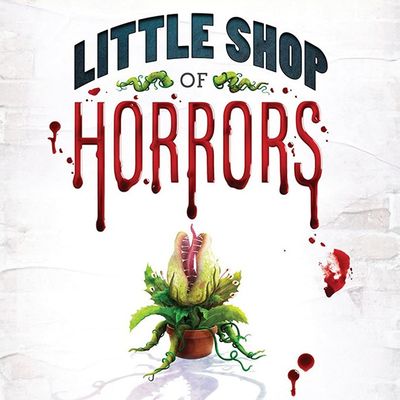
Lift up your head, wash off your mascara, and get ready to be entertained by the original Seymour from Little Shop of Horrors, Tony nominee Lee Wilkof... Read More
From the show: BEHIND THE CURTAIN: BROADWAY'S LIVING LEGENDS » Podcast
Featured Shows
About
Lift up your head, wash off your mascara, and get ready to be entertained by the original Seymour from Little Shop of Horrors, Tony nominee Lee Wilkof. While audiences are familiar with Lee's counltess stage appearances in such shows as Little Shop of Horrors with Ellen Greene, Sweet Charity with Debbie Allen, Assassins with Victor Garber, She Loves Me with Boyd Gaines, Kiss Me Kate with Brian Stokes Mitchell, The Odd Couple with Nathan Lane and Matthew Broderick, Lee is also a familiar face on screen having appeared in Delta House, Law & Order, Private Parts, and Before The Devil Knows You're Dead and, behind the camera, as the director of the fabulous No Pay, Nudity. Lee pulls back the curtain on his career to discuss how his performance as Seymour won him a trip down the aisle, what it was like collaborating with Howard Ashman, and why Brushing Up His Shakespeare led him to tears and a Tony nomination! Also, Lee shines the spotlight on Nathan Lane, Kathleen Marshall, and Norman Lear! Become a sponsor of Behind The Curtain and get early access to interviews, private playlists, and advance knowledge of future guests so you can ask the legends your own questions. Go to: http://bit.ly/2i7nWC4
Transcript
This transcript was automatically generated and might contain errors.
[0:00] Robert W. Schneider: Dear friends, we are so sorry about the ads. They are a nightmare in every way, but with your donations, we can get rid of ads someday.
[0:09] Kevin David Thomas: Beautiful Kevin.
[0:10] Robert W. Schneider: Thanks, Rob. Bach and Harneger smiling so much. Friends, yes, we are back with a new plea. Much like those adorable puppets from Avenue Q, we are asking for you to give us your money. For those of you who have headed over to Patreon to throw a little money our way, we thank you so much from the bottom of our hearts. Your contributions are the only budget we have for this show, and it provided us a new soundboard and better studio space. So a thank you.
[0:36] Kevin David Thomas: Thank you.
[0:36] Robert W. Schneider: And as you know, nothing is more fulfilling than talking to the legends of Broadway and hearing them share their thoughts, wisdom, and talents with all of us. However, it does cost money. And if you want to help us keep the show going, please head over to Patreon.com. That's P-A-T-R-E-O-N.com. Search for Behind the Curtain, and you can give as little as a dollar a month. And trust me, that dollar will help us more than you will ever know. Plus, for certain monetary donations, you will get to pick your favorite thing and have advanced knowledge of our future guests so you can ask the legends your own questions. Ooh. Or you can simply leave canned goods and an original cast recording of How Now Dow Jones outside our doors if you don't want to contribute on Patreon.com. Truth.
[1:19] Kevin David Thomas: So once again, please head over to Patreon.com. That's P-A-T-R-E-O-N.com to help us out. Thanks.
[1:24] Robert W. Schneider: Thank you. Okay, hi. This is Robert W. Schneider.
[1:26] Kevin David Thomas: And I'm Kevin David Thomas.
[1:28] Robert W. Schneider: And this is Behind the Curtain, Broadway's Living Legends. Don't forget to follow us on Twitter at Broadway Curtain. And make sure to join our Facebook page at Behind the Curtain Broadway's Living Legends. And follow us on Instagram at Broadway Curtain Podcast. Plus, you can always listen to our podcasts on Broadway World and Stitcher.
[1:44] Kevin David Thomas: Today's guest has long been one of Broadway's go-to character actors with a resume that is chock full of great roles and with today's guest inhabiting those characters, even greater performances. While he is most recognized for creating the role of Seymour in the original Little Shop of Horrors, our guest's resume not only includes the revivals of The Boys from Syracuse and Kiss Me, Kate, for which she was nominated for a Tony Award, but also a stint into film directing with the beautiful No Pay, Nudity, which was featured on the previous episode.
[2:14] Robert W. Schneider: I would say stop what you're doing right now. Go to iTunes, get the movie, then come back. You are going to thank us. And we will talk more about No Pay, Nudity a little bit later on. To tell us what it was like to work with such legends as Howard Ashman, Nathan Lane, Bob Fosse, and so many, many more. We are very excited to have all of you lift up your head, wipe off your mascara, and say hello to the wonderful LEE WILKOF. See what I did there? Hello, Lee.
[2:38] LEE WILKOF: How are you?
[2:41] LEE WILKOF: I'm good. I'm good. I was sick last week and I'm all better. So I'm lucky happy to be out on Hitting the Streets.
[2:49] Kevin David Thomas: Good. Well, you look fabulous.
[2:51] LEE WILKOF: Thank you.
[2:51] Kevin David Thomas: You didn't miss anything last weekend. It was kind of snowy out.
[2:54] LEE WILKOF: Yeah.
[2:55] Kevin David Thomas: So Lee, we're gonna start right at the beginning with you. Where did you grow up?
[2:57] LEE WILKOF: Grew up in Canton, Ohio. It was a nice place to grow up. There's actually on Facebook, Canton was a great place to grow up. However, maybe I shouldn't say it, but lately, I've seen like three or four lists, ten worst places to live in the United States. Canton on all of them.
[3:18] Kevin David Thomas: Why?
[3:21] LEE WILKOF: It just the industry left. It was a big steel center. My family was in the steel business, iron and steel. My father irons, my mother's steals, but I have to always do that joke. My dad was in the steel business, and not because his business went away, but all the industry went away. And I don't know what happened. I go back and it's I loved Canton, so I'm not there's nothing to bad mouth, it's just that's where I'm from. Yes, and I don't have any family there, a few cousins.
[3:55] Kevin David Thomas: And no interest in going into the steel business.
[3:58] LEE WILKOF: No, there was a point I was in New York for like a year, and it wasn't going that well. And I met a young lady, and she came to see me in some little night, I forget what it was you do, you do one scene or you sing.
[4:14] Kevin David Thomas: Oh, like a showcase thing.
[4:16] LEE WILKOF: Yes, a showcase thing. I forget, I forget that it had a specific name, and she came and I got a lot of laughs, and she said, I don't like people laughing at you. And you should not be an actor. And I was gonna leave and go home and work in the steel business. And thank God at our engagement party in the bedroom when we were taking a rest, she said, I don't want to marry you. So thank God she didn't marry me. Thank you, Lori. And I stayed in show business. And I didn't go in the steel business. And my brothers ran the business, and the business doesn't exist anymore.
[4:53] Kevin David Thomas: And growing up in Canton, were you introduced to the arts at any point?
[4:57] LEE WILKOF: The Jewish Community Center was like the center of it for us kids. And I was thinking about it the other day. There was a woman there who she's still alive, she's in her 90s, her name was Betty Perlman, and she saw something in me and put me in shows, and I did some shows there. So, like, you know, Pinkest the Peddler and Hanukkahville, and I played Pinkest the Peddler. She'll be an encore next season, so keep an eye out for that one. Pink has had a happy Hanukkah, and we hope you have one too. Set your standards early in life.
[5:37] LEE WILKOF: Then I went to college. I went to Temple University with no idea what I was gonna do, maybe be a social worker. Oh, I wanted to go to a school in a big city, and I didn't get into Columbia and I wanted to move here. I always knew I wanted to move to New York, not to be an actor, never New York. I just knew New York. When I was a kid, I would tell people I was from Brooklyn, just out of nowhere. You know, I maybe seeing the Bowery Boys or something. And I didn't get into any schools in New York, so I went to Temple because my grandparents lived in Philly when I was a kid.
[6:10] Kevin David Thomas: Yeah.
[6:12] LEE WILKOF: Unbeknownst to me had a great theater department. I did not wander into that. And I did not like school there because it was basically a commuter school. Everybody went home at night.
[6:22] Kevin David Thomas: Oh, yeah.
[6:23] LEE WILKOF: And I transferred to a school where I had friends, which was the University of Cincinnati. My sophomore year at the University of Cincinnati, some guy I knew said he was going over to the theater department. It was not CCM. There were two separate schools. There was the theater department and CCM. And he said, I'm auditioning for a one-act play, and I went, hmm, maybe I will too. And I got into one-act play, and I never left the theater department. I never left. The end of my and there was a particular professor that took me under his wing, and I just enjoyed it, and I enjoyed not only doing it, and I didn't get a lot of training there, but clearly I had a facility for it, and I loved the and today to this day, the thing that I love most is the family aspect of doing a show. And that was my family, people in the theater department.
[7:25] LEE WILKOF: And I did do one show at CCM. They let us come over and audition for Three Penny Opera. It was incredibly risque. And I got in it. I sang what did I sing? Wichita Lineman was my audition piece. And it was directed by my professor from they brought him over, and it was very risque for 1973. And let's see who was in it. Tom Viola was in it. Oh my god, Steve Berger was in it. Do you know who Steve is? Yeah, this is a group. Well, kids at CCM. I'm sure other people, no, what's her name? She had just left to do Candeed, Marine Rita, Marine Brennan.
[8:11] Kevin David Thomas: Oh, yeah.
[8:12] LEE WILKOF: And a couple other people. And one other, I'm gonna do one one one other little anecdote. There was a young lady that was in school there who I was like enamored with. Her name was Marianne Quatman, she did not graduate, and she moved to New York before she graduated from CCM. She was beautiful and wildly talented. She and I chased her to New York, and she was doing a show called Jurs. They were touring high schools in New Jersey. They were doing little sketches. Jurs, jurors, J-E-R-Z. J-E-R-Z, jurz. And they were doing sketches and songs for high school kids about the state of New Jersey. And she said, There's this amazing young man in the show. His name is Joseph Lane. It was Nathan before he changed his name. And that's when I met Nathan in 1972. And he was like, I don't know, 15 or 16.
[9:11] Kevin David Thomas: So that's my anecdote.
[9:13] LEE WILKOF: Oh, wow. I graduated from UC. I moved here. It took a while for things to get rolling.
[9:20] Kevin David Thomas: Yeah.
[9:21] LEE WILKOF: And I went back home after my first year, and I worked at the Canal Fulton Dinner Theater with the promise of getting my equity card. And they were lying. And I quit. And then I moved to Cleveland for a year and did improv with this company called the Common Sense Novelty Company. And that was really good training. And then I did outdoor drama called Do you know what outdoor drama is? Big historical pageants like Trail of Tears or Tecumseh or this one.
[9:51] Kevin David Thomas: Oh, the one that was.
[9:52] LEE WILKOF: So like you dressed up like that. Yes, I was Simon Gertie, White Savage. I did not dress up. My wife did Tecumseh. She played a young Indian princess. She did Tecumseh down the road in Chillicothe, Ohio. And I got my equity card. And I came back to New York. And that's when things started to roll.
[10:12] LEE WILKOF: And I would pick up the trades. I didn't have an agent yet.
[10:15] Kevin David Thomas: What were the trades?
[10:16] LEE WILKOF: Just so backstage. And show business. Leo Schules show business. That's where the first time I saw, no pay, nudity required. Oh. That was often, you know. If you didn't have an agent, you'd go Thursday mornings to the where they sell newspapers. You'd pick up backstage, you'd circle the places you're gonna go. So this is before. No, I didn't have an agent yet, so I still was using backstage. That's the first time I saw that reference. So I did a play. I finally I started working a little. I did a play at Playwrights Horizons, glance of Glance of a Landscape. That's when Bob Moss was running it, and I did something at George Street, and finally got cast in this kind of improv-based. We would do improvs, then a guy named Jeffrey Sweet, who's still around, a fine playwright, would transcribe the pieces, and certain people wrote music. Among them, a man by the name of Alan Menken and Skip Kennan, and I forget his name. I don't think he writes anymore. This is the present tense.
[11:28] LEE WILKOF: I did the present tense. The interesting anecdote about the present tense was the producer of the present tense was Roger Ailes. Oh what? Yeah, he was also he was producing and he was also training the director of the present tense worked for Roger, and he was helping Roger train politicians to be like TV savvy. And on the side, Roger was producing, and he actually wanted to now that he's passed away, I can say this, and I love I shouldn't say this because I'll be beaten on the street. I liked him. He was a different guy. Oh yeah, this is a long time ago. He was very sweet to me. I've spoken to people that knew him at the beginning, per se, and said he was not at all. He was a good guy. He was, you know, a savvy businessman.
He wanted to sign me for like eight years at 40 percent, and I said no. But meanwhile, I got a lot of attention. I got great reviews. I kind of like emerged for one reason or another. I dressed up like a Hasidic Jew and played the banjo. There's a further story about that. I did that same thing on the gong show, which I'll tell you about.
[12:46] LEE WILKOF: And one night, because the reviews were strong for me, and maybe he was in town. Well, I won an OB and I got nominated for Drama Desk, but Norman Lear, I mean it only ran a month. Norman Lear came to see the show. And he flew me out to California, which I have to say was my that was that was the dream to go to California. I thought my career or my, you know, I believe everybody has like not everybody, not everybody isn't as neurotic as me. Has their like their this is my dream. This is what's gonna make me a star, if that's what they're into. And I thought my thing was gonna be sitcoms.
[13:27] Kevin David Thomas: Yeah.
[13:28] LEE WILKOF: So I went out, Norman Lear, and I auditioned for something, I forget the name of it. I didn't get it. But I went, well, my destiny, Norman Lear wanted me. And I had an uncle that had a deli 60 miles outside of Los Angeles in Oxnard, California, a Jewish deli. I'm from Thousand Oaks. A Jewish deli called R Gang Deli at the Esplanade. And I worked for him, lived with him, and by this time I got an agent, and there was an agency, they had an office on the West Coast. I would work for him. And when I had an audition drive 60 miles into town, I gave myself six months. I said, first of all, I'm not gonna, you know, people don't, even it's my uncle wants me at the hell out of his house after six months. I'm gonna get the hell out of here, and then I'll leave. I'll go back to New York.
[14:21] LEE WILKOF: Six months. We got to six months, like five months and three weeks, and I said, I'm not leaving without doing something. So I dressed up like a chasidic Jew from the present tense, and I sang this song called Possum Pie. And uh the lyrics were Possum's Gotta Taste All Its Own, not like coon or pussy. A piece right now would hit the spot, warm the cockles of my tushy. And they said, they actually, after rehearsal, they said, Don't say pussy, don't say tushy, okay. I said, Okay, possum's gotta taste all its own, never soft or mushy. A piece right now would hit the spot. Oh, they I it was okay to say tushy, but not pussy. Not pussy. Okay. So the thing on the gong show, unbeknownst to a lot of people, you go on the gong show, you get 45 free seconds, and then after 45 seconds, they are free to gong you.
So I walked out, dressed up like a Hasidic Jew. I felt like I was like amongst it was Kristallnacht, the way people went, they went berserk. I knew that I was gonna get gonged. They hated me so much. So I said, Pardon my language, I said to myself, fuck it. I'm gonna say pussy on TV. Okay, so I sang the lyrics. Of course, immediately got gonged. There was this woman named JP Morgan, yeah, who always had some sort of dirty quip. Yeah. And she said he was singing about Possum, but he was thinking about beaver. And that got on, but I think they blipped pussy. Okay. So a week later, the week I was gonna leave, I got offered two pilots in one day. Oh my god. You can't do that anymore because now you have to go to the network and you have to like make the a deal, and you could never get two pilots in one day.
That would be impossible. It's just the system doesn't work that way. One was for Norman Lear, and one was a serious drama called Webb, which was loosely based on the movie Network. It was it was produced by the woman that Faye Danaway's character was based on in Network. Oh and I took the serious thing. And I didn't take the Norman Lear show. It was called Webb W E B. We were the fourth network, like NBC, CBS, Webb. We were the first show canceled that season, and Norman Lear's show was canceled the next day. So I didn't make such a you know and then I decided, well, I'm working, and I was I was playing lots of like my character in Webb was like I had a big bushy hair. My hair was kind of bushy, and I wore bow ties.
I vowed I would never wear a bow tie again, and I would drop, I would come into Mr. Oh, that's the next show. Uh Webb, I'd wear a bow tie, and I was based loosely on uh he ran the network and he hated my character. I forget his name. He ran sitting NBC for a while. I forget his name. Anyhow, that got canceled. I figured I'll stick around. The next thing I got was a show called Delta House. Based on the movie Animal House. Oh. Short-lived. Then I started recurring on Heart to Heart. And I was working. Yeah. Playing Nerds. So it worked. Not that satisfying, but working. I was out there about two years, and I get a phone call from this woman that I knew from when I had lived here. And she said, We're doing a musical at the WPA called Little Shop of Horrors.
Now, when I grew up in Click Canton, Ohio, every Friday night, there was a guy named Goulardi. Anybody here of Goulardi? Paul Thomas Anderson, you know the director. His movies are Goulardi films. His father was Ernie Anderson. And his dad would dress up outrageously and have the horror movie that's on Friday nights on the Cleveland Affiliate. Okay. Goulardi. And he was insane. And he was hilarious. And we loved him and he showed horror movies. And adolescent boys, we'd sleep over at each other's houses and we'd watch Goulardi. Yeah. Because he was like, I'm sure on acid. I hope I don't get sued. And he was lighting firecrackers, and he was inserting himself. He could do some sort of magic with the TV, and he'd be running through the screen as the movie was playing.
But one movie was played probably three times a year, the original Little Shop of Horrors. So I was incredibly familiar with it. And we loved it because it was nuts. I don't know if you know this, but it was shot in two days. I had heard that. Shot in two days. So there was a there was a quality to it which was crazy. Like there's a scene in it where Jack Nicholson plays the patient at the dentist, and the set falls over, and the scene is over. Because they didn't want to reshoot it. Anyhow, I knew it. And so this woman, Darlene Kaplan, she calls me. She says the WPA is doing this musical based on this movie. And I said, Well, I know this movie. I love this movie. Okay, can you fly yourself in?
You'll be auditioning for the role of the dentist. The dentist. At that point, I was trying something new. I was wearing a toupee. Oh. Lee Wilcoff was trying to transition from nerd to God knows what. I walk into the, I walk into the audition, Alan Mencken, who I knew from the present tense, he takes a look at me and he starts laughing. Uh-uh. Because I look ridiculous. I'm wearing a toupee. You understand. I understand. All too well. And I tear it off. And Howard Ashman, may he rest in peace, goes, Well, you're you're a Seymour. Okay, so I audition. I don't remember what I sang. I think I sang Smile. Oh. Because I really, you know, hadn't done musicals, but I knew that song that was like in my pocket.
Smile, oh, your heart is aching. Smile, even though it's breaking. Still my wife's favorite song. And uh, so I got a call back. I'm staying at a friend's house. You have a call back tomorrow. And I went back, and uh uh unbeknownst to me, it was between myself and Nathan Lane for the role of Seymour. And Howard had this beautiful, cute darling assistant. And uh I didn't know this then, but she convinced him to cast me instead of Nathan for one reason or another. And Howard's assistant is named Connie Grapp, was named Connie Grappo, still named Connie Grapple, and we've been married now for 35 years. And Connie uh uh ultimately uh directed when Howard stopped direct. Howard directed the original at the WPA, then off Broadway, then Los Angeles, then London.
And then Connie took over and directed it all over the world. Now Little Shop opened at the WPA. I remember like two weeks before I'm like running around to casting directors, handing them flyers, and they're going, What the hell? What the hell is this? Then I'm three weeks later, they're begging, begging for tickets. It was, I'll never, I'll never well, things like this don't happen that often anymore, but nothing like this has had ever happened to me, and never happened since. It was so the hot it only sat 99 people and everybody wanted a ticket. It was like the word on the street. I don't even know if the reviews had come out. And every night you'd go in the you'd see in the audience of this tiny little schleppy theater you'd see.
I remember Tommy Toon and Liza. I'm dropping names. So it was a reality of the show. And it was really a hot show. And it was uh a difficult birth, you know, it was difficult. So let's talk a little bit about that. Well, there were, you know, their personalities involved and and just a show, and and uh Ellen Greene uh is is a perfectionist, and I was kind of at sea, and there actually came to a point where I think I mean Connie tells me, my wife uh tells me, I mean, I know that this is true, I just didn't, I I'd never done a musical, and I was a little like I wasn't giving Howard what he needed. And he wasn't able to communicate. I mean, I I as much as I love Howard and miss Howard, I think Howard's greatest gift was his writing.
Yes. And not necessarily his directing. And I need a very strong hand, and I wasn't getting that. And they were thinking of replacing me. So I sensed that. And I made a call to this cute assistant director. Am I gonna get in trouble for calling her a cute assistant director? You're married somewhere. It's fine. The same day Howard said to c to Connie, I need you to help Lee. The same day I called her, he told her, please try to help him. And she helped me. She's a director. Right. And you know, we're dealing with like the plant, and we're dealing with I mean, it wasn't just my bad acting that was the problem. There was all sorts of like you got this big frickin' plant, which has now been perfected, you know, but this was in a very new, yeah.
Very new. And it all worked out. We were like, there was the first time we did the show, we were we were the people that were behind the plants, and we were wearing these things called root booties so they wouldn't see our feet, and it was a difficult birth. And then it opened to, you know, ecstatic, ecstatic, particularly for Ellen, you know, and it was and deservedly so. And then everybody wanted to move it here and there, and Howard was wise and his wisdom moved it to off Broadway. Yeah, very you know, it's been done on Broadway, and I didn't see that production, but I don't think Broadway's the place for it. It's an in it's it's not a tiny show, but it's not a big yeah. You got it's about scale.
Yeah, if you're in the back of a big Broadway musical house, the and the plant looks like the size of uh, you know, a peanut, it doesn't work. Right. So, anyhow, so the show was a big hit, and then I moved back to LA. When it was all over, I kept chasing LA and we stayed there for a while. A lot of stuff happened in between. I think I did. Had I done Broadway yet? No, Little Shop was 82. Yeah. And my first Broadway show was when we were living in LA. There was an LA production of Sweet Cherry. Yeah. Which I had the great, great, amazing, not supposed to have happened, incredible fortune to work with. And I might start crying, Bob Fossey. Yeah. And Gwen Verdon. This the thing with I I don't think anybody's gonna sue me.
Bob, there was another man directing it. And Bob would come in and look at it. And after the first week, that man that was directing it was became the guy that brought Bob coffee. Bob never left. And that was you know, little shop is like a gift, but getting to work with Bob Fossey, and then he brought Gwen in to work with Chris Chadman, may he rest in peace. I think he was the choreographer, but then he became kind of Gwen's like they were they they co-choreographed it. Not that I had that much dancing. Although for like in Los Angeles and in San Francisco, I was in the rhythm rhythm. Oh, yeah. I was in the rhythm of life. So I can say I was a Bob Fossey. However, when it came into New York, he came up to me, he said, You're not doing it.
And I had a very nice, I had a lovely relationship with him. He was very shy, you know, he was way more interested. Let's be let's the women than the men. Oh yes. No, we've heard. And the women loved him, and he was I loved him. And and I I feel like I've worked with two, and they're gonna be a little be insulted, but I've worked with two geniuses. I've had the I've had the I've I have the gift of being able to work with in my career with Bob Fossey and Steve Sondheim, Stephen Sondheim, Steve. I think it's okay. I can call him Steve. I've worked with him a couple times. And the thing about both of them, the interesting thing about both of them was like with Bob, who was not only an amazing, like he really was a good director, but when I would watch his choreography, it's like he knew what every step had meaning.
It had one each step had a depth to it that he understood and he could communicate, and that's why his dances were so full. And I watched that and I never seen anything like that. The knowledge that he had of what he was doing. Nothing was nothing was random. Nothing, not a breath, not a movement. And the same with Steve Sondheim. Every note is it's just not a it's no note is random. Right. We're gonna jump back to Little Shop for a second. That's okay. Did the show change a lot in terms of text and songs before it finally opened? I know that you said you had some difficulty with the puppets and the scenery and all that fun stuff. You know, only one thing. I can only remember one thing. There was a song called We'll Have Tomorrow.
Uh don't you be frightened. And I it was my song. I'll get us out of this mess that I made. Don't ask questions tonight, it's touch and go. Uh no one ever got hurt by what they don't know. We'll have tomorrow. Trust me, it's true. We'll have tomorrow. We'll get through. Beautiful song. Yeah. Beautiful song. But it stopped the show dead. I'm singing it to Ellen as I'm putting her in the plant.
[28:43] LEE WILKOF: And they came up to me. I don't know, like even it was early. Two weeks, they knew. They knew two weeks in. And Howard said, we're taking this song away. We're cutting this song. It's a beautiful song. I wasn't that bummed out. I had so much to do. Yeah. You know, I had suddenly Seymour. I mean, I didn't care. And I didn't take it personally. And that's the only thing I can remember that changed. No. It did not change a lot. I got to sing that. I got to sing it. I mean, unfortunate the circumstances. I sang that at Howard's Memorial. Oh. But uh no. No. It did not signify. I somebody could come. If you had maybe Alan or somebody else on, they may go, We changed everything, but I don't remember them changing almost anything. It was beautifully written. No. I'm curious. What was so you have a Tony nomination for Kiss Me Kate? What was that rehearsal process like with the great Michael Blakemore?
[29:47] LEE WILKOF: We just actually talked to Kathleen Marshall yesterday. Oh, I love Kathy Marshall. Lovely. I love her. I had such a crush on her. I met Kathy Marshall. Uh she assisted her brother Rob. Another, another, another. Oh man, what a talented family. But Robbie choreographed that uh She Loves Me that I did. Yes. And he was wonderful. And I met Kathy on that. Yes. Yes. And um what was that process like? Interesting thing about that show. So I go uh that was a very that was a script that was impossible to get. Something about the rights. I never read it. I never read it before I went in. I just had sides. And people would say to me, What's going on? I say, I'm auditioning to play one of the gangsters in Kiss Me Kate.
And they go, Oh, oh, those parts are so great. And I kind of could tell, but out of context, I couldn't really tell. And I knew I had brush up your Shakespeare, but I didn't know how good a number that was going to be because that was Kathy. Kathy just choreographed the shit out of it. And it's also a w it's an amazing number and just words placed in the show. Um she choreographed that number like is you know every single bit of it had business that you've got to do. Every single bit of it.
[31:11] LEE WILKOF: Um I'm digressing a little. So we when I have to do choreography, uh I am not. I am an actor who can sing. I am not an actor who can dance. I don't even think I'm an actor who moves well. But I can learn almost anything. Okay. You know, I'm not gonna be uh I don't know if you saw like a the last thing I did on Broadway was uh Holiday Inn. Holiday In. Yeah. Well, I'm not gonna do the tap dance number. But if I have to move, I'll move. Anyhow, but the first day of anything that is choreographed is very difficult for me. And the first day of choreographing, uh brush up your Shakespeare, I believe I cried. I I it brought me to tears. I was so frustrated, and I say to myself, I'll never learn it.
But I always learn it, okay. Yep. And I went to get my like fitting that same day later in the afternoon. And the wardrobe people, the people that were fitting me, they went, I heard you were crying today at rehearsal. I said, Where the hell did you hear that? They said, There was an actor in here who said you were crying during rehearsal. I went to rehearsal the next day. I said, Let's let's keep what happens in the rehearsal room in the rehearsal room. But I was I said it in a more angry way. Anyhow, choreography for me is very difficult. But if someone's patient with me I get it, and I and I eventually got it. I thought that was like and Kathy knew that I'm not a great, you know, I c I can't do a lot, but she because I had worked with her before, tailored it to my skills.
[33:04] LEE WILKOF: And Michael Mulheron, and I'm not sure he's a great dancer, he may be, but she kept it to a certain, you know, uh parameters, and I think that's why the number there was a simplicity to it, but it was you know, to to the as you said, there was not a s there was not a spare moment of those words because it's a word. That was to begin with that was again another gift. I mean, to get to be able to do that number and where it's placed in the show and to play those parts, my God, you walk on stage, almost everything that comes out of your mouth is hilarious. Right. And oh so I didn't know people would say to me, You what the you're you're auditioning for you have no idea what great parts these are, and I still didn't know.
And by the grace of God, and there were a lot of guys, I remember a lot of guys auditioning for those two roles, and every one of them had either done it before or knew what great parts they are, and I got it. And then I finally saw a script and I went, Oh my god, these parts are amazing. I mean, I didn't see the script till like a few days before rehearsal. Oh my. And it was uh Michael Blankmore. He just he just spoon fed me, and maybe uh maybe everybody else. I mean, I wasn't paying that close of attention to other people. I'm a little self-involved when I'm doing a show, and then and it all came together. It was a again a difficult birth. I remember Michael Barress. I don't know if you saw the show, he climbed.
[34:42] LEE WILKOF: Oh, yes, he like screwed up his ankle like two days before first preview, and everybody thought we were gonna have to cut that for a while, and it was, you know, at like with Little Shop, for some reason, I I was called the spine. I was like somebody, not every show that I that one does, somebody emerges and they are like the leader okay the the psychological or the and I for some reason Ron Taylor who was the original voice of Audrey too he's passed away wonderful man he called me the spine that's how he spoke and and kiss me Kate it was it was Stokes and when that happens that kind of like spreads out into the house and when somebody has the integrity that he has it's infecting it infects everybody unless there's like there was a couple like schmucks that was like there but there always are with a cast that big but generally that was a cast that everybody took their cue from him and he was like he came the first day and he blessed the theater with sage it was very spiritual and Michael Blake Moore is a man that you just kind of like you you I would never argue with him. I I knew he was always right and it you know to say it paid off to get a Tony nomination is a gift.
[36:27] LEE WILKOF: Is it is a you know I'm I'm this I'm a person and I'm and I'm not somebody that's against awards it's a little weird that we're in a business where you you know you're competing with another actor but I am so proud of of the the company that I'm in. I have I have a great uh I'm I'm really glad I got that I've been nominated for Tony. It means a really a lot to me. It does. It means a great deal to me. And the performance was brilliant. Yeah. And I wanna, you know, Kevin and I were talking about this with Chip. Um the boys from Syracuse, which was something that you I didn't know you had seen. I loved it. Yeah I saw it too and I did oh yeah did you what about you it was I you know I don't want to there were people that like there were some people and I'm not gonna say who the people are but there were people that whenever that was a show where Chip is very inventive.
[37:29] LEE WILKOF: Now Chip uh Chip Chip and I have we done other stuff we've known each other for years. I think that's the first thing the weird thing is we were playing twins. I mean I probably outweigh him whatever he weighs I weigh three times more. Uh uh but people bought that we were twins there were people that whenever we would try something new that that I'm telling you I am telling you this with assurance it was funny we would try stuff Chip and I or other actors and we would get shot down every time. Uh and it was a new book that should have been left alone and it was frustrating. It was a frustrating production it was frustrating. It's one of my favorite scores so I understand there was an encore before we did it yeah and they did it with the they didn't touch anything and I heard it was wonderful. And ours w I don't think it was but you liked it so it was great. But I I'm I'm a fan of the score. I went into it loving the score. I we were so happy to see the score come back.
[38:35] LEE WILKOF: Yeah do you know what I mean? It's just so it's so good. We don't have to I think it should be done again. I think it deserves another shot. We did not do it justice. And I don't want to hurt anybody's feelings. No, no, no. I totally get that. And I take I'll take equal responsibility for it not working as anybody else. But you were brilliant, so I'm I I'm gonna say to you that you're not responsible. I had a number with Tony De Bono. Yes. Yes. And that was just that was divine. And one night one night, I don't remember the song. I don't even remember the name of the song. I here I I think I did the song like this. I I I I made up non words I made up lyrics that were not words. And then I said right before I started the next verse, I said, I'm gonna get this verse right. And the audience went nuts. And that's the kind of stuff that if we'd have kept stuff like that in, if that would have happened in rehearsal, and then we kept that in that could have been funny.
[39:38] LEE WILKOF: Right. But if something like that happened in rehearsal, they go, No, no, even though that was a complete right cock up, as they say. That's really interesting. I wonder if that that comes out of insecurity in the rehearsal room. Right from the from a director and choreography point of view. I think it was just smart enough, right? I just I get it. Let me ask one of my favorites. That's okay. Well, we enjoyed it. Thank you. You were great. Thank you. So thank you for suffering so we could have a nice evening. Um let's talk a little bit about your relationship. It's gone on now for years with Nathan Lane since he was fifteen. I think he was fifteen. In the great show Jurs. Right. And then our paths didn't cross. And then uh I did the I did, as I said, I did the bubbub uh uh the present tense.
[40:26] LEE WILKOF: And I remember Nathan being around once in a while, and he was he he was like, Who's this guy Lee Wilcoff? The tables have turned, my friends. The tables have turned. And then Little Shop, and I was not aware of that story. And then Nathan uh got uh I think with George C. Scott, I forget the name of the show, and then Nathan started to take off. And somebody somebody told me this story. If Nathan hears this, he will call me and he will say, I never did that. I don't believe it. I shouldn't even say it. Somebody said he had a picture of me that he would throw darts at. But this was like when I was doing the present tense. Now I have like I shoot guns at his picture. Not at all, not at all. So Nathan and I, our paths crossed over the years. I remember running into him when I lived, even in LA, he was part of it. He you know he was part of a comedy team, Stack and Lance.
[41:22] LEE WILKOF: Yes. And he was on like the Merv Griffin show, and they got cut off the Merv Griffin show. And we I remember having dinner with him and Pat Stack at Musso and Frank. So we were we were we were friendly. We were friendly. We were not now we're friends. Yeah. We were friendly, we were casual friends. Geez, when did we get close? I think my first show with him was Ms. Lansky Zelinski. Do you know that show? Yes. Tell us a little bit Ms. Lansky Zelinski or Schmucks. That's by the great, the great Robbie Bates, John Robin Bates. We did that at Manhattan Theater Club. Ms. Lansky was Nathan Ms. Lansky, yeah, and Zelinski was uh Louie Stadlin. And I played Nathan's lawyer.
[42:11] LEE WILKOF: And we shared a dressing room, like all of us. And uh I think that's where you get really closer with people. And Nathan we got along, and I remember going to like the red eye grill and drinking cosmopolitans with him and just you know, just falling in love with him. Yeah. I just love him. It's it's you know, I've watched Nathan's career uh skyrocket, and I'm gonna be like at my most maudlin, and sometimes it's been hard. Yeah. Oh yeah. But nobody nobody deserves it more. I think he's brilliant, and he's been so generous to me. I'm trying to think. He has literally like said to somebody, cast him. I was in the Nance.
[43:05] LEE WILKOF: Well, I did the workshop of the Nance. And then I was offered the Nance. I wouldn't have been offered the Nance if it wouldn't have been for Nathan. And wisely I, uh, decided I would do, uh, uh, Breakfast at Tiffany's. That was a joke, but I did do Breakfast at Tiffany's rather than the Nance, and then Nathan, because of Nathan, I did, um, The Odd Couple.
[43:35] Kevin David Thomas: Oh, right, which was that was him and Roderick and you?
[43:39] LEE WILKOF: Yeah, that was special. Right. And, uh, then I got to work at Carnegie Hall. I did, they did, we did one night, uh, Guys and Dolls, uh, concert, and he was responsible for that. So, I mean, talk about generous. Do we go out and have dinner every week? No. Do we share texts? Pretty often. And then I read Nathan was, and this is when we kind of really, well, it's always been gelled. Nathan, uh, I read that he was doing The Iceman Cometh in Chicago, and I called him up. I said, "You're doing it, I've always wanted to do it. What part you want to play?" I should have read it before I said the part I wanted to play. I played, um, Hugo Kalmar. Uh, I don't know if you're familiar with the play. You know, it's almost five hours long, and my character for four hours and forty minutes is bent over a table asleep. So my shoulders and back were messed up for about a year. But I got to do The Iceman Cometh, which is like one of the another great gift.
[44:53] LEE WILKOF: So while we were in Chicago, it's a five-hour play. And, uh, we all rested all day. I thought I'm gonna see Chicago, and I'd go, I'm not gonna get out of this hotel room. I have to go do a five-hour show tonight. So I open up my computer and I dusted off No Pay Nudity. Now, No Pay Nudity, and Nathan knows this, was written originally. There was an actor named Maury Chaiken. Do you know who Maury Chaiken is?
[45:23] Kevin David Thomas: I do not.
[45:23] LEE WILKOF: If you saw him, you'd know him. He was in a lot of movies, and he was a big husky American Canadian actor. And he died. And there was this role of Herschel that was written for Maury. And I dusted off, uh, because I didn't have much to do in Chicago, and I said, I have this script. I read it, and I published it. I'd written it with another young man. He did most of the writing. We wrote it together.
[45:50] Kevin David Thomas: Well, when did you start? Just side note, when did you start on?
[45:53] LEE WILKOF: Oh my god, I probably wrote it about eight years ago. We wrote it. And it had been sitting on my computer for three years or so. And I said to Nathan, I think this is good. Would you read it? And he said, "I'll read it." And, um, he read it, and I thought, you know, I'll hear from Nathan in six months. He's busy, he's playing Hickey, he's such a good guy. He read it the day I sent it to him, and he said, "This is good." I said, if I can get this made, will you do it? And that was it.
[46:24] Kevin David Thomas: Oh wow.
[46:25] LEE WILKOF: And once Nathan committed to it, the ball started to roll. It was a very slow rolling ball. But without Nathan, I would have never got the movie made.
[46:34] Kevin David Thomas: And have you both seen it?
[46:36] LEE WILKOF: Oh, yes.
[46:36] Kevin David Thomas: Oh, you have.
[46:37] LEE WILKOF: Oh, I have, yeah. I mean, Nathan is brilliant.
[46:40] Kevin David Thomas: Yeah.
[46:41] LEE WILKOF: And he's doing stuff in it that you've never seen him do. You should, you should see.
[46:46] Kevin David Thomas: Oh, yeah, definitely.
[46:47] LEE WILKOF: Not only for Nathan, not only for seeing the movie. Nathan's brilliant. And, and without Nathan, that movie would have never been made.
[46:55] Kevin David Thomas: Well, the roster of actors in it, too.
[46:57] LEE WILKOF: Yeah, I got great. I got great actors. Only two people auditioned. Everybody else, it was an offer. I don't think there is a movie out there that better captures what it's like to be a working actor in New York City. I really, I really don't. And I think I had mentioned that when we had talked about it a while back. If you've never seen No Pay Nudity, it is available on iTunes right now.
[47:18] Kevin David Thomas: It's on iTunes, if you don't mind me, please interrupt.
[47:21] LEE WILKOF: It's on Amazon. Yep. And it is on, if you have the Starz Network, you can either get it on demand or then it's on, you know, it's also on part of their roster. But it is on iTunes and it is on, and, uh, it is available. You know, it was funny. I was saying to, um, a panel a couple of weeks ago, there were two movies that came out that I think every person who is thinking about a career in this business should watch. One is, uh, The Best Worst Thing That Ever Could Have Happened, the Merrily documentary, but the second one is No Pay Nudity.
[47:52] Kevin David Thomas: Thanks.
[47:52] LEE WILKOF: Seriously, it's really that good. So then why did you want to, you wrote it, but why did you want to direct it?
[47:58] Kevin David Thomas: You hadn't directed.
[47:59] LEE WILKOF: I did direct it. Uh, I wrote it with a young man named Ethan Sandler, a wonderful actor and, uh, writer. Uh, he's married to a brilliant actress named Kathryn Hahn.
[48:12] Kevin David Thomas: Yes, yeah, she's great.
[48:13] LEE WILKOF: I met them at Williamstown. We wrote it together. Well, I sent him the treatment. I wrote a story. Must have been during a time where I was, it was during a time where I was, uh, you know, a slow time, and then I sent it to him and I said, "We'll write this together." This is common knowledge, even though it's a little odd, and we will co-direct it and I will be in it, and you will direct the parts when I'm in it. I will play the lead because I wanted to be the lead in a movie. And I had the hubris to think that I also could direct it. Then, uh, I don't know. Uh, I decided A, if I'm going to direct a movie, I cannot split the focus. I cannot act, and I don't know that I can even carry a movie.
So I'm not gonna be in it. And I've always wanted to try to direct a movie. And Ethan, I said to him, I don't think we can co-direct this, especially I don't, we don't need to now that I'm not gonna be in it, so I don't need your third eye. You get the writing credit, I'll get the directing credit, and I'm gonna direct it. I always wanted to try it, and even if I wanted to do it, the people that would finally came through to finance it, they wanted a name for the lead. And we ultimately got Gabriel Byrne, the wonderful Gabriel Byrne.
[49:42] Kevin David Thomas: So, uh, originally I was gonna co-direct it and be the lead. I don't think it would be the same movie.
[49:51] LEE WILKOF: Yeah, Gabriel's a leading man. I'm a character guy. I don't think I would have, I know that I would not have done as well, uh, given this as beautiful performance as he did. Uh, it would have been a different movie. And, um, I had my hands full. If I would have, if I would have also been in it, I would have cracked up. But doing it, directing it literally, and I, and I'm saying this, I had to give, uh, there was, uh, an early scene in the movie, a beautiful, wonderful actress came in with a little bit different interpretation that I had seen in my head for one of the characters, and I gave her like one sentence direction. She took it. That's the only direction I had to give. And no, no one else, I didn't have to direct anybody.
I had to, like, a few people like were insecure, and there was one actor that I would need to call at home at night, and there was Gabriel liked to talk a lot, but he was gonna give me without that comp those conversations. He just liked talk. We didn't have a lot of time to talk. It was shot very quickly.
[51:04] Kevin David Thomas: How long did it take to shoot?
[51:06] LEE WILKOF: 24-day shoot.
[51:07] Kevin David Thomas: Oh wow.
[51:08] LEE WILKOF: It was pretty fast. And we had to cut a few scenes out, and then it got a little facked in editing, and it turned out pretty good. I mean, there's, you know, there are people that put money in, and for a while, uh, I resisted their ideas, and, uh, there was a little bit of an impasse, and then I said, "These people gave me a lot of money. I should listen to them." Some of the things, some of them we disagreed, but it turned out pretty good. There's a couple things I watch and I go, I wish this wasn't in it. But for a first movie, uh, I'm very proud of it. My wife is in it. Yeah, my daughter is in it, my dog is in it, and I'm in it. So my whole family's in it.
[51:57] Kevin David Thomas: I love it.
[51:58] LEE WILKOF: Uh, you said not bad for a first movie. Does that mean there's a second? Would you do it again?
[52:04] LEE WILKOF: I would love to do it again, but of this particular project, I did a Kickstarter campaign, which did not succeed.
[52:12] Kevin David Thomas: Okay.
[52:13] LEE WILKOF: But that's a very stressful thing to do. That's 30 days of asking people and having your hat in your hand and begging people for money and being stressed out, you're not gonna get it. And then when you don't get it, you go, what do I do now? Then some people came forward because of the Kickstarter campaign that were willing to give money to invest their money. And I circled back to some of the Kickstarter people and asked for money. Not an easy thing for me to do. So, but I got the money. And at this point, I don't think this hurts or helps the movie. I still think people should see the movie. We haven't made our money back, and there's a good chance people go into making movies knowing the rare when they get their investment back.
[53:04] Kevin David Thomas: Yes.
[53:08] LEE WILKOF: I don't have it in me to go ask people for money again. I have another screenplay. It's called Teenage Waste Band. It's about growing up in Canton, Ohio. Um, I was like 17. There are people that I have a young man in California who is interested in producing it. But I said I'd be happy to direct it, but I am not in asking another person ever again for another nickel. I can't do that. I don't have it in me. But if somebody came to me and said, "Do you have anything you want to direct? I do. Here's a million dollars. Thank you."
[53:45] Kevin David Thomas: What about play directing? Would that interest you at some point?
[53:49] LEE WILKOF: It would interest me. I, I don't know. I'm not quite sure how to approach that. But I'm thinking of maybe checking it out.
[54:01] Kevin David Thomas: Good. Once again, we encourage all of our listeners. No Pay Nudity.
[54:05] LEE WILKOF: No Pay, comma, Nudity.
[54:07] Kevin David Thomas: Yes, no pay, comma, nudity. Lee, oh, do you have any last minute questions before we do our wrap up?
[54:12] LEE WILKOF: Let me just say about No Pay Nudity. There were people that wanted us to change the title. They hated it. Certain people hated it, and they thought it was, you know, it's very obscure. You go, what's the name of your movie? No Pay Nudity. What? All right, watch the movie and you'll know what it means. Or when I was a young man in the trades, it used to say no pay nudity required. Oh, okay, I get it. However, and I'm telling you, people wanted us to change it. People, money people, but we stood very firm on it. And there was an article last year at the end of the year, and a Neil Genslinger, who I love, said it was the best titled movie of the year. He wrote that in the New York Times. It's so pretty cool title. And I've, that was Ethan Sandler, the writer's idea. It was originally called Lounge Act, because it takes place in the Equity Lounge.
[55:07] Kevin David Thomas: Oh my gosh.
[55:08] LEE WILKOF: And he said, I like No Pay Nudity. And I went, "Sure." Even though Lounge Act is a little more accessible. But I can't wait to watch it.
[55:19] Kevin David Thomas: It's a great title, and it's one that you remember. Whoever told you that it wasn't a good title, they're incorrect.
[55:25] LEE WILKOF: That's just my...
[55:25] Kevin David Thomas: I don't think they, I don't think they said it wasn't a good title. They just hated the title.
[55:30] LEE WILKOF: Okay. Well, to hell with them, I think.
[55:31] Kevin David Thomas: Anyhow.
[55:32] LEE WILKOF: But that's okay. Lee, thank you so much for spending so much.
[55:37] Kevin David Thomas: Good day, Mr. Thomas.
[55:39] LEE WILKOF: Good day, Mr. Schneider.
[55:41] Kevin David Thomas: Well, it has happened. We finally hit over 100 iTunes reviews, and would like to thank each and every person who took the time to do so. Huzzah. Now we want to climb those charts even faster. And that is where you lovely folks who have not yet rated us come in. The process is very simple. On your podcast app, tap the search tab, enter our name Behind the Curtain, Broadway's Living Legends. Tap the search key, tap our beautiful logo, tap the reviews, tap write a review, then tap your way into our hearts.
[56:13] LEE WILKOF: Tap your troubles away.
[56:14] Kevin David Thomas: That's nice, Rob. Once you are there, you can rate us from one star to five stars. Think of one star as Hervey V Rob, how do you say this name?
[56:22] LEE WILKOF: Herve Villechaize.
[56:24] Kevin David Thomas: Oh dear guy. I walked right into that one. Think of one star as Erve Via Jez. And Ima Sumac in Sideshow and five stars as front row seats to the opening night of Gypsy.
[56:35] LEE WILKOF: But they keep me.
[56:36] Kevin David Thomas: Yeah, they keep me for the third time. I thought that was pretty good.
[56:40] LEE WILKOF: We want to get good reviews, Rob.
[56:41] Kevin David Thomas: We want to get good reviews.
[56:42] LEE WILKOF: Excuse me, Arthur Lawrence.
[56:44] Kevin David Thomas: Excuse me for trying to liven up our commercial ads a little bit.
[56:48] LEE WILKOF: Eight-minute long commercial.
[56:51] Kevin David Thomas: It's an infomercial at this point. I'm gonna be like that lady that sells you the copper pots. Look at this. You can put 400 pounds of manure in it, and it slides right out. Then you can make an omelet. You got another line, Kevin?
[57:05] Kevin David Thomas: I'm waiting for you to say, plus, you can leave your comment and let us know if you'd like guests.
[57:05] LEE WILKOF: Plus, you can leave a comment to let us know what you are liking, what you're not liking at this point, or what guests you'd like to hear next. So head on over to iTunes and let us know what you think of our little show.
[57:20] Kevin David Thomas: Speaking of little, I'll tell you a story about Charles Lawton later. Thanks, guys.
© Broadway Podcast Network, All Rights Reserved