

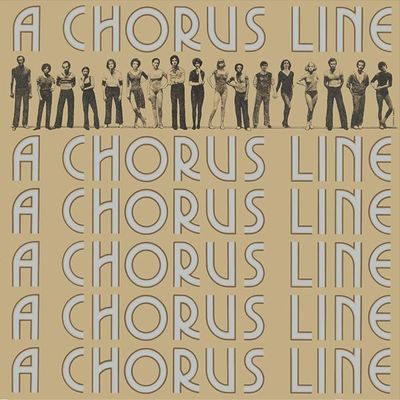
The wry, witty, and sophisticated Tony nominee Jane Summerhays swings by Shetler Studios to look back on her incredible career in such musicals as A Chorus Line, Me and My Girl (for which she was nominated for the Tony), Lend Me A Tenor, The Wild Party, and what it was like to learn from artists like Barbara Cook, Wally Harper, and Mabel Mercer... Read More
From the show: BEHIND THE CURTAIN: BROADWAY'S LIVING LEGENDS » Podcast
Featured Shows
About
The wry, witty, and sophisticated Tony nominee Jane Summerhays swings by Shetler Studios to look back on her incredible career in such musicals as A Chorus Line, Me and My Girl (for which she was nominated for the Tony), Lend Me A Tenor, The Wild Party, and what it was like to learn from artists like Barbara Cook, Wally Harper, and Mabel Mercer. Jane pulls back the curtain on her career to discuss how she fled Utah, what it was like inhabiting the role of Sheila Bryant from A Chorus Line, and why Mickey Rooney and Ann Miller were her best teachers. Also, Jane shines the spotlight on George C. Wolfe, Eartha Kitt, and Michael Bennett Become a sponsor of Behind The Curtain and get early access to interviews, private playlists, and advance knowledge of future guests so you can ask the legends your own questions. Go to: http://bit.ly/2i7nWC4
Transcript
This transcript was automatically generated and might contain errors.
[0:00] Robert W. Schneider: Dear friends, we are so sorry about the ads. They are a nightmare in every way, but with your donations, we can get rid of ads someday.
[0:09] Kevin David Thomas: Beautiful Kevin.
[0:10] Robert W. Schneider: Thanks, Rob. Bach and Harnick are smiling so hard right now. Friends, yes, we are back with a new plea. Much like those adorable puppets from Avenue Q, we are asking for you to give us your money. For those of you who have headed over to Patreon to throw a little money our way, we thank you so much from the bottom of our hearts. Your contributions are the only budget we have for this show, and it provided us a new soundboard and better studio space. So a thank you.
[0:36] Kevin David Thomas: Thank you.
[0:36] Robert W. Schneider: And as you know, nothing is more fulfilling than talking to the legends of Broadway and hearing them share their thoughts, wisdom, and talents with all of us. However, it does cost money. And if you want to help us keep the show going, please head over to Patreon.com. That's P-A-T-R-E-O-N.com. Search for Behind the Curtain, and you can give as little as a dollar a month. And trust me, that dollar will help us more than you will ever know. Plus, for certain monetary donations, you will get to pick your favorite thing and have advanced knowledge of our future guests so you can ask the legends your own questions.
[1:09] Kevin David Thomas: Ooh.
[1:10] Robert W. Schneider: Or you can simply leave canned goods and an original cast recording of How Now Dow Jones outside our doors if you don't want to contribute on Patreon.com. Truth. So once again, please head over to Patreon.com. That's P-A-T-R-E-O-N.com to help us out. Thanks.
[1:24] Kevin David Thomas: Thank you.
[1:26] Robert W. Schneider: Hi, I'm Robert W. Schneider.
[1:27] Kevin David Thomas: And I'm Kevin David Thomas.
[1:28] Robert W. Schneider: And this is Behind the Curtain Broadway's Living Legends. Don't forget to follow us on Twitter at Broadway Curtain. And make sure to join our Facebook page at Behind the Curtain Broadway's Living Legends. And follow us on Instagram at Broadway Curtain Podcast. Plus, you can always listen to our podcasts on Broadway World and Stitcher.
[1:44] Robert W. Schneider: Today's Tony nominated guest has long been one of Broadway's most beloved go-to dames of the theater. Her strength, intelligence, and razor-sharp comic timing have long been legendary amongst Broadway insiders, and those that out front have gotten a masterclass anytime today's guest has graced the stages. You're disagreeing with me, but I swear to you, every word is true. Her credits are many, and they include here's some credits Destry Rides Again, Nash at Nine, oh yes, A Chorus Line, both The West End and Broadway, okay, Sugar Babies on approval, Me and My Girl, for which she was nominated for the Tony Award, Lend Me a Tenor, Taking Steps, Dream, and The Wild Party, The Good One, just to name a few.
To tell us what it was like to work with such legends as Michael Bennett, Robert Lindsay, Jim Dale, Mickey Rooney, Ann Miller, Harry Rigby, George C. Wolfe, Eartha Kitt, and countless others, here is the Tony nominated actress and our first guest, whose first foray onto the stage was Destry Rides Again, the wonderful JANE SUMMERHAYS.
[2:49] JANE SUMMERHAYS: Hello, JANE SUMMERHAYS. I will tell that that's true, though. Oh, I have to tell you a story that well, it was the first time. No, no, because I started dancing when I was like three. Right. And we didn't have any kids in the neighborhood, so there were all these kids, and all I did was play, evidently. I don't remember it. The teacher told my mother, I think you should take her out, bring her back when she's six. So at six, I started dancing. I did kitty shows and stuff, you know? Learned to tap, had a few ball, you know, kitty ballet. And at 11, I started serious ballet.
[3:24] JANE SUMMERHAYS: Okay. And it was at the University of Utah, and the teacher was Willem Christensen. He and his brothers, Harold and Lou, founded the San Francisco Ballet. Okay. And he moved to Salt Lake City along with Maestro Maurice Bravanel. Oh, okay. Whom I didn't know was Kurt Weill's conductor. Oh, Jack Lee told me that. I didn't know that.
[3:55] Robert W. Schneider: Who?
[3:55] JANE SUMMERHAYS: Jack Lee.
[3:55] Robert W. Schneider: Oh, yeah. I was gonna ask you when I first met you if you met him and knew him, but he was one of the dear friends.
[4:01] JANE SUMMERHAYS: That's so funny. Wow. We traveled. We did a project in Israel.
[4:10] Robert W. Schneider: Amazing.
[4:10] JANE SUMMERHAYS: And I told him the story, I will tell you. Great. In the summers, in the stadium, the Utah Symphony, under the baton of Maurice Bravanel, would play for us, and we would do an opera and a musical. Uh-huh. And the first musical I did was Destry Rides Again. I can't believe you found that. I have always loved Harold Rome and Destry Rides Again. Before we went on, Chain said, Well, do you know anything about Mr. And we were like, and then you can imagine listeners? We were like, Well, I was just I was 14 at that point. I was tall. So I was I danced with the university kids. It was the university. At that time, it was called the Utah Civic Ballet, which is now Ballet West. Okay. And we did these routines. I was a chorus girl, you know. It was with Lelo. Remember Lee Lowe?
[5:14] Robert W. Schneider: Yes.
[5:20] JANE SUMMERHAYS: Yes, she was. She showed up in a see-through blouse. Now, this is, you know, the first rehearsal. Right, with this in Utah. I'm gonna tell you what she said. You're gonna have to edit this.
[5:36] Robert W. Schneider: Nope.
[5:37] JANE SUMMERHAYS: She walked out, looked around, and said, What's the matter? Haven't you ever seen titties before? Hello, Utah. Hello, show business. And my eyes must have, you know.
[5:55] Robert W. Schneider: Amazing.
[5:56] JANE SUMMERHAYS: That is incredible. Oh my god. So you were smitten. You were smitten really early on with the theater bug.
[6:00] JANE SUMMERHAYS: Yes. Well, I mean, it was so much fun. And the orchestra stopped. They were doing something with Mr. C, as we call Mr. Christensen. Uh-huh. And he looked at me and said, Janie, come forward. He said the maestro would like to speak with you. Oh. And I thought, oh my gosh, you know. I went forward and he said, You're doing what you're supposed to do. Don't let anyone talk you out of it.
[6:31] Robert W. Schneider: Oh, oh, wow.
[6:33] JANE SUMMERHAYS: Also, good advice. I mean, what? What were you doing? Well, good advice that paid off later because they did try to talk me out of it.
[6:42] Robert W. Schneider: Who's they? Your parents?
[6:43] JANE SUMMERHAYS: My parents, yeah.
[6:45] Robert W. Schneider: What did mom and dad do?
[6:47] JANE SUMMERHAYS: My father was a lawyer. My mother, and I come from a long lineage of pioneers. They tried to cross the stage. My great grandfather, who was quite a character, evidently, he had five wives. And I'm not sure whether it was 38 or 41 children. Depends on who you talk to. By three of the wives. Mormon growing up?
[7:15] JANE SUMMERHAYS: Morren. Yeah.
[7:17] Robert W. Schneider: Wow.
[7:17] JANE SUMMERHAYS: My mother was a Southern belle and an only child. My dad was one of 10. His dad was one of 16. But that was the immediate family, but the larger family was, you know, 38 or 41. This is and my mother was a dynamite singer.
[7:38] JANE SUMMERHAYS: Wow. Yeah. And loved musicals. Okay. So I remember she saw the film of The King and I. She saw it 14 times, and she took me with her. That's and then the first stage play I saw was a touring company, you know, I'm this high, yeah, of My Fair Lady.
[8:01] Robert W. Schneider: Oh.
[8:02] JANE SUMMERHAYS: And that did it. I mean, I just, you know. But I trained as a dancer and then started singing later.
[8:08] Robert W. Schneider: Okay.
[8:09] JANE SUMMERHAYS: In acting. What did mom and dad want you to do?
[8:13] JANE SUMMERHAYS: When I graduated, they would not let me. My mother said, if you go to school in theater or ballet, we will not support you. And at that point, you know, what am I? I'm 18. Well, that's what you yeah. 17, 18.
[8:28] Robert W. Schneider: Yeah.
[8:29] JANE SUMMERHAYS: So I went to register. And when I had to choose a major, I closed my eyes and I went, history. I put my finger on. I just closed my eyes, put my finger on the paper and said, history. I'm majoring in history. I spent all my time in a ballet studio.
[8:47] Robert W. Schneider: Which was where? Where would you go to school?
[8:49] JANE SUMMERHAYS: University of Utah.
[8:50] Robert W. Schneider: University of Utah. You stayed home, you know?
[8:53] JANE SUMMERHAYS: Yeah. And when I graduated, my mother said, okay, now there's one more thing I want you to do. I want you to get a teaching certificate. And I said, Well, I'm not gonna be able to do that. And she looked at me, she said, why not? I said, because I'm not gonna be here.
[9:09] Robert W. Schneider: Oh my goodness.
[9:09] JANE SUMMERHAYS: And I left Skidmarks. Went to Washington on the excuse that I was meeting my boyfriend who was going to state like Washington DC.
[9:20] Robert W. Schneider: Oh, across the country, yeah.
[9:22] JANE SUMMERHAYS: Yeah. Okay. David Marriott drove me back. We were David. We were in the same class.
[9:29] Robert W. Schneider: Okay.
[9:30] JANE SUMMERHAYS: And he drove me back with a couple of other people. Straight through. We did not stop except to eat. One night I think it was in Nebraska somewhere. You know. I fell asleep. I was driving, I fell asleep with the wheel. I said, I think you better get in the back and sleep a little, you know.
[9:51] Robert W. Schneider: Wow.
[9:51] JANE SUMMERHAYS: And I went to Washington and worked for the Peace Corps for a year in the offices there. In the office that handled early returnees. I got what Jared Kushner can't. I got a top security clearance. Thank you for that. Thank you for that.
[10:17] Robert W. Schneider: Oh boy.
[10:19] JANE SUMMERHAYS: And I, you know, I worked there for a year and applied for into the master's program at Catholic University.
[10:30] Robert W. Schneider: Oh.
[10:30] JANE SUMMERHAYS: And you were dancing all the while or were trying to.
[10:33] JANE SUMMERHAYS: I mean, no, I did some community theater there. But you weren't like going to class every single day and you know, no, no, no, no. I didn't go to class at all.
[10:40] Robert W. Schneider: Okay.
[10:41] JANE SUMMERHAYS: I, um, but you know, I had become an accomplished dancer.
[10:46] Robert W. Schneider: Right.
[10:46] JANE SUMMERHAYS: Yeah. Something would have been wrong if I hadn't. I mean, I'd been at it since I was six. Yeah. And then at school, I met a bunch of people who were from New York. And Walter Bobby was one. He was at a class ahead of me. He came here, and when I came later, he introduced me to an agent and I started working.
[11:14] Robert W. Schneider: Who was that agent?
[11:19] JANE SUMMERHAYS: It was the Gage group.
[11:21] Robert W. Schneider: Oh, Gage, okay. Still around.
[11:24] JANE SUMMERHAYS: Yeah. I can't remember which agent it was there. Gage is perfect. This is so long ago.
[11:33] Robert W. Schneider: Wow.
[11:33] JANE SUMMERHAYS: I didn't sign with them. I just freelancing.
[11:36] Robert W. Schneider: Yeah.
[11:36] JANE SUMMERHAYS: Were you oh well, I was just gonna say, like, weren't you were you scared to come to New York? I mean, because you were ready and eager to go.
[11:47] JANE SUMMERHAYS: Well, no, it's just that I had traveled a lot when I was in grad school. I did a lot of program. I did, um, I taught actually students. It's one way I worked myself through because I didn't have anybody supporting me. To this day, I don't know how I got through. I got a scholarship.
[12:06] Robert W. Schneider: Wow.
[12:07] JANE SUMMERHAYS: And I would teach dance. I did the choreography for all the shows there, and they had a lot of programs. It was Washington, D.C. that went abroad. Right. I think I went abroad four times in like two years.
[12:22] Robert W. Schneider: Oh, wow.
[12:24] JANE SUMMERHAYS: And so I had traveled a lot, made great friends who are to my who are my friends to this day. Still, well that's incredible. And a bunch of them just came to New York. Also, they had a big Father Hartke, who was the dean of the department, was he was a very charismatic man. He actually drove me here, he and another priest who drove 25 miles an hour. I swear I looked at Father. I went, we ever gonna get there somebody. He was like so slow, and the two of us were tearing our hair out. Because all you want to do is just get to New York City, or it's the dream, right?
[13:14] JANE SUMMERHAYS: Yeah, and I came and I had a roommate that was in school with me. And like that. Just like that.
[13:23] Robert W. Schneider: And what was your major? What did you graduate with with your graduate?
[13:25] JANE SUMMERHAYS: Your graduate degree in 2008.
[13:28] Robert W. Schneider: Oh, yeah, yeah, an MA in theater.
[13:33] JANE SUMMERHAYS: Do you remember? And uh, but well, I came up here though with a thesis project. Oh I did a thesis uh on um the review for um form, the American review form, and my friend uh Philip De Bellardino was his name. His father owned um a resort in the cat skills. And so we cast the show. We cast a a review called The Collector's Item. And uh we went around the cat skills in the, you know, in the circuit in the summers. So I have to, I just it's so funny. I've been talking to Rob. I've been like, Rob, I want I've been wanting to talk to someone about the what the cat skills was like. Oh in the 70s, 80s, you know. Yes, you can watch Dirty Dancing. And I I was as an actor, I just did a workshop about a musical about the cat skills.
It was a whole it was a circuit. I mean, like looking at the city. What it was was a training ground. Yes. Um we had this review, the collector's item, and uh it went on for a long time. It opened, I think it was for Engelbert Humperdink at the Persian room. And it played, it played for Engelbert cruise ships and so I'd I didn't have anything to do with it at that point. But you wrote the original ver the Yeah, the original, yeah, the original version. And my friend Philip produced it, yeah, his father, and uh all kinds of things. There, I mean, it really some of our finest talent came out of the cat skills. Oh, yeah. Uh because every summer, yeah, you you the some you know, men, women positions back then, the men would work all week long, the women would be most of the time with the kids up at the cat skills, you know, hanging out, waiting for the men to come on the weekends.
Um another way of life. Uh and the entertainment, like Stephen Edy would be performing, and he had all these other kinds of acts. Oh, yeah. Back when the acts were like a blue. So I mean, it was fantastic experience. Um you were sitting on the city. I know Mary Rogers wrote Once Upon a Mattress. That's right. Where was she? Tanna Mountain. One of the Yeah, yeah, yeah. Cat Skills. Cat Skills. That's incredible. Do you remember the first Broadway show you saw?
[15:48] JANE SUMMERHAYS: Yes. What was it? Oh God, here's a story. Um God, here's a story. It was Company. Oh, oh. And I came up to New York on a weekend, and I came on the train. Now I'd never been on that train, you know. And I came, I fell asleep and I woke up and I heard somebody say Penn Station. I said, oh my God. I grabbed my stuff, got off the train, and I I don't know, I felt strange about it. I went up to the ticket first and I said, Where am I? And he said, he looked at me like I was crazy. He said, Penn Station. I said, I know that. What state? He said, Pennsylvania. I said, oh my God, I'm supposed to be in New York. And he said, well, do you know New York? I said, if I'd known New York, I wouldn't have gotten off in Philadelphia.
So they made me buy another ticket. And I came up and got here just in time to see a matinee of company. Wow. Good one. Which blew me away. Yeah. Not knowing at that time that Donna McKackney, who just was brilliant in that. Yeah. She stopped the show. Would you know that she would be a friend, yeah. Yeah. That's so surreal. Okay, so did you know that you were gonna audition for musical theater specifically, or did you want to do musicals and plays?
[17:27] JANE SUMMERHAYS: Um, I wanted to be an actress. So I my dream was to do roles that employed, you know, that also involved singing and and dancing. Right. Um, but I wanted to be able to do straight plays as well. So that was my goal. And yeah. So I I took acting here. I took lessons like crazy when I first came to town. Do you remember like who all you studied with? I studied with Wynne Handman, a lot of my own. I studied, I did a two-year course with Bill Esper. Oh, yeah. I took the first year, and at that time I was doing sugar babies on Broadway. And I also got married. And I went up to him at the end of the first year. It's two years, two-year course. I said, I just can't do this for another year. And I said, But I will come back and take the second year.
Um that first year was extremely helpful in working with Mickey Rooney. Yeah. Because Meisner, you're you're working off the other person. They throw something at you, you just respond. You just respond. And I never knew what Mickey was gonna do.
[18:52] JANE SUMMERHAYS: Oh, really? Oh no. Did Mickey know what Mickey was gonna do? Yeah. He was I mean, I learned so much from that man from watching him and working with him. Because I was Ann Miller's stamp, as well as playing the uh soubrette. I was um her standby and went on uh I filled in for her when she had a knee accident for about five months on the road, you know, and so I was traveling with Mickey. Boy, did I learn from him. What are some of the lessons that you took away from him? First of all, his spontaneity, the way he worked with an audience was just astounding. People think of him as a film actor, which he he was. He was brilliant. But to see him manipulate an audience. We did we did it in the round in one place.
And he went up to this woman and said, You in show business. And she said, No. He said, Then get your feet off the stage. Oh. She was sitting there with her feet. Oh my gosh. She was sitting there with a feet. I had the guts to do that. Like you would have it on a desk. Yeah. On the stage. We've seen people do that. And she was like comatose. She was so upset. He jumped off, sat on her lap, smothered her with kisses, and she became his biggest fan. I mean, it was amazing what he could do.
[20:24] JANE SUMMERHAYS: Oh, that's incredible. Yeah. Okay. And what about Ann Miller? What you'll learn when watching Ann Miller. Annie. Well, I've got a lot of Ann Miller stories. Oh, well, we got time. We've heard some as well. We got time and we love him. She was a dame. Yes. And she was unique. And there's never been anybody like her. And she just took an MGM world around with her. She liked lived in an MGM bubble, you know? Yeah. I lived near where she was staying. And she used to drive me home at night. And uh we'd stop and have margaritas. Yeah. Like you do. Ann Miller says she wants to have a drink. I'm gonna have a drink. Well, she's a Texan. Yeah. So she was into Margarita. You know, we would stop and do that, and um the stories were great.
But I bet she called Mickey the uh oldest living juvenile delinquent. And she was uh, you know, it didn't matter what happened on stage, she had the same type timing. Yes, I believe that. I was standing there with him in the wings one night, and he said she got timing like an Elgin clock. They were great together. And they got along together on stage at least. I had heard, I don't know if it's true or not, that they never spoke really off stage. That on stage is where all the chemistry was happening, and off stage they just went their separate ways. I don't know about well, they did go their separate ways. It's not that they never spoke, though. I think they both had a lot of respect for the other. Yeah. Um I don't think Mickey thought much of her timing.
[22:08] JANE SUMMERHAYS: Well, especially when you said how he was. I mean, he was so living in the moment. Spontaneous comic timing, and also the way he moved. And he played about five, maybe give him an instrument, he could play it. He was just, and he would come in and cry about uh Judy. Oh you know, he I remember one time I've written a song, I've written a song. Sit down. And he sang this song about Judy Garland he'd written, and his tears were streaming down his cheeks, which was amazing. I I guess, you know, he really to have a window into that. Yeah. Um see how real it was. I mean, for him, how Yeah. Uh he was erratic. Yeah. And if he didn't like he didn't like an audience oh really you better know how to pick up cues because he would just be like I am gonna muscle through this he'd look at his watch and that was it he'd go you know and as the curtain was coming down you'd see his feet running off stage he was in the limousine out of that costume change and in the limousine and out of there before the audience started to leave I'm telling you that's incredible yeah and he'd be up on the golf course or at the track the next morning of course the track of course his energy was astounding yeah yeah I can't even imagine all right so we're gonna jump back even before sugar babies happens so you're making the rounds in the 70s pounding the pavement what was your go-to audition song um well I had a mentor Albert Haig oh well if there's gotta be a mentor Albert and Renee or and his wife yeah were like became family to me how and this is before I ever met um uh how did they become family yeah Renee and I were at um we did Louisiana Purchase uh you know the Irving Berlin yeah at uh piece at Goodspeed okay and Albert came up to see the show oh and I played a uh dancing nightclub nice uh singer you know and um uh that's where I met him yeah and he started talking to me and uh and he was holding classes down here and so Renee and I had become friends and so and they lived uh they lived on 72nd in Central Park West and I lived on 75th so yeah we I mean I know their kids and uh I knew their kids and I'd have you know Sunday dinner saturday dinner dinner dinner you know lunch whatever and um we we became very close so it helped having business yeah so I my my my go-to auditions were auditions I prepared for him oh wow um someone to watch over me was my ballad and um my uptune was swonderful it's wonderful yes yeah good choices good choice what was Nash at nine it was a um it played on Broadway it was a review of of Ogden Nash's yeah work that had been set to music and I toured with um a guy named John Stratton and Peter Gunn I mean the real Peter Gunn Craig Stevens yes um and Harvey Evans oh yes that's a group and Harvey and I are friends to this day um and I remember we were in where were we? St. Louis, and our checks are bouncing so so we're in St. Louis. Yeah. It was crazy. Yeah. And then we came here and did it in New Jersey, and that was it. It was fun. Yeah. Fun.
[26:38] JANE SUMMERHAYS: Harvey Evans, that's a name that comes up a lot. We've never had the ability to sit down and speak to Harvey. Oh, you have to talk to him. He's divine. We are trying like crazy. We're trying like crazy. We're not getting our emails returned, but we will we will keep trying. Really? Yeah. I don't know. Put in a good word for us. I'll call him for you. I'll call him. God bless you. He's like what's it like working with him though? Oh, he's great. I um I did a um I did a production of um Follies.
[27:09] JANE SUMMERHAYS: Yeah. Out in San Jose. Oh. And uh I played Phyllis, and he played Older Buddy. Yes. He had played Young Buddy on Broadway. Right. And he set the original choreography out there. And yeah. That's really cool. Okay, so how does A Chorus Line come into your orbit? Um, okay. I kept hearing about I did some industrials. Kelly Bishop was in one of them. Oh, we're gonna put a pin in that. Yeah. Go ahead. Go. Because there's certain things in the listeners today have a hard time perhaps believing. And we do bring up industrials a lot, but industrials were big in the world. Oh, that used to be uh you know, that used to be a way I never did that. I didn't do that many, but I met um I did a um production of Good News in the summer.
Yeah, we did it in Philadelphia and I don't know where else we were, but and the director was Bob Hergett. And um he choreographed a lot of industrials. So I did some industrials for him. And you that's how you get to know a lot of the other Broadway people. You say Kelly Bishop and like you know that you know, you it when you're working it, you just start eventually.
[28:29] Kevin David Thomas: So what was an industrial for our listeners who might not know what was an industrial?
[28:33] JANE SUMMERHAYS: Well, like we I did one for uh Kawasaki. And um where were we? Oh gosh, I don't even remember. We were in the Midwest somewhere where they had a lot of beef. Everybody was eating steaks. Oh my god. Um you'd go you'd get on stage and they had a full thing. It was all it was, you know, they had an orchestra or a band or whatever. Right, like fully produced numbers. Fully produced sometimes written, you know, they would hire a really famous lyricist like Sheldon Harnick to like rewrite the lyrics. Yeah, yeah, no. There was a director involved. Choreographer, good pay. Yeah, yeah. Yeah, no, it was good experience.
[29:17] JANE SUMMERHAYS: Yeah. That's I I don't I don't even know if they do them anymore. And not even close to that. That was the big one every year. That might be a good thing. I went I I went to school forever. So uh when I got to New York, um, you know, the people who were my age had been here forever. Right. You know, they'd been doing things. So in a way you're catching up on it. When I auditioned for, I kept hearing about A Chorus Line. And they kept saying, there's a part you're right for, you know. Um, it was playing on Broadway. And I went in and I auditioned.
[29:57] Kevin David Thomas: Had you had you seen it yet before you would audition?
[30:02] JANE SUMMERHAYS: This is the story. I went in and I auditioned. And Michael Bennett and Bob Avian came running down the aisle. They said, Who are you? Where have you been? How have we not seen you yet? Well, because I I could I I could dance. Yes. Um, and I said, Well, I mean, I haven't been here that long, you know. Right. And he said, uh, well, what have you done? And I said, well, I just finished a um a Shirley McLean special called Gypsy in My Soul. And he grabbed my arm and he said, Is that anything like my show? And I said, I don't know, I haven't seen your show. And I said, I can't get tickets. And he said, I'll get you a ticket.
[30:49] JANE SUMMERHAYS: So uh when I saw "At the Ballet," yeah, I was devastated. I think that's one of the most beautiful numbers ever to hit the stage. Yeah. You know.
[31:07] JANE SUMMERHAYS: Yeah. And everybody was getting called, you know, you're gonna do this company, you're gonna do that. They were putting together two companies, one that would go to London and one that would go to LA. I mean, no, one that would go to Broadway, go on because the Broadway company was going to LA. Right. But not everybody in the Broadway company. Some people stayed here. Kelly stayed here. Yeah. Um, and people were getting all these calls. I never heard from, I never heard a word. Finally, I f heard a word, you know, and the word was you have an off, you have a callback.
[31:43] Kevin David Thomas: Callback, okay.
[31:45] JANE SUMMERHAYS: And I went to the Stubert and I was the only one there. For Sheila. Or just in Pierre. Okay. Okay. When I came back downstairs after the audition, there was another girl there who was just getting ready to go up. And we ended up in the same company. Oh wow. Um, and I went in, he said, you don't have to dance. Um here, I just want you to read this. And he sat and talked to me and uh gave me some um a couple of pointers, and we just talked, and he said, Okay, you got it.
[32:24] JANE SUMMERHAYS: Just like that. And he said, I'm sending you to London, which is where I wanted to go. I was so excited.
[32:30] Kevin David Thomas: Wow. Was this was this the London debut, the West End debut of A Chorus Line?
[32:35] JANE SUMMERHAYS: Yes. Oh my God. It yes.
[32:38] Kevin David Thomas: And did you rehearse in in London?
[32:42] JANE SUMMERHAYS: No. He rehearsed in New York, and then everyone went over to London. We rehearsed here uh in the bowels of City Center.
[32:51] JANE SUMMERHAYS: Oh, so nothing. He rehearsed both companies there.
[32:53] Kevin David Thomas: Oh, okay.
[32:56] JANE SUMMERHAYS: At the same time.
[32:56] Kevin David Thomas: Yeah.
[32:57] JANE SUMMERHAYS: Oh. We were down in City Center. They had those mylar windows, you know, all over. I remember uh and there was a room adjacent to the main rehearsal room that had coffee urns and huge um platters of Danishes and stuff.
[33:16] JANE SUMMERHAYS: That kind of room, yeah. For dancers. Well, mine too. One point Michael Bennett came up and said, Hi, how are you? And I said, uh, fine. Yeah. And he said, Losing weight. Oh, shh. And I said, what? He said, where is the body I hired? I said, get rid of the Danishes.
[33:41] JANE SUMMERHAYS: Good. Yeah. Which he didn't, but I stopped eating them.
[33:47] JANE SUMMERHAYS: Yeah. Okay, so now we're in London, and we we were talking about this before we went on the air. Tell us a little bit more. Well, we went to Royal Alex first.
[33:55] Kevin David Thomas: Oh, okay.
[33:56] JANE SUMMERHAYS: Which is fabulous theater.
[33:58] Kevin David Thomas: Toronto.
[33:59] JANE SUMMERHAYS: Toronto, yeah. We were there first. I remember we were up there for the 200th birthday of America.
[34:08] Kevin David Thomas: Oh, how nice.
[34:09] JANE SUMMERHAYS: And uh some of the people flew back.
[34:11] Kevin David Thomas: Yeah.
[34:12] JANE SUMMERHAYS: Um. And then so it was 76.
[34:19] Kevin David Thomas: Yeah.
[34:19] JANE SUMMERHAYS: And then we went to London. It was so hot that summer that the runways were melting. I mean, they, you know. Um. And cold in the winter. They had big, big heaters off stage. I mean, just it just would go right into your bones. You know.
[34:37] Kevin David Thomas: Yeah.
[34:39] JANE SUMMERHAYS: Um, tell us who is Sheila Bryant.
[34:42] Kevin David Thomas: How would you describe her?
[34:47] JANE SUMMERHAYS: Um highly intelligent, very acerbic. Um. When she gets in trouble, you know. If she if you get too close to her, she uses sex as a uh, I don't mean sex literally. I mean her power, yes, totally um extremely vulnerable under that. Yes, which has to come out.
[35:19] JANE SUMMERHAYS: Um it's easy to just give she has you know, she has some of the best lines in the show. Yes. I don't know if Doc Simon supplied those lines. I think some of them.
[35:33] Kevin David Thomas: Yeah.
[35:34] JANE SUMMERHAYS: Yeah. But you have to see the vulnerability under her and her sense of humor. She says what the audience thinks.
[35:51] Kevin David Thomas: Wow.
[35:52] JANE SUMMERHAYS: And what people would think and would want to say, but if they had the power, if they had the nerve, the power, yeah.
[35:59] Kevin David Thomas: Yeah.
[35:59] JANE SUMMERHAYS: Wow. So at the end, when she when he breaks her down, when he breaks through to her, um, you really see her fragility.
[36:17] Kevin David Thomas: Right.
[36:20] JANE SUMMERHAYS: Which is covered by all that.
[36:23] Kevin David Thomas: Yeah.
[36:24] JANE SUMMERHAYS: Right. Which we all know people like that too. So it it's so human. It's it's beautiful.
[36:29] Kevin David Thomas: Oh, I'm a bit like that.
[36:30] JANE SUMMERHAYS: Yeah. I can sense that a little bit.
[36:33] Kevin David Thomas: So this role fit like a girl.
[36:35] JANE SUMMERHAYS: I mean, I'll use humor to keep people um, you know, it's a she ha it's a way she has of controlling things.
[36:41] Kevin David Thomas: Exactly.
[36:42] JANE SUMMERHAYS: Or at least, yeah.
[36:44] Kevin David Thomas: Well, oh go ahead, sorry.
[36:45] JANE SUMMERHAYS: No, I was just gonna say there's a I mean you know, there's someone there's a clip of you doing it on the the internet, and it is I it is absolutely stunning, and it is all of those things that you just said. And it's funny because I couldn't even articulate it without yeah, Rick did what we were talking about our great friend Rick McKay who we lost just recently um it was a very close friend of Jane's and we were celebrating him and honoring him and how he is the one that posted that that great clip of you which is just uh we'll post it again, repost it because it's it's just exquisite work.
[37:15] JANE SUMMERHAYS: Oh thank you it really is I'm so you know as actors we're like no don't record things and yet I'm so glad that it is recorded that we have it was recorded because I uh I was doing a PSA for diabetes.
[37:28] JANE SUMMERHAYS: Okay. And um uh I'm an insulin dependent diabetic having for 45 years, and at that point, I remember when I was doing okay at the Kennedy Center, um I met Dina Merrill, you know, whose son.
[37:44] Kevin David Thomas: Right.
[37:45] JANE SUMMERHAYS: She's she's been uh she was so generous. Um and donated you know great sums to uh the advancement of uh yeah a cure and or um and so she said, you know, I'd like you to be an ambassador for for for diabetes, and we were I was I was doing um you know, an unconfirmed one, you know just uh yeah absolutely so I was doing a PSA for diabetes, and they came in and photographed uh filmed uh 45 minutes, I think they were allowed of the show, and that's why that footage exists.
[38:27] JANE SUMMERHAYS: Oh wow, it's in Rick's apartment.
[38:29] Kevin David Thomas: That is it's in, I mean the whole opening, all of that is is uh recorded in that.
[38:35] JANE SUMMERHAYS: It's the only that's the only thing that exists, yeah.
[38:37] Kevin David Thomas: Yeah, I need to get that.
[38:39] JANE SUMMERHAYS: Yeah, we do it's beautifully shot. I will post it for our listeners, but it's uh a good chunk of time of Jane doing Sheila and then a nice interview with you afterwards.
[38:48] Kevin David Thomas: Um that's what about the the a longest about the uh gala.
[38:48] JANE SUMMERHAYS: Yes when A Chorus Line became the longest running show.
[38:55] Kevin David Thomas: Yeah, and we'll talk about that in a second.
[38:57] JANE SUMMERHAYS: But uh you go to London, you go to the West End now after Canada, you do it in the West End. Tell us what you were telling us before we went on the air about the stage.
[39:05] JANE SUMMERHAYS: We uh to me, I can't comprehend it. First of all, the it was at the Drury Lane Theater, the uh Theater Royale, Drury Lane, which was built in the early 1600s by Charles II for his mistress, Nell Gwynn.
[39:26] Kevin David Thomas: Uh Nell, wait, what's her name?
[39:28] JANE SUMMERHAYS: I don't know if it's Nell Gwynn.
[39:30] Kevin David Thomas: I don't know.
[39:30] JANE SUMMERHAYS: Nell.
[39:31] Kevin David Thomas: Hold on, hold on.
[39:32] JANE SUMMERHAYS: I think it's Nell Gwynn.
[39:33] Kevin David Thomas: Hold on, hold on. God bless Google.
[39:35] JANE SUMMERHAYS: You keep going.
[39:36] Kevin David Thomas: Well, it's Charles II.
[39:38] JANE SUMMERHAYS: Nell Gwynn, isn't that the actress?
[39:40] Kevin David Thomas: Yeah.
[39:40] JANE SUMMERHAYS: I feel like you're right.
[39:41] Kevin David Thomas: Yeah, Nell Gwynn was an actress, yeah.
[39:43] JANE SUMMERHAYS: Yeah, Nell Gwynn, she's right. It's an unbelievable theater.
[39:47] JANE SUMMERHAYS: It was also a pantomime house. That stage is huge. Uh and it's raked. Many of the um British stages are raked.
[39:58] Kevin David Thomas: Meaning it's slanted.
[39:59] JANE SUMMERHAYS: Meaning it's slanted.
[40:01] Kevin David Thomas: Yep, towards the audience.
[40:02] JANE SUMMERHAYS: For the s for the salt sightlines.
[40:04] Kevin David Thomas: Right.
[40:04] JANE SUMMERHAYS: So you can see someone. This one I believe, I believe uh I have another story for you about Ann Miller with this.
[40:10] Kevin David Thomas: Uh-oh.
[40:11] JANE SUMMERHAYS: Um the uh stage from front to back, I think it's raked 14 to 16 inches.
[40:18] Kevin David Thomas: One of the two.
[40:19] JANE SUMMERHAYS: Yeah.
[40:20] JANE SUMMERHAYS: So I'm in heels, right? Dancing. Dancing. And if you talk to people from that company, we all have knee problems, back problems. I'm in physical therapy for my back right now and neck problems. You know, your whole center of balance was off. The first time I did the opening combination, which uh has a leap forward, I nearly went in New York.
[40:44] JANE SUMMERHAYS: It's not funny, but it's funny. And then when we came back to the States and had to readjust, it was wild.
[40:50] Kevin David Thomas: Oh, yeah, yeah.
[40:51] JANE SUMMERHAYS: I can't even imagine the whole way of dancing. It was so strange, yeah.
[40:54] Kevin David Thomas: Yeah. How did West End audiences take to the show?
[40:59] JANE SUMMERHAYS: Um, it was like it was a big hit. There were they laughed in different places sometimes. Things that you expected them to, you know, you were used to having the audience laugh. Sometimes they wouldn't, sometimes they would. Um, the British humor is a more gentle kind of humor.
[41:23] Kevin David Thomas: Um, I love British humor.
[41:26] JANE SUMMERHAYS: Yes. And zany.
[41:27] Kevin David Thomas: Yeah, it's so zany.
[41:29] JANE SUMMERHAYS: Well, you’ve played a lot of Brits.
[41:31] Kevin David Thomas: Yeah, I have.
[41:32] JANE SUMMERHAYS: Yeah, yeah. And we'll talk some more about that. Okay, so then what happens after the West End production? You come right back and you take over in New York.
[41:39] Kevin David Thomas: Yeah, where did we open?
[41:40] JANE SUMMERHAYS: We opened, I think, in Baltimore.
[41:43] Kevin David Thomas: Yeah.
[41:43] JANE SUMMERHAYS: We toured. We were the international company.
[41:46] Kevin David Thomas: Yeah.
[41:47] JANE SUMMERHAYS: Um, I did the show for 18 months. Finished in Boston during that wild snowstorm.
[41:56] Kevin David Thomas: Oh.
[41:58] JANE SUMMERHAYS: Um, I remember if you could get a seat on the train, it was probably on the floor.
[42:02] Kevin David Thomas: Oh, you know?
[42:03] JANE SUMMERHAYS: Yep, yep, yep. People were just piled on top. People couldn't get back. I was leaving the show in Boston. So they were having a put-in rehearsal for somebody, and I called, and I you I've never seen so much snow in my life. I mean, it was just and I called and I said they were having a rehearsal in the afternoon, and of course I wasn't required to be there. And I called and I said, obviously, you're not doing the show tonight. And they said, What? You get over here. I said, Oh my god, how am I gonna do it? There's not a car on the street. They said, I don't know, but you get over here.
[42:47] JANE SUMMERHAYS: Um, I went out, I was staying at the Copley Plaza. I ran out onto the street. There was not a car in sight, but there was a snow plow. Uh oh. And I it was coming toward me, and I ran out and stood in the middle of the street. I threw myself in front of it. I'm waving my arms. And what are you crazy? You know?
[43:12] Kevin David Thomas: Yeah.
[43:13] JANE SUMMERHAYS: Uh, I said, listen, I've got to be on stage. Will you plow me to the Schubert Theater? So he did. I arrived at the Schubert Theater on a snowplow. That's uh and when I got there, people who couldn't get in to see the show skied.
[43:35] Kevin David Thomas: No.
[43:35] JANE SUMMERHAYS: Oh, yeah, it was full. There were skis and snowshoes and stuff stacked all over the lobby. Only in the northeast. It was an adventure. It was really fun.
[43:45] Kevin David Thomas: That's really cool.
[43:46] JANE SUMMERHAYS: It was fun. And I remember the audience being terrific that night.
[43:51] Kevin David Thomas: Yeah. Those are the fun ones.
[43:52] JANE SUMMERHAYS: Yeah. Tell us a little bit about an okay. Um, OK was important to me for several reasons. It did not go beyond the Kennedy Center. We closed there. We also played the Royal Alex in Toronto.
[44:18] Kevin David Thomas: Marvelous Gershwin score.
[44:20] JANE SUMMERHAYS: Yeah. Our musical director was Wally Harper.
[44:25] Kevin David Thomas: Uh-huh.
[44:26] JANE SUMMERHAYS: And this is probably the first time he comes into your life.
[44:29] Kevin David Thomas: Got it.
[44:30] JANE SUMMERHAYS: I had met him once before and Barbara Cook in San Francisco when I was doing A Chorus Line.
[44:38] Kevin David Thomas: Oh.
[44:39] JANE SUMMERHAYS: Barbara and Wally opened a new club called the Macambo. It was downstairs. I remember walking down steps, you know, in a dark room. I saw three people that summer. I saw Barbara, and I had heard her already on recordings. I said, I've got to go back and meet this woman. I mean, she just blew the roof off. Recordings of her like She Loves Me type things or cabaret. I don't know if she recorded cabaret recordings then. This is her like original Broadway stuff when she was the first one.
[45:13] Kevin David Thomas: Right.
[45:13] JANE SUMMERHAYS: She was just starting out. I mean, she'd been going, you know, they a couple of years they've been.
[45:18] Kevin David Thomas: Right.
[45:19] JANE SUMMERHAYS: Um, Candide.
[45:21] Kevin David Thomas: Yeah, oh yeah.
[45:22] JANE SUMMERHAYS: Glitter and Big Gay and something, a lovely thing called The Grass Harp. Um, what was his name?
[45:31] Kevin David Thomas: K.
[45:34] JANE SUMMERHAYS: Who's the composer?
[45:37] Kevin David Thomas: Uh, not uh Richardson Kember Elmsley, no.
[45:42] JANE SUMMERHAYS: Cabe Richardson.
[45:44] Kevin David Thomas: Clay Richardson.
[45:45] JANE SUMMERHAYS: Good job. Clay.
[45:48] Kevin David Thomas: Yes.
[45:48] JANE SUMMERHAYS: Clay Richardson. Yes. If you ever can hear that recording. She it just sounds exquisite. So I went back and met them briefly after the show. I saw Mabel Mercer.
[46:02] Kevin David Thomas: Oh gosh.
[46:03] JANE SUMMERHAYS: Wow. I mean, this, you know, this older woman. She just walks out and sits on a stool with his scarf, and I thought, well, what is this? There wasn't a dry eye. She just was amazing. This is all important for me. The other person I saw was Eartha Kitt.
[46:26] Kevin David Thomas: Oh.
[46:32] JANE SUMMERHAYS: And both on and off stage.
[46:36] Kevin David Thomas: Yeah, in Wild Party.
[46:38] JANE SUMMERHAYS: And we used to have exchanges on stage, because you know, you were never off the stage. Right, it's a little bit of a little bit of a party on stage. And Eartha and I used to meet in the back and just hoot and holler, you know. She had great courage.
[46:53] Kevin David Thomas: She did do a lot in her life, yes, she did.
[46:56] JANE SUMMERHAYS: That's what I'm referring to. She was quite a lady.
[47:00] Kevin David Thomas: Yes.
[47:01] JANE SUMMERHAYS: So those are the three people I saw.
[47:04] Kevin David Thomas: That's incredible.
[47:05] JANE SUMMERHAYS: I know. Even one of those is incredible.
[47:08] Kevin David Thomas: So then to ask you. So in OK, all right. So I'm doing OK, and it's Wally, and Wally has an outrageous sense, had an outrageous sense of humor.
[47:19] JANE SUMMERHAYS: And we had so much fun. I just fell in love with the man. And he became a lifelong friend, as did the woman he brought down to coach some of his Barbara Cook.
[47:24] Kevin David Thomas: Barbara Cook.
[47:31] JANE SUMMERHAYS: That's amazing.
[47:33] Kevin David Thomas: So that's when they both became my dear, dear friends.
[47:37] JANE SUMMERHAYS: Um, to the day that they left us.
[47:44] Kevin David Thomas: Yeah, way too soon. Can you share some memories of Wally's crazy sense of humor?
[47:52] JANE SUMMERHAYS: He loved jokes. The dirtier the better. And he used to call, you know, here's one, you know. And he'd leave these messages for me. Um, we did, I don't know, he was just, he was funny.
[48:11] Kevin David Thomas: Yeah.
[48:13] JANE SUMMERHAYS: More than that, he had a generosity of spirit that was incredible. I've never known anybody that generous. Um, it came through in his work. The two of them informed my work. Uh, Barbara was heavily influenced by Mabel Mercer.
[48:35] Kevin David Thomas: Right.
[48:36] JANE SUMMERHAYS: Um, and um, the attention to lyrics and to making sense of what you're saying, but more than that, to tapping into the impetus for why the song was written.
[48:51] Kevin David Thomas: The emotional, like the emotional rock bottom, square one.
[48:57] JANE SUMMERHAYS: Yeah. It's funny, we don't, you know, back in the late 70s, early 80s, you would have these after hours clubs you'd go to and see Barbara Cook performing. And we know, I mean, yes, we have Fine Science 54 Below, but we don't have these sort of the sense of like you do a Broadway show and you can still do a performance afterwards. And what was it like to go out in that time period? I mean, because I imagine if you're friends with Wally, you probably saw them live a couple times.
[49:24] Kevin David Thomas: See, Reno Sweeney's what I what it like that to me sounds like a character from Anything Goes.
[49:28] JANE SUMMERHAYS: I mean, Wally really brought two people to New York. One was David Zippel.
[49:32] Kevin David Thomas: Yeah.
[49:32] JANE SUMMERHAYS: He started, he was in law school at Harvard. And Wally discovered him and he started writing special material for Barbara.
[49:42] Kevin David Thomas: Oh, really?
[49:42] JANE SUMMERHAYS: You've heard her Carnegie Hall album, Better with a Band. Those are his lyrics.
[49:49] Kevin David Thomas: Uh also the lyrics for Anjou.
[49:51] JANE SUMMERHAYS: Yeah.
[49:53] Kevin David Thomas: Uh brilliant.
[49:55] JANE SUMMERHAYS: Um, and David used to hang out down there too. That's when I met him.
[49:58] Kevin David Thomas: Okay.
[50:00] JANE SUMMERHAYS: Wally's arrangements. I remember those days down at Reno Sweeney's. Small, intimate club. She blew the roof off with Carolina in the Morning.
[50:14] Kevin David Thomas: Just oh gosh.
[50:17] JANE SUMMERHAYS: Um, yeah, that that's still very raw. You wanted an example of Wally when I got married the first time. I got married in a small church. And they had a small organ. Um, and I asked Wally if he would play the music for me, my entrance music, you know.
[50:40] Kevin David Thomas: Yeah.
[50:41] JANE SUMMERHAYS: And he said, What do you want to hear? And I said, you know, surprise me, just something beautiful. I mean, I really didn't. And I gave myself away. I mean, you know, it was I'm when I say small, my family didn't even come. You know, there were a few friends.
[50:56] Kevin David Thomas: Sure.
[50:57] JANE SUMMERHAYS: And I marched down the aisle and it was lovely, and we said my vows, you know, we were pronounced man and wife. Uh, we kissed, turned, and exited to a, I guess it was like a Baroque version of The Lady is a Tramp.
[51:21] Kevin David Thomas: Now that's why it is sense that.
[51:24] JANE SUMMERHAYS: That's a perfect encapsulation of it. Perfect.
[51:27] Kevin David Thomas: He's where the party was.
[51:29] JANE SUMMERHAYS: Yeah. You know?
[51:30] Kevin David Thomas: Yeah. Where's the party?
[51:31] JANE SUMMERHAYS: The head table is where Wally was.
[51:34] Kevin David Thomas: When we had Rick on, that's how Rick described him as well.
[51:37] JANE SUMMERHAYS: Yeah.
[51:38] Kevin David Thomas: Yeah.
[51:40] JANE SUMMERHAYS: And brilliant.
[51:41] Kevin David Thomas: Yeah.
[51:42] JANE SUMMERHAYS: Speaking of brilliant, you were at that A Chorus Line penultimate performance. Is that correct?
[51:47] Kevin David Thomas: When it surpassed when it became the longest running show?
[51:52] JANE SUMMERHAYS: Yeah.
[51:53] Kevin David Thomas: Yes.
[51:53] JANE SUMMERHAYS: So what is that like?
[51:55] JANE SUMMERHAYS: Well, um, Michael brought a bunch of people from various companies back to be in the Broadway company at that time. And so I came back and I did Sheila. I opened it. I opened that evening.
[52:10] Kevin David Thomas: Yeah, our company that was playing opened it.
[52:14] JANE SUMMERHAYS: And uh, I'll never forget it. The end of the opening number when you walk down stage and hold up, hold up um your resume. What happened is there was a blackout, and we're in a line. You walk down, da-da-da. I think one, two, three, four, five, six, seven, eight. Okay, on eight, you hold it up. There was a blackout.
[52:46] JANE SUMMERHAYS: We left. The original company was in the back. They came forward when the lights came up and it happened like that. The original company was standing there with their resume headshots in front of them. The audience went wild. I've never seen anything like that.
[53:07] Kevin David Thomas: Yeah, yeah.
[53:08] JANE SUMMERHAYS: And the end when we did, he brought back everybody. Right. Michael brought back everybody who'd ever done the show anywhere.
[53:15] Kevin David Thomas: Yeah.
[53:16] JANE SUMMERHAYS: And it was brilliant the way he did it. Um remember he had um uh he had a uh uh ladder he sat down on and was just waving. You come on here, okay. There were like, I don't know, 10 Cassies, you know, doing it.
[53:33] Kevin David Thomas: Um uh valves, you know, poles, all of the way he wove people in and out.
[53:42] JANE SUMMERHAYS: They used um they used the booth theater and the Schubert to change in. Schubert Alley had a tent over it.
[53:53] Kevin David Thomas: Oh it was a oh, it was a huge deal.
[53:55] JANE SUMMERHAYS: Wow. Yeah, it was really fun.
[53:57] Kevin David Thomas: How awesome to have been on the front line of it, too.
[54:00] JANE SUMMERHAYS: I mean, like literally. You know, you had people, you had people, uh, cast members who were doing the finale up the aisles, and they everybody came down on stage.
[54:12] JANE SUMMERHAYS: Uh, it just was wild. There's footage of that. There's archive footage of it. In Rick's uh new film, Broadway Beyond the Golden Age, he has a whole section about Chorus Line, how it was created, why it was created, and the gala. That's yeah. Um, it's a beautiful section. It's just it's beautifully done. Wow, so special that you're a part of that. Um, I'll be happy when that comes out. Yes, us too. Yes, definitely. Um, and then let's talk a little bit about Me and My Girl, which leads you to a Tony nomination. So how does that come into your world? Me and My Girl, I auditioned. Yeah. Good old fashioned straight up. Auditioned. Yeah. For Mike Aukrint. For Mike Auckland. And uh I remember that the callback they brought Robert Lindsay in.
Uh, yes. He is the most talented man on earth, I swear. He can do anything. I saw him play Beckett in London. Yeah. It was just brilliant. He he entered the stage. He was up on um oh Cyrano. I saw him do that, and I saw him do Cyrano. Syrano, he entered from, he swung in a rope from um one of the boxes onto the stage. And he's just so funny, he's so creative, and so much fun to work with. Uh he did uh Lear, Edmund in Lear with um Laurence Olivier. You know, there's a lot like your typical musical comedy, you know, more than just like Song and Dance Man. Um I mean, he'd never really danced, I don't think, yeah, before uh Me and My Girl. He won the Astera Award. Yes, totally. Yeah, yeah. Just a phenomenal creature.
It's like that's crazy. So, what was that rehearsal process like? Like every normal uh rehearsal process. Let me ask it was no, you got you got finished. No, go ahead. I was gonna ask you, what is your ideal rehearsal process? Jane is the actress. What is your ideal rehearsal process? Time. Time. You like a lot of table work? I like time. You like time. I like table work, and then I like running things. I don't like throwing something up because I like to layer a performance. And um, you know, really I loved working with George C. Wolfe. How come? He's really an actor's director. Um in The Wild Party. Yeah, you know, I did a workshop. They had been a couple before me, and I came in in the last workshop, and we had time.
Um I had to arrive at that character. That's not something I just could whip out. What and what was the character you were playing? What were they like? Madeline True, um, lesbian stripper. Very different from you. Um, well, yeah, except that she was human. Yeah. You know? I mean, we're all capable of everything, I suppose. If you let yourself go there, right? It's a matter of getting there. Letting yourself go there. Yeah. What do you look for out of a director? Um who has a clear vision? Someone who takes time, someone who casts well, and who listens to your ideas so that you come through. I mean, your natural, you know, that way you can be much more real. Who who allows you to really um well do what Barbara Cook does with his song.
Yeah. Get down to the square one. Right. Um I love directors who can direct comedy. Jerry's axe was uh So we're gonna be talking about it. And Let Me a Tenor. Okay, so we're gonna go. It was amazing. What makes him so great in a rehearsal room? Well, you know, I I took over that role. I was a replacement. And um in rehearsals or it was the show is already running. The show had been running. Gotcha. And uh I think I was the only replacement. And uh I auditioned for it, and um I remember he came to me and said, Listen, this character has to wear a skimpy kind of like you know, um a teddy. Yes. Um would that bother you? And I started to lie. I mean, I've never done anything in the nude, but Chorus Line, that costume, she's made to look nude.
I mean, yes, it's like a tarden side it's flash color, yes. Sugar Babies, I'm out there, you know. We were all out there in this stuff, you know. I said, no, no, Jerry, that's okay. I can deal with it, Teddy, you know. Right. It's gonna be just a good one. It's just it's just a swimsuit with a different cut, don't worry about it, you know. Right. I mean, I don't walk around in the street in one, but it is an art form. It's not but I I had been told, look, you're not gonna have a lot of time to work with him. Okay. As a matter of fact, I think I had two rehearsals. I had that first thing and then a put in. So uh Steve Beckler, his assistant, said, if I were if I were you, I'd come in off book.
So I did. Smart. I came in and he said, um, okay, we're gonna get used to saying the words here, and I said, I'm off book. This is wild for me. He said, Oh. All right then. And he directed the entire show at that rehearsal. Went through the whole thing. And Steve was taking notes like crazy. But I remembered most of it. Um, and I started to flag. He said, Stay with me, stay with me. I have never seen anybody who was that intense for that long. Right. I think we took one five, 10 minute break. That was it. Wow, wow. He was amazing. That's incredible. That's absolutely incredible. That's so cool. And I know the show, the show won a Tony Award for ensemble playing. It was so cool. And and the set was wonderful.
And uh, but the doors were, you know, they were metal, they had metal and and and people would cut themselves. So you had to carefully choreograph what you were doing, and they had envelopes on the back of furniture filled with um band-aids and stuff, you know. Yeah. Oh my god, that's incredible. So it was it was orchestrated within an you know, and the timing, the the laughs, yeah. The great thing about it is nobody punched anything. It was outrageous, farce, right? But it wasn't punched. You know, you glided over stuff. Wow, that's really cool. Yeah, and and a whole different skill set than you know, Chorus Line and Me and My Girl, it seems. No, not well, no, because I had no, no, I had some scenes in Me and My Girl.
Oh, yeah, you're right. That when I think about it, I haven't thought about it before, were in some ways similar. Okay. In fact, yeah. All right then. Uh Me and My Girl we we did this number on a couch. Uh-huh. That was fun. I mean, that was really fun. Um, one night a leg of the couch broke. Oh. You know, and you're all over that couch. Yeah. You know, uh, very physical. But every time we would move, the couch would go to the right, and then somebody would have to go to the left. It was with Jim Dale. Oh, yeah. And that the couch would fly to the left until I just we had to stop and just we just sat there and howled. We just that's what I love. Yeah, and the audience loves it because if you're in on they're in on something nobody else's. Right, you know?
Yeah. It's really funny. It's a special night for them too, yeah. Wild Party. We've talked about it a little bit, but Kevin, it's one of your favorites. Do you want to? I I'm a I I this is the version of Wild Party that I love the most. I feel very strongly about it. You know, I think it's a good idea. People all either felt the way you did. Yes. Or they hated it. Totally. I know. And I and I'm joking. There seemed to be no in-between. Yes, and I joke that I judge people basically. It was one of the best experiences I ever had. Thank you for I'm so glad to hear you say that. It was an amazing cast. You had amazing actors. We've talked to a couple people. It was an amazing cast. Your director that could assemble this team of people that um what was it like rehearsing?
What was it like walking in the room with these people? Walked in, you know, and um first of all, I got a great friend. Well, great friends out of that, but uh Tanya Pinkins. Yes. Uh we shared a dressing room and um I'm a huge fan of Tanya Pink. Same. Yeah. Uh she's a brilliant actress. I agree. Um, but everybody in that cast, you know. But here's the thing. I must have read 20 books. George really did his research, and you came in and there was a um there was a bookcase of uh uh books and articles and uh tapes and things uh to get into that period. Right, to get to that 1920s fascinating period, but in New York. Yes, in New York. So it was that see I had done uh like Paris Lights. I had done and researched uh expatriate writers and that whole group in in Paris.
But this was New York, where there was this wild mix of uh at night. Yes, this wild mix of uh classes and different and underground too, like kind of underground and the prohibition and the flap earth. There's a story, I think it was Mrs. Astor who was going into um like the Waldorf one day, and she walked in and gentleman, you know, who was attending the door said, Um, good morning, Mrs. Astor. I'm paraphrasing this. Yeah. Uh good morning, Mrs. Astor. And she said, Do I know you? We danced the Charleston last night. Fantastic, you know, and the cotton club and rent parties, all of that stuff going on. This has been such a pleasure. Jane, thank you so much for your time. This has been really special.
Thank you. I've enjoyed special. And it's great to spend some time with you. Well, it's great to spend with you. Thank you, absolute best. Thank you. Until next time. Bye everybody. Bye. Bye. Good day, Mr. Thomas. Good day, Mr. Schneider. Well, it has happened. We finally hit over 100 iTunes reviews, and would like to thank each and every person who took the time to do so. Huzzah. Now we want to climb those charts even faster. And that is where you lovely folks who have not yet rated us come in. The process is very simple. On your podcast app, tap the search tab, enter our name Behind the Curtain, Broadway's Living Legends. Tap the search key, tap our beautiful logo, tap the reviews, tap write a review, then tap your way into our hearts.
Tap your troubles away. That's nice, Rob. Once you are there, you can rate us from one star to five stars. Think of one star as Hervey V Rob, how do you say this name? Herve Villechelle. Oh, dear God. I walked right into that one. Think of one star as Erve Via Jes. And Ima Sumac in Sideshow and five stars as front row seats to the opening night of Gypsy. But they keep me. Yeah, they keep me for the third time. I thought that was pretty good. Excuse me, Arthur Lawrence. Excuse me for trying to liven up our commercial ads a little bit. Eight-minute long commercial. It's an infomercial at this point. I'm gonna be like that lady that sells you the copper pots. Look at this. You can put 400 pounds of manure in it and it slides right out.
Then you can make an omelet. You got another line, Kevin? I'm waiting for you to say plus you can leave your comment and let us know if you like what guests were like to hear. Plus, you can leave a comment, let us know what you are liking, what you're not liking at this point, or what guests you'd like to hear next. So head on over to iTunes and let us know what you think of our little show. Speaking of little, I'll tell you a story about Charles Lawton later. Thanks, guys.
© Broadway Podcast Network, All Rights Reserved