

Get out your tap shoes, Francis, because four time Tony nominated choreographer, Randy Skinner, is here to waltz us all back in time for an intimate retrospective of his career... Read More
From the show: BEHIND THE CURTAIN: BROADWAY'S LIVING LEGENDS » Podcast
Featured Shows

About
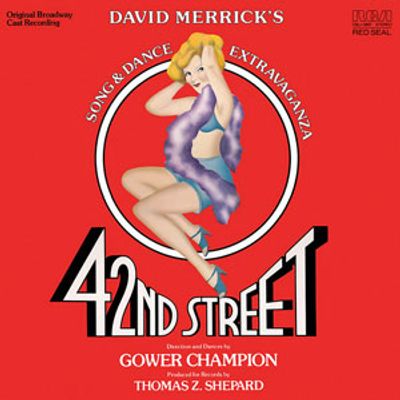
Get out your tap shoes, Francis, because four time Tony nominated choreographer, Randy Skinner, is here to waltz us all back in time for an intimate retrospective of his career. From working at the famed Kenley Players to being the keeper of the 42nd Street flame, Randy's career includes turns (both onstage and off) with 42nd Street, Babes in Arms, Ain't Broadway Grand, State Fair, Do Re Mi, George M, Lone Star Love, White Christmas, Of Thee I Sing, No No Nanette, On Your Toes, Dames at Sea, and many more! Randy pulls back the curtain on his career to discuss how Ginger Rodgers influenced his work, what it was like learning from Gower Champion, and why he loves the art of teaching. Also, Randy shines the spotlight on Fred Astaire, David Merrick, and John Kenley! Become a sponsor of Behind The Curtain and get early access to interviews, private playlists, and advance knowledge of future guests so you can ask the legends your own questions. Go to: http://bit.ly/2i7nWC4
Transcript
This transcript was automatically generated and might contain errors.
[0:00] Robert W. Schneider: And follow us on Instagram at Broadway Curtain Podcast.
[0:02] Kevin David Thomas: Plus, you can always listen to our podcasts on Broadway World and Stitcher.
[0:06] Robert W. Schneider: Growing up in Ohio, today's guest was an avid cinephile, staring at the screen and hoping that he could one day be dancing as brilliantly as Fred did with Ginger. Little would he know that one day he would actually be dancing for Ginger at some point. His career began at the infamous Kenley Players, which we love to talk about, where he worked alongside legends like Ann Miller, Mickey Rooney, Sid Sharice, and Tommy Toon. Then it was with the last of the great Golden Age musicals, 42nd Street, that our great guest became known within the New York theater community as the keeper of that flame. He has kept the legacy of that show alive for the past thirty some years. And if that wasn't enough, there were also countless productions at Encores as well.
And we've got White Christmas, State Fair, Dames at Sea, endless teaching credits. God bless the teacher. And the list goes on and on to tell us what it was like to work with people like Gower Champion, David Merrick, Ginger Rodgers, John Kenley, and so many others. Here is the tapping titan of Broadway, RANDY SKINNER.
[1:04] RANDY SKINNER: Hello, guys.
[1:05] Robert W. Schneider: Well, thank you so much for joining us today.
[1:08] RANDY SKINNER: My pleasure.
[1:08] Kevin David Thomas: So I'm gonna ask you what was the first movie musical you saw that had an impact on you?
[1:13] RANDY SKINNER: Probably the Fred and Ginger RKO musicals. That's what I have memories of, the black and white art deco films. Oh, yeah. Because they made nine together. They went on and made a tenth film for MGM. But it was those nine black and white movies that I kind of became enthralled with the movie musicals.
[1:35] Robert W. Schneider: Um what was it about Fred and Ginger's style that attracted you so much to them?
[1:39] RANDY SKINNER: Well, now I can verbalize it. Back then I certainly couldn't have said anything, but I love the fact that they were always playing to each other, or Fred had what I call the three-quarter gaze down. Whereas people like Gene Kelly, Eleanor Powell, who were equally as wonderful and brilliant, they played the camera with all of those big faces and those big grins, which of course Gene and Eleanor both had. But if you watch and you study Fred and Ginger, it was always very internal as if you're watching their world. I found that obviously powerful as a kid, and I find it incredibly powerful today. It's like you're watching their secret.
[2:17] Kevin David Thomas: Yeah. Fascinating.
[2:18] RANDY SKINNER: And whereas people who play directly to you, it's equally fun and interesting. But my kind of affinity went towards the other.
[2:27] Robert W. Schneider: Um we know names like Gene Kelly, we know names like Fred Astaire, but who from that great golden age of MGM musicals should be remembered more than we do today?
[2:37] RANDY SKINNER: Well, I know this is really an interesting phenomenon because when you talk to younger people and you mention these icons, often you do get blank looks, and you didn't think there'd ever be a day when you would get that. I suppose, well, it's a long list, but certainly people like Vera Ellen, they might be known, or you might say now that lady who dances in the movie White Christmas because the movie's so well known and then they associate it. But when you just talk about the names, people like Vera Ellen, Eleanor Powell, even to a certain degree, Ann Miller with the younger people, they don't quite know all of those people. Unless you really are so into the movies and you've watched them. And there are people like that.
[3:17] Kevin David Thomas: Yeah, and I can tell instantly when they come in either to audition or to take class, you can tell immediately who is a student of the film.
[3:24] RANDY SKINNER: So really and you can almost tell who they might emulate based on how their physicality or how they look. And I do I know instantly.
[3:33] Kevin David Thomas: Is it the is it a style that they bring to the dance?
[3:36] RANDY SKINNER: It's an internal feeling, yeah, and a style. Certainly, if particularly if they are watching a role model that they really decide they're gonna devote time to, like I did with Fred and Ginger. I devoted so much time just watching them and studying them. And you will find people who have a role model that they really dissect.
[3:53] Kevin David Thomas: Yeah.
[3:54] RANDY SKINNER: So let me ask you, let's say someone has never seen a Fred Astaire Ginger Rogers movie. What movie would you recommend to them and go, this is the epitome of what they do?
[4:03] RANDY SKINNER: Well, there's two. Most people would consider Top Hat and Swing Time. They're two best movie musicals of that period. I tend to like Follow the Fleet because I love the plot, and of course, I love the Irving Berlin score. Now Irving Berlin also wrote Top Hat. Swing Time was Jerome Kern. So you have two masters of songs and composers and lyricists, and then you create that magic. But those are the two. I would say watch Top Hat or Swing Time, and you're going to see the ultimate in sophistication. The plots are both pretty good in those movies, and it really does represent what the two of them did.
[4:40] Kevin David Thomas: Yeah, amazing. And then one last question about movie musicals for now, and then we'll come back to it. Um you have this wonderful group of people that created magic on screen. You could take any one of them and choreograph a piece for them. Who would you choose?
[4:57] RANDY SKINNER: Oh wow, it'd be so daunting. But probably Fred. Yeah. I mean, I would just wouldn't that be exciting to be in a room and have him open and say, Bring me something. That's basically what he and Hermes Pan did, his longtime associate. They would get in a room and they would simply go to work and they would have a dance arranger there, of course, and then they would trade steps and they would come up with ideas. That's really what you do when you have an associate that you're really close to. It's just part of the process. So they and they were they looked alike, they were built exactly alike, and that was very smart of him because then you were seeing exactly what might transfer to your own body if your assistant is built like you, and so that happened a lot.
And Ginger didn't enter the picture till usually way late into the rehearsal process because she was off doing other movies because she was I always say she's one of the few, the handful of people that were able to do comedy, drama, and musicals. I one time told Christine Ebersole, I went backstage to see her after Gray Gardens because she had done 42nd Street, and I said, you know, you're the Ginger Rodgers of the Broadway world because Christine is one theater actress who has gone from comedies to dramas to musicals.
[6:06] RANDY SKINNER: You're right, and one of the few. And no one thinks about it. No one you accept her in every single art form that she's in.
[6:10] Kevin David Thomas: You're exactly right.
[6:11] RANDY SKINNER: That's right, and that's but because of my movie background, I'm always aware of that. And Judy Garland was another one who was a performer who did musicals, comedies, and dramatic works. But most people were kind of pigeonholed.
[6:24] Kevin David Thomas: Right.
[6:25] RANDY SKINNER: Um when you were growing up in Ohio, what came first? The dance classes, then the love of movies, or was it the love of movie musicals that inspired you to take dance classes?
[6:33] RANDY SKINNER: Dance class first, because my parents put me in class at age four.
[6:37] Kevin David Thomas: Why now that's unusual in Ohio?
[6:39] RANDY SKINNER: A child of the 50s, a boy, particularly a boy of the 50s. But I think the story goes from what I can tell is that my family was really close to another neighborhood family, and she was going the the girl was going to class, and so I went along, and then like out of chorus line, I stayed, and she quit. And I think that's how it all started. It was just my mom and then this young girl's mom kind of put their heads together and we all went to dance class.
[7:07] Kevin David Thomas: And was it tap at first?
[7:08] RANDY SKINNER: Tap at first. Tap at first, and then we added jazz and ballet and all the other things you get in a dance school when you're growing up. The other thing about my parents was they were quite astute about knowing when to sit down and talk to the teacher and then move me to another studio. That rarely happens. But they would say, You've outgrown the studio, I've done what I can, and then let's move you on to maybe another place that can take you further. It was quite remarkable that that all happened.
[7:35] Kevin David Thomas: Very proactive, younger.
[7:36] RANDY SKINNER: Not pushy at all. You know, it's like they gave my brother and I both any opportunities we wanted, and they were hoping something would grab hold so that you could become maybe successful at it. Then do you remember the first theatrical production you saw that had a major effect on you? Because you were able to see touring shows as they came through.
[7:55] RANDY SKINNER: Yeah, sure. Yeah, my parents took, I suppose probably I can't remember the show exactly, but probably the Kenley Players.
[8:00] Kevin David Thomas: Okay, so let's talk about John Kenley.
[8:03] RANDY SKINNER: John Kenley. I love the Kenley Players.
[8:05] Kevin David Thomas: Yeah, well, you've heard a lot about him, I'm sure, through other people.
[8:07] RANDY SKINNER: Well, everyone we talked to, we've tried to talk to, yeah. I mean, we have. We've tried to patch together a story of him and know it through to our listeners because he was so legendary.
[8:16] RANDY SKINNER: Yes. Yeah, very legendary. And not just for the personalized. We know the obvious thing. Yeah, the obvious stuff that everyone talks about. The shame it is nobody he never wrote a book. As far as I know, he might have written one but never got it published. And Jeff Calhoun was trying to work on a documentary. I remember Jeff was doing that, and nobody really has written anything about him. So it's yeah, we try to celebrate him as much as possible.
[8:39] Kevin David Thomas: Yeah, yeah.
[8:40] RANDY SKINNER: Um so what was it like seeing his shows come through Ohio? And then we'll ask you what it was like working for him at one point.
[8:46] RANDY SKINNER: Well, they were just so big because he played the big barns in the cities. He played Warren, Dayton, and Columbus, and my was I was in Columbus, and I think that auditorium, which is no longer there, was a four thousand seat house. So you it might have been the biggest one of the circuit. But that's he got these enormous stars to come and do both the plays and the musicals. So they certainly filled it with not only audience members but the performances could certainly play that because they were so big as far as names. So that’s the first memory, is just going and seeing these big musicals, and they were sizable.
[9:21] Kevin David Thomas: Yeah. Was it surreal seeing people that you admired on screen now in front of you three-dimensional?
[9:27] RANDY SKINNER: Yeah, that's always kind of a kick if you really do love the business. And you do you do think about that. And then when working with them, of course, that's the next layer of what happened, you know, when you're really actually in the room dancing.
[9:38] Kevin David Thomas: Um when did you make your when was your first audition for the Kenley Players?
[9:42] RANDY SKINNER: Uh it was when I was probably in elementary school for The King and I. A big casting that has went out in Columbus because they were going to try to pick up kids to do each city so they wouldn't have to tour kids around. And you know, it was I mean, come on, me going into The King and I, but my mom took me down, and there's a big photograph of all these kids on the front steps of Vets Memorial, which was the theater and all of us young hopefuls, and of course I did not get chosen, but that was my first audition, if you want to think of it that way. Then in college, I went up to Warren to dance for John when I was in college. I drove up, and that was really the first actual audition as an adult.
[10:21] Kevin David Thomas: Yes.
[10:22] RANDY SKINNER: And then he hired me in 1973 to do The Pajama Game with Juliet Prouse as Babe.
[10:27] Kevin David Thomas: Oh wow.
[10:28] RANDY SKINNER: Now that's another name that nobody knows.
[10:29] Kevin David Thomas: Yeah.
[10:30] RANDY SKINNER: Yes, and we do it, we have talked about her a couple of times. Nobody knows Juliet's name, and she was brilliant dancing with the city. So many dancers that we've talked to of a certain generation were like, oh yeah, and when I danced with her, I was like the best. And people just totally get blank looks about Juliet. And there's not a lot of film on Juliet as far as movies. You probably would Google her and see ghost tapes of different things. But she was a stage star and also a Vegas star. People I never saw it, but people claim that she had the best Vegas show of almost anybody around at that time.
[10:59] Kevin David Thomas: Yes, there's a Leroy.
[11:02] RANDY SKINNER: Probably I would say Cleeroy would know her.
[11:03] Kevin David Thomas: Yeah, Leroy danced with her.
[11:05] RANDY SKINNER: Yeah. Um and for our listeners, um, because you're right, there's not a lot of footage out there for it, but I think there's a Tony Awards broadcast where she dances to the overture of Gypsy.
[11:13] Kevin David Thomas: Oh, maybe I'll post it.
[11:15] RANDY SKINNER: So we'll post that for our listeners to see Juliet's work because it's incredible. Um what did you learn working from her?
[11:21] RANDY SKINNER: The warm-up that I give in class.
[11:23] Kevin David Thomas: So tell us about one among many things, but yes, she invited people to do a warm-up with her every night that she put herself through. So I would go on stage and we would just go through and it was I'm not even sure how old Juliet was in that show, but it's a very gentle warm-up that takes you from the head down to your feet, and by 25 minutes you feel like you can go on stage and do anything. So I use a lot of that in my classes, and I always announce that. Like I'll say periodically I'll say, you know, a lot of these things are from Miss Juliet Prouse. And of course I get the blank looks and then I explain. And then I do a lot of things from the American Dance Machine, which we can talk about.
[12:01] Kevin David Thomas: Yeah, which we'll talk about.
[12:02] RANDY SKINNER: Yeah, yeah. And that's kind of when I do a jazz class, the first 25 minutes are a warm-up, and then we proceed to a cross the floor exercises, and then we do a combination.
[12:11] Kevin David Thomas: Uh what college did you go to?
[12:13] RANDY SKINNER: Ohio State University.
[12:14] Kevin David Thomas: Ohio State University. You studied speech and communications.
[12:17] RANDY SKINNER: Yes, yes. I have a teaching degree actually. But the emphasis was in communication.
[12:22] Kevin David Thomas: So did you dance in college?
[12:24] RANDY SKINNER: Yes, oh yeah, sure. I took a lot of classes and did shows.
[12:26] Kevin David Thomas: Must have been busy.
[12:27] RANDY SKINNER: Started choreographing in college.
[12:29] Kevin David Thomas: Oh, did you work on the book?
[12:30] RANDY SKINNER: That's where it really started. First show that you choreographed?
[12:32] RANDY SKINNER: Yeah, like I did Dames at Sea, funny enough, in college and played Dick and also choreographed. And then I also did Charlie Brown, Your Good Man Charlie Brown. Played Linus and choreographed.
[12:42] Kevin David Thomas: Yes, good.
[12:42] RANDY SKINNER: So that really was the beginnings of thinking about choreography was in at OSU.
[12:50] Kevin David Thomas: When you graduated school, did you immediately move to New York City or did you continue doing summer stock in Ohio?
[12:55] RANDY SKINNER: Well, I actually did some substitute teaching because I graduated in the winter. I went one extra quarter. Oh and because I was taking so many things that I just decided to do. Majoring in so many schools majoring so many subjects. So I stayed through the winter and then did some substitute teaching, learned really quick in the elementary school system because at that point in time they were also looking for males to go into the elementary schools. They were trying to get figureheads and get more of that influence. But it was tough being a sub, you know, not an easy thing to do. So I did that until the spring, and then I moved here and just drove up with a group of people and arrived in New York.
[13:37] Kevin David Thomas: So when you got to New York were you got the trade papers and you were just going on lots of auditions and yeah, yeah, just you went to everything and it was a community and you learned from everything. And there were a lot of auditions to go to. That's changed, of course. And there was turnover and shows and everything was very different back then because of the nature of the business. It's much much harder to do.
[13:59] RANDY SKINNER: Oh yes, much harder.
[14:01] Kevin David Thomas: That's a theme we hear a lot of.
[14:01] RANDY SKINNER: Oh yeah. What was your go-to audition song? You remember what you would sing?
[14:04] RANDY SKINNER: Uh I did Bye Bye Blackbird. Oh, kind of in a up tempo swing. I always tried to pick something that was maybe a little off-center, as opposed to doing something traditional, and that worked for me. Uh and in fact Leroy Reams once said, I mean when we were doing the original 42nd Street together, he just said, I've sung the two songs same two songs for years.
[14:23] RANDY SKINNER: And he said that's the best advice is just get something under your belt that works, that under any circumstances you can sing, whether you're nervous or not feeling well. I'll never forget that. But I was in Leroy. He might not remember, but it was in Leroy's dressing room. And we were just talking about the process, and he said, I sing the same songs. Yes. And it's very good advice. It is now now today you have to have probably more variety because of the rock shows and that influence and what they're asking you to do. But when you just needed kind of a traditional standard up tempo and a ballad, that was very wise to get something in your vocal memory, muscle memory, so that under any circumstance you could perform it.
[15:04] Kevin David Thomas: Um, the world of auditioning has changed so much since when you first came to the city to when you're auditioning people now. Do you prefer the uh the older way of doing it or do you prefer this new way of doing it?
[15:14] RANDY SKINNER: Well, now what do you mean by the new way? Just because of uh Well, the fact that, for example, that you know, you're not auditioning on a Broadway stage, you're auditioning in a smaller rehearsal space. Um the fact that there is uh a phone book of songs that a person has to know as opposed to just having two that they feel really comfortable with. Yeah, the process um there's more people now. I mean, there's a lot more people because of uh all the musical theater programs that are going on. People are majoring in it now and getting degrees, of course. So you you it takes more time and you sometimes y the the process is sped up a lot more. And so I don't know if everybody always gets their due.
I I try to, and and the people with me, we we try to always remember that. And so when people come in for our shows, we do it in groups of three, four at the most, and often that doesn't happen. There might be six or eight in a group. And it's hard to look at that many people. But if you have hundreds of kids waiting, it's uh it's problematic. So we just take the time we need and we just try to to do it civilly so that everybody does feel that they're getting a fair chance at showing. And and of course it depends on the show. If you have a level of technique that is that separates people fairly quickly, then it doesn't take as long because you can give four eights of a of a of a dance combination.
And within the within those four eights, you can see very quickly, and and what you try to do is you try to clear the room of anybody you know can't possibly do the show because of lacking the the skill level. And then you, if you're smart, you hang on to the maybes, yeah, and you don't dismiss them so quickly. And then of course you know immediately who are who are the brilliant people because you see it, and then you proceed on from there. So you know there's a system to it. And it can actually be pretty organized if you are all on the same page.
[16:57] RANDY SKINNER: Great. When when you were performing, what was that conversation with yourself like? What did you realize that you were very strong at, and what did you realize that maybe you would never uh accomplish successfully?
[17:07] RANDY SKINNER: Well, an interesting story. Um I auditioned once for uh Mr. Fossey. Okay. Now this was when he yeah, when you think of Bob Fossey and and his beginnings, he was like MGM and the boy next door when he still had his hair and things like that. And when you look at his films that he was in, he was like Gower Champion. They were all just uh doing those kind of uh uh dances and and those kind of shows. Then he went through a whole change. Uh from what I can tell and what I've read about Bob is that, and uh certainly there's experts out there, he uh his art reflected his life. Yes. Whereas somebody like Gower Champion, who was my mentor, no matter what was going on in his life, he still put up the Hello Dolllies and the shows that were pretty pictures and had a gentleness to them and a tuneful score, all of that.
He didn't, his art did not really reflect what his personal life was. Whereas Bob's kind of uh influenced him from what I keep reading and know from friends who worked with him. So when I auditioned for him, and I don't even know what it was for, but I remember he came up and shook my hand, and the look in his face was, and I heard this also from his stage manager or his right-hand man, because we did a workshop together. He's it was like, geez, if you had just been around 20 years ago when I was doing that thing that you do, yeah. I could see it in his eyes because he knew I was a good dancer. Right. Appreciation, but yeah, but it's not gonna work out because you you you don't look like you fit into Chicago or to whatever it is I'm doing.
Uh and and so I knew I knew right away. And and now I come up against that, where I might see somebody who really has the technique or is a good dancer, but they just don't fit the style or what's going on with the show. So that was a good lesson. And it, you know, it kind of all works out because I met the man that I was obviously meant to be with, who fought who really did mentor me and and uh and was a big influence. So it's uh yeah, yeah.
[19:03] Kevin David Thomas: So now what was your what was that original question?
[19:05] RANDY SKINNER: We were got off of that. That transitioned us very well to uh to Gower. How did you meet the man himself?
[19:10] RANDY SKINNER: Well, there's another interesting story because um back in uh I'm trying to think it would have been around 19 uh 79 or so, around 1979, because 42nd Street was 1980. Um, there was this show brewing out there called Sugar Babies with Ann Miller and Mickey Rooney. Oh yeah, yeah. Yeah, big sh big hit. And uh I had worked with Ann Miller at the Kenley Players. Oh, hey. And we had become very close. What show? Yeah, but anything goes. Oh. And that was Ann Miller and Bobby Van and a wonderful character actor named Coley Worth, and who played Moon and Moonface. And is that the name of the character? And uh and so that actually there was talk about moving that into New York, and then it never never happened like so many things.
But I became very close to Ann. And we did the Kennley Circuit, and it was a huge hit because at the time Ann Miller was still very, very well known. And Bobby Van was well known. So you had two stars, and it was a real Cracker Jack production. And uh so I anyway, I met Anne and became close to her. So when when this Sugar Baby show was brewing, she had called me and said, you know, I'm doing this new show, and uh I would like you to be one of my four guys. And so we were talking about it, and uh, I was gonna have to audition, of course, but she said, I've got you on the list, and I would like you to do that. And they were gonna go on the road for six months and then come into New York. Uh at the same time, I had been cast in the very first musical version about Jolson, Al Jolson.
Now that's another name people don't know. Yeah, yeah. You know, when you bring up Al Jolson, people do not know the history of that man and his talent. But this was the first incarnation because uh subsequently there were other attempts at musicalizing Al Jolson's life. This starred Larry Kurt, the original star from West Side Story. It was being tried out at a theater called North Stage on Long Island, which I think was a former movie house. It might have been a vaudeville theater, then turned into a movie house and then back to a theater, like like typical. Yeah. So that meant I could live at home and just commute to Long Island and and do this new incarnation of Joelston. And we were gonna move into Broadway, just like Sugar Baby.
So I told Ann that I was gonna stick with the Jolson Project. And so, you know, long story short, Jolson closed on Long Island and never came in. And then Sugar Babies came into the Mark Hallinger and ran whatever, how many years? Three, four years or something. And uh so I would go by that theater and see Ann and the four boys and all those pictures outside and think, oh my gosh, what a decision. But, and I tell this story when I teach in colleges, uh, the connection to Gower came from the pianist and assistant conductor of the Joelson Project. So when Gower called me, he called me on the phone one night, uh, very snowy February day in in 1980, I guess it would have been, yeah. And he said, I've heard about you, and uh, I'm looking for somebody to work on the show.
He had a female assistant already, Karen Baker, a wonderful, wonderful lady and and dancer, and he evidently thought he needed a guy also on the team. And so I said, Well, how did you get my name? And he said, from Don Johnston, who ended up to be the dancer ranger on 42nd Street. Oh, so again, how do you connect? Yeah, you can't plan, you know, out of something that I thought might have been a bad decision, ended up to be the opportunity that actually changed my entire career in my life. Yeah because of connecting the dots. If I had done Sugar Babies and gotten cast in that, I would never have met Don. Yeah, and then I would have never been led to Gower. I mean, directly that way, maybe it would have happened regardless.
But uh oh, you had asked me about the skill set too that I come in. That was the initial question about uh and uh obviously I hit the city uh not only being a well-rounded dancer, but having the expertise of tap. Yeah, and yeah, and and uh that that that's not a bad idea is if you do become known. You didn't have to fight to let people know you do other things and that you're well rounded. But uh but that was the initial entry when I would go into an audition or when I would uh meet people that they could see that I had tapped my entire life and and had a a a skill set that might not have been as prevalent with other people. You know, tap went through a whole period where it wasn't around much.
Right. You know, it it kind of came back in 1971 when I was in college with no no no net. Yes. Uh until then that it kind of disappeared. And then it disappeared after that again, and it really was 1980 and 42nd Street that brought it back in a in a big way.
[23:27] Kevin David Thomas: Yeah.
[23:27] RANDY SKINNER: So it kind of tapping goes through waves.
[23:27] Kevin David Thomas: Yeah.
[23:27] RANDY SKINNER: You know, where there might be a lot of shows that need it, and then there's periods where there's no tap. You know.
[23:32] Kevin David Thomas: What period are we in now currently in 2018?
[23:34] RANDY SKINNER: Well, there's a lot of it that goes around, you know. Again, it's just uh depending on what the show needs. You know, audiences love tap.
[23:41] Kevin David Thomas: Yeah.
[23:41] RANDY SKINNER: I take it for granted, and uh but they do, they just they do love it. My theory is that uh it's um the only art form besides flamenco, dance form that's auditory as well as visual.
[23:52] Kevin David Thomas: That's right.
[23:53] RANDY SKINNER: So you're not only seeing something, but you're hearing that. And I think everybody the rhythm and and people inherently relate to rhythm and drumming. I think that's why the in the big band era the drummers became stars.
[24:03] Kevin David Thomas: Oh, very true.
[24:04] RANDY SKINNER: Yeah, yeah. Very true.
[24:05] Kevin David Thomas: Yeah, they were they were big names in that heyday because drums are uh it gets you moving.
[24:09] RANDY SKINNER: Yeah. I mean it's tribal.
[24:11] Kevin David Thomas: That's exactly how it all started was through drumming, you know, in ancient times.
[24:15] RANDY SKINNER: Yeah. That's what people danced to was rhythm and drums.
[24:17] Kevin David Thomas: Yeah.
[24:18] RANDY SKINNER: Oh, that's uh flamenco. I never thought of flamenco as yeah, yeah. Auditory also.
[24:21] Kevin David Thomas: Yeah, flamingo is very close to tap, or I should say tap close to flamingo. I don't know which was yeah discovered first, or but uh yeah, yeah, they're very similar, and usually uh if somebody's a good tapper, they can go into flamingo class and learn it.
[24:34] Kevin David Thomas: Right.
[24:34] RANDY SKINNER: And I would think it'd be the opposite too, that a flamingo dancer could come in and learn some tap.
[24:39] Kevin David Thomas: Right.
[24:39] RANDY SKINNER: Yeah. Um so you get this phone call from Gower Champion. You were twenty six years old when this was happening?
[24:45] RANDY SKINNER: Uh yeah about then yeah yeah exactly pretty heady time yeah since particularly since I was thinking about just being one of the kids because we'd all heard about this show.
[24:52] Kevin David Thomas: Right.
[24:53] RANDY SKINNER: And I thought oh I have a good crack at this you know I know the movie it might be a chance it might be a chance here it seems like uh you know what they're looking for and what the what everybody's talking about.
[25:01] Kevin David Thomas: Did you think the call was going to be would you like to be in it as a no I didn't know what it was. I wouldn't have been that presumptuous but uh it just really took me out of the clear blue and he basically said I've heard about you and uh, and I'm looking for somebody to be on the team and and uh can you come in and spend the day with me so I went in uh several days later and and Karen Baker was there and Don Johnston at the piano and Gower and I went in and spent the day with him and just we got on our feet and moved around and danced and talked about things and then that night he called and hired me.
[25:31] RANDY SKINNER: Oh could you feel you guys hit it off away yeah definitely I didn't know a lot about Gower and Marge. Of course I knew who they were his his uh former wife Marge Champion his first wife and so I knew them from the movies of course but uh again my role models were Fred and uh and ginger but uh but after the fact after Gower died and then I started meeting people that knew Gower he they said oh there was a reason for this because you're built like him you you kind of uh represent what he's about and then when I went back and started watching the films I I said oh yes I can see this definitely this makes total sense to me why he picked up on me.
[26:08] Kevin David Thomas: And wild that you you got to know him that last year of his life and yet you know we we've heard a lot of stories about him from earlier in his career you know and he could you know he could be he was a you could there was some conflict sometimes, and he could, you know. But what was what was your feeling about him? And how did if if you could share, if our listeners don't know anything about Garwood Jampian, you know, what was his personality like? What was it like to work in the rehearsal room with him?
[26:31] RANDY SKINNER: Well, it was great because he always said that was the favorite part of his experience with the show is the pre-production. And we did it for quite a long time and then also went down to the Kennedy Center. And and you could tell he he really enjoyed it. It also uh I we all wrestle with this. Anybody who uh works behind the scenes, you have a vision, and then you get in the room and you create things, and then you hope to find people who can do it, but that doesn't always happen. So uh particularly if it involves not only technique but a style, a feeling of something. There are plenty of people who technically can do things, but then can they translate the style on top of that? And 42nd Street was a period piece, and of course Gower was a master from the movies, so he danced a certain way. Uh at that point, because of his illness, he was not on his feet so much dancing full out. And we didn't know that he was ill until after the fact.
[27:24] Kevin David Thomas: Okay.
[27:24] RANDY SKINNER: We got uh ideas, certainly as we got down to the Kennedy Center and he would miss rehearsals. We all knew there was something going on, but no, nothing to the degree that the light bulb would go off until way after. And uh, but he was not dancing full out, and because when he did attempt to do it, you could see he would get tired because of what he was going through. So we were really on our feet a lot, Karen and I, and and really doing uh just getting up and doing steps and dancing full out because we were both. And for those who don't know, that's literally when the choreographer and their assistant and the dance ranger that really is making the music fit at the piano that goes hand in hand. They're literally coming up with the world that they're gonna create.
[28:04] RANDY SKINNER: That's right. They are literally creating it without any other dancers, this happens sometimes months in advance. Can be depending, yeah. And especially a show like this that had so much dance.
[28:14] Kevin David Thomas: Yeah, 75% number is.
[28:18] RANDY SKINNER: Yes. Yes, and that's why uh assistants and associates are so important because you uh you're really putting the show on the people in the room around you, and then you hopefully uh it like I said, it translates. And uh so it was a perfect teaming and and it was uh great fun. I had a conflict, of course, being at that age that I still wanted to be one of the gang.
[28:47] RANDY SKINNER: And I we actually talked about it one point. I said, you know, is there a way I could dance in the show? And again, not knowing what he was going through, he had said, No, I really need you on this side of the footlights, and it makes total sense. He knew he knew, yeah, he knew. And uh but yeah, I think about those days, particularly out of town when you're going through tryouts and previews, and everybody else is going out after the performances and either gossiping or or talking about how they'd fix the show. And when you're 26, yeah, come on, that's those are people. Yeah, they're my colleagues, and so I I was kind of separated from that at a at a young age and and didn't really get to participate in that.
So it was it was it was a bit of a conflict for me. Although uh when you look back, you go, listen, things happen the way they're supposed to, and it it does change, and then you go with the flow, and that's another life lesson I try to tell people is just be open. Right, and there might be things you question at the time, but uh who knows how it's supposed to play out and what's gonna happen from it. Yeah, and that's certainly a life lesson I went through.
[29:48] RANDY SKINNER: When oh sorry, I was gonna say, what's it like being in a room with Gower Champion as as a leader of the ship, kept in the ship? Oh, it was exciting, you know, and and also uh so smart, and you just uh learn so much that you wouldn't learn in a textbook, you know. It really was uh just kind of a master class in watching how you shape a show and then the problems that come up and how you deal with the problems and all of that, yeah. It's like a glass. When you're directing and choreographing today, in which ways do you feel you emulate him? Well, I I the one thing is you you know, your uh your opening, you know, how do you uh how do you have an opening? The overall arc of a show, how do you make sure that uh everything is placed appropriately, particularly when you have a what we call a dance-driven show or a show that's driven by big production numbers?
How do you make sure you're not repeating yourself? How do you not shoot the wad to such a degree that you have no room to keep growing? Those are things that I obviously learn through osmosis by watching this huge show being put together and how it fits. And and I think about that every time I do a show, or when I read a new script, it's like what are the numbers, what needs to be danced, how do you make it all fit into the puzzle so that you do have a variety? I always say each number has to have an arc, you know, beginning, middle, and end, and then the overall show has to have an arc. And it it's challenging when you have a lot of numbers. Yeah, you know, shows that are not so dance-driven, it it's a little bit different.
That might be more lyric-driven or more book-driven by the the songs. But when you do have a lot of dancing and production numbers, it's uh I think that's the biggest challenge is is how that all fits into the puzzle.
[31:24] RANDY SKINNER: What were some of the challenges uh with 42nd Street while you guys were putting it? Because it now it we know it it was this big hit. We know that sure. It the revival, big hit. Yeah but did did was it that way the whole time? No, no, out of town was bumpy. Out of town was bumpy, and uh, you know, they you keep trying to uh fine-tune the numbers themselves that you know work, but then there's always discussion about uh uh particularly do we need there was a point where we thought Peggy Sawyer needed another number uh because the original, the 1980, it goes from uh uh scene to Annie and Bert doing Shuffle Off to Buffalo, and then it went to the big 42nd Street number. So those characters each got one number.
So we discussed it and we tried a couple numbers, and it just it just didn't pan out. And so uh even when we came back to New York we kept working on it. But it ended up that it didn't happen. The revival had happened. We did put another number in for Peggy that precedes Buffalo. And so that was one example of something that was tried out of town that just didn't uh happen. But then that always stuck with Mark Bramble, the writer, uh co-writer, and and and Mark and I, when we were doing the revival together, we talked about going back to that idea that we never could really fix. Realize and do we give Peggy another number and what should it be, what should the song be? And and you sit down and you discuss this, and then I have to think again, okay, what side can we show of her that hasn't been shown in this musical already?
And and uh and how does that happen? So we arrived at that, and that's actually a lot of people's one of their favorite moments. It's uh plenty of money in you is the song, and it's it's Peggy and the 12 guys, and she dances on top of the pianos. It's very much a tribute to Ann Miller and Eleanor Powell because of the skill level of the technique in that number. It's it's one of the numbers where she gets to do a lot of rhythm tapping and close footwork that Eleanor and Ann were so famous for. And then she does a lot of turning in the number. Uh good old Ann Miller. Yeah, and again, that's another thing. If you're if you're really doing a lot of turning in a show, uh I mean, that's one of the basic seven moves of ballet is turn A to turn.
And and so I and turning is fabulous in a show. Oh, it's a that brings audience to their feet when someone does that. And you've got the clothes moving. I mean, Fred, he uh he designed clothes, uh he wore loose ties so that it would move the movement of the and and of course ginger, a lot of her dresses were designed totally for dance work. Yeah flare out and if you want to look at a master uh who knows how to work a costume, you watch Ginger Rodgers and how she worked the dresses. You know, and that was part of the choreography. Oh, yeah. You know. Ann Miller I always think of doing that too. I always think of she you know, throw the skirt around. I mean they all did. They all they all they all knew how to do it, but it's just uh the movement of the clothes also adds to the to the dancing.
So uh so that was just one example of of trying to overcome a problem out of town and and how it all works. And of course you always have to deal with uh the humor and the jokes and listen to your audiences and what needs to be changed.
[34:15] RANDY SKINNER: Working with David Merrick or working for David Merrick, we've heard so many stories. Yeah. Is there anything you you'd like to contribute to that, David Merrick is a little bit? Well again, another uh another kind of uh lesson that you couldn't learn in a book by being uh around uh a producer like that and observing and watching. It's all about observing, you know, when you have the opportunities to work with people to uh just learn by watching, and I'm an observer, so it is yeah, and it's easy for me to sit back and just watch and just kind of take it all in. So I I enjoyed it. I enjoyed the process. He was not an easy man, as everybody would tell you, but there was definitely a a a mutual respect between him and and me.
And and he I think looked at me as a young guy, knowing well, he's not only a good dancer and and loves the business, but he's got uh you know some smarts going on and intelligence, and uh so it was a nice relationship. It was a a really good relationship. I felt very lucky to have that.
[35:12] RANDY SKINNER: Um let me take you back to one of the most infamous opening nights in history um in which the announcement of Mr. Champion's death is made after the show. So what did you know that he had passed prior to the announcement? Yes, there were a handful of us that knew that were called in the afternoon, but everything else it was kept from everybody else. Yeah, and famously. So uh so yes, I did know. And again, when you look back, it it wasn't too surprising to us that we're close to him, because towards the end of the previews here in New York, and when we also came back and went into rehearsals, he was out a lot. You know, he would disappear because of the illness and and have to go in for whatever he was doing.
And and so, you know, maybe the cast didn't put the puzzle together just because they're so ensconced in their own tracks and their own shows and the excitement of of getting ready for an opening night. But anybody who again was observing and in the room and watching or really, now where's Gower? He's not here today, or not here for two days. Uh you you you knew something was going on that that it was becoming more serious. Yes. So yeah, uh we we knew uh ahead of time, uh, a group of us.
[36:22] RANDY SKINNER: Yeah. Then it seems like the the torch of 42nd Street is now yours to be maintained. Is that correct? Well, it depends. I mean, uh the the revival has never been licensed. Uh unless somebody like myself is involved with it or Mark Bramble, then we do the revival version. The revival version is very different than the 1980 because we added all those new songs. We even actually have a new song in London production this year. Yeah, we added another song for Dorothy. Because when Mark and I were talking about doing it in London, and we knew that Sheena Easton was going to be doing Dorothy. Now that's another name people might not know because she was a rock pop star of a certain era. Yeah. And again, those are those are the kind of by the decade people.
If you were brought up in that decade and you listen to that music, then you know these people. I knew immediately, yeah. Yeah, of course. So we we've always thought that um when you think of the character of Dorothy Brock, she's always interrupted, or she's sharing something on stage. She never really has a moment to herself, just the way the show was written originally, where she plants her feet, sings a song, and gets the applause. So we decided to try a number uh of a show within a show number where she would get to be on stage just singing a great Warren and Dubin song. So uh we picked Boulevard of Broken Dreams and she sings it by a lamppost, which if you know your movies, it's kind of a nice homage to Joan Blondell.
Yes, in My Forgotten Man. And uh and Sheena did it brilliantly because she's still got such a great voice. And and it actually was um a nice moment because you you do get to see Dorothy have that star moment, which is what you've been talking about all night, up till then, is then Dorothy Brock, the star, right? The Diva, and and so uh so shows continue to evolve, which is what's fun about it. But yeah, the 2001 version, um, if I'm involved or Mark, then we we do that version. Anybody else who licenses the show is handed the 1980 package.
[38:17] RANDY SKINNER: Okay, and so they don't have the extra numbers or the the new dance music or anything. It just never happened, I guess. I don't know. They were talking about it. So odd. But um, it's just it's it the catalog is the 1980. And then now I've had friends who put the show up uh in smaller versions, and they'll call me, then I'll call Tam's Witmark, RJ Bourne over at Tam's, and I'll say this is a very capable person, they're doing it, they'd like to have some of the extra music, and then they they give it to them. Oh, wonderful. Okay, well, that's good too. Because it's all cataloged. It's just not uh in the it's just not in the the catalog to actually rent. Um this show will be performed way after we have all left this earth.
So, what advice do you have for people that are going to be helming a production of this show, either directorially or choreographically? Well, it's just it's a lot of music and a lot of dance music, so you just have to uh sit down with it and I've there's a lot of video on the show, so people obviously can do research and and get ideas of how we filled it. But I think that's the same with any show that has those huge, huge dance numbers. It's it's the task is how do you come up with the the choreography? Uh now some people might edit it to some degree or make some cuts, but yeah, I think about uh White Christmas too, it's same way. It's a there are huge dance numbers in that show. So I always think about it. If somebody is going to basically try to sit down and do truly their own thing and not do anything that was done on stage prior, uh it's just a lot of work to come up with that many dance steps.
[39:45] RANDY SKINNER: A lot of a lot of the projects you've worked on are could be described as period pieces. How do you get individuals all into that same world who who have never lived in the 1920s or 40s? Well, you look you look at it for the audition, number one, with the combinations you give. Uh you certainly can give references and and tell them what to watch and and movies, things like that of the period. And you can set up YouTube channels all the time. But it also comes from having great people in the front doing it. And uh I still dance, uh, so I'm dancing every day pretty much, and and so I'm on my feet when I choreograph, still creating the steps and actually dancing it. And then I have uh wonderful assistants and associates that uh also are wonderful dancers.
And that that's the best scenario is if you if you have the people in the front of the room not just theorizing about it but actually doing it the way you hope everybody else can match, then you have somebody to watch and emulate, and that's really how you learn.
[40:41] RANDY SKINNER: Right, yeah, you learn by watching uh great people dance, like I did watching the movies. You just you watch it and you emulate it, then you make it your own, and you put your own touches on it, but you start by having those role models like we talked about earlier. So that's basically what we do in a show. My uh you look, I look for an assistant that can basically dance like me, and that's I think what Gower was looking for. Right. When I went in and danced for him that whole day, obviously, he was watching me to go now. Does this guy move like me? Does he look like me? And uh, and as I said, we were built exactly alike. Uh it was just even how we wore, you know, most dancers come in and they wear dance clothes.
I always wore khakis and and like uh you know, sweatshirts and things like that. So I I did that casual look as opposed to always wearing just what we'd call jazz pants or dance pants. And that's what Gower wore. So I didn't know it at the time. Right, it was just coincidence. But when I walked in, I thought, geez, you know, we kind of dress alike and everything. So it just was an affinity, yeah.
[41:39] RANDY SKINNER: Uh what is American Dance Machine? American Dance Machine was started by Lee Theodore, who was the original Anybody's in the West Side Story. And uh I don't know how the idea happened, but she uh a big audition went out for this thing called the American Dance Machine, and one of the most brutal auditions I've ever been through in my life. And she wanted to have a company that could recreate and have a living legacy of these great Broadway numbers from the great masters. So we went through an audition, and she chose a company, I believe, of around 14 at the time, and it was going to premiere at Ford's Theater down in Washington, D.C. So uh, and I learned something from her. She uh the first uh the first part of the audition we all had to go to go through was do eight assembles forward.
That's a ballet move. And you just had to start at the back of the room and do, you know, assemble, assembly, assembly, eight times to the front. And she felt that was enough to show uh what you could do for the first cut. Oh wow. And you know, there is some truth to that. Yes. I mean the the the chorus line audition was stepped forward. Uh, traditionally, I I suppose it might still be done. Um you would step forward, say your name and do second, fourth, double pirouette, and land in a fourth position. That was the first cuts. So uh so those that that's a lesson I tucked to. I said, you don't have to have a long combination to show you a certain level of technique if you know exactly what you're looking for and how the body works.
And so then from there, of course, we had to proceed on and do all sorts of different styles because she was going to be recreating and people with her all these different numbers which involve different techniques and different styles, different periods.
[43:20] RANDY SKINNER: And it was a wonderful period of my life. I loved it, learning all that stuff and having a group being surrounded by a group of 14 people of that level. Because we were all good dancers. You know, I say that modestly.
[43:38] Kevin David Thomas: And we're talking like what kind of give us some examples of some of the numbers that you did or choreographers that you captured.
[43:44] RANDY SKINNER: Yeah, well, I'll have to think back. I know we did "Walking Happy" by Danny Daniels. Oh my god. The clock dance. We did a section from "George M." Oh, which Joe Layton. Joe Layton. And I played George M in that because I was one of the tappers of the company. We did "Quadrille" from "Can Can." So that was a whole nother style. And then we did, oh my gosh, this is so long ago. I love it. I know they did the funeral dance from "Brigadoon," that was part of the show. My memory's failing.
[44:16] Kevin David Thomas: Okay, that's good.
[44:16] RANDY SKINNER: But those are four. I remember the quadrille because on one of the first performances, I did the knee slide and my knee pad fell off, and I cut my knee open, and I like and then I had to go on every single night after that. So, you know, the knee never healed till after the show.
[44:33] Kevin David Thomas: Because you were constantly taping it up.
[44:35] RANDY SKINNER: But you had to do the show. Right. I must come on. You had to do the show. So, but yeah, that's a very vivid memory. Oh, darn. You know, bust the knee open the first night.
[44:45] Kevin David Thomas: How did you go from worshipping Ginger Rodgers to meeting Ginger Rodgers to working for Ginger Rodgers?
[44:51] RANDY SKINNER: Yeah, yeah. Well, Ginger and I happened at that point in life to be handled by the same management firm. So this idea came up about reviving "Babes in Arms," and there were definitely a couple parts I could have played in that. And that's how the package all came about. It kind of came through the managing office that well, let's put everybody together and let's see if we can find a theater to do this. And that's where I first met Karen Zemba because we played opposite each other.
[45:16] Kevin David Thomas: Interviewed her.
[45:17] RANDY SKINNER: Yeah, we played opposite each other, and it was decided that Ginger would direct, and so it was a we worked on the show at different incarnations in different theaters for a period of a couple years. So I became very close to her, and we had a great time. And again, learned a lot that you would never learn in a book.
[45:35] Kevin David Thomas: Right.
[45:35] RANDY SKINNER: But that's an expression, you know, you can't learn this in a book. No, this is a passed on art form. Passed on art form. This is something you must have a mentor, you must have someone hand it down to you in a way. You can learn everything in a school, but you've got to have it.
[45:46] Kevin David Thomas: No, and that's kind of a lost theory right now.
[45:50] RANDY SKINNER: Um, I think I have a couple theories about it. When you are handpicked by somebody, there is a little bit of a pressure, you know, that you feel you have to rise to the occasion. And I'm not sure people always welcome that today because of like, you know, who me, you know, how can I do this? There's a fear maybe that that sets in as opposed to just not thinking about that and censoring yourself and going, I'm gonna go with the flow. And somebody sees something in me, so don't question it, don't doubt yourself, just go for it and let it all unfold.
[46:24] Kevin David Thomas: Uh you know, I don't know what prevents somebody from maybe being a little frightened of that kind of thing.
[46:28] RANDY SKINNER: But boy, having a mentor is a huge plus in your life. I equate it to the sports world too. When you watch like the US Open in tennis, and they pan to the stands, and you see not only the family supporting them, you'll see a coach, you'll see a psychologist, they all introduce them. You see this whole bevy of people working towards the same goal for this athlete. And you know, show business is not all that different than the sports world. It's equally as competitive and it's equally as physical. I'm sorry, the answers are you know, there's a reason why we have dancers over 40. I mean, like the it's a that's where athletes don't go past 40. I mean they're I think they're so similar as far as physical stamina and all of that.
[47:06] Kevin David Thomas: Oh, absolutely.
[47:07] RANDY SKINNER: I mean, it's just insane what your dancers do. Yeah, so yeah, I think that's a good connection to bring. And that's how that all happened with Ginger. And then we just kind of worked together, and again, we had an affinity. She picked up, she knew exactly who my influences were the minute she met me and saw me dancing. And she even had a quote that she gave to an interview in Variety. I have that clipped in my scrapbooks. That she just basically said, Wow, when you watch RANDY dance, it's like it's like me watching myself and Fred.
[47:37] Kevin David Thomas: So she saw it.
[47:38] RANDY SKINNER: She saw that I was influenced totally by them. And again, it's not a credit to me per se, it's the fact that they were out there, and I chose them, and I latched on to them and then studied them, and then it became a part of me. And it was obvious to her that and she liked that, of course. She was in fact that I that I loved Fred and Ginger, so she was very happy that she was the unknown influence in my life as a young guy.
[48:06] Kevin David Thomas: Yeah, absolutely.
[48:07] RANDY SKINNER: But that holds a special place in your heart, I'm sure.
[48:10] Kevin David Thomas: Yeah, no, she it I feel incredibly lucky and blessed to have worked with a lot of those movie people, and every one of them to a T, including Gower and Marge Champion and Anne and Ginger, all of these names that I met either through my own work or through Kenley Players as a dancer. They all basically took me aside and said, We see that you love what we do. We see that you love the movies. Pass this on. You know, teach. Take our legacy and make sure you keep it out there and that you pass on the history, and that's basically what you have to do. I mean, all composers are doing that now. The estates of composers are trying to get the music out more. You'll hear famous songs being commercials.
[48:57] Kevin David Thomas: Yep.
[48:57] RANDY SKINNER: There's an Irving Berlin song now on a commercial. And I go, Yeah, they're trying to make this music aware to younger people and younger generations and keep it out there. It's important to do.
[49:07] Kevin David Thomas: Very important to do.
[49:07] RANDY SKINNER: It is important. It is, I think so. So we were gonna keep it. That's why we started this podcast.
[49:11] Kevin David Thomas: What's "Ain't Broadway Grand"?
[49:13] RANDY SKINNER: Well, that was Mitch Lee, composer of "Man of La Mancha." Interesting experience. Yeah. Mitch was an interesting guy, you know, again, kind of a very strong, forceful personality. And yeah, I got hired to do that show. Didn't know too much about it at the time. It had gone through different incarnations and obviously they were changing the team.
[49:37] Kevin David Thomas: And were you uh I choreographed it.
[49:37] RANDY SKINNER: Right. And were you doing choreography leading up to other than "42nd Street"? You know, this is 12, 13 years later.
[49:42] RANDY SKINNER: Yeah, I had done some local regional productions again, just as things crossed my path. If it was something I thought was interesting, I would do it. Again, not wanting to wear that hat full time. I didn't have that maniacal drive or feel like I had to say yes to everything. Whereas if you want to direct and choreograph, oh yeah, you gotta get out there and do it, whatever opportunities come your way.
[50:01] Kevin David Thomas: Despite that, you still gotta hire to choreograph the stuff.
[50:04] RANDY SKINNER: Yeah, and I don't even, you know, I don't even remember how that introduction happened. But I remember going into the office, Mitch Lee's office, and sitting there, and again, the cigar and the old timer, the old school. Sitting across a big desk that separated you and the cigar and yeah, yeah. And I just kind of left thinking like, well, you know, if this happens, this could be interesting.
[50:28] Kevin David Thomas: At the exact same time, I had a conflict about this.
[50:31] RANDY SKINNER: I had prior to that, I had done a couple shows out at Long Beach Civic Light Opera, which is one of those big civic light organizations. There was a handful of them all up and down the West Coast. And they did big star-driven shows. So I had been hired by David Steinberg, the television director and comedian. He was known for do you know that name?
[50:51] Kevin David Thomas: I mean, yeah, he was first known as a comedian, always on television and hosted the Tonight Show many times, stubbed for Johnny Carson.
[50:59] RANDY SKINNER: And he then went on and became a very renowned television director of situation comedies. And he was doing "Pal Joey" with Dixie Carter and Elaine Stritch. And again, Dixie Carter and I were with the same manager at the time. So they suggested that maybe I could choreograph and do "Pal Joey" out on the West Coast. So I did that, and so then David Steinberg again kind of picked up on me because I was playing a part in the show, plus also choreographing it.
[51:31] Kevin David Thomas: Nice.
[51:32] RANDY SKINNER: And Elaine was playing that the part of Melbourne, the reporter that she had done much of it. But she had done it like 1951 or something like that, zip.
[51:38] Kevin David Thomas: Yeah, yeah.
[51:39] RANDY SKINNER: And so David said, you know, you should come out to LA and trail me. I think he was doing either "Designing Women" or "Evening Shade" at the time on the series. And that's how you really get into television directing, is you go out there and you get under the wing of somebody and you trail them and you learn the three-camera blocking and all of this. And so I had set that all up. I had set that up to go out and stay with a friend for six months and rent a car and just be on the set and do that lifestyle. And I'd been to California, but I'd never planted my feet and lived there for longer than two or three weeks.
[52:11] Kevin David Thomas: Yeah.
[52:11] RANDY SKINNER: So I thought this will be an interesting experience. But at the same time, then I got offered "Ain't Broadway Grand," and I said, gosh, original show, not a revival, original score, all of this on Broadway. And so I took it and called David and said, I'll come out later. And of course I never went out. But obviously my heart wasn't in that.
[52:27] Kevin David Thomas: Right, yes, yeah.
[52:30] RANDY SKINNER: You know, and that's again when you have things, people who are maniacal about getting into television and movies and doing that west coast, they would have taken that opportunity and turned down the New York thing. I obviously was more geared to being here and doing that. So that's how that all happened. And that was an interesting time and show because kind of a missed opportunity.
[52:53] Kevin David Thomas: Yeah.
[52:54] RANDY SKINNER: I think a lot of people who know Mitch might have said that you know, he got in his own way of a success by decisions he made, or being resistant to things, or maybe not seeing what should be done and waiting too long to do it.
[53:09] Kevin David Thomas: Was he the producer as well as the composer?
[53:12] RANDY SKINNER: You know, I think he was. I'm not so sure. I'd have to look at the playbill to see whether his actual name was on it. He was more composer sitting in the back of the room while he sang his songs. I mean, let's be real.
[53:21] Kevin David Thomas: That's the thing.
[53:23] RANDY SKINNER: If you went back and if his name was on it, or maybe his production company was but no, no, he was calling the shots. He was in charge. He was calling the shots.
[53:30] Kevin David Thomas: But you got a Tony nomination.
[53:31] RANDY SKINNER: Yes, I did. Oh my gosh. Yes, and that was exciting the first time and that was just yeah, that was a thrilling part of your life when that happens and you are a part of all that whole thing that goes on.
[53:43] Kevin David Thomas: Um how did you get involved with Encores?
[53:47] RANDY SKINNER: Just got a call one night, and I believe I think it was from Kathleen Marshall, if I remember. Again, so much happens, you get a little fuzzy sometimes. But she was in charge at one point for the whole year.
[53:47] Kevin David Thomas: I think it was maybe more than one. Was it more than one year or I know she was always involved, but three years, I think, yeah.
[54:04] RANDY SKINNER: I believe it was Kathleen that called. They had tried to pair me up on another show that didn't work out, and then I do think it was Kathleen who called. It was "Do Re Mi." And gosh, I don't even remember who was directing it.
[54:21] Kevin David Thomas: Was it John Rando?
[54:23] RANDY SKINNER: Probably. Might have been John, 'cause we've been paired a lot. And I just ran into John and like, oh man, I adore that guy. He's a good guy.
[54:29] Kevin David Thomas: Yeah.
[54:30] RANDY SKINNER: And it was Paul Gemignani conducting. Oh, he was like guest conducting that particular show. So that was interesting to be with Paul and meet him. And so yeah, Nathan Lane and RANDY Graff played the leads and Heather Headley and Brian Stokes Mitchell. Those were the four leads.
[54:49] Kevin David Thomas: So great cast, and that was my first Encore show.
[54:52] RANDY SKINNER: So you kind of get into the family, and if it goes up easily, because as you all know, Encores is like 10 days. That's it. Summer stock. So you're not only judged behind the scenes by the work that you do, but also did this go up pretty in an organized way. Did everybody hit the stage after those 10 days and feel secure? Because you know, it's not only about the talent that you bring to a room, but it's particularly on a short rehearsal period, it's how do you mount these and that takes another set of skills to be able to organize and to be able to get the show physically up.
[55:27] Kevin David Thomas: So I would assume that they watch that closely to you, you're not maybe gonna welcome somebody back if it was not an easy process.
[55:34] RANDY SKINNER: Yeah, to get up there, it's too short.
[55:36] Kevin David Thomas: You just arranger, or what is the relationship with a dance arranger like for you?
[55:44] RANDY SKINNER: Yeah, with me, it's again, I hear everything in my head. I think maybe that comes from being a tapper and hearing rhythm. So I can take a piece of music now. If it's an original piece of music, that's a different situation. But with something that's maybe pre-existing that has that's out there on recordings, you can live like with Encores. When you're handed an Encore show, you usually well, no, some a couple of them I've done, they've had to be reconstructed, like "Face the Music." They had to go back and dig, dig in the vaults, but usually there is something on the show and then they get into a room at some point and they record the music and then you have the score and then you can sit down with the score and the actual audio tape of the orchestra playing it and then you can go through and make all sorts of notes.
[56:30] Kevin David Thomas: But with the dance arranger on a new piece you get in a room and I hear things and then they'll noodle and I might say take the chorus and they'll veer off the chorus or let's take the verse of the song and what can you give me from the verse and you just kind of keep going back and forth and they play and they inspire you inspire them. But it helps I think when somebody hears things and I do hear it in my head as far as where a key change might need to be or where I might want to do stop time and do just chords. It's just live, it's living with the music.
[57:03] Kevin David Thomas: Yeah.
[57:04] RANDY SKINNER: And then if you have a great pianist they bring that into the room also.
[57:08] Kevin David Thomas: Right.
[57:08] RANDY SKINNER: Do you like a lot of pre-production time?
[57:11] RANDY SKINNER: No, I don't. I don't. I tend to do it intensely or I might take a long stretch but then do it periodically. Somebody else might do quite the opposite they might take two or three weeks and that just they devote that time right to the pre-production. I tend to if you have a big advanced notice I tend to just let it filter if I'm in the mood I'll get up that's the advantage of doing it if you don't need people around you or you can make your notes yourself or you don't want to video something.
[57:40] RANDY SKINNER: It depends on your method but when you're just kind of doing it yourself you can pick and choose when you might want to get on your feet, or when you might want to bring the book out or bring the tape out.
[57:50] RANDY SKINNER: Yeah, and hope that inspiration happens, or you might get a moment and then you just kind of go to work. I suppose everybody's different. I'm sure you've heard all sorts of different stories, or is it similar?
[58:00] Kevin David Thomas: Which is great.
[58:01] RANDY SKINNER: No, it's a variety of things.
[58:02] Kevin David Thomas: Variety, yeah.
[58:04] Kevin David Thomas: What to you is the ideal director choreographer relationship or the ideal director choreographer collaboration?
[58:10] RANDY SKINNER: Well, again, it depends on the show. If you're dealing with a show that is not so dance heavy, you really are pretty much together. I don't have a lot of those shows. I've done maybe a couple in my life where it truly is book heavy, and the numbers are not dance per se, but staging, and then you really do have to work from a point of view of the book.
[58:31] Kevin David Thomas: Yeah.
[58:31] RANDY SKINNER: And telling the story, because on those kind of shows, everything is supporting the story. You know, those kind of pieces of theater don't really have what we call show within show numbers, performance numbers, and presentational numbers. When you're dealing with a big dance-driven show, and then you've worked with the director before, like I have with John Rando or Walter Bobby or Mark, of course, Bramble, you're really in your own room, what we call the dance room.
[58:57] Kevin David Thomas: Yeah.
[58:57] RANDY SKINNER: And there might be some discussions up front about what you're doing, but you're just kind of left alone to put up these numbers, and then people I always call it the happy room because everybody wanders in and drifts into the room, they eventually find the dance room. Yes, because people love being with dancers number one, and it's just joyful. The room is joyful.
[59:16] RANDY SKINNER: And then once you get the show up, and that's the same with Encores, particularly because it's such a short rehearsal period. Boy, you separate after the read-through, and you are upstairs doing the dance numbers, and the conductor is doing the ensemble singers, and the director is doing the book scenes downstairs. So then you bring it all together, and that's when you have to definitely listen to each other, what has to be changed, what works, what doesn't work.
[59:42] RANDY SKINNER: And I don't know what it's like because when you get to a point where you really kind of know what you're doing and maybe it's a show that you have the same similar show that you've done, you're kind of left alone to a certain degree to put up the numbers if you're working as a team. Yeah, it's afterwards that when people start watching it and of course the producers might have ideas and you have a lot of people that have input now.
[1:00:07] RANDY SKINNER: Now I will say my career is unique in that I have not experienced what a lot of my colleagues have told me about where you do have 30 names above the title and you have 30 opinions. In fact, Susan Schulman, your colleague at the college told me something really interesting, and she may have already relayed this to you. She said, but you find yourself in that situation you have one person from the producing team be the spokesperson.
[1:00:34] Kevin David Thomas: Yes, I will always remember Susan telling me that because I said how do you deal with this 30 bar, yeah like emails and she said you have one person gather all the information and they bring it to you and I said that's incredible advice that was an interesting thing to learn.
[1:00:50] RANDY SKINNER: You're always learning, you know you're always learning from people if you really listen and absorb.
[1:00:55] Kevin David Thomas: Yeah.
[1:00:55] RANDY SKINNER: But yeah, I think that's tricky today because most shows do have a lot of opinions above the title and those have to be addressed. So I have been, I've not really gone through that.
[1:00:55] Kevin David Thomas: You were the last of, you know we talked a little bit before we recorded how you're of in this generation there we don't because of the 80s and the crisis there's not a lot of you. You were saying you're like the only one of your generation.
[1:01:18] RANDY SKINNER: At this exact age, yeah. Like I said earlier with you when we were talking off mic, we there's certainly people above me still and there's people five, six years, often more too, but there are people in the vicinity. But I when I look at just me and who I came to New York with and who I danced with, and who is exactly at this point in life with me, there's just not too many around.
[1:01:42] Kevin David Thomas: So it's it was an interesting feeling.
[1:01:44] Kevin David Thomas: Is there a dream project that you'd love to see get off the ground or a show that you'd love to put your stamp on at some point?
[1:01:50] RANDY SKINNER: Yeah, no, I never really think in those terms. You know, I've watched how everything keeps changing, and so I think a lot about that. Particularly this year I saw every single show. So it's, you can see trends that happen in theater. You can definitely see how it's getting tougher to get tourists in, because that's who supports your shows.
[1:02:12] RANDY SKINNER: You know, your New York crowd and your theater lovers are very small as far as your industry people. But the people that make and create a hit are getting it out to all the tourists and all the outsiders that come in and the nearby areas. So you can see how people want to see bang for their buck, yeah, and how they these prices of tickets.
[1:02:30] RANDY SKINNER: So you know, off-Broadway has changed. Everything has changed as far as trying to get people to spend their entertainment dollar on a live show.
[1:02:41] Kevin David Thomas: What are some of the trends that you're currently seeing in the Broadway choreography of today?
[1:02:47] RANDY SKINNER: Well, just the shows in general, not necessarily all the choreography, but what I observe, and every once in a while something different will break through, of course. But there is a tendency of fast and all the digital age where you see so much of the scenic element being combined with digital images, which are incredible.
[1:03:07] RANDY SKINNER: You know, I don't, that technology is not so much in my brain, but you see the vividness of the colors and the brightness and how fast it all moves and changes, and there's a fastness to everything. But then, like I said, this season you have a band's visit which unfolds incredibly slowly and at its own pace.
[1:03:24] Kevin David Thomas: Yes.
[1:03:24] RANDY SKINNER: So I'd like to think that there's room for everything, and time will tell of what survives and what doesn't. But I do see that happening where the attention span of the audiences are not as tight as they were because of everything that comes at you through social media and television.
[1:03:42] RANDY SKINNER: I'm quite surprised at how much is offered on television now with streaming and the web series. You couldn't spend 10 lifetimes and see it all. No, and possible and it's and the quality is good. There is a lot of good stuff out there, good writing, good acting, and so you kind of think there's just so much vying for your attention.
[1:04:04] RANDY SKINNER: And so it's I think it's just getting harder, and I think the New York theater scene is getting challenging in that way. There'll always be hits, right? But there will always be a big percentage of things that don't make it and and can't make their money back, and then that affects it too, because you don't always necessarily get a road tour out of anything anymore, or it doesn't necessarily go into the catalogs and get done a lot.
[1:04:28] RANDY SKINNER: It just depends on the nature of the show and and how people view it. So yeah, it's just different world. I mean, and I'm sure anybody who's talked to you previously of a certain generation sees all the changes, evolving, yeah.
[1:04:39] Kevin David Thomas: Yeah, keeps changing.
[1:04:41] Kevin David Thomas: You are doing a lot of teaching, it seems.
[1:04:43] RANDY SKINNER: Uh, and I believe that you've you're there's a, you've given your papers to Ohio State University, yeah, right?
[1:04:49] RANDY SKINNER: Ohio State has the Lawrence and Lee Theatre Research Institute, which is one of the biggest theater collections in the world. Lawrence and Lee went there, the playwrights. And so having been a graduate, they approached me many years ago and said, Would you like to keep your papers here? Number one, it's just so great to get it out of your apartment.
[1:05:07] Kevin David Thomas: You know.
[1:05:08] RANDY SKINNER: So true. When you don't have an attic or a basement or a house where you can house all of this stuff, it's been great, and it's all microfilmed and it's organized and oh it's incredible.
[1:05:21] Kevin David Thomas: Wow.
[1:05:21] RANDY SKINNER: Ohio State is an amazing place, and they just recently redid the library where the collection is, and I took a tour when I was home a year ago, and it's just it's unbelievable what they did with the building and this part of the building. So, yes, everything is there. Everything that's in my career goes to Ohio State and it will live forever.
[1:05:39] Kevin David Thomas: That's amazing.
[1:05:39] RANDY SKINNER: And I always tell them when people write me opening night cards or something, I always say, I will take this and I will read it and I will have it with me for a while, but eventually you are going to live forever at Ohio State, because they take everything.
[1:05:52] RANDY SKINNER: So it's everything, not even your notes on production.
[1:05:55] RANDY SKINNER: Yes, it's everything. Opening night telegrams, cards, gifts. They want it all.
[1:06:01] Kevin David Thomas: And the public can ostensibly go and do research on it and see.
[1:06:05] RANDY SKINNER: Yes, they have. And there have been several people who have done that that have gone and used it. And you know, posters there, show posters, just everything.
[1:06:13] RANDY SKINNER: Wow. Everything. Anything that pertains to my life or career, yeah, goes to Ohio State, which is great.
[1:06:20] Kevin David Thomas: So I have to ask you, you work so much, you're teaching, you're asking me if you're, yeah, you're one of the most respected choreographers in the industry today. So why are you teaching?
[1:06:32] RANDY SKINNER: Okay, yeah. Teaching because first thing it keeps me in shape, which is why I do it partially. I do it because I love to dance still, and it forces me to keep those skills honed. And I have to I always say, you know, if you want to keep doing it, then you have to be ready, like we talked about earlier. So that does it right there.
[1:06:54] RANDY SKINNER: It's a great way to scout for people, particularly if you're looking for all elements as far as what I call the MGM triple threat dancer. You know, you have to be a triple threat in many ways today, being a singer, actor, dancer, right, because of the nature of the shows.
[1:07:13] RANDY SKINNER: But I look for that triple threat dancer that can also tap, do jazz, do ballroom and partnering at a certain level of skill. Not every show requires that, obviously. Or you might have primarily a jazz show or something like that, and you need a tap number, but the tapping is not going to be so extensive that it would eliminate people.
[1:07:32] RANDY SKINNER: So teaching both tap classes and theater dance classes, it enables me to be able to truly see who's new to the city, pick up on something. Like I said, I can see instantly if somebody comes through the door and I see them have a love of movies, it shows in their work.
[1:07:49] RANDY SKINNER: So then I I'm able to pull them aside and talk to them and let them know what's going on or let them know who to go study with if they have to fill in a gap somewhere. It's just it's a great way to stay in touch with new people.
[1:08:02] RANDY SKINNER: I think it's really good. I still take class, so the, yeah, oh yeah, sure.
[1:08:07] RANDY SKINNER: The tricky thing about it is when I, it's not so much when you're teaching, but you when you're around dancers a lot in the real world, either by taking class or or giving a class, you are rubbing elbows and shoulders with people who you might have eliminated.
[1:08:23] RANDY SKINNER: Yes, at a call.
[1:08:25] RANDY SKINNER: And no, or who might overstep their limit and ask a question you might not want to answer. You know, it's hard to pinpoint it. But yeah, I mean I've gotten used to it because I'm not going to stop teaching and I'm not going to stop dancing myself at this point.
[1:08:41] RANDY SKINNER: So I just have to know that I could walk in and take a class and be standing next to somebody that was eliminated two days before at an audition and have a nice conversation with them.
[1:08:51] Kevin David Thomas: Yeah.
[1:08:51] RANDY SKINNER: Sure. You know, because yeah, we're all in it together, and I'm certainly always willing to answer anybody that might have something and or ask a question. I'm very open that way and accessible.
[1:09:02] RANDY SKINNER: So yeah, I that's a teacher in me, as you all know.
[1:09:04] Kevin David Thomas: That's wonderful.
[1:09:05] RANDY SKINNER: But you both being teachers, want to know why you're gonna be able to do that. You just, that's a big part of your mission is to constantly not only pass on, but to be open to helping people clarify whatever might be on their mind.
[1:09:17] Kevin David Thomas: Yeah, well, I have to say thank you for passing on such incredible knowledge to us today. I know our listeners will really, really enjoy this.
[1:09:25] Kevin David Thomas: And thank you for all the beautiful work that you've given us over the years.
[1:09:28] RANDY SKINNER: Oh, thank you so much.
[1:09:29] Kevin David Thomas: You always transport us to a magical place anytime we see one of your pieces.
[1:09:33] RANDY SKINNER: Well, I love it, and I think anybody who stays in the industry will tell you that that you do it because you love it, and it just brings such joy to the world.
[1:09:42] RANDY SKINNER: And you think about what would it be like if you didn't have the arts.
[1:09:45] Kevin David Thomas: Joy is the word to use.
[1:09:46] RANDY SKINNER: That's yeah, absolutely.
[1:09:48] Kevin David Thomas: And we will end on a joyous note. So thank you so much, RANDY.
[1:09:51] RANDY SKINNER: Thank you guys.
[1:09:52] Kevin David Thomas: Thank you.
[1:09:52] RANDY SKINNER: Till next time.
[1:09:53] Kevin David Thomas: Bye everybody.
[1:09:56] RANDY SKINNER: Good day, Mr. Thomas.
[1:09:57] Kevin David Thomas: Good day, Mr. Schneider.
[1:09:58] RANDY SKINNER: Well, it has happened.
[1:10:01] Kevin David Thomas: We finally hit over 100 iTunes reviews, and we would like to thank each and every person who took the time to do so.
[1:10:08] RANDY SKINNER: Huzzah!
[1:10:09] Kevin David Thomas: Now we want to climb those charts even faster. And that is where you lovely folks who have not yet rated us come in.
[1:10:16] RANDY SKINNER: The process is very simple.
[1:10:18] Kevin David Thomas: On your podcast app, tap the search tab, enter our name behind the curtain, Broadway's Living Legends.
[1:10:24] RANDY SKINNER: Tap the search key, tap our beautiful logo, tap the reviews, tap write a review, then tap your way into our hearts.
[1:10:32] Kevin David Thomas: Tap your troubles away.
[1:10:34] RANDY SKINNER: It's nice, Rob.
[1:10:35] Kevin David Thomas: Once you are there, you can rate us from one star to five stars.
[1:10:38] RANDY SKINNER: Think of one star as Hervey V Rob, how do you say this name?
[1:10:41] Kevin David Thomas: Herve Villechelle.
[1:10:43] RANDY SKINNER: Oh, dear guy, I walked right into that one.
[1:10:46] Kevin David Thomas: Think of one star as Erve Via Jez.
[1:10:48] Kevin David Thomas: And Ima Sumac in Sideshow and five stars as front row seats to the opening night of Gypsy.
[1:10:54] RANDY SKINNER: But they keep me.
[1:10:55] Kevin David Thomas: Yeah, they keep me for the first time.
[1:10:58] RANDY SKINNER: I thought that was pretty good.
[1:11:00] Kevin David Thomas: I want to get good reviews, Rob.
[1:11:01] RANDY SKINNER: We want to get good reviews.
[1:11:03] Kevin David Thomas: Excuse me, Arthur Lawrence.
[1:11:03] RANDY SKINNER: Excuse me, but trying to liven up our commercial ads a little bit.
[1:11:08] Kevin David Thomas: Eight-minute long commercial.
[1:11:10] RANDY SKINNER: It's an infomercial at this point.
[1:11:13] Kevin David Thomas: We're gonna be like that lady that sells you the copper pots.
[1:11:15] RANDY SKINNER: Look at this. You can put 400 pounds of manure in it, and it slides right out.
[1:11:21] Kevin David Thomas: Then you can make an omelet.
[1:11:23] RANDY SKINNER: You got another line, Kevin?
[1:11:24] Kevin David Thomas: I'm waiting for you to say plus you can leave your comment and let us know if you'd like what guests were like.
[1:11:24] RANDY SKINNER: Plus, you can leave a comment, let us know what you are liking, not what you're not liking at this point, or what guests you'd like to hear next.
[1:11:35] Kevin David Thomas: So head on over to iTunes and let us know what you think of our little show.
[1:11:39] RANDY SKINNER: Speaking of little, I'll tell you a story about Charles Lawton later.
[1:11:42] Kevin David Thomas: Thanks, guys.
© Broadway Podcast Network, All Rights Reserved