

Stop the presses.......literally! One of Broadway's most respected press agents, Joshua Ellis, has the spotlight shifted from his glittering clientele and focused firmly on him in this delightful interview which covers some of the 100 plus shows Joshua has worked on including Into the Woods, 42nd Street, Lena Horne: The Lady and her Music, The King and I, Morning's at Seven, and The Life and Adventures of Nicholas Nickleby... Read More
From the show: BEHIND THE CURTAIN: BROADWAY'S LIVING LEGENDS » Podcast
Featured Shows
About
Stop the presses.......literally! One of Broadway's most respected press agents, Joshua Ellis, has the spotlight shifted from his glittering clientele and focused firmly on him in this delightful interview which covers some of the 100 plus shows Joshua has worked on including Into the Woods, 42nd Street, Lena Horne: The Lady and her Music, The King and I, Morning's at Seven, and The Life and Adventures of Nicholas Nickleby. Joshua pulls back the curtain on his career to discuss how Barbra Streisand and Yul Brynner shared a clandestine car trip, what it was like working for the wily David Merrick, and why Carol Channing is the savviest person in show business! Also, Joshua shines the spotlight on Eva LeGallienne, Eartha Kitt, and Ethel Merman. Become a sponsor of Behind The Curtain and get early access to interviews, private playlists, and advance knowledge of future guests so you can ask the legends your own questions. Go to: http://bit.ly/2i7nWC4
Transcript
This transcript was automatically generated and might contain errors.
[0:00] Robert W. Schneider: And follow us on Instagram at Broadway Curtain Podcast Plus.
[0:03] Kevin David Thomas: You can always listen to our podcasts on Broadway World and Stitcher.
[0:06] Robert W. Schneider: One of the most complicated and least understood professions in our industry is that of a press agent.
[0:12] Kevin David Thomas: And with technology rapidly changing the landscape of modern media, sometimes a press agent doesn't even know what a press agent is supposed to do.
[0:19] Robert W. Schneider: Luckily, today's guest was one of Broadway's most cherished and hardest working press agents, bringing attention or deflecting it from some of the industry's most famous and infamous personas.
[0:29] Kevin David Thomas: And just listen to some of the shows he helped bring audiences around the world.
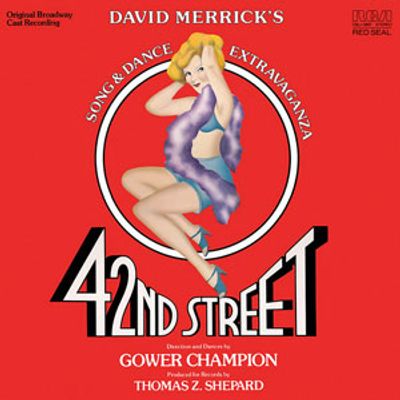
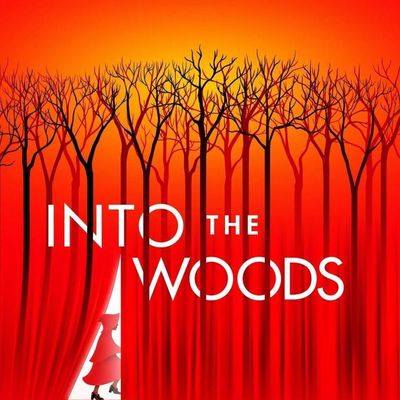
[0:33] Robert W. Schneider: Mac and Mabel, Into the Woods, 42nd Street.
[0:36] Kevin David Thomas: The original one.
[1:06] JOSHUA ELLIS: Hey, nice to be with you.
[1:08] Robert W. Schneider: Thank you.
[1:09] Kevin David Thomas: They are joining us.
[1:10] Robert W. Schneider: So happy to have you.
[1:10] JOSHUA ELLIS: Wait, flying across the stage.
[1:12] JOSHUA ELLIS: If you worked on Peter Pan, the Sandy Duncan production at the Lund Fontan Theater, on your birthday, you were invited to put on the flying harness, be attached to the flying wire, and fly back and forth across the stage of the Lund Fontane.
[1:28] Kevin David Thomas: Picking my jaw up off the floor.
[1:30] JOSHUA ELLIS: Let me tell you, flying is as fabulous a thing as you can imagine.
[1:36] JOSHUA ELLIS: It is great.
[1:38] Kevin David Thomas: Oh my god, what a great experience.
[1:40] JOSHUA ELLIS: I would have been terrified.
[1:41] Kevin David Thomas: You weren't terrified.
[1:42] JOSHUA ELLIS: You had a great time.
[1:43] Kevin David Thomas: Not at all.
[1:44] Robert W. Schneider: Did you sing while you were flying?
[1:46] JOSHUA ELLIS: Of course.
[1:47] Kevin David Thomas: And you didn't.
[1:48] JOSHUA ELLIS: Right.
[1:48] Kevin David Thomas: I'm flying.
[1:49] JOSHUA ELLIS: What song would I say?
[1:51] JOSHUA ELLIS: Built in.
[1:52] Kevin David Thomas: What's that horrible 60s one?
[1:54] JOSHUA ELLIS: Up, up and away.
[1:55] Kevin David Thomas: No, no, no.
[1:56] JOSHUA ELLIS: No beautiful.
[1:56] Kevin David Thomas: Okay, great.
[1:57] JOSHUA ELLIS: Awesome.
[1:57] Kevin David Thomas: I won't sing.
[1:58] JOSHUA ELLIS: Um, what does a press agent do?
[2:02] JOSHUA ELLIS: A press agent creates the image of a show.
[2:05] JOSHUA ELLIS: And I think that people forget that when we are hired, it's just a script.
[2:11] JOSHUA ELLIS: It's not the finished production.
[2:12] JOSHUA ELLIS: It doesn't look like it's eventually gonna look when the curtain goes up on opening night.
[2:18] JOSHUA ELLIS: In the old days, I used to get, if it was a musical, I'd get a cassette sometimes of the songs, particularly if they were new songs.
[2:27] JOSHUA ELLIS: And we would have to create an image, and that image covered everything from working with the advertising agency on a logo.
[2:36] JOSHUA ELLIS: Yeah, and how do you describe the show, and how do you entice people to come?
[2:36] JOSHUA ELLIS: And how do you present the show to the critics so that you've gotten them excited enough to see it, but haven't given away the goods.
[2:49] JOSHUA ELLIS: So when they do see it, they'll go, ooh.
[2:52] JOSHUA ELLIS: And what pictures you use before the show opens, and what pictures you use after the show opens.
[3:01] JOSHUA ELLIS: Everything, every aspect of coming to see a show and it's and the image that's created for it.
[3:08] JOSHUA ELLIS: And it's a lot of different steps because before the show opens, it's all about seduction.
[3:14] Kevin David Thomas: Right.
[3:14] JOSHUA ELLIS: And afterwards, it's about becoming part of the vocabulary.
[3:19] JOSHUA ELLIS: And I I how quickly does it happen?
[3:23] JOSHUA ELLIS: I worked on a Royal Shakespeare Company production of The Life and Adventures of Nicholas Nickleby.
[3:29] JOSHUA ELLIS: Short little show.
[3:29] JOSHUA ELLIS: Okay, short little show, nine hours.
[3:33] JOSHUA ELLIS: And I had seen it in London.
[3:35] JOSHUA ELLIS: It was totally brilliant, but it was two things here that were hard.
[3:39] JOSHUA ELLIS: First, first convincing people to go to see something that lasts nine and a half hours, not nine hours, excuse me, and the fact that the tickets were all $100, no matter where you sat in the theater.
[3:49] JOSHUA ELLIS: And people and $100 in those days was I think the top price for a Broadway musical was $27.50 at the time.
[3:57] JOSHUA ELLIS: So $100 was a big investment.
[4:00] JOSHUA ELLIS: And um ticket sales originally were not good.
[4:06] JOSHUA ELLIS: But over a period of time we created an image of what the show was, and Trevor Nunn was brilliant because he made had something happen within 10 minutes of the show starting.
[4:19] JOSHUA ELLIS: When the people came into the theater, the actors in the cast were mingling with them and giving them muffins without any explanation of why muffins.
[4:30] JOSHUA ELLIS: And about 10 minutes into the show, you were asked to throw the muffins at the show's villain.
[4:36] JOSHUA ELLIS: And from the moment people threw the muffins, they relaxed and went, oh, this might be nine hours of fun and enjoyment, and the relaxation happened, and you could feel from that moment on through the rest of the eight plus hours, that magic was happening to every last one of them.
[5:08] JOSHUA ELLIS: And for a at that time, any Broadway coverage, and you'll understand the power of Time magazine.
[5:16] JOSHUA ELLIS: At the time, it had 25 million readers.
[5:20] JOSHUA ELLIS: Okay.
[5:21] JOSHUA ELLIS: Now three million.
[5:22] JOSHUA ELLIS: So you'll understand the cover of Time Magazine was iconic.
[5:26] JOSHUA ELLIS: So, and how do we know that it's part of the public consciousness?
[5:30] JOSHUA ELLIS: Because three days after the cover of Time magazine, Johnny Carson told a joke and said, Well, it's longer than Nicholas Nickleby.
[5:40] JOSHUA ELLIS: And the audience got it.
[5:42] JOSHUA ELLIS: And you go, oh my God.
[5:44] JOSHUA ELLIS: If the audience at the John watching the Tonight Show gets a Broadway reference that quickly, you have made it into the public consciousness.
[5:54] JOSHUA ELLIS: So that's probably the prime example of like how you get weave yourself into the public consciousness as opposed to like something like 42nd Street where everyone's thinking it's the movie, and you have to differentiate it and make sure that people understand it's the show.
[6:13] JOSHUA ELLIS: And when you were listing those shows, the I mean the The Elephant Man was a hard sell.
[6:19] JOSHUA ELLIS: I mean, people didn't want to see a show about a deformed man.
[6:23] Kevin David Thomas: And how do you make it appealing?
[6:25] JOSHUA ELLIS: So how do you?
[6:26] JOSHUA ELLIS: Okay, well, first you have to explain that Philip Anglam, who played the Elephant Man, John Merrick, was stay didn't do it with body like makeup or anything.
[6:38] JOSHUA ELLIS: He just twisted his body.
[6:40] JOSHUA ELLIS: When we did pictures, we slightly made him less twisted than he was in the actual show.
[6:47] JOSHUA ELLIS: So it wasn't quite as off putting.
[6:51] JOSHUA ELLIS: And I I think that people would get got the fact that there was something besides the um seeing, oh, we're gonna go to see the show, and we're gonna be watching a deformed person for two and a half hours, which sounds very off putting.
[7:09] JOSHUA ELLIS: And it wasn't, I mean, you know, Bernard Pomerantz's show delivers the goods.
[7:15] Kevin David Thomas: Yeah.
[7:16] JOSHUA ELLIS: So, in your entire career, I mean, every project you take on has a challenge in it in some way.
[7:22] JOSHUA ELLIS: But which one did you look at or did you read and go, oh my god, how am I gonna market this?
[7:27] JOSHUA ELLIS: Okay, probably the best example was the revival of Mornings at Seven.
[7:35] JOSHUA ELLIS: Because we had to research it because part of the job of a press agent is to research the show.
[7:40] JOSHUA ELLIS: And I found out that in 1938 it had been produced on Broadway, directed by JOSHUA Logan, and it was a big flop.
[7:48] JOSHUA ELLIS: It was revived off Broadway in the 50s and a big flop.
[7:52] JOSHUA ELLIS: Of course, one of our tasks is reading the script.
[7:56] JOSHUA ELLIS: I read the script, and I thought it was so boring.
[7:58] JOSHUA ELLIS: I called it the three-act hallmark card.
[8:01] JOSHUA ELLIS: And it was um that's really part of part of these my working on a show was always to ask the director if I could come to watch rehearsals.
[8:21] JOSHUA ELLIS: How to take a cigarette and snub it out in an ashtray.
[8:26] JOSHUA ELLIS: And he spent easily a half hour trying to do this.
[8:43] JOSHUA ELLIS: I mean, it's just it's it's a boring play, boringly directed.
[8:48] JOSHUA ELLIS: And then I watched the first preview, and magic happened, and the audience laughed and fell in love with those people on stage, the way I have never seen an audience fall in love with characters before.
[9:07] JOSHUA ELLIS: They became part of their family.
[9:11] JOSHUA ELLIS: And the stuff that seemed boring was just so human.
[9:16] JOSHUA ELLIS: And these four sisters played by Maureen O'Sullivan, Teresa Wright, Elizabeth Wilson, and Nancy Marshand, were amazing.
[9:26] JOSHUA ELLIS: They were so what they were on stage is what they were in their dressing rooms.
[9:33] JOSHUA ELLIS: They became four sisters.
[9:35] JOSHUA ELLIS: And it the show famously on opening night, um, we had one critic, Stuart was this Klein?
[9:46] JOSHUA ELLIS: I'm trying to think, was it Stuart Klein?
[9:48] JOSHUA ELLIS: I'll remember back, okay.
[9:49] JOSHUA ELLIS: But I'm pretty sure it was Stuart Klein.
[9:53] JOSHUA ELLIS: Um, who when he reviewed the show, the show opened while the New York City had a transportation strike.
[10:01] JOSHUA ELLIS: So that they put the theater TV theater critics, these in the old days we used to have five TV theater critics for your audiences who don't remember that we had five TV theater critics.
[10:12] JOSHUA ELLIS: Um they put them on double duty during the day they'd cover the strike, and in the evening they'd review shows.
[10:20] Kevin David Thomas: Oh no.
[10:21] JOSHUA ELLIS: Um critic was Chauncey Howell, forgive me, okay?
[10:28] JOSHUA ELLIS: Chauncey Howell.
[10:29] JOSHUA ELLIS: Okay.
[10:30] JOSHUA ELLIS: And um Chauncey Howell, who was very dapper, used to wear a bow tie, looked very crisp and look fine, walked into the theater looking like death, like he had just done like the uh a bus and tour of the death of a salesman.
[10:46] JOSHUA ELLIS: And he said, How long is it?
[10:49] JOSHUA ELLIS: And I said, It's two hours and 45 minutes.
[10:53] JOSHUA ELLIS: How many acts?
[10:55] JOSHUA ELLIS: Three.
[10:56] Chauncey Howell: I'll never get through actually.
[10:58] JOSHUA ELLIS: Oh god.
[10:58] JOSHUA ELLIS: And I'm thinking, okay.
[11:00] JOSHUA ELLIS: Don't tell me this.
[11:00] JOSHUA ELLIS: We don't like we don't like uh the show uh it needs everything it could possibly get.
[11:06] JOSHUA ELLIS: Okay, so flash forward a few hours later, we're sitting in the advertising agency watching the TV reviews, and Chauncey Howell starts his review by saying this show was really about me and my family, and the ladies on the stage were really my mother and her sisters.
[11:27] JOSHUA ELLIS: Oh wow, and he started to cry and cry and cry, and he couldn't get words out, and he finally blurted out this is the best show I have ever seen.
[11:41] JOSHUA ELLIS: You must see this show, okay?
[11:45] JOSHUA ELLIS: Parallel life, okay.
[11:47] JOSHUA ELLIS: The New York Times has no interest in Mornings at Seven at all.
[11:53] JOSHUA ELLIS: I mean, it was the smallest Hirschfeld reproduction ever.
[11:58] JOSHUA ELLIS: It is such a small Hirschfeld in the arts and leisure section that it you could not read the Nina's because the ink was so close.
[12:07] JOSHUA ELLIS: We'll go with that's another whole nother story, but anyway, um so the morning of the show's opening, the New York Times says we'd like to send a reporter and a photographer to come to see the show.
[12:22] JOSHUA ELLIS: And why?
[12:25] JOSHUA ELLIS: Because I mean, you know, they certainly haven't covered it, though, although we know their critic Walter Kerr has seen it.
[12:30] JOSHUA ELLIS: To add complications, Walter Kerr once wrote a book called How Not to Write a Plague.
[12:36] JOSHUA ELLIS: Okay.
[12:36] JOSHUA ELLIS: And he used the example of Mornings and Seven as a show in which nothing happens.
[12:44] JOSHUA ELLIS: So he is not only on record, it's not like a Mornings in Seven, it's a chapter in his book.
[12:50] JOSHUA ELLIS: Literally, yes.
[12:51] JOSHUA ELLIS: Okay, lit literally has gone on record.
[12:54] JOSHUA ELLIS: Okay.
[12:55] JOSHUA ELLIS: So we finally, that right after Chauncey's review on TV, we get the print copy of Walter Kerr's review.
[13:03] JOSHUA ELLIS: And he calls it Merry Mellow and Just a Bit Mad, and it's a out and out rave.
[13:12] JOSHUA ELLIS: And so from that first you would say, like, when was I most surprised?
[13:17] JOSHUA ELLIS: That show surprised me in every aspect.
[13:22] Kevin David Thomas: Wow.
[13:22] JOSHUA ELLIS: I wish I could have seen it.
[13:23] Kevin David Thomas: Yeah.
[13:25] JOSHUA ELLIS: It was a flawless production.
[13:27] JOSHUA ELLIS: I mean, just people go back and say they don't like it.
[13:33] JOSHUA ELLIS: They love it.
[13:34] JOSHUA ELLIS: It's it's kind of uh uh a beloved and revivals, you know, now we sort of like go in and we all know them.
[13:42] Kevin David Thomas: Right.
[13:42] JOSHUA ELLIS: I mean, how many times do we rediscover something?
[13:46] JOSHUA ELLIS: Well, exactly.
[13:47] JOSHUA ELLIS: But that was the magic of it.
[13:48] Kevin David Thomas: That's wonderful.
[13:49] JOSHUA ELLIS: So now we're gonna jump back in time.
[13:51] Kevin David Thomas: Where'd you grow up?
[13:52] JOSHUA ELLIS: Philadelphia.
[13:53] JOSHUA ELLIS: Philadelphia try out town.
[13:56] Kevin David Thomas: Okay, okay, let's talk about 1964, okay?
[14:02] JOSHUA ELLIS: Um, I was reborn in 1964.
[14:06] JOSHUA ELLIS: I was not born in 1964.
[14:09] JOSHUA ELLIS: Okay, we have Philadelphia tryouts.
[14:13] JOSHUA ELLIS: In the early part of 1964, we have Beatrice Lilly and Tammy Grimes in High Spirits.
[14:21] JOSHUA ELLIS: Anyone's arrangements, Billy Goldenberg, who we just talked to.
[14:25] JOSHUA ELLIS: Angela Lansbury and Lee Remek in Anyone Can Whistle.
[14:30] JOSHUA ELLIS: There's so many tryouts that one almost slips through my fingers.
[14:35] JOSHUA ELLIS: And it's a musical that was playing at the forest that needs more work.
[14:40] JOSHUA ELLIS: And so they decide to move it to yet a different theater.
[14:44] JOSHUA ELLIS: They moved it to the Erlanger Theater for additional work before it came into New York.
[14:50] JOSHUA ELLIS: And it was the one that I just didn't get tickets for.
[14:53] JOSHUA ELLIS: I mean, there were so many other things to see.
[14:55] JOSHUA ELLIS: And I was in Spanish conversation class, and the guy behind me took the point of his compass and shoved it in my back and said, You must see Funny Girl.
[15:08] JOSHUA ELLIS: It's moving to the Erlanger Theater, and you will never forgive yourself if you miss it.
[15:15] JOSHUA ELLIS: My mother will drive us down to the Erlanger Theater after school to buy tickets. So you must see it.
[15:25] JOSHUA ELLIS: I said, absolutely. He took the point out of my back. Okay. So when you think that that was the try-out era, and I would see everything with my sister Jill.
[15:37] JOSHUA ELLIS: Yeah. And after she was four years younger than I. And after the show, we would always go backstage. And I suppose if you're 15 years old and your sister's 11, there was no issue. There wasn't like there were police barricades or anything like that.
[15:53] JOSHUA ELLIS: We would like to say, we would like to see Miss Lily. Well, you would just go into the stage door and just walk right in. Just walk right in. Okay. And they'd say, Well, would you hold on a moment, please? And then there would always be somebody who represented Beatrice Lilly who would come down and escort you up to the dressing room.
[16:11] JOSHUA ELLIS: And I remember specifically, like B Lily couldn't have been more charming and more delightful. And after we were done with B Lily, we were walking down the down the hallway of the dress of the where the dressing rooms are, and the door of Tammy Grimes' dressing room was open.
[16:28] JOSHUA ELLIS: So we just, you know, we knocked on the door, and I had my very first experience of talking to an actor in a mirror. You know, when they look in the mirror and you're looking in a mirror. I thought that was like the neatest thing possible.
[16:40] JOSHUA ELLIS: And she was wearing a robe that opened up, and I saw her nipples. And it was like, I saw Tammy Grimes' nipples. Oh my God. This was like I if you so the experience of going to the theater, the show was fabulous. And you know, she flew too in the show.
[17:03] JOSHUA ELLIS: Oh yeah, that's right. Oh, because she plays the ghost in New York. Right, she's Elvira. Yeah. So she flies, and at the end of the show, they all fly. And um, so it was amazing. So the idea that we would see the shows, we knew the layout of the dressing rooms, so it was not a big deal in time.
[17:21] JOSHUA ELLIS: It was like you buy the tickets, you see the show, you go backstage. I mean, that was it. And you know, it was that same year it was okay. It was like Bajour. So we met Chita Rivera and Nancy Dusseau and Hersha Benoit, Bernardie, and Ben Franklin in Paris, and we met Robert Press.
[17:42] JOSHUA ELLIS: Of course. Oh yeah. So it was okay. So March 25th, 1964. It all gets topped when I get standing room to see the Wednesday matinee of Hello Dolly when it is brand new. And I am watching the show, and I am absolutely convinced in the moment of watching the show that I have to be part of the Broadway community.
[18:12] JOSHUA ELLIS: I know it, I don't have any idea how I don't think I had would be as an actor. But I and I didn't, it's not like I loved the theater. I wanted Broadway. To me, it was Broadway. I had grown up in Philadelphia. I mean, our parents took us to tryouts.
[18:33] JOSHUA ELLIS: The first I wanted to see Gypsy. They said it was not for children, so I missed Ethel Merman and Gypsy. So I saw the show, the next big show that played there, which was Wildcat with Lucille Ball. So I mean, it's not, you know, it's not like, oh, poor little baby he'd miss Gypsy. I mean, darn.
[18:53] JOSHUA ELLIS: I mean, I had there were compensations. I mean, it was Sail Away. I mean, you know. Yeah, so I mean, there were like Tavarish with Vivien Leigh. I mean, so I mean, it was like, so by the time I saw Hello Dolly, it wasn't like, oh, this is my first show. It was like something magical, astonishing happened, and I knew that I had to be part of this community.
[19:19] JOSHUA ELLIS: And Hello Dolly is emblematic because over the years, if you look at the title page of the cast album, I got to work with David Merrick and Carol Channing and Gower Champion and Michael Stewart and Jerry Herman, and all of these people who were gods in my mind. And they were they were an R to me, what the theater is.
[19:45] Kevin David Thomas: That's beautiful. Is Hello Dolly your favorite musical if you had to pick one?
[19:50] JOSHUA ELLIS: I would say Hello Dolly and The King and I.
[19:55] Kevin David Thomas: Okay.
[19:57] JOSHUA ELLIS: Okay, because and they're kind of different. And I've worked on both of them.
[20:01] JOSHUA ELLIS: And The King and I a lot, too. I mean, The King and I kind of weaves in and out of my life.
[20:06] Kevin David Thomas: Yeah.
[20:07] JOSHUA ELLIS: It's emblematic. And um those are two good ones. I think those are two two great ones.
[20:14] Kevin David Thomas: Uh, do you remember the first Broadway show you saw, the first one your parents took you to?
[20:18] JOSHUA ELLIS: Uh my on Broadway, My Fair Lady, but not the original cast.
[20:22] Kevin David Thomas: Okay.
[20:23] JOSHUA ELLIS: And in my show, Call My Bubble, I talk about how disappointed I was, because I assumed that if you go to see a show, the names on the original cast album would be in the show.
[20:34] JOSHUA ELLIS: And of course this before.
[20:36] Kevin David Thomas: Yes, yes.
[20:37] JOSHUA ELLIS: I've heard this before from other people.
[20:38] Kevin David Thomas: So it's it's like it was a shock to me that Edward Mulher and Sally Ann House were in it, and I refused to go into the theater.
[20:47] JOSHUA ELLIS: And uh there was a big to-do about me sitting out there on West 51st Street, like carrying on.
[20:54] Kevin David Thomas: Amazing.
[20:56] Kevin David Thomas: So you have standards, JOSHUA. You have standards.
[21:01] JOSHUA ELLIS: Like I had these standards at nine.
[21:03] Kevin David Thomas: Yeah, you know, that's Miles?
[21:05] JOSHUA ELLIS: I love it like you already had your tastes.
[21:07] JOSHUA ELLIS: I was like, and um, I don't think they were as good as Rex Harrison and Julie Andrews.
[21:12] Kevin David Thomas: Probably not.
[21:13] JOSHUA ELLIS: You know, and so the second Broadway show we saw on Broadway was The Sound of Music.
[21:20] JOSHUA ELLIS: And it was in fact Mary Martin.
[21:23] JOSHUA ELLIS: So it was like oh yes, she sounds just like the cast album.
[21:28] Kevin David Thomas: That's beautiful. Where was college for you?
[21:30] JOSHUA ELLIS: Uh Villanova University.
[21:31] JOSHUA ELLIS: Villanova University. Which is right outside Philadelphia.
[21:34] JOSHUA ELLIS: And I was in an undergraduate, I was the theater critic on the school's newspaper.
[21:42] JOSHUA ELLIS: Loath, I have to say.
[21:46] JOSHUA ELLIS: Tough tough critic.
[21:47] JOSHUA ELLIS: Well, I had to review the shows that the school did as well as Philadelphia tryouts, you know.
[21:53] JOSHUA ELLIS: So I I was not exactly loved by the theater department.
[21:57] JOSHUA ELLIS: And um after four years of graduate school, I'm sorry, undergraduate, I student taught for four days.
[22:08] JOSHUA ELLIS: No, three. Three days.
[22:10] JOSHUA ELLIS: Three. Long career.
[22:11] JOSHUA ELLIS: The long, it was like Labor Day, then the next day off, and then the three days that followed Labor Day.
[22:17] JOSHUA ELLIS: By that Friday, I knew this is ridiculous.
[22:20] JOSHUA ELLIS: I mean, what I have always thought that teaching would be my fallback position.
[22:25] Kevin David Thomas: Right.
[22:25] JOSHUA ELLIS: But I didn't like it.
[22:27] JOSHUA ELLIS: I hated it.
[22:27] Kevin David Thomas: What'd you what was your major that you education?
[22:30] JOSHUA ELLIS: Oh, so it wasn't education.
[22:32] Kevin David Thomas: Yeah.
[22:32] JOSHUA ELLIS: And then um right after the the third day of school that Friday, I went to the theater department in Villanova and said, would you consider me for uh you know, attending the Villanova graduate school in theater?
[22:49] JOSHUA ELLIS: And they said, Well, you know, you're not very liked by people here.
[22:54] JOSHUA ELLIS: And I said, Well, I have to work through that.
[22:58] JOSHUA ELLIS: That will be my responsibility.
[23:00] Kevin David Thomas: Okay.
[23:00] JOSHUA ELLIS: And they said, Would you consider an assistantship in publicity?
[23:05] JOSHUA ELLIS: And I thought, well, why not? I don't really know what it entails, but it had not crossed your mind up until this point.
[23:14] JOSHUA ELLIS: No.
[23:14] JOSHUA ELLIS: That no, I mean that, you know, get publicity.
[23:18] Kevin David Thomas: Okay, so the it's a university theater, and how hard is it going to be to get publicity, I think.
[23:24] JOSHUA ELLIS: And it turned out to be not only easy, like the easiest thing ever, because uh the playwright in residence was David Rabe.
[23:34] JOSHUA ELLIS: And he was writing plays that we were doing at Villanova that Joe Papp came to see and was doing, and he would move them to the public theater.
[23:44] JOSHUA ELLIS: So tryout. It was amazing because we're talking about like Sticks and Bones and Streamers, and so it was getting publicity for a theater that was getting national attention because of Joe Papp.
[24:04] JOSHUA ELLIS: And I got tons of publicity on the theater. And Joe Papp came when he came down once, he said, if you'd ever like to do this professionally, let me know because uh, you know, I I I think that I could get you a job.
[24:18] JOSHUA ELLIS: Oh and I thought, well, that's pretty great.
[24:21] JOSHUA ELLIS: So I had a letter of recommendation from Ernie Shear, who was the critic of the Philadelphia Bulletin, and a letter of recommendation from David Rabe, and armed with, okay, so I call up Joe Papp in his office as to call Bob Ullman, who is a great, great press agent, including A Chorus Line, and he said, Um, I don't have anything but call Ruth Cage, and you will love her, and she will love you.
[24:50] JOSHUA ELLIS: And so I made an appointment to see Ruth Cage, and um she asked me one question, I gave her one answer, and she said, 'You're hired.' I moved to New York, and my first show that I ever worked on was Sleuth.
[25:04] JOSHUA ELLIS: Sleuth. Which was then in its like its third year. And it was like that was that.
[25:14] JOSHUA ELLIS: I mean, I got my foothold on Broadway, and I got an apprenticeship, which you need to do to you have to be an apprentice for three three years.
[25:22] JOSHUA ELLIS: And one of my apprentice shows after I did Sleuth and then Veronica's Room, a quick flop, and then I moved to a different office.
[25:30] JOSHUA ELLIS: And my show, the my apprenticeship show was Pippin, and it didn't close.
[25:36] JOSHUA ELLIS: It kept running. So you know, and so, and it was not, it had already been running, but a lot of uh Ben Vereen was still in it, John Rubenstein was in it, uh Betty Buckley had replaced Jill Clayburgh.
[25:48] JOSHUA ELLIS: Oh my goodness. Dorothy Stickney had replaced Irene Ryan. But I mean, you know, I'm working with the original mother from Life with Father.
[25:55] Kevin David Thomas: Yeah.
[25:56] JOSHUA ELLIS: I mean, does that make me feel like I've been like in the theater a hundred years? You know, it's yeah.
[26:01] JOSHUA ELLIS: Uh wild. But uh, you know, it's uh it's I loved watching the opening of the show.
[26:08] JOSHUA ELLIS: I think I have watched "Magic to Do" easily 200 times.
[26:13] JOSHUA ELLIS: Uh when you work on a show, one of the great pleasures is you can go into the theater and watch your favorite number over and over and over again.
[26:20] JOSHUA ELLIS: Whatever you want, but whatever you want yeah um I have watched "Shall We Dance" so many times, I cannot, it gives me a thrill every time that's why I'm flying yeah every time it's no matter what kind of day you've had and believe me as a press agent I mean it's all not like ooh this was a fun day I mean you know we've had we've had our challenges you know but but to go to the theater and and watch "Shall We Dance" just sort of puts everything therapy yeah it is it is massive therapy yeah you said that three years you have to apprentice that's regulated is that right is that I mean is that regulated the association of press agents and managers okay at PAM at PAM at PAM yes uh and and so um and you have to you apprentice with an agency and then once you those three years are up the agency then can are you guaranteed a position at that at that not necessarily and and also you have to make sure that you you have to find a show that's running so if you work on an apprentice if you were an apprentice on a show that doesn't run you have to do 20 it has to be 20 out of 52 weeks in a given year.
[27:27] JOSHUA ELLIS: So if like Veronica's Room didn't last long enough so I I needed another show so I could get my 20 weeks.
[27:36] JOSHUA ELLIS: Mac and Mabel David Merrick the the man who gave you Hello Dolly years earlier what was it like working for him I was so scared of David Merrick.
[27:46] JOSHUA ELLIS: I mean by reputation I had memorized that cover of Time magazine story about him. I talk a lot about it in my show because it was such an extraordinary experience but uh everything about Mac and Mabel was larger than life.
[28:05] JOSHUA ELLIS: At the first day of rehearsal, I met Robert Preston and he went, well, hello. And he went, well, the same way as Harold Hill did.
[28:14] JOSHUA ELLIS: And I'm like, I am floating on air. I'm floating on air. I I I hadn't he hasn't, he's only said hello, and I'm I'm like so thrilled.
[28:29] JOSHUA ELLIS: And Merrick is so quiet and intense, and he had these dark as coal eyes. And I always tried to avoid being anywhere near him because I knew he was famous for firing people.
[28:46] JOSHUA ELLIS: And I didn't want to do anything untoward where I would be fired like on the first day of Mac and Mabel, which would be like horrible. You know, it's like all these people.
[29:00] JOSHUA ELLIS: And I don't want to go into all the details because in the show, but we know that Bernard Ed Peters famously was not in the show when the show started rehearsals.
[29:11] JOSHUA ELLIS: Right. So I went through that whole experience with Merrick. And I suppose it was my first sad experience too, because I fell in love with it and probably saw it way more than a dozen times.
[29:24] JOSHUA ELLIS: Um, including opening night where part of the scenery fell. And the scenery fell at exactly the moment where the show changes tone.
[29:33] JOSHUA ELLIS: And I couldn't tell if the audience was it the piece of scenery dropping, or was it the fact that at that moment they are realizing that Mabel Norman is a drug addict?
[29:47] JOSHUA ELLIS: And it's like we have fallen in love with her for an act and a half, and then it gets really, really dark, and it never really recovers from it.
[30:01] JOSHUA ELLIS: So I don't know if it was both of the things happening, but whatever. But opening night was not wonderful, and it closed far earlier than I expected it to. And I never, there was one word I never asked David Merrick, which was why. I never said to him, like, why did you do this? Everything was sort of whatever he presented to me, I ran with it. But it was never a discussion. He's so famous for his publicity stunts, and I don't know if anything's in your show like this, but was there any crazy, you know, the ideas that he had that were of because you know he's done stuff way out of the box previously.
[30:44] JOSHUA ELLIS: Okay. He loved publicity stunts. I love publicity stunts. Oh. So it was a match made in heaven. And I think the greatest thrill of working on 42nd Street was that we collaborated in the most fun sense of collaboration. And I talk about the collaboration a lot in my show because I think it's interesting that he like you when you say thinking out of the box, remember we didn't have that expression at the time. It was just called using your imagination. I mean, being creative. And I would think that he gave me the permission to do that in large, large measure, so that I could present an idea to him and he would make it better. And then I would say, well, how about if we and then he would be, yes, but we could also do that.
And he was not afraid to spend money to do these things. And he was, I love the fact that I could be as outrageous as possible. There was no area where I would say, no, I have to pull back. It's not like every idea I gave him, he went, Oh, I love it. But I mean, he'd go, no, it's no good at all. No, you know, and that's how it's that's our first David Merrick. We haven't had a David Merrick in our history. Yeah, I think. I mean, he spoke very quietly, and you under like, and he would always whisper and act like he was just telling you the biggest piece of gossip, but quietly. And it would be like, oh, do you know what's happening at the theater? Oh keep your eye on Leroy Reims. You know, like you know, and it was like big brother, yeah.
And if it was I understood that his modus laborendi was he loved having fun, and that was wow. So if you stayed within those bounds, it was fine. And we had a kind of father-son relationship, so I saw things happen that were outrageous.
[33:13] JOSHUA ELLIS: And I'll give you an example of outrageous, okay. Gower Champion, this is not a spoiler, Gower Champion died on opening night of 42nd Street. We've talked about that. Um David Merrick hired uh uh what's it uh A Burrows to come in and just keep the show fresh, and because there was no director choreographer, there was clearly no lyricist around and composer, he just wanted A. Barrows. And um there was an afternoon where I was standing in the standing room of the Winter Garden with David Merrick, his new general manager, Leo Cohen, and myself. And Abe Barrows is up on the stage working with the actors, and David Merrick says to Leo on Leo's first day, who is that man on the stage? And Leo goes, it's it's A. Burrows.
And David Merrick says, Oh, and what did A. Burrows do in the theater? And Leo goes, like, is this a quiz? Right. I asked you, what did A. Burrows do in the theater? And Leo goes, well, I mean, he directed and wrote how to succeed, and uh Guys and Dolls and Cactus Flower. And Merrick says to him, fire him. And that was what Leo had to do on his first day. So that's what it was.
[34:49] JOSHUA ELLIS: So, I mean, the two of you, I have to explain to your audience. The two of you have your mouths open so wide. I was just not expecting that at all. Okay. That's Merrick Lance. That is such a classic Merrick story I've never heard before, but yet it's like, yep, there it is. And he's almost having fun in his own way, but it's so messed up. Okay, but okay. So years later, Leo Cohen and I are standing at the elevator of David Merrick's apartment. This is after his stroke, and we're with the advertising head, uh John Wilner, who did the advertising for 42nd Street. And John is a real musical comedy fan, and he said, I wonder if David Merrick knows how much joy he brought into my life. And Leo said he didn't mean to. That's a great one.
[35:50] JOSHUA ELLIS: All right, I have to ask, what's the greatest publicity stunt you ever pulled off? Um it's in my show, and I don't want to say that one. So I have I have to think of uh okay. I mean, there are a bunch, okay. I can only say one involved auditioning preteen tappers for 42nd Street. Oh, okay. Okay. One was having a camel ride down Broadway with Eartha Kitt. Tim Buck too. I was just gonna ask you. And um it turned out because of Melbourne Moore's not appearing, that I would rode the second camel, hence the logo of my show. Yes. Because I really did ride a camel down Broadway. And and just so just so you can see this, everybody. Uh Josh's website, callmypublicist.com, has the picture of Josh riding the camel, but it's an illustration. It's a beautiful illustration of Josh riding the camel. We'll we'll post this for our listeners, but uh make sure to go to Call My Publicist.com. You can take a look at it there as well.
[36:56] JOSHUA ELLIS: I see the laurel eye uh, but we've all I mean we've we've had uh oh yes okay I'll think I can talk about one okay that's not in the show oh okay publicity's not okay we did a production of Alice in Wonderland at the now what is now the um August Wilson Theater the old Anza Theater um it was directed by Eva LeGallienne who had directed the production on Broadway 50 years before and Kate Burton was played um Alice and there is in Alice in Wonderland a pig and we decided we were going to have I thought well we need a pig why don't we have a pig audition so um I had no idea like how do you get livestock in New York City apparently you just can't bring in pigs um I called Bill Berloni who was the trainer of the original uh Sandy and Annie and I asked him does he have a special Tony award for China yes yes Bill that that Bill Berloni and I said do you have any idea how I can get some baby pigs and he arranged for a 4-H club in New Jersey to come in.
So I not only got a dozen pigs but I got a l a dozen little children who were like really like five six and seven years old who were the pigs as it were handlers. And the hardest part was convincing Miss LeGallienne to allow an audition, and would she be the judge? And Miss Miss LeGallienne was a very serious actress, slash director, slash producer, slash translator. I mean, this is you know I mean, she's one of the great legends of the theater and not known for her humor. And um I asked her, and she said, Oh, Mr. Ellis, that would be fine, you know. And I said, and you have no no problem with judging the pig contest? And she said, I need to get an attractive baby pig for the show. Why not do an audition?
So um it was the biggest press turnout I've ever had, including the three network newses, which is like, you know, it's unheard of that like it like it was on like Walter Conkite that night, you know. And Miss LeGallienne never did it anything less than as seriously as she took it. I mean, the interviewer said to her, Well, well, you know, what are you looking for? And she'd say, an intelligent, attractive pig that can take direction. And they'd say, like, well, who's who's who will direct it? And she said, I will. They're easier to train than actors. And she's not saying it to be jokey. She's saying it's said serious. So it was an amazing audition, and it got tons in press. Didn't sell any tickets, alas, but I mean, that you know, that's that's a whole nother issue. But I mean, you know, it was it was fun to have all those squealing little baby pigs, and they squealed a lot.
[40:24] JOSHUA ELLIS: Oh my gosh. Now, you've worked with a lot of different celebrities. Um, which actor has been the savviest when it comes towards the press? Oh, Carol Channing. Bar none. I mean, Carol Channing is the master class on how to do publicity, how to do an interview, how to what to say, what not to say. Why? Uh okay, I'll give you an example. Okay. So uh she like when she would do a live interview, she knew that she could say anything because they couldn't edit it out. And this was before that kind of like delay beeping kind of thing. And by the way, in my show, I not only talk about these people, but I impersonate them. So you'll understand why I'm doing Carol Channing. So we're gonna get a Carol Channing impression.
We're gonna get Carol Channing. So I mean, she would do like she would do the Today show, and she would say, Well, yes, I'm doing Laura Ly or gentlemen stupid for blondes at the Palace Theater. Plaza 70505. Am I allowed to mention the phone number on TV? Well, I just did, you know, so it was like and her little blinky, like just like you did, because he's getting he's got the arms and everything, you guys. It's really good. Pretty great. We we know yes, that's we just say what comes to our minds. Oops, yeah. Yes, and she had an anecdote for everything, and she was also savvy, like whenever a group picture was taken, she always got onto the far right, which ended up being if you do identifications left to right, she was always the first one listed.
And Kim Kardashian before Kim Kardashian, in a way, like she's she knew everything, and I have to say, when you talk about Carol Channing, you also have to talk about her husband at the time, Charles Lowe. Of course. And Charles Lowe wrote much of her material. And there was always that. Okay, first she would always insist upon saying the name of the interviewer. So I remember we were doing, I was in her um hotel room in Chicago, and she was doing a local TV show, and she could not remember the name of the interviewer at all. It was a hard name. And I remember her sitting in the hotel room going, Oprah Winfrey, Oprah Winfrey, Oprah Winfrey, Oprah Winfrey, Charles, what kind of name is Oprah Winfrey?
And he'd go, like, Miss Channing, it's not important to know why her name is Oprah Winfrey. It's important for you to say her name. Oh Winfrey. Okay, we get into a the car to take us to the station, and she's sitting in the back seat. Oprah Winfrey, Oprah Winfrey. And then when she does the interview, like she'll be like, Well, thank you for asking me that question, Oprah Winfrey. You know? You know, it means it fit right in, you know. But it was it was I mean, I got to see the mechanics of it. Yes. But she was so savvy. She would ask questions like, How long is the interview? What is its purpose? Um she was she was very sure of the fact that this like an interview was not therapy. Don't um don't confuse the two.
You were there to promote whatever, fill in the blank, the show, the film, the whatever. That is your job. You were to talk about the show, you can push. And she also taught me a fabulous lesson, which was also augmented by learning from Yul Brynner. Ask the question you wish you had been asked, not the question you have been asked. And that's really key because sometimes the subject gets off the they ask you a an irrelevant question, and it's not here, of course. But they will thank you. Not of course. Oh, yes, you knew you were educated, yes. I can see your notes. Uh but um they might ask something that's irrelevant, like or or something that like like why are you doing a revival of gentlemen prefer blondes? And she wouldn't, it's just not a topic that she would like. I mean, because then you get on to revivals and are they as good as the original, all that kind of sh crap.
[44:56] JOSHUA ELLIS: So she would just, you know, she would just answer a question as long as you're interesting, they don't care.
[45:02] Kevin David Thomas: Right, right.
[45:04] JOSHUA ELLIS: If you're answering the question, the person has a list of questions.
[45:07] JOSHUA ELLIS: What difference does it make?
[45:09] JOSHUA ELLIS: Um, maybe you can confirm this for us. I've heard this rumor about her and Charles Lowe, which is, uh, if they were doing an interview, let's say for the Des Moines Register, and Tom from the Des Moines Register came in, they would keep notes on Tom in terms of like, oh, we, uh, uh, Tom has a wife and Tom likes fly fishing.
[45:27] Kevin David Thomas: And then the next time they were in Des Moines, she would go, Tom, how's the fly fishing?
[45:31] JOSHUA ELLIS: Is that it's in my show.
[45:33] Kevin David Thomas: Oh, okay.
[45:33] JOSHUA ELLIS: And we heard this, we heard this from Leroy, but we didn't know if it was a leader or exaggeration. Three by three by five cards on every interview that she did, starting with the time that she was married to Charles Lowe.
[45:44] JOSHUA ELLIS: So we're talking about mid-50s. And anything that came up about the person personally during the interview, she would mark in the card.
[45:54] JOSHUA ELLIS: So when the person left, she would write in a personal piece of information that happened at that time. So like if you said to me, oh, I'm going in for surgery or something, you know, oh what, you know, and the next time, well, I hope you've recovered from the surgery.
[46:12] Kevin David Thomas: And the person was like, Boy, does she remember me?
[46:15] JOSHUA ELLIS: That's amazing. But they were all on the three by five cards.
[46:18] Kevin David Thomas: Amazing.
[46:18] JOSHUA ELLIS: Index cards.
[46:20] Kevin David Thomas: Does anyone remember what they were?
[46:21] JOSHUA ELLIS: I mean, I'm saying, okay, well, I'm looking at about eight of them, and they're the only eight left in all the world.
[46:28] Kevin David Thomas: Kevin has them all.
[46:29] JOSHUA ELLIS: I know.
[46:30] JOSHUA ELLIS: Kevin, Kevin has all the index cards left in the universe.
[46:34] Kevin David Thomas: Okay, thank you.
[46:35] JOSHUA ELLIS: Because we were, I was just wondering.
[46:36] Kevin David Thomas: Yes, absolutely true.
[46:38] JOSHUA ELLIS: Tell us about Yul Brynner.
[46:40] JOSHUA ELLIS: Okay. I got to work with him on a summer tour of The King and I.
[46:46] JOSHUA ELLIS: And the only reason that I got to work on it was because nobody else in the office wanted to work with him because they had just done a show called Odyssey or Home Sweet Homer, depending on, and his reputation for chewing up and spitting out press agents was legendary.
[47:02] Kevin David Thomas: Oh.
[47:03] JOSHUA ELLIS: And nobody wanted anything to do with him, and the fact that it was just a summer tour.
[47:09] JOSHUA ELLIS: And it was like summer stock circuits.
[47:12] Kevin David Thomas: Yeah, yeah, the Goober Gross Plus, I would call it.
[47:16] JOSHUA ELLIS: And it was pretty obvious during that summer run that it was a magical combination. People wanted to see Yul Brynner and The King and I.
[47:24] JOSHUA ELLIS: And even in summer stock, you could tell something magical was happening.
[47:34] JOSHUA ELLIS: And The King and I is really what totally made me fall in love with show business originally.
[47:51] JOSHUA ELLIS: So I love, love the show, and I think that Yul Brynner understood that I love the show.
[47:57] JOSHUA ELLIS: And it really started a relationship that lasted literally until the day he died.
[48:03] JOSHUA ELLIS: I mean, you know, so, um, he was, if he trusted you and loved you, it could be an amazing experience.
[48:16] JOSHUA ELLIS: And I loved, loved working with him.
[48:21] JOSHUA ELLIS: I mean, he would make me dinner in his dressing room between matinee and evening.
[48:26] JOSHUA ELLIS: Um, he had a walk-in his dressing room, a gigantic dressing room, and it a gigantic, uh, walk-in it, and he would start heating the walk during Small House of Uncle Thomas, so it would be ready to cook by the end of the show.
[48:42] JOSHUA ELLIS: And when you work on a show, there's like this life of the show, and then what people don't understand, there's like a whole nother universe happening backstage, and you can time things perfectly to it.
[48:55] Kevin David Thomas: Yes, so, um, he ruled the domain backstage at the US now Gershwin Theater, and over meals, he just was my great teacher.
[49:06] JOSHUA ELLIS: I, it wasn't just, you know, yes, he told me who he was romantically involved with over the years, and then he, but didn't do it in a bragging way.
[49:17] JOSHUA ELLIS: It was sort of like, well, that happened when I was seeing Marena.
[49:20] JOSHUA ELLIS: You know, you know, that's what, you know, Judy could be so fragile.
[49:25] JOSHUA ELLIS: You know, and you know, you would, I would just like take it in, you know.
[49:30] JOSHUA ELLIS: And he had an extraordinary life, but he was also an extraordinary photographer and an acrobat, and he loved doing acrobatic stunts, and he loved the cast, a quick cast story, okay.
[49:42] JOSHUA ELLIS: We, um, we had obviously tiny royal Siamese children, right?
[49:50] JOSHUA ELLIS: And the smallest child outgrew the part of the smallest one and had to be moved up to a less conspicuous role as another Royal Siamese child, but not featured.
[50:03] JOSHUA ELLIS: And he was just so sad.
[50:05] JOSHUA ELLIS: And his mother, who was also in the show, asked Yul Brynner if he would speak to her son.
[50:12] JOSHUA ELLIS: And the little boy went into the dressing room and came out beaming.
[50:20] JOSHUA ELLIS: And his mother said, Well, what did you say to him?
[50:23] JOSHUA ELLIS: And he said, I told him that he has to be a professional, and if he stays a professional and does his job well, one day he might even play the crown prince.
[50:23] JOSHUA ELLIS: And if he stays in the business and applies himself and learns to be a true professional, maybe one day he will play the king.
[50:43] JOSHUA ELLIS: And that's, that's the Yul Brynner I love because it's not, it's not the one that people say.
[50:52] JOSHUA ELLIS: We hear about like the brown dressing room stories and stuff like that.
[50:55] JOSHUA ELLIS: And all that, those are, that becomes lore in a way and takes on a whole lot of the colors.
[50:58] JOSHUA ELLIS: And totally, totally true.
[51:00] Kevin David Thomas: Yeah, I think, I mean, I don't, I might mean not to meet, you know, and you had to do things his way, but ultimately, I mean, there's a wonderful line in the play where, um, the king says of he, of King, uh, Prince Chula Longhorn just before the king dies, he says he has been trained for royal government.
[51:22] JOSHUA ELLIS: And I think that I was trained for royal government by Yul Brynner.
[51:27] JOSHUA ELLIS: I mean, it was, but, and we did the cast album on Halloween, and the kids had to be in the recording studio.
[51:37] Kevin David Thomas: No trick treating for them, yeah.
[51:38] JOSHUA ELLIS: Right.
[51:39] JOSHUA ELLIS: So the following year, he threw a Halloween party for the casting company, and he put on a costume, and so it was like, it was a true family, yeah, though he absolutely hated the producers and the general manager.
[51:57] JOSHUA ELLIS: I mean, thank God they had, they hired Fred Walker as their production associate because he really liked Fred, but everything, he would not talk to the producers, he would not talk to the general manager, he would only talk to Fred Walker.
[52:14] Kevin David Thomas: Wow.
[52:14] Kevin David Thomas: Wow.
[52:14] JOSHUA ELLIS: And if there was ever a problem, they would, they would either ask me or ask Fred to talk to him.
[52:21] Kevin David Thomas: Great to know that other side of him.
[52:23] JOSHUA ELLIS: Yeah, it isn't refreshing to hear this.
[52:25] Kevin David Thomas: I feel like we don't get to hear enough of these kinds of anecdotes.
[52:28] JOSHUA ELLIS: I think that's really special.
[52:30] JOSHUA ELLIS: We don't get the idea that like people will go, oh, he's imperious.
[52:35] Kevin David Thomas: Okay, yes, there's imperious.
[52:37] JOSHUA ELLIS: Yes.
[52:37] JOSHUA ELLIS: He did have, in fact, in his car on an elevator in the Euris Theater, so he never had to like sign autographs or anything.
[52:46] JOSHUA ELLIS: He would get in his car, it would take him up to the dressing room level, he would get out, and then after the show, down it went.
[52:53] Kevin David Thomas: Okay.
[52:54] JOSHUA ELLIS: But, okay, but okay.
[52:56] JOSHUA ELLIS: Then we have a visit backstage from Barbra Streisand.
[53:01] JOSHUA ELLIS: Okay.
[53:02] JOSHUA ELLIS: And we was a client of the office that I worked in.
[53:07] JOSHUA ELLIS: So my job was taking Barbra Streisand to The King and I.
[53:12] JOSHUA ELLIS: And it was first prickly because she realized that I was the press agent of the show and for her.
[53:22] JOSHUA ELLIS: So I said, you know.
[53:23] JOSHUA ELLIS: And she said, Well, why am I going backstage?
[53:26] JOSHUA ELLIS: I said, because you, you said you wanted to.
[53:29] JOSHUA ELLIS: And she goes, Well, yeah, Yul Brynner is like the first star that ever came back to see me.
[53:33] JOSHUA ELLIS: So, I mean, it was like she wanted, she wanted to go backstage, but then when she found out that I was associated with both, there was, she was, there was reluctance.
[53:42] Kevin David Thomas: Oh, interesting.
[53:43] JOSHUA ELLIS: And then she, she got on the stage and she was, Yul Brynner cleared out the entire theater and the curtain down, and she met the entire cast on the stage.
[53:52] JOSHUA ELLIS: And she said, She is a fellow pre, she is a fellow, fellow professional, no photographs.
[53:58] JOSHUA ELLIS: So everyone was incredibly well behaved.
[54:02] JOSHUA ELLIS: And Milton Rosenstock, who was the musical director, a fabulous man, we have to talk about Milton.
[54:08] JOSHUA ELLIS: Um, was the musical director who was also the musical director of Funny Girl.
[54:13] Kevin David Thomas: Right.
[54:14] JOSHUA ELLIS: So like the two, as soon as she saw Milton, all that Streisand nervousness, right?
[54:22] JOSHUA ELLIS: Whatever, yeah.
[54:23] JOSHUA ELLIS: Totally disappeared.
[54:25] JOSHUA ELLIS: The two of them were like huggy kissy, and everything was fine.
[54:28] JOSHUA ELLIS: And she goes, Oh, now to get out of the theater.
[54:31] JOSHUA ELLIS: He goes, Barbara, do you have a car?
[54:33] JOSHUA ELLIS: She goes, Of course I have a car.
[54:35] JOSHUA ELLIS: She goes, What I want to do, I will get my, uh, my car out of the elevator.
[54:39] JOSHUA ELLIS: They will bring your car in.
[54:41] JOSHUA ELLIS: We will take the, uh, your car up to this day, up to this level, and you will be able to leave the theater without having to talk to anyone.
[54:49] Kevin David Thomas: You do this every night?
[54:51] JOSHUA ELLIS: This is like totally great.
[54:53] JOSHUA ELLIS: I mean, she's like, it's like seeing the side of Barbra Streisand, like she just loved the elevator.
[55:00] JOSHUA ELLIS: I mean, it was like between the elevator and Milton, it was like a totally perfect experience.
[55:06] JOSHUA ELLIS: Lena Horne.
[55:07] Kevin David Thomas: Yeah.
[55:09] JOSHUA ELLIS: So The Lady and Her Music, which was a juggernaut when it first debuted.
[55:16] JOSHUA ELLIS: I loved Lena.
[55:16] JOSHUA ELLIS: And it was a relationship that grew because I was not a big Lena Horne fan or groupie or anything when we worked on the show.
[55:26] JOSHUA ELLIS: Um, I had been told that she was standoffish.
[55:30] JOSHUA ELLIS: So, and whenever you work with a famous person, you always hear about their reputation, whether it turns out to be true or not.
[55:36] JOSHUA ELLIS: In some cases, you go, oh Lord.
[55:38] JOSHUA ELLIS: Well, I'm glad I was warned about that.
[55:41] JOSHUA ELLIS: Um, she was a total pro.
[55:44] JOSHUA ELLIS: And the total pro part came when we started the first preview, and the first preview with the Niederlander Theater was just awful.
[55:55] JOSHUA ELLIS: Uh, it just didn't work.
[55:58] JOSHUA ELLIS: It was very long and very boring, and she seemed to just go on and on and on.
[56:05] JOSHUA ELLIS: And it's hard when you're a press agent, like you have to seem enthusiastic, but you also don't want to seem like this like big liar.
[56:13] Kevin David Thomas: Right.
[56:14] JOSHUA ELLIS: You know, like, oh, he's like, how can they trust you if they don't know how you are when you wanted to be honest?
[56:23] JOSHUA ELLIS: And I don't remember the exact words I said, but I remember what she said back, and she said, We'll make it better, baby.
[56:31] JOSHUA ELLIS: And, um, she, she knew, and she had this little wig that made her look like a toy poodle, and she literally came on stage and threw this wet little wig into a trash can and said, I know it's gonna be more hours in the dressing room, but I need to have my hair done for each performance, and there were too many songs, and she had the intelligence to know what to cut, and she cut a lot.
[56:58] JOSHUA ELLIS: Oh wow, and it was the most extraordinary opening imaginable.
[57:06] JOSHUA ELLIS: Um, by this time, I, I think we had really been through a lot about like where do the critics sit.
[57:13] JOSHUA ELLIS: She wanted to, she literally, I brought in a seating chart because she wanted to see where every theater critic was seated, and there was a subtext that I came to understand.
[57:24] JOSHUA ELLIS: She wanted to know where the black theater critics were sitting, and that was because when she performed at the, um, Apollo, um, they wouldn't let black critics in to see her.
[57:35] JOSHUA ELLIS: They used to have to come to an afternoon rehearsal, and that's what they reviewed.
[57:40] JOSHUA ELLIS: And I think that there were, there were so many experiences in her life where black press was treated substandardly that she wanted to make sure that the white press agent was doing his job and treating them as equals.
[57:57] Kevin David Thomas: That's great, but at the same time, there was only one D101 and 102.
[58:03] JOSHUA ELLIS: You know, so distributing tickets, literally, I had to say, yes, he's really important, but he's not as important as this critic.
[58:12] JOSHUA ELLIS: And she had to hear the logic of where each person was sitting.
[58:15] Kevin David Thomas: Right.
[58:16] JOSHUA ELLIS: So it wasn't like I wasn't prejudiced, it was clearly a, this critic writes for the New York Times, and this one writes for the Amsterdam News.
[58:26] JOSHUA ELLIS: And let's, let's be clear.
[58:27] JOSHUA ELLIS: The Amsterdam News is getting a great seat, but not as good as the New York Times.
[58:31] Kevin David Thomas: Amen.
[58:31] JOSHUA ELLIS: And, and, and very logically worked it out.
[58:35] JOSHUA ELLIS: Anyway, we get to, we get to the critics' performance.
[58:40] JOSHUA ELLIS: The show is by now polished to, uh, just the, uh, a sheen.
[58:46] JOSHUA ELLIS: Um, the musical director gets replaced at the last minute, and Harold Wheeler does, does the conducting for the critics' performances.
[58:56] JOSHUA ELLIS: There was only the first critic performance and then opening night.
[59:01] JOSHUA ELLIS: And Frank Rich didn't want to come, and there was a big issue about the fact that would he come, and yes, the Times apparently insisted that he come, so he did in fact come.
[59:12] JOSHUA ELLIS: And the critics' performance the night before the opening was the best performance she ever gave of the show.
[59:20] JOSHUA ELLIS: And before the performance, she said, What's the most important performance?
[59:24] JOSHUA ELLIS: I said, Tonight.
[59:26] JOSHUA ELLIS: Thank you.
[59:27] JOSHUA ELLIS: That's all totally it.
[59:36] JOSHUA ELLIS: And that's really weird because you can understand standing ovations when a performer comes out, right, possibly, but maybe an 11 o'clock number.
[59:48] JOSHUA ELLIS: Right, or something, or the end of the first act or something. But it was a very odd place to get a standing ovation. And the head usher said, Notice something. Meaning that the ushers who were allowed to leave at 8:15 stayed for the whole performance. And she said, again, this is like theater lingo that you go, oh, okay, these people really get the theater more than like we're really ever being acknowledged for. She goes, they know. Meaning they know that this is the performance that they've got to see and can't leave. And my job after intermission is to make sure all the critics are back in their seats, so I can tell the house manager we can give it a go for this for act two. And the critics are shaking my hand.
Jeffrey Lyons hugged me and said, if Act Two is as good as Act One, it will be the greatest night I've ever had in a theater. It was the most astonishing thing. And she sang 24 songs and hit the bullseye 24 times in a row. Never seen anything like it. It was astonishing. Opening night was fabulous in its own way, because obviously every celebrity in town was there. The producers tried to save money on the opening night party. It was at the Parker Meridian, and they had two rooms. Bad idea, because it's like there's always like the good room and the bedroom. And if you're in the bedroom, it's like everyone who's in the bedroom. Not that we had a signed seating, but it's like the good people go to one room, and the people who arrive late go to the other room, and it always seems like an outer rim, you know, of hell.
And astonishingly, there were two groups at the opening night party. There was the music group. So there was like Harold Arlin and Tony Bennett and those kind of people. And then there was I would what I called the MGM room, where like Ann Miller, and you know, so it's like it's like the A party and the one party. Right. And she did something that I the only they say Saints are able to do this, which is called by Locate, meaning you can be in two places at the same time. Which I don't know how she did it. She seemed to be in the same place, but okay. So I get the reviews before I jumping ahead. I get the reviews before the opening night party. And I tell her manager, I said, they're stupendous.
They are really stupendous. So he wants me to tell Lena what the reviews are like in the elevator going to the party. But the party is on the second floor of the Parker Meridian, so it's not exactly like the longest ride imaginable. So we we're in a glass elevator, and we stop between the first and second floors. And he says, Okay, Josh, tell her the reviews. And I said, They're the most spectacular reviews I have ever read, and no performer before has ever gotten reviews like this. And I start to cry. And she goes, Shit, let's just have a good time at the party. Okay. Now, fun story about okay. The show opens, she gets a special Tony Award. She gets she gets every award that they imagine. And she never ever goes out after a show.
She never goes out to dinner. She just goes, she has a little routine. She gets in the car with her manager, they drive to Popeye's on the corner of 7th Avenue, 47th Street. She gets Popeye stuff and takes it back to the Wyndham Hotel. That was the routine, okay? She sits there at the Windham Hotel eating Popeyes. Um the producer says to her, Come on, Lena, can't we take you out? I mean, you know, just like one night, can we take you out to dinner? Finally, she says, Yes. Let's go to Sardi's. So there are about a group of 12 of us who go to Sardi's, and a woman comes up to the table and goes, Miss Kit, I will never forgive you for what you did to Lady Bird Johnson. And Lena is like, I believe you mean Eartha Kitt, and I am Lena Horne.
The lady like flees Sardi's, and when the woman is clearly way out of sight, Lena just laughs and laughs and laughs, and she goes, It is so great to be in New York City. You think you're hot shit, and somebody comes along and reminds you exactly where you are in the universe. Great story. That's a great one. Were you gonna ask something? So sorry I feel like I got it. No, I was just gonna say uh I just to generate something, I was just gonna give a concert title. Sondheim a musical tribute. Okay. I am so thrilled that I was at that night. Yes. It was there are five great nights in the theater that I've had. Okay. I have to say that having now come to many years later, come to know and really quite love Kurt Peterson for having done it to get those people.
It was the first great Sondheim tribute. Yeah, with almost all of the original people doing the original stars doing all the original material, including versions of songs that we hadn't heard before, like we're gonna be alright from Do I Hear a Waltz, which no one had heard that those Sondheim lyrics before. Um it was an astonishing, it was an astonishing evening, and I rank it up there with the 25th anniversary of the Tony Awards, where it was like one, it was like, oh okay, Robert Preston is doing 76 Trumbones, and Angela Lansbury's doing open a new window, and Carol Channing is saying Before the Parade Passes By, and Alfred Drake and uh Vera Maza are doing uh comedy tonight, and if I were a rich man, and Richard Collie's doing the Impossible Dream, and you're going all in a row?
And one night. Like, like I mean, it's like, how much do I have in me to do? And I would say the best and the worst of it is when you go to something after else afterwards. I mean, what are you supposed to do? Just forget that you saw it? You know? And the other night of the of those huge fabulous ones was Ethel Merman's opening night in Hello Dolly. And I have never heard or seen an audience carry on like that. Just to know that when she came down the stairs as Dolly, the audience stood up, and throughout the entire song, never sat down. And when she sang, Hello Harry, well, hello, Louie, we all listened, and then the part where the chorus comes in. And to the person in the theater, we put our arms behind our back, swayed back and forth, and sang along with the waiters, as if we had rehearsed that day.
I mean, how did why did and we all knew, of course, like where to shut up so that she can do her piece? And this was not a bunch of people who had never seen Hello Dolly before. The most magical evening in the theater. This is, I mean, at all, you know that it's a magical night when, okay, the little truck comes, the little uh trolley comes out, and their newspapers in front of the faces, okay. The audience went berserk when the papers were there. I mean, they're not waiting for it to cut the paper to come down, and you know, I mean, the line is Dolly Levi, born Gallagher, you know, but after she puts the paper down. But it's like she finally puts the paper, the audience is cheering and whistling and carrying on, and we haven't even seen her face.
Okay. She finally puts down the newspaper and goes, okay. The audience will not let her say the line. I mean, we it was like you are here. Every word of this song is you. It's so nice to have you back where you belong. You know, it's it's I've I've seen Dolly a million times, and Ethel Merman is not my favorite Dolly, but it was the best. Right. It was the greatest night in the sense that when you go, I am sitting in a room with 1,500 like-minded people, the likes of which you where else does it happen? Exactly. Yeah, totally. Um and you can hear more of uh Josh's stories in Call My Publicist, the Starry Education of a Broadway press agent, uh, which is written and performed by Josh and directed by the great Gretchen Cryer, and it won a few awards.
It won at the 2017 United Solo Theater Festival Award, best director, and the best nonfiction script for you. Yeah, well that's exciting. It was very exciting. I certainly didn't expect it. You know, it's I want the story to be the show to be an education for people. And I want them to understand it isn't just okay, and then I worked with, and then I worked with, and then I worked with, which I think would be kind of boring. Yeah. Um there, I work with extraordinary people and they taught me. And I I I suppose anyone around them would have learned too if you if you want if you are inclined to learn. But um, but they were extraordinary teachers. And I think that they all, I mean, I think that Merrick and Brenner and I get all of them whether it was Claudette Colbert or Janet Gaynor to drop another name they I mean I can't be photographed without being without thinking of Janet Gaynor and Mary Martin who both taught me how to pose for a picture.
Is that in your show? How do you pose for a picture? Oh no, but it's not. But then okay. I'm just can you tell us how to pose for a picture? Yes, okay. I'm so bad at it. First, you have to be photographed from above. Never ever from below, unless you're maybe like 18 months old. Okay. And then you take your fingers and you slide them under your chin. So this is hard to explain. We've got two fingers here. Okay, you take two fingers under your chin, shh, push it back. Just push any fat back that you have. Right, okay. Or it's alternative. You take your thumb and your pointer and slide it back. Or the third version is you take your fist and you put it right under a little bit more, push it a little further in.
Okay. Okay. Okay. If you were photographed from above in that position, it is a great picture. You look great, right? Absolutely great. Right. It takes away years. Okay. I mean, no, no, you're not shooting it from above. Oh, yeah. From above and from straight. No, no, not from the side. Please listen to my publicists. You haven't learned anything. Actually, it's a really good picture. See, that'll say it's what I'm saying. Okay. If you learn from the pros. Okay. Don't you understand? They've been photographed thousands and thousands of times. Didn't they learn something? I mean, you beat Claudette Colbert. She was in the original Cleopatra. Come on. She made a thousand she made over a hundred movies.
She's learned so much. I mean, just be there like a sponge. And unless you're like an idiot, you'll pick up the you'll you'll learn. Exactly. And today we were sponges. Well, we certainly do. Thank you so much. Once again, check out Josh's amazing website, callmypublicist.com, and book his show or see his show because it is really incredible. Josh, thanks for spending so much time with us. Thank you. You are a total delight. You are a delight. Till next time. Bye, everybody.
[1:12:49] Kevin David Thomas: Good day, Mr. Thomas.
[1:12:51] Robert W. Schneider: Good day, Mr. Schneider.
[1:12:53] Kevin David Thomas: Well, it has happened. We finally hit over 100 iTunes reviews, and would like to thank each and every person who took the time to do so. Huzzah. Now we want to climb those charts even faster. And that is where you lovely folks who have not yet rated us come in. The process is very simple. On your podcast app, tap the search tab, enter our name behind the curtain, Broadway's Living Legends. Tap the search key, tap our beautiful logo, tap the reviews, tap write a review, then tap your way into our hearts. Tap your troubles away.
[1:13:27] JOSHUA ELLIS: That's nice, Rob.
[1:13:28] Kevin David Thomas: Once you are there, you can rate us from one star to five stars. Think of one star as Herve Villages. Oh, dear God walked right into that one. Think of one star as Herve Villages and Ima Sumac in Sideshow and Five Stars as front row seats to the opening night of Gypsy. But they keep me. Yeah, they keep me for the first time. I thought that was pretty good. Excuse me, Arthur Lawrence. Excuse me, but trying to liven up our commercial ads a little bit. Eight-minute long commercial. It's an infomercial at this point. Look at this. You can put 400 pounds of manure in it and it slides right out. Then you can make an island. You got another line, Kevin? I'm waiting for you to say plus you can leave your comment and let us know if you like what guests were like.
Plus, you can leave a comment, let us know what you are liking, what you're not liking at this point, or what guests you'd like to hear next. So head on over to iTunes and let us know what you think of our little show. Speaking of little, I'll tell you a story about Charles Lawton later.
© Broadway Podcast Network, All Rights Reserved