

One of the industry's most beloved artists, Lucie Arnaz, swings by Shetler Studios to talk to Rob and Kevin about her fifty plus year stage career... Read More
From the show: BEHIND THE CURTAIN: BROADWAY'S LIVING LEGENDS » Podcast
Featured Shows
About
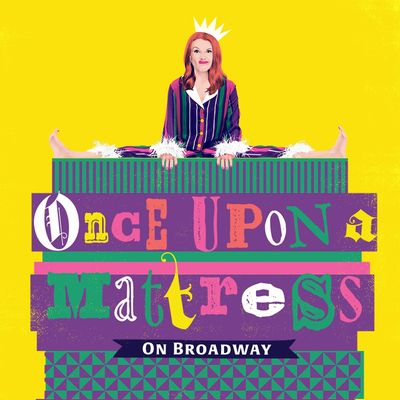
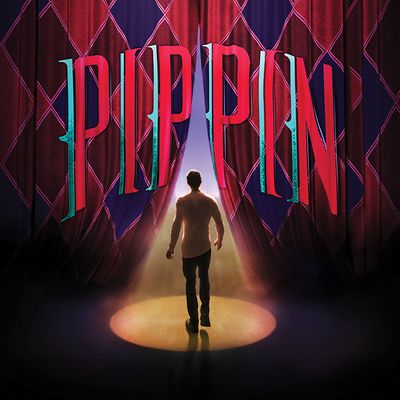
One of the industry's most beloved artists, Lucie Arnaz, swings by Shetler Studios to talk to Rob and Kevin about her fifty plus year stage career. From her roots on CBS' Here's Lucy, starring her mother Lucille Ball, to her celebrated concert career, Lucie has been entertaining audiences in such shows as Seesaw, My One and Only, Lost in Yonkers, Social Security, Once Upon a Mattress, Dirty Rotten Scoundrels, I Do! I Do! and, the musical for which she received her Tony Award nomination, They're Playing Our Song! Lucie pulls back the curtain on her career to discuss how Michael Bennett taught her opening night etiquette, what it was like being 8 months pregnant in a National Tour of Whose Life Is It Anyway, and why Rudy Vallee sucked at charades! Also, Lucie shines the spotlight on John Kenley, Kay Medford, Mike Nichols, and David Craig! Become a sponsor of Behind The Curtain and get early access to interviews, private playlists, and advance knowledge of future guests so you can ask the legends your own questions. Go to: http://bit.ly/2i7nWC4
Transcript
This transcript was automatically generated and might contain errors.
[0:00] Kevin David Thomas: Money makes the world.
[0:02] Robert W. Schneider: Go around the world.
[0:03] Kevin David Thomas: Go around the world.
[0:05] Robert W. Schneider: Go around.
[0:06] Kevin David Thomas: Money makes the world.
[0:08] Robert W. Schneider: Go around and makes the world go round.
[0:10] Kevin David Thomas: Good job, bro.
[0:11] Robert W. Schneider: Thank you. Kevin and I actually rehearsed that for a long time before we went on the air.
[0:15] Kevin David Thomas: Friends, congratulations. You are getting a new Patreon advertisement from us. As you know, we've had one for a whole year. So enjoy the Money Money song because you're gonna hear it for the next year.
[0:23] Robert W. Schneider: But you know, I'm not singing I Dreamed a Dream anymore, so I'm gonna miss it.
[0:27] Kevin David Thomas: Okay, so friends, you should know the drill by this point. We have 47 wonderful patrons on Patreon.
[0:33] Robert W. Schneider: Thank you. Thank you.
[0:34] Kevin David Thomas: Patreon.com. That's P-A-T-R-E-O-N.com as Patreon.
[0:39] Robert W. Schneider: P-A-T-R-E-O-N.com. Reon sounds like a drag queen from the 80s.
[0:42] Kevin David Thomas: Don't tell mama.
[0:43] Robert W. Schneider: So as you know, we are an entirely we are not funded by anybody except Patreon patrons.
[0:49] Kevin David Thomas: We there was a lot of peas in that sentence, a lot of explosive peas.
[0:52] Robert W. Schneider: That's good. Um thank you. It's very emotional. Thank you. After I had my stone removed, there was a lot of explosive peas as well.
[0:57] Kevin David Thomas: Thank you. I'll be here all week, folks.
[0:59] Robert W. Schneider: So once again, we need your help. Head on over to Patreon.com.
[1:02] Kevin David Thomas: How is that spelled, Kevin?
[1:04] Robert W. Schneider: Patreon.
[1:04] Kevin David Thomas: P-A-T-R-E-O-N.com. When you head over there, you're gonna search for Behind the Curtain, Broadway's Living Legends.
[1:10] Robert W. Schneider: And once you get there, you're going to hit a button that says it's gonna say become a patron. And you can give us whatever you got. A dollar, two dollars, five dollars, anything that you give us.
[1:18] Kevin David Thomas: Cast album collection.
[1:19] Robert W. Schneider: Yes, oh yes. Please, please, please. We will totally take that. Anything that you give us will be a wonderful contribution to helping us get this thing going.
[1:27] Kevin David Thomas: Thank you to keep it on the air. We love you guys for it.
[1:30] Robert W. Schneider: We love you. Money, money, money, money, money, money, money, money, money, money, money, money, marka, yana, bucket around.
[1:35] Kevin David Thomas: It's all that makes up around and makes up.
[1:37] Robert W. Schneider: Right. I thought I did good.
[1:39] Kevin David Thomas: That was pretty good.
[1:40] Robert W. Schneider: Thanks. I'm a star.
[1:43] Robert W. Schneider: Hi, I'm Robert W. Schneider.
[1:45] Kevin David Thomas: And I'm Kevin David Thomas.
[1:46] Robert W. Schneider: And this is Behind the Curtain: Broadway's Living Legends.
[1:49] Kevin David Thomas: Don't forget to follow us on Twitter at Broadway Curtain. And make sure to join our Facebook page at Behind the Curtain: Broadway's Living Legends.
[1:56] Robert W. Schneider: And follow us on Instagram at Broadway Curtain Podcasts. Plus, you can always listen to our podcasts on Broadway's World and Stitcher.
[2:02] Kevin David Thomas: When you hear the term season pro, today's guest is the first name that has to come to mind in her plus career in front of audiences. She has done it all, including hanging from a trapeze.
[2:09] Robert W. Schneider: What?
[2:13] Kevin David Thomas: And while most folks know her from her brilliant work on the small and silver screens, it is her contributions to the American theater that we will celebrate today.
[2:20] Robert W. Schneider: That's right. She starred in the Broadway productions of They're Playing Our Song, Lost in Yonkers, Dirty Rotten Scoundrels, and Pippin, and appeared all over the country in hit productions of Cabaret, Lil Abner, Once Upon a Mattress with Rudy Vallee, Vanities with Sandy Duncan and Stockard Channing, Seesaw, My One and Only with Tommy Tune, Educating Rita, plus I Do! I Do!, Social Security with her husband, Lawrence Luckinbill. And this is just the stage work. Can you imagine?
[2:41] Kevin David Thomas: Yeah.
[2:43] Robert W. Schneider: To tell us what it was like to work with such legends as Jack Lee, Michael Bennett, Neil Simon, Harve Presnell, Carol Bayer Sager, Marvin Hamlisch, and oh so many others. Here is our one and only, LUCIE ARNAZ.
[2:55] LUCIE ARNAZ: God, that's a great intro.
[2:57] Robert W. Schneider: Oh, LUCIE.
[2:58] LUCIE ARNAZ: I'm gonna have it carved onto a stone and put on my grave.
[3:02] Robert W. Schneider: That's fantastic. Thank you.
[3:04] LUCIE ARNAZ: Yeah, we are so happy to have you here today. We've had you on our list for a very, very long time. Um, we always ask this question to our guests, but I feel like this one is so self-explanatory. We always ask, what did your folks do?
[3:18] LUCIE ARNAZ: So that's the first time that's ever been asked to me. That's fantastic. Uh yeah, my folks were in show business.
[3:26] LUCIE ARNAZ: Yeah. They were in show business. My father was a musician, started out as a musician, a conga player and a band leader. And he married an actress. His name was Desi Arnaz, and he married an actress named Lucille Ball. They met in Hollywood when his Broadway show, his first Broadway show, Too Many Girls, was made into a film, and they cast my mother as the ingenue, and that's how they met. And they married about five months later.
[3:52] LUCIE ARNAZ: Wow. November 30th, 1940. And then in order to stay together, they eventually moved on to television, and she convinced the world that he could play her husband, even though he was from Cuba.
[4:06] Robert W. Schneider: Right.
[4:07] LUCIE ARNAZ: And they created a show called I Love Lucy, which some people still remember.
[4:11] Kevin David Thomas: Oh, yeah.
[4:11] LUCIE ARNAZ: Oh, yes. I think a couple of years.
[4:12] Kevin David Thomas: I was saying to the kids it's the first question we always ask our guests, and I was what are your parents?
[4:17] LUCIE ARNAZ: Well, there you go. And were they supportive of your, you know, interest in the arts?
[4:20] LUCIE ARNAZ: And they were, and they were. Um, they always supported any passion that my brother Desi and I had. And mine was from very, very early on. I had a passion for performing live on something, standing up on a chair, you know, whatever it was.
[4:35] Kevin David Thomas: Where did that, where did you develop that?
[4:37] LUCIE ARNAZ: I think it had to a little bit come from what I saw, which was two people loving what they do, and they were making believe and doing silly things in front of people who were laughing, and it looked like fun. I think that's probably what inspired it. Like, oh, let me see if I can do that.
[4:54] Kevin David Thomas: And they worked a lot too, right?
[4:55] LUCIE ARNAZ: And they were not home a lot, so I could stand on the furniture without people telling me not to. Yeah. Uh yeah, they were they were worked all the time, and we got a chance to see the results of that work.
[5:05] Kevin David Thomas: Right.
[5:06] LUCIE ARNAZ: So I kind of think it might have been because of that. I don't know if it's genetic. I don't know. I guess you can have rhythm in your genes, you know. You I don't think you can learn all the rest of it, but you can watch and you can absorb.
[5:16] Kevin David Thomas: When did you first start developing your singing voice? Was that something also done at an early age?
[5:21] LUCIE ARNAZ: Probably on the Here's Lucy show. When I was 15, my mother went into her third series, and I had already shown some interest in the theater in my backyard. I had a little theater company that I put together myself in the garage called The Perscenium Players.
[5:36] Kevin David Thomas: Well, you actually had a name and everything.
[5:37] LUCIE ARNAZ: Yes, because I had a girlfriend, Susie Meyer, who was five years older than me, and she went to a high school called Immaculate Heart High School, where they had a great dramatic department. And so she was all about the theater. Actually, I should say probably a lot of my direction toward theater as opposed to movies or television came from Susie because she was my friend and that's what she admired, and she had a great respect for theater. So we used to do theater games in the backyard all the time when we played together.
[6:02] LUCIE ARNAZ: And um, when I graduated from the eighth grade, I don't remember having any conversation with my parents about where to go to high school. I mean, it's like they hadn't had that conversation ever with any of their friends. And so when I said, Mom, what should I do for high school? She said, Oh, God, I don't know. I don't know. What did she do? What are your choices? You know?
[6:20] LUCIE ARNAZ: And so I called Susie, and she said, No, you have to go to Immaculate Heart. You have to go to Immaculate Heart, they have the best drama department in the city, and you know you love the theater, and blah-blah-blah. And it was almost an hour away, it was a long drive. And um, so thank God we had a friend who could drive me and my girlfriend there every morning, and I got into that school by the skin of my teeth because my math skills weren't really good enough. So I had to take a summer of math in order to get into Immaculate Heart. But she was right. They had a fantastic theater department.
[6:47] Kevin David Thomas: Wow.
[6:47] LUCIE ARNAZ: And we even got reviewed in Variety.
[6:49] Kevin David Thomas: Oh, oh.
[6:50] LUCIE ARNAZ: Some of our musicals they'd come down and review because they were very creative. You remember there was an artist, a nun who was a very famous artist named Sister Corita, and she did a lot of beautiful um Ben Sean type printing, drawing the L-O-V cubes and things, and things. She was just amazing. And she taught at the school. She taught the art department, and the art department and the theater department were very close together. So their productions were very artsy, and you know, their sets were amazing, and um what musicals you did?
[7:16] Kevin David Thomas: Yeah.
[7:16] LUCIE ARNAZ: Uh well, the first one I was I ever auditioned for was Alice in Wonderland, believe it or not. I didn't even know there was a musical about Alice in Wonderland. Uh except I remember the movie, right? And I played the Cheshire Cat.
[7:28] Kevin David Thomas: Nice.
[7:28] LUCIE ARNAZ: I had no lines, obviously, but the audition was How Big Can You Smile. There it is. It's a freshman year, I was I was the Cheshire Cat.
[7:28] Kevin David Thomas: How big can you smile?
[7:40] LUCIE ARNAZ: It's sort of sorry. And then the second show I got was uh Oklahoma. I played Ado Annie in Oklahoma. And then we did The Boyfriend. I played Dulcie in The Boyfriend. I do a whole piece about this in my the show I just did at Birdland recently, which is the first retrospective I ever did of my theater career.
[7:57] Kevin David Thomas: Oh, first time I ever did it.
[8:01] LUCIE ARNAZ: Yeah, just recently. But I've done all kinds of shows over 30 years now. I've been doing this, and I've never done here's my theater life, which is funny because that's how it all started, and it's the most authentic part of me.
[8:11] Kevin David Thomas: Yeah.
[8:11] LUCIE ARNAZ: And my dad said years ago, like when I was 20, he said, you know, honey, you should do a whole show about all this theater programs, you know, you've been doing. And I laughed at him because I thought, well, you silly. I've only done like three shows, it's gonna be a very short program. But it was a you know, he was on the right track. He was saying it's part of who you are. So it took years. But then my musical director Ron Abel and I decided to do this. And in the show, I talk about the fact that when I was in the high schools, and I they would have auditions, you know, and I saw the movies. I had the LPs of Oklahoma and The Boyfriend and stuff, but I knew I was never gonna audition for any of the leads because they were sopranos.
[8:51] Kevin David Thomas: Oh, right, yeah.
[8:51] LUCIE ARNAZ: All of them, and I knew I didn't have a voice like that. My voice was different, and I thought, oh, okay, I can't play the lead. So I always ended up with Ado Annie. I ended up with Dulcie, all the second banana roles, right? Which was funny because they were all like hookers, they were all like poor. I want the boys. They were like, I can't say no, right? Exactly. You know, uh every I'll bill and coo with any old thing, whatever was Dulcie's thing. It was very funny. They were all women of a certain age. They were women of a certain, you know, the freedom of speech. I don't know. They were free thinkers.
[9:19] Kevin David Thomas: Yes.
[9:20] LUCIE ARNAZ: Anyway, and uh I did that, and then my mother changed directions in her show and uh ended the Lucy show, which was the second one after I Love Lucy, and decided to do a new show. And she asked my brother Desi and I if we would like to play her children on this new version, and I said no.
[9:36] LUCIE ARNAZ: I'm thanks, but no, I'm in the theater, right? And I have two more years to go in school, and then I'm gonna go to Northwestern. I'm gonna try really hard to get into Northwestern because they were supposed to have a great theater.
[9:47] Kevin David Thomas: Yeah, yeah, they're and I turned so I turned, I said no, and she was shocked. And my brother Desi was shocked. He was like, Yeah, what do you mean? It's lots of money, I'll go. And um, I just said, Mom, I'm not ready to do that. And I don't want to go on in front of millions of people because your show is like number one. Right, there are only like a couple channels, so everybody watches. And I said, I don't want to fail in front of all those people.
[10:09] LUCIE ARNAZ: So she made a deal with me. Uh she said, All right, listen, if we put you on this show, and within the first season we hear the buzz, and she said, I know what people are saying, you know, or the reviews or what people say, that you know, the kids, bad ideas, she's not very good, blah, blah, blah, blah. She said, I swear to God, I'll write you out of the show. I will make the Kim Carter goes off to college. Something happened. You don't have to, you'll we'll just let you go back to school. And I went, What will you really do that? And will you really tell me? And I said, because that I would agree to. And she did. She agreed to that.
[10:43] LUCIE ARNAZ: So then I got, I did the best I could. The reviews were kind of good. You know, they were like, oh, these kids are cute, they're learning, blah, blah, blah. Good enough.
[10:50] Kevin David Thomas: Yeah, yeah.
[10:51] LUCIE ARNAZ: And then we had so many musicals that we did on that show. Every year we did another five or six or seven full-on learn this, learn how to tap, sing, dance, all this stuff. And that was an amazing theater education for me. Um, so I kind of ended up getting a great theater education. And I was performing that show in front of a live audience every week.
[11:13] Kevin David Thomas: Wow.
[11:13] LUCIE ARNAZ: You know, half-hour script, learn it, stage it, block it, know it, go down there, learn the dance routines, you know, and sing the songs. So that was great. And then, but after about six years, five years, um, I didn't know what I was gonna do after that. I was sort of now I'm on TV, you know.
[11:30] Kevin David Thomas: And you're like, how old are they?
[11:31] LUCIE ARNAZ: 15, 16, 17, 18, like young, you know, but just and Vivian Vance, who was the original Ethel Mertz on I Love Lucy, was a good family friend too. And kind of a I would say she ended up being like a mentor to me because she used to guest on the Here's Lucy show.
[11:46] Kevin David Thomas: Yeah.
[11:46] LUCIE ARNAZ: And um, one of the times that she was there, she said to me, It's like must have been like the third year, fourth year. I was on the show, and she said, So what do you do on your hiatus? What do you do when you're five you know, three months off in the summer or whatever? And I said, Oh, well, sometimes we go, I went to Mexico and then we're going to Hawaii, and she said, No, no, no, no, no, no. You gotta get back to the theater. You remember you were like all theater oriented, and now you're don't you get stuck typecast on a television series for your whole life.
[12:14] LUCIE ARNAZ: And I was like you, you have your mouth is open. That was incredible advice. I mean, that's Well, but I thought she was crazy. I said, What do you mean, typecast on a television? What a great gig that would be to like have a television career. They pay lots of money, you get your own series. She said, No, no, no, no, no. You don't want to be typecast in the same thing, you're gonna stay on here, they'll forget you.
[12:29] LUCIE ARNAZ: And I went, Oh my god, of course. She was a theater performer for her whole life, and she was a good dramatic actress. She was found in the theater when they found her. Now she's Ethel Mertz. Ethel, you know, Vivian Vance, Ethel Mertz as Medea. They're not coming, you know, they don't want to come to see that.
[12:44] Kevin David Thomas: That's right.
[12:45] LUCIE ARNAZ: So she was it was very good advice. And so I started uh auditioning for Summerstock.
[12:50] Kevin David Thomas: Yeah.
[12:50] LUCIE ARNAZ: And I got Once Upon a Mattress, and I'd got, you know, Lil Abner. And then I eventually, after doing a couple of seasons of things like that, Michael Bennett was casting for the national company of Seesaw. And that was my first real good, serious job. And I did a six-month tour of Seesaw on the Road with Tommy Tune and John Gavin, directed by Michael Bennett. And the rest just fell into line after that because now I finally had some real credits, you know.
[13:16] LUCIE ARNAZ: And I never really looked back. I mean, I did films, I did a couple other television series, but it was always about theater. And only when the theater stopped being something that I could find work that I really liked, I started to look elsewhere, like, well, concerts, that's live audience, live music. Let's do that for a while. And that actually worked out better than I ever imagined, and I love doing it. So every once in a while, something like Pippin, you know, will show up. But you never. Well, I worked for the Weisslers in the seven-month tour of My One and Only that Tommy and I did together, which that was amazing, too. We'll talk about that. Yeah. And he called me, Barry Weissler called to say they were now casting for the first national tour of Pippin.
And had I seen it, and I went, Yes, this new acrobatized version, you know. And would I be interested in playing the Grandma? And I thought you gotta be kidding me. You're like, whoa, whoa, I'm sorry. I saw that she's the one on the trapeze, right? Hanging up, flip in and singing. 25 feet above the stage with the thing. Yes. Uh how do you feel about that? I thought, oh my God. And I happened to be in New Jersey when he called me and I had two days off, and I thought, you know what? Can I come? The show was still running. And I said, Can I come in tomorrow and look at it again? And he said, yes. And if you like it, how about the next day? Come in and play with us. So I saw it, and as soon as I saw it again, I was like, oh my God, how do you say no to this?
Not just the routine that you had to learn and how fabulous it was, but it stops the show. Yeah. I mean, it's so seductive, that much applause, you know. Come on, if I could learn to do that, how crazy would that be? And so the next day I went in, you know, my leotards and my stuff, and I played around with Michael and Gypsy Snyder and to see how flexible is Lucy. Is she scared of heights? Uh can she do this? Can she do that? And I said, Listen, I'm in terrible shape. I mean, I haven't been like dancing or doing all this, you know. I had a bad shoulder, and so I really haven't been doing that. They said, don't worry, it's fine, we'll get you in shape. Don't worry, you got it. I said, Well, how much time do I have?
Well, we have the three-week rehearsal, like any you know, national tour does. I went, in three weeks, I'm gonna learn the whole show, all the music, and I'm gonna learn how to do that. Yep, yep. Just follow the program. Trust, trust the process is what he said. Trust the process. And I went, okay. And I sang the song, they liked, you know, they said, How's the key? Do we have to change the key? I said, No, it's everything is perfect about this part. I can't tell you. I'm so terrified and so excited at the same time. That and I said yes, and it was one of the most exciting things I've ever done, ever, ever, ever in my life.
[15:47] Robert W. Schneider: That's amazing. It's just a first of all, it's a great show.
[15:49] LUCIE ARNAZ: Yes, yeah. And I love the message of the show. And I loved, I love the people. And I had a fantastic time. I loved it. I hated being away from home. That was the only downside. I didn't want to be away any longer, and that's the only reason I stopped. And they just kept asking me, please, please, just another month, please come back. And they called me four, five, six times after I got home. Oh, so could you come in and now do just this run or just go over to Tokyo? Can you go? Just pop over. Yeah, and I thought, you know, it sounds great, but no, I think I'm done. I'm gonna stay home.
[16:16] Kevin David Thomas: You did it. You deserve that. You deserve a break.
[16:20] LUCIE ARNAZ: We're gonna jump all the way back if we can. Um there's this reputation that Los Angeles is not a thriving theatrical town. Um, for somebody who was growing up in Hollywood at that time, were there a lot of theater that you could attend?
[16:32] LUCIE ARNAZ: No, it wasn't a theatrically thriving town, that's the truth. And then they built the almonds and the Mark Taper and people, some people went, but not a lot.
[16:40] Kevin David Thomas: Yeah.
[16:41] LUCIE ARNAZ: They just don't go. I've got the best story I have to tell you how bad theater is as a the California, Los Angeles, sorry, is as a theater town is I had a theater agent whose name is completely escaped my mind for a good reason at this point, it's probably a good thing. At ICM, my agency, because I had a movie agent and I had a wonderful New York theater agent, but the person in charge of the theater department in Los Angeles was a certain person whose name I cannot remember. I am in Los Angeles, starring in a huge gigantic hit at the Mark Taper Forum called Vanities, which you just mentioned. We got fantastic reviews with a two-page spread in Variety and Reporter, and I have some time in my one of my afternoons, and I go in to see my friend Joel Dean, who's a film agent there, and while I'm there, the theater, Los Angeles theater agent walks in, sits down on the couch, and says to me, So what are you in town for? I swear to you. And I went wild's the agent. Hello? No, it's just it's just the way it was.
[17:41] Kevin David Thomas: Yeah.
[17:41] LUCIE ARNAZ: He really, they just were like clueless, and there was very little big theater. And this might have been a lot of little shoebox theaters around little black boxes here and there, but nobody paid much attention to it. You'd go to a party and people would say, Loose, what are you doing? What do you do? I said, Oh, you know, I'm doing um I'm doing a play at the Mark Taper, and um and then I'm going back to New York and I have a short tour of Oh, that sounds like so much fun. But are you working? Are you are you doing any um yeah? It was like it didn't count. I swear to you, I grew up with that for years. It only so only when I moved to New York did I feel legitimized that I was a theater person.
[18:19] Kevin David Thomas: Yeah.
[18:19] LUCIE ARNAZ: You go here and you do a show, and even if you don't do another show for seven years, you walk into Sardi's and they go, Oh, Miss Arnez, you know, even please. It's there's a tenure once you've established yourself in theater that does not exist in Los Angeles whatsoever. If you're in a TV show and the TV show gets canceled and your name goes off that parking spot, you can't get a nobody cares. It's like, who are you? And just get please make way for the next person. It's a whole different world.
[18:44] Kevin David Thomas: Yeah.
[18:44] LUCIE ARNAZ: How did you get your equity card random? Um the the the I well must have I had to have it for the summer stock, so I guess it was um once upon a mattress. And is that Summerstock was at the end of the day? That was from that was Kenley.
[18:56] Kevin David Thomas: All right.
[18:57] LUCIE ARNAZ: Now you're into Kenley. Let's go to Kenley.
[18:59] Kevin David Thomas: John Kenley. We love to talk about John Kenley on this podcast. Our listeners by now are familiar and aware of John Kenley because I talk about him so much. Thank goodness.
[19:07] LUCIE ARNAZ: So who was John? How did you first meet John Kenley? How'd you get connected to the Kenley players?
[19:11] LUCIE ARNAZ: I was asked to if I wanted to come in and star in Once Upon a Mattress.
[19:16] Kevin David Thomas: You were just asked.
[19:17] LUCIE ARNAZ: Yes, because I was on the TV show.
[19:19] Kevin David Thomas: So suddenly.
[19:20] LUCIE ARNAZ: Gotcha. See, Kenley, it wasn't so much about talent as it was about names with Kenley. So I I had no false pretenses that I was a big fabulous person who could do everything. He liked names.
[19:24] Kevin David Thomas: Yeah.
[19:30] LUCIE ARNAZ: And even if you were completely miscast in a particular part, you would you would play that part because you had a you had a name. Ask anybody who ever worked for John Kenley, and that's the truth.
[19:41] Kevin David Thomas: And um, like Kay Medford was the queen.
[19:44] LUCIE ARNAZ: Now Kay Medford talks like that. And if you remember the Queen, in Once Upon a Mattress, she's supposed to talk like this, and she talks as fast. Sensitivity, sensitivity. I'm just looted with that. In this one, the she talks a mile a minute and drives the king insane. She's the most obnoxious, talking fast, talking crazy person. Her version, Kay's version was oh my god.
[20:17] Kevin David Thomas: Director wasn't like hey.
[20:18] LUCIE ARNAZ: John Domain, the most wonderful direct my musical director in the world, nearly lost his soul in this production. And then Rudy Vallee.
[20:25] Kevin David Thomas: Rudy Vallee, let's have a moment of silence.
[20:28] LUCIE ARNAZ: Let's not. For Rudy Vallee, who, God bless him, rest his soul. I'm sure he's the nicest man in heaven right now. But boy, down here, he was kind of a curmudgeon and a and a hard man to be around. Really hard to mean.
[20:39] Kevin David Thomas: Oh my god.
[20:40] LUCIE ARNAZ: You can't find three people that liked Rudy Vallee. Just nasty. Really? I don't know very many nasty people.
[20:46] Kevin David Thomas: I knew Rudy Vallee.
[20:48] LUCIE ARNAZ: Let's see, is there anybody else? I'm thinking, I'm thinking that not too many people who are just downright nasty and mean, who blame other people. Milton Burl was a little bit like that, but at least he was funny. You know, anyway, he has no lines.
[21:04] LUCIE ARNAZ: If the mute king, the they he has been put under a spell. He brought in to to play that. He knows which was a great idea, you know, it was fine. He has to have to remember anything. Just gotta stand there and just be like You have to just know the show. No, it's mute, but there's things you need to do, but you don't have any m sounds, you don't have to make you don't have to learn songs, nothing. Don Emendolia, God, he was good, played the the Dauntless. He played Prince Dauntless. They have one magnificent, even Jack Guilford was the original of this thing, right? They have this one magnificent, heartbreaking scene where Donnie was falling in love with Princess Winifred and he wants to marry her, but he doesn't know anything about the birds and the bees.
And so Jack Guilford and you know the original, he did this thing about uh boy, flower, and you know, Jack would do the like a charade, right? And Little Dauntless would try to figure out what he was saying, and then there was you know, bee goes to flower, Mitch Boy, and you can't see me on radio, but I'm using my hands using making a flower, making a bee, making a tree, making a sun.
[22:03] LUCIE ARNAZ: Rudy did the same motion for every word. He'd go, like his hand would go up strong, like boy, boy, and then flower was the same as girl, same thing, flower, and poor Don would have to go, oh, oh, tell me more. Oh, no, no, no, no, no. He'd have to go on as if, and meanwhile, Rudy would back up the entire time he was doing it, so that Donnie would end up being upstage. She would just so finally John Kenley, you know, in an inimitable way, said, Oh, darling, darling, just come on downstage. Don't even just walk, keep walking downstage. He'll come to you, which of course he did, defensive acting.
[22:42] Kevin David Thomas: Wow.
[22:43] LUCIE ARNAZ: And he used to insist at the end of the show that he play his saxophone. So at the end of the curtain, the audience had to stay for another 20 minutes while he played saxophone. And one day he missed the show entirely. Because he ref he always refused to sign in on the callboard. He never read the call board. So he didn't know that the matinee was at such and such a time, or there even was a matinee. And his understudy had to go on for him, who was like 11, of course, because it's Kenley. And uh and when he came in, he just yelled at everybody because it was their fault that they didn't tell him. And you know, but then closing night he fell down the stairs and broke his nose. And I felt nothing.
[23:27] Kevin David Thomas: I felt nothing.
[23:30] LUCIE ARNAZ: Rest his soul.
[23:31] Kevin David Thomas: Oh God bless.
[23:32] LUCIE ARNAZ: That's a great story.
[23:33] Kevin David Thomas: Yeah.
[23:34] LUCIE ARNAZ: Um, we don't really have summer stock so much anymore.
[23:36] Kevin David Thomas: No, we don't.
[23:37] LUCIE ARNAZ: Straw Hat Circuit. It used to be a whole thing, and I'm just lucky I was a part of it. Because John Kenley was an amazing man. I mean, it's true. He cast people in weird parts that shouldn't be in, but he gave you experience where you couldn't get it anywhere else. I mean, that is a wonderful learning process. Now I was lucky because I came from a live filmed audience sitcom. So we were used to getting a script in a short period of time and learning it in a week and doing it. And that's what you have to do. You want a one-week rehearsal, and you're putting on a full-on, full-out, big production, huge band, real sets, show. And you do it like maybe in Warren, Ohio first, and then you go to Akron and go to Columbus, and it's usually like a three or four-week little tour.
And it was magnificent. They paid well, and audiences flocked to the theater. They loved it. And John had a fantastic sense of what would work and what wouldn't work. And you know, he was a hermaphrodite, you know the whole story.
[24:29] Kevin David Thomas: Yes.
[24:29] LUCIE ARNAZ: And he ran his theaters in the summertime as a man. And then in the wintertime, he went to Clearwater, Florida, and lived as Joan Kremchek. Limda's lived as a woman. Uh I think he was probably one of the first hermaphrodites we were aware of at that time, you know. And he would never hit on a guy, you know, when he was a man. He just not he didn't do that. He wasn't gay, he was a hermaphrodite. It was a whole other world, you know. And everyone kind of knew yes, everybody knew. Well, I mean, the people who Eric Shepherd's, you know, the agents of the world, and many of us knew. I didn't really know until I got there, but you hear, and he had so many wonderful stories, and he was um he did used to do these limericks, these sort of risque limericks for everybody. And we just loved it.
[25:12] LUCIE ARNAZ: My favorite John Kenley story is the one that he was actually sitting with him one day, and he was rehearsing, auditioning guys for Mitzi Gainer's nightclub act that was coming in. And Mitzi said, now, John, I don't want any of your sissy boys. I only want straight-looking, absolutely straight boys. Promise me you won't get me any sissies. Yes, Charlie, I'll make sure they're all muscle-bound, wonderful, absolutely straight boys. I promise you. And he meant it. So he was sitting there for the audition and these fabulous dancers and singers, you know, one after another, whatever. Um, good, bad, they weren't good enough, they aren't quite good enough. And this one guy was absolutely phenomenal. And he finished and he said, Darling, you were wonderful. What is your name and what is your phone number? And he said, Steven Silverman, 677-7767. And John said, Johnny, if you'd had a different phone number, you would have gotten the job.
[26:10] Kevin David Thomas: That is great.
[26:12] LUCIE ARNAZ: Um would you tell us about David Craig?
[26:15] LUCIE ARNAZ: Oh, God, we don't have enough time.
[26:16] Kevin David Thomas: Oh yeah.
[26:17] LUCIE ARNAZ: I could do nine podcasts on David Craig.
[26:19] Kevin David Thomas: We love it.
[26:20] LUCIE ARNAZ: I didn't know you studied with him.
[26:21] LUCIE ARNAZ: Oh, yeah. Saved my life. I mean, gave me my theater life, career. I'm still, I'm still teaching what he taught me. I go out and do master classes now and try the best I can to sort of impart some some because you know you never have enough time.
[26:35] LUCIE ARNAZ: Yeah, yeah. Master classes are like they're patchworking. Yeah, the next person. Yeah. It's hard. But um I did teach one that was kind of three weeks intensive, and that was fun because you could break it down like he used to do. But David Craig was um an actor, singer, musical person from many moons ago, who taught a song performance class on stage in Los Angeles. He was married to Nancy Walker, you know. And he was very opinionated and some people thought cruel. I never thought he was cruel. I thought he was hilarious and spot on correct and just clever, you know, just super clever. And um he basically broke down what you're doing physically when you're singing. And uh he would say it like you're a Christmas tree that's decorated bizarrely.
So we're going to take all the ornaments off, and then we're gonna unwind all the lights and then we're gonna shake the tree and we're gonna start all over again. And you would get down to bare tree, and then you would work back up to what are you doing in the middle of this song? And that included starting, of course, always, always with the lyric, like what are you singing? Uh who is this person? You never I never in my life, I was young, but I never in my life broke down a lyric like that. How old could that person possibly be? How young could they be? Uh, where do they live? Well, I don't know. Well, you look at the lyric. Can you tell? Could they live anywhere? Or or does it look like they live within, oh, I see what you're saying.
Could they live anywhere? Or are oh I see. Are they rich? Yeah, probably because of the you oh. Now is it about this? Do you think who are they speaking to? Well, I can't tell. Well, who could they be speaking to? Who would you put it to? So that you it raise the stakes in a song? Uh it's it needs to be m more than what you're singing about. What are you singing? Who are you singing it to, and who's in the way of you getting your way with this lyric, this story? You speak the first line. Why do you need to speak the second line? Why aren't you done? I mean, really great questions like that. And um looking at how you physicalize a number, because a lot of great singers are out there singing and they're just all about hand motions and you know and doing things right on the lyric, you know.
He always used to use the example of holding the jail bars right at the same time. You go, Angeland in J. Well, that's you know, indicating, right? Like you would do bad acting on the stage. And breaking people of habits like that. Well, what do you do instead? Okay. You create a real scenario for yourself that's real for yourself. And that might be related in some form to that song, but it's really not. It's a separate side story. And for a time, you it's like tapping your head and rubbing your stomach where you go, I'm going to lose my mind. Because you're saying your story opposite the piano player playing the song. At the same time. At the same time. You're regaling your story. You're telling right within the same bar phrases.
So you know what you're thinking of with that lyric, but it's not that lyric. Then you let go of your story and you sing the lyric, but you think your story, and it's astounding what your body will do when it has purpose. Subconsciously, yeah. What it did when you knew where you were coming from, your body automatically used itself the way it would normally use itself. And when you don't know why you're singing something, it does wacky shit because it knows it's not supposed to be up there singing. It's like, this is weird. What am I doing this for? So you make it a story, and they're all stories. Everything's a story. So even when kids come to me now with some pop song that is not a story, it's like woo doo pop, pop, tap, tap, ah, say step, step, step, step, I go, okay, okay.
I don't really want to work on this song, just so you know. It does not uh suit my tastes. And I think it's a waste of your time. But if you do, if you do and you want to work with me, then I'm gonna ask you why do you say stop, stop, stop, stop, stop ten times in a row. What's that about? Who are you talking to? Who are you speaking to? That's where it starts, you know? Yeah. And if you know, you then invented it. I mean, like we now it's been all these years later, and now we've got codified advantage. On singing on stage. Yeah, and he has DVDs. That's right. You can buy them a drama bookstore. We one of his books was on our podcast. We think he's describes it all. Yeah. Yep. It's fantastic.
And to for an art form that was relatively new when he started, he really showed he created a whole generation of artists. You know, that didn't. What bad habit do you think he broke you of? What do you think you were coming in doing? You know, I didn't really have a whole lot of habits yet, because I was young. I was probably 20. And I was only on, you know, I'd been in high school productions and I'd been in the Here's Lucy show. I had done had and I had done once upon a mattress and um Little Abner, but I had not done Seesaw yet. I got my Seesaw audition actually while I was working with David. Okay. Which was hilarious because David has their classes like you do the one, the two, the three, right?
That's right. Yeah. And and it's a big deal just to get through the one and then to make it to the two and make it to the three. Well, I got my Seesaw audition in the at the end of the one, and I was like, I can't. My tree doesn't have its lights. I'm just a bear tree with unplugged in lights. Oh my god, you've stripped me of all I know, and now you're sending me out there naked. Oh god. Oh god. And he worked with me. This is another great David Craig story, too, because he said, It's okay, it's okay, Oski. You're so far above a lot of you don't realize how good you are. You know, you're gonna be fine. You're gonna be fine. We will work on your audition song, and it'll be fine. Okay, so we worked on this audition song, and he gave me um an Albert Haig song.
He had one, two rules, David, for auditioning. Basically, his class was an auditioning class. You know, you're gonna get when you finish, you're gonna be the best auditioner ever, right? And so his two hard and fast gold rules were never sing a song at your audition that the composers you're singing for, if they're there, wrote, unless you are specifically invited to do so. Smart. Because you're not gonna sing it the way they want. And so just don't even go there. Okay. And if you are required to sing a song, or you choose to do so, make sure you do not screw up any of their lyrics, right? Do the real lyrics, don't put in stupid new lyrics. Make sure you get the lyrics right, because that's a big boogaboo got.
So we start working on this he gives me this Look Who's in Love is a great Albert Haig song. And who, and I'm doing Seesaw, so I'm just for our audiences. I'm auditioning for Seesaw, written by Cy Coleman and Dorothy Fields. Right. He gives me Look Who's in Love by Albert Haig and Dorothy Fields. And I go, David, David, you said that we should never sing a song that was written by one of the composers. No, no, no, I know I said that. I said that, but it's okay. It's all right. In this particular case, trust me, it's fine because it's a perfect song for that Gittle Mosca character. You'll be fine. Just it's fine. Okay, he's David Craig, and he knows. Yeah. So we learn, and we're almost ready to leave, and he's running me through my last rehearsals of it, and he goes, you know what?
I'm just gonna change the lyric on that last little part. Because I think for Gittle, instead of saying, I went, David, didn't you tell me that much? I shouldn't ever he said, I did, but I think I've known Dorothy for years. She's a huge fan and friend. And just tell her, first of all, when you see her, please tell her I said hello. Okay. And I'm just gonna change this because for Gittle, she'll love this. This'll this'll be much better. And it's actually from another song anyway. And it's we'll do it. So okay. So he puts it in, and I go, All right, and I learn it that way, and I go to New York and I do my audition, and when this when I finish singing, they do what they do, you know. They go, excuse just a moment, and they talk about it.
You're on a stage on a little bit of a yeah, you're on a real stage with a work light like they used to do auditions. You can't see the people texting on their phone, sitting at that table in the fluorescent lighting. It's it was the best. And so, but I'm up there, you know, waiting, and they're talking amongst them. Michael Bennett, I assume, and whoever. And I take this opportunity to do a Mr. Thinkfeld, Mr. Thinkfeld, you know. I look for Dorothy Fields out there, and I go, Um, Miss Fields, are you are you here? And way from the back, I hear, yes. And I said, Oh, Miss Fields, I have regards to you from David Craig. He said to send you his best. He's he knows that you he told me you were great friends with each other, and he just wanted to sit for me say hello, and she goes, Thank you.
And he's oh, and he wanted me to say that um he knew it would be okay with you. We changed a couple of those lyrics in the last part of that song, and she went, Did he? Oops. And I got the part, so I don't know. I I almost didn't, though. Really? I almost didn't get that part. It was a Thanksgiving weekend, and uh I went home, and I I went home. I was at the hotel and I waited till the next day before I had was supposed to leave like in two days. And Eric Shepard, my agent, called and he said, Well, Lou, you didn't get it. What? Oh God, Eric, I thought I did a great job. I really read the scene well, and I oh, it was that thing with Dorothy. I knew it. I knew it. I knew it. And he said, No, no, no, no, no, no, no. It was just um, I they just, it was just, I said, please, can you please go back and find out why?
I just want to know why, so I can work on it, you know. And they came back to me and said, No, the only reason was Cy didn't think you could belt. I'm sorry, what? Like, that's all I ever did was belt, which is why they actually requested that I come in with something softer. Yeah, not really a ballad, but just something softer. Do I have that other quality to my voice? I said, No, Eric, they did you remember they told they asked me, oh, I have to go back. I have to go back. I said he said, No, you can't. It's they're all gone. Thanksgiving weekend. There's there's no no way you can do this. I went, no, no, no, no. There's no. I have to, please ask somebody. And he did everything he could, and finally, Cy Coleman said, I can't see anybody.
I'm going away for the weekend. It's not gonna happen. I'm gonna be in Los Angeles in another week and a half. If she wants to sing for me again out there, okay. Now I know, I mean, I didn't know like we're friends, but I grew up when my mother was doing Wildcat on Broadway with Sy Coleman. I know Cy from, you know, hello, Uncle Cy, kind of a thing. Yeah. Now I'm a grown-up. And I thought, oh God, please, yes, yes, tell him yes, tell him yes. And I went home and I worked with my then singing coach, Harriet Lee. No relation to Jack, I don't think. And um, we started working on every belting song that there is. Of course. You know, every single song there is in the. I sang like four of them for Sai.
I just kept singing until he went, You got the part. Okay, you got the part. Oh, wow. So I really fought for that. I just refused to believe that there was a reason for me not to get it. Because I thought if they had said you're too this or to that or whatever, I'd go, oh, all right, I can't, I can't fight that. But you're we don't know if you can belt. I thought, my problem is all I do is belt. I need to be able to, you to know I can sing a ballad or I can be soft and I don't have to always be brash, you know, and hard. I just been doing once upon a mattress for Christ's sake, you know. And anyway. So it worked out great, and I ended up on the tour, and it was one of the best six months of my life.
Did you enjoy touring the country? I did. I did a lot. You like that life? Well, you know, when I was I was very secluded and you know, um, my mother didn't let us do much at home. We were very, very uh restricted in what we could do, where we could go. I never really dated anybody except this one person I met who was nine years older than I was, and he had his own car and he was a good driver, so my mother let me, you know, go out with him. And I ended up marrying him, you know. Yes. Five years later, I didn't know how to break up with him, so I married him. Yeah, and it didn't last very long, but he was a decent human being. Yeah, you know, Phil Vandervoort. He was a wonderful actor and a good documentary producer, and it wasn't his fault.
I just wasn't ready. But um, I never really went out, I didn't do much, I didn't see much. We traveled to our house in Palm Springs, or we went to Del Mar. We didn't we didn't go many places. And she was busy, you know. So touring the country and being in a theater show that was first of all, that show. It was Seesaw. It's one of the best shows there ever score. And to have that be my first big show. With Michael Bennett. Michael Bennett directs you in your first show, in your first real show. I just consider Summerstock is like practice, you know, almost training. It's training ground. But I was really out there on the circuit, you know, in in theaters in a national tour. And another thing, Dorothy Fields, I sang the last song she ever wrote.
She replaced a song in Seesaw. They did they wanted to get rid of a song called Ride Out the Storm from the original show. It was just sort of a big chorus number that none of the principals were in. They all went off, and there was a big chorus number. And Michael always hated it. He never really loved it. But they ran out of money on Broadway, as you know. And um, so for the tour, he only had a certain amount of time to fix things. So he fixed everything that he could, but he said, I gotta fix that. So he implored Cy and Dorothy to write something where Gittle doesn't leave the stage, but you actually see her destroy herself with booze and cigarettes, and she gets her ulcer on stage in front of you and ends up in the hospital. So Dorothy went home and she wrote a song called The Parties on Me.
[39:49] LUCIE ARNAZ: And instead of some stupid ride out the stone, ride out the stone, sung by Judy Gibson, actually. Um, it was a song which was sort of a screw you song, when people telling her what to do, what not to do. Oh, you're not Gittle, what about your ulcer? Don't drink, don't smoke. But she's pissed off because she doesn't have the guts to go uptown and be at the dinner with Jerry Ryan. So she sings, Everybody drink up. Everybody drink up, everybody drink up. We're gonna get stoned tonight. We're all gonna get stoned tonight. And the lyric is like, because I've tried so hard and I am up to here, and I am never gonna do what's right, but I'm an alley cat, and I've got nine lives. I'm gonna live them all tonight.
And then there's this big Michael Bennett dance that happens because she ends up ripping off her clothes and getting into the bed and she's dying of an ulcer. So I say it's the last song Dorothy ever wrote. She came into rehearsal, she handed the lyric to Cy, who had the music. He played it for everybody. We sat there and listened and watched, and then Cy taught me the basics, and I sang it, you know, the best I could from cold. And she listened, and they all went, sounds great. Michael liked it. We're good to go. Bye. Thank you. Oh, Dorothy, it's wonderful. And you know, she was 70, whatever she was at the time, and she went home and died. Oh my god. Whoa. With a drink in her hand. Apparently.
With a nice stiff drink in her hand. She loved a ball. So her last lyric was, Everybody drink up. Wow. Wow. Starts with that. Isn't that crazy? Never knew that. She was a lovely lady. Yeah. Absolutely lovely. Funny, of course. Yeah. You know, uh, just a witty, bright. She was older at the time, so I didn't spend a lot of time with her. I was very busy learning my stuff, but I only have good memories of her being in her presence. And I thought, like, wow, that was quick. I just met you, you know, God. Yeah. And Cy, of course, is an absolute genius, just the best person ever to work with ever. And Michael, you know, he was relentless. He did not let you get away with anything. He was a great first teacher for me to have.
Yeah, because what he taught was great. I mean, first of all, he knew I wasn't a dancer per se. Like, I didn't train as a dancer, but I had learned how to do certain things over the years. I learned to move and I learned a little bit of tap, and I learned a little bit of this, and you know, I moved well. And so without telling me, because I was a little nervous about what he was gonna give me to do that I wouldn't be able to do, you know. And um, but he invited me to his apartment on 55th Street when we were just before we went into rehearsals. And I went up and he cooked dinner for me. And uh, I think we had a toque of something or another. Probably. And he put music on and we danced. Here I am dancing with Michael Bennett.
Now he wasn't Michael Bennett course line, Michael Bennett, he was but Michael Bennett, nevertheless. And we just danced and had so much fun and laughed and giggled and we told theater stories. And there later I realized when he ended up choreographing that number, he was watching me all night long to see, oh, she moves naturally like that. That's what she oh look how she does that. And used my body to choreograph that number without my realizing it, so I wouldn't be self-conscious, and I wouldn't go, I can't dance. I just danced like I dance. So smart. And but we would be on the road for three or four months, and you know, you're really starting to click and the jokes are coming fast if you know you're good now.
And he came back to see the show in some city we were in, and after the show, I was like, and Michael was there tonight, and it was like my best show. And he came into my dressing room afterwards and he said, Can I just talk to you privately? And everybody had to leave, and he shut the door, and he goes, You were the worst of Michelle Lee. You were the worst of Patty Carr, who was her understudy. You were the worst of Laney Kazan, who was the original that they fired. Yeah. What were you doing? You think it's funny now? You think that be I mean, he tore me to shreds. And I went home. That was mean. It was mean. I mean, it was rough. I didn't sleep a wink. He said, Be here tomorrow morning at 10, and we're gonna fix this.
And I went home. I didn't sleep a wink. I was I was dissolved in tears all night long. And he came back, and basically what he did was remind me that it's not funny and not to anticipate. And he said, I can tell when you're standing up at the sink and you're getting ready to turn around and you know there's one of the biggest laughs in the show coming. You can't help sometimes but think this is one of the biggest laughs in the show. You have to fight that. And you have to think of something, it can't be about that. You're losing the laughs by thinking you're getting the laughs. It was way funnier and way better and much more vulnerable before you started doing that. And he was right. He was dead on straight, right?
And I direct like that now. When I direct something, I'm trying to conjure Michael as often as possible because that's all you have to hang on to is the reality. You know, if it's funny, it's gonna be funny because it's funny, not because you made it funny. Right.
[44:46] Kevin David Thomas: They're playing our song. How does that come into your orbit?
[44:49] LUCIE ARNAZ: Wow. How did it? Yeah. Well, I was at Joan's Beach doing Annie Get Your Gun for the whole summer. Which was amazing.
[44:55] Kevin David Thomas: What was Joan's Beach?
[44:57] LUCIE ARNAZ: It's still there. Yes, it's a concert venue now. And now they only do concerts. But they used to have like a water area that they would have. Huge outdoor amphitheater that sits right on the bay. So there's 8,000 people in stadium seats. There's a huge orchestra pit for like a 20, 30 piece orchestra, and then there's a smallish stage in the front of the orchestra pit that's right on the water. Okay. Then there's water, water, water, water, and then there's an enormous stage behind that with a big, you know, share the water behind the water. So there's like little stage, water, huge, big stage, way far away that you would have to like binoculars. Oh look, the that they would put big spectacles and stuff up there.
So Annie, get your gun. It's pretty much a spectacle show anyway, right? So the sets floated in on pontoon boats. Come on. You'd come on on a boat with its like, you know, and then it would park at the little stage in the front. And um you said Jack Lee and I forgot. Um who was our who was our our okay? It'll come back to me. The the actual conductor um from Irving Berlin's actual conductor from Broadway, just Jay Blackton. Thank you. Yeah, Jay Baron. I just did this in my show and said this story every night, so I should notice. Jay Blackton was our original director. And um singing in Ethel Merman's keys all summer long, outdoors on the water. That was fun. But anyway, it was a great, you know, it was fun because like it was such a big spectacle that like the last number they do, the big uh shooting match that they have.
I would go pull my you know rifle up and go, pull and fireworks would go off. Oh it was timed. The pulls were timed. No one knew, but I had to yell pull when I saw the thing go. So you would time. Like I would see it, they couldn't, but I could see this little thing go up, and I'd go, pull! And then there it goes. Fabulous. It was incredible. So I was doing that, and I was sent the script for Neil Simon's um They're Playing Our Song with Marvin and Carol's music and lyrics. And I just I went nuts. It was such a great part. Oh my gosh. It was just like I said, I am made to play this role. I've been studying all my life to be this girl. I know this girl. You know, she's Gittle Muska healed up. She's just great. And I got an audition toward the end of the summer. And um did you know any of them, uh, Carol or Marvin?
[47:23] LUCIE ARNAZ: I knew Marvin. Uh-huh. I had never met Neil. I knew Marvin, who had played music for me when I did a couple of TV specials and stuff, and he wrote the arrangement and stayed till two in the morning playing it for me. The way they used to do TV specials. And um, but I didn't really know any of them that well. And uh I Sonya's a lyricist. And so I decided instead of singing a famous song, I would sing one of the songs that I wrote because I was I was sort of a budding lyricist myself. And I came in and I saw I sang a song called If You Leave Me This Time and screwed up my words. My own words. And I made, I don't know what I said, but I tried to make a joke out of it, and I tried to laugh, and I've got flop sweat everywhere.
Oh yeah. I'm looking real cool too, because I'm sitting backwards on a little cafe chair and I look really suave. And then I screwed it up and I just kind of went. But I realized later it was such a Sonia thing to do. And um, and Neil, Neil came up on stage as soon as I finished, and I thought, Oh my god, there he is. Right you know, you know, I'd never met him, but there's those iconic lenses, you know, when he looks at you, and he grabbed my hands, shaking my little shaking hands, and he said, You are such a breath of fresh air, and put me at ease, you know, like it's okay. So I left there thinking, well, I didn't get that job, but I felt good about it. Yeah, but I didn't hear from anybody for months, like two months, month and a half.
I didn't hear from not a word. So I thought, oh god, and I was as you do, you're hearing, you know, we'll bet Midler's cast, and no, they're talking to Cher now. They're talking to Cher. Barbara wants it, you know. It's all those things, and I'm dying, I'm dying. I'm oh no, it's my part. I want this part so bad. And then I got a call. You got the job. It's unbelievable. I thought, how did that happen? They saw like they went and saw all the people they had to see. You know, there's a list of people you gotta see. And I guess they came back around a fresh air. Were you called back at all? Did you sing?
[49:19] Kevin David Thomas: I did one last call back. I did one last call back, finally, I guess it was August 24th. Oh, geez. I remember because I looked this up before I went to do my concerts this year. I went in my journals to say, just to get some details like when did that happen? When did that happen? And August 24th, I believe I went in and I auditioned again to sing again for Marvin. Marvin, it was only Marvin. He just wanted to hear everybody again. And uh I this is interesting to tell people who auditioned because I knew after I sang that I wasn't gonna get the part. I thought that's the worst audition I've ever done. I was terrible. Right. We actors know that. I mean, I just knew how bad I was, and I got the part.
So you still did. There you go. I don't know. Anyway, uh the next day they called me, and and Eric said, So Lou, um you know listen, I just got off the phone with Nanny Eisenberg's office. He's a producer. And I'm preparing myself. You got the job. Wow. It was fabulous. Yeah, it was really amazing. You know, went to Los Angeles. I lived in Los Angeles, so we rehearsed and opened in LA. We were out of previous town previews in Los Angeles. And uh quite an experience. Did the show change much from out of town?
[50:25] Kevin David Thomas: Oh god, yes.
[50:26] LUCIE ARNAZ: Oh yeah, that was the fascinating process to watch them you know, decide okay, now that it's up on its feet, we that doesn't really work. And I mean, a great Neil Simon story is um he used to sit at the back of the room while Robert Klein and I would work and Robert Gore would direct, my co-star Robert Klein. It was a two-character musical. Yeah. And um, and Neil used to sit in the back of the room and kind of chew on the ends of his glasses. He would watch rehearsal and chew, and he'd make notes and stuff. And this one day, he just had this look on his face, like he was not happy. And made me really nervous because it wasn't that far along in the rehearsal period. And I thought, okay, what if I might, you know, it's happened.
And um, we kept trying to stage the scene. And we had a lot of trouble staging it. Even Robert Moore had trouble staging it. And um, Neil got up and left and went home. And the next day he came in with six new pages, and they staged themselves like that. Like that. And we went, Whoa, that's amazing. Oh my god, yeah, this and this and this. And he goes, Yes, well, whenever there's that much trouble staging something, it's always the fault of the writer. That's what he said. Right? Yeah. Yeah. And I just loved that he could do that, you know. Marvin, when we were learning songs like Just for Tonight or something like that. And um, yeah, I was trying to learn a particular note, what do you call it from one to the next, you know, musical term, phrase or something like that?
Something the way one note attaches to another and getting there without it sounding funny. And he said, You're that's not good for you, right? And I said, No, no, I'll get it. I'll get it. You know, like he's Marvin Hamlet. I'll be good. I'll make it. I'll be good. And he goes, Well, why don't we just change it to this? And I go, God, no, you don't have to change the your music, don't change your music. And he goes, What do you think? I'm married to these notes. Yes, I did. I was so dear. And he said, let me just let me just explain something. Because then he would say, Is this key good for you? And I didn't understand what that meant because I'd been in Summerstock where the keys come and that's the key you sing it in.
Nobody says, Is this key good for you? Yeah. Right. Way back maybe on Here's Lucy, somebody said, try this and this key, but I wasn't aware that when you got to real theater, you were adjusting things. Marvin wrote it like this, you know. And he would say, Is this key good for you? And oh, sure. He goes, Well, wait, let's try it a half step higher or a half step lower. And oh, well, uh, I can learn. He goes, Let me explain something to you. He said, I hired you because I like the quality of your voice. And he said, uh, everybody has a different instrument. Some people are bassoons and some people are violins and flutes, and you know, you write for that instrument.
[53:04] LUCIE ARNAZ: I wanted you in this part. I felt like somebody had lifted me up and put me on a parade float. I mean, it was the kindest best thing anybody could have ever said to me as a singer. It gave me permission to own my own voice. As someone who's all their life up to that point, as many singers do, you try to sound like Helen Reddy on that song, or try to sound like Mary Martin in that show. And you know, you don't realize that you're allowed to make it your own. And um, that was just so freeing and so divine. He was always that way.
[53:39] Kevin David Thomas: And then what was it like working with Robert Klein?
[53:41] LUCIE ARNAZ: This is a two-person musical. It's a rarity. Yeah, many of those are the people who are. It is. He's and you know, and he was a comic, a comedian. I would say good actor, too. He's he certainly was an actor. But he he was used to working alone, you know, on a stage, working alone, working to the audience, not working, looking into you know the left and the right wings. And um that must have been the only thing that was really hard for him. And he did not enjoy the eight shows a week thing at all. He doesn't like to do the same thing night after night. Yeah, even though comics do do the same thing night after night, they have routines that they do. He's done the same show, he's got a couple of routines he's been doing for 30 years, you know, 40.
But he was he didn't enjoy that as much, I don't think. And because I was born and raised theater person, God, the rehearsal process to me is like church. I love it. I love rehearsal. And I love opening and being in a show over a long run and finding better ways to do things and improving it and making it stronger, more believable. And what is the scene really about? You know, that to me is just fantastic.
[54:42] Kevin David Thomas: Yeah.
[54:42] LUCIE ARNAZ: He did not find any joy in that. So it was like once we knew we had a laugh, we're good, let's go. Next. Don't talk to me. So we had a little bit of friction there on that. Understandably so. But then, you know, he left the show, Tony Roberts came in, Tony was an actor, actor again. He was he wasn't a comic. He wanted to find out if the scene is working, and then it became a little easier, you know. But oddly enough, because Robert, I realized this yesterday when I was talking to a friend of mine that Robert was so big, so comically big, and it was almost like he was the one that was neurotic.
[55:14] Kevin David Thomas: Yeah.
[55:14] LUCIE ARNAZ: And actually, the play is written that Sonia is the one who's supposed to be so neurotic. Right. And it's all of her neuroses that drive Vernon insane. Right. Then of course you realize, well, he's pretty damn neurotic too. But Robert's character was so off the wall cuckoo that I found myself pulling back and being trying to be a little bit more straight, more vulnerable, more real, just to balance the scenes a little bit. Then when Tony came in, he was more real. And I thought, oh, somebody's gotta be crazy. Maybe I gotta get crazier. You know, it's funny how I had to adjust my crazy.
[55:50] Kevin David Thomas: Well, yeah, and after you've been in the show for a year, it's anything is like, oh, goody, a new costume, you know, a new way to look at something, you know.
[55:57] LUCIE ARNAZ: Um what's it like on opening night when you're a hit? Remember what your opening night was like?
[56:01] Kevin David Thomas: I certainly do.
[56:02] LUCIE ARNAZ: Really? Well, of course, you don't know if you're a hit really. We we'd had weeks and weeks of previews, and we had heard, you know, the audience's reaction. We knew that it was a good show. Okay. We knew it was a good show. We knew that Neil had really written a damn good script, and Marvin's music was adorable, with Carol's lyrics were wonderful and real. And Robert was funny, and the voices, the three voices, you know, girls and boys were charming. And I thought, you know, this is a good show. This is a good show. People, people will like coming to this. And um, so by the time we got through previews and we had our actual opening night, it was just nice to to realize that we weren't wrong, that we weren't imagining it, you know, that everybody really gave us a huge standing ovation.
[56:44] Kevin David Thomas: But oh, you can't be swayed by your opening night audience because they're handpicked and your friends and you know, they're all those people.
[56:50] LUCIE ARNAZ: They want to love it. Yeah. I remember though that Michael Bennett was my date for opening night at Sardi's, which is where you used to always go for opening nights with Sassardies. That was traditional thing. And um, I had already asked Tommy Toon to go with me. Um, I mean, I was single at the time, and so I asked Tommy if he would escort me because we were really close after Seesaw, we were like family. And he said, Sure, sure, absolutely. So, but then right after that, I got a phone call from Michael Bennett who said, I want to take you to your opening night. And I I said, Well, Tommy's going with me. He goes, Well, we'll all go together, but I want to escort you to your opening night. Much later I realized that Michael likes to be with the stars on opening night. It's got to be seen. In a way, he was like, I'm gonna take a little bit of this credit. But he should have, because if it wasn't for Michael, I might not have ever been there.
[57:38] Kevin David Thomas: Right.
[57:39] LUCIE ARNAZ: You know, so to me, asking, Can I go with you on your opening night was just like, are you kidding me? You want to go with me? You want to be my date? I'm gonna be on the arm of Tommy Toon and Michael Bennett. Now that's a picture.
[57:50] Kevin David Thomas: Yeah.
[57:50] LUCIE ARNAZ: It is. It slides a little bit to the left, you know. Shh. It goes down if I'm in the middle. But the best thing he said, which I'll never forget, and I put it in one of those Broadway stories books, with we were in the limit. Well, first of all, we were in the dressing room after the show. And I changed and you know, blotted my I'm ready, let's go to Sardi's. And he goes, no, no, no, no, no. Sit down, Sheba. You know, sit down. It's not time to go. Yes, it is. It's almost you don't come in now. You don't make it, it's two blocks away. You're not gonna arrive at the top of the party. He had to make a star entrance. He was directing my opening night. Don't you love it?
[58:23] Kevin David Thomas: So finally he says, Okay, we can go.
[58:25] LUCIE ARNAZ: Jeez, thanks. And we get in the car, we drive literally around the corner, right from 45th to 44th. And we start to get out of the limousine, and he grabs my arm and pulls me back and he says, Walk slowly, darling. This only happens every couple hundred years.
[58:39] Kevin David Thomas: Oh.
[58:40] LUCIE ARNAZ: So true. A night like that, your first, and it's this big a hit. It's a hit. And it's Neil and it's Marvin and it's two. Two characters, yeah. Walk slowly. Shh suck it all up. And it was the that was so smart and so bright. And I did. I walked in there and all the flash bulbs and the this and that that. And I just I can still see what I saw because I took the time to see it. You know, and suck it in. And yeah, it was really marvelous.
[59:11] Kevin David Thomas: And the reviews were spectacular.
[59:16] LUCIE ARNAZ: Some of them, yeah. You wait around and everybody smiles and is happy. And then at some point you start looking like, are the reviews out? Are the reviews out? Well, our face faces changing, and then pretty soon you see some smiles and some papers come in and you go, Oh, somebody walked in. I wish I could remember who it was. I wish I could remember who might have Bill Evans. I don't know. Somebody walked in with a stack of papers and said something to the effect of, We're good, you know. You know, you're good to go. Amazing. So after they're playing our song and the whose life is anyway, then you rolled into my one and only. Is that correct?
[59:42] Kevin David Thomas: My one and only, yes, was 1975.
[59:53] LUCIE ARNAZ: Yeah. 1975, sorry, 85. Because I just had my daughter. Uh I didn't do the original when it first went out because I was pregnant with Kate with my daughter. So when Tommy asked me to do the national company, I had really just had Kate. She was like five weeks old. And he he called me up and he said, Are you done? Like with these kids? Because I'd had three children and boom, boom, boom, right in a row. And he said, Are you done? And he said, What do you mean? He said, Did you have the kids? Are you having more kids? Are there more kids coming? Not right now, no. I said, All right, because can you come into the play? Because Sandy's gonna leave the international. We're going into the national tour, and I'd love to have you play Edith Herbert. And I was like, Can I? Do you think I can tap that show? Because we've tapped together in Seesaw, but I'm not a great tapper.
[1:00:07] Kevin David Thomas: Yeah, it's digital.
[1:00:07] LUCIE ARNAZ: And he said, Are you kidding? Of course, you can learn how to tap that. I'll send Patty up there and she'll teach you. And you know, uh whoever she's I forget who came up and taught me, but that was wonderful. And um he said, just work on your stamina. You just had a baby. And he said, Oh, and he said, Yeah, yeah, yeah. You gotta take long walks. You gotta, where are you gonna be in the next couple of weeks? And I said, I'm doing a I'm doing a straight play with John Ritter, and I'm gonna be up in the Cape. And he goes, Is there a lake? And I said, Yeah. And he goes, Swim across it every day. What? And I tried, I think once or twice I made it, but I tried to swim across the lake every day, freezing cold lake, just to, you know, my heart going, yeah. Because that's truly that's what you need. You need you need strength, endurance training, you know.
[1:01:18] Kevin David Thomas: Yeah.
[1:01:18] LUCIE ARNAZ: And that was fantastic. What a great show. And that's where you work with Jack Larry.
[1:01:22] Kevin David Thomas: That's where I work with Jack using me.
[1:01:24] LUCIE ARNAZ: Yes, oh my God. Sweet man. He's, you know, he too is another great music teacher in a weird way. Because he explained in a I I wrote it down. I wish I'd brought that piece of paper with me. I he explained in a great way about. No, wait a minute on my phone. I'm gonna read it to you.
[1:01:43] Kevin David Thomas: Oh, amazing.
[1:01:44] LUCIE ARNAZ: Oh, cool. I'm gonna read it too.
[1:01:45] Kevin David Thomas: An actual Jack Lee quote.
[1:01:46] LUCIE ARNAZ: Yeah, hold on, because you know why? I I transcribed it the day he said it. Jack Lee said, singing is sustained speech. In order to sustain the vocals, have to have space in the mouth, and the jaw, tongue, chin have to be in relaxed position. Duh, right? Any tension in those last three areas is crippling to the sound. When one holds a note for a long period of time, one must think on that word that is being held into the next word. Then the sound will live. If one stops and listens to oneself, that same note will become dead. What a concept. I didn't even know what. How can I not listen to myself? One has to be capital in what one sings in order to make that music one's own. You cannot be Oscar Hammerstein, Stephen Sondheim, Alan J. Lerner.
Music is attached. You cannot be those people. Music is not attached to you. It must come out of you as if it's your own. If the music is attached, then there is a wall between you and us. If it comes through you, then we can make contact with you and feel that the song is an expression of personal joy or feeling that you are experiencing. Everything has to be honest, or it doesn't travel with us. We are past the days of making word pictures and explaining ourselves to be the thing. That's I'm Jack F. Lee.
[1:03:23] Kevin David Thomas: He was so when he would coach me when I first came to the city, a lot of times he I'd be singing because that's he all I'm that's very familiar to me because he would speak basically that. But if anything wasn't honest, I mean the minute, I mean it could be two seconds into the song, stop, phony, that's phony, start again.
[1:03:40] LUCIE ARNAZ: Right.
[1:03:40] Kevin David Thomas: You know, but he would call you out of the way.
[1:03:41] LUCIE ARNAZ: That's right. I wish I had the guts with my students to do that. I'm c I I I constantly try to be nicer, but it takes longer to do that. And if people know that you're not being mean, you're just trying to get the job done, and it's so much quicker to just go, no, no, no, no, no. Sometimes I can just go, whoop, stop. I don't believe you. You know, it's about as close as I can get. But it's it's all true. And it's funny how you can tell immediately. And I do them myself, as I said, I do it myself all the time. Like, what are you doing? Yeah, you know.
[1:04:10] Kevin David Thomas: What's on the bucket list?
[1:04:12] LUCIE ARNAZ: I, you know what? I don't think I ever had a bucket list. People would always ask me, what show would you like to do that you've never done? And I thought, I started out with so many great shows growing up. Yeah. I really got so damn lucky, but the types of shows that I was asked to do that um I've just had, you know, one check on the bucket list happened every day. Yeah. I'm not a Shakespearean fan. I don't dream of Shakespeare. I don't dream of Albi. I don't. I dream of good directors and good leading men and leading ladies, and um, you know, you think, and you never know because sometimes what you think is going to be great turns out to be a terrible experience. You know, you think you you think, oh, I'm gonna work with, and I won't say any of their names because it'll hurt them.
But so-and-so, two-character play with so-and-so, and you and then you find out crazy person, right? Put me in the hospital, or can't wait to work with that producer, and turns out really difficult person to be around. Um, so you never know, and some of the things you think are the simplest little, oh, I'll just do that because it's could turn out to be one of the best experiences that you ever had, you know. So I just look at what's in front of me. I've spent so many years trying to raise children and still have a career, that I I couldn't look at bucket lists. I had to look at who's in trouble now, you know, like which one of the seven plates that are spinning is starting to rock, you know. That's how I always felt about my life.
[1:05:35] Kevin David Thomas: Yeah.
[1:05:35] LUCIE ARNAZ: Remember in the circus, the guy who would run up and down between the plates? And I always said, There's always one kid or something that is just about to that needs you, you know. And I turned down a lot of stuff for years because I thought, no, I I can't go there. I can't be gone again. I have to be here. She's got a piano recite, you know. And um, so every time that something fun would come up to me, it was just such great joy. I'm just in trying to be involved in the moment. I guess if I have bucket lists at all, I'm trying to gather the information that you're all correlating today, which is nice. I can't wait to hear this podcast. And what I did in my cabaret show recently, you know, reminiscences that oh yeah, I remember that. Because I want to write this all down. I do want to write a book someday.
[1:06:20] LUCIE ARNAZ: I want to write it down for future generations. And but it's funny because a lot of people, as soon as you say, I want to write a book, I'm sitting here talking to two theater historians. But when I say I want to write a book, they go, Oh, yes, because everybody's, you know, everybody else has talked about your mother, but I'd really love to hear your version of how you grew up with your parents and you're this. And I said, Well, of course, they're my parents, so just like you said, where are your parents from? You know? Like, like what'd your parents do? It's my life, so my life with my folks is gonna be in it. But guess what? It's not gonna be a book about my parents. I hope not. So if you don't want to buy it, don't. No, no, nor should it be.
No, it's your life. No, but people who immediately call you, because there's a lot of agents out there that would love to have this book, and they think they already know what the book's gonna be. And I go, No, I don't think you do. No, no, no. I don't think you do. And I might top on that and I might talk about it a lot. Who knows? I might get going and do many chapters on all of that insanity. But then it's gonna be a much bigger book because there's so many stories. There's a movie being made now about their life, right? And it should be a seven-part miniseries, and it's a two-hour movie, and I don't know how they're gonna do it. I really truly don't. Do you get consulted on that? I'm involved in it.
I get they came to me first in Desi, and yes, we're associate producers, and I'm technical consultant, but you know, it's being written by Aaron Sorkin, so it's not shabby. No, I mean we're hoping for the both written, yeah. Kate Blanchett playing my mother, so you know it's in good hands. It's great actors and writers, so at least. So I'm just sitting back and watching and seeing right now. Let them, he's still writing. Okay. And when it's done, we'll see. But um, it's a tough story to tell. And I told him, you know, I don't know how you're gonna do this in such a short period of time. It's an awfully big story. He goes, it is, it's a huge story. I said, but then you can use flashbacks, and Stephanie goes, No, I don't like flashbacks. And I thought, okay, well, good luck, Aaron Writer. It's Aaron Sorkin, you know, okay. Go for it, Aaron.
[1:08:09] Robert W. Schneider: Let's talk about your club acts in our last couple of minutes together, which are incredible.
[1:08:13] LUCIE ARNAZ: Thank you. When did you put your first one together?
[1:08:16] Robert W. Schneider: When did I do the first first club act?
[1:08:18] LUCIE ARNAZ: Oh, of course I know the answer to that. Um I had decided that I really wanted to try to do a club act, and I knew I wanted to call it Latin Roots. That was my I finally did. Yeah, now 20 years later. Yeah, you have a recording. My first idea was I want to do a thing called Latin Roots, because I'm a theater person, but the reason I went into musicals is because my father, I think, was the musical person. And I believe that all of that music I heard growing up was the reason why I ended up in this music industry. And now I think I'd like to do a club act. And I went to my agents and managers, and they all just spent an hour saying, No, you don't, no, you don't. That's the a-hole of show business.
You'll never amortize the money, it's just gonna cost you a fortune. Nobody wants to do that. I went, well, clearly you're not listening because I'm saying I would like to do that. Wasn't gonna happen. We're not gonna help you do that. That's a terrible idea. And I had just met Ron Abel at a benefit we did together, and he was wonderful. And I thought, wouldn't he be great and fun to work with? Okay, so I left. I was very disappointed. And then I got a call out of the clear, no pun intended, blue skies, that someone in Sicily, Palermo Sicily, Mario Di Maria, was putting together a 90-minute tribute for Irving Berlin's 100th birthday. What? At the Teatro Verde in Palermo, Sicily. Every year they tribute a different American composer.
Who knew? And this year is Irving Berlin's 100th birthday, and we would like for you to come and do 90 minutes of a show. And I said, What list am I on? Because I don't have a club act. I'm not listed with the Maureen McGovern's and the people like that. Like, I don't have the club. Why did you call me? Is it alphabetical? You know, am I do I owe somebody in the mafia? Why am I going to Sicily? And um he said, no, no, no, you think you'll be wonderful. I said, okay, now I just had a meeting, right, days ago where the people tell me it's gonna cost hundreds of thousands of dollars to put a club act together. The arrangements, the costumes, the choreography, the thing, the okay. This guy's, I said, Well, how does this work?
I didn't give it to my agent. I didn't say call my agent, because I thought, don't call it. We don't want it. They don't want me to do this. So I said, just out of curiosity, how does this work, Mario? Uh how is there money and oh, of course, of course, you know. And and I'll tell you exactly what he said. He said, I give you we pay you $30,000, and we need a 90-minute show. Now I was talking about like a 50-minute show before, like a 50-minute set, you know, for Vegas or something. A 90-minute show of Irving Berlin music. We will fly you there, and we will put you up in a beautiful hotel, and you bring the whole show. And I thought, so I pay whatever band I have and I do arrangements and I do everything.
Everything is up to me. Yes, you bring the show. Like the producer as well. And everything. So I went, let me think about this. Yeah. I had to go to rehearsal with Ron Abel for the benefit. And I said, Wanna go to Sicily? And he said, Well, and I explained what it is. And he goes, Oh my God. And I said, now it's Irving Berlin. That's a lot of music to sort through, right? He's written, he's written everything. Yeah. And so Ron eventually said yes. He gave me an amazing price at the time, which would be like half an arrangement of his now. Yeah. Because I thought this is I told him, I said, this is how much money we have. I don't even care if I get paid, but this is how much money we have. Right, we gotta make this work.
And he did. We ended up with 90 minutes of the most incredible show. And at the last minute, the guy tells me, Mario says he's looking for an opening act. He can't he he wants to get the right opening act for me. I said, Oh, I didn't know you you needed an opening act. Yeah, but it has to be this and that, and uh, and I said, uh, he said, Do you know anybody who we could bring over? And I said, I had three guys that I had hired that were dancing with me in the show. Because you got to do tap. Yeah. It's serving Berlin. You got to do all the whole Fred Astaire stuff. You got to have a little mini musical van to get your gun, you gotta do Tin Pan Alley, all the ballads, you know. So he says, Do you know anybody?
And they're in the other room working, literally in my house, rehearsing. And I went, Yes. One of the guys' names was John Command. Oh. And so he said, What are their names? And I went Command Performance. I made it up on the spot. And he said, What do they do? And I said, They sing and dance. And do they do Irving Berlin? I said, Yes. And so he said, Well, do you know what they would cost? I said, How much do you have? And he said, $4,000. And I went, sold. I'll tell them. And I go in the other room, and I so I thought to myself, good, I can pay for my costumes, you know. Right, right. And I said, guys, you're gonna do an extra 10 minutes at the top of the show, and it's still got to be all Burvey in Berlin, but it can't be any of the songs that we just did.
And I said, Your name is Command Performance, and John, you choreograph it, and don't tell me anything about it. And that's what they did. Brilliant. That is amazing. That's exactly what happened. Um, so I went there, and then all the people who said they didn't want me to do a club act came to see my final run through before I left and said, Oh my god, this is amazing. We should book you like in Vegas and Reno and Tahoe and go. I went, Really? Oh, great, thank you. Appreciate that. And that's what happened. I came back, and for a year, I started working clubs and doing the dup but up up. Like my first job was Trump's Castle. I hate to say that's what I started. Anyway, um, which is why I know his person.
[1:13:46] Robert W. Schneider: Yeah.
[1:13:46] LUCIE ARNAZ: And the people that he works with. Um anyway, uh, so a year went by and it wasn't Irving Berlin's birthday anymore. So we thought, oh, well, we still got gigs. We should let's take out some Berlin. We'll put in some Gershwin, some cycle, and some and then you're not going to be able to do it. It just kept on trying. Lots of years in Vegas. And then so it's funny because most people start like tiny. Right. I started with four pieces in Sicily, but as soon as I got home, um Michael Peters came in and choreographed it for me. Oh cool. But John Command had choreographed it when we went there. I was like, this is great. But then after that, Michael came in, he was a friend of Ron's and said, no, no, no, we're gonna get different dances, we're gonna redo the whole thing.
And God bless him, he was wonderful. Michael Peters and Michael Bennett. I mean, hello in my lifetime. And um we ended up doing this fantastic show all around the country for for a very, very long time. But it was Vegas and twelve piece bands and or bigger.
[1:14:38] Robert W. Schneider: Yeah.
[1:14:38] LUCIE ARNAZ: And then all of a sudden somebody calls and says, Would you want to play Rainbow and Stars for two weeks? And I thought, well, what is that? And they said, Well, it's a tiny little club on the, you know, and I said, How many pieces? This piano bass and drums. I was like terrified. Oh my god, people are right in front of you, and you're not, you know. So that was a whole big different thing. Way more intimate and way more. Way more people eating their steak while you're singing right in front of you, you know. I could eat off their plate. And um, but it was a wonderful experience. And then I was hooked on that. And I thought, okay, now I love this thing, this club intimate. Yeah, this is truly cabaret-ish, you know.
More of like and now we sometimes I joke with with Ron when I went out last year with people. I said, you know, it's just amazing to me because you start with symphony. I've done symphonies with Marvin and symphonies and 12 pieces, 14 pieces, 8, 9 quartets, trios, and now just him. What happened? What the hell happened? But it's a it's a great release, you know, to be able to do all of that. And now it just depends on the venue and the money. And you know, it's always about how many people can you afford to pay.
[1:15:44] Robert W. Schneider: Right.
[1:15:45] LUCIE ARNAZ: Right. So logistics. But it's and listeners, if you want a taste of this, uh, there's an album on Spotify, and I'm sure the other listening uh places, but you can hear her full concert, Lucy's full concert at Feinstein's at Nico, uh, which was in San Francisco, right? Feinsteins at the Nico.
[1:15:57] Robert W. Schneider: Nico, yeah.
[1:15:59] LUCIE ARNAZ: And it's I listen to it, it's fantastic. And it's great. Song choices. You explain a lot, but you you celebrate arrangers, you you know, you talk about some of your history, and it it's a really fun, and you sing like a song from Lil Abner, you know, and you sing yeah, it's a wide range of materials. So it's really good. A lot of stuff it's kind of about love, but it's not all, you know, it's not ballads, it's it's like because isn't every song practically. You go look at songs. I mean, it's like how many songs are not written about love?
[1:16:25] Robert W. Schneider: Yeah, exactly.
[1:16:26] LUCIE ARNAZ: Almost none. Exactly. And um, there was a great celebration of that. The joy that you have given us over the years is just really astounding.
[1:16:33] Robert W. Schneider: I love what I do.
[1:16:34] LUCIE ARNAZ: It shows, I guess.
[1:16:36] Robert W. Schneider: It shows you can't definitely love what I do. We could do nine episodes with you.
[1:16:40] LUCIE ARNAZ: I know.
[1:16:40] Robert W. Schneider: I'll come back.
[1:16:41] LUCIE ARNAZ: Oh, don't tease us. Talk about other things.
[1:16:44] Robert W. Schneider: I'm sorry. I can't wait. There's probably a ton of stuff we haven't talked about.
[1:16:48] LUCIE ARNAZ: We got you in person, too.
[1:16:49] Robert W. Schneider: I'm sure.
[1:16:49] LUCIE ARNAZ: No, this is way better.
[1:16:50] Robert W. Schneider: Thank you.
[1:16:51] LUCIE ARNAZ: Way better for this.
[1:16:52] Robert W. Schneider: Way better.
[1:16:53] LUCIE ARNAZ: Oh my god, can you imagine trying to do this over the phone?
[1:16:55] Kevin David Thomas: We've done a couple over the phone.
[1:16:57] LUCIE ARNAZ: It's always just it's not the same.
[1:16:59] Kevin David Thomas: It's honestly fun.
[1:17:00] LUCIE ARNAZ: Yeah.
[1:17:00] Kevin David Thomas: Well, so you'll fly me in, though, of course.
[1:17:03] LUCIE ARNAZ: Oh, absolutely.
[1:17:05] Kevin David Thomas: Next time I'm gonna be in New York, maybe next time.
[1:17:07] LUCIE ARNAZ: Well, we'll if you if you let me know first if you ever want to do it again, and I'll tell you the answer to the case.
[1:17:12] Kevin David Thomas: Yes, we'll just figure it out.
[1:17:13] Robert W. Schneider: And a big thanks to our good friend Mark Sendrov.
[1:17:15] LUCIE ARNAZ: Mark Sandroff.
[1:17:16] Robert W. Schneider: We love you Mark.
[1:17:17] LUCIE ARNAZ: What would theater be without Mark Sandroff?
[1:17:19] Robert W. Schneider: Very dull.
[1:17:20] LUCIE ARNAZ: True story.
[1:17:21] Robert W. Schneider: And in a lot of trouble.
[1:17:23] LUCIE ARNAZ: And he celebrates it in a beautiful way like we do.
[1:17:25] Robert W. Schneider: He certainly does.
[1:17:26] LUCIE ARNAZ: But thank you so much.
[1:17:27] Robert W. Schneider: You're welcome.
[1:17:28] LUCIE ARNAZ: My pleasure.
[1:17:29] Robert W. Schneider: Until next time.
[1:17:29] LUCIE ARNAZ: Bye everybody.
[1:17:31] ♪ Musical number: "Stars" — performed by LUCIE ARNAZ ♪
[1:17:34] Kevin David Thomas: Scarce to be counted.
[1:17:36] Robert W. Schneider: Filling our iTunes.
[1:17:37] Kevin David Thomas: They're not scarce to be counted, actually, Rob.
[1:17:39] Robert W. Schneider: No, that is good.
[1:17:40] Kevin David Thomas: There's many to be counted.
[1:17:41] Robert W. Schneider: In fact, scarcely there's less than four.
[1:17:43] Kevin David Thomas: I believe there are five stars for almost all of them.
[1:17:46] Robert W. Schneider: Five stars for most of our podcasts.
[1:17:48] Kevin David Thomas: Ladies and gentlemen, so this is how iTunes works.
[1:17:50] Robert W. Schneider: Thank you.
[1:17:51] Kevin David Thomas: Every time you rate us positively, we move up on the iTunes chart.
[1:17:55] Robert W. Schneider: So anytime anyone searches for theater and Broadway, the first things that come up are the highest rated podcasts.
[1:18:00] Kevin David Thomas: Huzzah.
[1:18:00] Robert W. Schneider: Huzzah, we would like to be there as well.
[1:18:02] Kevin David Thomas: So now we're going to give you instructions on how to rate and review us.
[1:18:05] Robert W. Schneider: And we hope it's very simple.
[1:18:08] Kevin David Thomas: So Kevin, we go to podcasts.
[1:18:09] Robert W. Schneider: Go to podcasts.
[1:18:09] Kevin David Thomas: And then we'll search for it.
[1:18:10] Robert W. Schneider: You actually go to iTunes if you can.
[1:18:12] Kevin David Thomas: Go to iTunes.
[1:18:13] Robert W. Schneider: Don't go to Podcast.
[1:18:14] Kevin David Thomas: And then go to Podcast.
[1:18:15] Robert W. Schneider: And then you search for it.
[1:18:16] Kevin David Thomas: And then you're going to search for behind the curtain Broadway's Living Legends, our podcast.
[1:18:21] Robert W. Schneider: Robert W. Schneider, Dead Sexy.
[1:18:22] Kevin David Thomas: And then go to ratings and reviews.
[1:18:24] Robert W. Schneider: Click that.
[1:18:25] Kevin David Thomas: That's in the middle of the page.
[1:18:26] Robert W. Schneider: Then you're going to go to write a review.
[1:18:28] Kevin David Thomas: It's under custom reviews.
[1:18:29] Robert W. Schneider: It's a little tab.
[1:18:30] Kevin David Thomas: It's tiny.
[1:18:30] Robert W. Schneider: It says write a review.
[1:18:31] Kevin David Thomas: Click it.
[1:18:31] Robert W. Schneider: Give us five.
[1:18:32] Kevin David Thomas: Don't give us four.
[1:18:33] Robert W. Schneider: Give us five.
[1:18:33] Kevin David Thomas: If you want to give us four, that's okay, but just let us know why.
[1:18:35] Robert W. Schneider: No, I have issues with that.
[1:18:36] Kevin David Thomas: Okay, okay.
[1:18:37] Robert W. Schneider: Rob doesn't want you to do that.
[1:18:38] Kevin David Thomas: But give us five.
[1:18:39] Robert W. Schneider: Um and um and we'll thank you.
[1:18:41] Kevin David Thomas: Um and Rob always sends them to me, and it makes my day when he emails them to me.
[1:18:45] Robert W. Schneider: So, so you know, thanks in advance.
[1:18:47] Kevin David Thomas: Yeah, it can't I Kevin sometimes cries a lot, so it's nice to see Kevin get it.
[1:18:50] Robert W. Schneider: He he just bucks up like a happy little young filly when he sees five stars coming his way.
[1:18:57] Kevin David Thomas: That's right.
[1:18:58] Robert W. Schneider: I promise Kevin that if we could get all five stars, I will stop doing my impressions that he doesn't like so much.
[1:19:03] Kevin David Thomas: So there we go, you guys.
[1:19:05] Robert W. Schneider: That's all it takes.
[1:19:06] Kevin David Thomas: Where am I going?
[1:19:07] Robert W. Schneider: Jesus Christ.
[1:19:08] Kevin David Thomas: Because I didn't get a star.
[1:19:11] Robert W. Schneider: I feel like Judy Garland.
[1:19:13] Kevin David Thomas: Moving on down.
[1:19:14] Robert W. Schneider: I'm Esther Blodgett in a star is born.
[1:19:17] Kevin David Thomas: I was not allowed back on set after I stole James Mason's penny loafers.
[1:19:25] Robert W. Schneider: They looked marvelous on me.
[1:19:27] Kevin David Thomas: See, this is what happens.
[1:19:29] Robert W. Schneider: Give me five stars, you never have to hear it again.
[1:19:31] Kevin David Thomas: Bye.
© Broadway Podcast Network, All Rights Reserved