

In one of the funniest episodes to date, Carole Cook brings Rob and Kevin into her LA home to look back on her eighty plus years in the business!.. Read More
From the show: BEHIND THE CURTAIN: BROADWAY'S LIVING LEGENDS » Podcast
Featured Shows
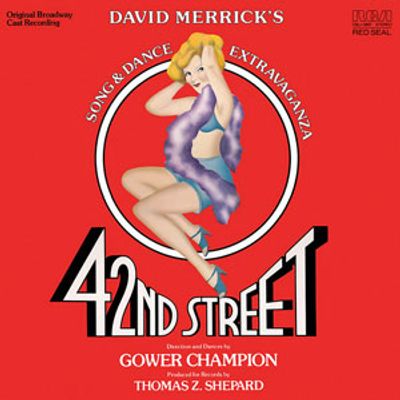
About
In one of the funniest episodes to date, Carole Cook brings Rob and Kevin into her LA home to look back on her eighty plus years in the business! From summer stock (where she does Sophie Tucker in Kismet....don't ask) to The Lucy Show, to being the second person to play Dolly to being the first person with a witty line, the incomparable Carole Cook looks back on her time in theatre, movies, and television, with wit, grace, and a penchant for four letter adjectives. Carole pulls back the curtain on her career to discuss how she caught the eye of Lucille Ball, what it was like being onstage to hear Gower Champion had died, and why she is still making headlines at 94 years old! Also, Carole shines the spotlight on Joanne Worley, John Kenley, and David Merrick. Become a sponsor of Behind The Curtain and get early access to interviews, private playlists, and advance knowledge of future guests so you can ask the legends your own questions. Go to: http://bit.ly/2i7nWC4
Transcript
This transcript was automatically generated and might contain errors.
[0:00] Kevin David Thomas: Money makes the world.
[0:02] Robert W. Schneider: Go around the world.
[0:03] Kevin David Thomas: Go around the world.
[0:05] Robert W. Schneider: Go around.
[0:06] Kevin David Thomas: Money makes the world.
[0:08] Robert W. Schneider: Go around and makes the world go round.
[0:10] Kevin David Thomas: Good job, bro.
[0:11] Robert W. Schneider: Thank you. Kevin and I actually rehearsed that for a long time before we went on the air.
[0:15] Kevin David Thomas: Friends, congratulations. You're getting a new Patreon advertisement from us, as you know we've had one for a whole year.
[0:20] Robert W. Schneider: So enjoy the Money Money song because you're gonna hear it for the next year.
[0:23] Kevin David Thomas: But you know, I'm not singing I dreamed a dream anymore, so I'm gonna miss it.
[0:27] Robert W. Schneider: Okay, so friends, you should know the drill by this point. We have 47 wonderful patrons on Patreon.
[0:32] Kevin David Thomas: Thank you.
[0:33] Robert W. Schneider: Thank you. Patreon.com. That's P-A-T-R-E-O-N.com as Patreon.
[0:35] Kevin David Thomas: P-A-T-R-E-O-N.com. Rheon sounds like a drag queen from the 80s.
[0:42] Robert W. Schneider: Don't tell mama. So as you know, um we are an entirely, we are not funded by anybody except Patreon patrons.
[0:49] Kevin David Thomas: We there was a lot of peas in that sentence, a lot of explosive peas.
[0:52] Robert W. Schneider: That's good. Um thank you. It's very emotional. Thank you.
[0:54] Kevin David Thomas: After I had my stone removed, there was a lot of explosive peas as well.
[0:57] Robert W. Schneider: Thank you. I'll be here all week, folks. So once again, we need your help.
[1:01] Kevin David Thomas: Head on over to Patreon.com. How is that spelled, Kevin?
[1:04] Kevin David Thomas: Patreon.
[1:04] Robert W. Schneider: P-A-T-R-E-O-N.com. When you head over there, you're gonna search for Ban the Curtain, Broadway's Living Legends.
[1:10] Kevin David Thomas: And once you get there, you're going to hit a button that says It's gonna say become a patron.
[1:14] Robert W. Schneider: And you can give us whatever you got. A dollar, two dollars, five dollars, anything that you give us.
[1:18] Kevin David Thomas: Cast album collection.
[1:19] Robert W. Schneider: Yes, oh yes. Please, please, please. We will totally take that.
[1:22] Kevin David Thomas: Anything that you give us will be a wonderful contribution to helping us get this thing going.
[1:27] Robert W. Schneider: Thank you. We love you guys for it.
[1:30] Kevin David Thomas: We love you. Money, money, money, money, money, money, money, money, money, money, money, money, marka, yana, backup.
[1:36] Robert W. Schneider: It makes up waggle.
[1:37] Kevin David Thomas: Right. I thought I did good.
[1:40] Robert W. Schneider: That was pretty good. Thanks. I'm a star.
[1:43] Robert W. Schneider: Hi, I'm Robert W. Schneider.
[1:45] Kevin David Thomas: And I'm Kevin David Thomas.
[1:47] Robert W. Schneider: And this is Behind the Curtain Broadway's Living Legends.
[1:50] Kevin David Thomas: Don't forget to follow us on Twitter at Broadway Curtain.
[1:53] Robert W. Schneider: And make sure to join our Facebook page at Behind the Curtain Broadway's Living Legends.
[1:57] Kevin David Thomas: You're gonna cut me off.
[1:58] Robert W. Schneider: Go for it.
[1:59] Kevin David Thomas: Yep, sorry. And follow us on Instagram at the Broadway Curtain Podcast.
[2:02] Robert W. Schneider: Plus, you can always listen to our podcasts on Broadway World and Stitcher.
[2:06] Kevin David Thomas: From the great big state of Texas to the Great White Way, today's guest is a true icon of the industry whose razor sharp wit and humor has been a fixture on television, movies, and stages for over 70 years.
[2:19] Robert W. Schneider: She is best remembered by theater audiences for her appearances in romantic comedy with Anthony Perkins and Mia Farrow, and for creating the role of Maggie Jones in 42nd Street, as well as having appeared in the 1956 seminal production of the Three Penny Opera, not to mention the fact that she was the second person to play Dolly Levi and the only person to play the title character in both MAME, the musical, and anti-Mame, the play.
[2:47] Kevin David Thomas: Oh my gosh. And do we even need to mention her appearances in Sixteen Candles, The Incredible Mr. Limpet, The Lucy Show, Here's Lucy, and so many others, plus her award-winning cabaret career.
[3:00] Robert W. Schneider: And I know. As if her work as an artist wasn't enough, she was one of the first individuals to demand that the world help those suffering with HIV AIDS when many folks didn't want to acknowledge it was even happening.
[3:11] Kevin David Thomas: This demand for helping when most needed and speaking her mind in the face of criticism is still on display today. Don't believe us, head over to TMZ to see her in action.
[3:21] Robert W. Schneider: Uh to tell us what it was like to work with such legends as Lucille Ball, who is the maid of honor at her wedding. I won't give me too much away.
[3:26] Kevin David Thomas: Lucille Ball, Robert Osborne, Gower Champion, Tom Troop, her husband, Ethel Merman, and oh so many others, here to help us shuffle off to memory lane, like you would do to Buffalo, is the incomparable Mildred Francis May, CAROLE COOK.
[3:42] Robert W. Schneider: Carol, how are you today?
[3:43] CAROLE COOK: I'm exhausted from that introduction.
[3:46] Robert W. Schneider: I am so damn tired. Carol, you have done it all. Carol, where'd you grow up?
[3:50] CAROLE COOK: I grew up uh, well, as they say, in Abilene, Texas, honey, but you can't hardly tell it now. Plum lost my accent. And don't ask. I mean, how I can't remember ever not wanting to be an actress.
[4:08] Robert W. Schneider: Yeah.
[4:09] CAROLE COOK: So uh I don't know whether you I think it's kind of like people that are called to, you know, to uh the call for God to be a pastor or medicine or something. I can't remember um why I thought that, but I knew I wanted to be an actress, and um uh I would do little school plays, and my mother kind of um played into that.
[4:36] CAROLE COOK: Now she knew nothing about professional theater. It's just that she thought it opened our minds. She was sort of like a rural anti-Mame without the money or sophistication, which doesn't leave a hell of a lot with me, as a matter of fact. But she would drive us to Dallas, Texas to see Ethel Merman and the Lunts, Alfred Lunt and Lynn Fontaine, and uh Jane Cowell and Catherine Cornell.
[5:04] Robert W. Schneider: You're too young to know who you know, but you do teach history.
[5:07] CAROLE COOK: Yeah, so you actually got to see Lunt and Fontaine on stage.
[5:10] Robert W. Schneider: You bet.
[5:11] CAROLE COOK: What what is that? Tom and I I'm married to a fabulous actor named Tom Troop, my loved actor. And we call ourselves the Polish Lunks.
[5:22] Robert W. Schneider: Because they were my idols.
[5:23] CAROLE COOK: Yeah. Alfred Lunt and Lynn Fontaine. I'd never seen anything like that.
[5:26] Robert W. Schneider: What made them so magical on stage?
[5:32] CAROLE COOK: I believed everything they said. Who they said they were. Yeah. I just believed. I believed. I believed. And um it's uh true of all great artists.
[5:42] Robert W. Schneider: Yeah.
[5:42] CAROLE COOK: You just go with it and you believe. And um I remember um when I was about four or five years old, and it would get very cold in Texas, very cold. What they call Blue Northers. I remember waking up one morning, and my mother or daddy had come into the room and put on the heater. So the windows fogged up, you know, froze over. And I remember getting up, and for the first time I remember walking over, seeing the frosting on the glass, and my real name is Mildred Francis Cook. And you don't care about a thing like that. And I wrote on the window, Mildred Francis wants to be an actress.
[6:30] CAROLE COOK: Oh I wrote that on the window. And um from then on every morning I would write a wish on the window. And uh my mother and daddy called it K Mildred Francis's Wishes on the Window. I even once wrote on there, uh, Mildred Francis wants a baby brother. And I got a baby brother. And years later, my mother and I were talking about and I said, Mother, that was so sweet of you and daddy to go to all that trouble to get me a baby brother. She said, Oh Mildred Francis, it was our pleasure. But um I had that kind of background.
[7:09] Robert W. Schneider: Yeah. What did your father do for a living?
[7:12] CAROLE COOK: Uh statistician, vice president of the West Texas Utilities Company.
[7:17] Robert W. Schneider: Wow.
[7:18] CAROLE COOK: And um but he died, my father died at 46. So um, you know, that that changed everything too. I didn't get to go to New York as soon as as I wanted to.
[7:29] Robert W. Schneider: You wanted to go home and take care of your your mother and I had uh uh th three siblings, all younger than I. I was the eldest. I didn't admit that for several years, darling. But you can't lie about that anymore, not with computer age.
[7:45] CAROLE COOK: Yeah, yeah. You have to tell your age.
[7:46] Robert W. Schneider: Absolutely. Which which is fine with me.
[7:49] CAROLE COOK: Yeah. And um but it was it was one and then I went back to Baylor because my father died, and uh got a master's in Greek drama.
[8:01] Robert W. Schneider: I know masters in Greek.
[8:04] CAROLE COOK: I know. I know. I did Medea, I grabbed my tits and came on stage screaming, Death, Death To Little Craig Death.
[8:16] Robert W. Schneider: And that's when I decided, you know, you better go into musical comedy. Grabbing your tits and coming on stage is not not your forte.
[8:29] Kevin David Thomas: I disagree.
[8:30] CAROLE COOK: I disagree.
[8:31] Kevin David Thomas: Oh, you've seen them.
[8:33] CAROLE COOK: They were perky. They were perky for a long time.
[8:36] Robert W. Schneider: Okay. But uh I love this. But I did I did love it. And when you were growing up, were you listening to cast recordings or or what do you remember some of your favorites or or Oh yes.
[8:47] CAROLE COOK: Everything Ethel Merman did, Mary Martin, you know, all of those. And even opera. I s I would sit, I know that seems really strange, but there was no television then, darling, and I would listen on the radio to the Saturday afternoon Opera of the Air with a man named Milton Cross, had this fabulous voice, and I would sing along with A. T. O. Pinza and then switch to Lily Pons, who was a coloratura.
[9:18] Robert W. Schneider: Well, that does explain the voice I have now. I sound like a female impersonator.
[9:24] CAROLE COOK: Drag Queens International.
[9:27] Robert W. Schneider: The patron saint of drag queens.
[9:28] CAROLE COOK: Yes, indeed. So why not California? Why not film uh uh the film industry? Did that not appeal to you?
[9:33] CAROLE COOK: No, always Broadway. Always Broadway. When did you finally get up to New York?
[9:39] Robert W. Schneider: Um well, then I went to New York and uh worked at the Marty Bra Brazier Company.
[9:45] CAROLE COOK: At the Brazier Company, okay. And uh that it was not my favorite thing, but I had absolutely no qualifications for getting a job.
[9:57] Robert W. Schneider: I mean, I said I have a master's in Greek drama. They go, No shit, how fabulous. Well, good for you, honey.
[10:07] CAROLE COOK: And um, but that's what I did and my first real job in show business was the famous iconic production of Three Penny Opera, Dry Guschen Opera.
[10:23] Robert W. Schneider: Okay, so how did that come into your orbit?
[10:26] CAROLE COOK: I had my coach how who coached you on Three Penny?
[10:29] CAROLE COOK: Uh uh Harold Fonville was uh everybody had a coach at that time. And um so he said there's a th a three penny show called Three Penny. Well, I certainly knew what having having a master's degree and all that kind of stuff. And uh Charlotte Ray was playing Mrs. Peacham.
[10:50] Robert W. Schneider: And we know the wonderful Charlotte Ray.
[10:53] CAROLE COOK: Now, I was working at the Marty Brabazir Company. I mean, I couldn't get arrested, you know. I was I'd come to New York. That's all I ever wanted was New York.
[11:04] CAROLE COOK: And um Charlotte Ray gave her notice opening night. She and I've discussed it. May I ask why she gave her yes, because she had been asked to go into a new Broadway show show called Pajama Game.
[11:21] Robert W. Schneider: Oh.
[11:22] CAROLE COOK: And she gave her notice opening night.
[11:25] Robert W. Schneider: Okay.
[11:26] CAROLE COOK: And the late great Charlotte Ray. And um they the management was I think rightfully pissed at her for doing that because she stayed, she gave no hint that she was leaving.
[11:42] Robert W. Schneider: And so she wanted to open in the show, which any actress worth her salt would do that.
[11:47] CAROLE COOK: Yeah, absolutely. Absolutely. I don't blame her at all. But the minute they heard it, of course, they panicked because they opened and it was a tremendous hit.
[11:59] Robert W. Schneider: And you know, it was down a little, it was in the village, you know, oh yeah. Like unheralded.
[12:05] CAROLE COOK: Of course, the great La Linia was in it, Kurt Weil's widow. Mark Blitztein was with us at that time. And I, you know, I was I was younger then, and it was I didn't even kind of know what it was about.
[12:24] CAROLE COOK: I remember when I got the part, I went down, I played Mrs. Peacham, Charlotte Ray, I replaced Charlotte Ray, and it was very full of left wing, I mean, all very political, yeah, left-wing people and all that.
[12:42] Robert W. Schneider: And I remember people say, Don't discuss politics. Don't discuss politics, Mildred Francis. My name was still Mildred Francis. Mildred Francis, honey, I didn't even know who the president was. So what the hell did it be?
[12:56] CAROLE COOK: And I said, Oh, okay. But I'll tell you, getting that show was um it it was extremely theatrical in my life. And by that it had it was it was it had such an impression on me. It was such a hit that people came down, producers and wanted Lottie, Lottie Lena, to take it to Broadway. She refused. She said this was conceived down an alley in Germany, and that's the way it will be.
[13:34] CAROLE COOK: And uh nothing Hollywood about it, nothing, it was fabulous. But in the run of the show, Mrs. Peacham sings very bitter songs about first feed us, and then you talk right and wrong. You warn us you're about to lift our dresses, you know, it's first feed the face and then talk right and wrong, and it was bitter. Well, by the time I'd been in the show maybe a month, I began to get ready to go to the theater at night. I had my day job. But I would go, well, I'll just wear the black stockings. I won't have to change. Then I thought, I won't wear any makeup. I had to wear a putty nose. So I'll just I'll just wear no makeup. I wear babushka over my head. I looked like three penny opera before I even got to the theater. It had a tremendous effect on me. And everything was dark, everything was bitter, everything was fabulous, but it was a sordid piece.
[14:45] CAROLE COOK: So one day, as I said, by the time I got to the theater at night, I no longer put on the Mildred Cook face. No, no. I looked like Mrs. Peacham when I got there. So I would get there and I would look forward to coming out on stage and I was in a spotlight, and I would sing that bitter song about people's inhumanity to man. I had been to the dentist that day, and they had pulled a tooth. I am standing in the middle of the stage with a spotlight on me, and I'm singing this bitter song. I feel a trickle of blood coming down my uh out of my lip and down my chin. And I thought, instead of going, oh my God, I went, how fabulous. I've got blood. There's blood. There's blood on Mrs. Peachum. With that, I took my tongue and shoved it so that it would bleed more.
And that's how sick I was. That's how that's what an effect. Three penny dry Goshen Opera. And I mean, the blood was spurting, and the stage manager's going, Oh my God, she's bleeding. And everybody said, Oh, she's trying to do that. And I'll tell you, I've it was that curtain came down, and I had bled quite a bit. I mean, not enough to scare anybody, but I mean there was blood. And all I thought was, how fabulous. I'll never be able to top this. There's blood, and I'm doing three penny opera. I've topped myself. That was also the same night I went. I'm going to give my notice. What's a glittering tits girl like me doing in three penny opera? I should be doing a Medea. I should go back to Medea.
But it was that um it it was that compelling to me. And that and I'm grateful for having done that. To think how and it was it's never been done better. I've seen a million productions now of three penny opera, but they didn't, you know, they didn't give an inch.
[17:07] CAROLE COOK: Yeah. And Lottie Linia, this bird-like little woman, with this quakey little voice go, and the ship, the black freight. I mean, it the voice was like that, and very Prussian. Every night, nothing deviated. Always the same. Always the same. You know, in America we're very big on improv and uh and the illusion of the first time, which I certainly go for. Sure. And hers was the illusion of the first time, but it was always the same. Yeah. Exact illusion. I think that's a a Prussian mentality, you know. To have that sort of rigid rigid ability to recreate. Okay. Ver but brilliant. Yeah. Brilliant. And your cast, I mean, uh not only her, I mean, who is a genius, but you said Beatrice Arthur was with you.
Were you was Ed Asner in it with you or no? And Joe Sullivan and Ed Asner came into it later. Oh okay. But it was uh Marty Wolfs Mr Peachum. His um brother was a playwright Mar um uh and it was it was just an astound many um the audiences were hugely populated by uh Europeans and on Broadway they would have cast Marlene a Dietrich in that part sure Lottie yeah. Lottie was brilliant. Brilliant. None of the glamour she was a whore, you know, it was of that era and down and out whores.
[18:56] CAROLE COOK: And for for someone like you who re like you said before was not very political before did you think three penny opera then instilled in you some sort of sense of awareness? As a matter they were careful. Yeah very careful about um uh remember the McCarthy era and all of that. Yeah. So but there were certainly many left wing people. Yeah. You know, and I took to it just like that. Good. Okay, great. Okay. I love that. And uh but it was um it was um certainly one of the great experiences of from for me. And this was your first real professional job in New York. Let me ask you. Um we asked this to all of our guests. Uh is this how you got your equity card?
[19:41] CAROLE COOK: Uh no, I got my equity card in Texas. Okay. I had toured in uh a play in Texas, and so I had gotten I already had my equity. So you already had your equity card at that point. But from then opened uh not through that, but then I started going to, you know, auditions, all the auditions in the world, and uh that's where I that's where I got my craft together and did from I did everything from you know, hit the deck, uh boys from Syracuse, uh um Ado Annie, uh uh Oklahoma Brigadoon. Oh, you did everything, yeah. You name it, and later on Folly's I mean Yeah. I've done you know that is that's the thing I think that's missing now. Young people they really I played the big musical tents. Yeah. And they were fabulous. Fabulous. That's where I learned technique. You learn to do it not just you know, your favorite uncle can be the funniest man in the world on a certain night.
[20:53] CAROLE COOK: Yeah. But he can't do it nine times out of ten. That's the difference. Yeah. And uh champions can do it nine times out of ten. Make that eight out of ten. Make that eight. But that's the difference. Did you ever do the Kenley Circuit? Oh my darling, yes. I did not know John Kenley at all, and I have so many questions about him. Uh, because he's a fascinating John Kenley. He's an amazing tell us what lived as a woman in the winter months in Florida. And when I was uh doing MAME for Burt Reynolds at theater, yeah, um, he sent me this huge bouquet and said, I won't be seeing you. I will see you in the audience. I will see you on stage, but I will not be coming backstage. And I didn't understand that for obvious reasons. I think I don't know whether he didn't I certainly I was one person he could have Oh absolutely but what what did it matter to me? I would have loved to have seen him.
[21:58] CAROLE COOK: But um he lived as a woman, but s in the winter months, but in the summer he ran the most successful summer, and you would think a man like that, because he was he didn't he had on men's clothes in the summer, but he was strange looking. Yeah, honey, they loved him in Warren, Ohio. That's what I heard, yes. Yes, darling. And he had all his relatives on the popcorn machines and all this and all this, and and uh I did Kismet for him, I did a little abner for him, I did and it didn't matter if he if he had heard if I did a number that he liked, it had nothing to do with the show we were doing. He'd say, CAROLE, um why don't you uh he'd say Mildred. Still Mildred. Uh Mildred, why don't you put that number right in the middle of Kismet? I would do a number called Red Hot Mama. That's enough to kill you right there. But the audiences loved him and they loved it. It was it was hysterical.
[23:01] CAROLE COOK: Yeah, I'd heard stories, but this is true. This is true. He would put in other numbers and all that stuff. Oh yes. And and ask you to do it. I mean, he ran amok with the that. But it was like Brigadoon and um Oklahoma, it was like Eight O'Annie. Uh they were all the kind of the same Yeah, yeah. The further adventures of Ada's Annie in Scotland. You know. It was that kind of thing. But but I did m I did jillions of musicals. And so that's some of them good, some of them bad, but that's where I really learned.
[23:42] CAROLE COOK: That's where you learned your craft. Yeah. You didn't learn it in a ta the technique of loan and going out every night. And we don't really have that so much anymore. No, and that's why I don't know we I don't know where people learn it. Uh you can't sit at home. My husband and I do a lot of master classes in universities. And I go, I don't know. You can't just sit and expect the phone to ring. You you say you're an actor, unlike painters who can paint a picture. You may never sell one, but you can do that. You can it's hard to act all alone in a room. You can't do that. And you you've got to get you've got to go in workshops. You have to do something like that. You call yourself an actor, you've got to act to learn.
[24:32] CAROLE COOK: Yeah. You know. It has to be in front of an audience, not just you know, sitting in a classroom somewhere. You've got to learn to work an audience. Yeah. Uh especially in comedy. Because you do in comedy, you do depend on an audience to be with you. I mean, I need to hear them. I need to hear. Yeah. Um, not so much doing Medea. If they're laughing in Medea, there's a problem. You're you're in big trouble. In fact, I was in Warren, Ohio, doing Kismet when Lucille Ball called me. That's where that's where the change in my in my life.
[25:18] CAROLE COOK: How did Lucille Ball, if you excuse my ignorance, know who you were and how to contact you? She didn't have a clue. Yeah. Just lucky, I guess. Yeah. Um, she was uh the background that she was had a group she was getting a divorce from Desi. Now this is unbeknownst to me. I mean I had uh she and to do something with her time, she decided to have a bunch of young people around her and they would finally do a show on the studio lot, uh review. And uh that was that's what was happening in Hollywood.
[25:54] CAROLE COOK: So she was putting together an acting company? Uh well, she paid them each fifty bucks a week and they would do scenes and then they were all going they weren't under contract, but that she did it really to give herself something to do, and uh the little theater that was on the lot had been the the little theater that was there when she had been uh just a big player there, and Ginger Rogers was a star, and to keep Ginger Rogers' mother, Leela Rogers, out of their hair, the suits, the men at the top, gave Leela this little theater and said, Teach the young people that we have under contract. And Lucille Ball was one of those people, and Ginger was the big star, and that was RKO. And then later on, they bought it and it became dissolute. So that's what Lucy was doing. Unbeknownst, you know, that that was Hollywood. So I'm out in uh Warren, Ohio, and again, no cell phones, my darling.
[27:02] CAROLE COOK: And uh over the loudspeaker, I was in rehearsal, and I was playing La Loom again. That's where the tits enter. My whole my whole conversation. You know, your tits came on about four feet before you did. Not attractive. And uh well, if you don't have an act, you just fluff them up and you go on. So the uh phone rang, they said, Mildred Cook, the phone, and come to the phone. So the director said, You can go to the phone. So as I was going out, the voice on the monitor sounded very excited and said, Uh, it's Lucille Ball calling from Hollywood, California. Well, I went, No shit. I thought it was a joke. I mean, Lucille Ball, I don't think so. Went to the phone. Um guy was on the phone named Dick Coleman.
He'd been an acquaintance of mine in New York, um, not a close friend. In fact, I'm sure he yeah they had tried to find me. He didn't even know where I I was. I was out in stock, but he was one of the members, he was a member of that group of kids that she had together that were doing that. She was sitting around with him and and Bob Osborne. Yeah. Bob Osbourne, the famous Bob Osborne. And he was a member of the group. He was an actor then. And she said, We have a lot of people in our group, but there's no comedian that fills the bill, whatever that meant. And he said, gee, there's a girl I knew in New York named Mildred Cook. And I don't know where she is now, but I think you'd like her. Well, to make a long story even longer, they went, they called equity, they got my phone number, and they started calling my apartment building.
I was lucky there. See luck. The guy, it was a switchboard then. Switchboard, and the guy on the switchboard happened to like me because Dick said, This is Dick Coleman, Lucy Oball is trying to find Mildred Cook. Instead of saying she's out in summer stock, which I was, he had no idea where I was. He said he was so thrilled he hear it was Lucy. He went to the corner, got a magazine that had listing up every summer stock place on the East Coast, and there were dozens in there. He called every one of them until he found me and called them back and said, She's in Warren, Ohio, doing Kismet for John Kenley. They call me then out there. And that's how luck can what an amazing story. And uh and Dick said, and uh we're doing this uh review and Miss Ball would like for you to come out uh and audition and then you can go back to your next job uh it was two weeks it would be over and so I said oh okay and he said now here's Miss Ball now she wants to say hello well your mother here went a little bananas I mean I was really nervous and so when I said goodbye to her I went I didn't know whether to say Mrs. Ornez or Miss Ball so I said well I'll see you on Sunday Miss R Balls and from then on she always signed everything to me Miss R Balls.
I just didn't know whether Res or Ball so I said our balls so that that was my first time to talk to Lucy. And I came out here auditioned for her and uh that that was kind of like a movie because I wasn't a nightclub comedian. I w played the funny parts in musicals but she thought I was going to come in and uh uh have uh like numbers you know quicker yeah I didn't I didn't and uh the audition did not go well but that night Dick Coleman Bob Osburn Lucy and myself went out for dinner I was catching the plane back to Cohasset Massachusetts for the next days and uh she started talking to me, and I knew it had not gone well. But I thought, I don't care, I want Broadway anyway. Broadway, you know, and so I was a little hurt, but she said, Um, tell me where you come from.
So I started talking about, well, you saw me in at 54 below. It's those stories that I told Lucy. I mean, not all of them, but some of them that I told her about my mean grandmother and all of everything that happened to me uh growing up, and we all have those experiences. They're not funny when they're happening to you, but they're funny when you tell them. Yeah. And uh she thought that was great and funny. She said, You've got to you've got to tell those stories. Well, it took me 50 years. I'm a slow frickin' study. But um, that won her over. Another rut of good luck. If we hadn't gone out for dinner that night, it would have been over. And at the end of the evening, she said, I wanted you to come out here to do the show.
And I went, and she said, and I know you've had your name Mildred for a long time, and we all love having our names, and we're very protective of our name, but I wonder if you'd change your name. Yes, I said, Yes. I can be stay with the money, honey. So I said yes, and she said I said, What would you like to change it to? She said CAROLE, and I why CAROLE, for CAROLE Lombard. There was a famous actress named CAROLE Lombard, Mary Clark Gable, and Lucy wrote on the tablecloth, which I she worshipped CAROLE Lombard. Now she was not saying my talent was up to CAROLE Lombards, but she was saying my attitude was a lot. She worshipped CAROLE Lombard, and she liked what CAROLE Lombard was in person kind of, and she wrote on the tablecloth.
You, Mildred Francis, and CAROLE Lombard have the same healthy disrespect for everything in general. I took that as a compliment. That is a compliment. And I wish now I'd kept that tablecloth. Yeah, yeah. And she wrote CAROLE on the tablecloth a lot of ways. Um with an E, without an E, with a K. She did it all sorts of ways. I would kill to have that tablecloth. Absolutely. What's what was it like being mentored by Lucy Oball? Would you consider it a mentorship, a friendship? Oh it was both. It was both naturally. Um but and I was it wasn't like I was, you know, twelve years old. So I was already I was farm. Oh yeah. And uh but she became my mentor and my the you know, my biggest fan, you know.
Yeah, and that that kind then she put me under contract and uh uh for a series. It was all of that time also that um that I was put under contract to Warner Brothers for two pictures a year. And uh so so just so I'm clear you had a contract with Warner Brothers. Warner Brothers and with Des Lou. Oh my gosh. Pictures for the Warner Brothers and TV for Desigu. Now, meanwhile, I had met Tom. Yeah. Well now, how did you and Tom meet? Well, um I went to see Bob Osborne, here we go again. Bob Osbourne and I went to see a play called A Caretaker by John Osborne British British play. And there are only three men in it. And uh Bob Osbourne took me to see the play. I didn't know Tom he did. I knew Ray Strickland another young actor fabulous actor was in the play.
So off we went to the play and I remember thinking very well uh to this day I thought Tom Troop I thought that actor is one of the best actors the best actor I've ever seen I'll tell you why Rob he didn't seem to be doing anything you know how most actors you go great voice or they move great or they and that's all good. He didn't seem to be doing anything obvious but the end result was theatrical. Yeah I haven't figured that out yet and are you gonna tell her Tom Tom says maybe maybe and uh I'm still trying to we've been married 54 years and people said it would and I've never thought of divorce. Hey no murder yes oh my god yes and the same for him but and when we got married Bob Osborne was our best man now Lucy was oh she loved Tom she liked him better than me really and so I decided I would I thought I'm getting married and we went to uh the minister to get him to uh you know do the nuptials at all and he asked me he said uh this is not your first marriage is it Miss Cook I said yes I just look like I've been around the block a couple of times it's my husband who to be that's been around the block and um and I decided that I would try to look virginal for the festivities.
I decided to wear no makeup. My idea was that I look like Grace Kelly. Yeah. I look just like the ghost of Christmas past. I mean Tom lifted the veil. He had no idea who it was it was like who uh in Patty Duke in the miracle workout. He he went CAROLE Carol he couldn't even tell who it was and then something really fabulous happened and I had to make a decision that you want me to tell this? Yes, oh yes. Okay, you're not bored spitless are you? Are you kidding me? Are you kidding um Mike Stewart who wrote Hello Dolly um in the book to Hello Dolly it was Jerry Herman called and said CAROLE they're looking for s uh for someone to go to Australia. Only CAROLE Channing has played Hello Dolly. She'd been in a year and everybody in the world is but I think someday you will play it.
So I want you to come in and I want you to audition for the big time first. And you will play it down the road, but I think he thought, you know, you'd have a shot. So it was at Christmas. So Tom said, You've got to go in. So I went in and I auditioned for Hello Dolly that afternoon. And I went to see the show that night. And it was entirely different from what I thought. Well, you know people of history. I'd done uh The Matchmaker. But the Dolly in the Matchmaker is very different. As the Dolly in the Merchant of Yonkers different from you know, it's like it's like Lillium and Green Grow the Lilacs and Oklahoma. Yes. Yes. And for a minute that that for a little bit that threw me because I'd done the matchmaker and it's Dolly Levi and that, but it's very different from the star of a musical comedy.
And so that night I went to see CAROLE Channing and she was brilliant. It was fabulous. I I just thought, oh my God, if one day I get to to play it. And uh I thought those are big shoes to follow, CAROLE Channing. Fabulous. She was fabulous. So anyway, um I auditioned uh n the next day again they had me read and sing again. Then I flew back home. I was doing a small part on the Lucy show because I was doing that while they were writing a sc uh script for me uh series and doing my movies at Warner Brothers, The Incredible Mr.
[40:25] CAROLE COOK: Leppett and Palm Springs Weekend, I'd done those two. And uh I'm in rehearsal on the lot and Lucy on the Lucy show. And they said, CAROLE, you want it on the phone and they said, oh you'll have to we were on in the big sound stage, so they're sort of like football stadiums they had the seating I think. They said you'll have to take the phone call underneath the bleachers. I said fine. They said take it far away because you won't be able to hear. So I went over to the phone. I said hello and they and I said this is CAROLE and at the other end of the line was Gower Champion. Oh hello Dolly Well hello and then Mike Stewart it's so good. Nice to have you back where you belong and then the two of you're looking swell Dolly.
Now that was very theatrical. Wow I mean and that's how I knew I had it. They called me to the phone I was under the bleachers on a studio and then I panicked because I thought be careful what you wish for you may get it 'cause I had problems here. I mean I was under contract to do two studios.
[41:54] CAROLE COOK: Yeah. So let's put it this way, Rob, I groveled I uh cried, offered money, my body. Yeah they didn't take my body. They said we wouldn't touch that with a tinfoot bow. We know where it's been. Um anyway, uh they uh Lucy well anyway, negotiations happened and I finally it was it was difficult. Yeah. Both contracts had to be gotten out of and I had to do a lot of promising when I came back and said but of course they didn't know I was gonna be gone.
[42:35] CAROLE COOK: A year and a half, two years. It was such a so for me it was I know uh b even today people say, Oh, you were signed for movies and a series and you took Australia and Hello Dolly. And you know what? I'd still do it again that way. And because you never know. But that's and that's what your heart was. Your heart was comedy. And uh sure, I might I might have s I might have been here and sat on my ass for two years too, you know. But but it I certainly had a good shot. Pictures at Warner Brothers and and a series for Desolute. But to play Dolly and remember it was mammoth at the time. Only only CAROLE. And she just been it was only a year old when I got it.
[43:33] CAROLE COOK: And so I went to Australia and Tom had to finish up I don't know what we were thinking. We thought, Oh, he'll come down every month and say hello. You don't come down every freaking month. Australia. I mean it takes you about a month to get over the trip. But um he did come down a couple of times and then he said this isn't working and he came down and uh stayed with me the whole time. And um his teacher in New York had been Utah and all that. So he was a great uh knew teaching so well and a great teacher. So he taught all classes for all of my kids that were in the show.
[44:18] CAROLE COOK: Oh wow and he did it you know just for free and they gave little you know recitals and everything so and they loved him. He became their mentor. Yeah all of yeah there were so many people in that and they'd never had that kind of training you know and so it was fulfilling you know from both of our standpoints.
[44:41] Kevin David Thomas: Yeah you know what a great use of your time Tom.
[44:44] CAROLE COOK: Yeah. You enjoyed it?
[44:47] Kevin David Thomas: Yeah.
[44:47] CAROLE COOK: Yeah and they really they just loved him you know I mean they and it I don't know there we were the Polish lunch dude there Polish lunch I love that. But uh Dolly was certainly uh from my standpoint career wise uh well Tom and I've done um the line in winter together we've done Jen game we've done Father's Day and those have been high points in my career the fact because I've that's what the lunch did.
[45:18] CAROLE COOK: Yeah I thought that was fabulous yeah and but certainly Dolly would be one of the for me one of the I mean to get to do that part uh every night you know was your was your dolly different than her dolly?
[45:35] Kevin David Thomas: I'm sure it was 'cause you're I mean you're two totally separate performers.
[45:39] CAROLE COOK: Only in that we I'm CAROLE COOK and she's CAROLE Channing. Um because I was a second dolly the um um Palmer was her name she came from Australia head choreographer was in New York for four months learning the exact choreography every uh Fred Hebert who was David Merrick's sidekick uh came down there to direct it had to be done exactly verbatim like because it was a second production so they were extremely protective I mean I didn't have to do CAROLE Channing yeah but um choreography um all of that uh set costumes uh and my costume were a little different if I if if there was something that fit my body better than hers but it was all Freddie Whittops.
[46:35] CAROLE COOK: Yeah um it yes it was uh a replica except except that I'm Dolly so as far as I'm different from CAROLE Channing my dolly was CAROLE COOK hers was CAROLE Channing and the final night of Dolly I've been with them so long that uh in Australia and New Zealand we closed in New Zealand they throw streamers and by then people get tickets for the final night and they've seen you do it probably two or three times already so they know every line you're going to say so I was trying to be the grand old lady of the theater.
[47:17] CAROLE COOK: I said, remember, no matter what happens, darlings, we play the play. We don't we don't go with all this shouting. I mean, we love it. We we play the play. Well, honey, I put down the paper, you know, and I put down a newspaper which is my opening, and I go Dolly Levi. Well, it went on for and I thought, Hold it, CAROLE, you must not do so I held it until we got to the hello dolly number and there's a set encore where Dolly turns to the boys, the audience is screaming and says, you know, one more time.
[48:01] CAROLE COOK: And I turned and like a real idiot, I said, My darlings, for the last time in our lives. Well, they all started crying. I started crying and I made the ugly cry. You know, so I turned around. I was trying to gorgeous and I went, Hello doll in the the face. Uh but it was an extremely and I ha I let everybody in the company on closing night take their solo bow on the passerelle on that walkway that was by the orchestra.
[48:36] CAROLE COOK: They every bit everyone in the company I had them all walk. Well everybody got to walk that like Dolly. It was so That's magical and that whole thing was magical. So where do you go from there?
[48:52] Kevin David Thomas: That that's straight down.
[48:55] CAROLE COOK: That's a pretty high place.
[48:57] Kevin David Thomas: It is.
[48:58] CAROLE COOK: It's yes it you could retire on that I'm assuming be happy. So where do you so what's next for you then after that?
[49:04] CAROLE COOK: But I came back and then I started doing a lot of television. You had you had to come back and Oh oh y well the show closed.
[49:11] Kevin David Thomas: Yeah.
[49:11] CAROLE COOK: Yeah. But contr contractually were you supposed to come back and finish the things you had left behind or yeah.
[49:17] CAROLE COOK: But yeah, but that had only lasted a year. I was gone over.
[49:20] Kevin David Thomas: Oh, okay.
[49:20] CAROLE COOK: Okay. So that was over.
[49:24] CAROLE COOK: Yeah. Which again was fine. I got to play Dolly and Tom and I got to be there. So, you know, if it it was fabulous.
[49:34] Kevin David Thomas: Yeah.
[49:34] CAROLE COOK: Yeah. That's who I am. That's what I did. And uh so I came in. Then I started doing television. Then I started getting calls to come to New York to do like um romantic comedy.
[49:46] CAROLE COOK: Yes. And uh and that's I got to work with the darling me affair. I gotta tell you this as darling. Because she is a precious person. I just love her. But you know, she has a a thousand children.
[49:58] Kevin David Thomas: Yes.
[49:58] CAROLE COOK: You know. And um and all kinds and starts of and she came to my dressing room and night and she said, CAROLE, she only had nine children then. And she said, I'm thinking of of um uh getting another child. What do you think I ought to get? I said, something in beige And she did and she did.
[50:23] CAROLE COOK: Oh my dear. Well we had laughs. That's all I can tell you. Anthony Perkins was in this too.
[50:30] Kevin David Thomas: Anthony Perkins was there.
[50:32] CAROLE COOK: Strange person.
[50:33] Kevin David Thomas: That's what I've heard.
[50:34] CAROLE COOK: I think psycho went to his head.
[50:37] Kevin David Thomas: Yeah.
[50:37] CAROLE COOK: I think I think that had a profound effect on him.
[50:40] Kevin David Thomas: So we ask everybody this.
[50:42] CAROLE COOK: What was your go-to audition song?
[50:46] Kevin David Thomas: Did you have a go-to audition?
[50:47] CAROLE COOK: One, yes.
[50:48] CAROLE COOK: Yeah. That Mike Stewart wrote. I did for Hello Dolly. It's see, in fact, uh probab we have tell it 'cause it was sweet. It it Bob Oswald, it's the only song I had. And it was an original called Red Hot Mama. Mike Stewart had a friend who wrote the uh music, but he wrote the lyrics early on, gave me the piece. It was mine, he wrote it for. It's the only number I had. I would sing that. And it's it's a catchy number, but I'm just a red hot mama, red dash hot day, mama, comma. I'm not so fresh on the stalk. And anyway, it's a it is I like it. It's a cute number.
[51:32] CAROLE COOK: So Bob Osbourne would take me to auditions all the time. I didn't have a car out here when I first came. And I'd sing that number, and he would go, Oh god. He heard that number a million times. When our darling Bob was very ill and was dying, um, just a few months ago. Um, I was Tom and I were on the phone, and we're, you know, we're uh we're torn up about it. And he's saying, No, it's fine, it's fine. And I said, Bob, it's a what is there anything you want to say to us or tell me something? Or I was really it was a lifelong friend, and Bob did something so bob that I couldn't stand it.
[52:22] CAROLE COOK: I said, just tell me, do you have anything? Let's talk. Don't don't hang up. He said, Yes, there is something you can do, CAROLE. I said, What? He said, Don't ever sing Red Hot Mama again. Now, is that brilliant? And he laughed. I laughed my ass off, but I wish I had laughed it off. But um but he I mean is that brilliant? And then he laughed. He said, we gotta laugh CAROLE. We gotta laugh. When he said don't ever sing. So I I didn't promise so. No, you didn't promise. No. So yeah they may call me tomorrow for something. And I'll have to do that. And uh but I did ask out of um Martin Gottlieb was our producer. How did you get into 42nd Street? I'll tell you how that happened. Uh Mike Stewart. I was uh walking by the um well in all probably theaters they have somebody he can be eighteen years old but they call him Pop.
Yeah and he sits in there at the stage door. He can be a kid eighteen they say hi Pop anyway I was walking by now remember this for cell phones and all so there was a a phone hanging there in the hallway and it rang and I picked it up as um I was finished I was going on stage for the vows and it was Mike Stewart and now I knew he was getting ready to do uh 42nd Street uh with Jerry Herman again and I knew that but it's like when you know somebody and they know you I'd done Dolly for I mean I I'd done oh yeah he was one of my best best friends a brilliant heaven man.
[54:19] CAROLE COOK: And uh so you don't say to them, Is there anything for me in that? If there is, he'll tell you you. You don't yeah. So I never I never said I knew they're doing it, and that's that. And he said, CAROLE, this is Mike. I said, Yeah. And he said, Are you anywhere where you can talk? I said, Well, I'm just going on stage for the bath. He said, Well, we just been in a meeting with Gower Champion, and Gower said, the writers of the show within the show, the two writers of 42nd Street in the show, uh, are two men, the characters are two men. He said, Let's change one to a woman and let's get CAROLE COOK. Oh. I the phone went clank. I mean, I went, he said, that was Gower's idea, CAROLE. I never would have thought of that.
I mean, but he couldn't wait to tell me. He said, So you're gonna get a call. And uh so I got the call. And uh and that's how I got 42nd Street. Oh my gosh. What what was this like? I heard there was lots of changes and uh well, because we opened the Kennedy Center. And even then, uh Gower um had a form, I'm not this I'm probably saying it medically wrong, but a form of leukemia, but nothing that w not near death. I mean, he was functioning, he was always at rehearsal, and but he would go to Bethesda in Washington DC and um have a blood transfusion, but he lived with it for years and that and he was always there, dancing and whatever. And um, so when we got into New York, David Merrick, who was a madman, you know, sly like a fox.
Oh, yeah, when I asked, crazy as a fox. But uh publicity was his thing. And um, but he he drew a line at certain things, and uh so David Merrick brought us in to New York and he did not want the New York Times critic to come before official opening night, and he was afraid he was gonna slip in and see the show. And I'm telling you, Rob, for several nights for this and uh uh they oh they told us that Gower it was only about four days before the opening. Gower was in the hospital, but everything was fine, and he would be back, he'd be there probably for a second night. Yeah, probably wouldn't meet there. But while we were doing our shows before, pre-opening, David Merrick would put a sign or have somebody up front saying, due to technical difficulties, there will be no show tonight.
We 42nd Street people, we did them for a while with full audiences. Then he stopped right before we opened for about four nights, and we would do the show full out, costumes, rehe uh everything, costumes, orchestra, everything, no audience, and he would sit there, he was the only one in the auditorium in a wingback chair like that one, like the grand czar of Russia, and we would do the show full out, full out. It's very creepy, yeah. It's very so, in fact, Barbara Cook used to tell it her act, she said, CAROLE COOK, which I did. I said to everybody in the cast, bring an eight by ten glossy of yourself or a little teddy bear. Because everybody in that show was eighteen years old, you know. They were they had to get off for days sometime to go to graduation from high school.
And so they were all and so we put 'em all in the seats all over the theater. So it looked like a crowd. And we played the stuffed animals and eight by ten glossies. Anything to cheer us up. And before that happened though, when we were doing full out performances with an audience, twice we had bomb scares. That's when David Merrick, because people accused him of doing it to get pu public. He said, I wouldn't do that. People would get hurt. Yeah, and he he really got angry about that. But so we did all of this. So opening night they called us in early for rehearsal. And we thought that's odd, 'cause you start early anyway. And we got there and they didn't rehearse anything. We were just called in.
And we were wearing badges by that time. 'Cause he was like a maniac about not letting anybody see that show till we opened. And we came in and uh show started. We they said Gower will not be there. He'll probably be there second night. We go out. And I mean, it was going like a house of fire. I mean, they loving, and it was full of Bob Fossey and all Josh Logan. It was theater crowd. Tom was in the third row center with Ethel Merman, our friend Ethel Merma, whom I'd gotten we'd gotten to know very well with our great friend. She's sitting in the third row. But it was fabulous. So at the and Tom had said, he told me later, they tried to go out at intermission, and they said the doors were jammed and they couldn't let people out.
Now what had happened? Again, no cell phones. They didn't want people going out of the theater because they would hear the news about Gower out. Well, I'll tell you, because Gower had died that afternoon. And David Merrick, but remember, no cell phones. So they could keep it a secret now that you couldn't keep it a secret. Yeah. And somebody would tell sooner or later anyway, and they did. But the West Coast people would hear about it, the news people, and be waiting out front of the theater at intermission and start telling everybody when they came out for intermission. Nobody knew it. Audience didn't know it. We didn't know it. Everything's going along beautifully. Big smash, you could tell.
And intermission, fabulous. We're all backstage. I had a quick change right before the bows. I went off stage to go into the quick change room where you change your clothes, dropped my dress and looked around. David Merrick was in the quick change room. Not didn't look up, had his hand like this on his chin, looked very door, very sad, pensive. And I thought, I thought, what can he be sad about there screaming and so I turned into Mickey Rooney and Judy Garland in front of your very eyes, which is not that attractive as I went out, you could just throw up. I say, gee, Mr. M, I think it's going great you know, and um he never looked up. Went on stage. We're taking our bows. Got to about fifteen, sixteenth curtain call and all of a sudden the audience is screaming.
They're standing up. David Merrick walks out on stage right, comes out and the audience goes wild. And again he looks very but that was his humor, black humor. So he looked very serious. And then he screamed screamed he held up his hand and he said I have an announcement. Again they screamed because they thought he was gonna say we're only going to run ten or fifteen years you know that was that kind of and everything and we all are applauding everything. And they screamed he said no you don't understand. And again they yelled and then he said Gower champion died this afternoon. You could have heard a pen drop. We were stunned. I remember thinking at the time, I thought, oh my God, why is he telling us this with the audience looking at us here?
But then I realized they were as stunned as we were. Those were his friends. There was, you know. In fact, they said Bob Fossey said afterwards, he said, I had to do a movie about it. Gower lived it. You know, dying. Quiet, quiet. It seemed forever. And I remember I put my arms around the ingenue wander route because I thought she might go, whoo, you know. Yeah. So I dug my nails into her, like, don't move. In just a few minutes, Jerry Arbach, who played the director in the show, stepped forward and said the line he says at the end of Act One in 42nd Street when he has to close the bring down the curtain because a star has broken her leg. Jerry stepped forward in that silence and said, Bring in the curtain.
Slowly, slowly. And as it came down, we just watched. And it hit. And right before it hit, you heard Ethel Merman in that voice of hers say, Well, if you gotta go, that's the way to go. Oh. And then thud, the curtain hit. And then all hell broke loose. Yeah. You know. People didn't know whether to come backstage, not to come back. You're you know, Tom came back and our relatives, but people didn't come back. On my my dressing room door, knock knock. I opened the door. Andy Warhol, who was when I first knew him, Andy Warhol was just kind of like this little sissy boy with the blonde hair. Now he's Andy Warhol. White hair. He was standing there. And he said lovely things about the sh you know.
Now you CAROLE, you were whatever. Fabian said, I loved it. I'll see you again. Reached over, kissed me on each cheek, turned, and wafted away. And that was so surreal. Rob, do you get me? All that whiteness. Yes. Yes. And Andy Warhol, whom I had not seen for several years. And he'd become what he'd become in the meantime. And for him to come back, and nobody it was kind of creepy. Yeah. It was What a bizarre experience. But it was uh it was an amazing. You if I tell you what, if you put that in a movie or in a show, they go, uh over the top, too much. Nobody would believe it. No, they they go, too much. Mm-mm. Don't do that. Isn't that something? That's incredible. Incredible. How long were you with 42nd Street?
I played it a year. Oh, here we go again. Then I asked out to go do a movie call in Greece called Summer Lovers. Mm-hmm. Uh uh for Randall Kleiser, who who directed the movie Greece, as a matter of fact. So I went to Greece and uh I was the first one to leave. And I remember when I they said you'll have to go.
[1:07:21] CAROLE COOK: Now my contract was for one everybody's for one year. So I felt okay about going to tell him. I mean I had I was legitimate. I like the others I was asking out early. But that was legitimate. Well, when I said Mr. Mayor got been over this movie, and then he went, You'll never work for me again. Get out of here. And I big old tears started coming down. I turned and he said, But you will play it for me in Los Angeles And I went, That's son of a bitch, I'll kill him. I said, I'll think about it. And so anyway, I played it a year there, I played it a year here, and then um with my buddy Leroy Reims, who was uh and a lot of them, but mostly my buddy Leroy Reeves. Oh yeah. My we love Leroy Better Hack.
And uh anyway, uh so uh we went to Tokyo and uh and and we uh played it in Tokyo, you know, for the where they didn't understand one damn word we said and and we kept and and at the end they go like we had been a rock concert, but meanwhile it'd been utter silence. I went, Where the frig were you when I needed you? Yeah, that's what I hear. I hear they don't applaud her. It's a very like minimal polite applause at the end. Or if well, I'll tell you that's why they took 47. You don't really have to know the story. You can watch that show and pretty much tell what's going on. Yes, yeah, you know, you Star Breaks Leg girl goes on and you know, and all that. Were you there for the opening night of Woman of the Year?
That was Leroy and myself, my darling. Would you tell us the story? Yes. And we want to hear it from your point of view. Yes. Because he leaves out one of the most important things. That was Leroy. I know that they think that story is like made up for a lot of people uh told in the Ethel Merman book they give No, it was Leroy and Mo. Tell it. Okay. Hit it. Okay. It was the first uh opening night of Woman of the Year with the ever popular Lauren McCall. Who we're never sure about. Anyway, so uh uh I said, Leroy, I have three tickets to the show. I want you to go. We're gonna take Ethel Merman and Mua. Tom was working, he was in the show. So off we go. And I uh call Ethel and we so we take the limo and we go in.
She has a bad cold. And in the limo she says, Now I have a bad cold. Here are some cough drops. She said, Unwrap them now. And she gave me a handful of 'em. She put a Kleenex out and put it, and she handed Leroy. She said, if I cough or even start to cough, give me a cough drop. I don't want you. So we're fine. So everybody sees Ethel Merman coming into the damn theater. Leroy and I on each side of her. And we're sitting there, and everybody's going, Ethel Merman, Ethel Merman, Ethel. And uh Lauren DeCall comes out. Big applause. And she gets the end of the number called. I'm a woman of the I'm the woman of the year. And she goes, I'm the woman of the Yeah. And it just splatters blue paint everywhere.
You know, I mean, it's just like that. And Ethel Merman says in an Ethel Merman voice, Jesus Christ. And she screams, Jesus. Leroy and I took the cough drops and both of them shoved them in her mouth. And then she went, Jesus. I mean, that and that's a true story. She leaves out that part of the story. And it's a cough drops, which I don't know. That's hysterical. It's the cough drops, which she gave him a bunch. I mean, and she went, Jesus, and we did this, she went, Cross. Because she intended, but Jesus, everybody heard. Then we did this, and the rest was muddled. It was like Jesus. He leaves out the best part of the story.
[1:11:43] CAROLE COOK: Um, I want to ask you about your activism. Um in in terms of, you know, you were one of the first artists to help get help for those that were afflicted with HIV and AIDS. Yes. At a time when a lot of people were not willing to help. Um, how did you get involved with being so passionate about finding a cure and helping those in need? 1984, 42nd Street out here. A kid in the company had it. No name for it. The plague, gay disease, the uh it was called all sorts of things. Gay cancer was one of the cancer. Um I was trying to think of uh Tom and I, by the way, he came from a well to do family. Father and mother disowned him. I told Tom, and we didn't we really didn't know what we were and n naturally we didn't know what we're dealing with.
That was and um everybody was afraid of him and I I must say not because I knew anything I'm I know, I know nothing, but I never thought I always thought they the ones who had it would be the sickly well, I never thought they could pass it on to me. Remember there was a big thing about kissing anybody and all that. I never in fact when our friends then we were hit. We we lost a generation, Rob. We lost a generation of talented, talented people. So it began to hit home with us. And at that time, there was there was nowhere to go to get help. I mean, so Tom and myself and and about seven other people, Billy Barnes, I couldn't name them all out all went in together because people we know good friends were diagnosed with it and we knew if one got it his partner was gonna get it and we all pooled our money once a month and we knew how much each some people couldn't whatever you could afford ten dollars a month somebody else twenty fifty whatever but we knew we had X amount all together you know and we divided it up with the people who were sick.
There was no agency to go to the and took care of their dogs or so it was I tell you just so sad I could hardly and when we go to the hospital to see people they put us in um you know heavy like the hazmat but that wasn't to protect us that was to protect them the patient for us giving because they had no immune system so that was to protect the patient not us. I mean we were fine you know um it started out very personally like you're good friends and you knew if one of them died if they had a partner. Yeah. They were both. And that and I was out here then and we star but that's what we did. I remember I was going to that park uh over here on um it doesn't matter off of Hollywood Boulevard. And we met there one day.
We brought picnic lunch and we all uh decided how much everybody sure could put in. And it varied, but that didn't matter. You know, we need to know kinda how much we would have so it started hands on uh uh yeah you know, in your living room and the benefit that David Gallaghan started with um uh um two other guys um it's called stage we did we just closed down this year thirty two years. I think I only missed two. I if I was in New York or uh playing somewhere I always said may I have that weekend off to come 'cause I but there were several of them wouldn't let me out or whatever. So um oh what was my point about oh um when we started stage still did not have a name for it. The gay disease again the plague the b uh uh we charged ten bucks and people say what's this for?
We said we're doing a little show we didn't know we were just making money for our friends. That's all we were doing. I mean we weren't um and we weren't making the money for research or anything. We're feeding people. Yeah. And uh and and it was hands on Southern California. And uh so we charged ten bucks. And uh Bernstein was uh Linda Bernstein was our first and then we we started in we did it thirty-two years and we went from how much time was uh I don't know. We we finally got at the at the very peak of it. We did four performances a weekend. Friday, two Saturday, and one Sunday. And we filled the auditorium and then we we charge I think it was a hundred and fifty two and we started doing uh receptions after so and uh uh auctions and and we made millions over the over the year.
And we were still hands on. We weren't like I mean, thank God we had the Elizabeth Taylors who had who had the people who donated millions. We were doing hundreds and hundreds of dollars and thousands we weren't but they did the research, they had the millions to do but we fed and clothed and rent and uh hands on. It's incredible. 'Cause it's and it seemed nobody was helping. Nobody was helping really except artists helping other artists. The government didn't want to get involved. Yeah. Reagan I don't think ever said the term until at the very end, I think somebody said he at the yeah, at the end. Yeah, I think he finally Yeah. He went yeah. You know. But it was hands on and away away and on on the level we could manage, you know.
Well bless you for doing it because it saved so many lives and helped so many people and and you just closed down after thirty-two years. Thirty two years. What a great run. What a great legacy. Angela Lansbury, CAROLE Channing, uh Bernadette Peters, uh uh, you know, everybody, you know. Well, I and all the Broadway. All our all our Broadway babies at right now are you know with us. In fact, we have a a club here that Charlotte Ray started, darling. Oh. And about three years ago, and it's all of us broads that are I'm just a Broadway baby. And what? Oh it was. And they're all of us and it's all of us and we meet the first Tuesday of every month at a little restaurant here, our favorite restaurant, Detroit on uh West Hollywood on Santa Monica.
They're not allowed to all the guys in there, nobody's allowed to come over to us because uh uh no, they're not by that because I mean there's if a bomb fell there it'd knock out all of anybody over sixty in show business. And and but we sit there and we tell fabulous stories. We have uh uh I went to the owner and I said, Now we want Tom, his name is Tom, and I said, and I love that restaurant the queen of that restaurant too. It's it's our cheers, isn't it, Tom? Yeah where everybody knows your name. Yeah, okay. And I said a group and there's usually about fifteen of us, maybe twenty, sometimes ten. It just depends on if people are uh uh free or whatever. But you'd be surprised. And I thought they're gonna go, Oh, here come those old show business broads.
Honey, they love you. I said, The only thing you have to do, Tom, has to be separate checks. If you think I'm gonna sit there and go now she had the mayonnaise yeah and she had the drink and she said I had two olives in my drink.
[1:20:54] CAROLE COOK: Well fuck you, I'm not doing all that. So uh, so they did that and all the guys, they draw a crowd just watching us. I what w and uh we always and the waiters, I thought now the waiters are gonna go, oh God, we kind of have to, we everybody eats a salad, everybody. And uh, uh Chris in there makes ice cream for us all the time.
[1:21:19] CAROLE COOK: Julio waits on and it's just um, and we always have a subject. You don't have to enter the subject if you want, don't want to, but our first subject and suddenly everybody wanted to wait on us. Our first subject was what's the worst fuck you ever had in show business? And everyone can contribute. Yeah, contribute. We all know somebody that and our what's uh, who's the biggest bitch you ever worked with? Or you know, it's uh, what's the worst costumer that ever put you in something? That's the worst costume you ever wore? Or you know, no, I'm I, I just funniest thing that ever happened to you on stage and we, we have that and you would not believe it's fab because most of us, the air, the ages may vary twenty-five years, but we all know we all talk the same, yeah, you know, it's the same people, same vocabulary.
[1:22:25] Robert W. Schneider: Yeah.
[1:22:25] CAROLE COOK: Same vocabulary. We've all been on Broadway a ton. We've all done mostly, mostly it's Broadway babies.
[1:22:32] Robert W. Schneider: I have to ask, who's at this table besides you? You said Charlotte started it.
[1:22:35] CAROLE COOK: Charlotte was one of our guests before she passed.
[1:22:39] Robert W. Schneider: Yes.
[1:22:39] CAROLE COOK: She was amazing. So Charlotte started it. You're at the table. Who else is at the table?
[1:22:44] CAROLE COOK: Uh Joanne Morley, Karen Marr, Nancy Dusot, uh um uh Mary Joe Catley, um uh Millicent Martin, um uh uh oh no um Jane A. Johnston, uh all of those are Broadway babies.
[1:23:01] Robert W. Schneider: Yeah.
[1:23:01] CAROLE COOK: They're all Broadway babies. Um now I'm gonna uh Eileen um God, my mind's gone. Don't you help to me, Tom? Um uh Jackie Joseph, uh uh This sounds like an amazing uh table. Uh oh, uh uh Beverly Sanders, uh I'm trying to put it. Oh, this is fine. No, we can we can always cut all of these, like you know, we can cut the gap, so don't worry about that. That's but incredible.
[1:23:36] Robert W. Schneider: No, I have to ask out of curiosity, and you don't have to answer this question. In terms of the worst lay that everyone had at the table.
[1:23:45] CAROLE COOK: I'm not gonna ask you, was did someone's name come up more frequently than others? One of them came up twice.
[1:23:52] Robert W. Schneider: One of them came up twice.
[1:23:53] CAROLE COOK: One of them came up twice. You don't have to tell me on air, but I'm curious. Can you mouth it to me?
[1:23:57] CAROLE COOK: No, no. She's not gonna, I'm so curious now. Okay, that's fine. It's always some straight ass leading man though.
[1:24:04] Robert W. Schneider: Of course.
[1:24:04] CAROLE COOK: Very square. If you have that kind of tenor voice, you know.
[1:24:09] Robert W. Schneider: Yes.
[1:24:12] CAROLE COOK: You know, you sing like that. You've got to be square. Not gonna be good. Okay. You can't have that kind of voice.
[1:24:18] Robert W. Schneider: So what's next for you? You just you just made your New York cabaret debut.
[1:24:22] CAROLE COOK: Yes.
[1:24:23] Robert W. Schneider: At a years old, which is amazing.
[1:24:25] CAROLE COOK: Yeah, yeah. And 94.
[1:24:27] Robert W. Schneider: 94.
[1:24:28] CAROLE COOK: 94. Yes, I peaked at 94. What timing is everything, darling. You are such a brilliant storyteller. What took you so, what were you resistant to doing a cabaret act?
[1:24:39] CAROLE COOK: No, I just uh yeah, I think I was. I uh I just I always thought of uh telling it I don't tell jokes. Yeah. And and I think cabaret is like I was chicken, you know, across the I guess uh it was always it was always just the theater.
[1:24:58] Robert W. Schneider: Yeah.
[1:24:59] CAROLE COOK: The theater. And uh so I mean I absolutely I I will be honest with you, Rob. I mean, I've played enough bowling alleys in my day, I know the difference, so uh me carrying on about that. But that was like uh a dream thing playing a fifty-four below. I'm like, well, fine signs at 54 below because it turned out exactly like I dreamed in my best dream.
[1:25:18] Robert W. Schneider: It turned out exactly good, good.
[1:25:35] CAROLE COOK: And I and I'm not good at two shoes, I'm way past that. Well you do hold I'm not making points anymore. You know, they say, oh people get ugly. No, honey, we're just not making points anymore. We want you to move your ass. We say move your ass. We don't say, listen, would you mind? Yeah, no. And uh but uh it was a perfect meeting of a storm. The audience, uh me, I was on my middle, they were on their middle, and I can't do it without the audience.
[1:26:06] Robert W. Schneider: Yeah.
[1:26:06] CAROLE COOK: The audience is my addiction. Yeah. My first addiction is Tom. And my second addiction though is an audience.
[1:26:18] Robert W. Schneider: Yeah.
[1:26:19] CAROLE COOK: Uh uh. So uh it and it was like a movie. Good.
[1:26:27] Robert W. Schneider: And it's brilliant. If for our listeners who haven't seen it, it's when when you are gonna do it again, right?
[1:26:31] CAROLE COOK: Yes.
[1:26:32] Robert W. Schneider: Okay. Good.
[1:26:34] CAROLE COOK: Yeah. Good. And you are gonna come back, right?
[1:26:37] CAROLE COOK: Yes. That makes me so happy. And I'm also doing it, it transfers very easily to a theater too. So I'm doing it now. Gonna do it in some theaters.
[1:26:45] Robert W. Schneider: Good.
[1:26:45] CAROLE COOK: And uh it's really, really wonderful. And I'm so happy that you're doing it. It was just magical. Good. You know.
[1:26:51] CAROLE COOK: What was magical for us in the audience is it was like a movie, and as I said, I played the bowling at least. I know the difference. Been there, done that, had the t-shirt sweetheart. No, I'm not a well woman. I'm we gotta move fast here. No, I'm gonna ask you one last question, then I'm gonna let you go on with your day.
[1:27:09] Robert W. Schneider: So uh how does it feel to be an internet celebrity?
[1:27:14] CAROLE COOK: Oh I loved it. If I can ask, if you don't mind my asking.
[1:27:18] Robert W. Schneider: I don't mind at all.
[1:27:19] CAROLE COOK: People are talking about you and loving you and want to put you on a pedestal. So I tell you what. I went we're talking about the political thing.
[1:27:28] Robert W. Schneider: Yeah.
[1:27:28] CAROLE COOK: Yes. Yes. You know what? Um I make no no apologies at all. It was a joke. Anybody, even the other side knows it's a damn joke.
[1:27:39] Robert W. Schneider: Yeah.
[1:27:40] CAROLE COOK: So but they'll grab anything, so that's fine. But you know what? Fabulous. Fabulous. It's what I believe. I find it appalling.
[1:27:52] Robert W. Schneider: It's more than appalling.
[1:27:54] CAROLE COOK: Uh what is going on politically. It's it's beyond words. It's beyond, beyond. Um and I was shocked. I'll be honest with me. I said it to the paparazzi, got in the car, never thought about it, darling. I said, Where were they? I've been saying that line since he was inaugurated. What the what the fuck happened all of a sudden? And the next one he said, Well, and I said Rob, I said I loved it actually, because uh in the Australian papers it said, our own dolly, our own dolly tells the president off or attacks the president. And good on you, girl. Yeah. Good on you, girl. And in your time, all that's about and anyway, they always said things like, uh, Broadway legend. I said, shit, my obituaries won't be that good. I said, Hell, I would have done that a long time ago.
[1:28:54] CAROLE COOK: And and uh the other night I had g we um Tom and I did a duet for the Actors Fund of America and they had me come out with uh two men dressed as uh my friend Mason McCullough and another guy, uh dressed as Secret Service man with the dark glasses.
[1:29:13] Robert W. Schneider: Oh funny.
[1:29:13] CAROLE COOK: And I had on handcuffs with pink fur on them. Oh, that's hysterical. It went ape. Yeah. And uh but you know what? It was all it yeah. I'm glad I did it. Uh don't regret it. Um made my point. Absolutely absolutely and this is gonna air obviously before the midterm so please go and vote.
[1:29:41] Robert W. Schneider: Oh yeah and that's how we that is actually that does count.
[1:29:47] CAROLE COOK: Yes. Voting is that's what we can do. It's not as sexy as the other stuff but it's absolutely what we can do that'll pay off that'll pay off. Absolutely you know that and you know what when somebody tells me I know who he is I know who he is but when somebody tells me they are far what he stands for then I have to say it tells me more about them.
[1:30:24] Robert W. Schneider: Yeah.
[1:30:24] CAROLE COOK: And that is sadness. It is it is but a vote can change that and hopefully everybody will come in button does it but well really what they should do is vote for me for queen.
[1:30:43] Robert W. Schneider: Yeah now now you got my vote I've got the clothes the TR we can work on that I should be queen a lot of my friends have made it.
[1:30:53] CAROLE COOK: Yeah absolutely absolutely darling absolutely so you heard it here first we want queen CAROLE COOK.
[1:30:59] Robert W. Schneider: CAROLE COOK for Queen.
[1:31:01] CAROLE COOK: Not Barbara Cook.
[1:31:02] Robert W. Schneider: No.
[1:31:02] CAROLE COOK: Right and CAROLE COOK. And the the profile looks good on the head of a coin.
[1:31:07] Robert W. Schneider: Yep.
[1:31:07] CAROLE COOK: I'll put you on a coin and a stamp. Maybe a flag.
[1:31:12] Robert W. Schneider: Well.
[1:31:13] CAROLE COOK: Yes. I'll put it where it does the most good.
[1:31:16] Robert W. Schneider: Yeah.
[1:31:17] CAROLE COOK: We're going to be wonderful. You are wonderful. Put glitter and tits on it. Darn would be fabulous. That's what America should be. Glitter and tits and CAROLE COOK. I'll go out with. I'm still here.
[1:31:30] Robert W. Schneider: Yeah.
[1:31:31] CAROLE COOK: Right. Right. Absolutely. You are the best. Thank you so much for all your time today. And Tom, thank you so much for being so kind and accommodating. I don't want to mention to the audience, but sweethearts out there, out there in Radio Land darlings. I've been on so long. You must have gone through menopause twice.
[1:31:51] Robert W. Schneider: Well, personally, I've gone through it three times sitting here.
[1:31:55] CAROLE COOK: But then again, it makes me walk funny. But otherwise, I'm a hell of a good dancer. Okay. God bless you. Till next time. Bye, everybody.
[1:32:05] Robert W. Schneider: Bye, everyone.
[1:32:09] CAROLE COOK: Stars in your multitude. Scarce to be counted. Filling our iTunes.
[1:32:15] Robert W. Schneider: They're not scarce to be counted, actually, Rob.
[1:32:17] CAROLE COOK: No, that is correct.
[1:32:21] Robert W. Schneider: I believe there are five stars.
[1:32:22] CAROLE COOK: They're almost all of them.
[1:32:24] Robert W. Schneider: Five stars for most of our podcasts, ladies and gentlemen. So this is how iTunes works. Thank you. Every time you rate us positively, we move up on the iTunes chart. So anytime anyone searches for theater and Broadway, the first things that come up are the highest rated podcasts. Huzzah!
[1:32:38] CAROLE COOK: Huzzah!
[1:32:39] Robert W. Schneider: We would like to be there as well. So now we're going to give you instructions on how to rate and review us the week. It's very simple and yet not simple at all. So Kevin, we go to podcasts.
[1:32:44] Kevin David Thomas: Go to podcasts.
[1:32:47] Robert W. Schneider: And then we'll go to search for it.
[1:32:48] Kevin David Thomas: You actually go to iTunes if you can.
[1:32:50] Robert W. Schneider: Go to iTunes.
[1:32:51] Kevin David Thomas: Don't go to Podcast.
[1:32:52] Robert W. Schneider: Yes, and then go to Podcast.
[1:32:53] Kevin David Thomas: And then you search for it.
[1:32:54] Robert W. Schneider: And then you're gonna search for behind the curtain Broadway's Living Legends, our podcast.
[1:32:57] Kevin David Thomas: It's our podcast.
[1:32:58] Robert W. Schneider: It's lovely. I hear it's great. Robert W. Schneider, Dead Sexy. And then you'll see. Go to ratings and reviews. Click that. That's in the middle of the page. Then you're gonna go to write a review. It's under custom reviews. It's a little tab, it's tiny. It says write a review. Click it. Give us five. Don't give us four. Give us five. If you want to give us four, that's okay, but just let us know why.
[1:33:13] Kevin David Thomas: No, I have issues with that.
[1:33:14] Robert W. Schneider: Okay, okay. I don't want you to do that, but give us five. Um and um and we'll thank you. Um and Rob always sends them to me, and it makes my day when he emails them to me. So, you know, thanks in advance.
[1:33:24] Kevin David Thomas: Yeah, it can't I Kevin sometimes cries a lot, so it's nice to see Kevin get it. He he just fucks up like a happy little young filly when he sees five stars coming his way.
[1:33:35] Robert W. Schneider: That's right. I promise Kevin that if we could get all five stars, I will stop doing my impressions that he doesn't like so much. So there we go, you guys. That's all it takes. Where am I going? Jesus Christ. Because I didn't get a star.
[1:33:49] Kevin David Thomas: I feel like Judygot. Moving on down.
[1:33:52] Robert W. Schneider: I'm Esther Blodgett, and a star is born. I was not allowed back on set after I stole James Mason's penny loafers.
[1:34:03] Kevin David Thomas: They looked pom at the sun. See, this is what happens. Give me five stars, you never have to hear it again. Bye.
© Broadway Podcast Network, All Rights Reserved