

She is as passionate offstage as she is on and her philosophy on life, art, and everything in between, makes Tonya Pinkins one of Broadway's fiercest artists... Read More
From the show: BEHIND THE CURTAIN: BROADWAY'S LIVING LEGENDS » Podcast
Guests
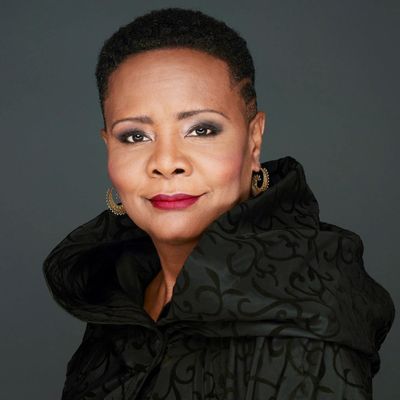
About
She is as passionate offstage as she is on and her philosophy on life, art, and everything in between, makes Tonya Pinkins one of Broadway's fiercest artists. From her Broadway debut in Merrily We Roll Along, to appearances in Jelly's Last Jam (for which she won the Tony), The Wild Party, Play On, Caroline, Or Change, Radio Golf, and Holler If You Hear Me, plus her controversial associations with Mother Courage and Rasheeda Speaking, Tonya is one of the industry's most, no pun intended, courageous artists. Tonya pulls back the curtain on her career to discuss how she went from rejection to victory in Jelly's Last Jam, what it was like creating Caroline, and why principles must outweigh art. Also, Tonya shines the spotlight on George C Wolfe, Gregory Hines, and Eartha Kitt! Become a sponsor of Behind The Curtain and get early access to interviews, private playlists, and advance knowledge of future guests so you can ask the legends your own questions. Go to: http://bit.ly/2i7nWC4
Transcript
This transcript was automatically generated and might contain errors.
[0:00] Robert W. Schneider: Thank you.
[0:06] Kevin David Thomas: Alright, ready, Kevin?
[0:08] Robert W. Schneider: Let's do it.
[0:09] Kevin David Thomas: Okay.
[0:10] Robert W. Schneider: Hi, I'm Robert W. Schneider.
[0:11] Kevin David Thomas: And I'm Kevin David Thomas.
[0:12] Robert W. Schneider: And this is Behind the Curtain: Broadway's Living Legends.
[0:14] Kevin David Thomas: Don't forget to follow us on Twitter at Broadway Curtain.
[0:17] Robert W. Schneider: And make sure to join our Facebook page at Behind the Curtain: Broadway's Living Legends.
[0:21] Kevin David Thomas: And follow us on Instagram at Broadway Curtain Podcast.
[0:24] Robert W. Schneider: Plus, you can always listen to our podcasts on Broadway World Institute.
[0:27] Kevin David Thomas: Fierce, mesmerizing, courageous. These are just a few words to describe both on and off the stage the artist that we have today as our guest.
[0:34] Robert W. Schneider: From her Broadway debut at 19 years old in Merrily We Roll Along to her most current appearances at the Green Room 42, today's guest has appeared in some of the most seminal Broadway musicals, including Jelly's Last Jam, for which she won a Tony Award, The Wild Party, Caroline, or Change, one of my all-time favorite musicals, Radio Golf, and many, many others.
[0:53] Kevin David Thomas: Plus the countless film and television appearances, and her fabulous book, Good Over Yourself: How to Drop the Drama and Claim Your Life You Deserve. And on Sunday, December 16th at 9:30 p.m., she will be appearing at the Green Room 42 in Naughty and Nice with Brad Simmons, the great Brad Simmons. More on that later.
[1:09] Robert W. Schneider: To tell us what it was like working with such legends as Hal Prince, Gregory Hines, George C. Wolfe, August Wilson, Diane Wiest, and in our books, the winner of the celebrity Dis Yourself Rap Rose, which is a good one. Love you.
[1:20] TONYA PINKINS: Thank you for that.
[1:22] Robert W. Schneider: Yes, please.
[1:26] TONYA PINKINS: Oh, thank you, guys. Such a pleasure to sit with you.
[1:29] Kevin David Thomas: Thank you.
[1:31] TONYA PINKINS: You have been on our weekly list for a very, very long time.
[1:35] Robert W. Schneider: Thank you.
[1:36] Kevin David Thomas: So we're going to start right at the beginning. Where did you grow up?
[1:38] TONYA PINKINS: I grew up in Chicago.
[1:39] Kevin David Thomas: Yeah.
[1:40] TONYA PINKINS: In Chicago.
[1:40] Kevin David Thomas: Yeah, south side of Chicago in a neighborhood called Jeffrey Manor.
[1:40] TONYA PINKINS: Jeffrey Manor.
[1:45] Kevin David Thomas: Yeah. And what did mom and dad do?
[1:47] TONYA PINKINS: Um, my dad was a police officer. My mom, when I was very young, she worked for the post office.
[1:54] Kevin David Thomas: Oh.
[1:54] TONYA PINKINS: And cool.
[1:55] Kevin David Thomas: Siblings?
[1:57] TONYA PINKINS: Um, well, I have half siblings. Yes. So only one brother who wasn't born until I was thirteen. That we share a mother and we shared a household for a very brief time.
[2:06] Kevin David Thomas: Every time, okay. So then growing up in Chicago, how did you discover the joy of theater?
[2:11] TONYA PINKINS: I had a teacher in elementary school who did like community theater and studied acting on the side, and so our elementary school productions were pretty elaborate. When we did The King and I, he rented the costumes, the hoop skirts. You did The King and I daily. I got to be Anna in The King and I in like seventh grade. Oh my gosh. I got to be Golda and Huddle in Fiddler on the Roof. The first show I did with him was Annie in The Miracle Worker, and at that point in time I was not willing to sing in front of anyone, so I would only hum the mockingbird song.
[2:49] Kevin David Thomas: Yeah. Did you have a fear of singing in public?
[2:51] TONYA PINKINS: Um, I just, you know, I am really shy. I have a persona that I created to do what I do.
[2:59] Kevin David Thomas: Of course. Totally get that. And so you felt that and so were you singing at all?
[3:04] TONYA PINKINS: Uh, not even in public. I mean, even in your privacy, which you sang and stuff like that.
[3:09] TONYA PINKINS: Well, like my aunts who were about thirteen years older than me, and they would always tell me I couldn't sing. So, you know, I would sing in the house, but you know, they were doing Motown, and that wasn't my interest.
[3:18] Kevin David Thomas: Your interest was theater music at a young age.
[3:21] TONYA PINKINS: The neighborhood I lived in when we moved there, it was an all Jewish neighborhood, and slowly, little by little, every night one family would move out, and there was one family that lasted for a really long time, and when they left, they left like they gave us their dog. And they left like a box of records, and I think Flower Drum Song was in there. There was a di, uh, um, uh, what else? Flower Drum Song, Little Night Music. Oh wow, um, something with "Don't Rain on My Parade" with Umny Girl, right? The most famous singer on the case. And uh this I don't know if this was Little Night Music, but because there were songs from Company on it, so I had a song time, something was saw on time, but I think it was like a compilation. And you know, so these were these shows that I listened.
[4:10] TONYA PINKINS: Oh, so South Pacific. Uh oh my gosh. So I that's what I would listen to in my basement.
[4:15] Kevin David Thomas: Yeah. Did you put on the show or just sit there and absorb the beauty?
[4:20] TONYA PINKINS: Just um sort of fell in love with the music.
[4:22] Kevin David Thomas: Yeah. Great. And then uh when college approaches, where do you go to college?
[4:27] TONYA PINKINS: Well, actually, before I get to college, I um that same teacher, he felt that my ability was such that I should study professionally. So at that time, David Mamet and William H. Macy and Steven Schachter were forming the St. Nicholas Theater Company, and they had a professional acting program. So I started there when I was fifteen, and um oh god, the guy who just died on Frasier, John Mahoney.
[4:52] Kevin David Thomas: Oh, yeah he was just leaving construction and he was forty-five. I was fifteen. We were starting an acting class together with William H. Macy as a no way.
[5:02] TONYA PINKINS: Yeah.
[5:03] Kevin David Thomas: You were at, oh sorry, go ahead.
[5:06] TONYA PINKINS: I'm like so many things. Did they consider you were fifteen taking a class with a man who's forty-five from William H. Macy, just making sure I'm on the same page.
[5:13] Kevin David Thomas: So you knew that you wanted to be a professional then when you were a teenager, or were you just taking these classes?
[5:19] TONYA PINKINS: My teacher, this teacher like sort of thought I should be an artist, and so he was always getting scholarships for me to dance and to singing and to all kinds of things. So I was, you know, just grateful for these opportunities.
[5:30] Kevin David Thomas: And what was that teacher's name again?
[5:31] TONYA PINKINS: Harris Goldenberg.
[5:33] Kevin David Thomas: Harris Goldenberg, yeah. When you were at St. Nick's did you run into somebody named Jim Wise?
[5:37] TONYA PINKINS: No, I'm so sorry I did not know Jim. I know Jim from Merrily.
[5:41] Kevin David Thomas: Oh yeah Jim Walt okay. Jim no I'm thinking Jim Weisenbach.
[5:45] TONYA PINKINS: Oh okay I'm thinking Weisenbach one of my teachers from grad school did St. Nick's for a long time.
[5:51] Kevin David Thomas: In the eighties, seventies?
[5:52] TONYA PINKINS: Seventies.
[5:53] Kevin David Thomas: Yeah maybe I did okay because I was there in like from like seventy-six.
[5:58] TONYA PINKINS: Okay.
[5:59] Kevin David Thomas: Huh seventy-six seventy-seven.
[6:01] TONYA PINKINS: You learned a lot I bet.
[6:02] Kevin David Thomas: And what was the foundation of the training there?
[6:05] TONYA PINKINS: Um it was Meisner.
[6:06] Kevin David Thomas: Was it Meisner based?
[6:07] TONYA PINKINS: Yeah so you know Bobby Lewis and people like that would come in so we had all Stanslavsky based it was, you know, I was the youngest person there and there were just all these extraordinary people coming through.
[6:17] Kevin David Thomas: Um do you still use the Meisner training in your...
[6:17] TONYA PINKINS: I do, I do. I later went back and studied with William S. for his two-year program but I've studied with Stella Adler herself.
[6:27] Kevin David Thomas: Oh my gosh.
[6:33] TONYA PINKINS: So um, you know, I use all those methods when I'm teaching.
[6:37] Kevin David Thomas: I must ask what's it like being in a classroom with Stella Adler?
[6:41] TONYA PINKINS: Stella was a character.
[6:43] Kevin David Thomas: Yeah we've heard other guests that have been in her bedroom for an acting class and it wise she was a character.
[6:43] TONYA PINKINS: She was a character definitely a character.
[6:54] Kevin David Thomas: Um when you get a role now how do you begin creating that character what's your process if there if there is a process um I think after I think it's been over 40 years that I've been doing this, um, I think that I'm I'm the tool. I am the tool. My body, my voice, everything about me, everything I know, everything I've experienced. And usually for me, the choosing of what I want to do in the theater is about who's in the room. Are there people that are smart and that I admire and that I want to learn? I'm really less concerned about scripts for the most part. I feel like if the people are people whose work I respect, if there are problems I find in the script, they're gonna solve them.
[7:32] Kevin David Thomas: Of course. Oh wow, oh that's great.
[7:34] TONYA PINKINS: Yeah, that's really, really great.
[7:35] Kevin David Thomas: So do you like to develop the character in the rehearsal room as opposed to, you know.
[7:41] TONYA PINKINS: I do my, I mean sometimes things just speak to you intuitively and you just know things about them. Um, but I do like to play on my feet and work and figure it out um in the room. That doesn't mean there isn't things that I think about at home, but certainly at every point in every process I reach this moment where I'm like, oh God, you're really going to fail worse than you ever ever have. Like I always reach that point, and that's when I know my work is just beginning.
[8:08] Kevin David Thomas: Oh wow. Are you a fan of table work?
[8:12] TONYA PINKINS: Uh I am.
[8:13] Kevin David Thomas: If the persons that I'm working with are smart.
[8:15] TONYA PINKINS: Okay.
[8:16] Kevin David Thomas: Like I don't want to sit at the table with you if you haven't done your work because I will have done my work before I come to the table.
[8:23] TONYA PINKINS: We're ready for that discussion.
[8:25] Kevin David Thomas: I'm ready. I love research. I could have been somebody's like research assistant because it's just something I love.
[8:30] TONYA PINKINS: You love edu, you love learning too. I've read that you've, I mean you've gone back to school so many times and you, I mean you're one year of law school. I mean like everything.
[8:36] Kevin David Thomas: And so yeah, I love that hunger. Even when we sat down listeners, be if she was like, What's that soundbox? What is that? What what what is that? What is that called? What do you plug into? I mean, like, bam. I mean, I admire that.
[8:46] TONYA PINKINS: I d it's just it's the thing that excites me most learning. I I don't know if I'm gonna get in this program. My girlfriend told me I had probably had too much attitude, but I went to a program the other day to sign up called New No, non-traditional it's called new, but it's non-traditional employment for women. And it's a program that um trains women to be uh construction workers in the construction working.
[9:09] Kevin David Thomas: That's amazing.
[9:09] TONYA PINKINS: And just going for the intro was so thrilling. Like these rooms full of women who were just from a totally different world. I mean, the way they talked. I just loved it. The math test was really, really hard. Like I used to be great at math and uh the addition subtraction math, I could barely finish that test. The advanced math that they gave us calculators for, I got like two wrong on that. Um but I don't know if I did well in my interview. I wasn't so docile and deferential in my personal interview, and they say they scored that. So they haven't called me yet, so I don't know. They said I'll if you could get in, you'll get the call, and if you don't, you'll get a letter. So I was like the highest test score, but yeah, I don't know that my interview is gonna get me in the program.
But if I get in the program, it's seven weeks training you. You can pick if you're gonna be in electrical or if you're gonna be carpentry or if you're gonna be plumbing, and I really want to do this program.
[10:03] Kevin David Thomas: Do you know where you want to go? Do you want to do electrical or plumbing or um I think I'm gonna do carpentry.
[10:07] TONYA PINKINS: Oh, carpentry. Very cool. I want to build a house one day, my own house. I want to build a house.
[10:10] Kevin David Thomas: Yeah.
[10:11] TONYA PINKINS: So carpentry is what I want to do.
[10:13] Kevin David Thomas: That's awesome.
[10:14] TONYA PINKINS: Yeah. Alright, so now we're gonna jump back. Um we're nonlinear. I should have told you we're non-linear, but I'm sure you've gathered that by now.
[10:21] Kevin David Thomas: Um so what gets you from Chicago to New York?
[10:23] TONYA PINKINS: Merrily We Roll Along. Tell us about that, please.
[10:27] TONYA PINKINS: Um, I was at Carnegie Mellon University studying musical theater in their program. And uh for Christmas break, I was going to be going on vacation to Puerto Rico. And my teacher, Harris Goldenberg, said that he had seen a open call in the um like the Sun Times or the Tribune. And I was just like, I don't really want to go with some open call in the Tribune, like for a Broadway show that doesn't sound like a very high probability. Um but I did come back home and skip my vacation, and uh Joanna Merlin was there doing those auditions, that open call. And on that day at the end of that audition, she told some of us she was going to fly us to New York to audition for Hal and Steve.
[11:13] Kevin David Thomas: And so I think all of that happened over the Christmas break from college, and they told us, you know, that we got the job and that it wouldn't start until the following fall.
[11:23] Robert W. Schneider: Was it your first year in college at that point?
[11:24] TONYA PINKINS: Or yeah, I was freshman break.
[11:28] Kevin David Thomas: Oh my gosh. That's overwhelming.
[11:30] TONYA PINKINS: Uh yeah. I I would be overwhelmed. I don't know. I was very sort of uh, you know, kind of stoic and just kind of like subdued about it.
[11:40] Kevin David Thomas: And were and parents were supportive of you entering this field?
[11:44] TONYA PINKINS: I was pretty much doing my own thing.
[11:46] Kevin David Thomas: Yeah, okay.
[11:46] TONYA PINKINS: Yeah, yeah.
[11:47] Kevin David Thomas: Okay, so then you fly to New York. What's and what happens?
[11:49] TONYA PINKINS: Uh we spend a day with a bunch of other kids in a room learning dances and songs and in front of Hal and Steve and everybody else who was on the team. And at the end of the day they told which ones of us were gonna be in the show.
[12:05] Kevin David Thomas: So it really was like a chorus line. I mean, were you in a Broadway theater for this audition or was this in the street?
[12:11] TONYA PINKINS: We were in a studio. I think there's footage from it in there is yeah, that's right. What's your go what was your go-to audition song back then?
[12:18] TONYA PINKINS: "Don't Rain on My Parade."
[12:19] Kevin David Thomas: Yeah.
[12:23] TONYA PINKINS: Yeah. I would like to say I didn't see that coming, but I think I did. That's so awesome.
[12:27] Kevin David Thomas: So was this your first audition for a Broadway musical?
[12:31] TONYA PINKINS: Uh yeah.
[12:31] Kevin David Thomas: And you booked it.
[12:32] TONYA PINKINS: Yeah.
[12:34] Kevin David Thomas: Did you think that's what life was going to be like from that point out?
[12:37] TONYA PINKINS: No.
[12:37] Kevin David Thomas: No, you I didn't think that.
[12:39] TONYA PINKINS: I mean, I had already worked professionally before I got to that. I mean, I did the world premiere of Wole Soyinka's Death and the King's Horseman that Gregory Mosher directed at the Goodman when I was sixteen.
[12:50] Kevin David Thomas: Oh the Goodman Youth program or something.
[12:52] TONYA PINKINS: Right, but then I did a professional play that was at the Goodman, and then my senior year I was at the Kennedy Center in Washington.
[12:59] Kevin David Thomas: So you already had your union card and everything from the case.
[13:01] TONYA PINKINS: I did, I had all my union cards by then.
[13:03] Kevin David Thomas: Great, great, great. And so then f what was the process of Merrily like?
[13:08] TONYA PINKINS: The rehearsal process and um creating as I said, I was always kind of like, you know, everybody had this excited energy about it, and I just didn't.
[13:21] TONYA PINKINS: I don't know why. I mean, like it was a present energy, but I just didn't have that kind of energy about it. I was like, hmm, we'll see. And then it was a show where everything that could possibly go wrong went wrong. And so I just was sort of watching this and, you know, just really once again learning, like okay, so these are the greatest minds they are, and they can make mistakes too. And watching that whole process made it so that thereafter there was just nothing that could shake me when I went to work. It was like, oh, the greatest minds in the world can make mistakes. So what's the big deal? You know, what's your best lesson in the world to learn? I think it's a really healthy lesson to learn.
[14:02] Kevin David Thomas: And so then once it closes, because it obviously wasn't running for too long.
[14:07] TONYA PINKINS: We previewed for two months and we ran for two weeks.
[14:10] Kevin David Thomas: Wow, jeez. Um what's what's happens to you after it closes? You stay in New York, go back to Chicago?
[14:16] TONYA PINKINS: Well, it was still fall of I think eighty-one. And I had deferred my enrollment to Yale. So I could have gone to Yale. Um and then I think I was up for—I didn't have one agent then; you could be with lots of people. Oh. So I was with two agencies and um one I had booked ten types at Actors' Theater of Louisville, which is a theater I really wanted to work at. And with the other agent, I was going to have a screen test. I think they called it something else back then, a test deal for All My Children, which was the number one show in Chicago, and I've been watching it since I was seven. And it was my dream. So I decided I wasn't gonna go to Yale because I knew I was going to get this soap opera.
Um, you know, like if I—if it'd been one agent working, the agent wouldn't have been like, you know, you can go to St. Louis and if they book you, you can come back or whatever. But it was like the agent was like, there were two agents, so it was like I turned down ten types, and then over the weekend waiting for the test deal, Monday morning they were like, we cast somebody else already for the part. Oh, Joan Dincheco was the casting director.
[15:31] Kevin David Thomas: Oh my gosh.
[15:32] TONYA PINKINS: That's life.
[15:33] Kevin David Thomas: That's life.
[15:37] TONYA PINKINS: No, usually it's like later in the business.
[15:39] Kevin David Thomas: Yeah, I was like that.
[15:40] TONYA PINKINS: I already care. Damn.
[15:42] Kevin David Thomas: But you end up on the TV show at some point.
[15:45] TONYA PINKINS: It's a fantastic story too, because like what is it, ten, twelve years later, I am finishing up in LA doing Jelly's Last Jam at the Taper, and a friend of mine, um I think her name was Cynthia Martell's, she said she was about to test for a new role on All My Children. And I was like another role on All My Children. And I called my agent and I said a friend of mine, you know, same type is going in for All My Children, and Joan Dincheco remembered me and brought me, flew me straight in for the test.
[16:18] Kevin David Thomas: That's incredible.
[16:20] TONYA PINKINS: And I booked it.
[16:21] Kevin David Thomas: Wow.
[16:22] TONYA PINKINS: Okay, okay. All right. Came around.
[16:24] Kevin David Thomas: Came around.
[16:25] TONYA PINKINS: Yeah, but good.
[16:26] Kevin David Thomas: Did you enjoy working in television?
[16:28] TONYA PINKINS: I did. I mean, I did As the World Turns and I did All My Children.
[16:32] Kevin David Thomas: Yeah.
[16:32] TONYA PINKINS: I loved All My Children. That was like growing up and being on a show that I watched. As the World Turns was a really dysfunctional set, and it was not fun.
[16:41] Kevin David Thomas: I'm—I don't know that we all—we do theater mostly, so we don't really rarely talk about this kind of stuff. But what what's an example of like some sort of craziness that would happen in the world?
[16:49] TONYA PINKINS: Oh well, first of all, let's tell you who I was on there with, who the kids were. Um on As the World Turns when I was on there. I was playing Heather Dalton, and my friends who we hung out together were Meg Ryan, Marissa Tomei, Julianne Moore, and Steven Weber. Oh and Finn Whip Finn Carter. Those were my friends. Those were—we were the high school kids on the show. Um there was—it was a very incestuous company of actors and the writers uh at that time, I think this guy, I don't think he's alive anymore, his name is Douglas Marlin. He was a hell of a writer, he was a hell of a catfight writer, and he would take the stuff that was going on for real.
[17:24] Kevin David Thomas: Oh.
[17:31] TONYA PINKINS: So like that stuff would come up in the scenes, and so it was very, very tense there.
[17:39] Kevin David Thomas: Oh wow. And I s—I've heard actors say that the best training is to be on a soap opera because it's—it's what you're doing is so fast. Would you agree or disagree with that statement?
[17:48] TONYA PINKINS: I don't know that it's necessarily the best training. It's certainly a kind of training because you gotta be fast. Yeah. You're doing sixty pages a day.
[17:56] Kevin David Thomas: Oh my god.
[17:56] TONYA PINKINS: Um and but it's—it's its own unique style because it really wouldn't apply to other mediums because in—you know, they're sort of editing simultaneously. So you kind of—it's a waste of time to be acting if the light's not on you.
[18:12] Kevin David Thomas: Oh, I see.
[18:13] TONYA PINKINS: If the camera light's not on, you're not gonna be able to do it. So you—I mean the way I would think about it is you had to sort of learn how to set off little bombs every time the camera light came on you, you had to do something that was going to be dynamic, you know.
[18:25] Kevin David Thomas: Oh, interesting. I—I did not know that.
[18:29] TONYA PINKINS: New to that world.
[18:30] Kevin David Thomas: Yeah.
[18:30] TONYA PINKINS: Um were you gonna ask something?
[18:31] Kevin David Thomas: No, no, sorry.
[18:32] TONYA PINKINS: Well, so I River S Riverside Shakespeare Company.
[18:35] Kevin David Thomas: Oh, remember that?
[18:37] TONYA PINKINS: Oh my god, I did um The Winter's Tale. I think I did some little tiny part. I forget what her name was.
[18:44] Kevin David Thomas: Yeah, I think that was my first Shakespeare and one of the first things I ever um auditioned for in those, you know, right after Merrily We Roll Along.
[18:54] TONYA PINKINS: Yeah.
[18:55] Kevin David Thomas: Yeah.
[18:55] TONYA PINKINS: And you so you jump primarily to Shakespeare.
[18:58] TONYA PINKINS: I just—yeah, but it was a tiny, tiny little part. I like the name I see it in my head, but I can't remember anything. I don't even know that you know that like that.
[19:05] Kevin David Thomas: I don't even think that's even on my resume anymore.
[19:09] TONYA PINKINS: Take it off the resume.
[19:11] Kevin David Thomas: But you—you love transitioning, it seems from musical storytelling to dramatic storytelling.
[19:17] TONYA PINKINS: Yeah, I like to do a little of things. I mean I was thinking about it when I like, you know, I teach at NYU and I was like, you know, when I think about it, I don't—I can't think of anybody who has done the variety of things and mediums. Like I've worked uptown, I've worked downtown, I like the Indy scene, I like the Calvary scene, I like the off-Broadway, the Broadway, and you know I do all of that because I'm genuinely I like it. Um so the sort of body of experience I have in the industry is quite varied.
[19:46] Kevin David Thomas: Yeah.
[19:46] TONYA PINKINS: Yeah it's—it's and a very healthy—well for me it is because yeah, I mean it's—you know it's not the path if you want to be like famous or rich, you know sure but an artist, a fulfilled, you know, learner of somebody who wants to get the most out of life. Yeah it seems like that's a pretty good is for me I like to try new things. I mean like if I—George C. Wolfe once said and it's my sort of motto brilliance lies in the moment that might not work. So I'm always looking to see well how can I be brilliant over here? Well here's something I could fail at maybe something really great come out. Oh here's something I can fail at.
[20:20] Kevin David Thomas: Yeah.
[20:20] TONYA PINKINS: How did uh George C. Wolfe come into your life?
[20:23] TONYA PINKINS: George and I met through um a musician composer her name is something different now but at the time I met her her name was Kija Bostik I think her name is Catherine something now maybe Bostick still and she knew George I don't know maybe they went to NYU together so he was still at NYU. I was on one of the soap operas I can't even remember which one I think I was on uh no I was on All My Children no I couldn't meet on All My Children. I was on As the World Turns and uh wanted to do my first cabaret at Sweetwater's. It was a club on Amsterdam Avenue. Actually, Whitney Houston had her first six public performances at Sweetwater.
[21:11] Kevin David Thomas: And I was there at every one of them.
[21:13] TONYA PINKINS: You were.
[21:13] Kevin David Thomas: I was.
[21:14] TONYA PINKINS: Um that one's been amazing.
[21:16] Kevin David Thomas: Yeah.
[21:16] TONYA PINKINS: I mean, just side note. That just must have been like a lot of things.
[21:18] Kevin David Thomas: It was amazing.
[21:19] TONYA PINKINS: She was extraordinary from the very first time. Everyone too. It was just special. She was special.
[21:24] TONYA PINKINS: Um, and so I uh she was like, Keisha and I were working on something together. She was gonna be my music director, I think, and then she introduced me to George, and I was reading his drafts of what would become The Colored Museum.
[21:37] Kevin David Thomas: Oh my gosh.
[21:38] TONYA PINKINS: And was like, yeah, I want this guy to write my nightclub act. And he wrote me a really wonderful nightclub act that was about my family. But what I, you know, my communication skills weren't so great, and I what I was trying to communicate to him was that I wanted him to give me some characters.
[21:54] Kevin David Thomas: Yeah.
[21:54] TONYA PINKINS: You know, like the characters, and however I said that to him, it offended him so that he did not speak for me for the next seven years during which he became the George C. Wolfe.
[22:06] Kevin David Thomas: Oh my gosh.
[22:09] TONYA PINKINS: What to you is the ideal actor-director collaboration? What do you look for in a director?
[22:16] TONYA PINKINS: Um, well, I am a director. So um what I will say is that most of the directors I've worked with in my career aren't helpful to actors.
[22:29] Kevin David Thomas: Are not helpful to actors?
[22:31] TONYA PINKINS: Um, I am aware that when I am a director, I am talking to my actors in a very different way than when I'm teaching. But the difference is I actually, you know, so I think I don't want anybody like if I'm—I'm a professional, so when I come into a room, I don't want my director to be teaching me. And there's certain—there's a whole slew of directors now who like, you know, you come to rehearsal and you're doing like acting exercises and stuff and I don't like that.
[23:00] Kevin David Thomas: Yeah.
[23:01] TONYA PINKINS: Um so I mean a director has a more result-oriented way of asking for things. But the difference is if I find somebody that's stuck, I actually understand the process enough that I can get them unstuck or I can move them some kind of way. Ideally and Jim and my favorite directors are watching and remembering everything of the performance or taking notes and they then they edit. They edit the best stuff. They invite you to come in and fall on your face and try things and then their, you know, their eyes are seeing the best of what you've done and then helping to put that all together.
[23:41] Kevin David Thomas: So you love an editor.
[23:43] TONYA PINKINS: Uh yeah.
[23:45] Kevin David Thomas: And someone who has a clear vision of what they are making and then I can go, oh, that's what you want to make. Okay, so I'm getting on board to make that thing.
[23:54] TONYA PINKINS: Got it.
[23:55] Kevin David Thomas: Got it, got it, got it. And when you say a lot of directors are not helpful to the process, is that because of a lack of communication skills or understanding how an actor works?
[24:04] TONYA PINKINS: Selfishness?
[24:05] Kevin David Thomas: No, no, no.
[24:06] TONYA PINKINS: I don't think it's a personal thing. I feel like some of the schools really focus on the design work and um so they know how to make really beautiful pictures and that you know, a lot of people have said that, you know, most of directing is casting. So if you just cast people who are really good, um, you know, then you just trust that they're gonna be really, really good. But I think a lot of actors, you know, even if you're good, you wanna be the best.
[24:34] Kevin David Thomas: Yeah.
[24:34] TONYA PINKINS: And there's an infinite number of ways that anything can be done, so you want to know that somebody's paying attention because you're trying different things. Do you know what I mean? If they're just gonna trust that I can do anything, yes, on the one hand, I like that you trust me, but when I get stuck, I want to know you can help me. And I trust that you're gonna help me too.
[24:52] Kevin David Thomas: I trust what you're gonna give me.
[24:53] TONYA PINKINS: Yeah.
[24:54] Kevin David Thomas: Are you open enough to say I'm stuck here? Or do you wait until they say I think you might be stuck here?
[25:01] TONYA PINKINS: Um I am always open to say that I'm stuck here.
[25:05] Kevin David Thomas: Yeah.
[25:05] TONYA PINKINS: Always asking questions. Probably many people think I ask too many questions. Um, but if I, you know, realize that you don't have an answer, then I'm gonna go find somebody outside of the room who has an answer. I'll hire another director to coach me through how to do something.
[25:22] Kevin David Thomas: Well, I don't think it's too many questions. It's just getting more specific with what you're trying to create. Was that correct?
[25:27] TONYA PINKINS: Um, I like detail. I mean, uh you know, the devil's in the details. And um, and as—and it can be anything can be a whole lot of ways and work. I mean, it's just there's not one way something works. And once you've tried five or six ways, then it's like, well, what about this? Well, what about that variation? Well, we could also do that very—you know what I mean? Like it—the it's infinite.
[25:55] Kevin David Thomas: Yeah.
[25:55] TONYA PINKINS: Um I'm thinking, I mean, I think I've always been a director-actor. So I'm always thinking about the whole play, and I don't know that directors are accustomed to actors who are actually thinking of their place in a play.
[26:08] Kevin David Thomas: True.
[26:09] TONYA PINKINS: So I'm not ever thinking about my character in a thing. I'm thinking about like what are we making? And I'm crafting a performance to tell the story of the play.
[26:19] Kevin David Thomas: Yeah.
[26:20] TONYA PINKINS: So I'm making choices that, like, oh, it's going there, there. Okay, well then I need to, you know, I need to back load this here. So that's just how I've always worked. Like I'm looking at a whole play and going, how do I support this storytelling?
[26:34] Kevin David Thomas: Is that something that you pass on to your students in this your role as an educator?
[26:38] TONYA PINKINS: I try. Yeah. Um, I really make my space, uh, I tell them this is not a presentation space, it's a practice space. And um really invite them to do it different every time. Even if we're right there in the room, like the beginning of the process is yeah, now keep tr okay, we'll try something else. We'll try something else. Okay, you now how'd that work for you? Because you gotta know. We don't know. Yeah. Um, I can tell you that I liked it, but if you didn't like it, you're not gonna do it again. Yeah. And then, you know, towards the end, like right now we're at, okay, so now I'm gonna be the director. And I'm gonna tell you, okay, I like that and I like that, and then you need to get back to this position every time because that's where I'm gonna like you. And then that's where I'm gonna like you.
[27:23] Kevin David Thomas: So you enjoy directing, yeah.
[27:25] TONYA PINKINS: I love directing. Is there a dream project that you'd love to see happen at some point? Um, well, there's a bunch of them. Uh, I'm currently directing a play called Till We Meet Again by Glory Cadigan, which will open January 11th at the 14th Street Y.
[27:42] Kevin David Thomas: Oh, that's wonderful.
[27:43] TONYA PINKINS: Yeah, it's a play about war and a little girl learning about war. Uh, and then I've been shadowing television directors for a while, so I really want to direct television. And I have a film project that I have written for myself that I want to at least try to shoot the sizzle reel of next year, because I've been finding, um, a lot in the film and television work that I do that directors I know this sounds like you'd think this would be a compliment, but it's actually not a compliment. Um, you're just so compelling on camera. I don't want to take my eyes off you and you're on screen, but it's not your movie. So then in the edit, I have to be like off camera or over my shoulder. And so I was like, oh, no one's gonna give me that role where it's about me.
I mean, I did have a day of that on Fear of the Walking Dead this season, a day where I got to be like it was just a day that they shot me on the show lighting me. So it was an awesome, and I thought, oh, I'm gonna have to give that for myself. So I've created a piece for myself that I want to make where I get to write, star and direct.
[28:55] Kevin David Thomas: That's really exciting.
[28:56] TONYA PINKINS: That's really exciting. Uh, shadowing television directors, what are you learning about the medium that maybe you didn't know before?
[29:02] TONYA PINKINS: Um, one thing I've learned is it's a culture. And um, you know, if you don't get the opportunity to even just hang out on those sets, you can't even learn that culture. So you have to be able to fit into that culture. Do you know it's it's a predominantly men, and there's hundreds of people and you gotta really know them all, and um the television directors particularly answer to a lot of people. So they are the liaison of all of these other people who will never be on the set. So um the biggest thing I learned is the writer is the boss. Okay. And so if the director in television, other than like if he's like the pilot director and he's gonna carry a whole season, has no power. The showrunner has all the power.
So to go into an audition and even if the director's there, you are playing to a writer and making their words sing for them. They have the final say. And the director has to, you know, execute the writer's wishes through actors and designers and all of that. But that I think is the biggest lesson that the director sits down and has ten bosses telling them exactly what they want and then they have to problem solve because you know if nobody can get everything and even when you've got twenty people who are making the decisions on the day there's something somebody forgot and the director has to solve that problem in the now and come in under budget and on time every day where it will reflect badly on them.
[30:41] Kevin David Thomas: Yeah.
[30:43] TONYA PINKINS: Sounds like a challenge you want to take this exactly like something you would want to do.
[30:47] TONYA PINKINS: Yes. No running away from that.
[30:49] Kevin David Thomas: I love that. Um, is the hope at some point to be a showrunner or?
[30:51] TONYA PINKINS: Yes. Yeah, okay, yeah I like that. That's awesome. Well we can't wait to see what that's gonna turn to so we're gonna jump back again in time. I'm sorry. Um, Jelly's Last Jam how does that come into your world?
[31:05] TONYA PINKINS: So, uh, seven years after George becomes very successful, um, and I think he was directing well he definitely was directing Caucasian Chalk Circle at the public but I think uh Colored Museum had already happened and another show of his had already happened and uh the same actress who told me about the audition for All My Children was leaving Caucasian Chalk Circle and George, uh, just you know after seven years out of the blue called me up and said, "Hey can you come and replace somebody?" Oh just not even audition just like I'm on can you come in and replace somebody? Okay and I did it was Caucasian Chocks of writing we were wearing masks we used to call it slaving in go knob I mean working with the masks on you are hot it was a lot of work and uh while we were doing it um at one point he said um I want you to come and audition for something so I went to the home of Susan Birkenhead lyricist on a Saturday and all I had was some sides and you read the sides and they were all like set up punchline like set up bad um bum set up bad um bum set up bad bum you know like that's you know that's easy to do I don't know anything other about the show than this one scene that's set up bad um bum and I went and delivered set up bad um bum and uh they hired me to do the show which was leaving to go to California to the Tabor.
[31:05] TONYA PINKINS: I was I had a nine month old who I was nursing uh and a two year old and uh I didn't read the script until I was on the plane going to Los Angeles to do the play and uh when I read it I was just like oh my god this is a woman this is a deep woman I've only played Angenews kids but I know this woman my grandmother my mother oh my god and I had these just illusions of not illusions is that the right word but just dreams of who and how deep this woman was and I didn't know if I could do it. It turns out when I got to LA uh unbeknownst to me, I was coming into a company that had been working together for two years.
[33:18] TONYA PINKINS: I was a new person in the room and um Peggy, Peggy, what's her name? Peggy. Yeah, it was Peggy. Anyways, the girl who had been playing my part was now in the chorus as one of the honeys.
[33:33] Kevin David Thomas: Oh so it was a tense room to be walking into.
[33:38] Kevin David Thomas: Oh shoot.
[33:38] TONYA PINKINS: And I also wanted to do something that I had never done before in my work and didn't know that I could do it. And it was just tense. It was a tense room. And so I was very kind of stiff in rehearsal. I just was like I felt insecure. And at home I would dream up all this stuff, and I knew what I wanted to do, like I knew it, but I just couldn't get myself to do anything in the room other than just be present and read the lines and walk where I was supposed to walk and all of that. And um my dream was that if I could just get to a first run through that I could show them what I had, but I was worried that if I showed any part of it and it got a criticism, I would just shut it down, and I wouldn't be able to get I needed to have the run of it.
[33:39] TONYA PINKINS: I was a new person in the room. And um Peggy, Peggy, what's her name? Peggy. Yeah, it was Peggy. Anyways, the girl who had been playing my part was now in the chorus as one of the honeys.
[34:25] Kevin David Thomas: Yeah.
[34:26] TONYA PINKINS: So uh the night before the run through, um, Mary Bond Davis was doing a cabaret up on sunset, and George and I both arrived, and our cars arrived at the same moment. Um, George later told me, like ten years later, that he had already planned to fire me the next day, but our cars arriving simultaneously um made him think there was some sort of sign that he should let me do the run through.
[34:56] TONYA PINKINS: And um I did the run through and did what I'd been dreaming of. And it was like all the shit hit the fan. Like it went from this person who you can dismiss to, oh shit. Oh, that's what she got? She's going to actually steal focus. Do you know what I mean? Like someone who is who is she and why does she have this job to like, oh no, she didn't.
[35:25] Kevin David Thomas: Wish I could have been in the room for that.
[35:28] TONYA PINKINS: Yes, she did. It must have been such a good feeling. I'm sorry, but it's when you finish that run, because you had to have known. I mean, you just must have felt.
[35:35] TONYA PINKINS: What I tell is after that run, I knew in my bones I could feel it. But that was it was not a it was not not greeted with joy. Because everybody had their track and their thing and what they wanted. And I was not going that what I was doing did not fit in with what they had all been building. So a lot of the rest of the time out there was just notes. Don't do this, don't do this, don't do this, don't do that. You can't do that, you can't do that, you can't do that, you can't do that. And when they came to New York, I wasn't invited to the production.
[36:10] Kevin David Thomas: Really?
[36:11] TONYA PINKINS: I really were that intimidated.
[36:15] Kevin David Thomas: Oh, maybe that's not the right word.
[36:18] TONYA PINKINS: Well, I know that Gregory Hines wanted someone else. He had someone he specifically wanted for that role.
[36:22] Kevin David Thomas: Okay.
[36:23] TONYA PINKINS: So then how do you get into the New York production if you're not invited to the New York production? Um, well my friend Charlene Woodard was uh brought in for the part, and uh Charlene said she went in there, she's like, "This is TONYA PINKINS' part." Thank you, Charlene.
[36:41] TONYA PINKINS: And uh then I got this you know, email or no one, no, there was no email then, was there? I don't think so. But there was like yeah, a phone message. Well, they said, you know, if you if you want, you can come in on their last day of auditionings. And I was like, Oh, I'm not coming in, I'm not coming in. Charlene was like, "Tanya, Tanya, this is your part." And if you don't audition, then they have an excuse for why they didn't hire you now. Just go in there and get your part.
[37:06] TONYA PINKINS: And so I went into the audition.
[37:09] Kevin David Thomas: And you did.
[37:11] TONYA PINKINS: I did. I want to say, like, what changed, you know, people's minds, you know, why that wasn't the end of the story.
[37:18] TONYA PINKINS: Proceed, please. Can I I must have been fired about five or six times after that. It's not funny, I know, but it's just to know how it results. I'd be like, yeah, to know the end results and hearing this.
[37:34] TONYA PINKINS: It was all wonderful the whole time.
[37:35] Kevin David Thomas: Yeah.
[37:36] TONYA PINKINS: And it's that's not the reality of it. It was not wonderful. For those who didn't see your performance, what were you uh what were the dreams you had for the character that were being visualized, and what would do they want to put you in? What track did they what were the how did it diverge? Is what I should ask.
[37:54] TONYA PINKINS: I don't know that it diverged. I don't I mean, I think George had written a lot of funny stuff, and I was no longer performing butun bump. It it was it was irony now. Okay, do you know what I'm saying? From just like here's your laugh line, it was like, well, you're getting a laugh, but it's not just a ha funny line laugh, you know what I mean?
[38:16] Kevin David Thomas: Right, you know, because I was really trying to be a woman and to find the depth of this woman. And Gregory, you know, really just wanted to do a sex show, and I really wasn't going to do that. Um, and you know, so we he didn't speak to me for if we were not on stage, he did not speak to me for the entire time we were together. On stage, it was magical. He was a consummate performer. We made magic together, but it was a point for everyone to know he does not speak to me.
[38:48] Kevin David Thomas: Okay.
[38:50] TONYA PINKINS: That's interesting.
[38:52] Kevin David Thomas: All right.
[38:52] TONYA PINKINS: A little tense backstage.
[38:54] TONYA PINKINS: So you get fired five or six times. And then the show opens, right?
[39:00] TONYA PINKINS: And reviews are very reviews are good, but the publicist for the show felt that I was not important.
[39:06] Kevin David Thomas: Okay.
[39:06] TONYA PINKINS: And um they didn't do any press with me because I was like, they said, Oh, she's like the seventh eighth lead. So then how do you create a campaign? Ah, Leonard Fink, God rest his soul. Uh Leonard Fink died of AIDS way back then, and but Leonard was a publicist, and um, he was charging me $250 a month. And Leonard and I would just get together after rehearsals, and we would write things up and we'd figure out what's in the news and what angle can we do with that, and we'd take photos and we'd send them, and um we kept sending stuff for the entire what are two or three months that you know you're in rehearsal and then you're in previews. Uh Leonard and I just kept sending pictures and stories and um and then my first nomination, which I think the first nominations had come out is Drama Desk.
[40:03] TONYA PINKINS: The Drama Desk nomination came out, and then I was like in People Magazine six weeks in a row. But it was from stuff we had sent out months and months ago.
[40:11] Kevin David Thomas: Oh wow.
[40:12] TONYA PINKINS: Yeah. He was amazing. Leonard got me that Tony Award.
[40:16] Kevin David Thomas: Wow. Now, did you think you were gonna win?
[40:19] TONYA PINKINS: No.
[40:20] Kevin David Thomas: So what's it like when they call your name?
[40:23] TONYA PINKINS: Oh, it was awesome. I mean, I wasn't even paying attention. We had had this joke. George had this joke and was like, you know, this is what you have to do when you're at the Tony Awards, and they say, and the winner is somebody else. Like you have to keep the smile and you have to take it in your lower back. You know, you have to just like sing. So, you know, I'm just all prepared to do what we practiced, take it in my lower back. And um, I think my husband had to tell me, no, they called your name. Oh, and I was just so shocked that when I was going off, there were all these people congratulating me. I was in a daze. It was my cast because they were performing right after that award, but I did it was like, yeah. And the thing I also learned is like you have to buy tickets to both the awards and to the party. And the producers only bought us tickets to the awards.
[41:21] Kevin David Thomas: Oh so afterwards, I didn't have party tickets, but my agent was like, we're just crashing that party.
[41:27] TONYA PINKINS: You're like, I guess I'm okay. Well, you don't have an award in your hand, they deliver that later. So we crash the party.
[41:32] Kevin David Thomas: Okay. Good for you. Did that thaw anything between you and Mr. Hines?
[41:36] TONYA PINKINS: No.
[41:37] Kevin David Thomas: Okay. Wow. That makes me so sad to hear.
[41:40] TONYA PINKINS: But you know what? When my divorce happened and I needed to borrow a lot of money, he was the only person I knew who had that kind of money. And I went to him and I said, I need to borrow this money. And you're the only person I know who has this kind of money. Would you loan me $15,000? And you did.
[41:56] Kevin David Thomas: Oh.
[41:58] TONYA PINKINS: Okay. Well, then you know what? That's fair. Okay. You know what? Good job. That's great. That's good. Wild. Um, and at that point, was it still the two children that you had at that point?
[42:08] TONYA PINKINS: Yeah.
[42:10] Kevin David Thomas: Great. And this is gonna sound like a we we talked to a lot of females in the industry and were curious. Having children, do was that ever looked at as a negative impact against you? As an oh, she can't do it, she's too busy raising the kids.
[42:23] TONYA PINKINS: Um, I don't know, because anybody who felt that way didn't hire me. Um but certainly my acting teacher, William Esper said, because I was pregnant when I was doing his class, he said, don't have any more children because you know, people who don't have children will surpass you and you won't be able to catch up. And I think if I look at my peers, most of them, they didn't have children, and when they had them, they already had a career and they adopted them or surrogated them. So there was a reality to that, but I think one of the things I realized early, because I had been working so early, is how the business is not a life, and it was just really important to me that I make a life because I just knew the business was not a life.
[43:04] Kevin David Thomas: Yeah.
[43:06] TONYA PINKINS: It's a healthy attitude to have. I'm sure it just keeps you grounded.
[43:08] TONYA PINKINS: Yeah. So it's like I'm not making choices based on that. That thing is not a reason to make a choice.
[43:15] Kevin David Thomas: What's uh what's it like being in a room directed or that George C. Wolfe is in charge of? What's he like as a director?
[43:20] TONYA PINKINS: It just ruins you for life with everyone else ever. And I think anyone who's ever worked with him, just everyone will say that it ruins you for life. The mind is like he's just so brilliant. He's read everything, and then he has this whole spiritual side where he can like just actually like sort of psychically read human beings. He's a little kid, he likes to laugh, so it's fun, it's intellectual. Uh you know, it's a dream.
[43:51] Kevin David Thomas: That's amazing.
[43:51] TONYA PINKINS: Yeah. What was Chronicle of a Death Foretold?
[43:54] TONYA PINKINS: Graciela Daniel, another just genius. You walk on water to work with Graciela. Um awesome, you know, because Graciela is just such a love and for her, once again, it's always about taking care of the people. And so even if that means some moment isn't gonna be the best that it can be because she'd have to be tough on an actor to get it there. So be it. I'm not gonna be tough on the actor. The moment's gonna be what the actor can do, you know. She appreciates storytellers. Yeah, but she just really likes to be a good human being. I think that that's her priority as a person. She's a good human being, and uh if she can't do it and still be a good human being, then it's not going to get done. Uh so you know, I love Gabriela Garcia and Racquez, and we got to meet him, and she's just a genius.
[44:43] Kevin David Thomas: Yeah, he came to the show.
[44:44] TONYA PINKINS: Oh intimidating.
[44:48] Kevin David Thomas: Oh, it's awesome.
[44:49] TONYA PINKINS: Yeah. And it was my first time working with Michael John LaChiusa, who is so brilliant himself. So it was awesome.
[44:55] TONYA PINKINS: And then Play On.
[44:58] TONYA PINKINS: Play On is possibly my favorite show I've ever done in terms of the amount of fun I got to have with that show. Um, and it's so sad that so few people in New York saw it. It got the best reviews of the season.
[45:11] Kevin David Thomas: Yes.
[45:12] TONYA PINKINS: Yeah. Why did it go away so fast?
[45:14] Kevin David Thomas: Mitchell Maxwell, not a good producer.
[45:18] TONYA PINKINS: Just he closed it on the day the nominations came out. So nobody got to see it.
[45:25] Kevin David Thomas: Wha w why?
[45:27] TONYA PINKINS: I don't know. The show also was never merged, he never merged the rights, so it doesn't exist as a show. There's an album, but you can't go to rent the thing for that thing. It's insane. It doesn't exist. There's no such show.
[45:42] Kevin David Thomas: And yet it's clearly one of your favorites.
[45:44] TONYA PINKINS: I mean, like it was a good idea. But you can't go to whatever those right MTI doesn't exist. You're not gonna go to your high school and be like, hey, we want to do Play On. Nope, sorry, it doesn't exist.
[45:51] Kevin David Thomas: It doesn't exist.
[45:52] TONYA PINKINS: It's mind-boggling to me. Absolutely insane. Because the reviews were phenomenal.
[45:56] Kevin David Thomas: Broke.
[46:02] TONYA PINKINS: That's very sad to hear.
[46:04] Kevin David Thomas: Okay.
[46:05] TONYA PINKINS: Yeah.
[46:06] Kevin David Thomas: And then Michael John LaChiusa again, though, in The Wild Party.
[46:09] TONYA PINKINS: Yeah.
[46:09] Kevin David Thomas: Which is your favorite.
[46:11] TONYA PINKINS: So I'll let you know. I'm gonna let him score.
[46:14] Kevin David Thomas: Okay. So what so uh once again, George C. Wolfe, you know, and now you've got Michael John again writing an original show. It started off at the public, right? Or did or was it always Broadway first?
[46:24] TONYA PINKINS: I can't remember. It was always Broadway first.
[46:25] Kevin David Thomas: It was always Broadway first, and it didn't go out of town or anything like that.
[46:27] TONYA PINKINS: No, no, no. We rehearsed maybe at the public or something. And then did you develop it a lot? Were you a part of it from the beginning? I imagine because you knew both of them.
[46:34] TONYA PINKINS: Um they had done workshops before with Vanessa Williams as K.
[46:38] Kevin David Thomas: Yes.
[46:39] TONYA PINKINS: And um that was once again. Uh I was living in LA. They brought I just had my fourth child. I literally had just had them like maybe six months before, um, nursing another child, and Charlene Woodard went in and she's like, girl, maybe like George, you know this is TONYA PINKINS. She's like your agent at this point.
[47:00] Kevin David Thomas: Exactly.
[47:02] TONYA PINKINS: All right, fine. And George called me up and he was like, TONYA PINKINS, you've been living in LA, can you even act anymore?
[47:11] Kevin David Thomas: What?
[47:14] TONYA PINKINS: So you came back to New York to do this.
[47:17] Kevin David Thomas: Oh my gosh. And what was that rehearsal process like? You had so many, it's a show, and listeners, you probably you better have listened to it by now, but it's a very much an ensemble show. I mean, everyone gets always on stage. A lot of personalities in that cast, a lot of I mean, it looked like it's a party on stage, but it it looked like it was a party. I mean, it sounds like it was a party too.
[47:33] TONYA PINKINS: You guys it was that was an awesome show. It was and strange that there was another Wild Party going on at the same time. Remember that?
[47:41] Kevin David Thomas: I mean, this is a good thing.
[47:42] TONYA PINKINS: Yes, and different people though that that Wild Party and this Wild Party. I've just been learning some of the songs from that Wild Party from hearing my students sing you a beautiful score as well.
[47:50] Kevin David Thomas: Yeah, uh, yeah, yeah.
[47:52] TONYA PINKINS: Who always in that Wild Party cast with you?
[47:55] TONYA PINKINS: Tony Collette, uh Nathan Lee Graham, Sonny Morriber, uh James Summerhays, Eartha Kitt, Mark Kutish, um Michael McElroy. Michael McElroy, I love Michael. Um Mandy Patinkin. Um God, what is the young guy who played Black? He's a TV star. Dancy Arias. Nancy Audio. Um I'm trying to think. I see her festival. Norm, of course. Norm Lewis, obviously. Um, and there's another lady who I see her face, but I can't remember her name.
[48:36] Kevin David Thomas: Yeah.
[48:36] TONYA PINKINS: Was it a good experience? Uh when you look back.
[48:40] TONYA PINKINS: Even though you're in. You should have ran longer and you know. You know, yeah, I find I that most of the things I'm have done end up being sort of culty hits.
[48:47] Kevin David Thomas: Yes.
[48:48] TONYA PINKINS: Do you know what I mean? Uh yeah. Like the times that I'm offered to be in the things that are gonna be the hits. Like I talk my way out of them because I just I don't know. They're not the kind of things that I find fulfilling.
[49:01] Kevin David Thomas: Yeah.
[49:02] TONYA PINKINS: You know.
[49:03] Kevin David Thomas: You know what stories you want to tell.
[49:05] TONYA PINKINS: Yeah, like I did um Thoroughly Modern Millie at La Jolla.
[49:10] Kevin David Thomas: Yeah.
[49:11] TONYA PINKINS: Did you?
[49:11] Kevin David Thomas: Mm-hmm.
[49:12] TONYA PINKINS: Okay. Not sure. Not a story that you want to tell.
[49:15] Kevin David Thomas: That sentence.
[49:16] TONYA PINKINS: I was not expecting that at all.
[49:17] Kevin David Thomas: So it was like, hmm.
[49:20] TONYA PINKINS: I'm sure it was amazing. I'm sure it was fun, but didn't expect that.
[49:24] Kevin David Thomas: Okay. Not Caroline, or Change.
[49:26] TONYA PINKINS: So I was gonna ask you before we go to Caroline, or Change. What's it like being in a room with Eartha Kitt?
[49:32] TONYA PINKINS: Oh god. The legend. What a beautiful soul. And my daughter just like when my daughter came to the dressing room, because Earth had the star dressing room. My daughter just went and hung out with Earth, and then when she came to my dressing room, she's like, ugh. Eartha was great. She got me wearing a walking vest because she did. And I remember I had to do a um dance number, and Eartha got up and did a dance number, and I was like, there's no way I'm following that. First of all, people are gonna be like, that she can dance at all, and then she dances. Well, I can't follow that because I can't dance at all. What a legend.
[50:07] Kevin David Thomas: Now you want to ask about your other planner change.
[50:12] TONYA PINKINS: I mean, it's when did when did that even the thought come into the orbit? I mean, it I'm curious when you were started with it, um, how you went along with the process of it being written, because it was so clearly written for you.
[50:24] TONYA PINKINS: Um it feels it feels like it because it feels like you are that part. I mean it's but I think that Janine Tesori writes lyrics like people tailor suits. I think that that is her gift as a songwriter, yeah, as a composer. She just writes to artists.
[50:36] Kevin David Thomas: Yes.
[50:37] TONYA PINKINS: I think that that's that. Uh Janine and I came to it at the same time. I was doing Wild Party, and George was like, TONYA PINKINS. That's it, and this this woman, she's amazing, and she tells this little boy, she baby says, Hell is a very hot place where Jews go when they die. You should play that part.
[50:50] Kevin David Thomas: Okay.
[50:53] TONYA PINKINS: Okay. I don't even know what that means. But okay. And I was going off J Janine and I both were going off to do Thoroughly Modern Millie.
[51:03] Kevin David Thomas: And had you known her, I mean, was that the first time you had met her with that?
[51:06] TONYA PINKINS: We met at the reading of Caroline, or Change right before we were going off to do Thoroughly Modern Millie.
[51:12] Kevin David Thomas: And this was before she was attached to Caroline, or Change the reading?
[51:16] TONYA PINKINS: Because it was a it was was it just a play before, or was there another composer attached to it? I can't remember. I heard this before, but I can't remember.
[51:24] TONYA PINKINS: That's right, Cushion. And uh Bobby McFerrin was the first composer. It was a commission for the San Francisco opera.
[51:32] Kevin David Thomas: Oh wow, okay.
[51:33] TONYA PINKINS: So Bobby McFerrin had it and and Tony had to wait for the rights to revert. And then at during that time that Tony was waiting for his rights to revert, he had taken it to George, and they had tried out different composers and worked on it, and um then Janine and I, I guess they settled on Janine, maybe, and so Janine and I were both at this reading where actors improvise, uh Chuck Cooper and and Ducenae improvise music, and we went away and did uh Thoroughly, and uh came back and did like in the fall of I guess the same year's Wild Party, maybe that was 2002 or something. Uh-huh. Maybe it was 2003. We did the first act, and then in the spring of whatever the next year was, we did the second act, and then in the summer another thing, we put the whole thing together, and then we took a break and we knew we were coming back to the public in the fall to do it.
[52:30] Kevin David Thomas: Oh, okay. That's a pretty for as for musicals, that's a pretty fast gestation period.
[52:33] TONYA PINKINS: Usually it takes it was five years.
[52:35] Kevin David Thomas: Okay.
[52:35] TONYA PINKINS: No, it's five years. It was five years. And we're like from the beginning, were you like, This is once you heard the music and everything, were you like, this is something special?
[52:44] TONYA PINKINS: Well, there was no way to hear the music because it was being written while we were working.
[52:48] Kevin David Thomas: Okay.
[52:48] TONYA PINKINS: There's no music to hear. Um, I read the book and I was like, huh, he's really breaking Aristotelian structure. Okay. Let's see what they're gonna do. These people are brilliant, so let's get in the room with them.
[53:00] Kevin David Thomas: How many versions of Lot's wife were there before we got to I have to ask? It's because it's just something you hear about because I know that you've probably had to learn a couple versions of it. Am I am I am I wrong? Can we talk about and the best version they say it doesn't exist, they say no one has a copy of it.
[53:19] TONYA PINKINS: Oh, there's and I really think it's because they just like if I really I've been trying for years to get it. When we did the final sort of presentation before the show in two thousand three at the public, ended that workshop, was put both acts together. This Lot's wife was oh my god. Everywhere I went, I just had to sing it for people. I just had to sing it was just oh, it just had all these beautiful lyrical poetic musical sections in it, you know. And um it was so exquisite. And then when I came to rehearsal for the real performances at the public, and you got to that moment in the script, it was not there. And everyone says that there is no copy of it in existence anywhere. It's listeners.
It's it's got to. Right. The music director says nothing. I mean, I I I just a music intern has a finale file with it on. I mean, there's gotta be something. Everybody says no copy exists. No one says ever no one says they have a copy of it. My goodness. Wild. And then they eventually got to the structure of what it became. Well, then we came finally had a rehearsal for it, and I was like, you know, I trusted these people, so it's like, whatever. But I asked. I said, so what happened to that one? And they were like, Well, when you sang that one, the play had to end. That's smart. I mean, that's that's a good re I mean, that's a I hear that. I mean, that would make sense then. But even though you're like, but I love it.
Yeah, I was like, Well, you can take away the one where the play has to end. Because if his commitment that the play ended with the children. That's right. The epilogue. Yeah. Yeah. Okay. My goodness. So then you and I mean not that the one that you did the one that it became is great. It's a stunning work of artists. But the fa but I even just to let it can't we have both? Yeah, can't we have no idea? I have asked his assistants to go look through his files. I've asked the stage managers. I've asked the public. Do they have the files? Everybody says nothing exists. Anybody that's listening that might have a look at have a copy of the last workshop before the public performances of Caroline of That Lodge Wise.
Contact us, please. Yeah. Did anyone record it? Like an audio? We all had audio recordings of it. But mine are gone because I've just lost everything I had many times in my life. But yeah, we all would recording and then yeah, and there were people yeah, there was recordings. Okay. All right. And that would have been on tape. There's some people out there. We'll find we'll we'll do everything with tape. It was on tape. Yeah, no, we'll do it everything we can. Wow. Um, but what I'm thankful for, uh the it should have ran much longer on Broadway. It should have been I I'm but I am thankful that I saw you, I was on tour with La Miz in L A. I saw you in LA, and then Chuck Cooper came in that night.
It was a surprise. We were very excited. It was unbelievable. So I'm glad that at least it was done all over the place. But when it was recorded, the full thing. Then Janine produced it. What a special, special piece. Why didn't it have a longer life? It deserved a much longer life than I than I got. You know, I can't answer any of those questions. I can tell you rumors and things I heard. I heard that for the most part, most of the first of all there was 26 producers. I remember that. I remember it was a lot. 26 producers putting up like 250,000 each to get to the five or six million. Oh my god. Okay. So what I heard was that nobody believed in it. And the only reason people were willing to invest the little bit they invested was that they didn't want to piss off Tony.
Should he write another Angels in America and say you can't work with me. Wow. Because years from now, people who weren't around will read this and hear it and go, why didn't this have crazy the life that it deserves? But think of who it beat Lost Music to. What was it? It was a queue. Yeah. It's good music. It's not Carolina James. No, no, no, no, no. Janine Tessori's work is at a in my opinion, is at a level that is unmatched, maybe except maybe sound time. I mean, as far as living composed, unmatched for me because Sondheim is a sondheim. There's no Janine to Suri's style. She's a chameleon. That's what I tell people too, yes. She can write anything. Violet's my favorite musical. And second is Carolina Changes.
Yeah, she writes, but she can write anything. Anything. Yeah. She's kind of like Lynn Nottage's as a playwright. Lynn can write anything. And I can't wait to hear the next thing. I mean, she wrote an opera recently. I mean, like, what else is she gonna? I mean, it's like you. You like as many things as possible. It's great. Yeah. Um oh, sorry, I was just gonna ask. Oh, for for Caroline. Um millions of artists will play this role long after we're all gone. What advice would you like to pass on to them about inhabiting her shoes? Well, not even I think about just inhabiting her shoes, but about the play. One of the things we used to talk about as a cast is George will say, after this production, there will be many melodramas.
Like it's opening in the West End right now. Yes, um. And um it's not simpy or sappy. It's not sentimental. It's edgy, it's incredibly edgy. And if you don't play the edge, and it's not American naturalism or American realism. Um, you have to play the edge, you have to play the antithesis, and uh yeah, and that's you know what you don't see. You know, people wanting to make it, you know, natural and it's real, and it's just not. There's a walking machine talking in a dryer. Literally singing. Oh, come on, I don't think what you want. You know, the whole point of the end of Lot's wife going to salty tears is so you get that laugh. Yeah. Exactly. True. You want the laugh. Oh, it's a musical. That's right.
That's right. There you go. Uh Radio Golf, which is the last play in the decology. Um, what was it like creating this masterwork? Well, I d you know, Mame doesn't have a lot to do. Yeah. That would be what it was like. Okay, great. All right. Especially spent two years, three years. But it's nice to be somewhere a part of the Wilson history, I would assume. I actually worked on the piano lesson with Lloyd in August back at Yale. Oh. Before it ever came to Broadway. Oh, really? Would you tell us a little bit about that? Um I was studying with William Esper and in my second year, and you know, you sort of make a commitment that you aren't gonna work. But you get an audition opportunity to audition for Lloyd Richardson, you do not pass that up.
Yeah. And Bill Esper was like, Yes, you have to go work with Lloyd Richardson. So I went and I did it, and it's interesting. You know, at the time, I think because I'm a you know a mature woman, but uh I played the role of Grace, who was the little one who comes in and um, you know, he wants to sleep with her on the couch. Yeah. And at the time I just felt so bad that they didn't hire me when they go to Broadway, and I kept trying to figure out what I was doing wrong. I I guess it's that same challenge again. I was too big for that part. You know, I got exit applause every night. That's a fact. Might throw off the focus a little bit. It's a beautiful play. It's a beautiful play. But to be directed by Lloyd Richards, what is that?
What is that like? Just he's brilliant was brilliant. I don't I don't think the plays ever like reached the same level as when he directed them. He didn't have the sexuality that I think you know, some of the other directors who came after, but Lloyd I think Lloyd and August was a sort of magical creative kind of thing in terms of Lloyd editing August and um you know, just keeping him focused. I mean, i i uh uh in my opinion, I I think at a certain point August really wanted to direct himself, and so he began to get directors that he could more influence. Do you know what I mean? And sometimes I just don't think a director and a writer go together, like somebody you need another eye to mine the things that you're too intimately involved in to even see are there to pull up at makes sense.
Makes total sense. Um and then you do a couple of you do a time to kill. Which anything of note there or you you okay? You know, I loved working with Rupert Holmes. Yeah. Rupert Holmes used to listen to his albums. I love maybe some Rupert Holmes. I ended up doing a benefit concert with a bunch of Rupert Holmes songs. Really? You know, I was amazed by how funny he made that play, and you know, just getting to meet Grisham and talk to him about his books. You know, read a lot of Christian's books and stuff like that. Yeah. And Holler If You Hear Me? Holler If You Hear Me. Just getting to work with all the most talented, talented people. Yeah. Uh loved Tupac, had the privilege of working with him on Above the Rim.
Oh wow. Oh my God. Okay. So then you could bring a knowledge to that that's a personal knowledge because you actually not knowledge. I worked with him on a movie. An interaction, you know his spirit. You knew what he's like. Yeah. I got to meet his mom. Yeah. She gifted me this beautiful robe. Oh my goodness. Oh my gosh. Yeah, so yeah, I really wanted to be a part of that show. I love that show. That's another one that I was like, why didn't I have a longer life? Yeah. Yeah, okay. Yeah. Sure does. We know. Um you're off Broadway work. Mm-hmm. So Rashida speaking with Diane Weist. What is f what's it like being on the stage with her, I must ask? Diane is a master class. Yeah. She is a master class.
She is a genius. I don't I mean I you know, it's like it's just coming through her. She's just extraordinary. Like if it weren't for Diane Weast, I would have left that show along, long early in the process. Diane is a master class. I had yeah, I think I read something like that in an interview that would just but it was like you were saying earlier to be in the room with people s sometimes outweighs Absolutely for me it does all the other drama that's going on. What what wasn't working on that one, if you know what I'm asking? Well, I think the main challenge of it, um, which is something I speak about a lot, is who's in the room and whose story are you telling. So I had the privilege this past weekend of sitting on the MTF music theater factory makers panel.
Oh, great. Um and it was the first time I've ever been on a panel where the room looked like the globe. So there were fourteen of us and there were two white women and one white man and the rest of us were everything. From indigenous to immigrant to Asian, and uh so it was like it was the first time in my whole career that I've been in a room like that and the kind of ways in which we challenged each other and questioned each other was astonishing. And um it was like at one point we were talking about an artist and I'm gonna try to disguise the details. Sure. But someone was saying, Well, when this artist, this artist was chosen, and someone does like any downsides to any of the people we've chosen.
And someone's like, Well, you know, they've been in groups before and people have said they don't they their feedback is not useful. And then someone from the same culture as that person was like, well, that's just how we culturally give feedback. And then three others of us were like, well maybe the rest of the group needs to learn how to how to hear in this other language. Do you know what I mean? Because we were all coming from all these other places, we didn't we i i I think if it had been a dominant culture panel, it would have been like, oh the people didn't find his feedback helpful. Okay. Let's take him off the thing. Yeah. Um so that was exciting. Um Rashida speaking was a space where I'm in the room.
I'm the only black American in the room on the entire team and I have everyone trying to tell me how to be what I actually am which is a black woman from the south and west side of Chicago. And so it was it was really painful. It took me a few years to recover from it. It was really horrible. How how do you handle in a rehearsal room um differing viewpoints? Uh so for example you know exactly who this character is and other people think they can tell you what it should be. Is that a discussion that you try to stop right in the moment or is that something that you'll process and the next morning go to the powers that be and say, hey, listen I'm having an issue here. It depends. Yeah. It depends on the room and depends on the people.
I mean at this particular point I assess the people that are gonna be in a room and I go nope I don't I mean I I've turned down like 10 shows in the last couple of years because I'm like, nope, I don't I don't even want to, I don't want to spend my time in that room.
[1:06:35] TONYA PINKINS: I'm not, I don't want to spend my time educating people anymore. Because you know you've already worked with them before, or you already know about them and you know what their work could be like combination. No, not gonna do me to you. You're, you know, I think for me, if someone is just gonna say, I don't really care what the cultural truth is, I want it like this way because I like it. I think I could take that. Oh my god. But don't try to tell me that this is how it is.
[1:06:58] Kevin David Thomas: Yeah, fair.
[1:06:59] TONYA PINKINS: Yes, you're right. That's okay. Just own that you don't care how it is and you're selling this. Both are awful, but I can take that.
[1:07:07] Kevin David Thomas: Yeah, yeah.
[1:07:08] TONYA PINKINS: That is like when you're in the south, people are racist and you know it, and they will let you know. That is so much easier to deal with than people in the north who are like pretending that they like you when they really don't.
[1:07:18] Kevin David Thomas: Thank you.
[1:07:19] TONYA PINKINS: So I think that that is a hard thing. And for me in that play, um, play nobody in that room had the capacity to even understand what I had to do on that stage. What I had to do, uh, beyond just being an actress, but the fact that I'm a large black woman, I'm an imposing force, um, I want the audience to, uh, sympathize with my character's journey, and I've got this tiny little Diane Wiest who is the epitome of vulnerability and humor.
[1:08:01] So I'm not only having to, uh, do the text, but I'm also having to scale my own personal energy.
[1:08:11] Kevin David Thomas: Yeah.
[1:08:12] TONYA PINKINS: You know, I'm, there's a whole nother level of working I'm have to do because just when I come on a stage, there's a whole bunch of projections that the audience puts on me. So for instance, I never played anything, uh, assertive or aggressive in that play. In fact, I played her as docile and deferential as I possibly could. And yet the audience still projected things like terrorists on her. But I knew that.
[1:08:44] Kevin David Thomas: Yeah.
[1:08:45] TONYA PINKINS: Do you know what I mean? And so I'm trying to explain to these people that from the minute I walk on the stage, the assumption is going to be that I'm going to do something bad. That's what I live with as a person and as an artist. Some of these things, no, I'm not gonna do because they're too far. Do you know what I mean?
[1:09:01] Kevin David Thomas: Yeah, totally.
[1:09:02] TONYA PINKINS: So I think that that's something I bring into rooms. There's certain images I'm not going to, and my name and face is not gonna go with putting them out about my people. I'm just not going to. I feel a responsibility. You know, we know that the brain does not, uh, show us the world as it is. It is a predictive machine and its predictions are based on the files that are in it.
[1:09:23] So I feel like theater is the most powerful place to actually begin to prime people to have different expectations about reality. There's no distance like TV or your phone or the video. You are in the room, it's live, it's dark, you can go through things privately, it's sacred and holy. So for me on the stage, the responsibility of what you're putting up there is at the highest level that it can be because I think it's the most powerful and profound place to actually transform people.
[1:09:52] Kevin David Thomas: And do you think current theater is doing that or is getting better at doing that, or it's stagnant?
[1:09:52] TONYA PINKINS: Well, in the last week, if you had talked to me a week ago, I probably would have been like, but in this last week, I have seen three pieces that challenge the whole Joseph Campbell hero's journey, Aristotelian structure. I saw The Ferryman last night.
[1:10:15] Kevin David Thomas: Oh yeah.
[1:10:19] TONYA PINKINS: God, I loved it so much. I already bought tickets to see it again.
[1:10:22] Kevin David Thomas: Oh amazing.
[1:10:23] TONYA PINKINS: Okay. I saw Wild Goose Dreams, which is this Korean story that just, I was like, I felt like I was just learning so much about a whole nother world, and they were just telling me a story and immersing me. And I also saw, um, Girl from the North Country telling story in a totally different way.
[1:10:39] Kevin David Thomas: Eve song.
[1:10:41] TONYA PINKINS: Just so this past week, I have had the privilege of seeing plays where it's like, oh yeah, oh yeah. Okay. We're getting some new kinds of storytellers, and I, that excites me.
[1:10:53] Kevin David Thomas: It does.
[1:10:54] TONYA PINKINS: Uh, the playwright that wrote Wild Goose Dreams is a former student of mine and a very good friend.
[1:10:59] Kevin David Thomas: So I'm gonna tell her that you just loved it.
[1:11:03] TONYA PINKINS: Yeah, me too. I loved it.
[1:11:05] Kevin David Thomas: Yeah.
[1:11:07] TONYA PINKINS: I'm happy.
[1:11:08] Kevin David Thomas: Yeah, yeah.
[1:11:08] TONYA PINKINS: Um, let's talk a little bit about, if you don't mind, can we talk a little bit about Mother Courage?
[1:11:14] Kevin David Thomas: If that's okay with you.
[1:11:16] TONYA PINKINS: When it happened, there were so many of us that said, yeah.
[1:11:20] Kevin David Thomas: Yeah, why'd you say yeah?
[1:11:22] TONYA PINKINS: Yeah, because it takes a lot of courage, no pun intended, to say there's something bigger that needs to be stood up for.
[1:11:30] It's so funny. Really? That's, that's no, it's just funny to me because you know, I think that I've, because I'm so curious and I'm always looking behind the curtain, like I'm always looking behind the curtain. Where's Oz? So wherever I go, I just can energetically pick up what's real and what's not.
[1:11:48] So I'm just, I don't ever believe anything I read in the paper.
[1:11:53] Kevin David Thomas: Good.
[1:11:54] TONYA PINKINS: Ever.
[1:11:55] Kevin David Thomas: Good.
[1:11:55] TONYA PINKINS: And because it's just never the story.
[1:11:59] Kevin David Thomas: Right.
[1:11:59] TONYA PINKINS: It's the story they want to give you.
[1:12:02] Kevin David Thomas: Yes.
[1:12:02] TONYA PINKINS: An interpretation of it.
[1:12:05] So, you know, I did write that essay. I, that was me expressing something, but the details of all that happened just, we will never know until I write a book about it.
[1:12:16] Kevin David Thomas: I hope you do.
[1:12:17] TONYA PINKINS: I hope you do.
[1:12:18] Kevin David Thomas: I hope you do.
[1:12:19] TONYA PINKINS: I think it gave a lot of artists courage to stand up and say, this is not right.
[1:12:25] Kevin David Thomas: It really did.
[1:12:26] TONYA PINKINS: I hope it did. I mean, it was certainly a life-transforming experience for me because it was like really walking on a knife's edge.
[1:12:36] Kevin David Thomas: Yeah.
[1:12:37] TONYA PINKINS: It was like I, I would go online and there were just people who were saying I was insane. And like the hate was like so intense, and people were telling me at their universities, their professors were telling them I should never work again. I just should be hired and I should just shut up and do my job.
[1:12:53] And it was like, and it was like, okay, here's the knife's edge. Like when you really sort of touch the pulse of truth, it goes both sides. Like it, truth really divides us, you know.
[1:13:10] Kevin David Thomas: Well, we did not have that opinion.
[1:13:13] TONYA PINKINS: And our opinions are the only one that matters.
[1:13:15] Kevin David Thomas: Damn it.
[1:13:16] TONYA PINKINS: We've learned nothing today.
[1:13:17] Kevin David Thomas: I've learned nothing from TONYA today.
[1:13:20] TONYA PINKINS: When are we gonna get this non sequitur?
[1:13:22] Kevin David Thomas: Mama Rose.
[1:13:24] TONYA PINKINS: Never.
[1:13:24] Kevin David Thomas: Damn it.
[1:13:25] TONYA PINKINS: I sang that song one day at a cabaret. I was like, this song is hard.
[1:13:34] Kevin David Thomas: There go my dreams, TONYA.
[1:13:35] TONYA PINKINS: There go my dreams.
[1:13:38] Kevin David Thomas: That is a hard, hard song.
[1:13:40] TONYA PINKINS: I mean, I do love that show. And it was like I just want to see your Mama Rose so badly. But I was like, oh, this is some work.
[1:13:47] Kevin David Thomas: This is like, I think it's harder than Lot's wife.
[1:13:50] TONYA PINKINS: In many ways, I do think it is similar.
[1:13:52] Kevin David Thomas: I do think there's similar.
[1:13:53] TONYA PINKINS: Yes, but I sang it at a cabaret one time, and I was like, oh no, we can cut that from the show.
[1:14:00] Kevin David Thomas: All right. Are there dream roles? Is there a bucket list? Is it the role that hasn't been written yet?
[1:14:07] TONYA PINKINS: Yeah. There's no role that, um, there's nothing I've seen, or you know, nothing I've seen that I'm like, oh my god. Though I will tell you that The Ferryman last night was the first time I've been to the theater in years where I was like, I want to act again.
[1:14:22] Kevin David Thomas: Oh because I just was blown away by that work.
[1:14:27] TONYA PINKINS: Um, but really, I want to write things. I have a play called Jeffrey Manor.
[1:14:32] Kevin David Thomas: Yeah.
[1:14:32] TONYA PINKINS: About six older black women that, um, has roles in it that I, I mean, I wouldn't want to be in it because I want to see what people do with it.
[1:14:38] Kevin David Thomas: But yeah, I'm trying to write the things I want to see.
[1:14:41] TONYA PINKINS: I'm trying to make the things I want to see.
[1:14:42] Kevin David Thomas: Would you want to write and direct it?
[1:14:44] TONYA PINKINS: I don't want to direct it. No, write it and then I want someone else. We'll probably have a reading of it at the Dramatists Guild in January.
[1:14:50] Kevin David Thomas: Oh, please let us know.
[1:14:51] TONYA PINKINS: If you don't mind, yeah, give me your information, I'll let you know we're gonna have a reading of it.
[1:14:55] Kevin David Thomas: Uh yeah, Dramatists Guild in January.
[1:14:56] TONYA PINKINS: Amazing.
[1:14:57] Kevin David Thomas: Balance your time.
[1:14:58] TONYA PINKINS: I mean, like, I mean, I'm sure that's, uh, how do you answer that? My creative fire runs really, really high.
[1:15:03] Kevin David Thomas: Yeah, I feel that.
[1:15:03] TONYA PINKINS: It just runs so high, and I don't have enough to do. So, but you were like, I'm gonna work on this for a couple hours, and now I'm gonna work over here.
[1:15:10] Kevin David Thomas: This, I mean, because it feels like I would have to do it.
[1:15:11] TONYA PINKINS: And then I'm just like bored.
[1:15:13] Kevin David Thomas: And then I'm just like bored.
[1:15:14] TONYA PINKINS: I'm like, and I don't have enough to do.
[1:15:16] Kevin David Thomas: So you're, oh, you're always, always.
[1:15:17] TONYA PINKINS: I mean, we didn't start at this at the top where you take, you're hoping you want to get the call for the interview because you, I mean, to do the right to go take this program and just construction job from like seven in the morning to four in the afternoon.
[1:15:27] Kevin David Thomas: How does she have the top?
[1:15:28] TONYA PINKINS: How does she, and then she's writing a play, and then she's like, well, remembered I had kids? My youngest is now 19.
[1:15:33] Kevin David Thomas: So suddenly all this creative energy is like really opened up.
[1:15:38] TONYA PINKINS: So it's like I, I just don't have enough to do.
[1:15:40] Kevin David Thomas: Yeah.
[1:15:41] TONYA PINKINS: I don't have enough to do.
[1:15:42] Kevin David Thomas: Okay.
[1:15:43] TONYA PINKINS: This is great news then, because that means we're gonna see a lot more of you and a lot more of your work time.
[1:15:47] Kevin David Thomas: Yeah, it makes me very happy.
[1:15:48] TONYA PINKINS: And speaking of seeing more of you, Naughty and Nice at uh Green Room 42, December 16th, 9:30.
[1:15:54] Kevin David Thomas: What is Naughty and Nice?
[1:15:55] TONYA PINKINS: Well, first of all, we've added another show. So we've got a 7:30 and a 9:30, I believe.
[1:15:57] Kevin David Thomas: Okay.
[1:15:57] TONYA PINKINS: So we've got a 7:30 and a 9:30 on December 16th. Brad and I created the show for the O'Neill. The O'Neill asked me to do a concert, and I love Brad. He's just got the most beautiful energy, and he's so talented, and he comes with these amazing arrangements.
[1:16:15] And when we were going up to the O'Neill, which we premiered it at, uh, we were terrified because it was like, you know, do you want to make an American songbook show? Do you want to make a classic show? Then we're like, I don't care.
[1:16:26] No.
[1:16:26] TONYA PINKINS: It was like, well, let's just go ahead and do the show that, uh, might get us never asked back at the O'Neill. And that's what we did. Actually, poor Brad, he, because I was gone and they would never tell me this, but they brought him in and said it. Two couples came in and said they would never come back to the O'Neill again because of our show.
[1:16:44] Kevin David Thomas: I'm so proud because they should stay home and breathe their own stale air until they get tired of it and realize, and then go out into the world craving and valuing different things.
[1:16:56] TONYA PINKINS: Yeah.
[1:16:58] Kevin David Thomas: So what's the theme of this show? What are the ideas behind it?
[1:17:01] TONYA PINKINS: Um, scared of it.
[1:17:02] Kevin David Thomas: Yeah, why are they scared?
[1:17:05] TONYA PINKINS: The show has got great music. It's about how life can be really bad and still maybe be better at the same time. So we deal with everything that's really going on in the world right now.
[1:17:18] Kevin David Thomas: Okay.
[1:17:19] TONYA PINKINS: That's why then.
[1:17:20] Kevin David Thomas: Okay, I got you.
[1:17:22] TONYA PINKINS: Oh, when you were in Connecticut?
[1:17:24] Kevin David Thomas: Oh, okay.
[1:17:24] TONYA PINKINS: Yeah, gotcha.
[1:17:26] Kevin David Thomas: Yeah.
[1:17:26] TONYA PINKINS: All right.
[1:17:27] Kevin David Thomas: Well, I'm going to go.
[1:17:28] TONYA PINKINS: Yeah.
[1:17:30] Kevin David Thomas: There's video.
[1:17:32] TONYA PINKINS: Like we, we go in. We're doing like we're doing Broadway show. We got stuff from Hamilton. We have pop songs. We were also, because we were at a cabaret conference, we wanted to show you all the things you can do in cabaret.
[1:17:42] So we've got acoustic music. We're singing to track. We're singing a cappella. I'm singing some Spanish folk songs. Um, it's really just what excited us. We're dealing with suicide. We're dealing with immigration. We're, we're dealing with what, what, what, what, what's on our minds and hearts?
[1:17:59] Kevin David Thomas: Yeah.
[1:17:59] TONYA PINKINS: Well, it sounds like much like you. It encompasses every many things.
[1:18:04] Kevin David Thomas: Yeah.
[1:18:04] TONYA PINKINS: Yeah.
[1:18:05] Kevin David Thomas: Okay, so once again, everyone, now there's two shows, so you have no excuses. Sunday, December 16th at we think 7:30 and 9:30, or maybe 7 and 9:30.
[1:18:13] TONYA PINKINS: I think it's 7:30 and 9:30.
[1:18:14] Kevin David Thomas: 7:30, 9:30.
[1:18:15] TONYA PINKINS: Green Room 42. You know the website, you know where to go. We'll post it as well. Naughty and Nice with Brad Simmons.
[1:18:21] Kevin David Thomas: I cannot wait for this.
[1:18:22] TONYA PINKINS: Yeah, this is different than our last show, which was, um, Bring on the Men, where we had our Sybian on stage and people riding the Sybian.
[1:18:29] Kevin David Thomas: No, we're getting political and just, you know.
[1:18:32] TONYA PINKINS: Let's go there.
[1:18:33] Kevin David Thomas: Sing great music though.
[1:18:34] TONYA PINKINS: Yeah.
[1:18:34] Kevin David Thomas: But we need more theater like that.
[1:18:37] TONYA PINKINS: It's what I want to do. You know, it's so hard for me to ever decide to get up on a stage and just be myself. So I was like, if I'm gonna be myself, I have to be myself.
[1:18:44] Kevin David Thomas: Is that terrifying?
[1:18:45] TONYA PINKINS: For me, I think singing is the most vulnerable thing that we do. Like you told me at the beginning, you didn't even want to sing out loud when you were a kid, you know.
[1:18:55] Kevin David Thomas: You know, and so it's, I get that.
[1:18:56] TONYA PINKINS: I mean, I understand that. But then it must be so rewarding though when you do.
[1:19:00] Kevin David Thomas: Yeah, it's hard though.
[1:19:02] TONYA PINKINS: Sure. It's definitely hard. I think it's, I just feel very vulnerable when I do it.
[1:19:05] Kevin David Thomas: Well, thank you for doing it when you do, TONYA. It's really special when you do it.
[1:19:09] TONYA PINKINS: I appreciate it. This has been such a joy today. Thank you so much.
[1:19:13] Kevin David Thomas: So once again, catch the brilliant TONYA PINKINS at the Green Room 42 in Naughty and Nice. That's Sunday, December 16th at 7:30 and 9:30 p.m.
[1:19:21] TONYA PINKINS: We'll see you there.
[1:19:22] Kevin David Thomas: You can see brilliance twice in one night.
[1:19:24] TONYA PINKINS: Twice.
[1:19:24] Kevin David Thomas: Don't forget my play.
[1:19:25] TONYA PINKINS: Oh, yeah.
[1:19:26] Kevin David Thomas: Until we meet again January 11th at, uh, West Side Wide.
[1:19:29] TONYA PINKINS: No, the 14th Street.
[1:19:30] Kevin David Thomas: Yesterday.
[1:19:32] TONYA PINKINS: 14th Street Your 14th Street Wide.
[1:19:32] Kevin David Thomas: And we'll post this, we'll post all the information for our listeners as well.
[1:19:35] TONYA PINKINS: Thank you so much for making time today.
[1:19:37] Kevin David Thomas: It was nice.
[1:19:38] TONYA PINKINS: Good to you.
[1:19:39] Kevin David Thomas: It was wonderful talking to you.
[1:19:40] TONYA PINKINS: Thank you.
[1:19:41] Kevin David Thomas: Till next time.
[1:19:42] TONYA PINKINS: Bye.
[1:19:42] Kevin David Thomas: Bye.
[1:19:43] TONYA PINKINS: Thank you so much.
[1:19:44] Kevin David Thomas: What a pleasure.
[1:19:45] TONYA PINKINS: Fabulous.
[1:19:45] Kevin David Thomas: What a pleasure.
[1:19:46] TONYA PINKINS: That was thanks for sharing.
© Broadway Podcast Network, All Rights Reserved