

The Lion King. Sweeney Todd. Deathtrap. If you close your eyes and think of those shows you probably think of their striking posters, all designed by this week's guest Frank Verlizzo... Read More
From the show: BEHIND THE CURTAIN: BROADWAY'S LIVING LEGENDS » Podcast
Featured Shows
About
The Lion King. Sweeney Todd. Deathtrap. If you close your eyes and think of those shows you probably think of their striking posters, all designed by this week's guest Frank Verlizzo. Frank invites Rob & Kevin to brunch in Connecticut to discuss how he created such iconic works and how the industry has changed from when he first started to now.
Transcript
This transcript was automatically generated and might contain errors.
[0:00] Robert W. Schneider: Hi, I'm Robert W. Schneider.
[0:01] Kevin David Thomas: And I'm Kevin David Thomas.
[0:03] Robert W. Schneider: And this is Behind the Curtain: Broadway's Living Legends.
[0:06] Kevin David Thomas: Don't forget to follow us on Twitter at Broadway Curtain and on Instagram at Broadway Curtain Podcast.
[0:12] Robert W. Schneider: And make sure to join our Facebook page at Behind the Curtain: Broadway's Living Legends.
[0:16] Kevin David Thomas: Kevin, when you think about it, an audience's first introduction to a show is its graphic.
[0:21] Robert W. Schneider: That image should tell us before we even buy our ticket what we'd be seeing that evening.
[0:24] Kevin David Thomas: Who is it about?
[0:25] Robert W. Schneider: What is its tone?
[0:26] Kevin David Thomas: If you close your eyes and you thought of Death Trap, Sweeney Todd, The Lion King, you are not only seeing their posters, you are seeing the work of today's guest.
[0:34] Robert W. Schneider: For over 40 years, FRANK VERLIZZO has been a poster designer who has given the world some of the most iconic imagery in the American theater.
[0:42] Kevin David Thomas: Over 300 images, in fact.
[0:44] Robert W. Schneider: To tell us what it was like to design those posters plus many others, here is the one and only FRANK VERLIZZO.
[0:49] FRANK VERLIZZO: Frank, how are you today?
[0:50] FRANK VERLIZZO: I'm great.
[0:51] FRANK VERLIZZO: Thank you guys.
[0:52] FRANK VERLIZZO: Thank you.
[0:53] Kevin David Thomas: First of all, we have to say FRANK is the only guest so far who's provided a full breakfast for us.
[0:57] Robert W. Schneider: This is true.
[0:57] Kevin David Thomas: So a big thank you to Joe and to FRANK.
[1:00] Robert W. Schneider: Yes.
[1:00] Kevin David Thomas: The bar has been set.
[1:01] Robert W. Schneider: Yes, this is.
[1:02] Kevin David Thomas: So everybody else, if you're listening, when we interview you.
[1:05] Robert W. Schneider: We want breakfast.
[1:07] Kevin David Thomas: We want a big breakfast.
[1:08] Robert W. Schneider: That's right.
[1:09] Kevin David Thomas: You guys have set the bar way too high for us.
[1:11] Robert W. Schneider: How did you get where are you from originally?
[1:13] Kevin David Thomas: We should ask you. Where are you from originally?
[1:14] FRANK VERLIZZO: Well, I was born in Manhattan.
[1:15] FRANK VERLIZZO: Uh-huh.
[1:16] FRANK VERLIZZO: But I was raised mostly in the Bronx.
[1:18] FRANK VERLIZZO: Went to high school of art and design in Manhattan.
[1:20] Kevin David Thomas: You did.
[1:20] Kevin David Thomas: Was that a part was like a charter school or something?
[1:23] FRANK VERLIZZO: No, it's public school.
[1:24] FRANK VERLIZZO: But you did uh at that point in time, I think it's changed.
[1:27] FRANK VERLIZZO: Uh now, but at that point in time you did have to test.
[1:31] FRANK VERLIZZO: You there was a drawing test, there was a life drawing test.
[1:35] FRANK VERLIZZO: So it was pretty stringent.
[1:36] FRANK VERLIZZO: Yeah.
[1:36] FRANK VERLIZZO: And you had to show a portfolio.
[1:38] Kevin David Thomas: All in high school.
[1:39] FRANK VERLIZZO: Yes, for high school.
[1:40] Kevin David Thomas: My gosh.
[1:41] FRANK VERLIZZO: That's high school.
[1:42] FRANK VERLIZZO: Yeah.
[1:42] FRANK VERLIZZO: Yeah.
[1:43] FRANK VERLIZZO: So yes, I was very thrilled that I had been accepted there.
[1:46] FRANK VERLIZZO: And then from there I went to Pratt Institute.
[1:48] Kevin David Thomas: When did you know that drawing was something that you wanted to do for a living?
[1:51] FRANK VERLIZZO: Well, as a young kid, I had no idea you could make a living doing it.
[1:55] FRANK VERLIZZO: I just thought it was these magical, I don't know, who how did these billboards get here.
[1:58] Kevin David Thomas: Right.
[1:59] FRANK VERLIZZO: But that was one great thing high school did teach me was that it was a profession.
[2:03] FRANK VERLIZZO: Right.
[2:03] FRANK VERLIZZO: And you could make money doing it, and you could make a living doing it.
[2:06] FRANK VERLIZZO: That was thrilling once that light bulb went off.
[2:08] Kevin David Thomas: Oh, yeah, totally.
[2:09] FRANK VERLIZZO: Um, but yeah, I always always loved movies.
[2:12] FRANK VERLIZZO: So my entire portfolio to get into art and design was all movie posters.
[2:16] Kevin David Thomas: So you would do your own?
[2:16] FRANK VERLIZZO: I would do my own version of whatever paper moon or I don't know.
[2:22] Kevin David Thomas: Who was your favorite movie designer?
[2:24] FRANK VERLIZZO: Uh at the time, Richard Amsell, uh who died very, very young, but he was brilliant.
[2:29] FRANK VERLIZZO: Saul Bass, who was more a graphic designer, but I was also heavily interested in graphics.
[2:34] FRANK VERLIZZO: So I sort of would straddle the two.
[2:37] FRANK VERLIZZO: And when I got to Pratt Institute, my illustration professor was David Byrd, who designed Godspell and Follies.
[2:44] FRANK VERLIZZO: And fortunately for me, he saw that I had the potential of knowing how to encapsulate uh a theater piece into a two-dimensional design.
[2:55] FRANK VERLIZZO: And he, when I was graduating, asked me to uh interview with the agency who used to do all his posters and they hired me, and that's how I started.
[3:03] Kevin David Thomas: What agency was that?
[3:04] FRANK VERLIZZO: It doesn't exist anymore.
[3:05] FRANK VERLIZZO: It was called Blaine Thompson.
[3:06] Kevin David Thomas: All right.
[3:07] FRANK VERLIZZO: Pretty fabulous.
[3:07] FRANK VERLIZZO: It was like a So right out of college, right out of the Pratt Institute.
[3:11] FRANK VERLIZZO: Uh maybe a year a year after Pratt.
[3:15] FRANK VERLIZZO: I sort of kicked around.
[3:16] FRANK VERLIZZO: I wasn't sure.
[3:17] FRANK VERLIZZO: I thought I wanted to freelance.
[3:18] Kevin David Thomas: Right.
[3:19] FRANK VERLIZZO: But uh after a year of trying to do that successfully, I think I don't think this is for me.
[3:24] Kevin David Thomas: Right.
[3:25] FRANK VERLIZZO: Getting to Blaine was amazing because now I was surrounded by theater.
[3:28] Kevin David Thomas: Did they did uh agencies focus strictly?
[3:31] Kevin David Thomas: I I know nothing about this kind of world.
[3:33] Kevin David Thomas: Do do agencies focus strictly on one field?
[3:36] FRANK VERLIZZO: I uh or do will they do that?
[3:37] FRANK VERLIZZO: Uh it depends, it depends on the agency.
[3:39] FRANK VERLIZZO: This agency existed to service the theater industry.
[3:43] FRANK VERLIZZO: Uh-huh.
[3:43] FRANK VERLIZZO: That's what they did 100%.
[3:46] FRANK VERLIZZO: I think we worked on 95% of all the theater in New York, which is staggering coming out of one place.
[3:54] Kevin David Thomas: Looking back at that time, were there any specific images that you saw that you said, yes, that totally captures what that Broadway show is about or what?
[4:02] FRANK VERLIZZO: Well, the one I remember the most, and it I can't even say that I saw the show, but I knew the movie well was Applause.
[4:08] FRANK VERLIZZO: I remember walking down Times Square and looking up and seeing the giant Applause billboard over the Palace Theater, thinking, wow, that's what I want to do.
[4:17] FRANK VERLIZZO: That is really fabulous.
[4:18] FRANK VERLIZZO: And I knew it was all about Eve, so I sort of got the got what it was about.
[4:22] FRANK VERLIZZO: But um Yeah, so that was like thrilling.
[4:25] FRANK VERLIZZO: David Byrd, going back to David.
[4:27] Kevin David Thomas: Yeah, love David Byrd.
[4:28] FRANK VERLIZZO: Tell me about your relationship with him.
[4:30] FRANK VERLIZZO: What what did you learn from him?
[4:32] FRANK VERLIZZO: What did you take away from him?
[4:33] FRANK VERLIZZO: Well, David actually was unusual at Pratt because he actually taught his class in his studio every week, which was on actually just a block away from the campus, so it was very convenient.
[4:45] FRANK VERLIZZO: Uh he was he was a great airbrush artist.
[4:48] FRANK VERLIZZO: So aside from the uh conceptual uh part of doing a show or a movie, he would also show you how to cut masks and to clean his airbrush, you know, all this stuff.
[5:00] FRANK VERLIZZO: Plus watching him work was you know amazing.
[5:02] FRANK VERLIZZO: But he did tell me a really funny story about Godspell, which I thought was really great.
[5:06] FRANK VERLIZZO: At the time, the a at Blaine Thompson, when there was a big show coming, or show they felt was going to be very important, they would get a lot of outside artists to design for it.
[5:17] FRANK VERLIZZO: So they would show like 10 posters from 10 different artists.
[5:20] FRANK VERLIZZO: And David did his Godspell poster in Magic Marker, which was gorgeous.
[5:26] FRANK VERLIZZO: The producers loved it and they said, Yes, we love this.
[5:29] FRANK VERLIZZO: So the art director at Blaine said David, they love this poster.
[5:33] FRANK VERLIZZO: Dave said, oh great.
[5:34] FRANK VERLIZZO: David spent two weeks airbrushing the piece of art, brought it in to the art director and the art director said, oh we printed that already they printed the magic marker comp of his Godspell and if you look at the Godspell art it's magic marker.
[5:49] FRANK VERLIZZO: It's not a painted piece.
[5:51] Kevin David Thomas: That's incredible.
[5:53] FRANK VERLIZZO: Harry had this beautiful thing that he had spawned painstakingly done.
[5:58] FRANK VERLIZZO: They never used it.
[5:59] FRANK VERLIZZO: Like we just like the mock-up it's fine.
[6:01] Kevin David Thomas: Oh just like that's that's great.
[6:03] FRANK VERLIZZO: Can you can you talk a little bit about your process?
[6:06] FRANK VERLIZZO: Well over the years the process has evolved.
[6:09] FRANK VERLIZZO: So let's talk about the beginning.
[6:10] FRANK VERLIZZO: How did how did this first go when you first got into the business well at the beginning it was here's a script.
[6:16] FRANK VERLIZZO: The first script they gave me was Angela Lansbury and Gypsy and they were only going to they wanted a submission of portfolios from artists so that they would choose three the producers would choose three artists who wouldn't then design for it.
[6:31] FRANK VERLIZZO: And they narrowed it down to three people and it was Hillary Knight, David Byrd and myself which I thought was you know I really couldn't believe it.
[6:40] FRANK VERLIZZO: They wound up using Hillary Knight's piece of art which was beautiful.
[6:44] FRANK VERLIZZO: And um that was really with no input no one said here this is Gypsy we want it to look blah blah blah.
[6:52] FRANK VERLIZZO: I mean there's no there was no direction no instruction.
[6:55] FRANK VERLIZZO: Whereas now you I have quite a few pre-meetings where the client either the creatives or the producers or the designers would give me a little bit of a sense of where they're headed or where they're going.
[7:07] FRANK VERLIZZO: But that doesn't always happen.
[7:09] Kevin David Thomas: What was the first show you designed, the first Broadway show that you designed?
[7:12] FRANK VERLIZZO: Uh there were kind of a a clump in a row that you know you're designing over months, and then all the shows happen all at once.
[7:19] FRANK VERLIZZO: Uh-huh.
[7:20] FRANK VERLIZZO: It was Travesties, Tom Stoppard's Travesties.
[7:22] FRANK VERLIZZO: Uh play called The Poison Tree, and followed very quickly American Buffalo and Death Trap.
[7:28] FRANK VERLIZZO: It was kind of all in a clump.
[7:30] Kevin David Thomas: That's exciting.
[7:31] FRANK VERLIZZO: And yeah, I was not a great script reader.
[7:33] FRANK VERLIZZO: I could read a script and know what I wanted to do, but I really couldn't tell you if it had potential as a hit show.
[7:41] Kevin David Thomas: Yeah.
[7:42] FRANK VERLIZZO: So I would treat every show like it was a chorus line.
[7:46] FRANK VERLIZZO: I mean, because to me it had the potential of being that.
[7:50] FRANK VERLIZZO: And many times it would happen to be like, oh my God, whoever thought this would be a hit.
[7:54] FRANK VERLIZZO: There was a show, uh, Christopher Durang's uh Beyond Therapy.
[7:58] Kevin David Thomas: Uh-huh.
[7:58] FRANK VERLIZZO: The first time it was done.
[8:00] FRANK VERLIZZO: Everybody at the agency was wild.
[8:02] FRANK VERLIZZO: I mean, we we were passing the script around.
[8:04] FRANK VERLIZZO: It was hilariously funny.
[8:05] FRANK VERLIZZO: It was great.
[8:06] FRANK VERLIZZO: Everybody was like killing themselves trying to get to work on this thing.
[8:09] FRANK VERLIZZO: And we went to the first preview, and I was stunned at how not funny it was.
[8:14] FRANK VERLIZZO: It's a beautiful read.
[8:16] FRANK VERLIZZO: Somehow I've never seen it translated where it's actually funny.
[8:20] FRANK VERLIZZO: There's some magic somewhere that happens when you you sit through a show and think, wow, this show is just perfect.
[8:26] FRANK VERLIZZO: And you realize all the disparate parts that had to collide to make it perfect.
[8:31] FRANK VERLIZZO: And one that's been around now for quite some time and is so synonymous with the show is Death Trap.
[8:37] FRANK VERLIZZO: That was another script like Beyond Therapy, where everybody was just, we were just all nuts over it.
[8:42] FRANK VERLIZZO: And I'm a big murder mystery fan.
[8:44] FRANK VERLIZZO: So I was I was gonna commit murder if I didn't work on this thing.
[8:47] FRANK VERLIZZO: So I did quite quite a lot of stuff.
[8:51] FRANK VERLIZZO: And they narrowed it down to two things that I did.
[8:53] FRANK VERLIZZO: One was the eyes, and the other one was a a big um number two pencil that had blood streaming down from the lead.
[8:59] FRANK VERLIZZO: It was actually really nice.
[9:00] FRANK VERLIZZO: I liked a lot.
[9:01] Kevin David Thomas: That's cool.
[9:02] FRANK VERLIZZO: But they loved, loved, loved the eyes.
[9:05] FRANK VERLIZZO: And you know, they were they were my eyes because I had a little mirror on my desk, and I just sort of drew a graphic of my eyes.
[9:12] FRANK VERLIZZO: Only I made them blue because I thought that was a much better color for uh advertising.
[9:17] FRANK VERLIZZO: I was really thrilled with that.
[9:18] Kevin David Thomas: Those are your eyes peeking out at us.
[9:19] FRANK VERLIZZO: Those are my eyes, those are FRANK's eyes.
[9:21] Kevin David Thomas: I love that.
[9:22] FRANK VERLIZZO: My graphic eyes.
[9:23] Kevin David Thomas: Graphic eyes.
[9:25] FRANK VERLIZZO: With blue contacts.
[9:28] FRANK VERLIZZO: And then the Daily News at the time, this was a big thrill for me.
[9:32] FRANK VERLIZZO: Uh, Little Foxes was just about to open, and the poster had Elizabeth Taylor's eyes, and there was a little blurb on page six saying who had the most famous eyes on Broadway, and they had mine and they had hers.
[9:43] FRANK VERLIZZO: Alma.
[9:44] FRANK VERLIZZO: And you know what a big Elizabeth Taylor fan I am.
[9:47] FRANK VERLIZZO: So I was like, oh my God, how fabulous is this.
[9:51] Kevin David Thomas: Sharing page six together.
[9:53] FRANK VERLIZZO: Congratulations.
[9:55] FRANK VERLIZZO: I love that.
[9:56] Kevin David Thomas: What was the first big billboard or marquee that was yours?
[9:59] FRANK VERLIZZO: Do you remember?
[10:00] FRANK VERLIZZO: The first time you turned that corner and you're like, oh, hmm.
[10:03] FRANK VERLIZZO: That was my yeah, but it wasn't for a show, it was for Stevie Wonder album.
[10:06] FRANK VERLIZZO: Hey, that counts.
[10:08] FRANK VERLIZZO: It was the last billboard on that block-long billboard.
[10:11] FRANK VERLIZZO: Before they knocked it down.
[10:13] FRANK VERLIZZO: It was for Stevie Wonder's uh Songs in the Key of Life.
[10:17] FRANK VERLIZZO: I brought everyone I knew to that billboard.
[10:19] FRANK VERLIZZO: There wasn't a person I knew that did not go there.
[10:22] Kevin David Thomas: And when you when you signed the um your work, what do you sign it as?
[10:26] FRANK VERLIZZO: Fraver.
[10:27] FRANK VERLIZZO: Fravor, which is F R A for FRANK, V E R for VERLIZZO.
[10:31] Kevin David Thomas: Great.
[10:31] FRANK VERLIZZO: No one, you know, everyone would look at my last name, and I could see a haze come over their eyes.
[10:36] FRANK VERLIZZO: Uh and that was very early on in high school, and I started signing Favor, which I thought was easier.
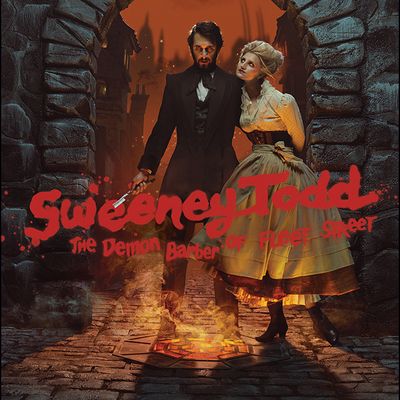
[10:41] Kevin David Thomas: Sweeney Todd.
[10:43] FRANK VERLIZZO: Oh, Sweeney Todd.
[10:44] FRANK VERLIZZO: How fantastic.
[10:46] FRANK VERLIZZO: Yeah.
[10:46] FRANK VERLIZZO: And I'm curious because the image on the poster is the same image in which they end Act One in those same positions with the rolling pin up and the knife up.
[10:56] Kevin David Thomas: Totally.
[10:56] FRANK VERLIZZO: So what came first, the chicken or the egg?
[10:59] FRANK VERLIZZO: Well, interestingly enough, and this was something, once again, you work on something, and I don't really know what's going on on the other side.
[11:05] FRANK VERLIZZO: The press agent for Sweeney Todd was this great woman, uh, Mary Bryant.
[11:09] FRANK VERLIZZO: She was really tough as nails.
[11:11] FRANK VERLIZZO: But I remember for Sweeney Todd, she uh came to me during the rehearsal process and said, I just want you to know that Hal, Harold Prince, held up your artwork today and told them that he wanted the show to be as good as this piece of art.
[11:24] FRANK VERLIZZO: It's like blown away by that.
[11:25] FRANK VERLIZZO: But she did not tell me they were doing that pose.
[11:28] FRANK VERLIZZO: And I didn't know that until we went to the first preview, and I was like, and it's it's a part of every production of Sweeney Todd.
[11:34] FRANK VERLIZZO: It wasn't just that production, it is a part of Sweeney Todd.
[11:37] Kevin David Thomas: Oh, so I love that.
[11:39] FRANK VERLIZZO: That's very cool.
[11:40] FRANK VERLIZZO: Yes, I thought that was truly, truly cool.
[11:42] FRANK VERLIZZO: How did you come up with the images to begin with?
[11:45] FRANK VERLIZZO: It's the hard sell of a show.
[11:47] FRANK VERLIZZO: Yes, and and once again, it was one of those shows.
[11:49] FRANK VERLIZZO: I was now working at Jay Walter Thompson Entertainment Group.
[11:53] FRANK VERLIZZO: And Jay Walter Thompson being this huge conglomerate had a lot of money to spend on presentations and stuff like that.
[12:00] FRANK VERLIZZO: And we must have hired at least 20 outside artists to design for the show, plus all of the art directors who worked at Jay Walter Thompson, everybody wanted to work on it.
[12:09] FRANK VERLIZZO: It sounded great.
[12:10] FRANK VERLIZZO: And I had found this woodcut of this man and sort of took off from there.
[12:16] FRANK VERLIZZO: I drew Mrs. Lovett in the same style and redrew him so that, you know, it was all of a piece. I'm not sure if I knew that the look of it was going to be industrial, like the Industrial Revolution. I think they did say period-wise, it's Industrial Revolution looking. They also happened to love it, had narrowed down between mine and another artist who did silhouettes of Mrs.
[12:37] FRANK VERLIZZO: Lovett and Sweeney holding up razors and they didn't have heads, which is a great idea, but in silhouette, they looked kind of like Frankenstein because it was just a block, a block at the end. So it really didn't, but it still was neck and neck, and I didn't know they were actually going to use mine until the week they were running the ad, they finally said no, we're gonna use this one. Had gotten costume sketches for Mrs. Lovett, and in the sketches, she was really big. I thought, wow, she Angela Lansbury's either gained a lot of weight since I've seen her last. They said, No, no, no, she's gonna be padded, she's gonna wear all this padding. So I went to her apartment to show her the stuff.
I showed her the first one, which was big Mrs. Lovett, and she said, Can I ask why she looks so big? And I said, Well, I think you're gonna wear padding. She said, All right, well, let me see the rest of these. So I showed her the rest, and of course, the thinnest one, she said, Oh, that's the one we're gonna use. She said, Because I'll just play it fat. And I thought good for you. And she did. She did. She did. You would have thought she had so much weight on her, she couldn't run up and down those stairs. I mean, she just looked very winded and all yeah. I ought to be in pictures. Has a gorgeous, gorgeous design. And it's a play of Mr. Simon's that isn't it's not really performed anymore. No, I don't know if it was even that much of a hit when it first no, it was moderate, moderate hit.
The thing I remember most about it, at the time, once again, pre-technology, when you did a piece of art that you wanted to, in my mind was gonna be in full color, you had to do it in black and white first and kind of send out for what we would what we called films. So there'd be film overlays with each different color to show you where the color was gonna sit. However, the thing about those comps, comprehensive pieces of art, was that the film, unfortunately, although had the color in the right place, when you had 10 pieces of film on top of each other, it started to look muddy. Nothing ever looked crisp white, white. It was always this filmy kind of a background with color in it, but you got a good sense of what it was.
Manny Aisenberg, the producer, loved that piece right away. And I sent it to the printer and explained that it had an awful lot of color in it. The printer loved it so much that instead of just printing a litho, he did it in silkscreen. And he used like 25 different layers of silkscreen to create this poster plus a laminate area of where the postcard is. So the postcard is actually shiny, but the rest of the poster, the white is flat, which I didn't even know that he was doing that until I opened the box. So that was exciting to be able to get a piece of art that actually was that beautifully put together. You know, a lot of the times, too, the things that you once again, because technology wasn't involved, and you would pass a ticket broker's office and you wanted your window card to be the one that everybody would notice.
Right, you use a lot of trick stuff like printing on mylar paper or um silk screening. So the color was so vibrant. That's something that sort of has a little bit fallen by the wayside because now window cards are almost opening night gifts. Oh, true. Yeah, yeah. True. And window cards are relatively cheap to print now. At that at the originally they were very, very costly, but it was also one of your main pieces of advertising, so they were going to spend money on that. That was the thing about Death Trap. Just to get back to that quickly. That I was gonna say, and I blanked. Death Trap got minimally good reviews and ran for six years, and that was before direct mail. The that's the difference between then and now.
Now we have email blasts, so you can buy tickets for a show that's a month out. Back then, the only thing you could do was cut out a coupon in the New York Times and mail it in. So if you wanted to see Death Trap, you would cut out this coupon. But chances are previews were pretty empty because people wanted to know what the show was or hear about it before it started. So the fact that it had that longevity at a time before direct mail and before technology is mind-boggling to me. That was the point I wanted to make. Yeah, and advertising is because of it. Oh, yeah. But I remember going to shows, you know, some big musicals and in previews, first previews, and there'd be nobody there. I mean, it was just not you couldn't sell tickets until the reviewers really did come on opening night.
They really did go home and write the review overnight to have make it the deadline. We used to run back to the agency after the show. Oh, yeah. And I remember, you know, the account person calling Clive Barnes if he would give them an indication as to what the his review was gonna be like, or so that was that was always fun. We always loved loving that. Yeah. That's incredible. I missed that on a lot of good parties, but yeah. We were always back at the office, but it was okay. Was was there any review where they mentioned your graphic? Your art? Uh the one I remember is Getting Away with Murder, Steven Sondheim and John George Firth's play. A graphic of a gargoyle holding a gun. And the press agent at the meeting the next day when we do our quote ed meeting and pulling quotes and showing ad designs and all that stuff.
The reviews were fairly devastating, so they knew they weren't gonna print a big ad. Uh the one review they thought was positive, I think was News Day, where she said the gargoyle is adorable. So they actually printed the ad. They actually did an ad that said the gargoyle is adorable. Last seven perfs. But that once again, the only reason that ever happened was because the producer was a doll and had a great sense of humor. Uh Roger Berlin. He just said, you know, let's just do that. It's kind of funny. And we we turned, I did the art so that the gun was pointing to Gargoyle's head rather than out at the audience. That's a side of your job that I didn't realize that after a show opens, that you're still be called upon to then do any quotes or to read the colours.
Oh, sure, sure, sure. Because now we've got a chance to like I never I didn't even think part of part of my job at the agency was when the show opened to design quote ads and follow through on how how the whole advertising campaign would look throughout its life. Totally. It was kind of getting popular after I'd been in the business about maybe five or six years, was kind of getting popular, where people would say, Well, maybe we should change the whole look, which would of course put a stabbing pain in my heart that they were thinking of doing that. And we the agency would always try to convince them that if you do that, you're gonna confuse the public. No one's gonna know what's your show.
You know, you look how much money you've spent establishing this image. Why would you change it? And I think after a few disastrous experiments, producers realized that was not not the way to go. Lincoln Center, I think they're changing now, but with the new regime, but for many, many years their philosophy was we have artwork, artwork, artwork, which was old James McMullen's beautiful painting. And then once the show opened, they switched to photography. So that they would still use James McMullen's type design. Uh-huh. But now it was photos of whatever, whatever they thought was important about the show. So that was their theory of working, which was you know, fine. Yeah. Had you ever worked on a show that your art design was used for a bulk of time, and then it they did switch it, they did change, or have you changed it or something?
Um which completely which, like you said, rebrands it. I mean it's a reverse. Yeah. I'm just trying to think in my head if any shows has ever given us two different versions of the same thing. It's not that it's totally different when I I did the Scarlet Pimpernel. Oh, yeah. Scarlet Pimpernel of that show. Well, I was just gonna say they had so many versions of the show that when they changed the art, it kind of was oh, okay. Well, they want it to look new, I guess. But they all I mean they kept the title, yeah, title treatment, and they kept the Pimpernell flower the way Hadda designed it, but it had very various permutations. They did various things with it. Um I can't think of anything of mine that was totally switched.
Um like I said, after a couple of times, producers got the idea that you know we're really confusing the message here, we have to stick with what we had in the first place. You know, I think I know you didn't design it, but Lakage did that. Oh, they they changed their uh their brand. Because the original brand was it was cool. It was uh right. The ULA, the Eula graphic. Yeah. And then they changed to a woman in a show in a in a showy costume, which I think was probably done to clearly a woman, like very clearly a woman. Absolutely a woman. Very clearly a woman and a gorgeous woman. I don't know who the model was, but I don't know. Yeah, yeah, interesting. Yeah, yeah. But I, you know, once again, that that show was about a subject that was foreign to many, many, many people.
And I think they just wanted to embrace an audience that would be a little hesitant to go to it. Did you did you find the same issue with Aziz? [21:29] FRANK VERLIZZO: Oh, no, not at all. As is was produced by John Glines. And there's actually a funny story about Aziz, which I will tell you. I worked with this really nice looking guy, um, Bruce Simons, and we had had a photo session for some other thing that I was doing. It had nothing to do with shows, and I had a lot of pictures of him, a lot of portraits. And when Aziz popped up, I had this idea of doing the medical envelope with this very hard edge face. So I used one of the the photos of Bruce. I presented this to the producers, and they loved it.
And I said, Well, let me know when you've cast it, and I will re-photograph the actor in the same same way. John Klein said, Oh no, we love this face. We want to use it just the way it is. So now I had to call my friend Bruce to tell him his face was approved, and I didn't even tell him I was using it on anything. Little did I know they were gonna actually choose it. And he was away. He was away for two weeks. At that time, when something was approved, it was done. Gone, was going to the printer, designing ads. So this thing was way in production when he came back from vacation. And I, you know, called him and said, Bruce, um, I don't know if I should apologize or congratulate you. You're welcome.
But your face is gonna be all over the city because it was on buses, it was it was everywhere. And and uh As Is was the first Broadway play about AIDS, correct? Yes, yeah, because the normal heart was at the public, right? Yeah, and they they almost ran almost at the same time. Wow. Um but as is was uh that that was quite uh quite out there it's an interesting story though yeah I know well it also taught me to be before I present something to just let whoever whoever's body part is in it Joe's body Joe's body is on the Sonnheim and Company book cover yeah he's wearing he's wearing the uh tuxedo with all the buttons Joe is that is that you oh my gosh and I had to hand make all those buttons because shows never made buttons at the time for a lot of those shows.
[23:27] FRANK VERLIZZO: Oh yeah so I had him handmake them. Wow. Once again pre-technology it was very painstaking. Your eyes Joe's chest my God we are Sunday in the park with George is my friend Babs's legs and my assistant John's legs and wow so you did the original artwork there was no second act they just said uh here's the first act and for some reason they didn't even there was no music they did they didn't give me any of the music either and they said the second act takes place a hundred years later and I said well but what happens what is it about uh I don't think they know yet so based on that I just came up with the um the more modern legs with the the tear and the painting and more the kind of like a rip in time sort of you know to this day when I actually analyze the show and if I had known what it would be I probably wouldn't have done that because there really isn't Bernadette Peters in the second act is 90 years older however old she is I probably wouldn't I don't know I think I may have thought differently but they loved it right away.
[24:32] FRANK VERLIZZO: Wow uh so do you have an idea of what you would have done? No, I actually had to design it again for the Kennedy Center for uh the celebration. And I just went a totally different route with uh paintbrush. Uh-huh. But instead of paint on the paintbrush, it was actually a painting. Of the a detail of the painting. Baby. Baby. Another iconic. I love that show. I love Malpe and Shire. I think the music's a lot of things. Fantastic. So they really are fabulous. How were you? Was that your first show where you were introduced to their work? [25:02] FRANK VERLIZZO: Yeah, actually, I had worked with uh Richard Malpey, although it was Malpey and Shire for uh Starting Here Starting Now. Oh, yeah. So that was way early on.
[25:11] FRANK VERLIZZO: You worked on Starting Here Starting Now.
[25:13] Kevin David Thomas: Uh-huh.
[25:13] FRANK VERLIZZO: Yeah.
[25:13] Kevin David Thomas: So for Baby, I think it was, I don't know if I'm correct, but I think it was their first book musical.
[25:19] FRANK VERLIZZO: I might be wrong.
[25:20] Kevin David Thomas: I don't know.
[25:20] FRANK VERLIZZO: That went to Broadway.
[25:21] Kevin David Thomas: That went to Broadway that had that was commercial.
[25:23] FRANK VERLIZZO: Yeah.
[25:24] Kevin David Thomas: And yeah, yeah.
[25:25] FRANK VERLIZZO: That's true. So once again, huge presentation, and I just stuck to graphics. I thought that was the way to handle it. And um, it was approved. Everybody loved it, it was great. The producer, Jim Freiberg, the main producer, fabulous, fabulous.
[25:40] Kevin David Thomas: So it goes to the printer.
[25:41] FRANK VERLIZZO: Is that who usually your liaison is with? I mean, you can't do it.
[25:43] Kevin David Thomas: Generally at the meetings.
[25:47] FRANK VERLIZZO: Yeah, but that that's rare.
[25:49] Kevin David Thomas: Yeah, that's that's that's an unusual circumstance or or rare circumstance.
[25:54] FRANK VERLIZZO: Uh mostly it's the producer, general manager, press agent. But after the poster was printed and the show was in previews, I ran into Richard Molpey on the street, and he said, Oh, oh, I love your poster. And I said, Oh, thanks. I'm so excited, love your show. And he said, Can I just tell you one thing, Lou? You know, all that music's backwards, right? Because I once again, being a graphic designer and not a musician, I thought they look the notes looked better flopped. And I thought, well, that doesn't really change the music. So I flopped it, and that's how I used it. And no one said anything or noticed it until I thought I was so embarrassed. And I said, Oh, I'm really sorry, but I'm not a musician.
But he said, No, it's fine, I love it, I love it. I said, Okay, thank you. That's amazing. But once again, to this day now, whenever I'm dealing with music, or I'm so like I treat it like a sacred cow because I'm so afraid to move anything or black and white dots and stems.
[26:47] Kevin David Thomas: Can you tell us a little bit about a doll's life?
[26:50] FRANK VERLIZZO: I can tell you a lot about a doll's life what you want to know. Well, it's fine. I was actually in the process of switching agencies. Nancy Coyne called me and said, uh How Prince called me and said they need new artwork for a doll's life and he asked for you because I that was after Sweeney Todd, right? I have all my okay. Said he asked for you. So we want to fly you out to LA so you could see it and design something. She said, But the only thing is you have to do it there. They need it immediately. So I thought, well, here's my new job. What am I gonna say? No, I'm sorry, I'm not gonna do that. You know, plus it was exciting. It's like great, sure. So however, I hate flying. That was the big caveat in this whole thing.
But I did it. They had screwed up my hotel reservations when I got there. We were staying at the Beverly Hills Hotel, very glamorous. Everything about this trip was glamorous. Beverly Hills Hotel screwed up my reservation. They weren't sure what had happened, but um, they weren't sure what they're gonna do with me. And I just happened to have been traveling with one of the producers who is uh Carol Schornstein Hayes. And while this is going on with the uh concierge, she came walking over, she said, What's the problem here? And of course she practically owns the Beverly Hills Hotel. So I had an entire house to myself. They gave me Robert Sigwood's uh bungalow. Uh so I was living palatially while I was there, but Joe uh can attest to it, I was a nervous wreck because I had to go see the show that night and then design a presentation like a couple of days later and show it to Al Prince, which had me kind of like terrified.
[28:25] Kevin David Thomas: You're the replacement.
[28:26] FRANK VERLIZZO: You're like the the the one who's gonna save the day. Well, they had a piece of project. I thought that people were but the way it was described to me, they said people were laughing at it when the when the three-sheet went up, so they ripped it down immediately. Um so I don't know where that piece of art came from. You have to find that. I know. So I thought, okay, I can do this. This is what I do. I do presentations, I should be able to do this. And plus he knew that he wanted it to be designed like an Edward Monk painting. That's what the set looked like. That was the overall feel of the production. So I knew I had a focus. It wasn't like I was floundering. I I knew what I had to do. So Edward Monk, when he would do his woodcuts and drawings, was all pen and ink.
So I had like 4,000 flare pens, and I did 12 totally different pieces of art for the show after I saw it that first night. Been up all night long. That night, the next night. Yeah, I think I had two days, and then I had to show him. Went to the theater. Once again, this was the same press agent, Mary Bryant, the tough press agent. And uh she brings me into this kind of like green room, which was definitely smaller than this room that we're in now. And she said, Hal will be right down. So I'm sitting there nervously waiting with these 12 drawings. Comden and green walked in and introduced themselves, and I'm like so starstruck. It's like, so my god, this is Camden and Green. And then after I I, you know, I introduced myself, I thought, okay, they should leave.
Why aren't they leaving? They shouldn't be leaving now. Because Mary told me it's only gonna be you and Hal. Hal doesn't want anybody else there. Larry Fuller came in. Five there were like ten people in the room before Hal Prince came in. And I thought he was going to come in and say, okay, everybody, you know, scoot out. Yeah. No. He said, okay, let's see them. So held up the first one. And I didn't even like have it up yet. And he went, no, next. And I really, I thought, somebody just kill me right now because I'm not going to live through this. Held up the second one. And he looked at it for about a minute and he said, That's it. I love it. It's beautiful. That's it. That's it. That's it.
And then everybody in the room, oh, it's fabulous, fabulous. Everyone always waits for one person to start. So I thought, okay, that's great. And I said, Well, I have 10 more. And he said, Oh, I don't want to see them. That's it. Then I had 10 drawings that he never looked at that I thought were getting better and better as I went on. She was number two. I was building right, I was building up to the 10th one. That's how Dal's Dal's life happened. It's a great great piece of art.
[30:47] Kevin David Thomas: All the sketches and all the drafts that don't get used, do you keep them?
[30:50] FRANK VERLIZZO: Yes, but and this is totally my fault. When you're doing this stuff every day, and it's it's you know it's kind of your job and it's work a day, and you see it, you see it, you see it all over your office. You know, I used to have you, juju ju juge files. Um, from agency to agency, sometimes I would just leave the files there because it was like, where am I gonna put all this stuff? Yeah, in New York City, I mean, like, yeah, stories. So over the years, a lot of that stuff just sort of fell by the wayside. You know, if I knew, you know, 20 years from now, you'll be able to scan all this and put it on disc. I'd be you know, so a lot of that stuff is gone, gone with the wind. Um, some of it is around, but not nearly what should be. I'm hoping there'll be a book. Well, tell tell your publisher friends. Um I'm available before I'm available. I'm ready.
[31:35] FRANK VERLIZZO: 1987 was a good year because the Dramadask uh you they they you got a special drama.
[31:41] Kevin David Thomas: Yes, I got a special dramatic for you.
[31:43] FRANK VERLIZZO: Yes. Tell us about that's that's really I saw the award upstairs too. Yeah.
[31:48] Kevin David Thomas: That's cool.
[31:48] FRANK VERLIZZO: That's when they actually had a metal plate.
[31:50] Kevin David Thomas: Yeah, like a real.
[31:53] FRANK VERLIZZO: But I was actually, I was working at Sereno, and I remember this so clearly. I was working at my desk, and one of the account people came back from lunch, and he said, I you know, I was at this lunch. He said, Uh, I think you just won a drama desk award. I said, Are you kidding? He said, No. He said, I think you should check. He said, I'm pretty sure they were talking about you. And that's how I found out. I mean, nobody called to tell me or maybe you want to come to this lunch because we'll be awarded. So I thought that was hilarious. It's like, wow, how glamorous a show business. But I mean, then they had the award ceremony and all that, and that was great. But talk about finding out about it in a very strange way.
[32:34] Kevin David Thomas: Yeah, right.
[32:35] FRANK VERLIZZO: Yeah. And it was for special recognition for contributions.
[32:38] Kevin David Thomas: Yeah.
[32:40] FRANK VERLIZZO: Um I f I forgot the wording of it, but it's you know, for continued design of some something. I don't even remember, quite honestly.
[32:49] Kevin David Thomas: That's wonderful.
[32:49] FRANK VERLIZZO: It's very wordy. I love but it's a good thing.
[32:51] Kevin David Thomas: Oh, yeah, I was thrilled. And then going back to theater for a second, the Saundime celebration at the Kennedy Center.
[32:57] FRANK VERLIZZO: Oh my god. Talk about being in heaven.
[33:00] Kevin David Thomas: Right.
[33:01] FRANK VERLIZZO: So how did this come about? And how did you come up with a visual look for celebration?
[33:08] FRANK VERLIZZO: Yeah, that was a uh staggering uh project. And I remember when the Kennedy Center called me and we set up a meeting, they all came to my office in New York and there were like ten of them. And I'd never had, I don't know, that that to me was I was used to big meetings. Right. But these were like ten people who I didn't really know at all. And they all looked very substantial from the books. I thought, oh my God. Um but they didn't really, you know, they knew they were doing this massive project and pretty phenomenal, but they didn't really have a sense of w what they wanted to do with it or how they wanted to sell it or what they wanted it to look like. So once again they sort of left it up to me, which was wonderful.
And I showed them many ways when I did the presentation, I showed them many ways of approaching it. The way that I actually thought was the best when they agreed, was the one with the nine panels so that you saw a little piece of each poster. But then that meant that I had to design nine posters rather than a poster. Just one. Yeah. You know, they and they're thinking they wanted one poster that would encompass the whole celebration. Which I think the seal does. Yeah. Once again, once I did that nine thing, because I really loved the way it looked, it looked very kind of looked like a museum exhibition to me. Like these look at these fabulous shows, and we were doing them all all together. That's great. So I just felt like it was a a great way to approach it, and they they agreed. So then I went back and they were amazed. The productions were amazing.
[34:45] Kevin David Thomas: Oh I don't know if you got to see them, but I did, yeah, I saw a few of them. Did you have to work with each director?
[34:53] FRANK VERLIZZO: No, that was when you're work at least my experience is when you're working with an institutional theater, it comes from the top at that point, Michael Kaiser would pretty much approve everything. Yeah. He, you know, not in my presence, but he may have brought it around to show uh Stephen Sonnheim or maybe each individual director to get their take on it. You know, like, do you like this or you think it's off or whatever? But I don't even know if he went through that process. Interesting. Um I know at Lincoln Center Theater, you would present to Bernie Gerston and Andre Andre Bishop. I don't know what happened to it after that. They either approved it or they didn't. But if it got approved, they did it right in the room. It wasn't like they ever said, Oh, well, we have to show this to Susan Strowman. You know, it wasn't like that.
[35:41] Kevin David Thomas: I'm surprised that we don't have more recognition for the artwork that goes into Broadway.
[35:45] FRANK VERLIZZO: Absolutely musical theory. It's really I I agree with you 100%, but of course I would. Well, so I'm sure that has nothing to do with the advertising part of it and all of that. But it just it is so your work and other artists' work is so synonymous with shows that it, you know, we haven't even gotten to Lion King yet. And Lion King was there was a major graphic that talk about something that's going to be used in decades to come. You know, that that's severely, I mean, and I say simple with with that. Very simple. Yeah. But you know, that that Lion Head and then the graphic and the color and everything. I mean, like so talk talk us through that one. I mean, that was that's and that's we're talking, we're going to Disney now.
[36:23] FRANK VERLIZZO: Yeah. Talk about a big company.
[36:25] Kevin David Thomas: Yeah, very big company.
[36:27] FRANK VERLIZZO: And once again, I was now working at Gray Entertainment. And Gray is another monolithic ad agency. So when they heard the word Disney, you know, goodness knows they certainly lit up. And so they had like all engines burning for this thing, including not just the entertainment division, which is where I worked, but all of Gray. So the presentation for Lion King was massive. Yeah. I mean, I was used to looking at a lot of artwork for presentations, but even this one gave me a headache. There was so much stuff. And, you know, I would very often sympathize with producers because I think, you know, I've been living looking at this stuff now for a couple of weeks. They're walking into a room and they're being confronted by this stuff.
And they have to they have to say, Oh, I like that. So how do you do that? Well, I guess uh just to clarify, even for our listeners, in an ad agency that you work at, like Gray, that they they would have your in-house art artists, you all come up with your version.
[37:29] FRANK VERLIZZO: Yep.
[37:30] Kevin David Thomas: And then you would bring the producers, and then you'd be like, Here we go. This is what we you get to pick from.
[37:33] FRANK VERLIZZO: Right. But you all, you know, obviously it was done in a presentational fashion. It wasn't like when you walk in and pick the right your favorite wine. Although for Lion King there was so much stuff, so much artwork stuff, listen to me.
[37:47] FRANK VERLIZZO: Uh, there was so much artwork that we did do a wall of work for them to look at. And it's a lot to take in.
[37:52] Kevin David Thomas: Yeah, it is a lot.
[37:54] FRANK VERLIZZO: But you know, then everyone's like, "Oh, I hope they picked mine." I mean, is that, I mean, is there an element of it? That was the other, that's always the other. I always thought was the good and bad thing about my job because as the creative director as well as a designer, was I was the one who hired all the other artists to work on things. And you're still, but I had to be the one to tell them, "Oh well, they're not gonna use it. They took mine, right? They're using mine, I'm so sorry." But um, I'd be in the room when you know they'd be looking at something saying, "What is that? Who even thought of that? It's terrible." You know, like you'd hear all this awful stuff. And I would just tell them, you know, they didn't really didn't work for it.
[38:31] Kevin David Thomas: Yeah.
[38:31] FRANK VERLIZZO: Of course, I would hear that about my own work too, because they would have no idea that I had anything that I had contributed. Uh, they just knew that I was the one making the presentation. So I heard pretty ghastly things about some of my stuff too. But I would come home and cry on just Joe's shoulder and then I'd laugh. And then you get thicker skin as time goes on. It's not personal. Sorry you don't like it. But Lion King, because it was so simple, uh, they zeroed right in on it. And because it was yellow, taxicab yellow, uh, they zeroed right in on it. And I think it's because my feeling is they are masters at merchandising, and they said this is so simple and so easy to read. But this anywhere. And still, I mean, still, I mean, I just walked in the subway and there was one, it's still everywhere.
[39:17] Kevin David Thomas: Yeah, it still is everywhere.
[39:18] FRANK VERLIZZO: It's incredible. I went to London and there it is. I mean, that's, you know, we wish that artists like yourselves would get more recognition because you see these logos and they automatically conjure up a show 20 years later, 30 years later. If somebody wanted to get into this business now, what advice would you have for them?
[39:36] FRANK VERLIZZO: It's a little different now because unfortunately the ad agencies that exist sort of want to almost give the facade of being more corporate than what theatrical agencies used to be. So they have HR departments and you know, things that they never had before. You know, I would go on an interview and I'd interview with the art director. Now, if you're showing your work, you have to show it to the HR person, and they decide if you're gonna, you know, you can get to show it to the art director, and that to me is like, well, I don't understand. I don't understand that process at all.
[40:09] Kevin David Thomas: So HR makes the first artistic decision?
[40:12] FRANK VERLIZZO: From what I understand, yes. Because I've recommended lots and lots of uh young artists to call these agencies to show their work, and they all tell me, "Well, I talked to this woman in HR," and you know, I thought, "What is that all about? They're not high." So the process is different, so I can't really speak to the process today. I think it's odd. The last agency I worked at, I stopped working there in 2010. Up to then I would still see artists and hire artists. And I mean to me that was part of the fun was you got to see all these young artists and how they interpreted, you know, the revival of uh Kismet.
[40:49] Kevin David Thomas: Yeah.
[40:50] FRANK VERLIZZO: Because, you know, I would think of Kismet one way, but they don't know Kismet from a hole in the wall. So they might think of it of a totally different way that might be kind of exciting. Young, fresh.
[41:00] Kevin David Thomas: Yeah, no, I get that. Is there a show on your bucket list? Is there one show that you're like, "Oh boy, I wish I could do that?"
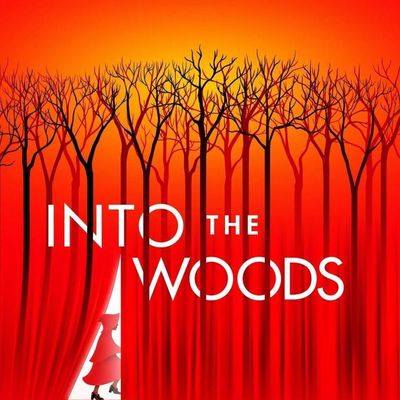
[41:05] FRANK VERLIZZO: Yeah. Into the Woods. I was the bridesmaid for Into the Woods. But yeah, the, and I for the Kennedy Center, they only did the junior version of it. They did Into the Woods Junior, so it wasn't really one of their full productions.
[41:18] Kevin David Thomas: Okay.
[41:18] FRANK VERLIZZO: But yeah, I'd say probably Into the Woods is uh fingers crossed up there. Down the line.
[41:22] Kevin David Thomas: Yeah, we want to see that for sure.
[41:24] FRANK VERLIZZO: I don't think Encores will do it.
[41:26] Kevin David Thomas: No, not yet. How long have you been working with them now?
[41:29] FRANK VERLIZZO: I think this will be my uh fifth year.
[41:29] Kevin David Thomas: Fifth year.
[41:35] FRANK VERLIZZO: So the last five years I've done Encores.
[41:37] Kevin David Thomas: Have you did you have a favorite in all of those?
[41:39] FRANK VERLIZZO: Uh show or art?
[41:41] Kevin David Thomas: Art.
[41:42] FRANK VERLIZZO: Uh Do I Hero Waltz?
[41:43] Kevin David Thomas: Yeah.
[41:44] FRANK VERLIZZO: Oh yeah. I'm excited about that too. We were just talking with Ted Chapin. We and he and once again, you, your art comes up in the smallest way and literally too, because he said, "Oh, the R and H logo. That's why I did that R and H logo." It was funny because years and years and years ago, Ted Chapin and Bert Fink, who worked there for many, many years, called and said, "You know, we've been looking at our stationery, and all our stationery is different. None of our stationery looks the same. We want it to look like a corporation, so we want to change everything." And they asked me to come up with something, and that's what I came up with. They loved it, and it's all over the place.
[42:18] Kevin David Thomas: I love it.
[42:18] FRANK VERLIZZO: How exciting. And once again, you know, on little CDs and stuff, it's about this big, but you could still tell it. You can still tell what it is. So I kind of like that. I'm very excited about that.
[42:30] Kevin David Thomas: Yeah. Actually, I'm gonna ask you this. What was the first Broadway show you saw?
[42:34] FRANK VERLIZZO: The f I I'm not even sure. I know, but believe it or not, since I lived in the movies, I was and theater was expensive. Six dollars a ticket. That was a very, very expensive. Oh my god. Um, I remember the first ad for Death Trap was when I realized years later, because I had saved it, highest price orchestra seat for Death Trap was sixteen dollars. And I thought, "Wow, that is mind-boggling."
[43:01] Kevin David Thomas: Exactly.
[43:03] FRANK VERLIZZO: But um, the first show I saw was at Lincoln's Center. That was a Broadway show, and it was Kismet with Alfred Drake and uh, ah, I can't remember. Fran Fran Jeffries.
[43:13] Kevin David Thomas: Oh, yeah.
[43:14] FRANK VERLIZZO: Oh, wow. She used to be Mrs. Topper. She was on Topper or she was one of the ghosts. She was great. I used to love her voice, especially. So that was the first show that registered, yeah. So Alfred Drake and Kismet.
[43:25] Kevin David Thomas: Yeah. Have you ever had a chance to design Kismet?
[43:28] FRANK VERLIZZO: No, and I would love to.
[43:29] Kevin David Thomas: Okay. Very good.
[43:31] FRANK VERLIZZO: Yeah, not many Kismets anymore. So this question may not be kosher, but we were talking about it on the car ride up, and I have to, and we can cut it out if it's not. But we cannot, we don't want to know what you make, but we are so curious how do you, if you have an ad that or if you have an art piece of artwork that goes all over the world, do you get, does the artist get a piece of that? Does the corporation own it?
[43:52] FRANK VERLIZZO: Yes, it, I don't even know how it's factual. Yeah, based on when once I left the first agency, Blaine Thompson, and went to um, where was I after Blaine Thompson? Jay Walter Thompson. Um, wasn't that, isn't where it happened, I'm sorry. The third agency I worked at was Sereno. And I had already reached a certain pay level at Jay Walter Thompson and Sereno being a theatrical agency, and I totally understood it because that's where I came from, it was kind of pricey for them. So they decided and asked me. They said, "How would, how, why don't we do this so that anything you design we pay you separately for, like a freelancer? No. Aside from your salary, you would get your salary. But we, you know, we can't afford to pay you on the level that you would be used to.
So why don't we do that?" So it was kind of, I love gambling, so I thought, "Okay, that's kind of a gamble, but why not? I'll do that." And after a year of that, they came to me and said, "Look, we can't, we're paying you way too much money. So let's, let's go back to a salary basis." And so, you know, it jumped up really nicely, but it depends on how you work it.
[45:06] Kevin David Thomas: Wow, so there's no set system for...
[45:06] FRANK VERLIZZO: No, there really isn't. Once again, agency life is kind of weird. From that point on, what any agency I worked at, I went in saying you would have to, I own the art. The agency doesn't own the art.
[45:12] Kevin David Thomas: Good.
[45:12] FRANK VERLIZZO: I own the art as a personal artistic thing.
[45:25] Kevin David Thomas: Right.
[45:25] FRANK VERLIZZO: And they were all fine with that. And could you work with other, if you were with an agency, could you still get hired by XYZ producer?
[45:32] FRANK VERLIZZO: No, definitely not.
[45:33] Kevin David Thomas: All right, no, no.
[45:34] FRANK VERLIZZO: Just there. That's it. You're with that agent's clients. That's it.
[45:37] Kevin David Thomas: Yeah, yeah, yeah. Now when you, uh, going back to your design process, I wonder when you sit down and you're preparing, you're aware that this design is both going to be seen in this space that's like an inch by an inch if it's in the paper, but also it could be on a billboard over Times Square. So that doesn't, that affect like what how you...
[45:53] FRANK VERLIZZO: Yeah, but that was the great training ground that Blaine Thompson provided. Yeah. Because at the time the only format you had for your art was the New York Times, pretty much. So the first introduction to anybody it was was going to be in black and white. Most big shows would have full page ads, so you had an impact. But many smaller shows couldn't afford that. So their ads would be small. And you needed your logo to pop out. So it was great training, knowing that you had a design so that it worked an inch high or 90 feet high if they were doing a billboard. And that was very valuable and certainly comes into play now with banner ads because they come in all shapes and sizes. And I learned to make my artwork flexible. I design it so that I in advance know, "Okay, if you're doing a vertical, this is what you do, and if you're doing a horizontal, this is what you do to it." Uh, and I think that's very valuable.
[46:54] Kevin David Thomas: Do you prefer when you, before you present the work, do you prefer having a conversation with the staff saying, "You know, I read the play and this is what I'm getting from it," so using words before the image actually comes out, or do you just like to show them the image?
[47:08] FRANK VERLIZZO: Uh, it could, it could run either way. If I have a pre-meeting or pre-meetings, and we discuss these, they feel these are the important uh parts of the play, or the message they'd want to get across, or the feeling they'd want to get across. Uh, or I would say I read this and these are the things that popped out at me, and I think I'm always, I'm always thinking of what's gonna sell more than is it gonna look pretty or is it gonna say what you want it to say? It's like I wanna, I'm gonna look at an image, I want to spend money to see that.
[47:44] Kevin David Thomas: Yeah.
[47:44] FRANK VERLIZZO: And as a devout moviegoer, that was my, you know, if the movie had looked good, I'd go see it.
[47:49] Kevin David Thomas: Right, right.
[47:50] FRANK VERLIZZO: Yeah. And you know, the movie could have been horrifically bad.
[47:53] Kevin David Thomas: But the art was great.
[47:54] FRANK VERLIZZO: But the art was great. And the art got me. Now, before we go, uh, can we do a little plug for Joe's business endeavor? Should I hand the phone, the microphone over to him?
[48:04] Kevin David Thomas: Please.
[48:04] FRANK VERLIZZO: Oh no, oh, I'm not gonna jump.
[48:07] Kevin David Thomas: So we'll explain that when we got here, uh, Joe put out a full delicious, amazing breakfast for us that was homemade. Truly. And so we found out that Joe is now involved in a business endeavor. So Joe, would you tell our listeners?
[48:20] Joe: What's it called?
[48:21] FRANK VERLIZZO: Yes, what's it called?
[48:21] Joe: Cookie Joe, J-O-U-G-H. See what they did there?
[48:25] FRANK VERLIZZO: Cookie Cookie Joe, which has a beautiful logo, by the way. But that's not how you spell your name, Joe.
[48:30] Joe: No, it's not how I spell it. And what is it, Joe?
[48:32] Joe: It's uh frozen cookie dough, but it's not the standard chocolate chip cookies, it's the Italian cookies that I grew up with. I came to the realization that if you want them, you have to go to a high-priced Italian bakery, but you don't get the experience that I had as a child, and that's you walk into a house and the smells of fresh baked cookies, you know, the smell of anise, the smell of vanilla, the smell of almond, you know, wafting through. And that's what uh prompted me to start exploring and doing this.
[48:58] FRANK VERLIZZO: Great.
[48:58] Joe: So we can buy it online.
[49:00] FRANK VERLIZZO: Uh soon you'll be able to buy it online.
[49:02] Joe: Great.
[49:02] FRANK VERLIZZO: We'll post it when we're gonna do it.
[49:03] Kevin David Thomas: But uh just so you know, Kevin and I are now 400 pounds heavier.
[49:08] FRANK VERLIZZO: That's right.
[49:09] Kevin David Thomas: And so full and satisfied.
[49:11] FRANK VERLIZZO: So happy.
[49:12] Kevin David Thomas: So we need to now roll down the stairs and to the car. Frank, this was absolutely wonderful.
[49:17] FRANK VERLIZZO: Oh, thank you guys.
[49:18] Kevin David Thomas: We saw, uh, we look forward to seeing more of your artwork. I know Misery was up this past season.
[49:22] FRANK VERLIZZO: Yes, wonderful.
[49:23] Kevin David Thomas: And hopefully, Prince of Broadway will be.
[49:25] FRANK VERLIZZO: Yes, because it we're over to the house.
[49:27] Kevin David Thomas: Yeah, I worked on it in uh for Japan.
[49:29] FRANK VERLIZZO: Yeah. And hopefully, it's like any talk about artwork evolving. I don't know what's been happening there since then. Uh, so we'll see. Hopefully, it'll come here. The show's great. I saw a run-through of it.
[49:42] Kevin David Thomas: Oh, great.
[49:43] FRANK VERLIZZO: Um, which continues your collaboration with Hal Prince, too.
[49:45] Kevin David Thomas: I run like amazing.
[49:46] FRANK VERLIZZO: That's been going on for decades now.
[49:48] Kevin David Thomas: Yeah, really cool.
[49:48] FRANK VERLIZZO: It's pretty nice. Well, truly a pleasure.
[49:51] Kevin David Thomas: Yes.
[49:51] FRANK VERLIZZO: Thank you.
[49:54] Kevin David Thomas: Thank you guys. Thanks for being interested in this.
[49:56] FRANK VERLIZZO: Yes.
[49:56] Kevin David Thomas: Uh, thank you for being here. As you can see, I really hesitate to talk about this.
[50:03] FRANK VERLIZZO: Thank you.
[50:08] Kevin David Thomas: Make sure you're with us next week because the wizard is in the house. We've got Andre DeShields joining us.
© Broadway Podcast Network, All Rights Reserved