

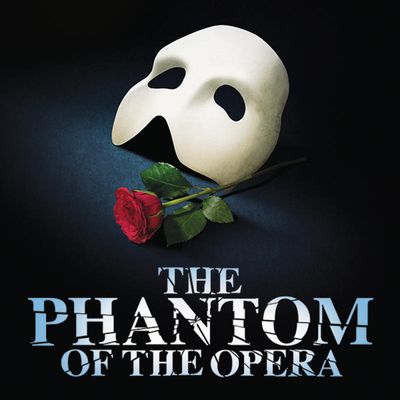
Howard McGillin holds the record for the most performances as The Phantom of the Opera. But, before he watched the chandelier fall over 2,000 times, Howard starred in The Mystery of Edwin Drood, Anything Goes, and others!.. Read More
From the show: BEHIND THE CURTAIN: BROADWAY'S LIVING LEGENDS » Podcast
Featured Shows
About
Howard McGillin holds the record for the most performances as The Phantom of the Opera. But, before he watched the chandelier fall over 2,000 times, Howard starred in The Mystery of Edwin Drood, Anything Goes, and others! Also, Howard talks about working with Patti Lupone, the pitfalls of The Phantom, and life in LA. Plus, Howard reveals all about the VH1 Drood Music Video!
Transcript
This transcript was automatically generated and might contain errors.
[0:00] Robert W. Schneider: Hi, I'm Robert W. Schneider.
[0:01] Kevin David Thomas: And I'm Kevin David Thomas.
[0:03] Robert W. Schneider: And this is Behind the Curtain: Broadway's Living Legends.
[0:06] Kevin David Thomas: Don't forget to follow us on our Instagram at Broadway Curtain Podcast and on Twitter at Broadway Curtain.
[0:12] Robert W. Schneider: And make sure to join our Facebook page at Behind the Curtain: Broadway's Living Legends.
[0:15] Kevin David Thomas: Our guest this week has had a rich career in musical theater, perhaps being best known to audiences as Broadway's longest running Phantom, racking up over 2,000 performances in The Phantom of the Opera.
[0:27] Robert W. Schneider: Before the Phantom, however, there were Tony nominated turns in The Mystery of Edwin Drood and Anything Goes, as well as originating the role of Wilson Meiser in Stephen Sondheim's last musical to date, Bounce.
[0:38] Kevin David Thomas: To tell us what it was like to work with such legends as George Rose, Patti Lupone, and Hal Prince, plus what it was like to film the music video for The Mystery of Edwin Drood for VH1.
[0:48] Robert W. Schneider: That's right, there is a music video for Edwin Drood. Here is HOWARD MCGILLIN.
[0:53] HOWARD MCGILLIN: Hi.
[0:53] Robert W. Schneider: Hi, HOWARD.
[0:54] HOWARD MCGILLIN: Hi.
[0:55] Kevin David Thomas: Thanks for being with you.
[0:56] HOWARD MCGILLIN: You're so welcome. I do have to correct you though. It's over 2,500 performances.
[1:00] Kevin David Thomas: Oh my gosh.
[1:01] HOWARD MCGILLIN: Which is, I'm not sure if that's a distinction or some kind of mark against me in terms of my mental sanity. Because I actually did perform it over 2,500 times. That's what they tell me anyway.
[1:12] Kevin David Thomas: 2,500 times as the Phantom.
[1:14] HOWARD MCGILLIN: Yeah.
[1:15] Kevin David Thomas: That is amazing.
[1:17] HOWARD MCGILLIN: It's a sickness. I don't know what can I say. You know, and the first question I feel like everyone comes to mind that you've probably been asked over and over again is, you know, how do you keep it fresh? I mean, obviously that's what everyone always says. But you know, I think that's true, whether you do it ten times or 2,500 times. I mean, obviously, the longer you do something, the more you have to work at forgetting that you've been doing it that long.
[1:41] Kevin David Thomas: Indeed.
[1:41] HOWARD MCGILLIN: I won't lie to you, there are times when you think I cannot do this one more time. But there's something amazing about performing that if you have it in you that this is what you love to do more than anything, and that you know that there's an audience out there that has never seen you perform before. There's something about us we just have to go out there and try to do the best we can do.
[2:01] Kevin David Thomas: It's true.
[2:02] HOWARD MCGILLIN: And the role is so deep and rich, and you know, I mean, this guy is pretty complicated. So it's, it never gets old.
[2:14] Kevin David Thomas: Yeah, there's always things to mine and figure out, I'm sure. How long was your rehearsal process going into The Phantom?
[2:19] HOWARD MCGILLIN: It was really only about three weeks, I want to say. But I know Hal Prince didn't come around to see me perform the role once I was in for about four weeks after I'd been in, because they know that the role has so much to do with climbing ladders backstage in a cape and the hats and the crazy changes and the thing, you know, the just the technical stuff of it. Basically, I think they consider that part of your rehearsal period, the first couple of weeks of performing it because really I'm telling you, I've never in my life, and even after doing it as long as I did, I was soaked every night after the show because it's just it's that kind of role, you know. It's just it's just so intense.
[3:08] Kevin David Thomas: Added to it, the physical stuff of climbing ladders.
[3:11] HOWARD MCGILLIN: There's a lot of running around backstage. It's a lot about what that role is.
[3:15] Kevin David Thomas: Yeah. What are some of the traps somebody can fall into?
[3:18] HOWARD MCGILLIN: Not the physical. Because he used to have a trap that he fell through.
[3:22] Kevin David Thomas: Right.
[3:24] HOWARD MCGILLIN: There was a trapdoor, the size really just a little bit wider than your shoulders, shoulder width, and a little bit deeper than your shoe length. I mean, I'm not kidding. It was called the Star Trap, and they cut it because people were getting injured.
[3:41] Kevin David Thomas: Well, if you don't make your own.
[3:42] HOWARD MCGILLIN: Because you still you have to hit that mark. And for the first, I would say for about the first year that I was doing Phantom, I was doing the Star Trap fall. I actually I'm trying to remember because I went into the show in 1999. And I was there for three and a half years, and I left to do Bounce. So I left the show. And I think it was during that time that they decided, I think someone else got injured. I'm not sure. And I think they said, that's it. No more. We're cutting it. Because literally the first day I was telling someone this story recently, the first day they said, Oh, oh, and on Thursday, I'm in rehearsal, I'm learning the show. And they said on Thursday, the stunt coordinator will be there.
I think it was getting close to curtain time for me. You know, I was about to go on in the role. And they said the stunt coordinator will be here on Thursday. And so he'll be here around one or one thirty, and he'll show you the stunt stuff. And I thought, I don't remember any huge stunts. Why is there a stunt coordinator? So I went to lunch, I came back, and the guy says, All right, now here's the first thing it's this trapdoor. And the trap, the trap was not on any kind of hydraulic thing. It was literally on there were some pins in the stage. It was on a huge spring that literally they pulled the pins out of the trap door and it fell down to the basement and landed on a huge like shock absorber spring.
[5:13] Kevin David Thomas: Oh my god.
[5:14] HOWARD MCGILLIN: And you would like you would go down with it. You went down with it. And you had to know how to bend your knees and hit the ground in the basement when you know when you hit the spring down there on the trapdoor. So he said, I'm just gonna show you. You're just gonna stand there. And I had just had lunch and I thought I really made a mistake having lunch before watching. Literally when I saw this guy and how fast that thing was, yeah, I was really terrified of it for a while.
[5:42] Kevin David Thomas: Oh yeah.
[5:43] HOWARD MCGILLIN: But it turned out to be a lot of fun to do. And but not only that, because you're also wearing this enormous red death costume, right? And this hat. And every you have to be on that mark, or you're going to either lose part of your costume or part of your limbs, you know. So you and the signal for the trap to go was you had to raise your arm, but you had to raise your arm directly over your head. You couldn't raise it out to the side because you'd lose your half of your arm.
[6:12] Kevin David Thomas: This is crazy.
[6:13] HOWARD MCGILLIN: It was really dangerous. And I'm glad that.
[6:19] Kevin David Thomas: Well, not that particular stunt, but anyway.
[6:22] HOWARD MCGILLIN: Oh my goodness. 2,400 performances with that.
[6:25] Kevin David Thomas: So the traps of fall of doing the Phantom.
[6:27] HOWARD MCGILLIN: I'm sorry to digress. The literal and figurative traps.
[6:31] Kevin David Thomas: Yeah. Where did you grow up?
[6:33] HOWARD MCGILLIN: I grew up in California.
[6:35] Kevin David Thomas: Whereabouts?
[6:36] HOWARD MCGILLIN: Los Angeles first, and then we moved to Santa Barbara when I was a kid.
[6:39] Kevin David Thomas: I'm from Thousand Oaks.
[6:40] HOWARD MCGILLIN: Are you really?
[6:41] Kevin David Thomas: Yeah.
[6:41] HOWARD MCGILLIN: Oh wow.
[6:42] Kevin David Thomas: Yeah.
[6:43] HOWARD MCGILLIN: Where'd you go to school out there?
[6:45] HOWARD MCGILLIN: I went to school at Dos Pueblos High School.
[6:47] Kevin David Thomas: Dos Pueblos.
[6:48] HOWARD MCGILLIN: Yep. Uh yeah, it's a great little college. I mean a high school. And then I went to college in Santa Barbara as well. I went to UC Santa Barbara.
[6:55] Kevin David Thomas: You went to the oh, which it was a great theater program.
[6:58] HOWARD MCGILLIN: It was actually, but I was a history major. I was not a theater major. I was I was trying to appease my parents, kind of, they were so not wanting me to be an actor. You know, yeah.
[7:10] Kevin David Thomas: What did they do?
[7:11] HOWARD MCGILLIN: Look, my mom was in nursing education, health education, and my dad was an accountant, and they this was so far from anything they knew. And I just had the bug, and I just had to do it. So I was studying acting with a teacher, a professional, a wonderful actor named Bradford Dillman, who had a great and distinguished career on Broadway and also in TV and films. And he was teaching a class every Sunday in Santa Barbara for a handful of actors, young actors that he thought had promise. And I was lucky enough to be asked to join this class. And for years I would study with him, do show after show in Santa Barbara.
[7:51] Kevin David Thomas: And this is in high school?
[7:53] HOWARD MCGILLIN: In high school in college. And so I decided when I went to college that I was gonna stay and still study with him. And UC Santa Barbara was a great school. So I was very happy to be there.
[8:04] Kevin David Thomas: What was your first musical in high school, HOWARD?
[8:07] HOWARD MCGILLIN: First musical. Well, the first musical I ever was a part of, I played the clarinet in the orchestra. I was a clarinetist in the band. And my brother had the lead in The Sound of Music, my big brother, and played Captain Von Trapp. And I thought, wow, that's really fun, because I really knew nothing about the theater. So I just got the bug doing shows in high school.
[8:30] Kevin David Thomas: What was the first show you were on stage?
[8:32] HOWARD MCGILLIN: So the first show I was on stage for was Paint Your Wagon.
[8:34] Kevin David Thomas: Oh that's like one of my favorite musicals.
[8:37] HOWARD MCGILLIN: It really is a very sweet score.
[8:39] Kevin David Thomas: Yeah, it really was.
[8:41] HOWARD MCGILLIN: It really is. That's a great one to cut your teeth on.
[8:43] Kevin David Thomas: It was really fun. I mean, I was Johansson the Swede.
[8:47] HOWARD MCGILLIN: Yes, you were.
[8:48] Kevin David Thomas: I had a total of maybe three words, not three lines.
[8:55] HOWARD MCGILLIN: I sang the immortal song, uh, immortal lyric. He says, What you think, what you think Johansson, and I sang, Tink I look for better ground. That was my entire performance with accent of you, with accent.
[8:59] Kevin David Thomas: Tink I look for better ground.
[9:13] HOWARD MCGILLIN: Sounds Swedish to you, doesn't it?
[9:15] Kevin David Thomas: Yeah, that's how sweet talk for sure.
[9:16] HOWARD MCGILLIN: So that's a good drama program that you had Paint Your Wagon going on there.
[9:20] Kevin David Thomas: Oh, it was great. We did, we had a great teacher. Uh yeah, his name was Amor Lincoln, and he was great, and he loved musicals and was he directed them. He was the music director as well as the director. He was fantastic.
[9:34] HOWARD MCGILLIN: Amazing how one person can really have such an effect.
[9:38] Kevin David Thomas: Especially a good teacher.
[9:40] HOWARD MCGILLIN: Were you taking voice lessons at the same time?
[9:42] HOWARD MCGILLIN: I was. I was. My very first voice teacher is still teaching in Santa Barbara. Her name is Sharon Courier. And I, you know, yeah, those teachers, those early teachers, had huge, huge impact on me. There was a great, great director there named Pope Freeman, who gave me many, many roles during that time, both dramatic and musical, and I was just thrilled.
[10:07] Kevin David Thomas: Yeah.
[10:08] HOWARD MCGILLIN: I mean, and I learned so much. That's how you learn, you know. I mean you gotta do it.
[10:12] Kevin David Thomas: Yeah. I just had a young guy write to me and ask me about, you know, what do you think? Where should I study and all this? And of course, study is important, but nothing beats being on the boards and just doing it, doing it.
[10:27] HOWARD MCGILLIN: When you were done with college, did you come to Los Angeles or did you go to New York and then?
[10:27] HOWARD MCGILLIN: Yeah, I went to Los Angeles because Bradford Dillman, who was my teacher at the time, said, you know, you should come down. I'll introduce you to my agent. You know, I was 21 years old, and he said, Why not give it a shot, see what happens. So he took me down to his agent. His agent said, I think you should go over to Universal and meet the talent program person. There was a guru there named her name was Monique James, nice and she ran this huge talent program that they had. It was like the last dying gasp of the contract system in Hollywood. And she said, come back and do an audition for us and we'll see. And I got an audition, I came back and I did a scene and they signed me. So I was signed to Universal Studios. I thought I made it.
[11:23] Kevin David Thomas: Yeah, I've got it made.
[11:25] HOWARD MCGILLIN: Contract player, contract player Universal.
[11:28] Kevin David Thomas: And I think my starting salary was 225 dollars a week before commission before taxes and commission.
[11:37] HOWARD MCGILLIN: It really was like really just starting out. But they kind of would push you in the door to auditions for all the TV shows that shot on the lot. And in the five, I was there five years.
[11:47] Kevin David Thomas: Oh my gosh.
[11:48] HOWARD MCGILLIN: And I did tons of stuff.
[11:50] Kevin David Thomas: You were on Rockford Files, is that right?
[11:52] HOWARD MCGILLIN: Yeah, yeah, I did, I did, I worked my way up from like I was a bellhop on McMillan and Wife. Oh, you know, and just, you know, waiting for the tip that didn't come, you know, that kind of thing. Like five and unders. And I started to build it and start to get guest roles on stuff like Rockford Files, and I did work with Raymond Burr, three different series that he did, including a Perry Mason, some Perry Mason movies later on. I did I did Wheels. I just had I just was talking to a guy who's writing a book about Rock Hudson, and I played Rock's and Lee Remick's son, Ralph Bellamy's grandson, by the way. I mean, I worked with all these amazing legends.
[12:37] Kevin David Thomas: Amazing legends.
[12:37] HOWARD MCGILLIN: In a miniseries called Wheels. Were you able to do theater when you weren't doing television in Los Angeles?
[12:44] HOWARD MCGILLIN: No. And that's why I came to New York because I was I really, you know, the attitude at that time, I remember my first agent said to me, because I went into hand into the office one day and I said, you know, I'm sitting around waiting for the phone to ring for these five and under rolls on McMillan and Wife or whatever, Colombo. I said, what about the theater? I you know, I sing, I could do shows down at the music center in LA. And he said, No one goes to the theater but a bunch of blue-haired old ladies. That was their attitude. And I I don't think he was that unique in Hollywood. Finally, I just said, I've got to give New York a shot.
[13:23] Kevin David Thomas: So you took the plunge and you went over to New York.
[13:25] HOWARD MCGILLIN: I did.
[13:26] Kevin David Thomas: Amazing. If you don't want my asking, how old were you when you moved from LA to New York?
[13:29] HOWARD MCGILLIN: Oh, I'd been in LA ten years, so I was about 31.
[13:32] Kevin David Thomas: Oh, okay.
[13:33] HOWARD MCGILLIN: Must have been 30, 31, something like that.
[13:35] Kevin David Thomas: So came to New York without representation.
[13:39] HOWARD MCGILLIN: Well, I had no I that I had an agent in Hollywood who had an office here. They had just actually opened an office. Well, that's that's the end of New York. It was the timing couldn't have been better. And I remember the agent one the the one of these agents' assistants who quickly became an agent because she was so good. Her name was Mary Maher. Unfortunately, she passed away, running down the street after me. I had literally just gone to their office, which was a bunch of desks shoved together in a makeshift office that they had just thrown together because they had been summarily booted out of another agency because the agent found out they were talking about starting the East Coast version of this agency, which was Gersh.
And I remember her running down the sidewalk saying, HOWARD, HOWARD, they want to see you down at the Public Theater for La Bohème. And it just so happened that I had been working, I'm not making this up. I had been working on the aria from La Bohème with my voice teacher in LA before I left with no knowledge that they were going to be doing La Bohème at the Public.
[14:40] HOWARD MCGILLIN: And Linda Ronstadt was starring in it.
[14:42] Kevin David Thomas: Yeah.
[14:42] HOWARD MCGILLIN: And I got cast. It was like I was in New York. I don't want to make people really sick, but I was in New York ten days when I got that audition. And within a couple weeks, I was cast in the role because I had the callbacks and everything.
[14:56] Kevin David Thomas: Well, what was that audition process like?
[14:57] HOWARD MCGILLIN: I mean, this is like a four-year-old of I mean it was a little bit of a few. Oh, it was the phone. It was so it was a new English language translation of Lob OM. Uh, and uh they all I needed to do was learn the English translation of the REI already knew. Amazing. So it was like meant to be. Oh my god. It was just meant to be. And then that's what you used in the audition. I mean, you went and you sang. Who directed this?
[15:21] HOWARD MCGILLIN: Wilford Leach, God rest his soul. He gave me such a break. He gave me that break. And while we were in uh in performance for that, he said to me, Have you ever heard of this guy named Rupert Holmes? He wrote the Pina Colada songs of course and I said, Oh my god, yeah, of course. He said, Well, he's written a musical, and I think you'd be right for a role in it. I want you to come in uh and sing for him. And I did, and I got that part, and that was so I owe so much to Wilford Leach. He was amazing.
[15:47] Kevin David Thomas: What was it like to be directed by him? What made him such a good director?
[15:52] HOWARD MCGILLIN: He was he set a tone in the rehearsal room of complete safety and comfort. So you could try anything. He was not, there wasn't a you weren't, you didn't feel like you were walking on. Sometimes when you're working with a director, you feel like you're walking on eggshells because they're they're so kind of focused and and uh not that not that he wasn't focused, but the you know the the difference was it was he set a wonderful kind of let's try this kind of attitude about it. And uh it was just I mean I just loved it. It was uh he yeah, of course he would give you great and he had great ideas. He would come and say, you know, why don't you try this? You remember this? Uh you know, he'd give me a reference uh from art or you know literature or whatever, and and you'd run with it. And uh uh it was great. And uh there was a recording of that.
[16:45] HOWARD MCGILLIN: Yeah, there is a recording of it, actually. I there it's bootlegged, but it's it's I definitely couldn't, it's around. Someone find that for us because we need to listen to that. When you were making your rounds as an actor, did you have an audition song? Was there your go-to song that you Proud Lady from The Baker's Wife?
[17:03] HOWARD MCGILLIN: That was that was a song that I sang. Uh course. You know, it was it was the it was the perfect song uh for a young guy to be singing. Strapping, yeah. Yeah, exactly. Maritone kind of thing, you know, uh, which which I uh I used a lot during that time. So you're proud lady. Yeah, and then um and she loves me. I would sing, yeah, I would sing she loves me. Well, that's gonna come back to because well, yeah. So actually, one of my first shows in New York. I mean, in uh in New York. One of my first shows in high school was She Loves Me.
[17:35] Kevin David Thomas: Huh.
[17:35] HOWARD MCGILLIN: We did She Loves Me, and on alternate nights, I was cast as Kodai and George. That's a pretty good.
[17:43] Kevin David Thomas: That's a pretty good rap.
[17:45] HOWARD MCGILLIN: It was unbelievable. There were so many kids in the in the uh music theater department that the that our wonderful director said, I'm gonna double cast it, so you're gonna play different roles on alternate nights. Oh, that's brilliant. And uh it was it was great until you got to the song Sounds While Selling, which anyone who knows musical theater knows that it's uh little bits of lyrics that everybody picks up on and it's this kind of cacophony of of crazy ideas that that happened because it's sh uh Sheldon Harnick, brilliant lyric. Yeah, um, that comes out very comical and funny. But on it on any given night, you had to remember who whose words you know you were singing at a given time because every it changed, you know, from that. That was that was a challenge.
[18:28] HOWARD MCGILLIN: Now, before Drude goes to Broadway, you did follies in concert.
[18:32] Kevin David Thomas: Yes.
[18:33] HOWARD MCGILLIN: Yeah, yeah. I'm trying to remember the sequence. It's ancient history now, Rob. But uh I did it was it? My first job, my first uh job was Labo Wham. And from that I went pretty quickly to Broadway in Sunday in the park with George, where I understudied George and played the part of the soldier. But I knew when I was signing that contract that I could only do it for four months because I was already cast to do Drude in the park.
[19:03] Kevin David Thomas: Oh, yeah.
[19:03] HOWARD MCGILLIN: I'm trying to remember the sequence of this. Yeah, that that's right. So so I was only with Sunday in the park for four months, and I remember one day I was sitting backstage, uh, we were waiting to start rehearsal, and I was talking to James Lepine, and I said, Oh, I hear they're doing Follies uh in concert. And he said, Yeah, that's that's coming up in you know a couple of months or whatever. And I said, I would love to, I love that show so much. Uh I would love to get in on that. And he said, Oh, he said, I'll uh I'll mention that to Steve. And I got the part, it worked out, it worked out, yeah. So I played Young Men in that uh yeah, so we did that. So we did that between Drood in the park, which was a summer thing, obviously, to the move to Broadway for Druid. So that was the in-between job.
[19:50] Kevin David Thomas: That was the in-between of working on that because what you had four days of rehearsal? Is that right?
[19:55] HOWARD MCGILLIN: Yeah, it was like legends. Yeah, everybody through that door is amazing. Everyone coming through that door. Uh, not the least of them was Lee Ramick. Again, I played her son on this mini series. So it was such a great opportunity to see her again and work with her, and uh she was one classy lady. Yeah, she was just so great. Oh my god, so good. That was a night to remember.
[20:21] Kevin David Thomas: You're right. That is so a documentary on it.
[20:24] HOWARD MCGILLIN: There is, yeah. Fantastic documentary. Yeah, were there a lot of changes made from Drood in Central Park to Drood when it came to Broadway?
[20:33] HOWARD MCGILLIN: Oh my god, enormous changes. When we first read that we first did a reading of it down at the public. I remember it was a really hot day, and it was really close in that room, and it there maybe were I think there must have been about 75 to 100 people invited to see it. Um, of course, Joe Papp was there, and we did a reading of the show, and it was we had a binder, I think it was about three inches thick, because there were all those alternative endings. Oh, wow. And at the time also, um, you know, when Rupert first wrote this, he wrote every thought that came into his head. Not that's exaggerating, of course, but there it was overwritten. And it needed, you know, obviously, like anything. It needed it needed editing.
And but I think the first performance of that, that at that reading, lasted about three and a half hours. I am not exaggerating. I think it felt like it. It really was a long one. Uh and uh so yeah, it changed, it changed considerably. I mean, just obviously in tightening. I mean, Rupert's brilliant, and his the whole concept of it was so great, and the characters were so rich. It was it was just a matter of kind of honing it.
[21:58] Kevin David Thomas: And you were asked to be in it, right? Is that correct? Did you audition or oh I auditioned, yeah?
[22:02] HOWARD MCGILLIN: Oh, yeah, you audited. Yeah, I additioned. Okay. Yeah, Wilford had said to me, you know, there's this part I think you'd be right for, but you you know, obviously you're gonna have to come in and audition. Uh, and uh, and I did, and I got it. I was very lucky.
[22:15] HOWARD MCGILLIN: George Rose. I have so many wonderful memories. I mean, first of all, he taught me by example uh how dedicated one has to be in this business, in the craft of acting, in you know, performing. He he literally never missed a performance, he had not missed a performance in his career until somewhere during Drude on Broadway, he got so sick he had he had a terrible laryngitis, uh, you know, bad, bad cold, and he just literally could not squeak out any more uh any any voice at all. And he had to take a night off or something, and he was not happy about that. Oh because he literally had a flawless record. Pride himself uh prided himself in that, as he did every aspect of the craft. So he was uh so that example was great, and then he was such a generous performer.
He was he was and so clever, God knows. He was so so brilliant. Um, and and was invaluable to the production and to Rupert, I'm sure, who would say the same thing. He was he knew this uh genre inside out. He'd grown up in musical theater, I mean in uh the music hall tradition in Britain. So he knew it inside and out, he knew what the role of the MC was, and his ad libs were Pisces on any given night. He was just so brilliant.
[23:42] HOWARD MCGILLIN: There was only one night where I saw George Rose was at a complete loss for words, and I mean only once, and it was when we had a heckler in the audience. You know, the whole story is based, it's the show is based on uh Charles Dickens' The Mystery of Edwin Drude, which he did not complete because he passed away while he was writing the book. Right. So the conceit that Rupert took up was that the audience would vote on the ending each night, and we could end it any way we wanted with. Anyone being chosen as the murderer, anyone being chosen as the lovers who get to sing the love love song at the end. What a great brilliant. It was brilliant. It was great and it was fun. It was so much fun. Encourages audience participation too.
[24:25] Kevin David Thomas: Yeah.
[24:26] HOWARD MCGILLIN: Most audience participation, however, there are those sticks in the mud, for lack of a better word, who who will just feel it is such a sacrilege. This got so so we're doing the show. And the whole conceit is we're doing the show as we are a troupe of music hall performers. So we're like down like on the D level of the kind of class of the theater, right? We're not, this is not the Royal Academy. This is not the National Theater. These are musical performers. So they're, you know, with all of their quirks and wonderful, you know, uh sensibilities, but here we are doing our best and hamming it up like crazy. And we're we're all now in this great cakewalk kick line, and we're singing about don't quit while you're ahead.
And suddenly we everyone looks at each other and we don't know what the next lyric is, let alone what happens. Because and George Rose says, ladies and gentlemen, it was at this moment that Charles Dickens laid down his pen forever. And you know, the audience laughs and applauds, and he says, but it's up to you tonight to choose how the story ends, right? And he's setting up the whole thing. We will you're going to be voting, you're going to be, you know, and we did every night. We would go out and take polls from the audience. They would decide who they wanted to vote for the murderer, who they wanted. But he's saying, so you tonight will decide. And he said, um, so he gets to the point about Charles Dickens had had died, and out from up in the balcony, we hear a guy yell, Charles Dickens didn't write this.
[26:08] HOWARD MCGILLIN: And oh my gosh. And of course the audience thought that was probably part of the show. You know, but George Rose was suddenly, he started to sputter. And I have never seen it. I'd never seen it. He he's uh, oh shut up. That's an adult. Which was an ad lib. Usually, though, he had just the best. He had just the greatest ad-loves. Oh my god. You need a good leader like that. Boy. Yeah. Yeah. What was it? Did you get a chance to rehearse all of those crazy alternate endings? Was it terrifying terrifying every night to not know if you were going to sing or not?
[26:47] HOWARD MCGILLIN: It was for most everyone in the show except me. And I'll tell you why. I was the hands-on most obvious uh murderer. So I was never elected murderer. And not only that, I had a confession that I sang anyway. Yes. Because the conceit was that Jasper, the character I played, was so hopped up on opium that he thought he had murdered Edwin Drude. So he sings this whole confession. And it was a really, it was like a red herring that Rupert put in this put in the show because the audience is thinking, oh God, of course. They, you know, what who voted for him? You know, it's too obvious. And then at the end of this great confession, out comes Dirtles, Jerry Dempsey, the great Jerry Dempsey, God rest his soul.
And he came out and said, Wait a minute, wait a minute, Jasper, John Jasper, you didn't kill Edwin Drude. You thought you had. And out comes whoever was elected the murderer that night with a confession that explained not only that Jasper was too, you know, too in his uh in his cups. So easy for you with the laudenum wine. Yes, exactly. And then they would, yeah, so it was easy for me. Oh, that's brilliant. Because I knew always knew what I was gonna sing. That's brilliant.
[28:04] HOWARD MCGILLIN: Uh also brilliant. I have to ask you about this. Uh, the music video. Again, Rupert Holmes. Brilliant, brilliant, brilliant. Have you seen have you seen this?
[28:12] Kevin David Thomas: No.
[28:12] HOWARD MCGILLIN: I can't believe I haven't either. We will post this towards our Facebook page. Can you explain a little bit about what this is? Because it's the most genius thing I've ever seen in my life.
[28:20] HOWARD MCGILLIN: It's brilliant marketing. It's actually brilliant. And I actually at that time, um, if I'm not mistaken, it was supposed to go on the only video channel that would play it. Because there were only two. There was MTV and there was VH1. Oh, yeah. And VH1 was supposedly at that time, this is what their business model was. We're the adult version of MTVs. And we're going to present stuff that that more adult audiences will want to see. So we were like, I think one of the very first, I don't think there had ever been a Broadway music video before. And it was all because of Rupert, because Rupert was so clever and so uh keyed into the whole music industry. Yeah. Because he'd produced Barbara Streisand's albums, he produced the Superman album that Barbara Streisand recorded. He wrote, of course, songs for her, uh, and and was a great record producer before he started thinking I should write a Broadway musical.
[29:18] HOWARD MCGILLIN: The book, music and lyrics, the book, music and lyrics, by the way. And he wanted to be in it at the time. He wanted to be in it. Oh my gosh. And uh Wilfred Leach said, Rupert, I think you have enough on your plate without also appearing in it. But you know what? He would have been great. Oh, yeah. He would have been great. But because he didn't get to play it, uh Joe Grafazi got to play Bazard because that's what Rupert wanted to play. But anyway, so uh yeah, so we record so we made this video. It was a music video, and the whole idea was that we were recording the cast album of Drood. But it was a pop version of the song, Don't Quit While You're Ahead. Uh and uh and so the whole thing took place in a recording studio in modern dress.
We were all in our kind of our you know jeans and t-shirts and stuff singing this song as if it were a pop song that we were recording for the for the radio, I guess, or whatever. And there's a murder that occurs in the recording studio. And uh and Rupert, by the way, is cast, he cast himself. He's not a he's not a fool. Cast himself as the record producer, and he gets murdered during the show. Brilliant. And there was a there was a prize attached to who could guess, because again, Rupert you know, thinking like seven feet ahead of himself at every second. There was a prize that if you if you could guess who the murderer was, and there were clues in the video, you would win a all-expense paid trip to New York to see Drood.
And I mean, really fantastic. Oh, it was great. It was very clever. It's so brilliant. And Betty Buckley, it was so much fun. Everyone's in it. Yeah. And now here's I don't know if you know the answer, because it's posted on YouTube. Yeah. But they never have posted who the murderer was. Uh huh. So I don't know who who it is. Do you have to tell me? Yeah, so I'm trying. I'm going to get take a gander. I think it's uh it was uh John Herrera who played Neville. And I I'm pretty sure it was John. I think he had a ring, or I'm giving it away, but no, that's that's okay. I think he was wearing a ring or something. I think you saw a hand. I think you saw a hand in the frame at some point when Rupert was being brilliant. Summarily just dispatched a history for me that I'm waiting for. Your whole life, Rob. It's like it's changed now. Now I can quit the podcast. That's right. And retire. Retire. Yeah.
[31:40] HOWARD MCGILLIN: Um, no, I was gonna ask, uh anything goes comes after this. That was great. And what a great uh contrast to go from Drood, you know, uh to that, which was I mean, it was just that was probably one of the greatest experiences I've ever had. Not that Drood wasn't, uh, but I love doing Anything Goes. Well, it's just such a joyful show. I mean, you know, the uh it's just it's Cole Porter. It's it's that kind of silly farcical stuff, you know, doors slamming and opening and closing. And uh uh it was really fun. Just great. And I we should have mentioned I'm so sorry that you were nominated for a Tony Award for Edwin Drood. Yes, I was. Yes, I was. That's that's nice. Pretty great. Great, great. And then another Tony nomination for Anything Goes.
Yes. I was uh I'm very happy about it. It was great. Um, you know, when you listen to the Anything Goes recording, everything still sounds so fresh. Um it's it it sounds like you're hearing these songs for the first time, even though they're gonna be. It's really great to hear. Yeah, 50 or 60 years. Uh-huh. What did what was the rehearsal process like in tackling these iconics? Well, it was it was great and uh exciting and very thorough. You know, I think uh uh Eddie Strauss, uh rest his soul was our music director and uh a great, great uh genius at the keyboard. And and uh along with Jerry Zaks, he uh they they crafted this show and and John Wideman and uh Timothy Krauss were the book writers.
And they and it really was a it was kind of I'd say the show was maybe 80% formed when we started rehearsals, but there was a lot of work that went into figuring out what worked and what didn't. But maybe that's maybe it was a little more than 80% because all the songs were the same. We didn't we didn't uh mix and match. But they did, they had done an amazing job in saying, well, you know, he should sing Easy to Love, which was the great song that I loved, which was from Born to Dance, that Jimmy Stewart sang. And I actually uh have a great story about that. I I uh was such a fan of Jimmy Stewart's and and when I when I got the role and I knew I was singing that that song that was so his song from that movie all those years ago that I had loved so much. Um I wrote him a letter inviting him to come to the show and he came. What? It was such a great experience. I I can't tell you, I was just over the moon.
[34:17] HOWARD MCGILLIN: Uh Bernie Gerston got the letter to Jimmy Stewart because uh it just so happened that Jimmy Stewart, I think I'd seen that Jimmy Stewart was going to be coming to New York to receive a lifetime achievement award from the moving image uh museum or something. Uh and uh and I knew it I knew we were gonna be on the boards doing the show, and I wrote him this letter and and I told Bernie about it, and he said, I'll get the letter to him because someone on the board knows someone else, you know, and and sure enough he uh he because I doubt that it would have gotten him if I'd sent it to his his uh fan mail service. This the company that puts on Anything Goes, I mean, not only is it you but it's Patti Lupone and Jerry Zaks and Michael Smuin and Bill McCutcheon, who was great, charming?
He was so great, charming actor. Um what's it like to be in the rehearsal room with uh you know either one any of those people, Jimmy Zaks or Patti Lupone or Michael Smuin? Well, it's thrilling, and uh you have to you have to step up your game, you know. You're aware of the people you're working with, and uh uh, but at the same time you're also lifted by them because you know they're so brilliant that you feel, okay, I I've got to just jump in here and uh, you know, um I I uh was just thrilled to be a part of it.
[35:36] HOWARD MCGILLIN: Well, but I was gonna say one of the things about that cast album that I think yeah makes it so seem so fresh to this day is that we recorded that album like a live recording, like they used to do in the old days. Like in the we literally had, they told us you have two, maybe three takes, and that's it. We have to move on. I think the entire thing it was a 12-hour day. I really I'm not exaggerating, and we may have gone over that, right? But it that was the goal. And so there was an electricity, which I think is missing in a lot of cast albums because they're totally produced. They're totally everyone in a different room. Yes, everyone's in a different room. We recorded that. It was one of the last cast albums to record in studio A at RCA recording studios before that went it went bye-bye.
That's gone. It's not there anymore. And it was the same uh same studio where Toscanini conducted, you know, the Phil. And I mean it was just it was that was a a classic classic. So pretty thrilling to be there.
[36:44] HOWARD MCGILLIN: Definitely adds the electricity of it. Yeah, yeah. You know, one of the things we talk about with our students are uh list songs. And you're the top is yeah, I think the list song. Yeah. I how do you find your way into that? How do how do you avoid the challenge of oh, they're just gonna name another thing? And granted they get clever and clever because it's Cole Porter. Right. But you know, how do you find the spontaneity? How do you approach a song like that? That's really interesting because when we when we started rehearsing it, Michael Smuin had who was our choreographer, um had uh had staged it for us. I mean, we we went into rehearsal, we started to learn his staging for it, and and Patti and I both felt uh a little bit like it was staged instead of felt, instead of kind of organically kind of coming to be.
And um, I don't know, somebody, I think it might have been Patti, said something to Jerry, like, would you have a look and let us know what you think? Yeah, and he said, You're right. I think what we'll do is we'll go back and start over. And we just basically kind of found it because really the thing about that song is it's really about the two characters trying to one up the other by being more clever in telling that other how fantastic they are.
[38:05] HOWARD MCGILLIN: Yeah, you know, so it it's really it's like a love song in a way. So it yeah, it's a list a s a list song, but it's really a love song in disguise about how great you are, and let me wait, wait, wait. That's not that's not enough. Yes, I'm gonna I'm gonna top you. Well, that's how you find your way in. I think that's how we found our way in. Oh, yeah. Very cool, very smart. It's a good lesson.
[38:27] HOWARD MCGILLIN: It's a great lesson. Uh and then after Anything Goes, you did uh you did some replacements, right? You did it, you went into Secret Garden. Yeah, yeah. Let me think. I guess it was. I had finished Anything Goes, yeah. And I'd gone out to LA. I think I was in out to LA for pilot season or something that year, and I got the call uh to go to come back to New York and do Secret Garden. Uh because Mandy Patinkin had done the original cast, but he was there only for three months. Yeah. And so uh that was part of his contract. So he was leaving, and I got the job. Oh and uh why not? Yeah, I was it was a great experience for me to be first of all, it's it's such a beautiful show. I love that show, and it was you know, sometimes things happen on in your career that help your life along.
And my life at that time was a a lot of transition, and this was a great uh lesson for me. It was the show itself and the message of the show about redemption, about uh about opening up your heart and not you know, kind of living shut down because this guy, Uncle Archie is pretty shut down at the you know, throughout the show. He it it takes him the entire length of the show to finally find out what's really important in his life and also how to let go of old ghosts.
[39:49] HOWARD MCGILLIN: Yeah, it was a great, great those walls come down, yeah. So it it mirrored uh it mirrored what was going on in my life so beautifully. It was great. It's nice when the theater can do that. The art can do that, yeah, indeed. Uh and then Spider Woman was that next. Uh Spider Woman came next. Yeah. My first memory of it was I had about I think about three and a half, four weeks of rehearsal, and it was Cheetah's last three weeks of her performance. So I knew I was going to be having to get up at the end of that show, at which is really a like a killer show for those two guys. Gotta have action. And for Cheetah. Yeah. But but you you, you know, you're you're on the boards there almost the entire show for two and a half hours.
And then you you have to get up off the floor and dance a tango with Cheetah Rivera. And I remember I remember being really terrified because you know I had heard rumors oh you know Cheetah can be tough and you know she if you don't know your stuff and and I have to tell you it was exactly the opposite she could not have been more generous could not have been more encouraging and make me feel like I could do this.
[41:02] HOWARD MCGILLIN: Yeah. I remember that first rehearsal with her I was shaking. Oh you know because it's like Cheetah Rivera I'm dancing with Cheetah Rivera. But she was so good to me and said, you know, she guided me and showed me and told me how to make it better and you know because I'm not a dancer. I was going to ask you have you have you danced a lot no I mean I you know like anybody I studied you know I took my college classes took those college classes you know and uh and and when I was in LA for a while one of my little uh guilty pleasures was was a dance class that we had every week where we would go and just do like you know it was like a jazz theater class it was really theater a bunch of actors in Hollywood who were wanted to get up and move and and do something different so so I did that but yeah I'm not a dancer for God's sake.
[41:51] HOWARD MCGILLIN: When you were going into just a question about your process um when you're going into Secret Garden and you're going into Spider Woman do you do you watch the show a couple of times with the other performers in it to get an idea of what the rhythm of the show is going to be, or do you like to just see it once and then do the work on your own? I like to do the work on my own. I mean, I like to see the show. You have to see the show. You have to see how it all works. And uh, but I once I've seen it, I I try to uh I think the process should be the same as if you are starting a show from the very first day of rehearsal with everyone else. Except that with a great big caveat, which is this show is up and running and it's a well-oiled machine.
Right. So you can't reinvent the wheel. You have to be somebody who can fit into that track and and you know, because everyone else's show, they they have their show. Right. They they know, you know, but again, you can't help it. There are there are differences that are going to occur because you're a different actor than the person who was playing it before. So um, you know, it can be delicate at times.
[42:59] HOWARD MCGILLIN: It can be delicate. It's hard to find the balance, and you know, you don't wanna you don't want the other actors to feel like you're kind of trying to force something on them that you know and you certainly have to to you know defer to them in in certain instances because of it. She loves me, yeah. Oh and come a full circle with your uh from high school right, right? And here it is one role, yeah. Yeah, it's only one role, and here it is uh being revived on Broadway, which is amazing. Um I think it's got the best score in American musical theater. Could not agree more. I think it's it really is one of the greatest musicals ever written. Book, music, and lyrics. Yes. Yeah. Perfect. Yes. Yes. It's a perfect show.
[43:45] HOWARD MCGILLIN: Um, I couldn't say it more perfectly. What's it like creating a character that the audience loves to hate? I mean, how do you it's so much fun? Because it's so it you don't really have to work very hard. It's there, it's all there. He's such a jerk, and he's such a slime ball. And you can't, you know, it is just, and of course, the great Jack Cassidy was the template. We always talk about it. It's my favorite. He was my favorite actor of the world. He was so great. And I'd never seen him on stage, but I'd seen him in tons of TV and movies. Yeah. And always just loved him. And of course, that cast album I wore out when I was a kid. Well, we did it in high school, so you know, we knew every track on that album forwards and backwards. But you've got a pretty great kind of image of what this character is going in. It was and then you've got this dream cast, and it was just it was just can you remind us who was in this cast with you?
[44:52] HOWARD MCGILLIN: Yeah, so Boyd Gaines and Judy Kuhn at the Roundabout, and Sally Mays playing Alona, and we had Louis Zorich playing Mr. Maracek, and God, I'm trying to remember now. Oh, of course, Lee Wilcoff playing Sepos and oh Brad Kane played RPAD, he was great. God, I hope I haven't left anyone out. But that's not remarkable. Oh yeah, it was a group of individuals together. It was remarkable, and Scott Ellis directed it beautifully, and Tony Walton did the sets. And of course, we had Sheldon and you know, Sheldon and Jerry Bach in the room, and that was a thrill. Oh, and I left out Jonathan Freeman. Oh, Jonathan Freeman. Come on. He's so he was great, and Joey McNeely was the dancing waiter.
[45:45] HOWARD MCGILLIN: Oh, really? I did not know that. Brilliant. These guys were great. It was a flawless cast. Oh, so I also but I also wanted to say that so we did it at the Roundabout. Right. And then we moved to Broadway. So we were at actually at the old Roundabout theater, which was the old Bonds clothing store above you know, at the corner there, and then we moved to the Brooks Atkinson and Judy Kuhn had been already cast in Sunset Boulevard and was going to be because we didn't know she didn't know at the time that the show was gonna move to Broadway. Right. So she was already contracted to leave. So she left and Diane Fratt and Tony took over.
[46:26] HOWARD MCGILLIN: Oh who was brilliant as well. Yeah. So we had two different Amalias in that show, and both flawless. And then your Elona with Sally Mays? Yes. What's it like working with? She was she was great. I mean, she was flawless. The two of them I love that trip to the library, yeah, and that great duet that they sing, which I'm blanking on the name what he looks like. Yeah, yeah. Oh yeah, I don't know his name. I didn't know his name. I mean, come on, the music in that show, the songs perfect, yeah. Um, and then you finished that and then moved into Phantom afterwards?
[47:04] HOWARD MCGILLIN: Well, no, you know what? You went to London after the first time. No, you know what? We had the order wrong. I did that, and then I went to Kiss of the Spider Woman. How did Mac and Mabel come out? Oh yeah. Yeah, so I was doing yeah, in London. Um it was the producer John Wilner, who had been part of a LaDon Wilner, which was a big advertising Broadway advertising agency. He was producing the show. He had said to Jerry Herman, it is my favorite Jerry Herman score, and I want that show to have a life. Yeah. And of course they had been trying for years. Yeah, it had the amazing original cast with Bernadette Peters and Robert Preston. Of course. It was again just a great, great score. Yes. And they said we want to give this a go.
And I think John Wilner saw me in Kiss of the Spider Woman. He did. Saw me in it, and next thing I know they had offered me the role. They flew me out to meet with Jerry Herman, who could not have been sweeter. I stayed at Jerry's house in Beverly Hills, we had dinner together, and he said, I think I had a little audition. You know, they tried to make it seem like oh, let's just sing a few songs. What the heck? Why not? I won't send roses. I don't know. Would you sing that for me just because I love it so much?
[48:35] HOWARD MCGILLIN: But um and the director Paul Carrison, who's a Brit, who come over for the meeting, came to Beverly Hills. We were all in Beverly Hills, for God's sake. And I had been and I was doing Kiss of the Spider Woman on Broadway. So it was my day off. I flew out there. We had dinner at Jerry's, we went out for dinner, and then there we were around the piano at Jerry's house. And suddenly I was singing my heart out, and I got hired. That's what I got hired. And then where did you do it in London? Where were you guys? So we started at the Haymarket Theatre up in the Midlands. Uh-huh. It's a regional theater there. And we did it there before we moved into the West End and we played the Piccadilly. Yeah, the Piccadilly.
I think I was there about six months total that time. And because I'd said I you know, I was going through a divorce at the time. It was difficult. I had at the time two small children, they're now grown young men. But I really knew I wasn't gonna last that long there because my home was here, my heart was here, a lot of stuff. So yeah, I always loved the idea of working there and I loved my experiences there. I went back and did Mac and Mabel. But by the time I was ready to leave, I was ready to leave, I have to tell you. I mean it's such a great city, and the people are great, yeah, but you're just not home.
[50:06] HOWARD MCGILLIN: Yeah. And there's I've talked to a lot of people who've worked over there. It's the same thing. You're just not home. Yeah, it's like an extended vacation, but you gotta go back. You have to come back. Uh yeah, you feel when it's time, it's time. We love having you here. Thank you. Thank you. Um, I don't know if many people know this, but you're part of a very legendary film. And was and no one sees your face. Oh, yes. South Park. That's right. Yes. They know your voice. They know the voice. Gregory. Yeah. Yeah. Some people have uh I'm shocked when people have when it first came out and people saw it and didn't know I was in it because you I don't think you see the name until the end of the credits.
They heard the voice and said, That's HOWARD. Now, how they hear that when it's sped up to be a young, you know, it's this young kid's voice. Yeah. But so we recorded it, you know, you recorded it in your obviously in your real voice. And then through the magic of their you know, technical wizardry, they make you sound like a little kid. Can you tell us about the character of Gregory?
[51:13] HOWARD MCGILLIN: Well, yeah, he's this Canadian kid who's gonna he's rabble rousing the you know the kids to rise up, right? Right and to rebel. So I mean it was just it was pretty fantastic. It happened. My partner, Richard Samson was at home one day, and Mark Shaman sent him an IM saying, Um, is would HOWARD be interested in doing South Park the movie? That's how it came about. That's how it happened. Yeah. And I said, Tell him yes! Yeah, what do you think? Oh amazing. Yeah, wow. So really literally, yeah. Literally, I think two days later I was in the studio. And Mark was in LA in a studio, and we did it remotely. So, you know, I sang it in a booth in New York, and he was in a booth in LA. Joys of technology. That's incredible. Yeah. And then we've talked about it before, but Phantom count comes in, what'd you say, 99?
[52:11] HOWARD MCGILLIN: Nine, yeah. That was the first time. Yeah, so yeah, I'm trying to remember. I was part of an ill-fated attempt to get Time and Again to Broadway. Oh, yeah. Rebecca Lucer and I did Jack O'Brien directed. It was just a show that again, a gorgeous score. It just didn't all come together. Yeah. So I'm trying to remember, yeah, that was right after Mac and Mabel. I came back to the States and went right to San Diego. We did it at the Old Globe, Jack O'Brien directing, and you know, it just didn't click. And then you're a witness to history because it's the last time as of now at least that Hal Prince and Stephen Sondheim collaborate together, and it's bounds. Yeah. What was that process?
[53:04] HOWARD MCGILLIN: It was great, and it was frustrating because it didn't work. Again, a show that doesn't work, and you don't they're again an honor to be in the room with those people. Richard Kind once said, It's ra it's Mount Rushmore. And it's true. You look across the table and there's Stephen Sondheim and Hal Prince, and you just think, oh my God. You know, come on, talk about you know, died and gone to heaven. It was just I was thrilled by it, I was intimidated by it, and I was so happy to get the chance to jump in with that. And um, it just again it was frustrating because you knew it wasn't all clicking, but how and why if Hal Prince and Stephen Sondheim can't figure out how to make a show work, then I don't know who can.
Yeah, you know, it was this huge sprawling story. And so it's a tough one to put your finger on because again, you know, you're working on material. This show had had several workshops. I had first done a workshop of this, and I was playing the part that Gavin Creel played in our production.
[54:19] HOWARD MCGILLIN: Oh, okay. Um, which was Paris Singer, yeah. Lover. And but at that point, well, the first time I did a reading of this, it was in a little room, and Steve had not written a second act yet. I mean, John we read John Widman's second act draft without songs. Okay. There were songs only for the first act, and Victor Garber and Nathan Lane were the Wilson and yeah, and Addison. And then, of course, they did and I did a couple other workshops with them, and then Sam Mendes did the thing down at the public that they all took part of. I was not a part of it. I think Michael C. Hall was. Okay. And then cut to a couple years later, I was doing Phantom on Broadway, and Hal called me and said, Um, we're gonna give this show another whack.
And he said, I'm gonna direct it. It was called Gold. Yeah. This show had many, many titles. It was called Gold, and it had been called Wise Guys when Nathan and Victor did it. So then and he said, Well, I'll send you the script. And I said, fantastic, thinking I was gonna be playing the part of Paris Singer.
[55:37] HOWARD MCGILLIN: Yeah. And I got the script, and Wilson Meisner was circled on this script. And I thought, oh moving up, how moving up. All right. You know, so there I was suddenly playing Wilson Meisner, this great scalawag, a horribly self-involved cheater, liar, con man extraordinaire, who really and and these guys are actually historical figures. They really did these things. They were amazing. Brilliant guys. Yeah. And but the truth caught up with them too many times because they were really good at conning people. They were very good at conning people. What's it like sharing the stage with Richard Kind?
[56:24] HOWARD MCGILLIN: It was great. I mean, thrilling. He's a big guy and a big talent. So you have to, you have to, again, you better step up and be ready. You know. But we had a blast. We had a blast. And Michelle Pak played my love interest in this thing. And I'm trying to think of who else was. My mother, the mother Jane Powell? Uh no, no, Jane Powell. I'm sorry, yes, Jane Powell played our mother. It was a wonderful cast. We were in Chicago and then DC. Yeah. And then hopefully coming to Broadway. Yes. And that's the hope was that we would come to Broadway, and it just didn't quite make it. Yeah. I don't know if they've given up yet, because I know for Steve and I think John too, this was a show that they both believed really could work. It just they had to find the right way.
[57:11] HOWARD MCGILLIN: Yeah, tell the story. What brought you back to Phantom so often? I mean, you I mean, I'm sure you've had the you've had the opportunity to leave and not sign again, but what brought you back so often? Uh well, I mean, you know, you don't get offered many roles like that in your lifetime. Yeah, right. It's just such an iconic part, and I loved performing it. I, you know, as I said before, there were challenging moments and aspects of doing a show that long. But I loved singing that score and inhabiting that crazy guy. I just it was pretty delicious stuff, you know. For a young actor that might assume the role one day, I mean, what's the best piece of advice you can pass on to them about?
[57:59] HOWARD MCGILLIN: Uh get lots of rest. That's right. You know, the phantom is gonna sing the full house. Join us next week when Kevin and I discuss the 2016 Tony Award nominations, and we predict who will win, who will lose, and who was born to sing the blues. Any Journey fans out there?
© Broadway Podcast Network, All Rights Reserved