

The Book of Mormon. Mean Girls. The Prom. Aladdin. The Drowsy Chaperone. And that are only five of the many musicals that were directed and choreographed by one of the most productive men in musical theater: Tony Award winner Casey Nicholaw... Read More
From the show: BEHIND THE CURTAIN: BROADWAY'S LIVING LEGENDS » Podcast
Guests
Featured Shows

About
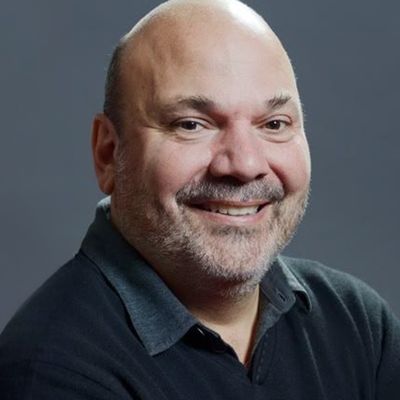
The Book of Mormon. Mean Girls. The Prom. Aladdin. The Drowsy Chaperone. And that are only five of the many musicals that were directed and choreographed by one of the most productive men in musical theater: Tony Award winner Casey Nicholaw. In between running to each of the four shows of his that are playing on Broadway, Casey swung by Shetler Studios to discuss his career with Rob and Kevin. Casey pulls back the curtain on his career to discuss how an airline salesperson saved his job, what it was like bringing to life some of Broadway's most iconic musicals, and why you should never watch Mike Nichols watching your show. Also, Casey shines the spotlight on Beth Leavel, Susan Stroman, and Tina Fey! Become a sponsor of Behind The Curtain and get early access to interviews, private playlists, and advance knowledge of future guests so you can ask the legends your own questions. Go to: http://bit.ly/2i7nWC4
Transcript
This transcript was automatically generated and might contain errors.
[0:00] Robert W. Schneider: The heat is on in Saigon. It's another hot summer, Kev. One might say it's 110 in the shade, you get it?
[0:06] Kevin David Thomas: Yeah, I do, Rob. I do. And how do you cool off, my friend? Well, I say dress light and wear best to begin lightening your attire, then your wallet.
[0:11] Robert W. Schneider: Oh, and how would one do that? Simple, Kev. To be one of the cool kids, become one of our Patreon supporters and help keep us on the air.
[0:16] Kevin David Thomas: Head on over to Patreon.com, that's P-A-T-R-E-O-N.com, and search for BEHIND THE CURTAIN, BROADWAY'S LIVING LEGENDS, and set a monthly donation. Even a dollar a month helps us.
[0:21] Robert W. Schneider: Your contributions help us continue doing what we are doing and bringing the legend's stories to your ears.
[0:27] Kevin David Thomas: Rob?
[0:28] Robert W. Schneider: Yes, Kevin?
[0:29] Kevin David Thomas: You aren't wearing any pants.
[0:31] Robert W. Schneider: Mmm. Hi, I'm Rob Schneider.
[0:33] Kevin David Thomas: And I'm Kevin David Thomas. And this is BEHIND THE CURTAIN, BROADWAY'S LIVING LEGENDS. Don't forget to follow us on Twitter, at Broadway Curtain, and make sure to join our Facebook page at BEHIND THE CURTAIN, BROADWAY'S LIVING LEGENDS. And follow us on Instagram at Broadway Curtain Podcast. Plus, you can always listen to our podcasts on Broadway World and Stitcher.
[1:02] Robert W. Schneider: From the sunny beaches of San Diego to the wintery streets of Broadway, today's guest is a true legend of the great white way, whose work as a director choreographer on some of Broadway's biggest hits is not only iconic, it has ignited a revolution on the American musical theater stage. As a performer, his appearances on Broadway include Crazy for You, The Best Little Whorehouse Goes Public, that's right, Vic to Victoria, Steel Pier, The Scarlet Pimpernel, Saturday Night Fever, Seussical, Thoroughly Modern Millie, and then he went behind the scenes to choreograph Spamalot, and he has not looked back directing and choreographing such musicals as The Drowsy Chaperone, Elf, The Book of Mormon, Aladdin, Something Rotten, Mean Girls, and this season's best musical, that's right, we said it, The Prom.
[1:48] Kevin David Thomas: Seen it twice.
[1:49] Robert W. Schneider: Yeah, yeah, yeah. To tell us what it was like to work with such legends as Mike Ockrin, Susan Stroman, Julie Andrews, John Kander, Fred Ebb, Mike Nichols, and so many more, here is the master of musical comedy, Tony Award winner, Casey Nicholaw.
[1:57] Casey Nicholaw: Hi.
[1:58] Robert W. Schneider: Hey Casey, how you doing? Welcome, thanks for being here.
[2:03] Casey Nicholaw: Glad to be here.
[2:04] Kevin David Thomas: Before we went on air, Casey was telling us his day today, and it's just been a, we're in Tony Award season, you're having a crazy day, and we're so thankful that we have you.
[2:11] Casey Nicholaw: Oh, thank you, thank you, my pleasure.
[2:13] Robert W. Schneider: Wow. Okay, so let's start with The Best Little Whorehouse Goes Public. We're gonna start right there, and then we're gonna work around.
[2:19] Casey Nicholaw: Okay, sounds good, good.
[2:20] Robert W. Schneider: Were you in the infomercial?
[2:22] Casey Nicholaw: No, no I wasn't, but you know, it premiered on Easter, and what better thing for Easter Sunday than a bunch of girls saying, I like the way my crotch looks. It looks really good. It was sort of like, we used to joke about, happy Easter, happy Easter, happy Easter crotch.
[2:37] Kevin David Thomas: I can almost see the choreography, actually.
[2:39] Casey Nicholaw: Oh, it was a little, yeah, it was, yeah, no, I was not in the infomercial. Just curious, just curious. I'm glad you asked.
[2:47] Robert W. Schneider: Okay, now we're gonna jump all the way back. San Diego.
[2:52] Casey Nicholaw: Yes.
[2:53] Robert W. Schneider: San Diego, did you grow up there?
[2:55] Casey Nicholaw: I did. That was home.
[2:56] Robert W. Schneider: Yes. When did you fall in love with theater?
[2:59] Casey Nicholaw: I fell in love with theater, like, I don't know, as soon as I came out of my mom or something. Seriously, right away, I always knew that, you know, I was walking around like singing songs, and.
[3:06] Kevin David Thomas: But was there a show, or a movie, or?
[3:08] Casey Nicholaw: Oh, absolutely. Gene Kelly. It was Gene Kelly, for sure. Then it was.
[3:14] Kevin David Thomas: So always dancing. I mean, like.
[3:16] Casey Nicholaw: It was dancing, for sure. And it was, it was movie musicals. But don't forget, I didn't get to watch them on TV. And I didn't, I mean, occasionally they played them late at night. I had to like, get, you know, go around and get for the two revival houses, get the schedules for what movie musicals might be coming, and make my mom drive me there.
[3:33] Kevin David Thomas: Yeah. Oh my gosh.
[3:34] Casey Nicholaw: So it was, it was such a different thing there. It wasn't so readily available, you know. You like go on Netflix and just like watch something. Yeah, no. It was sort of like, oh my God, I can't believe they're playing Take Me Out to the Ballgame. I've never seen it, and it's on the town, you know.
[3:44] Kevin David Thomas: And explain to some of our younger listeners what a revival house, I don't know.
[3:48] Casey Nicholaw: No, it was, it was, it was a movie theater that played old movies.
[3:52] Kevin David Thomas: Yeah.
[3:53] Casey Nicholaw: Which doesn't happen anymore, because you can just get them anywhere.
[3:56] Kevin David Thomas: Yeah.
[3:57] Casey Nicholaw: So you'd get really excited when something that maybe obscure, a musical. I would be, I would be like, it would be like Christmas Eve before each new schedule came out, monthly schedule, and to go to decide what I was going to go see.
[4:04] Kevin David Thomas: I love that.
[4:05] Casey Nicholaw: Okay, so Desert Island, top three movie musicals you're taking with you.
[4:09] Casey Nicholaw: Well, On the Town, for sure.
[4:11] Kevin David Thomas: Yeah.
[4:12] Casey Nicholaw: Sound of Music.
[4:14] Kevin David Thomas: Good choice.
[4:15] Casey Nicholaw: It's not a dance, and that's not a dance one, but it's Sound of Music. It's going.
[4:19] Kevin David Thomas: Yeah, totally, totally.
[4:20] Casey Nicholaw: And then the third would probably be Singing in the Rain.
[4:23] Kevin David Thomas: Yes. God, it's so good.
[4:25] Casey Nicholaw: So, so good. Okay. There are others, but I don't remember them all, but those are my top three. Those are my top three.
[4:31] Kevin David Thomas: Yeah. And did you know that you always wanted, when you saw them, and I'm sure you were dancing and doing all the things down in the basement, or in the basement, but, you know, you were always a part of that. When did you actually?
[4:43] Casey Nicholaw: I thought you put basement in quotes. I think of like, well, I don't know. I grew up in the basement, but some people don't have a basement. I just picture, you know, you going hoofing it downstairs.
[4:49] Kevin David Thomas: I was hoofing it in the yard. I was making up my own dances and making the kids in the neighborhood do the dances too.
[4:54] Casey Nicholaw: And then you were already directing them.
[4:56] Casey Nicholaw: And then I was taking them on tour from house to house. And I made up musicals based on the neighbors, like each neighbor, like the ones I liked and the ones I didn't like. It was kind of mean, but there you go.
[5:12] Kevin David Thomas: That is incredible. The touring circuit of the neighborhood.
[5:15] Casey Nicholaw: Yeah, we toured.
[5:16] Kevin David Thomas: That is genius. Did you start performing in high school?
[5:19] Casey Nicholaw: Well, I, yes, but actually in junior high school. You know, I was, I mean, I was not picked for sports and all that kind of stuff. And a friend of mine said, you know, I'm in this thing called junior theater, and I think you would really love it. And they do like five shows a year and you take classes and you get, but the main thing is you're in shows all year long and they, you know, they do the shows and they said, we think you should audition. So I auditioned for Annie Get Your Gun and I was cast as a dancing Indian.
[5:48] Kevin David Thomas: And there you go. And the rest is history.
[5:50] Casey Nicholaw: And I actually, I just fell in love with this. So that was my first experience like that.
[5:54] Kevin David Thomas: Were you taking dance classes?
[5:56] Casey Nicholaw: No, I never done anything. You just went in and I just went in and auditioned and I never had taken a dance. I had never done a dance step in my life.
[6:01] Kevin David Thomas: Oh my God.
[6:02] Casey Nicholaw: Like learned a dance step. Huh? That is so incredible. What other shows did you do that season? Do you remember?
[6:06] Casey Nicholaw: Well, I did. I, the order of them, it was, it was that Annie Get Your Gun. Then I was in, I was Tommy G. Less in the Music Man the following summer. I was Finch in How to Succeed.
[6:16] Kevin David Thomas: Yes. So you knew you could sing. Sorry to interrupt you.
[6:19] Casey Nicholaw: No, I didn't know any of that. I mean, I thought I could sing. I auditioned once for one of the kids in Sound of Music, but I was so, so terrible. And I sang something from Funny Lady and it was, and it was awful.
[6:30] Kevin David Thomas: And I was, oh yeah, I picked Funny Lady. It might've been how lucky can you get? For Sound of Music folks.
[6:35] Casey Nicholaw: For Sound of Music. So, um, so, so there you go. I'm obsessed. And so, so San Diego, they had a really good program. I did those shows. Uh, and then I auditioned for stuff at San Diego Starlight where I did like three shows there in the chorus of Shenandoah, Oklahoma and South Pacific.
[6:49] Casey Nicholaw: Um, and then when I was 15, I wanted to audition for a show at the O'Globe called Robert Riker. And, um, yeah, I was, you were supposed to be 18 to audition. I was 15. I lied and said I was 18.
[7:02] Kevin David Thomas: Um, I sat, I was so nervous and I didn't know anybody. And I sat there and this, this, I say woman, but she was a girl then, was so nice to me saying, I know you're nervous, honey, but you're going to be fine. And it was Sue Mosher. I don't know if you know Sue Mosher, which was the sweetest thing ever.
[7:18] Casey Nicholaw: And then we did the show and Brian Stokes Mitchell was the lead and Greg Barnes, the costume designer was in the chorus, but was also Brian Stokes Mitchell's understudy. And Kathleen Najimy was in it as well, playing my mother and a bunch of other people.
[7:37] Kevin David Thomas: San Diego, my God.
[7:38] Casey Nicholaw: Yeah. And it was, you know, for me, that was like, what made me grow up, you know, just older people seeing older gay people and you know, all of it was so much handed down an art form. I mean, you literally learn from the people that you admire. It was awesome. But you know, all those people were 20 years old and I was 15.
[7:54] Kevin David Thomas: Wait, did you didn't get in trouble? Like they weren't like, no, but they did give me, they did give me a birthday cake with like 18 candles or something on it. I was like, okay, you have to confess.
[8:03] Robert W. Schneider: And then when you're done with that, when you're done with high school and all that stuff, college, where did you go to college?
[8:08] Casey Nicholaw: I went to UCLA for just a year and a quarter. And when I, when I was in my freshman year, I just knew I wanted to be in New York. You know, I just knew it. So I saved up all my money.
[8:19] Kevin David Thomas: Had you, had you visited New York before this?
[8:21] Casey Nicholaw: This was going to be my first trip to visit New York. So on spring break, I like saved up my money working. I was working as an assistant manager in a movie theater. And then I came to New York and, but I just came to see shows and I don't really know how I knew this, but like there's those moments you have where you don't realize how ballsy you are and how driven you are. And so I went to a newsstand and got it backstage. I didn't really even know what backstage was you guys. So I got it. I got it backstage. I looked at auditions. I said, okay, I'm going to go on. I'm going to want to audition for something as long as I'm in New York.
[9:05] Casey Nicholaw: So I went, I went to colony music and bought some music. I don't even remember what I don't know what I sang.
[9:10] Kevin David Thomas: Oh no. I do know what I sang. I sang, um, uh, you mustn't kick it around from pal Joey.
[9:15] Casey Nicholaw: Okay. Good choice. Thank you. Old school. I was old school. I am old school. So, so basically I went and auditioned for stuff. I had no picture resume with me or anything. Cause I didn't know I was going to do it. And I got a summer stock job at new London barn playhouse.
[9:24] Kevin David Thomas: Oh, New Hampshire.
[9:25] Casey Nicholaw: And so on my summer break between freshman and sophomore year, I went there and I did, you know, 10 shows. Uh, they paid me $150 at the end of the summer for doing it. Of course.
[9:37] Kevin David Thomas: Um, which wasn't even as much as my plan for their cost, but it was the best summer of my life.
[9:41] Casey Nicholaw: And then after I was there, went back to UCLA for a quarter and I told my parents, I want to move to New York. I don't want to go to school anymore. And they're like, you have to go to school. You're going to finish school. So I basically flunked out of school so I could move to New York. And I did.
[9:53] Kevin David Thomas: Were you majoring in theater?
[9:55] Casey Nicholaw: In theater, but there was no musical theater major. And so as a theater major, because the school was so crowded, you couldn't take voice or dance.
[10:02] Kevin David Thomas: So I was like, why am I here?
[10:04] Casey Nicholaw: Um, so that was it. And then I moved to New York with at 18 years old with 50 bucks and nowhere to live. And I stayed on friends from new London's couches until I got a place in the couch surfing.
[10:18] Kevin David Thomas: What was the first Broadway show you actually saw when you came to New York or a couple of them?
[10:24] Casey Nicholaw: I saw Barnum and I saw 42nd with Glenn Close and, uh, Jim Dale and I saw, um, 42nd street, nice, sophisticated ladies, Copperfield.
[10:38] Kevin David Thomas: Mornings at seven death trap.
[10:40] Casey Nicholaw: Oh, you went all in. Wow.
[10:42] Kevin David Thomas: Oh yeah, I did. I saw a bunch. I feel like there was something else too. Anyway, that's great. That's fantastic. So you came to New York with $50 and a dream and a dream.
[10:49] Casey Nicholaw: And then you made the rounds again. I mean, you must have, you made friends at new London Barnes.
[10:54] Kevin David Thomas: Yeah.
[10:55] Casey Nicholaw: And then I got a lot of other non-equity jobs, you know, uh, but all, you know, all around me, my friends were getting their equity cards and I was like, what's happening? I'm not talented and all that kind of thing.
[11:01] Casey Nicholaw: And, and, you know, to in new London, I might add, you know, as well as being, you know, playing Tulsa and singing Godspell and playing Barnaby, you know, I also had to edit up having to choreograph for the shows as well. So, you know, so it's crazy. But so I did do a lot of like, you know, small jobs, choreographing non-equity. So that's how the choreography sort of started.
[11:26] Casey Nicholaw: Uh, and then I suddenly I got my equity card at beef and board standard theater, um, and into the Hannah. I mean, it was the old, old talk about old school. I did all the steps. I waited tables at a million restaurants. I did all of that. I lost my hair at like 23 and that's when I started working.
[11:47] Kevin David Thomas: Then all of a sudden I got my equity card because I could be in the chorus. I could always be the gangster. I could always be the stage hand. I could always be the waiter. I could always be, you know, and that's how I started getting work.
[11:55] Casey Nicholaw: Yeah. Um, yeah. And then, you know, then I got like a, I got an equity tour 42nd street and I got a bunch of other equity jobs, you know?
[12:04] Kevin David Thomas: So you went from though not being a dancer to being a dancer, like, how did you become a dancer?
[12:09] Casey Nicholaw: Yeah. But I had no technique, which is like what made me like, you sound like you're being humble. Like, no, no, no, no. I was like, you know, other people have like ballet technique and stuff. And I was just like, I'm a huffer and you would just go for it.
[12:22] Kevin David Thomas: Yeah. Pretty much.
[12:23] Casey Nicholaw: Yeah. And every, I mean, you had a lot of energy, a lot of energy, but I had a lot of energy.
[12:27] Kevin David Thomas: When did you, um, make your Broadway debut crazy for you?
[12:34] Casey Nicholaw: Yeah. Yeah. How'd that happen? Well, Oh, actually it's a really, it's a good story. I mean, I was, I was in, uh, because of the spider woman of a purchase with Susan, the Susan Stroman.
[12:44] Casey Nicholaw: Oh, you did that one. I did that one. And then it didn't happen, you know, but so I made a relationship with her for that. And then crazy for you, they had, I guess they had cast it. And I was in, I was in, um, North Carolina doing a production of showboat in the chorus and Beth level was in it.
[13:03] Kevin David Thomas: Oh my God.
[13:04] Casey Nicholaw: And, uh, she was playing Julie. Yes. Okay. And, um, and she was like, I'm doing this show called crazy for you. You would be so good in it. And I think they might need a couple more people.
[13:12] Casey Nicholaw: So I ended up, I had, I missed the actual board was as I missed the ensemble auditions. And then I got a call saying, um, we are, or I saw an open call or something that we're looking for one more person. And so I went in, I made it down to like the final, like 10 or something, and I didn't get it. And I was bummed and I was poor.
[13:29] Kevin David Thomas: I was so, so poor.
[13:30] Casey Nicholaw: And so a friend of mine called me up and they said, Hey, you know what? I've got this job. I, they need one more person for this job, uh, in Chicago doing a Shazam. Do you guys have a Shazam song? No, there were the things where you like dress up as characters and you have to like freeze and bar mitzvahs and stand on boxes.
[13:55] Casey Nicholaw: And then all the kids are like trying to push you off the boxes. And then at the moment they start playing, I had the time of my life. You get up and you dance embarrassing, absolutely horribly embarrassing. It's horrifying. And I was like, at that point, I was 28 years old doing them, which it was kind of sad. And I was, but I was like, I'll do it.
[14:14] Kevin David Thomas: Yeah. And also I met a guy from Chicago and he was there. So I was like, at least I can have sex. So I went, I thought it was great. I learned it's there. I had the time of my life. I was having to share a hotel room with four people. They were all like 18 and 17. And I was like, this is like the saddest, saddest weekend of my life.
[14:35] Casey Nicholaw: And then I just got an answering machine, which was a new thing because I was having, I had bells are ringing answering service.
[14:40] Casey Nicholaw: And I wanted to check if it worked. So I checked if my answering machine worked and they're like, hi, this is Barry Hughes, Barry Moss from Hughes Moss. They said, we need one more person because we moved one of the ensemble members up to a standby. So I was, he said, can you, and I said, I'm in Chicago. I was like, in tears. I'm in Chicago. And he said, well, can you, he says, don't worry then, you don't have to come back if you're in Chicago. I was like, I have to, I have to come back. So I told the Shazam guy, I was like, you know what, I have to go back to New York for an audition. I'm so sorry, I can't do this because you're never going to work for Shazam again. And then, but also I had no, I had no money.
And I went to the airport and I was like, I don't know how I'm going to get home. So I went up to the lady and I handed her my American Express card. And I said, yeah, because a one-way ticket back to New York was $450. And the thing is, that was so much then because you could fly to Chicago or anywhere for like $59 people. So it was 400 something dollars. And I gave her my card and then she was on the phone. She goes, they'd like to talk to you. And they were like, we can't approve this. So I go, oh my God, I said, I don't know what I'm going to do. And I told her some of my story about my audition. And then I gave her, I said, try this one. And she did it. She acted like she put it through and she like ran it alongside the machine.
It worked great. You're approved. And I flew back to New York. I got there at night, woke up the next morning, auditioned, went to have Chinese food with a friend. I got the call and started rehearsals Monday. Oh my God. My whole life was completely changed. And it was, it was the best, best time of my life. It was awesome.
[16:18] Robert W. Schneider: That is the sweetest story I've ever heard. What a good person.
[16:23] Kevin David Thomas: Awesome. So tell us what it was like working with Mike Ockren and having him in the room.
[16:28] Casey Nicholaw: It was amazing. Yeah. It was really amazing. He was so fantastic. And, uh, you know, one thing that I'll always remember when we were the first day of rehearsals, we each, every ensemble member got a half hour appointment with Mike Ockren to go in there and ensemble. Yeah. And you go in the room and he would ask what you wanted to, what he, you wanted your job to be as you had to write your bio for him in, in the, in the ensemble. Who did you want to be? And I'm so, you know, I was like, I wanted to be like a real people pleaser. And I wanted to like, you know, be in the tenant. And it was, he was asking, did you live in the town? Do you live outside of the town? And what would you have in your pockets or any props you want?
And it was so awesome first that he took so much care of people. Yes. And second, it was the specificity of everything that was so great because he knew if you lived out of town, you would enter from stage right, which is where out of town was. If you lived in town, you would be there. And so I was, I said, well, I was a people pleaser. So I always had a broom was sweeping up after everyone. He, it just was so fantastic. And it made you feel like you're a part of it. And even if the audience didn't know the stories that they could pick up on the specificity of all these people have a place to be at exactly.
[17:40] Kevin David Thomas: Yeah. And is that something that you take with you today when you direct?
[17:45] Casey Nicholaw: I have done it before, but I have not done it recently, but I need to do that again. You like really good. I thought it was, I thought it was incredible. I really did.
[17:48] Kevin David Thomas: Were you, when you were, were you taking any acting classes when you were in the city?
[17:54] Casey Nicholaw: Yeah. Yeah, I was, I took acting. I took, you know, audition preparation and stuff like that, you know, musical theater classes. What was your go-to audition song? Like when you were before crazy for you and you were just, you know, it was, you mustn't kick it around from pal Joey to start with. And then it was the song called, I just want to be a song and dance man. And then there was a song from pins and needles, but you know, it's so funny as I will, you know, we were always told to find an obscure song. And now I tell people don't find an obscure song, just sing. I got rhythm or just say something we know. So we can look at you and not go like, what the hell is that song from? It's really funny. Cause now I say the opposite. I go, I want it to be something that we want to focus on the person.
[18:35] Kevin David Thomas: Yeah. Yeah. Yeah. Yeah. Um, so let's go back to the crazy for you. So Susan Stroman. Yeah. So awesome. Well, the thing is for me, I told you, I already told you that everything I loved was Gene Kelly movies and all, all the old movie musicals and she did too. And you know, it was crazy. If it was a Valentine to it, she was so inventive and it was just awesome. Um, what did you notice that was different from doing your first Broadway show versus the theater experiences you had prior to that point? Cause you were touring the regions you were doing BB boards, you were doing, it was that you were creating it. It was, it was, it was happening from scratch, you know, it wasn't already set and you're going into a track that someone did on Broadway or five people did on Broadway.
Yeah. You know, um, did, did the show change a lot going from out of town to, Oh yeah, yeah, it did change a lot. It did change a lot. We learned brand new. Wait, what number was, yeah, we learned a bunch of new numbers. Oh yeah, definitely. There were like three new numbers. There was a whole big scene in number cut. Uh, it was super exciting. Did you feel like you were living in an old MGM movie with the show on the road? We, we knew there was one number that choreographed that was a waltz tap number, uh, called by was by Strauss and it was a great number, but it didn't fit in the show. Uh, and there was also like a, like a monster ballet or something, not monster, literal monsters, but in act two that got cut.
And so stiff upper lip is what replaced it. And, um, we were there in the lobby rehearsing that number during tech. Oh yeah. I've done that so many times too now. It's like, yeah, absolutely. I do that. I do that with other people. I'll be like, okay, you know, at the end of the studio time and you know, it takes so long to text something that I'm like, I would rather re choreograph it in tech and put it in, in tech and put it in, in tech.
[20:27] Kevin David Thomas: How has tech changed since your first Broadway show to your most recent Broadway show?
[20:30] Casey Nicholaw: You mean my first Broadway show as a dancer? Yeah. Yeah. What were you observing? That's, um, I just, of course, if I was a Dan, when I was a dancer, I did not, I did not know what really went into it. You know what I mean? I didn't know what it's like to really be outside looking at it. Yeah. And I didn't look, I didn't realize then what a difference it was for a director. Did you think that you wanted to be a director? Um, I thought I wanted to be a choreographer after a while. I would say halfway through my Broadway shows, you know, cause it was eight Broadway shows and except for Scarlet Pimpernel, which I was a replacement in, I was in the original. So that's how I learned about, uh, about what I liked to see.
[21:08] Kevin David Thomas: Yeah. Yeah. Yeah. For sure. Um, talking about Beth level. So she was in crazy for you. She was sort of steered you in the direction on that. And she just got a second Tony, he got a Tony nomination for the prom. The first one is from the drowsy that you direct the inquiry. So are you, what is it about her that makes you return to her?
[21:24] Casey Nicholaw: So talented. And you know, honestly, she, to me is the epitome of musical theater and what makes good musical theater, which is being completely truthful and heightened. Yes. And I think that's what makes musical theater work. So many people that don't like musical theater think it's just because people are being big and smiling, but it's not that you have to come from a real place, truth, but heighten it and being able to get the comedy.
[21:47] Kevin David Thomas: Yeah, absolutely. And Greg Barnes is a designer you work with quite often.
[21:54] Casey Nicholaw: Oh my gosh, he is. Love Greg. What is it about Greg that makes you keep coming back? Well, I've known him since I was 15. You're a loyal man, aren't you? I am. Yeah. I am. You like your family, but also I like talented people. Yeah. I mean, that's what it is. I like, I like people that really have the goods. I'm, I'm someone that if someone else suggests someone that is a friend of mine or a friend of mine comes to audition, I actually sit back a little bit because I don't want them to think I'm pushing them. But usually because I'm attracted to a talented people, everyone on the team is like, that person's great. I want them. I'm like, great. I agree. All right then. Yeah. You know, but I think Greg is the best. I think he is. And he's so kind and he's so wildly talented.
[22:26] Kevin David Thomas: Oh yeah. And we've done almost every show together. Great. Were you with crazy for you the entire time?
[22:30] Casey Nicholaw: No, I was in it for the first year and a half. And then where did you go? Best Little Whorehouse Ghost Public. Okay. Did you leave it for that? I did that contract. Yeah. Yeah. Yeah. So after Best Little Whorehouse Ghost Public, what did you go to next?
[22:45] Casey Nicholaw: Victor Victoria. Yeah, you did. Okay. Yes, I did. We just talked about this the other day, actually. We did. We were talking about the egregiously overlooked.
[22:53] Kevin David Thomas: Oh, she was the best. Which you were a part of.
[22:57] Casey Nicholaw: Thank you. She was the best. Yeah. Absolutely the best. And Julie Andrews we're talking about. And another funny story about that, which, you know, it was that originally Michael Smuin was choreographing it and not Rob Marshall. And so I auditioned for it. And then I was doing a show at the public called the Petrified Prince directed. And three or three people, I think, that were in Petrified Prince had gotten Victor Victoria with Michael Smuin. And I was so bummed I didn't get it. And I just kept thinking about it and thinking about it and thinking about it. And then I got home one day and I got, you know, hi, Casey, this is Tara Rubin from Johnson Live Casting. We just want you to know that Michael Smuin is no longer choreographing it.
But Michael, but Rob Marshall is. And you don't have to worry. You still have the job. Everything's fine. Rob, Rob agreed that you could stay on. And I said, is this a mistake? Because I never got a call that I did. It was cast. I said, oh, yeah, you know, you've been in it from the whole time. Surprise. Surprise. So anyway, it was a great surprise. And also, you know, I just worked with Rob and Petrified Prince. Yeah. And it was great. I mean, I was so excited to be doing Sound of Music, you guys.
[24:08] Kevin David Thomas: Right. To be doing a show with Julie Andrews, which was incredible. The dream. What was it like the first day you saw her in person in the flesh?
[24:12] Casey Nicholaw: I just couldn't believe I was I was starstruck with that. I always tell people I'm not starstruck and I actually am not very starstruck with people. But that I was I was starstruck. But to be able to work with her for like two years and just be around her every day and have her being like a friend. And she was the she was such a good leader. She gave us you know, she gave us all presents on our birthday. She knew every it was really incredible. I still have a gardening book that Julie Andrews gave me to say, Casey, I hope you enjoy this book as much as I do, because, you know, I was into gardening.
[24:49] Kevin David Thomas: That is so sweet. Absolutely. So it comes from the top down, right?
[24:53] Casey Nicholaw: It does have a happy story. I mean, there are some crazy stories from it because it was you know, it started in Minneapolis. Then it went to Chicago. Yeah. And then we opened in New York. But we started in Minneapolis like in March. Then we were in Chicago in the summer and then we opened in like November. So it's like we were in 10 out of 12 changing the show for over six months. And when we did the show in Minneapolis, I don't remember exactly. I might be exaggerating a little bit, but not too much. The first act was like forty five minutes and the second I was like two hours. Oh my God. OK. And then they really did seriously move like a third of the second I had the first act. But it was it was crazy. That is really fun. And Julie was great. Tony Roberts was great. Rachel York. And it was it was awesome. And you were there the entire time.
[25:38] Casey Nicholaw: I was there right before till right before Liza got it. And then I left to do Steel Pier, right, which is one of our favorite shows. It's awesome that we're hoping we'll come back at some point. It's awesome. I love our nation. Yeah. So what was it like working on that project?
[25:54] Casey Nicholaw: Well, it was it was great. Yeah, it was great. Again, with Stroman. Again, with Kendra and Ed, because I did that Spider Woman with them at that point. It was the first time I worked with Scott Ellis. But it was it was fantastic. It was really fun group of people. We had a good time. It was exhausting. Whereas, you know, it was it was sort of sad that it didn't get a good response.
[26:15] Kevin David Thomas: Yeah. That's what Susan said when we talked.
[26:19] Casey Nicholaw: Yeah. Yeah. That made me sad because she had really great choreography. I mean, there's tons of dance in that. Yeah, it was good dance. Yeah, absolutely. When did you start realizing that you wanted to do more choreography?
[26:27] Casey Nicholaw: I mean, I think I always wanted to, but I think I made the conscious decision to audition for Broadway shows and be in the course of a show on Broadway because I was like, I will not have made it. My little kid would not have my my little kid, not my child. You're in my inner child. Yeah. Would not have made it if I hadn't audition and got a show as a Broadway performer. Yeah. But then, you know, but then I sort of knew all along I wanted to do that. And I think that's why I was watching so carefully everything that happened. So you were when you were in the rehearsal, which you were always still in the room and always watching. Were you how do you think choreography has changed from when you first started doing crazy for you to what the world of choreography now in twenty nineteen?
[27:10] Casey Nicholaw: Well, I think now, too, I think people think of a lot of choreography is old fashioned. And I think that's a I think that's a tough thing, you know, unless you're doing a revival and then they're like, oh, it's so fantastic. Yeah. Yeah. You know, but I think that you have because, you know what I mean? Look at like look at Mean Girls and, you know, and the prom, you know, I had to like go into a whole different style in order to really two different styles. Yeah. I mean, but also I just had to like, you know, see how someone who's 18 dances, which is not, you know what I mean? It's a tricky thing. How do you do research for something like that?
[27:49] Casey Nicholaw: Well, you know, you sort of have to like watch stuff and go see stuff. And I read an article where you like before the prom and when you back when you at the alliance, you were like learning hip hop moves and you were like, oh, totally like what what changed for me the most pop and lock at me. Sorry. I said I said I don't really pop and lock, but, you know, I can set it on other people because I look terrible. But the thing the thing that got me OK with that style was my tap background because it's all rhythmic. So I knew the rhythms I wanted for the steps, even if it's not like in my wheelhouse or my body. I could say to someone, no, do an arm like this, like go up with your arm on and eight and go do this there. And I want something that's low and I want something that's high. And then we, my associates and I work on it until we get something we like.
[28:46] Kevin David Thomas: Yeah. Do you remember the first major choreographic job you got while you were still in the city and still acting?
[28:51] Casey Nicholaw: Oh, well, my my first. Well, the thing is, I sort of decided cold turkey to start choreographing. You know, pretty much. Yeah. Wow. Yeah. I mean, that's great. Yeah. Did you like get a bunch of friends together and you like you got a rehearsal studio for two weeks or something? What did you do? What did you do? Yeah. Well, I it was while I was in Seussical. Yeah. And I basically rented rehearsal space for every Wednesday and Saturday. I would go between shows and I want to be creative.
[29:19] Casey Nicholaw: And then the first couple weeks I was like, I don't know what I'm doing. And then I started thinking about what I wanted to do, and I got 25 dancer friends, and I had someone arrange the numbers, and I did three numbers, and I invited every single person I'd ever done a show with. I mean, every writer, every producer, and every director, so they could come. And everyone showed up. And I spent $4,000 to rent the space at Roundabout and get insurance on the dancers and everything else, and on the space, and everything I had to do. And it was, that was huge. Do you remember what the three pieces were? Yeah. Well, one was, actually, they were all original. One was like a summertime picnic, in quotes, which used songs that had the word summer in them.
Like, I did, like, Tate and Ants at the Ballgame. I did In the Good Old Summertime and stuff. And in the picnic baskets, people had their tap shoes, and I put them on. Oh, that's cute. And then each one was like, each tap section of the number was a different thing. Like, they did a three-legged race with tap shoes on, and then they did a balloon, whatever, carry between the bodies. Oh, yes. You know what I mean? And they did, you know, stuff like that. So it was really, it was really fun. The other one was Come to My Garden from Secret Garden, and it actually was, it told a story about a little boy and his mom, and then through her death. And I actually sort of started, that's sort of what I ended up doing in Tuck Everlasting, which is what happened at the end of the show, and I sort of took it.
That magical ballet. Oh, that was so good. Truly stunning. I love that. It was one of my favorite things I've ever done, actually. Agreed. It's beautiful. I cried like a baby. I cried so hard. So good. And then what was the third piece? The third one was like a weird, wacky thing to, like, it was almost Beatles organ music, and it was about, like, a housewife that wanted to become a spy. Great. It's just bizarre. I didn't remember that one that well, but it was great. It really made an impression on people. I mean, it clearly made your mark. Yeah, Kevin McCollum offered me a job right after that. And so I choreographed, didn't direct, choreographed a new musical based on The Prince and the Pauper at the Fifth Avenue in Seattle on the Ordway.
And that was sort of my first thing. That was called The Prince and the Pauper. And then what did I do after that? Oh, then I did a show called Road to Hollywood at Goodspeed that Walter Bobby directed. I choreographed for him there, and that was really fun. And then I did a dance break. You know, I don't know if they do them anymore, or they are getting ready to do one again this year. What is that? It basically was kind of what I did with my presentation, only it was organized. So six choreographers got 10 minutes each to do two numbers, and they invited the industry. And so I did, kind of. So I was in the second year, and I did two numbers. Then Des Mackenoff loved what I did and offered me the job at Radio City for the Sinatra show, which played.
So I got to choreograph The Rockettes, which was amazing, and it was really fantastic. That's a pinch me moment. It was a pinch me moment. What makes an ideal director-choreographer relationship or collaboration, I should say? I think being on the same page. I think it's hard, though. I think it's very hard to get something totally seamless when it's two people, unless they have that kind of relationship. Right. They have a history. Yeah. You know, I really do. Yeah. And is that a reason why you decided to then move into directing? No, it's actually funny, because then after that, I did Bye Bye Birdie at Encores. I choreographed for Jerry Sax, and I loved working with him. That was really fun.
It's just fun to be around. I really like him, and he gets the comedy, and I just really loved working with him on that. That's great. And then after that, I did. Oh, well, then after that, that's when I found out I got to Spamalot. You just found out? No, no. It was during that time, and it's so funny. I just got a call out of the blue saying, there's a new show. Mike Nichols is directing it, and you've been recommended to choreograph it. Will you go meet him? And I had no idea where it came from. I thought, this is crazy. I later found out he called Jerry Sax to find out how I was. Also, Jerry Mitchell had recommended me, because he knew me socially, but also he saw that thing I did at Easter Bonnet.
I don't know if you ever heard about that. No, what's the Easter Bonnet? When I was in Crazy for You? Yeah. We were supposed to do the Easter Bonnet, and we were going to do a big dead rock nutcracker that Rob Asher was going to choreograph, and then they called a put-in that day and wouldn't let any of us go. We're like, oh my god, are you kidding me? We can't go to Gypsy of the Year? We can't raise money for it? Yeah, no, they wouldn't let us go. So Scott Taylor was the only person that wasn't needed for the thing, and I said, Scott, why don't you go and do it? Do it by yourself. Do the Gypsy of the Year nutcracker and go do it by yourself. He's like, I'm not doing that, because I'll go to put-in rehearsal for you and you go do it.
So I went and I did the Spamalot. I mean, I did the nut Spamalot, so I can't get them all confused, you guys. Then I did the dead rock nutcracker by myself representing our show. You should look it up sometime and watch it, because it is ridiculous. I didn't even know this existed. I cannot wait to do this. And so Jerry saw that and was like, you are so funny, and that's why he recommended me. All those years later, because it was still like eight years later for Spamalot. So you took a meeting with Mike Nichols? Yes, and I got to his place. I had the reel of the presentation I told you about with the three numbers on it. I had my resume. I went in, we just started talking, and after an hour, he's like, well, you want the job?
And that was it. Cut to me in the elevator, sobbing on the way home, sobbing in the cab all the way. And then I was so nervous, because then he and everyone on the producing team, Bill Haber, Bob Voyette, Wendy Orshan of 101, went to see Bye Bye Birdie, and they sat like four rows in front of me, so I was just watching. You were like, oh, they're going to change their mind? Yeah, and after the first number, I see Mike Nichols, oh, I saw Bill Haber from behind talking to Mike Nichols' ear, and I knew that he said, this is awful, we can't hire this guy. I knew it. I was a mess. I was so distraught the whole time. Bill Haber calls me the next day, and he says, you know, I leaned over to Mike after the first number and said, we found our guy.
But it's amazing what we do to ourselves. Of course, let that be a lesson to you, please, listeners, yes. So what was the rehearsal process like with Mike Nichols? Yeah, or Mike Nichols. It was great. We did nothing, but everyone we talked to that worked with him is like, he's the best. What did you take away from him that maybe you still use in your rehearsal methodology? Oh, well, you know, one thing is, we're cut from the same cloth, very different, but we both agree about comedy coming from truth. And that's what I learned the most from him. He would say, wonderful, now do it as yourself. You know, which is a great, that's a great note. That's a great note. Or he'd be like, now you're full of shit.
Get rid of it and start honestly. You know, it's basically the same note every time. And it's basically the same note you can give to an actor always. It's almost always saying truth, truth, truth, truth, truth. Yeah, it's almost always saying stop, stop adding shit. Yeah. Yeah. So then stop adding shit. And Spamalot was a massive success. Were you, were you prepared? How do you know? I wasn't crazy. It's a funny thing because I'm someone that just, it's all about the show and I'm very tunnel visioned about the show. And it's all about the work. And it's all about that. Like I wasn't aware of people lined up down the block until someone comes backstage. It's like, oh my God, they're lined up down the block.
Like really? So I'm never aware of the outside part of it. I mean, it's a different thing now with social media and stuff. Although I don't do any of it and I don't look at anything and I don't have anything. Which is choice. I mean, obviously, I mean, yeah, I don't want to be part of any of it. I really don't. You're not missing anything. You're fine. I really don't. Do you read reviews? I don't. I can't. What's the point? What's the point? And I'll tell you the honest truth. Yes. I read the review for, um, Bye Bye Birdie and Encores! That was the first, my first real job in New York and it trashed me. And, you know, it was saying that my work was absolutely juvenile and, you know, Gower Champion would be blah, blah, you know, whatever it was.
And then the next day Gower Champion's original associate came to see the show and said, I cannot tell you that it completely had his spirit. And I've never seen a Bye Bye Birdie that had his spirit or felt like his show as much as yours. Best compliment. That's fabulous. You see? So, yeah. Who needs reviews? Yeah. So, um, how does Drowsy Chaperone then come into your... Well, so Spamalot, uh, after opening night, um, the writers were in town and Kevin McCollum called me and wanted me to meet with them. So I met them the morning after Spamalot opened. My goodness. And of course, okay, one terrible thing about not reading reviews and for me at least is I imagine they're all worse than they are.
So I thought Spamalot's reviews were terrible and it was a flop, but I didn't read them. So how would I even know? You know, so I met with the Drowsy writers and then they were like, hey, you want to do it? And that was, that was it. And was this your first directing? It was. Had you directed anything prior to this? I mean, obviously in your choreographic pieces, there's direction, but like, no, no, not really. I did to be a director. I mean, did you put that out there at some point? We knew each other well enough at that point. Yeah. You know, um, yeah, we knew each other well enough at that point. And I think I've always been bossy enough that people knew. Oh, that's the other thing I was gonna say.
I did a show with John Rando in San Diego right before Spamalot. And he turned to me and said to me, you're a director. I said, no, no, I'm not. I'm a choreographer. He said, no, no, no, you're a director. And, you know, I guess I always knew I wanted to do that, but I didn't think I wanted to go after that until he told me that. And then I started getting it in my head. And I was like, oh, yeah, maybe I should start doing that. And that's when I knew it was okay to do that with Kevin. So you read Drowsy. What are your first impressions of it? Well, it was... And how did it change from what you first read to what we saw? That's a good question. It changed an awful lot. Tell us. Well, you know, they did it in Toronto, a couple productions of it.
And I watched a videotape of it. And it was really because of budget and everything else. It was five doors. And people would just, like, pop through the door and do their scene and then leave through the door and then come out. There was no man in... Oh, there was a man in a chair. But there was no apartment or anything. So that was something I was really interested in, was having his apartment and having a refrigerator, people coming out of the refrigerator. And everyone fought me on the refrigerator so much. Why? We don't want to look at a refrigerator center stage the whole night. Why would you do that? And then it ended up being kind of iconic. Yes. Yeah. And but, you know, Bob has said, you know, it's what we always wanted it to be once that started happening.
Bob Martin. Yeah, Bob Martin. And then, you know, that was just a magical experience. It really was. That sounds so queer to say magical. No, no, no, no, it was. But for the audience, it was too. But this was an original... This was based on an idea, listeners, of a wedding present. Right, absolutely. You know, it really was just an idea of like, oh, I'm going to write a... You know? Yeah, it was. And also, it was a first for so many of us. You know, it was my first directing. It was the writers' first Broadway show. It was the PSM's first show being a PSM. It was the musical director's first time being the musical director. Bob is starring in it. Bob is starring in it. You know what I mean?
It was a lot. You know, it was huge for Danny and Beth. You know, it was breaks for them. And it just was really incredible. And it was one of those things we knew we loved it so much. And it went through so many changes, you know? And then a lot of changes from the Amundsen to here. Yeah. And you're right. And then it gave, you know, Beth... I mean, it put her really, like, smack dab on that map. Totally. One of the things that was so cool about that show was everybody was in the same exact zany world. Right. How did you... How as a director do you create that? I was really careful with it to make sure, you know, to make sure that it was... Everyone was in the same show. And again, you know, I think people mistook it for... Some people mistook it for camp.
No. Which it's not camp. Again, it's truthful, but heightened. Everyone's dead serious about it or it doesn't work. Yeah. You know? Life and death in those moments. Absolutely. For sure. But, you know, after that, I got so many, so many things with, like, lesbians and nuns and roller skates. Like, I mean, honestly, every script that had a lesbian, a nun, or roller skates, I got the script for it. Was it easy to convince the producers that, like, somebody like Beth and Danny, who were really not all... They weren't names at the time. Right. To convince them to take these big roles? No, because I think we knew it was an ensemble piece. Yeah. And honestly, that's when... I was over at Sutton's because we'd done Thrilling Modern Millie together.
And I said, I have a show I want you to do. And she... Because she... No, actually, she said first, she's... Because she had done Millie and she did Little Women. Yes. She's like, I really want to do a show where I'm not carrying it. And I said, oh, well, I think I might have something for you. And then she just fell in love with it. Oh, amazing. And that's how it happened. She just... She wanted to be in an ensemble and not carry the show. Yes, yes, yes. And so it was perfect. And Christian was in Spamalot at the time, and they were married, you know. Perfect. Yes, at the time, yeah, yeah. So the first few weeks of rehearsal, what do you do? How do you get everybody on the same page? How do you tell everyone we're telling this story?
What's your process? Everyone is... Every show is different. Now, I think, honestly, people are going to go like, oh, God. No, go for it. But honestly, now I just cast the right people and start rehearsals. Yeah. I really do. I don't get into it too much, especially with a lot of source materials. Did you used to? Did you used to? For Drowsy, I did a very specific thing where I made everybody do a bio of their fake character, the actor that was playing the role. So like the Beatrice Stockwell's bio. You had to do that. But then I had to have them... Then they had to do numbers as the character. I mean, I had them do a lot of that stuff because of that extra layer. Yeah. Well, it makes sense because this was completely original, too.
So you're not based there. They couldn't go to a movie. They couldn't read it or watch the movie. Exactly. And it couldn't be Beth just playing that. Beth had to be Beatrice Stockwell. Yes. Yes. So I made them all get into those characters first and then play those characters. Oh, that's a great idea. That's a really great idea.
[44:59] Casey Nicholaw: You know, I think that the thing that I love about directing is that you get to be a part of the whole process. You get to work with the writers, you get to work with the actors, you get to work with the designers, and you get to create something from the ground up. It's really exciting to see how all of those elements come together to tell a story.
[45:29] Casey Nicholaw: I remember when I was working on "The Book of Mormon," and we were in the rehearsal room, and we were trying to figure out how to stage this big number. It was just a lot of trial and error, and I think that's what makes it so rewarding. You get to experiment and find out what works and what doesn't, and then you get to see it all come to life on stage.
[45:59] Casey Nicholaw: One of the biggest challenges is making sure that the vision you have in your head translates to the stage. Sometimes, what you think will work in theory doesn't always work in practice, and you have to be flexible and willing to adapt.
[46:29] Casey Nicholaw: I also think it's important to create a safe environment for the actors. They need to feel comfortable taking risks and trying new things. If they feel supported, they will give you their best performances.
[46:59] Casey Nicholaw: I had a great experience working with Tina Fey on "Mean Girls." She was so collaborative and open to ideas. We would have these brainstorming sessions where we would throw around concepts and see what stuck. It was a really fun process.
[47:29] Casey Nicholaw: And then, of course, you have to consider the audience. You want to create something that resonates with them and keeps them engaged. That's always in the back of my mind when I'm directing.
[47:59] Casey Nicholaw: I think one of the most important things I've learned is to trust your instincts. You have to have confidence in your choices and be willing to stand by them, even if others may not agree.
[48:07] Casey Nicholaw: I remember a time when I was working on "Aladdin," and there was a moment in the show that I felt really strongly about. It was a risk, but I believed in it, and in the end, it paid off.
[48:15] Casey Nicholaw: I also think it's crucial to surround yourself with talented people. You can't do it all alone, and having a strong team makes all the difference.
[48:21] Casey Nicholaw: I've been fortunate to work with some incredible designers and choreographers who have brought my visions to life in ways I couldn't have imagined.
[48:29] Casey Nicholaw: And then there's the joy of seeing the audience react. There's nothing quite like that feeling when a joke lands or a big number gets a standing ovation. It's the ultimate reward for all the hard work.
[48:59] Casey Nicholaw: I think that's what keeps me coming back to the theater. The magic of live performance is something you can't replicate anywhere else.
[49:29] Casey Nicholaw: I also want to give a shoutout to Beth Leavel. She's such a powerhouse and brings so much energy to every role she plays. Working with her has always been a highlight of my career.
[49:59] Casey Nicholaw: And Susan Stroman, of course. She's a legend in the industry, and her work has inspired so many of us. It's always a pleasure to collaborate with someone who has such a deep understanding of musical theater.
[50:29] Casey Nicholaw: I think the key to success in this industry is to keep pushing yourself and never stop learning. There's always something new to discover, and that's what makes it so exciting.
[50:59] Casey Nicholaw: I try to take every opportunity to grow as an artist, whether it's through workshops, classes, or just collaborating with new people.
[51:29] Casey Nicholaw: And I think that's what keeps the work fresh. If you're not challenging yourself, then you're not really growing.
[51:59] Casey Nicholaw: I also believe in the importance of mentorship. I've had some incredible mentors throughout my career who have guided me and helped me navigate the ups and downs of this industry.
[52:29] Casey Nicholaw: It's important to pay it forward and help the next generation of artists find their way.
[52:59] Casey Nicholaw: I think we all have a responsibility to support each other and lift each other up. That's what makes this community so special.
[53:29] Casey Nicholaw: And at the end of the day, it's all about the stories we tell. That's what connects us as human beings, and that's what keeps me passionate about this work.
[53:59] Casey Nicholaw: I can't wait to see what the future holds for musical theater. There are so many talented voices out there, and I think we're just scratching the surface of what's possible.
[54:29] Casey Nicholaw: I'm excited to be a part of it and to continue creating work that resonates with audiences.
[54:59] Casey Nicholaw: Thank you for having me on the podcast. It's been a pleasure sharing my journey with you.
[55:29] Casey Nicholaw: I hope to inspire others to follow their dreams and pursue their passions in the theater.
[55:59] Casey Nicholaw: Remember, the sky's the limit, and anything is possible if you believe in yourself and work hard.
[56:29] Casey Nicholaw: So, let's keep making magic happen on stage and continue to celebrate the art of musical theater.
[56:59] Casey Nicholaw: Thank you again for this opportunity. I look forward to seeing what comes next for all of us in this incredible industry.
[57:29] Casey Nicholaw: Let's keep pushing boundaries and telling stories that matter.
[57:59] Casey Nicholaw: Until next time, keep dreaming big and never stop creating.
[58:39] Casey Nicholaw: Trying to get to Broadway because we've redone the script a lot and that's when everything gelled. I think the difference was we decided, and I sort of thought of *Book of Mormon* a little bit when I was looking at this, because what made *Book of Mormon* work is that you set up this bright Mormon energy and then you invaded Africa. I thought that's what's wrong with this because the whole thing was in the musical comedy box, and I was like, we can't—this town can't be musical comedy, right? It was a little bit in that way, so we made sure the town felt really realistic and that the musical theater energy was invading the town. That's when it started completely changing.
[59:27] Casey Nicholaw: It's so funny. I actually ran into someone in Los Angeles who was a friend of a friend, and she said, "I'm from Atlanta." I said, "Oh my God, we did *The Prom* there." She was like, "Oh yeah." I was like, "Did you see it?" She said, "Yeah." I said, "Oh, what did you think?" She said, "I thought it was a little formulaic." When she said that, that's when I was like, "Oh, okay, we got to do something about it." That's when I realized what it was. Great, because I don't think it is now. I think it's such an interesting idea, and I think that it's all about the two different worlds and stuff. That's when we all worked really hard to make sure the town was completely realistic.
[1:00:07] Kevin David Thomas: How does the rewriting process work? Do you give an idea and then you go away, or do you like to be in the room while they're figuring out the idea to make the fix?
[1:00:11] Casey Nicholaw: We all chat together, then I let them go away to do their homework, you know, because then I would be doing to them what I don't like when people do that to me. So give us an example of a note you give that you know needs to be addressed. Do you give a note like, "This needs to be funnier," or "We're not getting to the heart of it," or "We're missing a beat here; we need to see that she's feeling this"?
[1:00:27] Casey Nicholaw: They'll go away and write that and send it to me and say, "Does this feel better?" Every show works differently in the creation. You know, like *Elf* got written really quickly compared to other shows because we met every week.
[1:00:45] Kevin David Thomas: Do you like that?
[1:00:50] Casey Nicholaw: I do. I don't think, you know, people's schedules are so crazy you can't meet everyone, and it forces the writers to do it. You know, we got a deadline; we've got to get this done. Speaking of balancing schedules and stuff, you had four shows running on Broadway simultaneously, which is no big deal.
[1:01:06] Casey Nicholaw: NBD. How do you balance prioritizing all four shows?
[1:01:14] Casey Nicholaw: You know what? It's a lot, I'll be honest. I mean, I have really, really good associates for all the shows, and they take care of a lot of the day-to-day. But then you need to have auditions for replacements, and then you need to put the replacement in because they're a little different than the first person that did it. You might have to change something, and then you do the tour, and producers want changes for the tour. So it's a lot of stuff to keep track of, and sometimes there'll just be a week where you get stuff from all four, and you're like, "Oh my God." And then, you know, in London or Australia.
[1:01:39] Kevin David Thomas: Oh sure, yeah. Do you travel a lot to see your shows on the road?
[1:01:45] Casey Nicholaw: I do. I go there, you know, as often as I can. When we have a new person going in, I usually go to see.
[1:01:54] Kevin David Thomas: That's great. I mean, that's absolutely fantastic.
[1:01:57] Casey Nicholaw: There's a lot, but you're able to breathe and sleep.
[1:02:00] Kevin David Thomas: Absolutely good. Okay, *Something Rotten!* was like a very unique experience in terms of you had a lab, is that right? Or a workshop? And then the next thing you know—
[1:02:05] Casey Nicholaw: Correct.
[1:02:10] Kevin David Thomas: That doesn't usually happen. How did that decision get made to say we're not going out of town; we're going straight to Broadway?
[1:02:14] Casey Nicholaw: Well, honestly, we were planning on going out of town to the Fifth Avenue, then come in. We did the lab, and you know, Brian Darcy James and Christian were both in it, yes, and they were fantastic. They were not going to be able to go to Fifth Avenue, so that's when we decided, "You know what? Let's just bring it straight in," because it worked so well, and we had such a good time working on it. We didn't want to lose them as the stars.
[1:02:34] Kevin David Thomas: How did that come into your orbit? These writers were not—
[1:02:40] Casey Nicholaw: Kevin McCollum introduced them.
[1:02:44] Kevin David Thomas: Oh my God, you guys have quite a relationship.
[1:02:44] Casey Nicholaw: Yeah.
[1:02:44] Kevin David Thomas: How did you first meet Kevin?
[1:02:49] Casey Nicholaw: Well, I met him back when I was in *Crazy for You* because he was working for the—he was married to Michelle Pawk, who was in *Crazy for You*, and then he was working at the booking office. We just got to be friends.
[1:03:03] Kevin David Thomas: That's awesome.
[1:03:04] Casey Nicholaw: Yeah, and before *Rent* and all of that.
[1:03:09] Kevin David Thomas: Yeah, it was before. I mean, my God.
[1:03:11] Kevin David Thomas: So tell us a little bit because it's the season of *The Prom*, right? This big wonderful love letter to musical theater, right?
[1:03:15] Casey Nicholaw: Right.
[1:03:15] Kevin David Thomas: Same thing, Kevin McCollum?
[1:03:15] Casey Nicholaw: No, no. Oh, we're going to spice it up. No, Bill Damaschke and Dori Bernstein and Jack Lane.
[1:03:20] Kevin David Thomas: That's incredible.
[1:03:20] Casey Nicholaw: Yeah, incredible. And your first impressions when you read it?
[1:03:25] Casey Nicholaw: Well, there was nothing to read. It was just an idea.
[1:03:30] Kevin David Thomas: Oh, just an idea?
[1:03:30] Casey Nicholaw: This is from the very beginning. Jack Vertell called me, and we've done, you know—
[1:03:35] Kevin David Thomas: Yes.
[1:03:35] Casey Nicholaw: He said, "I have this crazy idea. You know, I've been reading about lesbian girls not being able to go to the prom." I was like, "Yeah, totally." So anyway, Jack called me up and said he had this great idea and weird idea—he didn't say great. He said, "I have this weird idea that, you know, there's a lot of gay teens that aren't able to go to the prom, and what if we started it in Bar Centrale and we had Broadway stars who wanted to go down there and make a difference?" I was like, "Sounds great." So that's what we started working on. We started from scratch—nothing, just ideas—just the four of us, Bob and Matt and Chad and I in a room just going to pick them.
[1:04:10] Kevin David Thomas: I mean, did you pick them? Did Jack pick?
[1:04:14] Casey Nicholaw: Oh, Jack said, "What about—" because we had just done *Elf* together, yeah, all four of us.
[1:04:22] Casey Nicholaw: And then it was just kind of crazy, but the things we came up with—we had originally, you know, the celebrities were more—there were more people. There was also a stage manager named Karen Moore. Karen Moore's been my stage manager, and she was like, "I don't want to hear about the show. I don't want a word about this show. I don't want a person playing Karen Moore." And then we had one of the roles was a woman who was Alphabet's understudy, and they made her always wear green makeup when she was standing by in case she had to go on, so her skin was always a little green. I forgot she did have a song at one point, and then we decided not to. I was like, "You know, we need something, but what about someone who's an older chorus girl, like an Angie Schwartz type?" And then you said that.
[1:05:00] Kevin David Thomas: Yeah.
[1:05:06] Casey Nicholaw: And then we're like, "Why not? Where's Angie? Well, let's get Angie to do it." And then, you know, it took us a while to do *Prom*, and Angie one time was on the phone. She's like, "I just gotta say, will you please do this soon so that I don't read somewhere that they're looking for a young Angie Schwartz?"
[1:05:14] Kevin David Thomas: Had you worked with Angie before?
[1:05:19] Casey Nicholaw: Yeah, she was in *Minsky's*.
[1:05:23] Kevin David Thomas: Yeah, *Something Rotten!*.
[1:05:23] Casey Nicholaw: Yeah, *Something Rotten!* And at that point, she was only in *Minsky's* because of *Something Rotten!* and exactly.
[1:05:29] Kevin David Thomas: Yeah, okay. She's fabulous.
[1:05:30] Casey Nicholaw: No idea that you guys created that from scratch.
[1:05:34] Kevin David Thomas: Complete scratch.
[1:05:34] Casey Nicholaw: It's incredible.
[1:05:34] Kevin David Thomas: Yeah, we didn't know where anything was going to go. And you know, too, one of my favorite parts of it is the relationship between Brooks and Caitlin—Barry and Emma. Yes, it's so beautiful, but that didn't exist at the beginning. That was really because Brooks had so much heart, and they had such a relationship that we ended up really capitalizing on that. I mean, his character changes so much because of it, and that's so good. And also, Michael Potts are so spectacular together, and Michael and Courtney Collins, both of them, to me, are such rocks, and they get overlooked with all the flashiness of everyone else. It's such a huge testament to them as actors because they're so good, and they're so solid, and they bring so much heart to it. You know, and Courtney has the tough job of sort of being the other side as one person.
[1:06:30] Kevin David Thomas: Yeah, yeah, yeah.
[1:06:30] Casey Nicholaw: You know, and she does do it, and a mother, you know, so my hat is off to both of them.
[1:06:36] Kevin David Thomas: Great.
[1:06:36] Casey Nicholaw: And you know, Michael I worked with on *Book of Mormon*. He's so good; he breaks my heart. You know, he joined the show kind of late, and it was so much fun when he did, like, the second lab. When we did the lab, I would just watch him watching the show sometimes, and he would just have a smile on his face so big as he's watching Beth, and it just made me so happy.
[1:07:01] Kevin David Thomas: Oh, I love that guy so much.
[1:07:01] Casey Nicholaw: It's such a beautiful relationship. So this is—we're recording this during the Tony time, right? What goes into—I don't want to say campaigning, but maybe that's the right word. We're interested in that side of it too. What goes on about it a little bit?
[1:07:06] Casey Nicholaw: I know, but I shouldn't—I don't want people to know my point of view on it all.
[1:07:11] Kevin David Thomas: Okay.
[1:07:11] Casey Nicholaw: But, you know, no, there's no—I just think, like, why can't we just all celebrate?
[1:07:18] Kevin David Thomas: I know, we agree.
[1:07:18] Casey Nicholaw: It's not a cup of tea. I absolutely hate it. I really do, and it's turned into something so awful, and they take away all the things that were joyous about it now and make them so competitive.
[1:07:30] Kevin David Thomas: Political, really.
[1:07:30] Casey Nicholaw: And political. It's very political.
[1:07:30] Kevin David Thomas: What was the first Tony you performed in?
[1:07:35] Casey Nicholaw: *Crazy for You*. Yeah, it was my first job, my first show broadcast.
[1:07:41] Kevin David Thomas: Oh yeah, oh my gosh, that's so exciting.
[1:07:41] Casey Nicholaw: Yeah, and that's the joy when you get to perform in it too.
[1:07:47] Kevin David Thomas: Absolutely.
[1:07:47] Casey Nicholaw: The joy to me—and whether this is on or off is fine; you guys can decide—but the joy to me was the fact that there were all these wonderful moments you had, like you go to the Tony Awards. I mean, the rehearsal, and the only people that would be in the building are all the shows, and it was great. But now there's a whole audience in there, like watching the dress rehearsal.
[1:08:04] Kevin David Thomas: Oh really?
[1:08:04] Casey Nicholaw: Yeah, but they take away all the moments that used to be the fun family, and the tribe stuff has gone away because suddenly there's corporate sponsors or something. That's the stuff I hate. They're taking away the stuff that makes you a kid and feel like you love.
[1:08:20] Kevin David Thomas: Right, okay, so that's gone. Would you ever get back into performing?
[1:08:26] Casey Nicholaw: Not in a million years.
[1:08:33] Kevin David Thomas: If someone came along and said—
[1:08:33] Casey Nicholaw: A million years, there's no dream role that you always wanted to do that eluded you?
[1:08:37] Casey Nicholaw: I'm now 56 years old. I'm not so young.
[1:08:45] Kevin David Thomas: Do it at the Muny.
[1:08:51] Casey Nicholaw: Public always said it's just like a radio show.
[1:08:55] Kevin David Thomas: So what's next for you? You still have *Dreamgirls* running in London, correct?
[1:08:59] Casey Nicholaw: No, it closed.
[1:09:05] Kevin David Thomas: Oh, that's right, that's right, that's right. But maybe—
[1:09:09] Casey Nicholaw: Oh, I hope so. I hope so. My fingers crossed.
[1:09:11] Kevin David Thomas: Me too, and I love it. I really love it. Did you see the original?
[1:09:16] Casey Nicholaw: Yeah, like six times.
[1:09:16] Kevin David Thomas: Yeah, of course. He's my favorite, obsessed with it.
[1:09:20] Casey Nicholaw: Yeah.
[1:09:20] Kevin David Thomas: What else is coming down the pike for you?
[1:09:24] Casey Nicholaw: I'm about to do a new musical version of *Sunlight Get Hot*.
[1:09:28] Kevin David Thomas: Yeah, we're going to interview Mark and Scott.
[1:09:31] Casey Nicholaw: Pretty—oh, fantastic. Yeah, so can't wait to hear all about that.
[1:09:37] Kevin David Thomas: Didn't want to do a revival of *Sugar*?
[1:09:37] Casey Nicholaw: You were okay?
[1:09:39] Casey Nicholaw: No, although I've never seen *Sugar* or really even heard *Sugar*, so I think that's good.
[1:09:43] Kevin David Thomas: You're fine.
[1:09:43] Casey Nicholaw: Yeah, you're fine. And you love the movie *Something Like It Hot*?
[1:09:47] Casey Nicholaw: I do.
[1:09:47] Kevin David Thomas: Cool, cool, cool. And anything else coming down? I mean, you're always working; you probably can't talk about—
[1:09:53] Casey Nicholaw: Well, there's not that, but you know—
[1:09:56] Kevin David Thomas: No, I mean, I feel like your phone is like ring, ring, ring, ring.
[1:09:59] Casey Nicholaw: No, it's not. I mean, you do this, but it's okay. It's all good. You do have four shows on Broadway right now.
[1:10:05] Casey Nicholaw: You know, the thing is, you never know when anything's going to happen, right? So it just goes through phases, and then all of a sudden you're like, "Oh my gosh, how are these going to work out?" Because the timing of things never works out as you think.
[1:10:13] Kevin David Thomas: Of course. Who are your comedy inspirations? You're such a funny guy; you do comedy so well. Who makes you laugh?
[1:10:18] Casey Nicholaw: Oh wow, who doesn't make—the lots of people make me laugh.
[1:10:22] Kevin David Thomas: Yeah, well right now, Beth Leavel, Brooks Ashmanskas, because he makes me laugh every second of the day.
[1:10:27] Casey Nicholaw: God, he is funny.
[1:10:27] Kevin David Thomas: He's super funny. Was he with it from the beginning?
[1:10:30] Casey Nicholaw: Yeah, he was.
[1:10:30] Kevin David Thomas: Yeah, most of those people were the first people we cast.
[1:10:33] Casey Nicholaw: He kind of reinvents it every—I mean, not reinvents; he does the same thing, but like—
[1:10:39] Kevin David Thomas: I can't personally stay fresh.
[1:10:39] Casey Nicholaw: He does. He'll be a little sneaky, and like he's sneaky in the case. He comes in and says, "Stop being sneaky, Brooks. I see you doing that."
[1:10:46] Kevin David Thomas: Yeah, he is so good in this show. That last moment where he stops the mom from—it's—it gets—I've seen the show twice now, and I know it gets me every time.
[1:10:54] Casey Nicholaw: One of our students had her brother, who's like a teenager, and he's from Indiana, and he came to see it with his sister, who's going to school in New York City, and he was so rocked by it because he said, "That's my story. That's me up there." And that is not why we do theater. I mean, isn't that why it is? And also, too, like for a gay man of 56 to see that character is so potent, you know, for us because I couldn't go to my prom with a guy in a million years, you know? And just to see that and to see him be that character, I think it'd be so many guys my age who are gay and can respond to that.
[1:11:40] Kevin David Thomas: Oh yeah, yeah. I mean, it's such a magical, magical show.
[1:11:43] Casey Nicholaw: Layers.
[1:11:43] Kevin David Thomas: Yeah, there are so many layers.
[1:11:44] Casey Nicholaw: That is so good. I don't know. Yeah, I had no idea. Like, that's—it's just—it's so beautiful, and what you all constructed over there is just—
[1:11:51] Kevin David Thomas: Thank you.
[1:11:51] Casey Nicholaw: Thank you for creating, for making it happen. It means so much to us.
[1:11:55] Kevin David Thomas: Yeah, and you mean so much to us. I cannot thank you. Seriously, I cannot tell you how much we appreciate this and gave us this time. I was so thankful. All the joy you've given us over the years is just incredible. We can't wait to see all the amazing things you do next.
[1:12:07] Casey Nicholaw: Yay, thanks, Casey.
[1:12:07] Casey Nicholaw: Thank you. My pleasure. Till next time.
[1:12:10] Kevin David Thomas: All right, bye.
[1:12:10] Casey Nicholaw: Bye.
[1:12:14] Kevin David Thomas: Today's episode was recorded at Shetler Studios on 244 West 54th Street. Visit Shetler Studios to book your room today, and you can be as cool as us. That's s-h-e-t-l-e-r studios.com. And a big thanks to our sound editor, Daniel Schwartzberg, and social media manager, Bethany Anselki. And friends, don't forget we want more folks to hear these incredible stories, and that's where you guys can come in and help us out.
[1:12:29] Kevin David Thomas: Yes, in order for people to find out about us, we need lots of ratings on iTunes. The more ratings, the more they'll come up in searches. So head on over to iTunes, search for *Behind the Curtain: Broadway's Living Legends*, click on our logo, click on ratings and reviews, then write a review and leave us five stars and make us feel as special as Eliza Doolittle on Eliza Doolittle Day. Or you can leave us one star and make us feel as bad as Annie did in that weird production in Boston where Annie dreamed about being adopted and then ended the show back in the orphanage. True story; Rob was there.
[1:13:03] Kevin David Thomas: I saw it. So head on to iTunes and make us feel even more special than we already do.
© Broadway Podcast Network, All Rights Reserved