

One of the industry's most respected lecturers and historians, George Dansker, swings by Shetler Studios to look back on the Golden Age of Broadway and two of its most important stars: Mary Martin and Alfred Drake... Read More
From the show: BEHIND THE CURTAIN: BROADWAY'S LIVING LEGENDS » Podcast
Featured Shows
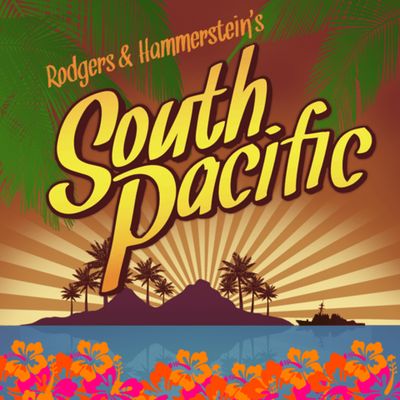
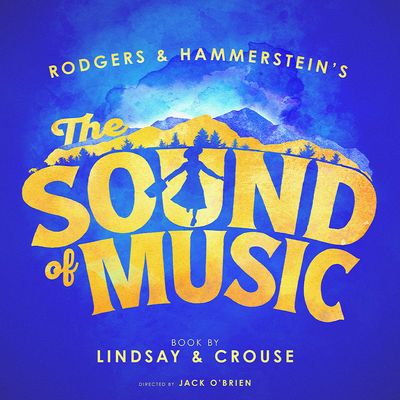
About
One of the industry's most respected lecturers and historians, George Dansker, swings by Shetler Studios to look back on the Golden Age of Broadway and two of its most important stars: Mary Martin and Alfred Drake.
Harold pulls back the curtain on their careers to discuss how Mary Martin became the toast of Broadway, what really happened backstage during some of Broadway's greatest flops, and why some musicals deserve a re-examination.
Also, George shines the spotlight on Larry Hagman, Ethel Merman, and Richard Rodgers!
Become a sponsor of Behind The Curtain and get early access to interviews, private playlists, and advance knowledge of future guests so you can ask the legends your own questions. Go to: http://bit.ly/2i7nWC4
Transcript
This transcript was automatically generated and might contain errors.
[0:00] Kevin David Thomas: Ho ho ho! Merry Christmas! That's what Santa says.
[0:05] Robert W. Schneider: What? You need to eat all those latkes?
[0:07] Kevin David Thomas: That's what Hanukkah Harry says. Hanukkah Harry, yes, it's December, and the holiday season is upon us.
[0:13] Robert W. Schneider: Oh, what do you want for Hanukkah, Rob?
[0:14] Kevin David Thomas: Well, Kevin, I want more folks to contribute to our Patreon.
[0:17] Robert W. Schneider: What do you want for Christmas, buddy?
[0:19] Kevin David Thomas: I was gonna see the Angel Cast recording, but um, I guess I'll say the exact same thing, right?
[0:23] Robert W. Schneider: How dare you? You'll never get it.
[0:24] Kevin David Thomas: Maybe someone out there will get us that gift.
[0:26] Robert W. Schneider: How would they do that, Kevin?
[0:28] Kevin David Thomas: Well, our generous holiday elves should head on over to Patreon.com. That's P-A-T-R-E-O-N.com. And then search for Behind the Curtain Broadway's Living Legends. And then you can set up a monthly donation. Even a dollar a month helps us out.
[0:40] Robert W. Schneider: Your contributions help us continue doing what we are doing. We are self-funded, so we need your help.
[0:45] Kevin David Thomas: Have another PBS tote bag. And for Hanukkah, feel free to contribute eight times a month.
[0:54] Robert W. Schneider: Okay, Rob, now you're pushing it.
[0:55] Kevin David Thomas: Okay, you're right. I get it. I see what you did there. Okay, have a safe, healthy, and happy holidays, and head over to Patreon.com, P-A-T-R-E-O-N, and leave a nice little gift for your two Broadway-loving elves.
[1:07] Robert W. Schneider: You liked that line, didn't you? Hi, I'm Robert W. Schneider, and I'm Kevin David Thomas.
[1:12] Kevin David Thomas: And this is Behind the Curtain Broadway's Living Legends. Don't forget to follow us on Twitter at Broadway Curtain.
[1:18] Robert W. Schneider: And make sure to join our Facebook page at Behind the Curtain Broadway's Living Legends.
[1:23] Kevin David Thomas: And follow us on Instagram at Broadway Curtain Podcast. And you can always listen to our Paul of our episodes, old and new on iTunes, Spotify, Stitcher, Broadway World, The Stage Network, and Broadway Podcast Network.
[1:34] Robert W. Schneider: So many networks sounds like my gosh.
[1:36] Kevin David Thomas: Quite often Rob and I will sit around with a nice bottle of Muscatel and ask if we could speak to anyone from the golden age who has moved on to the great regional theater in the sky, who would it be?
[1:46] Robert W. Schneider: Well, while we are unable to have those folks, today, we're interviewing someone who knows more about those legends than they might have known about themselves.
[1:54] Kevin David Thomas: Indeed. Today's guest is one of the most recognized scholars on the subject of musical theater history, specifically the artists whom audiences fell in love with during the golden age of the American musical. His lectures, which have been seen all across the globe, include explorations on Mary Martin, Alfred Drake, Jerome Kern, Leonard Bernstein, and so many more.
[2:16] Robert W. Schneider: Here to explore not only their lives, but his own fabulous career as this man wears many hats, I should remember you. Librarian, archivist, production coordinator for Video Artists International, liner note author for Stage Door, celebrated historian, and so much more. Here is the one and only GEORGE DANSKER.
[2:34] GEORGE DANSKER: I'm very thrilled to be here. Thank you.
[2:36] Robert W. Schneider: Um GEORGE, like everyone listening, is a big musical theater nerd.
[2:41] GEORGE DANSKER: I hope I can use that word. Since the second grade, I think.
[2:45] Kevin David Thomas: So I was gonna ask what show turned you on to musical theater, what album?
[2:50] GEORGE DANSKER: For sure, it was Peter Pan. And I do have a vision of being five years old, watching the color telecast on one of those giant TVs that had the little screen and watching it, and then my parents saying, Hey, you know, this kid likes this stuff. So from there, Sound of Music Cast album, The Gatefold, and from there, all of these shows.
[3:09] GEORGE DANSKER: And what was interesting to me is loving Mary Martin led me to South Pacific. Reading the liner notes for South Pacific, I discovered a great bass named Ezio Pinza that led me to the world of opera and back again. And I think my great pleasure is to hear these wonderful voices that were so superbly trained with such a fantastic technique that they could really sing anything from pop to opera to operetta and sing it night after night, as we all know, without the benefit of amplification. It was purely an acoustic process for them. We sometimes forget that.
[3:50] Kevin David Thomas: I was gonna say, why do you think that people like Alfred Drake and Mary Martin and Ezio Pinza could do eight shows a week for two years in a row, um without any, you know, real time off or without any real vocal damage as opposed to people today, where it seems like they're in for a couple of months and you get there they play half the performances in those couple of months they're in with. On social media, there's always a subject heading, so and so's attendance record, because people want to go to the show to hear a particular wonderful performer.
[4:22] GEORGE DANSKER: Um I think part of it was a rock solid vocal training. Mary Martin took voice lessons all her life. Alfred Drake had a fantastic voice teacher who taught opera singers and was also, I believe, a composer. But part of it also, if you read about Mary Martin's life, she didn't speak until four o'clock in the afternoon. She would husband her resources. Her husband was always saying, like, you know, like you're having too many conversations, you know, that kind of thing. So there was this total protection.
[4:51] Kevin David Thomas: That Richard Halliday was a very good thing.
[4:52] GEORGE DANSKER: Richard Halliday, yes. And um I read a story, it's a marvelous story that Mary Martin was appearing in The Sound of Music, and Tammy Grimes was coming along in Unsinkable Molly Brown, which I can't wait till March of 2020 when we get a revival of it here. But in any case, um I've heard this story that Tammy Grimes went up to Mary Martin and said, I hate you. And Mary Martin's like, What? You know, I don't even know you, you hate me. And she said, Yes, because I read how you live your life, you know, not getting out of bed till four o'clock, not speaking unless you have to, and I realized doing the lead in the show, I have to live my life exactly the same way. And so it was that type of discipline that you would come to life for the few hours on stage, go home, maybe quiet meeting with your friends.
Mary Martin always said she had hot porridge or something in her apartment before she retired every night after a show. And that's what kept it going. It was the primary focus was delivering the highest level of performance, and other people would be in the background taking care of you know day-to-day life affairs.
[5:58] Robert W. Schneider: Okay. Now what got you into becoming a librarian? Was the librarian the first thing that you hit in your career?
[6:06] GEORGE DANSKER: Well, I was an English major in college, and I did a couple of other things. I dabbled in public health, for example.
[6:13] Kevin David Thomas: Oh.
[6:14] GEORGE DANSKER: And then I said to myself, I had this great wake-up call, what is it you love the most? Books, research, going to libraries. And the library degree was and still is fairly easy to get, but it helps if you have another degree along with it. So I had the other degree, and I got the library degree at the same time, which opened up this entire world. And I am totally a dinosaur because the internet was born the year I became a librarian.
[6:41] Kevin David Thomas: Oh my god.
[6:42] GEORGE DANSKER: And there was this like totally dull thing where it could, with a huge modem coupler, it would connect to another database, and you could see the list of works of the books of Sherlock Holmes. That was it. You didn't get anything terribly exciting from it.
[6:58] Kevin David Thomas: Oh wow.
[6:58] GEORGE DANSKER: How far we've come.
[7:00] Kevin David Thomas: How far we come.
[7:01] GEORGE DANSKER: Exactly. And so because you grew up in Louisiana, is that correct?
[7:04] Kevin David Thomas: Uh uh, no, actually, I grew up in South Florida and moved to New Orleans to go to college and just stayed.
[7:11] Robert W. Schneider: Okay. And did you go up to New York at any point as a child?
[7:16] GEORGE DANSKER: As often as I could because my father's family were all New Yorkers.
[7:20] Kevin David Thomas: Oh.
[7:20] GEORGE DANSKER: So my father, as many people did, said he can't shovel snow anymore. That was it. So he moved us to South Florida. But I had many, many relatives in Manhattan, and as often as I could, I would come up and visit and then try to sneak a Broadway show in.
[7:35] Robert W. Schneider: And the first one, what was the first Broadway show that you saw?
[7:35] GEORGE DANSKER: The first Broadway show was amazing. I don't know if it's technically Broadway, but it's still such a wonderful memory. Richard Rodgers presented musicals at Lincoln Center. And I did not see Ethel Merman in Annie Get Your Gun. I will never not be unhappy about that. But I did see South Pacific with Florence Henderson and Giorgio Tatsi.
[7:58] Kevin David Thomas: Oh my gosh.
[7:59] GEORGE DANSKER: And that must have done it for you.
[8:00] GEORGE DANSKER: Unbelievable. And I remember it was at New York State Theater, and I was looking down, you know, had a cousin who worked there and got the ticket. So it was an amazing experience to see that and never forgot that. And that was I was probably 11 or 12 years old.
[8:14] Kevin David Thomas: Did you find yourself comparing what you had heard on the album to what was going on on the show?
[8:18] GEORGE DANSKER: Absolutely. I could hear the difference from that. But I'll tell you one other story. You know how we have the expression summer stock, you know, the tent theaters. So where I grew up in Florida, they had you could call it Winterstock, and it was the same company. He would set up a tent in South Florida and bring the companies down. It took years of research to find out who I saw as a six-year-old. And when I found that it was two in the morning and I couldn't tell anybody. But I saw the Unsinkable Molly Brown with Susan Johnson.
[8:49] Kevin David Thomas: Yes.
[8:50] GEORGE DANSKER: I love Susan Johnson.
[8:51] Kevin David Thomas: We really love her.
[8:52] GEORGE DANSKER: One of the best. Her name should be said more often.
[8:55] Kevin David Thomas: Oh, I mean we know sometimes. But it was her husband, I think it was his theater company.
[9:00] GEORGE DANSKER: Oh, okay. And then I saw a music man, I don't know who was in it, I saw Sound of Music, and I was forever grateful that I got to see these things in the second and third grade, until I saw the newspaper ads for what I didn't see.
[9:14] Kevin David Thomas: Oh no.
[9:15] GEORGE DANSKER: And then I was more annoyed than I was.
[9:17] Kevin David Thomas: What did you miss?
[9:17] GEORGE DANSKER: I missed um Stephen Douglas in Carousel and things like that. I mean, but I saw that, oh my gosh, why didn't we go like every night? But I'm truly grateful that I went to those stalls for sure.
[9:29] Kevin David Thomas: Were there any shows that you were seeing on your New York trips or any albums you were listening to back at home that are sort of cult musicals that maybe not the mainstream audience were listening to?
[9:39] GEORGE DANSKER: Well, one of them was actually this totally weird thing. I was visiting my Boston grandmother, and I saw The Prince of Grand Street with Robert Preston.
[9:50] Kevin David Thomas: Oh my god.
[9:51] GEORGE DANSKER: You were a lucky you were the one.
[9:52] Kevin David Thomas: Yeah, the one person.
[9:54] GEORGE DANSKER: They had um, I remember a playbill that had a typed insert because they didn't know what songs were gonna be performed that night. I remember liking it a lot, and actress, if I'm remembering her name, Neva Small.
[10:05] Kevin David Thomas: Yes, she was a guest on our show.
[10:07] GEORGE DANSKER: Oh my gosh, yeah, she was still around. I still remember her first Act Curtain song. It was really powerful. And I remember just saying, like, I'm singing the music manual because it was Robert Preston. So that was very exciting. And then um the regular trips to New York happened when I was a little bit older, maybe 17 or 18. And at that time it was a lot of plays like um the original Equus, Death Trap. I remember seeing, so we're getting more into the uh 70s and 80s for sure.
[10:34] Kevin David Thomas: That's so cool. Was there ever an option? I mean, did you know what you wanted to be when you grew up when you were a kid? Or was there ever a time when you thought, hey, maybe I'll be an actor, maybe I'll be a director?
[10:38] GEORGE DANSKER: I always had that dream because I um, you know, would put on the recordings and then pantomime and lip sync who does that. And um my father actually had performed in the WPA Theater in the 30s, and then he knew a lot of people.
[10:59] Kevin David Thomas: Well that's interesting.
[11:00] GEORGE DANSKER: So my gosh. And then after the war he came back to New York, so he said, Oh, I saw Carousel with John Raitt because I knew somebody stage managing at the Majestic. So there were still an awful lot of tie-in. But I will tell you subliminally, it was the public library because I couldn't get to New York all the time, you know, the first show being maybe when I was 10 or 11. But they would get all the gatefolds. I remember the Bravo Giovanni or Subways Are for Sleeping or What Makes Sammy Run. They would get the brand new recordings and they were done in such a way that you experienced the show. And then of course there were the TV variety shows, you know, the Ed Sullivan's The Hollywood Palace, where you would get people performing sometimes in costume, sometimes not, for sure.
[11:44] Kevin David Thomas: Yeah, wow. I wish that like more people took advantage of their local libraries.
[11:49] GEORGE DANSKER: Absolutely. I quite agree. Because there's so many wonderful resources there that are just free.
[11:55] Kevin David Thomas: Just absolutely free.
[11:57] GEORGE DANSKER: And now uh you don't even have to set foot to get them all too. That's sort of electronic.
[12:02] Kevin David Thomas: Do you think we're ever gonna get to a point where libraries are all virtual?
[12:02] GEORGE DANSKER: It has happened at some universities, I believe. And uh I don't think so because I think people still want the convenience of a book that has an index or a table of contents, although you can do that, you know, within your app. I think maybe libraries will lean more to becoming archives of material that doesn't lend itself to being on your phone or on your computer. But for sure, I think although they say that print books still outsell electronic, the convenience of the electronic is just to me totally way out there. And also the act of going to a library too, I don't think that'll ever we'll ever lose that feeling of wanting to.
[12:48] Kevin David Thomas: Yeah, and to find the safe place to sit quiet and read. I don't know. I think there's something magical about that.
[12:53] GEORGE DANSKER: And libraries constantly reinvent themselves. When I was in Provincetown this summer um to do the Mary Martin lecture, they um have a schooner on the second floor of the library just there.
[13:05] Kevin David Thomas: What?
[13:05] GEORGE DANSKER: I don't know how they got it up there, but it's a great big boat of some kind that's a great tourist attraction for people to visit.
[13:13] Kevin David Thomas: So uh speaking of libraries for a moment, I would love to take this chance to tell you my great Mary Martin story.
[13:19] GEORGE DANSKER: Please, yeah, okay.
[13:21] Kevin David Thomas: So we're getting into 1987, 1988. She was touring in a play called Legends with Carol Channing.
[13:28] GEORGE DANSKER: Oh, very familiar.
[13:30] Kevin David Thomas: The book of Matthew. And um, I had my own legend experiences. I would be backstage and Carol would be going on and on. Did you see what Mary did and this kind of thing? But they had a great relationship, but Carol just needed somebody to vent to, like, like if the blocking had got altered or whatever. It was fascinating. But I remember one time it was obvious I was waiting for Mary Martin, and Carol Channing was right outside the dressing room door, and she looked at me and she liked, oh, maybe I better not say too much. I got this wonderful feeling from her.
[14:04] GEORGE DANSKER: But I saw Legends um four times. Oh my gosh. And it changed every time. I saw it three times in New Orleans and once in Florida. And I pity and I still feel terrible about it. And the people who tried to see Mary Martin after my chance with her, they never got to see her ever because we stayed too long in the dressing room talking. And I felt that because it was a man who said, I'm bringing my children to meet Peter Pan. And I'm saying, Oh, that's so wonderful. Then when I would come out, there was nobody there but the guard trying to lock up the theater we visited for that long. So Mary Martin was a person who gave you the impression, I think most sincerely, that she was as interested in you as you are in her because all the years of performing, we talked about not getting up until four o'clock or things like that.
She was sheltered in the best way possible. Her husband didn't want her catching cold, she didn't go shopping, things were brought to her. So when she could meet people, she was like a kid, like, oh, tell me something. I want to meet someone interesting. So you would sit down, she'd show you all her needlepoint that she was working on, and then all of her family pictures, going from Larry Hagman to her daughter Heller, all the way to the great grandchildren. Do I know who this one is? That's JR, you know, charming. And then finally she said, Um, well, what do you do? And I said, I'm a librarian, and she just perked up, she said, Oh, that's great, honey. You can keep the facts straight about me after I'm gone.
And that was like my mantra. I could not believe that she would say this to somebody who was a newly minted librarian. It was the most amazing thing. So, yes, I have written probably very annoying letters to something that's come out and been wrong about a date or a year or a show, and it's all good, you know. But um, that led to going to Weatherford, Texas, where she was from, and at first there was a small archive in the public library there, and a statue of Peter Pan right outside the library, and then uh a gentleman, um, Mr. Doss gave a ton of money to the community, and there's a DOS Um Culture and Heritage Center, which has an entire Mary Martin wing. And that's there, and I've gone several times to lecture or to just sort of like play in the archive to discover things.
So, one of my great projects is I'm working with Stage Door on a whole cache of unreleased Mary Martin recordings that we found there. And it's probably it's uh 78 sides, and it's probably like 40 of them, and so we're going from there. Um, it's still in the planning stages, but that's one of the big things that we're working on. So that is sort of my connection. But I'll I'll tell you one other story because only a certain group of people were there. It was an invited dinner, and Mary Martin's daughter Heller came to Texas to Weatherford, she hadn't been in a number of years. We stayed at a bed and breakfast that was Mary Martin's first home. Heller loved that, went to visit the cemetery because Mary Martin is buried there, and Heller came to the lecture in disguise.
I mean, no one knew who she was, so I showed the clip where uh Peter teaches um Liza to crow, and they did the whole duet and all the pictures, and then I said, ladies and gentlemen, I love surprises. I hope you do too. And we have Heller Halliday here. So Heller got up and taught an audience of 200 people how to crow. Oh, that's great. Amazing isn't that crazy. Is that how amazing is that? That's really cool.
[17:40] GEORGE DANSKER: So there at that time there were still people in the audience who had taken dance lessons from Mary Martin back in the 1930s. But I think unfortunately, with the passage of time, we don't have those people anymore. When was the first time? Well, I have two questions. Uh first, when did you first hear Mary Martin? Was it when did you when we first encounter her talent? Was it watching the Peter Pan one? Of course, yeah. So this is an anecdote, maybe would love to use it. I love to tell tales on myself. Okay. I love it. So obsessed with Sound of Music, totally obsessed with it. And I remember to the consternation of my parents, I announced that I wanted to be a nun because I was so crazy about this.
So I went to school and I said, I think I'm gonna be a nun. And they all looked at me, they said, You can't be a nun, you're Jewish. And that was the end of it. I was like, oh, you're a guy. But no, it wasn't really that is my favorite story. I coached a friend um on Sound of Music for regional production just a few weeks ago, and I told her that story. She said, I wish you could tell it to the opening night audience. I just think it's the most hysterical story. It's so so cute. When was the first time you saw her live? First time live was actually here in um I met her in New Orleans when she was doing a promotion for Field Crest Linens that she had designed and had a nice little chat with her then.
Was that the first time you had met her? Yes, first time. Super super nice then, but not a chance for an in-depth conversation because there was like a whole receiving line. So then um after that, I actually uh borrowed every penny that I possibly could, and I came up to the one night only um Mary Martin, Our Hearts Belong, Gala at the Schubert Theater. What is this for our listeners? Tell us. It was in 1985, and it was a benefit, I want to say for the Theater Museum of the City of New York. And they had done similar benefits before. And um it's really nice. Um Mary's daughter appeared, John Raid appeared, Bernadette Peters appeared, and there was a surprise guest of um Maria von Trapp. And they were like saluting each other.
And I remember Maria von Trapp saying, like, Mary, I can't see you, and and um Mary goes, I'm right here, Maria, I'm right here. It was like amazing in the audience. Like I'm dying, I'm walking in. Joshua Logan is right next to me, Mrs. Oscar Hammerstein is like right there. It was the whole my whole world had come to that event. And Mary did sing at the end. She sang Before I Kissed the World Goodbye, which was one of her favorite songs. She did a duet with Heller and a few other songs, but mostly it was a tribute to her one night only.
[20:31] GEORGE DANSKER: Now, one of the things I find so fascinating about her is that she was this massive star of the American musical theater. But then her son became one of the biggest stars of television. Sure. How did they handle that dynamic of because her son, for those of us who uh Larry Hagman, who starred on Dallas for years and years and years, how did they navigate that? Two megastars in one location. Well they adored each other, and um there were some times, and it's been well documented where there was like a family rift, and they didn't see each other as as much as they they wanted to, that there was genuine respect for each other's talent and a lot of good natured ribbing because there's a funny story about the Hollywood Walk of Fame, and Larry said, Well, you see, I'm first on the walk, and you're stars later, and she said, It just depends which way you're going, honey.
That was one of them. And then the best story of all, and I've actually told this in in a lecture before, was um they were going to, I want to say it was a Las Vegas nightclub, and Joel Gray might have been performing. And so Mary was about to get in a taxi, but the taxi driver said, Hey, JR, I'll give you a ride, and Mary's left without a taxi. So Larry rolls down the window and says, That's show business, Mom, and went off. So she shows up at the event, and Joel Gray says, We have some great celebrities here. We have Larry Hagman, you know, clap, clap, clap, clap, and we have someone who is one of the great stars. You might remember her as, and he could barely get the word Peter Pan out, when the whole audience stood and cheered, and she turns to Larry and she says, That's show business, honey.
[22:20] GEORGE DANSKER: So then um after you saw her live for the first time, and did you make it then your mission to go and see her anytime she was appearing live? Anytime I could. I missed um the event in 1977, for example, the also one night only event with Ethel Merman. Oh, yeah, together on Broadway. That was the exact day of my college graduation, if I could have been able to get a ticket. So I I missed that one. And I missed uh Do You Turn Somersaults, although I wrote her a letter and got beautiful response back, you know, during the run of that. After that, any time I possibly could, I would see her live, and that's why I saw uh Legends so many times. And I love this notion that we you know, and I'm sure with social media, you know, young people can, you know, write people, you know, Broadway stars on Instagram or whatever.
But there was uh if you were a fan of a star and they were at a theater, you wrote letters to them and and mm, a lot of times they would respond. They would so did you guys sort of have this sort of pet because it's you saw her so many times that as she got to know you, or you would go to the to the backstage and you would hang out with her to you know and chat and hang out. So at what point did it become more than just like I'm a fan, you're a fan, but you kind kind of became sort of friends. Well, it was interesting. A friend commented that she knows who you are. That was the that was the moment. So, of course, there was the the field crest, which was so many people backstage at Legends. Uh, she sent me a beautifully inscribed book, and then I met her again at Legends in Fort Lauderdale, and I came in and I remember saying, They made a lot of changes, and she said, Well, we had to do something, honey.
That was so she was like very honest and upfront about everything. But then it got to the point where I would write her, I would always get a response when she had the terrible um auto accident, which was uh before Legends. Um beautiful letter back.
[24:11] Robert W. Schneider: Well, you know, uh would you tell our listeners a little about that automobile accident that she uh incurred?
[24:16] GEORGE DANSKER: It was in San Francisco, and she was in uh a taxi in the back with her manager, Ben Washer, her friend Janet Gaynor, and I think Janet Gaynor's husband, Paul Gregory, I think they were all in the um taxi together. And the taxi driver became distracted some kind of way, and there was a a very, very bad accident with Janet Gaynor recovering but never being fully up to what she had been. And I think it hastened her death. She may have died maybe like two years, three years after the accident. Ben Washer, the manager, was immediately killed. If it if it was Paul Gregory in the car, he I think came out okay. And Mary Martin was hospitalized at a trauma center, and she was determined to recover. At the time she was living in San Francisco because she was doing the PBS TV show Over Easy.
And that was where she would invite a lot of guests. Um Ethel Merman came on, um, Earth the Kid appeared with her. Um lots of co-I don't know about this show. She hosted a talk show with uh Jim Hartz, and it she had not been the original co-host, she was added in later, and she talks quite candidly of having to learn how to be a good interviewer because she said in her book that she went like, uh-huh, uh-huh, all the time, and she had to break herself of that habit. But they had some incredible musical guests. Um, and also um, for example, Oscar Hammerstein's widow appeared, and Mary sang a very special song that Oscar Hammerstein had written to Dorothy called Uh The Sweetest Sight. And she sang that in the the um Mrs. Hammerstein was obviously like dissolved by it.
I think Pear Bailey appeared on that show. Everybody came, and um, I wish more of the clips were available. There's some I think on YouTube, but Mary's voice got better and better and stronger and stronger because she had not been singing for a number of years when she did the show, and she sang all the time. She sang a duet with um Richard Simmons. If I remember, if I remember correctly, it was again from this the woman, my favorite Mary Martin cult show, Jenny. I think they sang, I think they sang High is Better Than Low. If again my memory is is not playing tricks on it. But one of the best stories of the accident was when she was discharged. She had a long walk to the car that was waiting at the curb.
And the medical residence doctors, nurses, they opened the windows of the hospital. It's like a breezeway, she's walking out, and they yelled, We believe Peter. Isn't that an amazing story? And she has that in her book, and that gave her a lot of um strength to to really recover as fast as she could.
[27:10] Robert W. Schneider: What do you think her greatest contribution to the American musical theater is?
[27:15] GEORGE DANSKER: Because you can look at people like Ethel Merman and go, Oh, it's the belt voice, and Albert Drake, you know, did this, but what did what about her? Versatility. I think because she went from South Pacific to Peter Pan to Sound of Music to a two-character show, I do I do, where she just ran the gamut, or even going back a little further, Venus, One Touch of Venus, or um Lute Song, for example, all and the fact that, and I think this is very well described in um Ethan Morden's book. The fact that when she came to Broadway in 1938 to do My Heart Belongs to Daddy, to do Leave It to Me, and to sing that song, I think people thought she was just gonna be a sex kitten. She was 25 years old, she did a little mock strip tease, and they said, Oh, she's gonna be what they would call a cutie pie for a cutie pie roles.
[28:08] GEORGE DANSKER: But she went into all kinds of directions, and I think partly it was her husband because he saw what she was capable of, and they said, "We're not going to pigeonhole her." And to me, that's a lesson to be learned to be so versatile in what you do and bring your own mastery to the roles, even though they're all completely different.
[28:32] Robert W. Schneider: Well, why was her husband so active in her career?
[28:36] GEORGE DANSKER: That's an interesting question. He was very artistic. He loved to talk about different eras of art and collecting. He designed their homes. And I think she felt she needed that. He had been an editor in Paramount, and she even said he spent the rest of his life editing me. So, in other words, they were a perfect match. He had this incredible talent for, as I mentioned, for design, for seeing the whole picture and how to present his wife in the best possible way. So he was her husband, obviously, but he was also her manager, and he saw, and we get back to the not missing performances during the eight shows. He saw that she would be untroubled by anything during the run of a show. Everything came to him. You had to go through him to get to her. So I think he saw that his own skills of management, planning, organization would work very, very well. And she outlived him, or he out of it.
[29:42] Robert W. Schneider: No, he died in 1972.
[29:44] GEORGE DANSKER: Oh, okay. So I was a long time, yeah.
[29:47] Robert W. Schneider: Yeah, exactly. He died at their farm in Brazil. And that's a whole other thing that they had a beautiful penthouse apartment. I think it was on East 52nd Street near the river, right across the street from the river house where Joshua Logan lived, and all the way across the world to a rustic farm in Brazil. That was like off the map.
[30:06] GEORGE DANSKER: Well, I mean I say that, but it was disconnected. I that's what I remember reading. It was just a lot of people. What did that bring to them?
[30:15] Robert W. Schneider: Oh only they know, but it was something that all the years of the mega career where he absorbed all the challenges of contracts and everything else, or choosing co-stars, or recording dates, all of that just went away when they went to Brazil.
[30:31] GEORGE DANSKER: Is I do I do the last musical that she performed in?
[30:36] Robert W. Schneider: I mean, she did Hello Dolly, right?
[30:38] GEORGE DANSKER: That was before, yeah. The last musical she did, and she took it on a major tour as well. She did Do You Turn Somersaults on Broadway after that.
[30:47] Robert W. Schneider: Slay, right?
[30:47] GEORGE DANSKER: Right, and then Legends never came into town. What was her reasoning behind ceasing to do musicals?
[30:54] Robert W. Schneider: Well, it was actually ceasing to perform altogether. Period.
[30:58] GEORGE DANSKER: Okay. Because while she was doing I Do I Do, there was a medical problem that came up, and she had to have surgery, and then she went right back into the tour maybe too soon, where she wasn't fully recovered, and she saw how stressed out she was, her husband was, and she wrote a crazy contract. She said, "We're going away for two years and we're not coming back, no matter what happens. We're going to Brazil." And he signed it with great joy, and off they went. The two years ended up being five or six or even longer. It just continued until his death, and then she wasn't able to stay in Brazil on her own. But she had been performing nonstop for more than thirty years, and I think they both just needed a rest from it.
She just was deterred. And then of course, when he passed, that was half the team right there. So I can imagine it was even harder for her to move forward and do other projects. I think a lot of the joy went out of it for her because he was known for being somewhat difficult to deal with.
[31:59] Robert W. Schneider: Yes.
[32:00] GEORGE DANSKER: But he adored her, she adored him, and that was all that mattered. That's all that mattered. One of the things that I believe she was going to come back to do, if I remember correctly, was Grover's Corners, right? Would you tell our listeners a little bit about what Grover's Corners was going to be?
[32:16] GEORGE DANSKER: I know Grover's Corners was to be a musical adaptation of Our Town, and it was Jones and Schmidt. The I Do I Do TV.
[32:24] Robert W. Schneider: Yes.
[32:24] GEORGE DANSKER: And because Mary Martin had had some difficulty with line memorization in Legends, so they actually fed the lines through an earplug up to a point, and then she didn't need it anymore when she started getting taxi calls in the earplug. And she took it out and then she was fine. So they thought that if they made her the stage manager and kind of reworked the stage manager part a little bit, she could perform with a script. And there were, I don't know if there are any demo recordings of her singing the music.
[32:55] Robert W. Schneider: There are demos of the show.
[32:56] GEORGE DANSKER: I know there's yeah. And there was poster art that was designed, I believe, with her name above the channel. Yeah, I've seen that. Yeah, yeah. But at that point, she became very, very ill and it couldn't happen.
[33:08] Robert W. Schneider: Yeah. Would have been great. You know, talk about apples and oranges. Ethel Merman.
[33:13] GEORGE DANSKER: Now I just finished watching recently the 50th anniversary Ford concert. I mean, fantastic.
[33:19] Robert W. Schneider: You didn't hear that because that might be a favorite thing coming up.
[33:21] GEORGE DANSKER: Oh, okay. But we uh but so their dynamic is so interesting. And they that was not the only time that they performed together, was it?
[33:28] Robert W. Schneider: They performed at the Benefit in '77 and they did they redid the duet. However, there are so many funny stories about that 1953 show, and I believe Mary's and I believe Ethel's the most because it is very plausible. So tell us.
[33:49] GEORGE DANSKER: So okay. So it was one of these things where the great producer Leland Hayward went to Mary Martin and said, "How would you like to do a show? And you could do something with Ethel, but you'll have complete control over it."
[34:01] Robert W. Schneider: Oh wow, I love Ethel, that's great.
[34:03] GEORGE DANSKER: I adore her. And they were good friends, they really were. Ethel visited Mary in California and so on.
[34:09] Robert W. Schneider: Oh wow.
[34:10] GEORGE DANSKER: And then Leland went to Ethel Merman with the same story. "How would you like to do something with Mary Martin? And you'll have complete control." So if you know the duet where they have the juxtaposition of two songs that are not really related.
[34:25] Robert W. Schneider: Yes.
[34:26] GEORGE DANSKER: That was Mary's idea because she used to do that in the 30s at nightclubs in California, where it was just all crazy stuff that they liked to do at the piano. So they had their music directors, everything was great, until I guess it was either Leland Hayward or Henry Ford, who was the producer of the show, said the unions aren't allowing your musical directors because they're not members maybe of the TV union, so they can't come. So they did a dress rehearsal, and Mary Martin said it was like two records playing at the same time, and it was unbelievably bad. And Mary just said, "I can't do this. I cannot make a fool of myself in front of millions of people. I just can't do it. I have to go and talk to Merman," as she called her, "and see what to do."
So she went to Ethel's dressing room, and to quote Ethel, never lets anything bother her, and she's sitting there eating a sandwich. And so Merman says, "Of course it's not all right with me to cancel the duet. And besides, I have control anyway." And Mary said, "You have control." And they were, aha, that they knew that they had been lovingly hoodwinked into doing the show. At the last minute, Henry Ford got permission for the regular music directors to come back. And Mary says, if you look at the glint in each other's eyes, the fact that they're almost ready to burst with joy, it was because of that and the fact that they had been bamboozled. I think that's a great story.
[35:57] Robert W. Schneider: If there was a student of musical theater that was new to this art form, and they said, "I don't know who Mary Martin is," what would be one song that she has recorded that you would hand and go, "This is the essence, the epitome of who she is"?
[36:14] GEORGE DANSKER: Oh my gosh, can I have two? Yes, the first one would have to be the title song from The Sound of Music. I mean, I never stop playing that because it is so beautiful, so heartfelt. I would think that, and then if you are looking at pure vocal technique, Mary Martin used something called the voie mixte or mixed voice, where she would go from a light belt to like a non-belting sound almost effortlessly without switching gears. Not common up now, people mix all the time.
[36:44] Robert W. Schneider: Yeah, it doesn't be common.
[36:46] GEORGE DANSKER: Oh my gosh, no. Absolutely. So if you think of "I'm in love with a wonderful guy, I'm not ashamed to reveal the world-famous feeling, I feel." It's the feel is a total different vocal placement. So I would listen, I would say listen to those recordings, not to imitate, not to become, but to find how she conveyed the warmth in her voice and then how she negotiated register breaks and making the voice sound so even. And then the last thing is although Merman also was a genius at it, was crystal clear diction.
[37:22] Robert W. Schneider: Yes.
[37:22] GEORGE DANSKER: That's part of it too. That goes back to the not being amplified and having really make your voice heard at the back of the house.
[37:27] Robert W. Schneider: Absolutely. Oh, so true. Oh, that's so important, right? Were there any roles that she turned down that she later regretted?
[37:37] GEORGE DANSKER: I don't know how if she regretted them, but sort of she did. My Fair Lady is certainly one of them.
[37:43] Robert W. Schneider: Oh, she was I really know about it. She was talked about for several years, actually. She turned down Name, and actually the newspapers were full of Mary Martin to star in next Jerry Herman Tuner as they talked back then. She turned down Walking Happy. It was going to be written for her.
[38:04] Robert W. Schneider: Norman Wisdom, right?
[38:05] GEORGE DANSKER: And that happened. And didn't Jamaica have the same thing where Jamaica was actually written for a guy and then Lena Horne did?
[38:13] Robert W. Schneider: Yeah, so I think it was for Harry Belafonte originally.
[38:16] GEORGE DANSKER: So it's sort of in reverse. But she turned that down. She turned down, well, not turned down, but I'm doing I'm in total Harold Rome mode right now. I'm doing a ton of research on Harold Rome.
[38:30] Robert W. Schneider: Oh Kevin, here you go.
[38:31] GEORGE DANSKER: So I love Harold Rome. So if you're I'm giving a program on Harold Rome in January, actually, and if you say to people, "I have a show. Joshua Logan directed it, Mary Martin and Aticio Pinza and William Tabbert starred in it. The scenery was by Joe Zina, right? Mel Sena, Trude Ridman was a part of it."
[38:54] Robert W. Schneider: Hey, Truth Ritman!
[38:54] GEORGE DANSKER: And so what show is that? And people will say South Pacific, and you say it was Fanny, because all of them were to be in Fanny. But Rogers and Hammerstein, there was some issue about they didn't want to share production with David Merrick, and then Mary Martin got busy with something else, and then it didn't happen. But a lot of the South Pacific people ended up in Fanny, which is so interesting.
[39:16] Robert W. Schneider: Oh, I love Fanny. I love the score to Fanny.
[39:19] GEORGE DANSKER: Oh yes. I must ask, oh, why are you looking at Harold Rome right now?
[39:23] Robert W. Schneider: Oh, very much. You know what I'm asking?
[39:25] GEORGE DANSKER: No, I'm happy to tell you. I do a lecture series in New Orleans called Great Jewish Composers of Broadway, which is all of them but Cole Porter.
[39:33] Robert W. Schneider: I was gonna say he was a joke on that.
[39:35] GEORGE DANSKER: And so it's my tenth year doing it, and I was actually looking at doing Frank Lesser, but somehow Harold Rome crossed my mind, and the man was such a beautiful person. What he did with his life, his social activism, and the things he showed on stage regarding racial diversity, inclusivity. Nobody was doing things like that back in the 40s. If you look at Call Me Mr., for example, and or Zulu and the Zeta, you know, all of these shows coming up. And Harold Rome wrote such beautiful music. His songs become earworms. Think of Who Knows from I Can Get It For You Wholesale, You Can't Get It Out of Your Ear, or the Songs from Fanny, or Destry Rides Again.
[40:19] Robert W. Schneider: Oh, that's a great show, yeah.
[40:20] GEORGE DANSKER: The list goes on. So I would love, I don't think it would happen, but this is going to be in New Orleans, but I would love to get my playlist out there to maybe there needs to be a Harold Rome Renaissance. His music is being done. I often think that he is one of the composers that worked so much, and yet forget him. Students don't know his name anymore. We don't really teach about him as much. He wrote songs, I think, a little differently than his comp you know the rest of the crowd is. They're a little shorter, totally to the point and a half minutes. Yeah, they're all but many more of them in a show.
[40:58] Robert W. Schneider: Oh yeah. I mean, my goodness, there's like so many tracks, but they're all perfect little earlier snippets.
[41:08] GEORGE DANSKER: Yeah. And there's an interview he gave recently where I would want any budding composer to think about what he said. Harold Rome felt you started singing when the emotional level got so high that you could no longer speak.
[41:23] Robert W. Schneider: Yeah.
[41:23] GEORGE DANSKER: And that is really profound. That could bring a whole new look at an older compositional style. I just think that's an amazing thought.
[41:32] Robert W. Schneider: What's your favorite Harold Rome show?
[41:34] GEORGE DANSKER: Oh my gosh. I'm very partial to I Can Get It For You Wholesale, only because I've just discovered it. It was a show that was sort of under my radar, and I'm learning, for example, Harold Rome's thoughts on what are they doing to us now? That song about how he felt it was the whole Jewish experience of persecution, which is very interesting. And also the fact that on the commercial CD or LP, the last two songs are out of order. Which they did sometimes on older LPs, but not from Columbia as much.
[42:09] GEORGE DANSKER: Yeah, other companies terrible.
[42:12] Robert W. Schneider: Why are they out of order?
[42:14] GEORGE DANSKER: Just accidental.
[42:15] Robert W. Schneider: Oh, really?
[42:15] GEORGE DANSKER: I don't know. And then the fact that the last song, I Eat a Little Something. Then I've read Arthur Lawrence books on how the show originally ended with Elliot Gould continuing to frame his co-worker. And then in the they had to revise it that he becomes less of a heel at the end, and so on and so forth. So there's just so much subtext in that show. Plus, what other if you name the three musicals that really show Jewish culture the most?
[42:45] GEORGE DANSKER: Okay, Fiddler on the Roof, obviously, Falsettos for sure, and really I Can Get It for You Wholesale with Bar Mitzvah song and everything else.
[42:54] Robert W. Schneider: Yeah.
[42:58] GEORGE DANSKER: Hey, podcast listeners, are you looking for a place to rehearse in New York City that is clean, spacious, and most importantly, affordable? Come check out Shetler Studios and Theatres, our wonderful host for these podcasts. Shetler is centrally located on West 54th Street between Broadway and Eighth Avenue, right in the heart of the theater district. Right in the heart, you'll find music, dance, and acting studios complemented by two black box theaters and six presentation venues. The professional facilities, inspired environment, and expert industry staff combined to provide the New York artists with an unparalleled studio experience. Visit their website at ShetlerStudios.com. That's S H E T L E R Studios.com. Shetler Studios and Theatres is our home for recording the legends of Broadway, and we hope that you make it your artistic home too. That's Shetler, S-H E T L E R Studios.com. See you here.
[43:57] Robert W. Schneider: Not only is Mary Martin a passion for you, and you lecture on her continuously, Alfred Drake is also and Keen, and all of this is now starting to emerge. So how did you first discover Alfred Drake?
[44:08] GEORGE DANSKER: Again, we'll go back to the public library. God bless this public library, folks. Downtown West Palm Beach. The DECA LP of Oklahoma, and not the bright yellow cover, but the one that had the farmer and common dance on it. That was the one that I had. And then again, that led to listening to Kismet, which I was immediately crazy about. Kiss Me, Kate was a little bit over this 11-year-old's head. I liked it, but it was probably too sophisticated for me. And then from there, just everything Alfred Drake did to me was touched with vocal gold. Unfortunately, there's never been a biography of his life. I wish there would be. Because I did not know that he did so much. But to talk to his daughter, his daughter Candice, which I just did today.
She told me so many amazing things that he was such a scholar, who is fascinated by history. He spoke three languages. He just had an incredible passion for life. And as a performer, and I'm only learning this more as an advanced Broadway person collector type, that he composed, he translated, he directed, he wrote.
[45:36] GEORGE DANSKER: Yeah, I don't know that. He didn't appear in it. He was the director. But when the leading actor was laid low out of town, Alfred Drake went on for him as both director and star. So the songs are actually quite nice, but it was just an obscure show of which there was nothing. So in Candace's archival collection, there were a lot of things like this. They were demos, you know, unproduced shows, things like that. And we just got together a lot of them, even went to the Library of Congress, where his Metropolitan Opera audition recordings are housed, and they let us have one or two to copy.
[46:18] GEORGE DANSKER: I didn't I'm shocked that it was even recorded. Yeah, they were radio broadcasts that he did, and the amazing thing talking about talent running in a family, yeah. The winner of the audition where Alfred Drake was also a contestant was his brother.
[46:31] Robert W. Schneider: What?
[46:32] GEORGE DANSKER: Alfred Drake had a brother who was a bass, his name was Arthur Kent, and he sang at the Met for seven or eight seasons, more intervened, and if I understand correctly, he was stationed in Japan, and then he just lived in Japan for a number of decades afterwards. So there was an awful lot of talent in that family. But Drake auditioned for the Met three times, and he sang Mozart, he sang Gounod, he sang Tchaikovsky. Beautiful, beautiful things. And even in the Library of Congress archive, there are a Schumann lieder in there. So the man sang everything, and you could tell that he never stopped studying, and that's the best lesson to learn. That once you're in a show, if you never stop going to a vocal coach, and I always personally think that it's not necessarily maybe the music director of the show you're in, because they're hearing it from a different way, but maybe somebody you go to privately to make sure you're not making mistakes that you are kind of hammering into your vocal technique every night. And these performers never stop studying.
[47:43] Robert W. Schneider: Well, Merman was the exception because she didn't take voice lessons as we know, but I think the rest of them absolutely did.
[47:49] GEORGE DANSKER: Absolutely. He also could sport a really cool beard. I don't know what you call that. I don't even know what you would call that beard.
[47:56] Robert W. Schneider: We'll send a we'll put up a photo for our listeners.
[48:00] GEORGE DANSKER: Oh, the Alfred Drake look. It was totally iconic because when Frank Loesser grew a beard like that in his daughter's book on her father, she teased him, she said, Oh, you've got the Alfred Drake look.
[48:10] Robert W. Schneider: So you I mean, you are a research junkie, right?
[48:13] GEORGE DANSKER: Totally.
[48:14] Robert W. Schneider: Totally. Where do where do you normally start your research?
[48:17] GEORGE DANSKER: Do you immediately go to the internet? Do you immediately go to a favorite book that you use all the time? What I where I where I really like to start, where I really like to start is going to newspaper archives.
[48:30] GEORGE DANSKER: And that's interesting. For example, for Quamina, I just put in Quamina 1960, 1963, and then I get everything. You get whom they thought of to star in the show.
[48:44] Robert W. Schneider: This might be too specific, what search engine is it a library? I mean, is something I mean like that?
[48:51] GEORGE DANSKER: Yeah, it's periodicals, ProQuest. It's a newspaper, it's a historical newspaper archive. You can get it through New York Public Library for sure.
[48:58] Robert W. Schneider: Fantastic.
[48:59] GEORGE DANSKER: And you just have to go in and pull up the newspapers and you just you can limit it by date. We get a lot of repetition, you'll because the articles were picked up. But for example, so Quamina, first thing that comes up, thrill me to no end, Sydney Poitier's talked about to make his return to Broadway in Quamina. And then Sally Ann Howes can't make up her mind to do Quamina, which was her husband's show, or do Subways Are for Sleeping, which might also star Alfred Drake. So you're getting all these things you never heard of in there. And again, it was gossip, but it was probably informed gossip.
[49:36] Robert W. Schneider: Very stupid question. When you say periodicals, would that include things like Variety?
[49:40] GEORGE DANSKER: Variety's in there, because I believe it's considered a newspaper in that particular index, but Variety's in there, and you can limit it by the publication that you want. And you can print the articles, you can download them full text. And there's another, I think there's an even larger one called Newspapers.com, which people can subscribe to, and it has maybe smaller regional. But for example, getting back to Keen for a moment, there was so much misinformation about Keen that was out there that going to these newspaper articles told exactly what happened every step of the way. One of the things I read years later was that one of the problems was that the reviews were so good that they didn't take any time to fix it.
The reviews were laudatory in Boston, not so laudatory in Philadelphia, but they were overconfident. So I go back online and I read about all the changes and all the cuts even after the show opened. So that statement does not have the basis and truth that the primary source material does. And that's what I love about going back to the primaries.
[50:48] Robert W. Schneider: And we love talking about Keen.
[50:49] GEORGE DANSKER: Well, mo because it's a great great score, but it's one of those shows that felt like it got a little robbed. Like it was like one of those shows that you always dream of finding, you know, that was a great score. Somehow just didn't work out, you know.
[51:01] Robert W. Schneider: And it's hard to partly was the house, because it was at the Broadway, and I think the Broadway was too big. It's like a cabinet. And the producer of Keen, he talked about the fact that he felt that the time had sort of come and gone for operetta. And that maybe was a part of it too as well.
[51:22] GEORGE DANSKER: But it's so interesting how I don't know if you call it revisionist history, but early on in the Keen out of town tryouts, the producer, Mr. Lantz, he said, we're gonna try something to get college kids to come. We're gonna have a certain amount of tickets for a dollar each at selected performances.
[51:37] Robert W. Schneider: That's great.
[51:44] GEORGE DANSKER: In looking back on that, 30, 40 years later, people will say things like, even with just telling selling the tickets for a dollar, no one would come. So it's not the same idea. It's maybe the same fact. So that's where the primary sources state what they're doing and why they're doing it.
[52:04] Robert W. Schneider: So now that you've done your newspaper research, where do you go next to research something?
[52:09] GEORGE DANSKER: What I like to do is I go to playbill.com all the time to look at original playbills. I'd like to get song lists, and if I can digress a moment, I'm on the hunt for two songs that were added to Destry Rides Again when Scott Brady left the show. And I want to know about these songs. Harold Rome said that in an interview I found in the newspaper archive. He said they brought in Art Lund, who had a fabulous voice. Most happy for him. He said, I'm adding two songs back in because Art Lund is such a great singer, so I want to know what these songs are. Did he actually sing them? So the Playbill archive is very good. New York Public Library has tremendous photo resources all the time. Even websites like Pinterest, you can find things.
[52:55] Robert W. Schneider: Yes, yeah.
[52:56] GEORGE DANSKER: And what's an odd thing I perhaps shouldn't confess to, but things are often for sale on eBay, and people put full scans of the item that they're selling. So I read the scans to get the information.
[53:09] Robert W. Schneider: Nothing wrong with that.
[53:11] GEORGE DANSKER: Exactly, exactly. And then when I came, I talked to people firsthand. So I had a lovely phone conversation with Joan Weldon, who was in Keen, and another one with Lee Venora, and they both said what an incredible artist was Alfred Drake just to watch him perform at night.
[53:29] Robert W. Schneider: How do you get in contact with those people? What how do you connect dots like that?
[53:33] GEORGE DANSKER: I have a very dear friend. Maybe I can I probably can mention her name because I'm sure you all know her. Um, Jane Klain at the Paley Center.
[53:41] Robert W. Schneider: Oh Jane is she's my goddess.
[53:44] GEORGE DANSKER: God, I love Jane.
[53:45] Robert W. Schneider: And so she just knows how to find people.
[53:48] GEORGE DANSKER: Yes, she does. She's very involved, I feel like in the and I've I she'll hate me for saying this. I hope she's not outside the door, but I've been praying that she should write a book because what she knows is unbelievable. She knows all the stories of filming a TV show or an actor had to have the lines written on a poster board or something because they didn't have enough rehearsal time.
[54:12] Robert W. Schneider: What do you do when you interview like Kevin and Kevin says, That didn't happen?
[54:17] GEORGE DANSKER: Right.
[54:17] Robert W. Schneider: And you interview me, go, that did happen. Where do you what's the determining factor for you in concluding?
[54:23] GEORGE DANSKER: That's a tough one because people's memories, you know, sometimes you you revise your memory, especially if the show was not a great success. And also performers, they have told stories through the years. They embellish or change the story, or someone else picks up the story, it makes it theirs. There's a story of Mary Martin at the Drury Lane in South Pacific, and Joshua Logan had changed the blocking, and that really upset Mary. That story is told in three different books, and it's not the same story in any book. So that that that kind of thing, you have to figure out who would really know and who would really remember it the best. So what I do, if somebody's telling me one thing and somebody's telling me another, then I try to go back to the newspaper reporting.
If they because those people were there, they saw what happened. You know, they the critic may list songs that were performed that night, and maybe someone said, Oh no, that song was cut in Toronto, and yet I'm reading a review where they comment on the beauty of that particular song. So I try to go back to primary as best I can to resolve, we'll call them disputes.
[55:31] Robert W. Schneider: Yeah, yeah, yeah. Um, have you ever gotten to a point in your research where you found something I hate to use the word salacious, but something that you said, oh, I don't this is an interesting story, but I don't know if I want to include it because it might embarrass people.
[55:46] GEORGE DANSKER: I have. I actually have, and what I was able to do was to show that the story was completely and totally false.
[55:54] Robert W. Schneider: Oh, disproving, okay.
[55:56] GEORGE DANSKER: And disproved it completely. And so that made me really, really happy.
[55:59] Robert W. Schneider: How did you become associated with Stage Door Records?
[56:02] GEORGE DANSKER: That's because I have an aggressive and pushy side.
[56:06] Robert W. Schneider: Well, we love that. If you're heard of the story and you have to, good.
[56:09] GEORGE DANSKER: There you go. No, I really believe, and I talk to people too, performers, for example, who tell me that many times you have to make your own opportunities. You have to make them happen. They're not going to come to you. It's a different world now. So that's why we have all these beautiful concerts at Studio 54, for example. People are making their opportunities happen. So I knew of Stage Door. I knew that they had done a Mary Martin release without me. And I dare they, I forgave them for it. No, in all seriousness. So I wrote to the man and I said I had done a CD for Broadway Cares, and I have a lot of the tracks still, and I could add a whole lot more to it. And they go, We love Alfred Drake. We love Alfred Drake in London here, Peter and Kismet in London, and also Shakespeare plays. So let's do it. And then that led to Keene, and then other projects which will be coming up.
[57:06] Robert W. Schneider: How long does it take you to write liner notes?
[57:09] GEORGE DANSKER: From we'd like you to write the liner notes to Keen to boom, it's impressive. I get a deadline like Quamina deadline is mid-December. It probably takes me three or four months because it probably takes me longer than it should, but I'm constantly revising and looking for material, and if again I can be permitted a sidebar, Keene is published, it's a done deal. I went to our creative art school in New Orleans where they have a whole cache of vintage playbills. Opening night Keen is there. I open it up, I see the song list, I see a song I had never heard of that was performed on opening night and not recorded. It's called Domusist Domesticity, and it's a duet for Alfred Drake and Leva Nora. Performed on opening night, vanished.
I wish I'd have known that for my booklet notes, but someone learned things after the fact. So in other words, I like to allow it to take me maybe three months. It shouldn't take that long, but I'm constantly looking for more resources because this might be sort of like the last hurrah for these recordings to get the real story out because it's a different type of research now. A lot of researchers maybe just picking up what someone else has done and excerpting it into their book. I'm starting over with a lot of these and really trying to get it the right way.
[58:36] Robert W. Schneider: Is there a dream show that you could research for four months and then turn around and write liner notes for, regardless of if it's already in publication, if the record's already been published?
[58:49] GEORGE DANSKER: Anything by Harold Rome for your Harold because I'm in the Harold Rome mode. I would love to do liner notes for Jenny, because at the DOS Archive in Weatherford, there's like three boxes of stuff on Jenny. Oh wow, and I would like to learn more about what really went on because Mary has her story and the composers have their story, and it's not exactly the same story and so on and so forth. I'd like to go back and read all the reviews of Jenny and see if you could tell where the show went wrong. You know, it's someone as a collector of cast albums since I was a kid, you know, these liner notes. When you know, I never took for granted, the liner notes because that was the snapshot. That was the especially for older recordings.
That was the only way to get context, sure. Especially if you grew up without the internet. Now it's you can Google stuff, but when you do the kind of research you do, I mean, I just listened to Keenan a couple weeks ago and I got it in the mail from Stage Door.
[59:45] Robert W. Schneider: There you go.
[59:46] GEORGE DANSKER: And didn't know I was gonna meet you. And yet I loved you in the liner notes because they're so full of detail, they're so all there. You learn, and you definitely learn something so that you can appreciate this listen, you know, that much more. Uh and so I don't really have a question, I just have to say thank you. Because it really does make such a difference to us who really value these treasures.
[1:00:05] GEORGE DANSKER: So here's one of my latest research questions, okay? You'll love this. Richard Adler's autobiography, he plays what they what did they say, fast and loose with dates and times. So sometimes he's off by about 10 years. We're describing something that happened. Great. And he talks about Kwamana. He said the director left to do a movie, but that movie had been completed two years before Kamina. So the idea of what he wanted to say was there, but the little details just didn't come out exactly right. But he said that Kwamina was the first Broadway musical to be recorded after it had closed. Kamina did close on a Saturday and was recorded on a Monday. So I've asked around that question, and it's plausible because you know they had that rule that you had to go into the studio the following Sunday after it opened.
[1:01:00] Kevin David Thomas: Yeah.
[1:01:00] GEORGE DANSKER: I have never seen a production of Kwamina. I have you or no, it was done. It was done after the New York production was done in 1993. I want to say in Columbus, and I found that in the articles to talk about it, with a slightly rewritten book that was by Richard Adler's current wife at the time. I believe he was married five times. But I'm still getting to the bottom of a lot of Kwamist stuff that has been in print, usually reprinted from Adler's book, that dates and times don't correspond to what they're saying happened. Like they talk about that and one actor wrote that he left the show because he was unhappy with the way it was directed. But if you go back and look, that actor was replaced four months before rehearsals began.
So unless there were some kind of like workshopping thing or they got together, I don't know yet, but I'm beginning to doubt that story because Adler sort of implies that the guy just wasn't a good enough singer. Very well, maybe. And again, that's maybe saving face 20 years later. I wasn't fired, I the show just made me unhappy. So there's all kinds of things like that. And it's fun for me. I don't take sides, I just sort of print the facts as I see them and let the reader make the interpretation.
[1:02:21] Kevin David Thomas: I think that's the best way.
[1:02:23] GEORGE DANSKER: I think it's fascinating that we're actually having a conversation about Kwame.
[1:02:26] Kevin David Thomas: Oh, and you know, but listeners should not I mean most listeners know this. You know, this is a show that was you know on Broadway, but it had it was recorded, but for the longest time, you could only get it, listen to it on the LP. That was the only way.
[1:02:38] GEORGE DANSKER: That's why I bought spent way too much money so I could have years ago. So I could have the LP because a beautiful score.
[1:02:45] Kevin David Thomas: It's a gorgeous score.
[1:02:46] GEORGE DANSKER: And then people would say, Oh, but it's amazing. It's the guy who you know, half the team who wrote Dan Yankees and Pajama Games. So it really and it you can tell. I mean, it's it's well crafted material. But I'm so glad that Place Like Stage Doors is going to release it now, yeah, in a commercial way for us.
[1:03:03] Kevin David Thomas: For sure, you know, so more people can listen to it.
[1:03:06] GEORGE DANSKER: And again, when you get to adding demos, bonus tracks, things like that, it gives you a fuller picture of the show. And with Kwamina, there's a jazz Quamina LP that had come out. And there's a song on there that I'm sure was cut before it came into New York, so you get an idea.
[1:03:23] Kevin David Thomas: The whole picture.
[1:03:24] GEORGE DANSKER: Now, as a as a remote, we're all historians, so is there a moment for you in all your research that you've done where you said, Oh, this is good. What is what have you discovered? You opened up a newspaper, you looked at an article, opened up a book, and you said, Oh, this is so exciting.
[1:03:39] GEORGE DANSKER: Well, I think most of that really was with Kane. He was discovering what really happened on the road and then finally reading that Alfred Drake had a throat infection. You know, that's why he missed, because they would say Drake missed half the Boston run, and that's all they would say. When you go back to it and find out you how he valiantly struggled, that was a real aha moment for me. And with Kwamina, it was learning why the director left, why he was replaced. And this should go down in the annals of theater history. The director who took over, Robert Lewis, who also directed Brigadune, worked a lot with Agnes DeMille. I don't know if this ever happened before. He reviewed his own show.
[1:04:24] Robert W. Schneider: Publication for a publication.
[1:04:26] GEORGE DANSKER: It may have been after it closed, well, it didn't last very long. He reviewed it for a periodical called The New Leader, and he even comments on the fact that am I the first reviewing it? And he basically criticizes his own show. And I have never heard of that.
[1:04:42] Kevin David Thomas: That's incredible.
[1:04:44] GEORGE DANSKER: And that was a real aha moment for me because I'm saying this really didn't happen. Oh, I this is hysterical. Okay, great. Um, this has been so much fun.
[1:04:52] Robert W. Schneider: Oh, for me.
[1:04:55] GEORGE DANSKER: Today I cannot tell you too. Um if people want to know what your lecture schedule is to see if maybe you're gonna be in their hometown, where do they go?
[1:05:02] GEORGE DANSKER: Oh, well, basically it's out of New Orleans for the most part. Um, but the next uh the Harold Rome program in New Orleans, I know exactly when it is, it's uh January 31st. The synagogue is uh Turo Synagogue, which has a real commitment to the arts. We have a uh jazz fest service every Jazz Fest, which um brings like a thousand people, but they have permitted me the chance to do this concert series once a year. So it's January 31st, um Tour Synagogue at uh seven o'clock, it's always free and open to the public, and all are welcome. And so far I have 18 Harold Rome songs, including uh classical piano music that he wrote that was never published that the Yale archive um made a copy of it for it.
[1:05:46] Kevin David Thomas: That's exciting.
[1:05:47] GEORGE DANSKER: I have never been to New Orleans. This might be my excuse to go now.
[1:05:51] Robert W. Schneider: Oh, I thought maybe a field trip.
[1:05:52] GEORGE DANSKER: Yes, absolutely. I'll plan the trip for you. This has been absolutely wonderful.
[1:05:56] Robert W. Schneider: And we're actually gonna end today's interview um with um uh uh uh GEORGE brought us a bunch of wonderful uh CDs. Um and one of them is uh uh like a what do you call it? I want to say a mixtape.
[1:06:09] GEORGE DANSKER: Yeah, I've called that mixtape.
[1:06:12] Robert W. Schneider: Mary Martin Mix.
[1:06:13] GEORGE DANSKER: Oh, there we go.
[1:06:14] Robert W. Schneider: Um and I asked, we asked GEORGE, it we're gonna end today's program with one of those songs that he's put on the mixtape. So which song would you like us to end with today?
[1:06:24] GEORGE DANSKER: I would like uh what is a woman? Because if you listen to it and you think of how Mary Martin sang it, which I didn't see, but I heard that she walked to the footlights, draped her legs over the edge of the stage by the proscenium, and sang it almost like a torch song. And then she would the spot, the follow spot would just go out, and she would get up and leave. And they people felt those in the front row and everywhere else that she was singing it just to them. And as always happens, a live performance will have even more emotion than the studio recording. And I think you would hear that with us.
[1:06:58] Robert W. Schneider: Great. So this is What is a Woman? Uh sung by Mary Martin. George, thank you so much for joining us today.
[1:07:07] GEORGE DANSKER: I would love nothing more.
[1:07:08] Robert W. Schneider: Wonderful. Till next time.
[1:07:10] Kevin David Thomas: This is very strange.
[1:08:06] ♪ Musical number: "What is a Woman?" — performed by Mary Martin ♪
© Broadway Podcast Network, All Rights Reserved