

Ilene Graff is one of television's most recognizable faces having appeared on ABC's hit comedy, Mr. Belevedere, for six seasons. But, before she staked a claim in television immortality, she was one of New York's most popular actresses having spent most of the 1970s on a stage in some of the most iconic musicals of the era... Read More
From the show: BEHIND THE CURTAIN: BROADWAY'S LIVING LEGENDS » Podcast
Featured Shows

About
Ilene Graff is one of television's most recognizable faces having appeared on ABC's hit comedy, Mr. Belevedere, for six seasons. But, before she staked a claim in television immortality, she was one of New York's most popular actresses having spent most of the 1970s on a stage in some of the most iconic musicals of the era.
Ilene pulls back the curtain on her career to discuss how doing the Hand Jive with John Travola, what it was like working with Gene Saks, and why her family are considered The Barrymores of Musical Theatre!
Also, Ilene shines the spotlight on Joanna Gleason, Barry Bostwick, and Christopher Hewett.
Become a sponsor of Behind The Curtain and get early access to interviews, private playlists, and advance knowledge of future guests so you can ask the legends your own questions. Go to: http://bit.ly/2i7nWC4
Transcript
This transcript was automatically generated and might contain errors.
[0:00] Robert W. Schneider: Tis May, tis May, the lusty month of May.
[0:02] Kevin David Thomas: Alright, calm down, Guinevere.
[0:04] Robert W. Schneider: Sorry, Kev, but what could be more exciting than spring showers, green trees, and new flowers?
[0:08] Kevin David Thomas: How about new Patreon subscribers?
[0:10] Robert W. Schneider: Tell us more, wise one.
[0:12] Kevin David Thomas: Well, you let's do some spring cleaning of your wallets and head on over to Patreon.com.
[0:16] Robert W. Schneider: That's right.
[0:17] Kevin David Thomas: P-A-T-R-E-O-N.com.
[0:20] Robert W. Schneider: And you can search for Behind the Curtain Broadway's Living Legends, and then go ahead and set up a monthly donation.
[0:24] Kevin David Thomas: Even a dollar a month helps us.
[0:26] Robert W. Schneider: Your contributions help us continue doing what we are doing and bringing these legends and stories to your ears.
[0:32] Kevin David Thomas: I'm off to pick flowers now.
[0:33] Robert W. Schneider: Ooh, may I join?
[0:34] Kevin David Thomas: Yes, but dress light because it's very warm for May.
[0:38] Robert W. Schneider: Uh hi, I'm Robert W. Schneider.
[0:41] Kevin David Thomas: And I'm Kevin David Thomas.
[0:42] Robert W. Schneider: And this is Behind the Curtain Broadway's Living Legends.
[0:45] Kevin David Thomas: Don't forget to follow us on Twitter at Broadway Curtain.
[0:48] Robert W. Schneider: And make sure to join our Facebook page at Behind the Curtain Broadway's Living Legends.
[0:52] Kevin David Thomas: And follow us on Instagram at Broadway Curtain Podcast.
[0:56] Robert W. Schneider: Plus, you can always listen to all of our episodes, old and new, on the Broadway Podcast Network iTunes and Spotify.
[1:03] Kevin David Thomas: Oh, my little sick carm heart is beating with joy today.
[1:07] Robert W. Schneider: Today's guest is a staple of film and television having appeared on screen in Three's Company.
[1:13] Kevin David Thomas: Hello, Joe's to it.
[1:14] Robert W. Schneider: Laverne and Shirley, Angie, and for six seasons, she was Marsha Owens on ABC's Mr. Belvedere.
[1:21] Kevin David Thomas: But before all of this, she was one of Broadway's most charming leading ladies, appearing in the original Broadway productions of Promises, Promises, Grease, Truckload.
[1:30] Robert W. Schneider: Yes, that's Truckload. And I Love My Wife to name just a few.
[1:35] Kevin David Thomas: And if you don't know what Truckload is, you will hear it by the end of this podcast and be amazed.
[1:39] Robert W. Schneider: To tell us what it was like to work with such legends as Christopher Hewett, the Andrews Sisters, John Travola, Cy Coleman, and oh, so many more graphs beyond just her.
[1:47] Kevin David Thomas: It's a dynasty here. It's the Barrymores of Musical Theater.
[1:51] Robert W. Schneider: Here is one of Broadway's most iconic babies, ILENE GRAFF.
[1:57] Kevin David Thomas: So I have to, I just I have to ask about your family. You were like the the Lunts of musical theater. Can you walk us through the lineage of the GRAFF family? Who all is involved in the arts?
[2:11] ILENE GRAFF: Well, it started with my grandmother, with Grandma Frida, who was a very talented musician, but of course, nice Jewish girls didn't do that at the turn of the century. So my grandmother, who sang, played great stride piano of all things, and sang, used to sneak out of her job as a bookkeeper to play the piano in the silent movies during her lunch hour.
[2:38] Kevin David Thomas: Oh wow.
[2:39] ILENE GRAFF: Yeah. She was the one, she had the fire, and there are four siblings. My grandmother had four children, my dad being one, and she decided that my father was gonna be the musician, and she named him Jerome after Jerome Kern, and I'm sure she found some dead Jewish relative to name him after because the Jewish you have to name after, but you know how that all works. So he was a very, very talented musician, always made his living in show business. He was a singer and a vocal arranger and a pianist and a teacher. He did everything there is to do.
[3:17] ILENE GRAFF: And then I am the oldest of the cousins, and I was like the first one that did everything. I was the first one that went away to college. I was the first one on Broadway. I mean, I was the first. So there's me. Then next in line is cousin Randy Graff, who is probably the most famous Broadway one of all of us. You know, she’s a Tony Award winner for City of the Angels.
[3:43] Kevin David Thomas: She was like our first guest, I think, on the podcast, like four and a half years ago. She was like our when we were so new and didn't know what we were doing well, we thought we knew what we were doing, but she was so kind.
[3:54] ILENE GRAFF: No, she's great, you know, she's one of my baby cousins, and she really became the Broadway A-list Broadway star, just monumentally talented. And then there's our cousin Lori, who also did several Broadway shows, who is now a publicist. And then came our daughter, my husband Ben Lanzaroni is a composer, ASCAP award-winning composer, musical director, you know, his credits are like way too long to even begin with. But our daughter Nika is oh no, brother Todd. What's wrong with me? Brother Todd was also a Tony nominee, my brother Todd, and did a lot of shows, and is a writer and director of film and TV now.
[4:45] ILENE GRAFF: And then came Nika. Nika was born during the run of Baby, which is the show that my brother was doing that he was nominated for a Tony, for which he was nominated for too many fours in that sense. So that show was running when I was pregnant, and so when I went to see it when Nika was like three months old, and my first trip away from home watching my brother in the show and Liz singing the story goes on, and I'm just sobbing the whole time.
[5:16] Kevin David Thomas: And then Nika has followed into the trade, Nika Graff Lanzaroni, and she's done a couple Broadway shows, a whole bunch of off-Broadway shows. She's just done a whole bunch of stuff.
[5:25] Robert W. Schneider: Okay, so now what did your mother do? What did your mother do?
[5:29] ILENE GRAFF: My mother was a 50s housewife who was very, very talented. She and my dad met at Brooklyn College in the music department. They used to play twin pianos. There were two grand pianos that I have a picture somewhere I have to get it and frame it. They sat and they played piano. She didn't go into it professionally; she taught piano in the neighborhood. She created several, she created the Glee Club at my brother Todd's elementary school. She had the Hadassah choir.
[5:44] Kevin David Thomas: Yeah wow, that's she loves it my god so I just it's so wonderful when you hear a family that's not only so supportive of the arts but is involved in every aspect of the arts it's incredible. Now where did you grow up?
[5:44] ILENE GRAFF: In Queens, New York, the epicenter of what's going on right now.
[6:18] Kevin David Thomas: Yeah yeah yeah yeah yeah that's where I am.
[6:18] ILENE GRAFF: Are you in Astoria?
[6:18] Kevin David Thomas: Not in Queensville, Astoria but yeah yeah yeah and um no go ahead I'm so sorry.
[6:18] ILENE GRAFF: I was gonna say so growing up in Queens I'm assuming that you had access to Broadway and your parents took you to Broadway shows.
[6:34] Kevin David Thomas: Now why would you assume that?
[6:34] ILENE GRAFF: Just gonna guess, just gonna guess taking the leap, taking the leap of faith here.
[6:41] Kevin David Thomas: I think when my parents went to see shows it was to get away from the kids as a parent now I think that might be true.
[6:51] ILENE GRAFF: Oh we're going to see My Fair Lady, see you later, you're taking care of your brothers. So I didn't see my first, well now that I'm saying this sentence, it's not not so bad. I didn't see my first Broadway show until I was 10. And that was Music Man, which I didn't like one bit because it was like very cartoony. I was expecting something different from Broadway.
[7:14] Kevin David Thomas: Yeah.
[7:18] ILENE GRAFF: And it, you know, Music Man was like cutouts and candy stripes and all of that. It didn't appeal to me at all. And then we went to see Flower Drum Song. My dad had a good friend in it. Like the next week, I guess they were giving me a birthday present. That I loved. That was girls and razzle dazzles. Had a story and that I love, and we got to go backstage, so that was cool.
[7:42] Kevin David Thomas: But they were, we didn't go to the theater very much. In fact, I don't remember going again with my parents until I was probably 16 when we went to see Funny Girl, which changed my life.
[7:54] ILENE GRAFF: You see Funny Girl in your life changes because you go, Oh my god, what is that? How do I do that? And seeing the show was, I mean, it just blew my mind. I didn't know that you could sing like that and be on Broadway, that you could be like a pop singer, and you didn't have to be like Shirley Jones or Mary Martin. You could bring up pop sensibility, and she did, Barbra did. She was a pop singer, she wasn't a traditional musical theater singer.
[8:25] Kevin David Thomas: And I never had like an ingenue kind of voice or anything, and to see, oh my god, she's doing something so different. She's singing like we sing, and she's in a show, and she was so adorable and great, and all the superlatives that made her the superstar that she is. But it blew my little mind and said, What is that? And there's hope for other people who want to say I couldn't sing like that at 16, who won they can't sing like that now, but people who wanted to sing that way.
[8:56] ILENE GRAFF: Yeah, sure.
[8:57] Kevin David Thomas: Now, prior to this moment for you, had you been performing at all? Had you been doing, you know, school plays or community theater, anything like that?
[9:04] ILENE GRAFF: No, I didn't do a musical until my senior year of high school. New York City public schools didn't have budgets to put on shows the way schools put on shows. There was no community theater in Queens that I was aware of. I didn't go to performing arts or music and art in high school. I didn't go to the special high schools because nobody told me I could or should try out for them. But I was always singing. I did studio work with my dad. I've been singing jingles since I was 14 years old, and I was in the folk singing club, and I always was singing, but nothing, but I wasn't in my first show until my senior year of high school, and that put it all together.
[9:45] Kevin David Thomas: So okay, so you get on stage, you do Once Upon a Mattress, and that's you're hooked. Is this do you know that now this is gonna be the career for you?
[9:54] ILENE GRAFF: Maybe deep down inside, but nothing that you really want to say, but that's what I want to do because just in case it doesn't work out, you don't want to look like a jerk. I went to Ithaca College because they had a drama department. Nobody had a musical theater department back in those days. It was, there was no such thing. But they had a drama department and they had a speech department. And when I went, I didn't know really if I was gonna major in speech or in drama. And when I got there that day to register, I said, I'm gonna be a drama major and this is what I'm gonna do.
[10:28] ILENE GRAFF: So it took me a little while to really make that. I knew I was gonna sing because that was the what I could do. That was I wasn't really I was good at English, but I wasn't really good at a whole lot of other things. So it took me where it had to take me, I think.
[10:46] Kevin David Thomas: We ask this to all of our guests, but I'm assuming I'm gonna know what the answer is. Were your parents supportive of you saying, I'm gonna go into the arts?
[10:54] ILENE GRAFF: Yeah, yeah.
[10:56] Kevin David Thomas: We ask that to everyone, but I think they'd be disappointed if you didn't do the arts.
[11:02] ILENE GRAFF: Um okay, so then you do you do your what shows did you do in college?
[11:06] ILENE GRAFF: I did um let's see. We did a lot of I did a lot of little shows. We did only did four major musicals a year. And I didn't get a I got a leading role my junior year. I played Dona Lucia Dalvadore in Where's Charlie? Because I was tall, I never got to play the young parts, I always played the old ladies. I played a lot of old ladies. Ask anybody.
[11:34] Kevin David Thomas: They're not tiny and pixie nose and everything.
[11:38] ILENE GRAFF: You played the old ladies.
[11:40] Kevin David Thomas: Yeah.
[11:40] ILENE GRAFF: And then my senior year, I got to play Mama Rose in Gypsy, and that was the first vote of confidence that I got from my school.
[11:50] Kevin David Thomas: Yeah.
[11:50] ILENE GRAFF: And that was when we had a new chairman of the department, and he came in and he said, I don't know why I haven't been working more, but you're gonna work. Don't worry about it. Everything's gonna be fine. You're gonna do this role, you're gonna kill, and then you're gonna go off and you're gonna have a career. So don't even worry about it.
[12:08] Kevin David Thomas: What a great vote of confidence.
[12:09] ILENE GRAFF: Yeah, totally. It really was. And it gave me a whole attitude because you know, school is great, but school can be competitive and the same people get the leading roles and if you play the old lady every time, then you're like, Well, what am I gonna play in the real world? How's that? You know, I mean it's good for your acting, it's good for your acting chops, but like that doesn't really help you with your type, you know.
[12:33] Kevin David Thomas: Right.
[12:34] ILENE GRAFF: Yeah, yeah.
[12:34] Kevin David Thomas: Like I played Miss Jean Brody, you know, which was really cool. It was really fun.
[12:40] ILENE GRAFF: But there we go, another old lady.
[12:42] Kevin David Thomas: So when you graduated, did you feel prepared? Did you come right back to New York? Now you were a New Yorker, so it wasn't as scary for a lot of our guests, you know, if they came to New York in the 60s or the 50s even, but it w even the 70s, not it it was a scary place to go to. You're from New York City, so how was that adjustment going back to New York? And then did you know what to do? Were you did you know how to like get into the business that way?
[13:04] ILENE GRAFF: I had the easiest possible entrance into the business. I was doing my college had a summer stock company on Martha's Vineyard. So I finally got in after I graduated, I got into the summer stock company, and we were doing shows, and my dad was very good friends with the musical director of Promises, Promises, Artie Azemzer, and he and Artie are talking one day. Well, the girl that that's Joe O'Hara's understudy is leaving, and I need a new pit singer, and she should play the guitar. And my father said, You need ILENE.
[13:37] ILENE GRAFF: And he said, Oh, we need ILENE. So they, Artie the musical director got me the audition. I flew from the vineyard to New York on a matinee day, so they let me, I guess I wasn't in the show that was on right then it's at SummerStock. I flew to New York, I did my audition, I flew back to the vineyard, and within days they called and said, You got it. I'm twenty-one years old, I'm right out of college, and there I was.
[14:12] Kevin David Thomas: I have two questions to follow up on that. Did you get your equity card with that show? And what did you sing for your audition?
[14:20] ILENE GRAFF: I sang Knowing When to Leave, which is one, which is the one of the big songs that she already said sing Knowing When to Leave, because that's the one that is it's short and it's showy, and they just need to see what you can do. Because his reputation was on the line because he brought in this outsider, this kid, this child to come.
[14:42] ILENE GRAFF: And a friend of the family, too, no less, too. So you really gotta show up. So he said sing knowing when to leave and nail it. And um to this day, I think it's the best audition I ever did because I didn't know any better. That's the best way sometimes. And you did get your equity card. I mean you got you joined the union with that with your Broadway debut.
[15:03] ILENE GRAFF: Yeah, I did. I did. And I sang in the orchestra pit and I understudied, and it was a great, great first job because I had amazing opportunity, but I didn't have all the responsibility of doing the role. I didn't I and I got to be in the band. I was in the band with 20 some odd pieces of the best players in New York City. I was one of the guys, one of four singers, and I made friends for life out of musicians in that pit. And I had the respect of everybody in the band, a lot of whom knew my dad, because my dad was very busy in the studios. And um, and then when it was time for me to go on, which wasn't until many, many, many months later, I was ready. Our stage manager was a gentleman, a legendary guy named Charlie Blackwell, who also wrote the book to the tap dance kid, Charles Blackwell.
[15:55] Robert W. Schneider: Yeah, let's actually talk about him because he comes up a lot on this podcast, and that we always love honoring people who are no longer with us.
[16:01] ILENE GRAFF: Yeah. So let's talk about him a little bit. So your experience.
[16:11] ILENE GRAFF: I thought that that's what everybody was like. I mean, Charlie had us in for understudy rehearsal every single week because he wanted us to be ready. He never wanted anybody to feel unprepared. So I'm sure there were more experienced people in the cast that felt that they didn't need it, but he knew I did. Um, so every week, every Friday, we had understudy rehearsal. So that when the time came and he came down, we used to wait in the wardrobe room. The spit singers, we didn't have our own dressing room. We hung out in the wardrobe room, and he said, Guess what? You're on today. He was like, what? But I was ready because I'd done it so many times in understudy rehearsal. He was so patient with me and so kind with me.
At that age, I didn't begin to understand the plot of the show. I said, What 21-year-old girl is gonna go out with an older man? I said, That's insane. Why didn't she go to college? Why is she working in a cafeteria? All of this experience that I didn't have. And he just was so right, who knew? No. And he just took so much time with me and explained that the world wasn't my little bubble, that there were a lot of life experiences yet to come, and a lot of people get to meet, and this is somebody's real honest life experience. And you're gonna see that you're gonna meet people in your life that will have gone through this. And he helped me so so much. He was so smart and so kind.
[17:39] ILENE GRAFF: Then uh so you see, I did you go on tour with the show?
[17:42] ILENE GRAFF: Yeah, yeah. I did. I toured with the show for nine months in the role that I had understudied.
[17:47] Robert W. Schneider: Yeah wow okay and then what was tour life for you I mean you're getting a real big education here it's like baptism by fire.
[17:54] ILENE GRAFF: It that's a really good way to put it I wasn't a good tourer I I'm not I don't drink I don't go out I don't smoke I don't do bars I don't do any of that stuff that the people that had really had fun that's tour life no honestly that's that's exactly yeah totally if you were if you grew up in that little bubble it wasn't it really was but I loved everybody they were a great bunch of people and I learned so much about flex mostly about flexibility that every if you've toured you know every week or every two weeks or three weeks you're in a new theater you could be in a 5,000 seat theater you could be in a thousand seat theater you it was always different and I learned you know I could do you throw anything at me I'm fine nothing throws yeah you have yeah you have to adapt at all that so and then how long were you on the to the tour with Promises Promises for nine months.
[18:52] ILENE GRAFF: So nine nine months okay so the the tour ends and you go back to New York is that correct correct great and then what do you what do you do next now I mean how do you how do you know what to do because your first experience was was so different from what most people's experiences are how did you know what to do next um well I I I you just do whatever comes up next. I did some indust I did a couple of industrial shows.
[19:21] Robert W. Schneider: Did you have an agent at all for any of this yet?
[19:24] ILENE GRAFF: Um I got my agent when I was doing Greece.
[19:31] Robert W. Schneider: Okay.
[19:31] ILENE GRAFF: Oh, so but so then even before Greece you were still doing I yeah industrial we love hearing about industrials too, by the way. We love that.
[19:38] ILENE GRAFF: I only did two. I don't think this is for me. If you're not a dancer, you shouldn't do industrial shows. That's all the only people we hear from are the dancers because they like they work nonstop. They were they work constantly.
[19:53] Robert W. Schneider: Yeah.
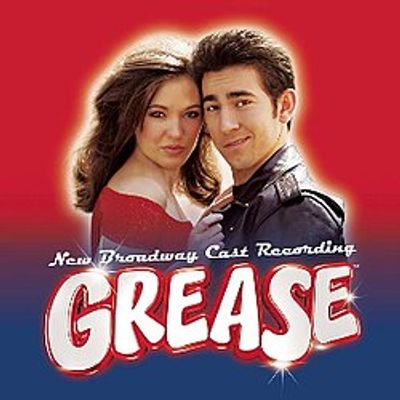
[19:54] ILENE GRAFF: And um Greece, I mean, I wasn't in back in New York for very long before I got Greece. And Greece again was one of those inside things. Um I knew all the Greek pardon me. My my boyfriend at the time was a guitar player who I had met um on Promises, and he was playing Greece. He had moved on to play Greece, and a lot of my friends from the musicians from Promises were playing Greece, and I knew all the people. I knew all the people in the show. I just was very familiar with them. And when they were replacing Carol Demas, um either I said, Can I try out? Or they said, Hey, you want to come try out? And it I mean I didn't have an agent. I just they just it just was super easy. I think they they kind of knew me and knew what I did, and I think in many ways Broadway was more casual back then.
[20:44] Robert W. Schneider: Like corporate. We've heard that before.
[20:45] ILENE GRAFF: We've heard that it was uh the relationships that you built, it they mattered. I mean, not that they don't matter now, they matter, but there's more corporate and more commercial effect. But you're right, we've heard that many times that a lot of relationships were were very important to getting jobs uh then. And I it's amazing that it worked out for you. Sort of called me in and they they knew I could do it, but I had to audition and um and then I got it, and then I was there for two and a half years.
[21:13] Robert W. Schneider: What a fun role though. What a fun show it was a big fat hit in the 70s when like you know you know we've read books about it that New York was having a tough time on Broadway and here you had this this really nice big hit.
[21:25] ILENE GRAFF: It was a, you know, well, I mean, it was, we read all about the seediness of New York and the grit and all of that, but it's really fun that you got to play for two and a half years this fun role.
[21:35] ILENE GRAFF: Yeah it was great. I mean and again it's the kind of show that because we were all kids we were all still kids I was like 22 when I went to the show or something and um for a lot of the greasers and I think if you ask them they'll say the same thing we kind of replaced our real high school and college friends because we were playing high school kids right and they a lot so I think of them as my almost my school friends. Right. Yeah more more than my professional friends and because we went through that high school mentality for so many years all together um we kind of became that for each other and again you know the greasers are very tight and I feel you know some of my very very best friends closest friends for well over 40 years are are my Greece friends who I know I could call upon you know I need you this minute okay let me put on some shoes. I do that about them.
[22:38] Robert W. Schneider: I love that and this show was a breeding ground for so much emergent talent. Who are some of the besides yourself, who else had very successful careers that you got to work with in Greece?
[22:49] ILENE GRAFF: Well, sometimes I think about all of my Danny Zucos. The boys churned through more than the girls because there's always more about parts. So just in in my brief time there, I worked with, in addition to Barry Bostwick, and Jeff Mark and Treat Williams and Philip Kasnoff and Richard Cox, and um oh Greg Evigan. Greg Evigan. Oh, yes. And then the girls, Adrianne Barbeau and Mary Lynor, and um, you know, just went on to do to do great.
[23:25] Robert W. Schneider: Yeah.
[23:25] ILENE GRAFF: This is many more, but my brain No, no, no, no, no. There's so many people that went through that show. That is a special group, though. What a special group of people.
[23:33] Robert W. Schneider: Yeah. And so what now I I have to ask, you said it was like high school for you. Were there a lot of high school pranks or hijinks, or was everybody pretty well behaved?
[23:41] ILENE GRAFF: A lot of showman shenanigans. A lot of professionalism and a lot of shenanigans. Because it's a it's a long-running show, and I've been in a couple long-running shows, and it it you yeah, you always make sure the audience doesn't have any idea, but you have a bunch of young people in a show that's been running for a while. I think you're gonna get a little craziness. It's gonna happen. A lot of it happened off stage, so that you know, there'd be a lot of bare tushes staring at you, and you're on stage and you can't respond. And but it was all like in such good fun, and it was all it was all like high school hijinks. It really was. It's funny how people think that you know, you you have fun, you play jokes when you're in high school community theater, and you think that doesn't happen on a broadband.
[24:24] ILENE GRAFF: No, no, it does. It definitely definitely does. And now we we're very professional about it. Now, when you were doing Greece, were you taking acting classes during the day or voice lessons or dance classes? Were you doing anything to to keep yourself going in the afternoons?
[24:39] ILENE GRAFF: Um well, I I certainly didn't take dance class because I have 12 left feet I was the worst dancer in America and I keep wondering where did my dog come from who who could dance from the time she came out of the womb she could dance. I say who are you thank god one of us in a family can dance. Um I we always used to say back then you know when you're in your twenties and doing Broadway shows the show is the last thing you do that day. We were so busy all day making commercials and singing on record dates and doing print jobs and there was so much work back then that the last job of the day was your show so um and and you know you had a lot of energy I could never do that now but you know when you're 24 years old you can do eight things oh wow what are we doing now millions of auditions and and stuff so I mean I took I studied singing that's when I really first started stunning singing seriously oddly enough is when I was doing Greece because I was in town and I had the time and I found the right teacher and that's when I was really that's when I started really studying voice and I'm glad I did but I worked so much during those years doing so many other things.
[25:57] ILENE GRAFF: I mean to keep yourself you know the the the rent paid I'm assuming and and oh yeah we need we made a lot of money I don't make a lot of money doing Broadway shows they don't pay so great but you know you get a few national commercials running you're doing fine.
[26:12] Robert W. Schneider: And did now did you enjoy the on camera work?
[26:15] ILENE GRAFF: Yeah, sure. I like I like doing everything. Yeah. I'm I don't I I just like doing it. I don't care where I do it, I don't care how I do it. I just like to do it. To me, that's just like fun. It's play. Um, even when it's hard and even when it's serious and you have to cry and all of that, it's still, you know, they say cut and you're laughing say, wow, that was great. That was so much fun being so miserable. I just always liked doing.
[26:51] Robert W. Schneider: Now you are our first guest, I think, that was involved with truckload. So we as you know, it's a cult, uh it's got cult status around here. So would you would you tell us a little bit about the truckload experience?
[27:06] ILENE GRAFF: To this day, it's the hardest thing I ever went through in show business. And I've been through series being canceled. I've been through a lot. Um truckload came about, Louis St. Louis, who was our the original musical director of Greece, and um and wrote Greece 2, the movie, just to throw that out there. There you go. Very successful composer and writer and music director. So Lewis and um uh his friend Wes wrote a bunch of songs um that they were gonna make into a show, and it was gonna be called Truckload. It was gonna be about a truck driver going across America picking up hitchhikers, and they wrote some absolutely fabulous songs, really great songs to this day. I love the songs, and so they said, well, we'll we'll we'll get a book, we'll write a book, we'll you know, we'll we'll make a show and Pat Birch got involved and all this stuff.
So we started doing backers auditions with a phenomenal, you know, with really good singers, and we did a few backwards auditions, and the backwards auditions were so good and so entertaining that producers were just like throwing money at us. The Schuberts, I mean, it was like backers' auditions were phenomenal. So, okay, we're gonna do a show. But I think that really great songs and really great performers can't make a show, can make a concert, but don't necessarily make a show. So we had our problems with the book and with technical stuff and whatever, but the um the actual music and the arrangements and the songs and the singers were so enchanting and energetic and different and uh so that's that's what happened with Truckload, and we um we picked up some amazing producers and some amazingly difficult producers along the way. Um and we Dick Clark was one of our producers, and he came to a rehearsal or a preview.
[29:21] ILENE GRAFF: No, I don't remember, it's such a long time ago, and we've been complaining about the sound and complaining about the sound.
[29:26] Kevin David Thomas: It's always the sound, right?
[29:27] ILENE GRAFF: Any show you're in, it's always the sound.
[29:29] Kevin David Thomas: Always the sound, always no matter how like it's it's it's the element to to master, you know.
[29:35] ILENE GRAFF: It is between one person and a piano player and a cabaret, it's the sound.
[29:41] Kevin David Thomas: It doesn't matter, does not matter, you're exactly right.
[29:48] ILENE GRAFF: And he said, Well, the sound system is terrible. What's going on here? And we went, thank you, God. He ripped out the whole sound system, spent a fortune on putting in a new sound system.
[29:59] ILENE GRAFF: We did three previews. There was going to be a newspaper strike. Manny Aisenberg called us all into the office and said, We're closing.
[30:09] ILENE GRAFF: And our hearts shattered. Just shattered. I'd left Greece. I left my job to come do this show.
[30:18] ILENE GRAFF: And it was so intense because you know, when you're a show in trouble, it just gets so intense.
[30:25] ILENE GRAFF: And um, and I tell you, to this to this point, and I've been involved with bigger projects on Crockload that have bombed. To this day, every time I think about it, I just you know I wish we could bring it back as a concert. I think it'd be a really cool concert.
[30:41] Kevin David Thomas: That would be fun. You said there were technical difficulties. Was there was there like an actual truck on stage?
[30:46] ILENE GRAFF: Oh, okay. Yes, phenomenal. We had this big truck, and the top of the truck, the cab, there was like an open cabin, and the top was a keyboard built in, and Lewis was playing the piano from the top of this truck.
[31:06] ILENE GRAFF: Because he was in it. He was the truck driver, and the band was on top of the big truck playing their asses off, and it was on a turntable.
[31:19] ILENE GRAFF: And as we were hitchhiking, as they're picking up hitchhikers, the truck would turn, and it was great when the turntable worked.
[31:29] Kevin David Thomas: But you tell me you show me a show with a turntable that hasn't had a problem.
[31:33] ILENE GRAFF: I love it. That is oh, it was glorious. It was glory.
[31:39] Kevin David Thomas: We'll do our research and see if we can find some demos because now I want to hear the score.
[31:43] ILENE GRAFF: Yeah. Um so uh how do you bounce back from this? Because this like you said, it's it's shattering for something like this to happen.
[31:52] ILENE GRAFF: So how do you have so much success too?
[31:54] ILENE GRAFF: Yeah, you you know, in show business is like this, but yet when you're young, you think it straight up. You think, oh good, every job is just gonna get bigger and better.
[32:03] ILENE GRAFF: Uh and then every once in a while, uh the reality of the show business hits you.
[32:07] Kevin David Thomas: How did yeah?
[32:08] ILENE GRAFF: Like Rob said, how did you uh pick?
[32:10] ILENE GRAFF: Um, well, then you just go back to auditioning. You audition for stuff.
[32:13] ILENE GRAFF: I did um I did uh cabaret in Paramis, New Jersey, and I didn't at the mall, yes, at the mall.
[32:22] ILENE GRAFF: The converted bowling album.
[32:23] Kevin David Thomas: Oh, we've heard about the mall before.
[32:25] ILENE GRAFF: I did Over Here, which was coincidentally directed by Christopher Hewett, who played Mr. Celadier. So I've known Christopher for a hundred years.
[32:32] ILENE GRAFF: Oh my goodness. And I did, and the thing that turned and I was still doing a lot of commercials and you know radio and all that other stuff.
[32:40] ILENE GRAFF: And um, but the thing that I think turned it around was I did Annie Get Your Gun at what used to be called the Elmsburg Dinner Theater, which is now the Broadway dinner theater up in Westchester.
[32:52] Kevin David Thomas: New York, yeah.
[32:53] ILENE GRAFF: Yeah, Broadway. And boy, it was my kind, you know, dinner theaters just made for me because they take out all that pesky dialogue, and you just sort of go enough lines to get from one song to the next.
[33:06] ILENE GRAFF: You don't have to do a whole lot of acting, you just get to do something.
[33:10] ILENE GRAFF: And back then, like everybody would go up there and see the shows. You know, it was a nice little pleasant ride out of town.
[33:18] ILENE GRAFF: And shortly after Annie Get Your Gun were the auditions for I Love My Wife.
[33:22] ILENE GRAFF: So everything sort of moved along a pace. I didn't really have a whole lot of I didn't have a lot of downtime.
[33:28] Kevin David Thomas: Okay, so then I love my wife. Nice smooth transition in. What is this audition experience like?
[33:35] ILENE GRAFF: Is it the same thing as before? You meet Eileen and you get you get to go into the show, or did you actually have to go through the No, I I auditioned.
[33:43] ILENE GRAFF: Um I think that you probably found this that the easiest jobs to get or the best jobs are the ones where you tick the boxes and there's not a whole lot of problem.
[33:55] ILENE GRAFF: It's when they try to figure out what do we want, how is it gonna work? And through hell that you're not exact you're not really what they want.
[34:04] ILENE GRAFF: But when you walk in and they go, Hmm, hmm because I think I only had one audition and maybe one callback for I love my wife.
[34:15] ILENE GRAFF: Um that's all I really remember. If I had two callbacks, it would have been a lot.
[34:21] Kevin David Thomas: Um, I'm sorry.
[34:23] ILENE GRAFF: Oh, I was gonna say, do you remember what you sang at your audition?
[34:25] ILENE GRAFF: I sang cabaret because I had just done cabaret during the year and that and that, you know, it it just was a it was a kind of easy as easy kind of job to get.
[34:36] ILENE GRAFF: Again, I didn't have to dance. There was no dancing, so I didn't have to sweat that.
[34:40] Kevin David Thomas: Yeah, so it was smooth.
[34:43] ILENE GRAFF: And what was I love my wife uh out? What tell us a little bit about it?
[34:49] ILENE GRAFF: It was about two couples, um, a bunch of friends who had gone toget gone to high school together in Trenton, New Jersey, and at their they've been friends for ten years and we're in the swinging 70s, and the two couples feel like they're being like they're left out of everything that's going on in modern culture because they've been together s for so long.
[35:12] ILENE GRAFF: And the the husbands decide that they want to try swapping partners.
[35:17] ILENE GRAFF: And um, that's the whole show. And since the name of the show is I Love My Wife, we are pretty sure we know that nothing's gonna happen.
[35:28] ILENE GRAFF: Um, and hijinks ensue.
[35:32] Kevin David Thomas: I love it.
[35:33] Kevin David Thomas: So now, what was this rehearsal process like? Because this is you had truckload, but now you're going into the second time where you're creating an original role, right?
[35:42] ILENE GRAFF: Because promises, promises, grease, you're replacing. What is this experience like?
[35:47] ILENE GRAFF: Well, we had a rocky beginning. We started rehearsal, Joe Leighton was our director and our choreographer.
[35:53] ILENE GRAFF: And a couple of weeks into, I don't even know if it was two whole weeks, you know, it might let's pretend it was two weeks into rehearsal.
[36:01] ILENE GRAFF: We come in one day, and um Cy and Michael Stewart, Michael Stewart wrote the book in the lyrics, said Joe has been in an accident and he will not be able to continue with the show.
[36:15] ILENE GRAFF: He was our dad. Joe Leighton was a magic guy. He just was charisma, and he's the one who cast us all, you know.
[36:26] ILENE GRAFF: Um, we came to find out years later that he wasn't really in an accident, that he um he had a well, I don't want to go into it, but he he he had fallen out of his loft bed and was injured very badly, and he just couldn't continue.
[36:45] ILENE GRAFF: And um, but we've got Gene Sachs and Anna White.
[36:51] ILENE GRAFF: Now, Jean Sachs, who had right, exactly, who was a phenomenal Broadway director, Neil Simons plays. I mean, he was incredible.
[36:59] ILENE GRAFF: And Anna White, the Academy Award-winning uh choreographer of Oliver, and you know, she was a one of the one of the big boys.
[37:09] ILENE GRAFF: So they got their friends to come save them.
[37:14] ILENE GRAFF: But it was very rocky and it was very emotional for us to lose our our leader.
[37:20] Kevin David Thomas: Right.
[37:21] ILENE GRAFF: And um you liked so much that you really respected and and and were there because of him.
[37:26] Kevin David Thomas: So how did you uh take us through a little bit of I mean I know it was a while ago, but how did you adjust to that?
[37:32] ILENE GRAFF: I mean, because there's it's it's a s and the listeners who don't aren't familiar with the show, it's not like a big huge company, it's four.
[37:38] ILENE GRAFF: You got a company, uh well, the principles are four, you know.
[37:42] ILENE GRAFF: We you know, we John Miller we interviewed many years a couple years ago because he was in the famously in the band, you know, the bass player, but like the bands on stage, but it's it's very it's a small company.
[37:51] ILENE GRAFF: How do you guys adjust to that?
[37:53] ILENE GRAFF: Gene and Anna were very, very kind. They were so good to us, and they understood so deeply what we were going through, and they were Gene Sachs and Anna White.
[38:09] ILENE GRAFF: You know, it's not like they're calling in Mary Smith and Joe Blow to come do this show.
[38:15] ILENE GRAFF: We knew we were gonna be fine because we had two of the biggest, most talented people in show business who were gonna help us with this.
[38:24] ILENE GRAFF: Um and they liked what we did. They told us what we liked what they did.
[38:31] ILENE GRAFF: Um, they just took really good care of us and helped us through and didn't um weren't bossy and weren't mean.
[38:41] ILENE GRAFF: They just were professional and kind, and we said, okay, it's gonna be different, but it's gonna be great.
[38:50] ILENE GRAFF: And um, and it was it was watching the two of them work and getting to work with them in such as you said, in such an intimate setting, was it it was it was they took lemons and made lemonade really.
[39:06] Kevin David Thomas: What made him such a good director?
[39:08] ILENE GRAFF: He was so funny, he was so he had such a great comic mind, and he he could communicate what he wanted with two words, like he'd say the Lenny Baker was the he wasn't going, it was kind of even, but Lenny was as far as I'm concerned, the star of the show.
[39:34] ILENE GRAFF: Lenny Baker was an immensely talented young actor who died of cancer just a few years after we were finished. He won a Tony for his work, and Lenny and Gene had like mind milled, like Mr. Spock.
[39:48] ILENE GRAFF: Len Gene could say to Lenny, take off your socks, and Lenny would know exactly what he meant.
[39:54] ILENE GRAFF: And it became a choreographed routine where you know we all had to get out of our clothes down to our underwear and jump into a bed, and it was it on the page, it's like three sentences in the script, which went on to become minutes of comic business that would stop the show every single time because Gene knew just what to say to each of us in a way that we understood what he wanted, and if you could do what he wanted, you knew it was gonna be funny.
[40:22] Kevin David Thomas: Oh, he was so funny.
[40:24] ILENE GRAFF: If I could interpret what he told me to do, I was gonna be funny.
[40:29] Kevin David Thomas: That is incredible. Thanks for sharing that.
[40:31] Kevin David Thomas: Would you tell us about your uh your other co-stars, Joanna Gleason and James Naughton?
[40:38] ILENE GRAFF: Well, Naughton is just dreamy.
[40:41] ILENE GRAFF: Yes. He's also, you know, he's like he was the handsomest man on Broadway.
[40:46] ILENE GRAFF: And absolutely goofy, matinee idol kind of guy, just but really goofy and really funny.
[40:54] ILENE GRAFF: And um he was a real family guy.
[40:59] ILENE GRAFF: And I mean, his daughter-in-law right now is Kelly O'Hara. You know, he he everything to him is family, and he'll talk about say, well, my daughter-in-law is going to London to do this thing.
[41:08] ILENE GRAFF: The way everybody says, well, my cousin is going to go to community theater in Spokane.
[41:14] ILENE GRAFF: He says, I don't know if I can come because my daughter-in-law has to go to London, and then Greg is good, and we may have to watch the kids.
[41:20] ILENE GRAFF: And I'm thinking, that's who he is. Nothing faces him.
[41:24] ILENE GRAFF: It doesn't, it's all he's just he's he's a wonderful guy and so very he also Tony winner for City of Angels.
[41:34] Kevin David Thomas: Yeah.
[41:34] ILENE GRAFF: Oh, yeah. Great.
[41:37] ILENE GRAFF: And Joanna Gleason is still one of my best girlfriends.
[41:40] ILENE GRAFF: Um, again, a Tony Award winner for Into the Woods and just an A-list Broadway star and one of the nicest, sweetest, most loyal.
[41:51] ILENE GRAFF: I don't think I've done anything ever in New York that she didn't come to.
[41:55] ILENE GRAFF: Every cabaret show, every little whatever nonsense thing, she and her husband are always there.
[42:01] Kevin David Thomas: That's just that's who she is.
[42:02] ILENE GRAFF: Love that.
[42:06] Kevin David Thomas: Hey, podcast listeners.
[42:08] Kevin David Thomas: Are you looking for a place to rehearse in New York City that is clean, spacious, and most importantly, affordable?
[42:13] Kevin David Thomas: Come check out Shetler Studios and Theatres, our wonderful host for these podcasts.
[42:18] Kevin David Thomas: Shetler is centrally located on West 54th Street between Broadway and Eighth Avenue, right in the heart of the theater district.
[42:18] Kevin David Thomas: Right in the heart, you'll find music, dance, and acting studios complemented by two black box theaters and six presentation venues.
[42:31] Kevin David Thomas: The professional facilities, inspired environment, and expert industry staff combined to provide the New York artists with an unparalleled studio experience.
[42:41] Kevin David Thomas: Visit their website at Shetler Studios.com.
[42:44] Kevin David Thomas: That's S H E T L E R Studios.com.
[42:48] Kevin David Thomas: Shetler Studios and Theatres is our home for recording the legends of Broadway, and we hope that you make it your artistic home too.
[42:54] Kevin David Thomas: That's Shetler, S-H-E-T-L-E-R Studios.com.
[42:58] Kevin David Thomas: See you here.
[43:06] ILENE GRAFF: So it so you your rehearsal period gets better. And then what is it? What is opening night like the new Cy Coleman musical?
[43:14] ILENE GRAFF: Um, what what is this experience?
[43:17] ILENE GRAFF: It was really exciting. It was really, really exciting.
[43:21] ILENE GRAFF: The opening night audience was sublime. They were just incredible.
[43:25] ILENE GRAFF: Everything worked. Everything, everybody was there to have a good time.
[43:30] ILENE GRAFF: Nobody was there to rip us apart. Nobody was there to to to be catty or you know, they just had a ball, and um and it it was just buzzy.
[43:42] ILENE GRAFF: It was fuzzy and fizzy in New York, and you know, Cy had so many society friends.
[43:48] ILENE GRAFF: He was such a hardcore musician, a hundred percent hardcore musician.
[43:52] ILENE GRAFF: He could do anything, but he also was a society guy, you know, he was very Mr. New York.
[43:58] Kevin David Thomas: And how long were you with the show for?
[44:01] ILENE GRAFF: I was with the show for a little bit more than a year. My original castmates were leaving. Um, I was the last remaining one. And there was going to be a big cast change again. And in the while the cast was people were leaving all of that, my husband was offered a job to come out to LA and write music for Happy Days. So I've been in the show for a year. I wasn't nominated for a Tony, you know, it was gonna be more of the same. All my friends were gone. And um, so we said, let's go to LA. That's where we belong anyway. Broadway's changing, they're not gonna go along with someone who can't dance anymore. And uh, and he was as busy as you could be in New York. He was an arranger, he was a studio player, he was working Broadway.
There were he couldn't possibly have been busier, but he really wanted to write. So we said, let's go, we'll go. So we went. It's incredible, absolutely incredible. And so when you got out to LA, was it then I have to forge a path in film and television, or I'm gonna try to see if I can do theater out in LA? I mean, how did you strike a balance?
[45:11] ILENE GRAFF: I didn't do I've never done a lot of theater in LA. I've never done a big show in LA. I've done a few little tiny things, but um, when we got here, I had a period of a massive period of adjustment. Well, now I look back, how massive could it have been? It's probably a couple of months, but back then it felt like an eternity. Yeah, it definitely feels massive when you're that age, especially. Um, we left eight shows a week doing I don't know how many commercials a year. Um, we had an apartment in the city, a house in the country, all of this, and then we moved to a one bedroom furnished apartment at the Oakwood at the Oakwood Garden of at the Oakwood apartments where everybody goes when you move to LA, and then had a rented piano.
We had two pianos and this a rented piano from Hollywood Piano Rental in the living room, so I wasn't allowed in the living room, and it was like, oh my god, what's gonna happen to me? But I did have an agent. My agency had an office, and I just started going out on auditions and I just started to work, so it would I always knew that I belonged in television. I thought that that's where my talent was. Especially when I was doing I Love My Wife, which was essentially a situation comedy with I said, I know that I can do that. I know that that's the thing I'm gonna be good at.
[46:31] Kevin David Thomas: Were you one of those that were just doing like continuous pilots? Were you uh okay, yeah. What what were I'm so I'm just so curious. What were some of the pilots that you did that for whatever reason just didn't get picked up?
[46:43] ILENE GRAFF: Um, for whatever reason if you if you want to specify, you can. Well, I think my fate I did, I don't even know how many pilots I did. I I I don't know how many pilots. One season I had seven pilot deals. Not that I made seven pilots, but you know you have to make a deal. Every time you go to network, you have to make your deal for the next seven years. There was one pilot season where I had seven deals, and I didn't do and I think we did one pilot. But you know, when you're hot, you're hot, you know. You know, when they want you, they want you. And then when you don't when they don't, you're done. But you save your money, you save every nickel. Listen to that, kids. Listen to that. Absolutely. Um, my I did a couple of pilots that I really loved doing. One was called 1313th Avenue.
[47:36] ILENE GRAFF: Okay. And it was about a brownstone in Greenwich Village, 1313th Avenue. And all of the people who lived there, I was a witch. There was a warlock, there was a vampire, there was um a troll. Ernie Sabella played a troll. That's awesome. Okay. And there was a psychiatrist who lived in the building played by Clive Revel. Who um we would have a group. Uh do you know Paul Krepel, my friend Paul Crepel? He was the Godspell guy. You probably if you saw him, you know. Um we would have um every week a group therapy meeting, all the witches and warlocks and everything with the psychiatrist, and there was one straight family, a husband, uh I'm sorry, a father and a son who also lived in the building, and it was the silliest, funniest most it was really and sometimes I I'll watch it and go, Oh my god, this was such a funny show.
What it just was out there, it just was a little wild. And my favorite part was I played the witch and I had a bad temper, and at one point I was so mad at everybody that was going on, I just sort of did an Elizabeth Montgomery like this, and the whole set was destroyed. They brought in an uh um a fan that was like an uh for an airplane. I don't know how big this thing was, and they turned it on and the whole set gets completely destroyed, and it was really fun.
[49:14] Kevin David Thomas: That is incredible. Okay. So you I just went down a rabbit hole of Paul Kreppel. So I I thank you for that. I just I just Googled I thought oh yeah I do know who he is. This is totally something you would know Rob. And you were also doing guest appearances on sitcoms at the time. What what were some of the shows that you were appearing on?
[49:26] ILENE GRAFF: I did um my first job was on Barnaby Jones. I did a two-parter with Buddy Epson who I still know Lee and uh that was my introduction to TV was Barnaby Jones was really cool and I did uh Laverne and Shirley which is also one of my favorite shows I it was Lenny and Squiggy go on the dating game and we had Jim Lang who was really there and we really did the dating game and I was the girl and Lenny and Squiggy are are trying to win my affections. It was hilarious and I did two Mork and Mindy's I did a two parter Mork and Mindy where again I destroyed the set there was an alien in that one me and Joe Regal Budo we were the aliens on uh on Morgan Mendy and uh oh god what else did I do? I didn't I can't even remember but you were loving this the the you were feeling really in your element at this time so then let's talk about Mr. Belvedere how does that come into your orbit and um we'll start with there.
[50:30] ILENE GRAFF: We'll start with there. How does that first come into your orbit? Well I had done a couple of other series that were not successful that had very short runs including talk about cult shows Super Train, which was oh yes a major disaster. Oh, he's looking it up. He's looking at it. Where I got to sing on Super Train, which was nice. Um, and I I'd done a couple things that were not successful, and you know, but auditioning all the time, just always auditioning, and then we got the script to Mr. Belvedere. Back in the day, they used to deliver scripts to your door. Read like paper scripts, and they had delivery services, and someone would come and hand you a script, read this and see if you want to audition for it.
And my husband and I are reading it, and he said, Oh, don't worry, this is your job. Don't even worry about it. I said, What do you mean? He said, No, it's yours, it's yours to lose. He said, It's definitely your job. So I went in, I auditioned, it went great. I had another audition in the office with just the guys and the casting director, and it went great. And then I went to network once.
[51:44] Kevin David Thomas: Would you do us a favor for our listeners who might not be aware? What does that mean to go to network?
[51:46] ILENE GRAFF: To go to network is the most nerve-wracking experience in getting a job. Because you have auditioned usually in a production office first with the producers, maybe casting director, just a few people in an office, usually, and you build a rapport with these people, and you can tell that they like you, or you can tell you're never gonna see them again as long as you live. And then they bring in a short list of people to go audition for whichever network the show is gonna be on. So Mr. Belvedere was on ABC, and they used to have big fancy, schmancy corporate offices in Century City. Fancy. So you go to this fancy office building and uh wait in a fancy lobby with your competition with the other three people that they're bringing in after seeing God knows how many people first time around, second time around.
So you're with the two other women who might get your job, and the three other people for all the other jobs, and they call you from the fancy lobby into a much bigger room where you really can't even see who you auditioning for, but you know it's network executives, and it's the executives from the production company. So our show was produced by 20th Century Fox. So we've got um casting department from ABC, casting department from Fox, you've got executives, programming executives from the network, programming executives from the studio, you have the actual producers of the show that are there, the casting director of the show who's there, and in the case of Mr. Belvedere, Bob Youcher was there because he was attached to the project and he was the star of the show. So it's a very different atmosphere because this is where your fortune is made or lost is how well you do in this audition.
[53:48] ILENE GRAFF: Literally, fortune is made in lost. Yeah. So I went, I go in for my audition, and uh, you know, you just have to trust to do the same thing you did in the office. If you change what you did, you're not who they brought in. And it's my advice for any kid that says, What should I do when I get a call back? What do I do? I say, do what you did the first time. They called you back. Don't do anything different. You know, if they gave you adjustments first time, you know, if you teach, you know. If I give you an adjustment, I want to see that you know how to do that. Um, but I started reading and I read um with the casting director, and then read with Bob with Euchar, and he and I just chemistry hit it off from the first sentence, and sometimes that happens.
We just clicked, and um I felt good about it. I came home and I said I it felt good, it felt really good. He was we were making fun of each other, we were kibbitzing, we were having a good time, and that and he wanted to be with people that he liked because he is an athlete, he's a baseball player and had been a broadcaster for years and years, and had and had a very successful career in commercials and was one of Johnny Carson's favorite guests and had made the movie Major League. So he had done some acting, but he'd never done anything like a series.
[55:28] Kevin David Thomas: And when you first did the first, you know, read through the pilot or you're after after you filmed the pilot, did you realize we have something very special here?
[55:39] ILENE GRAFF: I yes, yes, it worked really well. Um, and I'd done a lot of pilots, and and I never felt that before from another pilot. It just felt like a show. Everything melded together right. It just felt right. And our warm up guy, a guy named Bob Perlow, um, who I've done other shows with in the past as a warm-up guy. Warm-up guy is a comedian who um who is there all during the show, before the show, to keep the uh the studio audience entertained while you're doing different setups, you're doing scene changes, you have to have they'll come running at you with a rewritten line, you know, the camera, you know, all that stuff while you're not actually doing the show, is the warmup guy's job is to keep the audience entertained.
And after the and I I'd known him because I'd worked with him before, and he came over to us and he said, You've got a show. He said, Oh wow, I've done hundreds of these, hundreds of these. You've got a show, it's gonna be fine. And and I felt it too. So it was, you know, it was like one of those. I'm so happy, I'm so grateful. This is what you had wanted. You wanted to to land a series.
[56:57] ILENE GRAFF: I mean, the show took off like gangbusters, at least from I I remember it that way. Is that correct? I mean, it was a huge no, we we did great. I mean, we were never a top 10 show, but we were dependable. We were steady and strong in our time slot, and we we delivered what we needed to deliver, which was an audience. We must never forget the fact that we in television are there to sell toothpaste. The minute you lose that, you're in trouble. We are there to provide net the network with commercial time so people buy toothpaste. And the minute you don't deliver that audience who they can convince to buy their toothpaste, you're lost.
[57:38] Kevin David Thomas: Oh, that's interesting.
[57:39] ILENE GRAFF: So it we did what we had, we did, we delivered what we had to deliver. Did you ever worry? Now I'm nationally known as this character. Am I gonna be able to do theater or am I gonna be able to take on other television roles after this one ends? Was that ever a concern, or you were just enjoying this ride?
[58:00] ILENE GRAFF: I it it wasn't a concern. I enjoyed the ride. Um, I I think that I wasn't considered for certain things because of it, but the trade-off is well worth it. You know, I'm not gonna be upset that I didn't get um a role in some independent film because I played a mama, Mr. Belvedere. I got to play the mama and Mr. Belvedere for almost six years, and it provided such an incredible stability and a great family life. That's when I had my daughters when the show was on the air. I was able to be with her. Oh, I mean, you know, you got a little kid.
[58:41] ILENE GRAFF: When you do a show like that, you work three weeks off a week. It was a really we worked day job hours. It was great for people like me, who the family is the most important thing. So um that's incredible. Incredible. I'd love to ask you about Christopher Hewett, if I may, who was a brilliant stage actor and stage director. Would you tell us a little bit about what it was like working with him first as a director and then a second time as a colleague, actor to actor?
[59:15] ILENE GRAFF: He as a director, we did a show that um was divided over here, has a grown-up cast and a kid cast. And I back in those days I was thinking it was like the 20 year olds and the 40 year olds, and he had a lot of work to do with the 40-year-olds. Uh, just a lot, a lot of work. And we, the young people, kind of took care of ourselves. Because there, when you do these shows, you have like two, three weeks what to do a whole show, and if you don't really take care of what you have to do, you're gonna be left in the dust. And he empowered us to do what we felt was right and to take care of ourselves. He said, You need to be here, you need to be there, we need to because this set is going to be coming in.
You got so he gave us a lot of the broad outlines. He gave us some wonderful bits, you know. He was such a creative comedian, this guy. Um, and then we would kind of go off and do our own thing and bring it to him and say, Do you like this? Do you like this? He'd say, Great, fine, perfect. And then he would work with the Andrew sisters. You know, he had a lot on his plate. And what I learned from him was never chew gum on a Christopher Hewett set. Okay. And everybody that's ever worked with him will know that. But I loved him. I just adored him, and I adored working with him on over here. And then when I went to the network audition, and he was there because he was not the only choice for Mr. Belvedere.
There were other equally established, well-esteemed actors who were up for that role, and we saw each other and we said, Oh my god, we have to get this job. We have to get this job, we have to be together.
[1:00:57] ILENE GRAFF: Um, as an actor, just you know, he's an English actor with all the stuff that comes with it. Point of view, a physical bearing, a voice, um, a philosophy of what the character should be, all of that proper stuff, on top of which an insane sense of humor. I mean, he was in the he was in the producers and drag. I mean, there's nothing this guy wouldn't do. Nothing. He was game for everything. Just bring it on, bring it on. What do you have for me? I'll do it. But he just brought such a professionalism and set such a high tone for everything.
[1:01:42] Kevin David Thomas: And so you the show lasted you say for six years. Is that correct?
[1:01:45] ILENE GRAFF: Five and a half.
[1:01:46] Kevin David Thomas: Five minutes. Um on hiatus, were you doing any theater projects or was hiatus about I'm gonna focus on my family and I'm gonna focus on recharging?
[1:01:55] ILENE GRAFF: Yeah, I I mostly mommed during um uh hiatus. Like hiatus weeks off was all about going to the dry cleaner and you know, catching up on life, going to the bank. Um during the long hiatuses, you know, in between seasons. I did I did several movies of the week. Um, I was always singing, I would do something here, do something there. Um, you know, just that I did in films and and stuff in between. So it was busy, and then and and I liked the downtime. I liked not having to go anywhere and do anything too. It was it was nice.
[1:02:33] Kevin David Thomas: When did you start to think about doing cabaret?
[1:02:37] ILENE GRAFF: I had always done it, even when I was doing Broadway shows. I was always doing I did Reno's, you know, clubs that you would never even have heard of anymore.
[1:02:45] Kevin David Thomas: On the podcast we have, we love hearing about them. Actually, we love because we miss we actually talked about this a lot with a lot with guests, ILENE, is that we miss the nightclub act, the the you know, a yes.
[1:02:56] ILENE GRAFF: Brothers and sisters. You can go to 54 Below, but that's it's it wasn't like how it was, you know, and we love hearing about how actors would be all in in a Broadway show, and then what would they go do after the Broadway show? They'd go to a club and they'd go perform some more for another hour. I mean, tell us a little bit about yes, brothers and sisters, we know Sweeney's yeah.
[1:03:13] ILENE GRAFF: Yeah, yeah. Well, I did do Reno Sweeney and Catch a Rising Star and um uh oh there were like clubs that would pop up and then disappear very quickly but I always liked doing that. I mean I always I mean I grew up in nightclubs. My father had was had a uh before he got into studio work he had a very successful nightclub back with three other singers of course no that was a little bit later. This was called the Beachcombers with Natalie and they played Vegas a lot and they were very very successful. They used to open for Frank Sinatra you know and all this stuff. I lived in Vegas for a while when I was a kid. So I grew up in nightclubs when I was little so that was a good world for you I knew that world.
I I regret that I came along too late for that nightclub world. You know my husband played for lots of acts in the swank nightclubs. You know, the Copa and the Persian room and and all the swank nightclubs all around the country. Um but but I always liked doing that. I always liked putting a show together and going and doing my cabaret thing. So I did that all the while through in uh in New York and um and I really came back to it more within the past I would say ten years or so where I at least try at least once or twice a year to do something just because I love it and it's fun and people seem to like to come. I mean we always sell out we do good business and repeat customers and um it it just keeps it it's fun. I just I like doing it. I love working with my husband. He's very creative and um I I like I like to sing. I like the physical sensation of singing I just love to sing.
[1:04:58] Kevin David Thomas: What are so what are some of the lessons that you wish all new musical theater performers understood um if you have to give them one one thing to take away and one thing to keep in their mind?
[1:04:58] ILENE GRAFF: You have to be a good worker you have to be someone that people want to be with don't be a pain in the neck you are not the most important person in the universe you are there to well you're all we're always there to forward the story it's all we're all sitting around the campfire telling the story right that's all we're doing but the piece of advice is be someone that people want to work with be on time know your lines know your songs be flexible have a point of view be yourself don't try to be anything you're not and be prepared just being prepared is so so much of it um look what the marketplace wants what do they want can you do it can you learn how to do it did you play an instrument in high school get good at it you never know when they're gonna do Sweeney Todd and everybody's gotta play the cello you know um and the other and we alluded to it um a little bit earlier another piece which is just nuts and bolts life it's not gonna last forever it's not gonna last forever.
Some people it lasts forever, but for some of us, it doesn't last forever. Save your money and learn about the real world and have what you're gonna do in between and what are you gonna do when it's over. Don't spend your money and don't get a don't get a crooked business manager.
[1:06:54] Kevin David Thomas: Yes, good advice.
[1:06:56] ILENE GRAFF: Very good advice. I think we've all been there at some point. Uh before we go, I have to ask you because I saw you do this and I thought it was brilliant. Um, you did Gypsy in in LA. And it was fantastic. It was fantastic.
[1:07:09] Kevin David Thomas: You were one of, if not the best mama roses I've ever seen.
[1:07:15] ILENE GRAFF: Oh my god, I'm gonna have you say. Wow, that's amazing. Yeah, because it the the theater she performed in was in my hometown, Thousand Oaks.
[1:07:22] Kevin David Thomas: Oh, you're from Thousand Oaks.
[1:07:23] ILENE GRAFF: Yeah.
[1:07:26] ILENE GRAFF: So it I was so so good. So I'm curious, what was it like tackling that role? And are there any other roles that you would love to just sink your teeth into?
[1:07:36] ILENE GRAFF: Well, I would I would my daughter and I forever have wanted to do Gypsy and I together. Um I don't know if that's gonna happen anymore, but it was the most thrilling thing because I did it in college when I was way too young. Yeah, but it was but it was doing that show that let me know that I could do shows. Yes, that show said to me, you can do this, you're gonna you can do this when and and hopefully you'll get to do this role again when you're the right age. So it was just the most thrilling experience. I I defy you to find anybody who's ever played that character that didn't just get the thrill of a lifetime waiting to make the entrance with the dog. When you're listening to the best overture in the universe, and they're waiting for you to make an entrance.
It's beyond thrilling. It's really hard. It's a really hard show. And I would love to do it again. I would love, love, love to do it again because I think the older you get and the more experiences you've had, the more you can bring, the more you can bring to it.
[1:08:44] Kevin David Thomas: Yes.
[1:08:45] ILENE GRAFF: And I've always wanted to do the I've always wanted to do the big leading lady shows. I've I think I've got a name in me. I think I've got a Dolly in me.
[1:08:51] Kevin David Thomas: Yes, yes.
[1:08:54] ILENE GRAFF: I think I do. Um, you know, uh, the opportunities are are few and far between, which is why I create my own opportunities. Yes. Or sing and cabarets and do whatever I um, but I I I think that you know, the other thing Nika and I always wanted to do together was The Rink. We always thought that that would be so much fun. We do the song that the um I can da-da-da-da-da-da-da. The apple doesn't fall far from all from The Rink. We that we do that together in our duet show, and it's so much fun. We said we we should just like have a reading one day, like get together in the living room and just read through with people and sing the songs. That would be fun.
[1:09:34] Kevin David Thomas: Yes, you've got the music director all there, you've got everybody, it's all set.
[1:09:38] ILENE GRAFF: I mean, just read music and everything. I love that. I love that notion of creating your own uh art, creating your own opportunities. I think that is such also a great lesson to share with people that even you know you do that when you're 20, 21, but you you don't ever stop doing that. You you continue to create your own opportunities. And and in this world today, when I started out, you didn't have to be a small business. You waited for the phone to ring, the phone rang, they told you where to go. What your first day was, you went to work. And that's how I grew up in the business, and nowadays we are all our own small business, so we have to know how to be a graphic designer. We have to know how to be to operate social media.
We have to know how to be a publicist. We have to know how to be a hairdresser and a makeup artist and a stylist. We all those jobs that people used to do for me, and I always had people who did it. I had people. And if you're gonna, and you have to, because like I said, we're all a small business and we're all creating our own opportunities. Everybody I know has a web series, and some of them are really, really good, and they win Emmys. I mean, my friend Kevin Speertus has this web series called Ever After. I mean, and he he he won five Emmys because he had an idea, created his own opportunity. And so that's another, you're right. That's a very important piece of advice, is um, and know how to tape your music together for the accompanist. Don't ever bring pieces of paper that the accompanist doesn't know what the hell is going on. Nuts and bolts.
[1:11:21] Kevin David Thomas: That's right.
[1:11:22] ILENE GRAFF: That's right I love. I think that's the best advice we can leave on today. I mean, this has been an absolute pleasure. I cannot tell you how much we appreciate you taking time out to talk to us.
[1:11:31] ILENE GRAFF: Oh, gentlemen, it was great. Thank you so much.
[1:11:35] Kevin David Thomas: Thank you, and thank you for all the years of joy you've given us.
[1:11:38] ILENE GRAFF: I I you're still very welcome. I appreciate your kind words. Thank you.
[1:11:43] Kevin David Thomas: Till next time, everyone. Bye-bye.
[1:11:48] Robert W. Schneider: Today's episode was recorded at Shetler Studios on 244 West 54th Street. Visit Shetler Studios to book your room today, and you could be as cool as us. That's S H E T L E R Studios.com.
[1:12:02] Robert W. Schneider: And a big thanks to our sound editor Daniel Schwartzberg and social media manager Bethany Ann Solecki. And friends, don't forget, we want more folks to hear these incredible stories, and that's where you guys can come in and help us out.
[1:12:13] Kevin David Thomas: Yes, in order for people to find out about us, we need lots of ratings on iTunes. The more ratings, the more they'll come up in searches. So head on over to iTunes, search for Behind the Curtain: Broadway's Living Legends, click on our logo, click on ratings and reviews, then write a review and leave us five stars and make us feel as special as Eliza Doolittle on Eliza Doolittle Day.
[1:12:36] Robert W. Schneider: Or you can leave us one star and make us feel as bad as Annie did in that weird production in Boston where Annie dreamed about being adopted and then ended the show back in the orphanage. True story, Rob was there.
© Broadway Podcast Network, All Rights Reserved