

While America knows her as Mrs. Moskowitz, Joel's secretary in The Marvelous Mrs. Maisel, Cynthia Darlow has long been one of this country's most accomplished actresses having appeared on Broadway, Off-Broadway, movies, and television... Read More
From the show: BEHIND THE CURTAIN: BROADWAY'S LIVING LEGENDS » Podcast
Featured Shows
About
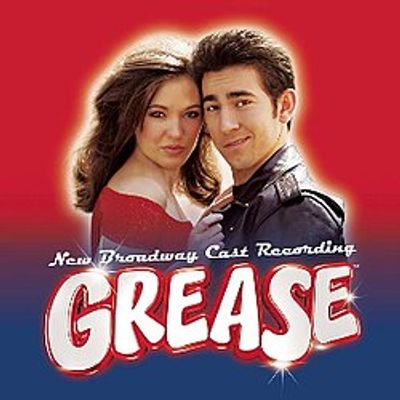
While America knows her as Mrs. Moskowitz, Joel's secretary in The Marvelous Mrs. Maisel, Cynthia Darlow has long been one of this country's most accomplished actresses having appeared on Broadway, Off-Broadway, movies, and television. Her credits include Grease, Rumors, Prelude to a Kiss, Taller Than A Dwarf, Death Defying Acts, and more!
Cynthia pulls back the curtain on his career to discuss how Neil Simon invented a role for her, what it was like collecting pounds of gum in Grease, and why The Rehearsal Club needs a second chance.
Also, Cynthia shines the spotlight on Woody Allen, Cherry Jones, and Gene Saks!
Become a sponsor of Behind The Curtain and get early access to interviews, private playlists, and advance knowledge of future guests so you can ask the legends your own questions. Go to: http://bit.ly/2i7nWC4
Please take a moment to donate to The Minnesota Freedom Fund
#BlackLivesMatter
Transcript
This transcript was automatically generated and might contain errors.
[0:00] Robert W. Schneider: Hi, I'm Robert W. Schneider.
[0:01] Kevin David Thomas: And I'm Kevin David Thomas.
[0:03] Robert W. Schneider: And this is Behind the Curtain: Broadway's Living Legends.
[0:06] Kevin David Thomas: Don't forget to follow us on Twitter at Broadway Curtain.
[0:09] Robert W. Schneider: And make sure to join our Facebook page at Behind the Curtain: Broadway's Living Legends.
[0:12] Kevin David Thomas: And follow us on Instagram at Broadway Curtain Podcast.
[0:16] Robert W. Schneider: Plus, you can always listen to all of our episodes, old and new on the Broadway Podcast Network, iTunes, and Spotify.
[0:22] Kevin David Thomas: From Detroit to Virginia to the Rehearsal Club to the Great White Way. Today's guest is one of the industry's most beloved performers.
[0:28] Robert W. Schneider: Well, she has had a four decades plus career. Today she's probably best known to audiences as the kindly secretary, Mrs. Moskowitz on The Marvelous Mrs. Maisel. But in addition to that, she has appeared in the Broadway productions of the original Grease, Rumors, Prelude to a Kiss, Sex and Longing, Taller Than a Dwarf, Rabbit Hole, Old Acquaintance, Accent of Youth, and many more.
[0:49] Kevin David Thomas: To tell us what it was like to work with such legends as Christine Baranski, Neil Simon, Alec Baldwin, Barnard Hughes, Elaine May, Christopher Durang, Alan Arkin. Oh my gosh. And so many more. Here is the one and only CYNTHIA DARLOW.
[1:00] Robert W. Schneider: Good morning, CYNTHIA.
[1:02] CYNTHIA DARLOW: Good morning. It's a pleasure to be with you.
[1:05] Kevin David Thomas: We are so happy to have you. Now I have to ask you, what is it like walking onto the set of Mrs. Maisel? It looks from the audience's perspective, it looks like a time capsule.
[1:16] CYNTHIA DARLOW: Yeah. It is one of the best jobs on the planet. It is such a pleasure to go to work and know that you're gonna laugh all day long. And that you're working with people from the creators to the lowliest PA. Everybody is, I really, this is such a rare situation. Everybody is so focused on the whole, on the big picture and facilitating one another's work. It's really amazing.
[1:51] CYNTHIA DARLOW: Um, for instance, one tiny little story. Uh, the first season, there was a scene where Rachel Brosnahan and I had a phone call. She was in Central Park. They brought in a 1950s phone booth and put it in the park there, you know. And um, I was ostensibly in my office. Well, the day that we shot that, uh, they had Rachel in Central Park in the phone booth, and they brought me in for the day to act with her off camera.
[2:16] Kevin David Thomas: Oh, yeah.
[2:17] CYNTHIA DARLOW: That's unheard of. I mean, for those who don't know the TV, I mean they're not gonna spend money when they don't need to. And exactly, really special. There was a thing last season where uh, uh, Joel and I were investigating the China Club for the first time. Yes, and uh, um being the good secretary, I, you know, had my little purse and my gloves with me and uh ready to take notes. And uh one of the props people noticed that I didn't have a notebook or a pen. I was looking in my purse for something to write with, you know, looking around the set. One of them went to my desk on the office set and got the pencil and paper that I use on my desk and brought it to me for that scene.
[2:58] Kevin David Thomas: That's kind of a good thing.
[2:59] CYNTHIA DARLOW: So there was that continuity. I mean, stuff like that goes on all the time. They're amazing. That's so much love and care put onto that.
[3:06] Kevin David Thomas: Yeah. How did that come about for you?
[3:08] CYNTHIA DARLOW: How did that come about for you? Just the regular way. I got a call from my agent. Would you like to audition for this? Sure I would, not knowing anything about it yet, really. Uh, it was just me, a reader, and the Paladinos in a little tiny room. And uh, they were very cheerful when I came in and said, uh, uh, by the way, we like to work fast. And I said, Oh good, people are always telling me to slow down. And we read the scene once, they laughed. Uh, then they gave me a little adjustment, and uh I did it again, and they fell off their chairs.
[3:46] CYNTHIA DARLOW: And uh the next day I got a call that I got the job.
[3:50] CYNTHIA DARLOW: Now uh it's my understanding that Joel and I, those care the Joel and Mrs. Moskowitz were only really supposed to be in the first season, and now we're looking at season four.
[4:01] CYNTHIA DARLOW: So it's just been an amazing journey.
[4:03] Kevin David Thomas: I love that. Now, do you love auditioning? Do you enjoy the process of auditioning?
[4:05] CYNTHIA DARLOW: Um, I didn't in my younger years. Now I sort of, uh, I get really kind of goosey and compete with myself. I kind of love it.
[4:15] Kevin David Thomas: So how so? Because you've had so many wonderful successes in auditioning, what advice can you pass on to actors that are either just starting out or actors that are still, you know, racked with nerves when they go in before a panel?
[4:27] CYNTHIA DARLOW: Be prepared. Uh, if you're prepared, there's not much to be nervous about. Uh, you have to trust your instincts and uh do your take on it, be ready to take an adjustment. You know, you bring up such a great point, which is you know, have your take on it, which is a lot of the younger actors that we find that we deal with like to come in as a blank slate because they're waiting for someone to give them an adjustment or they're waiting to show, listen, I can be molded however you want me to be molded. It sounds like you feel you need to have it.
[4:59] CYNTHIA DARLOW: No, well, we feel the opposite too, and that's something we try to pass on to our students. But can you explain that a little bit more? What do you mean by having your own take on something?
[5:08] CYNTHIA DARLOW: Um, well, when you first read a script, usually an actor will hear a voice, they will hear a pace, they will, you know, have some reactions. Go with them. They're bringing you in because there's a million actors out there, and every single one of you, uh, there are a million choices for them to make. Um, sure, be able to make an adjustment once you're in the audition. One, the creatives like to know that you can take direction. And uh, yeah, what you are is unique, and you must trust that. It's very hard when especially when you're a young actor to trust that. But your take is really what they're interested in.
[5:46] Kevin David Thomas: What do you think the most successful audition you've actually had is? Whether or not you got the job is neither here nor there, but an audition where you thought, my God, I did really well for myself.
[5:55] CYNTHIA DARLOW: Yeah, you know, for me, this is probably not to my detriment, but uh, if I've had a good audition, it's kind of secondary to get the job or not. If I've done my work in the audition, that's what thrills me. Then if I get the job, oh my god, that's triple thrill. But uh, yeah.
[6:13] Kevin David Thomas: That's great. And I have to ask you, what is the craziest audition that you've ever gone on? Has there been one where you thought to yourself, what the hell was that?
[6:23] CYNTHIA DARLOW: Yeah. Um, there was one for Death Defying Acts where I had to audition for uh, uh, Woody Allen at his um, his screening room at the Beakman place.
[6:35] Kevin David Thomas: We've heard about this.
[6:36] CYNTHIA DARLOW: I was gonna say a couple of days ago we interviewed Stuart Howard.
[6:38] Kevin David Thomas: Yes, yes.
[6:40] CYNTHIA DARLOW: So he was to your name did not come up, but he was telling some stories about this experience. But please, I'm sorry, continue. You were going to Woody Allen's.
[6:47] CYNTHIA DARLOW: Yes, so Stuart called me when I got the audition through my agents, and uh Stuart called me, and he said, Now listen, it's just gonna be you and Woody and me in the room, and um you're not too uh, uh make eye contact, don't touch him. Uh just go to the chair in the middle of the room and um I'll give you a nod and you'll begin the scene. Well, okay, okay, you know, so I came into the room and Woody was sitting there by himself in this little screening room with a newspaper rather hiding his face. And when I came in, he lowered the newspaper and he stood up and he kind of bobbled a little bit, and then he sat right back down. For a moment I thought he was going to shake my hand, but no, no, he sat back down.
[7:32] CYNTHIA DARLOW: And um, so Stuart gave me the nod. I read the scene, and um there was no reaction. Uh, I'm not sure Woody even looked at me. Um, but uh I read it once, and Stuart gave me the nod again. I got up and left the room. I thought, well, that was pretty strange. I have no idea how that went. So let's just move along, you know. By the time I got home, my phone was ringing when I entered the apartment, and Stuart called and said, CYNTHIA, I just I just wanted to call and personally tell you. And I thought, well, here it comes. He says, You got the job.
[8:10] Kevin David Thomas: Oh my God.
[8:13] CYNTHIA DARLOW: Yeah, it was. Well, congratulations.
[8:16] Kevin David Thomas: Congratulations.
[8:18] CYNTHIA DARLOW: What is so you never know. You just never know. You can come out feeling like you did the best thing in the world and you don't even get a call back. You we never know.
[8:27] Kevin David Thomas: That's showbiz.
[8:30] CYNTHIA DARLOW: You're right.
[8:30] Kevin David Thomas: My God. So we're gonna go all the way back now if we can. Where did you grow up?
[8:35] CYNTHIA DARLOW: I grew up in Detroit, Michigan, and Newport News, Virginia. Uh, I was uh the product of a rancorous divorce going back and forth between custody suits. Uh, so I ended up in uh Virginia at uh now in Detroit. Um I went to a high school, I was uh from the wrong side of the tracks there, went to a high school that was so crowded that we went to school in three shifts. So I went to school from like three to seven. And yeah, and there were armed police guards in the halls. Every kid had a weapon. I it was a rough trade school.
[9:13] Kevin David Thomas: I had never heard of high schools being done in shifts. I'm so sorry I shouldn't laugh, but my god.
[9:18] CYNTHIA DARLOW: Yeah, it was very overcrowded urban school, you know. And uh, uh so then I ended up uh going in my uh junior year to Newport News, Virginia, and I went to a place called Hampton High School. Uh, well, this was like going to a foreign country, you know, here with my little flat hard Midwestern accent, you know. Uh, and uh I uh they had something called electives. Well, I didn't even know what an elective was, but apparently there was like art and choir and drama. Well, uh I, I, I loved to read. I'd been, I'd learned to read when I was four, and I was a voracious reader. Um it was my escape into the world to be able to read. And um, so I looked at this drama course and I thought, well, that's probably reading plays. I love to read, I'd probably like that. So I signed up for it, having no clue really what it was.
[10:13] Kevin David Thomas: Love that.
[10:13] CYNTHIA DARLOW: And uh I enrolled in this class in my first day in class. Um, the teacher was calling roll, and I answered and he said, Wow, what a voice. And I looked around behind me to see who he was talking about. Uh, so this amazing teacher, David McClung, he was originally from Oklahoma. In fact, he trained Candy early, too.
[10:35] Kevin David Thomas: Oh, wow.
[10:36] CYNTHIA DARLOW: Yeah, yeah. So this teacher literally took me under his wing. Um, he forced me to be in the first school play, which was You Can't Take It With You. I said, Oh god, no, no, please, I'll die. Don't make me go in front of people. I was a little brown mouse who never spoke to anyone. And just trying to, you know, avoid the line of fire in pl on the planet, and he said, No, no, no, you've got to do this. You're the only teenager I have with a voice husky enough to play the Russian countess.
[11:04] CYNTHIA DARLOW: So, oh my god. Uh, I really loved this teacher. So, all right, I just couldn't say no in the end. They threw me into a vintage evening gown, and out on the stage, I went with my tray of lenses. I said my first line, and the audience laughed, and I thought I would die. Oh my god, I had no idea the power of that. I would, that was it. That was just it.
[11:28] CYNTHIA DARLOW: Well, so this teacher, he had a wonderful library of plays, and I went through it like Grant took Richmond, as they say in the South. And um, from a very poor family, and uh this teacher paid for my college boards, and he coached me and drove me 10 hours to North Carolina. He had seen a um, uh Sunday supplement uh parade magazine that came with the Sunday paper about North Carolina School of the Arts, and he said, This is where you need to be. So he coached me and drove me down 10 hours to North Carolina to audition from the North Carolina School of the Arts, where I got accepted and got a scholarship, and the rest was history.
[12:05] Kevin David Thomas: Oh my goodness, yeah, it's amazing.
[12:07] CYNTHIA DARLOW: And we run into this a lot, but that one person can have such an indelible, an educator, and a mentor can do so much. That's really special.
[12:15] Kevin David Thomas: It's a true Billy Elliott story.
[12:17] CYNTHIA DARLOW: Yeah, wow, yeah. Thank you. And thank you to him, my god. Look what he gave us. Um my god, yeah. I was in touch with him till the day he died. He was an amazing, amazing human being.
[12:28] Kevin David Thomas: Oh, it's been so proud of you.
[12:30] CYNTHIA DARLOW: And so what was your college experience like?
[12:33] CYNTHIA DARLOW: Just look happy. It was like being led out of a cage. I had no idea what was in store. I could not get enough. I was such a sponge. I was, oh, it was just crazy. I loved every second of it.
[12:48] Kevin David Thomas: That's incredible. And so then when you were in college, did you make any trips up to New York or was graduation the first time you were into the city?
[12:58] CYNTHIA DARLOW: Uh, the first time I went to New York was again because of this teacher. Uh, he decided that the drama club needed to go to New York and see a Broadway show. So in my junior year, we sold Krispy Kreme donuts, we collected SH green stamps, we did car washes, we did everything we could to raise the money, and we, he took a busload of us to New York. My first Broadway show was Man of La Mancha with Richard Kiley.
[13:25] Kevin David Thomas: That must have like also a senior first Broadway show. I mean, that must have made you want it even more.
[13:30] CYNTHIA DARLOW: I mean, I would think. I mean, did you know you wanted to go into this? I mean, uh, and you are a voracious reader, but performing now you caught the bug.
[13:37] CYNTHIA DARLOW: Oh, yeah. The minute, the minute I got that laugh, and You Can't Take It With You in high school, that was it. There was just no turning back for me.
[13:45] Kevin David Thomas: Yeah, yeah. We saw the Wild Duck at the APA Phoenix. I don't know if you knew of that rep company, Ellis Reb and all these incredible people. And uh, I said, Oh god, I have to come to New York. I knew the minute I set foot on the island that this was where I wanted to be. And uh, I wanted to be a member of the APA Phoenix so badly. It was kind of gone by the time I got here, but that didn't happen.
[14:10] Kevin David Thomas: Yeah, we don't have other wonderful things did.
[14:12] CYNTHIA DARLOW: We don't have a rep company, do we, in the United States?
[14:14] Kevin David Thomas: Not anymore.
[14:16] CYNTHIA DARLOW: No.
[14:17] Kevin David Thomas: It's a shame.
[14:17] CYNTHIA DARLOW: It is. I, you know, I was a founding member of the ART in uh Cambridge. And uh it was that was what a hotbed of creativity that was. And that was kind of when that, that went away.
[14:31] CYNTHIA DARLOW: Wow, when that no longer became a rep was a rep company, it just about broke my heart. Because boy, what we set out to do was extraordinary, and we achieved a good deal of what we set out to do.
[14:41] Kevin David Thomas: What did you set out to do? I mean, what were some of the goals and why? Because we don't have rep companies anymore?
[14:46] CYNTHIA DARLOW: We don't. I mean, there used to be so many more across the country, and they just don't for whatever reason. So what, yeah, why did why did you guys?
[14:49] CYNTHIA DARLOW: Developing new works, uh, reviving classics. Uh, we just did everything under the sun. It was so exciting. And even on our day offs, we were doing uh cabaret shows in the annex to the lobe.
[15:03] CYNTHIA DARLOW: It was we just we're we could we were just crazy people. I mean it's Cherry Jones and Tony Shaloub and and uh yeah, I mean, amazing people, amazing people. Karen McDonald, Tom Madeira, uh uh just extraordinary people, and Bob Brusteen was the head of it. Oh my gosh, it was amazing. You got to work with extraordinary directors, Andre Servan, Andre Belgrader, uh just amazing people.
[15:29] Kevin David Thomas: And so were you were you uh spreading your love of theater with with with the legitimate theater, like the these, you know, plays and all that, as well as mu musical comedies where you were both both worlds were open to you and why and you wanted to live in both of them.
[15:43] CYNTHIA DARLOW: Now that's a funny story about the musical comedy, because I ended up doing some of the biggest musicals ever written. Uh Greece, the original uh company of Greece. Um, my last musical was Billy Elliott. Uh and in between, you know. Um, I had been told by two voice teachers, one in college and one in New York, to forget about musical theater because I was a female baritone and there was no future for me in the American musical theater. Well, when did I ever listen to anybody?
[16:13] CYNTHIA DARLOW: So I was living at the rehearsal club here in Manhattan. I saw in uh backstage uh this uh open call for Greece. Uh I wasn't a member of a union yet, I didn't have an agent. It was just a cattle call. And um I didn't know how to even prepare for a musical audition. But I had a girlfriend at the rehearsal club who did, and uh she uh another girlfriend helped me pick out two songs. I needed an uptune and a ballad, and uh there in the parlor of the rehearsal club was a piano, and my girlfriend played the piano for me and helped me prepare for the audition.
[16:48] CYNTHIA DARLOW: And um, I said I was gonna be really crafty, and I got to the line at about 7:30 in the morning with my crossword puzzle and a cup of coffee, and I was about number 243 in the line. Times haven't changed much. No, no, so uh, but I stuck it out. People dropped out all during the day. They were only going from 10 to 6. At uh 20 minutes of six, I finally made it into the basement of the Royale Theater, which is now the Jacobs.
[17:16] CYNTHIA DARLOW: I'm sitting in the basement, and I can hear upstairs the auditions, and they're letting people get like two bars and thank you, just like in the movies. I thought, oh god, this is just gonna be agony. But I finally got up there at 10 minutes to six, and uh there it was, this big Broadway theater, totally dark except for the ghost light in the middle of the stage. Vinny Lif out in the house, sitting in there, surrounded by pictures and resumes. He said, Okay, what are you gonna do? Uh let me give you have your uptune.
[17:47] CYNTHIA DARLOW: And I sang, breaking up is hard to do. Well, he let me get all the way through the song. I was expecting to be cut off. He let me get all the way through. He said, That's great. He said, What's your ballad? And I sang where the boys are again. He let me get all the way through it. He said, Great, best audition I've seen all day. Come back Friday and dance. Well, I thought I was gonna die right there on the spot because I don't dance.
[18:12] CYNTHIA DARLOW: But I showed up for the Friday audition. All I had were a pair of sneakers and a pair of jeans. That's what I wore to the audition, and there was Pat Birch. And turns out she was looking for people who looked like real teenagers dancing. She didn't want dancer dancers, and I freaking got the job. For the first for the first uh the end of the first national tour, beginning of the second national tour.
[18:34] CYNTHIA DARLOW: And I had just gotten an eviction notice. The gas and electricity had already been shut off. I was destitute, and the job began in three weeks' time. Oh my god, what a ball. I mean, I literally didn't even have any furniture. I had a breadboard that I put across the little two-burner stove, and that was my table. I found a stool on the street, and I had a waitress job, and I could get one meal a day there, and then I would steal crackers and ketchup packets, and I would have crackers and ketchup for dinner, or or squirt ketchup into a bowl of hot water to pretend it was soup.
[19:08] CYNTHIA DARLOW: I mean, that's how desperate it was. God bless you, my God. Oh my gosh. But but you see, students, you persevere and look from that to this. My God. We have to we we before we talk about the Greece experience. I wanted to ask you about the rehearsal club.
[19:27] CYNTHIA DARLOW: Oh my gosh. There was there's a whole great article about this. About a year and a half ago, um, I by chance met an investigative reporter at a gala at the National Arts Club. And she was asking me a million questions. Well, investigative reporter, you know. So uh we were like in the middle of this elegant cocktail party, and take we we must have talked for 45 minutes, and then we felt like we really should be getting around sprooging at this cocktail party.
[19:57] CYNTHIA DARLOW: We're just standing here having this great talk. And she handed me her card and she said, you know, I may be calling you. She said, I think uh my paper might want to do a story on you. I said, Oh, really? So who's your paper? She said, The New York Post. I thought, oh yeah, wow, okay. So I put the business card in my evening bag and forgot about it.
[20:14] CYNTHIA DARLOW: Well, about three weeks later, she called up. She had hired a photographer, and we went out for about five hours, and we took pictures of me in front of the theater where I had my first Broadway show. And we went to the spot where the rehearsal club used to stand, and we went up to the uh employee tea room at the post and talked some more. And then she wrote this incredible article.
[20:34] CYNTHIA DARLOW: Um, here's what happened. When I came to New York, um, my first job out of School of the Arts, uh, which I got from the Southeastern Theater Conference, one of those deals where you have like two. Yeah, still going. Yeah. And I got a job with the National Shakespeare Company, non equity company touring for a year with um Midsummer Night's Dream, King Lear, and the Sophocles Antigone.
[20:59] CYNTHIA DARLOW: Okay. So I at after that tour, I got on the Greyhound bus and went straight to New York. No job, no place to live, and literally 25 bucks in my pocket. And I thought, well, I'm just gonna couch surf. A lot of my friends from college had already moved here, and I was just gonna, you know, stay a week here, a week there, and people's sofas, whatever.
[21:21] CYNTHIA DARLOW: Uh, but I had two girlfriends who were living at this place called the rehearsal club on West 53rd between 5th and 6th. It was a theatrical boarding house for young actresses. You had to audition to get in. You had to have two letters of recommendation from theater professionals vouching for your seriousness. Well, I had two letters because two of my teachers had already who lived in New York, uh, but I I didn't have an audition prepared.
[21:44] CYNTHIA DARLOW: Uh, but the house mother took pity on me. I called up a girlfriend, she said, we're kind of full, but come meet the house mother, maybe we can do something. The house mother put a cot in a room with three other girls for me, and I had this place to stay and two meals a day for about 60 bucks a week. Well, I didn't even have the 60 bucks, so I gave them 10 towards my food.
[22:04] CYNTHIA DARLOW: And the next morning I went out and got the New York Times for the wand ads and backstage for the auditions, and off I went. Well, I was lucky and I got a job waiting tables right away. Uh, down in the village, there was a little uh pub that had just put in a sidewalk cafe and they needed an extra hand, and I just kind of walked into it.
[22:21] CYNTHIA DARLOW: So I started waiting tables and uh I was babysitting, I dressed up like a gorilla and passed out pamphlets to Times Square for four bucks an hour. Um, I started a business which only consisted of a business card with an answering service number on it because I didn't have enough to make a deposit for a phone called Out Damn Spot.
[22:40] CYNTHIA DARLOW: And me and two other actresses would come and clean your apartment for 15 bucks. Um so I was doing so many things I could never get back to the rehearsal club for my two meals. But in a few months with all those crazy jobs I was doing, I got an apartment down in the village.
[22:55] CYNTHIA DARLOW: And uh that's where it began. And tell us a little bit more about the history of the club itself. And what it was like living there.
[23:01] Kevin David Thomas: Yeah.
[23:02] CYNTHIA DARLOW: Oh, oh, it was the best. That piece, that piece of them taking me in and giving me a safe place to live, has made my whole 51 plus year career possible. I'm not lying. That is totally true. If that hadn't happened, I wouldn't have lasted two weeks.
[23:19] CYNTHIA DARLOW: So the rehearsal club ran from about 1911 to 1979. I landed there in 1973. Um it was uh kind of a gift from uh the Rockefellers who bought these two brown stones and refurbished them and donated them to the rehearsal club with tax-free status. Um Helen Hayes was on the board, Kitty Carlyle Hart was on the board, um uh just amazing people.
[23:45] CYNTHIA DARLOW: And uh it was literally uh the well, the movie Stage Door by Edna Ferber was based on that. Uh it was called the Footlights Club in the movie, but that was a real place, and that's where we were at the rehearsal club. Um, it was a sisterhood. There was um a parlor, a cafeteria in the basement with Southern Cooks, so the food was amazing.
[24:05] CYNTHIA DARLOW: Um we had a corkboard with a payphone on the parlor wall, and that's where we would pin messages. And you know, somebody would call and say, Hey Chris, you gotta call. She ain't here, take a message, and they would just put the you know, little tablet of paper and pencil and the note note on the corkboard.
[24:21] CYNTHIA DARLOW: And when you would come home, you'd check the corkboard for your messages, and that's how it worked. The everybody helped one another. Um, my experience was there was never any competition between us. We were all very, very supportive of one another. It was a real sisterhood.
[24:38] CYNTHIA DARLOW: And uh like I say, it it just made my entire career possible. So fast forward a little bit. This needs to happen again. It closed in 1979. The building is gone. There's no way a young actress can get started in Manhattan anymore. The rents are prohibitive. I mean, I know cases today of five ballerinas living in a studio and they're still paying 600 bucks a piece.
[25:03] CYNTHIA DARLOW: You know, it's it's outrageous. And uh if there was ever a time that proved how badly we need the arts, it's now. Here we are. The arts is the only thing that's pulling us all through this COVID-19 virus. Uh so I've been really passionate about wanting to make this happen again.
[25:20] CYNTHIA DARLOW: So about 10 years ago, Kathy Conry and a bunch of other extraordinary former residents of the rehearsal club uh rebanded. We uh elected officers were paying dues, we became a club once again. So we were going along doing things. We wanted to, you know, mentor younger women, and uh it was a dream to have another dwelling.
[25:42] CYNTHIA DARLOW: Uh we had a documentary in the works. All we've been able to afford so far is a trailer. Uh 27 of us, or no, actually 30 now, 30 of us wrote 10-page memoirs about our life at the rehearsal club. And I was on the writing committee that uh combined all this material and edited it to get it in professional shape to submit.
[26:03] CYNTHIA DARLOW: Uh, we were with a literary agent for three years that kind of went nowhere. Uh, but we're trying to get our book published, which we'd like to use as a marketing tool. Um, we we sponsor a young woman uh every two years. We have something called the Key Awards. One of our wonderful women designed um like a piece of jewelry.
[26:22] CYNTHIA DARLOW: It's a gold key that is a replica of the key that opened the front door to the rehearsal club, and we give that as an awards. This year we are awarding it to Carol Burnett, who lived there, as did uh Kim Catrell, Diane Keaton, Sandy Duncan, Glyde Danner, uh, and they've all been very supportive.
[26:38] CYNTHIA DARLOW: Um, Blythe had in fact has agreed to write the foreword to the book if we ever are lucky enough to get it published. Um so we're doing all these things, and about three about three years ago, I was tool noodling around on the computer, and this ad popped up for an organization called uh volunteer lawyers for the arts.
[26:59] CYNTHIA DARLOW: I thought, huh, what the heck is that? So I went to their site, and it turns out they're this group of lawyers who work pro bono to help artists who really don't often have much uh business ed uh and bring their dreams to fruition. Pro bono.
[27:15] CYNTHIA DARLOW: Well, they were giving um a seminar on uh nonprofit organizations, and I thought, huh, I'm gonna take this. So just on my own dime, and I didn't say anything to the membership yet of the rehearsal club, and I just went and took this seminar. Well, I came out with a packet of information that was like an envelope of gold, and I said, we should go nonprofit.
[27:41] CYNTHIA DARLOW: It would open us up to be able to receive grants and give us nonprofit status that you know it we could raise a lot more money with something like this behind us. So um I went to the membership meeting and to the girls, and I said, here's what I found out. And they were like, Yeah, well, what about this? And how are we gonna do that? And who's gonna do this?
[27:57] CYNTHIA DARLOW: And how are we gonna? I said, Oh god, okay, right. I took down all the questions. This time I took my pal Denise Pence, who was also at the School of the Arts, and we both lived at the rehearsal club, and um, we took a second meeting with the VLA.
[28:13] CYNTHIA DARLOW: Uh, this time they gave us a team of six lawyers and a conference room, and we sat and talked with them for about an hour and a half, and they asked us a lot of questions. We asked them a lot of questions, and at the end of the meeting, they said you guys should go nonprofit.
[28:27] CYNTHIA DARLOW: Oh my god. Okay, so Denise and I walk out arm in arm, very excited, and we looked at each other and we said, Nobody's gonna want to do all this work. I said I know, but you know, so we took it back to the membership. I led the meeting and gave the report, and we took a straw poll at the end of the meeting, and it was unanimous to go forward.
[28:46] CYNTHIA DARLOW: So last February we became a nonprofit organization. We are still awaiting our tax-free status. The state has all our paperwork, and uh it's just a matter of time now. I think that it will be awarded to us, but we can already start writing for grants and things, and uh that will be retroactive when we do get our tax-free status.
[29:06] CYNTHIA DARLOW: So this is uh this is maybe happening.
[29:09] Kevin David Thomas: Congratulations.
[29:10] CYNTHIA DARLOW: This is yeah, congratulations. This is the same.
[29:19] Kevin David Thomas: So we might actually make this happen someday.
[29:22] CYNTHIA DARLOW: Great.
[29:23] Kevin David Thomas: Congratulations.
[29:24] CYNTHIA DARLOW: And we can we can't wait to read the book, and we can't wait to watch the documentary, and then hopefully.
[29:28] CYNTHIA DARLOW: Oh, I hope you get too.
[29:29] Kevin David Thomas: And then hopefully and then hopefully we'll get this institution back at some point.
[29:33] CYNTHIA DARLOW: It's so needed. Everybody I talked to about it is so excited. When that article came out in the post, I got hundreds of messages from all over the nation, from educators, from actors, from agents, from talent reps, from uh realtors.
[29:48] CYNTHIA DARLOW: Everybody said, How can we help? So I'm confident that we can do something here.
[30:03] Robert W. Schneider: Head over to Patreon.com. That's P-A-T-R-E-O-N.com and search behind the curtain, Broadway's living legends, and set a monthly donation. Even a dollar. Just tell them here you come. Pow powles. Get the ice out. I'm gonna sing until you give. Roll the rug up. Give today at Patreon.
[30:36] Kevin David Thomas: So now we're gonna jump back to Greece a little bit, if we can. So you've aced this dance audition, even though you think you're not a dancer. You passed Pat Burch's litmus test. And so then, so what happens next?
[30:50] CYNTHIA DARLOW: So I went on tour for a year on a bus and truck.
[30:54] Kevin David Thomas: And what did you do in Greece while you were on tour?
[30:58] CYNTHIA DARLOW: I played Jan.
[30:59] Kevin David Thomas: What was tour life like for you? How did you enjoy touring around the country at such a young age?
[31:03] CYNTHIA DARLOW: I loved it. I'm a very curious person. Yes. And I was the kid on the tour who would get to a town, find out what there was to do and what it had to offer, and then organize outings. That was me.
[31:17] Kevin David Thomas: We love you when we're on tours. So you're the catalyst, you're the one that makes all the fun happen. So we thank you.
[31:21] CYNTHIA DARLOW: Well, we had a ball. It was extraordinary touring the nation, and boy, does it pull you together. Well, National Shakespeare helped did that too. You could walk into a theater and go, oh, and find out what the acoustics were like, how the size of the theater, how big your movements had to be. The minute the first line was spoken, you could read the house and what kind of reactions you were gonna get. It was so informative, so educational. I recommend it to every actor to go on tour while you're young. It is so valuable. Um, yeah, it was amazing. You learned that there were regional differences in the humor across the nation. What played in one place would not necessarily play that well in another. It was just incredibly valuable.
[32:04] Kevin David Thomas: What a great arsenal to gather for yourself at such a young age as an actor.
[32:10] CYNTHIA DARLOW: Yeah, yeah. I mean, for my first two gigs to be National Shakespeare and Greece. I mean, how wild is that?
[32:16] Kevin David Thomas: Compolar opposites a little bit. When my teachers found out that my first Broadway show was Greece, they were holding their heads in their hands. They were expecting me to be the next Judith Anderson, and it was so far from that.
[32:29] CYNTHIA DARLOW: I would like to have seen Dame Judith Anderson in Greece, though. I think that would have been fun. A fun evening in the theater.
[32:36] Kevin David Thomas: What was your favorite city that you played?
[32:40] CYNTHIA DARLOW: Ooh, there were so many, but the first one that I totally fell in love with because it was just so foreign from anything I knew was Santa Fe, New Mexico.
[32:48] Kevin David Thomas: Oh, yeah.
[32:49] CYNTHIA DARLOW: It was so magical. It's very touristy now, still, although Taos is still kind of magical. But oh, seeing the desert for the first time, all I knew of the desert was, you know, the Sahara from movies. I had no idea that there were shapes and vegetation and color. It knocked my socks off. And being on a bus, I mean, I saw this country. It was between that, between all the touring I've done and then later on in my real life and under my own power. I've played every single state in the United States except Alaska and Hawaii.
[33:24] Kevin David Thomas: Theaters in Alaska and Hawaii, do you hear this? We have to tick these two off.
[33:30] CYNTHIA DARLOW: My God. I would have to add Nevada to that list because actually, I was about to play Nevada in Vegas when I got tapped to come into the Broadway company in New York. So I never actually played Nevada.
[33:42] Kevin David Thomas: But you got to make your Broadway debut.
[33:45] CYNTHIA DARLOW: I did.
[33:45] Kevin David Thomas: Cynthia's got three states, folks. Let's make sure we get them. Let's make it happen. That's a whole book right there.
[33:51] CYNTHIA DARLOW: That is very, very cool. Okay. So then who were some of the people that were on the road with you in Greece? Because Greece has like, in addition to you, it's like a who's who.
[34:01] CYNTHIA DARLOW: Yes, yes, indeed. Oh, this is gonna be really hard to remember because I did so many companies in Greece because I did summer stock companies as well before I went to the Broadway company. Two national tours, a couple of summer stock companies, and then the Broadway company. So I literally did Greece for about five years.
[34:17] Kevin David Thomas: Oh my gosh.
[34:18] CYNTHIA DARLOW: I watched them come, I watched them go.
[34:21] Kevin David Thomas: And you were always Jan. Like that was that.
[34:24] CYNTHIA DARLOW: How many ended up getting this is ironic? I ended up being dance captain in the Broadway company.
[34:32] Kevin David Thomas: There we go, folks.
[34:34] CYNTHIA DARLOW: Yeah. I love Bob Fosse eat your heart out. No, it wasn't because I was a great dancer, it was because I'd been there so long I knew everybody's stuff and I could teach it. Pat Birch and Tom Moore, I'm telling you the truth. On the Broadway company, Pat Birch and Tom Moore would come in every six months to check out the show. And if anybody was walking through it, they were gone. So, and it was my job to keep it fresh.
[34:55] Kevin David Thomas: Well, that's right, because you're the dance captain. That is your power position now. You and the stage managers are in charge of it.
[35:02] CYNTHIA DARLOW: I learned to play little games with myself. Like I would be off in the wings and hearing the overture, and I would say to myself, okay, tonight make sure you really hear what your fellow actor is saying to you before you react to it. Okay, tonight I'm gonna pretend there's somebody really important to me sitting in the audience. Okay, tonight I'm gonna make sure that my dance steps are extra sharp. I'm gonna really, really be on it. You know, just I would just set little tasks for myself to keep it fresh.
[35:29] Kevin David Thomas: I love it.
[35:31] CYNTHIA DARLOW: And of course, in a long-running show, there's little jokes that go on.
[35:36] Kevin David Thomas: I was gonna ask about that too, because you know that's a fine line of like could can the audience see this or can they?
[35:42] CYNTHIA DARLOW: Sometimes they could, mostly not, but sometimes they could. I was always such a pill about that sort of thing. I do not approve. You know, but there was one night, okay. We'd all been there a really long time, and I had this thing in the first number where I had to peel a banana in time to the music, and the final pose was me holding the banana about to eat it, which was slightly rude, of course, and meant to be. Well, one night I came to pick up my cafeteria tray, and there was an enormous plantain. So trying to keep it together and knowing what was ahead at the end of the number that I was gonna have to peel this like two-foot-long banana.
[36:26] Kevin David Thomas: Oh my god.
[36:28] CYNTHIA DARLOW: That's great. Someone's especially rude.
[36:31] Kevin David Thomas: Yes. I heard there was gum rationing. Is that true that they had to be a little bit more?
[36:34] CYNTHIA DARLOW: There was gum rationing. The producers felt that we were chewing too much bubblegum and there was bubblegum rationing. Here's a show that ran eight years and they couldn't afford the bubblegum. And I'm telling you, I think maybe this piece of set might even be in the Smithsonian. I'm not sure. But the back of the set was just all the joints were held together with chewed bubblegum. It was really pretty gross.
[37:01] Kevin David Thomas: I love the ears, yeah.
[37:03] CYNTHIA DARLOW: So you were involved with Greece for five years. Then, um, so during the day when you weren't performing, were you going to acting classes, voice classes, or were you using the day to recharge yourself?
[37:15] CYNTHIA DARLOW: I was still doing extra stuff. I was coaching a little bit, coaching audition scenes, and but mostly it's spent recovering and getting ready for the show. Really, your whole day in a musical is spent gearing up for that performance.
[37:29] Kevin David Thomas: And then Greece ends, what's next for you?
[37:32] CYNTHIA DARLOW: That chapter closes. Oh, that was amazing. Um, I finally I decided it was time for me to leave Greece. I didn't know that it was gonna close two months later. Oh, but I decided to leave, and I didn't have an agent. You know, I walked into an open call and got the job, and I saved some money there.
[37:53] Kevin David Thomas: Yeah.
[37:54] CYNTHIA DARLOW: So I called Vinny Liff, who gave me that break, and I said, Okay, Vinny, who's smart with their actors? I need an agent. And he sent me to the Gage Group where I remained for like seven years, and the next job I got through an audition was to be a founding member of the ART. I was hired to do As You Like It, and then they asked me to join the company.
[38:20] Kevin David Thomas: Tell us a little bit more about the ART, please.
[38:23] CYNTHIA DARLOW: Oh my gosh, it was so amazing. And ART stands for the American Repertory Theater.
[38:27] Kevin David Thomas: Right, thank you.
[38:30] CYNTHIA DARLOW: Housed at Harvard. So it was very, very heady stuff. Like I said, it was a hotbed of creativity. We worked our butts off. It was a true rep company. We would rehearse one show in the morning, another show in the afternoon, perform a third at night, and switch the sets back and forth all during the week. It was just extraordinary. And again, the camaraderie and support of one another was off the charts. You just don't find that much anymore today.
[38:57] Kevin David Thomas: And who else was in your company with you, please?
[39:00] CYNTHIA DARLOW: Uh, Tony Shalhoub, Cherry Jones, Karen McDonald, Tommy Dara. Oh my gosh, I'm not gonna I'm gonna leave out extraordinary important people, but yeah, it was an amazing group.
[39:10] Kevin David Thomas: When you were working with these people, did you all go, Oh my god, these people are fantastic? Everyone here has a bright career ahead of them.
[39:16] CYNTHIA DARLOW: I mean, this was the winner's circle. We never knew about the bright career ahead of us. None of us had that kind of confidence, but we certainly, oh Rick Ellis, Rick Ellis, how could I leave out Rick Ellis?
[39:29] Kevin David Thomas: Oh wow.
[39:29] CYNTHIA DARLOW: Yeah, yeah. He was my Lysander in Midsummer Night's Dream. We were Hermione and Lysander and Cherry Jones and Steve Rao were Helena and Demetrius.
[39:42] Kevin David Thomas: That's fantastic. What a great company.
[39:45] CYNTHIA DARLOW: And so how long were you with the company for?
[39:48] CYNTHIA DARLOW: About two years, and then I would go back every now and then for a show here, a show there.
[39:53] Kevin David Thomas: And I'm assuming you were all living up at Harvard, right?
[39:57] CYNTHIA DARLOW: Yeah.
[40:02] Kevin David Thomas: That's where we first got to be pals.
[40:04] CYNTHIA DARLOW: Yeah.
[40:11] Kevin David Thomas: And then it's like you went back to, you know, cutting your teeth again. You know, you were like, you know, in the trenches, and you know what I mean? There's a little bit of a sense, and I think a lot of starting over.
[40:18] CYNTHIA DARLOW: A little bit.
[40:22] Kevin David Thomas: Was that a conscious choice? Did you know that at the time?
[40:25] CYNTHIA DARLOW: Because you know, some people when they're in a big Broadway show, they think, All right, I want the next one. Where's the next one?
[40:30] CYNTHIA DARLOW: No, I never gave a rat's patootie about celebrity or any of that. I really, this sounds so phony, but I love the work, I just love the process. I almost don't need to perform, I just never want rehearsal to end. Then I do get to perform and I do love performing, but my gosh, I just really love the process and the give and the take among actors is that's the knockout for me.
[40:59] Kevin David Thomas: And in the rehearsal hall, how do you begin your creation of a character? So you know, you get cast, the script comes to you. What do you do next? What is your process?
[41:10] CYNTHIA DARLOW: It really depends on the project. Sometimes I work from the inside out, and sometimes I don't know who I am until I get the clothes, quite honestly.
[41:18] Kevin David Thomas: Is your training more like Meisner-based, Danislowski-based, Stella Adler based? I mean, where do you fit, or is it just gut instinct that CYNTHIA has created?
[41:28] CYNTHIA DARLOW: Well, it's a combination of all of it. At the School of the Arts, I got to do everything. We trained Chekhov, we trained Meisner, we did all of it. You take what you need at the moment and go with it.
[41:41] Kevin David Thomas: So you did that, you're at ART for a couple of years, and then what's the next part of your journey?
[41:49] CYNTHIA DARLOW: Came back and went hungry for a while, and I thought, oh, geez, maybe I should go back to school. Oh, I'm scared and nothing's happening here. But you know, auditions began to happen, a lot of off-Broadway stuff, which I also really loved. My first job off-Broadway was an evening of Tennessee Williams one acts, and I got to meet Tennessee Williams. He came.
[42:12] Kevin David Thomas: Okay, so what's this like?
[42:15] CYNTHIA DARLOW: Wow. This is a great story. This was at the Manhattan Theater Club, Rosemary Tischler and Barry Moss in those days, and I got this job. It was being directed by one of my teachers at the School of the Arts, Dolores Ferrara, wonderful director. And it was two one acts, This Property is Condemned and Portrait of a Madonna. Now in Portrait of a Madonna was starring Olive Deering, this wonderful character actress who was an old pal of Tennessee's. They had been drinking buddies together. So he came. Now, my show was first. This Property is Condemned was first, and he came late, came in the middle of the show, walked right in in the middle of the show, and sat down and started laughing louder than anybody else in the audience.
[43:03] Kevin David Thomas: So he began to draw attention, and people began to realize it was freaking Tennessee Williams sitting right there.
[43:08] CYNTHIA DARLOW: So then he stays for the second, who to see Olive, of course, and he again just had a ball, and at the end of the applause, he stood up and came out on the stage and led an impromptu talk back. So we were there for about 15-20 minutes, and then he said, All right, now I think it's time we all went and got something cool to drink.
[43:30] Kevin David Thomas: And the audience was like exactly what I expect him to say.
[43:33] CYNTHIA DARLOW: Yeah, so the cast went out drinking with Tennessee Williams. Well, I was sitting there with my mouth hanging open. I couldn't believe I said, Oh my god, this is amazing. Well, there was a lot of talk about there should be an evening of Tennessee Williams one acts on Broadway. And I thought, this is it, this is it. I'm going to Broadway, you know. But no, that never happened. But it was quite an evening, I must say. Broadway's loss.
[43:57] Kevin David Thomas: Broadway's loss.
[43:58] CYNTHIA DARLOW: So, how do you feel the business has changed for an actor from the late 70s, early 80s with this time period you're talking about, to now, 2020?
[44:07] CYNTHIA DARLOW: Oh boy, well, it certainly got a lot more celebrity-driven than when I first started out. That was kind of heartbreaking. A lot of doors started to close without big television and film credits. So that was I would say the biggest one. The next one was technology, technology. Oh my god, that technology exploded. It was such a big deal when Greece was using microphones on stage and in hand and visible. That was pretty major. I mean, I had been trained to hit the back wall of a theater for the deaf old lady in the back row. I felt I was cheating a little bit to sing into a mic, but of course, we had electronic band, so you had to have microphones. So yeah, technology was the biggest thing, and then the big spectacles that began to appear on Broadway that I felt sort of took away from some of the skill that I had grown up with.
[45:02] CYNTHIA DARLOW: Are there things that you learned that you still are using today, things that have not gone obsolete for you?
[45:07] CYNTHIA DARLOW: Yeah, all the values in etiquette that I learned.
[45:10] CYNTHIA DARLOW: There's a lot of etiquette missing in the theater today, I think.
[45:14] Kevin David Thomas: If you could pass on three etiquette lessons to the new generation that's coming up, what would you tell them?
[45:21] CYNTHIA DARLOW: Um, if you have arrived on time for rehearsal, you're 15 minutes late. Everybody that you are working with, from a stitcher in the costume shop to a prop guy backstage to the lighting design, to every single person involved, respect everybody's work. I, you know, if I had my way, I think that you should have to work on every single job there is in the theater before you get your union card so that everybody understands how much everybody contributes, and you'll never be disrespectful or unkind to anybody ever again.
[45:55] Kevin David Thomas: Well, that's good.
[45:56] CYNTHIA DARLOW: Everybody's incredibly important, and you don't do this by yourself.
[46:02] Kevin David Thomas: I love that. What would be the third thing?
[46:05] CYNTHIA DARLOW: Uh, maintain a standard of excellence, I would say.
[46:09] Kevin David Thomas: We should have those like commandments just like ingrained and stuck in Times Square.
[46:15] CYNTHIA DARLOW: Yeah, put it on the sampler.
[46:16] Kevin David Thomas: Put it on the sampler. Um, I'm so curious. Tell us how Rumors came about.
[46:19] CYNTHIA DARLOW: Uh, this was another amazing story. My God, I've been so lucky. Um, um, Jay Bender hired me as a reader for the auditions. Uh, as far as I knew, there was no job available. I was just there to be a reader, which I loved. I mean, there was Gene Sachs, Neil Simon. I mean, pretty nice group of people.
[46:42] Kevin David Thomas: Yeah, yeah.
[46:44] CYNTHIA DARLOW: So, um, there was this part of the cop and who is going to be played by a very tall African American gentleman eventually. But I was the reader for the auditions when the cop was reading with other actresses. So I'm up there trying to pretend to be this giant cop. And, um, at one of the breaks in the readings, uh, Neil called me over to the edge of the stage, and he said, uh, you know, Sin, you give me an idea. He says, You're like a little midget pit bull up there. He said, Uh, what if there were two cops, a great big one and a little one? He said, Would you be interested in playing it?
[47:20] CYNTHIA DARLOW: Yeah, yeah, I think I would be. So he wrote that in. That's how that happened. And then through the course of the auditions, they then asked me if I would be interested in understudying Jessica Walter and Joyce Van Patten. And I was like, oh my god, yeah, those are two big parts, you know. And I said, Well, you know, Officer Putney, could I do all of them? Could I do Officer Putney and understudy them? And they said yes.
[47:48] Kevin David Thomas: Wow. Okay. So what's it like being in a room with Gene Sachs and Neil?
[47:56] CYNTHIA DARLOW: Like going to comedy college.
[47:58] Kevin David Thomas: Oh, yeah.
[47:59] CYNTHIA DARLOW: I mean, well, a couple of times we all went out to dinner together when we were out in San Diego at the Old Globe, which is where we did the out-of-town tryout. And it was like I would just sit there and worship at their feet, the stories they had to tell. Oh my God. It was just like I say, it was comedy college and the extraordinary cast. I mean, I just felt like a sponge. I just couldn't get enough.
[48:23] Kevin David Thomas: Can you tell us some of the people that were in this cast with you?
[48:25] CYNTHIA DARLOW: It's also out high level. Ron Liebman, maybe Rest in Peace, Christine Baranski, Mark Nelson, Ken Howard, Joyce Van Patten, Jessica Walter.
[48:35] Kevin David Thomas: Wow, oh my God. So what's it like sharing the stage with these people?
[48:40] CYNTHIA DARLOW: I mean, you're all, I mean, this is the A team. You guys are all part of the A team. Do you feel...
[48:44] CYNTHIA DARLOW: I was intimidated at first, but I was made to feel that I was a contributor, so it got more comfortable.
[48:53] Kevin David Thomas: Tell us about the art of being an understudy.
[48:57] CYNTHIA DARLOW: Quite an art. Yes. Um, I did a lot of understudying early in my career. Um, boy, I again, another real training period that stood me instead the rest of my life. Um, I'm good at it because I'm fast and I can learn. I was fast at learning lines. Um, as I said, I'm a sponge and I would watch the show every single night and just take everything I could use, only steal the good stuff, as they say, and there was plenty of good stuff to steal. But, um, not always are you welcome to bring your own contribution. Sometimes they want you to mirror what's already going on. I've had both experiences. Sometimes the understudies are treated like a part of the company and sometimes not. It's a very difficult position.
Some people are threatened by an understudy, thinking that the understudy is just lurking, waiting for something to happen to them. It's mostly not the case. Um, it's terrifying to go on when you've had two weeks rehearsal where everybody else has had four. You know, it's really scary. Uh, but, um, as I say, I happened to be good at it, and so I did a lot of it. Um, in my later years, I started saying no to that because I couldn't take the heart attack call anymore.
[50:17] CYNTHIA DARLOW: You're wrong. You never got, most times you didn't get to work with the director. You got to work with a stage manager, and some stage managers were better directors than others. Um, it was just, uh, it just got too hard to be that scared. And so I stopped doing it a few years ago.
[50:36] Kevin David Thomas: And you don't miss that aspect of it, right?
[50:38] CYNTHIA DARLOW: Because you say I don't. I felt like I never got to do my best work.
[50:42] Kevin David Thomas: So would you walk us through what the process is? So are you, you are you at the theater and then they go, hey, guess what? You're on, CYNTHIA, or do you have to check in at half an hour and go, hey, what's going on tonight? How does that work?
[50:53] CYNTHIA DARLOW: All the scenarios, uh, some there were back in the early days. Uh, you could be at home and wait for a call. You would check in at half hour with the stage manager and say, you know, everything okay, everything's good. Okay, you got your evening. Uh, other times, uh, there were stage managers who insisted that you be at the theater from half hour on till the last, till your whatever character you were covering made its last entrance. You would have to just sit there all night long. Um, I would usually not spend that sitting in a dressing room listening. I would go out front and watch just about every night until it would get counterproductive. Then I would go and go into the dressing room for a few days.
[51:31] CYNTHIA DARLOW: I had to ask about something you did that was not on Broadway or Off-Broadway, but because it was so important in my life growing up, I'm just curious where Square One Television came into your life.
[51:43] CYNTHIA DARLOW: It was my favorite show, and I didn't remember it was my favorite show until I did research on you, and I thought, oh my god, I'm so MathNet and all I loved this show. Can you just tell us a little bit about it? Because it's one of your first film and TV gigs.
[51:58] CYNTHIA DARLOW: Yeah, my first big gig in television. You know, I was talking about that period where I came back to New York after the ART and was just going hungry, and I thought, oh, it was almost nine months before I had a job, and I thought, oh my god, I should go back to school. What am I gonna do? And Square One TV came along. Um, again, just standard audition. Ended up getting the job. Oh my god, again, one of the best jobs in the world, an extraordinary company. We did the first two pilots. They did two pilots, were underwritten by IBM. And so we had anything we asked for. It was just incredible. Uh, we did on the average of 11 sketches and a music video per week.
[52:43] CYNTHIA DARLOW: Per week. I got to sing, dance, act. Pat Birch was choreographing. We got reunited there. I mean, it was amazing. We had a ball and teaching math to America's youth. Well, I was a straight A student, except for math. I couldn't pass math to save my life. I can barely tell time. You show me a number, and I just, my heart goes cold. So I understand that. So we had a PhD mathematician on the set at all times. And many is the time he would have told you that I would be calling him at 11 o'clock at night when I've got a 7 a.m. call saying, Joel, explain this to me. I have no idea what I'm talking about. And he would, you know, lead me through drawings and sketches and things and explain the math to me so that I could do my job the next day.
[53:27] Kevin David Thomas: Cynthia, maybe you can show that to your new baby.
[53:29] CYNTHIA DARLOW: I'm looking it up now. It's taken me all the way back down that memory lane, and I just love it. I'm so happy to talk to someone who was a part of it.
[53:38] CYNTHIA DARLOW: So that's nice. This is so funny. When I got Mrs. Maisel, um, the wonderful gentleman, Matthew Shapiro, who's in charge of video for Amazon, sought me out at the first, at the open at the premiere party, and he said, CYNTHIA DARLOW, he said when I saw your name on the cast list, I just did a leap because you were my favorite actress on my favorite show, Square One TV.
[54:06] CYNTHIA DARLOW: Wow, I nearly died. I nearly died. So the next time I saw him was at the rap party, and I had a little Square One TV button left over, and I said, Oh, if I run into that guy again, I'm gonna give this to him. So I put it in my evening bag, and sure enough, we found each other at the party, and I gave it to him, and he was so happy.
[54:28] Kevin David Thomas: What amazing coincidence.
[54:31] CYNTHIA DARLOW: And so, I mean, you seem to enjoy working over all different types of mediums. As long as you're working, you're happy, it seems.
[54:39] CYNTHIA DARLOW: That's it. My husband will tell you that for sure.
[54:41] Kevin David Thomas: And what is your husband involved in the arts as well?
[54:44] CYNTHIA DARLOW: He is, he is. Um, his name is Richard Faron, and he is the love of my life and a wonderful actor. Uh, he was a lawyer, he was a labor lawyer in Washington, DC. In fact, was on the task forces that wrote OSHA and Arissa.
[55:02] Kevin David Thomas: Oh.
[55:03] CYNTHIA DARLOW: He hated being a lawyer. He felt that the law could just be made to interpret anything you wanted it to be, and he just, he's a very moral guy, and it just drove him crazy. So, uh, when his first marriage broke up and they didn't have any children, he decided to blow up the whole thing and come to New York and learn to be an actor.
[55:20] Kevin David Thomas: That's great.
[55:21] CYNTHIA DARLOW: So he came to New York and went to HB Studios. Uh, he was with Tony Randall's National Actors Theater the inaugural season. Uh, he did a lot of Off-Broadway. He was at Trinity Rep for eight years. Uh, and then he came to New York and started doing audiobooks. And for the last, I would say 20 years, he's been a giant star in the audiobook world.
[55:41] Kevin David Thomas: You gotta recognize that name, yeah.
[55:42] CYNTHIA DARLOW: He's very well known in that industry.
[55:45] Kevin David Thomas: Yeah, very well.
[55:45] CYNTHIA DARLOW: He's won like three Audies, which is like the Tony Award in the audiobook world.
[55:49] Kevin David Thomas: Oh my goodness.
[55:50] CYNTHIA DARLOW: And you know, it seems that you're able to keep a healthy balance between both of you working in the arts. You find that to be helpful, right?
[55:57] CYNTHIA DARLOW: When the partner understands the... oh, you know, it is. I never thought I would be with an actor in a million years. I thought that would be the last person I would be with. But Richard is a grown-up and we have so much respect for one another's work, it's never a competition. We are just very supportive. We were both a member of TACT, which is the acronym for the Actress Company Theater for 22 years. And we both did shows together there. And that was kind of the, I feel like the last rep company in New York. Yeah, when TACT folded two years ago, and it was just heartbreaking.
[56:33] Kevin David Thomas: I know everybody misses it, audience and actors alike.
[56:36] CYNTHIA DARLOW: But, uh, so we were with in that together, and, um, he's still recording like a crazy person until COVID hit.
[56:42] Kevin David Thomas: Yeah, that sort of just slowed everything down.
[56:44] CYNTHIA DARLOW: And how are you now in this time? I mean, you are so productive in your daily life as an artist, and then all of a sudden that's okay, we're putting that on hold. How are you getting through the day to day? How are you still keeping yourself artistically satisfied?
[56:59] CYNTHIA DARLOW: Um, I'm sewing masks.
[57:02] Kevin David Thomas: Great.
[57:03] CYNTHIA DARLOW: Uh-huh. Um, I'm recording fairy tales for the young children in my life. Sending MP3s and if I can get it together, a video where they can see if it's a picture book, I can make a video and record. Um, I record audiobooks as well. That has all come to a standstill for both of us because we don't have a home studio. We have a first-floor front apartment, and there's no way we would get a professional result to, you know, we could never soundproof it well enough. And we don't have the room, it's a little one-bedroom apartment, you know. So, yeah, we're reading, we're watching a lot of television, so much wonderful content available.
[57:44] Kevin David Thomas: Much content, yeah.
[57:45] CYNTHIA DARLOW: Yeah. So that's, you know, that's about it for creative activity right now.
[57:51] Kevin David Thomas: But that's a lot though. I mean, you're not just sitting there staring at the wall. I mean, you're...
[57:55] CYNTHIA DARLOW: Oh gosh, I still can't find enough hours in the day.
[57:58] Kevin David Thomas: Cynthia, this, I can't even tell you how much we appreciate you taking time out with us today. This has just been absolutely wonderful.
[58:05] CYNTHIA DARLOW: So much fun.
[58:06] Kevin David Thomas: You are so welcome. You have had such an amazing, amazing career. And folks, if she's in Alaska, Hawaii, or Nevada, you have to go see it. Because that means she's getting to the end of the tour. This is a big deal for all of us.
[58:18] CYNTHIA DARLOW: Right. I cannot wait for that to happen.
[58:20] Kevin David Thomas: Cynthia, from the bottom of our hearts, thank you for all the brilliance you've given us over the years.
[58:24] CYNTHIA DARLOW: Oh, bless your hearts. You're so welcome. Thank you.
[58:27] Kevin David Thomas: Thank you. Till next time, everybody.
[58:28] CYNTHIA DARLOW: Bye, listeners.
[58:29] Kevin David Thomas: Bye.
[58:30] CYNTHIA DARLOW: Bye.
[58:34] Kevin David Thomas: Today's episode was recorded at Shetler Studios on 244 West Fifty-fourth Street. Visit Shetler Studios to book your room today, and you could be as cool as us. That's S-H-E-T-L-E-R-Studios.com. And a big thanks to our sound editor Daniel Schwartzberg and social media manager Bethany Anselicki. And friends, don't forget we want more folks to hear these incredible stories, and that's where you guys can come in and help us out.
[58:59] Kevin David Thomas: Yes, in order for people to find out about us, we need lots of ratings on iTunes. The more ratings, the more they'll come up in searches. So head on over to iTunes, search for Behind the Curtain: Broadway's Living Legends, click on our logo, click on ratings and reviews, then write a review and leave us five stars and make us feel as special as Eliza Doolittle on Eliza Doolittle Day.
[59:21] CYNTHIA DARLOW: Or you can leave us one star and make us feel as bad as Annie did in that weird production in Boston where Annie dreamed about being adopted and then ended the show back in the orphanage. True story, Rob was there.
[59:34] Kevin David Thomas: I saw it. So head on over to iTunes and make us feel even more special than we already do.
© Broadway Podcast Network, All Rights Reserved