

While most of America remembers Peter Marshall as the host of Hollywood Squares from 1966 to 1981, it was in theatres across America and the UK that Peter found his home. And, at 90 years young, Peter shows no signs of stopping anytime soon... Read More
From the show: BEHIND THE CURTAIN: BROADWAY'S LIVING LEGENDS » Podcast
Featured Shows
About
While most of America remembers Peter Marshall as the host of Hollywood Squares from 1966 to 1981, it was in theatres across America and the UK that Peter found his home. And, at 90 years young, Peter shows no signs of stopping anytime soon. Peter joins Rob & Kevin from Encino, California to talk about playing the Copa, warming up with Chita Rivera, and playing High Button Shoes and Anything Goes in rep...NIGHTLY! Plus: Charles Nelson Reilly, Arthur Laurents, and Julie Harris!
Transcript
This transcript was automatically generated and might contain errors.
[0:00] Robert W. Schneider: Hi, I'm Robert W. Schneider.
[0:01] Kevin David Thomas: And I'm Kevin David Thomas.
[0:03] Robert W. Schneider: And this is Behind the Curtain: Broadway's Living Legends.
[0:06] Kevin David Thomas: Don't forget to follow us on Twitter at Broadway Curtain and on Instagram at Broadway Curtain Podcast.
[0:12] Robert W. Schneider: And make sure to join our Facebook page at Behind the Curtain: Broadway's Living Legends.
[0:16] Kevin David Thomas: We are also excited to announce that you can listen to us on Broadway Radio.
[0:22] Robert W. Schneider: Now, our guest today is probably best known to audiences as the host of the original Hollywood Squares from 1966 to 1981. But before he was seen in America's living rooms, he was dazzling audiences on Broadway and in the West End with How to Make a Man, directed by Eddie Bracken, Skyscraper with Julie Harris, and the West End premiere of Bye Bye Birdie.
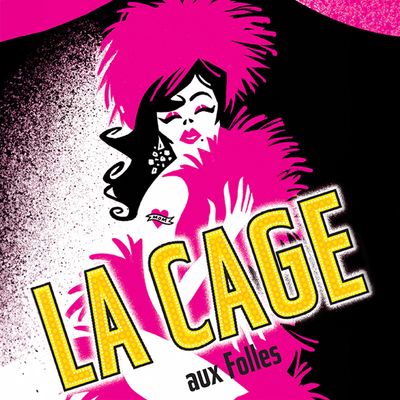
[0:45] Kevin David Thomas: After Hollywood Squares ended, our guest returned to the stage in the Broadway and National Touring Companies of La Cage aux Folles, as well as the big screen to appear as Burke Healy in the movie of Annie. Remember that? He also is the author of one of our favorite books, Backstage with the Original Hollywood Square, which discusses his time hosting America's favorite game show. To tell us what it was like to work with such legends as Chita Rivera, Charles Nelson Reilly, and Tommy Noonan, here is today's Center Square, PETER MARSHALL.
[1:14] Robert W. Schneider: So now, PETER, I have to tell you, the first Broadway show I ever saw was La Cage aux Folles, and you were the first actor I ever laid eyes on.
[1:23] PETER MARSHALL: Oh my god.
[1:25] Robert W. Schneider: I didn't know that.
[1:25] PETER MARSHALL: Yeah.
[1:26] Robert W. Schneider: Yeah, yeah, yeah.
[1:27] PETER MARSHALL: So I have to thank you.
[1:28] Robert W. Schneider: You said I'm sorry.
[1:29] PETER MARSHALL: I'm sorry.
[1:32] Robert W. Schneider: Nothing to be sorry for. I thank you so much for getting me on this track. It's been amazing, so I owe you big time.
[1:40] PETER MARSHALL: It sure was fun to do. I did it. Where'd you catch me?
[1:43] Robert W. Schneider: At the Palace?
[1:44] PETER MARSHALL: Yeah, at the Palace in nineteen eighty-seven.
[1:46] Robert W. Schneider: Yeah, right.
[1:47] PETER MARSHALL: Oh, goodness. Rob, that was a lovely production. Akeen, my co-star, was so, so wonderful. It was a very happy company. We kept losing boys, which was distressing, you know, but Akeen, who played my lover, he was just wonderful, he really was.
[2:09] PETER MARSHALL: We lost him too. But he was, it was a fun company. We just had a, we were together three years.
[2:17] Robert W. Schneider: I was gonna ask you, you went on the road with the show, right before it landed up in New York?
[2:21] PETER MARSHALL: Yeah, I did the national company and then we went and did the New York company, yeah.
[2:26] Robert W. Schneider: How did the national tour come about for you?
[2:28] PETER MARSHALL: They called me and said, would you like, would you audition for us? And I said sure. And what I did, it was at the Pantages here in LA, and I really loved the play so much I went in, I actually worked on a couple of the scenes with a coach, and so I went in and I did the best audition of my life. And Alan Carr was there, the producer, and he said, and I just knew I had it, and I got a call from my agent the next day. They said, Arthur Laurents, the director, wasn't there, and he said that Arthur's not interested. He thinks you're too Midwestern.
[3:12] Robert W. Schneider: What?
[3:14] PETER MARSHALL: I said, okay. All right, if that's the case. And they called me about two days later and they said Arthur Laurents wants to see you. So I went back and did the worst audition of my life and got the job.
[3:25] Robert W. Schneider: Why? Wait, why was it the worst audition?
[3:28] PETER MARSHALL: I really did. It was a lousy audition. Oh my, and 'cause I didn't have my pianist, I had some guy, and I did the screen scene with a stagehand or something, and I said, well, I sure blew that. And they called me about three hours and said yes, they want you to do it.
[3:45] Robert W. Schneider: 'Cause you had been hosting for so long, but had you done a stage musical?
[3:45] PETER MARSHALL: I got dogs. Honey, shut them up. They're screaming at my gardeners. Oh God. They hate the leaf blower.
[4:04] Robert W. Schneider: I got some. What kind of dogs do you have, PETER?
[4:06] PETER MARSHALL: I have two, well, they're all rescues. I have a pure chow and then I have a mixed chow, then I have a pure Shih Tzu and a mixed Shih Tzu. So we have four dogs and we love our dogs, and my whole family, actually all my kids, we're kind of an animal group here.
[4:28] Robert W. Schneider: Uh-huh. And are you still out in Los Angeles?
[4:30] PETER MARSHALL: Yep, I live in Encino right now. And before we go on, tell us a little bit about the radio show you were doing prior to joining us on the phone today.
[4:39] PETER MARSHALL: I've been on radio for gosh over twenty years, I guess, doing a thing called Music of Your Life. When I first started, we had like two hundred and eight stations, and now we're down to thirty-seven stations. But we're all over the world on the internet. If you ever want to get it, just go to musicofyourlife.com, and I'm on from nine on the West Coast. I'm on from nine to eleven every day.
[5:01] Robert W. Schneider: And are you in New York?
[5:03] PETER MARSHALL: Yeah, we're in New York City.
[5:04] Robert W. Schneider: I go on at twelve to two, and then they repeat it at night, yeah.
[5:09] PETER MARSHALL: Oh wow, and it does, and I just talk about forties music, thirties music, and I'm kind of the guy that knows all about that stuff. That's what I really do. I'm really a singer, and I started in the big band kind of stuff. I have a couple of things that are on PBS with Nick Clooney and myself. I don't know if you've ever seen them. Debbie Boone on, it's very successful, all about the same music, yeah.
[5:34] Robert W. Schneider: I'm sorry, go ahead, I interrupted you.
[5:35] PETER MARSHALL: I was gonna ask you, who's your favorite big band artist?
[5:38] PETER MARSHALL: My favorite big band? Well, you can't point like say who's your favorite movie star. You know, I loved the Tommy Dorsey band, I love the Artie Shaw band, Benny Goodman. I mean, they were all wonderful, and that's how I started. I was a band singer.
[5:55] Robert W. Schneider: Yeah. Actually, I should ask you, did you have a favorite one that you sang with?
[5:59] PETER MARSHALL: Well, I didn't sing with that. I did not have a great success as a band singer. The war came along and I went to the war, and after that, I became part of a comedy team, and so I got into the band thing just, I was just a little too young for it. A couple of my contemporaries, Mike Douglas and Merv were a little older than me, and Merv sang with the Kay Kaiser band, and Mike with, well, what the hell's the name of the band anyway. They were a little older and they had a better chance at it. But I know all about that music, and that was my era, I think, and I feel so badly for the children today not being able to hear good music.
[6:45] Robert W. Schneider: If a young student was looking to start their love of big band music, what would be the first album that you would recommend to them, or where's the first place they should start looking?
[6:55] PETER MARSHALL: Oh, I would go get, well, if you, I would go get some singers. You know, I would get all the early Sinatra especially. Get Tommy Dorsey, this is forty-one, forty-two, forty-three with Frank, and then get Frank not at the end but in the middle, like some of the stuff from the fifties and sixties. And it's two different singers, actually.
[7:22] Robert W. Schneider: Mm-hmm.
[7:23] PETER MARSHALL: But even as a young man, he just phrased so beautifully. And then get the other singers that I really love, Dick Haymes, he was my favorite, I think. And Bob Everly and people like that. But there was, you know, and to hear wonderful bands, I'd put them on to Artie Shaw and Benny Goodman and Tommy Dorsey.
[7:46] Robert W. Schneider: Was your family very musical when you were growing up? Was there a lot of music in the house?
[7:48] PETER MARSHALL: Yes, there was. My mother was very musical and my dad very musical. She was only thirty-eight, but I can remember my father, my mother taught me, I could sing, she said I could sing before I could speak, you know. I could do tunes because there was always music in my house, and I can remember my dad singing HMS Pinafore. Well, I don't know, twenty-five years ago or whatever, they called me. They said, would you like to do HMS Pinafore in London? I'd never seen Gilbert and Sullivan.
[8:23] Robert W. Schneider: Yeah.
[8:24] PETER MARSHALL: I said, sure. Yes, I'd love to do that. And it's the hardest thing I've ever done, learning HMS Pinafore, you know, was, and but I went over there and I did it with Frankie Howard. Now, you probably never heard of Frankie Howard, but Frankie Howard was the biggest comic in England.
[8:41] Robert W. Schneider: Yeah.
[8:42] PETER MARSHALL: Yeah, he was huge. And I played, of course, the captain. He was Sir Joseph, and we did it live, and a lot of nice things happened out of that because, first of all, it was just so much fun to do, and it was very successful. They sold a lot of CDs and things especially. But many years later, I'm saying to my wife Laurie, I said, honey, you know, the only thing I really regret in my life is not having a Hirschfeld, 'cause I've done a lot of Broadway, I've done a lot. And she said, she went online and I got a canceled check out of her account for like twelve thousand dollars. And I said, what the hell is this? It's your Christmas gift. And I said, honey, I don't need a goddamn thing in this world, this kind of money. She said, well, I think you might enjoy it. So Christmas came along and I opened this package, and there I am by Hirschfeld doing HMS Pinafore alone with Frankie Howard.
[9:37] Robert W. Schneider: Oh my gosh.
[9:38] PETER MARSHALL: But yeah, we were very musical, and my mother taught me all these wonderful songs, and she put me in dancing school when I was about six. My sister Joanne, she was in dancing school, and that really came in handy because my first big musical was in London, it was Bye Bye Birdie, where I did the happy face number.
[10:01] Robert W. Schneider: And you're Albert, yeah.
[10:02] PETER MARSHALL: They said, can you dance? I said, you bet your butt I can dance. And then I did the big dance number in La Cage, you and my arms, and so that came in handy too. It's amazing, you know, people, young people say, well, how should I do? I said, well, first of all, try to get a job around show business. You know, if you're delivering scripts, mail, whatever. I said, but learn things, learn how to fence, learn how to ride, learn how to dance, learn how to do all this stuff. You never know when it's gonna really come in handy. And everything I learned as a young man came in handy.
[10:33] Robert W. Schneider: So how did the comedy act come about? Didn't you start that like when you were fifteen or something like that with Tommy Noonan?
[10:44] PETER MARSHALL: Yes, it was very successful. Well, how that came about is very simply. He was my brother-in-law's brother. My brother-in-law at one time was John Ireland, and Tommy Noonan is John's brother.
[11:01] Robert W. Schneider: Oh.
[11:01] PETER MARSHALL: And so we had met, and we were having dinner one night or something, and he had just, he had been under contract to RKO and they just dropped him. And I owed a dental bill of sixty-seven dollars, and we were just talking about old comedy teams, Wheeler and Woolsey and people you'd never heard of. And he said, I said, hey, let's put a little thing together and maybe pick up a couple of hundred dollars and pay the damn dental bill off. This is in nineteen forty-nine, and we put an act together. It only ran about twenty-six minutes, and we were working in a little club called the Zambawanger, and it was like a really cute act.
[11:41] PETER MARSHALL: Polly Bergen was a good friend of mine, and Polly was working a place called Billy Gray's Bandbox, which was a Jewish club here, very famous. A lot of people came out of that club. And they needed an act for one night, and she said, I got these two friends of mine to do an act, and so they put us in for one night, and we were a smash. We stayed sixteen weeks, and that was the beginning of it. And then a year later, we were starring at the Martinique in New York.
[12:12] Robert W. Schneider: The Martinique and the Copa.
[12:15] PETER MARSHALL: And it was a very successful act. In fact, on my ninetieth birthday, they just had a party for me, and I'm gonna have to, I'm gonna let a dog out. Hey, come here. Keddy, come here. Here. No, I don't want you out there. They got, come here. Do you hear Daddy? Come on, let's go. No, you know what? I'm not gonna let you out the door. No, the gardeners are out there. Anyway, where the hell was I?
[12:45] Robert W. Schneider: So actually, before we go back to New York, where did you grow up, PETER?
[12:49] PETER MARSHALL: I was in West Virginia, but I went to New York when I was twelve.
[12:54] Robert W. Schneider: Were you seeing a lot of Broadway shows at that time?
[12:57] PETER MARSHALL: First show I ever saw, I was twelve years old, nineteen thirty-eight. My sister Joanne took me to see Leave It to Me.
[13:06] Robert W. Schneider: You never heard of Leave It to Me.
[13:08] PETER MARSHALL: Oh no, we have heard of Leave It to Me. It was Gax and the Moore, Bill Gaxton and Victor Moore, who I adored, and there was a little girl that did the strip tease and sang My Heart Belongs to Daddy, and that was Mary Martin.
[13:22] Robert W. Schneider: You saw Mary Martin live?
[13:25] PETER MARSHALL: That's amazing.
[13:26] Robert W. Schneider: Mary Martin live.
[13:27] PETER MARSHALL: Not only that, the next night I got to go see Yokel Boys, which was Buddy Ebsen and his sister Vilma.
[13:34] PETER MARSHALL: They were a very famous dance team. And I started, uh, I that's all I did, I saw Broadway shows. But I, uh, when I was about fourteen, my sister was doing Hold On to Your Hats. You ever hear of Hold On to Your Hats? That was Jolson's last show. And, uh, Martha Ray was in the show, The Mad Russian, and my sister was then Joanne Marshall before she was Joanne Drew. And, uh, that's where I got my name. And, uh, Jolson was in love with my sister, and she was like m eighteen or nineteen years old. Oh wow. Yeah, and after he used to do one after my dog is driving, no, Teddy, stop it. Now just stop it, honey. You can't go out there. The gardeners are out there. Oh God. Jolson was in love with my sister, and, uh, he used to come up to our apartment on ninety third street on the west side, and, uh, my mother couldn't stand him.
And, uh, and I was an usher at the Riviera Theater on a hundred, uh, let me see, it was about a hundred and ninth street, no a hundred and third maybe, and Broadway. And he said, Hey Kitty, what do you want to do in your life? I said, I want to be a singer. He said, Oh really? I said, Yeah. I said, But my job, he said, I was only fourteen, but I was six three. I want to be an usher at the Paramount Theater. And he said, You you're kidding, I can do that for you. He got on the phone and he said, Give me Bobby Whiteman, you know. I no, yeah, Bobby got give me Bobby Shapiro. Yeah, this is Jolie. Hey, Jolie, and he did this whole thing. He said, You start Friday, kid. Al Jolson got you your first job. Yeah, Jolson got me my first job.
[15:20] Kevin David Thomas: That is incredible. So you, I'm so would you go back for a second and tell our listeners a little bit about Gaxton and Moore?
[15:26] PETER MARSHALL: Oh, Gax, uh, Bill Gaxon and Moore. Victor Moore was so brilliant. Did you ever see the thing he did with, uh, with Eddie Arnold called Pay the Man the Two Dollars?
[15:39] Kevin David Thomas: No, I have not.
[15:41] PETER MARSHALL: There's a film, it's a little short. Uh, you could probably get it. It's called Pay the Man the Two Dollars. And it's about a guy walking down the street with his lawyer, and he spits, and a cop says, I'm gonna give you a ticket for that, that'll be two dollars. And Eddie Arnold said, Don't pay the man. We'll fight this, well, it goes on and he, it finally he's electrocuted at the end. He keeps saying it in the chair, you pay the man, it's brilliant. I mean, it's a victory more used to make me scream. But I saw Gaxon and Moore, it was my first show I ever saw.
[16:15] Kevin David Thomas: Yeah. Now, when you were singing, did you know that you eventually wanted to get into musical theater or did you just think you were gonna be singing with bands for the rest of your life?
[16:23] PETER MARSHALL: I didn't know. I, I was just trying to make 'em enough money to eat. Yeah. Uh, I never said, Hey, I'm gonna do this, I'm gonna do that. I went from one job to the other. In fact, I was singing with the band and I hadn't, I hadn't finished school. And I said, I gotta go back to high school because the war was on and if you didn't have a diploma you want right in the infantry. So I quit everything and I went back to Huntington, West Virginia, which was my home. And, uh, I finished high school in a year and a half. Then I went to California, this is forty-three, mm-hmm and What honey. Oh, honey, I'm sorry. Are they all burned? Oh God, honey. My wife's making cookies for somebody and they all burned. Oh no. Oh yeah. Oh, honey, I'm sorry. Oh God. Anyway. Now that happens. You know what? I'll eat the burnt cookies if she's willing to mail them here. I'll eat anything. Tell her it's not a total waste.
[17:34] Kevin David Thomas: Now what? Wha what would you like to ask?
[17:36] PETER MARSHALL: I can remember my first Broadway show was in sixty five. No, actually my first Broadway show was in fifty nine. It was a play. And Eddie Bracken directed that one, right? Yeah. I said that's very good. Thank you, sir. I can remember, uh, it, uh, it was the worst snowy night in the history of New York night we opened and, uh, Tennessee Williams was sitting there like by himself and it wasn't a very good play, and I played a robot, so I was on in silver and I got great reviews. We opened at the Cast Theater in Detroit, which is no more and, uh, anyway, it, it wasn't a very good play, but, um, that was my first Broadway. Uh, Tommy and I were both in it. It starred Tommy, uh, what the heck was her name? Uh, actress, uh, Barbara Britton and Vicky Cummings. Remember Vicki Cummings? She was a very big character actress. And Eric Rhodes was in the m, uh, Eric Rhodes. Remember Eric Rhodes? That's an ensemble. That's a cast right there.
[18:45] Kevin David Thomas: Yeah.
[18:46] PETER MARSHALL: And, uh, the set was gorgeous, I remember that. Uh, uh, trying to think of it. Very famous guy did the set, Harry, Harry Horner. Very famo, uh, the set was gorgeous. And the play was lousy.
[19:00] Kevin David Thomas: What was the play about, PETER?
[19:02] PETER MARSHALL: Uh, it was about an hour and a half, I think. Long ago, I don't remember what the play was about. There were robots. Uh, it was about, I just played a robot, I remember that. And, uh, I can remember in the h in the theater rehearsing in the back was Neil Simon and it was his first play and they were waiting for us to close so they could come into the theater.
[19:30] Kevin David Thomas: Oh wow, what was his first play?
[19:33] PETER MARSHALL: It was a, uh, come blow your horn.
[19:33] Kevin David Thomas: Blow your horn.
[19:36] PETER MARSHALL: They were rehearsing in the lobby waiting for us to die.
[19:41] Kevin David Thomas: Really?
[19:42] PETER MARSHALL: Wow. Yeah. I can remember that vividly. I think Hal March was in the show. Hal was a friend of mine as I recall how was in the show somewhere. I don't, anyway, it's a long time ago. But, uh, and my first musical was, uh, skyscraper with, uh, Julie and, and Charles.
[20:02] Kevin David Thomas: Oh we, yeah we have questions about skyscraper how did you, we have questions about skyscraper but first when you did bye bye birdie in London how in the world did that come about?
[20:13] PETER MARSHALL: I had a friend of mine who was a fighter he was a heavyweight champion of Texas. He had never been to um, uh, the famous drugstore, um, oh god, uh, in in Hollywood, um, Schwabs, no, so I, I didn't go to Schwab's I took him to Schwabs for lunch and a guy came over to me and he said you're perfect I said that's I, uh, I understand that would you like to fly to San Francisco tomorrow to audition for a play? I said what's the play he said well they're it's in London it's Bye bye Bertie with Cheetah Rivera and they're unhappy. I think, um, I forget who was, um, the actor I'm having problems with the names all of a sudden. Anyway, uh, so I f I was with Tommy then working and we were gonna open it in in, uh, in New Jersey and in about three weeks or something.
So I flew up and Gower was there. It was the National company with my good friend Bill Hayes, who I'd worked at Roxy with years later, uh, earlier and, uh, I auditioned and, uh, they said would you like to go to London? You have to leave in two days. We need to gotta get a passport. I said I gotta talk to my partner. So I went back I said Tommy I've been offered a thing in London, uh, to do birdie over there and what do you think? He said, Well it's your partner's gonna kinda screw me up but is your m your friend he don't blow this three days later I was in London and it was that simple.
[21:48] Kevin David Thomas: Wow, I and I can't believe that he just walked up to you at a restaurant I mean at the Schwabs and He he was, uh, working for an agency and they um I'll d uh give you the name this guy with John Dole he did that wonderful movie uh there's just the two on a train uh Farley Granger Oh yeah Farley Granger was rehearsing and they didn't like Farley Granger and they'd tried everybody. So I was doing a play in LA called What This Country Needs and this this guy caught the play. Wow and, uh, and it was a kind of a tour de force. It was a, it was a musical. Ray Gilbert wrote it, uh, anyway it that's a long story I won't digress.
[22:34] PETER MARSHALL: That's all right. Anyway I did this play and this guy saw it and fell in love with me and he said you're perfect for this thing in London and actually Michael Stewart who I fell in love with he was a wonderful man who wrote he wrote that. And Michael, Michael was directing and of all the directors I worked with a lot of directors, you know, I worked with, uh, he was the best director I ever worked with. And they, they were off book of course and, uh, so and the same thing happened with Skyscraper. Uh, I was in, uh, I was in a guy came up to me and said y they're looking for we would you fly to New York and audition for skyscraper. Uh, I'll think of this guy's name in a second too 'cause I've always felt badly about it.
They s they snuck me in and I auditioned with Julie and and Conan Van Usen and and uh Mart, uh, uh, Fjord Martin they snuck me in and I auditioned and they offered me I never go went back to California. Don Chastain. Oh Don Chastain, yeah. He was rehearsing and, uh, they didn't like him and they hired me and I, I didn't have any money to be speak of and so I stayed with Cheetah and t and she was then married to Tony Mordenti. And so I stayed with Cheetah and Tony for about a month. She was out of town so I had the apartment and, uh, then we rehearsed then we went to, you know, the Fisher Theater and and then back to New York and we were in previews for like three years or something. And but it wasn't a hit but we ran about a year. And it was the most wonderful year of my life.
[24:16] Kevin David Thomas: So PETER I wanna ask you, uh, tell me a little bit about this Dorothy Kilgallen thing.
[24:21] PETER MARSHALL: Yeah, I can tell you exactly what happened. We were in previews and Kilgallen came in and reviewed the show, uh, the previews, which is you just don't do that. And I could remember she died like a week later. And somebody said, How did she die? And one of the gypsies said it was a broom crash. It was she was a broomstick crash. Oh shit. That's funny. But that's unheard of that it that it never happened. Somebody coming in to to r write a review during the preview period. We opened and we got I don't know if you know this, we got phenomenal reviews. And word of mouth killed us in about a year. We couldn't be as good as we were opening night. Oh they pa they sh they panicked. You know, that's when I realized that nobody knows.
You know, I think it was, uh, who was it that said that nobody knows true, you can open an office and say if anybody knew they could open an office and say I know. Uh yeah. Is this gonna work? No. Give me fifteen hundred dollars. No, it's not gonna work. Uh is this gonna work? Yes. And give me fifteen hundred. But nobody knows. They, they really don't know. The season, the guy that wrote the season, he's the guy that said nobody knows, and he's right. Nobody know. I saw Fjorn Martin panic. I saw the only one that never panicked was PETER Stone. And he kept coming in with more dialogue. The problem was the best written part in the show was me. The, the guy. And I got all these wonderful reviews in in Detroit.
And and Julie they didn't like and she was gonna quit, they're gonna bring in Phyllis Newman. And I said, Julie, don't do this to me. Go, uh, you can't quit. And she hung in there and she was she was wonderful in the show. But the best written part was mine, so they they kept cutting my stuff. Oh. They kept cutting my stuff. And and and they started just taking the original book was wonderful. It's Dream Girl. How can you screw up Dream Girl? It's wonderful. It was such well r so by the time we out of previews, it was just a shell of his original form. But the music was wonderful, Connor Van Housen you know, and and and I love Julie and then Charles Victor Spinetti opened originally and they got rid of him and they brought in Charles Nelson O'Reilly.
Let me tell you, the funniest night I've ever seen in the theater is his opening night in Detroit. He had only seen the show like once and he rehearsed for like an hour and a half and he went on. He didn't know any of the dialogue or the s or the song my my my name is Tim Bushman in the show. And he said about that Mr Cushman, Fushman, Lushman, Dushman, she says Bushman, that's the guy Her eyes got bigger than they normally were and she had blood coming out of her lip by and she fell in love.
[27:19] PETER MARSHALL: That's done she fell in love with Charles. Oh, it was the funniest night I've ever seen. I had no scenes with him because it was Dream Girl. All my scenes were with Julie. Oh my God, he, you know, Victor Spinetti was a tiny little man and he had Victor Spinetti's clothes on and he says an armoire. And he goes to the armoire and he goes right through it. It was just a great night in the theater. Oh God, was that fun. He was so... Did you know Charles?
[27:49] Robert W. Schneider: I had met him a few times before he passed and I thought he was such a charming guy. What a wonderful man.
[27:56] PETER MARSHALL: What is wrong with him? I've never seen him like this all day. I don't know what it is.
[28:02] Robert W. Schneider: We... I let him out.
[28:05] PETER MARSHALL: Oh hey, it's a weird thing.
[28:06] Robert W. Schneider: What is that?
[28:07] PETER MARSHALL: What do you mean?
[28:08] Robert W. Schneider: Uh, we have this beautiful child dog and he's barking. We don't know why he doesn't do this.
[28:13] PETER MARSHALL: Wonder what it is. Uh, you took him for a walk, didn't you?
[28:16] Robert W. Schneider: You know, let me feel his nose.
[28:18] PETER MARSHALL: Hang on. Oh, he... No, he's got a cold nose. He's fine. And he's walking well.
[28:23] Robert W. Schneider: Okay, honey, I gotta do this interview.
[28:25] PETER MARSHALL: Okay, baby. Oh, I'm sorry guys.
[28:28] Robert W. Schneider: No, that's a... and your wife is so sweet by the way. She's been so kind to set all this up. Nothing about show business, which is great.
[28:35] Robert W. Schneider: Now let me ask you, what was it like working with Sammy Kahn and Jimmy Van Housen?
[28:39] PETER MARSHALL: I knew Jimmy Van Husen since I'm a kid. Uh, really chesters. And I caught... and I didn't know Sammy, but I have a cute v... I got a cute story. I've ever did a book and this was... we're at the Fisher Theater and there was a bar across the street that we used to go in every night after the show. And I used to sing a song these two guys wrote. And I would kill the... I killed with this song. And they said, do you think you could help us with this? I said, I'm gonna bring in Sammy Kahn and Jimmy Van Usen. So I said, hey guys, there's these guys wrote a song, it's really a great song. Why don't you guys buy this thing? Give 'em like ten thousand, publish it. And they... we went over and I sang this song and I killed. And they said, I said, what do you think? And they said, banal.
[29:32] PETER MARSHALL: I said, banal. Okay. But now these guys, they must know. A year later I'm going down to one oh one and I hear... I hear Tony Bennett singing, "For once in my life, I have someone who needs me. Someone I've needed so long." That was banal. That was banal. Ten million dollars. Oh my God. Nobody knows.
[29:54] PETER MARSHALL: Yeah. Anyway, uh, I enjoyed them very much. Uh, Sammy was so sweet. And Jimmy was, you know, Jimmy... Jimmy was Jimmy. I used to hang out when I was working with Tommy Noonan and I worked at Palm Springs all the time, and he lived there. And he had a house, and uh, it was always full of pretty girls. And so I used to hang out there a lot. Anyway, but Jimmy, they were always... it was a wonderful... you know, just look at their work. I mean, it... God almighty. I just did it on my radio show this morning. I just did a whole thing on Sammy Kahn. It was his birthday that... uh, Sammy and I did a whole thing. I did two hours on Sammy Kahn. What a catalog though that they have. You don't believe it. It's just unbelievable.
[30:36] PETER MARSHALL: And then stuff he did with Johnny Burke is just... and, uh, and actually Sammy wrote with a lot of different people. You know, like, uh, "Teach Me Tonight," he wrote that with, uh, the kid... uh, what the heck was his name? He wrote... well, with Brotsky, he wrote "Be My Love." He wrote with a lot of different people, you know, and the stuff he did with Julie Stein, I mean, God.
[30:57] Robert W. Schneider: Oh, the stuff with Julie Stein's fantastic.
[31:00] PETER MARSHALL: Yeah, so, uh, but he... and he was a cute man. He... you know, he did a wonderful act. He worked Vegas.
[31:06] Robert W. Schneider: Oh, I didn't know that.
[31:08] PETER MARSHALL: Yeah, yeah. He'd come out and he'd tell stories and sing and talk about... and tell stories. He was wonderful. He could go out and do concerts, you know. I mean, he... and he would just for the piano player and he'd sing these songs and he wrote and he'd tell stories about them and, uh, it was a great evening.
[31:24] Robert W. Schneider: Now also, Mike, you go to work with Michael Kidd, one of the greatest choreographers in musical theater.
[31:29] PETER MARSHALL: Michael Kidd, yeah.
[31:30] Robert W. Schneider: And what was it like working with him?
[31:32] PETER MARSHALL: I admire him so much.
[31:34] Robert W. Schneider: Oh, he's wonderful.
[31:35] PETER MARSHALL: Uh, the choreography was just brilliant. It's called Skyscraper. The opening number with all the girls in the skyscraper was phenomenal. Last time I talked to Michael, I was doing an act with two girls called, uh, and then she wrote. It was an evening of women's songwriters. And, uh, in fact, I had two girls with me and I had a girl pianist, a girl... we worked at a Metropolitan Room in New York. Anyway, uh, I wanted to choreograph it and I called Michael. I said, Michael, I know you're not... you know, would you like to do that? He just laughed. He said, no, Petey, I can't do this. But, uh, that's the last time I talked to him. I would run into him every once in a while. And he loved directing more than anything. I don't think he was a great director, but he sure was a great choreographer. Brilliant. I mean, you've got Seven Brides for Seven Brothers or Guys and Dolls and the stuff they're doing is so incredible.
[32:24] Robert W. Schneider: Now when you were, uh, working with Tommy Noonan, would you tell me a little bit more about him?
[32:30] PETER MARSHALL: He was a comedy actor, but he was also a very serious actor, but he was crazy as a loon. He was wonderfully mad. And, uh, as an example, we're... uh, uh, Goebel did... George Goebel was a friend of ours, and he had a television show that was very successful. Then he did a musical, uh, hour, a variety show. He would do it one week and Eddie Fisher would do it the next. And we went on the show and we were a big smash. And so we were signed to do like eight shows. And, uh, I come to rehearsal, uh, you know, uh, on the week after we do our show, it's gonna be Eddie Fisher, and he was on Eddie Fisher's show that... anyway, I can't find Tommy. He's doing a play in San Francisco, and I said, are you crazy? We've got a television series. He said, I... I've decided to go back to the theater. I had to go up to San Francisco and grab him, uh, and bring him back.
[33:25] PETER MARSHALL: We... uh, we did some really good stuff. There's a movie called Star Lift. We just... we do just one little spot in Star Lift. The how that happened, I... this... I don't know if this is boring you or not. They call us one day and they said, will you guys go to San Francisco and do a couple of shows and entertain these, uh, army troops? And they said, we'll pay you for it. I said, well, why are you paying us for it? They said, well, we're filming it 'cause we need to see army guys laugh. Okay, so we go up, we do a couple of shows and, uh, they film the audience. They bring it back and Jack Warner said, who in the hell are these guys laughing at? He said, they're laughing at an act called Noonan and MARSHALL, and he said, well, let's put them in the movie.
The movie was a terrible movie. Everybody's contract was up at Warner's, so they threw him into this awful movie. Doris Day and Gary Cooper, and I mean, they want us to do a thing where, uh, the Chef Alberti thing we did, it's called a guy making a poos of cafe cake. And, uh, it was one of the highlights of our act, and Tommy said we want ten thousand dollars. Now, ten thousand dollars in nineteen forty-nine or nineteen fifty was like a hundred thousand today, you know?
[34:35] PETER MARSHALL: Yeah, I said, we'll never get that, and they gave it to us.
[34:39] Robert W. Schneider: Wow.
[34:39] PETER MARSHALL: And we do this thing, we shoot... it takes us maybe an hour and a half. Time magazine came out and said this may be the worst movie of the year, but go see it, uh, just to see Tommy Noonan and PETER MARSHALL.
[34:54] PETER MARSHALL: Wow. Very cute spot we do. So if you ever want to take a look at early Noonan Marshall, uh, take a look at Star Lift.
[35:02] Robert W. Schneider: Oh, yeah, well, the movie's on our own. We did the thing called The Rookie, which was very successful. And, uh, and then we did another movie called Swinging Along, which wasn't very successful. Tommy was a brilliant comic. He was just this wonderful guy. In fact, we were signed to do Gentlemen Prefer Blondes.
[35:20] PETER MARSHALL: Oh, really?
[35:21] Robert W. Schneider: Zanik was in New York and he saw a guy by the name of Elliot Reed. And he signed him. They didn't know that they had signed the two of us. So they paid me off and Tommy did, you know, Gentlemen Prefer. I was supposed to do the part opposite, uh, Jane Russell.
[35:37] PETER MARSHALL: Wow. In fact, Jane Russell used to talk about this in her act when she did Iraq. The original guy was supposed to be PETER MARSHALL, and then I don't know. But, uh, but Tommy was wonderful. Uh, there's a wonderful movie he where he plays, uh, uh, Peeping Tom. He was, uh, and he died very young. He was only forty-eight. And we had broken up, uh, because I went to London, but we remained very close. We were very close friends.
[36:03] Robert W. Schneider: Now PETER, isn't it true that you and Tommy introduced Rowan and Martin to each other from Rowan and Martin's Laugh-In?
[36:10] PETER MARSHALL: We did. They didn't even know each other. We introduced them, we wrote their act, we got them an agent, and we booked them.
[36:17] Robert W. Schneider: Yeah.
[36:20] PETER MARSHALL: I devoured your book.
[36:21] Robert W. Schneider: Yeah, the story is in that, and it's in the book.
[36:23] PETER MARSHALL: Yeah, and just to remind our listeners, the book is called Backstage with the Original Hollywood Square, and it's actually very cool because it comes with a CD, uh, with some of the best lines from the television show. In fact, I bought it for my father as a Christmas gift, and I never gave it to him.
[36:40] PETER MARSHALL: It was a very successful book. It took me over a year to do that thing, and you're not gonna make any money with it really. But, uh, people said, dude, let's talk about it, because that's all people want to know about. They don't want to know about Broadway. They don't want to know about Noonan Marsh. They want to know about squares. I mean, this is my seventy-fifth year in show business, guys. I only did squares for, what, fifteen years or something.
[37:03] Robert W. Schneider: Yeah, we're interested in everything.
[37:05] PETER MARSHALL: Well the hell, I'm still working, I'm still doing, and I've got... I'm doing a... I'm gonna be in San Francisco. I'm doing two shows up there with a Tex Medicine band. I'm gonna be in Cerritos with the Benny Goodman band, you know.
[37:12] Robert W. Schneider: When you do your act, what do you think goes over the best with the audience? Is there one song over the other?
[37:23] PETER MARSHALL: I'm very immodest about the way I sing. I sing wonderfully well. That's what I really do well. And, uh, and for some strange reason I'm still singing as well as I've ever sung. And I sing these beautiful songs. I mean, it's the best material in the world and I tell stories about them. You know how I started and who influenced me and I tell little stories about, you know, about the artists who did them and, uh, and I end the show with a song called "This Is All I Ask."
[37:54] Robert W. Schneider: Do you know the song?
[37:55] PETER MARSHALL: Yeah, it's gorgeous.
[37:57] Robert W. Schneider: That was written for me.
[37:58] PETER MARSHALL: That w... I introduced that song.
[37:58] Robert W. Schneider: I did not know that.
[38:02] PETER MARSHALL: Yeah. Gordon Jenkins wrote that for me. I did Manhattan Tower for Gordon Jenkins.
[38:08] PETER MARSHALL: On television. I was the guy. Helen O'Connell and myself. I just saw it for the first time. I just saw us a little of it. They found it. I never... 'cause it was live, hour and a half live in color on NBC. It was, you know, uh, I just saw it on my ninth birthday, a guy put all the film together and there I was. But Gordon, uh, wrote... I did a show called All... what was it called? All About Sin at the Tropicana with Tommy. And we were there for eight months or nine months, and it was a book show. We brought Eddie Fisher in, he came in for three months, Carol Channing came in, you know, and I had the first act singing "This Is All I Ask."
[38:48] Robert W. Schneider: Yeah.
[38:49] PETER MARSHALL: That's why I tell stories like that, and it's like stories I'm telling you guys, you know.
[38:54] Robert W. Schneider: And you know, PETER, there's, uh, some footage of you singing recently that's online. You sound just like you sounded fifty years ago, sixty years ago.
[39:04] PETER MARSHALL: So I have to... I have to ask you, do you take voice lessons or do you do anything to keep your voice in that good of a shape or that's just a natural gift?
[39:11] PETER MARSHALL: Lessons, I don't warm up, I don't do anything.
[39:14] Robert W. Schneider: That's right.
[39:15] PETER MARSHALL: I wish I could help somebody and say, this is how you do it. I don't know how I do it. It just comes out effortless.
[39:21] PETER MARSHALL: I can remember in London once, Cheetah, uh, ended from stage... from stage right, I ended from stage left, and they do the opening number and I look up one day and there's Cheetah warming up and there's me warming up. She's warming up singing and I'm warming up dead. But she never had to warm up dancing. She just came, and I just used to go, whoo, whoo, and we look at each other. She's singing Yod and I'm doing bends and pliés.
[39:54] Robert W. Schneider: I love it.
[39:56] PETER MARSHALL: Now I have to ask you, when you were doing, uh, the TV show, did you have to turn down a lot of theater work that was coming your way or were you able to...
[39:56] PETER MARSHALL: I would work Vegas twenty-seven weeks a year.
[40:08] Robert W. Schneider: Say that one more time, twenty-seven weeks a year?
[40:12] PETER MARSHALL: I would... I would... no, I would go to Vegas and work with my act with my five kids. I had five kids with me, uh, called the Chapter Five, and I would go to... I had a deal with Sumer, that's, uh, Howard Hughes, and then I had another deal for ten years with... uh, so I opened for Cosby, I opened for Jordan Rivers, I opened it for Hacken at Jerry Lewis and Bob Newhart. And I would fly in and do squares. It took me four and a half hours, did the whole week. And I'd fly back to Vegas.
[40:41] PETER MARSHALL: Then we would take we would get ten weeks ahead and I go out and do theater in the summer. You know, not a lot of celebrities today do stock at all. They don't really go around and tour in the summer the way it used to be.
[40:52] Robert W. Schneider: Uh where all did you go?
[40:54] PETER MARSHALL: I'm very proud of all the actors that go back to New York and are doing plays. I I I you know, the television people, it's wonderful. Yeah. Uh and and the f and the film people I think is great. And uh uh uh that that but we used to go out and do stock uh eight weeks every year.
[41:11] Robert W. Schneider: Wow.
[41:12] PETER MARSHALL: Paul would go, I would go, uh we did great. We used to fill out joints, you know. Uh squares was you know, Paul did better than I did. Paul was actually Paul was the star of Squares. I wasn't. He got more mail and he did you know, we'd go out and do theater. I'd go out and do Music Manor, I'd go out and do Guys and Dolls, and then I'd do a play, you know, Cactus Flower or whatever.
[41:34] Robert W. Schneider: Yeah.
[41:35] PETER MARSHALL: Uh and uh what we did, yeah. Every summer we go out for eight weeks. We'd get eight we'd get ten weeks ahead, we go out and do eight weeks of theater, all of us.
[41:43] Robert W. Schneider: Did you enjoy going out on the road with the with different shows like that?
[41:46] PETER MARSHALL: Oh, I loved it. It was the most fun. What's better than doing theater? Well, maybe take it with a band. I mean what I do for what we did for a living was uh the most fun I ever had in my life.
[41:59] Robert W. Schneider: Mm-hmm.
[42:00] PETER MARSHALL: Did you have a favorite role when you were out there on the road?
[42:03] PETER MARSHALL: I loved doing George in La Cage, I really did.
[42:06] Robert W. Schneider: Yeah.
[42:07] PETER MARSHALL: I I loved doing uh uh I loved doing Harold Hill, I loved doing Sky, I love you know I I did I did the thing in Vegas that nobody ever did. I did two shows a night of two different plays.
[42:20] PETER MARSHALL: I was at the Thunderbird. The first show I would do High Button Shoes. Second show I do Anything Goes.
[42:25] Robert W. Schneider: My God.
[42:27] PETER MARSHALL: You would do two different shows a day. You would do High Button Shoes and then you would do Anything Goes.
[42:39] Robert W. Schneider: That's incredible.
[42:44] PETER MARSHALL: Yeah, I did that at the Thunderbird for almost a year. For seven nights a week.
[42:53] Robert W. Schneider: Yeah.
[42:53] PETER MARSHALL: He was like my surrogate father. I love Monty Prozer. He loved the Copa Gabbana. And uh his son just wrote a book about him called Copacabana. It's uh he he was the most wonderful man. And I I've known him since I'm what twelve or thirteen years old, through my time of course. And every I worked for Marty and his clubs in New York and I worked uh Thunderbird, I worked at Tropicana when he booked that. I worked I worked for Monty all my life.
[43:22] Robert W. Schneider: Oh, what a wonderful man.
[43:23] PETER MARSHALL: And I'm I'm in I'm doing a movie in uh Rome called The Cavern and he's got Dick Sean doing this uh these two shows. And uh Dick goes back to New York to do uh Forum and he calls me and he said, Can you open Monday? This is like a Wednesday.
[43:46] PETER MARSHALL: I said I said, I I'm coming home on Sunday. I'm looping. I said, What do you want me to do? I thought maybe you wanted me to sing a couple of songs. He said, I want we're doing Anything Goes in the High Button Shoes. I said, Yeah. He said, Dick Sean's leaving. Can you open Monday? I said, Are you crazy? It's this is Wednesday.
[44:09] PETER MARSHALL: He said, I'm sending you the script. He said, I tell you what, just learn Anything Goes and then we'll put the other show in later. He said, This is true. He sends me Anything Goes. I learn Anything Goes in two days. I get home on a Sunday. I re go to Vegas, I rehearse Sunday with Dick Humphreys, who was a wonderful dancer. He died very young. He was directing and I open Monday night and I said, How much am I getting?
[44:39] PETER MARSHALL: He said, I'm going to give you fifteen now this is nineteen sixty three I guess. I'm going to give you fifteen hundred dollars. He said, that's all I got. I said, okay. So about two weeks later he said, we're putting in High Button Shoes. He said, we go to rehearsal tomorrow. I said, great. How how much more am I getting? He said, I gotta cut you two hundred and fifty dollars. I gotta pay the band more.
[45:04] Robert W. Schneider: What roles do I want to play?
[45:06] PETER MARSHALL: Yeah, what else was on the list? For me to play on I don't know. Uh no, I everything worked out great. There's nothing I I I d I want for nothing. And I reflect I'm glad I got to do La Cage. I wanted to do it originally. You know Arthur Laurents said to me uh I'm at the palace now I've done two years on the road. And he said to me, he said, I love you in this play, Pete. He said, I can't think of anybody who would have been more perfect.
[45:38] PETER MARSHALL: I said, Thank you, but I can think of one guy, and he said who? I said, Jack Cassidy.
[45:44] Robert W. Schneider: Right.
[45:46] PETER MARSHALL: Cassidy was gone by then, of course. I was very close to Jack Cassidy. I love Jack.
[45:50] Robert W. Schneider: Can you tell us a little bit about Jack?
[45:53] PETER MARSHALL: Oh, can you hear me? He had affairs with women, he had affairs with men, even you know, he was he was a hedonist the first water, but I loved him.
[46:01] Robert W. Schneider: Do John Barrymore?
[46:03] PETER MARSHALL: No.
[46:04] Robert W. Schneider: Oh shit.
[46:05] PETER MARSHALL: Oh.
[46:05] Robert W. Schneider: Can you tell us a little bit more about Jack?
[46:08] PETER MARSHALL: Yeah, I f I first I didn't work with Jack. He did Squares all the time. But uh we were in New York at the same time. He was doing when I was doing Skyscraper, he was doing Superman.
[46:19] PETER MARSHALL: Yep, it's a bird, it's a plane it's Superman. And then uh John McMartin was doing Charity. And those I I drank in those days. And we would uh uh Frankie and Johnny Rematine the three of us and uh we just had more damn fun. And Cassidy I had more fun with Cassidy. Oh God.
[46:38] PETER MARSHALL: And then he did Squares and I can remember going in to do Squares one night and and Vicky, my TA, was crying. I said, What's wrong? She said, Jedi found Jack died today, and uh just so was Shirley lives around the corner from me here in Encino. We talk, you know, she just lost her husband, but she wrote a book about her years with Jack and uh anyway, Jack was he was very special guy.
[47:04] PETER MARSHALL: He did a there was a special they should show again he did with Anne Bancroft, just the two of them. Cassidy and Bancroft. It was brilliant.
[47:13] Robert W. Schneider: Oh yeah, Cassidy was the best.
[47:15] PETER MARSHALL: She loves me and to my amazing I was with him the night before he went.
[47:20] Robert W. Schneider: Wow.
[47:23] PETER MARSHALL: Yeah.
[47:24] Robert W. Schneider: Oh my.
[47:25] PETER MARSHALL: Yeah, we were good friends. I I first met Jack, he was a production singer. Uh I think it was at the Desert Inn, stuff like Noonan and MARSHALL, and he was the production singer, that's when I first met Jack.
[47:35] Robert W. Schneider: Mm-hmm.
[47:36] PETER MARSHALL: Mm-hmm.
[47:37] Robert W. Schneider: And then uh let me ask you a question, PETER, because this this came up with a couple of other people we were talking to about La Cage. When you took over uh for the when you did the national tour and then you took over on Broadway, was there any hesitation on your part or your agent's part about you playing a character that was gay?
[47:54] PETER MARSHALL: Of course not. My mother was a costume designer. She had all these y uh uh young men working for her.
[48:00] PETER MARSHALL: And uh I was maybe eight years old, and I knew they were different, and she explained the whole thing to me. So I never had a problem.
[48:07] Robert W. Schneider: That's amazing.
[48:09] PETER MARSHALL: Was a kid, but I wouldn't even mention his name. But he was gay, and uh I knew he was gay, but he never wanted me to know that he was gay. And we were roommates for a year and a half.
[48:20] Robert W. Schneider: Wow.
[48:21] PETER MARSHALL: That's how sad it was.
[48:23] Robert W. Schneider: Wow.
[48:23] PETER MARSHALL: You know, it's it's uh it's a ridiculous no, of course not. I'd never had any problems with that.
[48:28] Robert W. Schneider: Would you tell me what it was like to work with Keene Curtis?
[48:31] PETER MARSHALL: Well, he was not only a wonderful actor, he was a wonderful singer, and he was a wonderful man. I don't think when we first met and to go into rehearsal, I don't think he was that keen on me. I think he thought I was this game show host who had a name and would sell some tickets.
[48:47] PETER MARSHALL: And then we got to know and adore each other. And uh we did over eight hundred shows together.
[48:55] PETER MARSHALL: I was heard the overture one night at the palace, and I said, I can't do this show anymore. I've done I've done this thing for three years. And after the show I walked down to Keene, I said, Keenan, I I don't think I can do this show anymore. He said, I was just thinking the same thing.
[49:12] PETER MARSHALL: And we gave our notice. And the show closed in New York. They were gonna open at the uh what the hell's the theater. At the Mark Hallinger.
[49:19] Robert W. Schneider: Yeah, Mark Hallinger.
[49:22] PETER MARSHALL: In fact, my understudy was going to do uh George and uh what's his name? The cute guy from Forty Second Street. I just saw him work Oh Leroy Reims.
[49:30] Robert W. Schneider: Uh Leroy, he quit his job.
[49:35] PETER MARSHALL: Yeah.
[49:36] Robert W. Schneider: George and they never opened.
[49:38] PETER MARSHALL: They went to the personal, they never opened.
[49:40] Robert W. Schneider: We we just interviewed him a couple of weeks ago.
[49:44] PETER MARSHALL: Just saw him work. Uh they did a they k uh thing at the McCallum Theater in Palm's Desert, it's called One Night Only. I do it every once in a while.
[49:51] Robert W. Schneider: Oh yeah.
[49:52] PETER MARSHALL: It's about thirty some singers and uh they you sing one song. Uh they did a thing on Sondheim and uh it uh I saw Leroy Yeah what I'm gonna do.
[50:02] Robert W. Schneider: Yeah, what I was asking you was did you have a lot of musical theater performers coming on to your game show?
[50:07] PETER MARSHALL: Uh yeah.
[50:08] PETER MARSHALL: Uh yeah, a lot of theater people came on. But for the most part they were you know, they were television people.
[50:14] PETER MARSHALL: Uh but I had a lot of my old buddies on like, you know, Kate Ballard and people like that and uh but for the most part but yeah, they it was a show to plug something and very rare.
[50:26] Robert W. Schneider: You know, they're they're plugging a Broadway show.
[50:29] PETER MARSHALL: But yeah, we had you know, I mean we had Gloria Swanson on the show, we had Ginger Rogers on the show, we had I mean it was uh George C. Scott did the show.
[50:46] Robert W. Schneider: Did you ever get starstruck?
[50:48] PETER MARSHALL: No, not really. I was raised in the business, so I never had a problem. I would get excited about athletes, you know, Mickey Mantle.
[50:55] Robert W. Schneider: Oh my god.
[50:56] PETER MARSHALL: Of course.
[50:57] Robert W. Schneider: Yep.
[50:57] PETER MARSHALL: But that would be my show.
[51:00] Robert W. Schneider: Yeah.
[51:00] PETER MARSHALL: But with uh with actors not no not really.
[51:03] Robert W. Schneider: Tell us about your relationship with uh Leslie Uggams.
[51:07] PETER MARSHALL: I was over this show called Fantasy and uh they had a couple of uh ideas for me at NBC and I said no I want a friend of mine to be my co-host and they said who's that I said Leslie Uggams I they said well she's black I said no shit I said but she's also a lot of other things.
[51:32] PETER MARSHALL: She's very talented, she's very attractive and she would be wonderful on this show. And of course it I said this is who I want and that's who I got and we just had so much fun. She's an old friend.
[51:45] PETER MARSHALL: What's next for you?
[51:47] PETER MARSHALL: Uh obviously you wrote one book but you're you're too busy. There's too much stuff going on. I'm still not busy like I used to be but I'm still fairly busy and uh I've had the same manager for over fifty years and and uh and she she keeps checking in she said would you like to do this? I said sure let's go do that.
[52:12] Robert W. Schneider: Just PETER just to be clear not the same management company the same person.
[52:17] PETER MARSHALL: The same person, yeah.
[52:18] PETER MARSHALL: Uh uh I I was with a guy by the name of Tom Shields and his assistant was his sister in law, Gloria Burke. And Tom has passed but Gloria's still with me and she has run my life for over fifty years.
[52:30] Robert W. Schneider: And uh she's also my age.
[52:32] PETER MARSHALL: That's amazing.
[52:33] PETER MARSHALL: And uh yeah it's it's amazing. But um it's just one of those charmed lives.
[52:39] PETER MARSHALL: Uh we were I was gonna do an act with Kay Ballard. She's ninety one and I'm ninety. And we did a thing this past year on her 90th birthday and and uh for about eight hundred and fifty people and she came out and and Carol Channing was there and Carol got up and Carol's very fragile but when she does her act I mean she does she did the uh the sibling thing you know the Sicily thing and she was brilliant and I got up and I sang with with Kay and they went crazy.
[53:09] PETER MARSHALL: And Kay is we've only known each other uh almost sixty five years.
[53:17] PETER MARSHALL: And uh and we we've done stuff together and we're awfully good together.
[53:22] PETER MARSHALL: We would do I mean Kay and myself would do very very well I think.
[53:26] Robert W. Schneider: Oh yeah.
[53:27] PETER MARSHALL: Still has a huge following and uh and we're awfully cute together I must say.
[53:32] PETER MARSHALL: She does her thing I do my thing and then we do our thing.
[53:34] Robert W. Schneider: It's really brilliant PETER you are an absolute legend and our audience is gonna love getting to reconnect with you like this.
[53:43] PETER MARSHALL: Oh thank you thank you so much.
[53:45] PETER MARSHALL: Thank you so much. Bye bye thank you.
[53:48] Robert W. Schneider: Bye.
[53:50] Robert W. Schneider: Join us next week when our guest is Broadway historian and writer Stephen Cole.
© Broadway Podcast Network, All Rights Reserved