

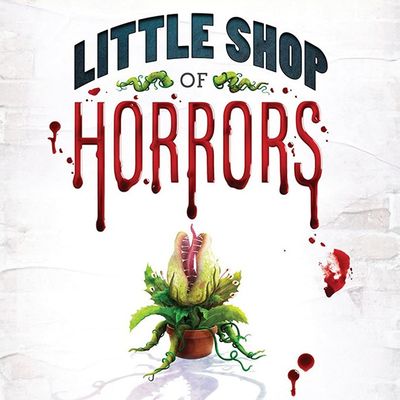
SHOWS: Little Shop of Horrors, The Boy from Oz, Steel Magnolias. BOOK: Stages: A Theater Memoir. Albert Poland has long been one of the most iconic individuals in New York's Off-Broadway theatre movement... Read More
From the show: BEHIND THE CURTAIN: BROADWAY'S LIVING LEGENDS » Podcast
Featured Shows
About
SHOWS: Little Shop of Horrors, The Boy from Oz, Steel Magnolias
BOOK: Stages: A Theater Memoir
Albert Poland has long been one of the most iconic individuals in New York's Off-Broadway theatre movement. As a general manager, the one who keeps an eye on the budget and the individual who has to keep all parties creative and happy, he has worked on almost 100 different productions including The Homecoming, Talk Radio, Glengarry Glen Ross (Tony Award, Best Revival), Hugh Jackman in The Boy From Oz, Long Day’s Journey Into Night (Tony Award, Best Revival), and Gore Vidal’s The Best Man, Dirty Blonde, The Last Night of Ballyhoo (Tony Award, Best Play), The Grapes of Wrath (Tony Award, Best Play), As Is (Drama Desk Award, Best Play), The Price, the original productions of Little Shop of Horrors (Drama Critics, Drama Desk, Outer Critics Best Musical), Steel Magnolias, and One Mo’ Time as well as Bill W. and Dr. Bob, Steve Martin’s Picasso at the Lapin Agile (Drama Desk, Best Play), Uta Hagen in Mrs. Klein, Eileen Heckart in The Waverly Gallery, Always Patsy Cline, Sam Shepard’s A Lie of the Mind (Drama Critics, Drama Desk, Outer Critics Best Play), Vanities, David Mamet’s A Life in the Theatre, The Neon Woman, Tommy Tune Atop the Village Gate, Let My People Come, Stephen Sondheim’s Marry Me a Little and Tom Lehrer’s Tomfoolery. Mr. Poland operated the Astor Place Theatre from 1977 through 2000, during which time it was host to such long runs as A Coupla White Chicks, The Dining Room, The Foreigner, and Blue Man Group. He is the Co-Editor/Author, with Bruce Mailman, of The Off-Off Broadway Book published in 1972 by Bobbs-Merrill. As a performer, he appeared at Carnegie Hall, La Mama, Judson Poets Theater and the Village Gate. Mr. Poland’s first venture in show business was as the founding president of The Official Judy Garland Fan Fan Club in 1955.
Albert pulls back the curtain on his career to discuss how he chatted up Judy Garland, what it was like creating theatre during the height of the AIDS epidemic, and why he knew Little Shop of Horrors would be brilliant.
Also, Albert shines the spotlight on Lucille Lortel, Gretchen Cryer, and Hugh Jackman!
Become a sponsor of Behind The Curtain and get early access to interviews, private playlists, and advance knowledge of future guests so you can ask the legends your own questions. Go to: http://bit.ly/2i7nWC4
Transcript
This transcript was automatically generated and might contain errors.
[0:00] Robert W. Schneider: Hi, I'm Robert W. Schneider.
[0:01] Kevin David Thomas: And I am Kevin David Thomas.
[0:03] Robert W. Schneider: And this is Behind the Curtain, Broadway's Living Legends.
[0:06] Kevin David Thomas: Don't forget to follow us on Twitter at Broadway Curtain.
[0:09] Robert W. Schneider: And make sure to join our Facebook page at Behind the Curtain, Broadway's Living Legends.
[0:13] Kevin David Thomas: And you kids, follow us on Instagram at Broadway Curtain Podcast.
[0:18] Robert W. Schneider: Plus, you can always listen to all of our episodes, old and new on the Broadway Podcast Network, iTunes, and Spotify.
[0:24] Kevin David Thomas: Imagine having a front seat to the most exciting time in the history of the off Broadway theater movement, as well as sitting at the knees of the two producers who would change the face of Broadway as we know it.
[0:37] Robert W. Schneider: Well, imagine no more, folks, because that eyewitness to history is today's guest.
[0:41] Kevin David Thomas: That's right. A producer, a general manager, a company manager, a confidant. This guest has done it all.
[0:48] Robert W. Schneider: And here are just a few of his credits. The original Little Shop of Horrors, one of my personal favorites. Now is the time for all good men. The faggot, Marry Me a Little, Orphans, Steel Magnolias, As Is, Star Mights, The Grapes of Wrath, The Boy from Oz, and so many more.
[1:04] Kevin David Thomas: Many, many, many, many more. And because this podcast will not give us enough time to truly do a deep dive into his works, fear not listeners, as he has written one of the most enchanting memoirs about theater called Stages, which you can buy from Amazon or preferably from your local bookstore.
[1:19] Robert W. Schneider: Either way, buy the book. To tell us what it was like to work with such legends as Bernie Jacobs, Gerald Schoenfeld, Christopher Walk, and Alan Menken, Colleen Dewhurst, Meryl Streep, and so many more. Here is 1955's founding president of the Judy Garland fan club, Albert Poland.
[1:34] Albert Poland: Albert, how are you today?
[1:36] Albert Poland: I'm fine. I think I should after that, I think I should just say thank you and good night.
[1:42] Kevin David Thomas: No, don't you leave us.
[1:43] Albert Poland: No, I'm just getting Albert. I have to ask, how did the Judy Garland fan club come to be?
[1:51] Albert Poland: Well, I grew up in Indianapolis. Um, in a very conservative Republican family. I just innately was not conservative, nor was I Republican now or ever. And I had to find ways to survive my family. Uh, I did not have an emotional connection with them. And I soon found show business. And of course, show business at that time, this was in the 40s and early 50s, was the movies. So I lived in the movie magazines. Um, and then gradually television came in, and television, the heyday of television really was from the golden age of vaudeville. All the people we think of as the early TV stars were vaudevillians, right? You know, and they learned a for the people style that brought them right into our living rooms brilliantly.
Um, and I began reading in about 1953 about Judy Garland in the movie magazines coming out in a movie called A Star is Born, and she had an androgynous look. I did not know the word androgynous, but I could feel it. Uh, and I was very drawn to it. Um, and because my Midwestern Republican family had a very undramatic life, I was kind of starved for something dramatic, and her life certainly had been dramatic. Um, so I went to see A Star is Born. It was the first movie I went to by myself, and I came in in the middle of it. Um, and I sat through three showings of it, and at that time it was three hours and 12 minutes long. It was the uncut version. And I emerged a changed person. I and until the AIDS epidemic, I used to view my life as her occurring before and after A Star is Born.
Um, after the AIDS epidemic, I viewed it as happening before and after the AIDS epidemic. Um, my parents had, you know, since I had been missing for 10 hours, had called the police. Oh, that was what you did in the Midwest. Right. It was like nine and ten hours. We call the police. And what I like to say is they called the police, but it was too late. I had escaped. And um, you know, I saw Judy on the screen, I was thunderstruck with her. Um, I thought she was the most talented person I had ever seen, which by the way, I still think. I also thought that she needed my help.
[4:43] Kevin David Thomas: Ah, very good. I think that is one of the things that really draws us to Judy Garland like a magnet. We feel needed by this genius that is mesmerizing us. We feel that she needs us. Um, and I went about sought about to join a fan club for her, and I found out there wasn't any, which I was just astonished. I thought there would be multitudes of them. And so I started one. I sent away for a book on how you start a fan club.
[5:17] Albert Poland: And I read the book, and fan clubs were, you know, I used to think they were like screaming teenagers, they were political organizations. Uh, they published four journals a year about the star, and in each journal was the name and address of three movie magazines, and the members were asked to write to those magazines requesting covers and features on the star. So it was political. Um, members were asked to write, you know, not just one letter, but letters signed by other names. We would send them to other cities so that the postmarks would be from all over the place, you know, really bombard. Um, and eventually, you know, when I did have the club, uh, there was no Xerox in those days. The members sent me carbon copies of the letters that they sent, and whoever sent the most got a small prize, which I purchased with my allowance.
Um, and a note from Judy, you know, thanking them, a handwritten note. And the way I handled that was I would send Judy a dummy of what I wanted her to say in the note, and she would send me back the note, you know.
[6:30] Kevin David Thomas: Um, but how did you get in contact with her? How did you?
[6:33] Albert Poland: Oh, here's what happened. Um, I soon found out that we couldn't get our address listed in the movie magazines unless we had a letter from the star. Um, so I began sending letters asking, and you know, got nowhere. And after about four months, we had three members, and we had a meeting in my house one Saturday afternoon when my parents were out, and I said we were gonna either disband the club or think of some other way of doing things. And one of the girls said, Why don't we call her on the phone? You know, I thought, yes, why don't we call her on the phone? So I typed up a script because you know, I was very scared, and um, we didn't have a phone number, obviously, but we in 1955, a long distance call was a major event.
You know, if there were like two in a year in a family, it would be amazing, you know. Uh, and just a long distance call carried weight of its own by being a long distance call. So anyway, we, you know, I had a list of places in Hollywood for her phone number, and we finally got it from Warner Brothers. You know, I remember saying to the operator, call Warner Brothers, ask for personnel. And uh, they gave us the phone number, and uh, called, and a woman answered the phone, and I heard the operator say long distance is calling for Judy Garland. And I just a moment, and then this low musical voice answered the phone and said hello. And I read this my script, which said, Miss Garland, my name is Albert Poland, and I'm president of a fan club for you.
And Judy said, a fan club for me, how wonderful. And I dropped the script and said, Oh, Judy, I love you so much. And we talked for about five minutes, and she asked me for my address, which I just thought was wow, Judy Garland asked me for my address, you know, and she gave me her address, which was 144 South Mapleton Drive. And um, we talked for about five minutes, and I told her I wanted to go into show business, and she was my inspiration. And two weeks later, we had the letter. Um, and uh, three months later we had 3,000 members because we got in the movie magazine, and miraculously, you know, as I said, there was no Xerox, so I had to send the original letter to each magazine to get our name in it, and through some miracle they all sent it back, and I have it upstairs framed, you know, in the guest bedroom. Uh, so I have it to this day, you know.
[9:13] Albert Poland: Um, and Judy was wonderful, you know, she was just wonderful. Um, and uh we started, they started a British chapter a few months after you know we got underway, and you know, any time she was appearing in concert, you showed your membership card and were sent backstage, you know, and she would entertain us in the dressing room, which she was always fabulous. She was personable, accessible, very funny, yeah. Um, and just a joy, and she made some recordings in London in 1960, and she invited the London fan club to the recording sessions, you know.
[9:52] Kevin David Thomas: Oh my god, that's so generous.
[9:54] Albert Poland: She was very generous and very kind, you know, and uh and I I you know I I don't know if you've seen the photo, but I have a photo backstage, you know.
[10:03] Kevin David Thomas: Oh yeah, oh yeah, it is adorable.
[10:06] Albert Poland: And what an introduction to show business, I mean, to say, uh, you know, to have that epiphany to have that, you know, you're born again with you know in the show business, and then to to have the tenacity to go out and do it on your own, Albert. I mean, that is really uh viewed it as something that had to be done.
[10:23] Kevin David Thomas: Okay, so now Albert, now that you've done this for Miss Garland, how do you get from the Midwest to New York City to the world of show business?
[10:33] Albert Poland: As quickly as possible.
[10:35] Kevin David Thomas: Of course. Did you do college? Did you go to college?
[10:39] Albert Poland: You know, my father was a college professor, and so it was just demanded that I go to college. Um, I went to Western Michigan for one year. I did four shows. And I sat up all night with the student who directed my last show, and we said, what are we doing? We could go to New York and just do shows. We wouldn't have to go to classes and look at rocks being passed around, you know. Uh, and so we both quit.
[11:08] Kevin David Thomas: Wow.
[11:09] Albert Poland: I quit after one year and I went to the American Theater Wing. Um, you know, because that was my saving thing for my parents. They could save face by saying, Yes, he's still in school, he's going to a theater school, you know. So they offered classes of some sort at the American Theater Wing. I don't think they do anymore. So they had a school.
[11:27] Kevin David Thomas: I see.
[11:28] Albert Poland: This is the first one really talked about. It was on West 93rd Street. Um, and they had, you know, Milton Schaefer was one of the teachers. I don't know if you know his name.
[11:38] Kevin David Thomas: Of course, Dread the Cat, yeah.
[11:39] Albert Poland: Yes, he taught musical comedy. Uh, he was a very sweet little, small little tublet. Um, and Phoebe Brand, who was from the group theater and married to Morrison Kurnowski, she taught Shakespeare. Neil Fisher, who had a company called the Little Circus, taught dance, you know.
[11:57] Kevin David Thomas: Albert, do you remember the first show you saw when you got to New York City?
[12:03] Albert Poland: Oh, let me see. Could it have been Merman in Gypsy?
[12:18] Kevin David Thomas: Shut up.
[12:20] Kevin David Thomas: That is insane.
[12:22] Albert Poland: Tell us everything.
[12:23] Albert Poland: Well, you know, I mean, I went to the, they were playing the Imperial then, and I went there and bought tickets, you know. Um, and that night I went and the first thing I was amazed at how small the theater was, because I was used to all these Busby Berkeley movies when theater seemed to go on for miles, you know, the stage was like endless, you know. And I was amazed at how close Merman was to us. And even, you know, with my young, uh, uneducated age, I could see that she was walking through the park, you know, with hiya, Herbie, what are you doing? You know, and she never gave anybody more than three quarters, you know. She never looked at one, you know. And when I was seen sitting at the table, I thought she was counting the house.
Um, however, when she sang unaided by a microphone, and her voice smacked against the back wall. I thought, this is your money's worth. You know, you can't ask for more than the thrill of this. And I love Merman, you know, even when Merman is walking through something, it's Merman.
[13:29] Kevin David Thomas: Oh my god, we are very envious. Did you go to the American Theater Wing determined to be an actor, or did you already have your eye on the backstage world?
[13:38] Albert Poland: I was going to be a musical comedy star.
[13:47] Albert Poland: You know what? Um I hated auditions. Yeah. I just hated them. I first of all, I was mistaken in thinking the people on the other side were against me. They were waiting to see me fuck up, you know. Failed, fail. You can edit that. Um anyway, um, and that's not wrong. That's not correct. You know, when I did announce the Time Pro Good Men was my first show I produced in New York, and we wanted everybody to be it. We were sitting there hoping this the next one is gonna be the one, you know. Um so I wasn't good at auditions. Um, and I don't know, I don't I don't think probably I wanted it enough because I think I think if you're gonna be an actor, it's gotta be a life almost a life and death matter, you know.
Yeah. And you know, and I always I've always been one to read the road signs in my life. And the road signs took me in in the direction of learning about business. And and I learned about business and then said I'm gonna go back to the theater in the role of a producer and manager and apply these business skills, you know, and that's what I did, and that clicked. That worked.
[14:56] Kevin David Thomas: Did the business skills come to you just by being in the trenches watching other producers and other general managers? Or how did you seek this out?
[15:03] Albert Poland: No, the business skills came to me. I I had a friend who was an actor named Max Jacobs, and his father's name was L M. Jacobs. His father was one of those sons of poor Jewish immigrants who were here at the turn of the century, who started industries and businesses that had never even existed. Okay. He began by selling peanuts in the banks in Buffalo. It was very successful, so he hired other people to sell the peanuts. Then he then he added a shoe shine. Um by the time I caught up with LM, he owned 800 different businesses. He owned the Boston Gardens, the Boston Bruins, the Cincinnati Gardens, the Cincinnati Royals, uh many stadiums and airport concessions all over the United States. Um he was a powerhouse.
You know, I cut my teeth on Judy in terms of talent. I cut my teeth on L M. Jacobs in terms of a mogul. You know, he was ferocious. He had just acquired the subway vending machine operation, which had been losing money for years. And they put me in charge of doing a survey to find out how the vending machines could be better serviced and filled. And as a result of the survey, it showed a profit for the first time. And they taught me the inherent principles that you use in any business. And I simply applied them to the theater. And you know, my first venture was the Fantastics Tour. And I didn't know I I was the advanced man. I was 24. I was the advanced man and I did I did the press. Um never done that before, you know.
Well, I had done it for ACT the summer before in Chicago. But um I I they you know I went to New Haven, they said, now when is the paper arriving? I said, oh, very soon. You know, I wrote down paper. And I and I came back to New York. I said, somebody asked me when the paper was arriving. What does that mean? It meant the uh it meant the three sheets and the posters and flyers. Um, you know, so that's sort of I just operated by my wits, you know.
[17:11] Kevin David Thomas: And Albert, what are what are some of the lessons that you learned from LM Jacobs that you still take with you today in terms of the theater?
[17:19] Albert Poland: Um, to boil things down to procedures to a set of procedures so that you're not operating scattershot. You have kind of a greased machine that knows, okay, this is the situation, then we do that. That's one. Uh and and to economize, you know, and and as a manager, um I always said to agents, I would love to give your client everything you want, but I want to keep 60 people employed. You know, and and really that's what I believed.
[17:53] Kevin David Thomas: So Albert, you're uh one of the we've only had a couple general managers on here besides yourself. What exactly does a general general manager do? How would you define that role?
[18:02] Albert Poland: A general manager is kind of like an executive producer. Um I negotiated and drafted all of the contracts involved with the show. Uh I did the production operating budgets. Um and and because of my particular experience, I was very active in the advertising of the my productions. Uh-huh. And I just and I uh frequently uh advised on talent that I thought would be appropriate. Um I believed that you want to assemble a group of people who best resonate what the show is about. The whole group of people lines up behind the resonance of the show. Um so that's what I did. The thing general managers don't do is raise money and they don't pick the project. The producer picks the project, producer raises the money, and and you know, general managers uh generally are not artistically involved unless asked, you know.
[18:59] Kevin David Thomas: Um and do you like to be asked?
[19:05] Albert Poland: Yeah, it's fine. You know, if I have if I have somebody to contribute in that uh vein, I'm thrilled to be able to contribute. I I'm very I was I was very collaborative. I loved collaborating, and I love collaborating with one or two real producers, not 25 people who made a living selling Chevy upholstery, you know.
[19:25] Kevin David Thomas: Yes.
[19:26] Albert Poland: So that's that's part of why I soured on the business. I just I couldn't, I just couldn't, I didn't not enjoy sitting at a table with 20 people who knew nothing.
[19:36] Kevin David Thomas: Can you tell us a little bit about what it was like when you were first starting out in terms of you you got started first in off Broadway theater, correct?
[19:44] Albert Poland: Yes. Off Broadway was a community. And and the people, you know, I started in 67 with now's the time for all good men at the Theater Delease. And and Off Broadway was this unbelievably marvelous community of very idiosyncratic characters, you know, who who uh, you know, they they didn't fit any kind of mold of uh of like a Broadway producer. They were more idiosyncratic than that, and and their case were meant for a smaller market and therefore more unique, you know, uh, because they they weren't uh they weren't AM radio, they weren't moving with the road, you know.
[20:28] Yeah, right.
[20:29] Albert Poland: Um so I I you know I I went to the equity negotiations during Now's the Time for All Good Men, and I I wrote about it in the book. And I looked around the these people and I said, these are my people, this is my community.
[20:41] Kevin David Thomas: Um what was it about them that inspired you so much?
[20:45] Albert Poland: They were characters, they were I thought they were characters, I thought they were talented, I thought they were courageous, they were outspoken, you know, all of that. And and I loved I loved uh the whole, I always thought of off Broadway in my day as an upstart. And I had always thought of myself as an upstart because in my family I was a rebel, you know, and I thought Off Broadway was wasn't a rebel, and Broadway was what we were rebelling against in a way.
[21:13] Kevin David Thomas: And and would that include like commercialism and stuff like that?
[21:16] Albert Poland: I mean, it was more about uh the sort of you know, like I didn't really scorn commercialism. Um, you know, I my my own taste just ran to something else, you know. Um but you know, the the mindbender for me was my second show was FUTS, and I don't know if you know anything about FUTS, but it was the Lamama troupe under the direction of Tom O'Horgan. Yeah, and it was you know what was that like very avant-garde, and and I uh signed up uh this again, it's a very good chapter in the book. I signed up to be uh co-producer without ever seeing it or reading it because Tom O'Horgan was red hot at the time because of hair. That night I went to a rehearsal and I ran out of the theater screaming. I mean, I thought, oh my god, what have I done?
You know, I I just thought I was insane. And and after about, you know, seeing it about eight times, uh it changed my mind, and I saw it a couple times stoned, which probably helped. Probably and uh it changed my aesthetic, you know, and and so I I it made me more venturesome. And as I said, after after getting to see and understand Futz, promises, promises just would never do again.
[22:36] Kevin David Thomas: Wow, yeah, gotcha.
[22:38] Albert Poland: So now you said this whole community of off-Broadway at this time is just filled with characters. For you, Albert, who was the most character-y of the characters, the most either eccentric, the most talented, the most what is what plane is this person on?
[22:53] Albert Poland: I think they all were. I think I think it was a tie. Great. They were they were all Catherine Hepburn and Barbra Streisand and um I love you know I mean i i think it when you say that i think of Tom O'Horgan Al Carmines yes almines you worked with a couple times Lucille Lortel you know um Albert can you tell us a little bit about Al Carmines which is a name that uh doesn't really come up that much on the podcast but it's contributed so much.
[22:58] Albert Poland: Well uh the first I saw a show that was had become a success at the Cherry Lane called In Circles it was Gertrude Stein material and Al was sitting at the piano playing and he looked like Gertrude Stein um and and halfway through it I got up and left you know I I couldn't stand it um and and Paul Rudd he was he was in a Boston TV series and and he was the anyway I didn't know him but one morning uh he called me around 7 30 in the morning uh and he said this is Paul Rudd and I said oh okay hi and he said I I saw a show last night and it's tonight's the last night I just I know about your career and I think you would love the show and I and when he said Judson I thought oh in circles you know but I went it was raining and I went anyway and and I fell in love with it it was it was uh a minstrel show you know and um and the music was just fabulous uh I I loved Al Carmine's music it was rich it was it was just it was nourish nourishing um so you know I I optioned it and did it and and Al and I became very, very close friends.
Um, really, really close. And and I and I was in a couple of shows at Judson. I was in the faggot. I played the John. And I was in religion. I played Pope Pius to 12. And uh we moved the faggot off Broadway. Bruce Mailman produced it. Um and you know, Al had Al had uh a period of great uh productivity and promenade is a Promenade, yeah, that was the big one. Brilliant piece. Um and then he had an aneurysm. Um and and the aneurysm damaged him and changed him. And and he and he uh left Judson, and uh and he just his productive years seemed to have come to an end, you know. But I I really I I spoke to his companion only three days ago. I had not spoken to him for 40 years. You know, we had a wonderful conversation, just wonderful, and it took me back to the all that time, you know, and again, it was still a community, you know, and and by that time off off Broadway was part of my life because that was where Al came from. I began to know all of those people, you know.
[25:46] Kevin David Thomas: And some people might say, What's the difference between off Broadway and off off Broadway? What how did that change?
[25:51] Albert Poland: At the time, off Broadway was 99 seats or less and had no union contracts. Broadway was a hundred and ninety-nine seats to three ninety-nine. It later became 499. Um, you know, I did a book about off off Broadway, uh called The Off Off Broadway Book. We spent up all night, we stayed up all night thinking of that title. And uh and um so they called me after a few a few months after the book came out and said, We're forming a group called the Off Off Broadway Alliance, and we would like you to be the keynote speaker at our first meeting, you know. And so it was in some cave in the East Village. And and I went over there and I stood up and I said, disband. Okay. People said, What? I said, make this your last meeting.
I said, you are giving actors equity and all the other unions a phone number, and you're very sorry. You know, everybody wants to have an upward progression, you know. They want a new building, they want a bigger and better this or that, you know. Well, you're making a mistake. You're gonna you're gonna kill the goose.
[27:11] Kevin David Thomas: Um, and how do you think um the off first of all, do we still have an off off Broadway environment today?
[27:19] Albert Poland: I think we do. I I'm not personally that aware of it. I mean, there's a theater company called The Flea, which I think is off off Broadway, and it's making some noises right now. Um, La Mama is certainly still off off Broadway.
[27:33] Albert Poland: You know, the first three were Chino, La Mama, and Judson, and La Mama is the only one that still exists, you know.
[27:40] Kevin David Thomas: And how do you think um the off-Broadway theater movement has changed since when you first started uh to now?
[27:49] Albert Poland: Well, I think the whole industry has changed. I think the sense of community has somewhat been lost. Um and I think that relationships, which I think were the lifeblood of my career in the anywhere in the theater, have been replaced by transactions. I think we just we do this transaction, then we move on, you know, and there's no building of long relationships and a valuing of people, you know, and a valuing of their histories, you know, which is part of why I love that you're doing this, you know. The valuing of their contributions, you know, to the industry. I really think that has been lost. And it's really just part of uh a direction that all of society is going in.
[28:39] Kevin David Thomas: And let me ask you then on the flip side, Albert, what do you think has greatly improved since you first um uh came into the business?
[28:49] Albert Poland: I was going to say technology, which I think is the enemy. I think theater is about blood flowing in the veins, you know, not lights flashing. Um and I mean I remember when people like Oliver Smith did these wonderful sets with no assistance. Right. Now that now designers have to have two or three assistants because there is technology sitting in front of them, graphs and charts and I don't know what all that may have to be, you know, served. Um so I would say that technology, you know, has improved, quote. Uh and I and ticket sales, you know, uh, I mean, the ability of shows to have runs of decades did not previously exist. If a show ran 500 performances, it was considered a hit. So I guess you could um claim that as an improvement if you wanted to, you know.
[29:44] Kevin David Thomas: Yeah, okay.
[29:45] Albert Poland: But you know, the theater for me has become part of world popular culture. I don't think that there is a theater audience per se anymore. Um, however, uh, we'll have to see what happens when the theater comes back after the COVID pandemic. Um, because perhaps it's gonna cause prices to go down and maybe a theater audience will return or be reborn, which I think that's very optimistic.
[30:14] Kevin David Thomas: Yeah. Let's let's hope.
[30:21] Betty Davis: Hello, this is Betty Davis, not the young one, the old one. I've been on matches.com looking for a gentleman who might like to date an actress who loves to smoke, and who had a black and white career. And I thought, why am I wasting my money on this when I could merely donate it to those boys at behind the curtain? Go to Patreon.com and give all you can. God knows they need it. And do it before you're a hundred and twenty-two years old. That's Patreon.
[31:09] Kevin David Thomas: So now Albert, we're gonna jump back a little bit and we're gonna Kevin, do you want to talk about one of your favorite shows, which is the show that yeah, Albert was the uh co-producer on?
[31:18] Kevin David Thomas: Well, yeah, we talked you mentioned already, uh, now's the time for all good men. Uh how did this come into your orbit? I mean, you know, you I you know, off off off Broadway was a world, but it wasn't like a club. It wasn't like you knocked on a door and you you found you know the criers and stuff. So how did how did you meet the you know them and how did that you know, how did you become a producer, I guess, for that show?
[31:36] Albert Poland: David David and Gretchen and I did summer stock together at a theater in the Where was that? Uh in Northville, New York, a theater called Sakondaga Summer Theater. Um the opening production was West Side Story. David plays Tony. I took a look at my dancing and Westside story and made me the press agent. So I got my equity card fraudulently for doing press. Great. Variety ran a little script it said can he act the part how dare they anyway so you know I thought I thought they were both incredibly talented and and and Gretchen played Jenny in our three penny opera. I mean brilliantly um so uh you know we remain friends and and they went away to work with Bill Ball uh it's the first season of ACT in Pittsburgh and after they came back we got together and and um it came up that Gretchen and Nancy Ford had been working on a musical writing a musical uh an anti-war musical and I was already anti-war um and and uh it was based on her brother who'd been a conscientious objector um and they played some of the score and and it coincided with me finishing up my subway years um and and David said why don't we co produce it you know I said I think that I think that's a great idea but I think we should try out our team out of town and so we produced the touring company of the Fantastics um which was a success beyond our dreams you know it was originally an eighth week eight week college tour and it turned into two years.
[33:19] Kevin David Thomas: I'm so curious. You know, the Fantastics was such an anomaly at its time, right? Um, small cast, small venue, small orchestra. How did people on the road take to that that were so accustomed to having big splashy Broadway musicals coming to their towns?
[33:36] Albert Poland: You know, that's a very good question, but they did. Um and plus the Fantastics had been done in every town at least twice. You know, we couldn't find anybody to book it. They said it's been done, you know. So we love the show so much. And David had played El Gayo in New York. Um, and so we did it. You know, it I think our belief propelled it into success in a way. And and uh we went, you know, after the cost show, we went to New Haven to play the Schubert, you know, and um, and you know, we started our tour with two weeks of bookings in place. I was petrified. It could have been a disaster, you know, but we had faith in the show. And and Maurice Bailey, who was an old vet, old veteran of the theater, he's the one who got um who got um oh god, I'm blanking on his name, the co-star of My Fair Lady Harrison, Rex Harrison.
Yeah, he pushed him on stage opening night at the Shubert in New Haven. He was petrified sitting in his hotel room, and Maurice went ran over and grabbed him. So that was part of his legend, you know. And um, and I remember when I talked to Maurice over the phone, you know, we closed the deal. I said, Will you send a telegram confirming our our agreement? And he said, he said, young man, do you know who I am? He said, if you show up at my door, I'll be surprised.
[35:11] Albert Poland: Oh, funny, I like that show bus and it it turned out he was the president of the League of New York theaters and producers among other things anyway we went to New Haven and and you know I stood there and watched 30 people in line at the box office and I was thrilled of course you know and and Maurice came up to me he said Albert you don't have a thing to worry about he said by the end of this week your tour is gonna fall into place and that is exactly what happened by the end of the week we had 26 weeks booked I mean it just fell into place magically you know it was all the first class towns you know Toronto Love um St. Louis Chicago Philadelphia Boston you know
[35:52] Kevin David Thomas: yeah so then you you came to New York then fully more prepared then to to create their original show yes yeah indeed and and we had a credential right you know we did our backers edition at Sardi's and uh uh the Belasco room and Lucia Lortel was there we wanted her theater the theater to lease and and when I told about how much profits the Fantastics had made I looked right at Lucille. Good for you play your audience and she looked back at me and laughed and that's when our friendship began.
[36:23] Kevin David Thomas: So so tell us a little bit about who Lucille Lortel was and what exactly was your relationship with her and what'd you learn from her?
[36:23] Albert Poland: Oh god Lucille was the Dowager Empress of Off Broadway. Um, you know, she was she came from great wealth. She was the heiress, her she owned the c the patent on uh cigarette paper. Other than that, um and and she lived at the uh um she lived, she lived in the hotel on the corner 59th and and 5th. Um I'm blanking on the name, it's not the plaza, it's catty corner from the plaza. But anyway, that's where she lived. And you know, she was a she was very beneficent. She she would fund things that she believed in, and and her reputation was made on the fact that Three Penny Opera had a seven-year run at the Theater Delease, you know, that made her and the theater a legend, you know. And she had a uh matinee series, an ante-matine series that she did, and it was very important to her. And um, she and I had a very checkered relationship. Uh I I adored her, but I really uh I really read her the Riot Act a couple of times and and lived to tell the story. I started the Lortell Awards.
[37:55] Albert Poland: Um, you know, we we won uh the drama, we won the Drama Critic Circle Award for Little Shop, and and I had had a couple of drinks, and uh Michael Feinkel was there from The Voice. And I said, you know, we'll never win, we'll never win an Obi, you know, because none of us have slept with any of you, and and more than three people have seen the show, and we're not in a basement. I said, you haven't given an Obi Award to the commercial theater for about 20 years. I said, the only award you've given in the last 20 years was to Blue Lips for best costumes. And I said, but I want to tell you something more. And I looked over at Lucille, who was there, and I said, We're gonna start our own awards for commercial off-Broadway.
Um and the next morning, uh, there would happen to be a league meeting of Off-Broadway League, and and I said, I wanna start the Lucille Lortel Awards. And somebody said, Do you think she'll allow it? And Paul Liban said, Allow it, she'll pay for it. So I had I had meetings with Ben Sprecher, who was her manager at that time. We had several meetings, and and he came in long faced to one of the meetings. I said, What's wrong? He said, Well, you'll never guess. Lucille thinks the first award should be given to her. And I said, Oh, I forgot who we're dealing with. And I said, Well, I'm going to bow out. And that was the end of it for a year or two. And then I suddenly got a call from Lucille a couple of years later. I want you and Paul Libben to have lunch with me at Sardees tomorrow. I want to get the Lortel Awards back on track. So we had the lunch and then the Lortel Awards were resurrected.
[39:38] Kevin David Thomas: I really like this woman. I wish I could have met her. You know, someone else I wish I could have met that you got to work with was the great Howard Ashman. Can you tell us a little bit about Mr. Ashman? And can you tell us about Little Shop of Horrors?
[39:49] Albert Poland: I feel that the greatest privilege of my career was talent. Um I just worked with extraordinarily talented people. And I would have to say that I think Howard was the most talented of all of the people I worked with. Howard was a genius. He he was just brilliant, brilliant, brilliant. Um and there's a film, uh there's a film called Away Awaking Sleeping Beauty, and it's about the history of Disney animation during its renaissance. And how when how Howard is on the screen for about 15 seconds, and you realize, first of all, that he's a genius, and secondly, that he was the colonel behind the entire Renaissance. Howard and I were both horses. And Howard was, you know, I remember Howard coming to my we opened in July.
He came to my apartments, and we sat on the floor. He played with my dog. And he was going through the entire process of Little Shop from you know going into production for off Broadway on and talking about every mistake that we had even considered. And I would say, you know, Howard, we didn't end up doing that. He said, I know, but you considered it. You know, and that was Howard. And I have a I have a car, uh, Christmas card that he sent me that is just the most wonderful message in the world.
[41:23] Albert Poland: Uh it's it's a real expression of love for me that I cherish. And um he called me during the production process of uh Smile, and he said, I just want to tell you something. I hadn't I didn't know what a general manager was, and I had never done a show before, and I just want to tell you how wonderful you are, and how much I have come, even much more I've even come to appreciate you, you know. Um and I I visited Howard at St. Vincent's um during his last days, and uh he was losing his eyesight, and and um, you know, I said that I thought on Little Shop of Horrors, we became what we had been becoming, and he agreed. Did you know when you started working on Little Shop that it was going to be what it became?
What were your initial impressions of the show? Kyle Rennick called me and said, I have a show here at the WPA that 25 producers are after, and I'm thinking of you as a possible general manager. And I went to see it that night. You want to know when I knew? On the first chord. The first chord of music had such conviction and such swagger. Yeah. I I don't know if you can recall it, but oh yeah. Boom, bum, bum, bum. And and it just went from there, you know. And and I I went home and I called Cameron Mackintosh and I were sharing offices. Uh, and I he was in London. I called him, I got him out of bed. I said, I said, uh, Cameron, I just saw a show. You've got to do it, you must do it. And he said, call Bernie, you know, because they were very close.
So I called Bernie the next morning, and Bernie came to see it on Friday night. Um uh immediately. Um, and Bernie called me the next morning and said, Well, it wasn't my cup of tea. Um I just sank, you know, and and he said, It's whimsy, and the British like that, you know, and um, but then he said, But if you want us to come along, we might consider it. So on Monday, strictly to be professional for no other reason. I followed up with a phone call to Bernie. Bernie called me back and said, Albert, I have David Geffen on the line. We want to do Little Shop. How much will it cost? Oh my god. How much did it cost? 350. Wow. Can you imagine 350? Yeah, it seems like a lot at the time. And and we also renovated the Orpheum.
We installed a balcony because there weren't enough seats. There were no other theaters available. So we had to take the Orpheum. You had to do with the Orpheum. Wow. I love that. It must have been higher costs for most off Broadway shows, too. I mean, I don't think they were usually that much. Yeah. At the time. Yeah. Albert, you know, you brought you brought up Bernie Jacobs. Can you tell us a little bit about how you got into the world of Bernard Jacobs and Gerald Schoenfeld? My first lawyer for David Cryer and me was Donald Farber, who wrote a book about from option to opening about producing. And I didn't think that Donald was enough of a fighter, you know. And um, so I decided I want I wanted to change lawyers.
And and I don't know if you remember from the book, but I put the musicians in Philadelphia on the stage because they forced us to pay 20 of them. And that's when I first met uh Jerry. I didn't meet him. So, you know, I I mentioned to Paul Burkowski, who was the general manager of uh Now's the Time and also of FUTS. He brought me into FUTS, actually. Uh that I was I was looking for a new lawyer, and he said you should go and see Jerry Schoenfeld and Bernie Jacobs. They were really impressed with what you did in Philadelphia. I said, You're kidding. He he said, No, I said, but they're the Schubert lawyers. And um, he said, Well, they have a few select clients, you know, other than the Schuberts.
Um, so I went to see Jerry and um we had a great meeting. I had not hadn't met him before. We'd only talked on the phone. And he said, 'You took the first round, let's see what we can do together,' you know. And um, and so the first show I did with Bernie Jacobs and Jerry Schoenfeld was FUTS. Yes. They came to the opening night. I never asked them what they thought, and they never told me. And so they were my lawyers. Um, you know, and they they were my lawyers uh through I don't know, about 1971 or two. Um and I uh and and not only my lawyers but they were friends. Jerry especially took me uh under his wing at that time. He gave me books on Churchill and FDR. He won he thought I was gonna be the next David Belasco, which obviously didn't happen, but I was the next Albert Collins.
Um and you know, they were just very loving to me, Jerry was, and and I didn't I didn't really get to know Bernie until Little Shop because Cameron was uh close, closer with Bernie. And Bernie and I really became close. Um, you know, uh Bernie occupies a space in my head right next to Judy. They're both present with me at all times. Um and uh I love Bernie dearly. I love Jerry too, but but Bernie Bernie was just a I think of him every day. Um, you know, he was uh he was very, very, very special. Very they were very powerful, but they they didn't wear their power on their sleeves. Um and you know, the Schubert's gave me a put party to launch my book, um which just was the nicest thing that could have happened to me.
Um and I realized I had been with them for 50 years, and and and you know, FUTS was my second show in New York, so so they were a presence. Jerry and Bernie were a presence in later Phil Smith, uh in my in my career in my life for 50 years. Yeah. And Albert, what are some of the lessons that they taught you about the business that you still take with you today, or that you would like other people to know that you feel you could pass on to them? You know, as usual, lessons are simpler than you might think. Um Bernie taught me that this is a business. And by saying this is a business, he meant Broadway as a business. Um if it if the show isn't carrying the freight, you close. And and and that was uh a realization for me because I as a producer, I was prone to producing things that I thought people should see.
Yeah, you know, and and martyring yourself and bleeding to death because your show isn't doing any business, it's just it's not the point of Broadway. Yeah, you know, Broadway is a commercial venture. Um, and so if something isn't commercial, it belongs somewhere else, it should be done, but it doesn't belong on Broadway. And and and Bernie taught me that lesson. And Albert, you know, every show I mean, you know, every career has a heartbreaker to it. Is there a show of yours that you really wish had had a longer life that for whatever reason just did not? Well, there are two, and they both took place in high schools. Um Zombie Prom. I love Zombie Prom. You know, I j I saw every preview of it.
I love Zombie Prom. Yeah, like food for me. Um and Nat Weiss, who was the you know, the um attorney for the Beatles was the producer. He was and then didn't Cameron McIntosh kind of snatch up two of the writers and take them to London, didn't he? I mean, matched them up. I talked, I told him about them at dinner. Thank you. I wanted to, I had a feeling you were probably the connection there because the minor notes of uh whatever that show was. Cameron and I had dinner together at Frankie and Johnny, and uh, and I said, I have these two, you know, this songwriting team, and I think they're superb. Their first show was a flop, but but I wish you, you know, I I wish I would like to bring them to your attention, you know.
Dempsey and Roe is their name listeners, just to say it out loud. Yeah. And he said, he said, have them send me a tape, and they sent him a tape of The Fix. And he called me at seven in the morning and said, once again, you are right. I I have arranged, I have arranged uh for the for The Fix to be done at the uh warehouse. Is that the name of it in London? Yep, the Donmar Warehouse, yeah. Donmar Warehouse, and Mendy's is going to direct it. He loves it too. Um so that's that's how that uh the other one was a play called Stupid Kids, uh that Michael Mayer directed. Uh I love that also. It was it was a bisexual reimagining of uh Rebel Without a Cause. Oh wow, yes, brilliant. It was brilliant. And you know, I guess the bisexuals were ready to come out of the woodwork because nobody came.
Yeah. They just didn't want to admit it. And and both shows were really good and really beautifully done, you know. And then we'll f then we'll flip the question, Albert. Was there a show that you were working on that you thought, oh my god, this thing doesn't have a chance in hell? But ended up being a uh a big hit, a total surprise to you. I don't think so. Here's the thing. I I picked my shows. I I wasn't in a position where I had to take work. You know, that happened to me twice. You know, and I took I took shows I didn't really want to do but I had to earn a living. Sure. So twice in 43 years isn't bad, you know. Nope. Uh but I picked my shows, I picked my people and and any show I picked, I picked for a reason.
In some way the show energized me or the people involved energized me. And and I sometimes pick shows that I did not expect to be successful, but I thought they were worth doing. So I can't think of I I that's a good question, but I really can't I can't think of any show where I thought it was going to be a bomb and it wasn't sure. I wanted to talk to you about a play that I think is a really important play that doesn't really get the credit it deserves and that's As Is um which is one of the I believe the first Broadway play to deal with the AIDS crisis correct? That's correct yes. How uh how did you decide to to get involved with this play? What was the impact of the play right in the middle of the crisis?
Can you tell us about this production? Well John Glines who I think was a great man of the theater had a gay theater company called the Glines um and his taste was very Catholic the range of gay plays that were done was phenomenal. They didn't they represented all different kinds of points of view. And uh John had an option on As Is uh and it was, you know, tried out uh at the Circle Rep Company under the direction of Marshall Mason. And John came and met with me. And he said, I want to work with you. And I and I know that you have never done Broadway, but I think this would be your first Broadway show. And I would be honored, blah, blah, blah. So I went to see it and thought, yes, I must do this.
And I immediately called Bernie and I went to see it again with Bernie. You know, and um and when it was over, Bernie turned to me and said, We'll give you 125,000 and the Lyceum Theater. Yeah. Wow. And uh so and Lucille came in with uh another hundred and a quarter, so there was 250. The budget was 500. Um, and uh, you know, it was uh very meaningful time. And and and Larry Kramer was doing his first gay play too at the public, and Joe Papp, I think wisely determined that one gay play on Broadway was enough, and that they would keep Larry's play downtown. And I think that was a very good decision. And and both plays ran about the same same length of time. Um I think probably because Larry has has had a greater profile and persona in the press and in the gay community, his plays have tended to be done more than As Is.
Um, you know, uh, but I do I do agree it's uh a play that's very dear to my heart and and an experience that was very dear to my heart. One of the things that we love about doing about this podcast is is learning about individuals that passed away during this crisis, um, who we feel their names should be, you know, remembered and brought back into a spotlight. Are there any people, Albert? You said at the beginning of this conversation, you know, that your life is now divided between before AIDS, after AIDS. Are there any individuals that you would love to bring a spotlight to in this moment? That's so sweet. That's very, very, very sweet. Um Charles Lovelum. He was just uh the dearest, dearest, dearest man and and a genius.
[55:04] Albert Poland: Uh I don't know if you're familiar with his work. He had The Ridiculous Theatrical Company. Um, so he would be one. Um Tom Ion. Of course. You know, I did three shows with Tom. Uh I did uh Dirtiest Show in Town, uh Why Hannah Skirt Won't Stay Down, and The Neon Woman starring Devon. Oh wow. We did it, we did The Neon Woman at a disco at Hurrah. Um my goodness. You know, it was an adventure. I mean, it's and of course, Bruce Mailman, Bruce Mailman was my best friend. Um he owned the Astor Place and the truck and warehouse and the Saint and the St. Mark's Baths, and he was kind of high profile in the gay community. And um, you know, we were very, very, very close friends. Um, you know, those are those are people who and of course, power. I mean, my goodness. Of course. A whole legacy lost, yeah. Or a potential, yeah. Yeah. Well, I mean, thank you so much for sharing those names with us. That just gives us some context.
[56:11] Kevin David Thomas: Thank you for asking. I appreciate that.
[56:13] Albert Poland: Oh, please. It's it's I'm I it's very important to us.
[56:18] Kevin David Thomas: Now, I think Albert and Kevin, I believe you guys actually have a connection to each other, whether you are aware of it or not.
[56:24] Albert Poland: I do, I was gonna mention this. Uh but you might not remember because you've interacted with so many actors. But when you did Grapes of Wrath, there was an actor in there who played one of the older guys. He'd started in Chicago with Steppenwolf and moved with it. Uh and and my son's name after him, he's still very much with us. His name is Ron Crawford, and he was in Grapes of Wrath. And my son's name is Crawford because my wife, that's that's her grandfather, and we he's he's very much a part of my life. But he was he came to New York because of Grapes of Wrath, which you were uh you were the general manager of, and uh and uh yeah, and so we we have a little show biz connection ourselves here.
[57:00] Kevin David Thomas: That's really nice.
[57:01] Albert Poland: Well, I remember Ron vividly, and he's a wonderful artist.
[57:04] Kevin David Thomas: Yes, he is, that's exactly right.
[57:05] Albert Poland: He's a fantastic artist.
[57:08] Kevin David Thomas: That's exactly right.
[57:09] Albert Poland: Yeah, that's exactly right.
[57:11] Kevin David Thomas: And I think that he did a kind of sketchbook of grapes that he gave to all of us.
[57:16] Albert Poland: You know, wow, yeah.
[57:19] Kevin David Thomas: They you're that's that's the one.
[57:21] Albert Poland: Yeah, so uh must have been you you've uh you worked steadily. I mean, show up to show after show and grapes oh am I connecting?
[57:28] Kevin David Thomas: I'm so it's okay.
[57:30] Albert Poland: It's okay.
[57:30] Kevin David Thomas: No, no, no, no, you were you were you're going in and out. What were you asking?
[57:33] Albert Poland: No, I was just gonna ask about the uh this experience of working on such a big show of Grapes of Wrath with Gary Sinise and stuff, and if you have any other memories outside of my own personal memories, uh of of uh working on that show.
[57:44] Albert Poland: That show means the most to me uh of any show.
[57:48] Kevin David Thomas: Um really.
[57:50] Albert Poland: Oh yeah. That working on that show was a religious experience. Um Frank Galotti is just the most gifted director you can imagine. Uh it was my second Broadway show. Um, you know, I I did a term paper in my one year in college about Tennessee Williams, and Tennessee said the theater is the purest form of religion.
[58:17] Kevin David Thomas: Right.
[58:17] Albert Poland: And I felt that about grapes. Um and and Steve Ike, you know, who was the head of Steppenwolf at that time, was the engine behind that. He was he was such a driving dynamic force, you know, and and he kept calling me. I want to I want to do Grapes of Wrath. I said, Steve, it will never make a dime. You know, I said, you know, um, and he finally just wouldn't let up.
[58:47] Kevin David Thomas: Right.
[58:47] Albert Poland: And and he um he said, look, the Jujampsons, Rocco Lannison gave me $50,000 to do a budget for Broadway. Uh and and all they want is uh to look at the budget. They have no strings attached. So I said, um, you know, will you do a budget? And I said, okay, I'll do a budget, you know.
[59:10] Kevin David Thomas: Right.
[59:10] Albert Poland: So I did a budget, and and you know, I was in bed with the Schuberts, you know, and and I thought I said to myself, I've got to get this to the Schuberts, you know. So I called. I Steve Icke standing next to me. I called Phil Smith and I said, Phil, uh, I'm with Steve Ike. He asked me to do a budget for Grapes of Wrath for the Ju Jamsons. Would you mind having a look at it before I send it? He said, Not at all, Albert.
[59:43] Kevin David Thomas: Smart man.
[59:44] Albert Poland: Sneaky. You're a sneaky man.
[59:46] Kevin David Thomas: And and you know, uh, within days, uh, he and Bernie flew out to uh where was it? Uh San Diego or wherever it was being done out there.
[59:57] Albert Poland: Um, and that they flew out there to see it.
[1:00:01] Kevin David Thomas: Right.
[1:00:01] Albert Poland: And Phil called me from the airport. He said, We're good, we want to do Grapes of Wrath. And I said, Do you think I could possibly be the manager? And he said, Why not, Albert? Why shouldn't you?
[1:00:10] Kevin David Thomas: Why shouldn't you?
[1:00:13] Albert Poland: So there I was.
[1:00:14] Kevin David Thomas: There you go.
[1:00:15] Albert Poland: Yeah.
[1:00:15] Kevin David Thomas: Wow.
[1:00:16] Albert Poland: What a special time.
[1:00:17] Kevin David Thomas: So now, Albert, what do you now that there is uh we're on this pause for a while, what do you now do to keep yourself artistically fulfilled?
[1:00:28] Albert Poland: I take mud baths.
[1:00:30] Kevin David Thomas: Good for you.
[1:00:31] Albert Poland: Good for you. Now I I surf the internet, I watch, I binge on Netflix and you know all that stuff. Um, you know, uh I I uh, you know, retirement, I I'm enjoying my retirement as much as I enjoyed my career, and it's the opposite of my career. My career was like going a mile on you know, a mile a minute for 43 years. I wake up in the morning and say, Well, today I think I'll give myself permission to do absolutely nothing.
[1:00:59] Kevin David Thomas: Love it.
[1:00:59] Albert Poland: Um, and I'm I'm fine with it. You know, there are people who have to have a structure, they have to have structured activity. I'm not one of them, you know. Uh, and you know, I have a little house on seven acres, I have a swimming pool. Um, and so you know, I spend time not now, but during the spring and summer, pulling up weeds and pulling down vines, and you know, um just uh taking pleasure in what I have, yeah.
[1:01:27] Kevin David Thomas: Yeah, exactly.
[1:01:28] Albert Poland: And now your your fantastic book, how long did it take you to to put the whole thing together? And what was the impetus behind it?
[1:01:34] Albert Poland: Well, I would say off and on for 25 years. Um, you know, other periods of five years when I stopped, you know, because I would say to myself, who will give a shit? You know, who who do you think you are? You know, um, but I finally wrote it for myself, you know, and yeah, and the impetus to do it was that I really thought I had had an interesting career. I have a pretty good memory, and and I thought uh it would be good. I've read other memoirs by producers and you know, so on, that I thought looked like they had been lawyered out of existence, you know.
[1:02:12] Kevin David Thomas: Right.
[1:02:12] Albert Poland: And I just thought I want to write a book that really brings people into the process. You know, I want to write an intimate book. You know, the the follies and foibles and and the inadvertent accidents that turn out to be, you know, something spectacular. Um and and I think I did that.
[1:02:32] Kevin David Thomas: Yeah.
[1:02:32] Albert Poland: Um, you know, the book is uh I I'm happy with every molecule of the book. Um and and that is such a very wonderful thing to be able to say. I mean, I think it's a little bit long, but it's the book I wanted.
[1:02:45] Kevin David Thomas: Yeah, and for and for our listeners, once again, you know, the holidays are coming up, so it makes a great stocking stuffer for the kitties. Um it's it's on Amazon, it's on Amazon.
[1:02:56] Albert Poland: I got mine on Kindle.
[1:02:58] Kevin David Thomas: Um, it's really a fantastic book. And what I what I really appreciate about it, Albert, is uh, you know, and you know, I've read other books about people that are, you know, in the behind the scenes world. And sometimes, you know, like you said, they're very lawyered and they're very dry. This is not dull.
[1:03:13] Albert Poland: No, uh, this is uh your book is so whimsical and so affectionate and so loving.
[1:03:20] Kevin David Thomas: It comes through.
[1:03:22] Albert Poland: It comes through on every page about why you do what you do and why you love to do what you do, and there's nothing more special than that.
[1:03:29] Albert Poland: Well, I appreciate that because I tried to write it from an energy of love and healing.
[1:03:35] Kevin David Thomas: And that yes, and that does.
[1:03:36] Albert Poland: That's what we need right now, too.
[1:03:37] Kevin David Thomas: And yeah, I was gonna say, I think folks, especially at this time where we don't know when theater is going to come back, it will come back, but we don't know when it's gonna come back. Reading this book is a real nice rejuvenation, and it's a real nice connection to why we are eagerly awaiting for this art form to return.
[1:03:55] Albert Poland: So thank you for that, Albert.
[1:03:56] Kevin David Thomas: Yeah, you're very welcome.
[1:03:58] Kevin David Thomas: And our last question for you, Albert is let's imagine that you can talk to that young man that's that's you know coming to New York for the first time to start their training at the American Theater Wing. What advice do you would you pass on to them?
[1:04:12] Albert Poland: What do you know now that you wish you had known then?
[1:04:16] Albert Poland: Um, well, the only thing you know, somebody said if you were to do anything different, if you do it over and want to do anything different, what would you do? And I said, save money.
[1:04:27] Kevin David Thomas: Yeah.
[1:04:28] Albert Poland: I really did have a ball, but I wish I had put some of it away. Um if somebody were coming to New York now, I would just I would simply I I I think it's a tougher world than when I came here.
[1:04:42] Kevin David Thomas: Right.
[1:04:43] Albert Poland: Um much tougher. Um you know, I just think that the accessibility of of of moving forward and getting ahead is not the same, you know.
[1:04:51] Kevin David Thomas: Right.
[1:04:51] Albert Poland: Um I mean, when I think of, you know, the how I knew absolutely nothing and was able to cut keep going and keep going and and learning as I went, you know. Um but I I would encourage anyone in any profession or walk of life, pursue what engages your passion.
[1:05:11] Kevin David Thomas: Absolutely.
[1:05:11] Albert Poland: You know, anything else is a waste of time. You know, it's just important that's the important thing. Whether you whether you succeed or fail, um honor your passion, find out where it is, what it is, and go for it, go after it.
[1:05:27] Kevin David Thomas: Absolutely.
[1:05:27] Albert Poland: Um because you know, I'm 79 now, and um I mean I'm looking back on a career that I I loved.
[1:05:35] Kevin David Thomas: That's amazing.
[1:05:35] Albert Poland: I loved every minute of it, the struggles and the successes, all of it, because I viewed it as a romance.
[1:05:41] Kevin David Thomas: Right.
[1:05:41] Albert Poland: It was romantic to me. Um, but if I were looking back on something where I had done something I didn't want, you know, a life I didn't want, oh, I think I'd be in the doldrums, you know.
[1:05:53] Kevin David Thomas: Absolutely.
[1:05:53] Albert Poland: So I'm very thankful to to know that uh doing what I wanted has has reaped a wonderful reward, you know.
[1:06:01] Kevin David Thomas: Yeah.
[1:06:01] Kevin David Thomas: That's it's amazing.
[1:06:03] Kevin David Thomas: And the reward for all of us listeners is Stages, um, the wonderful book by Albert.
[1:06:08] Albert Poland: So make sure you pick up a copy.
[1:06:09] Kevin David Thomas: We'll also include a link in our description so you can just click and purchase right there.
[1:06:13] Albert Poland: Albert, this has been an absolute pleasure.
[1:06:16] Kevin David Thomas: We thank you so so much for joining us today.
[1:06:18] Albert Poland: Thank you for your time today. I've loved it enormously, and I just I love the two of you, and I just keep keep keep going.
[1:06:25] Kevin David Thomas: Thank you, Albert.
[1:06:27] Kevin David Thomas: We will all right, listeners, till next time.
[1:06:30] Albert Poland: So long, everyone.
[1:06:37] Kevin David Thomas: Thank you for listening to today's episode.
[1:06:39] Kevin David Thomas: And a big thanks to the punchy players, Jeff Marquis, who is bringing back Lucy, Betty, Judy, and Morda Shill for us.
[1:06:46] Kevin David Thomas: And a big thanks to our sound editor Daniel Schwartzberg and social media manager Bethany Ann Selecki.
[1:06:52] Kevin David Thomas: And don't forget, we want more folks to hear these incredible stories, and that's where you come in.
[1:06:57] Kevin David Thomas: In order for people to find out about us, we need lots of ratings on iTunes. So head on over to iTunes, search for Behind the Curtain, Broadway's Living Legends, click on our logo, click on ratings and reviews, then write a review and leave us five stars and make us feel as special as Eliza Doolittle on Eliza Doolittle Day.
[1:07:16] Albert Poland: Or you can leave us just one star and you can make us feel as bad as Annie did in that really weird production in Boston where Annie dreamt that she was being adopted, but then she ended up back where in the orphanage, right?
[1:07:28] Kevin David Thomas: Back where she started.
[1:07:29] Albert Poland: Yeah, true story, Rob saw it.
[1:07:30] Kevin David Thomas: Yes, and it was badly.
[1:07:32] Albert Poland: It was bizarre.
[1:07:33] Kevin David Thomas: I was there.
[1:07:35] Albert Poland: I was.
[1:07:36] Kevin David Thomas: Oh god.
[1:07:37] Albert Poland: So head on over to iTunes and make us feel even more special than we already do.
[1:07:53] Patrick Flynn: You know what, Patrick Flynn?
[1:07:54] Beth Amen: What?
[1:07:55] Patrick Flynn: I hate this movie.
[1:07:56] Beth Amen: Love Actually?
[1:07:57] Patrick Flynn: Yes.
[1:07:58] Beth Amen: Me too.
[1:07:58] Patrick Flynn: But I also love it.
[1:08:00] Beth Amen: Me too.
[1:08:01] Patrick Flynn: But I hate it.
[1:08:01] Beth Amen: You know what we should do?
[1:08:02] Patrick Flynn: What?
[1:08:03] Beth Amen: We should get a bunch of people together, split the movie into its ten storylines, and then figure out this movie one story at a time.
[1:08:09] Patrick Flynn: You mean people like Keith Powell and Jill Knox Powell from NBC's Connecting?
[1:08:13] Beth Amen: Keith, why don't you show us what form watching case is?
[1:08:16] Patrick Flynn: And Washington Post columnist Alexandra Petra.
[1:08:18] Beth Amen: I don't know, I think every Christmas story is a horror story.
[1:08:21] Patrick Flynn: Do you think it would work?
[1:08:22] Beth Amen: It actually inspired me to plan my funeral.
[1:08:24] Patrick Flynn: I dig the uh brothel angle.
[1:08:26] Beth Amen: Every time I think about the trailer, and I'm like, I was misled.
[1:08:29] Patrick Flynn: I love you and shag, by the way.
[1:08:31] Beth Amen: It's like eight half screenplays just put in a blender.
[1:08:35] Patrick Flynn: I am positive I stayed with my axe an extra six months because we saw this in the theater.
[1:08:41] Beth Amen: It will definitely work.
[1:08:43] Patrick Flynn: What is Love Actually?
[1:08:44] Beth Amen: Subscribe on Apple Podcasts or wherever you download.
[1:08:48] Patrick Flynn: All episodes out November twenty-seventh.
© Broadway Podcast Network, All Rights Reserved