

SHOWS: In Trousers, 42nd Street (2000), Oklahoma (2019) For over forty years New York audiences have had the great pleasure of watching three-time Tony nominee Mary Testa light up the stage with her brilliant work in such shows as In Trousers, Barnum, The Rink, On The Town, 42nd Street, Xanadu, Oklahoma, Marie Christine, Queen of the Mist, and First Daughter Suite, amongst so many more... Read More
From the show: BEHIND THE CURTAIN: BROADWAY'S LIVING LEGENDS » Podcast
Guests
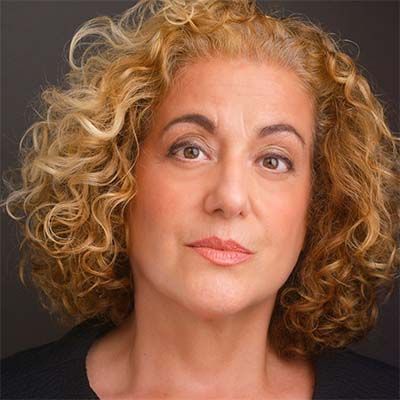
Featured Shows
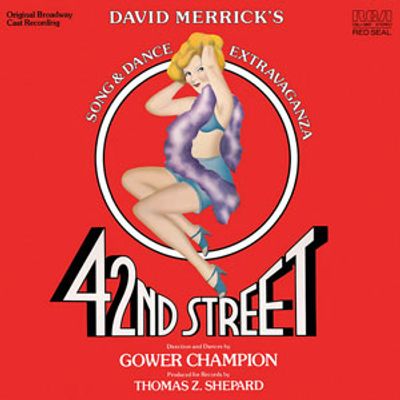
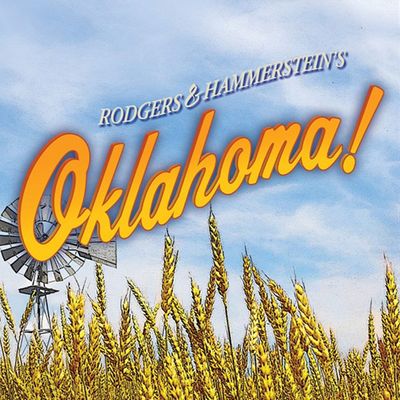
About
SHOWS: In Trousers, 42nd Street (2000), Oklahoma (2019)
For over forty years New York audiences have had the great pleasure of watching three-time Tony nominee Mary Testa light up the stage with her brilliant work in such shows as In Trousers, Barnum, The Rink, On The Town, 42nd Street, Xanadu, Oklahoma, Marie Christine, Queen of the Mist, and First Daughter Suite, amongst so many more. Now, Mary sits down with Rob and Kevin to look back on her career, her triumphs, and an intimate conversation about her strength and desire to keep telling stories.
Mary pulls back the curtain on her career to discuss how she riffed in front of Stephen Sondheim (and how she got banned from some casting directors because of it), what it was like creating In Trousers, and why her ability to tell nothing but the truth has been her creative guiding light.
Also, Mary shines the spotlight on William Finn, Betty Comden and Adolph Green, and Chita Rivera!
Become a sponsor of Behind The Curtain and get early access to interviews, private playlists, and advanced knowledge of future guests so you can ask the legends your own questions. Go to: http://bit.ly/2i7nWC4
Transcript
This transcript was automatically generated and might contain errors.
[0:00] Robert W. Schneider: Hi, I'm Rob Schneider. And I'm Kevin David Thomas. And this is BEHIND THE CURTAIN, BROADWAY'S LIVING LEGENDS. Don't forget to follow us on Twitter, at Broadway Curtain, and make sure to join our Facebook page at BEHIND THE CURTAIN, BROADWAY'S LIVING LEGENDS, and you youngsters, get off TikTok, follow us on Instagram, at Broadway Curtain Podcast. Plus, you can always listen to all of our episodes, old and new, on the Broadway Podcast Network, iTunes, and Spotify.
[0:25] Robert W. Schneider: Imagine being the muse to some of musical theater's most daring writers, and having a front-row seat to, and a creative hand in, the development of their groundbreaking shows. Well, imagine no more, my friends, because today we are speaking to such an artist, one who not only has helped push the needle forward in terms of musical theater performance, but one who has remained vigilant in making sure that new stories are told, even when the climate wants tired and true. Since coming to New York over 40 years ago, it seems as if today's guest has consistently been in front of New York audiences, where she has consistently amplified the voices of new writers and new works. A handful of her many credits include In Trousers, A New Brain, Barnum, Marilyn, The Rink, Marie Christine, Queen of the Mist, Lucky Stiff, First Lady Sweet, First Daughter Sweet, Xanadu, See What I Want to See, and the revivals of A Funny Thing Happened and Went to the Forum, On the Town, 42nd Street, Oklahoma, and so many more.
She made cornbread. She made a lot of cornbread. To tell us what it was like to work with such legends as Bill Finn, Michael John LaChiusa, Aaronson Flaherty, Chita Rivera, Michael Starobin, Graciela Daniel, Audra McDonald, and so many more, here is three-time Tony nominee Mary Testa.
[1:41] Kevin David Thomas: Mary, how are you today?
[1:42] Mary Testa: Wow, that's quite an introduction. I'm doing well, thank you.
[1:47] Kevin David Thomas: Mary, I have to just say this up front because I do not want to forget. I have to say, whenever anyone asks me what was the greatest performance you've ever seen in New York, it was you in First Daughter Sweet as Barbara Bush.
[2:01] Mary Testa: Oh, thank you. Thank you. I thought it was quite a phenomenal, you know, I'm a huge fan of Michael John. I think he's a genius, and I think he doesn't get the credit that he deserves, and I thought that was an incredible evening, and I loved every minute of it, and it was a great, incredible group of women who were performing, and it was just a spectacular event. So, thank you very much. It was a joy to do and quite moving for me.
[2:32] Kevin David Thomas: And listeners, if you're not familiar with this, and we've talked about this on the show, I think, many, many times before, but please go find a recording of it because the whole show, like Mary was saying, is not only genius, but your performance at the end was so stunning. When you play somebody who actually exists in real life, what research do you do, or do you just assume that they're a fictional character and you can only take what's on the page?
[2:54] Mary Testa: I don't. In the case of Barbara Bush, I watched a few things because I wanted to sort of get a speech thing of her. I wanted to get a placement of her. I don't know that I, you know, imitated her completely, but I wanted to get a vocal pattern of her. I didn't really do much more research than that because I know who Barbara Bush is. I know, you know, what her family and all that stuff. I did a little bit of research, but it was mostly because every night when I went out on stage, I wanted to be able to look out through her eyes in a way, like physically. And so, because I couldn't be more different than her. So that's the research that I did. And then as with everything that Michael John writes, anything you need as an actor is always in the music. It's always in the music.
[3:54] Kevin David Thomas: And Mary, when you say always in the music, are you speaking specifically about the composition of the music or the lyrics of the music?
[3:58] Mary Testa: Both. You know, like nuance and emotional nuance is always in the music. His lyrics are always informative and I think, in my personal opinion, drive the character forward. So it's all there for you. You just have to pay attention to it.
[4:20] Kevin David Thomas: Do you remember the first time that you met him?
[4:22] Mary Testa: I think I auditioned for something that he was playing the piano for. It might have been a show called, wait a minute, Buzzsaw Berkeley or something like that. That was an early, I can't, I didn't get it. But I think that's where I first met him. And he used to play for a lot of people. He used to play for Jeffrey Essman. Do you remember Jeffrey Essman?
[4:46] Kevin David Thomas: No.
[4:48] Mary Testa: Jeffrey Essman was kind of a genius performance artist and writer. And Michael John used to play for him. He doesn't do anything anymore. I don't know where he is now. So I saw a few of those things that Michael John played for him. So I think that we met around a long time ago and I'm not quite sure. And I think Marie Christine was the first show I did with him.
[5:14] Kevin David Thomas: And when you first started to work with him, I've been reading interviews with you and you say that you like to contribute, obviously, to how a character is being crafted and created. How easily did you fall into a rhythm with one another in terms of his writing and your feedback?
[5:32] Mary Testa: Well, you know, we're both Italian. And so we understand each other on that sort of level. And he is extraordinary in that he's not one of those writers that is precious about, this is my stuff. And I, you know, this is the way it is. Although he has moments like that. But he's always asking for feedback. And so and I'm not afraid to give feedback or, you know, my opinion. I'm very happy to give my opinion. So it just kind of matched, you know, there are times when he doesn't need feedback. And then there are times when he asks for it. And he very rarely missteps, you know what I mean? So, yeah, it just kind of felt I can't tell you a specific time and place, but we just sort of, I respect his work so much, and I believe he respects me as well. And so it just kind of happened.
[6:28] Kevin David Thomas: And you said that you both are Italian. So we're going to go all the way back to your roots. Where did you where did you grow up?
[6:35] Mary Testa: I was born in Philadelphia. My father and mother were both from Rhode Island. Both Italian come from very large families that settled in Rhode Island off the boat. And my father was an engineer and they moved him around with his company. So he was in Wisconsin, and then he was in Philadelphia, where I was born. And then they moved back to Rhode Island when I was four. So I basically was born in Philadelphia, but I grew up in Rhode Island.
[7:05] Kevin David Thomas: Okay. And your mother was a singer. Is that correct?
[7:08] Mary Testa: My mother was a singer. She wasn't a professional, but she used to sing. My mother, my aunt Tony, and a friend of theirs, Anne, they had a group called the Gay Sisters. And they sang during the war. And they were like, you know, the Andrews sisters, three part harmony. And they auditioned for this big talent contest in Providence, Rhode Island. And the winner won a contract to tour with a big band. And they won. And they went to my grandfather and asked if they could do it. And he said, no. And so that was it.
[7:43] Kevin David Thomas: Oh, my gosh. Oh, my gosh. Okay. Yeah. It's such a legendary story. I feel like growing up. I mean, it's like, wow, it could have been.
[7:48] Mary Testa: Exactly. Who knows what would have happened if they had said yes.
[7:52] Kevin David Thomas: Oh, exactly. Exactly. And so then when you decided to get into the business, were they supportive of you?
[7:57] Mary Testa: Very much so. My dad was scared of New York. You know, he was frightened of what could happen. But then after a while, I mean, they both, they're both gone now. But they were both incredibly supportive and came to see everything. And we're very proud.
[8:17] Kevin David Thomas: When did your interest in the arts start, or singing or performing at all? I mean, did that start?
[8:19] Mary Testa: You know, I always sang because I sang with my mother. And she and I would sing all the time together. And she basically taught me how to hear harmony. And so I would just harmonize with her. And it wasn't until I was in high school where I started entertaining the idea. And then I told the story a million times. But I was a teenager. And I was like, well, what do I want to do? Law, either law or an actor. And then I decided to be an actor because I quite literally wouldn't have to go to school as well. That's basically the reason.
[8:58] Kevin David Thomas: You made the right choice. Did you do any high school plays, any high school musicals?
[9:00] Mary Testa: There was no drama department in my high school. My high school was North Providence High. It was basically, their focus was cheerleading and football and baseball. And, you know, there was no artistic anything. And so me and a couple of other people, we started a drama department, basically. That, you know, what was until I was like older in high school. High school was not the best time for me because I went to Catholic school, grade one through eight. And so, and I went in a different city than I went in, in Pawtucket, Rhode Island, I went to Catholic school. And so when I finished eight years of Catholic school, I told my parents, I'm never going to Catholic school again. And so when I went to high school, I didn't know anybody that, you know, like these kids all went together.
And so it was, it was interesting, wasn't my focus was not the same. And I kind of felt like an outsider. And so I think we started it when we were seniors, maybe, I don't even remember. But after I graduated high school, I auditioned for a school in that was held in Rhode Island called the Governor's School for the Young and Gifted in the Arts. And I auditioned and got in. And it was a six-week school in between when I graduated high school and when I was going to college. And so I went there and that's where it started everything. And I was a theater major and I took every theater course that I, all of the theater courses by the time I finished my first semester junior year. And so I quit.
I worked three jobs to save up money to move to New York. My parents were like, not happy with that. They were like, well, you need your degree to teach. And I was like, yeah, no, I don't want to teach. So I want to just go to New York. So I worked three jobs. I saved up enough money. I moved to New York, September 6th, 1976.
[11:04] Kevin David Thomas: Wow. That is incredible. How did you know where to go? How did you know, like, when I was in, when I was in college, we had a wonderful theater program at the time and we did a 10 show season. We had a Rockefeller grant to do 10 new shows and that's where I met Bill Finn.
[11:21] Mary Testa: And one of the, there was an equity company of actors that were in basically all the shows. And I was lucky enough to sort of be cast in all of the shows. And so there was an actor named Joel Brooks, who's lives in California and is still an actor and still a successful actor. And I said to him, you know, I'm thinking of moving to New York. Where should I live? And he said, well, you have to live in the West Village. And that's where I moved to. And I'd been in the West Village ever since.
[11:45] Kevin David Thomas: Great advice from Joel Brooks. Do you remember some of the shows you were doing in college?
[11:56] Mary Testa: Yeah, we did. I met Bill Finn because we were doing, I was a sophomore, I was a freshman or a sophomore, and we were doing a production of Antigone. And Bill had just graduated Williams. And one of his shows, it was called Scrambled Eggs, was going to be in our 10 show season. And so he came to see that, you know, he was meeting with the head of the department, and he came to see Antigone. And I was in the chorus of Antigone. And there was one section where we walked around sort of making musical noises. It wasn't a musical, but just sort of pitches. And they said, who do you want to be in your show? And he said, that girl with the big hair, her, I want her, because I had the biggest voice. And so that's how I got to meet Bill. And then I was in his show called Scrambled Eggs, which Joel was in and, you know, as well. So yeah, that's how I know.
[12:57] Kevin David Thomas: And what is Scrambled Eggs? What was the story of Scrambled Eggs?
[13:00] Mary Testa: It was a show about a madam having a bird as a baby. It was a crazy show. I don't even remember half of it. But, you know, it was his voice and the music was excellent. And it was a new, new sound and a new voice. And, you know, I had a great time doing it.
[13:57] Mary Testa: So, we were doing a show at New Dramatis. We came up and did it at New Dramatis. You know, I was still in school so I just came up to do this show and stayed in somebody's apartment, I don't even remember, and this agent was waiting for me after the show and I came down the stairs, I had a big afro and, you know, farmer jeans and stuff like that and he was like, you're the woman who played the... I had a meeting with him and he told me that I needed to fix my eyes and I thought, no, I'm sorry, you're a lunatic. So, I never worked with him. And I sang in that show. So, once somebody heard me sing, then it was like, oh, that's what she does. And it was a real fight for me to get to be seen for both, which I now do freely.
So, yeah. So, did you adamantly resist, I don't want to be known as a musical theater performer, I just want to do legit theater? Well, no. Once I started working, my first show in New York was In Trousers, except for Jackie Kramer when I was in college. It was In Trousers. And I loved doing it, I loved that, but I didn't want to just do musicals and I wanted to be able to do both. So, like I said. And I was very lucky to get an agent early on. I had an agent, you know, I was very lucky in all that way. So, they just kind of fell in my lap. And so...
[15:33] Kevin David Thomas: Who was your first agent when you got to the city?
[15:35] Mary Testa: That's still my agent. The Gage Group. VRS Gage, yeah.
[15:41] Kevin David Thomas: That's impressive.
[15:43] Mary Testa: I freelanced with a couple of... My friend that I went to college with, his name is Fred Gorman, he has passed since, been gone for a while. He was, I think, interning or starting to be an agent at Dulce Eisen. Oh yeah! And so, he was my roommate. And I was sort of freelancing with both Dulce Eisen and the Gage Group at the time. And the Gage Group offered to sign me and I thought, I have to go with the Gage Group because I don't want my friend and roommate to be my agent. So, I went with the Gage Group and I have been with them ever since.
[16:20] Kevin David Thomas: Amazing. What makes this relationship so strong that you've been with them for so long?
[16:24] Mary Testa: You know, I like them. They have since joined with BRS. Baum and Radanti Shaw. So, now they're BRS Gage. But Gage Group, I just like them as people. They're good people. They got me. They understood what I was kind of about. And they never pressured me to... Like, if I had a decision to make between a job that paid a lot of money and a job that paid no money but I wanted to do the job that paid no money, they never said, no, you can't be here if you do that. They always understood, not that that happens so often, but they always understood what creatively I wanted to do. And so, you know, and there are great middle ground agencies. The big agencies were never interested in me. You know, the ICMs, the William Morris's. They were never interested in me.
And in order to have an agent, you need somebody to come after you. You can't be trying to convince them. You know what I mean? And they're a middle ground agency and they're good people and then that's it. Do I sometimes want them to be more aggressive? Yeah. But I think everybody sort of has that complaint about their agents.
[17:44] Kevin David Thomas: Exactly. That's universal. So, when you first got to the city, what was the first Broadway show that you saw?
[17:49] Mary Testa: I think I saw Pippin, but I didn't come here and start going to the shows all the time. You know, first of all, I had to get a job. I gave myself enough so that I would have enough money to be here for six months without working so I could acclimate. And then, of course, I had to work and stuff. So, I didn't really go to shows that much, but I did see Pippin. I think I was still in college when I saw Pippin.
[18:15] Kevin David Thomas: What jobs did you do to support yourself?
[18:17] Mary Testa: I was very lucky. Again, I only worked three years when I first came here. I worked as a cashier in a restaurant. I worked as a waitress, you know, all around. And then I got this job as a cashier in a restaurant called the U.S. Steakhouse, which was in the Time Life building. And it was a good job. And I noticed that the waiters were making a hell of a lot more money than me and so I asked to be a waiter and I had to go through a sort of training thing. And so then I was a waiter there for a couple of years. It was a union waiter job, which was excellent. And I worked lunches, which was all the CVS executives. And at that time, these guys were coming in and just drinking like crazy. And so I worked there.
And then I got... This was all during In Trousers, too. Because we would rehearse In Trousers from 12 o'clock at night to like 3 o'clock in the morning because we all had jobs. Yeah, in order to do it. And then I got this thing called... And I can't even remember the year. It's probably like 79, 80. I got this six-week workshop that was a Stuart Ostroff-funded workshop that every week, so six weeks, every week we would do a new musical review. So we had a company of actors, a company of writers, two directors, and every week we would mount a new musical review. So I went to the managers of the U.S. Steakhouse. And I was talking to my waiter friends. Because it was really good money at the time.
And I said, maybe I'll take a leave of absence. We'll see if they give me a leave of absence. Now, the managers were really sexist guys. And they really didn't like me because I don't buy into any of that stuff. And I let them know what I'm thinking all the time. And I went to them and I said, can I get a leave of absence? And the guy who was ahead said no. And so I went back to my waiter friends and they said no to me. And they all said to me, you didn't come here to be a waiter. You came here to be an actor. And I was like, you're right. So I went back to them and I said, I quit. And I've never had to get another job since. Knock on wood.
[20:51] Kevin David Thomas: I love that. Alright, so when you were making the rounds auditioning, first of all, how has auditioning changed from when you were doing it in the beginning to what you see happening now?
[21:01] Mary Testa: I don't think it's changed that much. It still can be horrifying. You know, I also was really definite about what I wanted to do and what I didn't want to do. I mean, I can't tell you how many times my agents would try to put me up for Grease. The show of the day, yeah. And I said, I'm not interested in going in and being a fifth replacement in anything. That's really, you know, I just, I don't know where I got it, but I just was like, I'm not interested in that. I wasn't interested in tours. You know, I wasn't interested in that stuff. And so I'd say, no, I don't want that. Auditioning is always the same. It's always a little...
[21:41] Kevin David Thomas: We were going to ask you, other than tonight, what was your go-to songs at the time?
[21:45] Mary Testa: Oh, I would sing Bill Finn songs and they never got, I used to sing this song called Order, which nobody really knows, but they just would sort of, they just didn't get, they didn't really get me. They just didn't get me too much. But the stuff that I got, I mean, I had a fair amount of auditioning to do, but a lot of the times it would be sort of fortuitous and somebody was working on something and I was recommended. That's how I got my equity card. I had done a show, one of the ten shows in college was a play called Fog and Mismanagement, written by Jeff Wanshell, who I still sort of know these days. And Stephen, I can't think of his last name. He was, at the time, the artistic director of the Phoenix Theatre.
Do you remember the Phoenix Theatre? No more. Yeah. Stephen, what's his name? Oh, I can't think of it. Anyway, he was doing a production of The Rose Tattoo at the Long Wharf Theatre and he had said to his friend Jeff, I need Italian women. And Jeff said, I've got somebody for you and recommended me to him. I went in and auditioned. It was just a neighborhood lady with like two lines. I got it and that's how I got my equity card.
[23:06] Kevin David Thomas: That's incredible. Okay, so let's talk a little bit about In Trousers. So, how did this come about? Did you just get a phone call from Bill Finn or how did this go?
[23:16] Mary Testa: When I moved to New York, because I knew Bill from college, and then when I moved to New York, Bill called me and Alison Fraser and a woman named Kay Pesick and said, come to my house and let's work on stuff. So, the three of us started going to his house and singing his music and we immediately went into a three-part harmony situation. We wrote all the harmonies ourselves and we just started working on music that Bill was working on. And then at a certain time, we have like a list of stuff and then we would get we would clean his apartment and put wine and cheese out and he would invite all these people and Ira Weitzman was one of the people who came to see this sort of thing and said we want to do this at Playwrights Horizons and that's how In Trousers happened. But it was a lot of working on the music.
[24:13] Kevin David Thomas: How many years would you say from going over to his apartment for the first time to actually having it on stage?
[24:19] Mary Testa: Well, we moved in 76, so 76, 77, it was 78.
[24:23] Kevin David Thomas: And was there, did he tell you from the beginning, hey, there's gonna be this guy named Marvin and this is what it's going through?
[24:27] Mary Testa: No, it just kind of morphed into, you know, Bill had an idea of what he was, he was writing a bunch of stuff and then the first production of In Trousers started, was us. Kay Pesick left so that role was open. So he had to hire somebody. He got this girl, Joanna Green and Bill was Marvin in the upstairs, we were upstairs in the workshop space when we first did, that's where we were rehearsing 12 to 3 in the morning. And Bill was Marvin and he directed it and then they said we want to move this down to the main stage and that's where Chip Zion came in.
[25:07] Kevin David Thomas: And we talked to Alison Frazier a couple of months ago and she was saying, if I remember correctly, where you were rehearsing from 12 to 3, you were not in the safest of neighborhoods, is that right?
[25:17] Mary Testa: Oh no, 42nd Street at that time. It was a very dangerous place. We'd leave with each other and I always took cabs because I was working as a waiter.
[25:30] Kevin David Thomas: When did you sleep?
[25:32] Mary Testa: We were in our 20s. You can do anything when you're in your 20s.
[25:34] Kevin David Thomas: True. Are you kidding?
[25:38] Mary Testa: And tell our listeners a little bit, who was your character in In Trousers?
[25:42] Mary Testa: My character was Miss Goldberg who was Marvin's teacher and she always wore sunglasses except for the rape of Miss Goldberg where her sunglasses are removed for a second. And this was something that Bill insisted on and I thought he was trying to... because Bill is an interesting character and I adore him and love him but he's also a big pain in the ass. And he was like, you have to wear sunglasses. I was like, my eyes are my best feature. Are you kidding me? I have to have sunglasses on the hook so I really thought he was trying to be a jerk. But it ended up being very effective.
[26:20] Kevin David Thomas: Did you think, because the show was so unique and so different and sounded like nothing that had been done before, were you worried about how our audience is going to respond to this or was this we're going to do this for ourselves, we're having fun?
[26:34] Mary Testa: No, we weren't worried about it. We were all in and we loved it. We loved every minute of it and so we were proud to be part of it and we were proud to present it and it was great to see people be like, oh my god a new voice was discovered.
[26:52] Kevin David Thomas: Were you aware that it was a new voice while you were putting it together? Because it really was a new sound that we never really had.
[26:58] Mary Testa: Exactly, yeah. I think we were aware of it but we were also in on it so it was like this is what we want to do. This is the kind of work we want to do so it was lovely.
[27:10] Kevin David Thomas: Let's imagine there might be someone out there who does not know who Bill Finn is. How would you describe his music or his essence to a novice?
[27:15] Mary Testa: It's quirky. I think it's very melodic. It's really sort of oddly lyric driven in a way. There's sometimes where the lyrics, I remember there was a number of times where we'd be working on a song and he'd go, these are just dummy lyrics, these are just dummy lyrics. And sometimes they would stay and sometimes he would change them but yeah, I mean it's... I always the way I describe it, and I feel this way about Bill and I feel this way about Michael John is that it's music that always gets me in the gut. That's Bill's music.
[28:24] Mary Testa: And Michael John are in this very, very small handful of geniuses. And you said earlier that you think that Michael John is really not appreciated as much as he should be for his work. Do you think that Bill Finn falls into that same category as well?
[28:36] I think Bill gets a little more appreciation, but Bill is not as prolific as Michael John is either. And they're both interesting characters in that they can be, I don't want to say they're difficult, but they can piss people off. So that's, you know, I don't know. I find as a whole that it depends on who you are when you piss somebody off. It depends on your lineage.
[29:08] Kevin David Thomas: Yeah, what kind of.
[29:11] Mary Testa: That's such a good and valid point. Okay, so you do In Trousers at Playwrights Horizons. Then I have to ask you about this, because I find this so fascinating. Did you also do Company at Playwrights Horizons?
[29:23] I did. I did a production of Company. This is a great story, and I've told it six million times. I did a production of Company. It was probably, I never, years are hard for me. I remember Broadway years, but it probably was 79-ish.
[29:38] Kevin David Thomas: Yep, 1980.
[29:40] Mary Testa: Was it 80? Okay. And I, because I was not a musical theater person, I never listened to Stephen Sondheim. I did not have a Stephen Sondheim. I say this, and I've said this before, I did not worship at the altar of Stephen Sondheim, because I just didn't know his stuff. And so because I worked with Michael Starobin on In Trousers, it was Michael's first orchestrating job. He was musical director, and he was the musical director for Company. And so I was playing Marta and other kinds of people. And I just said, this song is so boring. It's just these long, held notes, and I just, ew. So I riffed on all of them. And the director was André Arnaud, who is, of course, gone since past, a Danish director.
Was he Danish? Yeah, I think he was Danish. And he was directing In Trousers. And, I mean, not In Trousers, he was directing Company. And it caused this, people came and were either loved what I was doing, or were horrified by what I was doing. And I was oblivious, because I was just doing my thing, you know. And so one day, a woman named Dorothy Maffay, who was sort of the head of Playwrights Horizon, she wasn't the artistic director, but she was the company head, came to my dressing room and said, Mary, we really fear for your career. People are complaining. And so I was like, well, okay. So I went to André, and I said to him, André, are you all right? I mean, he said, darling, I love what you're doing.
You keep doing what you're doing. So I did. And then, at one point, Sondheim came to the show. And I walked up to him and I go, do you have a problem with me? And he was like, yeah, you're singing two intervals wrong. And he corrected me on the and I thought, okay, whatever. So then, at the time, Johnson Liff was the biggest casting director around, and they were casting all the Brit shows. So that was the time where the Brit shows were starting, like Les Mis and all of that stuff. And Andy Zerman, another one who has since passed, called my agents, he was a casting director there, and he said, who does she think she is? How dare she do what she's doing in that show? We will not see her for anything.
And they didn't. For 12 years, they did not see me for a single show. I was perfectly fine. I mean, I worked all the time. I worked on Broadway. I did concert work. I was completely fine. I was fine. My last Broadway show was 84. And then 12 years to 96, when I was cast in Forum, which I don't think they were casting. And then he called after 12 years was over, called my agents and said, you know what, I think we made a mistake about her. But 12 years, I was unable to be auditioning for any of the shows.
[32:44] Kevin David Thomas: And how poetic, Mary, that the show that you're casting is a Sondheim musical.
[32:51] Mary Testa: I don't think he likes me very much, but honestly, I really just don't care. They're lost. And also, if I may, not only was Mary in this production Company, it was also Walter Bobby, Christine Baranski, Peter Evans, right?
[33:05] Peter Evans, who has passed away quite a while ago, was such so genius. He was so genius. Yeah. Would you talk about him a little bit? Because we lost him so young?
[33:16] Mary Testa: Yeah, I think he was one of the first AIDS deaths. Yeah. He just was a wonderful actor, really sympathetic and lovely. And he was a wonderful Bobby, because Bobby's such a weird role. I mean, you know, I always think, obviously, Bobby is gay. Obviously. You know, I just I don't really remember that much, but he was just lovely. And it's too bad that we lost him when we did.
[33:43] Kevin David Thomas: Yeah, yeah. And now after that, you got to make your Broadway debut, right in Barnum?
[33:49] Mary Testa: Yes, well, I was working on these are all stories I've told a million times, but I was working on the next part of In Trousers, which was March of the Falsettos. And I was, we were all carried over all our characters. And I got a friend of mine was a production assistant on Barnum. And they were casting their swings and understudies. And she called me on Saturday and said, Get up here, because they're auditioning for people. And I was like, I don't want to be a swing. And she's like, Get up here. So I went there. And it was a circus show. There was a chorus of I think 12, six women. And everybody had a circus specialty. And I could sing. There was one black woman in the show, the Joyce Heth role, and it was low, and I could sing it.
And so I show up to this audition, where all these young chorus girls in, you know, chorus attire, and I don't have that, and nor am I interested in that. And I audition, and I go on the stage, and I sing. And Cy Coleman was in the audience, and Joe Layton, and I sing, and they, and then they line us all up, and they ask us what we can do. And they get to me, because there would be like girls going, I was the world champion baton twirler, and I've done now, you know, this and blah, blah. And they get to me, and I go, Look, I don't do this stuff. I don't go up in the air. I don't do this. I can juggle three things. That's it. That's it. I didn't want this job. I wanted to be in March of the Falsettos.
Clyde! Get over here right now. Stop barking. Lay down. Lay down. Good boy. So they hire me, because I could sing the role, I think. And they figured, Oh, she'll learn everything. And so when they called to hire me, I said, Wait a minute. Did you see me? I mean, I don't do this stuff. You really? You want? So then I realized that was the first art versus commerce conundrum. Because I was making $75 a week working on the production of March of the Falsettos. And they were going to pay me $400 a week. This was 1980. And so I just went, I have to take this because I have to pay bills. And I have to, you know, I want to be an actor, I have to be able to pay bills. So I took Barnum, I was miserable.
I was hired two weeks before they opened. So nobody wanted to include me in there. They were a company that was very tight. And that's just par for the course. They were like, Who's that? I don't really care about that. And I was just pining to be in the room working on March of the Falsettos. Bill was pissed off at me and didn't talk to me for a year. And that's what happened. But then I ended up and I couldn't get hired on anything else. I was so desperate to get out that I would go to auditions and just be in everybody's face like please hire me and I did not get a job. But I ended up knowing that show. I went on for every single character and ended up knowing that show better than anybody and they hired me to stage the first national tour. I didn't know why. Because I knew it. I knew every track on the show. That is a very interesting and incredible story. And then the week they announced they were closing, I got a job.
[37:33] Kevin David Thomas: Well, hello there. This is Shirley Booth. Oh, I used to be a Broadway baby. Oh, now I'm more of a middle age. But whatever age you are, we can help keep Broadway behind the curtain on the air. Just head over to Patreon.com. Oh, sure. Get a pencil. That's P-A-T-R-E-O-N.com. You got that? Oh, just search behind the curtain. Broadway's living legends. Set a monthly donation. Oh, even a dollar helps. Oh, sure. Mr. B gives.
[38:12] Kevin David Thomas: At the same time you were doing this, were you trying to break into film and television and look at other media? Was that because you wanted to get into that world or it was a good way to make some money for yourself to fund the more experimental stuff?
[38:26] Mary Testa: I wanted to do everything. I really wanted to do all of it. And I didn't want to get locked out. The longer you do, say, musical theater and nothing else, the more it's hard to get into other things. So I would constantly be at my, I want television auditions. I want film auditions. My first film that I got, which was in the 80s, I think, was Going in Style. Do you remember that film?
[38:51] Kevin David Thomas: Yes. Who was your scene partner?
[38:58] Mary Testa: George Burns, Art Carney, and Lee Strasberg. Oh, my goodness. And I played a teller at the bank. And I think maybe I had a line. And I literally didn't know anything about film sets. I stood in the same place for 12 hours. I didn't realize that I could actually sit down at a certain point. They were the sweetest. All three of them said hello to me and they were very dear.
[39:26] Kevin David Thomas: That is amazing. Let me ask you, when you get cast in a show, how do you begin your process of preparing a role?
[39:31] Mary Testa: It depends on the role. I know people like Nathan Lane learn the entire show before they go into rehearsal. I do not do that. I can't do that. The only time I did do some extra learning was Queen of the Mist because it was big and I needed to have some of those monologues already. And so I started months before just learning the monologues. But it depends on the show. I like the rehearsal process. And I sometimes have the script longer than most people because I just like to have the script in my hand. And it just depends on what it is.
[40:01] Kevin David Thomas: Do you like a lot of table work beforehand?
[40:16] Mary Testa: Yeah. But I don't like a lot of discussion. I don't like to sit there and discuss. I like to do. I'm fine with table work as long as we're doing. When it starts with the big long discussions, I drop out. But we started Oklahoma with two weeks of table work.
[40:35] Kevin David Thomas: Oh my. Okay. So now what do you like out of the table work? Is it going, this is how this person knows this, or this is how this person feels about that? Like that's what you enjoy about it?
[40:46] Mary Testa: I like the collaborative, trying to figure stuff out collaboratively. And the safety around the table is reading stuff in different ways all the time and finding what makes sense. That's what I like about it. And especially if the director is smart.
[41:11] Kevin David Thomas: What do you look for out of a director?
[41:13] Mary Testa: Smart.
[41:17] Kevin David Thomas: Could be just book smart, but relating to people, is it the way they communicate? I mean, can you be a little more specific?
[41:24] Mary Testa: It's somebody who knows what they want, but also is not afraid of actor's input. Because there's nothing worse than a smart director who knows what he wants, but doesn't trust that actors know anything. And that I don't like. But I've been fortunate to work with directors who are very happy to listen to smart actors.
[42:51] Mary Testa: You know, things are different all the time. I had one of the guys in Oklahoma said to me, you know, one of the actors was like, every night you're different. You're in the story, but every night something is different. I'm like, well, it has to be because it just has to be. And that's what I love. Win or lose. It's not always a winner, but you know. And I'm sure every show has its own challenges, but has there been one show specifically where you thought to yourself, I'm really stuck here. This is going to be a hard mountain to climb. I can't think of one.
[43:30] Kevin David Thomas: That's good.
[43:31] Mary Testa: But you know, I've been doing this for 45 years. I'm sure there's 6,000 of them that I'm blocking. Because, you know, not everything is great. And in those 45 years, has there ever been a moment where you thought to yourself, maybe I should stop. Maybe law school is still an option.
[43:50] Mary Testa: No. No.
[43:52] Kevin David Thomas: What fuels you each day to continue doing this?
[43:55] Mary Testa: You know, creative expression. And the collaboration of artists in a room. And just getting to see what is like me and what isn't like me. And getting to touch those places that aren't like me. That I find that they're there somehow. To figure that stuff out as an actor. I don't know. I just like the creative expression. I also, and I learned this on Oklahoma. Which is interesting. And it's going to be interesting for me to put this in a way. I always thought that everything I did on stage, people were looking at. I just thought that whatever I did was so exciting and interesting that people would be. And that is totally not true. And I've learned that doing Oklahoma. No. So I just have to be truthful and honest in every moment. And not worry about the fact of who's looking at me who is.
[44:54] Kevin David Thomas: I read something in an interview where I believe you said that once a director said to you, I'm probably paraphrasing. But you don't, it's okay to be wrong. It's okay to be.
[45:04] Mary Testa: Yes. It's my favorite. Andre Belgradner. We were doing a show called Ska Pan. We had done it at Yale Rep and CSC. With a score by the late, great Rusty McGee. Just the greatest. Rusty was the greatest. And he was giving notes. And he smoked. He's a Romanian director who smoked. And he goes, Mary, you try so hard to be good. Just be bad. And I remember, oh my God. I went, oh my God. That is the most genius note I've ever gotten. And it kind of goes hand in hand with you think everybody's watching every moment. It's like, just be bad. Be able to not make everything perfect and not have everybody watch you every second. Just to be in the moment was the greatest direction I've ever gotten.
[45:59] Kevin David Thomas: Why do you think so many artists go into a rehearsal hall thinking, I have to be right. I have to do this correctly. There is a correct way of doing it.
[46:08] Mary Testa: Because everybody lacks self-esteem. And every artist feels like they're a fraud. And so they figure, if I go in the room and I figured all this out, nobody will criticize me. That's why. We're all just human beings. And everybody feels like, oh my God. They're going to discover that I don't know what I'm doing. And that couldn't be further from the truth. But I still think that way as well. And I think everybody does.
[46:39] Kevin David Thomas: Do you read reviews?
[46:41] Mary Testa: I used to. I don't anymore. I stopped reading reviews when years ago. I won't know the year. But I did a Ziegfeld Follies of 1933 at Encores. And I played the, I can't think of any names. The, she was the classic comedian, funny girls based on her.
[47:06] Kevin David Thomas: Oh, Fanny Bryce.
[47:08] Mary Testa: Fanny Bryce. I did all the Fanny Bryce material. And it's spectacularly not funny. Because only Fanny Bryce, because it was Fanny Bryce. You know what I mean? So I did the best I could. It was a review, a big review. There were lots of people in it. I did the best I could, whatever. Three months after that show closed, I was, I had a subscription to New York Magazine. And I always read before I go to sleep. And I was looking through New York Magazine. And John Simon, who is dead, right? He's dead now.
[47:45] Kevin David Thomas: He's dead. He's dead.
[47:46] Mary Testa: John Simon had written a review, an overview of the entire year. And of all the Encores. And I will, and when you read bad reviews, you always memorize them, you know exactly. Especially the John Simon one.
[47:58] Kevin David Thomas: Yes. He, and he had been nice to me over the years. Sometimes nice, sometimes not. This though, he said, Mary Testa doesn't know the difference between going hideously over the top or sinking miserably to the bottom. And I remember I was, I like went, oh my God. And I put the magazine down. I had nightmares all night. I got up the next day and I said, I will never read another review. And I'm not, I'm getting rid of my subscription in New York Magazine.
[48:29] Kevin David Thomas: Good for you. Good for you. Can you tell us a little bit about your experience working on The Rink?
[48:35] Mary Testa: The Rink was, I had auditioned for it originally. But of course, and it was a really great role for me. Of course, it was AJ Antoon was the director and he was wonderful. Again, he's gone as well. Everybody's pretty much gone. I was not the original standby Lenora Nemitz was. I was doing a show off Broadway at Soho Rep called Mandrake. It was called Mandrake. It had music in it. And I had, I was asked to audition, Lenora Nemitz was leaving and I was asked to audition to replace Lenora as the standby. And I went in and I did everything that, you know, we're supposed to do. And I got that job because Graciela Danielle was the choreographer and Gracie told me this afterwards. Gracie said, the only person on that stage with star quality is Mary Testa.
Nobody else wanted me, but Gracie, I got it. And then later on, many, many, a few months later, I was in the stage manager's office looking through papers because I'm nosy that way. And I saw, and I think the stage manager, production stage manager, I don't even remember his name. I don't think he's alive anymore, but he had written, it was an audition sheet and he put on my name, can't sing it. And I remember thinking, damn, you know, it was a very exciting but difficult situation. I had one of those things happen. I sat outside all the time. I didn't, I had a dressing room, but it's on the fifth floor. It was the Martin Beck. Now that's called something else. And I always sat on the stairs and the crew was interesting on the show.
I don't think I've ever told this story. The crew was, there was a guy who led the crew who was a real asshole. And they started spreading rumors about me that I was sleeping with one of the guys. Cause I bought like some pot off one of the crew guys. And so they, I used to sit outside all the time with music headphones on and they were all standing around talking about me one day and I had my music off. They didn't know. And I heard what they said. And I walked into the middle of them and I said, I heard what you said. And, and, you know, I just like let them have it. And after that they were very mean to me when I went on, they did things like purposefully to like, my props weren't where they were supposed to be that kind of thing.
But I pressed on and I ended up going on Liza committed herself to the Betty Ford center. Her, my first performance, I think I was hired in May and my first performance was the 4th of July. It was a two show day. And I finished out Liza's weeks. She had two weeks left on her contract. I finished out and then Stockard Channing came in. So so, and then the show only ran like two more weeks, but it was a really weird, difficult job. Once I got on stage at Cheetah was great. She was wonderful. But it was, it was heartbreaking in lots of ways. It was hard, but it was a great role for me. And I learned a lot and I had a great time ultimately. Thanks for sharing that story. Thank you for sharing that.
[51:56] Kevin David Thomas: My, my cohost, Kevin, I know that Mary has appeared in some of your favorite shows.
[52:01] Kevin David Thomas: Oh, sorry. I'm going to be quiet for a little bit.
[52:05] Mary Testa: No, it's like the decade of the nineties was like such a great time. I mean, for, for musical theater, for you and your career, for you and your type and your age. And like, you know, just like, it just, I don't know if there's a lot of sometimes young and I want to call your character actors, but sometimes some women, you've got to like, you've got to age into your type. I wonder if you ever sort of experienced that at all, because in the nineties, you really like, it seems like you never stopped working. I mean, you see, it was like in the nineties, I was in my forties. Yeah. And you know, when I first started, I was auditioning against character women that were twice my age. And I always said to Bill Finn, I will start working nonstop in my forties.
And that's what I did. It's true. So yeah. Shows written for you and the, and it's interesting that you say that, you know, Bill could be sort of like a pain in the ass. And we've heard this from many people lovingly oftentimes. It's all lovingly. And so how, you know, how has that relationship maintained itself after? I mean, he still is still writing for you. You not only did you do, you know, a new brain, which I would love to hear, you know, what, what that was like. But, you know, and you did, of course, his concert, infinite joy. If you remember that at Joe's pub, there was an album made of that, that is, some of these things are so iconic, even though they are one night only for you.
[53:19] Mary Testa: Yeah. Yeah.
[53:20] Kevin David Thomas: Growing up, they were so epic, but could you just speak a little bit about that time period and what it was like to work on his, these new shows, in addition to sort of navigating these revivals that you're known for as well. I mean, that's what these Tony nominations come from. And yet you were, I'm amazed how you juggled both worlds at the same time. Were you actively doing that?
[53:38] Mary Testa: You know, it's one foot in front of the other and Bill hasn't written for me in a very long time. And we just had a birthday celebration, but Seth Rudetsky's thing, like stars in the house. Yeah, I saw that. And it was Bill's birthday and he was talking about falsettos, falsetto land to the Charlotte, Dr. Charlotte and those two characters. He said, I wrote those roles for Alison and Mary. And I said, and they, and somebody said, why didn't you do them? And I said, because they were too small, because the parts were too small. And I, and it's true. Like, okay, we developed in trousers with you. And you wrote us these anyway.
[54:20] Kevin David Thomas: So, um, you know, I forgot, I totally brushed right over the, uh, another big, I want to say this was an off Broadway show that has come full circle a couple times in your life, but that's Lucky Stiff. And we haven't even mentioned the name of, uh, two other writing writers that were also like, I think, you know, you caught them early on in their careers.
[54:37] Mary Testa: Yeah, that was their first show. They never asked me to be in a show again. Yes. But, um, yeah, Lucky Stiff was like, totally fun. I got so sick during that show. Oh my God, I got sick. I had every itis there was. And Priscilla Lopez, Tommy Walsh was the director of that show. He's gone as well. And I got so sick and there's no understudies off Broadway. And, um, I had to be out of the show for like a week and Priscilla Lopez came in with a book and cause she was dear friends with Tommy cause they were in chorus line together. And, um, and Priscilla came in and, um, did a week for me. Yeah. It was a great show. It's really lovely show. Yeah. And there's two soundtracks for it. One, the actual, and one that we did like a concert version at the York. Right. Like a couple of years, many years later. I mean,
[55:30] Mary Testa: Many. Yeah. Yeah. But later. And it's such a wonderful show. They really should revive that show.
[55:34] Kevin David Thomas: I agree. Yeah. Totally fun. Uh, and then, I mean on the town happened and that really is a moment that we just saw actually an Instagram. I don't know if you follow a bygone Broadway. Did you see that picture of you and Leah?
[55:48] Mary Testa: Oh, Jesse, Jesse Tyler Ferguson posted that.
[55:51] Kevin David Thomas: Yeah, he took the picture.
[55:52] Mary Testa: He took this picture.
[55:53] Kevin David Thomas: From backstage when we were on Broadway.
[55:55] Mary Testa: Yeah, yeah, I know.
[55:58] Kevin David Thomas: Now, this is, now you just got done doing like, A New Brain, and you've done, well, Forum was a revival as well, but that had like, that was really exciting and edgy and all that. Here we are going down to Bernstein Road. Were you a little scared to be doing this, this kind of material at all? I mean, this sort of more old school, golden age world?
[56:16] Mary Testa: Oh no, it was so much fun. It was so, and there were great people. We had so much fun and, you know.
[56:22] Kevin David Thomas: This is the one that started in the park, or it's...
[56:25] Mary Testa: Yeah, we were at the Delacorte, which was like one of the most magical, gorgeous things. I was just talking about this the other day. I mean, that orchestra on the bridge, Adrian Lobel did the set. That orchestra playing that music on the bridge in the Delacorte was just magic. It was so much fun. It was so great. And, you know, I really didn't do that much. The singing teacher's a tiny role. And that, and I played Old Lady. We called her Old Lady. But it was such a great group. We called the character actors. It was great. Jonathan Freeman, Annie Golden, me, Blake Hammond, Tom Alino, Tom was on Broadway. It was somebody else off Broadway. And we had so, Linda Muggleston. We had so much fun just hanging out and being with each other. It was such a great show. And then a year, it took a year for us to go to Broadway. And George was divine. I adore George. He's another one that's just, you know. And were Compton and Green around when this was going on?
[57:28] Kevin David Thomas: Yes, they were. And they were at the show all the time. And Adolph was blind. And, you know, he lived on Central Park West and he would make his way to the theater every night. And they were such, they were class acts. Both of them were just the greatest. And it was just divine. It was divine. Broadway, we ran into problems because they couldn't find a choreographer that worked. And they were trying to do different choreography. And it just wasn't, it just was, we opened in November. I think we closed in January.
[58:02] Mary Testa: That was my first Tony nomination.
[58:04] Kevin David Thomas: Yeah, that was your first one. And you were still in a small role and yet you got recognized.
[58:08] Mary Testa: It was a total surprise. And, you know, it was, I realized there's, you know, there wasn't a chance in hell that I was gonna win. And so I just kind of enjoyed. And that's when I really sort of realized what that sort of whole thing is. It's really not as fantastic as it's made out to be, according to me, because, you know.
[58:28] Kevin David Thomas: Did it do anything for you, plus or minus, for your career, having that sort of, those two words written after your name? Did it, did you see any difference? Did you have to go to any less auditions? Did you?
[58:40] Mary Testa: I mean, yeah, I still had to audition. I still have to audition. You know, I say I'm like a half and half. I either offered stuff or, you know, I have to audition. Generally, if I audition, I don't get it. You work with a director quite often that also I feel is a genius, but doesn't get the credit that they deserve. And that's Graziella Danielle.
[59:00] Kevin David Thomas: Are you kidding? Graziella is like the best. And no, she doesn't get the credit. And I was lucky enough to be asked last year, not the Cheetah Awards. Did the Cheetah Awards just happen this year, virtually?
[59:12] Mary Testa: Probably. I was, last year, I introed Grazie. She was getting a special award. And I just, they gave me a speech, you know, they gave me a written speech and I added, it's about time Grazie got a Tony. I mean, she's been nominated. She's wonderful, but Grazie's not about that. Grazie's all about creation and harmony in a room and just, you know, being creative and making stuff. And no, she doesn't get her due at all.
[59:45] Kevin David Thomas: Yeah, she's a thread of so many stories. Like, of course, you know, I mean, like her name comes up more than anybody as far as you got them to where they got today, you know, because-
[59:55] Mary Testa: I know. She's spectacular. And her due is just years. She should have been given her due years ago. And so I feel good because, you know, quite frankly, it's lovely to be nominated for an award. I have not ever won. And I feel like, okay, you never win, you never win. It's a lovely honor to be recognized and look at people who've never won. You know, you're in that category, so it's all good.
[1:00:22] Kevin David Thomas: Yeah, and also, I mean, I think you said this before, which is, you know, it's about the work. You know, you tell great stories with great people. So what, there's not a thing on the shelf.
[1:00:34] Mary Testa: Exactly. No, exactly. I mean, I know an awful lot of really wonderful people who don't get any recognition at all. And so, you know, it's one of those weird, that's why award stuff is, it's not, it's, you know, as I said, it's really lovely to be nominated and have recognition that way. It's really lovely. But that whole process is really like, ooh, you know, I don't think it's about, oh, this one's better than this. I just really don't. And it is what it is.
[1:01:04] Kevin David Thomas: So, I mean, now we're in this quarantine and hopefully it'll be ending at some point. I'm sure it will. I got my second shot yesterday.
[1:01:10] Mary Testa: Good.
[1:01:11] Kevin David Thomas: So how are you keeping yourself creative? What's your creative output over the past year? Other than what the millennials have given you, or not even, what's the age below the millennials? What do we call that TikTok?
[1:01:19] Mary Testa: I have no idea what they're called.
[1:01:22] Kevin David Thomas: The TikTokers. The fact that you are, and you with the words TikTok next to your name, I'm like, I'm blown away by that.
[1:01:29] Mary Testa: I did that Ratatouille.
[1:01:31] Kevin David Thomas: Yeah.
[1:01:32] Mary Testa: Did you know about the TikTok musical Ratatouille?
[1:01:34] Kevin David Thomas: Yes, it was so good.
[1:01:36] Mary Testa: It was really cute and very sweet. And, you know, I do stuff like that. I do some readings. I have to say that I have not suffered because I know it's not forever. And I'm actually enjoying mundane, you know, every day being sort of the same.
[1:01:54] Kevin David Thomas: Yeah.
[1:01:55] Mary Testa: You know, I do an occasional reading, a Zoom reading or, you know, stuff like that. I'm okay with it. I'm okay with having no responsibility for performing right now.
[1:02:07] Kevin David Thomas: I know it's been a year.
[1:02:08] Mary Testa: Yeah. And I know that the stuff that I was working on will get work done later, whenever that is. And I'm okay with it.
[1:02:16] Kevin David Thomas: Yeah. And are you allowed to talk about what you'll be working on in the future when we come back?
[1:02:22] Mary Testa: Well, there were two projects that I was working on. One is a new Michael John musical about Graciela.
[1:02:29] Kevin David Thomas: Yeah, he told us about it.
[1:02:29] Mary Testa: Oh yes.
[1:02:31] Kevin David Thomas: Yes.
[1:02:32] Mary Testa: And we were going to go to the Old Globe and do it this past summer. So that will, they'll probably pick up at some point. And then I was working with Daniel Fish on the new thing, which is Most Happy Fellow, but it's not the book. It's just the score.
[1:02:51] Kevin David Thomas: Yeah.
[1:02:52] Mary Testa: And Daniel is going to turn it into something. We don't quite know what, but it's all woman's piece.
[1:03:00] Kevin David Thomas: I heard.
[1:03:01] Mary Testa: It's just the score. No book.
[1:03:03] Kevin David Thomas: Great.
[1:03:04] Mary Testa: So we were supposed to be up at Bard in August, last August, performing this. So it will happen whenever, you know. It'll happen.
[1:03:15] Kevin David Thomas: It'll happen when it happens. This process, it sounds a little bit like it's kind of full circle, like you would, like you created in trousers. If you're a part of the process now, I think it's really poetic that you're now doing the same thing these years later, but in a whole other sort of realm with, this old theatrical piece. I think that's really beautiful.
[1:03:34] Mary Testa: It's what I really, I love that. And Daniel is a director that I would work with on anything because he's got this mind that's amazing. And I love him as well. So, I mean, Oklahoma was one of the great joys of working on for five years. I was involved with it for five years. So I'm very lucky in that I get to do that.
[1:03:54] Kevin David Thomas: Beautiful work you did, Mary. I don't know if I'll ever have a chance to tell you, but your work in that piece, I'm emotional, but it was so beautiful. I was, I had no idea that Oklahoma could be what that was and for it to be the story that you told was really exceptional. And the fact that they didn't have any more lines. It wasn't like all of a sudden, like, you know, she had like a song or something, but you made it seem like that there was, yeah, it was really exquisite work. I just want to thank you.
[1:04:20] Mary Testa: Thank you so much. I was so, you know, it was so wonderful to be in the room with those people and do that and in that process. Daniel and just everybody that was involved. Thank you. I really appreciate it.
[1:04:33] Kevin David Thomas: Translate to an audience on Broadway. You know, it's really nice when that can happen.
[1:04:36] Mary Testa: Well, it's funny because again, this was a black and white piece. There was people who loved it and there were people who hated it. There was no middle ground, no middle ground. And I have a friend who's a successful writer and she has this, she talks to authors on Facebook on Tuesday nights. Her name's Adriana Trigiani. She's extraordinary and she's a multi-talent. Anyway, she had Michael Riedel on her show a couple of weeks ago and she saw Oklahoma several times. She's a friend of mine and she also was very moved by it. And Michael Riedel, who I don't think ever saw it, and I'm going to say this and I hope he's listening. He said, I didn't like it. I didn't like it. You just don't do that.
You don't do that. You don't make Judd. Judd is not the hero. And I thought, man, are you stupid? Are you stupid? Because anything that's classic like that, we didn't change any lines. We just looked at it in a new way. And that's what you've got to do for longevity. If you want to keep seeing the same production of Oklahoma, then you will have every opportunity to see that in every regional theater in the country for many, many years. But that's not personally, that's not what I'm interested in. And that's what makes Shakespeare great. Is that you can do Shakespeare in a thousand different ways and it's still relevant, still work. So I thought that was a really dumb thing for that man to say. And I think Oklahoma did what art should do, which is there is no middle ground. You have a visceral reaction to it one way or the other. And boy, is that rare. That is rare.
[1:06:20] Kevin David Thomas: That's what I think too. I mean, that's the arts. That's the artistic experience.
[1:06:26] Mary Testa: Well, thanks for creating that. And so Amir, our last question for you is, you've had this amazing, wonderful career. What do you know now that you wished you had known when you would first move to the city in 76?
[1:06:40] Mary Testa: That not everybody is looking at me every time. Not every time. You know what, I have always sort of had the same kind of head space. I probably, when I was younger, was more competitive and thought more of the competition of stuff. I realized that it's not a competition anymore. It's just about creative expression. And just to be as, to find the truth in everything is really just your job as an actor. And that is divine. And I don't stress the stuff. I don't stress stuff. I never really did. I wasn't that type of person, but I just kind of know that when I walk into it, and I've told kids this, when I walk into an audition room, I do the best job for me. I don't do it for them. I don't think, oh, I think this is what they want.
I do the best job for me. And sometimes it's like a good way, riding a wave. Sometimes it's a great ride and sometimes I wipe out, but I've done the best job I can do. And that's all I can do, you know? So I guess it's like not stressing the stuff and just trying to be as open as possible.
[1:07:55] Kevin David Thomas: That is fantastic advice. Thanks for sharing that. Mary, this has just been an absolute pleasure. We can't thank you-
[1:08:01] Mary Testa: Thank you so much for asking me. This has been delightful. I really appreciate it. Thank you.
[1:08:05] Kevin David Thomas: And thank you for all the wonderful performances you've given us over the years. It's so inspiring and we-
[1:08:11] Mary Testa: Well, hopefully I'm not done yet.
[1:08:12] Kevin David Thomas: No, oh my God, please. This is just the beginning. There's more to speak to. There's so much more.
[1:08:18] Mary Testa: Thank you so much and have a great day.
[1:08:20] Kevin David Thomas: Thank you.
[1:08:21] Mary Testa: The same to you both. Thank you so much.
[1:08:29] Kevin David Thomas: Thank you for listening to today's episode and a big thanks to the Punchy Players, Jeff Marquis, who is bringing back Lucy, Betty, Judy, and Morda Schill for us. And a big thanks to our sound editor, Daniel Schwartzberg and social media manager, Bethany Ann Selecki. Don't forget, we want more folks to hear these incredible stories and that's where you come in. In order for people to find out about us, we need lots of ratings on iTunes. So head on over to iTunes, search for Behind the Curtain, Broadway's Living Legends, click on our logo, click on ratings and reviews, then write a review and leave us five stars and make us feel as special as Eliza Doolittle on Eliza Doolittle Day. Or you can leave us just one star and you can make us feel as baddy, baddy, bad as Annie did in that really weird production in Boston where Annie dreamt that she was being adopted but then she ended up back where in the orphanage, right back where she started. Yeah, true story, Rob saw it.
[1:09:22] Rob Schneider: Yes, and it was baddy.
[1:09:24] Kevin David Thomas: It was bizarre. I was there.
[1:09:27] Rob Schneider: I was.
[1:09:28] Kevin David Thomas: Oh, good. So head on over to iTunes and make us feel even more special than we already did.
© Broadway Podcast Network, All Rights Reserved