

SHOWS: Working, Is There Life After High School, Sweet Smell of Success. Craig Carnelia, the man who has given the world such songs as Just A Housewife and The Mason from Working, The Kid Inside from Is There Life After High School, What You’d Call a Dream from Diamonds, At The Fountain, and One Track Mind from Sweet Smell of Success, and of course, Flight, joins Rob and Kevin to look back on these incredible songs... Read More
From the show: BEHIND THE CURTAIN: BROADWAY'S LIVING LEGENDS » Podcast
Guests
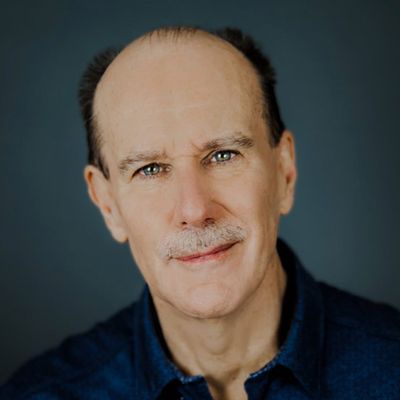
About
SHOWS: Working, Is There Life After High School, Sweet Smell of Success
Craig Carnelia, the man who has given the world such songs as Just A Housewife and The Mason from Working, The Kid Inside from Is There Life After High School, What You’d Call a Dream from Diamonds, At The Fountain, and One Track Mind from Sweet Smell of Success, and of course, Flight, joins Rob and Kevin to look back on these incredible songs.
Craig pulls back the curtain on his career to discuss how he had an epiphany at No Strings, what it was like being in the room with Marvin Hamlisch, and why his new works emphasize social awareness.
Also, Craig shines the spotlight on Wally Harper, Stephen Schwartz, and Hal Prince!
Become a sponsor of Behind The Curtain and get early access to interviews, private playlists, and advanced knowledge of future guests so you can ask the legends your own questions. Go to: http://bit.ly/2i7nWC4
Buy Craig's new book, THE REASON TO SING, by clicking this LINK
Transcript
This transcript was automatically generated and might contain errors.
[0:00] Robert W. Schneider: Hi, I'm Robert W. Schneider.
[0:01] Kevin David Thomas: And I'm Kevin David Thomas.
[0:03] Robert W. Schneider: And this is Behind the Curtain: Broadway's Living Legends.
[0:06] Kevin David Thomas: Don't forget to follow us on Twitter at Broadway Curtain.
[0:09] Robert W. Schneider: And make sure to join our Facebook page at Behind the Curtain: Broadway's Living Legends.
[0:13] Kevin David Thomas: And follow us on Instagram at Broadway Curtain Podcast.
[0:16] Robert W. Schneider: Plus, you can always listen to all of our episodes, old and new, on the Broadway Podcast Network, iTunes, and Spotify.
[0:23] Kevin David Thomas: If you are a student of any musical theater program worth its salt, then there is no way you received your degree without singing one of the many brilliant songs that sprung from the mind of today's guest.
[0:33] Robert W. Schneider: And there are so many songs to choose from, like Just a Housewife and The Mason from Working, The Kid Inside, one of my favorites from Is There Life After High School, What You’d Call a Dream from Diamonds, At the Fountain and One Track Mind from Sweet Smell of Success, and of course the amazing song Flight.
[0:51] Kevin David Thomas: This year he has also published a fantastic book entitled The Reason to Sing: A Guide to Acting While Singing.
[0:58] Robert W. Schneider: And if you are listening to this and you run a musical theater program or teach a musical theater program, you must make this book mandatory reading for all of your students.
[1:07] Kevin David Thomas: It is groundbreaking and life-changing.
[1:10] Robert W. Schneider: So please, please, please do that. So to tell us what it was like to work with such legends as Wally Harper, Marvin Hamlisch, Craig Lucas, Nora Ephron, John Guare, John Lithgow, and so many more, here is the wonderful songwriter, Craig Carnelia.
[1:23] Robert W. Schneider: Craig, how are you today?
[1:24] Craig Carnelia: I'm just great, fellas. Thank you.
[1:26] Robert W. Schneider: And you're calling us from Missouri, is that correct?
[1:29] Craig Carnelia: I'm in Springfield, Missouri. My wife and I bought a house here about a year and a half ago. Lisa, Lisa Brescia is on the faculty of Missouri State teaching acting, and she's also still very actively working as in her first profession, which is being an actor.
[1:50] Kevin David Thomas: And a brilliant performer. And Kevin, you got to collaborate with her, right?
[1:53] Kevin David Thomas: Yeah, I do those concerts at Abington Theater, as we mentioned in past episodes, and Lisa was one of our performers when we honored Donna Murphy. She sang, I think, a Kendra Epps, I mean a Maltby and Shire song and just absolutely incredible, just amazing performer as you know full well I do. And Craig, before we got on the air, you were saying that being down there you feel like it's one of the most productive periods for you in terms of being a writer. Can you elaborate on that?
[2:17] Craig Carnelia: Absolutely. First of all, for the past three decades, I've had two professions. I've been an acting teacher to musical theater actors, teaching classes mostly in New York but also around the country at universities. But then I've been a writer, and there are times when the two fields have been extremely active at the same time. But I stopped teaching my New York classes in 2017, and upon moving here, I am simply writing full time. It's thrilling. I usually have two things going at once. Having finished the book The Reason to Sing, I sometimes only have one thing going, which is also wonderful. But I do have two shows in the works, and I have found this to be an incredibly productive time. I love the setting.
I have this huge picture window in my office. It looks very much like, if you can recall, of course you can recall, you guys have been where I've been, in Holiday Inn, the windows of the inn when Linda Mason first comes to sing for him for an audition for Bing Crosby, for an audition, and there's snow outside, and there are these beautiful inn windows facing out. That's what my window is like in my office.
[3:43] Kevin David Thomas: Do you feel like by leaving New York City, the area of New York City, that there's a little less stress, less pressure to produce at all? Do you feel freer to write? I mean, I might be getting a little esoteric here. I don't want to impose, but do you feel freer now?
[3:43] Craig Carnelia: It's not esoteric. There are so many different reasons. I love teaching, but running the business of teaching was time-consuming, and so it took a lot of time away from my writing. The teaching itself, I was teaching 16 hours a week, and the teaching itself was a joy, and it actually fed my writing. While I didn't tend to write a lot on those two days when I was teaching eight hours on two days of the week, I found it really helpful to my writing. In fact, the two professions have been circular. As you mentioned in the book The Reason to Sing, which is about acting, there is so much about writing and how writing and acting are alike, or being a writer and being an actor are alike, in that we, as writers, put ourselves in the character's position, and we try to give voice to what the character is feeling. In essence, that's exactly what the actor is doing, but the material has been written already, so it's a different craft, but it's a very similar place that the actor needs to start from.
[5:17] Craig Carnelia: So I actually found the two professions to be, um, to actually feed each other. However, I do find that being in a setting where there's less sound and less visual imagery, I'm able to see the imagery in my head even better. I have a clearer idea of what I'm doing and why I'm doing it. I'm doing it just to do it, which is a wonderful feeling, and it yields better work. So I'm in a great place in my life. Frankly, I have been since I got together with Lisa.
[5:57] Kevin David Thomas: That's beautiful. Beautiful, absolutely beautiful. And Craig, you're one of our guests that had, I would say, a pretty lucky situation, which is, you know, you got to grow up in New York, and you were attending theater at a pretty early age. Is that correct?
[6:09] Craig Carnelia: It was very lucky to grow up near New York. It's odd, having been a teacher to thousands of actors, I see how each person, wherever they grew up, found it. They found theater, and they found it in one song on an album, or they found it in seeing a tour, or in seeing a high school production of The Wizard of Oz. They find it, and then they research it on their own without calling it research.
[6:45] Kevin David Thomas: Yeah.
[6:45] Craig Carnelia: Being near New York, of course, was lucky, very lucky. And I was very close to New York, about a half an hour away.
[6:55] Kevin David Thomas: Do you remember the first show you saw?
[6:57] Craig Carnelia: Yeah, the first show I saw was with my brother, and it was No Strings, late in the run. Richard Rodgers wrote his own lyrics, and I remember who was in it. Howard Keel and Barbara McNair had replaced Diahann Carroll and Richard Kiley. And it was thrilling. I was hooked actually on seeing that show.
[7:21] Kevin David Thomas: Were you listening to other music besides the musical theater compositions?
[7:26] Craig Carnelia: You know, I talked before about all of us when we become interested in theater and we start seeking out more of it and going to more of it and noticing that something someone does in a film or on television actually is theater. And all of that is research.
[7:49] Craig Carnelia: Yes, I noticed all sorts of music. Everything. I didn't know I was taking it in in a way that it was going to be part of what I do. But a couple of things happened in the three things converged for me in the middle of the 60s. One, the Beatles made rock grow up, and that was thrilling. I didn't know that's what was happening, but just the combination of the melodic sophistication of what they were doing, the harmonic sophistication of what they were doing, and that the lyrics very soon thereafter, very soon after their arrival, started growing up. I was very influenced by the Beatles. And then other good rock that happened at the time and folk. I loved folk. I was in a folk group.
[8:45] Kevin David Thomas: You were in a folk group, right?
[8:48] Craig Carnelia: I was in a folk group. I was in several folk groups. I was in a group called the Travelers Five, and we went nowhere. We didn't travel anywhere. I mean, we didn't go out of town, we didn't go to the to Belrose. Okay. Um but we were the Travelers Five. And um it was great. I was talking about the three things converging, and what they were was discovering theater and the Beatles, and starting to write all at the same time, all in the same year practically. Uh so I'd say those three occurrences uh were the beginning of my writing.
[9:27] Robert W. Schneider: And were your parents supportive of you going into an artistic lifestyle?
[9:32] Craig Carnelia: I would say that my parents were extremely instrumental in my being an artist, but not by supporting it. Um they didn't not support it. My father was um was clinically depressed and didn't know it. So he he was a distant figure, even though he lived in the house. Um he had qualities that were extraordinary. He was uh a perfectionist, um uh, which I am too, uh, and uh he had a great work ethic. Uh but he wished he had been a carpenter, and he was great at it, but he was an accountant, and that was instrumental in my choosing a profession that I would love. Now he didn't say to me, Craig, I hate working as an accountant, I wanted to be a carpenter, you be sure to do what you want to do. He didn't do that at all.
In fact, I would say he probably sent the message that the definition of work is going somewhere you don't want to go and doing something you don't want to do to make money. That is the definition of work. And I just never bought it, never. When I was four years old, I didn't buy it. My mother, on the other hand, I would say my mother probably enjoyed whatever offshoot, whatever whatever light or glory might have been thrown off the fact that I sang a little and wrote songs. That might have felt good to her, made her feel good about herself. But the combination of the two parents made me grow up feeling that no one in the house knew who I was. And while that may seem odd, poor little Craig, it actually forced me to know who I was and to exercise that in private without even knowing that's what I was doing.
That's what starting to write was about. Uh, that I wanted to express who I was, I wanted to be to be heard and known. I don't mean known famous, I mean known for who I am. This is what I am, this is what I think.
[11:58] ⚠ About 2 minutes of audio could not be automatically transcribed.
[13:58] Craig Carnelia: I quit to do a show, but um I we have to talk about why, but yeah. Well, well, I didn't quit because I didn't like it. I quit because uh I got my first professional job. So but I loved it. I loved Hofstra, and I loved the theater department. I did a lot of really fun things there. Uh fun's the wrong word. I did a some really exciting plays and musicals there. And I I loved working there. I taught I was I learned so much as an actor. Um I'm very grateful to Hofstra. I loved it. And so, and then what did what was the reason why you you got your first what was that professional job that you got? Um it was playing The Boy in the Fantasticks off Broadway uh in the 10th year of its original run. And um I had auditioned for the show a year before.
In fact, I was so naive. I saw the show when I was, I think a senior in high school, and I called the box office number. There used to be numbers where you could actually talk to the person in the box office. And I called and said, Is there anybody I could talk to who runs the show backstage? And he gave me to the stage manager and I said, I I love your show, how can I be in it? And uh he said, Well, you need to get an eight by ten, uh, a photo and uh a resume. Couldn't imagine what my resume looked like as a senior in high school. Uh and it was on that that um you you guys are are are young, you probably don't recall. Uh do you remember the the the blue mimeograph in high school? Yeah, it was on it.
That's what my resume was printed on. Uh do you know the kind when they hand it out, everybody smells it because it's got some kind of intoxicating smell? You think you're gonna, yes. Yeah, no, it's like it's sniffing markers or something. Yes, yep. Um, every week they the work papers that go out and everybody just holds their faces to see if they could possibly have some fun. But but um that's my resume and uh you know the shows I had been in in high school, and they called me when I was a freshman in in college. I went in, auditioned, didn't get called back, and then when they called me when I was a sophomore, I went in and got the show. Um, and uh I was 19, which the boy is. Uh I replaced a 30-year-old.
And um and you know, when he was done with it with his time there, he too. People moved on a lot because we didn't get paid much off Broadway at the time. Uh you probably don't know how much you got paid in 1969 off Broadway. I'd be curious. How much did you get paid? And you're at that small theater that you know, and the group $72.30, and the take home was 56. I know it's shocking, isn't it? I mean, my daughter makes that babysitting in one night. Yeah, you know, yeah, easily. Easily, yeah, depending on how many hours. So if you if you prorate even at the pre-tax uh $72, you're making less than $10 a show, which is just crazy. It's shocking. No wonder why it stayed open for so long. Well, it's it stayed open for so long because it was a small theater, because it was run well, and because it was something people wanted to go back to again and again.
I probably saw it four or five times before I was in it, and uh it was a dream come true. It was actually the part I was I was wanting to play more than any other. And uh it was it was thrilling being in it. Uh made a lot of friends, had a great time.
[17:35] Kevin David Thomas: Craig, what is so intoxicating about the Fantasticks?
[17:38] Craig Carnelia: I think it's that thing that we often hear theater artists talk about, that there's a kind of make-believe in it, that there's nothing on the stage really, and that everything we we are we are pulled into or imagine is done in the simplest way, whether it's a sheet uh or uh uh uh uh somebody uh dropping snow or dropping rain or colored papers being thrown up in the air, or simple worn-out props. It's there's something so beautiful in theater. I I I heard um Doug Wright, the great playwright and friend of mine, um, speak at a conference once, and he said what he loves about theater is that someone can come out uh the first person on stage and and say we're in Russia, it's 1932, and put a stake in the ground, and it says Russia 1932, and you, the audience go.
You just go. And I'm I'm not, it's not that I'm not a fan of all the brilliant technological stuff we see um on Broadway now. I mean, it's just amazing what people are able to do and the amount of money people are are are spending on productions. But I think that the the bare bones quality of the Fantasticks enlists the audience as such a partner in the telling of the story. Plus, it is it's a classic story, you know. You know, I don't know that I believe in that that that that idea that there are only five stories and everything is one of them. Um you've heard of that. Uh uh one is Faust, one is Romeo and Juliet. And there are a couple of others that everything follows one of those plots. Well, clearly it's Romeo and Juliet, but it's got a twist on it, of course, because the fathers actually want them to get together. But I think I think that that classic nature of the story also helps. Plus, Tom and Harvey did brilliant, brilliant work.
[19:49] Kevin David Thomas: How do you begin your process when you're starting to write a song for a production or for a character?
[19:55] Craig Carnelia: Well, to quote the title of my book, uh, I begin with the reasons to sing. So the character has something they want to accomplish, and then they, or something they feel, um, and they want to, they need to say, or that, or that they they would wish they wouldn't say, but they are drawn to saying it. Uh, whatever the reason to sing is, that's the thing that comes first. Then it could be a piece of music or a piece of lyric. Um music is fast, lyrics are slow. Everybody who's ever done the thing I do will tell you that. Um, so it's very most commonly I will have some lyric, and at the same time, I'll be hearing music in my head. I'd say you start with the idea. You start with the reason, not even the idea, the reason.
Um, it's why I think the lyricist is the uh, it's the person who makes the show sing because it's the person who determines how the character will express what they feel in the situation they're in. Since you're working chronologically uh through my my career, um, you'll get to Marvin Hamlisch, but I learned a lot from Marvin the way he worked, he always wanted to work music first. And Marvin did something that good composers, real composers, will always tell you you should do. And that is you hear it in your head before you play it. It doesn't mean you hear it fully formed in your head, but Marvin would always sit there with he'd have a verse uh of lyric, or he'd have a line or title, and he'd sit there silently for a very short time because Marvin was incredibly quick.
And I was always in the room, and there was a tape recorder running, uh not a recording device on a phone, but a tape recorder. And uh and he'd start to go, he'd start to play, but he always heard it in his head first, or heard the beginning of it in his head. When you're writing lyrics and you don't have music yet, you will hear cadences, and ultimately those cadences will start to have pitches. Uh so you you've done half the composing and you haven't even put your hands on the piano. Uh, and then you go to the piano and you figure out why it did that and where it wants to lead and how it's harmonically uh fleshed out. Uh much of the time you've actually heard the the harmonic underpinnings of the of the melody, but sometimes you haven't.
[22:36] Craig Carnelia: And it's actually great fun to play with the different ways uh that melody could be harmonized. And uh we can actually stick with Mr. Hamlisch for a little bit. Uh what made you decide to just write lyrics for this after you had been writing songs on your own for such a long time?
[22:53] Craig Carnelia: Well, I didn't decide. Um I heard that Live End, uh, which is a very active company in this period, a Canadian company uh that that actually uh spawned uh Ragtime and uh Susico and uh Hal Prince's production of Showboat um and uh Kiss and Spider Woman. Um and uh Fosse, I think was there, yes it was, and Sweet Smell of Success. My dear friend Peter Friedman, uh, who's a great, great actor, uh, was up in Canada uh at the Live End uh rehearsal space, and he was rehearsing Ragtime, and he knew I loved Sweet Smell of Success, and he just heard that day that that Live End was doing that and that they didn't have a lyricist because they had Marvin. And um he called me alongside it and said, You gotta you gotta try to get this.
So I I knew Marty Bell. Marty Bell was the second in command to Garth Drabinsky. And um Marty's very, very bright and has great taste. And luckily he knew my work, uh, because he he made it his business to know who was there, who was out there and who was good, uh, even if you weren't famous. And um I called Marty and I said, I want a shot at this. I want to if you audition me, I think you'll hire me. And uh over the next six months I did that maybe three times, and ultimately he did. Um, and uh he gave me Marvin's number, said Marvin's waiting to hear from you. I had never met Marvin. And um we got together and wrote four songs and they gave us the job.
[24:40] Kevin David Thomas: Do you remember the first song you you wrote with him for Sweet Smell of Success for your for your test out period?
[24:46] Craig Carnelia: Your Absolutely. We wrote uh um an opening number that actually is not unlike the opening number that was in the uh uh um in the in the Broadway production. The song was called Rumor, and uh it had much the same music that's there. And uh uh so instead of gotta get in the column, it was some months a rumor. Um and uh we wrote an early version of that uh for our audition, ended up changing a lot, and then of course it changed its nature uh between Chicago and uh New York. Um I remember every song I ever wrote with Marvin, including the ones we cut.
[25:28] Kevin David Thomas: And at this time was a book writer working on this?
[25:30] Craig Carnelia: Yes, okay. John John Guare, our wonderful book writer, was on the show a year before us, and um they had uh uh they had uh John had done a a very fat uh first uh draft of a script with that Marvin and I were given to write our songs from. It was very different from what from what it became.
[25:54] Kevin David Thomas: When you get something like that, does it say uh, you know, insert song here, opening number here, or do do you and Marvin Co and go, oh this looks like something that could be a song?
[26:06] Craig Carnelia: Well, Marvin John did not do that, and to his credit. Uh it it is again very, very limiting when the book writer does that. You kind of have to overlook it. There's a there's a thing in in uh a lot of actors won't read stage directions because they don't want to know what the writer thinks the person should be feeling, for instance. You know, you don't want to see a character heading, you know, Teddy, and then the word tentatively, and then the line. Um and in essence, that's what it's like when a book writer puts in song ideas, because knowing when to sing and how to sing and what to sing about, is really the province of I think first the lyricist and then the composer. Marvin and I arrived at those things always jointly, and then he would uh trust me to go off and find how what slant to come at the song from, and then I'd bring titles, lines, verses uh to him.
[27:10] Kevin David Thomas: And now, if it's okay, we're gonna jump back, if that's all right. How did Working come into your life?
[27:17] Craig Carnelia: Working was was everything about it was wonderful. I I I love what we did to this day. Uh uh the the project was initiated by Stephen Schwartz, who I had never met, although Stephen and I grew up 45 minutes from each other on Long Island at the same time. Uh he's uh a year older than I am. So we were we were public high school kids on Long Island at exactly the same moment, hearing exactly the same stuff and being drawn to both theater and pop. Um I hadn't met Stephen, but I I was I was doing a um a cabaret show of my songs, and uh somebody I had not really known at college, but had been there at the same time, not in the theater department, was Craig Zaydon.
[28:06] Craig Carnelia: You know the name because he was the first Sondheim biographer. He wrote Sondheim and Company, and then he wrote the updated version of it. Craig and I went to college at the same time, though we didn't know each other. He came to see this evening of my songs. He was dear friends with Stephen, and he brought Steve to see me because he knew Steve was looking for one more composer for his show Working. He had been working with Mickey Grant and James Taylor, and I think he had talked to Mary Rogers, who had then brought on Susan Birkenhead as a lyricist, but he wanted one more writer. He came to see it, and that night he asked me to read the book and talked to him the next week, and I did. He asked me to write a song for the retired man, which was a chapter in the book.
I did, and I played it for him about halfway through the writing process. The process was very long. It's a long song and a difficult one. I played it for him about halfway, and he just loved what I was doing. I think I got the job then. It came about, you know, people always ask, young writers always ask, how do you get started? And really, you get started by having your work heard. Nothing good can happen until it is. It's a secret until then. So have your stuff heard. There were key moments in my career when that's how things were generated. It's also how I got Sweet Smell of Success. It's how Marty Bell knew my work. He had known my work from hearing any of the songs I did much later. It was in 1990.
So that's how that happened. In both cases, it began by the songs being visible or audible. So many times a writer will have their song sung by a singer, and you may love the performance or you may not even like the performance. I'm always astounded that I'll hear a performance and I'll think, oh gee, I wish that wasn't the way it was. Something good will happen because they heard that performance. I think sometimes we can't measure the effect that a performance will have when all we're hearing is the things that aren't there, you know. Oh, why wasn't that rest there? Nobody gives a shit about your rest. No, did the song move them or not? Did they delete it? Yeah, yeah. So that's how Working happened.
It was a great, great experience. We had an out-of-town tryout in Chicago at the Goodman Theater, and it was good and well received, and we wanted to make it better, so we did. A bunch of songs were cut. I had one cut, and James had one cut, and Susan and Mary Ann Steve got a song cut. I wrote two new songs between Chicago and Broadway. They were Just a Housewife and The Mason. The Mason came about in a beautiful way. Stephen asked me to replace a James Taylor song. The job was it needed to be the person had to like their work because we needed a positive statement early about someone in their work. It wasn't seeming to be people complaining about their job. It needed to use on-stage guitars, meaning actors playing guitars.
So I went looking in the chapters in the book for a chapter that seemed to say that interested me. There was an actor in the play that I just loved. He didn't have a song. He had pieces of songs, but David Patrick Kelly was in the show, and I just loved him and I loved his voice. It was so grainy and real and just a beautiful guy, a young, wonderful soulful singer. He sounded like a person, you know, he didn't sound like a singer. So I wrote that song for him, and it was thrilling. Housewife also worked out well. I remember I was in New York working, and the show was running in Chicago. Steve asked me to come out and play him what I was doing on the Housewife song. I was again about halfway done. I went out and played, I was in the rehearsal room during lunch, and everybody was out, and I played about half of Housewife for Stephen, and he said, oh, you did it again. So it felt really good.
[33:28] Kevin David Thomas: Craig, I'd love to ask you, Just a Housewife is probably one of the best musical thought songs ever written. A lot of people will be doing it even long before we have all left this earth. What advice and tips do you have to a singer that's going to present that song to an audience?
[33:46] Craig Carnelia: The idea of the song is that there's a question that she's been asked, what work do you do? What do you do? And she, being a housewife, is in the position of having to say, I don't have a job. And it comes out as I don't work. Well, I work, but she doesn't know how she feels about her work when she begins the song. The reason she doesn't know is that she's gotten used to saying what I do doesn't matter. You know, I don't really work. Because if she doesn't say it, she knows you're thinking it. So that's where the song begins. It moves. She then in the second verse simply lists the tasks that she does that make up the job. In the third verse, the language changes. So instead of all I'm is just a housewife, nothing special, nothing great, it's all I am is just a housewife.
What I feel is out of fashion, out of date. And those are, and she doesn't know it yet, but those words, out of fashion, out of date, those are the beginning of her understanding that other people think that. She gets pissed in that verse and says at the end of the verse, all I am is just a housewife, right away, I'm not too bright. So the TV talk shows tell me every night. So she's kind of gotten angry, and then she tries to apologize. I don't mean to complain and all, but they make you feel like you're two feet tall and you're just a wife. She tries to apologize, but can't. So she starts explaining how bad it feels to be looked down upon or not appreciated, or not have people understand that this is a job.
She actually stands up for it. I mean, did you ever think really stop and think what a job it was doing all the things that a housewife does? She defends it more than defends it, she speaks with pride about it. And then, having made a fuss again, as she did when she got angry, she then withdraws somewhat for a tag of the song and goes sort of back to where she began, but it's different somehow because she's different. So, what I would tell the actor is don't act the feelings, act the action, and the action is to tell us what you do for a living, and to not know what you think about that, and to find out that's what you should do. So the overall objective for her is to educate the questioner. Who has ever asked this question? She's answering it. And then underneath it, it's like you were saying it's the point of views that are going to change as the song goes on.
[37:15] Kevin David Thomas: I don't think she's out to educate. I think she's out to stay alive while an unwanted spotlight is on her.
[37:22] Craig Carnelia: Ah, okay. She doesn't want to be in that spotlight. Hey, you tell us about your work. What? You want to talk to me? Why do you want to talk to me? Can you turn off that light? No, we're not going to turn off the light. What do you do? I don't do anything. Oh, yeah, well, I do something, but so she's not out to prove something. She's simply got a spotlight on her and is answering the question.
[37:51] Eva Gabor: Hello there.
[37:53] Eddie Albert: This is Eva Gabor and Eddie Albert.
[37:57] Eva Gabor: Yes, before we were on Green Acres, we were both Broadway babies.
[38:01] Eddie Albert: And we love listening to Behind the Curtain, Broadway's living legends.
[38:06] Eva Gabor: And don't forget to tell them to put pasties on.
[38:09] Eddie Albert: And a pastry.
[38:11] Eva Gabor: No, don't put pastey.
[38:13] Eddie Albert: Go to Patreon.com and set a donation.
[38:17] Eva Gabor: Yes, Patreon.com.
[38:20] Eddie Albert: Oh, do it for me, not for Zaja.
[38:23] Eva Gabor: Welcome to the theater, darling.
[38:30] Craig Carnelia: Let's talk about the role of mentorship, if we can. A student comes to you and they want to be mentored by you. What makes you take on the role of a mentor? As it is such an important role in the arts.
[38:45] Craig Carnelia: I never do freelance mentoring. Any mentoring I've ever done has been under the auspices of a university or some kind of a program. There's a program I teach at every year. I'm actually the head teacher at a program called the Johnny Mercer Songwriters Project. It meets once a year at Northwestern. What I see about mentoring is I'm mentoring two students right now, two students within a theater program at Northwestern, mentoring them on Zoom. What I feel, and I actually learned this through doing some mentoring through the Dramatists Guild, and I've done a lot of mentoring at ASCAP and other things as well. What I came into it believing is that no one should teach writing to anyone. I still believe it.
So when I mentor, I have a really light touch. I'm more interested in the writer actually becoming what they were trying to become. There's a great temptation in mentoring. I see it everywhere I teach with other people, to fall into saying, without the line, this is what I would have done. Yep. And it's irrelevant. It has nothing to do with teaching. It is simply you becoming an uninvited collaborator and clouding, you're actually closing the door for the student by saying that, even if they don't take the idea. Because you're, it's like writing a review of it while they're still writing it. So it's important to me to understand what the writer's trying to do and to help them become themselves, because that's what we're all trying to do as artists.
We're trying to be the thing we're going to be. And we don't need to be told what somebody else would do. You can teach craft, but you can't teach creativity. You really can't. It's something we're born with, and then it's something we cultivate. I mean, when I look at my life, I was an artist when I was picking worms out of the garden in the back of the house. You know what I mean? I was always an artist. I was never fit for anything else, unhirable in the real world. There was nothing else I was going to be. So I was always being creative and always being on the road to becoming an artist.
[41:36] Craig Carnelia: Other than the aforementioned Stephen Schwartz, were there other mentors that you had along the way? I'm curious if anyone else left an impression on you, took you under their wing.
[41:46] Craig Carnelia: Everyone has, all but good people, everyone. I met Sondheim in '78, and we had lunch, which was thrilling.
[41:58] Craig Carnelia: Uh, and I told him that he had already mentored me. Um, I have had a lot of um contact with him over the last couple of decades, and I've played things for him. Uh, before I wrote my book, um, he and I sat and talked about tone because he had been so successful with his books. And we he sat and gave me some advice about actually he talked about his own quest for finding uh finding a tone for the book that was somewhere right in the middle of uh being colloquial and being professorial. And um it's the great place to live, you know. And I yeah, it it is true. I mean, we know things, so we are professorial, but we are also just people having dinner with somebody. Um so I before he wrote his book and before I wrote mine, we we did an interview.
I I interviewed him for the the um the Drama Skilled magazine, and the there was that interview was so lively, he said it was the best one he'd ever had, and uh it was so lively that uh it actually uh gave both of us the courage to write our books because we we looked back on the transcript and he said, I was that good. And I said, Yeah, you were that good, you know, and and and I was good too. And we're both really surprised. Um so it it kind of he had had a question about how to write prose, and how to write prose was the way he was speaking to me. He had simply been asked good questions and had a good uh dialogue with somebody who was also uh in the trenches, you know. There aren't many of us who do this. Yes, it's so uh so I've been mentored by him uh without having been mentored by him. What he wrote in his book, Do you mind if I continue with him?
[44:01] Kevin David Thomas: Please.
[44:02] Craig Carnelia: He wrote in his book about a moment with Cole Porter, where when they were doing Gypsy, Ethel Merman brought brought him over to play some play some of the score for Cole Porter, Chris Cole was feeling um down because it was a late stage of his life, and he was in such pain with his with his legs. And they played, and he recalled that Cole Porter um chuckled when they played um uh uh uh together wherever we go, and uh wherever he goes, I I know she goes, or wherever she goes, I know he goes, no fits, no feuds, no fights, no egos. Amigos. When he said amigos, when he sang amigos, Cole Porter chuckled, and he said it might be the best moment in his whole career. Best compliment ever. I I had a moment with Steve where um uh uh sometime where I was playing him, I played him uh two songs from Poster Boy, and we were in his uh in his study in his townhouse, and um there was a phrase he just loved in a song called Door Number Three.
Um there was a phrase he loved. It was it was uh it was on a it was a lot of notes on one word, and um he said, play that, play that, play that. And he came off the piano bench. We were sitting at the piano bench, and the phrase is circular, meaning you can keep playing it over and over. We were sitting there singing this phrase together. Um, and I I that was my Cole Porter moment. Yeah it but it it's it's what we work for it really is the the best person there's ever been doing what I do and he likes a phrase I wrote and it's not even words it's music which is astounding to me you know yeah absolutely you know I think we would be remiss if we did not ask you about uh a show that everybody loves and that did not have the longest life on Broadway and that that is is their life after high school um which is done all the time now uh just about everywhere and I think there was there was a reading of it maybe at roundabout a few god how do you know these things it's love he's so good he's so good he's you have to keep tabs on things did and Lonnie directed it no yes that's exactly right okay John Wideman and I uh had always wanted to work together so our first experiment together was writing a new version of of his The Life at the high school which we did and I wrote half a dozen new songs and John wrote an entirely new book and we the two of us decided this isn't exciting enough to continue with so we we let it go after one workshop but yes we did do a workshop with Lonnie Price and um it was great fun working with John I I really like what we wrote and it seemed it seemed more of a today than um than it was of of the day we're in and um so we just decided that what we wanted was to work together, but but to let that one go.
[47:20] Craig Carnelia: Um yes, we did. We did that but how what was the experience like originally?
[47:25] Kevin David Thomas: Yes.
[47:26] Craig Carnelia: It was good for a couple of years. Um, in case any of you don't know who are listening, it takes a long time for musicals to happen. Um so when I talk about years, that's not unusual. Things take forever. Uh back in the day of high school, which is in the 80s, um, it took probably three, four or five years to get a show on, if it was ever going to get on. Now it's closer to 10. Uh for no good reason other than money. Uh, but it it takes a while. But back in the day, uh Jeff Kindley, who wrote the book, and I had a wonderful time collaborating. We made a couple of fatal mistakes. And we made one on the first day of our collaboration. And we we and it's what John and I, John Wybin and I were trying to cure.
Uh, the fatal mistake we the first fatal mistake we made was to um to have there not be continuing characters. Uh we we auditioned it for Mike Nichols uh to direct, and and um he he loved the score, and he uh he said he wouldn't do it uh because it didn't have a story, and he said that he was always attracted to things that don't have stories. But he said the the most interesting thing, he said when you don't give the audience a story, they make one up, and the one they make up won't go with what you've written. And it's brilliant, and it is what happens, it is what happens. Um, so we we did make that mistake, and then we made two more. Uh we did the show at the Hartford Stage Company with uh our original director.
He uh we did the show at Hartford Stage Company and had a wonderful spirit and a s and a and a and a and a real looseness and a casualness about it, which which the audience really went with. It was very successful in Hartford, both critically and with the audience. And then we did the show on Broadway at the Barramore. Barrymore has a formality about it, very high ceiling, just a gorgeous, gorgeous theater. Um and it's just a classic Broadway theater. And the show didn't belong there, it belonged off Broadway. That's the second fatal mistake. The third fatal mistake was the director. He was in over his head. He got fired. By the time he got fired, we were in extended previews, and uh it was it was too late to to make what was on the stage uh be as good as um some of the book and some of the songs are.
Uh but this the show is done all the time. It was funny before we went on the air, Kevin was uh sharing a story about your class. Kevin, would you would you tell Craig what you told me before we went on?
[50:09] Kevin David Thomas: You know, I was you know, I was an M, I was, you know, done some shows and I was I was an actor through the aughts, and and I started came to New York in 2002 and I said to Rob, I was like, oh my god, Craig's class was like the most famous class in New York City. If you were an equity actor, you were working on Broadway, you're doing your work, your class, but it was also notoriously a scary class because it was such intense work. I mean, it was such good work. I'm sure you would use different language than I would use as this as the as the actor who hears from other people what they went through. But you know, you you I you could venture to guess say that you educated a whole new level of actors, you know, uh, of this the caliber of actors, but you you set a bar for a lot of people to to meet when it came to realism, being truthful, honoring the lyric, the same work that you put into your songs, you now were able to draw out of people, but I think actors knew that this was if you wanted to be an actor on Broadway, you you had to do top-tier work. You had to really put yourself into this. Uh, and and I I would love you to talk a little bit about your the teaching years and um and how that came about.
[51:13] Craig Carnelia: There's a difference between performing and acting.
[51:17] Craig Carnelia: And performing is about half of what we see in musicals, yeah. And it's good, it's high grade what we see in most musicals, but performing is uh putting forward attitudes and postures that suggest what the person is feeling while they're singing, instead of the person feeling something while they're singing, and that coloring the performance naturally. What I just described is acting, the second thing. It is what people do in place when they're good. All I've done is taken what is done in place and demand of acting songs to be that rich and that real. And I found over the decades of teaching that that can be applied to any song. It doesn't have to be a theater song, it can be any song. Um it can even be a song that that doesn't have, say, an action.
You can find one in it, but you you cannot sing a song without an action, without having an action and have it have it be acting. It isn't acting, it's performing. And it takes many, many, many forms. Um mostly it's it is one kind of pretending or another, and it could be on such a high level that it has a look of realism to it, but it isn't. And what the audience will sense is that lack of viscera in the in the performance. So that their own viscera will not be engaged. They will be delighted, their ear will be engaged, they will be impressed, they might even be uh able, they will be able to follow the pattern of what you're doing, meaning uh in one place I am hopeful, in another place I am, I am angry, in another place I am in love.
They might they will be able to follow what you mean, but it'll have a um uh Crayola box of eight uh uh quality of of being primary colors and not having the subtlety that that the three of us are having right here, uh simply because we are in the position right here of having to make up what we're doing. Ultimately, what you need to be doing when you're singing a song is you need to be making it up. You need to be the inventor. The character that you're playing is the inventor, or that's the conceit. That is the idea. I'm making this song up. If if if if the character of Joey in in Most Happy Fella is singing that great, great song, and he's actually living um that that he that he relates to the scent of crops from a hundred miles away, and it calls to him, and he's had everything he wants here, and he's getting comfortable, and maybe he's gained 10 pounds, and he's ready to go.
We've all been there. We've all been to that place. We haven't been there in that we're we're smelling the crops from 100 miles away, but we have certainly come to the conclusion. Oh, I am so comfortable here that I'm ceasing to be me. I am I'm actually like a chair. Um by finding how you relate to that, um you can uh you can sing that song with a with a with a life and a vitality and an originality rather than what I will see say in that song is I will see someone playing handsome man. So here I am. I'm already a handsome man, and I'm playing handsome man. So it's it's uh I'm bald and I'm intense. And if I pretended right now to be bald and intense, what a waste of fucking time that would be.
Well, it wouldn't be overkill, it actually would be diminishing because we'd cancel it out because I'd be busy not being oh, baldness happens, it's there, you know, you'd see it, but the intensity wouldn't be real because I'd be pretending to be intense. So you'll see it a lot in musical theater. Someone funny will be pretending to be funny, but they're funny.
[55:53] Craig Carnelia: Someone who's sexy will be pretending to be sexy, but they're sexy. So my point is reality is reality, even when it's heightened, it does not need to be paint by numbers to be repeatable. You can repeat it, you can repeat that good performance by repeating your process, and it's simply the difference between acting and performing, and there's nothing wrong with performing, it's not as engaging to the actor, and it's not as engaging to the audience.
[56:28] Robert W. Schneider: Craig, let's imagine that the Dramatists Guild comes to you and says, "We're working on a project, and the project is we're asking every single songwriter to take only one song from their collection and put it in a box." And so a hundred years from now, when someone opens the box, they go, "Ah, that's what this person was." What song of yours, only one, would you put in the box that you feel either best represents you or is the work that you are proudest of and want to be most remembered for?
[56:59] Craig Carnelia: I wouldn't imagine any writer likes this question.
[57:02] Robert W. Schneider: Not at all.
[57:03] Craig Carnelia: But we ask it all the time. And I tell you, I don't like your question. Given that, and given that you've actually cornered me, I would say "What You'd Call a Dream." And there's 90 million other ones that are just as brilliant. Actually, that's not true. Um, but there are a dozen that are as good.
[57:24] Robert W. Schneider: What do you love about that song so much?
[57:27] Craig Carnelia: I love what it doesn't say that the song can be about a dream that happened, a dream come true, or it can be about something that didn't happen. And that's not even noticeable to the listener, it's for the actor. So the song is colored by which of those two things the actor is singing about, and then on top of that, the actor can be singing about baseball, or they can be singing about something else. It's also got a really beautiful melody. Um, I love the song harmonically and melodically. I just think it's lovely. Um, it also does something. Well, good music actually reaches inside you and does something to you. Um, it always has. And I think that song has that. Um, I first wrote the song in '84, and I first sang it in public in 1990.
It was the first song of an evening of my songs I was doing in the village. Um, and I didn't know what it was about. I thought it was about baseball, and um, I found out when I started singing it in front of people. I mean, I uh, singing the first line, first couple of lines. I found out that it was actually about something that had occurred that was disappointing, and there was a deep current of longing in the song, and it came from that. And I didn't know it until I was in front of people. It was quite horrifying, actually, to find that. Um, I remember I had to take a couple of very deep breaths to be able to do what I was doing.
[59:27] Robert W. Schneider: Are you allowed to tell us a little bit about what future projects are coming your way, or do you like to keep that close to the vest as you work on it?
[59:35] Craig Carnelia: One of them will be semi-close to the vest, and the other one is out there because it's actually out of production already. I have a show called "Poster Boy" that premiered at Williamstown Theater Festival a couple summers ago, and it has been under option at Public Theater since then. And Oscar Eustace, the artistic director of the Public, is directing the show. It's a beautiful, beautiful show. The book was written by Joe Trace, and the story is a true story of Tyler Clemente, who was a college freshman at Rutgers 10 years ago. And I'm sure you all know it was the beginning of the It Gets Better campaign. Tyler was three weeks into his freshman year, and his roommate spied on him having a date with another man and jumped off the George Washington Bridge.
Anyhow, my collaborator and I have done extensive research about Tyler and about what happened, and we've used his own words, even in songs, and the roommates' own words in songs. These are from court transcripts. Being in the age of the computer, we have everything these boys said to each other ever, and it usually was online, is part of a court record. And so we have all this information, plus they have conversations of them talking to their friends, and so many things that were in this 400-page court document, plus a lot that has been written about Tyler. Anyhow, we began the show a year after Tyler died, and then a couple years later we started doing workshops, and Mandy Greenfield from Williamstown saw a workshop and decided to do the show.
Oscar Eustace saw a workshop up at Williamstown the year before we did the production, and he said he had to do it. Anyhow, it's a thrilling project. I'm very excited about it. And Oscar is planning when the Public revs up again next fall to do the show a year from next fall. And we're very excited about it. And Danny Mefford is involved, great choreographer of Evan Hansen and Fun Home. And it's just a great team, and we love the show, and we've worked with a number of wonderful actors along the way. And hopefully we'll get to continue with them. Um, so that's what we, that's the show I can wholeheartedly or rather openly talk about.
[1:02:28] Craig Carnelia: The other one, I have a new show, it's about two-thirds done. And John Wideman and I have been writing an original musical since about two years ago, and we've each had other projects we've had to do. I had a lot of deadlines on the book, and there were times when I was doing workshops on "Poster Boy" with Oscar and Joe. And John was very busy with a number of things. He has a show in the works based on the film "Norma Rae," and he's been workshopping that throughout. The songs are by Roseanne Cash and her partner, and John's doing the book, of course. But he's been busy with that, and he's also doing something with Andy Blank and Bueller, the choreographer from Hamilton. He's been busy and I've been busy, but after about two years, we're about two-thirds of the way through, it's really exciting.
Uh, it, like "Poster Boy," is about something serious, and while being, I think, entertaining and life-affirming. Uh, but those two shows have kept me busy over the last couple of years, plus writing this book. I have a list of things I want to do after I finish this show. Um, there's a three-character play I started, which I probably will go back to. There's another book I'm interested in writing, and I have probably three or four musical show ideas that I would like to get to, and um, I probably won't. I probably won't have the time, which is just fine. But I have things I want to do, and I'm finding that I'm more fertile than ever and really enjoying the writing.
[1:04:28] Robert W. Schneider: Why do you think it seems like you sometimes do gravitate towards more serious subject matter? Why do you think that is?
[1:04:35] Craig Carnelia: I am only interested in writing those things that fascinate me. So I wouldn't be drawn to something fluffy. It just doesn't appeal to me. I like to find out what makes people tick and to write about it. It's actually the high school show I was singing about. That was the first song I wrote after the high school show. And it was actually that. That hadn't been the commercial success I'd wished it would be. Yeah. And I found that out in front of people. It was awful. And didn't even wonderful and wonderful. And it's how we write. It's how we write. And it's how we act. It is how we act. We find whether we look for them and tangibly know that's what we're doing or not, we find analogous things in our own lives that are exactly the same thing, or bring about the same chain reaction of feelings in us as what literally the song is saying. And here I am, the writer of it and didn't even know that's where it came from.
[1:05:57] Robert W. Schneider: And then Craig, the last question that we always ask all of our guests is, you know, what do you know now as a songwriter that maybe you wished you had known 40 years ago, 50 years ago?
[1:06:10] Craig Carnelia: When I started, I wasn't nearly as good as I became a few years later. Um, I auditioned an early show for Hal Prince in 1971. He doesn't remember this, or didn't remember this. We became very, very close friends and actually were working on something when he died. But um, I played an early score for him, and he told me how talented I was, and then he just ripped me to shreds for not working harder. So I would say work harder, work harder, don't have three good lines in your song. Have 20 good lines in your song. It all, all the way to do it is just work harder. Demand more of yourself. That's something about the work, something about the business. When you're starting out, try to say yes to everything. Don't turn things down. You learn from everything you do. Um, go and do it.
[1:07:12] Robert W. Schneider: Great advice. Thank you, Craig. This has been such an absolute pleasure and joy getting to talk with you today.
[1:07:18] Craig Carnelia: It's such a pleasure to talk to you guys. I mean, you are so steeped in this world that we're talking about, and it's wonderful to talk to people who are actually interested in the specificity and the little elements of what we do. Um, it's such an interesting world we live in, the theater, and it's not just what's on the stage, it's everything that got the stuff on the stage.
[1:07:55] Robert W. Schneider: Ain't that the truth? Listeners, don't forget you can also buy Craig's book, "The Reason to Sing: A Guide to Acting While Singing." It's a fantastic book. Uh, and like I said, you know, if you run a musical theater program or you're a student of musical theater, you need to buy this book. It's gonna change your life, I guarantee that. And if you click into our show's info description, it'll take you to a link where you can purchase the book. It'll be the greatest thing you can buy this year.
[1:08:17] Robert W. Schneider: Craig, thank you so much for joining us. And hopefully, our paths will cross again when everything is back up and running.
[1:08:23] Craig Carnelia: Thank you, Robert. Thank you, Kevin. Thank you so much, man.
[1:09:24] Kevin David Thomas: Yeah. True story, Rob saw it.
[1:09:26] Robert W. Schneider: Yes, and it was badly. It was bizarre. I was there. I was.
[1:09:30] Kevin David Thomas: Oh god.
[1:09:32] Robert W. Schneider: Thank you for listening to today's episode. And a big thanks to the punchy players, Jeff Marquis, who is bringing back Lucy, Betty, Judy, and more to shill for us. And a big thanks to our sound editor, Daniel Schwartzberg, and social media manager Bethany Ann Selecki. And don't forget, we want more folks to hear these incredible stories, and that's where you come in. In order for people to find out about us, we need lots of ratings on iTunes. So head on over to iTunes, search for Behind the Curtain, Broadway's Living Legends, click on our logo, click on ratings and reviews, then write a review and leave us five stars and make us feel as special as Eliza Doolittle on Eliza Doolittle Day. Or you can leave us just one star and you can make us feel as bad as Annie did in that really weird production in Boston where Annie dreamt that she was being adopted, but then she ended up back in the orphanage, right? Back where she started.
[1:09:32] Robert W. Schneider: So head on over to iTunes and make us feel even more special than we already did.
© Broadway Podcast Network, All Rights Reserved