

SHOWS: How to Succeed (1995), The Life Fela! One of Broadway's most beloved artists, Tony Award winner Ms. Lillias White joins Rob and Kevin to look back on her acting career, discuss the process of creating Sonja in The Life, and to walk listeners through the process behind her new album, Get Yourself Some Happy... Read More
From the show: BEHIND THE CURTAIN: BROADWAY'S LIVING LEGENDS » Podcast
Guests
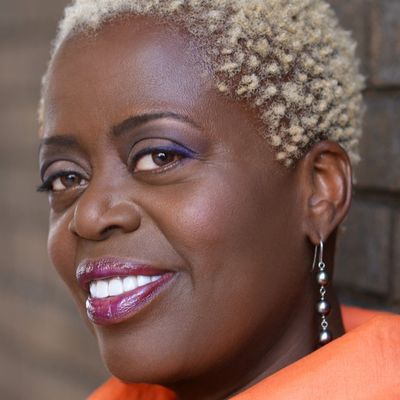
About
SHOWS: How to Succeed (1995), The Life Fela!
One of Broadway's most beloved artists, Tony Award winner Ms. Lillias White joins Rob and Kevin to look back on her acting career, discuss the process of creating Sonja in The Life, and to walk listeners through the process behind her new album, Get Yourself Some Happy.
Lillias pulls back the curtain on her career to discuss how she handled sexism, what it was like collaborating with Cy Coleman, and why Tony Orlando was one of her favorite co-stars
Also, Lillias shines the spotlight on Jim Dale, Pamela Isaacs, and LaChanze!
Become a sponsor of Behind The Curtain and get early access to interviews, private playlists, and advanced knowledge of future guests so you can ask the legends your own questions. Go to: http://bit.ly/2i7nWC4
Transcript
This transcript was automatically generated and might contain errors.
[0:00] Robert W. Schneider: Hi, I'm Robert W. Schneider.
[0:01] Kevin David Thomas: And I'm Kevin David Thomas.
[0:03] Robert W. Schneider: And this is Behind the Curtain: Broadway's Living Legends.
[0:06] Kevin David Thomas: Don't forget to follow us on Twitter at Broadway Curtain.
[0:09] Robert W. Schneider: And make sure to join our Facebook page at Behind the Curtain: Broadway's Living Legends.
[0:13] Kevin David Thomas: And you young kids, follow us on Instagram at Broadway Curtain Podcast.
[0:18] Robert W. Schneider: Plus, you can listen to all of our episodes, old and new, on the Broadway Podcast Network, iTunes, and Spotify.
[0:24] Robert W. Schneider: When Kevin and I first started this show in 2016, we made a dream list of guests, and the brilliant artist we are speaking to today was on the top of that list.
[0:34] Kevin David Thomas: We have tried for many years to get her.
[0:36] Robert W. Schneider: She's with us today. If you love musical theater, then you are just in love with her talents as we are. Her voice is otherworldly, yes, but her ability to tell a story transcends any theatrical experience.
[0:50] Kevin David Thomas: And there have been so many theatrical experiences like The Whiz, Arnhem, Dream Girls, Cats, Romance and Hard Times, Once on This Island, the 1995 How to Succeed Revival, The Life for which she won the Tony Award, Thayla, and the actor's fun performances of Funny Girl.
[1:08] Robert W. Schneider: Plus, she has become one of the most prominent cabaret artists working today. And of course, Hercules, which I'm sure we'll talk about, to tell us what it was like to work with such legends as Cy Coleman, Alan Menken, and Joe Layton, Graciela Danielle, Michael Blake, Moore, and William Finn, as well to discuss her incredible new solo album, which we got a sneak peek listen to, and it is fantastic.
[1:30] Kevin David Thomas: The album is called Get Yourself Some Happy, and it's gonna drop July 23rd. Here is the Tony and Emmy Award winning member of the second oldest profession, Miss Lillias White.
[1:41] Robert W. Schneider: Miss White, how are you today?
[1:42] Lillias White: I'm wonderful. I'm feeling blessed and favored and just great.
[1:49] Kevin David Thomas: We are feeling to have you.
[1:50] Robert W. Schneider: We are feeling like the exact same way because we have you.
[1:53] Lillias White: All right.
[1:53] Robert W. Schneider: So, so Miss White, before we talk about this amazing album that you've created, we're gonna talk a little bit about your past. Where did you grow up?
[2:00] Lillias White: I grew up in Brooklyn, New York.
[2:03] Robert W. Schneider: What part of Brooklyn?
[2:04] Lillias White: Crown Heights.
[2:05] Robert W. Schneider: I'm from Crown Heights when it was the Heights.
[2:09] Kevin David Thomas: Was your family artistic?
[2:10] Lillias White: Uh, were they musical like you were?
[2:13] Lillias White: I have relatives going back who would sing. My mother told me that we have a she had an aunt in the family who used to sing.
[2:24] Lillias White: She would sing and I met her once, and she told me, baby, don't sing outdoors and don't sing in the rain.
[2:34] Lillias White: Okay. And I never forgot that. And I've tried very hard to adhere to that because when I do sing outdoors, it's not good for me.
[2:43] Lillias White: So, um, and it's not just in my head, it's physically not good for me.
[2:47] Kevin David Thomas: Yeah.
[2:48] Lillias White: So anyway, so that's where I'm from.
[2:51] Lillias White: I love that. I'm from some people who knew some stuff without reading it in a book.
[2:55] Kevin David Thomas: I love that exactly.
[2:57] Lillias White: I love that. I love that.
[2:59] Robert W. Schneider: Now, what did your parents do for work? What were they involved in?
[3:01] Lillias White: Uh, well, my mother was a caregiver to children. So my mother would babysit a lot of kids, and then of course, during the summer, that would also be my job.
[3:15] Lillias White: Yes. And I, you know, I liked it for the most part. Uh, my father worked for Se Chevrolet for several years. He painted cars for Chevrolet.
[3:25] Lillias White: And, uh, and then when he finished doing that, he was a dietitian for the New York City Department of Education.
[3:32] Kevin David Thomas: Oh wow. Were you outgoing as a kid? Were you pretty outgoing and like social and all that?
[3:38] Lillias White: I would have to say I was. You know, I was a caretaker. I wanted to take care of people, and you know, I wanted to hang out, I played handball, I went swimming, I liked to dance and go to concerts.
[3:53] Lillias White: My mother used to take us to Radio City Music Hall twice a year for the Easter show and the Christmas show.
[4:00] Lillias White: So, um, my brothers and I went to that regularly. And so I was always above the arts. I have an aunt and uncle, they were, my aunt was an artist, she did wood cuttings.
[4:12] Lillias White: Oh wow and some paintings, and my uncle was an artist, he would paint, he did murals, he's got murals up in big churches in Brooklyn, and he did portraits, and so yeah, so I had the artists in my family.
[4:28] Lillias White: I had one aunt who was, she wasn't a great piano player, but she was playing piano, and I have a cousin who is an educator who's getting ready to retire.
[4:37] Lillias White: Oh, she's retired now. And my aunt Lillias was a dancer with the June Taylor Dance Company on that was on Jackie Gleason's show.
[4:45] Kevin David Thomas: Oh my gosh, really?
[4:46] Lillias White: That's fancy.
[4:47] Kevin David Thomas: Yeah, my Aunt Lily's, yeah, that's fancy.
[4:49] Lillias White: So, and then back in those days when you got married, you quit show business. Uh, didn't do show business anymore.
[4:57] Lillias White: So after she got married, she didn't do that anymore, but she encouraged me. And she would dress me up, and my grandmother would have big dinners and put me on the dining room table after dessert.
[5:07] Lillias White: And so that was my first stage for my family. It was just something that I liked to do. Uh, it was not something that I ever thought of as something I would do for the rest of my life.
[5:17] Robert W. Schneider: What did you think you were gonna do for the rest of your life?
[5:19] Lillias White: Well, I wanted to be a ballerina.
[5:22] Robert W. Schneider: That was it.
[5:23] Lillias White: Yeah. I wanted to be in toe shoes and do that, but there were no places for me back then. There were no places for black girls who wanted to learn ballet.
[5:32] Lillias White: And so, uh, and my mother really couldn't afford it. So, um, I got my kicks at Radio City Music Hall and looking at ballet. I grew up in New York City, and at the time that I was growing up, there were lots of arts and arts education programs, and the schools, the New York City Public Schools used to take us on trips.
[5:55] Lillias White: We went to the theater, we went to the ballet, we went to Alvin Ailey, we went to Nikolai Dance Company, we went to the museums, we went to the planetarium. You know, these were school trips that were regular occurrences in the New York City's public schools at that time.
[6:12] Lillias White: So I was exposed to a lot of culture and art. And my mother would buy me show tune albums, and I could tell you I sang every word of How to Succeed in Business Without Really Trying, all the parts.
[6:25] Lillias White: Good, good, and all the parts in West Side Story, all the parts to My Fair Lady, all of that stuff.
[6:32] Lillias White: Oh, that was my, so I would do that in my living room, and then my mother would let me buy 45s.
[6:38] Lillias White: Oh, I love it. And so I had the Marvelettes and Marvin Gaye and the Temptations and the Supremes and, you know, Gladys Knight all in my living room day and night.
[6:51] Lillias White: And I had an aunt who made wigs, so she'd give me some of her throwaway wigs, and I'd do the wigs and, you know, be in my living room with my spoon or my hairbrush in the mirror.
[7:06] Lillias White: Baby love, my baby love. I need you. Oh, oh how I need uh.
[7:13] Robert W. Schneider: And then I did God. Were you taking voice lessons? Or was this just a natural gift that just came out of you?
[7:20] Lillias White: This was all natural. I had my first voice lesson, I want to say, when I was maybe 14 or 15.
[7:29] Robert W. Schneider: Okay.
[7:30] Lillias White: And, um, and the teacher said, you're really, your voice is going to still be developing. And so you don't really need anything. You just have to make sure you're breathing.
[7:42] Lillias White: And so, yeah, so I just I took a deep breath and I went for it. I did, however, get when I got to college, I did start to study seriously with a woman named Dorothy Jinro.
[7:56] Lillias White: I was at a theater company called the Demi Gods.
[8:00] Kevin David Thomas: Oh.
[8:00] Lillias White: And, um, our credo was every singer is a dancer, is an actor. Every actor was a singer, is a dancer. So we were taught to be proficient in all three areas.
[8:10] Lillias White: And we built sets and we made costumes. We did a lot of stuff. But Dorothy Jinro was the co-founder of the Demi Gods, along with her husband, Joseph A. Walker, who was the Tony Award winning playwright for a play called The River Niger.
[8:24] Kevin David Thomas: Yeah.
[8:24] Lillias White: Where was college for you?
[8:27] Lillias White: I went to the City University of New York, City College up here.
[8:31] Kevin David Thomas: Yes.
[8:32] Lillias White: Up on the hill here.
[8:33] Kevin David Thomas: Yes.
[8:34] Lillias White: And in fact, a couple of years ago, I got an honorary doctorate degree from them.
[8:39] Kevin David Thomas: Dr. White, congratulations.
[8:42] Lillias White: Dr. White.
[8:43] Kevin David Thomas: Dr. White, okay.
[8:44] Lillias White: Dr. White.
[8:45] Robert W. Schneider: So when did you decide that you were seriously gonna pursue this as a career when this is now a job?
[8:53] Lillias White: Well, I have to say that it kind of pursued me.
[8:57] Kevin David Thomas: Perfect.
[8:58] Lillias White: Um, I was gonna be a recording artist and, you know, make records, and the theater kind of got me when I, while I was in the Demi Gods, and we did so many performances, and I was told so much about how much of an artist I am, and this was, you know, meant for me to be doing this, and you know, so I stayed with it, and I enjoyed it, but I wasn't good at it when I started.
[9:29] Lillias White: I was always good at singing, but singing and dancing, there was the singing was always incidental to me.
[9:36] Kevin David Thomas: Because it came so easily, or because it just like came out of you and you didn't have to work at it?
[9:40] Lillias White: I guess it was some of that and some of it was just natural. It's what I could do, but I wanted to dance. I really loved dancing, and I pushed real hard on that. The acting I was terrible at.
[9:53] Kevin David Thomas: Really?
[9:53] Lillias White: I was terrible when I started.
[9:56] Kevin David Thomas: So how did you learn to be the great actress you are now?
[10:01] Lillias White: I learned because I was in a theater company with Joseph A. Walker and his wife, and the Demi Gods would often have masterclasses by people like Francis Foster and Douglas Turner Ward.
[10:14] Lillias White: And so we were able to, you know, to learn from them.
[10:18] Kevin David Thomas: So tell us a little bit more about the Demi Gods. Were they associated specifically with City College, or was it an independent group and you were just doing it while you were going to college?
[10:29] Lillias White: Well, we did have some people who were not in college, but most of the people in the Demi Gods at that time were in the City College or the City University system.
[10:38] Kevin David Thomas: Got it, got it.
[10:39] Lillias White: Okay. So they were either at Hunter College or one of the junior colleges, or, you know, something like that, and then we did have some people who were not in school at all who were not young. They were grown people.
[10:49] Lillias White: And they just, they were just interested in the theater and they were interested in helping out in every way that they could to make sure the productions got mounted.
[10:59] Kevin David Thomas: Right.
[11:00] Lillias White: Um, so, um, it was an eclectic group. It was, um, I think we might have had one or two white people at some point, I think. I think we did have one white guy.
[11:13] Lillias White: But, um, for the most part, it was, you know, it was black people learning about theater, learning about black theater, and Joseph Walker was a taskmaster. He was a tough cookie.
[11:25] Lillias White: So, you know, you either learned or you got out. And, um, he didn't make you feel welcome if you weren't good at it.
[11:32] Kevin David Thomas: Great. Now, what's a lesson that you learned from him that you still take with you today while you're working?
[11:39] Lillias White: To trust my gut.
[11:41] Kevin David Thomas: Ah, okay.
[11:42] Lillias White: I think one of the most important things that I came away from it with was to trust my first instinct, because he always said that your first instinct is a hundred percent right.
[11:56] Lillias White: Or it's 99.9% right, he would say that. So I've learned to do that as an actor, and you know, it really has helped me a lot.
[12:06] Lillias White: And as a singer, as you know, as someone that's when you're putting a cabaret show together, I make a long list of songs, right? And I try to figure out how they are related to one another and how they connect to me.
[12:21] Kevin David Thomas: So when you get a role, when you choose to take on a role, how do you begin your process of creating that character? Do you sit down and, you know, write out, oh, this is my objective in this thing? Do you like to just be in the rehearsal room trying out your gut instinct? Where do you begin?
[12:38] Lillias White: I begin by making a biography of the character.
[12:43] Kevin David Thomas: Okay.
[12:44] Lillias White: Yeah. And I make a story about the character. I write about who, where she was born, who she is, who her parents were, how she grew up, um, what her colors are, um, what she likes to eat, what she likes to wear, what her attitude is about this or that.
[13:07] Lillias White: So I make a full biography of the character so that I know who she is inside and out. And sometimes, uh, she's very much like me, and sometimes she's not at all like me.
[13:21] Lillias White: You said earlier that you know you didn't really pursue this career, this career pursued you because you were gonna be a recording artist and a dancer. When did musical theater start to come into your life?
[13:33] Lillias White: We used to do sophomore junior senior sing, S I N G. They do a scaled-down version of a current musical and they put different lyrics to it. I would get involved in those things. I was probably one of the only black kids involved because the black kids didn't go up for that too much.
[13:54] Lillias White: But I've been, I grew up listening to musical theater. I grew up watching the Tonies. I grew up watching Ed Sullivan and seeing all this, and this. And there was used to be a show called Soul on channel 13 or PBS. So I grew up, you know, being interested in musical theater. So when I got to college, I was in my first year, and I was in a speech class. And that's when I met Joseph Walker. We didn't hit it off very well because he was fresh, and I was, my back was to the classroom one day, the first day of class, in fact. I'm looking out the window, and you know, I had on a very fashionable little knit suit, and the skirt was short. But you know, I was a size six, maybe, you know, it's so beautiful.
Yes. Okay. And so he touched my leg. I whipped around. Yeah, you did. And he was grinning like it was cute. And I gave him what for, honey. I didn't know who he was. I didn't give a shit. I didn't want somebody touching me. And my mother told me, don't let nobody touch you. And then I found out a few minutes later that he was the teacher. Oh my god. Okay. Then I had another class in the same semester, singing class. You know, we're looking at the music, and I wasn't reading the music very well. I still don't read music very well. But I try. But I'm reading the music and I'm singing the thing, whatever it was. And the teacher comes around and she says, you, I want to see you after class. So I thought I did something wrong, you know, and oh shit.
So I see her after class, and she says she likes my voice and she wants me to come and audition for a theater company that has an affiliation with the university. I go to the audition for the theater company, and it's this woman, my music teacher, and Joseph Walker, the speech teacher who felt my leg without my permission or my anything. So when he sees me, he thinks it's funny, and I don't think, I still don't think it's funny. Somehow I went ahead and joined this theater company. And that's where I started my training in musical theater. So I joined the theater company, and as it turned out, I got all of the starring roles. I did almost no choral work. I always had a starring role. Um, but that's not why I did it.
I really loved the camaraderie. I loved the looks on people's faces when they see shows. You know, that look that you see, that gleam in people's eyes and their mouths are open and they're watching what's going on. And you know, they're being delighted or horrified or moved in some way. So I stayed with it and I was learning. And you know, we had regular dance classes, we had regular master classes where we had, you know, exceptional teachers coming in, and so I stuck with it, I stuck with it for a while, and then I decided it was not where I needed to be. So I left and I left school, and I was reading, I was always reading backstage or showbiz newspapers at the casting. And this time I was looking at the casting and I saw casting for, um, they wanted an actor who could sing, dance, and act with proficiency to play the Jinn of Sin in a play at the New York Theater Ensemble.
Okay, and this show was called Soledad Tetrod. And so I went and I auditioned for the Jinn of Sin. And I auditioned singing and dancing the lines and moving and doing all this stuff as the Jinn of Sin. And they were blown away from the top. I didn't know what I was doing. I was just, you know, singing, dancing, in the world. Just making it work. Yeah, I was making it work. So that's what happened. So I got that, and I got reviewed. It was my first review. So that started things off. And, um, how I got hired to do things and you know, I did them, and I had fun and I made friends.
[18:44] Kevin David Thomas: So tell us a little bit about Barnum. What was, uh, what do you remember what you sang at your audition for Barnum?
[18:51] Lillias White: Yes, I remember that audition. I was in a show called Ten Types on the Road. I was in Florida. Yeah. Uh with Mark Berman and Faith Prince. Oh my gosh. Yeah. Whom I love, love, love, love, love Faith Prince. And, uh, so I was, uh, my agent that I just gotten while I was on the Wiz Buster Truck Tour, uh, called me and said, they're looking for someone to replace Terry White in Barnum on Broadway. And I was in Florida. She says, I think you should come up here and audition. So I flew from Florida back to New York for the audition. And I go to the audition, it was at the St. James Theater. This huge cavernous theater. Yeah. So I get to the stage manager. I get on stage and, uh, I sang my song. My audition song at that time was "Don't Rain on My Parade."
I sing my song. Sy Comma, Joe Layton, and wrote a dress can off or in the theater in the dark back there. Right, you can't see them. Can't see them. Barely see them. So I sang my song. And Sy Comma says, yeah, very good, very good. And I see their heads come together, blah, blah, blah, blah, blah, whatever they sing. They says, oh, so you do you know any circus stuff? So I said, well, I knew how to juggle because I had done a production of Waiting for Godot with an all-female cast in clown face and makeup. Okay, okay. Like you should, like you do. Yeah, and I played, uh, Didi. Okay. The optimist. So I had learned how to juggle on that show. So I thought I was badass, man. So I had done it, but I hadn't done it in a year or so.
Okay. So I, they gave me the little beanbags, and I'm juggling and they fall. Juggle, juggle, juggling, and they fall. So I picked them up and I said, it gets better. And they left and they said, you know, Sy Coma says, don't, that's okay. Don't worry about it. You got the job. Wow. That never happens. That never happens. Not in the theater like that. It's just magical. No, no. So I, uh, I went back, I finished Tintypes. Um, I learned early on not to tell anybody anything until it was signed. So I didn't say anything. But I told my mother, you know. And my mother was very excited because she loved Cy Coleman's music. So I came back and I started rehearsals and stuff for Barnum. And Terry White, I will never forget this.
Terry White had gotten injured in the show. And that's why she had to leave the show. But Terry White took me and showed me all the ropes backstage. It was my first time on the Broadway stage. Right, right. She showed me all the ropes. She showed me where to hang out to be out of the way. She made sure all the stagehands, I knew all the stagehands by name and what they did. She took me to our hangout, which became my hangout, Barry Morris. Yeah. It's gone now. Terry White really, really helped me get on the stage and learn how to get to the cues and be out of the way. And because, you know, even though St. James is a big theater, it was a big show. So yeah, there were people running off and on and things coming up and down and, you know, stagehands who had to pull the thing and do the da-da.
So, you know, you didn't leave somebody in the way. Right, right. Especially because the show has been going. She showed me where to go to do my chin-ups. Um, what do you call it? Unitar. Yes. So I had to be, I was snatched, I mean. My body was snatched. Yes. So I wanted to look that, you know, because the theater, the circus, you gotta look like strong, strong. Well, you do this all the time. Yeah, exactly. So anyway, Terry White, I love Terry White, and um, I've never forgotten how kind and generous she was to me at that time, and how much she helped me to do that show.
[23:12] Kevin David Thomas: Yeah, yeah, and set you up for success. You know, it's so important that actors remember to help you and artists to help each other out, you know, because then everybody wins.
[23:21] Lillias White: Yeah, no, that's really funny. I'm so happy you shared that. I'm so, so glad. Oh, what was it like sharing the stage with Jim Dale?
[23:28] Lillias White: He was a lot of fun. It's great when you're on stage with somebody and they are looking you in your eye. They're talking to you, they're looking at you, looking at you in the eye. And there's a fire between you. You know, there's that. It's great. So he was wonderful. So once you were done with Barnum, where did you audition next? What were you, what did you go into next?
[23:49] Lillias White: My last week in Barnum, I fell and fractured my elbow. Oh no. So, um, we had been on closing notice for 10 weeks at least. And those who could go up on Tuesday, come down by Thursday. So for 10 weeks, we were on closing notice. And then finally, this last week they said we're definitely closing. It was a Tuesday. I'll never forget it. It was a Tuesday. I did the same show I'd been doing for a year. I tripped, my heel got caught on the step going down, it's joined the circus like you want. So as we moved from the stage out into the house, and I crashed my elbow. So I missed the last week of Barnum. So, oh I guess, a couple of months after that, Joe Layton was putting a show together called Rock and Roll the First Five Thousand Years.
Yeah, yes. And so they were having auditions, and they called me and they said they want to see you. I said, well, my arm is in a sling. They said, we want to, they want to see you. Joe Layton wants you to come in. So I went in. And they had every black diva in New York, honey, every white diva in New York. Every diva, every black, white, whatever, Asian, every, every diva in New York was there for the audition. So I'm going there, you know, I don't know how I look because it's hard to do makeup when your elbow was like this. And so, um, they had an audition everybody, and then they said, whoever can get to the microphone first can sing the Aretha Franklin part of the audition. So I knew I could sing Aretha.
But I wasn't running to anywhere. No. Yeah. So I let them dolls run to the mic. And when it was my turn, I got to the mic and I said, ooh, you can't say sweet. Guess what? So is my money. So I did that, and I saw heads go together in the dark back there in the St. James Theater again. And I found out later that they were going to put me in the show. So I had some time, you know, before we went into rehearsals to really get into my physical therapy and get my arm moving. And so that was the show, Rock and Roll the First 5,000 Years. I guess it was too much for people at that time. There was a lot to see. The costumes were brilliant. The multimedia stuff was out of this world. But it was great.
Everybody, everybody brought their A game. So anyway, it closed. I was sad for a little while, and then I started going to auditions again. And I did a show called Black Nativity. And I did another show at Hazel Bryan's Theater called Oh, Amen, The Amen Corner. Oh, of course. Yeah. Yeah. And I, I was in a, I had a very, very, very small part in that show. Uh, the woman who was used was the singer had gotten ill or something, and they found me and they put me in to do that. So I did that. And at that show, the producers of the Wiz Bus and Truck Show company were in the audience at one of those shows. And they were sitting next to the producer of the Amen Corner. And they said, she said, who's that?
Who's that? Who's that one? Oh, that's Lillias White. Well, tell her we want her to see, we want to see her as the Dorothy understudy for the Wiz Bus and Truck Tour. So that's how I got in. We did 14 months, 14 months of split weeks and one night. Oh, so kids, we, because I mean I was on tour, but I did a, I did a big national tour. But kids, a bus and truck split week tour. Tell us what that means, Ms. White. What a split week. Dr. White. Dr. White. Yeah, exactly.
[27:38] Lillias White: A split week is you're off Monday, but you're off on the bus traveling.
[27:43] Kevin David Thomas: Exactly.
[27:44] Lillias White: Which is worse than performing, really. I mean, the travel days are deadly.
[27:48] Lillias White: The travel days are deadly. And if you're traveling on a bus and you're on a bus all day on your day off, it sucks.
[27:56] Lillias White: So you're on this bus all day, Monday. Tuesday, you get to your first stop of the week, you check into the hotel. If there's time, you take a nap, a shower, or what have you, and you go and you do your show at that first venue on Tuesday.
[28:11] Lillias White: Tuesday night, you get back on the bus. You go to another place for Wednesday. You get off the bus, shit show shape, go to the theater, you look around, make sure you know, you know where you're going, where backstage is, where the crossovers are, where the bathrooms are, all that.
[28:28] Lillias White: You do a show Wednesday night in a different town. Thursday, you take a shorter bus ride to another town, and you do Thursday, Friday. Two in a row.
[28:38] Kevin David Thomas: Yep.
[28:39] Lillias White: Do Thursday, one Thursday, one Friday. And then you might go another two or three hours someplace else on the bus on Saturday to do two shows. And a show Sunday. And then you sleep at the hotel Sunday. You get back on the bus Monday. There we go again. And you go to the next place.
[28:59] Lillias White: And then when you have the one-nighters, you do a show Thursday night in one place, Friday night in another place, Saturday night in another place, and Sunday night someplace else. And you did 14 months of that.
[29:18] Lillias White: 14 months. And I'm gonna tell you, what saved me was learning how to take care of myself. I had a bag that I called my kitchen bag. And I had a fifth burner, a teapot, a small frying pan, herbs and spices. I had a shake I used to take all the time. And I had my shake cup and you know, a little plastic plate.
[29:43] Kevin David Thomas: I'm sorry to interrupt you. You were playing Dorothy, too. I mean, you were playing Dorothy.
[29:45] Lillias White: I started, but I started out as the understudy.
[29:49] Lillias White: Yes. I started out in the chorus, uh uh doing the understudy of to Dorothy. I did the Mice Squad and the Collie Dolls and the Winged Monkeys, I did all of that stuff for the first half of the tour, and then I took over the role.
[30:02] Lillias White: And there were times when the company went through a town and we all had the flu or some shit. And the girl who was Dorothy called out, I couldn't call out. I had the flu too.
[30:14] Lillias White: Yeah. But I couldn't call out. And I remember one time there was one of the stage hands. Oh, God bless him. He stood in the wings with my concoction to drink. And I had so much peppermint and stuff, different stuff in this concoction. It was a stifle cup and it was melting the cup. And he kept going to get the different cups. He was taking care of me so I could do the show.
[30:37] Lillias White: Yeah, I never forget. I love my stage hands to this day because stage hands, people don't know this about the theater, but stage hands that I've worked with, they go the extra mile.
[30:48] Kevin David Thomas: That's right.
[30:48] Lillias White: And they look out for you. Extra mile. They go the extra mile. Extra mile. Love my stage hands.
[31:01] Lillias White: Hello, this is Betty Davis.
[31:05] Lillias White: Not the young one, the old one. I've been on matches.com looking for a gentleman who might like to date an actress who loves to smoke and who had a black and white career. And I thought, why am I wasting my money on this one? I could merely donate it to those boys uh behind the curtain. Go to Patreon.com and give all you can. God knows they need it. And do it before you're a hundred and twenty-two years old. That's Patreon.
[31:47] Kevin David Thomas: Would you tell us a little bit about how you got involved with Dream Girls?
[31:51] Lillias White: When Dream Girls opened, I had just had my daughter. And um I was uh I I was living in the Bronx, and a friend of ours who was um renting a room from us, said he had just been to see Dream Girls that night before, and he said, You gotta, when they do a tour, when they have an opening, you gotta be in that show.
[32:13] Lillias White: Oh, he went on and on and on about it. So I was um I think a year after that, I is when I was doing Barnum. It was a year, it was the year after that I was doing Barnum, and then we did rock and roll. And while we were doing rock and roll, Michael Bennett and Michael Peters came to see Rock and Roll the first 5,000 years. Dream Girls was already through the workshops and all that stuff, and I think they would get ready to do Broadway.
[32:40] Lillias White: But they came to see me in Rock and Roll the first 5,000 years, and called my agent to get me to come and audition. So when I called my friend Stanley, I said, I'm gonna audition for Dream Girls. He was over the moon. He said, Yeah, you gotta do this role, or you could do that role, or you could do the other role, you know. And he was excited.
[32:58] Lillias White: So I prepared to go to audition for Laurel because that's the role I wanted. Because she had that dress out of that dress she had. I wouldn't wear that dress on stage every night. It was like a lavender pink thread with the tails out of it, and it moved around. It was just lovely. Siffon, it's gorgeous.
[33:20] Lillias White: Yes. So I go in, I had just been to Vidal's Hassan Salon. Oh, I had purple hair. It was cut in that Z shape like that. Yes. Ah, so fly. It was so gorgeous. And I wore um a gray and white striped silk culott jumpsuit. Oh. Yes. I was fly as hell, honey.
[33:47] Lillias White: So I go in there and I sing. I had my friend Greg Hunter, who was in rock and roll the first 5,000 years with me. And Greg Hunt, who was my musical director at the time, and he helped me put the audition together. He said, We're gonna sing Aretha Franklin Ain't No Wet. And we're gonna segue that into Ain't No Party from Dream Girls. The Laurel song.
[34:09] Lillias White: So we did that, and I, you know, I did some risque stuff. Huh? Can you elaborate?
[34:17] Lillias White: Um, you know, in the song Ain't a Party, it's been seven years, and it don't take a smart to realize that even though my man throws Jeffetti in my face, still don't make it in the party. So when it got to, even though my man throws Jeffetti in my face, I grabbed my crotch and I threw confetti.
[34:37] Kevin David Thomas: Oh symbolic.
[34:40] Lillias White: I like it. So Michael Peters looked at Michael Bennett, Michael Bennett looked at Michael Pleetis. They look at each other and their heads went together. Well, when those heads come together, you gotta like- You know it. Their heads went together, and they said, We want you to come back and audition for Effie.
[34:59] Lillias White: And I said, I don't really want to say sing Effie because I don't sing like that, and I'm not gonna gain 200 pounds, and I don't want to do this, and I don't live out of the rubber, blah, blah, blah. And so now they're really looking at me like this chick, this is Effie. Right. This is Effie right here.
[35:17] Lillias White: So I I I came back. I came back another time. And then the last time I came back, I had the flu. And I I I looked bad. I had no makeup on. I was really sick. And um Vinny Liff, God bless him, was the casting director. And I ran to him in the elevator. And I said, Vinny, I'm really sick. I've got the flu. I look like shit. And you know, I said, I'm just just give me a few minutes. I was running late. And I said, give me a minute, let me put some lips for it. He said, No, don't do anything.
[35:46] Lillias White: And I said, What? White man speak with four tongue. You know, I'm going for some lipstick with some of my eyelashes or someone. So I went in the bathroom, I put some mascara on, I put some lipstick, and I went back in there and I had these fire red leather pants on and a blue sparkly turtleneck top.
[35:53] Lillias White: So I went in there, they had me sing every single note that Effie sings. Every single everything. What about what I need? What about what's right for me? All the little stuff, everything. By the time we were finished, the end of it was, and I'm telling you, I'm not going. And my throat was raw meat.
[36:19] Lillias White: So I finished the song and I said to Michael B Michael Bennett, I said, look, um, I really, I know it'll sound so good today. I said, I really am sick. I have the flu. He said, Yeah, we know you're sick, either that or you're a drug addict. Anyway, thanks, yeah, thanks.
[36:36] Lillias White: So anyway, so he says, so uh, you're gonna oh you're gonna go to LA, you'll stand by for Jen. You know you'll go on. And I said, wait a minute, uh I don't want to go to LA. I don't have any family in LA, I don't drive a car. And I just got a brand new, I had a brand new beautiful duplex apartment in Brooklyn, honey. I had just painted it. I had a baby.
[36:56] Kevin David Thomas: I was gonna say, not to mention your kid, like yeah.
[36:59] Lillias White: And my whole family was there in Brooklyn. So I said, I don'm gonna be able to do it. I said, Why don't you send Sheila Ellis? Because she wants to go to California. I did do that. I did that.
[37:10] Lillias White: So they're looking at me like they incredibly. Yeah. Incredulously. They're looking at me like, who is this one here? Nobody does it. So who does this? So they said, look, don't worry about it. Go to LA. You everything you need, you'll have. So I'm looking at them, and I'm thinking, you know, white man speak with four tongue.
[37:33] Lillias White: So I go to my mother, I said, Mom, they want me to go to California to do this, and I don't know. I don't drive. What am I gonna do without the baby? So she said, they said they'd help you, they'd give you what you needed. Go on. So I went and they didn't lie to me. They they made sure that I had everything I needed. They got me uh housing, they got me a babysitter. Six weeks of rehearsal in New York, I was the effie.
[38:00] Lillias White: But when we got to LA, it was time for me to be in the dressing room because Jennifer Holiday was there. Weird. So it was odd. Because the past was used to me as the Eppy and Totally and rehearsing with you and establishing that connection, all of that stuff. It's like a different dynamic.
[38:17] Lillias White: It was different. It was different. So anyway, that's that's that. So I stood by for Jennifer for what, 10, 11 months, and I got to go on pretty frequently.
[38:29] Kevin David Thomas: Right.
[38:30] Lillias White: And then um we um we the show c was closing in LA. And we they offered me the role. Of course. So we went to San Francisco and we broke the box record, box office records in the Golden Gate Theater in San Francisco. Um and I went on to do Effie in San Francisco for something four months, and then we went to Chicago.
[38:55] Kevin David Thomas: When did you feel like you connected more to the role? You know, because obviously once you start rehearsing something and really diving in and doing your paragraph work and all of that, I mean you're gonna connect more, but was there a moment that you were like, oh wait, oh wait, yeah, Effie, that is mine. That's like that's that's she's mine now.
[39:10] Lillias White: Well, you know, I felt very close to Effie because when I was in the demigods, I told you I had a very sweet boyfriend. Yes. So there were times and I missed rehearsals. I was I was missing in action, honey. Uh-huh. Because I was with my boyfriend. And so at one point, they put me out of the group.
[39:35] Lillias White: Oh. Yeah. They said you can't make it here, and you can't call us to say that you're okay or that you're not coming, then you you have to go. So I said, Oh. So that's how I related to Effie.
[39:47] Lillias White: Effie is one of the greatest characters in musical theater. And lots of people will take uh, you know, and and embody her. What are some things that you would love to pass on to future generations about how to play Effie or traps to avoid or or what makes her so special, what makes her tick?
[40:06] Lillias White: Well, the thing about Effie is that you can't halfway do her. You you have to be fully committed to Effie. You have to be fully committed on the stage and off the stage. She takes an enormous amount of energy and emotional power because you can't just sing, and I'm telling you, I am not going. The whole the what the whole way that that show is constructed. It's an emotional punch in the stomach by the end of Act One.
[40:38] Lillias White: And so you cannot tiptoe through that. You have to be in that character. And you have to be so in love with Curtis that you're willing to forsake your best friend. It was Dina. And you're you're you're you're full of venom because you think that Dina's taking him away from you. And now you're pregnant, you're on the, you know, you're you're not a you're not with your family, you're you're and now he's throwing you away. There's a lot of emotional investment in Effie.
[41:13] Lillias White: And so I would tell anybody who wants to tackle that role, that role, to take your vitamin, drink your shakes, do your exercises, really take care of yourself. Do your vocalise more than ever.
[41:28] Lillias White: Whatever vocal stuff you have, uh, been given to learn to keep your voice in good shape, do it daily and take good care of yourself because it takes a lot of energy to do Effie. The singing and the dancing is one thing, but the emotional effort that it takes to really touch your audiences in Effie is the emotional energy that comes from the acting. And the combination of all that is very powerful and it's very strenuous.
[42:01] Kevin David Thomas: Were you put into the show by Michael Bennett?
[42:04] Lillias White: Yes. So I was put into the show by Michael Bennett, Michael Peters, Bobby Avion, Theoni Aldridge made my costumes. Oh my gosh, legend. I was given the royal treatment, and I'll never forget it. What are some things that you learned about working with Michael Bennett? Or some stories that you can share about that?
[42:26] Lillias White: I was raised a certain way. And you know, by the time I got to do Dreamgirls, uh, my daughter was two years old. I had to leave her father because he was crazy. Sorry. And um, I was kind of hard-hearted, and I just was not taking any shit from anybody because I felt like I had been to the bottom, and I was able to do barn and rock and roll and these other shows and build myself back up. And I had a beautiful new apartment. Uh, you know, I wasn't gonna take any shit from anybody. I wanted to work, but I wasn't willing to sacrifice my dignity, you know, for it. And I wanted to be able to have choice, you know. So I'd heard the horror stories about Michael. I'm not gonna repeat them because everybody has their own story about him and their own opinions about him.
[43:24] Kevin David Thomas: We've heard, yeah.
[43:25] Lillias White: But um, I think that because I was very upfront with him, because I was very no-nonsense with him and the whole company, as far as the producers and stuff, you know, I told them I have a two-year-old. I have an almost, she was almost two years old. And I said, I'm not gonna leave her home every day, all day. So she's gonna be at rehearsal sometime. And I'll never forget this. I had a beautiful white mink coat, and I'd bring my daughter to this rehearsal, and I'd spread the mink coat out on the floor and have her sit on the mink coat with her toys and her books and her stuff. And I taught her, you sit here because mommy's working right now. You sit here, you play with your toys, you can watch, but you sit right here.
I don't want you running around, okay? Okay, mommy. So she would sit there and she'd play and then she'd watch. And when we had the 10-minute break, she'd get up and do "Ooh, Make You Happy." Well, honey, when Michael Bennett caught her eye, when he caught a hold of that, he said, "Oh my god, he's a little Dina." He fell completely in love with her. And she was that kind of baby that you could pick her up and she took you like this, and she said, "You want to be my cousin? You want to be my friend?" Oh, and she was very open and very a little precocious, but she was that kind of baby that she would grab your hand and say, "Come on." So, you know, you couldn't help but just fall in love with her.
So he was totally, he fell in love with her, and he said, "Oh, I could bring her anytime." And I didn't, you know, I didn't overdo it because I needed to be focused as well. But you know, I let them know I'm not leaving my baby home every day, all day for six, eight, ten hours a day. I'm not doing that. So, anyway, that worked out. And uh, by the time we got to Chicago, you know, the show had made so many improvements on the show, and you know, he was very happy with my work. And I remember us sitting in the dressing room in Chicago, Michael Bennett sat on my lap, and we drank a five-dollar bottle of champagne. It probably wasn't champagne, it wasn't champagne, but whatever it was. We sat in my dressing room, and he sat on my lap.
And I was, and I held him, and we drank champagne, and we talked and we laughed. And so I don't know, you know, if anybody else has had the experience, but I think that because I was real with him and really down to earth with him, and not trying to, you know, bullshit him about anything. He said he finally had an actress in this part. Uh, because it was I was living, I had lived it.
[46:03] Kevin David Thomas: How did you get involved with Once on This Island?
[46:05] Lillias White: I know that I took over the role from somebody from Keisha Lewis Everett. Yep. And um, I can't remember what I was doing before that, but I know during that time I was doing Sesame Street.
[46:17] Kevin David Thomas: Yes.
[46:18] Lillias White: Yes. I came in and um, I loved doing that show. It's a beautiful show. Because I got to share the stage with Milton Craig Neely, whom I just love so much, and Eric Riley, whom I loved so much, and Jerry McIntyre, who is the mayor of Broadway.
[46:38] Kevin David Thomas: Yes, the mayor, the king of Broadway, you're kidding me?
[46:41] Lillias White: Oh, I just and LaChanze. And I've worked with LaChanze before on Dreamgirls, I think, was before that. Yeah, we had worked on Dreamgirls. Anyway, I loved it. I was barefoot. I didn't really have to wear a bunch of makeup. It was just enough for you to see my eyes and my lips, and I had my hair braided, and I was able to move my ass around, shake my ass and my hips, and you know, and be Mother Earth once days. And I just loved it. I loved it so much. And I would have stayed there if I had known that I was going to Cats.
[47:22] Kevin David Thomas: I love when you talk about Cats. Whenever I've seen interviews or when I've read and someone brings it up. I don't want to ruin it right now, but like if you were to say in one sentence, what was your impression of doing Cats, Lillias?
[47:33] Lillias White: Ugh. Everybody knows the story about the Cats. I, you know. I I don't like when actors are not treated well. I don't like it when actors, when producers don't care about the actors.
[47:47] Kevin David Thomas: Yeah.
[47:47] Lillias White: And that's what I found happening in Cats. Those kids were coming in there and they were grabbing hands full of Advil and eating Advil and going on injured. The theater was so dirty. It'd been going for like 10 years at this point. It'd been running. So yeah, by the time I got there in 10 years, and there was 10 years worth of mold. Yep. And no dew and a dust, uh, mouse droppings. It was awful. Oh my god. It was terrible. So anyway, that's that.
[48:20] Kevin David Thomas: So you moved past that.
[48:21] Lillias White: So we, so you did that for like what, like six months, then you just like left right away. Bye. Good. Get out of it. Bye. And then you get that go back to the, and you were doing Sesame Street for a while. You had like his regular for a, you know, a good while. Um and then, but then you get you, you originate a role in a revival, a pretty big revival. This is How to Succeed in Business Without Really Trying. And they're taking this song, "Brotherhood," and they're like, gonna add a little something to it. Um, and you kind of steal the show.
[48:51] Lillias White: Because, uh, sorry, Janine Tesori and Ted Sperling and I, I contributed my little two cents to it. Good. Yes, you did. Well, we um, we put it together so that it was a really huge, uh, number. Um, uh, Wayne Cilento, uh, worked out this wonderful choreography, and you know it gave me a little bit of freedom to do what I felt to do. And um, it was fun.
[49:24] Kevin David Thomas: It seemed like a lot of fun to do.
[49:26] Lillias White: It was fun, it was fun because you know that number stopped the show every day, every night, every time. I came out of the stage door one night and there was a woman standing outside the stage door, she was crying. And I went to her and I said, "What's wrong? Are you okay?" Because you know, you're a time spread, any damn thing could happen. And she said, "No, it's just it's you, it's you." And so I'm thinking, okay, what the hell did I do? And she said, "I said, well, did you like the show? Did you like the number?" "Oh, I loved it." I just looked. I said, "Well, why are you crying?" She said, "I don't know." And to me, that's a grand compliment.
[50:06] Kevin David Thomas: Yes, that's why we do it.
[50:08] Lillias White: You can't even get the compliment. That means that something, I touched something in her that made her so full that it brought her to tears. And she was still full. Recovering. When I came out that stage door, and she saw me, and she just said just thank you, thank you so much. And I just, you know, it just thing about it. It makes me, it, you know, it brings tears to my eyes because that's why we do it. We don't do it to say, look at me. I mean, you know, some of us do it for that. Some of us do it only for that. But I'd like to know that I have touched you in some way. Yeah, that something I've sung, some lyric, some note, some something in between in between the breath. Something that you've gotten from me that makes you feel, feel. And you know, I don't go out to make people feel sad, but I want you to feel something.
[51:11] Kevin David Thomas: Yeah.
[51:11] Lillias White: Feel something. And I I think we all felt something when we all got to see you in The Life. Can you tell us how uh that entered your world?
[51:22] Lillias White: And Cy Coleman again.
[51:23] Kevin David Thomas: Well, Cy Coleman again, Mr. Coleman.
[51:26] Lillias White: Yeah, we love him.
[51:27] Kevin David Thomas: Yeah.
[51:27] Lillias White: Love him. Cy Coleman and Joe Leighton.
[51:30] Kevin David Thomas: Mm-hmm.
[51:30] Lillias White: Mm-hmm. Yes. Because it was the two of them in the show.
[51:33] Kevin David Thomas: That's right.
[51:33] Lillias White: Working on this. Even back in 1990, like before you came to Broadway, you had that workshop or off-Broadway thing, right?
[51:40] Lillias White: Yeah.
[51:41] Kevin David Thomas: Yeah.
[51:41] Lillias White: Yeah, we did a workshop at West Bank.
[51:44] Kevin David Thomas: That's right, West Bank, yeah.
[51:45] Lillias White: At West Bank. And um, they called me, Cy Coleman called me directly. And he says, "Well, so here, Joe and I work on the show, and uh, we've got a part for you. We want you to do this part." So I said, okay. You know, yeah, okay, yeah, let's go. So they said, we want you to come down here and uh learn this song, and we want to meet a couple of people. So they had me come down and learn "The Oldest Profession," and I thought it was a complete hoot. And you know, I could see Cy looking at Joe, Joe looking at Cy saying, "Yeah, she's the one." This is it. She's the one who can sell this song. And so then I remember meeting Pam, Pamela Isaacs, and we became very fast sisters. Wow. I'd known Chuck Cooper for a long time, but we hadn't worked together, and um I hadn't known Pam before.
So we would rehearse at Cy's house. And uh, it was just I don't know, it was a dream come true. Um, he's the last of the old, like, you know, he was working in the 90s, but he's the last of the like the old guard, you know, the old great American songbook still living, you know what I mean?
[53:03] Kevin David Thomas: So that's so I don't know, it kind of blows my mind that you got to originate one of his last shows.
[53:08] Lillias White: Um, because that is a legacy there. I mean, that's really truly special.
[53:12] Lillias White: Yeah, and you know, I feel really blessed to uh have been chosen, and for me to choose it, their music was just so wonderful. You know, when I when I listen to when people ask me to be in their shows nowadays, I listen to the soundtrack. I listen to what they send me, and I ask myself if I would be okay listening to this eight times a week. And a lot of times that determines whether or not I want to deal with.
[53:40] Kevin David Thomas: So, yeah.
[53:41] Lillias White: Never got tired of The Life?
[53:42] Kevin David Thomas: No, never did. What was the rehearsal process like? And when did it go from Joe Leighton to Michael Blakemore? And did that change how you approached the character or how the character was portrayed?
[53:53] Lillias White: Well, Joe Leighton passed away in the midst of them, you know, getting the money together for a long time. We did a lot of backers' auditions, and so you know, because of the subject matter, there were some people who didn't want to invest in it. They didn't want to be bothered with it. Um, so we did quite a few back auditions. Um, and then one day Cy called Pam and me, and um Cy says, "I've got this new song for the finales for you two," and it was the duet, "My Friend." Well, we could barely get through it. We were bawling, and we were just so moved and so pleased that he had written this wonderful ending to the show. And it made me feel even more confident about doing the show because it said to me that this story was not just about hookers, it was not just about these women who, you know, have to do whatever they have to do to survive on the street, but it was about two friends, you know, who were associates and who were helping each other. And um, I'd like to think that even if this show were about two friends who were nurses or two friends who were secretaries, that the root of it is the same.
[55:13] Lillias White: It's humanity. Yes, you know, they're human beings and they're trying to survive a difficult situation.
[55:21] Lillias White: So um I loved that part of it. I love the fact that when we opened, we'd have the matinees and we have the what we call the Blue Rinse crowd. Yes, yes, at the matinees, the little old ladies that you know they're sitting in this second and the third row, and you see their glasses and they're looking up, you know. And those people loved The Life. They would be crying at the end. They would be outside wanting autographs and wanting to talk to us at the end, because they realized that it was not about hookers and pimps. This was about camaraderie. You know, and uh helping each other out and being human beings to one another. So I love that. Do you think that show will ever come back?
[56:10] Kevin David Thomas: I certainly think that it could.
[56:12] Lillias White: It should. Yeah, you know, it's a great show. It's a great show. The music is some of the best music I think Cy Coleman has ever written. Tell us about your relationship with Cy Coleman because he comes up so often in your life, and you're such a huge advocate of his work. And I think I read an interview with you where you said, you know, Rogers and Hammerstein, Stephen Sondheim, and the third name is Cy Coleman, but it doesn't seem to get the focus that it's supposed to. Why do you think that is, and how can we go about fixing that?
[56:42] Lillias White: Well, I think that more people need to sing his stuff. I mean, he wrote a lot of stuff with different people, and um, but his stuff is not easy to sing necessarily. Yeah. When you listen to a song like The Best Is Yet to Come. Yeah. Ba ba boo dee boo ba boo boo ba boobee. It's it's they're very the intervals of the music are very distinct. Yeah, it's chromatic, it's jazzy, and those intervals by the you know, yeah, you gotta listen. Your ear has to really be in tune with that. He wrote it's really groovy, cool stuff that was not very easy to sing all the time, but you know, you put some effort into it, and you know, you get the joy of it.
[57:30] Kevin David Thomas: Speaking of joy, um, we have to talk about this amazing, amazing album uh that you have created. What was the impetus to create Get Yourself Some Happy?
[57:41] Lillias White: Well, okay, Dr. Joshua Sherman is a very dear friend of mine, has been for many years, and he and I have been talking about doing an album for the last 20 years. Timothy Graffinreed was my musical director for 20, 25, 30 years. Wow. And he was a dance arranger on The Wiz, and he did like Coming Uptown, and he did a lot of amazing arranging, just to give a little context for our listeners that they might be like, oh, the Emerald Ballet from The Wiz, like he arranged like that. I mean all the dance music from The Wiz, he wrote it.
[58:10] Kevin David Thomas: Yeah.
[58:14] Lillias White: Sorry, continue, please.
[58:15] Kevin David Thomas: Yes.
[58:15] Lillias White: And he works with a lot of different artists. So when Joshua moved to Vermont, he built a recording studio. It's called Old Mill Road Recording Studio in East Arlington, Vermont. Joshua, when he finished the studio, he says, okay, we've gotta do this thing that we've been talking about doing for 20 years. Right. So he said he had every he had the three of us make a list. So he three of us made a list of songs that we wanted to record. Timothy had his list, I had my list, Josh had his list. And we put the list together, and we recorded a bunch of songs. And so that's how this came along. And it was just Timothy and I in the studio. So the initial tracks were just piano and voice. And then Timothy died the first of January 2020.
[59:00] Kevin David Thomas: So sad.
[59:01] Lillias White: So young too. It's like 68 or something. I mean, just two.
[59:03] Kevin David Thomas: Yeah, yeah, we were the same age.
[59:06] Lillias White: So we said we used to teach each other about that because um he always said I was older than him because I'm born in July, and he's born instead in uh in August.
[59:17] Kevin David Thomas: Yeah.
[59:17] Lillias White: So anyway, Timothy passed away. Uh, and the uh Ben Arundel, who was a Grammy Award-winning um uh engineer, was uh given the task of putting the album together with just the piano. So he's they added the other instrumentation that you hear. It was added, and they've been working on it for two years, and they said, okay, it's time. Let's, you know, let's put it out there. So that's how that came to be. Josh and I are friends for a long time. He's also a medical doctor, a wonderful doctor. And um, just got this beautiful studio, and it was a joy to be up there in Vermont for that uh was I think it was a couple weeks we were up there recording.
[59:59] Kevin David Thomas: Yeah.
[1:00:01] Lillias White: Oh it was just lovely. And so it was a labor of love, truly a labor of love, something that we've been wanting to do for a long time. Enjoy because the songs focus on happiness and positivity, and you know, and they do, they spark so much. And listeners, they are different arrangements. I mean, they're not just like put on a happy face, but it's uh it's jazzy, it's funky, there's a like lots of soul. I mean, the arrangements really do are across the spectrum, really, and all different of this of styles. And I think that's really like the twist.
[1:00:26] Kevin David Thomas: I mean, yeah, it's just really critical stuff. What do you hope that the listener comes away with after listening to the album?
[1:00:37] Lillias White: I want people to feel good. Um, you know, we've been through a hell of a time these last 15, 16 months. And you know, this album was done way before we even knew there was a COVID coming. You know, it was way before COVID, anything. There's there's so much, you know. I got to a point where I was reading, I was looking at the news on TV, and I was crying. So I had to limit myself the time watching TV and be on social media because it was making me very, very sad. So when we went to the studio, and uh this was the news was making me sad before the pandemic.
[1:01:18] Kevin David Thomas: Yeah.
[1:01:19] Lillias White: So anyway, I want people to find some one or two or three or five of these songs that just makes them smile. You know, even if even if you're smiling, say that sounds really weird or wacky or or you know, why are they singing these old songs? You know, whatever it is. I want you to smile. I want I want to see people with their earbuds in or their headphones on, bopping to this music. And I want somebody to ask them, what are you listening to that makes you smile like that? And you know, I want you to get a lift, I want you to get lifted and and think of happier times, or uh, you know, do the twist.
[1:02:02] Kevin David Thomas: Yes, you know.
[1:02:03] Lillias White: I mean, you might have to go to the chiropractor the next day, but you might, you might do the twist.
[1:02:08] Kevin David Thomas: It's worth it.
[1:02:09] Lillias White: It's worth it. And folks, like we've said before, you know, Kevin and I were lucky enough to get a sneak listen to the album, and it is just fantastic, and it does put a smile on your face. And if you click in um to our info description for today's episode, um, you can go right to the link to purchase the album. Uh, and it will put a smile on your face. I I think you'll be playing it quite often for the next few months.
[1:02:33] Kevin David Thomas: Lily, I I wanted to ask you, what do you know now that maybe you wished you had known that and you could go back in time and and and tell the young lady that's about to join the bus and truck of The Wiz or uh you know who's gonna go join the demigods. What advice would you have?
[1:02:52] Lillias White: I would say get yourself a kitchen bag. Great, don't take any guff from anyone, be for be straightforward, you know, be as nice as you can be. But you know, when you gotta when you gotta call a somebody a son of a bitch, call them a son of a bitch. And that's my mother would say, and if you find out later on that you're wrong, then say, I'm sorry, son of a bitch, I was wrong.
[1:03:15] Kevin David Thomas: That's brilliant.
[1:03:17] Lillias White: Um, but I would say, you know, take care of yourself and save your money. Save your money. Try not to fall in love with anybody in your company or in the band.
[1:03:28] Kevin David Thomas: Okay.
[1:03:31] Lillias White: I'm telling you. So take care of yourself because you know, when there's coronavirus going around, there's all kinds of other kinds of diseases going around that you don't want to deal with. And you're there for a reason. You're there to make music, to make musical theater, and to pretty much serve the public.
[1:03:47] Kevin David Thomas: That's right.
[1:03:48] Lillias White: So while you're serving the public, serve yourself. Take care of yourself. And if you don't know how to take care of yourself, get a kitchen bag, get your fifth burner, get your teapot, get your pan. You know, if you want to be a vegan, figure it out. Figure it out how to be a vegan on the road. You know, whatever you want to do, figure it out how to live, how to take care of yourself. Because this way, you know, you can do this for a long time. If you're in school, learn your craft. Learn how to act, learn how to sing, learn how to warm up, learn how to use your voice so that it can last you. And be careful what you do to yourself. You know, if you smoke cigarettes, cut that shit out now. Cut it out, you know. And if you have a propensity toward alcohol and other stuff, keep an eye on yourself with that. Watch out. You know, I'm not telling you not to do stuff, right? But be careful.
[1:03:51] Kevin David Thomas: Be careful.
[1:03:51] Lillias White: Take care of yourself. And I think a great way for everyone to take care of themselves is uh in that kitchen bag, throw in a copy of Get Yourself Some Happy, Lillias's uh incredible recording. Uh Lillias, it has been uh a lifelong dream for us on this podcast to actually be able to talk to you and smile and laugh so much and learn so much. And thank you for all the gifts that you have shared with us over these years. We know that any time your name is announced uh for a project, we know that it's going to be of the utmost quality and that we are going to have a joyous experience getting to watch you.
[1:05:19] Kevin David Thomas: Lilius, you got to pick which track from Lillias's great album, Get Yourself Some Happy, that we're going to end with today. What song are we gonna hear?
[1:05:27] Lillias White: Exactly right. Before I tell you that, I just want to say if you want to see Ms. White in person and you can see her live in the next month or so. You can be in San Francisco and go to Fine Science there uh on July 23rd or July 24th. If you're in New York City, you can see her in the green room where she opened up the space originally many, many couple years ago. And this August 12th through the 14th, that's in New York City. And then if you happen to be vacationing in Provincetown in Massachusetts, you're gonna have a grand all party there and come see Lillias August 27th and 28th in uh Provincetown.
[1:06:00] Kevin David Thomas: But the track that we're gonna hear right now, I I thought I it's not where you start, it's where you finish. Because it's it's true, and it's such a great song. I love it.
[1:06:08] Lillias White: So you're gonna hear that right now, folks.
[1:06:17] ♪ Musical number: "The Life" — performed by Lillias White ♪
[1:06:47] Lillias White: It's not where you start, it's where you finish, and you're finish all time.
[1:06:47] ♪ Musical number: "It's Not Where You Start, It's Where You Finish" — performed by Lillias White ♪
[1:06:47] Lillias White: This has been my pleasure.
[1:06:47] Kevin David Thomas: Thank you.
[1:06:47] Kevin David Thomas: Thank you so much again.
© Broadway Podcast Network, All Rights Reserved