

Revisit our episode with Broadway legend Lee Roy Reams. Become a sponsor of Behind The Curtain and get early access to interviews, private playlists, and advanced knowledge of future guests so you can ask the legends your own questions... Read More
From the show: BEHIND THE CURTAIN: BROADWAY'S LIVING LEGENDS » Podcast
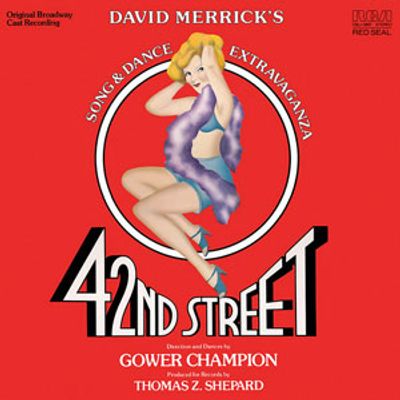
Featured Shows
About
Revisit our episode with Broadway legend Lee Roy Reams
Become a sponsor of Behind The Curtain and get early access to interviews, private playlists, and advanced knowledge of future guests so you can ask the legends your own questions. Go to: http://bit.ly/2i7nWC4
Transcript
This transcript was automatically generated and might contain errors.
[0:03] Robert W. Schneider: Hi, I'm Robert W. Schneider.
[0:05] Kevin David Thomas: And I'm Kevin David Thomas.
[0:06] Robert W. Schneider: And this is Behind the Curtain, Broadway's Living Legends.
[0:09] Kevin David Thomas: Don't forget to follow us on Twitter at Broadway Curtain.
[0:12] Robert W. Schneider: And make sure to join our Facebook page at Behind the Curtain, Broadway's Living Legends, and follow us on Instagram and Broadway Curtain Podcast.
[0:20] Kevin David Thomas: Plus, you can always listen to all of our episodes, old and new on the Broadway Podcast Network, iTunes and Spotify.
[0:26] Robert W. Schneider: On the weeks that Kevin and I will not be dropping new interviews, we decided it would be fun to go back and reintroduce you to some of our favorite interviews we have done with past guests.
[0:36] Kevin David Thomas: We are going to take you back to the second part of our three-part interview with Mr. Broadway himself, Lee Roy Reams.
[0:45] Robert W. Schneider: Oh my gosh, this interview was the perfect day for us. We went to Lee Roy's townhouse as strangers, and we left lifelong friends. He was wearing a sweater, the color of David Merrick Red. He held court in his living room for three hours, and at the end of the three hours he said, and that's how I got my first Broadway show. We hadn't even gotten to his first show yet, and we had failed an entire three-hour episode.
[1:13] Kevin David Thomas: That's true.
[1:14] Robert W. Schneider: And then, just as we were about to leave, at like around nine o'clock, so I'm like, I gotta go home. He promised we promised that we're gonna come back for more stories, of course, because we had to hear the Broadway shows. Then his late sweet husband, Bob, appeared, I know, appeared in the door with cocktail shaker in hand, and he's like, It's cocktail time. And we stayed then, not even kidding you, till 2 a.m. in the morning. We came back a week later, and it was the exact same routine. We were laughing uproariously and enjoying a couple who had been with each other since literally the late 60s, and they still, gosh, they still had so much love for each other. And as I said, Bob passed in 2019, but whenever we were with them, they always made us really, really special, and like we were home.
So yeah, and if you listen to the episode, you might hear Bob in the background, which is great. He was a hoot and a half. From April 18th, 2016, here is our second part of our three-part interview with the one and only Lee Roy Reams.
[2:09] Robert W. Schneider: Hi, I'm Robert W. Schneider.
[2:11] Kevin David Thomas: And I'm Kevin David Thomas.
[2:13] Robert W. Schneider: And this is Behind the Curtain Broadway's Living Legends.
[2:16] Kevin David Thomas: Don't forget to follow us on Facebook at Behind the Curtain, Broadway's Living Legends.
[2:20] Robert W. Schneider: And on Instagram and Twitter at Broadway Curtain.
[2:23] Kevin David Thomas: This is part two.
[2:24] Robert W. Schneider: Part dos.
[2:25] Kevin David Thomas: This is our first interview that we have. It's part two. Our subject was so fascinating. We had to come back for a part.
[2:31] Robert W. Schneider: Long-winded.
[2:31] Kevin David Thomas: No long-winded.
[2:33] Robert W. Schneider: Oh, we want more, more, more, more.
[2:35] Kevin David Thomas: Mr. Lee Roy Reams.
[2:37] Lee Roy Reams: And we're gonna pick up with Lorelei. I'm trying to think how it all came about, but I think I just got an audition for Lorelei for the role of Henry Spofford, who's you know the millionaire athlete with the Olympic team that's on the boat, and all that becomes the boyfriend to the girlfriend of Lorelei.
[2:53] Kevin David Thomas: Uh-huh.
[2:53] Lee Roy Reams: And Joe Layton, director, choreographer. Had you worked with him before?
[2:57] Lee Roy Reams: Never before, but liked him immensely, and we hit it off immediately, and the audition went well. I got the job. And at the time, did it take a lot of callbacks back? I mean, were you?
[3:08] Lee Roy Reams: Actually, not I don't remember even having a callback. I think I went in and booked it. I did it and they gave it to me. And at the same time, when it was going to start, that's when Bacall was going to go to London to do Applause. And of course, I was asked to join her.
[3:23] Kevin David Thomas: Right, right.
[3:23] Lee Roy Reams: And I would have loved to have gone to London. I've always wanted to work in London, and in those days it wasn't that easy, but you know, she would have insisted that I go, and that would have been it. And so I had to make the decision whether to do Lorelei or whether to go to London and do Applause. Her agent, Peter Witt, oh, right, was then called agent because of her. Because of I had an agent prior to that, but then Betty wanted me to be with her agent. And of course, he took me on because she wanted him to.
[3:50] Kevin David Thomas: Sure.
[3:51] Lee Roy Reams: But he told me that I shouldn't go to London because I should stay and do something else to change my image because I had played a homosexual hairdresser, was a big deal back then. The first, you know, positively out character. To me, it was just a character that you play. You know, I just wanted to be on the stage. So I never thought of that at all. But he said you should stay and change your image and do something else. And he said you go to London with Betty, you'll have a wonderful time and you'll run around and meet everybody, but it's not going to do your career any good to be in London. And you've already done the part you should stay and you should do Lorelei. So upon his advice, seriously, I thought, well, he made a professional decision for me because personally I was torn because I loved it. Oh, sure. Loved to have been with her. So I decided to do Lorelei.
[4:38] Kevin David Thomas: Was the part, I'm not that there are big parts or small parts, but was there more to do in Lorelei? I mean, would you say was it musically, yes, yeah, more musical numbers because Duane and Applause really did the disco number when he went to the gay bar and also the she's no longer a gypsy with Bonnie Franklin, which was, you know, you should but and I also did numbers with Tamara Long, who played Dorothy, who became my love interest, but we had more to do musically in the show.
[5:06] Lee Roy Reams: Gotcha. And I was also kind of interested in wanting to work with Carol Channing.
[5:13] Kevin David Thomas: You had never worked with her before.
[5:14] Lee Roy Reams: No, I had never worked with her before. When I was in high school at our senior prom, Beverly Hills Nightclub, there was a big nightclub in Covington, and that's where all the stars came to perform. And Carol Channing actually did her club act.
[5:28] Kevin David Thomas: Oh my gosh.
[5:29] Lee Roy Reams: And at our senior prom we always got tickets, and they would let the high school kids come. And it was because it was a gambling joint and they served liquor. And we all knew everybody in town knew it was a gambling joint and had a secret door that everyone knew where it was, but it operated for years and was a very big deal because obviously everybody was being paid off.
[5:48] Kevin David Thomas: Yeah.
[5:48] Lee Roy Reams: And that's the way it was. It was in Covington and Newport, Kentucky in those days, it was kind of like the Las Vegas of its day. There was a lot of gambling and prostitution going on. So anyway, that's the way it was. Not the prostitution gambling. But anyway, Carol Channing did her nightclub act, and she sang Diamonds are a girl's best friend, and tossed out these rhinestone bracelets with her name that was written on the clasp, and I caught two of them. And so the first day of rehearsal, as we walked in, I had those two bracelets with me in my pocket. And so I took them out and said, Miss Channing, do you remember these? And she said, Oh my, oh my goodness, where did you find? I said I caught them at the Beverly Hills Country Club when you did your nightclub act, and I was a senior graduating from high school, so that cemented our friendship, and we had pictures taken that day. And actually, I don't know why I did this, but I wore a jacket and a tie to the first day of rehearsal.
[6:46] Kevin David Thomas: Classy.
[6:46] Lee Roy Reams: Because I just had a sense that it was gonna be something more important than rehearsal, and it was, it was all publicity. They had lots of cameras, and of course Carol's husband was quite a genius.
[7:00] Kevin David Thomas: Was he an official manager of?
[7:00] Lee Roy Reams: Yes? Well, he was her husband, and they had met. Now, this is the story I was told years ago when Gracie Allen had cancer and she was retiring, no one knew that. And George Burns was looking for a new partner. So being with William Morris, Carol Channing was a client. So they brought Carol out to California to kind of be, you know, his new partner. And Charles Lowe was a producer on the TV show, but he was actually an advertising man with Carnation, who was the sponsor, and so that's how he and Carol became acquainted, and whatever happened happened. And then, of course, you know, all the drama that happened later with, you know, him being homosexual and all of that, and that stuff that hit the papers and all that, which was really unfortunate.
I mean, I don't know if we want to get into all that, that's probably another reading. Well, it's but anyway, just to pass that. But Charles did everything. He was in charge, and she was very much she did a lot of publicity, was very much a star, and that first day of rehearsal we were photographed, and that photograph we took holding the bracelets was used as part of the publicity because we were going on tour for a year before we came back to Broadway.
[8:11] Kevin David Thomas: A year tour before going tour.
[8:18] Lee Roy Reams: I was gonna ask if it changed.
[8:19] Kevin David Thomas: Oh, yeah.
[8:19] Lee Roy Reams: I was gonna ask, so why not just revive Gentlemen Prefer Blondes?
[8:23] Kevin David Thomas: Well, because she was older.
[8:25] Lee Roy Reams: Oh, right, natural. So I guess fresh off the boat doesn't really work. You know, and then she and then the first scene she did that, and then she sang this song, It's Nice Looking Back, looking back on your past when you've a past full of memories that last. So, you know, and that song took us back to Gentlemen Prefer Blondes. It just took me back. Basically, did gentlemen prefer blondes. Yeah. Once in a while she would talk to the audience to make, you know, get the plot moving. And that was about it. So we went.
[8:57] Lee Roy Reams: Did they tweak it a lot on the road? I mean, was there a lot of...
[9:00] Lee Roy Reams: We went through four directors and four choreographers.
[9:04] Kevin David Thomas: So Layton didn't stay with it the whole time.
[9:06] Lee Roy Reams: No. What happened? We got out of town and the show was in pretty good shape. And we played Oklahoma City, which Vanita Cravens, who was the lady who was in charge there of the booker or whatever we want to call her, the impresarius, whatever name she had. She was quite an interesting lady. And I had met her before with Applause. Oh, that's another story. We got to Oklahoma City, and we were going from Texas to Oklahoma City, and the producers wanted Betty to go a day early to do press. And she didn't want to do it because she said, Why am I doing press if we're sold out? And they said, Well, the lady there who's in charge has arranged all of this, and it just means a lot to us. And then the producer came to me and said, Leroy, talk her into it, and we'll let you go with her.
[9:51] Lee Roy Reams: Oh.
[9:51] Kevin David Thomas: And so I said, Well, Betty, let's go. We'll leave, you know, after the performance on that Sunday. We'll get in there Sunday night and have a lovely dinner, and then we'll do the press on Monday, have a nice day off, and we'll do Tuesday. She said, Well, you can come with me. I said, Yeah, they said they want me to go with you and your hairdresser. She said, Okay, so she decided to do so. We had a great time. We got drunk on the plane and we arrived in Oklahoma City, and I mean we were Ringo's the phone in Betty's suite, and it was Vanita Cravens, and she said, I'd like to speak to Lauren Bacall. And of course Betty's looking at me, shaking her head no. And I said, Well, I'm sorry, Miss Bacall's indisposed at the moment.
She's getting her hair done, which she was. And I said, But I'm Leroy Reams, and I will give her the message. And she said, Well, I'm not used to talking to anyone but the star. And I said, Well, I'm sorry, she's not available. So she said, Well, just tell her to be on the elevator, come down promptly at twelve o'clock, because we have the governor of the state here to greet her, and he's a very busy man. And when you get off the elevator, make sure that you're not on her right, that she walks out, so the governor will be on her right, and he will escort her into the press conference. So then that's the and I told Betty. And Betty said, Who the fuck is that dike anyway? I mean, and that's really what she said.
And I'm that's the reason I'm telling you this is what it was. And I said, Well, I don't know about that, but anyway, she said, you know, I don't like the way she treated you. And so anyway, so Betty's still getting her hair done, it's 12 o'clock, she's not ready. Ring goes the phone. Uh-huh. And it's Vanita Cravens again. We're waiting. And I said, I'm sorry, Miss Cravens, we're running a little bit late, but Miss Bacall isn't. So Betty said, I have a mind when I meet her to tell her off. I mean, who the fuck? So anyway, as we go down on the elevator, so Betty's already like a little mad.
[11:33] Kevin David Thomas: Yeah.
[11:33] Lee Roy Reams: And the door opens, the elevator door opens, and here's this woman in like a big I remember this being like a white fur coat or a fur coat of some kind. She looked just like Gail Sondagard, with like dark hair, she had on all this wonderful Indian jewelry.
[11:50] Kevin David Thomas: Oklahoma, yeah.
[11:51] Lee Roy Reams: I punched Betty and I said, Guess which one is Vanita Cravens? Well, Betty laughed, and that calmed her down. So we went through the thing, and Vanita Cravens kind of they stayed away from Betty because she knew that you know Betty was not easy. And I was the one in charge of, you know, every 10 minutes telling the person they had to move on to get another person. And so suddenly I'm doing all of this and I'm not getting anything out of it. Except I thought now when they see me in the show, if the critics are here, they're gonna hate me because I'm the one, you know, shoeing them away from her. But anyway, we got through it and everything was fine. And then Betty said, You know, I love the jewelry that that woman had on.
She said, Tell her to come down, let's buy some of that while we're here because Halston is designing all these fabulous plain clothes. That jewelry looks so great with those outfits. And so I said, Okay, so Vanita Cravens came to the theater with a suitcase full of turquoise jewelry to show us all about it and where we should go shopping. So we actually became friendly, and she turned out to be a charming, lovely, lovely lady.
[12:47] Kevin David Thomas: Oh and Bacall liked her.
[12:49] Lee Roy Reams: So, you know, it has a happy ending. So fade out now. And Vanita Cravens is of course one of Carol Channing's best friends. And that's why we're doing our world premiere in Oklahoma City, which means we're going to get great reviews.
[13:03] Kevin David Thomas: Let's hope.
[13:03] Lee Roy Reams: Right? And you couldn't lift up a toilet seat without seeing a decal of Lorelei. So the theater was packed, and we had this big spectacular opening, and Comden and Green were there who, you know, had re-written some songs with Julie Stein.
[13:19] Kevin David Thomas: Right.
[13:19] Lee Roy Reams: Some new songs, and Gail Perrent and Kenny Soames had done the book.
[13:23] Kevin David Thomas: Was Julie Stein around at all?
[13:25] Lee Roy Reams: Was Julie Stein around? Oh yeah, and Julie, of course, was there. I love Julie Stein. As a matter of fact, once I was cast in the show, I was at the theater one night, and I felt a poke and I turned around. It was Julie Stein. He said, Hi. I said, Mr. Stein, how lovely to see you. He said, you're like you're gonna be in our show. You have a good audition, kid. I said, Thank you, Mr. Stein. He said, Yeah, he said, and I'm gonna give you one of my trunk songs I wrote for Fred Astaire. It goes something like, Baby, I want you, baby I need you. Oh, I don't give what the fuck the lyrics are. It's a great song, you'll love it. I instantly fell madly in love with him. He was just one of those great people, little man, just full of show biz.
And if you don't like this one, how about this one? I mean, he could write a show a day. Yeah, he just was incredible and so charming. They're all there. We do this, and we get out of town. And I love Joe Layton. We thought the show was great. And then we go to the next town, which I think was Texas.
[14:20] Kevin David Thomas: And were the reviews okay in Oklahoma?
[14:22] Lee Roy Reams: The reviews were good. The reviews were great. So we get ready to go to Texas now. Joe Layton told me. He said, I'm so tired. He said I didn't have some any time off. And his boyfriend had been hired to be like the company photographer to do, you know, take pictures of the show and everything. And also Joe's wife was there too. Now, explain all of that. But that's the way it was. That's just that's the way it was. Okay. He had his boyfriend and his wife. And everybody seemed to get along great, so who was to judge?
[14:58] Lee Roy Reams: So I'm not going to let them know where I am because they'll want me back here working because Carol and Charles, you know, and everybody were so involved in making the doing the show. So he did, and they couldn't find him, and we go to Texas. Whoops, the reviews weren't that good. So everybody panicked, and you know, Joe needs to be back here working on the show, blah blah blah. And so they couldn't find him, and Evie wasn't gonna tell them, and I didn't know where he was. So they fired Joe Leighton. And Comden and Green took over as directors, and they brought in Ernie Flat to do the choreography. Yeah, who had done the Gary Moore show and he had also done Superman. Oh, yeah. And it was friends with Comden and Green.
I can't remember whether I think he did fade out, fade in. I think so. And so that was the big connection. And I knew Ernie very well. Of course, he gave me my first job with Juliet's nightclub. Oh, yes, yeah, going back. So you see, it's all cyclical. It is. So they here we are, and we're rehearsing and they're trying to fix the show. And Joe Leighton is gone. And Comden and Green were so funny as directors. They would stand there together and you would ask a question and they would whisper in each other's ear, and then one of them would give you the answer. And that's the way that it was very funny. But that's the way they worked. Okay, you would ask a question, they'd stop, they'd converse with one another, and one of them then would give the answer.
Wow. So the show wasn't it was still an entertaining show, but obviously it was having some trouble. And we rehearsed a lot on the tour for that year. And as we continue going on, then the creative people would come out, work a little bit, then they would go away, we would play for a while, then they come out again, and then they realized that Comden and Green were not really working out well as the director. And then Ernie Flat couldn't come back because he had other obligations, and Bobby Tucker had come out to work on a couple of things, and by this time we were in San Francisco. Wow. And they had taken out Kiss Apart, which is a lovely ballad, and the second act, and Joe was very creative.
He did it like a marathon dance number where people were falling asleep while they were dancing, waiting for Laura Light to come to her wedding. And I sang the song and I loved it, and I thought it was very clever, but they felt they needed a peppier song. So the new song was coming in, and I went in that day to listen to it with Julie Stein and Comden and Green, who had done the lyrics. Yeah. And it was called She No, what what was it called? Um Let's Live in Sin. It was a brand new song? Brand new song. Wow. That they had written. And so they start doing the song. And I can do a little bit of it for you. I can't do the whole thing, but it started about I don't want to hear wedding bells, I don't want to take vows, I don't want to sign licenses.
Let's live in sin. And what it was in the show, Henry kept asking Dorothy to marry him, and she kept saying no. And finally, in this last scene, she says, Okay, Henry, I'll marry you. And he says, No, I don't want to get married because I read this book last night. And he goes, and this number, let's live in sin. So they do this, they did this number, and Betty and Adolf sang it and Julie played it. Yeah, and I was confused. And that the number ended, and Julie said, What's the matter? Don't you like it? Yeah. And I said, No, it's not that I like it. I'm trying to understand why I'm doing it. And Betty Kyle said, Well, don't you see, dear, during this period, there was a very famous book written about living in sin.
I said, Well, does the audience know that? Because I didn't. So, you know, I don't know what and Julie said, Well, if you don't like the song, we'll go to someone else to sing. I said, It's not that I don't like the song, Julie, it's just I'm trying to understand why I'm singing it. Well, we put it in the show, and of course, in the middle of the song went boom, boom-ba-boom, bum-ba-boom, bum-ba-b. He said, Let's find a jungle, a cozy little jungle. That's where we'll plant our roots swinging from tree to tree to tree in love in our birthday suits. And Dammer would say, Pass the toaster. I go, like another. Oh my god. So it was just the silliest song you ever heard. So we did it in San Francisco for a week.
The audience was as confused as we were. And then one day Julie was walking past me and he said, uh, the song stinks, doesn't it? And I said, Julie, nothing you write stinks. He said, I said, it just doesn't work. He said, I'll write you a new one. So then they wrote another song called She'll Get Her Man. So while we're waiting for Laura Light to arrive at the wedding, we sing this song, which I started out singing. We she blocked off all the eggs as two yonkers, Laura Liley, she blocked off all the bridges to Brooklyn, Laura Liley, da She'll get her man. Who? Miss Laura Liley. So when Laura Light wasn't on stage, we sang about it. You're still talking about it. Which made a lot of sense, right?
And of course, in any Carol Channing show, she's gonna be on stage. And the only time she's not is when she's changing clothes. And Tamara and I were lucky because that's when we got to do our stuff while she changed clothes. So our parts never really changed. But Dodie Goodman, who played my mother, one of the funniest women in the world. Her part got getting clipped, and Brandon Maggot, who played the a rich man who had some product or something, and his part kept getting cut. And Peter Palmer was the leading man who had done Little Abner. Little Abner, yeah, yeah. And so that's what we were doing on the road. And of course, then now going back during that part. Peter Palmer was very upset because he wasn't getting any publicity because the only person who was with Carol Channing.
Of course. Sure. And so when he got to Chicago, he hired a press person, and he got an article in the paper, and the article was about how tough it was being Carol Channing's leading man. Oh that's right, and so Carol's husband said from now on, Peter Palmer's not the leading man, Leroy Reams is, and he will be the one who will accompany Miss Channing on her, you know, various press junkets and stuff. So I became part of the act with Carol and her husband, and so we became really, really close. And I went every place with them, and they would take me out, and they were Charles was very smart. What they would do, they would have the critic from the town we were going to come see the closing performance.
Then we would go out afterward and have dinner, and nine times out of ten, I'm just being honest, the critic was usually gay. Not always, but most of the time. And in doing so, I was there as eye candy and to smile and be pretty. And you know, so that was a whole little thing. So we would put on this little act, and I was, you know, part of it. And Carol would woo the critic, and of course, Charles kept a book on all the critics, their names, what their last conversation was. And so then I remember one in particular. We went and Charles gave Carol this apple, and Carol said, Charles, what's this apple for? He said, Well, this is the critic who said he liked that these apples. So of course Carol said, Oh, look, I brought you your favorite apple.
Well, the critic would go, Oh my god, I can't remember you believe that. So I mean they knew how to work it. Every day she got up, did nothing but press all day long. She did everything. It was incredible. I don't know how she had the energy to do the show, and today she's 95. So you think about that. But she was a producer's best friend, I can tell you that. So anyway, and when we're doing business, we're doing well, but the show is not great. And of course, they should have just stuck with the original concept because Joe had a lot of style with his work, and you know, after a while the show begins to show that it's not quite fitting together and melding together. So we're still working on it, and then of course, then we get to LA and they decide that really what's wrong with the show is that the course girls aren't pretty enough.
Well that's it. What that was the problem all fire they fired like four of the chorus girls and brought in new girls. Oh my god. Those poor girls. Yeah. Well, you tell them, and when you say they, I mean that you're talking about the producers, yeah. Who was that? And the creative people, the producers and the creative people. This is crazy. And yeah, so they did that changeover. Of course, there's a story there I can't tell you on the thing because I don't want you to go, but when we put the microphones down, you tell me, and I'll give you a good story about Julie Stein and the chorus girls. That's a good story. Anyway, because that shouldn't be really beset. Yeah. It's too personal. But then Dodie Goodman, I can tell this story because we would come in like every day to rehearse while we were on the tour.
And we got extra paychecks because they went past the legal time of rehearsing, which was fine, but that's what we were making extra money. I remember one day we went into rehearsal and we sat down with our coffee and our donuts waiting for Carol to arrive. And Dodie Gumma turned to me. She said, I know what's wrong with this show. I said, What, Dougie? I know what's wrong with this show. So what is a don't show they don't know what the fuck they're doing. They take all this shit and they spread it out and then they put it in a pile over here one day in a pile over there, and it's all shit. So what are they doing that for? So anyway, I laughed my ass off. Dodie Goodman was one of the funniest people in the world.
But that's what was happening. So we then they bring in Bob uh Moore, Robert Moore, yeah, the director, the last director, and then Peter Jannaro to redo the tap dance for uh Tamrell Long. And of course, it's another story that was funny when we were out of town. I'm telling you all my funny stories. Good love that you can cut this out if it's too wrong. Oh no, nothing is the Julie Stein story. I don't want to put down on it, but this one I can because dear Tamara, she's gone now. You know, she was killed in a car accident. And uh but anyway, Tamra was this uh she was very thin and quite gorgeous, and she had this philosophy about food combining. She was a nutritionist, where you do f you never combine like uh uh you know carbohydrates and this and that, and it was all separated, and you juiced a lot of stuff to drink juice and so we all got juicers, and her big thing was how you would clean yourself out with enemas to keep get rid of the toxins.
So she had all of us, you know, buying enema bags on the tour and taking enemas and doing the food processing and all of this. It's quite quite funny. But then she her energy was sometimes low, so they were gonna replace her. And they brought out Helen Gallagher, who took one look at the show and said, Well, first of all, I can't play opposite him, he's too young. So she left and they brought out Skipper Damon, who didn't stay past intermission she ran. So then that was and I was there the day that Julie Stein said this. It was so funny. They were in the meeting and Julie Stein said, All right, look, we're stuck with Tamar Long, that's it. But I'll get a performance out of that girl. If I have to shove a steak down her throat and take a knife to that enema bag.
And everybody's sitting around at this meeting. And I was only there because of Carol, you know. Yes. So it was just uh but everybody was so serious at the meeting. I mean, if you put this in a show, they would say, No, you that didn't happen. I didn't believe yeah. It did. So anyway, so we come back to New York City with Laura Lai, that we opened at the Palace Theater again, which was great. And we got mixed reviews. They weren't they weren't great reviews, but they were rather mixed, and you know, basically they said, you know, Carol's wonderful, and you know, but the show's basically a rehash of gentlemen prefer blondes. And uh so we limped through the summer, and in the fall, Carol's husband had gone ahead and booked her, thinking the show would close by then.
But it didn't. Business actually picked up in the fall. And the producers didn't want to let her out of her conscious so Charles said, if you'll let her out of the contract, I'll do a summer tour for you next year. Which he did. I didn't do the tour though, I was doing something else. But that's how it was. So Laura I really didn't close because of uh lack of business. It wasn't a hit, a big hit, but it was doing you know business. And uh so that's the story of Laura Lye. But that cemented my friendship with with Carol and Charles. And uh so then as time goes on, in between things happened, which were not that substantial. So now that was like 73, 74. Yes. So now let's get up to uh uh 78. Okay, and this is when Hello Dolly is happening.
The first revival. Uh Houston Grand Opera, right? Carol Channing the Star. And I got a call from Carol, and she said, Hi, Leroy, it's Carol. Darling, I'm gonna do a revival of Hello Dolly, and I want you to play Cornelius Hackle. But Jerry Herman and Lucia Victor, the director, don't know you, but don't worry, darling, you've got the part. So I auditioned for Jerry Herman and Lucia Victor, and indeed got cast as Cornelius Hackle. Brilliant. And again for Houston Grand Opera, we're going to tour for a year and then come back to Broadway. These tours, my God, unheard of today. But what happened is that Carol sold out on tour, so the show was paid off by the time we got back to New York. So that's brilliant.
Actually, yeah, totally. And it was very much, you know, the original Gower Champion concept because Lucia Victor was his production stage manager on the original. Okay. So we were doing all the original stuff, and we had a great time doing the tour, and that's when I met Jerry Herman. And this is a big brag, but only because it was a big compliment and a high point in my life when Jerry came to see a run through when we were in rehearsal, and we did the scene where we did It Only Takes a Moment, Florence Lacey. And well, to go back for the first day of rehearsal, I was told that the woman playing, Irene Malloy was one of Jerry's best friends. So I in my head, I'm thinking, oh, I wonder what this is, you know, probably some overweight, you know, fag hag, I don't know.
Friend of Jerry's I didn't know what to expect, but I wasn't expecting what I saw. And then walked Florence Slacey, this beautiful Irish girl, yeah, who just sang with this huge big belt voice, and she was just stunning. So at refer first day of rehearsal, I said, I have something funny to tell you, Florence. I mean, I'm not gonna get into particulars, but when I was told that you were Jerry Herman's best friend, I you just can't imagine what I thought you were gonna look like. She said, Well, stop right there. When I was told that you were Carol Channing's best friend, imagine what I thought I was going to see. But anyway, so let's go back now to when Jerry saw the first run through in a rehearsal room.
Okay. And we got to It Only Takes a Moment. We finished it. And Jerry jumped up and these tears were streaming down his face. And he said, All my years, I finally had the two voices that I hear in my head singing my songs. Wow. And he said, and I now have that. These are the two voices I hear in my head when I sing my song, when I write my songs, me and Flo, which of course, I mean, I was just devastated. Yeah. And everybody clapped in rehearsal.
[29:50] Lee Roy Reams: So it was a love fest. It doesn't get any more. We had a wonderful time and we were very, very successful on tour, and I loved the show. And we came back to New York and we opened to good reviews, but the reviews weren't spectacular because many, many times when they do revivals and the original star comes back once again, you're competing with the audience's memories.
[30:12] Kevin David Thomas: Indeed, yeah.
[30:13] Lee Roy Reams: And so you can't always compete with that. And there also isn't as much interest. But anyway, we had lots of good times on tour and Carol and Charles were very good to the company. They would have movie night and rent a movie theater and take us to a movie theater to show us a first run movie. What a great producer. What a great star. Yeah, and Carol would get behind the counter and serve us popcorn and candy. I just love it. Of course, you know, she wasn't allowed to eat any of that stuff. And the whole thing was about her, you know, her allergies, that she was allergic to insecticides and pesticides. And so all of her food was organically grown and prepared with an assistant, like in a hotel room.
They would set up hot plates and they would, you know, prepare the food for her, and she didn't need commercial food and all of that. And I think part of that she may have had allergies to a degree, but I know that Bibby Osterwall, who was Carol's original understudy on Broadway in Hello Dolly, and also played in Gentlemen Prefer Blondes. Bibby said that Carol, when she was doing Gentlemen Prefer Blondes, when her roots would show, she would mix peroxide, put it on her roots, then go out and do the first act and wash it out at intermission. Because she had very short hair when she did that, and of course it was burning her hair. And so with all the problems going on, and then of course, trying to keep her air in condition, and that's when she started wearing wigs.
The blonde wig, so she wouldn't have to do all of that. And she had normal hair. You know, it was nothing wrong with it, it was normal hair, and it was brown hair and it had a little bit of grey in it when I knew her. And I know the first time I saw her real hair was during Laura Lye, I was called down for a meeting after the show because we were planning something, and I knocked on the door and Charles said, "Who is?" I said, "It's Leroy." He said, "Come on, and Carol's naked, but you don't care." And Carol was stark naked. And that's when I saw her real hair. And she covered her breast and put her legs together as we would talk. But then when she would talk, she would open everything up and talk, and when she'd finish, she closed her legs and put her hands over her breasts.
So it was so funny having this conversation. And how can you explain that to someone? But it's a true story. And then years later when we were doing Hello Dolly, when we were doing, when I directed the thing, we would have meetings and Bill Bateman, who was the choreographer, he had never seen that, and we recalled him one night and that same thing happened with us, you know. And I just I couldn't look at him because I knew I'd laugh. Because I'd seen that before, but he hadn't. And when we left, I turned to him and said, "Well, Bill, what do you think?" He said, "Makes me want to go home and iron everything I own." Funny, funny guy. But anyway.
[32:56] Kevin David Thomas: Now, obviously you don't know this in 1978, but Jerry Herman's gonna play a huge part in your life again, as is Hello Dolly.
[33:03] Lee Roy Reams: Yes. What makes Jerry Herman so good?
[33:07] Lee Roy Reams: Well, because he writes with his heart. Jerry is a very optimistic, hopeful person who doesn't really like to say bad things about anybody, and is always very positive and just has music in his soul. And I know that Julie Stein once said to me, you know, Jerry Herman is really the Irving Berlin of his generation.
[33:29] Kevin David Thomas: Oh nice.
[33:30] Lee Roy Reams: Which is a great compliment. And Jerry writes with his heart. And I have to say, any score of Jerry's, you can take any song from it and play it on a piano with nothing else going on. And the words make sense and the music makes sense. And you, it's he ha he's incapable of writing a bad song. And I think that's why his scores and his shows continue to thrive. But even the less successful ones. Yeah, Mack and Mabel, for instance, which is his favorite score. And it's just brilliant. I like Dear World.
[34:05] Kevin David Thomas: I do too.
[34:06] Lee Roy Reams: I like the Grand Tour.
[34:07] Kevin David Thomas: I like the Grand Tour a lot.
[34:08] Lee Roy Reams: Oh, Grand Tour, yeah. What's your favorite Jerry Herman song?
[34:12] Lee Roy Reams: Oh my gosh. I know I have to pick one then. I can't pick a favorite. I love them all. Well, but the one that I sing all the time is "It's Today."
[34:20] Kevin David Thomas: Yeah.
[34:21] Lee Roy Reams: I mean, it's such a good opener. Yeah. It just says so much about Jerry too. And of course I know all the stories because and it was during Hello Dolly that Jerry one day said to me that, you know, he said, "I really write for women." I said, "That's not true, Jerry." I said, "I sing your songs all the time." And I and so I started singing his songs, and when he would go places, he would take me along as his singer.
[34:43] Kevin David Thomas: Yeah.
[34:43] Lee Roy Reams: You know, and that's how we became so close with all of this because I do feel that strongly about his material. And, you know, and if of course I'll never forget after La Cage had opened on Broadway, and of course, we were going out to do something, he asked me to go along and sing, and that's when he told me about him being HIV. Uh-huh. Which I knew, but we didn't talk about it back then. And he told me the whole story on the plane, and we were, you know, we are very, very close friends and have gone through a lot. And of course when the show Hello Dolly originally was out of town, you know, he was treated very badly. David Merrick was bringing in other people to write songs and they treated him really terribly out of town.
Then he had this big success. And when Jerry wrote the book he didn't really get into that. I said, "Why didn't you tell that story, Jerry, about how badly?" He said, "Well, the show was such a hit and we made so much money and you know why dwell on unhappy things." But you know I thought that would have been great because they did treat him badly and Gower did they all did. And you know came back into town of course and you know there were some songs in the show that he didn't write. But it has a happy ending and I think that's Jerry. You know he believes in the happy ending. And he was but anyway Hello Dolly cemented that relationship with Jerry and of course with Carol and then we did the revival of Dolly in '94 I was doing Beauty and the Beast on Broadway then.
But I so I was, you know, jumping sides of the avenue. And you know we brought back the revival with Carol and again they went on tour for a long time I brought it back. And then when they went out on tour again with it after it closed on Broadway, Carol asked me to play Cornelius which I said sure I was fifty-two then so you know I said we'll just take out that thirty-three year old chief clerk line. And but I've got pictures I look pretty good.
[36:39] Kevin David Thomas: I bet you do yeah but we went back and finished out that three month tour and then that was it. Amazing.
[36:46] Lee Roy Reams: Yeah. And then after Hello Dolly, 42nd Street.
[36:50] Kevin David Thomas: Yeah. Right?
[36:51] Lee Roy Reams: Well, it was yeah, and it was during Hello Dolly, the first, you know, the first revival. Yeah, that Michael Stewart had told me that he was writing 42nd Street. And of course, I knew the film. Oh yeah. And I said, "Oh, Mike, I'm right for the, you know the Dick Powell role." Yeah. And he said, "Yes." And of course I didn't hear anything for a couple of years. And then suddenly I got a call that I had an audition for 42nd Street. And I said, "Great." And the character, and they said Andy Lee. I said, "No, wait a minute. Is that the Dick Powell part? Is that I don't remember that." I said, "No, that's Billy Lawler. You're too old for that." I was thirty-eight then. I was thirty-eight years old.
And so I said, "Oh, well, I was gonna take the call." And Bob, of course, is writing furiously on a paper. "Take the audition, take the audition," underlining it. So for my audition, I told my companies we're gonna open with my uptune. I said, "Don't wait for them to say ballad, go right into the ballad." And I went in, I can't remember now exactly what I sang for my uptune. It was probably la I probably did I don't know whether I sang "It’s Today" or whether I sang "I Only Have Eyes for You," because I love that song, and that was, you know, and of course I loved Ruby Keeler and Dick Powell and I looked up at the balcony, and of course I pictured Ruby Keeler's face as I sang to it and all that.
So I did my ballad, and then Tony Kay, who was one of my best friends, a brilliant dancer from California, who was one of the Carol Burnett dancers, among many other things. And she was in town and we had done a show together, and I had choreographed a tap dance for us. So I had Tony come out and we did this big tap dance together. So I did one, two, three numbers in a row, dead silence. Yeah, and coming down the aisle, I could see Gower Champion walking to the stage, and he called me front. And I said, "Yes, sir." He said, "You're really not right for the role of Andy Lee." I said, "Yes, I know that." He said, "You're very right for Billy Lawler." I said, "Yes, I am." I got it. I knew that that was my part. Then, of course, Gower was famous for changing his mind, you know.
[37:04] Kevin David Thomas: Oh yeah.
[39:05] Lee Roy Reams: He would cast people and then change his mind. You know, it happened on Mack and Mabel, because I used to call it Mack and Maybe. Because they went through Marsha Rod was originally cast out, then Kelly Garrett, and then the next one was Bernie Dad. Wow. So you know, and Penny Fuller was in the running for that in the beginning too. Yeah. Cheapers. For Mack and Mabel. And Jerry Orbach, by the way.
[39:25] Kevin David Thomas: Oh yeah.
[39:26] Lee Roy Reams: Oh, that I didn't know. That makes sense actually. But anyway, and Gower was and of course with 42nd Street, you know. I mean, yeah. There was another we'll get to that story. That's coming next. But anyways, then I got a call that Gower wanted me to come back again and audition. And that I was to do exactly what I did before, but Tony Kay had gone back to California by that time. So I was gonna do a number of my own and I was gonna dance for him again. And of course, you know, my agent said, "Well, you know, now Leroy, you thought you had it, but you know, he's famous for and so now everybody in town's gonna be there, and you know." So I went back and I was afraid. I thought, well, that's fine.
Think of it as a callback. I went back, and there weren't other any guys there, it was just me. So Gower said, "I'm getting ready to pick Peggy Sawyer, and he said, I wanted to get another look at you before I start picking the girl." So I just wanted to see you do your thing again. So I thought, well, that's a good sign. And then time goes on that I get a call that Gower would like for me to come in to rehearse with the girl that may be Peggy Sawyer and his two dance assistants, Karen Baker and Randy Skinner, will be there. And I knew Karen because we, you know, went to school together at the University of Cincinnati College Conservatory of Music. So I and I knew Karen. So I came in and again, you know, my agent said, "You know, this is really Leroy, you shouldn't be going to these things without a contract."
I said, "Well, I'm secure enough. I just know that this is mine and I'll go." So Gower, Karen, Randy, and the girl is Lisa Brown. So I met Lisa and Gower worked with us in and she sang and danced and everything, and she was gonna be the girl that may have the part. So when she finished and she left the room, Gower asked us, Karen, Randy and me, "What did you think of the girl?" And I said, "Well, I think she's adorable. I said, I think she has a wonderful personality and I like her very much." And Randy Skinner really didn't say much one way or the other. And Karen Baker said, "Well, her tapping is not very strong, Gower. She's not a strong dancer." And I said, "Well, I disagree. I said, I don't think she's necessarily that dancer dancer person, but I said she could do it.
And I said, I just think her personality is so right for it. And I think she's the character." Well, she got the part. Oh, wow. Now, but she hadn't signed the contract. So that weekend before Lisa and Lisa was in Besselhoare House. She handed in her notice. She was on a soap opera. They gave her, you know, a leave of absence to do the show. W and she still hadn't signed her contract, which she was going to do on Monday. Well, that weekend they had another open call. And Wanda Richard came to the open call. And Gower said, "Oh, that girl is really terrific dancer." And Karen Baker said, "Yes, that's the girl that was in Chicago, did chorus line and sent you the tape that you remember looking at, and she's a wonderful dancer."
And Gower said, "Well, let's keep her after and see if she could be the understudy." And he read her changed his mind. Oh, yeah. So Lisa Brown was called on Monday and said, "Guess what? You don't have the part." And she had nothing legally written down. The she got back on her soap. But then the good story is that she was she replaced Wanda when Wanda left the show. Oh, at least she got to do it. So she got to do it and she was wonderful. Oh my bad. And you know, she just was had the character down pat. But you know, and you have to admit Wanda is a brilliant dancer. And dancing with Wanda was one of the joys of my life. Oh I mean, we came in a week before the company started rehearsal. Just Gower, Karen, Randy, me and Wanda.
And we worked on the 42nd Street number and created all the pot deu and everything that was there, and that was done on us. Gower did that on our bodies. And he was really quite brilliant. And I think his work on that show was the best of everything. I mean, he did brilliant. Dolly is brilliant, but 42nd Street really brought in that whole thing of the opening of the second act. It was sort of like the modular thing they had in Bye Bye Birdie. And it was kind of like a combination of all of his stuff. And he staged Lola by a Broadway one day off the top of his head with all of us. It was brilliant. We did "We're in the Money." That was not my number originally. Oh my goodness. We were we were in rehearsal and he said, "You need a number.
And I'm gonna give you 'We're in the Money' because it was supposed to be the girls." And he said, "No, yeah, you don't have a number, and that's gonna be yours." And we went into a room and put it together, and I did my tapping. Gower didn't really tap. Yeah. So he told me what how to move, where to go, and I added my steps, and that's how we did it. And we did it in the afternoon. Randy, Karen, me and Gower did "We're in the Money" in an Afternoon. Wow. But that first week it was just us working together. And I'm telling you, it was one of the most exciting times of my entire life because it was so focused, and it doesn't get better than that. And Gower told us then that he had an anemic blood condition. And he said, "I sometimes have to go in and get a blood transfusion while they, you know, fix what's wrong."
[44:44] Lee Roy Reams: And we didn't think two things about it because he, you know, he's a very handsome man and had all this energy and everything and was quite brilliant, and so we never gave it a second thought, you know.
[44:54] Lee Roy Reams: And I know that when we finished that first week, he got us together and he said, "You know, I really like what you all are doing, and I'm really proud of the 42nd Street number in the Part of Dieu." And he said, "I just want to thank you for your input, and I just want you to, it's very important to me that you understand how much I thank you for your hard work." Well, I cried, I got tears in my eyes, it was so wonderful. But you see, we didn't know what he was really saying, and so he said, "And of course, because we're never gonna have this time together again because now I'm gonna be under the pressure of the full company and having to put up with David Merrick," which he says is, you know, something that I've put up with in the past, and my doctors didn't want me to do the show because they said, you know, it's gonna be so stressful for you because of David Merrick.
[45:49] Lee Roy Reams: Wow. Because you know, Gower had been through Dolly and had been through Mack and Mabel. David was not allowed to rehearsals until we got into run-throughs. Until he said, "And but of course, once we started doing public performances, then David was there in full, you know." So that's the way it was. And the rehearsals for 42nd Street were going so beautifully. I knew the show was gonna be a hit. The numbers were just too good. The book was debatable because, you know, it's rather sketchy. But the numbers are, I knew it was gonna be a hit. I just knew it. And I knew the first day that David Merrick met me, and he came in to see like a little run-through he did, and David Merrick said, "You're very good in the show." I said, "Well, thank you, Mr. Merrick." He said, "Don't call me Mr. Merrick. My name's David. I'm not your father." David was always really terrific to me. And you know, Sally Field said he liked me.
[46:45] Lee Roy Reams: And so we got out of town and we opened and the reviews were mixed. They liked a lot of the numbers, but they thought the book was rather sketchy, and so they picked at it. They picked at it, and David Merrick only had one other producer. And David Merrick told that guy that I don't know his name now. He said, "But I don't think the show's gonna be a hit, and I'll buy you out." So he bought the interest, so he became the singular producer. And the guy didn't, the guy sold him back the rights. So we had the one producer.
[47:24] Lee Roy Reams: Yeah, and then the 42nd Street number originally was done in black and white with splashes of red. And Wanda was in like a red outfit that matched the other two little girls that danced with her. And Gower said, and we were in white soldier uniforms. And after we opened, Gower said, "Leroy, I'm losing Wanda in the number because all I do is watch you." He says, "So I'm gonna have to change it. I've given you too much to do in the show." I said, "Well, I don't apologize for that, Gower. I don't apologize for being good." So he changed the costumes and put us all in multicolors, and then they used that black and white costume for the ending of the first act, which, you know, the number where the star breaks her ankle and all that. And then later we changed clothes, so they kept the clothes. But we had all the different, of course, the Donald Wanda was put into that bluish purple dress with all the sparkles on it, yeah.
[48:22] Lee Roy Reams: So, you know, because he, and you know, rightfully so. Gower and Wanda, you could see an attraction happening. Yes, and Gower was notorious for having, you know, flings with various people. It supposedly happened with Liza when they did The Act, and also with Eileen Brennan out of town with Hello Dolly, telling another story out of time, but it's been told that you may not want to put this in either, but we're just, you know, this is for the 11 o'clock show. That at the opening night, David Merrick had a party for the principals. Uh-huh. At the intrigue. Just the principals, which was, yeah, just the principals. And the kids all went up to Georgetown to go out. Okay. And Wanda went with the kids and Gower's son, Greg, had come down for the opening, and they all went to Georgetown.
[49:22] Lee Roy Reams: So the next day now we're walking to rehearsal, and John Moss, who was David's assistant, told me, he said, "Oh, you'll never guess what happened last night. Wanda went to bed with Greg Champion." I said, "Really?" And Wanda and Gower had not done it yet, but obviously attraction was there. And so when I went to rehearsal, Wanda said, "Oh my god, Leroy, I did a big mistake last night. I went to bed with Greg. I don't know what to do." I said, "Well, tell you what you have to do. You have to be an adult." She said, "Gower's not speaking to me today." I said, "Well, you have to tell him why you did it. That's all. Just go up and say, 'I want to talk to you after rehearsal' and be honest with him and tell him why you did it."
[50:02] Lee Roy Reams: So then the next day, going to rehearsal, John Moss runs up and says, "Why do they call Wanda Richard Wheaties?" I said, "Why?" He said, "Because she's the breakfast of champions. She went to bed with Gower last night." David heard them because he's got the room next door to Gower's at the hotel. And so Wanda, I go to rehearsal and Wanda said, "Leroy, thank you so much. I told Gower that I was so frustrated being in love with him that because I couldn't have him, I was frustrated. So I just had the next thing that was him, and that was, you know."
[50:31] Lee Roy Reams: No way. And of course then Gower took her up and, you know, that was it. And now they are having an affair. Now it's open. Now it's started. Now I was close with Wanda and Gower and all that relationship. I backed out of that. Smart. Because I thought, mm-mm, I'm not gonna get in the middle of any of this intrigue. So I just stuck to the show and kept my nose clean. And that's what happened with the show. And then of course we got back to New York and David started making changes.
[51:01] Lee Roy Reams: And it's the fascinating thing is that he wanted Gower to fire Karen Prunzing because David said she was ugly. Oh, that she's Anytime Annie? No, yeah, yeah. And didn't want her doing Shuffle Off to Buffalo. Right. He wanted Wanda to do the number, and at one point Wanda did do the number. And but Wanda wanted a number of her own. And that's a whole other story, because I had a great idea to do "I Only Have Eyes for You," featuring Wanda. But I presented it to Gower, but he said it was too Gene Kelly, and it was out. So I never got that in, and then they did another number that Gower put in for which didn't last, and then they were gonna put in another number for Wanda out of town in Washington, because this is a good story I can tell.
[51:43] Lee Roy Reams: And it was called "Lulu's Back in Town." And of course, in this scene where he says, "You're going out there a youngster and you've got to come back a star," which leads into Shuffle Off to Buffalo. But in this case, it opened up one and we didn't see the number because Gower always worked in a closed room and no one was allowed in. And the day the number was going on the show, we were invited to the rehearsal because it had to be a tech rehearsal. So we were invited, the company, so we went and we had never seen the number except for the boys who were in it. It's just the boys and Wanda.
[52:12] Lee Roy Reams: So we went into the theater, and the moment comes that the curtain opens this big saloon bar, and the guys are dressed in white shirts with bow ties and aprons, and they're singing, "Give me back my mop and broom," da-da-da, whatever the lyrics are. Like a hooch number. We were all like, "What's that? This is like Peggy Sawyer. I can't remember a single thing," and then she's doing Ann-Margret. I mean, what is this number? So anyway, that night the number went in the show. Uh-uh. And after the number was finished, David Merrick's walking by me, and I'm changing into my 42nd Street outfit. And David looked at me and said, "No, anybody wants to buy a Lulu costume?"
[53:02] Lee Roy Reams: And the number was out. It was in the show one night and good decision. Yeah. That was it. Never saw it. And then John Ingstrom, who's one of the chorus boys, got the costume. And every year he used to put it on with a blonde wig and do the number for us. We used to all scream and laugh. God bless him. Keep it alive, John.
[53:20] Lee Roy Reams: Yeah. So that's what happened. But we would then we come into New York and Gower is frustrated because David's messing with the show now. A lot, and that whole turmoil is happening. And we were supposed to have opened up the beginning of August, but David didn't feel it was ready, and he was changing things and doing this. And we used to do the show in full costume, full orchestra, full lights and everything. And the only person sitting in the audience was David Merrick. He was sitting in the audience, and that was it. And we put on this whole show.
[53:52] Lee Roy Reams: Wild. I'm telling you, this is truth. And then David told us that we all could have a ticket that there was going to be an invited audience. And Cliff Jarr, who was a writer for the New York Times, had been following the show, and there was all this mystery about the show not opening. And David had us all wear passes and had security guards at the theater where no one was allowed in. Oh my gosh. Except the company we had to show our pass to get in and out. And all this controversy was happening. Well, Cliff Jarr had somehow gotten a ticket to that night. And when David Merrick found out that he was in the audience, David Merrick came out and canceled the show and said, "We found a rat in the generator, and we can't do the show tonight."
[54:31] Lee Roy Reams: And so they emptied the house. He sat down and we did the show for him. And then we, and then one night, and at this time Gower was not coming to the theater at all because he was upset because the show wasn't opening. And then Gower became sick, and what happened is that Wanda would go and stay at his apartment that he had, and she went in one night because I know the inside scoop, and she crawled in bed with him and he was having a hard time. But there were two beds in the bedroom, and sometimes she crawled in the other bed because he was restless because he wasn't well.
[55:08] Lee Roy Reams: And this one night he was particularly not well. And Wanda finally went in the other bed, then she got nervous and she went home and Karen Prunzing was staying with Wanda then at her apartment. And she said, "I don't know what should we do?" Well, they called Larry Gallagher, who was Gower's assistant, and they said, "We think maybe Gower's not well." Well, he was not well, and they took him to the hospital, and he never left the hospital. So then we knew that Gower was in the hospital, but we assumed that he was gonna be all right. We didn't think he was dying, and we were not told anything like that.
[55:42] Lee Roy Reams: So then finally David said we're going to open on, I think it was August 25th. And that's interesting, I think that's also Ruby Keeler's birthday. So it's very interesting. But anyway, so we were told the show was gonna open, and of course, during these performances we would give of just David and the house, the kids brought their dolls and teddy bears and put them in the first two rows. So we would have an audience, you know, one night, which was very funny. And then David came into a party that one of the girls had thrown in through the New York Times in the room and said, "Read when you're gonna find out the opening," and he had picked the date.
[56:16] Lee Roy Reams: So then we only previewed for performances. And in those days, opening night was opening night. Yeah, like for the critics for everything. Everybody came on opening night. Yeah. And we knew that Gower was not going to be there. So on the opening day, we get a call that they called a rehearsal. My God, we had been doing this show for almost, you know, a few weeks there at the theater. So, yeah, but that was David. So we all went down and we were literally locked into the theater.
[56:45] Lee Roy Reams: And we did the show that night, which went over great. I might like, you know, 15 curtain calls, it was incredible. And the photographers are running down the aisle taking pictures, and David came out on stage, and we were all surprised. And I thought he was going to say, "I Gower Champion, you know, could not be with us tonight, but I want to thank him for this great show." I thought that's, and instead he said, "This is tragic," which got a laugh. Because what was tragic about all those curtain calls? And then he said, "Gower Champion died this afternoon." And that's the first time we had heard it. We did not know. Everyone on stage did not know, and Wanda did not know either, because Gower's wife had come into town and was with him at the hospital.
[57:29] Lee Roy Reams: So Wanda was not even allowed at the hospital. Oh my gosh. So she didn't get to see him. But prior to that, there's a story that's important. When we did our first performance in New York, it was an invited house. And David told us we could all bring one person, and it was only like half of the orchestra, but it was great and the people were going crazy. Well, after the show, I'm passing Wanda's dressing room, and Gower was there. And we hadn't seen him for a while. And of course, I went in and we all hugged and kissed and carried on. And I said, "Well, Gower, you finally got the New York audience tonight. We've got a hit." And Wanda said, "And it's all because of you, Gower." And he said, "No, it's because of us." And he put his arm around me, put his arm around her and just hugged us so tightly. I cried.
[58:20] Lee Roy Reams: Tune in next week for part three of our interview with Lee Roy Reams.
© Broadway Podcast Network, All Rights Reserved