

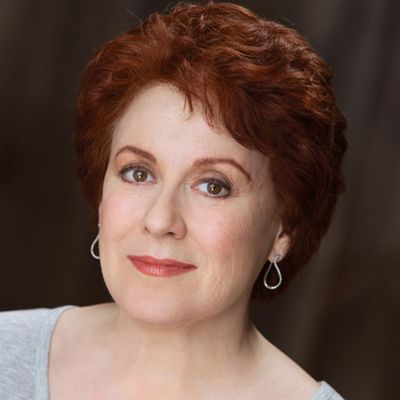
Judy Kaye, two time Tony Award winner for The Phantom of The Opera and Nice Work If You Can Get It, gets off from her chandelier to join Rob and Kevin in good ole 1203 Shetler to talk about becoming Lily Garland, Carlotta Giudicelli, and Emma Goldman... Read More
From the show: BEHIND THE CURTAIN: BROADWAY'S LIVING LEGENDS » Podcast
Guests
Featured Shows

About
Judy Kaye, two time Tony Award winner for The Phantom of The Opera and Nice Work If You Can Get It, gets off from her chandelier to join Rob and Kevin in good ole 1203 Shetler to talk about becoming Lily Garland, Carlotta Giudicelli, and Emma Goldman. Also, Judy sings from Oh, Brother! compares Rock Hudson to The Riddler, and demands a Moony Shapiro revivial! Plus: Madeline Kahn, Hal Prince, and much, much more! Note: After the 24 minute mark, there is an audio issue. A big thank you to Patrick Mason for helping to save our interview!
Transcript
This transcript was automatically generated and might contain errors.
[0:04] Robert W. Schneider: Hi, I'm Robert W. Schneider.
[0:05] Kevin David Thomas: And I'm Kevin David Thomas.
[0:06] Robert W. Schneider: And this is Behind the Curtain, Broadway's Living Legends.
[0:09] Kevin David Thomas: Don't forget to follow us on Twitter at Broadway Curtains.
[0:12] Robert W. Schneider: And make sure to join our Facebook page at Behind the Curtain.
[0:15] Kevin David Thomas: Broadway's Living Legends. Our guest this week is a two-time Tony Award winner for her brilliant performances as Carlotta in The Phantom of the Opera and as Duchess Estonia Dulworth in Nice Work If You Can Get It.
[0:27] Robert W. Schneider: Her unforgettable voice has been heard in such musicals as Ragtime, Mamma Mia, Sweeney Todd, and just about every great musical comedy heroine you can name. To tell us what it was like to work with such legends as Comden and Green, David James Carroll, Madeline Kahn, and George Hearn, here's the foremost interpreter of Moony Shapiro's music, JUDY KAYE.
[0:48] JUDY KAYE: Thank you so much for joining us, Judy.
[0:51] JUDY KAYE: I'm so glad you appreciate Mooney.
[0:53] Robert W. Schneider: No, I am fascinated by this show. So can you now you played what, 19 roles, I believe?
[0:58] JUDY KAYE: I actually I had the fewest number of costume changes, and I had like 90. So I guess maybe that was it, 19 characters. I've never counted all of them up, but I did count up the costume changes. I don't know why. Anyway, I mean some of them were like just pulling, you know, changing something small and then turning right back out on the stage. But still, that's pretty impressive.
[1:20] Robert W. Schneider: Tell us a little bit about this show because most people aren't familiar with it.
[1:23] JUDY KAYE: Well, let's see. It was a book show written in the form of a review, like Side by Side by Sondheim.
[1:34] Kevin David Thomas: Yeah, yeah.
[1:34] JUDY KAYE: Okay, maybe Misbehavin', right? But it was about a fictional composer and his life and times, which through that illuminated probably, let's see, maybe five, six decades of human history. Oh my gosh. Um, it was a really wonderful, wonderful show. It had been called Songbook in London.
[1:55] JUDY KAYE: Uh-huh. Um, we had a blast, and we were the last show to play the Morosco. I mean, I had the foolish feeling that maybe I could save that theater from the wrecking ball, but of course I couldn't. I still have an armrest they gave me.
[2:13] Kevin David Thomas: Really?
[2:13] JUDY KAYE: Yeah. And did you know that that production would be the last one when you're going into it?
[2:19] JUDY KAYE: We kind of knew. Uh, and maybe that colored everyone's opinions. And right up the street, there was a show called Day in Hollywood Night in the Ukraine, which was not totally dissimilar, but it was. I mean, in feel it was, but it got blessed and we got damned.
[2:31] Robert W. Schneider: Did you feel like even in rehearsals, did you feel like could you feel like it?
[2:40] JUDY KAYE: Well, I don't want to say sinking ship, but did you feel like it's a felt like a sinking ship? It wasn't an easy birthing. Um, but it was wonderful because the writers were there, they were still working on it. And we had this great company. I mean, maybe you know it was Jeff Goldblum, right? Gary Beach. Yes, Tim Jerome and uh Annie um okay, I'm gonna have uh McGreevy. She's my next door neighbor. She lives at the end of the yeah, okay, so Annie McGreevy. I'm uh I'm losing it. Anyway, um yeah, it was great. It was a wonderful score that was so evocative of some of the most, I mean, at some of the most in jokes. If you were at all up on your Tin Pan Alley and musical theater history, it was really, really marvelous.
[3:35] JUDY KAYE: It had so many in jokes in it. I wish someone would dig it up. I wish we could see it.
[3:40] Kevin David Thomas: Yeah.
[3:41] JUDY KAYE: Yeah, yeah. I mean, it's the kind of thing that we really should do in Mufti or at the York.
[3:45] Robert W. Schneider: Oh, okay. That would be a very good idea to do that. Um, hear that, Jim Morgan?
[3:49] JUDY KAYE: Yeah, yeah. It had uh don't play that love song anymore, Sam.
[3:57] JUDY KAYE: Well, that melody kept coming up throughout. Uh, Mooney kept trying to sell this song, and finally, finally in the end, uh someone, his ex finally sings it. Uh, it becomes this wonderful ballad, but it was like that. You know, with kind of a crazy sort of a song. Every time he would play music for some producer, that song would always come up and they would always reject it, and finally it anyway.
[4:28] Robert W. Schneider: That's hysterical.
[4:30] JUDY KAYE: It sounds like it's funny.
[4:32] JUDY KAYE: It's very funny, it was very touching. Yeah, it uh I mean, and it covers some really tough subjects, you know. Uh, from anti-Semitism to race relations to lots of stuff in there. And it did it so cleverly. I would love to see it, yeah. Unfortunately, one performance and performance.
[4:54] Kevin David Thomas: Yeah, we deserve so much better than that.
[4:56] JUDY KAYE: Yeah, you did.
[4:57] JUDY KAYE: Yeah, yeah. I don't know. I think I tend to think sometimes a couple of times in my life I've been a part of what turned out to be write-offs for producers as opposed to and maybe I'm being cynical, but it's hard not to be sometimes.
[5:13] Robert W. Schneider: No, but besides that one, which else do you feel didn't get its total doom?
[5:16] JUDY KAYE: Oh, O Brother certainly didn't get the run it deserved. It was hysterical.
[5:21] Kevin David Thomas: Yeah.
[5:21] JUDY KAYE: Same year, right? A couple of months later.
[5:22] JUDY KAYE: I guess it was. Oh jeez. Well. Lucky I didn't slip my wrist. I'm sure anybody's gonna be able to do it. 81 wasn't the best year, but that's okay.
[5:30] JUDY KAYE: That's okay. It had its moments. So wait now, O Brother didn't work because I've always heard that it's because the time period that what was going on.
[5:38] JUDY KAYE: I'll tell you what happened. The night we opened out of town at the Kennedy Center. That day, Anwar Sadat had been assassinated.
[5:48] Kevin David Thomas: Oh have you ever seen the poster?
[5:53] JUDY KAYE: It has a camel, a cartoon camel in full burnous, high top sneakers and big sunglasses on top of a skateboard going through the dunes in the desert. And underneath it says musical comedy breaks out in the Middle East.
[6:13] Kevin David Thomas: Yeah.
[6:14] JUDY KAYE: So that's I feel like that wouldn't do well today either.
[6:16] JUDY KAYE: No, I think after that event, nothing was again was ever funny. I'll tell you, well, certainly about the Middle East. No, no comedy there. Uh, but even after all of that, our biggest audience came from the State Department. They loved coming to see the show. They laughed and but and the critics visibly were seen to be laughing and slapping their thighs, having a good time. And then sat down and wrote some of the nastiest notices.
[6:47] Robert W. Schneider: But you know who didn't get nasty notices in those reviews? It was you. You actually got singled out a couple times by Frank Rich specifically.
[6:56] JUDY KAYE: He really uh who knows you never know why. Yeah, but we were all, it was another great cast. Yeah, we talked about David James Carroll. He was in that. He was brilliant. We were really, really good friends. Mary Elizabeth Mastrantonio, Alison Reed, Alan Weeks.
[7:15] JUDY KAYE: Yeah. Oh, it goes on and on. Yeah. Harry Groener. Oh, he's so good.
[7:20] Kevin David Thomas: Yeah. Now, was this how did you feel it was working in the rehearsal room?
[7:23] JUDY KAYE: And the rehearsal was working like game business. They had to fix some things because it was up to Mary Elizabeth and Allison and I to get them to change some things. There was a moment at which the men were singing some kind of revolutionary songs. This would go. And at that ultimate moment in the number, all the men in the cast shot off M16s.
[7:48] Robert W. Schneider: Oh no.
[7:49] JUDY KAYE: Yes. Kind of like half-loads on these, like they weren't Uzis, but they could have been. They were automatic weapons. And we went to the director, Mary Elizabeth, and Allison and I said, you know, even from here, from this vantage point, I can tell you that that's a bad idea. And they had he had the three of us girls singing a song about how it was a man's world, it's a man's world, you know, people are being so lousy to the women, it's a man's world. I said, well, give this song to the men. We have something else we want to sing. And so he went home that night, and with Michael Valenti, who was still a very dear friend. This was Donald Driver and Michael Valenti. And they wrote, he wrote a song called, um, let's see, uh, I gotta sing the song in order to do it.
[8:43] JUDY KAYE: What do you sing when you're feeling bad? Just been dumped, just been hacked. What do you sing when they don't want said? You sing a loud and funny song.
[9:01] JUDY KAYE: That's good. That was good. Yeah. It's a great song. I did my accent type.
[9:03] Robert W. Schneider: Rhyme scheme.
[9:05] Robert W. Schneider: Oh, do you really?
[9:06] JUDY KAYE: Oh yeah.
[9:07] JUDY KAYE: Yeah. But the three was a trio. And I mean, we had this tight harmony, and it was very funny. It was a very, very funny show. One of the big numbers was Bangle Laden OPEC Maiden.
[9:14] Kevin David Thomas: Uh once again?
[9:14] JUDY KAYE: Bangle Laden OPEC Maiden.
[9:22] Kevin David Thomas: Okay.
[9:23] JUDY KAYE: It just rolls off your tongue quite easily. So and this was comedy of errors, right?
[9:27] JUDY KAYE: It was comedy of errors set in a country not unlike Iran, going through a revolution. And I played the daughter of the Ayatollah, who heretofore had been dressed in her Calvin Klein's, you know. And it was decreed that all the women had to cover up and get into the burqa. And I spent the evening roaming the stage in a black burqa with a thing like this.
[9:50] Kevin David Thomas: Oh my gosh.
[9:51] JUDY KAYE: And at one point I finally tossed the thing off and say, ah, I'm not doing it. I mean, edgy. Now it would be impossible. I mean, like the when you're talking about it. The Arab League already resist on it. Yeah. They already were agreeing. We hadn't even done anything yet. They hadn't seen it. They didn't know that it was all at the end of the day, it was all about brotherhood, you know, and let's be nice to each other. But that of course that doesn't even fly anymore either, does it?
[10:19] JUDY KAYE: No, I think if you haven't heard the score, it's on CD, and it's wonderful. It's a wonderful score.
[10:28] Kevin David Thomas: I'm not good.
[10:29] JUDY KAYE: Oh, gorgeous, gorgeous. Um, so wait a minute. So you knowing all of this stuff in DC, it still went into New York even after Sadat had been assassinated. And did you guys feel any trepidation about that?
[10:41] JUDY KAYE: Uh probably. Trepidation. We felt like this is our days are probably numbered, so let's enjoy it. And it was so sad because it was one of these casts where we all just loved each other so much. We would have had so much fun running this show. It's rare. One of the cast members is David James Carroll, who a lot of younger artists aren't as familiar with as they should be. Uh, beautiful voice, an amazing actor. Can you just tell us any memories that you have about working with him or describe his talent for those who aren't familiar with him?
[11:15] JUDY KAYE: He had one of these beautiful, I don't know how to how would I describe this baritone? It's uh clean, clean, elegant. Gotta had a little little metal in it, so it cut through. If you want to hear him, I he did do the Grand Hotel recording, didn't he? And he did, and he did chess.
[11:36] Kevin David Thomas: Yes.
[11:36] JUDY KAYE: So you can hear him, hear that voice. And he um he uh who stop yelling at you. We should we should tell our listeners very quickly that we're at a rehearsal studio and there's acting with a capital A happening and it's all around us, and we're looking out on the skyline of New York. It's pretty swell.
[11:52] Kevin David Thomas: Something non-realism is happening next to you.
[11:55] JUDY KAYE: Uh yeah, actually, this is what you deal with. If you're in a studio rehearsing your act for 54 Below, as I have many times, yeah, that'll be going on next to you while you're, you know, exactly singing and dancing.
[12:07] JUDY KAYE: Yeah, but Mr. Carroll, he was so funny too. He believed he could get Oh, Brother! to run. He was very inventive and he started writing ads and commercials and ways for them to market us in New York that we could use this negative thing that was going out there and build it into something, and he was right. I mean, if our producer had had guts, it wasn't dangerous for us to run. It probably added a kind of a layer of, I don't know, a little patina to the whole affair to know that things were starting to change rapidly in the Middle East.
[12:54] Kevin David Thomas: Um, an optimistic note.
[12:56] JUDY KAYE: Yes, please. In your Tony Awards speech, you thanked your dad for giving you the gift of Gershwin. Was this in the house growing up with your dad?
[13:05] JUDY KAYE: Well, we loved my dad. I was my dad's alter ego, I think. He had been a pediatrician who kind of did stand-up with the babies and the mothers and the kids, and he had been a singing waiter in the Catskills with his brother Harry Kay, the dentist. It was Harry and Jerry Kohanski at that time at the resorts up in the mountains. As we were growing up, I'm not sure how I was introduced. Maybe he did introduce me to the Great American Songbook, but there was a radio station in Phoenix where I grew up that had a thing called the Teenage Underground, and I was in the vanguard of that. I mean, I listened to the Beatles and everything, but I really loved the songbook, the great songs of all those guys from Tin Pan Alley.
I sometimes think, where would music be now had George not passed so early? I think about stuff like that all the time, which is totally wheel spinning, but there it is. My dad and I used to sing together, and when he had his stroke, I was at the hospital with him, and he was doing what they call sundowning. He was flailing, just started singing "It's Only a Paper Moon," sailing over a cardboard sea, and he would sing with me. So we had done that before. We had sung all kinds of songs, and Gershwin right up at the top of the list.
[14:48] JUDY KAYE: Now your voice is so incredibly versatile when you look at all the shows you've done and all the styles you've done. What sort of training did you have growing up?
[14:55] JUDY KAYE: I was in the concert choir, and we did all kinds of classical music. We didn't have any kids of color in our high school. We had Native Americans, but I don't remember any Black kids in my choir, which more's the pity. So when we would do Negro spirituals, they would ask me, the Jewish kid, which I thought was natural. I would do all that stuff, and people would look around for the face, and I guess I passed it to Judy. That's why I think they asked me to. I did an Arlen disc, which was titled "The American Negro Suite." I can't even get it out because it's so ridiculous for me to be singing it. It's a wonderful piece of music, the American Negro Suite. Why these people decided I should do it, but you know, it was very much out of the synagogue too. The music sounded so much like that. So it was kind of in my bones. Maybe it's because that music has always been there.
[16:10] JUDY KAYE: Then I went off to UCLA and I was accepted into the opera workshop, which had a secondary thing, the musical comedy workshop. I was studying opera.
[16:22] Kevin David Thomas: So you'd explored your upper register, and you weren't just singing belting all the time, but you're not sure.
[16:29] JUDY KAYE: No, I know I made, I used to, when I was even a kid, I would sort of up and down scale and over what I learned was a passaggio, and I developed my own little vocalese. It turned out to be absolutely the right thing to do. I had never sung high; I'd been in the tenor section in high school and then sometimes like a second soprano, certainly an alto. When I got to UCLA, they said, "Oh, you're gonna be a lyric soprano now with an extension." So they started vocalizing me much, much higher, and that scared the hell out of me. But that was a very good foundation. One day my coach, Maestro Carta, this dear older Italian man, probably my age now, I went in for a coaching session with him and he said, "Judy, Judy, Judy, you're not happy." I said, "It shows." He said, "Yes, it shows. You're not happy. You should not be doing this. You should go and sing what makes you happy."
[17:43] JUDY KAYE: So I went, they were teaching. I was in the musical comedy workshop, but it was run by the same woman who was running the opera workshop, and she would not let me do it because I was in the opera workshop and she was ruling the roost, which is what they did in the opera. That was another thing, and I can't do that. So I ran screaming from all of that.
[18:10] Kevin David Thomas: What got you your equity card?
[18:13] JUDY KAYE: Well, there was a theater across the street from Disneyland in Anaheim, California, which is now a church in the round. There was a whole spate of these theaters in the round, especially out west, and this one was called Melody Land. I had auditioned there and didn't get the job the first time, and the second time was better because it would have been difficult to go to school and do that. So I went back and auditioned again and got summer stock, my first job.
[18:51] Kevin David Thomas: You were still in college.
[18:52] JUDY KAYE: I was in college, yeah, and my parents said no at the time, but I was living out of my car for a little while.
[19:00] Kevin David Thomas: So we could technically say you were homeless, kind of in a glorious way.
[19:08] JUDY KAYE: Yes, that's right.
[19:11] Kevin David Thomas: That's amazing. What was the show? Do you remember the show?
[19:14] JUDY KAYE: The first one was "Half a Sixpence," and the next one was "Camelot" with Catherine Grayson. The other theater that I worked at when I was in college was in Sacramento, the Sacramento Music Circus.
[19:25] Kevin David Thomas: So they don't do that anymore either.
[19:26] JUDY KAYE: No, not really.
[19:28] Kevin David Thomas: Besides Catherine Grayson, do you remember any of the other legends that came?
[19:39] JUDY KAYE: Betsy Palmer did South Pacific. Eventually, I was out on the road with that. It wasn't a star package, but when I did "On the 20th Century" on the road, it was opposite Rock Hudson.
[19:51] Kevin David Thomas: So that was Rock Hudson and Frank Gorshin?
[19:55] JUDY KAYE: Frank Gorshin was the next tour where I met my husband and where we became affianced.
[20:02] Kevin David Thomas: Congratulations. How many years now?
[20:05] JUDY KAYE: We were just talking about it. In April, it will be 29 years.
[20:09] Kevin David Thomas: Mazel tov. That's amazing.
[20:11] JUDY KAYE: That's wonderful. That's crazy.
[20:13] Kevin David Thomas: That's amazing. So Rock Hudson and Frank Gorshin, two actors I don't, you know, don't go to the case. What was it like working with Rock Hudson?
[20:25] JUDY KAYE: What a lovely man. What a really wonderful man. Never did anyone work harder. He really devoted himself to what he was doing. He was really not right for it. He didn't have the voice to sing it, and he kind of worked a little too hard. I mean, if he'd relaxed a little bit, it probably would have been totally wonderful. But he worked with a lot of stress, I think. While Frank Gorshin, frankly, didn't give a shit.
[20:55] JUDY KAYE: Uh, he not surprised.
[20:58] JUDY KAYE: I mean, I would turn to him and he is where Oscar, where are you?
[21:02] JUDY KAYE: Well, Frank.
[21:03] JUDY KAYE: He had taken a walk, stage left, he was in the dark, he just changing it up.
[21:07] JUDY KAYE: And for our listeners, Frank Gorshin was known for many years as an impressionist, but people probably remember him more than anything as the Riddler on the Batman series.
[21:16] Kevin David Thomas: But did he work any of his impressions into the performance to get it?
[21:20] JUDY KAYE: No, he kind of hoped we he would.
[21:22] JUDY KAYE: Uh, eventually at the end of the tour, I think he might have done that.
[21:26] JUDY KAYE: But he he was.
[21:29] JUDY KAYE: So, he was okay. I shouldn't speak ill of any of the long-gone folk, but he didn't want to be there. I was glad he was because it made sure that there was a tour. My husband was understudying him and went on once for him because he never knew if he was gonna show up. A couple of times he came so late, and my husband was in full makeup and ready to go on.
[21:51] Kevin David Thomas: Really?
[21:52] JUDY KAYE: Yeah.
[21:52] Kevin David Thomas: So you did the show on Broadway, and we'll get to that obviously, but you decided to do the tour of the show, which was also amazing. What motivated you to go on the tour?
[21:59] JUDY KAYE: Imogene was going. Tell us about her because she's so, first of all, she was a pioneer. I don't think she really gets the credit that she deserves.
[22:10] Kevin David Thomas: I don't think so either. I mean, when you think of 50s TV and you think of Lucille Ball, she has such a big shadow that you don't really think of her or Audrey Meadows and all these great female comedians that weren't really getting the appreciation.
[22:21] JUDY KAYE: Well, she was the, we would call her the iron butterfly. By the time I worked with her, she had been in a pretty devastating car accident, and she had vision in one eye, and she was an old lady. She was getting on. She would sort of be very careful walking around backstage. She'd hit the stage, the lights would hit her, and she would light up like a Christmas tree. What a great, great professional. What a just a great artist. Funny, exacting. It looked like it was totally sort of, she was making it up as she went along. Not so. She was the consummate professional and great comic and great truth and sweet, so sweet. I loved her. Most people, you know, once again, they probably know her as Aunt Edna from the vacation movie, but you know, YouTube her and Sid Caesar, and look at some of the routines they did on your show-up shows, and she is brilliant. Absolutely brilliant.
[23:27] Kevin David Thomas: How did "On the 20th Century" come about for you?
[23:30] JUDY KAYE: I had auditioned for Hal for, let's see, the first time I auditioned for him was when "Company" was gonna go on the road and play LA. They had lost one company member, so they were running auditions in LA. None of us had seen the show. We didn't really, I don't even think it was recorded yet. We hadn't heard it; we didn't know anything about it. I went in and gave what I thought was one of the top three worst auditions of my life.
[24:05] JUDY KAYE: I was pretty young and pretty uninformed. So I just took a stab at it, and it was wrong I felt when I finally saw it, incredibly wrong. Well, it was also a new kind of style as well. Uh and then uh the next time was when he did Candide on Broadway. And I he had aud he I had auditioned with uh well, I had did I sing? No, I sang the old lady stuff for uh for that, because that's what I was up for. Uh and I was offered it to replace twice, and the first time we couldn't come to any kind of a deal. And the second, and it was important to me to be able to make a living doing this. From the very get-go that it was really important that I had to at least break even. Um it would be just too much of a hardship.
So I it didn't work, and then he asked me again, and I was about to say yes, and the musician strike happened and it closed. So I never got to do it. Right. The next time I auditioned for him, I was actually doing Jesus Christ Superstar, which I had done a lot on the road at Paper Mill Playhouse in New Jersey. And uh while I was out doing that, I had gotten the call to come in to and to do uh uh Greece on Broadway. And uh I got a call from Hal's office, Joanna Merlin called to say that he was gonna do this show called On the Twentieth Century. Uh, that there was really nothing for me in it, but he wanted to see me. So I went in and sang glitter and be gay, and I got home to my little apartment I was subletting, and they were the call was there that they wanted me to understudy Madeline.
And I was gonna go home and and back to LA and voted my first uh election. The that I was old enough to vote in at the time. So I it was really important to me to do that. Yeah. So I couldn't, I I said no. I uh he turned it down. I turned it down twice, actually. My agent finally twice twice. And they came back, and the third time someone said to me, Judy, well, I didn't want to be an understudy. Totally, yeah, totally. I had had I'd done I'd understudied in college and it was a terrible experience. And you were playing all these roles all over the country that you're used to, you know. And I thought, and I thought if I just believed it, it is I'll say up front that the it is the most underrated and difficult job in theater, especially if you're swinging more than one role.
I don't know how those today's national swing day, too. Today wasn't it? They just announced it, yeah. They just started it to celebrate swings because most people don't even know who who they are and what they do and how hard their job is. That's right. Night after night. And um I I just thought that if I get known as an understudy, that's what I will be all my life. Wow. And I and I had this feeling that to be an understudy is to is to wait for misfortune to strike the person who's playing the role. Nine times out of ten, they've gotten sick or hurt or something. Yeah. In order for me to do my job, and I just I I didn't want I didn't like the office, as they say. I just didn't want to do it.
So the last time it was offered to me, they came back to me. And uh a friend said, you know, if you turn on the tonight show some night, and there's the woman who took this job, you're gonna just be so pissed at yourself. So I said, okay, as long as I can get out. And because I thought if I'm miserable, if this if this if this job is making me sad, then I have to be able to get out. So I got it out six six months from the first day of rehearsal, I could be out the wow. Wow. So I went to work and I showed up the first day of rehearsal like a tourist with uh camera and uh You went into it. My little uh uh my little uh what do you call it? But had it was a real to real it was a little to real machine and it's a real recorder oh my god so I recorded the uh the first rehearsal with everybody reading the book and uh and Betty and Adolf and Sai uh I don't know where the Okay you read my look on my face you just totally I have gone crazy trying to find because that's gold but I got I will continue to look for it that's incredible it's gotta be somewhere I know I didn't throw it out.
Oh right Betty and Adolf yeah of course so yeah we'll get a committee together to help you look my goodness though but that's you you really what was the rehearsal process like you have all of these legends creating the show you have all of these legends in the room what what was this process I was a fly on the wall I was really lucky that I was never except for one day prevented from being in the room because I had a small part and I was working with Madeline I played her uh her maid you know so when we were certainly working on certain parts of the show I had to be there to make my little entrances and uh it was it was interesting because people tread very lightly around her. You know she was kind of skittish and and fearful of a lot of things.
Yeah very very very bright very very gifted and and problematic because of all of that. And the pressure that comes with carrying a show as well probably a little bit of all of it. She was scared of how she was scared of high notes she was I don't know what the deal was I mean so uh it just was so foreign to me because I I don't you know I don't come from that's what we do yeah yeah you know I I if I if I screw up so I screwed up but I just I'll give it a shot well um it was it was really exciting and you know I I wanted to see what a musical was like a broad big Broadway musical from its beginnings I wanted to be there and I was there it was it was really thrilling to uh to watch the you know the choreographer and working with the with the ensemble and I had so little to do that I I went to him one day early on and I said because Madeline didn't want to be involved in the numbers that she they were staging around her she didn't want to just stand around of course not why would she so he said well I said I have nothing to do I'd be glad to come in and you can stage around me it'll give me a chance to do what I have to learn and you know next thing I knew I was performing those numbers for her so she could see what they had staged that was a little uncomfortable that's right and I didn't know that was gonna happen I'd never it didn't even occur to me the day that you go on for her for the first time can you walk us through the day yeah oh yeah please I told this story so it's not new to me um well I I had bought a gift for her up in Boston it was uh uh an etching little antique etching that looked like uh victory leading the troops but it looked like Veronique as well so I was having it framed and I had done one run run through the only rehearsal I'd actually done in the role was we got back from Boston and they wanted to do Hal wanted to do a run through on chairs at a rehearsal room, waiting, they were waiting for the sets to get into in into town and the theater to be ready for us.
And Madeline didn't come that day, and Hal suddenly turned to me and said, Do you want to do it? I said, uh Yeah. I don't know what it'll be like, but yeah. So between scenes, Kevin Klein would run me out in the hallway and he would go over stuff with me because it was important for him to have somebody to work with. So we did that. And I had been keeping up. Uh George Leandre and I had been keeping up. He was covering John Cullum and we were both up on the script to that day. We was very we you know, it was fun for us, and it was important for the show, we felt. Usually they don't rehearse any of the understudies until the show is over. Never my experience, yeah. So um so uh we did this run through on chairs, and afterward, Hal ignored me.
And I finally went up. I said, How how you have some notes for me? Can you like give me some notes? And he was like ignoring me because I wasn't reality to him, so it was very hard for him. Finally, he said, All right. Lose weight the first thing they always tell me to lose weight. And start watching uh old movies, and I suggest you look at uh uh lump not Lombard, uh Harlow, Jean Harlow, because uh you're a little tougher, you're a little more like her. So I said, Okay. So I had been watching old movies in the morning of that day. I had actually been watching a Carol Lombard movie because I loved Carol Lombard. Uh and then I went off, I went to pick up this gift from Madeline, and then I went to the to uh the gym.
At that time was obviously before cell phones. Yeah, and I did my workout, and I was I knew I was supposed to call my service to find out what you know what my status was that night. Um but there was this long line of soaking wet women with towels wrapped around them, waiting for the payphone and the and the uh you know the change room. So I thought, oh screw it. So I showered, I got myself together and I stopped. There was this little Belgian restaurant on 44th Street that I used to stop at. It was sort of right between the gym and the theater. And I had a little piece of fish, and I even had a little glass of white wine. Salad. And I got to the stage door, and my watch was off. And the entire cast was waiting for me in the vestibule of the backstage, and we all yelled, you're going.
And I believe my my you may have to bleep this. Do you bleep things? Oh no, we can feel anything you can say, yeah. I said was no shit. So uh I was taken upstairs to Maddie's uh dressing room and they started throwing the clothes on me. Wow. I had the presence of mind in Boston to ask them if I could buy myself a pair of all-purpose shoes that I could wear if I had to go on. I needed something that would fit that weren't Agnes' shoes. They had to be different. So I had the shoes, and uh they threw the wigs on me, and uh I didn't have a pair of eyelashes because Agnes didn't need eyelashes, so uh Emogene came upstairs and gave me a pair of eyelashes. And I went on in this blur, and all the things that I had sort of been thinking about in my dressing room three, four, fours.
Yeah, every time you heard it. Uh I think, mmm, would I'm gonna do it that way? I went on and did it, and it worked. Your way, yeah. I mean, it was the only way I could do it. Exactly. That's what I knew was what came out of my mouth naturally. And uh by chance, because I was late and because I hadn't gotten any of the messages going, where the hell are you? Where the hell are you going on tonight? Uh I didn't have a time to be nervous. I hadn't thought about it all day. But everybody but Hal was able to be there. And Hal's uh film of night music was premiering that so he couldn't be there. But Betty and Adolph and Cy, they were all standing watching the show. And uh at the bows they brought me two dozen long stem yellow roses and wow. Oh and nine more times I went on for her and didn't in a row or did she come back like the next time and then another three and another three.
[36:11] JUDY KAYE: Was she ill or was she just not emotionally ready?
[36:14] Kevin David Thomas: I don't know.
[36:15] JUDY KAYE: I think it was very exhausting for her.
[36:19] Kevin David Thomas: It's a mammoth role.
[36:20] JUDY KAYE: It's a mammoth role, yeah. And it had been, well, and you'd opened at this point, or had you been running?
[36:25] JUDY KAYE: She gave a brilliant opening night performance, and then said that how that actually Cy had told her that it was okay. She never had to sing the show as written again. She did what she took out basically all the high notes.
[36:40] Kevin David Thomas: Oh, that weren't that high.
[36:42] JUDY KAYE: Yeah. Um, and sad because we got to the point where she would neither share the stage nor take it.
[36:54] Kevin David Thomas: Oh totally in the middle of the show was this like vacuum in a while.
[36:59] JUDY KAYE: Yeah, it's a big role to fill out. If she had been okay doing it, if she'd felt all right about it, yeah, she would have been unbelievably brilliant in the part. You can imagine. She could have, you know, chewed it up and spit it out times over, but it just scared her too much.
[37:20] JUDY KAYE: Anyway, I went on nine times and I think it was April 15th, actually. The first time I went on was like March 6th. And the next, and I took over like April 15th, something like that. I'd have to check those dates, but I went, was at my agent's office, and I thought by that time we were gonna wind up doing the matinees.
[37:41] Kevin David Thomas: Ah just about to be precedent for that.
[37:46] JUDY KAYE: But I thought that might be what happened, but that's not what happened. I had heard that they were trying to get you to be nominated for a Tony Award that season, as opposed to her.
[37:58] Kevin David Thomas: Yeah.
[37:59] JUDY KAYE: That's well, there was, you see, um, in a company, um, Dean Jones.
[38:08] Kevin David Thomas: Yeah, Dean Jones had opened it and left early on, and Larry Kurt was nominated.
[38:14] JUDY KAYE: Right for it.
[38:15] Kevin David Thomas: Yeah.
[38:16] JUDY KAYE: So there was precedent for that, but it did not make the committee happy. So for whatever reason, they decided that would not occur. So I got to do a number at the Tonys and I was not allowed to be nominated.
[38:34] Kevin David Thomas: And you stayed with the role for so many years after the Broadway production.
[38:38] JUDY KAYE: It's amazing if you had turned it down. But yeah, you stuck to your guns and you got a lot of good things out of it. So it was amazing.
[38:46] Kevin David Thomas: It was amazing.
[38:47] JUDY KAYE: Um, obviously Hal Prince remembers you because a few years later you're doing Phantom.
[38:53] Kevin David Thomas: Right. Had you seen it in London before it came over to the United States?
[38:56] JUDY KAYE: No, I had I auditioned and he asked me to do it, and then I went over and saw it.
[39:01] Kevin David Thomas: And what was the role like when you saw it in London?
[39:03] JUDY KAYE: Uh, did that was it the same that you inhabited? I, as I had said, damn, I think to me, when I see it, she is something of a foil. She is who she is. She's this very self-possessed diva, of course.
[39:21] Kevin David Thomas: Yes, they all capital D.
[39:25] JUDY KAYE: But there is humor in that. And I feel like because the Phantom, there's so much romance and scariness and all of this stuff. Uh, wouldn't it be good to have sort of an I made a fist kind of a moment in this thing that she offers a little relief from all of that?
[39:43] Kevin David Thomas: Yes.
[39:44] JUDY KAYE: She's comical in her way. She's, she has so much self-confidence.
[39:49] Kevin David Thomas: That's right.
[39:50] JUDY KAYE: She's, she's, uh, it's funny.
[39:51] Kevin David Thomas: That's very now Hal wasn't completely in agreement.
[39:58] JUDY KAYE: But I said, you may, you know, especially after I saw it, I said, you may have to throw a net over me, you know. Because I just, I just feel like it's impossible to do her without getting a chocolate or three.
[40:10] Kevin David Thomas: Uh-huh.
[40:11] JUDY KAYE: And it worked. I mean, got you a Tony Award, so something was working.
[40:16] Kevin David Thomas: Something.
[40:17] JUDY KAYE: Yeah. This might be a really stupid question, but what makes him such a good director? I mean, we, I mean, we in the audience can see the brilliance, but we're not there for the process. So what, what about it?
[40:27] JUDY KAYE: Well, you know what? You wouldn't call him an actor's director. He doesn't come in with, he doesn't really understand an actor's process, but what he knows is that what he wants to see, the totality. And you come in with an idea, he works with it. If he doesn't like it, he tells you. I really kind of like the working this way. Not it, I like to work all kinds of ways, but this way's fine with me.
[40:56] JUDY KAYE: Um, I'm an actor who doesn't even mind having a line reading given to me. That doesn't bother me. It isn't gonna sound like that when it comes out of my mouth anyway. So, but then I know what the director was, what they want, but he, he doesn't do that. He really lets the actor kind of do it themselves.
[41:14] JUDY KAYE: I remember going back to 20th Century the first day that we were on this mock-up set that it was a plywood train in this very large rehearsal room. And it was time for Kevin Klein to make his first entrance as Big Boo Boo. And, uh, he, if you don't know the show, he's Lil Lulu, his, you know, Lily, Lily Garland, the fabulous star of stage and screen, is traveling on the 20th Century Limited Chicago to New York, and she thinks she's by herself with her maid on the entry, and suddenly the door flies open on her car, and there's her boyfriend who she was thinking about losing anyway. You know, Bruce Granite.
[42:00] JUDY KAYE: So he makes that first entrance, and he had filled his pocket with confetti. I'm sitting actually out. I wasn't even, I'd already made done my little scene with Madeline with the shoes and the whole thing, and I was gone. So I'd sat down, chair kind of in the same row with Hal. And he walks in and he throws all of his confetti up in the air, and I look over at Hal and Hal, we could just see him lean back and back this like a Cheshire cat grin on me. Look what I hired. I knew he'd be great. Boy, am I gonna have fun with this?
[42:42] JUDY KAYE: And for sure, he let Kevin just go wild. And really he staged all of those scenes. It was all built around his physicality, you know. And if you saw the most recent revival, that is an evocation of and a very nice one, but an evocation of what Kevin had done. He turned himself inside out.
[43:05] Kevin David Thomas: That's what I hear.
[43:09] JUDY KAYE: Yeah. That's the kind of thing that Hal instills and encourages and, uh, and it's great fun to work with him. But a safe environment, at least for the actors to try things, yeah.
[43:22] JUDY KAYE: I felt so. He can also, I mean, in those days he could get kind of edgy with people if he felt that he needed to have the last word. He might, um, he might get a little edgy, but that was okay.
[43:37] Kevin David Thomas: You can deal with it.
[43:39] JUDY KAYE: I can deal with that.
[43:40] Kevin David Thomas: Oh, yeah. How many shows have you done with him, would you say?
[43:44] JUDY KAYE: Well, including, um, Paradise.
[43:47] Kevin David Thomas: Yes.
[43:48] JUDY KAYE: Which is more recent.
[43:49] Kevin David Thomas: That was just a couple years ago, I believe.
[43:51] JUDY KAYE: Yeah, yeah. Um, three?
[43:56] Kevin David Thomas: Yeah.
[43:57] JUDY KAYE: On the 20th Century, Phantom and Paradise Found.
[43:59] Kevin David Thomas: That's incredible.
[44:00] JUDY KAYE: That's not bad at all.
[44:01] Kevin David Thomas: Every 20 years or so.
[44:02] JUDY KAYE: Yeah, why not?
[44:04] Kevin David Thomas: Amen. Ragtime. Were you involved with Ragtime from the beginning?
[44:11] JUDY KAYE: Pretty much. They had done a reading without me, but I did the staged reading up in Toronto. We had set pieces and, uh, costume pieces. And it was a lot closer to what the show became. It was a kind of a crazy thing because I was, uh, I was asked to do, I was invited and then disinvited to do the Broadway Company. But then I was invited to do the this LA company, which was very unusual. They hadn't opened in New York yet, but they were opening an LA company.
[44:44] Kevin David Thomas: Huh? What were they looking for for?
[44:47] JUDY KAYE: Well, uh, Emma Goldman herself, hopefully would be. Oh, but there's a lot of, uh, wanted me. And he called and offered me the role, and then a couple of days later he called up and said, I made a mistake, I've been overruled by my creative team. They don't think you're right for it, so I'm sorry. So then I said, Oh, okay, we'll have a great time with the show. It's brilliant. I can't wait to see it.
[45:13] Kevin David Thomas: Yeah.
[45:14] JUDY KAYE: And then I get a call from him, we're doing it in LA, I want you to do it. And I said, okay. So I went out to do it in LA and had a marvelous time. And Stokes, they were running by now in Toronto. Stokes left that production and did it with us in LA. And LaShawn's was playing, uh, Sarah. And opening night in LA, I was asked to open it in New York.
[45:40] Kevin David Thomas: So wow. It's a good opening night present.
[45:43] JUDY KAYE: Did you know how special of a show you had in the rehearsal room?
[45:47] JUDY KAYE: I was the cheerleader, you know, and it's so, it was so difficult because every time Emma Goldman entered, it was always after a hugely emotional moment. And I was especially during the staged reading, I was because we, it was wide open. And I was sort of working myself up into a frenzy to come out and be a firebrand, and I was crying.
[46:09] Kevin David Thomas: Oh gosh.
[46:09] JUDY KAYE: Because the immigrants had just entered and it was beautiful. You know, this was how the wheels of a dream was happening. So gorgeous, and then I had to come out and scream. And it was that was very hard for me. Because I, I am a wuss, actually. I'm a pushover.
[46:25] Kevin David Thomas: Did the role of Emma Goldman change a lot as you went from Canada to LA to New York? Did or are you pretty much it was pretty well locked in, I think.
[46:36] JUDY KAYE: Yeah. You know, because what we called ourselves the hysterical characters, the historical. We were, we were, we can't say we were furniture, but we certainly would help set the mood of all of those. I mean, I think Emma became sort of a heartbeat of that show in a way. I don't think it was planned that way, but I think that was the way Dr. Roe wrote the book.
[47:01] Kevin David Thomas: Yeah, you know, although in Dr. Rowe's book, Emma Goldman figures a whole lot more.
[47:06] JUDY KAYE: Yeah, yeah. But that would have been confusing. I think it was a really good idea the way the historical characters were used.
[47:12] Kevin David Thomas: Totally.
[47:13] JUDY KAYE: Oh, absolutely. Absolutely. And that's the brilliance of the show, and it is a brilliantly constructed show. So in between or after Ragtime, I should say, you go to Mamma Mia for a bit.
[47:24] Kevin David Thomas: It's a couple of years.
[47:25] JUDY KAYE: Versatility. Well, I that was a, you know, I'm fascinated with the fact that in this late 70s, early 80s, musical comedy was kind of, I don't want to say on its way out at the time, but it wasn't as popular as the Euro musicals. Did you make a conscious decision to embrace the Euro musical? Because you're a musical comedy gal, and you were in Mamma Mia and Phantom of the Old.
[47:48] JUDY KAYE: I should just say I shouldn't say this probably in a forum where people can quote me, but um, I love going to the theater in London. I just love, I don't think for the most part they get musicals because their tradition is, uh, is very, um, presentational in the pantos.
[48:10] JUDY KAYE: It's a it's what they do in a drama in a straight play, a comedy, even a drama, they don't translate into a musical form.
[48:21] Kevin David Thomas: Agreed.
[48:21] Robert W. Schneider: Yeah.
[48:22] JUDY KAYE: So that when I see an American musical over there, though I admire it, and I think the people are, you know, one I've become very friendly with so much of so many of the folks over there. I have to say, I think we it's our form, we do it better.
[48:38] Robert W. Schneider: We invented it, yeah.
[48:39] JUDY KAYE: We invented it. It's true. So when I I went to see, again, that was Hoffman Mamma Mia, and I was gonna turn it down. And my and a friend of mine of a certain age said, You idiot, you know, this is a huge hit. You've got to do this show, you've got to do it. And you know, ultimately we called it the uh the menopausal cash cow, you know, for women of a certain age to do these roles. And I went to London and I saw it, and everybody was going crazy around me, and I didn't get it. I just didn't get why they were loving it so much. I mean that's like biting the hand that feeds me, but that's kind of how I felt. Of course, once I got into it and did it, it was just one of the I've never been in as good a shape as I was doing this.
[49:25] Kevin David Thomas: Oh, I bet.
[49:25] JUDY KAYE: Well, you worked your butt off the whole time. And you're with this younger generation of young people. And I love that. I love that I I get to keep doing these. Okay, I love that I get to keep doing these shows with these young folks. And uh it's it's really terrific.
[49:41] Robert W. Schneider: What's it like to play to an audience like Mamma Mia, where they're so exuberant and they're so excited and they're so enthused? I mean it's it I'm assuming different than when you're doing, you know, souvenir when you're doing you know something like that.
[49:54] JUDY KAYE: They let you know right away whether they are they approve. It's almost like children's theater, you know. Um very it it's it's really exciting to get that much feedback right away and to see how much fun they're having. It's infectious. And for us in the in the New York company, it was quite emotional because we were the first show that opened after 9-11. We sort of became known as the Lords of Broadway. People would come to be healed at Mamma Mia. And this kind of went on. Uh I mean, I had friends who had had devastating things happen in their life, and they and they would ask me if they could get house seats just so they could come and feel better. So Mama Mia, you know, maybe we're not curing cancer, but maybe we are.
I don't know. We're we certainly are helping people heal when we do these wonderful kind of marvelous over the top things. I think even the ones that aren't like that. Phantom is like that. I mean, I made the mistake once in LA when I was out there. A woman had seen the show, I don't know, 50, 60 times.
[50:52] Kevin David Thomas: Oh my gosh.
[50:52] JUDY KAYE: And I thought, well, I have to find out why and how, how she can afford to do this, and why she does it. Isn't there something else she wants to be doing in your life? And she said, I mean, well, yeah, you it's it's funny until you ask the question. She says, Well, my my husband is is is very ill and has been for a number of years, and this is the only fun I have.
[51:14] Robert W. Schneider: This is what I wow. So is there one that got away from you that you go, Oh boy, I wish I had a list, you know, going forward, and when I was a kid.
[51:22] JUDY KAYE: Stalin and Folly's was a surprise.
[51:24] Kevin David Thomas: Yeah.
[51:25] JUDY KAYE: Because I thought no one would ever ask me to do either of those roles.
[51:28] Robert W. Schneider: Really?
[51:28] JUDY KAYE: That's surprising to me. Because I wasn't a long angular, I mean, inside I'm longing. Outside, I'm not. So you know, your your physiognomy plays into what you are gonna be cast in.
[51:42] Kevin David Thomas: True, sure.
[51:43] JUDY KAYE: It was considered well against type that I was hired to do, Sally. It was one of the greatest highs of my life to play that role.
[51:51] Robert W. Schneider: And where did you play it again?
[51:53] JUDY KAYE: I did it in Houston.
[51:55] Kevin David Thomas: Excellent.
[51:56] JUDY KAYE: Wonderful production. What about plays? They hardly ever think of me for that stuff.
[51:59] Robert W. Schneider: Even up.
[52:01] JUDY KAYE: Like ACT in San Francisco wonderful out there, and they they think of me in that that way. You know, but it like in Britain, actors are actors.
[52:13] Kevin David Thomas: It's funny, yeah.
[52:14] JUDY KAYE: You can go between and betwixt the between. It's very tellers, that's it. Yeah, it's very hard in this country. Even after souvenir and you were nominated for actress in a play. I mean that you would think that uh actually one in LA for the elevation.
[52:27] Kevin David Thomas: Oh, good. Congratulations.
[52:29] JUDY KAYE: So that sort of thing, yes. That's a lot of people think of that as a musical.
[52:33] Robert W. Schneider: Did you know?
[52:33] JUDY KAYE: Well, because you sang and you don't know how I sing, people. I mean, I don't sing the in except for the Ave. That's I don't sing the entirety of anything. That's right, that's right. Until the very end when you do sing it. And for our listeners, that the souvenir is about Florence Foster Jenkins, who is uh an infamous singer, you might say. But believed in her head that she was a fantastic singer.
[52:42] Kevin David Thomas: That's right, that's right.
[52:59] JUDY KAYE: And would you know sell out Carnegie Hall um so people could some say laugh in the in the aisles at her, but she really saw it another way. And um was was the play written for you or did you no it fits so naturally it it was perfect. Uh by the time uh I and I auditioned, I was asked to audition for it.
[53:20] Kevin David Thomas: Wow because they weren't sure.
[53:22] JUDY KAYE: Uh Vivian Madelon, uh our director, Stephen Temperley, the playwright. Um Jack Lee was my first mentor when I came to New York.
[53:30] Robert W. Schneider: Jack?
[53:31] JUDY KAYE: Yeah. Okay, so Jack Lee was the uh he played Cosme McMoon off Broadway and he was also sort of musical directing this sort of figuring it out. And so he asked me to he said I'll play the Ave and this key, and you pick any key you want. And they wanted to know if I could I could do something like that, and I could, of course. Any singer worth their salt practices, you know, plays around being terribly bad. Why not? We do it, we love it. So um That's amazing. The trick, of course, is doing it for two hours. And and a healthy and singing bad in a healthy way. Which you must really important really important. But you know, pitch is made in the brain, it's not made down here. You can make some awful sounds and do it pretty healthfully.
[54:15] Kevin David Thomas: Yeah.
[54:15] JUDY KAYE: Uh and then at the end you gotta sing as well as you possibly can. It's really important that it be absolutely beautiful.
[54:22] Kevin David Thomas: Yeah.
[54:22] JUDY KAYE: Crazy. What a great idea. Do you have your uh names?
[54:25] Robert W. Schneider: Yeah.
[54:26] JUDY KAYE: Really quickly, and then we'll I was uh play a little word associate. You get whatever comes to your mind, whatever you want to talk about.
[54:32] JUDY KAYE: Sue Grafton.
[54:34] JUDY KAYE: Sue Grafton is a great lady and a wonderful, wonderful uh author, and uh and a great script writer because her books I I I record her uh alphabet mysteries, they're written for an actor to read.
[54:50] JUDY KAYE: Oh yeah. So much fun to do, and I look forward to every two years. I'll get to do it twice more. She may write some more of them, but they're just not gonna be alphabetized that. But uh you did all of them.
[55:02] JUDY KAYE: I mean all of them. That's really cool. Uh just tell me what you want.
[55:09] JUDY KAYE: That was that was fun.
[55:11] JUDY KAYE: Uh that was as we were closing on Broadway and on the 20th century. I was hired uh to play Alan King's daughter in that movie, and uh I would get up at the crack of dawn, they'd pick me up to go to the set, and then after that I they'd run me to the St. James Theater and I would do a performance. It was great. That's why I was never so I'm never so alive.
[55:35] Kevin David Thomas: Really?
[55:36] JUDY KAYE: I am right now.
[55:37] Kevin David Thomas: Oh yeah.
[55:37] JUDY KAYE: I was exhausted, but I was it was thrilling.
[55:40] Robert W. Schneider: Oh, I love it. Magdalena.
[55:43] JUDY KAYE: Magdalene.
[55:45] Kevin David Thomas: Yes.
[55:45] JUDY KAYE: Yeah, uh really beautiful piece. I tried to get opera companies, and somebody needs to stage this thing. It is so beautiful. By uh Hector Via Lobos.
[55:57] JUDY KAYE: Yeah, uh, and uh uh Robert Wright and they did not do adaptations, they wrote it with him.
[56:03] Kevin David Thomas: Oh, it's it's pretty doggone special.
[56:06] JUDY KAYE: Oh, that's stupid. Have you heard it?
[56:08] Kevin David Thomas: I have yeah, I I have the CD.
[56:10] JUDY KAYE: It's it's stunning. We did it live, yeah. Conducted it all of us. We did it up in uh in um what did we do? We did I think we did a performance in the city too.
[56:21] Kevin David Thomas: Uh-huh.
[56:22] JUDY KAYE: Spectacular. It's great music.
[56:23] Kevin David Thomas: Oh, it's it's it's like a little hidden gem. It's it's really stunning.
[56:27] JUDY KAYE: One last one a pajama game.
[56:29] Kevin David Thomas: This is a time of your life that fascinated me because you went from singing legit, then New York City Opera.
[56:36] JUDY KAYE: Yeah, and thought this would be a good opera.
[56:41] JUDY KAYE: Of uh the Merry Widow out of Papermill, which they did do the next at uh at uh City Opera, but then I was told uh that I would not be repeating my role as Hannah Globari. I would because if we if they were doing it ten blocks south of us of the theater, I could do it and let me do it there, which was too bad. Pajama game was fun. It just it was always hard doing musical comedy on that stage.
[57:07] Kevin David Thomas: Yeah.
[57:08] JUDY KAYE: The sound in that theater was so soft. Not built for that. And they would always make the sets so that we were way upstage. When I went into um went into uh uh Brigadoon, they had staged that so that all of those what had been in one uh curtain scenes, you know, while they were changing the sets, they became these big scenes way upstage. And they didn't, of course, didn't want to use mics because it was an opera house and it was an opera company really hard, really hard.
[57:38] Kevin David Thomas: Wild.
[57:39] JUDY KAYE: Just w and also wild that you went from singing in like the span of a couple years doing Babe was Babe, and then uh correct me if I'm wrong, but wasn't uh your Labo Wem near near this time too.
[57:51] Kevin David Thomas: Yeah.
[57:51] JUDY KAYE: Yeah. I'll you know, I'll do anything for money.
[57:54] JUDY KAYE: Uh actually probably not for money too, but it's but it's probably I will I will attempt to sing anything. Well, there's a lesson there for young people because I find that a lot of young people in our business wanted I'm just a pop singer or I'm just a musical theater. And and and and you are a living lesson of you can do everything.
[58:12] JUDY KAYE: Business also dictates this is true. You know what I've had a wonderful, wonderful c career. I've loved every second of it. Do I have any regrets? Uh minimal. I'm not I have no right to have them. Because frankly, uh I've gotten to do just pretty much everything I've wanted to do. But if in my druthers you asked me if there were roles that I wanted to do that I couldn't do well because you are painted into a corner. You are if you're a pop singer, you're a pop singer. And and it was hard for people to wrap their brains around it. You know, Beverly Sills had a hard time wrapping her brain around the fact that I would sing legit and not, but look at you know, Kristen Chenowitz totally. I mean that that's Audra.
That's what they do. You think helpfully I know it's not gonna sound like maybe Lady Gaga, but listen to Lady Gaga when she you know plants her feet and sings out. It's those are those are musical choices, there's stylistic choices, there's either good music or bad music. You it either works or it doesn't.
[59:17] Kevin David Thomas: Yeah.
[59:18] JUDY KAYE: And whatever it is, you do it fully, and you you find the style that's appropriate, and you you do it, you know, and you tell the story.
[59:26] Kevin David Thomas: Yeah.
[59:27] Robert W. Schneider: Thank you, Judy.
[59:28] JUDY KAYE: Wow.
[59:29] Robert W. Schneider: Thank you. Um, I hope you'll join us again in the future. We'd love to have you back.
[59:33] JUDY KAYE: Thank you.
[59:34] Robert W. Schneider: Thank you.
[59:35] Robert W. Schneider: I'm Robert W. Schneider.
[59:36] Kevin David Thomas: And I'm Kevin David Thomas.
[59:37] Robert W. Schneider: And this was Behind the Curtain Broadway's Living Legends. And today we were talking to the fantastic JUDY KAYE, who will do anything for money. Don't forget to follow us on our Facebook page at Behind the Curtain Broadway's Living Legends. And on Twitter at Broadway Curtain. Till next time. Take care.
[59:53] Kevin David Thomas: Bye-bye.
© Broadway Podcast Network, All Rights Reserved