

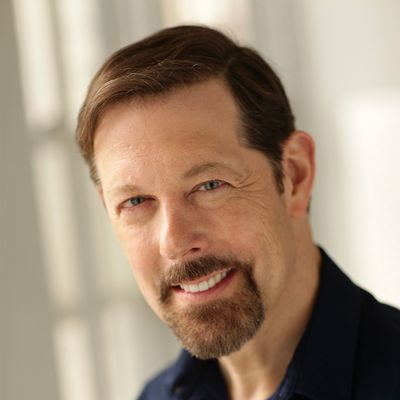
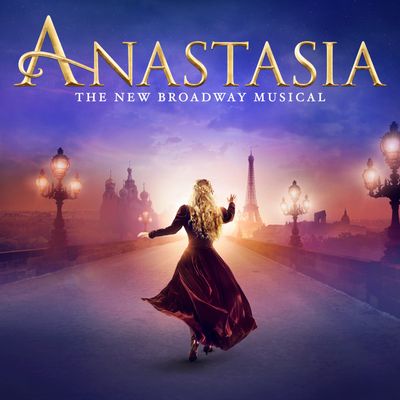
One of Broadway's funniest guys, John Bolton, sits down with Rob and Kevin to discuss his incredibly wild and varied career. From Damn Yankees to Contact, Spamalot to A Christmas Story, to this year's smash hit, Anastasia, John looks back on it all and offers us a glimpse into what it is like being a contemporary character actor... Read More
From the show: BEHIND THE CURTAIN: BROADWAY'S LIVING LEGENDS » Podcast
Guests
Featured Shows
About
One of Broadway's funniest guys, John Bolton, sits down with Rob and Kevin to discuss his incredibly wild and varied career. From Damn Yankees to Contact, Spamalot to A Christmas Story, to this year's smash hit, Anastasia, John looks back on it all and offers us a glimpse into what it is like being a contemporary character actor. John pulls back the curtain on his career to discuss how he learned at the feet of Jerry Lewis, what it was like being a Susan Stroman standby, and why fighting Tim Curry was one of his most hair raising adventures. Also, John shines the spotlight on Victor Garber, Mike Nichols, and Pasek and Paul! Become a sponsor of Behind The Curtain and get early access to interviews, private playlists, and advance knowledge of future guests so you can ask the legends your own questions. Go to: http://bit.ly/2i7nWC4
Transcript
This transcript was automatically generated and might contain errors.
[0:00] Kevin David Thomas: I dreamed the dream of days to come where sponsorship is high and money is forthcoming.
[0:07] Robert W. Schneider: That's beautiful, Kevin.
[0:08] Kevin David Thomas: I really added a voice onto that one too.
[0:10] Kevin David Thomas: I really was trying to go for something there.
[0:12] Robert W. Schneider: Listeners, we love creating this podcast, but it does cost money.
[0:16] Kevin David Thomas: Please don't make me sell my angel record.
[0:18] Robert W. Schneider: Oh my gosh, the original cast recording of Angel.
[0:20] Kevin David Thomas: Like nobody has it.
[0:21] Robert W. Schneider: Nobody has it.
[0:22] Kevin David Thomas: If you like what we are doing and want to keep doing more of it, please head over to Patreon.com.
[0:28] Kevin David Thomas: That's P-A-T-R-E-O-N.com.
[0:33] Kevin David Thomas: Reon.
[0:34] Robert W. Schneider: I feel Patreon.
[0:36] Kevin David Thomas: Yeah, Pat Patreon.
[0:37] Kevin David Thomas: Reon.
[0:38] Robert W. Schneider: Yeah, once you're there, search for behind the curtain Broadway's Living Legends.
[0:42] Robert W. Schneider: And of course, we don't expect to give without receiving some great rewards.
[0:46] Kevin David Thomas: Such rewards include behind the scenes videos, shout-outs on future episodes or episodes, depending on what part of the country you're from, because I said episodes.
[0:55] Robert W. Schneider: And early access to some of our podcasts.
[0:58] Kevin David Thomas: Hell, for the right price, Kevin and I will come to your apartment and act out all of Agnes of God.
[1:03] Robert W. Schneider: So head over, friends to P-A-T-R-E-O-N dot com to help us out.
[1:09] Robert W. Schneider: Hi, I'm Robert W. Schneider.
[1:11] Kevin David Thomas: And I'm Kevin David Thomas.
[1:12] Robert W. Schneider: And this is Behind the Curtain Broadway's Living Legends.
[1:15] Kevin David Thomas: Don't forget to follow us on Twitter at Broadway Curtain.
[1:18] Robert W. Schneider: And make sure to join our Facebook page at Behind the Curtain Broadway's Living Legends.
[1:22] Kevin David Thomas: And follow us on Instagram at Broadway Curtain Podcast Plus.
[1:25] Robert W. Schneider: You can always listen to our podcasts on Broadway World and Stitcher.
[1:28] Robert W. Schneider: Today's guest is one of Broadway's most beloved character actors, currently starring as Vlad Popoff.
[1:33] Kevin David Thomas: Did I do that right? Am I good on the pronunciation?
[1:36] Robert W. Schneider: John's happy. Great.
[1:37] Robert W. Schneider: In Broadway's Anastasia, which I saw and was amazing.
[1:40] Kevin David Thomas: It was like a rock concert.
[1:41] Robert W. Schneider: Truly. It's incredible.
[1:42] Robert W. Schneider: Uh today's guest has a long list of credits from Broadway and beyond.
[1:46] Kevin David Thomas: Oh, yes, he does.
[1:47] Kevin David Thomas: Or oh dah, he does.
[1:49] Robert W. Schneider: That was Russian. Look at you.
[1:50] Robert W. Schneider: From A Christmas Story to Spamalot, from Contact to Pageant.
[1:54] Robert W. Schneider: Our guest has been leaving audiences in stitches since he first trotted the boards in his high school production of The Wiz.
[2:01] Robert W. Schneider: Since then, and with nine Broadway credits under his belt, he hasn't stopped since.
[2:05] Kevin David Thomas: Tell us what it was like to work with such legends as Susan Stroman, Mike Nichols, and John Kander.
[2:10] Robert W. Schneider: Here is the old man himself, the most musical journalism major you ever saw, JOHN BOLTON.
[2:16] JOHN BOLTON: Well, good morning.
[2:17] Kevin David Thomas: Hello.
[2:18] Robert W. Schneider: Hello, John.
[2:19] Kevin David Thomas: Hello, John.
[2:20] JOHN BOLTON: John, where are you from?
[2:21] JOHN BOLTON: I'm from Rochester, New York.
[2:23] Kevin David Thomas: Ah, close to you, my friend, right?
[2:25] Kevin David Thomas: We were just talking about that.
[2:26] JOHN BOLTON: Elmira, New York is where I'm from.
[2:27] JOHN BOLTON: And we I was saying people from Western New York, they're the only people that know those names of those towns.
[2:32] JOHN BOLTON: Because you said you're actually from a smaller town.
[2:33] JOHN BOLTON: Smaller town, LeRoy, New York, birthplace of Jell-O.
[2:37] JOHN BOLTON: And home to the Jell-O Museum.
[2:38] Kevin David Thomas: And that's how we know our towns by what they've done.
[2:40] Kevin David Thomas: And what did your town do?
[2:41] JOHN BOLTON: Mark Twain wrote his stories in Elmira, so there you go.
[2:44] Kevin David Thomas: It's amazing.
[2:45] JOHN BOLTON: I'm from LA, so there's nothing cute or quaint about this at all.
[2:50] Kevin David Thomas: No, no, no, no, no.
[2:51] Robert W. Schneider: Okay, so how did you discover theater living up in New York?
[2:54] JOHN BOLTON: Oh gosh. Well, uh, my I had great parents, my mom and dad would take me to New York uh once a year, and we would see whatever, you know, was the were the big hits at the time.
[3:03] JOHN BOLTON: Uh the first trip was to see Annie, and uh they previously mentioned The Wiz, and uh those uh it was just a a you know magical time for me because I thought everyone in New York lived at the Waldorf and got to see shows and eat at Gallagher's right across from the stars of Annie at the end.
[3:18] Kevin David Thomas: How old were you on the like the first trip that you're gonna do?
[3:20] JOHN BOLTON: I was the same age as the kids in Annie.
[3:22] JOHN BOLTON: Oh my gosh.
[3:23] JOHN BOLTON: I remember uh seeing them and going, They're kids on stage.
[3:26] JOHN BOLTON: They're my age. Why are there no boy orphans?
[3:29] JOHN BOLTON: Why aren't there any boy or boy orphans?
[3:31] JOHN BOLTON: And in my community theater, a girl had just played Oliver.
[3:33] JOHN BOLTON: So it's like a girl, a boy could play Annie.
[3:35] Kevin David Thomas: Absolutely. Why not?
[3:37] Kevin David Thomas: Were you singing ahead? Were you singing or performing at all back in?
[3:40] JOHN BOLTON: Not at all.
[3:41] JOHN BOLTON: In your small town?
[3:42] JOHN BOLTON: Just sort of in, you know, a playful mom and dad are out playing bridge and the big brothers are at college, so I'll just uh by the way, I they never had a babysitter, which is great.
[3:51] JOHN BOLTON: I think they trusted me.
[3:52] JOHN BOLTON: They were just like, oh, he'll be fine.
[3:54] JOHN BOLTON: And you would just like leave me home.
[3:55] JOHN BOLTON: Oh, they'd leave me home for hours and hours.
[3:56] Kevin David Thomas: You were by yourself or did you start?
[3:58] JOHN BOLTON: By myself.
[3:58] JOHN BOLTON: My siblings are 10 and 12 years older than me.
[4:00] JOHN BOLTON: So it was just like I was by myself.
[4:02] JOHN BOLTON: That's why, because they had a they had older, they already had kids.
[4:06] JOHN BOLTON: Oh, and I went to public school, they had to go to Catholic school.
[4:09] JOHN BOLTON: My parents totally chilled out by the time I came along.
[4:12] JOHN BOLTON: Oh my god.
[4:12] JOHN BOLTON: Uh but no, we had these things called records.
[4:14] JOHN BOLTON: And uh they had we had The Music Man and South Pacific and The Sound of Music, and uh I I just played them constantly until I amassed my own collection uh by college, alphabetized, of course.
[4:28] JOHN BOLTON: Uh by title.
[4:30] JOHN BOLTON: By title, and sometimes by composer.
[4:32] Kevin David Thomas: That's how sometimes does his albums by composer.
[4:36] JOHN BOLTON: Oh, yeah, Steve.
[4:37] JOHN BOLTON: Because he's like, because he does it by he's like, oh, I associate it by music by who wrote it.
[4:41] Kevin David Thomas: Yeah. Absolutely.
[4:42] Kevin David Thomas: And did were you start did you start performing yourself?
[4:45] JOHN BOLTON: I mean, were you like, hey, I'm gonna, mom, can I go? Can I be an Annie? Can I go be an Oliver or whatever?
[4:50] JOHN BOLTON: Well, I wanted to, but it wasn't really an option.
[4:52] JOHN BOLTON: I mean, down the road in Scenic Batavia, New York, they did the big rotary show.
[4:58] JOHN BOLTON: And as far as I was concerned, it was Broadway because they rented the sets and they did everything.
[5:02] JOHN BOLTON: And uh I and I would go see those and I had friends in those.
[5:06] JOHN BOLTON: And uh, but no, I never got up the nerve to audition.
[5:08] JOHN BOLTON: It was sort of never an option.
[5:10] JOHN BOLTON: No one ever said, Do you want to try out? Or have singing. Or anything.
[5:13] JOHN BOLTON: It just sort of was no, it just didn't ever really come up.
[5:16] JOHN BOLTON: And I didn't pursue it either.
[5:18] JOHN BOLTON: I was happy with my secret, quiet life of opening the freezer and belting into the freezer so that I wouldn't wake up the rest of the house.
[5:26] Kevin David Thomas: You're not kidding.
[5:26] JOHN BOLTON: You're not kidding.
[5:28] JOHN BOLTON: Oh, but the secret was you would play the 33s, uh the 33 LPs, to those of you old enough to know what that means, at 45.
[5:35] JOHN BOLTON: And it would change the key.
[5:36] JOHN BOLTON: And it would put it in a better key for a young man whose voice was changing.
[5:40] JOHN BOLTON: And then you would scream into the freezer.
[5:43] JOHN BOLTON: This was my childhood.
[5:44] JOHN BOLTON: But no, uh, my school uh did do a musical every year.
[5:47] JOHN BOLTON: And you know, I tried out in eighth and ninth grade, I didn't get in because I was shy and uh had never really sung in front of people, you know, just into the freezer.
[5:55] JOHN BOLTON: Yeah, and uh so uh but then eventually got in uh the shows we did oh gosh, we had Fiddler on the Roof, I was in the chorus, and Bye Bye Birdie, I was in the chorus, and Mame uh was in the chorus, but played the pivotal role of Junior Babcock.
[6:09] JOHN BOLTON: Pivotal.
[6:10] JOHN BOLTON: That was the first role I ever played in community theater.
[6:13] Kevin David Thomas: Yes.
[6:14] JOHN BOLTON: Well, I was very quickly.
[6:15] JOHN BOLTON: I played Junior Babcock, and then in the most offensive move ever, the gentleman who played Edo dropped out and they moved me up.
[6:21] Kevin David Thomas: Oh no.
[6:22] JOHN BOLTON: Oh no.
[6:23] JOHN BOLTON: But it's a wonderful role, and the show should really be about him, and it should be titled Junior Babcock.
[6:28] Kevin David Thomas: Well, as far as I was concerned, it was.
[6:29] JOHN BOLTON: And I will say I did get exit applause late in Act Two for something because I was a sassy young man and uh liked to think the scene was about me.
[6:38] JOHN BOLTON: So anyway, uh, but then my senior year, we were gonna do Lil Abner, but uh I convinced which is actually a show I actually adore.
[6:46] JOHN BOLTON: Yeah, but um no, I convinced our wonderful director, excuse me, Beth Ann Lambian, goddess.
[6:53] JOHN BOLTON: Uh her room was like a sanctuary for us theater kids, you know.
[6:56] JOHN BOLTON: It was just just a school, oh yeah.
[6:58] JOHN BOLTON: Just she was just a wonderful, wonderful uh role model and wonderful director.
[7:02] JOHN BOLTON: And she did it all.
[7:02] JOHN BOLTON: She did the costumes, she conducted it, she uh directed it, and she was just her name again, Beth Ann Lambian.
[7:09] JOHN BOLTON: She was just a saint.
[7:10] Kevin David Thomas: Most of those teachers, you know, that that really make a difference in soul.
[7:13] JOHN BOLTON: She's the best lives.
[7:14] JOHN BOLTON: But um, we convinced her to do The Wiz at this mostly white high school, and uh there we were in LaRoy, New York doing The Wiz, and you know, it was pretty good.
[7:14] Kevin David Thomas: It was pretty good.
[7:24] JOHN BOLTON: Who were you in The Wiz?
[7:25] JOHN BOLTON: I played the Scarecrow.
[7:26] Kevin David Thomas: Nice, yeah.
[7:28] JOHN BOLTON: Nicely done.
[7:28] Kevin David Thomas: Nicely, nicely done.
[7:30] JOHN BOLTON: So you're finishing in high school, and then where do you go to college at?
[7:34] JOHN BOLTON: I went to a college in Rochester, New York called St. John Fisher College.
[7:36] JOHN BOLTON: Um, I wanted to stay in the Rochester area because I was only 17 when I graduated.
[7:42] JOHN BOLTON: Oh, and I was beginning to get my toe in the water because of The Wiz with uh other local community theaters, and I thought this is the stuff I grew up watching, I want to be part of this for a while.
[7:51] JOHN BOLTON: And uh uh St. John Fisher College had been they first of all they had a good journalism department, which is what I wanted to do at the time.
[7:58] JOHN BOLTON: I wanted to write because again, we didn't have any guidance counselors that were like, and also I wasn't really good enough.
[8:04] JOHN BOLTON: It's not like there was this great kid, like the girl that played Mame in our Mame, she was a star.
[8:10] JOHN BOLTON: It's like they hired an equity actress to come be Mame, but in The Wiz, not so much.
[8:15] JOHN BOLTON: You know, we did it, we got through it, and so uh no one ever said, Hey, do you want to do this professionally?
[8:20] JOHN BOLTON: It was wasn't really an option, and no one from my hometown had ever done it.
[8:23] JOHN BOLTON: So I went to major in journalism at this wonderful uh little college in Rochester that I chose not just for the journalism major, but because the the Miss USA from several years prior, Mary Therese Friel had gone to St. John Fisher College.
[8:38] JOHN BOLTON: And I thought, well, Miss USA went. I'm going, that's where famous people go.
[8:44] JOHN BOLTON: St. John Fisher.
[8:45] JOHN BOLTON: So I uh got my I have a I have a BA in journalism, and while I was there, I continued to work in community theater, be sort of a big fish in a small pond kind of thing.
[8:53] Kevin David Thomas: Oh, yeah.
[8:54] JOHN BOLTON: And there's a Lort Theater in Rochester called Jiva.
[8:56] JOHN BOLTON: Jiva big Time.
[8:57] Kevin David Thomas: Oh, yeah.
[8:58] JOHN BOLTON: And um, I was able to get my equity card working there with weeks and weeks and weeks uh whilst in college.
[9:05] JOHN BOLTON: I mean I started it during college and then finished it after college because I stayed in Rochester to train bank tellers in my dad's bank.
[9:12] JOHN BOLTON: And but you know, I worked with some great directors there in not just Jiva, but uh the community theaters around Rochester.
[9:18] JOHN BOLTON: There are some really, really wonderful um people that run those and were running those at the time, many of whom are still there.
[9:25] JOHN BOLTON: And I was able to learn so much from them and the other really really talented performers there.
[9:30] JOHN BOLTON: It was like being in being in in another like having two college educations at once.
[9:36] JOHN BOLTON: Because not all the shows were great.
[9:37] JOHN BOLTON: You'd learn from that though.
[9:38] JOHN BOLTON: You'd learn from what wasn't so good about that.
[9:40] Kevin David Thomas: Aha.
[9:41] JOHN BOLTON: And then you'd do something that was just, oh my god, this is the second coming, it's the best thing ever.
[9:45] JOHN BOLTON: And then you'd learn from that.
[9:46] JOHN BOLTON: And you just sort of make the rounds from the different community theaters plus Jiva, and all of a sudden I had this somewhat of a theater education and sort of grew the cojones to audition for this thing called NETC, the Northeast Theater Conference.
[10:00] Kevin David Thomas: Totally.
[10:00] JOHN BOLTON: Where I remember driving overnight just to try my luck and see what happened.
[10:05] JOHN BOLTON: Fully aware that no one would want to see me or or hire me for the summer.
[10:08] JOHN BOLTON: There's a summer stock auditions.
[10:10] JOHN BOLTON: And so uh Where a bunch of theaters come together for one audition, and you all miss once.
[10:15] JOHN BOLTON: Uh you have like a set amount of time and you do like a song and maybe a monologue, and and you see which theaters would like to have your services.
[10:22] JOHN BOLTON: That's it.
[10:23] JOHN BOLTON: And uh uh several of them called me back and I wound up working in South Jersey uh at the at a theater company there a couple coup for a couple of years.
[10:31] JOHN BOLTON: Meeting some wonderful, wonderful people.
[10:32] Kevin David Thomas: How old were you when you went to the SETC?
[10:34] JOHN BOLTON: Oh gosh, I was about a year out of college.
[10:36] Kevin David Thomas: Okay, all right.
[10:37] JOHN BOLTON: So you know, not brave enough yet, but uh you know, just willing to try something.
[10:43] JOHN BOLTON: And then, you know, through that, you you meet more people like you.
[10:46] JOHN BOLTON: Oh my gosh, it's people like me.
[10:48] JOHN BOLTON: Yes, you know, and uh most of whom went to school for theater, so I was like, My people, I have found you.
[10:54] Kevin David Thomas: Right.
[10:54] JOHN BOLTON: And uh and all of a sudden I had couches to stay on in New York, and I'd stay for a week or a weekend, and then two weeks, and then all of a sudden I was subletting someone's apartment, and then all of a sudden I had a sharing an apartment with someone, and then all of a sudden I had my own place.
[11:09] Kevin David Thomas: Um when you were auditioning, yes, what was your go-to audition song?
[11:15] JOHN BOLTON: Um, well, let's see, there have been a few.
[11:17] JOHN BOLTON: Uh my my first one was how are you gonna keep them down on the farm after they've seen Perry?
[11:22] Kevin David Thomas: Oh.
[11:23] JOHN BOLTON: But then once I did Oklahoma in Europe and and we did it, I uh did this stupid party trick that began to be requested of singing Oklahoma in either German or Italian, or sometimes.
[11:36] JOHN BOLTON: I read that, yes, in three different languages.
[11:38] JOHN BOLTON: So I would do it in Japanese as well, which I learned myself because it just you seemed like you needed the three to kick it into something.
[11:44] JOHN BOLTON: But uh I started doing that, and I became known for it, and certain casting directors would kind of roll their eyes when I launched into it.
[11:51] JOHN BOLTON: But you know what? It worked.
[11:52] JOHN BOLTON: And then certain casting directors would request it will you please will you do the thing?
[11:57] JOHN BOLTON: You know, and so I'd pull it out, and you'd see you'd hear the intro.
[12:02] JOHN BOLTON: I would oh I always liked when they wouldn't say, What are you going to sing?
[12:05] JOHN BOLTON: I hate when they do that.
[12:06] JOHN BOLTON: I like letting the song be its own thing.
[12:09] JOHN BOLTON: You'd hear the you'd hear that, they'd hear the intro, and you'd see the eyes sort of glaze over.
[12:14] JOHN BOLTON: And then they would sort of slowly realize, wait a minute, you're singing it in German.
[12:18] JOHN BOLTON: It's not English or Italian.
[12:19] JOHN BOLTON: And there's just something so absurd about it, and yet joyful because you're singing it with the gusto that you would sing it on stage every night.
[12:27] JOHN BOLTON: So that that worked for a while.
[12:29] JOHN BOLTON: And now the past many years, I've I haven't had to sing my own sort of calling card.
[12:34] JOHN BOLTON: It's been here, learn this right.
[12:38] Kevin David Thomas: Oh, sometimes, yeah.
[12:39] JOHN BOLTON: And then often which you won't get to.
[12:42] JOHN BOLTON: And sometimes you're like, well, could you tell me which which five of the 80 we're going to be focusing on so I can be able to look up once during the book?
[12:52] Kevin David Thomas: Yeah.
[12:53] JOHN BOLTON: Sometimes I prefer a little get me in, let's dive in with a little something of my own, as opposed to, but it tends to be now uh in my career.
[13:01] JOHN BOLTON: Let's just let's get right to the material.
[13:03] Kevin David Thomas: Great.
[13:03] JOHN BOLTON: What do you know about auditioning now that you wish you had known then?
[13:08] JOHN BOLTON: Oh gosh. Um just show up and be you and do your best and be prepared. And once in a while it'll be your turn to get the part. And know that if as long as you do your best and you take care of everything you can, look at those 80 pages, look at those five pages, learn the material, whatever it is they they've given you. Sing something appropriate for the show. Wear something that is not a costume but is fairly appropriate for the show.
[13:37] JOHN BOLTON: Be on time, be polite, don't let your nerves get the better of you, don't babble.
[13:42] JOHN BOLTON: He said after three cups of coffee. Um, but go in and do your best, and know that as long as you do your best, chances are you're not gonna get the part. But once in a while you will. And when you don't get the part, they'll remember you. They'll be like, Who was that guy that came in for that that we didn't use for that, but we liked it? Who was that? Bring him back in. Um, those are the good ones. It's the ones where you screwed up, where you're like, wow, I really blithered. Or wow, I should have maybe rehearsed that song with a piano a time or two before hearing it for the first time. You know, in the room in front of Tony Winning directors. You know, it's the times where you wish you could have done something differently that you can't ever get back.
And sometimes that casting director will just write you off and just be like, Well, we're done with him for a while, you know. So do your best. Go in, do your best, be as prepared as you can. Once in a while you'll get the part.
[14:31] Kevin David Thomas: Yeah, you're such a funny actor. Um, you you have such I mean, you know that. That's not I'm telling like JOHN BOLTON, like doesn't know he's funny. Um, just so you know, if you needed my validation, there you go. Um who were some of your comic heroes or who were some of your comic inspirations.
[14:46] JOHN BOLTON: Oh, I'm so glad you asked. Uh, I get to talk about Harvey Corman for a moment. Um, Harvey Corman was an actor for the younger listeners out there on uh on most famously on a show called the Carol Burnett Show, which, like listening to all the musicals, required viewing for me was the sketch comedy and the musical numbers uh on this wonderful show called the Carol Burnett Show. And Harvey was the the the um the care one of the two character men. Um and he was trusted with everything. He could break your heart and leave also just make you roar with laughter. And he was also very famous for breaking character. He and uh this brilliant comedian Tim Conway would just crack each other up, and the audience would just be in absolute stitches.
And there was something about the camaraderie that I noticed between the two of them at a very young age, that I was like, I want to do that, not laugh on stage, which I actually do sometimes, but um, but to have to be so comfortable with another actor where you just get out there and have fun and trust the material and and have a great time. But aside from Harvey Corman, certainly Lily Tomlin, uh, her one woman show absolutely changed my life. I saw her one woman show on Broadway twice. Uh search for signs of intelligent life in the universe, yes. I also had all her records because my big brothers had her little uh the uh uh Ernestine record and the Edith Ann record. So these were on pretty high rotation in addition to Pink Floyd and Led Zeppelin in my house.
I told you I grew up in a house with great stuff. But uh seeing her one woman show, and it was my first trip to New York by myself. Oh I went without my parents. I had just gotten out of high school, and I I uh went to see her show, and it literally changed my entire life. Cut to, she came to see Anastasia a few weeks ago, and everyone had their picture taken with her, and I didn't even know she was in the building. I did not know she was there, which is probably a good thing because my childhood heroes, I will freak out. If you were on Zoom or the new Mickey Mouse Club, or you are Lily Tomlin or the late great Harvey Corman, chances are I would freak out when I meet you.
[16:56] Kevin David Thomas: That's amazing.
[16:57] Kevin David Thomas: Yeah, that's really incredible. Um, how does this first Broadway show of yours come about?
[17:02] JOHN BOLTON: Haha. Um I had done a show called Paper Moon at the Paper Mill Playhouse, which was supposed to come to Broadway. Our marquee was up at the Marquee Theater, excuse me, and it was a great, I thought great show, great cast. In the ensemble were not just me, but Brooke Zeschmanskis, Christopher Sieber, Mary Stout, Roxy Lucas, Ruth Gotchell, amazing, amazing people. Our principals were Gregory Harrison, Christine Ebersoll, uh uh Chandra Wilson, Renee Elise Goldsberry, Linda Hart, John Dawson. It was just the greatest cast of people to learn from, and we're out there at Paper Mill doing the show based on a beloved film of mine, certainly, um uh Paper Moon. And we were going to come to Broadway, and I was so thrilled.
And then a few days before we started rehearsal for the New York production, they pulled it and they paid us our two weeks and we were done. And so there our marquee was sort of lonely. And then this show out of town, Damn Yankees, had been at the old Globe Theater, had been quite successful. And they were able to take the Marquee Theater. So all of a sudden, our Paper Moon materials are coming down and up goes Damn Yankees. And I'm like, screw you, Damn Yankees. Your Broadway debut, yeah. Right. Oh, and by the way, on the night of my Broadway debut, I wound up hosting the absolute per the exact date that Paper Moon was to open. I wound up hosting the American Printed Fabrics Council Industrial in the grand ballroom of the Marquee Theater.
So that date wound up being set. But anyway, let's get to Damn Yankees is happening. One of the actors decides to leave very early in the run, and my agent submits me for it, and they did not want to see me because they didn't know me. Jay Binder did not know me at the time. And uh so I went to the open call for it. And friends from Paper Mill had had signed me up and said, We signed you up. So I borrowed someone's music and went into the room at NOLA Studios. I think it's still called. Oh, yes, it is. 44 54. Uh and that room, still to this day, whenever I'm in that room, I'm like, I booked my first Broadway show in this room. So it's my lucky room. So I went in and for some reason it was my turn to get the job.
I did, I, you know, didn't suck. And Rob Marshall and Jack O'Brien and and Jay saw something in me that day that they trusted me with making my Broadway debut. And of course, I was so thrilled. But in a week, I learned the show and at uh in New Dance Group, this small studio, and was on West 47th at the time, with goddess of the stage, Cynthia Unrubia teaching me. Google her, you guys, she's amazing. Um teaching me the entire show with David Chase at the piano. Oh my god. Google him, you guys. He's a little bit. And um a week later I had a put in, and then all of a sudden I was dancing on Broadway.
[19:56] Kevin David Thomas: Were you had did you have dance training? I mean, how did you dance?
[19:57] JOHN BOLTON: Well, I was not really ever a dancer. I certainly always had a lot of energy, but I'd gotten to work with some good choreographers who taught me a little bit how to turn and what a shuffle ball change was. And of the singers, I was always one of the better dancers, uh, without being a dancer dancer. Right. Uh so I think that helped me get me get the show. And um, there you go. All of a sudden I was on Broadway working in the world. And the Marquis Theater, too. Same theater. Right? Yeah. So that's my crazy first Broadway show story. And we got to work with Victor and Bibi and that terrific cast, and and just being one of the guys in that show was just so much fun. Jeff was in it, and Greg and Scott Wise, and well, the whole cat I could name them all. It was all people that continue to be some of my dearest friends to this day.
[20:40] Kevin David Thomas: We interviewed Scott Weiss.
[20:41] JOHN BOLTON: We have Scott Wise on, yeah.
[20:43] JOHN BOLTON: Oh my god, what a guy. Talk about being pranked on stage. That guy's got a big thing.
[20:47] Kevin David Thomas: He seems like a goofball.
[20:48] JOHN BOLTON: He is such a goofball, and I love every moment with him. He's just the greatest, greatest guy. The whole company was. And like I said, just getting to be one of the guys in that show was just so much fun. So much fun.
[21:00] Kevin David Thomas: So then you do the tour of Damn Yankees.
[21:02] JOHN BOLTON: Briefly. Yep.
[21:03] Kevin David Thomas: Were you reticent about leaving New York to do tour for a little bit? Are you okay doing tours?
[21:07] JOHN BOLTON: Um or were you doing okay doing tours at the time? Well, let's see. If if we do the timeline there, uh I'd left Damn Yankees a week before we closed. Sorry, everybody, to uh do to join the company of How to Succeed in Business Without Really Trying with the first revival.
[21:23] Kevin David Thomas: And then you were in the original company of that?
[21:25] JOHN BOLTON: I joined like the day after the Tonies. They they decided it's gonna be a hit. Let's hire a standby for Matthew and Jeff, Bloom and Cranz. And so I was I joined the company to do that, but very shortly after that, um, which was a good opportunity for me because I was off stage, but it was like, look what I'm doing, look what I got to do. Oh, yeah. And then a gentleman in the ensemble, brilliant man, Randall Ask with a brilliant track, uh track meaning his little parts he played, uh, left. And I said, Can I do that? And they said, Sure. They said, Well, it's just ensemble. Are you okay with that? I was like, Yes, I want to do it because it was such a fun track. He was the guy that gets fired, Mr. Ovington, and he was the coffee boy.
And so uh it I got to uh replace Randall and still cover Matthew and Jeff. And uh got to do both many times. Uh, there was a Matthew took a hiatus to shoot the cable guy, which I'll tell you how long ago it was. But uh there were a few weeks where I got to play J. Pierpont Finch, which was just an absolute thrill. Opposite certain Sarah Jessica Parker was uh was Rosemary at the time, yeah. And Jessica Stone was also Rosemary.
[22:28] Kevin David Thomas: Oh who was in that production of a Christmas Carol at Giva Theater because she is also from Rochester, New York. She played one of the other one of the other Cratchit kids.
[22:37] JOHN BOLTON: It is a small business, which means be nice.
[22:40] JOHN BOLTON: Yeah, be nice because you don't know what casting assistant is going to be a big casting director. You don't know what piano player is gonna be a big music director, you don't know what you just be nice to everybody. Don't be fake, be nice.
[22:52] Kevin David Thomas: Amen.
[22:52] Kevin David Thomas: That's really great advice.
[22:54] JOHN BOLTON: So then how to succeed to get back to the tour, then how to succeed closed. Right. And I did I think I joined the tour of Damn Yankees briefly after that as sort of a stopgap because then I booked that company of Annie, the revival of Annie with Nell Carter.
[23:09] Kevin David Thomas: I do first Broadway revivals of shows.
[23:13] JOHN BOLTON: Same.
[23:14] Kevin David Thomas: Now before we talk about Annie, I want to jump back a second. Can you explain to us uh what is the difference between a cover or a standby and an understudy? Because you were hired to stand by for Matthew Broderick.
[23:23] JOHN BOLTON: That's correct. So what does a standby do? Excuse me. A standby is someone uh someone who is hired specifically to hire to cover principal actors. Um are people who are usually in the show who uh maybe step up maybe to understudy a larger role, and then a swing, of course, is uh someone who specifically covers ensemble tracks who can also understudy a principal role.
[23:50] Kevin David Thomas: Amazing.
[23:51] Kevin David Thomas: Yeah, amazing.
[23:52] JOHN BOLTON: Um let's now jump to Annie.
[23:55] JOHN BOLTON: Oh my gosh.
[23:55] JOHN BOLTON: How exciting. Well, when I was on as J. Pierpont Finch, I'd I had heard there was gonna be this revival of Annie, and Annie being the first Broadway show I ever saw. I was like, I want I just need to be in it. And uh so I wrote Martin Sharnan and bought him two tickets to see me play Finch in How to Succeed and said uh please come see me. And he came and was very gracious backstage and said, Listen, I've already got a gentleman to play Rooster, but I've got a nice track for you. But I'll you can cover Rooster and I'll give you first refusal on it, which means when the guy leaves, you can you can take over. And I said, sure. So I did that. But before I left town to go on tour with Annie, I auditioned for a little show called Titanic.
So I went in to that, and we didn't know what was gonna be. We heard that there was interest, and uh then they gave me the offer uh for Titanic, and I took Annie knowing, oh, this is such a shitty thing to do. Sorry, casting, uh, that I was going to be leaving very shortly. So I did Annie for a couple months on the road and got to work with wonderful people and uh got to work with Martin and uh Ros Ryan was playing uh Miss Hannigan and then Nell Carter, of course, came. I love Rose Ryan. And I got to play opposite both of them. Um she was a lot.
[25:11] JOHN BOLTON: Yeah, um, she was uh kind to me. Um I went on for uh Rooster a few times in oh gosh, Baltimore, I think. And I had never rehearsed Easy Street um with her at all. Um I just sort of learned what I could when I'm we should say that when you understudy, you get taught by sometimes the stage manager or whomever. You you and you rehearse by yourself sometimes in a room, and then it's like, oh guess what? Tonight you're on. And you're on, and then all of a sudden you're actually playing opposite people. Yes, yeah. Well, and like with Spamalot, it was like learn what you can. If we have to throw you on, we will. And then they did. So there's your life flashing in front of Oscar winners. So terrifying.
But with Nell all of a sudden, but uh, yeah, Nell said the Nell Carter to the stage, please to go over Easy Street, and she's not there. And there's me and this wonderful actress, Karen playing uh uh Lily, and we're waiting, and I sort of know what it is. By the way, Sutton Foster was in the chorus of that as well. Uh it was a great, very nice company. But uh so we're waiting for Nell and finally the knock knock knock on her dressing room door, and stage management was like, Um, here's John, and uh, you know, I'd been friendly with Nell, and she's like I said, good to me, but she said, Here's how I work, honey. And she's tiny, teeny teeny tiny. And she touches my arm and she goes, You're gonna go on, you're gonna do it.
You're gonna be great. But we're not gonna rehearse it. That's like, okay, great. Thank you, Nell. Appreciate that. And then we got out there. Good pep talk. And here I am. And it's like, well, here we're winging it in front of 2,500 people. But fortunately, I had done my homework and certainly knew the show and knew the role.
[26:45] Kevin David Thomas: So uh you had the red album, of course you knew it.
[26:48] JOHN BOLTON: The red album. Yes.
[26:49] JOHN BOLTON: Yeah.
[26:51] Kevin David Thomas: So you're only there for a couple of months, and then you jump onto the Titanic.
[26:55] JOHN BOLTON: I jump onto Titanic, and what a thrill that was, just from start to finish.
[26:59] JOHN BOLTON: Um you originated.
[27:01] JOHN BOLTON: I mean, that was you rehearsed that one.
[27:02] JOHN BOLTON: Uh-huh.
[27:03] JOHN BOLTON: I rehearsed for a long time, like seven weeks, I think, which is a lengthy time.
[27:08] JOHN BOLTON: It is before you even hit the stage. We were at 890 Broadway, the classic. The Michael Bennett Studios, yeah. Yes. And there we were, this great company. Um, and I'll never forget that first day of rehearsal where Maury Yeston, composer, of course, and lyricist of Titanic, sat and played for us and acted out with extreme animation at the piano, the entirety of the opening sequence, which remained unchanged to the note, to the word from that moment until opening night when it got standing ovation. As it was that sequence is incredible. Just one of the most thrilling sequences ever. My mentor was the music director, Kevin Styes. Kevin Stikes was so special. And he he did those vocal arrangements.
I mean, he sure did. He did all of that. And and those, I mean, those vocal arrangements. When you listen to the first 15 minutes of Titanic, it is. Oh, I still twitch when I think of those high notes that Don Stevenson and I had to hit every night. Uh it was just you just sang from your Oh, yeah, you're like, Hi C's, come on. Hooter, full voice, hi, every night. Come on. Oh my god. But uh, but uh what a thrill to be a member of that company. I was uh I was officer Lighthuler, and because the actual human being, Charles Lytaller, survived, there was a great deal of info to dive in and uh research about him. And one night I'll never forget about a year into the run. I'm doing the show, and uh you know, we were hit and um until the world became obsessed with all things Titanic and then tired of all things Titanic because the movie came out then.
But um uh about a year into the run, I'm walking out the stage door and thinking about oh, I've got to walk the dog, and maybe I'll stop at food emporium and get something to eat or whatever. And a woman stops me, Mr. Bolton, Mr. Bolton, uh introduce myself. I'm uh Charles Lytola's niece, and I just want to thank you for for honoring my uncle in the show so kindly. And I was like, What? What? Oh my god. Getting to meet his family was an absolute honor. Wait, and and meeting them after not knowing them they were there, it's a lesson. You never know who is out there. Do your best, don't phone shit in. Do your show because you are changing someone's life. You're you're performing for someone out there, someone's first Broadway show, God forbid someone's last Broadway show.
You are making magic out there for that starry-eyed person who is the kid that was you, the elderly person that was your grandparent, the the person that is the niece of the guy you're playing. Right, you never know who is out there. Do your freaking best. You know, I know you've done it 800 times, just do the show. Yeah, so that was the lesson from that. But but you know, Titanic, to this day, I just just so dear friends with that that whole cast. Besides the fact that it was it was a show that you were so intimately involved in. What is it about that score? Or what is it about Maury Yeston's writing that makes it so special? The fact that it's just so darn perfect. It's just glorious to sing Maury's music, like Lyndon Stevens, frankly, at Anastasia.
Uh it's just it feels good music, it feels powerful. And because we were honoring this event, I hope, uh, this tragic event and playing people who we researched, we felt like we were part of something special and that we worked so hard on it, and that we were so trashed and then so celebrated. Um we'd been through a true roller coaster together of, you know, we left that rehearsal studio after seven long weeks of of you know, we had uh very esoteric opera director Richard Jones of you know, kinesthetic response and a lot of viewpoints, and we just all trusted each other and knew each other and held each other in our arms as we sobbed and you know, just from rehearsals and stuff like that. It was just one of those experiences that was so special, you know, like it was just one of those shows, and I've had people tell me years later, I've done Titanic.
What a special, special show. We are all so close. It's it's like like fiddler on the roof, or or uh a lesser one, Godspell. Just one of those shows where you just become so close uh with everybody. Family, yeah. Yeah. What was your tech process like for Titanic? Oh, a lot of stop and start. Uh it was huge. We um gutted the entire uh Lunt Fontan Theater, as you may know, and we were unable to have an out-of-town tryout because the set was so extensive and so huge that no regional no no Boston or New Haven or anywhere, wasn't gonna let us destroy their theater to build the to build this colossal yet very oddly spare set. Um and so we opened cold on Broadway with a show that, or we started previews cold on a Broadway with a show that we just ran out of time teching.
We had not finished teching act two before we had a paying audience. And so we had to stop and start a few times in act one, and it's charming when you have to stop and start a few times, and the audience after a rapturous response to the opening sequence where they all think this is the greatest thing in history. And then we stopped the show a couple times, they're like, oh, it's charming. First preview, we were there, yeah. And then we had to stop the show repeatedly in act two, and you just felt the audience turn. And and it we just wanted to die. What made it so technical? I mean, what can you remind us what's the first one? Oh, the fact that we've got enormous hydraulics and we're lifting the entire stage out of the basement and then slanting it and then throwing things down and and everything.
So uh there's that little thing. But um there's uh but and it was a few shows. We sent the audience home some nights. We were like, ladies and gentlemen, we need to stop. Thank you all for coming. Good night. And uh the there were there was one early preview where, and good for them, because they wanted to try it, and maybe we'll talk about this later. I I applaud any director that is allowed to at least see their vision through by a producer, uh, whether it's right or wrong, you know, let them try it. Well, we tried this thing where this the guy that found the Titanic, Mr. Ballard, Robert Ballard, comes out. Uh it's Michael Cerverus again in a mirror of his earlier role, and this camera comes down and you see the wreckage at the bottom of the ocean.
And they booed the audience, literally booed. Wait, what? They literally booed. And this was after, remember, may I mention that 18-minute opening sequence that they stood up for and were screaming and throwing their panties at us. By the time we got to that, they were like, so anyway. So it was like in the future, it was like Titanic the movie, where it's like, oh, you're they're discovering the wreckage. Yes, but we were before we were many months before that. That's right. Yeah, I'm quick to say. But uh uh yeah, but good for them. They tried it, and they did, of course, change the finale to oh, it's the dead meet the living, and we're gonna reprise the big the big number and everything. So they pulled it out of their butts at the very end, and uh um all of a sudden we had a show, um, and we're so proud of it.
So, so proud of it. To this day, if anyone says I'm doing Titanic, I'll stop everything I'm doing, I'll talk about Titanic all day. Have you seen other productions of it since yours? And I cried like a baby. Yeah, absolutely cried like a baby. Yeah, I was gonna ask you, I mean, you you go to work every day, you know the set's not working the way it should be working. Well, not all the time, but not only in time, but early on in previews. Yes. There's this negative word of mouth that sometimes is building from the fact that you're gonna have to. It certainly was, and it built very rapidly, as it does, and continues to do, even more so with the online situation. Um, what was disappointing about Anastasia was another show I believe in so deeply, and I'm having such a great time doing, and I'm so proud to be a part of, was the some critics' disdain for our target audience.
And that that brushing off an entire huge demographic as they don't matter. They are less than, they're not, they don't know theater. You know, that was that was disappointing for us. But there they are every night screaming like it is the concert to end all concerts. And yet the moments where you can hear a pin drop during the big moments in the show, they are so invested and so there, and it is so many young people's first Broadway show. And what a thrill to be part of something that they are so passionate about that is their first Broadway show that is introducing them to Broadway, and they can't wait to come back and see more. And and there they are, screaming on their feet every night, and and hundreds of them at the stage door truly sobbing at at what we've done.
Uh I'm so thrilled with what we've done and to meet us all. And as someone who tends to do the adult shows, spam a lot included, um, if you call that as an adult show, uh, you know, I've never been part of something quite like this, and it's a thrill. It's an absolute honor to meet these young people every night. How does contact come into your life? Uh contact. Let's see. Um, I had just done Titanic, it had just closed, and I wanted to do a play, was my next thing. So my agent said, There's this play, it's a dance play, but it's a play. And you wanted to do a play, so here you go. And Susan Strowman is directing, and um, of course I knew exactly who she was because one of my first temp jobs in New York was renting the infrared headsets at the various Broadway theaters, and my home-based theaters, two of them were the Schubert, where Crazy for You was playing.
So I got to watch from the back of the house Susan Stroman's drop dead, brilliant choreography, heart-racing, thrilling choreography, every single night for a several months, three, probably two, three months. And my other home theater, by the way, was the Sisters Rosen Swag. So I got to learn. Again, here's grad school for JB in New York. Madeline Kahn, Jane Alexander, Christine Estebrook, you know, this brilliant cast every single night, Robert Klein, John Cunningham. Do these, did do that great play. Anyway, so I was thrilled to audition for Susan Stroman. They had already done the workshop, so the piece existed, and so we weren't creating it from the ground up. I was hired to be the standby for Boyd Gaines in a very, very physical role.
And additionally, an actor named Jason Antoon, who I adore, who makes me laugh every time I see him. So I went in, shook her hand and did a little dancing for this dance play, and did a monologue for this dance play. And we start rehearsals at the Mitzi New House. And because it was a workshop, I'm sort of playing catch-up. We're not really creating much. I'm sort of there watching Boyd like a hawk and watching Jason like a hawk. And I covered a couple of the smaller gentleman uh roles that were more actory. And um again, no singing in the show, but it was cool. I'd never seen anything like it. Dialogue either, right? So there's some dialogue, yeah. John Widman had written uh uh the text, and it reminded me of a lot of concert dance pieces I had seen, maybe some extended concert dance.
It was like, okay, well, it's a it's a play, I'm calling it a play. And they even had a meeting for us. Now it's not a musical, it's a play. We are a dance play. We are branding it as a play, and if anyone says anything, it is a play. So we opened to absolutely rapturous reviews. It's the greatest musical of the century. And so we had a meeting a couple days later saying, well, we are now calling it a musical. So you may now call it a musical. So contact happened because I wanted to do a play, and because I wanted to work, of course, with Susan Stroman. And I suppose it happened because she had the good sense to hire me. What makes her such a great leader in the room? Oh gosh, Stro. Because she knows what she's doing.
Um wow. Here's here's Stro. She gets people to do their best. She is so good at letting people do their best and then shaping it. What I want to do for Stro so badly is really create something with her, as opposed to going in after it had been workshopped, and here's what it is, or you know, going in for the producers and doing my best Leo Bloom, but maybe not knowing exactly what it already is. I want to create something with her because she's so darn good at it. You know, say what do you look for out of a director? Someone you trust, someone who, when they're describing the big picture, that you are so excited to get on board and you just can't wait to dive in and do it. Darko Tresniak is like that.
Most directors I've worked with have been that. Jack O'Brien, no one can get a room more excited about a project than Jack O'Brien. That's what I've heard. What an absolute honor to work with that man, and I can't wait to do it. I hope I'm lucky enough to do so again. It's so cool. Yeah. Um, one of the directors that you got a chance to work with that uh is just a phenomena. Mike Nichols. Oh my gosh. So wait. I mean, the genius of all genius directors who's ever existed. Uh plays, television, movies, he can't. Comedy, yeah. And all drama and all is a home run, always a home run. Um what was it like? First of all, let me ask you, did you have any hesitance about going into Spam a lot knowing that you'd be covering again?
[40:39] JOHN BOLTON: Uh good question. I had left Contact after uh two and a half years there. It's a long time. Like I said, they paid us well. And I did do large chunks of time as in the roles that I was covering, many months of time and hundreds of performances I did uh I did in the various things I did. And uh, did I mention they paid us well? So uh that helped. But my heart was definitely not in that last year of the run, and I did not I was not happy. And part of that was my own doing, truly. I I just kept thinking, I want to own a little bit of it. I don't want to borrow it. I want to own, I'd rather own a little part of it than borrow a big part of it. And you're always, no matter how many times you've done it, you're like answering to other people, and um, you know, and and sometimes as a standby, they'll be like, Hey, don't work too hard tonight.
I'm like, you know what, motherfucker, it is harder. So, yeah, so I'm uh hired to do a couple different shows that are gonna come to New York, and I'm one of the leads of them. Uh one of the was the opposite of sex that we did in in California with another stellar company and uh and a show uh we believed in very much, and I had a wonderful role in it, opposite some wonderful people. Um, and then psych, it's not happening. Uh we were gonna go to be part of Roundabout season, and then they pulled it at the last minute. And so all of a sudden I'm gonna originate a role on Broadway, and then it's not happening. Backtracking a tiny bit. Spam a Lot was happening. I want to go in for Spam a Lot, agents.
And they said, No, Mike Nichols is only seeing a very, very small amount of people, small number of people, like 30, 40 people, tops for all those roles. And um, so I couldn't get in for it. [41:40] But they'll see you to cover. Well, no, I'm doing these other things that are gonna come in, and I'm I'm through covering for a while. Thank you anyway. So they pass and uh and then my shows happen out of town, and then they don't happen in New York, and then they um let some people go at Spam a Lot, and they said, if you come in, I got a phone call on like a Thursday and said, if you come in tomorrow morning and shake Mike Nichols' hand, this job is yours. You stand by, and now all of a sudden, well, it's standing by for Tim Curry and David Hyde Pierce and Hank Azaria.
And now all of a sudden the definition of the role is slightly different. So I'm like, you know what? It's working with Mike Nichols and Eric Idle and uh Casey Nicholaw choreographing what I believe was his first um big big splash there so brilliantly. And so I went in, I shook Mike Nichols' hand, and they said, Great, can you start this afternoon? And so I sat in and rehearsal and listened, and uh, like I said, they let some people go. And so uh the room was a little a tad nervous because of the recent events. Um but it seemed like if you just were you uh and were funny, um Mike uh Mike would bless you and quietly move on. [42:20] Uh there was a young man in the ensemble of that show called Christian Borle, who Mike absolutely loved and said, give him more to do. I want him in that part, I want him more to do. And all of a sudden, of course, Christian became a principal of the show because he was given so much. I realized that that I didn't know that.
[43:49] Kevin David Thomas: What's it like watching Mike Nichols lead a rehearsal room?
[43:53] JOHN BOLTON: Oh, it's like shut up and listen, because the man is always right. Um, oh, the lessons from that man. Um just remember, you're not funny. It is funny. Because as soon as you start to think you're funny, and I got it going here because I'm funny, you're gonna lose them all. You're not funny. It is funny, is a lesson I have hopefully carried with me. Um, his famous line, don't put a hat on a hat. Um, I'd rather have you get one big laugh than four small ones, you know. So forego those little laughs that lead up to what could be a big laugh. Let's let's keep it going and get to that one big one. And and just watching him brilliantly elicit the science of comedy from those brilliant actors who knew what they were doing, and getting some of the ones that were second guessing themselves so much to get out of their own way and just freaking do it was such a lesson uh for all of us.
[44:55] Kevin David Thomas: How do you keep yourself artistically fulfilled when you are doing standby? And you know you're at the theater and you're not gonna be going on tonight, but you are just gonna be sitting there. How do you keep yourself feeling like that you're doing something artistic?
[45:10] JOHN BOLTON: Well, at Contact, I read every book I could. Um I it was John Reed's the Classics time, and I tore through them. I was doing two books a week, and I'm I'm you know, of the great the great world literature. Uh didn't hit them all, but I hit about a hundred of them, and I'm very, very proud of that. Um, so that was my thing there. And fortunately, there I had a little little cubby that I hid in where I could hide from the monitor and just sort of have a comfortable couch to lay on, and I just sort of made it my own little very lonely office, I'm sad to say, but I'm also happy to say that I read the great literature of the world. Uh at Spam a Lot, because the theater was close, and we had a wonderful stage manager, the great Peter Lawrence. I was basically on call. I could be home four blocks away, watching TV, watching Jeopardy, walking the dogs, doing whatever, as long as I could be in the theater at the theater within five minutes, as I was on several occasions.
[46:02] Kevin David Thomas: I was gonna ask if there was any uh crazy last minute or mid show or anything like that.
[46:07] JOHN BOLTON: Yes. Absolutely. Um yeah, that that happens happens a lot. Oh, what was I gonna say about a mid-show or last minute? Oh, the first time I was on at Spam a Lot, uh uh Hank Azaria was ill, and um, so we had understudy rehearsal that day, and I had never been ever in the Knights Who Say Ni stilts. And these are stilts, like, and they're underneath a thing. And we couldn't get them because that would have involved a whole tech call. Yeah. Um, so I'm still not in them. We're waiting for people to get there to put me in these things, and then you're in a mask where you only see like this tiny little thing. For the night was like but um, and so we're that, and we're going through Hank's track in my head, and then I go have a quick dinner, and I come back and I'm hoping to get in the stilts, and they're there.
The prop people are there, and they're like, by the way, Hank is in, you're on for Sir Bedevere. And I was like, Come again? What? What? I'm on for Sir Bedevere. So, and this is the the the black knight who's you've got the whole thing where Tim Curry cuts off your arms and legs, a bunch of things and you back blindly again in a mask that you can't see, and up and you have to hit this tiny little magnet up there, and they're like, uh, and so they put me in the suit really quickly. I couldn't find the little buttons to release the thing, and finally, they're like, you know what, we have to open the house. It's gonna be fine. You just get through it, do what you can. And I'm like, everybody in the audience knows the movie.
They know what's supposed to fucking happen. I'm supposed to lose this leg in this. It's not like they don't know, and I can just improvise. So, my first time on in Spam a Lot, I'm on for the Black Knight, and for some reason, thank you to every dead relative I prayed to that night. Uh, it somehow worked. [47:53] And I remember looking eye to eye with Tim Curry through that little slit in that black knight mask right before the severing of the limbs, just thinking, okay, here we go. You know, let it happen. And of course, it oddly enough wound up working because it it tends to just work out. You do your homework, it'll it'll work out, you know.
[48:18] JOHN BOLTON: Yeah, working with John Kander. What a wonderful man. Uh, yes, they cut my song. What other than that, yeah. The critic had uh in in LA a song, well, early LA, very early, a song called If There Is Art, it's because of me. Uh, but because of the song, we we ascertained too quickly. Spoiler by the way, coming up for those of you that are going to see a performance of Curtains, uh, because my character was the murderer. Uh, we uh it sort of tipped it off a little a little too quickly, and they wanted my character uh Daryl Grady of the Boston Globe to be a little more under the radar, wisely. And so they John actually did the deed and said, We're we're not gonna we can't do the song, we know it's you.
And I understood. I totally got it. But I had some great little scenes with both Deb Monk and David Hyde Pierce, who is truly the kindest, most generous, wonderful man in show business. Um, and great Deb Monk, and again, another whole great company, Karen Ziemba, Noah Racy, Megan Sikora, and Michael McCormick down the line. Just the greatest people ever. Jason Danieley, Jill Pace, oh, my sweet Jill Pace. Yeah. All of them, just the greatest. But John Kander, what a generous, wonderful man. You know, you just you see him and you just start thinking of all those great, the great songs he wrote. He just came to Anastasia. Oh, and he's like in a Renaissance team. He's writing a lot of things. Oh my god.
Greg Pierce, who is uh uh David Hyde Pierce's nephew, I believe. David introduced the two of them, uh thinking this is this is a good fit. Brilliant. And I'm very happy to say I had would been able to work with Fred Ebb uh on some Broadway Cares events um many, many years ago. And do you know that his estate yearly gives many millions of dollars to Broadway Cares? All of the royalties, most of the royalties of Fred, uh Fred's stuff goes directly to Broadway Cares Equity Fights A. That's really special.
[50:12] JOHN BOLTON: Um it's proud to call him Friend and John Kander, just what a handsome, wonderful, wonderful man. Now, this is very exciting because you're putting a new musical together, right? I mean with Curtains?
[50:21] Kevin David Thomas: Yeah.
[50:23] JOHN BOLTON: Yeah. And Fred had had passed, of course. And uh John wrote the lyrics to a song that was an uh a tribute to Fred, sung so beautifully by Jason Danieley in the show, called I Miss the Music. Um wrote those lyrics. [50:36] John wrote those lyrics to honor to honor Fred. And there were all sorts of ways to honor Fred in the show. Um F E is a recurring time signature. The kid the the notes F-E uh keep going, his initials keep recurring as a motif in the uh in the music. Uh, because it was set backstage, the backstage wall has all sorts of graffiti, and it was loaded with with Fred's name and anagrams and uh lyrics of his, particularly good lyrics. I'm proud to say my mom's name was part of that lyric uh part of the uh upstage stuff as well.
And before one of my entrances, I would always read my mom's name on the wall and think this is for you, mom. But just a really kind, kind, wonderful company. The tones set always at the top, because you know you do somewhere where it's not always the case, and uh hopefully we won't discuss many of those. But um, because David is so generous and David Hyde Pierce is so generous, and Scott Ellis is just a just an all-around great positive energy. Um it was just a great room to be in from and a great theater to be in for the entire year and a half we were together.
[51:44] Kevin David Thomas: And besides, unfortunately, your song going away, did the show change a lot between Los Angeles and coming to New York?
[51:50] JOHN BOLTON: Uh not that I remember. Uh no. That's a good thing. Uh that's a real thing. I think we got some more souped up dance arrangements and and certainly more of Rob Ashford's terrific choreography. Um, but other than that, I can't think of anything, certainly nothing plot-wise that changed.
[52:09] Kevin David Thomas: I saw it in Los Angeles when you were trying out. It was so wonderful.
[52:12] JOHN BOLTON: And it was wonderful, and it was wonderful here as well. Um let's jump to uh A Christmas Story.
[52:17] Kevin David Thomas: Uh-huh.
[52:18] JOHN BOLTON: What you're you're you're known for for from many, many young people, young wow. Um, were you familiar with the original movie before?
[52:28] JOHN BOLTON: Very much so. The film came out in 1985, and I remember reading a nice review of it in the paper, thinking this sounds like something I would like. And going to see it with my dear friend Lori Duke, and the two of us sat there in a nearly empty theater because no one knew what it was. It wasn't a hit then.
[52:41] Kevin David Thomas: It wasn't a hit.
[52:42] JOHN BOLTON: It wasn't a hit. It was on a few people's radar. Ebert raved about it, and that was about it. But it was just this little movie, and then it wasn't until cable many, many years later that and when it was on repeat that it became part of people's lives. And people slowly realized this is a truly timeless, wonderful film. And seeing your own family uh occur in various ways uh in this wonderfully dysfunctional but very loving family is something that hits home for so many people, and of course, the heart of he gets the gift, he gets the gift at the end. Just such a great thing. But I will always always remember seeing it uh in that nearly empty theater and telling people for the next few years, there's this movie called A Christmas Story, and no one had heard of it.
And you'd find someone at some random party somewhere, and if they'd heard of it, you'd talk and try to remember the quotes from it, and you'd it's as if you'd found a kindred spirit. And again, it was before everyone knew about it. And uh when the video came out, I of course had to snatch it up and watched it many, many times. Uh, but when they were doing the musical um before my audition, they sent me the I thought, well, I can't do that. Darren McGavin was in his 60s when he did it. Yeah, and I was in my very early 40s, if that at the time, and I thought I'm not sure I'm the guy for this. And then they sent me the sides, and I I just thought, I know what this is. I I got this. I I think I can do this.
And I watched the movie one more time, and I just thought, oh, I I think I know what this is. And I think there's a I can find a way for me to come through and still do the thing, so you're not gonna be pissed when you see it, and you know, he's not there.
[54:17] JOHN BOLTON: And I got it. Um, thank you, director Eric Rosen. Um, when we first did it at Kansas City Rep and choreographer Kelly Devine. Oh, wow, my dear friend forever. Yeah. Um, and we did it, and then there was some interest in it, and uh we did it the next year at the Fifth Avenue Theater with pretty much no one but me. And a wonderful actor named Orville Mendoza, who also reprised his role as the uh, among many other things, the Asian uh waiter at the end in the very famous and yet oddly, not oddly, but controversial scene at the end. Um and so there we were the next year, where everyone is replaced. The director, choreographer, composer lyricist, the book writer was the same, the uh costume designer was the same.
Oh, yeah, they got Benjamin Justin to rewrite the I hadn't realized that they were. Yeah, wonderful man named Scott Richards wrote our very intricate score uh for the and very intelligent score for the Kansas City, but it didn't it it didn't sing Christmas, it didn't have the the as as accomplished as it was, it there was something about it. Benjamin Justin were the absolute 100% right fit, lyrically in terms of finding the heart, the deep, deep heart in the mother's songs, and uh and a and a little bit in mine, and uh and the joy in the dad's songs and the frustration in the dad's early numbers in particular of uh you know the song isn't about a crossword puzzle, it's about a lifetime of frustration, you know, um trying to do that, uh trying to solve that.
And they kept I kept thinking, well, this is the year of the four years where they're gonna replace me and get someone famous who's been on TV to do it to play the part, but no, they they kept me, and I I just uh am so thrilled that I got to originate that and so deeply proud of it. And the fact that that is uh something to be known for is an honor, truly. And to get to meet the film cast. So this is I mean, a very iconic role from the movie alone. And now you're taking on another iconic role in a very iconic movie, which uh Anastasia. How did this all come about for you?
[56:17] JOHN BOLTON: Well, they uh had I found this out in uh hindsight, but they had seen Christmas Story and uh said that's the guy we want to play Vlad. Let's bring him in. And I had never seen Anastasia the film, so I thought, well, I'd better rent it. And uh so I get Netflix it, it was available, and I watched it, and they sent me the scenes and I worked on them. I heard the colorings that Kelsey so brilliantly gives in the film, and I thought, I know what this is this sort of vaguely European uh jolly friend who's maybe a little shady, and I thought I I think I can do this, and I was grateful to them because it's um something slightly different, I hope, than what people have seen. There's a bit of a transformation physically for me, in terms of the shagginess, the beard, and the particularly in act one, and the sort of he's a little more world weary, um, again, particularly in act one, than things I've been allowed to do or been asked to do.
And so I thought, well, here's an opportunity to bring me to something that is a little different. And um, and the movie excited me. I thought I like this part, I like this guy, I wanna I want to be him. And so I went in and I went last. Um that's it's another way to get a job. Go last. They'll think, well, there's no one else. We might as well give it to him. Uh, and I I went right after Christy and Derek, and I I certainly knew Derek's work from Dog Fight, again, another brilliant Pasek and Paul show. Um, and I didn't know Christy, but I thought, well, look at this beautiful young woman who looks like Anastasia. Um, and they were both in together. I thought, geez, jeez, these two kids, they don't know who the heck I am.
I'm here I am around all these young people going in for Dimitri and Anya. And um, both Christy and Derek came up to me uh while we were all waiting outside the room at Telsey and said, Mr. Bolton, we just want to say, we just think you're great. And we saw this, we saw Dames at Sea, we saw something or other Christmas Story, and we just want to say we we think you're awesome, and it's such a thrill to meet you. And I was like, wow, they they know I'm so thrilled. Here I'd written them off as look at those gorgeous young people. They're probably from some hot musical theater program, and they think they're the shit and they haven't paid their fucking dues. And you know, uh, I'm just old character guy stumbling up the ladder.
And and it just warmed my heart beyond belief. And I it just put me in a place that I went in the room and I was so relaxed, and I was able to just do it. And as I was walking out of the room, uh the director stopped me and said, 'You know Caroline O'Connor? I said, Yes, I do very well. She's a dear friend of mine. And he smiled and he said, I'm glad to hear that. And uh I went home and I told my partner, I thought, I don't want to jinx it, but I think I got it. Because you can usually tell. You usually know. Even at my age, you you usually know. And the phone rang about an hour later saying you're going to be getting an offer. And I was absolutely thrilled to be trusted once again with this iconic thing that you can't screw up.
You've gotta do it, or they're gonna be pissed. These are people too. Very physical, and I'm very happy to say I've lost about 20 pounds. You know, here I am, got all these jokes about how big I am, and I'm like the thinnest I've been in forever. Um, but what a thrill to do the show, and of course, to work with Terrence and Stephen. Uh, once on this island, he was playing uh when I was a young man coming to the city a lot, and I saw it many times, and of course, thrilled to all of the ragtime recordings. I have the concept album that Canadian one of all the albums, just the fact that uh I'm in a show that they have written and crafted so beautifully as a thrill, and of course, to work with Terrence, Terrence McNally.
Um, he knows what he's talking about, and uh I just love every moment I get with him. And I'm proud of our show. It's not the movie, and yet we're our own thing. There's a little bit more of the history, actual history uh in it. And a bit of the old movie, too, right?
[1:00:12] JOHN BOLTON: Yes, a little the old uh Ingrid Bergman. Bits, a bit. Um it's uh like I said uh with or earlier with the the audiences, hearing the the audience love it so much has been just a joy. And working with these young people, Caroline, well, Caroline is young at heart, of course. Uh Caroline O'Connor is just a goddess, and we are very much cut from the same cloth, and to get out there nightly with her and throw the ball around is uh a thrill for both of us. Uh can't speak for her, but it certainly is for me. I didn't ask you this earlier. How do you build a character? When when you when you get something like Anastasia or Christmas Story or you know, how to succeed, whatever. What's your approach?
[1:00:52] JOHN BOLTON: Find the heart. Find the heart right away. What what is the heart? What are we what are we going for here? And then work toward it. And then if you find comedy along the way, or if comedy presents itself to you along the way, good for you. But the comedy will come from the heart and the heart being with the old man, the frustration. He wants to provide for his family and can't. He doesn't hate those dogs, he doesn't want those dogs dead. You know, he doesn't want his children to go to an orphanage or his wife to move away. Yeah, he'd be brokenhearted. He's so frustrated because he can't provide for the people he loves. He's almost ashamed. Find the frustration, find the heart. And with Vlad, you know, he's sad.
He's never really fit in anywhere. Lily was the love of his life. And look, he gets this chance in Act Two to not just use her for her connections, but oh my God, she's still hot. And we can still do it. Let's let's do it. I I'll forego the reward money. I got my reward. You know, spoiler alert. But you find the heart in anything, whether it's something as two-dimensional as something like Dames at Sea, where you're spoofing something, unless the heart is there, it's just this cold thing where you're spoofing the spoof and it's not any fun for anybody.
[1:02:07] Kevin David Thomas: That's great advice. I have to I have to ask you. Um, when I first met John, we did a concert together at 54 Below. We did a Christopher Guest thing, and uh you were sharing your love of the Criterion collection with me. Do you know the Criterion collection?
[1:02:22] JOHN BOLTON: I've heard of it.
[1:02:23] Kevin David Thomas: So they put like the really you know artsy fartsy films that you know we like that we like that you know, four-hour films and and Swedish, right? Um but they do this really cool thing. Have you seen the Criterion Closet?
[1:02:36] JOHN BOLTON: I have you love it.
[1:02:38] Kevin David Thomas: So they bring in famous directors and actors and they let them take whatever they want from the closet of films that they own. So I'm gonna ask you, John, if not a criterion closet, but a cast recording closet. Uh huh. You can only take five cast recordings with you. Which five cast recordings would you take with you?
[1:02:56] JOHN BOLTON: Wow. Like a desert island type thing.
[1:02:58] Kevin David Thomas: Your desert island.
[1:02:59] JOHN BOLTON: Even if I've already heard them, even if you've already heard them.
[1:03:02] JOHN BOLTON: Well, I'm gonna run out of them quickly. So we're gonna imagine we're walking into a closet, we've got every single cast recording ever made available to me. Okay.
[1:03:10] JOHN BOLTON: Guys and Dolls.
[1:03:11] Kevin David Thomas: Guys and Dolls.
[1:03:12] JOHN BOLTON: Original.
[1:03:13] Kevin David Thomas: Original.
[1:03:13] JOHN BOLTON: Original Guys and Dolls.
[1:03:14] Kevin David Thomas: Original Guys and Dolls.
[1:03:15] JOHN BOLTON: And I'm proud to say the lesser family have become good friends of mine. And uh I love that whole estate, the way the whole estate is handled. I love that family. I love everything Frank Lesser ever wrote, and I place Guys and Dolls at the pinnacle of that. And so it's perfect.
[1:03:30] JOHN BOLTON: Okay, now I need to choose wisely because it's a fifth gone. Oh my gosh. Well, gosh, let me throw out some that aren't on the list, aren't gonna make the list. But Music Man, I love you so much, but I'm not sure you're gonna make the cut. Um The Wiz, I love you, because you're such a part of my childhood, but no, you're not gonna be there. Annie, no thanks. Sondheim, there's gotta be a Sondheim. What's it gonna be? Um God. A Little Night Music. I don't ever want to sit through it again. I I'll never get those hours of my life back. It's hard to sit through. I think it's a very difficult sit. However, to what to listen to it is is a threat. Original. Those orchestrations, that French horn lick in uh in Weekend in the Country.
Nothing is better. Um uh just so there you go. There's that. Um, I might surprise you with this one City of Angels. Yes, nice what a fantastic score. Again, a brilliant orchestration. Uh brilliantly sung by that terrific original cast. Um and it's just jazzy, you know. It's just uh it's and it's an era where I was getting my my gumption up to come to the city and um and uh and join the join the crowd there. So I need a Moriestin. Is it Nine or Titanic? I think it's gonna be Titanic because there's obviously a little ownership there. Of course.
[1:04:46] JOHN BOLTON: Um, again, a thrilling orchestration by Jonathan Tunick, the first uh first uh first Tony for orchestration. That's right. Uh to again Jonathan Tunick for that one. Gosh, that leaves me one uh take with them. Throw names out now. I suppose I need a candor and ebb The original Chicago.
[1:05:06] Kevin David Thomas: Oh yeah, the original cast recording of Chicago.
[1:05:09] JOHN BOLTON: This is with apologies to that great record I had of Anything Goes, the 60s one with Eileen Rogers and Marjorie Gray. Oh, apologies to that. Apologies to On the Twentieth Century. I love you. If I had 10, you'd be there. If I had 10, uh Sweeney Todd would be there. Um there's all oh, and I yeah, I didn't pick a Rogers and Hammerstein. Oh well. If I had to pick a Rogers and Hammerstein, Carousel.
[1:05:35] Kevin David Thomas: Okay.
[1:05:36] JOHN BOLTON: Yeah. So there you go. That was great. Five plus. Thank you.
[1:05:39] Kevin David Thomas: Thank you.
[1:05:39] JOHN BOLTON: So it's our own little criterion closet for us. John, this was so much fun. Thank you so much for spending so much time with us.
[1:05:45] JOHN BOLTON: My pleasure.
[1:05:46] Kevin David Thomas: And enlightening all of us. We can't wait to see what you do next.
[1:05:49] JOHN BOLTON: I have no idea what it's going to be. But hopefully they'll pay me.
[1:05:52] Kevin David Thomas: We look forward to it.
[1:05:53] JOHN BOLTON: Yes.
[1:05:57] Kevin David Thomas: Kevin, guess what?
[1:05:59] Robert W. Schneider: What Rob.
[1:06:00] Kevin David Thomas: We now have over 50 iTunes reviews.
[1:06:04] Robert W. Schneider: Haz!
[1:06:06] Kevin David Thomas: Indeed!
[1:06:07] Robert W. Schneider: We are climbing those iTunes rating charts.
[1:06:09] Kevin David Thomas: That's amazing.
[1:06:11] Robert W. Schneider: How do we climb even higher?
[1:06:13] Kevin David Thomas: Can you take me high enough?
[1:06:17] Robert W. Schneider: Little Rock of Ages for you. Do you know I like that you took it up so high, too? You didn't leave it.
[1:06:21] Kevin David Thomas: You like went right to the tenor place. I was gonna do climbing.
[1:06:23] Robert W. Schneider: No Robert Goulet.
[1:06:25] Kevin David Thomas: No.
[1:06:26] Robert W. Schneider: Can you take me?
[1:06:28] Kevin David Thomas: Hey enough.
[1:06:30] Robert W. Schneider: Thanks for coming out tonight.
[1:06:32] Kevin David Thomas: My falsetto there.
[1:06:35] Robert W. Schneider: Thank you.
[1:06:35] Kevin David Thomas: And a little Sergio Frankie.
[1:06:37] Robert W. Schneider: Yeah, a little Sergio Frankie. It's never all bad.
[1:06:40] Kevin David Thomas: Much like the 24-hour buffet down in the lobby of the Dunes Casino.
[1:06:46] Robert W. Schneider: Me and Sid the Caesar.
[1:06:49] Kevin David Thomas: Tonight's only at Dimirage. Sorry, sorry, sorry.
[1:06:54] Robert W. Schneider: Well, lovely listeners, this is where you come in. This is how we're gonna climb those iTunes rating charts.
[1:06:59] Kevin David Thomas: That's right. Lovely listeners, if you love us, would you go to iTunes? Click on the iTunes Store. Search for Behind the Curtain Broadway's Living Legends. Then click on ratings and reviews. Under the customer reviews, click write a review. Then let us know what you think from one to five stars.
[1:07:16] Robert W. Schneider: That's right. And you can leave comments too, like Kevin David Thomas is a god.
[1:07:21] Kevin David Thomas: Or Rob, who the hell is Herve Village?
[1:07:25] Robert W. Schneider: Who is Herve Via?
[1:07:31] Kevin David Thomas: I fell for a scan. That wasn't even the man that's never done.
[1:07:38] Robert W. Schneider: Right, but I love him from James the Bond.
[1:07:39] Kevin David Thomas: Okay, anyway.
[1:07:39] Robert W. Schneider: Oh, guys, help us out. Please. Thanks, everyone.
© Broadway Podcast Network, All Rights Reserved