

Rob and Kevin go together with Broadway's original Sandy, Carole Demas, on this week's fascinating episode... Read More
From the show: BEHIND THE CURTAIN: BROADWAY'S LIVING LEGENDS » Podcast
Featured Shows

About
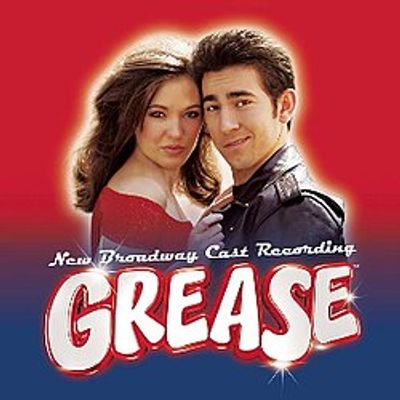
Rob and Kevin go together with Broadway's original Sandy, Carole Demas, on this week's fascinating episode. Carole looks back not only on her time with Grease, and what it was like to create one of Broadway's most iconic heroines, but also Carole discusses the resilience she created within herself when she was let go from both the revival of No, No, Nanette and Stephen Schwartz's The Baker's Wife. Carole pulls back the curtain on her career to discuss how she got the role of Sandy in Grease, what went on behind the scenes during her involvement with both No, No, Nanette and The Baker's Wife, and why she proudly embraces her Grease heritage! Also, Carole shines the spotlight on David Merrick, Patti LuPone, and Jeff Conaway! Become a sponsor of Behind The Curtain and get early access to interviews, private playlists, and advance knowledge of future guests so you can ask the legends your own questions. Go to: http://bit.ly/2i7nWC4
Transcript
This transcript was automatically generated and might contain errors.
[0:00] Kevin David Thomas: Dear friends, we are so sorry about the ads. They are a nightmare in every way, but with your donations, we can get rid of ads someday. Beautiful Kevin.
[0:10] Robert W. Schneider: Thanks, Rob. Bach and Harnick are smiling so hard right now. Friends, yes, we are back with a new plea. Much like those adorable puppets from Avenue Q, we are asking for you to give us your money. For those of you who have headed over to Patreon to throw a little money our way, we thank you so much from the bottom of our hearts. Your contributions are the only budget we have for this show, and it provided us a new soundboard and better studio space. So a thank you.
[0:36] Kevin David Thomas: Thank you. And as you know, nothing is more fulfilling than talking to the legends of Broadway and hearing them share their thoughts, wisdom, and talents with all of us. However, it does cost money. And if you want to help us keep the show going, please head over to Patreon.com. That's P-A-T-R-E-O-N.com. Search for Behind the Curtain, and you can give as little as a dollar a month. And trust me, that dollar will help us more than you will ever know. Plus, for certain monetary donations, you will get to pick your favorite thing and have advanced knowledge of our future guests so you can ask the legends your own questions. Ooh.
[1:10] Robert W. Schneider: Or you can simply leave canned goods and an original cast recording of How Now Dow Jones outside our doors if you don't want to contribute on Patreon.com. Truth. So once again, please head over to Patreon.com. That's P-A-T-R-E-O-N dot com to help us out. Thanks.
[1:24] Kevin David Thomas: Thank you. Hi, I'm Robert W. Schneider.
[1:27] Robert W. Schneider: And I'm Kevin David Thomas. And this is Behind the Curtain Broadway's Living Legends. Don't forget to follow us on Twitter at Broadway Curtain. And make sure to join our Facebook page at Behind the Curtain Broadway's Living Legends. And follow us on Instagram at Broadway Curtain Podcast. Plus, you can always listen to our podcasts on Broadway World and Stitcher.
[1:44] Kevin David Thomas: Today's guest has racked up over 50 years in our business. That's by her own admission, so we're not telling tales out of school. But you would not know it by looking at her or the boundless energy that comes into the room and that is on stage. And her talents have inspired countless generations to fall in love with musical theater and the power of the imagination. Well, she's probably best known to kiddies all over the world as the star of the wildly popular The Magic Garden. It is on stage where our guests can be found at home. After a stint as Louisa in the original Fantastics, today's guest made a name for herself in New York, Los Angeles, and Las Vegas, appearing in countless musicals, reviews, and concert work.
However, Broadway audiences know her as Broadway's first Sandy in Grease. All of that summer love and so many years of summer love, and oh my gosh, I can't wait to jump into it. I got an eye roll from Kevin, okay, to tell us what it was like to work not only on Grease, but with such legends as Tom Moore, Cyril Richard, Jacques Dambois, and countless others. Here is the only Sandy in our hearts, the wonderful CAROLE DEMAS.
[2:50] CAROLE DEMAS: Hello, hello, hello, hello. Great to be here in this day of gridlock in New York City. The president is here, and everybody has to go in the direction that they had not planned on going.
[3:00] Kevin David Thomas: Exactly. We have been trying to get CAROLE for many months now. Carole, you live up where in exactly it's not that far, really.
[3:09] CAROLE DEMAS: I live in what's officially called East Irvington, which is just right up near the Tappan Zee Bridge.
[3:15] Kevin David Thomas: Oh, yes, of course. In the woods.
[3:18] CAROLE DEMAS: And so I'm a little hard to reach sometimes because while we have a big office there, my husband and I, and we run businesses there, we don't have cell service.
[3:27] Kevin David Thomas: Yeah. So what's that like?
[3:33] CAROLE DEMAS: Okay, I'm 77 years old. I did without cell service for most of my life.
[3:38] Kevin David Thomas: Yeah.
[3:39] CAROLE DEMAS: And I don't have a problem with it at all. In fact, it's rather nice to have a little more control over who reaches you and who doesn't. I mean, we get as many robocalls as anybody else.
[3:52] Kevin David Thomas: Oh, good for you. That's good.
[3:55] CAROLE DEMAS: They didn't spare you that. So they find us no matter what. But today I must say it's a rainy day. The president is speaking at the United Nations, and CAROLE still got in, got here on time, and we're very grateful because it's taken a long time to have this happen. I must tout CAROLE even more. We just did this concert at Feinstein's 54 Below. It was a centennial celebration of the Broadhurst Theater, and CAROLE came back and she sang Summer Nights, and she was fantastic, and I have to tell you, it was the most wildly received number in the whole evening.
[4:27] Kevin David Thomas: Yeah, the audio it was like a rock concert. The audience went crazy. I have to ask you, having lived with Sandy for so long, do you ever get tired of it?
[4:38] CAROLE DEMAS: No. I don't. I think you do so many things in this career if you're lucky. I started in 1960 with the Champlain Shakespeare Festival. So it's actually been 57 years that I've been working, although not steadily. But I don't get tired of being remembered as Sandy because how often do you, first of all, get a job as an original in a show? That runs. Let's start right there.
[5:12] Kevin David Thomas: Right, right.
[5:17] CAROLE DEMAS: And then if it does run, how long does it run? And after that, how memorable is it? Who remembers it? Who knew that Grease would become as iconic as it has? And that everybody, everybody knows it. No, it's not the great music of Rogers and Hammerstein. It's not Sondheim. I mean, it is, and that's in no way meant to be disparaging, you know, as far as Jim and Warren are concerned, because they really had their finger on the pulse of the music of that time, and that was what they were doing. They were recreating it and sort of sending it up at the same time. Brilliantly. Yes. Absolutely. Sometimes when I go back to these songs, I'm reminded of how clever they really are. A lot of them are really very clever, and people I don't think would know it quite as well if it hadn't been for the fact that the movie was a success. You know, and that doesn't always happen either.
[6:22] Kevin David Thomas: Right.
[6:22] CAROLE DEMAS: You know, a show is popular and a film is made and it's just never what it might have been. And then you have the fact that it has lots of roles for young people in it. And so every school everywhere does it. So kids grew up with their own versions of it, and then we had two revivals on Broadway that were different. Very different from the original, just as ours was different from the original original, which was much edgier and darker.
[6:53] Kevin David Thomas: Yes, it was, and I happen to have heard a whole tape of it. Jim Jacobs sat in my living room with me and played the whole show for me.
[7:06] CAROLE DEMAS: What was that like?
[7:08] Kevin David Thomas: It was filthy, actually.
[7:09] CAROLE DEMAS: Really?
[7:10] Kevin David Thomas: Yes. Because it was all his friends, right? That he knew or the Greasers of the game.
[7:17] CAROLE DEMAS: He said he was like the duty of the gang, you know, running around behind them carrying his guitar and worshipping the ground they walked on. And I asked him once, well, where are they now? And he said mostly they're either dead or in jail, which was really a sad thing to hear. The energy of that show was spectacular. The kids, you know, when I say it was filthy, I don't mean that so negatively. It was just a lot of people. But the language was extremely rough. And the whole problem was trying to bring a lot of that grit and authenticity to the Broadway show. You know, for a Broadway audience, for matinee audiences. And that took up a lot of time and discussion in the process of the show during rehearsals and during previews. It developed over the preview period quite a bit, more than we expected.
[8:29] Kevin David Thomas: But remember, this was not a show that went out of town first.
[8:32] CAROLE DEMAS: I mean, it used to be that they all did.
[8:34] Kevin David Thomas: Yeah.
[8:34] CAROLE DEMAS: Right. I don't know exactly when that stopped or slowed down. But this one, you know, went into rehearsals for a fairly standard length of time and then previews, and then all of a sudden it was Valentine's Day, and the critics were there and we were on. It was insane, actually.
[8:52] Kevin David Thomas: Really?
[8:53] CAROLE DEMAS: There were so many changes. Is this number in? Is this number out? No, it's not in this act. Now they moved it to that act. We had stuff written on our hands, we had notes tacked, you know, all over the place backstage. So you made sure as you were running in to do the scene you thought you were doing that that was actually where you were going and what you're doing. It was pretty frantic. But not in a bad way. It was just that you, you know, you really had to keep your wits about you. And the cast, the original cast, was so spectacular. I do want to say that we loved each other, and not only in the way that casts love each other because you become a family and you rely on each other. This is your life for a period of time, and you're living with your energy placed at a time of day when most people are unwinding and going, you know, going to bed, and you are living in a life where you work on weekends and you work on nights and you don't see the people who are in your life normally, and so you create this whole other world of the people you're working with that sometimes just sort of fades away like a rainbow when it's over, and sometimes becomes a part of your life forever. Grease became a part of our lives forever.
[10:20] Kevin David Thomas: Did you audition for Grease just like a regular, just it was just another audition that you were going to, or did you jump on board any other different way?
[10:29] CAROLE DEMAS: Well, it was coming down the pike, you know. And there was a lot of talk about it, both positive and negative. Like who's gonna make a show out of this? Right, because we take for granted that that was a young hip sound that Broadway had only just gotten hair, you know, and that sort of edgier sound was a little newer to my own. And the 50s hadn't really been exploited.
[10:48] Kevin David Thomas: Right, yeah, that's it.
[10:55] CAROLE DEMAS: Yeah. I remember auditioning for a couple of times, and I know that Louis St. Louis, our absolutely marvelous musical director, was concerned about whether or not I really had a strong chest voice because he knew that I had a coloratura soprano voice. But I fortunately had studied with an absolute wonder and someone who became like a second parent to me, Felix Knight, who had a brilliant and interesting career of his own at the time when a singer could sing anywhere. They didn't box you into, you know, into a category. He sang leads at the Metropolitan Opera. He sang on cruise ships, he sang for the troops in World War II. He sang on the radio and introduced new pop songs. He sang in clubs all over the world.
And he said to me when Hair came along, and I had started to get calls for auditions that were different than the things I'd been singing. I had a very long three octaves of voice that we had been working to tie together, because if there are any sopranos out there with voices like mine, they know that there are places where gears kind of grind a little, and you're trying to make it all one voice. But beyond that, there's this other sound. And he said, I can help you to have to build a chest voice that you that will be very usable for you and will teach you how to mix above it. But he said, people come to me and they want me, women want me to teach them to really, you know, push that high chest voice, and I tell them, you can learn how to do this, but there's a price.
[12:57] Kevin David Thomas: Oh, interesting.
[12:59] CAROLE DEMAS: So we listened to some exquisite operatic tenor voices. Yeah. Where you can hear when they, it's not the Broadway scream, you know, like it's covered on the top, it's protected. Yes. And yet it's big and it's beautiful and you know it has lots of masks and lots of fullness. Yes, so he said, I'm gonna teach you how to do that and how to cover the top. He said, if you want to open it now and then to create that other sound, you'll be able to do it. He said, hopefully not too, you won't have to do it too often. So that kind of changed, that was a game changer for me that I learned how to do it.
[13:43] Kevin David Thomas: So let's back up even more. You had said we had said earlier you were Louisa in the Fantastics. You were this, like you said, coloratura soprano. When did going back even further, you were born in Brooklyn. Yes. Where did music and theater become a part of your life? Or when did that become a viable option?
[14:02] CAROLE DEMAS: Nobody in my family had ever been in theater or a professional performer in any way. To the until my youngest brother became one of the great boy sopranos in this country. We lived in Brooklyn, and my mother had heard about this wonderful boy choir at St. Paul's Church in Brooklyn, an Episcopal Church, and she knew that this brother of mine, who was the fourth of us, had this incredible instrument. And she took him there, and the choir master, Charles Ennis, was a really special man. I think this kind of thing can change a lot of people's lives when you just manage to have a mentor or a teacher, you know, who is one person. It's a theme we have on this podcast.
[14:53] Kevin David Thomas: It is.
[14:54] CAROLE DEMAS: And it's really that's what happened for him. And my other brother, who is a little older than he, also sang well, but this voice of Alex's was spectacular. By the time he was twelve, he was singing in operas, and his recordings are in the archives in Washington at the Smithsonian. You know, to hear him sing the Bach Cantata 51, which was written for a boy voice and was always sung by women, is just you stand there and your jaw just falls on the floor. You really can't believe what you're hearing. So there was that. My mother had a sweet, natural voice. She sang around the house. My father was a baritone, and he sang in a glee club.
[15:44] Kevin David Thomas: Oh.
[15:44] CAROLE DEMAS: And in those days, men did these things. Oh yeah, absolutely. He sang in a glee club, the King's Glee Club in Brooklyn, which was a lot of men. I mean, it was quite a strong big group, and both his brothers. One was a dentist, one was an accountant, my father was a lawyer, and they had all grown up on the streets of Brooklyn to Greek-born parents. And they loved to sing, and they ended up doing this. And I was a little program girl for their concerts. I had a long dress that I had worn as a flower girl in a wedding, and my mother kept saying, "Well, I'm glad you're getting some more wear out of this dress." And that's classic. And I would stand there giving out programs in my long dress and listening to this thunderous masculine beauty just pouring off that stage. You know, and I've sung in some choirs and in some choruses, and it is the most amazing and God-given delight to open your mouth and have a hundred voices come out.
[16:46] Kevin David Thomas: True.
[16:47] CAROLE DEMAS: You know what I mean? You just vibrate. And that's the way I felt about what I heard then. So that's what was going on in my family. I was very small for my age, a very late bloomer. I always looked years younger than I was. When I got into high school, I looked about eight years old. And in the 50s, if you didn't have breasts and hips and you were in high school, you might as well die. And there were times when I was ready to. It was misery. It was just misery.
[17:20] Kevin David Thomas: So you didn't do much theater in high school?
[17:23] CAROLE DEMAS: No, not at all. Not at all. I sang in choir at church. And when I got to college at the University of Vermont, I was an English major, and I knew that I had this gift of this voice, but I had no idea what it really felt like to play a role, really.
[17:44] Kevin David Thomas: Okay.
[17:44] CAROLE DEMAS: I was Tiny Tim in the eighth grade because I was the only person small enough for Bob Cratchit to lift, but that's not exactly talent. And I just no, but I had a mentor.
[17:57] Kevin David Thomas: And again, it was someone in Vermont?
[18:00] CAROLE DEMAS: Yes. At the University of Vermont, there was no theater department, but that was not a goal for me, so that was okay. And I loved the state and I loved the beauty of it and was glad to be there. Same university, but not a huge one. Right with enough options so that I could maybe figure out who I was and where I wanted to go and still have enough choices to learn more about it. And Greg Falls, who was the head of what theater department there was, began the Champlain Shakespeare Festival there. And he ended up as the head of the drama department at the University of Washington in Seattle. Oh my, and changed the face of theater in Seattle. So he obviously I was lucky.
[18:42] Kevin David Thomas: Yeah.
[18:44] CAROLE DEMAS: And he said to me in the middle of something, "You can do this." And I ended up playing Julie in a production of Carousel at school. I was out there on the stage playing Julie, and in the middle of it, something hit me like I just sat on a buzzer. It just went through my whole body, and I thought this is who I am. Now what do I do?
[19:14] Kevin David Thomas: Yeah.
[19:16] CAROLE DEMAS: So what did you do?
[19:19] Kevin David Thomas: Well, became Miss Vermont.
[19:22] CAROLE DEMAS: That too, but you know, fraternities have to put people up, so they put me up. And I never expected to end up in Miami Beach with, you know, The Miss Universe. In the Miss Universe contest, because I was just had to go there. I mean, I was in Miss Universe by any stretch of the imagination. Beautiful shy girl. I was a pretty girl. And I have a, you know, and had a nice slender body and good legs. I mean, I know my good points, but I was not a statuesque knock 'em dead, come down the runway, everybody gasps, sort of beauty. And I unfortunately being Miss Vermont had to follow Miss Utah, and she won. So that was a real hard spot to be in.
[20:04] Kevin David Thomas: Oh my god.
[20:05] CAROLE DEMAS: But it was an impossible experience which there aren't enough hours to describe. It was his first book musical with Paul Klein. So get us there. How did with Paul with Paul Klein and Fred Ebb? And so how did you go from a school teacher? You learned that's what you did for a little bit.
[20:31] Kevin David Thomas: Yes.
[20:33] CAROLE DEMAS: From Vermont, who they went to school in Vermont. And then, yes, you're from Brooklyn, but how in the world do you go about going about the business of show, you know, with a teaching degree? Not to say you can't, but you know, there's elephant.
[20:46] Kevin David Thomas: Well, I fell in love at the University of Vermont. Let's start there.
[20:49] CAROLE DEMAS: Okay. So with someone to whom I did not stay married. Right. But he was a veteran. He was in school on the GI Bill. He seemed so mature. He was probably all of 24. Right. But and you know, he had red hair and he was a nice man. He was a good guy, he had a wonderful voice. He played Jigger in Carousel in school. Oh, and I always liked the bad guys, you know. Maybe that was the beginning of Danny and Sandy, I don't know. But anyway, I wanted to help him through law school. So toward the end of my time at UVM, I took some courses in early childhood education. And I started working with some children at a nearby school doing creative dramatics with them. I was always had a thing for kids. On East 39th Street in Brooklyn where I grew up, I used to sit on the stoop and the kids would all come and I would just make up stories and tell them stories.
And then everybody'd have to go home and we'd continue it a few days later, pick up from where we left off. I had no idea where these stories were going, but some of them went on for quite a while, and obviously the kids liked them. So something was happening that was going to mean something later, but you don't always know. So I went to graduate school at NYU, Graduate School of Education, working toward a master's in early childhood education, but knowing that what I really go was just to get enough credits to take the license test and pass and be licensed to teach, because I really didn't feel like this was gonna be where I wanted to end up.
[22:37] Kevin David Thomas: Right.
[22:37] CAROLE DEMAS: But when kids ask me, well, you know, about having a career, and I do speak to a lot of high school kids, especially. I say you need to find something to help sustain your career, to help support your career, so that you really can have one, so that you can take care of yourself and study and have the money to take classes and be able to live and not become totally discouraged because you're just down to your last dime.
[23:12] Kevin David Thomas: Right.
[23:12] CAROLE DEMAS: And if you can find something that's meaningful enough to you, or at least something that you can do, you know, that you have the energy for and the ability to do, I think it's very important. So I did teach, and I was looking for a job, and Paula had a job at PS 7 in Brooklyn, which was practically under the Brooklyn Bridge, this decrepit school. And it was a double enrollment kindergarten, which meant that there were 50 kids at a time in this room with two teachers. And the teacher who was supposed to teach with her was pregnant, and you weren't allowed to teach when you were pregnant in those in the dark ages. Oh my gosh. So the principal was a wreck, and she said, "I've got somebody for you."
And I had already taught one semester. I had a class of kindergarten for one semester. So I went to PS 7, and Paula and I started teaching in this room full of absolutely adorable children who were terrified, who had never been to school anywhere before, didn't all speak English, didn't have anything. Nobody had ever read to them. And it was our job to prepare them for first grade. So that's really where the Magic Garden started.
[24:34] Kevin David Thomas: Oh, yeah.
[24:35] CAROLE DEMAS: This was 1962. From my friend from high school. We met when we were 14. I mean, that kind of relationship. Paula and I have been friends now for 63 years.
[24:47] Kevin David Thomas: Beautiful.
[24:48] CAROLE DEMAS: I know. Aren't I lucky? Yes. So that's and we were doing that. And we went to the Shakespeare Festival in New York. And we're waiting on the line. You think I'm losing you.
[25:00] Kevin David Thomas: No, no.
[25:01] CAROLE DEMAS: Or you're losing me. But I'm making it. I'm actually on a road here. And we noticed that, you know, the people wait a long time. And we had both been to Shakespeare festivals elsewhere where they had minstrels who entertain on the grounds and stroll around singing. We thought, gee, why aren't they doing that here? It would be so nice, would help people pass the time because it's a long wait. And that was one of the things that I had done at the Champlain Shakespeare Festival. So I could have jumped right into something like that. So being a couple of, you know, guileless I don't know what we were. Young and yes. We were, I think we were all of about 23. We wrote a letter to Joe Papp. We wrote a letter to Joe Papp.
Every time I say that, I can't believe we did it. And we said, well, this is what we do, because we had been singing together in the kindergarten, and Paula played the guitar, and we discovered we had this lovely blend, and her brother was a baritone, and mine was a tenor. And we sort of volunteered them in this letter without telling them first. Fortunately, when it actually came to be, they were thrilled to do it. We get an or a response. Now remember, no cell phones. Right. They called the Shakespeare Festival called the principal's office at PS 7 and said that they wanted to talk to us. I mean, we practically fainted in front of all the kids, really. And I ran down and they wanted us to come and audition.
And the audition came, we got there, and I have, you know, I have told people that I took one look at Colleen Dewhurst, who was rehearsing Cleopatra on the stage, and realized that this is the real thing. I don't know if I've ever been so scared. But we got up on stage and we sang, and they seemed to be talking to each other. And I thought, they're so we're so awful, you know, they're just waiting for us to get through this. But actually, they were anything but we got about a song and a half along, and they stood up and they said, "You're hired. When do you want to start?"
[27:16] Kevin David Thomas: Wow.
[27:17] CAROLE DEMAS: So they put us on the line, and we were happy to be out there, but it was a problem because people were coming to hear us who weren't waiting. And so we were creating a jam up, you know. And basically the parks commissioner said, "Who are these people? And what are they doing on my lawn?" Exactly. So they put us inside with sound and with lights, and we did a half hour concert before every show. And we started adding to our repertoire at the Delacourt. Oh my god. And we did that for two seasons, and then Paula and I did it for at least two more. But everybody comes. We were singing Elizabethan and even Chaucerian music, plus folk songs that had their roots in those that are American songs that have their roots in that time, in that era.
[28:13] CAROLE DEMAS: And the audience enjoyed it and they were fully warmed up and the park loved it because I mean the Shakespeare Festival loved it because sometimes if the weather was iffy and they were trying to just figure out what to do, we kind of held their place for them while they figured that out.
[28:27] CAROLE DEMAS: The cast said the people were all warmed up and ready. The audience was an audience by the time they got out there. Oh and we also I was covering the Fantastics at that point.
[28:40] CAROLE DEMAS: Ah later, later, because this was early, but later I went I did the Fantastics from 66 to 68, and then I covered it for them. This happened in 63, but we kept doing it. So and then you must have been auditioning, you must have been like, oh, maybe I'll audition for a theater, too. I mean, were you auditioning?
[28:56] CAROLE DEMAS: Well, what happened was the agents started to call me. From the double book, yeah. And I you know, and I was ready to go back to teaching in the fall. My husband was in law school.
[29:07] Kevin David Thomas: Right.
[29:10] CAROLE DEMAS: And suddenly there were these agents, and you know, everything scared me. I was like a scared rabbit. Not in every way, but in some. Obviously, not totally, or we wouldn't have gotten that far. Yeah, but I didn't know what to do about them. And then one of the and several of them wanted to send me up for the same role, which was the role of Melly in Morning Sun, Fred Ebb's musical. So one of them was a woman, Eva Slain, Eva White at that time. And she scared me the least. She was very nice. So I thought, all right, my husband said, I you should go and do this just to see what it's like. So when the time comes when you're really serious, you'll at least have done one real audition, and you'll have an idea of what to expect.
[30:00] CAROLE DEMAS: Right. So I borrowed my younger sister's clothes because I'm afraid I'm gonna look too old because the part is 17 and I'm 23, which of course is silly now. And I didn't wear any makeup, I had hair to my waist, I just let it go. You know, I came with my music and my song. I think I sang Till There Was You.
[30:21] Kevin David Thomas: Good.
[30:22] CAROLE DEMAS: And I get to the alley, and the whole alley is full of Bridget Bardot's. That was the look at the time. They all had long blonde ponytails and false eyelashes and gingham sundresses nipped at the waist with breasts heaving out of the top. Yeah, it was like high school all over again. And I thought, I yeah, exactly. You know, I don't belong here at all. But I didn't want to disappoint this agent. I felt like I had to go through with it. So I did, and I got it.
[31:06] Kevin David Thomas: Did you get it that day or was it like a...
[31:06] CAROLE DEMAS: Apparently yes, but I didn't know it yet. Well, the director told me later that he said we had been looking for this girl for seven months. Oh he's been a very good thing. And he said, You walked on stage and we grabbed each other and prayed you could sing. Oh wow. This is what he said, and then he said, and then you opened your mouth, and we said, We got her, we found her. And I mean that's probably not very typical.
[31:38] Kevin David Thomas: No, but you know, I'd actually had a fair amount of experience by that time, yeah, you know. You know, um, so it wasn't, you know, I wasn't totally lost at sea. It was just the way those other girls looked, and they all seemed so secure, and I just thought, I don't, I don't know what I'm doing here.
[31:59] CAROLE DEMAS: I think there's a listener to this day who goes through that every single time they go to an audition. To this day, I mean that is a feeling that everyone can relate to at some point.
[32:08] Kevin David Thomas: Well, I still do, yeah.
[32:10] CAROLE DEMAS: And lots of people I know who've been in the business their entire lives still feel that way. Yeah. I mean, that show didn't run, and then I couldn't go back to my teaching job because it had been filled. And I, you know, I had to, I was subbing, which is tough, yeah, all year, but things developed. I ended up going to the Milwaukee rep and playing Louisa.
[32:33] Kevin David Thomas: Okay.
[32:34] CAROLE DEMAS: Because you had had you already done it at this point.
[32:37] CAROLE DEMAS: Ah, I had not. I had not. And as you know, Sarah Rice and I are doing a show now at the Laurie Beachman Theater.
[32:48] Kevin David Thomas: Correct.
[32:49] CAROLE DEMAS: Called Thank You for Your Love, which is the title of one of Tom Jones and Harvey Schmidt's lesser-known songs. And we have did it, we did it twice at the end of June, and we're doing it again October 1st and October 7th.
[33:01] Kevin David Thomas: Great. We'll post links for that.
[33:03] CAROLE DEMAS: But um that the Fantastics was the first show of theirs that I ever heard. And it was because Greg Falls and his wife went to the city to see shows from the university, and they saw the Fantastics, they loved it. They came back with the album. They played it for me, and I just went to pieces. I thought this is I couldn't believe how beautiful it was. I just really, really adored it. And they said, You're gonna do you're gonna play this part someday. And I thought, well, that would be nice. And then I got it in Milwaukee and did it. And um, I auditioned once for the New York production and did not get it. And the second time I did. And the stage manager told me later, he said, you know, actually, when you came in the first time, he said, you were you were wonderful, but we actually already had somebody. We were just protecting ourselves, which is something you have to do. And sometimes that's all an audition is sometimes that you don't get the job.
[34:17] CAROLE DEMAS: And that was when you first got to know Tom Jones and Harvey Schmidt. And Tom and Harvey's approach to theater at that time was something that was a mission for them. And it was not what people were used to. Like commercial it wasn't just for commercial purposes only. It was um I'm reaching for a word here. The kind of theater where a character represents something more than what the character is. The boy, the girl, you know, the fathers, the um each character had a personality and and was flesh and blood and very real, but also represented something bigger than him herself.
[35:05] Kevin David Thomas: So celebration was a real step into that kind of theater.
[35:12] CAROLE DEMAS: Yeah. You know, orphan was his name. Right. Yeah. And Angel was her name. And Mr. Rich was his name. That's right. And Potemkin, um, the narrator was um was, you know, kind of took the audience by the hand and guided them through this adventure where the boy had a garden he was trying to save. Mr. Rich wanted the property. The girl had ambitions and and really loved the boy, but she didn't really totally know it, and the things that Mr. Rich dangled were. She liked those things. Were too were, you know, too dazzling to deny. Yeah. It's a great score. But it is a great score. And it has we are singing several things from it.
[36:03] Kevin David Thomas: Oh, yeah at the beach moment.
[36:04] CAROLE DEMAS: Yes, we are. I have just revisited that score again. Right. And I got to go and play it out in Seattle.
[36:11] Kevin David Thomas: Oh, no kidding.
[36:11] CAROLE DEMAS: Right after it closed on Broadway. It didn't have a very long run. Unfortunately. I went out to ACT in Seattle and played Angel opposite Michael Glenn Smith, who had played the Orphan on Broadway. Oh my gosh. So I had the wonderful experience of playing it with him. Oh yeah. That was a very good day.
[36:29] Kevin David Thomas: Let me ask before Greece, one of the things that we find so interesting in musical theater history is at the beginning of the 70s, there's really two big nostalgia musicals that are bringing people back to simpler times. One is Greece, and the other is No No Nanette, which you were associated with for a little bit.
[36:47] CAROLE DEMAS: Yes, I was. And not a not a pleasant experience, but you were working with some very big legends in the room, though.
[36:53] CAROLE DEMAS: Yes. That was a that was another thing that everybody was after, you know. And when I was auditioning the musical director, and here I'm really going to fish for a name, and he's a major, major force in that department, and a lovely man and a very talented man and the name's just not coming to me right now. I'm apologizing widely said to me, I don't want a typical soubrette. He said, I like your soprano voice, but I like the warmth and the color of your lower voice as well. And I want to move the keys down a little bit and get a little more spunk going in this. Can you can we do that? Which I did and and he liked it. And for all of the wicked stories about her some of which I I am told are well founded Seema Rubin liked me. Yes. And they cast me without the director because he was hospitalized at the time and they had to get moving.
[37:58] CAROLE DEMAS: And I think I was so excited when I got this and I remember that I was with Tom with Tom Jones at um one of the theater bars or one of the restaurants I'm trying to remember which one. Anyway we were there we were having a drink and a bite to eat and the word got out that I had gotten it that morning and all these waiters that you know I kind of knew because I would see them it was near portfolio you know we would go afterwards they all started tap dancing around the table to congratulate me that I had gotten the net. It was so exciting, and they were so dear and and and it just made the wonder of this experience that more major. You know, I mean, this was this was a big Broadway show.
[38:44] Kevin David Thomas: Yeah.
[38:45] CAROLE DEMAS: Patsy Kelly was lovely to me. Ruby Keeler was lovely to me. Um, everything was going along swimmingly. I was learning to walk on a ball, just another one of those talents that you'll never use again. But but I did, and I would I'd go into the room where the ball lived during my breaks, you know, and get myself up on it using the ballet bar and try to walk. And and I was really getting it, and it was kind of fun. Yeah. And one time when I was doing it, I almost fell off it because I hear this voice coming out of the corner, and I hadn't even noticed that anyone was there. And this voice said, Young lady, I don't want to see you doing that again without a catcher. You are going to get hurt. And it was Busby Berkeley.
[39:31] Kevin David Thomas: Oh my gosh.
[39:33] CAROLE DEMAS: Sitting in the corner. He had been he had was taking a little nap. And um he and he was he was being very kind. He was right. He was right. Uh we were ready to leave for Boston. I was packing my stuff. My mother brought my winter coat from Brooklyn where I kept it, because I, you know, living in a little apartment, you don't have room for everything. And she met Ruby Keeler and Patsy Kelly out in the hall, which was a thrill for my mother. And they both gushed and told her how wonderful I was in the part and what a natural, and that they just thought the show was going to be wonderful. My mother left, just bursting with pride. I get home, I'm packing my bags, I get a cone call, and it's my age. And he said, CAROLE, I just don't know how to tell you this. But they're firing you, they're letting you go. You're being replaced. You're not going to Boston. This is like devastating.
[40:29] CAROLE DEMAS: Very absolutely, totally. Even now, and this is like half a century ago, telling you about this. Right in the solar plexus, I feel it. This heaviness, this thing that can happen in this business where things beyond your control just, you know, spin in some direction, and the next thing you know, you're down and out. Now the show was troubled, and the second act was kind of a mess. And um the director decided that he really wanted someone who was more typical of, you know, the like Susan Watson. More typical. And Susie, you know, and I were up for a lot of the same things. She was a better dancer than I. I mean, she was was a dancer. I was what we called then a singer who moves well. Yes, Mr. Lang.
Which was fine. Yeah. Because in those days, nobody ever heard of a triple threader. Right. And there were a few people who were, and they were simply amazing, right? Right. But it was Gwen. Yeah, right. But it wasn't, it wasn't something you had to aim for because they had big choruses of singers, and you were a main singer, and the and we didn't wear mics.
[41:52] CAROLE DEMAS: Aha. We didn't wear mics. Imagine that. And you had to really have a voice, a well-developed voice that could reach the back of a big theater with very little help.
[42:03] CAROLE DEMAS: Eight shows a week, nonetheless. Eight shows a week. Sometimes there'd be a few hanging way, way up high, and sometimes there'd be something in the footlights. But that's not the same as having a mic on your body, right? Over your ear or in your wig, where you can sing as little as this, and it's and with the magic of that guy at the console, it can sound like just anything at all. So that I think was one of the reasons why that demand, the demands were different. And that knocked that knocked me down pretty hard. Roger somebody was playing the male lead, the young man, you know, the juvenile lead. And I called him the next morning. Because I was afraid he, you know, this might be strange and upsetting for him.
We had been working very closely together for weeks. Right. And I said, Roger, I have to tell you, I'm not, I'm not going to be seeing you. Um, you know, they they they let me go. And he said, Oh, I heard somebody was going to be fired, but I found out right away it wasn't me. Oh, thanks, Roger. That's what that's all he said. This business. What an interesting business. Oh yes, that was terrible. So for our students, you know, um stuff, I mean, you can be on the top of the world and excited, and then it stops. They and you have no can you have no control over it. You have no control over your height in the nine audition, you have no control over this. How do you muster the courage to go tomorrow is another day, and I'm still going to continue to be a storyteller because that's what I'm committed to do.
Where did you pull from? Well, for a little while, I think you're just sort of stunned. You know, it's like a blow to the head. You you have to it'd be nice to pick yourself up, dust yourself, but it's not that easy. Yeah. It really isn't. And you do start searching your soul and your goals, and and you and you think, is you know, do I really have what it takes? Yeah. Um it all seemed to be going so well. And and you, you know, there's a lot of self-doubt. Right. And you and you think, well, if if I was really as good in it as everybody said I was, why would this have happened? But what you don't see is what goes on behind the scenes, and you don't see the big picture and realize that there are all kinds of balances going on and all kinds of problems, and and for there are all kinds of reasons why, especially Ingenue seemed to be targeted, yes.
Um in this for this kind of situation. And I thought, well, I'm going this is who I am now. I worked really hard to get here. And what would I what would I do at this point? I I have to go on. If they cast me and I competed with all those people, and I got the part, I must have something. Right, it's just you know, this baffling awful experience. But if you read enough books about people's careers, you realize that hardly anyone has escaped one of these or many of these, you know. You know, it's just from interviewing the we, this is you must be our 80s something person, um, and across the spectrum, producers, designers, we everyone has had that one person who helped them along the way, and a horrible, just a very unfortunate part of their career.
That was just uh had nothing to do with talent, just bad luck, you know, or bad cards. Yes, well, you know, that's kind of what happened with the Baker's Wife, and I never was quite sure what that was about. So after but I found I I did get one word in in a book from Stephen that made me feel a little a little better. So let's talk about then because after No No Nanette, you s you you went on to play Sandy in Grease, so that was a nice and yeah very cool. Is it safe to assume that if you were still with No No Nanette, you wouldn't really have been able to take Grease, is that correct? I mean there's no I think that was that was there was enough time in between, I think I don't remember what year it was.
You know, you have a it's a funny thing, you know, there are certain things that mark your life. Yes, and you remember exactly when they were, yeah, and others where you you have a relative, more relative idea. Yes with something that hurt that much. I I think I sort of fuzzed over exactly exactly when it was. Justifiably. But what a blessing Grease was though in the in the in the long run for all that stuff. But you were saying I'm so sorry. No, then I was just gonna say then Derek uh Derek, David Merrick came along with uh Baker's Wife. And the Baker's Wife. And you were a part of that in the beginning. I was a yes, I was. Yeah. Um I was cast in New York, but I also, no, I wasn't. I was cast in LA.
Oh. Um my manager, who was also Barry Bostwick's manager and John Travolta's manager, and later Sarah's manager, and a lot of other really good people, you know, not a huge number, but I'd like to think he was selective. He said, You have to, we have to be bi-coastal. You have to get into television. You know, it's time, it's happening, and that's where we need to go. So after popular in this time period for in the 70s for Broadway actors in the natural transition did a year in Greece and then off to California. Um and while I was there, they auditioned for the Baker's Wife. Right, this new Stephen Schwartz's musical. Yes. Um and it was down to like Betty and me, I'm told. Betty Buckley. Oh. And uh then, so I came east were rehearsals where I came back home.
And um we all gathered at Stephen's home, and he played through some of the songs for us. And he played Meadowlark. Oh, I bet that was exciting. And it just, you know, it just blew me away. And I later came to know that this almost came out of him full-blown. You know, sometimes writers labor over things, but I think Stephen, part of Stephen's magic is that stuff mauls and you know, inside him, and then the time comes when he sits down and and it it pours out. I'm sure that you know he's a he's an exquisite craftsman, and I'm sure that there are times when you know he has labored a lot over certain things, but I I believe he even uh somebody told me that that about that song. So and I thought, and I'm going to get to sing that.
So we rehearsed and rehearsed and rehearsed in New York, and every once in a while David Merrick would come around. What was that like? That was fine because he seemed very happy with what was going on, and he um and he was very encouraging to me. And you know, you you would be on a break or something, and he and he said to me several times, you're just beautiful in this, it's wonderful. So I felt I felt good, you know, this time fool that I was. So then we went back to Los Angeles where um we went into previews, and then we opened. And you were playing opposite Topol. Uh-huh. Uh we have questions, but yes. Topol, who um was playing not the Tevye that they expected. Okay, from what I've been told.
Now there was no way for me to know at the time exactly what were their reasons for casting him. But I could tell in rehearsals that there was some effort to get him to what is what am I looking for here? He was playing it like a very macho Israeli, which he is. He was, you know. And you know, attractive and virile, and but that's confusing in this piece because you know, why is she so drawn away from him to this handsome young man when she's got this guy? Right. He's supposed to be the dough. But that question did not you know, not occur to me at the time. Now, when you look at it this way, and you and you realize I had a run of the play contract, he had a run of the play contract. One can easily assume that his run of the play contract was a lot more expensive than mine.
So let's let's think about that while we're trying, you know, while you're trying to figure out if there's anything left of your broken heart to break again. Um we we opened to good reviews, really. And mine was were were were great, and I was very, very pleased. It was a too big a house for this piece, cavernous almost. Were you at the Amundsen? The um the the um no, the other one. The Schubert. The um. Woman's name. Oh, that I don't know. Help me it'll come to me. Yeah. I could be wrong. I could be wrong. The Chandler. Oh, yeah, you're right. And uh and we um and it was the first time that I had a dressing room of my own with a couch and a phone. Oh, yeah. And this was, you know, this was thrilling.
And a phone, I love that. It's for those fantastic calls in case she has to go back. And I was I was going through some personal stuff at the time. Like you do. I was living with Jeff Conaway and had been for some years, and he was having his issues, and it was becoming difficult, and Kurt was luring me away, Kurt Peterson, and it was working. And he kept saying the sexy lead we'll call him. That's right. And he kept saying, you know, why are you hanging on to this kid with all these problems? And you could have a, you know, this life with me. And I was pretty torn, which is which isn't a bad way to be when you're playing this part. Right. It's kind of perfect. Life imitating art. So, you know, that was going on.
And uh we open we opened, we were working on it, you know, it was a pretty tight company. We liked each other a lot, you know, we all saw a lot of promise in this. The music was beautiful, everybody was giving it their all. And on opening night, and please, whoever is listening to this, I want you to understand something. I loved Jeff very much, and he was a good person and beautiful and talented and and a gentle soul. But yes, you know, most people know that he had terrible, terrible issues with addiction. On opening night, I came, he he left before I did, and I came home to find him what appeared to be very passed out. But when I woke up in the morning, this was still the case. Now that wasn't totally unusual, but it was beginning to worry me a little.
But we had a rehearsal, even though we had just opened, you know, we were still working on it. And I went to rehearsal and I tried to reach him by phone, and I wasn't having any luck, so I called a friend who had a key and said, Would you please go in and check on him? And the friend did, and he called me back and he said, You know, Jeff, he's just passed out, he's fine. But when I got home that night, it wasn't fine. And in an ambulance, we went racing to try to save him. Uh he was in a coma for I think four days. And Kurt was wonderful because he was trying to keep me from being totally exhausted, so he was driving me to the hospital after our show at night, where you know a doctor had said to me, Sometimes, CAROLE, they will come back.
But it has to be for somebody. Keep talking to him, keep talking to him. Wow. And so I did. And finally he did. He did. So on a one day I was going, they told me he was he was awake, and I was, you know, going, I was driving to the hospital to see him and and wash his hair. He said, and he talked to me. And he said, I'm such a filthy mess. I said, Well, I'll come and I'll wash your hair and you'll feel better. And you still have to stay a few more days. And my car, you know, is there in front of the house for me to drive, but I don't have anything.
[56:03] CAROLE DEMAS: No keys, no purse. And I remember this door window down the side of the house that I could get to. It was a casement window that sometimes was hard to lock, so I'm shaking it, trying to get it open, and my hand goes through. Oh yeah, there's like a three-inch scar on my wrist. Yeah, looks like I tried to kill myself, which I honestly didn't. But it was bad. And we were living where there were a lot of other houses, and there were no cell phones, and I went running down the road kicking doors because I had to hold this together while I was, you know, right. And it was like a fountain. Oh my gosh. So I got somebody who called an ambulance and they took me and they stitched up, you know, my whole hand, all of this.
I looked like Frankenstein's bride. But I got to the theater, and the stage manager said, "Carole, we have a full house. Your understudy isn't ready. Can you do this?" And I said, "You're damn right I can." Oh my god, wow. So they explained to the audience that this cast that they had put on me so that this tendon wouldn't tear, you know. And I said, "Can you have to put it all the way around? Can you just put..." So they put it like this, so it didn't show, you know, quite so much. And we covered it as much as we could. And they said that I had had an accident, but I was fine because it was noticeable. Oh, sure. And I remember very well that night was when I really, really bonded with "Meadowlark."
That night. Oh, yeah. The audience just went nuts. And when the show was over, I got down on the floor as soon as the curtain closed because, you know, my legs just—I didn't know where they were. Yeah. That kind of thing that happens when you push it when you're running on adrenaline and it's gone, and you don't need it anymore. And Tobel came over and he said, "The bravest thing I've ever seen. It was wonderful, wonderful, wonderful." Stephen came over and said, "Oh, thank you so much for doing this. You were just amazing tonight." And okay. So I go home. And the next morning I hear the phone, and it's my manager, and he says, "I'm coming over. I have to talk to you." Yeah, he comes over and he said, "I can't explain this if I tried.
But CAROLE, we have found out that they have Patti LuPone here in a hotel room and they're planning to replace you." So he said, "Do you think you could go on tonight?" I said, "If I could go on last night, I can go on tonight." And I went to the theater every night for I think it was like a week or ten days while they just tried and equity kept saying, "You can't have two people under contract. You have to make a decision." Meanwhile, you know, different cast members are knocking on my door and saying, "Hang in there. You know, we're listening, we're trying to see what's going on, we'll let you know. And but just hang in there." Every night I came prepared, and I got dressed, put on my eyelashes, you know, torture.
Did everything with one hand. And went, you know, ready to go on, and then the stage manager would come and say, "I'm sorry, Miss Demas, but we feel that it would be better if your understudy played the role tonight." So one night my manager comes to see how I'm doing. And it happens to be the same night that David Merrick shows up from New York. David walks into the room, and Bob Lamond, my manager, says, "Hello, Mr. Merrick." And David is looking at me and looking at me. And I'm trying to figure out what does this look mean? Right. And he walks out of the room, and Bob says, "God only knows what they told him, but what he just saw isn't what he expected." He said, "It looks like he's amazed at how great you look and how ready you are."
So then David comes back in again, and my manager says, "Mr. Merrick, I think we should tell you that we know what you're up to. Carole is here, she has a run of the play contract, you have to honor it. You can replace anybody for any reason that you want, as long as you honor the contract." Right, simple. But obviously, she is ready to go on, she has been ready. Yeah. And has performed it. And meanwhile, the director has been coming to my room. It's okay. He's no longer living. And I think he was really between a rock and a hard place, actually. Well, if it was a Merrick production. Yeah, he was coming to my door and saying things like, "Oh, CAROLE, you know we all love you, and you're so wonderful in this part, and we have such a long way to go on the road, and we want you to go home and rest and take care of yourself, because you know, there's a lot ahead."
What he was really trying to do was to get me to leave so that they could say that I wasn't up to playing the role, and then they wouldn't have to pay me. Right, right, right. So I said, "I'm looking, I went on, you know, in shock practically. I'm good. Okay, so it hurts, but you know what I can do, and I'm ready to go on." And he couldn't talk me into going home, and I wasn't about to do it because I was being—we were all be, you know, my manager and I had figured this all out. You know, you be ready. So David Merrick at this point goes out into the hall and starts screaming, "This is my show, and CAROLE is not fired." Talk about, you know, being bounced around until you think you're, you know, your insides are gonna die.
He, um, I goodness only knows how they had described my situation or whatever, you know. I think for them they had begun to look at the whole thing a different way, especially given their issues with Topel. And they were trying to—they thought, "Oh, this is a stroke of good luck, she's injured, now we can get rid of her," you know. And anyway, finally they made up their minds, and equity called and said they've made the decision. And so there I was. But the one thing that I will say is that that heartbreak gave me "Meadowlark," which is one of the most extraordinary theater songs ever written, and is often sung just as though it's a song. Oh, yeah, yeah. But it's a story, it's a brilliant story with so many layers of things going on at the same time that even today, when I sing it, and I thank God that I still can, I find things that I didn't know.
That I right in the middle of it, something will strike me, my God, that all this time. How did I not even think of it? And there's something else to bring to it to keep it going and keep it going. Yeah. That is so special. So we—there was a trial about all this. Well, an equity trial. I didn't know that. Equity appointed me a lawyer, and David Merrick, and it was me against David. The abominable showman. David Merrick. Yeah. And my father knew him because my father had become quite a fine corporate lawyer and had been involved in a 20th Century Fox proxy fight and had known David. So my father came to this to support me. And he was out in the hall and he ran into David. It's all just business to David.
David says to my father, "You must be very proud of her." And then in the afternoon, David Merrick offers me another job in another show that's already running. And I can't remember which show it was now. But he did. Yes, he did. He is a nut. That's crazy. So it is always a good thing. It isn't like—and well, think of it this way. He was paying me. I might as well be earning it, right? Oh, right, because he did bond on your contract. He had to buy you out, and then no, he—you know, he was still paying me. Right. So he couldn't have thought I was that terrible if he wanted to put it in another show. And so the equity lawyer took me aside and said, "You know, do you want to do this?" And my manager was there, and we finally decided no. No. You know, you hired CAROLE to play this part.
She is willing to continue to play this part. And if you want—and while you continue to pay her, and you have to continue to pay her for as long as this show runs. And then the equity lawyer told Merrick in the trial, "Miss DEMAS is not a plumber. She is an actress and a fine one." Yeah. And thank you very much, Mr. Merrick. But she is—we are not interested in this role, and you must continue to honor the contract. Wow. For a year after that, I would run into actors on the street in the theater district who wanted to shake my hand to thank me for standing up to you. But you know, he actually wasn't such a terrible guy. It was just business to him. Yeah. And it was show business to me. Yeah, well.
And to you, and to you, yeah. Rob and Kevin, you know, you've heard a lot of sad stories from people sitting here. And years later, maybe five years ago, maybe a little more, a book by CAROLE, and I apologize, CAROLE, because I can't think of your last name, and she did a beautiful job on this book, too. It's the story of Stephen Schwartz's's career from "Godspell" to "Wicked." Gosh, her name just doesn't come to me. But she interviewed me about all of this. And in the book, there's a section where Stephen says, "Carole was scapegoated." Interesting. It's not a very big sentence, but it means a lot to me. It says a lot, yeah. Yeah. Oh, yeah. On a much happier note, who is Stuart?
[1:06:45] CAROLE DEMAS: Stuart is my husband of—we were married in 1983. Oh wow. 34 years, and we have been together for 36. Thank you. And what does Stuart do? Stuart is a very, very fine sound engineer, designer, recording engineer. His training was as a Broadway sound man. He's a member of the union. Yes. Of the union. And he also owned his own recording studio for some time back in the day when small studios thrived. As did his. And he's wonderful. And he has been my loving support and my rock for all of these years. And I met him because he was recommended to just do the voiceover for Paula and me when we made our first "Magic Garden" record, and we had some visuals, and we just wanted to put a voiceover behind it to sell it on the air, you know. Yep. That's where I met him. See? Business bringing people together. Where did this collaboration with Sarah Rice come from? Because the two of you do so much work together, it seems.
[1:08:00] CAROLE DEMAS: Yeah. You know, she played Luisa ten years after I did. And original. In "The Fantasticks" at Sullivan Street. And she had to have a tonselect me. And this is a serious thing for any adult, but for a singer, it's very serious. Yeah. I was in California doing television, and Tom and Harvey asked me to come and play it for her. And I described this in our show together that I was 36 at the time. Luisa is 16. And this is a small house. I'm thinking these guys are nuts. But you know, the idea of playing—of having Luisa one more time, you know, of being her one more time. And my dress was still hanging in the basement, and it fortunately fit. And I came home and I played it, and Sarah would come and watch sometimes.
She couldn't sing, but she would come. And we also ended up with the same manager. Tom and Harvey came to the first performance that I did. But they were there. Tom and Harvey were there. God bless them. So sweet. And that's when I really got to know Sarah. That's incredible.
[1:09:09] Kevin David Thomas: That's lovely.
[1:09:09] CAROLE DEMAS: And we will post the dates for your upcoming concerts. And any upcoming concert that you do, please let us know. We'll make sure all our listeners are aware of it as well.
[1:09:18] CAROLE DEMAS: Paula and I have shows coming up too.
[1:09:19] Robert W. Schneider: Oh, amazing.
[1:09:29] CAROLE DEMAS: Happy.
[1:09:30] Robert W. Schneider: With Sherlock with the original Sherlock.
[1:09:37] CAROLE DEMAS: And you are an amazing, amazing artist. And we wanted to thank you so much for all the wonderful years of education and talent that you've shared with us. And we cannot wait to see what comes next.
[1:09:48] CAROLE DEMAS: I can't either.
[1:09:49] Robert W. Schneider: Good. Thank you, CAROLE.
© Broadway Podcast Network, All Rights Reserved