

The musical theatre of the 1970s offered audiences the most diverse style of musical entertainment. There were traditional golden age shows, concept shows, revivals, nostalgia crazes, social commentary shows, and Pat Birch was involved in every genre... Read More
From the show: BEHIND THE CURTAIN: BROADWAY'S LIVING LEGENDS » Podcast
Featured Shows

About
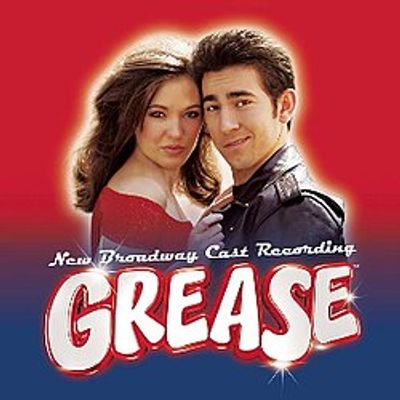
The musical theatre of the 1970s offered audiences the most diverse style of musical entertainment. There were traditional golden age shows, concept shows, revivals, nostalgia crazes, social commentary shows, and Pat Birch was involved in every genre. While audiences best know her as the choreographer of both the stage and movie versions of Grease and the director and choreographer of Grease 2, plus her resident choreography gig on the first six years of Saturday Night Live, her work on Broadway includes A Little Night Music, Over Here, Truckload, Pacific Overtures, They're Playing Our Song, and countless others. Pat pulls back the curtain on her career to discuss how she got Steve Martin to dance, what was it like to hand jive , and why Grease 2 might just be better than Grease. Also, Pat shines the spotlight on John Travolta, Robert Altman and Gilda Radner Become a sponsor of Behind The Curtain and get early access to interviews, private playlists, and advance knowledge of future guests so you can ask the legends your own questions. Go to: http://bit.ly/2i7nWC4
Transcript
This transcript was automatically generated and might contain errors.
[0:00] Robert W. Schneider: Dear friends, we are so sorry about the ads. They are a nightmare in every way, but with your donations, we can get rid of ads someday. Beautiful Kevin.
[0:10] Kevin David Thomas: Thanks, Rob. Bach and Harnick are smiling as hard right now. Friends, yes, we are back with a new plea. Much like those adorable puppets from Avenue Q, we are asking for you to give us your money. For those of you who have headed over to Patreon to throw a little money our way, we thank you so much from the bottom of our hearts. Your contributions are the only budget we have for this show, and it provided us a new soundboard and better studio space. So a thank you.
[0:36] Robert W. Schneider: Thank you. And as you know, nothing is more fulfilling than talking to the legends of Broadway and hearing them share their thoughts, wisdom, and talents with all of us. However, it does cost money. And if you want to help us keep the show going, please head over to Patreon.com. That's P-A-T-R-E-O-N.com. Search for Behind the Curtain, and you can give as little as a dollar a month. And trust me, that dollar will help us more than you will ever know. Plus, for certain monetary donations, you will get to pick your favorite thing and have advanced knowledge of our future guests so you can ask the legends your own questions.
[1:09] Kevin David Thomas: Ooh. Or you can simply leave canned goods and an original cast recording of How Now Dow Jones outside our doors if you don't want to contribute on Patreon.com. Truth. So once again, please head over to Patreon.com. That's P-A-T-R-E-O-N.com to help us out. Thanks.
[1:24] Robert W. Schneider: Thank you. Hi, I'm Robert W. Schneider.
[1:27] Kevin David Thomas: And I'm Kevin David Thomas.
[1:29] Robert W. Schneider: And this is Behind the Curtain Broadway's Living Legends. Don't forget to follow us on Twitter at Broadway Curtain. And make sure to join our Facebook page at Behind the Curtain Broadway's Living Legends. And follow us on Instagram at Broadway Curtain Podcast Plus. You can always listen to our podcasts on Broadway World and Stitcher.
[1:44] Kevin David Thomas: In the 1970s, Broadway musicals underwent a revolution. As the golden age faded away, the musical theater scene was a mixture of musicals that either wanted to change our minds, our hearts, or our way of living. And in some of the most important musicals of that decade, today's guest was leading that change. Beginning as a dancer in the ensembles of one of my personal favorites, Goldilocks, Brigadoon, and West Side Story, and then transitioning into the world of choreographers, she brought to stunning life the dances that we all saw in here we go, just a sum of the shows. The Me Nobody Knows, Grease, A Little Night Music, You're a Good Man Charlie Brown, Candide, Pacific Overtures, They're Playing Our Song, Parade, and countless others.
To tell us what the role requires and what it was like to work with such legends as Elaine Stritch, Hal Prince, Stephen Sondheim, Neil Simon, Marvin Hamlisch, Cyndi Lauper, and countless others, here is one of Broadway's most inventive and exciting choreographers, PAT BIRCH.
[2:39] Robert W. Schneider: Pat, how are you today?
[2:41] PAT BIRCH: I'm just fine, thank you.
[2:42] Robert W. Schneider: May I call you Pat?
[2:43] PAT BIRCH: Of course you can.
[2:44] Robert W. Schneider: Fantastic. Pat, where did you grow up?
[2:46] PAT BIRCH: I grew up in Westchester County.
[2:49] Robert W. Schneider: In Westchester County, uh, what did your parents do?
[2:53] PAT BIRCH: Um, my father was in a textile business. My mother was simply a housewife, worked for the Red Cross, did whatever she felt like doing.
[3:03] Robert W. Schneider: Right. So then how did you fall in love with the arts?
[3:06] PAT BIRCH: I don't think I fell in love with the arts. I wasn't one of those people that said, Oh, I must be this, I must be that. I was always I was sent to the local dancing school with my sister. And since I always wanted to be better than she was, I worked very hard at it.
[3:21] Robert W. Schneider: She was older than you.
[3:22] PAT BIRCH: Of course.
[3:22] Robert W. Schneider: Of course. And uh my big triumph was when the chicken pox arrived, and uh we were both supposed to be in a dancing recital, and she was too sick, and I I was over it by then, so I got to go be in the recital, but she didn't. So that was my first victory over the big sister. But um, no, I always loved dancing. A local dancing school kid.
[3:47] Robert W. Schneider: Right. You know, more ballet and sort of lyrical or whatever it was called, a lot of flopping arms around. Not much tap.
[3:55] PAT BIRCH: Okay. A lovely teacher who'd been in the School of American Ballet. That was in Mount Vernon, New York.
[4:00] Robert W. Schneider: Oh, okay. And then uh as I got older, I commuted from school. I got sent to I got sent to a camp on the Continental Divide, Perry Mansfield, pretty famous for dance and drama and riding, because I also rode horses.
[4:15] PAT BIRCH: I grew up on the Jersey Shore in the summers.
[4:16] Robert W. Schneider: Oh, really?
[4:17] PAT BIRCH: Oh wow. So I rode horses, three gators, five gators, eventually moved over to jumpers. But uh that that that was also my big passion.
[4:27] Robert W. Schneider: And your parents were supportive of going to ballet and doing the riding and all that stuff.
[4:31] PAT BIRCH: Yeah, why not? It was better than doing dope.
[4:34] Robert W. Schneider: Yeah. True. I wish all parents understood that.
[4:37] PAT BIRCH: I wish all parents understood that they were straight up.
[4:40] Robert W. Schneider: Yeah. That was okay.
[4:41] PAT BIRCH: Yeah. Okay. And um eventually in high school, I commuted uh well at this camp. That's the main thing I was gonna say. Perry Mansfield. There was very fancy riding, which is really why I wanted to go. And there was also dancing being taught by Merce Cunningham.
[4:59] Robert W. Schneider: Oh yes, let's talk about Merce Cunningham.
[5:01] PAT BIRCH: So there I was with the riding and the Merce Cunningham. Of course, I fell immediately in love with Merce Cunningham, and I was the only person you'll ever know that painted polka dots on toothpicks for him.
[5:11] Robert W. Schneider: Right. Yes, he was the God knows why he wanted them, but I did it. And then at the end of that summer, yeah, exactly. By the end of that summer, I was more into the dancing than the writing. I hadn't quite given up the writing yet, but uh but uh and he decided I was sort of okay, and he brought me to School of American and to the Graham studio.
[5:35] PAT BIRCH: The Martha Graham studio. Yeah, yeah. And then he would teach me privately now and then.
[5:40] Robert W. Schneider: For our listeners who might not be familiar with Merce Cunningham's work, how would you describe his style?
[5:48] PAT BIRCH: Minimalistic modern, I think, whatever that is. I'm not sure what it is, but that's what I'm saying. It is.
[5:55] Robert W. Schneider: Sure, sure. What do you think the greatest lesson you learned from him was?
[5:58] PAT BIRCH: Well, he taught me two things. He said, one, your bureau drawers are a mirror of your personality. Now tell some 13 or 12-year-old kid that and she's ready to die. That was me. I didn't want anybody opening my bureau drawers to see my personality. A mixture. And the other thing is you're only dancing when you're dancing. So I thought, oh my God, I have to dance all day long, even when I'm in school. What am I gonna do? But no, I mean he he taught me to dance.
[6:29] Robert W. Schneider: Yeah.
[6:30] PAT BIRCH: So now go back going into Martha Graham's group. So he he taught me he he he dumped me over there and America School of American. And I was in the sort of junior classes for a while, the kids' classes, and I graduated to the older classes, and she kept demoting me because she said I was badly behaved, which I wasn't. But she said I was cutting people off across the floor, which I wasn't, but she said I was.
[7:00] Robert W. Schneider: Oh my god. It sounds like she had a not like a little vendetta against you, but she had like her eye on you a little bit.
[7:06] PAT BIRCH: She needed a bad girl. Yeah. I was always bad for her. She made me wear all the pink costumes.
[7:11] Robert W. Schneider: Did you want to wear all the pink costumes?
[7:13] PAT BIRCH: I hated the pink costumes. But I wore them. And uh it was fine. I was the brat of the company.
[7:21] Robert W. Schneider: Yeah. She wanted that. Did you know?
[7:24] PAT BIRCH: Okay, so let me ask you this. You knew you wanted to be in the musical theater world. Did you know that you wanted to be a performer, or did you think you were gonna be a choreographer?
[7:31] PAT BIRCH: No, I was performing. That was it. Well, I don't remember how I ended up choreographing that. But you didn't think to yourself when you got into musical theater performing, my ultimate goal is one day to be choreographer.
[7:41] PAT BIRCH: No, far from it. Far from it. No, I didn't like the choreographers that I auditioned for, and I thought all the women were ugly and mean. And I wanted to be the cute girl, not the ugly mean lady choreographer screaming from the back.
[7:53] Robert W. Schneider: Yeah. So let me I did let me ask you this. Not not DeMille, but some of the other studies.
[7:57] PAT BIRCH: Sure.
[7:58] Robert W. Schneider: Today, you audition and you go into a rehearsal studio and you have 90 million callbacks and blah, blah, blah, blah, blah. What was it like auditioning for musicals back when you were auditioning?
[8:08] PAT BIRCH: So let's say.
[8:09] Robert W. Schneider: The same thing, really? You had to wait 90 million times to before you finally got cast in something.
[8:15] PAT BIRCH: What what do you mean?
[8:16] Robert W. Schneider: Well, like for example, today we have people that go in for an audition. They don't hear anything six or seven months later.
[8:22] PAT BIRCH: Oh no, that wasn't the case. Well, we interviewed Martin Charnon for West Side when he auditioned for West Side Story, he said he walked in in the morning, and by the end of the night he was told he was gonna be in the street. Jerry Robbins knew what he wanted.
[8:33] Robert W. Schneider: But not everyone did.
[8:34] PAT BIRCH: So Jerry was I don't know about six, seven months. Sometimes they're auditioning people way ahead of for what reasons I don't know.
[8:40] Robert W. Schneider: Right, right. I don't do that. But okay, so let's go back. So you wanted to be a performer. Um tell us about Goldilocks.
[8:46] PAT BIRCH: Tell us about I don't remember much about Goldilocks.
[8:50] Robert W. Schneider: All I know is I was in the Graham Company.
[8:52] PAT BIRCH: Right. Yeah. And DeMille was the choreographer for Goldilocks. This I remember very well. I was very young, but I was married very young at 21.
[9:00] Robert W. Schneider: Oh my gosh.
[9:01] PAT BIRCH: And I was pregnant.
[9:03] Robert W. Schneider: Oh wow.
[9:06] PAT BIRCH: And I had Jonathan number one son, who's a famous photographer now.
[9:11] Robert W. Schneider: Okay.
[9:12] PAT BIRCH: Jonathan Becker. Congratulations. And they were going on tour, and I wanted to go, but I couldn't didn't want to leave the baby for more than two, three months.
[9:22] Robert W. Schneider: Of course. Even that, I mean, people thought it was insane to want to do that. But I hadn't planned to have babies either. I mean, I I didn't do a lot of planning in my life. I still don't. But uh things happen because I'd like them to happen now and then I sort of aim at it in hope. I just I didn't know that. I'm not I'm not a rabbit. I mean I wanted to dance, I knew that. Anyhow, so they went off on tour, and I'm home with the baby, and I write Agnes DeMille a note saying, I'm here. Can I audition for you? And you never met I didn't do the original Brigadoon, that was before me.
[10:08] Robert W. Schneider: Oh, of course.
[10:09] PAT BIRCH: Oh yes. But what happened was she was doing a revival of a few things at the city center.
[10:14] Robert W. Schneider: Yeah.
[10:15] PAT BIRCH: And I'm here, this 21-year-old kid with the baby. And I auditioned for her. I I probably was almost more right for her than I was for the Graham Company. I liked all the story stuff. I hated doing the Greek stuff.
[10:31] Robert W. Schneider: Yeah.
[10:31] PAT BIRCH: Oh my god, that was not me at all. I did it. I did it well, but oh.
[10:35] Robert W. Schneider: Yeah. I understand.
[10:37] PAT BIRCH: I didn't like them. I was much better doing the revivals of her earlier deaths and entrances on the story belly. I'm much more akin to that than being you needed to be taller and bigger and for the Greek stuff. I just was not even though there were people my size loving it. I hated it. Indeed. I hated the stance, I hated the whole thing. But I did it because I loved her work and I appreciated that she was a genius. And even though we sat on the floor a lot and listened to the please. A lot of floor, a lot of sitting on the floor hearing about St. John Peirce and other poets. I thought, are we ever gonna dance or beat you? But anyway, she she and she was the godmother of the first baby.
[11:19] Robert W. Schneider: Oh wow.
[11:20] PAT BIRCH: So I'm home with the first baby, and Agnes sticks me in that stuff, and out of it came Goldilocks.
[11:27] Robert W. Schneider: Okay.
[11:28] PAT BIRCH: Which I remember as being a Bob. It was it was a sort of no, it wasn't a big hit. I was she directing it, I think.
[11:35] Robert W. Schneider: Sh the Jean and Walter Correct.
[11:37] PAT BIRCH: No, Gene and Walter Correct. They wrote it and sort of directed the direction. When I used to talk to Stritch about it, she would say that the big problem was there was no real director. There was no real focus on the show, it seemed. I guess. Oh, I know I danced around a lot, and I was I was a bear. I was a water lily, and then I was on top of a pyramid.
[11:57] Robert W. Schneider: Yeah, yeah.
[11:58] PAT BIRCH: And there was a dancing bear at some point. And wasn't Donna Michi in it. It was far too weird for me.
[12:06] Robert W. Schneider: Okay, and Russell Knight was in it.
[12:07] PAT BIRCH: And uh Russell was adorable. I don't remember much.
[12:10] Robert W. Schneider: That's okay.
[12:11] PAT BIRCH: So let me ask you, you went back, you said you wrote Agnes a note. Um obviously you guys had a very close relationship, it seems. Did you say she was the goddamn?
[12:19] Robert W. Schneider: Me and Agnes?
[12:20] PAT BIRCH: Yes.
[12:20] Robert W. Schneider: No, no M Martha Grant.
[12:21] PAT BIRCH: Oh, I'm so sorry. Okay.
[12:22] Robert W. Schneider: Martha was like a grandmother to me, sort of.
[12:26] PAT BIRCH: And was the godmother to your first child, yes.
[12:29] Robert W. Schneider: That's that's pretty impressive. How did you cultivate that relationship?
[12:34] PAT BIRCH: I didn't. It just happens. It either happens or it doesn't.
[12:37] Robert W. Schneider: Right.
[12:37] PAT BIRCH: I like that answer. That's a good answer. Um when did you start to realize that maybe you wanted to choreograph, that maybe you didn't want to be on stage so much anymore?
[12:52] PAT BIRCH: Oh, a lot later. Um I'd always performed. And I I sort of had an overview of stuff that I didn't really value, but I had it.
[13:05] Robert W. Schneider: Yeah.
[13:06] PAT BIRCH: I just I didn't really value it, but I knew I had it.
[13:09] Robert W. Schneider: Interesting, okay.
[13:10] PAT BIRCH: And I sort of hid it because I didn't want any performings to know that I was thinking about the whole thing.
[13:15] Robert W. Schneider: The big picture, yeah.
[13:16] PAT BIRCH: Yeah, I I wasn't important to me. It was just again, it was my non-planning.
[13:20] Robert W. Schneider: Oh, I see, I get the point thing.
[13:23] PAT BIRCH: And what happened was that oh I know what happened. After I did West Side, I had a huge fight with Madame Martha.
[13:32] Robert W. Schneider: Oh.
[13:33] PAT BIRCH: Which is why I left the company. What she was she'd be in and out of town, but now I had two kids. And I stayed home and yet another tour. And they were only two years apart.
[13:47] Robert W. Schneider: Oh wow.
[13:47] PAT BIRCH: And she kept saying, You're not planning this better. I didn't want to say you didn't plan any of it. But uh but anyhow. She um I'm left home again. And somehow I did West Side.
[14:05] Robert W. Schneider: Right, you were anybody's.
[14:06] PAT BIRCH: Yeah. But I left before that. I'm skipping. She wasn't around that much, or they were around. I well, I wasn't going to. Oh, she was doing some big Greek thing that I didn't want any part of. And I hadn't had the phone hadn't wrong about come to rehearsal. But I hadn't been there much because I'd been off doing that thing, a couple of things for Agnes, a television show or this or that.
[14:28] PAT BIRCH: And I was beginning to kind of move up, move around more. And um, so there was a point where I thought, well, I hear they're rehearsing for the season. There hasn't been a phone call. I'd better do something fast. And I called and she said, Come meet me at the neighborhood playhouse. I'm teaching there at whatever hour it was, whatever day it was, and I arrived and she was one of she was with one of the famous dancers in the company, which is a sort of olden dancer, and we got in the cab, and the other one said, uh, it gave Martha the absolute thing to start with. She said, Oh, what are you doing here? That's all that Martha needed to hear. She could take it from there and boy, oh boy, did she?
Oh, so we sat in abject silence in the taxi, and I didn't answer what I was doing there, so I was too embarrassed by the whole thing. We got there, and she I sat there for an hour and a half before she came out of her little dungeon dressing room to talk to me. She had a little dungeon she hid in terrible things. And she came out and I said, Okay, I'm sorry I haven't been here, but and she said, Well, you should have reported in. I said, Well, I maybe, but I'm here, okay. And she said, Fine. And then she's I said, so uh, I know maybe I'm not gonna be in this big Greek one. I didn't say I was thrilled, right? But uh, but what roles uh sh shall I bone up on otherwise and um, I mentioned St. Joan because she'd done St. Joe and the Maid on me.
She had done it for herself, but translated to us. I got that one. Yeah. And I said, I guess St. Joe and the Maid, and she said, No, it's not yours anymore. I said, Oh, I see. Who's doing it? And she said, Yuriko or something, and I made a terrible remark, which should not go on the air, and said it's gonna look like a Japanese tea ceremony. But anyway, she said, it's not yours, it belongs now to Yoriko. And I remember I threw a cup across the floor and broke. And I said, You can't do that. I've been around. I mean, come on, uh, I'm it's mine. And she said, No, it wasn't, and I said, I'm awfully sorry. I picked up all the pieces and I left. And I got to a phone booth and called her and said, I'm gone.
And that was that. Wow, wow. And so we didn't talk again, but I went into Westside shortly thereafter, and she did come to she would call. Yeah, yeah. She would call. How are you doing? I they were sort of in touch and sort of not in touch. And I mean, I was hurt by it, but at the same time I was beginning to do other stuff. Right, exactly. Other revivals from Adam Agnes, other this, other that, other small things. I was even choreographing a little bit, and I had all these kids anyway. All right, two kids to worry about as well. So um, she did come to Westside. And the interesting thing about that was that there's this little scene where anybody who's in the drugstore and she goes out the door, and every night time I did that, I'd slammed the door and I got a hand.
The night she was there, I didn't get the hand. And she was right. She came back stage and said, You pushed. I said, Yes, I know. We were sort. Then she called me to please come back and run the company for a little while. Because she didn't like the way the guys running it were doing it. Which I did. Yeah. And it was what I really wanted to do, but I I did it. And um, I'm not sure that was before or after Greece. It was somewhere in that mm funny period. Yeah, yeah. And um she the thing I learned from her that one while I was doing it, we were doing deaths and entrances, and the three children run around and they take vases and move them from one place to the other, and everything run in, then take a vase, they move it, they run in, take another vase, move it, put it in funny places.
And it didn't seem to work. And I wasn't sure why it worked when I did it. I had no big special things about it. I learned it from somebody who said I'd never get it right to. And um that was terrible company that way. The older dads were you'll never get it right. Classic. Classic. Classic. So anyhow. Uh she was coming over, and I called her and said, could you come over? Something's real wrong here. And they did it, and I was giving them all kinds of direction, I thought. And she gave them one sentence. She said, I want you to know all the grown-ups have left the house. That did it, they got it. Oh, interesting. Yeah. Because she was a very good dramatic director. And that's the part of her that I related to the most.
Right. Was the storytelling aspect. Well, the storytelling and the spatial. I love the space that we used. I got tired of the technique. Uh-huh. But the spatial ignited you in a way. Yeah, I loved it. I loved it. Nobody used a diagonal, still don't like she did. Oh, that's true. That really is true. Amazing. Amazing. Yeah. And she used to have you walk from one end of the room diagonally across to the other, doing your arms in a circle or whatever. And she would always say, you can't just walk across, you're being pulled back at the same time, because it's still there's always the contrary pull. Oh wow. That kind of stuff I learned from her that I never forgot. But that's smart. That's emo that's an emotional relationship that the dancer can can place into their mind, right?
Emotional and spatial. Yeah. There's always the pull. Yeah. Let's talk a little bit about your good man, Charlie Brown. Well, that happened. Yeah. Because after Westside, Arthur Whitelaw, who was a producer, a very good producer, said, Come on, we're going to the Gladiators Arena in New Jersey. They're doing West Side. And they're doing three shows, and they want you to come out and do West Side. And I had met him. I thought he was kind of fun. I said, why am I doing that? Well, there are three shows, and the third one is Irma La Deuce. I said, Well, if they give me the lead in that, which there was no way I could have sung. Um I'll do it. Of course, we closed down long before we got to Irma La Deuce.
Nobody came to see West Side, the Gladiators Arena in New Jersey. But we we stayed buddies and he was doing Charlie Brown. And they called and said, Could I would I like to play Patty? And I said, No, I insisted on playing Lucy, if anything. And the answer was no, that wouldn't work. And I said, Then I don't want to play Patty, I'll assist Joe Hardy, and who was directing, fine director, and I'll stage some stuff. And I did. Oh. And I did go get to go on as Lucy one weekend. By Saturday night I'd lost my voice. Of course I had I was I I was not a singer of any of any kind. No way. It was pathetic. Pathetic. Oh good, we're in the same boat then. So anyhow, then uh, but that at the same time that during that weekend, when I thought I was a star anyway, croaking around, um, I was backstage and I was uh this of the applause for the numbers I had staged rather than was in, and I thought this isn't bad.
I I kinda like this. That was sort of the beginning. And then they asked me to do that show that Shelly Winters was in. Oh god, Minnie's boys, yeah. Oh boy, was that uh yeah, that that that was a nightmare. Because the guy doing it, directing it, was an off-Broadway, very avant-garde guy who could not control her. There was no way he was gonna control Shelly. His his whole uh the chadal was totally different. It was off, off, off Broadway, it was screaming into pillows at night. I don't know what the hell he was doing. But he couldn't, he couldn't handle much of anything, but he was gifted. And I did some good stuff in it, and then but eventually they fired him, and they brought in these other people, and um the guy they brought in, he was street meat and potatoes Broadway, which I wasn't really.
Right. And it well it was clear that I should not stay on. And that came out in the papers, and that's how I got the me nobody Knows. And from the Me Nobody Knows, I got Greece because the producers of Me Nobody Knows happened and the producers of Greece happened to see Me Nobody Knows. And the Me Nobody Knows was your first Broadway choreography credit. It wasn't for Broadway. It wasn't for Broadway. No, no, no. We were down where Stomp is down on the 8th Street. Oh, the Orpheum Theater, yeah. The Orpheum. Did you guys transfer up to Broadway at some point? Yeah, badly. Tell us about that. Why why was it about transfer? It didn't belong on Broadway, that's all. It was off Broadway show. Yeah.
It wasn't something that Broadway people wanted to see. They tried to transfer that. I was part of that too. Yeah. Yeah. Yeah. Some shows should stay off Broadway. There's nothing wrong with off-Broadway. People make it sound like theirs. Well, the the interesting thing was Greece started off Broadway. Yeah. At the uh whatever that was, at their 11th Street. I forgot what it was called. And um there was a strike. I believe an off Broadway actor's strike or something like that. I probably have it half wrong. But we were either to stay there and close or move uptown, and they wanted to take the chance. And everybody said you're crazy. I remember sitting in Sardi's while they were loading it into the Broadhurst.
Mm-hmm. And people walking by saying, Why are you idiot kids doing this? And you know, we just said, 'cause we have to, or we close. And we were hit immediately. We were not a hit downtown. Yeah. Isn't that interesting? Yeah. It became a hit immediately on Broadway. What why? I don't know. Yeah. Why they wanted a late 60s rock and roll show, I'll never know. Yeah. But the thing about Greece is that people keep redoing it, not redoing it, but doing it whatever way they want to. And they missed the whole point. Yes, uh we were lauded for the dancing and the singing and all this and that. And it will that was good. But the thing about Greece is based on the relationships between the kids. That's the secret of Greece.
These guys went to a high school. They weren't Greasers, either of them. But they were around Greasers. Yeah. And they also, no matter how I mean, I hated having the palm trees in the movie. I fought, fought like I lost the fight. But the point was no matter what school you go to, there are always those characters. They're not Greasers. But there's the leading one, the girl that goes out with the older guys, the one that's up and gets pregnant, this or doesn't or whatever. Right. Those kids are all in every class. Regardless of generation. Yeah, those are exactly. Or I don't or or or or class or anything else. Or place or anything else. And they don't get that when they do these revivals. They just jump around in a lot of poodle skirts.
True, right? That's very true. And that's why they don't they they sort of work. Yeah. Never thought. Um you said, you know, when you were doing the movie, you lost this palm tree battle. What was it like adapting your choreography to camera? Oh, it's very different. One is three fifty one is 180 degrees and one is three sixty. Did you know a lot about camera and cinematography before going into that? Well, I've done, don't forget, when I was doing Greece, I was also doing the electric company. Yeah, yeah, yeah. So I was getting used to camera. Right. On television, the the the television setup for camera. Yeah. Yeah, okay. There were three cameras, but then what once you get that, you get it.
You get it. You get it that they're looking at it from all sides. Let me go back a second for you on Greece. Um, I don't know if you'll be able to answer this question, but what is your process like when you get new material? So you get handed the script to Greece or the music to the me that nobody knows. Where do you begin in creating the choreography? Do you like to pre-plan everything before you get into that rehearsal room or you just in the room trying to use it? I I get an idea of what it's about. An idea of the okay, great. I get an idea for sort of thematic material. But I always work off the people that are gonna be in it because they're the ones doing it. And you have to choreograph differently for them.
If it's a I've never done sort of chorus shows. I'm not I mean, I I love them if uh if they're good, but yeah, but that's not your not your thing. Okay. So when we go to a little night music, which is which we're gonna jump to now, where did the relationship with Hal Prince develop? When I went into West Side Story, which was for the reopening in New York. Yes. So the the original had gone on tour and then came back in all the carolins and all those. Right, right. They they came back and they put me in. And um that's a funny little story because I had auditioned for the original. Uh wanted to get out of the grand company at that point. And uh why I thought I could do that with the kids of the whole thing, I don't know.
But anyway, he said anybody was already cast for Lee, Theodore Becker. And um he said, You're too you're you're too refined for this show. I mean, I can't use you. You're you're you're uh you're too fine-lined in a way. And that was that. And then when they they called me back in, or my agents sent me back in for the reopening. And he was there, Jarrett Robbins was there, and all I did that day was read, and they liked the reading. And then he left me alone with the guy that taught me the dancing.
[28:51] PAT BIRCH: And so I learned all that. And I danced for him and he liked it. And then he said, come back for Jerry. By the time I got back to Mr. Robbins, he had found out that I had been in the grand company, there had been a soloist there, uh blah blah blah. Yeah. So instead of doubling it terms, he asked for triples. He was mean. Boy, was he mean. Really? But I got it, yeah. He said, Why didn't you tell me your background? I said, because he didn't ask it, no. He was scary. Was he? Yeah. Yeah, very brilliant, brilliant, brilliant for the dancing part. Not quite as brilliant for me. Directing scenes, he would give you sort of too many things to think about.
[29:34] PAT BIRCH: Oh, oh yeah. Like dance stuff, or like no, no, no, scenes, scenes, scenes of something about it. Oh, yeah, like just he'd ask for too many things at once, and you couldn't, you had to choose. Oh, interesting. He'd give you the results, so you had to find out how to get it yourself.
[29:51] Kevin David Thomas: Okay.
[29:51] PAT BIRCH: Yeah, that's challenging. Not good.
[29:54] Kevin David Thomas: So was Hal Prince involved on With?
[29:57] PAT BIRCH: How? Well, he was one of the producers. And it behanded him via Roger Stevens, and the Hanerton. And he put me in in the scenes. Hal did. So we met that way.
[30:14] Kevin David Thomas: Okay.
[30:14] PAT BIRCH: And then there were a group of us who hung out together. And especially with Steve. We used to go to Steve's house and play games.
[30:21] Kevin David Thomas: It's a son time.
[30:22] PAT BIRCH: Yeah. Yeah, and it was Larry Kurt, not Carol. No one liked her so much. She was so good. But she wasn't part of our little intimate clan. Yes. They accepted me, thank God, on the road. I was put through hell playing.
[30:35] PAT BIRCH: What is the game where it's truth or dare?
[30:37] Kevin David Thomas: Oh yeah.
[30:38] PAT BIRCH: Oh my god. Truth or dare with that West Side crew of something else. And I find I was I got sent out on the road to get ready to come in.
[30:46] Kevin David Thomas: Okay.
[30:47] PAT BIRCH: So the fact that I got into the inner circle was more important than any of the dancing as far as uh I was concerned.
[30:54] Kevin David Thomas: Absolutely.
[30:55] PAT BIRCH: Oh there was a tough crowd.
[30:58] Kevin David Thomas: Well, yeah, they were already set. They they had gone through battle together, putting that.
[31:02] PAT BIRCH: Well, no, no, that wasn't about having gone through battle. This was a group of six or seven people who were snobby about everybody else.
[31:10] Kevin David Thomas: That always happened.
[31:11] PAT BIRCH: It was a good one.
[31:12] Kevin David Thomas: It does always every show.
[31:13] PAT BIRCH: This is true. That doesn't go. They were the center group, so thank God I was accepted.
[31:18] Kevin David Thomas: But uh are you a good game player?
[31:21] PAT BIRCH: Yeah, we did good charades. We did well, truth or dare, we are you had to be.
[31:26] Kevin David Thomas: Yeah, that's true. You really don't have an option on that one.
[31:29] PAT BIRCH: Um so you you met him on West Side Story, you you you became uh chummy with him.
[31:35] Kevin David Thomas: Where does the sort of chummy?
[31:36] PAT BIRCH: And he liked my husband a lot.
[31:37] Kevin David Thomas: Yeah.
[31:38] PAT BIRCH: Okay. My husband's a was a uh scholar, a real scholar, and and he he he had worked in theater and real estate and was a critic for a while.
[31:47] Kevin David Thomas: Oh really?
[31:48] PAT BIRCH: Now you know, uh he died a couple years ago, but he had Janice films in the Criterion collection.
[31:53] Kevin David Thomas: Oh my gosh.
[31:54] PAT BIRCH: Wait a minute. He was a Waddham Oxford scholar.
[31:58] Kevin David Thomas: Really?
[31:59] PAT BIRCH: Yeah.
[32:00] Kevin David Thomas: I'm a huge like Criterion fan.
[32:01] PAT BIRCH: Well that's our family business.
[32:03] Kevin David Thomas: Is it it's now run by Peter Becker, his son.
[32:07] PAT BIRCH: That's amazing.
[32:08] Kevin David Thomas: My son you've heard.
[32:11] PAT BIRCH: Yeah, yeah.
[32:12] Kevin David Thomas: Huge fan. They just made that huge deal with Turner Classic Movies.
[32:16] PAT BIRCH: Yeah.
[32:16] Kevin David Thomas: Film store.
[32:17] PAT BIRCH: It's working.
[32:18] Kevin David Thomas: Oh, I have the app.
[32:19] PAT BIRCH: Oh, I purchased it. It's working.
[32:21] Kevin David Thomas: I really do. It's a just a quick little plug.
[32:23] PAT BIRCH: Bill Bill was a severe critic on everything I did. I was just performance on up down as the case may be.
[32:29] Kevin David Thomas: Yeah, I was just gonna ask you, what was it like to come home after after work?
[32:32] PAT BIRCH: Tough, tough.
[32:33] Kevin David Thomas: Yeah, he would.
[32:35] PAT BIRCH: You still working on that middle brow piece of crap?
[32:39] Kevin David Thomas: Direct quote, yeah.
[32:41] PAT BIRCH: Direct quote from Mr. A. William J. Becker the third.
[32:44] Kevin David Thomas: Oh my gosh. At least he was honest.
[32:46] PAT BIRCH: Yes, true. But he knew when something was working.
[32:49] Kevin David Thomas: Okay.
[32:49] PAT BIRCH: That's great. He didn't have to like it. He didn't like uh Charlie Brown at all. Matter of fact, he did crossword puzzles while the reviews were coming in.
[32:58] Kevin David Thomas: I remember this very well being furious.
[33:01] PAT BIRCH: But he knew it was good. He said, I know they're gonna be good. I don't like it.
[33:06] Kevin David Thomas: All right. He didn't like peanuts. He didn't like any of that.
[33:08] PAT BIRCH: Okay. He loved Little Night Music.
[33:11] Kevin David Thomas: Yeah, very artistic.
[33:13] PAT BIRCH: He felt that it was one of Steve's best scores.
[33:16] Kevin David Thomas: Mm-hmm.
[33:16] PAT BIRCH: And then what was it like being in the rehearsal room creating Well before the r before the rehearsal room it was more ex was exciting because we'd be over in Steve's house with Hugh Wheeler, who was brilliant.
[33:26] Kevin David Thomas: Oh yeah.
[33:26] PAT BIRCH: And you know, helping him go going over songs and things.
[33:31] Kevin David Thomas: So the four of you, Hal, Steve, Hugh, yourself would sit down, go through song by song, scene by scene, do the pre-pro on it.
[33:39] PAT BIRCH: And then there's a famous story that Hal keeps telling about how a weekend in the country we were waiting and waiting and waiting for him to write it, and he didn't, so Hal and I sort of made a sort of plot for it.
[33:51] Kevin David Thomas: Is that a true story?
[33:53] PAT BIRCH: Yeah. That is a true story.
[33:55] Kevin David Thomas: You guys just put it up onto its feet and off you.
[33:57] PAT BIRCH: More or less, more or less.
[33:58] Kevin David Thomas: Yeah.
[33:59] PAT BIRCH: I don't know. I'm gonna ask you this. Uh I don't know if anybody in the original company fell into this category. How do you deal with non-dancers who need to do it?
[34:06] PAT BIRCH: You see how they move and you work off them. But you're not a taskmaster. You don't go, it's a put uh my vision is this, and you're not executing it.
[34:13] Kevin David Thomas: No, no, no.
[34:14] PAT BIRCH: Don't get some are.
[34:15] Kevin David Thomas: You what?
[34:16] PAT BIRCH: Some some choreographers are like no, you don't get anywhere with that.
[34:19] Kevin David Thomas: Yeah.
[34:20] PAT BIRCH: They're you got the wrong person choreographing them for that particular thing.
[34:24] Kevin David Thomas: Yeah.
[34:25] PAT BIRCH: Yeah.
[34:26] Kevin David Thomas: Um, so then after night me, you know, that's one of the things that I think is so fascinating about your career. It never feels repetitive.
[34:31] PAT BIRCH: The visual style never feels repetitive.
[34:37] Kevin David Thomas: Uh uh because I go from character rather than the steps.
[34:42] PAT BIRCH: Yeah. And that's that's the grand background.
[34:45] Kevin David Thomas: Over here.
[34:47] PAT BIRCH: Well, after Greece, uh I don't know how over here happened quite how we got the idea, who got the idea.
[34:57] Kevin David Thomas: Was Hal a part of Over Here?
[34:59] PAT BIRCH: No, it was it was Tom Moore, I believe, from Greenwood. Tom directed it.
[35:02] Kevin David Thomas: Yeah.
[35:03] PAT BIRCH: Tom and I did that together.
[35:05] Kevin David Thomas: Let's talk about Tom Moore for a little bit because I don't think Tom gets the credit he deserves as a director, as a theater director.
[35:10] PAT BIRCH: We know he's stopped.
[35:12] Kevin David Thomas: Yeah, he stopped.
[35:12] PAT BIRCH: We know him so much from his film and television work because he does so much TV.
[35:16] Kevin David Thomas: But he stopped too.
[35:18] PAT BIRCH: He travels.
[35:20] Kevin David Thomas: I was gonna say he was making some sort of documentary about flying trapping.
[35:24] PAT BIRCH: Wait, really?
[35:25] Kevin David Thomas: No, he did one about the Guiana brothers from Mexico.
[35:28] PAT BIRCH: Yeah.
[35:29] Kevin David Thomas: He was passionate about Tom.
[35:31] PAT BIRCH: They employed me before Tom for Greece. It was very interesting.
[35:34] Kevin David Thomas: Oh, the choreographer came first before the director.
[35:37] PAT BIRCH: That's interesting.
[35:38] Kevin David Thomas: That is interesting.
[35:39] PAT BIRCH: And they said there's a guy out of Yale that we think we'd like to use.
[35:43] Kevin David Thomas: And the two of us got along.
[35:45] PAT BIRCH: Yeah.
[35:46] Kevin David Thomas: What makes him such a good director?
[35:49] PAT BIRCH: You know.
[35:50] Kevin David Thomas: He understood what to do, that's all.
[35:52] PAT BIRCH: That counts.
[35:53] Kevin David Thomas: So let's go back then to so over here was directed by Tom Moore.
[35:56] PAT BIRCH: The two of us were hand in hand. It was hard to separate who did what in a funny way.
[36:01] Kevin David Thomas: And you had the Andrew sisters?
[36:03] PAT BIRCH: Oh, indeed.
[36:04] Kevin David Thomas: Two of the three.
[36:04] PAT BIRCH: Two of the three. Other one was dead.
[36:07] Kevin David Thomas: Oh man.
[36:08] PAT BIRCH: She's unavailable. Um so what was it like working with the Andrews sisters?
[36:12] PAT BIRCH: Oh, they were constantly fighting. Patty was always I had heard that. Maxine, Maxine, Maxine was always being put down by Patty.
[36:21] Kevin David Thomas: And they didn't get along very well.
[36:22] PAT BIRCH: That's why we closed. We were a hit. We were a huge hit.
[36:26] Kevin David Thomas: Oh yeah.
[36:26] PAT BIRCH: But we didn't last because they wouldn't they wouldn't sign the verdict contract.
[36:32] Kevin David Thomas: Patty didn't want to be part of Maxine.
[36:34] PAT BIRCH: Maxine, Maxine would have done anything to continue, but not Patty.
[36:38] Kevin David Thomas: That's fascinating.
[36:39] PAT BIRCH: And Laverne wasn't even in the equation anymore. But they were incredible. They were so I mean, you'd watch their time and there was a lot to learn.
[36:46] Kevin David Thomas: Yeah.
[36:46] PAT BIRCH: They were they were incredible.
[36:48] Kevin David Thomas: Right.
[36:48] PAT BIRCH: Now, I mean, the dancers in this, I mean, are incredible.
[36:51] PAT BIRCH: I'm just gonna Oh, we had Greece and Over here were a farm league for famous people.
[36:58] Kevin David Thomas: Absolutely.
[36:58] PAT BIRCH: So here's some of the over here cast, just really quickly, so our listeners are aware. Uh we have Mary Lou Henner, Ann Reinking, Jamie Sell, John Travolta, Treat Williams, Samuel E. Wright. I mean, this is this is a list.
[37:12] Kevin David Thomas: But don't forget for Greece, we also had Richard Gere opening London.
[37:17] PAT BIRCH: You had Mary Lou Henner.
[37:19] Kevin David Thomas: I mean, no, Mary Lou is never Greece.
[37:21] PAT BIRCH: Uh Adrienne Barbeau, sorry.
[37:25] Kevin David Thomas: Adrienne.
[37:25] PAT BIRCH: But then all kinds of people out on the road.
[37:27] Kevin David Thomas: Jeff Conaway.
[37:28] PAT BIRCH: Yeah.
[37:28] Kevin David Thomas: Yesterday we had Carol Demason.
[37:30] PAT BIRCH: And she was.
[37:31] Kevin David Thomas: She's Madame Grease.
[37:33] PAT BIRCH: Yeah.
[37:33] Kevin David Thomas: Yeah, she is.
[37:34] PAT BIRCH: Told us all the stories.
[37:37] Kevin David Thomas: Um, what do you look for in a dancer?
[37:40] PAT BIRCH: When you're auditioning, what do you look for in a dancer?
[37:44] PAT BIRCH: Singularity. Once they know they have the technique, they gotta have the technique. You check that out.
[37:50] Kevin David Thomas: For what you need.
[37:53] PAT BIRCH: Yeah. But then you're looking for a personality of some sort.
[37:56] Kevin David Thomas: Yeah, I'm looking for kind of an edge.
[37:58] PAT BIRCH: I mean I found Annie in the funniest way because we were doing Greece across the street from Pippin.
[38:05] PAT BIRCH: And there was um uh a young singer, friend of mine, who knew everybody in Pippin. And she loved Pippen. And she c she'd been in the meeting nobody knows.
[38:20] PAT BIRCH: And she came across to see me and said, You gotta come see Pippin with me, because my vocal teacher is the vocal teacher of this friend of mine, Ann Reinking, who's also in there.
[38:34] PAT BIRCH: And so we went across the street, stood in the back for a while. And the minute Reinking came on, I said, That's it.
[38:41] Kevin David Thomas: Okay.
[38:42] PAT BIRCH: I mean, there was something about the way she moved, nobody moves like Annie Ranking. Nobody. One other dancer I found named Donna King, who was in Cats, married John Napier.
[38:51] Kevin David Thomas: Yeah.
[38:52] PAT BIRCH: But Donna has that. Other than those two, I haven't found one since. And I keep looking.
[38:57] Kevin David Thomas: I gotta tell you.
[38:59] PAT BIRCH: Yeah. They have su they walk across the room and you say that's it.
[39:04] Kevin David Thomas: Where did you begin your research on Pacific Overtures?
[39:07] PAT BIRCH: Oh dear God.
[39:09] PAT BIRCH: Oh, Haruki. Haruki, my assistant. I said, get me someone who could, you know, teach me all this kabuki stuff.
[39:18] PAT BIRCH: And off I went into my robe and my tabbies. I looked like a mosquito on a bad day trying to do it.
[39:29] Kevin David Thomas: Oh.
[39:30] PAT BIRCH: Were you intimidated?
[39:32] PAT BIRCH: I was. Haruki was very strict. He taught me everything. Taught me the language.
[39:38] PAT BIRCH: I also realized as Haruki, who was my assistant and was in it, he did a lion dance. He was incredible.
[39:45] PAT BIRCH: And he taught me the basics, and I took it from there and said, I've I've learned enough. Leave me alone now.
[39:50] Kevin David Thomas: Yeah.
[39:50] PAT BIRCH: Because I had, you know.
[39:53] PAT BIRCH: And uh he he was he was pretty amazing. But I said I've I I've learned enough.
[40:01] Kevin David Thomas: And then you could go on and start creating on your own.
[40:04] PAT BIRCH: More or less, yes, using that language as the basis.
[40:09] Kevin David Thomas: Have you seen subsequent productions?
[40:12] PAT BIRCH: I haven't seen this last one.
[40:14] Kevin David Thomas: Yeah.
[40:15] PAT BIRCH: No.
[40:15] Kevin David Thomas: How do you feel sitting there like when you go see a Greece Revival or a Pacific Overtures revival? Can you let it go?
[40:20] PAT BIRCH: Can you let it go?
[40:21] Kevin David Thomas: Yeah.
[40:23] PAT BIRCH: It depends.
[40:25] Kevin David Thomas: Um, let's talk a little bit about uh they're playing our song.
[40:29] PAT BIRCH: Oh, wait. Can we can I pause just for a minute? Just because I know we have some fans of truck truckload that I feel like.
[40:35] Kevin David Thomas: Oh, you all want to hear about truck.
[40:37] PAT BIRCH: Oh god. I know, Kevin, you're right. It is, it's true.
[40:39] Kevin David Thomas: What fans do you know about truck?
[40:41] PAT BIRCH: People, people really like are aware of it.
[40:44] Kevin David Thomas: People want to know. They did it, didn't they do a concert a couple of years ago?
[40:47] PAT BIRCH: Yes, they did.
[40:48] Kevin David Thomas: Yeah.
[40:49] PAT BIRCH: That girl that does 54, what's her name?
[40:51] Kevin David Thomas: Oh, Jen.
[40:52] PAT BIRCH: Yeah.
[40:53] Kevin David Thomas: And how did so where did the idea for this this show?
[40:55] PAT BIRCH: You were my idea. Debbie Island's in it.
[40:59] Kevin David Thomas: Um, I know it was the yeah.
[41:02] PAT BIRCH: It was my idea.
[41:03] Kevin David Thomas: Yeah.
[41:04] PAT BIRCH: I've always been fascinated by truck stops and Route 66.
[41:08] Kevin David Thomas: Yeah.
[41:09] PAT BIRCH: And kind of that kind of uh blue-collar Americana.
[41:14] Kevin David Thomas: It goes with my rock and roll.
[41:15] PAT BIRCH: Don't forget I've done a lot of rock and roll. I was early with it.
[41:18] Kevin David Thomas: Oh yeah.
[41:21] PAT BIRCH: I I was right there.
[41:22] Kevin David Thomas: Yeah.
[41:23] PAT BIRCH: And um for some reason I I was still right there.
[41:28] Kevin David Thomas: I love it.
[41:30] PAT BIRCH: Um I got Will Holt who had You mean nobody knows?
[41:39] Kevin David Thomas: Will Holt had done to me.
[41:40] PAT BIRCH: Yeah.
[41:41] Kevin David Thomas: And he was very I remember he helped us straighten out Greece when we were downtown.
[41:46] PAT BIRCH: A couple of he came down and watched, he gave us some notes a little bit.
[41:50] Kevin David Thomas: And Lewis was very, very gifted, St. Louis.
[41:55] PAT BIRCH: Mm-hmm.
[41:56] Kevin David Thomas: Oh yeah.
[41:58] PAT BIRCH: Who also talent and from Greece.
[42:02] Kevin David Thomas: And off we went.
[42:04] PAT BIRCH: It was morning, I think it was morning, night, and the day after.
[42:08] PAT BIRCH: Uh one stop at a truck stop. And it was just my homage to the road and to truck stops.
[42:18] PAT BIRCH: And to I'd always been fascinated whenever I was on the road, you go into you know any kind of a diner and sit on the stool at the counter.
[42:27] PAT BIRCH: I was always fascinated with all the conversations around me, and that's what made me do truckload.
[42:35] PAT BIRCH: Everybody got excited about truckload while we were doing it. And they said, Oh, this is her chorus line.
[42:41] Kevin David Thomas: Somebody said that.
[42:43] PAT BIRCH: Actually, a famous Asian said it. And we were in the midst of a coming strike for the musicians, if you'll remember.
[42:52] Kevin David Thomas: Yeah.
[42:53] PAT BIRCH: Yeah, your strike was coming. And we had this lady producer who went to jail.
[42:59] Kevin David Thomas: Come on.
[43:00] PAT BIRCH: Everybody knows who she was.
[43:02] Kevin David Thomas: She went to jail.
[43:09] PAT BIRCH: Oh well for uh for I can't think of her name, but look it up.
[43:12] Kevin David Thomas: Adela Holzer?
[43:13] PAT BIRCH: Yes.
[43:14] PAT BIRCH: Okay. Adela Holzer was.
[43:16] PAT BIRCH: Went to jail.
[43:16] PAT BIRCH: Oh, I did not know that. Amazing. It was her money, and the Schuberts were very interested. It wasn't quite what they wanted, and I was working very hard on it, but it was a different kind of thing. It was kind of my chorus line. It was my people of but in trucks. Yeah. I liked them better than I like worrying about the dancers. The blue collar. And we were going along perfectly well, but then they were, I don't know, the backers didn't like it, or something happened, and the strike was coming up, and she closed us down. And it was right before I was going into Pacific Overtures. Because I was already into Pacific, I was and there was no way of resuscitating it and going on and doing Pacific Overtures.
By that time I was disgusted with what was going on. Well, it I mean, luckily it returned at least for one night only to 54 Below. Well the scores swell. Lewis didn't swallow score around. There was a song that really that I wanted desperately. And it was uh called Sometimes I Get to Stay All Night. And it was about a girl who screwed the hair the the rock and roll guy, yeah, the head of the band, and got to stay all night for a change instead of getting thrown out. Yeah, right. And I don't think Broadway wanted to be saying that kind of stuff at that point. Yeah. Okay, okay, okay. Uh let me ask you when you eventually you you actually were able to direct the show on Broadway, and that was Happy End.
Is that correct? That's because I replaced the guy doing it. Okay, so what's it like coming into a situation where people have been working for some time and now you're the new captain of the ship? Well, it depends on what why the new captain of the ship and what the new what the ship needs. I'm sure there are some people who turn it around totally, and there are other people like that. Just needed shoving together. Okay. Now it just and for for our listeners who are unaware for Happy End, we had Meryl was in it. Yeah, it was Meryl Streep and Christopher Lloyd. Chris, yeah. God, I love Chris. Christopher Lloyd? Yeah. Oh, the great Christopher Lloyd. The great Christopher Lloyd. Yeah. Um who and I think there's I just needed to clean it up.
So that was it. You just had to come in and clean up. And I was I was getting good enough to figure that out. Tell us a little about Raggedy Ann. Well, what happened there was that there was first the idea of doing it. And we did it up in Albany, and I think it was Rag Dolly then. Yeah. And it was bad. And it wasn't written right. And then they decided to redo it, and she got Bill Gibson. Patricia Snyder's a very, very good producer. Yeah. I mean, what happened with her in Troy is bad when they dumped her out of her own theater. But um she got hold of Bill Gibson and Raposo. The score is terrific. Yeah, it's a great score. And I had done as well as I could with the other one, and she said, Do you want to direct this?
And I said, Yes, and I love the story. It's dark, it's very dark. It is a dark story. And even at the end, when she dies and the kid lives. Yeah. And so it was taken from a true story. He wrote Raggedy Ann because his daughter was dying. Wow. And he would sit there and tell her stories. And um it came out beautifully up there. Beautifully. And that's what Roger Stevens and other people took notice and said, Let's do some. And she was so good at stuff. She got us to Russia before the exchange was signed, even. Suddenly we were the cultural exchange, whatever that thing that was going on. We were there before it was ever signed. Wow. Yeah, that I mean, this is really, really incredible. The fact that that was able to go over to Russia.
If you could see that you should see the th there's a thirty sort of 35, 40 minute thing of of us that uh doing it there. It was incredible. Oh. It was incredible. And everybody loved it and then said bring it in. And we went to Washington. Oh one bad thing along the way. Joe wanted more Broadway people. Now this is the composer Joe Raposo? Yeah. We had used a lot of Pat had a resident company, Snyder. And were they as show off y as Broadway? No. Were they as finished some of them as Broadway? No. I just lived IV Austin last night and she she was uh but she she was always there but um Joe insisted on recasting some of it badly but they were broken people and I said we're gonna lose something we're gonna lose that thing that this group has together which always can carry a show from here to here I think that's why Come From Away works they're all in love with each other.
Right oh absolutely from the audience and we had that boy did we have that and we didn't have it by the time we got to Washington we had something else going it was still very very good and we got be very very nice reviews down there and was it Dave Richards I think was so good and he wasn't even on the phone with me and said you've got a hit here's what I think you should do. I mean critics don't do that but he you know but somehow we got on the phone together and we were doing very, very well. Joe, none of us knew this. He was very ill. He had cancer. He made all the wrong moves. He invited Kevin Kelly down to give him advice. New York critics don't want to know that a Boston critics are giving uh show advice.
That's right. He then badmouth Steve Sondheim all over the place. I've forgotten what theater we had, but we lost that theater. We ended up on the one on 41st Street that became the Niederlander. Yeah, but then it was a a hole. It wasn't uh people people like it now, it was redone or suburb. Anyway, by the time we were coming into New York, there was some kind of bad vibe happening, and I knew it. I smelled it. Yeah. And people still liked it. But we got hit by the critics. Everywhere else we've been, we've been a huge hit. Right. And it's I mean it's a marvelous score. But there's no cast recording, right? There's no um, which is a shame. It's one of the first Broadway shows I ever saw. I keep thinking that we should try to do something with it.
You should. Yeah, absolutely. Should I think the time is right? Um, I think that the the darker qualities are probably gonna be embraced now. Possibly. Maybe it was a little ahead of its time. Yeah, do something with it. Bring it back. Oh, something's gotta raise some money to do it. Yeah. Well, we'll start. Working with Psycholman. Well, that that was fun. The the first show, and they had this sort of avant-garde guy directing it. What was his name? Peter something. Oh, I will look it up. I will look it up right now. It was a horrible idea. All these guys in matrimony jail or something and talking about their bad. Oh, it was disgusting. It was it was gentlemen who had not paid their alimony to their wives.
Oh, it was just disgusting. And I only did it for Cy. Did I know him already? I've forgotten how this happened. No, I'd never worked with Psy before that, I don't think. Peter Shifter. Yeah. Was the director. And I staged some numbers. It was okay. I didn't get hit for it. But then they wanted to do it again. And I said, Well, I have an idea. If we turn it into a courtroom drama, it could be fun. Okay. Well Hotch rewrote it, and it was a b the the best song we ended up with was was uh don't fuck around with your mother in law. It was very funny. And we did the courtroom drama. There was the mother-in-law and the and the couple and oh, and then the the the couple who were lawyers and then the couple who had been married.
And we did it up in Westport. No, not Westport, uh Good Good Speed, the the the one the the little theater, not the main. The Norma Terrace big hit, huge hit. Oh it was good. It was really good by then. It was funny and good. And uh I have to tell you when they were doing don't fuck around with your mother-in-law, the audience went crazy. Oh my gosh. It was well done. And I had Michael McGraw and I had Barbara Walsh. I had all kinds of things. And then we came into the York, and we were pretty well reviewed, but New York wasn't up to really holding on to it. I I worry about the sometimes I I think it's it's hard to get stuff from New York onward. I think you and that was one of them. But uh I love Jim, and he has he's the only game in town right now.
Yeah, yeah. That's one of 'em. Yeah. But anyhow, one of the few. But uh that was that, and it's rewritten, it's ready to go. It's it's a really fun score. It's a really funny It's a fun score. Now the script is good. Yeah, and this and now the script is good. They changed the title. I forget what it's called. No, it's been ever it's been everything exactly like you. Yeah, it's some it's a new one. The last title was exactly like you. Okay. We will we will find out. We'll let our listeners know, but it's a great Cy Coleman score. Oh yeah. I love a good Cy Coleman score. It never got recorded. Yeah. Once again, another one that just did not get a cast album and should have a cast album. Um I would be remiss to not ask you about this, but one of the most iconic Saturday Night Live in itself is an iconic show, but one of the most iconic moments from SNL is Steve Martin and Gilda and Gilda doing a parody of Dancing in the Dark.
Yeah, yeah. Choreographed by you. Yeah, yeah. How did this this is such a this is a yeah. It's so beautiful and it's so wonderful. How did this come about? Well, because don't forget I was on that show for seven or eight years. Oh yeah, absolutely. I loved being on that show. But it was also thank God I had done Electric Company, so I knew how to work fast. I I work fast. And um it either works for me or it doesn't. And uh what happened there, there uh the writer, Marilyn Miller, one of the main writers, came up with this idea. And they showed me the clip from the movie and said, But this is gonna be Steve and Gilda. And you never had time there because uh this is the way it works over there.
This will be interesting for your listeners. On Mondays at around six o'clock, I think Lauren still does it, there's a meeting of all the writers. And since I was the choreographer sort of person, I could come up with ideas, raise my hand in there and pray that a writer would want to do it, which most of the time they did not. They didn't care that much about musical numbers like that. Right. I mean, uh for a while we had a lot going on, but right then they didn't. And um, I mean they choreographed stuff, but they're very seldom that kind of a piece. The king talk was another one that worked like that. But anyhow, so you go there and you raise your hand and submit your story to Lauren, and he's sitting there, and then by nine o'clock that night, he's made a choice of what will be written.
And then the writers are sort of stuck there all Monday night and Tuesday and Tuesday night, and then Wednesday afternoon, there is a sort of read-through of the sketches being considered, and by Wednesday night they decide which ones will be on the show per se, probably a couple too many. Now, uh Dancing in the Dark was sitting there along with them, and they all loved the idea and they were gonna do it. Now, this is already Thursday, and we're gonna have to do it Saturday night. That's what used to happen to me on that show all the time because they never decided what they wanted to do till Wednesday night, so I had Thursday, and not even Friday, because Friday was the day the band was coming and all kinds of stuff was happening, and there was nowhere to do these things in four or five hours on a carpet downstairs, there was something upstairs.
And pray that it worked. But you work with someone like Steve, and it's amazing, it's like a mathematician. He just helps you put it together and he gets the idea. And she always wanted to dance. We did, I don't think you ever saw it, but we did uh Spectre of the Rose, where he came in like Najitz and the through the window. No. It's around somewhere. I don't think they've got the uh Okay. It wasn't a huge hit, but people loved it. And I had Billy and I forgot it was it Jane as uh guards keeping them from defecting. But they did defect, so Billy and Jane ended up with the last bow. But it was pretty funny. That's really incredible. And she she she she was a thousand, she wanted to be a dancer. Gilda always loved dancing. And then you did her one woman show, right? Guild alive. Uh well that Lauren directed it and I was choreographing and yeah, it was fun. Which is also a great, great piece.
[57:03] Kevin David Thomas: I have to bring up a cult favorite of many students of musical theater. It's a movie you did, but it's the sequel to Grease.
[57:11] PAT BIRCH: Grease 2.
[57:12] Kevin David Thomas: Yeah. It's been one of my favorites, Pat, for the longest time.
[57:17] PAT BIRCH: Well, I'll tell you something. We sure opened badly.
[57:24] Kevin David Thomas: We opened bad.
[57:28] PAT BIRCH: No, the opening was one of the best things I've ever done.
[57:30] Kevin David Thomas: That six minutes thing.
[57:30] PAT BIRCH: Yeah, it's awesome. I know I pulled that off. I'll never know.
[57:34] Kevin David Thomas: Yeah.
[57:34] PAT BIRCH: This day. Thank you, Frank Stanley. I mean, I don't know how we did it, but we just did it. I got this idea and I just did it.
[57:43] PAT BIRCH: Okay.
[57:44] Kevin David Thomas: Pre planned up to a point.
[57:46] PAT BIRCH: Yeah.
[57:46] Kevin David Thomas: All right.
[57:48] PAT BIRCH: There. But I always had the things that happened that didn't. Maxwell wasn't really right for that moment.
[57:59] Kevin David Thomas: Yeah.
[58:00] PAT BIRCH: He wasn't really right for it. He's a good actor, but he wasn't really right for it. And Michelle, Michelle was excellent.
[58:07] Kevin David Thomas: Michelle Feiper.
[58:08] PAT BIRCH: She wasn't so easy, but she was excellent.
[58:10] Kevin David Thomas: Was it one of her first parts?
[58:14] PAT BIRCH: Yes. Yes. It got her next one.
[58:17] Kevin David Thomas: Yeah.
[58:18] PAT BIRCH: They came to the cutting room and said, you know.
[58:20] Kevin David Thomas: Oh my god.
[58:21] PAT BIRCH: Really? Oh yeah. Yeah, yeah. Um, I don't know if I should tell you this, but I will. There was a big article that came out a few weeks ago where people are arguing that Grease 2 is a superior film to Grease One.
[58:33] Kevin David Thomas: Where'd that come out? I'd love to see it.
[58:34] PAT BIRCH: I will send it to you. I believe it was like Entertainment Weekly or The Huffington Post, and there were a lot of people responded going, Yep.
[58:40] Kevin David Thomas: Well now that it's digital, you can watch Grease 2.
[58:46] PAT BIRCH: What happened is the script isn't much good. The numbers are probably as good or better than you. Fantastic numbers. And I knew I'd done those well. Lauren got me Ken Fickelman to write it. Halfway through, we were in the middle of beginning to film, and then we're reverse necessary. And he got the second airplane movie.
[59:07] Kevin David Thomas: Uh oh.
[59:09] PAT BIRCH: So I lost him. Right. And I've forgotten who helped us out, but it was a mess. It was not, yeah. And I looked at it the other day, the script doesn't hold. There's a lot of good musical numbers sort of shoved together. It's the musical numbers and the production numbers. The script doesn't work.
[59:27] Kevin David Thomas: Yes.
[59:28] PAT BIRCH: There are some problems, but it's the songs though, and the production numbers are fantastic. And yeah, I like the numbers.
[59:37] Kevin David Thomas: Yeah, yeah, we like them too.
[59:38] PAT BIRCH: And a lot of other people too as well.
[59:40] Kevin David Thomas: Well, that's good. Just so you know.
[59:42] PAT BIRCH: So thank you.
[59:42] Kevin David Thomas: Oh, we didn't even talk about Boardwalk Empire.
[59:45] PAT BIRCH: Oh, I love that.
[59:46] Kevin David Thomas: Which you've been on now since the beginning, is that correct?
[59:48] PAT BIRCH: Yeah. Yeah. It's all that choreography that you see on Boardwalk Empire is from PAT BIRCH.
[59:54] Kevin David Thomas: You're welcome.
[59:54] PAT BIRCH: Yeah, I don't know how I got that. Somehow I got that. It's what happened.
[59:59] Kevin David Thomas: You're a legend. That's what happens.
[1:00:01] PAT BIRCH: But Scorsese did direct the very first one.
[1:00:05] Kevin David Thomas: Okay.
[1:00:05] PAT BIRCH: And that was amazing. Fantastic. Um who directed the first one against the Scorsese.
[1:00:11] Kevin David Thomas: Yeah.
[1:00:12] PAT BIRCH: That's it. Like working with Martin Scorsese. You got to work with Robert Altman, Martin Scorsese.
[1:00:16] Kevin David Thomas: Yeah. I'm very jealous.
[1:00:18] PAT BIRCH: Yeah. I'm very jealous.
[1:00:20] Kevin David Thomas: Do you get intimidated or nah?
[1:00:24] PAT BIRCH: No. You want to make sure you have it right.
[1:00:27] Kevin David Thomas: Yeah.
[1:00:29] PAT BIRCH: And then you simply do what you hope is gonna be okay. Scorsese, he liked what I did. And he told me so. He said this is good. And he wasn't overwhelmed, but he was right.
[1:00:42] Kevin David Thomas: I'm gonna ask you a really stupid question. When you do when you choreograph something in Boardwalk Empire, right? Are you having a conversation with the cinematographer, or do you just set it and then the director and the core and you just you stand back?
[1:01:00] PAT BIRCH: A show like that has a different demand. You're not just doing numbers. For instance, the first two years they were the club was done in his church. And but you always have to be aware that there's something else going on. They very seldom stop for a musical number.
[1:01:17] Kevin David Thomas: Yes.
[1:01:18] PAT BIRCH: The last those couple of years where we had they were close to the cotton club and I had the black girls dance around. We got came a little closer, but even then, there was something going on about somebody getting ready to kill somebody over at the table there. And you had to be very careful that you focused your number so that the fancy stuff they were doing wasn't while the talking was going on.
[1:01:39] Kevin David Thomas: Yeah.
[1:01:41] PAT BIRCH: And I got good at that. Not pulling focus, not pulling together when you're, yeah.
[1:01:46] Kevin David Thomas: Well, you can't pull focus because they won't put the camera on anyway, then.
[1:01:54] PAT BIRCH: Tim Manpatten is an amazing director. They had amazing directors on it. I had wonderful collaborations. I adored it.
[1:02:01] Kevin David Thomas: Yeah, it's and it's it really is fantastic. It really is fantastic.
[1:02:05] PAT BIRCH: It was, it was it was amazing. I learned a lot. I loved a lot. I love doing camera.
[1:02:10] Kevin David Thomas: I was gonna say you do so much of it. You do so much of it.
[1:02:13] PAT BIRCH: I like it.
[1:02:13] Kevin David Thomas: Yeah, yeah. Anything exciting coming down the pike for you?
[1:02:16] PAT BIRCH: Well, there are two new shows. I'm developing one based on the 1928 movie Road to Ruin.
[1:02:22] Kevin David Thomas: Oh, amazing.
[1:02:23] PAT BIRCH: The silent movies 10 o'clock, where are your children? Because those that they used to take this little 1928 movie and tour it around in tents. And to get people aware that their kids were being bad, but they'd also make the movie very salacious so that people would come see it. And it's sort of perfect for a kind of satiric look. And again, me and Mid America. And it's written by a talented guy who wrote it all, and we're messing around with it.
[1:02:53] Kevin David Thomas: Sweetie looks like it may have a further life.
[1:02:57] PAT BIRCH: The two main things Orphan Train.
[1:03:00] Kevin David Thomas: Yes.
[1:03:00] PAT BIRCH: You haven't even asked about Orphan Train.
[1:03:02] Kevin David Thomas: No, let's ask about Orphan Train right now.
[1:03:05] PAT BIRCH: Well, Orphan Train was written by Doug Cotsouris and a guy out in Jersey who's just a good writer. You never heard of Larry McCullough. And they had some bad versions of this thing that I saw, and I said, But this is an important piece of Americana. And they gave it to me, and I worked very hard with both of them. A couple years. This is seven or eight years. And um it's a look at the journey of five kids on the train. What happened to them after they were off the train.
[1:03:40] Kevin David Thomas: Foster care, really in the 19th century, right?
[1:03:43] PAT BIRCH: Yeah, it wasn't even foster. They were just dropped off and you got chosen at the railroad station.
[1:03:47] Kevin David Thomas: Oh.
[1:03:48] PAT BIRCH: Like cattle. But it was good. It was good and bad both.
[1:03:52] Kevin David Thomas: Right.
[1:03:52] PAT BIRCH: There was abuse, but there was also some wonderful stuff. And I mean, I know all about it now, the places it stopped, the places it went, and all that stuff. And we did it at that American Musical Theater Festival, the one in New York that does 50 million shows.
[1:04:08] Kevin David Thomas: Yes, yes.
[1:04:10] PAT BIRCH: Snyder picked it up.
[1:04:11] Kevin David Thomas: Okay.
[1:04:12] PAT BIRCH: For Albany.
[1:04:14] Kevin David Thomas: No, she was in Detroit by then.
[1:04:17] PAT BIRCH: Very successful up there. Wildly good reviews. All the Albany papers, all the tri-state, they love us, loved us to death. Everybody said, bring it in. And I said, I don't know how. It's too big for off-Broadway.
[1:04:34] Kevin David Thomas: Is it a Broadway show?
[1:04:36] PAT BIRCH: Not really. I don't think so. I don't really think so. Even though there's some great numbers in it. But I don't really think so. Um so I thought we gotta do this. Let me do something by giving something back to the world, and let's do it to raise money for foster care, orphan care, blah blah blah. I'll talk to the children's aid society, I talked to the family things, I've talked to them all. And somehow Grand Central invited us to be in the centennial.
[1:05:08] Kevin David Thomas: Incredible.
[1:05:09] PAT BIRCH: So there we were in Vanderbilt Hall, where the sound is just the worst. But it didn't matter really. There we were, and people loved it. And now what I've wanted to do and am planning to do if I ever get the money to do it, which I have to, is to play it across the country in major cities and raising money for orphan care and ending up in LA at Union Station, hopefully get some movie money off the people I've made a lot of money for to do it there. Then maybe bring it in for a while, but we'll see.
[1:05:43] Kevin David Thomas: Well, but it really needs to travel.
[1:05:47] PAT BIRCH: I love that. That's a great idea. And go for each town, whether the money goes to a local thing or they aren't the national, you know, Dave Thomas, Wendy's.
[1:05:58] Kevin David Thomas: Yeah, yeah.
[1:05:58] PAT BIRCH: Yeah, they didn't get it. They just don't get it. They don't have the right kind of people there to talk to. I had someone else go to them, but I should have gone myself, maybe. I don't know.
[1:06:08] Kevin David Thomas: Yeah.
[1:06:09] PAT BIRCH: But then what finally happened is that Larry just like a month ago, got a letter from some university in Nebraska, not far from Omaha. I keep saying if we get to Mr. Buffett, that would help.
[1:06:22] Kevin David Thomas: Yeah, yeah.
[1:06:23] PAT BIRCH: Because he has railroad trains that he's and we're not expensive. Three, four million will do it. And um, could they please do it? And I said, Larry, don't say yes right away. Let me think about this.
[1:06:35] Kevin David Thomas: Yeah.
[1:06:37] PAT BIRCH: What if we go out there? I'll go out there for nothing, I don't care, and we do it with them, and I use their kids as a cast. I mean, these for the grown-up people, and we'll find some local other kids.
[1:06:50] Kevin David Thomas: Right.
[1:06:51] PAT BIRCH: That's how I did it up in Albany. They were local. Yeah. And except for the leads, two leads. And uh they've said yes. This just happened a week ago.
[1:07:01] Kevin David Thomas: Fantastic.
[1:07:02] PAT BIRCH: That's wonderful. So it's a jumping off point, and it's in Nebraska, and it's right there, and now I have a way of going back to like Ken Sunshine, you know, the guy that he's very interested in it. He's a pal. And uh he needs something to grasp on to.
[1:07:18] Kevin David Thomas: That's great.
[1:07:19] PAT BIRCH: And when he wouldn't come through, he you know. I haven't been back to him in a year, so I've got to get busy on it. The trouble is these writers, as I said to you, they don't they don't have forceful agents. So I can get through, but then someone's gotta follow up.
[1:07:34] Kevin David Thomas: Yeah, you need someone to follow up.
[1:07:36] PAT BIRCH: So we're getting there slowly. But that's one big passion. And the other is a movie I've been developing for a long time, and suddenly somebody's interested in it's called Fred. And it's about a kid who lives in kind of Williamsburg, being brought up by very conventional people. Not quite Hasidic, but not uh they're they're they're very organized that way. And uh he works for his uncle in the computer store and whatever, and uh the TV store, and or it can even be he walks past a blockbuster, whatever it is. Anyway, Fred is stairs on and he falls in love with it. And it's not that he wants to be a dancer, he wants to be Fred. He wants that kind of life, that kind of clothes, up and down the staircase of St. Patrick's, and have a whole life as Fred. And of course he dances.
[1:08:35] Kevin David Thomas: Amazing.
[1:08:35] PAT BIRCH: But it's more about that.
[1:08:37] Kevin David Thomas: Yeah.
[1:08:38] PAT BIRCH: So we're looking for Fred and we're looking for Orphan Train. Orphan or I have to get busy with orphan train. And you're looking at possibly the one you asked about Sweetie that we just did.
[1:08:50] Kevin David Thomas: Yes.
[1:08:50] PAT BIRCH: The little Jim Crow story, which is more triple. And they have to they're raising money to move that from we were at signature to another theater.
[1:09:00] Kevin David Thomas: Well it sounds like we're there's stuff happening.
[1:09:02] PAT BIRCH: It's all okay. You never stop.
[1:09:04] Kevin David Thomas: But um you know, it's it's if if you want to do stuff that is a little different, it's harder than just I don't want to do revivals of carousel or revivals of this or revivals of that. I mean I sort of wondering why Jack's doing them, but they're paying them a lot, I suppose.
[1:09:23] PAT BIRCH: Pays the bills.
[1:09:25] Kevin David Thomas: But you got so much creativity going on. This is so exciting.
[1:09:28] PAT BIRCH: Yeah, it's okay. It's all okay.
[1:09:30] Kevin David Thomas: It's hard, but it's okay.
[1:09:32] PAT BIRCH: Yeah, we get that, but we have to thank you for all the stuff that you've given us over the years.
[1:09:36] Kevin David Thomas: We cannot say that.
[1:09:37] PAT BIRCH: It's eclectic and it's odd. I mean, yeah. And as I say, it's it's theater, movies, and television. But when we were, you know, when we started this podcast, you were at the top of our guest list because one of the things that we think is so fantastic, like I mentioned before, is everything is different. Every no, there's no project that looks the same. There's no choreography that looks similar. It's really embracing the characters and the world in which they live. So we appreciate you. We say thank you so much for taking time out of your day to join us. And uh let's keep an eye out for Pat's new projects in the meantime.
[1:10:09] PAT BIRCH: I'll keep you posted.
[1:10:10] Kevin David Thomas: Please, Pat.
[1:10:13] Kevin David Thomas: Yes.
[1:10:14] PAT BIRCH: Oh my gosh, Pat. That is so much.
[1:10:19] Kevin David Thomas: Good day, Mr. Thomas.
[1:10:21] Robert W. Schneider: Good day, Mr. Schneider. Well, it has happened. We finally hit over 100 iTunes reviews, and would like to thank each and every person who took the time to do so.
[1:10:30] Kevin David Thomas: Huzzah.
[1:10:32] Robert W. Schneider: Now we want to climb those charts even faster. And that is where you lovely folks who have not yet rated us come in. The process is very simple. On your podcast app, tap the search tab, enter our name Behind the Curtain, Broadway's Living Legends. Tap the search key, tap our beautiful logo, tap the reviews, tap write a review, then tap your way into our hearts.
[1:10:55] Kevin David Thomas: Tap your troubles away.
[1:10:56] Robert W. Schneider: That's nice, Rob. Once you are there, you can rate us from one star to five stars. Think of one star as Hervey V Rob, how do you say this name?
[1:11:04] Kevin David Thomas: Herve Ville chez.
[1:11:06] Robert W. Schneider: Oh, dear God walked right into that one. Think of one star as Erve Viaz. And Ima Sumak in Sideshow and five stars as front row seats to the opening night of Gypsy.
[1:11:17] Kevin David Thomas: But they keep me.
[1:11:18] Robert W. Schneider: Yeah, they keep me for the further.
[1:11:21] Kevin David Thomas: I thought that was pretty good.
[1:11:22] Robert W. Schneider: We want to get good reviews, Rob. We want to get good reviews.
[1:11:24] Kevin David Thomas: Excuse me, Arthur Lawrence.
[1:11:26] Robert W. Schneider: Excuse me, but trying to liven up our commercial ads a little bit.
[1:11:30] Kevin David Thomas: Eight minute long commercial.
[1:11:33] Robert W. Schneider: It's an infomercial at this point.
[1:11:35] Kevin David Thomas: I'm gonna be like that lady that sells you the copper pots. Look at this. You can put 400 pounds of manure in it, and it slides right out. Then you can make an omelet.
[1:11:44] Robert W. Schneider: You got another line, Kevin.
[1:11:47] Kevin David Thomas: I'm waiting for you to say, plus, you can leave your comment and let us know if you'd like what you guess we're like.
[1:11:47] Robert W. Schneider: Plus, you can leave a comment to let us know what you are liking, what you're not liking at this point, or what guests you'd like to hear next. So head on over to iTunes and let us know what you think of our little show.
[1:12:01] Kevin David Thomas: Speaking of little, I'll tell you a story about Charles Lawton later.
[1:12:05] Robert W. Schneider: Thanks, guys.
© Broadway Podcast Network, All Rights Reserved