

To celebrate the passing of actress Carole Cook (1924-2023) we are reviving our 2019 interview with her at her home in Los Angeles... Read More
From the show: BEHIND THE CURTAIN: BROADWAY'S LIVING LEGENDS » Podcast
Featured Shows

About
To celebrate the passing of actress Carole Cook (1924-2023) we are reviving our 2019 interview with her at her home in Los Angeles.
Transcript
This transcript was automatically generated and might contain errors.
[0:00] ♪ Musical number: "Money Makes the World Go Round" — performed by Unknown performer ♪
[0:10] Kevin David Thomas: Good job. Thank you. Kevin and I actually rehearsed that for a long time before we went on the air.
[0:15] Robert W. Schneider: Friends, congratulations. You're getting a new Patreon advertisement from us. As you know, we've had one for a whole year. So enjoy the money, money song because you're going to hear it for the next year. But I'm not singing. I do dream anymore. So I'm going to miss it. OK, so friends, you should know the drill by this point. We have 47 wonderful patrons on Patreon. Thank you. Thank you. Patreon dot com. That's P-A-T-R-E-O-N dot com.
[0:37] Kevin David Thomas: Patrion. Patrion. P-A-T-R-E-O-N dot com.
[0:40] Robert W. Schneider: Patrion sounds like a drag queen from the 80s. Don't tell mama. So as you know, we are an entirely we are not funded by anybody except Patreon patrons. There was a lot of P's in that sentence, a lot of explosive P's. It's good. Thank you. Very emotional. Thank you. After I had my stone removed, there was a lot of explosive P's as well. Thank you. I'll be here all week, folks. So once again, we need your help. Head on over to Patreon dot com.
[1:02] Kevin David Thomas: How is that spelled, Kevin? Patrion. P-A-T-R-E-O-N dot com.
[1:06] Robert W. Schneider: When you head over there, you're going to search for?
[1:08] Kevin David Thomas: Behind the Curtain, Broadway's Living Legends. And once you get there, you're going to hit a button that says?
[1:10] Robert W. Schneider: It's going to say become a patron. And you can give us whatever you got. A dollar, two dollars, five dollars, anything that you give us.
[1:17] Kevin David Thomas: Cast album collection.
[1:18] Robert W. Schneider: Yes. Oh, yes. Please, please, please. We will totally take that. Anything that you give us will be a wonderful contribution to helping us get this thing going. Thank you, everybody. We love you guys for it.
[1:30] Kevin David Thomas: We love you. Money, money, money, money, money, money, money, money, money, money, money, money.
[1:39] Robert W. Schneider: I thought I did good. It was pretty good. Thanks. I'm a star.
[1:43] Robert W. Schneider: Hi, I'm Rob Schneider.
[1:47] Kevin David Thomas: And I'm Kevin David Thomas.
[1:50] Robert W. Schneider: And this is Behind the Curtain, Broadway's Living Legends. Don't forget to follow us on Twitter at Broadway Curtain.
[1:53] Kevin David Thomas: And make sure to join our Facebook page at Behind the Curtain, Broadway's Living Legends.
[1:57] Robert W. Schneider: Are you going to cut me off? Go for it.
[1:58] Kevin David Thomas: Yep. Sorry.
[1:59] Robert W. Schneider: I took too long. Say it and follow us on Instagram at the Broadway Curtain Podcast. Plus, you can always listen to our podcasts on Broadway World and Stitcher.
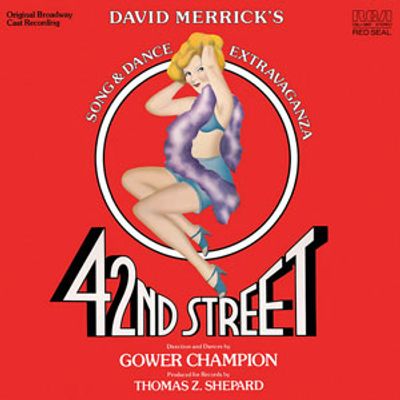
[2:06] Robert W. Schneider: From the great big state of Texas to the great white way, today's guest is a true icon of the industry whose razor sharp wit and humor has been a fixture on television, movies and stages for over 70 years. She is best remembered by theater audiences for her appearances in romantic comedy with Anthony Perkins and Mia Farrow and for creating the role of Maggie Jones in 42nd Street, as well as having appeared in the 1956 seminal production of the Three Penny Opera, not to mention the fact that she was the second person to play Dolly Levi and the only person to play the title character in both Mame, the musical and Auntie Mame, the play.
[2:47] Kevin David Thomas: Oh, my gosh. And do we even need to mention her appearances in 16 Candles, The Incredible Mr. Limpet, The Lucy Show, Here's Lucy and so many others. Plus her award winning cabaret career.
[3:01] Robert W. Schneider: I know. As if her work as an artist wasn't enough, she was one of the first individuals to demand that the world help those suffering with HIV AIDS when many folks didn't want to acknowledge it was even happening. This demand for helping when most needed and speaking her mind in the face of criticism is still on display today. Don't believe us. Head over to TMZ to see her in action to tell us what it was like to work with such legends as Lucille Ball, who was the maid of honor at her wedding. I won't give you too much away. Lucille Ball, Robert Osborne, Gower Champion, Tom Troop, her husband, Ethel Merman, and oh, so many others here to help us shuffle off to memory lane like you would do to Buffalo is the incomparable Mildred Francis May.
[3:41] Kevin David Thomas: Carol Cook.
[3:41] Robert W. Schneider: Carol, how are you today?
[3:43] Carole Cook: I'm exhausted from that.
[3:46] Carole Cook: I am so damn tired.
[3:48] Robert W. Schneider: Carol, you have done it all. Carol, where'd you grow up?
[3:52] Carole Cook: I grew up well, as they say in Abilene, Texas, honey, but you can't hardly tell it now. That plum lost my accent and don't ask. I mean, how I can't remember ever not wanting to be an actress.
[4:08] Carole Cook: Yeah. So I don't know whether, I think it's kind of like people that are called to, you know, to the call for God to be a pastor or medicine or something. I can't remember why I thought that, but I knew I wanted to be an actress and I would do little school plays and my mother kind of played into that. Now, she knew nothing about professional theater. It's just that she thought it opened our minds. She was sort of like a rural Auntie Mame.
[4:45] Robert W. Schneider: Your mother was.
[4:46] Carole Cook: Without the money or sophistication, which doesn't leave a hell of a lot with fame, as a matter of fact, but she would drive us to Dallas, Texas to see Ethel Merman and the Luntz, Alfred Lunt, Lynn Fontan, and Jane Cowell and Catherine Cornell. You're too young to know who.
[5:05] Kevin David Thomas: But you do teach history.
[5:07] Carole Cook: Yeah. So you actually got to see Lunt and Fontan on stage?
[5:10] Carole Cook: You bet. Tom and I, I'm married to a fabulous actor named Tom Troop, my love of my life. A brilliant actor. And we call ourselves the Polish Luntz.
[5:22] Carole Cook: Because they were my idols, Alfred Lunt and Lynn Fontan. I'd never seen anything like that. What made them so magical on stage?
[5:31] Carole Cook: I believed everything they said. Who they said they were.
[5:35] Kevin David Thomas: Yeah.
[5:36] Carole Cook: I just believed. Wow. I believed. And it's true of all great artists.
[5:41] Kevin David Thomas: Yeah.
[5:42] Carole Cook: You just go with it and you believe. And I remember when I was about four or five years old, and it would get very cold in Texas, very cold, what they call blue northers. I remember waking up one morning and my mother or daddy had come into the room and put on the heater so the windows fogged up, you know, froze over. And I remember getting up. And for the first time, I remember walking over, seeing the frosting on the glass. And my real name is Mildred Frances Cook. And you don't kid about a thing like that. And I wrote on the window, Mildred Frances wants to be an actress.
[6:30] Carole Cook: Oh. I wrote that on the window. And from then on, every morning, I would write a wish on the window. And my mother and daddy called it Mildred Frances's wishes on the window. I even once wrote on there, Mildred Frances wants a baby brother. And I got a baby brother. And years later, my mother and I were talking about it and I said, mother, that was so sweet of you and daddy to go to all that trouble to get me a baby brother. She said, oh, Mildred Frances, it was our pleasure. But I had that kind of background.
[7:09] Kevin David Thomas: Yeah. What did your father do for a living?
[7:12] Carole Cook: Statistician, vice president of the West Texas Utilities Company.
[7:17] Kevin David Thomas: Wow.
[7:18] Carole Cook: And but he died. My father died at 46. So, you know, that changed everything, too. I didn't get to go to New York as soon as I wanted to.
[7:29] Kevin David Thomas: You wanted to go home and take care of your mother?
[7:31] Carole Cook: Yes. And I had three siblings all younger than I. I was the eldest. I didn't admit that for several years, darling. But you can't lie about that anymore. Not with computer age. You have to tell your age. Absolutely. Which is fine with me.
[7:49] Carole Cook: And but it was it was one. And then I went back to Baylor because my father died and got a master's in Greek drama.
[8:01] Kevin David Thomas: I know.
[8:01] Carole Cook: A master's in Greek drama. I know, darling. I know. I know. I did Madea. I grabbed my tits and came on stage screaming, death, death, to little crazy, death. And that's when I decided, you know, you better go into musical comedy. Grabbing your tits and coming on stage is not not your forte.
[8:29] Kevin David Thomas: I disagree.
[8:30] Carole Cook: Oh, yes. You've seen them. They were perky. They were perky for a long time. OK, but I love this. But I did. I did love it. And when you were growing up, were you listening to cast recordings? Do you remember some of your favorites or?
[8:46] Carole Cook: Oh, yes. Everything Ethel Burma did, Mary Martin, you know, all of those. And even opera. I would sit. I know that seems really strange, but there was no television then, darling. And I would listen on the radio to the Saturday afternoon opera of the air with a man named Milton Cross had this fabulous voice. And I would sing along with ATO Pinza and then switch to Lily Pons, who was a color tour. Well, that does explain the voice I have now. I sound like a female impersonator, but drag queens international, the patron saint of drag queens.
[9:27] Kevin David Thomas: Yes, indeed. So why not California? Why not film the film industry? Did that not appeal to you?
[9:34] Carole Cook: No. Always Broadway. Always Broadway. Always Broadway.
[9:36] Kevin David Thomas: When did you finally get up to New York?
[9:39] Carole Cook: Well, then I went to New York and worked at the Mardi Gras Brassiere Company at the Brassiere Company.
[9:46] Kevin David Thomas: OK, I kid a blind girl.
[9:48] Carole Cook: Yes. And it was not my favorite thing, but I had absolutely no qualifications for getting a job. I mean, I said, I have a master's in Greek drama. They go, no shit. How good for you, honey. And but that's what I did. And my first real job in show business was the famous, iconic, iconic production of Three Penny Opera, drag ocean opera.
[10:23] Kevin David Thomas: OK, so how did that come into your orbit?
[10:26] Carole Cook: I had my coach. Who coached you on Three Penny?
[10:29] Carole Cook: Harold Fonville. Everybody had a coach at that time. And so he said, there's a Three Penny show called Three Penny. Well, I certainly knew, but having a master's degree and all that kind of stuff. And Charlotte Ray was playing Mrs. Peachum. And we know the wonderful Charlotte Ray. Now, I was working at the Mardi Gras Brassiere Company. I mean, I couldn't get arrested. You know, I'd come to New York. That's all I ever wanted was New York. And Charlotte Ray gave her notice opening night.
[11:10] Carole Cook: She and I have discussed it. May I ask why she gave her?
[11:13] Carole Cook: Yes, because she had been asked to go into a new Broadway show called Pajama Game.
[11:21] Kevin David Thomas: Oh.
[11:22] Carole Cook: And she gave her notice opening night. And the late, great Charlotte Ray. And they, the management was, I think, rightfully pissed at her for doing that, because she stayed and she gave no hint that she was leaving. And so she wanted to open in the show, which any actress worth her salt would do that.
[11:47] Kevin David Thomas: Absolutely. Absolutely.
[11:49] Carole Cook: I don't blame her at all. But the minute they heard it, of course, they panicked because they opened. And it was a tremendous hit. And, you know, it was down a little. It was in the village, you know, a little theater, like unheralded. Of course, the great Lottie Lynnia was in it, Kurt Weill's Widow. Mark Blitzstein was with us at that time. And I, you know, I was, I was younger then. And it was, I didn't even kind of know what it was about. I remember when I got the part, I went down. I played Mrs. Peachum, Charlotte Ray. I replaced Charlotte Ray. And it was very full of left wing. I mean, all very political. Left wing people. And all that. And I remember people saying, don't discuss politics.
Don't discuss politics, Mildred Francis. My name was still Mildred Francis. Honey, I didn't even know who the president was. So what the hell did I know? And I said, oh, okay. But I'll tell you, getting that show was, it was extremely theatrical in my life. And by that, it had, it was, it was, it had such an impression on me. It was such a hit that people came down, producers, and wanted Lottie, Lottie Lanier, to take it to Broadway. She refused. She said, this was considered,
[13:28] Carole Cook: Well, by the time I'd been in the show maybe a month, I began to get ready to go to the theater at night. I had my day job, but I would go, well, I'll just wear the black stockings. I won't have to change. Then I thought, I won't wear any makeup. I had to wear a putty nose, so I'll just wear no makeup. I'll wear a babushka over my head. I looked like three penny off.
[14:28] Carole Cook: It had a tremendous effect on me, and everything was dark. Everything was bitter. Everything was fabulous, but it was a sordid piece.
[14:45] Carole Cook: So, one day, as I said, by the time I got to the theater at night, I no longer put on the Mildred Cook face. No, no. I looked like Mrs. Peach when I got there.
[14:56] Carole Cook: So, I would get there, and I would look forward to coming out on stage, and I was in a spotlight, and I would sing that bitter song about people, man's inhumanity to man.
[15:11] Carole Cook: I had been to the dentist that day, and they had pulled a tooth. I am standing in the middle of the stage with a spotlight on me, and I'm singing this bitter song.
[15:24] Carole Cook: I feel a trickle of blood coming down out of my lip and down my chin, and I thought, instead of going, oh, my God, I went, how fabulous. I've got blood. There's blood. There's blood on Mrs. Peach.
[15:43] Carole Cook: With that, I took my tongue and shoved it so that it would bleed more, and that's how sick I was. That's what an effect three-penny dry Goshen opera.
[15:56] Carole Cook: I mean, the blood was spurting, and the stage manager's going, oh, my God, she's bleeding, and everybody said, oh, she's trying to do that.
[16:06] Carole Cook: I'll tell you, it was. The curtain came down, and I had bled quite a bit. I mean, not enough to scare anybody, but I mean, there was blood.
[16:17] Carole Cook: All I thought was, how fabulous. I'll never be able to top this. There's blood, and I'm doing three-penny opera. I've topped myself.
[16:27] Carole Cook: That was also the same night I went, I'm going to give my notice. What's a glitter and tits girl like me doing in three-penny opera? I should be doing Medea. I should go back to Medea.
[16:44] Carole Cook: But it was that compelling to me, and I'm grateful for having done that. It's never been done better. I've seen a million productions now of three-penny opera, but they didn't give an inch.
[17:08] Carole Cook: And Lottie Lynn, this bird-like little woman with this quakey little voice, go, and the ship, the black freighter. I mean, the voice was like that, and very Prussian.
[17:23] Carole Cook: Every night, nothing deviated. Always the same. Always the same. You know, in America, we're very big on improv and the illusion of the first time, which I certainly go for.
[17:39] Carole Cook: And hers was the illusion of the first time, but it was always the same exact illusion. I think that's a Prussian mentality.
[17:50] Carole Cook: To have that sort of rigid ability to recreate, okay.
[17:54] Carole Cook: But brilliant. Brilliant.
[17:58] Carole Cook: And your cast, I mean, not only her, who is a genius, but you said Beatrice Arthur was with you. Was Ed Asner in it with you, or no?
[18:06] Carole Cook: And Joe Sullivan and Ed Asner came into it later.
[18:11] Carole Cook: Oh, okay.
[18:13] Carole Cook: But it was Marty Wolfson was Mr. Peachum. His brother was a playwright. And it was just an astounding. The audiences were hugely populated by Europeans.
[18:33] Carole Cook: And on Broadway, they would have cast Marlena Dietrich in that part.
[18:38] Carole Cook: Sure. Yeah.
[18:40] Carole Cook: Lottie was brilliant. Brilliant. None of the glamour. She was a whore. You know, it was of that era, and down and out whores. Thieves.
[18:56] Kevin David Thomas: And for someone like you, who, like you said before, was not very political before, did you think Three Penny Opera then instilled in you some sort of sense of awareness?
[19:06] Carole Cook: Yes. They were careful. Very careful about, remember, the McCarthy era and all of that.
[19:14] Carole Cook: But there were certainly many left-wing people. And I took to it just like that.
[19:22] Kevin David Thomas: Good. Okay. Great. I love that.
[19:25] Carole Cook: But it was certainly one of the great experiences for me.
[19:32] Kevin David Thomas: And this was your first real professional job in New York. Let me ask you, we ask this to all of our guests, is this how you got your equity card?
[19:41] Carole Cook: No, I got my equity card in Texas. I toured a play in Texas. And so I had gotten, I already had my equity card.
[19:51] Kevin David Thomas: You already had your equity card at that point.
[19:53] Carole Cook: But from then, not through that, but then I started going to auditions, all the auditions in the world.
[20:03] Carole Cook: And that's where I got my craft together. I did everything from, you know, Hit the Deck, Boys from Syracuse, Ado Annie, Oklahoma, Brigadoon.
[20:22] Kevin David Thomas: Oh, you did everything. Yeah.
[20:24] Carole Cook: And later on, Follies. I mean, I've done, you know, that is, that's the thing I think that's missing now. Young people, they really, I played the big musical tents.
[20:39] Carole Cook: And they were fabulous. Fabulous. That's where I learned technique. You learn to do it, not just, you know, your favorite uncle can be the funniest man in the world on a certain night.
[20:54] Carole Cook: But he can't do it nine times out of 10. That's the difference. And champions can do it nine times out of 10. Make that eight out of 10. Make that eight. But that's the difference.
[21:07] Kevin David Thomas: Did you ever do the Kenley circuit?
[21:09] Carole Cook: Oh, my darling. Yes.
[21:11] Carole Cook: I did not know John Kenley at all. And I have so many questions about him because he's a fascinating.
[21:17] Carole Cook: John Kenley.
[21:19] Carole Cook: Yes. He lived as a woman in the winter months in Florida. And when I was doing Mame for Burt Reynolds at theater, he sent me this huge bouquet and said, I won't be seeing you. I will see you in the audience.
[21:38] Carole Cook: I will see you on stage, but I will not be coming backstage. And I didn't understand that for obvious reasons. I think, I don't know whether he didn't. I certainly, I was the one person he could have.
[21:53] Kevin David Thomas: Oh, absolutely.
[21:55] Carole Cook: But it didn't matter to me. I would have loved to have seen him.
[21:58] Kevin David Thomas: Yeah.
[22:00] Carole Cook: But he lived as a woman in the winter months. But in the summer, he ran the most successful summer. And you would think a man like that, because he was, he didn't, he had on men's clothes in the summer.
[22:14] Carole Cook: Yeah.
[22:15] Carole Cook: But he was strange looking.
[22:17] Kevin David Thomas: Yeah.
[22:18] Carole Cook: Honey, they loved him in Warren, Ohio.
[22:20] Kevin David Thomas: That's what I heard. Yes.
[22:21] Carole Cook: Oh, yes, darling. And he had all his relatives on the popcorn machines and all this. And I did Kismet for him. I did a little Abner for him. I did. And it didn't matter if he, if he had heard, if I did a number that he liked, it had nothing to do with the show we were doing.
[22:41] Carole Cook: He'd say, Carol, why don't you, he'd say Mildred. My name was still Mildred. Mildred, why don't you put that number right in the middle of Kismet. I would do a number called Red Hot Mama.
[22:52] Carole Cook: That's enough to kill you right there. But the audiences loved him and they loved it. It was, it was hysterical.
[23:01] Kevin David Thomas: Yeah, I had heard stories, but this is true. This is true. He would put in other numbers and all that stuff.
[23:05] Carole Cook: Oh, yes. And ask you to do it. I mean, he ran amok with it. But it was like Brigadoon and Oklahoma. It was like Ado Annie. They were all the kind of the same part.
[23:20] Kevin David Thomas: Yeah, yeah.
[23:21] Carole Cook: But I did, I did jillions of musicals. And so that's some of them good, some of them bad. But that's where I really learned.
[23:42] Carole Cook: That's where you learned your craft.
[23:45] Carole Cook: You didn't learn it in a.
[23:47] Carole Cook: The technique of going out every night.
[23:48] Carole Cook: And we don't really have that so much anymore.
[23:50] Carole Cook: No, and that's what I don't know. We, I don't know where people learn it. You can't sit at home. My husband and I do a lot of master classes in universities and I go, I don't know.
[24:07] Carole Cook: You can't just sit and expect the phone to ring. You say you're an actor. Unlike painters who can paint a picture, you may never sell one. But you can do that. You can, it's hard to act all alone in a room.
[24:20] Kevin David Thomas: Yeah.
[24:21] Carole Cook: You can't do that. And you've got to get, you've got to go in workshops. You have to do something like that. You call yourself an actor, you've got to act to learn.
[24:33] Kevin David Thomas: Yeah.
[24:34] Carole Cook: You know.
[24:35] Carole Cook: You've got to learn to have an audience, not just, you know, sitting in a classroom somewhere.
[24:38] Carole Cook: You've got to learn to work an audience.
[24:40] Kevin David Thomas: Yeah.
[24:42] Carole Cook: Especially in comedy. Because you do, in comedy, you do depend on an audience to be with you. I mean, I need to hear them. I need to hear them.
[24:55] Kevin David Thomas: Yeah.
[24:57] Carole Cook: Not so much doing Medea.
[24:59] Carole Cook: If they're laughing in Medea, there's a problem.
[25:02] Carole Cook: You're in big trouble. In fact, I was in Warren, Ohio, doing Kismet, when Lucille Ball called me. That's where the change in my life came from.
[25:18] Kevin David Thomas: How did Lucille Ball, excuse my ignorance, know who you were and how to contact you?
[25:23] Carole Cook: She didn't have a clue.
[25:25] Kevin David Thomas: Yeah.
[25:26] Carole Cook: Just lucky, I guess.
[25:28] Carole Cook: Yeah.
[25:29] Carole Cook: She was, the background of that, she was, had a group, she was getting a divorce from Desi.
[25:35] Carole Cook: Now, this is unbeknownst to me.
[25:37] Kevin David Thomas: Yeah.
[25:39] Carole Cook: And to do something with her time, she decided to have a bunch of young people around her, and they would finally do a show on the studio, a lot, a review.
[25:51] Carole Cook: And that's what was happening in Hollywood.
[25:54] Kevin David Thomas: So she was putting together an acting company?
[25:56] Carole Cook: Well, she paid them each 50 bucks a week, and they would do scenes, and then they were all going, they weren't under contract.
[26:04] Carole Cook: Okay.
[26:05] Carole Cook: And she did it really to give herself something to do.
[26:09] Carole Cook: And the little theater that was on the lot had been the little theater that was there when she had been just a big player there, and Ginger Rogers was the star.
[26:24] Carole Cook: And to keep Ginger Rogers' mother, Leela Rogers, out of their hair, the suits, the men at the top, gave Leela this little theater and said, teach the young people that we have under contract.
[26:38] Carole Cook: And Lucille Ball was one of those people.
[26:40] Carole Cook: And Ginger was the big star, and that was her KO.
[26:44] Carole Cook: And then later on, they bought it, and it became Desilu.
[26:48] Carole Cook: So that's what Lucy was doing, unbeknownst, you know, that was Hollywood.
[26:52] Carole Cook: So I'm out.
[26:56] Carole Cook: The phone rang and they said, Mildred Cook, the phone, and come to the phone. So the director said, you can go to the phone. So as I was going out, the voice on the monitor sounded very excited and said, ah, it's Lucille Ball calling from Hollywood, California. Well, I went, no shit. I thought it was a joke. I mean, Lucille Ball, I don't think so. I went to the phone. A guy was on the phone named Dick Coleman. He'd been an acquaintance of mine in New York, not a close friend. In fact, I'm sure they had tried to find me. He didn't even know where I was. I was out in the stock. But he was one of the members. He was a member of that group of kids that she had together that were doing that. She was sitting around with him and Bob Osborne.
Bob Osborne, the famous Bob Osborne. And he was a member of the group. He was an actor then. And she said, we have a lot of people in our group, but there's no comedian that fills the bill, whatever that meant. And he said, gee, there's a girl I knew in New York named Mildred Cook, and I don't know where she is now, but I think you'd like her. Well, to make a long story even longer, they went, they called Equity. They got my phone number, and they started calling my apartment building. I was lucky there. See, luck. The guy, it was a switchboard then, switchboard. And the guy on the switchboard happened to like me because Dick said, this is Dick Coleman. Lucille Ball is trying to find Mildred Cook.
Instead of saying she's out in Summerstock, which I was, he had no idea where I was. He said he was so thrilled to hear it was Lucy, he went to the corner, got a magazine that had a listing of every Summerstock place on the East Coast, and there were dozens. He called every one of them until he found me and called them back and said, she's in Warren, Ohio doing Kismet for John Kenley. They called me then out there. And that's how luck can help. What an amazing story. And Dick said, and we're doing this review, and Miss Ball would like for you to come out and audition, and then you can go back to your next job. In two weeks it would be over. And so I said, oh, okay. And he said, now here's Miss Ball now.
She wants to say hello. Well, your mother here went a little bananas. I mean, I was really nervous. And so when I said goodbye to her, I didn't know whether to say Mrs. Arnaz or Miss Ball. So I said, well, I'll see you on Sunday, Miss Arballs. And from then on she always signed everything to me, Miss Arballs. I just didn't know whether Arnaz or Ball. So I said Arballs. So that was my first time to talk to Lucy. I came out here, auditioned for her, and that was kind of like a movie. Because I wasn't a nightclub comedian. I played the funny parts in musicals. But she thought I was going to come in and have, like, numbers, you know, quick. I didn't. I didn't. And the audition did not go well. But that night Dick Coleman, Bob Osborne, Lucy and myself went out for dinner.
I was catching the plane back to Cohasset, Massachusetts for the next days. And she started talking to me. And I knew it had not gone well. But I thought, I don't care. I want Broadway anyway. Broadway! And so I was a little hurt. She said, tell me where you come from. So I started talking about, well, you saw me in 54 Below. It's those stories that I told Lucy. I mean, not all of them, but some of them. Yeah. That I told her about my mean grandmother and everything that happened to me growing up. And we all have those experiences. They're not funny when they're happening to you, but they're funny when you tell them. Yeah. And she thought that was great and funny. She said, you've got to tell those stories.
Well, it took me 50 years. I'm a slow frickin' study. But that won her over. Another rudder of good luck. If we hadn't gone out for dinner that night, it would have been over. And at the end of the evening, she said, I wanted you to come out here to do the show. And I went. And she said, and I know you've had your name Mildred for a long time. And we all love having our names. And we're very protective of our names. But I wonder if you'd change your name. Yes, I said. Yes. I can stay with the money, honey. So I said, yes. And I said, what would you like to change it to? She said, Carol. And I said, why Carol? For Carol Lombard. There was a famous actress named Carol Lombard married to Clark Gable.
And Lucy wrote on the tablecloth. She worshipped Carol Lombard. Now, she was not saying my talent was up to Carol Lombard. But she was saying my attitude was a lot. She worshipped Carol Lombard. And she liked what Carol Lombard was in person, kind of. And she wrote on the tablecloth. You, Mildred Francis, and Carol Lombard have the same healthy disrespect for everything in general. I took that as a compliment. That is a compliment. And I wish now I'd kept that tablecloth. And she wrote Carol on the tablecloth a lot of ways. With an E, without an E, with a K. She did it all sorts of ways. I would kill to have that tablecloth. Absolutely. What was it like being mentored by Lucille Ball? Would you consider it a mentorship, a friendship?
It was both. It was both. Naturally. But, and I was, it wasn't like I was, you know, 12 years old. So I was already, I was formed. Oh, yeah. But she became my mentor. And my, you know, my biggest fan. Then she put me under contract. And for a series. It was all, that time also that I was put under contract to Warner Brothers for two pictures a year. So just so I'm clear, you had a contract with Warner Brothers? Warner Brothers and with Desilu. Pictures with Warner Brothers. TV for Desilu. Now, meanwhile, I had met Tom. Yeah. Now, how did you and Tom meet? Well, I went to, Bob Osborne, here we go again. Bob Osborne and I went to see a play called The Caretaker by John Osborne, British play. And there were only three men in it.
And Bob Osborne took me to see the play. I didn't know Tom. He did. I knew Ray Strickland, another young actor, fabulous actor, was in the play. So off we went to the play. And I remember thinking very well, to this day, I thought, Tom Troop. I thought that actor is one of the best actors, the best actor I've ever seen. I'll tell you why, Rob. He didn't seem to be doing anything. You know how most actors, you go, great voice, so they move. Oh, yeah. And that's all good. He didn't seem to be doing anything obvious. But the end result was theatrical. Yeah. I haven't figured that out yet. Are you going to tell her, Tom? Tom says maybe. Maybe. And I'm still trying to. We've been married 54 years.
And people have said it. And I've never thought of divorce. Hey. No, murder, yes. Oh, my God, yes. And the same for him. And when we got married, Bob Osborne was our best man. Now, Lucy, she loved Tom. She liked him better than me, really. And so I decided, I thought, I'm getting married. And we went to the minister to get him to do the nocturnes and all. And he asked me, he said, this is not your first marriage, is it, Miss Cook? I said, yes, I just look like I've been around the block a couple of times. It's my husband-to-be that's been around the block. And I decided that I would try to look virginal for the festivities. I decided to wear no makeup. My idea was that I'd look like Grace Kelly.
I'd look just like the Ghost of Christmas Past. I mean, Tom lifted the veil. He had no idea who it was. It was like Patty Duke in The Miracle Worker. He went, Kara, Kara. He couldn't even tell who it was. And then something really fabulous happened, and I had to make a decision. You want me to tell this? Yes, oh, yes. Okay. You're not bored spitless, are you? Are you kidding me? No. Mike Stewart, who wrote Hello, Dolly, the book, Hello, Dolly, with Jerry Herman, called and said, Carol, they're looking for someone to go to Australia. Only Carol Channing has played Hello, Dolly. She'd been in a year. And everybody in the world is, but I think someday you will play it, so I want you to come in, and I want you to audition for the big time first.
And you will play it down the road, but I think he thought, you know, you don't have a shot. So it was at Christmas, so Tom said, You've got to go in. So I went in, and I auditioned for Hello, Dolly that afternoon, and I went to see the show that night. And it was entirely different from what I thought. Well, you know, people in history, I'd done The Matchmaker, but the Dolly in The Matchmaker is very different as the Dolly in The Merchant of Yonkers is different from, you know, it's like Lilium and Green Grows a Lilacs in Oklahoma. And for a minute, for a little bit, that threw me, because I'd done The Matchmaker, and it's Dolly Levi, but it's very different from the star of a musical comedy.
And so that night I went to see Carol Channing, and she was brilliant. It was fabulous. I just thought, Oh, my God, if one day I get to play it. And I thought, Those are big shoes to follow Carol Channing. Fabulous. She was fabulous. So anyway, I auditioned. The next day, again, they had me read and sing again. Then I flew back home. I was doing a small part on The Lucy Show, because I was doing that while they were writing a script for me, a series, and doing my movies at Warner Brothers.
[40:24] Carole Cook: I'm in rehearsal on the lot, on the Lucy show, and they said, Carole, you're wanted on the phone. And they said, oh, you'll have to, we were in the big sound stage, so they're sort of like football stadiums, they had the seating. They said, you'll have to take the phone call underneath the bleachers. I said, fine. They said, take it far away because you won't be able to hear. So I went over to the phone. I said, hello. And I said, this is Carole. And at the other end of the line was Gower Champion. Hello, Dolly. Well, hello. And then Mike Stewart. It's so good, nice to have you back where you belong. And then the two of them, you're looking swell, Dolly. Now, that was very theatrical. I mean, and that's how I knew I had it.
They called me to the phone. I was under the bleachers on a studio. And then I panicked because I thought, be careful what you wish for. You may get it because I had problems here. I mean, I was under contract to two studios. Yeah. So let's put it this way, Rob. I groveled. I cried, offered money, my body. They didn't take my body. They said, we wouldn't touch that with a 10-foot pole. We know where it's been. Anyway, negotiations happened. And I finally, it was difficult. Both contracts had to be gotten out of. And I had to do a lot of promising when I came back. But of course, they didn't know I was going to be gone a year and a half, two years. It was such a, so for me, it was, I know, even today, people say, oh, you were signed for movies and a series.
And you took Australia and Hello, Dolly. And you know what, I'd still do it again that way. And because you never know. But that's what your heart was. Your heart was musical comedy. And sure, I might have been here and sat on my ass for two years too, you know. But I certainly had a good shot, pictures at Warner Brothers and a series for Desilu. But to play Dolly. And remember, it was Mammoth at the time. Only Carol. And she'd just been, it was only a year old when I got it. And so I went to Australia. And Tom had to finish up. I don't know what we were thinking. We thought, oh, he'll come down every month and say hello. You don't come down every freaking month in Australia. I mean, it takes you about a month to get over the trip.
But he did come down a couple of times. And then he said, this isn't working. And he came down and stayed with me the whole time. And his teacher in New York had been Uta Hagen. So he was a great, you teaching so well and a great teacher. So he taught all classes for all my kids that were in the show. And he did it, you know, just for free. And they gave little, you know, recitals and everything. So, and they loved him. He became their mentor. There were so many people in that. And they'd never had that kind of training, you know. And so it was fulfilling, you know, from both of our standpoints.
[44:41] Rob Schneider: What a great use of your time, Tom. Yeah. You enjoyed it?
[44:46] Carole Cook: Yeah. Yeah. And they really, they just loved him, you know. I mean, and I don't know. There we were, the Polish lunch. The Polish lunch, I love that. But Dolly was certainly, from my standpoint, career-wise, well, Tom and I've done The Lion and Winter together. We've done Gin Game. We've done Father's Day. And those have been high points in my career. The fact, because I've, that's what the lunch did. Yeah. I thought that was fabulous. Yeah. But certainly Dolly would be one of the, for me, one of the growing, I mean, to get to do that part every night, you know. Was your Dolly different than her Dolly? I'm sure it was, because you're, I mean, you're two totally separate performers.
[45:38] Carole Cook: Only in that we, I'm Carol Cook and she's Carol Channing. Because I was the second Dolly, the Palmer was her name. She came from Australia, head choreographer, was in New York for four months learning the exact choreography. Fred Hebert, who was David Merrick's sidekick, came down there to direct. It had to be done exactly verbatim, like, because it was a second production. So they were extremely protective. I mean, I didn't have to do Carol Channing, but choreography, all of that, set, costumes, and my costume were a little different if I, if there was something that fit my body better than hers, but it was all Freddie Whittop's. Yeah. Yes, it was a replica, except, except that I'm Dolly, so as far as I'm different from Carol Channing, my Dolly was Carol Cook, hers was Carol Channing.
And the final night of Dolly, I've been with them so long, that in Australia and New Zealand, we closed in New Zealand, they throw streamers, and by then people get tickets for the final night, and they've seen you do it probably two or three times already. So they know every line you're going to say. So I was trying to be the grand old lady of the theater. I said, remember, no matter what happens, darlings, we play the play. We don't, we don't go with all this shouting. I mean, we love it. We, we play the play. Well, honey, I put down the paper, you know, I put down a newspaper, which is my opening, and I go, Dolly Levi. Well, it went on for, and I thought, hold it, Carol, you must not do, so I held it until we got to the Hello Dolly number, and there's a set encore where Dolly turns to the boys, the audience is screaming, and says, you know, one more time, and I turned, and like a real idiot, I said, my darlings, for the last time in our lives.
Well, they all started crying. I started crying, and I made the ugly cry, you know, so I turned around. I was trying to look gorgeous, and I went, Hello, Dolly, but it was an extremely, and I let everybody in the company on closing night take their solo bow on the passerelle, on that walkway that goes by the orchestra. Everyone in the company, I had them all walk, walk. Everybody got to walk that, like Dolly does. It was so.
[48:45] Rob Schneider: That's magical.
[48:46] Carole Cook: It was, and that whole thing was magical.
[48:50] Rob Schneider: So, where do you go from there?
[48:52] Carole Cook: Straight down.
[48:55] Rob Schneider: That's a pretty high place.
[48:57] Carole Cook: Yeah, it is. It's, yes, it is. You could retire on that, I assume, and be happy. So, what's next for you, then, after that?
[49:04] Carole Cook: Well, I came back, and then I started doing a lot of television.
[49:08] Rob Schneider: You had to come back.
[49:09] Carole Cook: Oh, well, the show closed.
[49:11] Rob Schneider: Yeah, but contractually, were you supposed to come back and finish the things you had left behind?
[49:16] Carole Cook: Oh, yeah, but that had only lasted a year. I was gone over.
[49:20] Rob Schneider: Oh, okay, okay.
[49:20] Carole Cook: So, that was over, which, again, was fine.
[49:26] Rob Schneider: Yeah.
[49:27] Carole Cook: I got to play Dolly, and Tom and I got to be there. So, you know, it was fabulous.
[49:33] Rob Schneider: Yeah, yeah.
[49:34] Carole Cook: That's who I am. That's what I did. And so, I came in. Then, I started doing television. Then, I started getting calls to come to New York to do, like, romantic comedy.
[49:46] Rob Schneider: Yes.
[49:46] Carole Cook: And I got to work with the darling Mia Farrow. I got to tell you, this darling, because she is a precious person. I just love her. But, you know, she has a thousand children.
[49:58] Rob Schneider: Yes.
[49:58] Carole Cook: You know, and all kinds, and she came to my dressing room one night, and she said, Carol, she only had nine children then, and she said, I'm thinking of getting another child. What do you think I ought to get? I said, something in beige.
[50:16] Carole Cook: And she did.
[50:20] Carole Cook: She did.
[50:21] Rob Schneider: Wee! Oh, my dear.
[50:24] Carole Cook: Oh, my gosh.
[50:25] Carole Cook: We had laughs. That's all I can tell you.
[50:27] Rob Schneider: And Anthony Perkins was in this, too, right?
[50:29] Carole Cook: Anthony Perkins was there. Strange person.
[50:33] Rob Schneider: That's what I've heard.
[50:34] Carole Cook: I think psycho went to his head.
[50:36] Rob Schneider: Yeah.
[50:37] Carole Cook: I think that had a profound effect on him.
[50:40] Rob Schneider: So, we ask everybody this. What was your go-to audition song?
[50:46] Carole Cook: Did you have a go-to one?
[50:47] Carole Cook: One? Yes.
[50:48] Carole Cook: Yeah. Mike Stewart wrote, I did for Hello, Dolly. It's the, in fact, perhaps, yes, I will tell it. Because it was sweet. It was, Bob Oswald, it's the only song I had. And it was an original called Red Hot Mama. Mike Stewart had a friend who wrote the music, but he wrote the lyrics. Early on, gave me the piece. It was mine. He wrote it for me. It's the only number I had. I would sing that. And it's a catchy number, but I'm just a red hot mama, red dash, hot day, mama, comma, I'm not so fresh on the stock. And anyway, it's a cute number.
[51:32] Carole Cook: So, Bob Oswald would take me to auditions all the time. I didn't have a car out here when I first came. And I'd sing that number. And he would go, oh, God, he heard that number a million times. When our darling Bob was very ill and was dying just a few months ago, I was, Tom and I were on the phone and we're, you know, we're torn up about it. And he's saying, no, it's fine. It's fine. And I said, Bob, it's what, is there anything you want to say to us or tell me something? I was really, it was a lifelong friend. And Bob did something so Bob that I couldn't stand it. I said, just tell me, do you have anything? Let's talk. Don't hang up. He said, yes, there is something you can do, Carol. I said, what?
He said, don't ever sing Red Hot Mama again. Now, is that brilliant? He laughed. He laughed his, I laughed my ass off, but I wish I had laughed it off. But, I mean, is that brilliant? And then he laughed. He said, we got to laugh, Carol. We got to laugh. When he said, don't ever sing it. So, I didn't promise so. No, you didn't promise. It's okay. They may call me tomorrow for something and I'll have to do that. But I did ask out of, Martin Gottlieb was our producer. How did you get into 42nd Street? I'll tell you how that happened. Mike Stewart. I was walking by the, well, in all Broadway theaters, they have somebody, he can be 18 years old, but they call him Pop. And he sits in there at the stage door.
He can be a kid, 18. They say, hi, Pop. Anyway, I was walking by and I remember this for cell phones and all. So, there was a phone hanging there in the hallway and it rang and I picked it up as I was finished. I was going on stage for The Vows and it.
[54:52] Carole Cook: 42nd Street in the show are two men. The characters are two men. He said, let's change one to a woman and let's get Carole Cook. Oh! The phone went clank. I mean, I went... He said, that was Gower's idea, Carole. I never would have thought of that. I mean, but he couldn't wait to tell me. He said, so you're gonna get a call. And so I got the call. And that's how I got 42nd Street. Oh my gosh. What was this like? I heard there was lots of changes. Yeah. Because we opened the Kennedy Center. And even then, Gower had a farm. I'm probably saying it medically wrong, but a farm of leukemia, but nothing that was not near death. I mean, he was functioning. He was always at rehearsal. But he would go to Bethesda in Washington, D.C. and have a blood transfusion.
But he'd lived with it for years. And he was always there dancing or whatever. And so when we got into New York, David Merrick, who was a madman, you know, sly like a fox, crazy as a fox. But publicity was his thing. But he drew a line at certain things. And so David Merrick brought us into New York, and he did not want the New York Times critic to come before official opening night. And he was afraid he was going to slip in and see the show. And I'm telling you, Rob, for several nights for this. Oh, they told us that Gower, it was only about four days before the opening, Gower was in the hospital, but everything was fine. And he would be back. He'd be there probably for a second night. He probably would meet there.
But while we're doing our shows before pre-opening, David Merrick would put a sign or have somebody out front saying, due to technical difficulties, there will be no show tonight. We, 42nd Street people, we did them for a while with full audiences. Then he stopped right before we opened for about four nights. And we would do the show full out, costumes, everything, costumes, orchestra, everything, no audience. And he would sit there, he was the only one in the auditorium, in a wingback chair like that one, like the Grand Czar of Russia. And we would do the show full out, full out. It's very creepy. So, in fact, Barbara Cook used to tell it in her act. She said, Carol Cook, which I did, I said to everybody in the cast, bring an eight by ten glossy of yourself or a little teddy bear, because everybody in that show was 18 years old.
They had to get off for days sometime to go to graduation from high school. And so we put them all in the seats all over the theater, so it looked like a crowd. And we played the stuffed animals and eight by ten glossies. Anything to cheer us up. And before that happened though, when we were doing full out performances with an audience, twice we had bomb scares. That's when David Merritt, because people accused him of doing it to get publicity, he said, I wouldn't do that, people would get hurt. Yeah, and he really got angry about that. But so we did all of this. So, opening night, they called us in early for rehearsal. And we thought, that's odd, because you start early anyway. And we got there.
They didn't rehearse anything. We were just called in. And we were wearing badges by that time, because he was like a maniac about not letting anybody see that show till we opened. And we came in, and show started. They'd said, Gower will not be there. He'll probably be there second night. We go out, and I mean, it was going like a house on fire. I mean, they loved it. And it was full of Bob Fosse and Josh Logan. It was theater crowd. Tom was in the third row center with Ethel Merman, our friend Ethel Merman, whom we'd gotten to know very well, was our great friend. She's sitting in the third row. But it was fabulous. And Tom had said, he told me later, they tried to go out at intermission, and they said the doors were jammed, and they couldn't let people out.
Now, what had happened, again, no cell phones. They didn't want people going out of the theater, because they would hear the news about Gower out. Well, I'll tell you, because Gower had died that afternoon. And David Merrick, remember, no cell phones. So they could keep it a secret, now that you couldn't keep it a secret. And somebody would tell sooner or later anyway, and they did. But the West Coast people would hear about it, the newspaper people, and be waiting out front of the theater at intermission, and start telling everybody when they came out for intermission. Nobody knew it. Audience didn't know it. We didn't know it. Everything's going along beautifully. Big smash, you could tell.
And intermission, fabulous. We're all backstage. I had a quick change right before the bows. I went off stage to go into the quick change room, where you change your clothes. Dropped my dress and looked around. David Merrick was in the quick change room. Didn't look up. Had his hand like this on his chin. Looked very doer, very sad, pensive. And I thought, what can he be sad about? They're screaming. So I turned into Mickey Rooney and Judy Garland in front of your very eyes, which is not that attractive. As I went out, you could just throw up. I said, gee, Miss Jim, I think it's going great. And he never looked up. Went on stage. We're taking our bows. Got to about 15th, 16th curtain call. And all of a sudden, the audience is screaming.
They're standing up. David Merrick walks out on stage right, comes out. And the audience goes wild. And again, he looks very, but that was his humor, black humor. So he looked very serious. And they scream. He held up his hand and he said, and he said, I have an announcement. Again, they screamed because they thought he was going to say, we're only going to run 10 or 15 years. You know, that was that kind of and everything. And we are partying and everything. And they screamed. He said, no, no, you don't understand. And again, they yelled. And then he said, Gower Champion died this afternoon. You could have heard a pin drop. We were stunned. I remember thinking at the time, I thought, oh my God, why is he telling us this with the audience looking at us here.
But then I realized they were stunned as we were. Those were his friends. You know, in fact, they said Bob Fosse said afterwards, he said, I had to do a movie about it. Gower lived it. You know, dying and quiet, quiet. It seemed for ever. And I remember I put my arms around the ingenue, wander out, because I thought she might go, you know, so I dug my nails into her, like, don't move. In just a few minutes, Jerry Arbach, who played the director in the show, stepped forward and said the line he says at the end of Act One in 42nd Street, when he has to bring down the curtain, because a star has broken her leg. Jerry stepped forward in that silence and said, bring in the curtain. And the curtain was not digitally done then, it was came down slowly, slowly.
And as it came down, we just watched. And it hit. And right before it hit, you heard Ethel Merman in that voice of hers say, well, if you gotta go, that's the way to go. And then, thud, the curtain hit. And then all hell broke loose. You know, people didn't know whether to come backstage, not to come back. Tom came back, and our relatives, but people didn't come back. On my dressing room door, knock, knock, knock, I opened the door. Andy Warhol, who was, when I first knew him, Andy Warhol was just kind of like this little sissy boy with the blonde hair. Now he's Andy Warhol, white hair. He was standing there, and he said lovely things about the show. You know, now you, Kara, you were whatever.
Fabulous. I loved it. I'll see you again. I reached over, kissed him on each cheek, turned, and wafted away. And that was so surreal. Rob, do you get me? All that whiteness. And Andy Warhol, whom I had not seen for several years, and he'd become what he'd become in the meantime. And for him to come back, and nobody, it was kind of creepy.
[1:06:27] Kevin David Thomas: Yeah. What a bizarre experience.
[1:06:32] Carole Cook: But it was, it was, it was an amazing, I'll tell you what, if you put that in a movie, or in a show, they go, over the top, too much.
[1:06:46] Kevin David Thomas: Nobody would believe it.
[1:06:46] Carole Cook: No, they go, too much. Don't do that. Is that something?
[1:06:52] Kevin David Thomas: That's incredible. Incredible. How long were you with 42nd Street?
[1:06:57] Carole Cook: I played it a year. Oh, here we go again. Then I asked Al to go do a movie in Greece called Summer Lovers for Randall Kleiser, who directed the movie Greece, as a matter of fact. So I went to Greece, and I was the first one to leave. And I remember when they said, you'll have to go.
[1:07:21] Carole Cook: Now, my contract was for everybody for one year. So, I felt okay about going to tell him. I mean, I was legitimate. Like the others, I was asking out early. But that was legitimate.
[1:07:35] Carole Cook: Well, when I said, Mr. Merrick, I'm offering this movie. And then he went, you'll never work for me again. Get out of here. And I, big old tears started coming down. I turned and he said, but you will play it for me in Los Angeles. And I went, that son of a bitch, I'll kill him. I said, I'll think about it.
[1:07:59] Carole Cook: And so, anyway, so I played it a year there. I played it a year here. And then with my buddy, Leroy Reams, who was, and a lot of them, but mostly my buddy, Leroy Reams.
[1:08:13] Carole Cook: And anyway, so we went to Tokyo. And we played it in Tokyo. Where they didn't understand one damn word we said. And we kept, and at the end they go like we had been in a rock concert. But meanwhile, it had been utter silence. I went, where the frig were you when I needed you?
[1:08:41] Carole Cook: So here they don't applaud, or it's a very minimal polite applause at the end?
[1:08:45] Carole Cook: I'll tell you, that's why they took part. You don't really have to know the story. You can watch that show and pretty much tell what's going on. You know, star breaks leg, girl goes on, and you know, and all that.
[1:08:59] Carole Cook: Were you there for the opening night of Woman of the Year?
[1:09:02] Carole Cook: That was Leroy and myself, my darling.
[1:09:06] Kevin David Thomas: Would you tell us the story?
[1:09:07] Carole Cook: Yes.
[1:09:08] Kevin David Thomas: We want to hear it from your point of view.
[1:09:10] Carole Cook: Yes, because he leaves out one of the most important things. That was Leroy. I know that they think that story is made up, or a lot of people told in the Ethel Merman book. No, it was Leroy and moi.
[1:09:24] Kevin David Thomas: Tell it.
[1:09:25] Carole Cook: Hit it. Okay. It was the first opening night of Woman of the Year with the ever popular Lauren Bacall, who we're never sure about. Anyway, so I said, Leroy, I have three tickets to the show. I want you to go. We're going to take Ethel Merman and moi. Tom was working. He was in the show.
[1:09:50] Carole Cook: So off we go, and I call Ethel Merman. So we take the limo, and we go in. She has a bad cold, and in the limo, she says, now I have a bad cold. Here are some cough drops. She said, unwrap them now, and she gave me a handful of them.
[1:10:09] Carole Cook: She put a Kleenex down, and she handed Leroy. She said, if I cough, or even start to cough, give me a cough drop. So we're fine. So everybody sees Ethel Merman coming into the damn theater. Leroy and I on each side of her, and we're sitting there, and everybody's going, Ethel Merman, Ethel Merman, Ethel Merman.
[1:10:33] Carole Cook: And Lauren Bacall comes out, big applause, and she gets the end of the number called, I'm the Woman of the Year. And she goes, I'm the woman of the, yeah! And it just splatters blue paint everywhere.
[1:10:52] Carole Cook: And Ethel Merman says in an Ethel Merman voice, Jesus Christ! And she screams, Jesus. Leroy and I took the cough drops, and both of them shoved them in her mouth. And she went, Jesus! We gave her too many cough drops. I mean, and that's a true story.
[1:11:15] Carole Cook: He leaves out that part of the story! That's hysterical!
[1:11:20] Carole Cook: It's the cough drops, which she gave him a bunch, and she went, Jesus! And we did this, and she went, Christ! But Jesus, everybody heard. Then we did this, and the rest was muddled. It was like, Jesus Christ!
[1:11:39] Carole Cook: He leaves out the best part of the story!
[1:11:41] Kevin David Thomas: Ethel Merman.
[1:11:43] Kevin David Thomas: I want to ask you about your activism in terms of, you know, you were one of the first artists to help get help for those that were afflicted with HIV and AIDS at a time when a lot of people were not willing to help. How did you get involved with being so passionate about finding a cure and helping those in need?
[1:12:04] Carole Cook: 1984, 42nd Street, out here. A kid in the company had it. No name for it. The plague. Gay disease. It was called all sorts of things.
[1:12:26] Carole Cook: Gay cancer was one of them.
[1:12:28] Carole Cook: Gay cancer, I was trying to think of. Tom and I, by the way, he came from a well-to-do family. Father and mother disowned him. I told Tom, and we really didn't know what we were, naturally, we didn't know what we were dealing with.
[1:12:49] Carole Cook: Everybody was afraid of him. I must say, not because I knew anything, but I never thought, I always thought they, the ones who had it, would be the sickly ones. I never thought they could pass it on to me. Remember, there was a big thing about kissing anybody.
[1:13:15] Kevin David Thomas: Oh, yeah.
[1:13:17] Carole Cook: In fact, when our friends, then we were hit. We lost a generation, Rob. We lost a generation of talented, talented people. So it began to hit home with us. And at that time, there was nowhere to go to get help.
[1:13:35] Carole Cook: So Tom and myself and about seven other people, Billy Barnes, I couldn't name them all, all went in together because people we know, good friends, were diagnosed with it. And we knew if one got it, his partner was going to get it.
[1:13:59] Carole Cook: And we all pooled our money once a month, and we knew how much each, some people couldn't, whatever you could afford, $10 a month, somebody else $20, $50, whatever. But we knew we had X amount all together. And we divided it up with the people who were sick. There was no agency to go to.
[1:14:24] Kevin David Thomas: Yeah.
[1:14:27] Carole Cook: And took care of their dogs, Arkansas. It was, I tell you, just so sad, I can hardly, and when we go to the hospital to see people, they put us in, you know, heavy.
[1:14:46] Kevin David Thomas: Like the hazmat stuff.
[1:14:48] Carole Cook: But that wasn't to protect us, that was to protect them, the patient, for us giving, because they had no immune system. So that was to protect the patient, not us. I mean, we were fine, you know.
[1:15:07] Carole Cook: It started out very personally, like, you're good friends. And you knew if one of them died, if they had a partner, they were both going to die.
[1:15:23] Carole Cook: And that, and I was out here then, and we started, but that's what we did. I remember us going to that park over here on, it doesn't matter, off of Hollywood Boulevard. And we met there one day, we brought picnic lunch, and we all decided how much everybody could put in.
[1:15:46] Kevin David Thomas: Sure.
[1:15:47] Carole Cook: And it varied, but that didn't matter, you know. We needed to know kind of how much we would have. So it started hands-on, you know, in your living room.
[1:16:02] Carole Cook: And the benefit that David Galligan started with two other guys, called Stage, we just closed down this year, 32 years. I think I only missed two.
[1:16:19] Kevin David Thomas: Wow.
[1:16:20] Carole Cook: If I was in New York or playing somewhere, I always said, man, I have that weekend off to come, because I, but there were several of them wouldn't let me out or whatever. So, what was my point?
[1:16:34] Carole Cook: Oh, when we started Stage, still did not have a name for it. The gay disease again, the plague, we charged 10 bucks. And people said, what's this for? We said, we're doing a little show.
[1:16:54] Carole Cook: We didn't know, we were just making money for our friends. That's all we were doing. I mean, we weren't making money for research or anything. We were feeding people. And it was hands-on Southern California.
[1:17:10] Carole Cook: And so we charged 10 bucks. And Bernstein, Leonard Bernstein was our first. And then we started in, we did it 32 years. And we went from, how much time was, we finally got at the very peak of it.
[1:17:35] Carole Cook: We did four performances a weekend, Friday to Saturday and one Sunday. And we filled the auditorium. And then we charged, I think it was 150. And we started doing receptions after, and auctions. And we made millions over the year.
[1:17:59] Carole Cook: And we were still hands-on. We weren't like, I mean, thank God we had the Elizabeth Taylors who had the people who donated millions. We were doing hundreds, hundreds of dollars and thousands. But they did the research. They had the millions to do. But we fed and clothed and rented. Hands-on.
[1:18:22] Kevin David Thomas: It's incredible. Because it seemed nobody was helping. Nobody was helping really except artists helping other artists. The government didn't want to get involved.
[1:18:33] Carole Cook: Reagan, I don't think, ever said the term until at the very end. I think somebody said he did.
[1:18:38] Kevin David Thomas: Yeah, at the end.
[1:18:39] Carole Cook: Yeah, I think he finally, he went, AIDS. But it was hands-on and a way on the level we could manage.
[1:18:50] Kevin David Thomas: Well, bless you for doing it because it saved so many lives and helped so many people. And you just closed down after 32 years.
[1:18:57] Carole Cook: 32 years.
[1:18:58] Kevin David Thomas: What a great run. What a great legacy.
[1:19:00] Carole Cook: He and everybody from Angela Insberry, Carol Channing, Bernadette Peters, you know, everybody, you know. And all the Broadway.
[1:19:14] Kevin David Thomas: Oh, sure.
[1:19:15] Carole Cook: All our Broadway babies that right now are, you know.
[1:19:18] Kevin David Thomas: Yeah.
[1:19:19] Carole Cook: In fact, we have a club here that Charlotte Rae started, darling.
[1:19:23] Kevin David Thomas: Oh.
[1:19:24] Carole Cook: And about three years ago. And it's all of us broads that are, I'm just a Broadway baby.
[1:19:31] Kevin David Thomas: What?
[1:19:32] Carole Cook: Oh, it was. And they're all of us. And it's all of us. And we meet the first Tuesday of every month at a little restaurant here.
[1:19:43] Carole Cook: Our favorite restaurant, Day 12 on West Hollywood on Santa Monica.
[1:19:48] Carole Cook: They're not allowed, all the guys in there, nobody's allowed to come over to us because uh-uh, no, they're not by that.
[1:19:56] Carole Cook: Because, I mean, there's, if a bomb fell there, it'd knock out all of anybody over 60 in show business.
[1:20:02] Carole Cook: And, but we sit there and we tell fabulous stories. We have, I went to the owner and I said, now we want Tom, his name is Tom.
[1:20:14] Carole Cook: And I said, and I love that restaurant, I'm the queen of that restaurant.
[1:20:18] Carole Cook: It's our cheers, isn't it, Tom?
[1:20:20] Kevin David Thomas: Yeah.
[1:20:21] Carole Cook: Where everybody knows your name.
[1:20:22] Kevin David Thomas: Yeah, okay.
[1:20:23] Carole Cook: And I said, a group, and there's usually about 15 of us, maybe 20, sometimes 10, it just depends on if people are free or whatever.
[1:20:34] Carole Cook: But you'd be surprised. And I thought, they're gonna go, oh, here come those old show business broads.
[1:20:40] Carole Cook: Honey, they love you. I said, the only thing you have to do, Tom, has to be separate checks.
[1:20:46] Carole Cook: If you think I'm gonna sit there and go, now she had the mayonnaise.
[1:20:49] Carole Cook: And she had the drink and she said I had two olives in my drink. Well, fuck you, I'm not doing that. So they did that. And all the guys, they draw a crowd just watching us. And we always, and the waiters, I thought now the waiters are going to go, Oh God. Everybody eats the salad. Everybody. And Chris in there makes ice cream for us all the time. Julio waits on us. And it's just, and we always have a subject. You don't have to, you don't have to enter the subject if you want, don't want to. But our first subject, and suddenly everybody wanted to wait on us. Our first subject was, what's the worst fuck you ever had in show business? And everyone, and contributes. Contribute. We all know somebody that, and, or, or, what's, who's the biggest bitch you ever worked with?
Or, you know, it's, what's the worst costumer that ever put you in something? What's the worst costume you ever wore? Or, you know. No, I'm, I just, I have. What's the funniest thing that ever happened to you on stage? And we, we have that. And you would not believe. It's fabulous. Cause most of us, the ages may vary, 25 years, but we all know, we all talk the same.
[1:22:21] Kevin David Thomas: Yeah.
[1:22:22] Carole Cook: You know. It's the same people, same vocabulary.
[1:22:25] Kevin David Thomas: Yeah. Same vocabulary. We've all been on Broadway a ton. We've all done, mostly, mostly it's Broadway babies.
[1:22:32] Kevin David Thomas: I have to ask, who's at this table besides you? You said Charlotte started it.
[1:22:36] Carole Cook: Charlotte was one of our guests before she passed.
[1:22:39] Kevin David Thomas: Yeah. Amazing. So Charlotte started it. You're at the table. Who else is at the table?
[1:22:43] Carole Cook: You should call me. Joanne Morley, Karen Morrow, Nancy Dussault, Mary Jo Catley, Millicent Martin, Jane A. Johnson. All of those are Broadway babies.
[1:23:01] Kevin David Thomas: Yeah.
[1:23:02] Carole Cook: They're all Broadway babies.
[1:23:03] Kevin David Thomas: Yeah.
[1:23:04] Carole Cook: Now, I mean, Eileen, oh God, my mind's gone. Don't you help to me, Tom. Jackie Joseph.
[1:23:18] Kevin David Thomas: This sounds like an amazing table.
[1:23:25] Carole Cook: Oh, Beverly Sanders. I'm trying to. Oh, this is fun. No, we can always cut all of these, like, you know, we can cut the gaps, so don't worry about that.
[1:23:36] Kevin David Thomas: That's incredible. Now, I have to ask out of curiosity, and you don't have to answer this question. In terms of the worst lay that everyone had at the table, I'm not going to ask you, did someone's name come up more frequently than others?
[1:23:50] Carole Cook: One of them came up twice.
[1:23:52] Kevin David Thomas: One of them came up twice.
[1:23:53] Carole Cook: One of them came up twice.
[1:23:54] Kevin David Thomas: You don't have to tell me on air, but I'm curious. Can you mouth it to me?
[1:23:57] Carole Cook: No, no.
[1:23:58] Kevin David Thomas: I'm so curious now. Okay, that's fine.
[1:24:00] Carole Cook: It's always some straight-ass leading man, though.
[1:24:03] Kevin David Thomas: Of course.
[1:24:04] Carole Cook: It's very square. If you have that kind of tender voice, you know, you sing like that, you've got to be square.
[1:24:14] Kevin David Thomas: You can't be hip.
[1:24:15] Carole Cook: Okay. You can't have that kind of voice.
[1:24:17] Kevin David Thomas: So, what's next for you? You just made your New York cabaret debut.
[1:24:21] Carole Cook: Yes.
[1:24:22] Kevin David Thomas: At four years old, which is amazing.
[1:24:25] Carole Cook: Yeah.
[1:24:26] Kevin David Thomas: At 94.
[1:24:28] Carole Cook: 94. Yes, I peaked at 94.
[1:24:31] Kevin David Thomas: What?
[1:24:32] Carole Cook: Timing is everything, darling.
[1:24:33] Kevin David Thomas: You are such a brilliant storyteller. What took you so...
[1:24:36] Carole Cook: Were you resistant to doing a cabaret act?
[1:24:39] Carole Cook: No, I just...
[1:24:41] Carole Cook: Yeah, I think I was. I just...
[1:24:44] Carole Cook: I always thought of telling... I don't tell jokes.
[1:24:48] Kevin David Thomas: Yeah.
[1:24:49] Carole Cook: And I think cabaret is like... I just jig it in across there. I guess. It was always just the theater.
[1:24:57] Kevin David Thomas: Yeah.
[1:24:58] Carole Cook: The theater. And so, I mean, I absolutely... I will be honest with you, Rob. I mean, I've played enough bowling alleys in my day. I know the difference.
[1:25:10] Kevin David Thomas: Yeah.
[1:25:11] Carole Cook: So, it's not me carrying on about that. But that was like a dream thing, playing 54 Below. Because it turned out exactly like I dreamed.
[1:25:17] Kevin David Thomas: Good.
[1:25:29] Carole Cook: In my best dream. It turned out exactly.
[1:25:30] Kevin David Thomas: Good.
[1:25:32] Carole Cook: And I'm not good at two-shoes. I'm way past that. I'm way too... I'm not making points anymore. You know, they say old people get ugly. No, honey. We're just not making points anymore.
[1:25:41] Kevin David Thomas: Yeah.
[1:25:42] Carole Cook: We want to make a living.
[1:25:43] Kevin David Thomas: We want to make a living.
[1:25:45] Carole Cook: We're not making points anymore.
[1:25:46] Kevin David Thomas: Yeah.
[1:25:47] Carole Cook: We want you to move your ass. We say, move your ass. We don't say, listen, would you mind if you... No.
[1:25:53] Carole Cook: And... But it was a perfect meeting of a storm. The audience...
[1:26:00] Kevin David Thomas: Yeah.
[1:26:01] Carole Cook: Me, I was on my middle. They were on their middle. And I can't do it without the audience.
[1:26:06] Kevin David Thomas: Yeah.
[1:26:07] Carole Cook: The audience is my addiction.
[1:26:08] Kevin David Thomas: Yeah.
[1:26:09] Carole Cook: It's my addiction. My first addiction is Tom. My second addiction, though, is an audience.
[1:26:16] Kevin David Thomas: Because I can't do it without you.
[1:26:18] Carole Cook: Yeah. So, it was like a movie.
[1:26:25] Kevin David Thomas: Good.
[1:26:26] Carole Cook: And it's brilliant. For our listeners who haven't seen it, it's...
[1:26:29] Kevin David Thomas: Thank you. You are going to do it again, right?
[1:26:31] Carole Cook: Yes.
[1:26:32] Kevin David Thomas: Okay. You asked me to come back.
[1:26:34] Carole Cook: Good.
[1:26:35] Kevin David Thomas: Yeah. Good.
[1:26:37] Carole Cook: And you are going to come back, right?
[1:26:38] Carole Cook: Yes, indeed.
[1:26:39] Kevin David Thomas: Okay. Yes.
[1:26:42] Carole Cook: I'm going to do it in a theater, too.
[1:26:43] Kevin David Thomas: Yes.
[1:26:44] Carole Cook: So, I'm doing it now. I'm going to do it in some theaters.
[1:26:46] Kevin David Thomas: Good.
[1:26:47] Carole Cook: And... It's really, really wonderful. And I'm so happy that you're doing it. It was just magical.
[1:26:51] Kevin David Thomas: Good. You know?
[1:26:53] Carole Cook: Well, it was magical for us in the audience, as well. It was like a movie.
[1:26:55] Carole Cook: And as I said, I played the bowling alleys.
[1:26:56] Kevin David Thomas: Yes.
[1:26:57] Carole Cook: I know the difference. Been there, done that. Had the t-shirt, sweetheart. No, I'm not a well woman. We've got to move fast here.
[1:27:02] Kevin David Thomas: No.
[1:27:03] Carole Cook: I'm going to ask you one last question, and then I'm going to let you go on with your day.
[1:27:05] Carole Cook: So, how does it feel to be...
[1:27:06] Carole Cook: Oh, I loved it. If I can ask.
[1:27:17] Kevin David Thomas: I don't mind at all.
[1:27:19] Carole Cook: People are talking about you, and loving you, and want to put you on a pedestal.
[1:27:21] Carole Cook: Oh. I tell you what. We're talking about the political thing.
[1:27:26] Kevin David Thomas: Yeah?
[1:27:27] Carole Cook: Yes. You know what? I make no apologies at all. It was a joke. I was only joking. I wasn't serious.
[1:27:34] Carole Cook: No apologies at all. It was a joke. Anybody, even the other side knows it's a damn joke.
[1:27:39] Kevin David Thomas: Yeah.
[1:27:40] Carole Cook: But they don't grab anything, so that's fine. But you know what? Fabulous.
[1:27:45] Carole Cook: Fabulous. It's what I believe.
[1:27:48] Carole Cook: I find it appalling.
[1:27:51] Carole Cook: It's more than appalling, what is going on politically. It's beyond words.
[1:27:56] Carole Cook: It's beyond, beyond. And I was shocked.
[1:28:00] Carole Cook: I'll be honest with you. I said it to the paparazzi. Got in the car. Never thought about it, darling. I said, where were they?
[1:28:15] Carole Cook: I've been saying that line since he was inaugurated. What the fuck happened all of a sudden?
[1:28:22] Carole Cook: And the next morning he said, well. And I said, Rob. I said, I loved it, actually. Because in the Australian papers it said, our own darling.
[1:28:31] Carole Cook: Our own darling tells the president off or attacks the president. And good on you, girl. Good on you, girl.
[1:28:38] Carole Cook: And New York Times, all that stuff. And anyway, they always said things like, Broadway legend.
[1:28:46] Carole Cook: I said, shit, my obituaries won't be that good. I said, hell, I would have done that a long time ago.
[1:28:54] Carole Cook: And the other night, Tom and I did a duet for the Actors Fund of America. And they had me come out with two men dressed as my friend Mason McCully.
[1:29:01] Carole Cook: Another guy dressed as Secret Service man with the dark glasses on.
[1:29:13] Kevin David Thomas: Oh, funny.
[1:29:14] Carole Cook: And I had on handcuffs with pink fur on them.
[1:29:16] Kevin David Thomas: Oh, that's hysterical.
[1:29:18] Carole Cook: They went ape.
[1:29:19] Kevin David Thomas: Yeah.
[1:29:21] Carole Cook: But you know what? It was awe.
[1:29:26] Kevin David Thomas: Yeah.
[1:29:28] Carole Cook: I'm glad I did it. Don't regret it. Made my point.
[1:29:36] Kevin David Thomas: Absolutely.
[1:29:37] Carole Cook: Absolutely.
[1:29:38] Carole Cook: And this is going to air, obviously, before the midterm. So please go and vote.
[1:29:42] Kevin David Thomas: Yeah.
[1:29:43] Carole Cook: And that's how we. That is actually.
[1:29:46] Carole Cook: That does count.
[1:29:47] Kevin David Thomas: Yes.
[1:29:48] Carole Cook: Voting is. That's what we can do. It's not as sexy as the other stuff.
[1:29:53] Carole Cook: But it's absolutely what we can do.
[1:29:57] Kevin David Thomas: Yeah.
[1:29:58] Carole Cook: That'll pay off. That'll pay off.
[1:30:01] Kevin David Thomas: Absolutely.
[1:30:02] Carole Cook: You know. And you know what? When somebody tells me.
[1:30:05] Carole Cook: I know who he is.
[1:30:10] Kevin David Thomas: I know who he is.
[1:30:13] Carole Cook: When somebody tells me they are for what he stands for.
[1:30:19] Carole Cook: Then I have to say it tells me more about them.
[1:30:24] Kevin David Thomas: Yeah.
[1:30:25] Carole Cook: And that is sadness.
[1:30:32] Kevin David Thomas: It is.
[1:30:33] Carole Cook: It is.
[1:30:34] Carole Cook: But a vote can change that. And hopefully everybody will come out.
[1:30:37] Kevin David Thomas: Voting does it.
[1:30:38] Carole Cook: Voting does it.
[1:30:39] Kevin David Thomas: Yeah.
[1:30:40] Carole Cook: But really what they should do is vote for me for Queen.
[1:30:43] Kevin David Thomas: Yeah.
[1:30:44] Carole Cook: Now.
[1:30:45] Kevin David Thomas: Now.
[1:30:46] Carole Cook: You got my vote.
[1:30:47] Kevin David Thomas: I've got the clothes. The tiara.
[1:30:48] Carole Cook: We can work on that.
[1:30:50] Carole Cook: I should be Queen. A lot of my friends have made it.
[1:30:53] Kevin David Thomas: Yeah.
[1:30:54] Carole Cook: Absolutely.
[1:30:55] Kevin David Thomas: Absolutely darling.
[1:30:56] Carole Cook: Absolutely.
[1:30:57] Carole Cook: So you heard it here first. We want Queen Carol Cook.
[1:30:59] Kevin David Thomas: Carol Cook for Queen.
[1:31:01] Carole Cook: Not Barbara Cook.
[1:31:02] Kevin David Thomas: No.
[1:31:03] Carole Cook: Right.
[1:31:04] Carole Cook: And Carol Cook. And the profile looks good on the head of the coin.
[1:31:06] Kevin David Thomas: Yep.
[1:31:07] Carole Cook: Yep. We'll put you on a coin and a stamp. Maybe a flag.
[1:31:10] Kevin David Thomas: Well.
[1:31:11] Carole Cook: Yes. I'll put it where it does the most good.
[1:31:13] Kevin David Thomas: Yeah.
[1:31:14] Carole Cook: And we're going to be wonderful.
[1:31:15] Kevin David Thomas: You are wonderful.
[1:31:16] Carole Cook: We'll put glitter and tits on it darling.
[1:31:17] Kevin David Thomas: We'll be fabulous.
[1:31:18] Carole Cook: That's what America should be. Glitter and tits and Carol Cook.
[1:31:20] Carole Cook: I'll go out with I'm still here.
[1:31:21] Kevin David Thomas: Yeah.
[1:31:22] Carole Cook: Right.
[1:31:23] Kevin David Thomas: Right.
[1:31:24] Carole Cook: Absolutely.
[1:31:25] Kevin David Thomas: You are the best.
[1:31:26] Carole Cook: Thank you so much for all your time today.
[1:31:27] Carole Cook: And Tom thank you so much for being so kind.
[1:31:28] Kevin David Thomas: Thank you.
[1:31:29] Carole Cook: Thank you.
[1:31:30] Kevin David Thomas: Thank you.
[1:31:31] Carole Cook: Thank you.
[1:31:32] Kevin David Thomas: Thank you.
[1:31:33] Carole Cook: Thank you.
[1:31:34] Kevin David Thomas: Thank you.
[1:31:35] Carole Cook: Thank you.
[1:31:36] Kevin David Thomas: Thank you.
[1:31:37] Carole Cook: Thank you.
[1:31:38] Kevin David Thomas: Thank you.
[1:31:39] Carole Cook: Thank you.
[1:31:40] Kevin David Thomas: Thank you.
[1:31:41] Carole Cook: Thank you so much for being so kind and accommodating.
[1:31:42] Carole Cook: I don't want to mention to the audience but Sweethearts out there, out there in Radio Land darlings, I've been on so long you must have gone through menopause twice.
[1:31:50] Kevin David Thomas: Well, personally, I've gone through it three times.
[1:31:54] Carole Cook: Sitting here. But then again, it makes me walk funny but otherwise I'm a hell of a good dancer.
[1:32:01] Kevin David Thomas: Okay.
[1:32:02] Carole Cook: God bless you. Until next time. Bye everybody.
[1:32:09] ♪ Musical number: "Stars" — performed by Carole Cook ♪
[1:32:15] Kevin David Thomas: They're not scarce to be counted actually, Rob.
[1:32:17] Carole Cook: No, that is correct.
[1:32:18] Kevin David Thomas: There's many to be counted.
[1:32:19] Carole Cook: In fact, scarcely there's less than four.
[1:32:21] Kevin David Thomas: I believe there are five stars for almost all of them.
[1:32:24] Carole Cook: Five stars for most of our podcast, ladies and gentlemen.
[1:32:26] Kevin David Thomas: So this is how iTunes works.
[1:32:28] Carole Cook: Thank you. Every time you rate us positively, we move up on the iTunes chart.
[1:32:33] Kevin David Thomas: So anytime anyone searches for theater and Broadway, the first things that come up are the highest rated podcasts.
[1:32:36] Carole Cook: Huzzah!
[1:32:38] Kevin David Thomas: Huzzah!
[1:32:39] Carole Cook: We would like to be there as well.
[1:32:40] Kevin David Thomas: So now we're going to give you instructions on how to rate and review us and we hope that you'll do it.
[1:32:43] Carole Cook: It's very simple and yet not simple at all.
[1:32:45] Kevin David Thomas: So, Kevin, we go to podcast.
[1:32:46] Carole Cook: Go to podcast.
[1:32:47] Kevin David Thomas: And then what do we search for?
[1:32:48] Carole Cook: Actually, go to iTunes if you can.
[1:32:49] Kevin David Thomas: Go to iTunes.
[1:32:50] Carole Cook: Don't go to podcast.
[1:32:51] Kevin David Thomas: And then podcast.
[1:32:52] Carole Cook: Yes, and then go to podcast.
[1:32:53] Kevin David Thomas: And then you search for?
[1:32:54] Carole Cook: It's going well.
[1:32:55] Kevin David Thomas: And then you're going to search for Behind the Curtain Broadway's Living Legends, our podcast.
[1:32:56] Carole Cook: What's that?
[1:32:58] Kevin David Thomas: Oh, that's our podcast?
[1:32:59] Carole Cook: It's lovely.
[1:33:00] Kevin David Thomas: I hear it's great.
[1:33:01] Carole Cook: Rob Schneider, dead sexy.
[1:33:02] Kevin David Thomas: And then what do we do?
[1:33:03] Carole Cook: And then you're going to go to write a review.
[1:33:06] Kevin David Thomas: It's under custom reviews.
[1:33:07] Carole Cook: It's a little tab.
[1:33:08] Kevin David Thomas: It's tiny.
[1:33:09] Carole Cook: It says write a review.
[1:33:10] Kevin David Thomas: Click it.
[1:33:11] Carole Cook: Give us five.
[1:33:12] Kevin David Thomas: Don't give us four.
[1:33:13] Carole Cook: Give us five.
[1:33:14] Kevin David Thomas: If you want to give us four, that's okay, but just let us know why.
[1:33:15] Carole Cook: No, I have issues with that.
[1:33:16] Kevin David Thomas: Okay.
[1:33:17] Carole Cook: Rob doesn't want you to do that, but give us five.
[1:33:19] Kevin David Thomas: And we'll thank you.
[1:33:20] Carole Cook: And Rob always sends them to me and it makes my day when he emails them to me.
[1:33:23] Kevin David Thomas: So, you know, thanks in advance.
[1:33:24] Carole Cook: Yeah.
[1:33:25] Kevin David Thomas: Kevin sometimes cries a lot.
[1:33:26] Carole Cook: So it's nice to see Kevin get it.
[1:33:28] Kevin David Thomas: He just fucks up like a happy little young Philly when he sees five stars coming his way.
[1:33:34] Carole Cook: That's right.
[1:33:36] Kevin David Thomas: I promised Kevin that if we could get all five stars, I will stop doing my impressions that he doesn't know.
[1:33:41] Carole Cook: So there we go.
[1:33:42] Kevin David Thomas: You guys.
[1:33:43] Carole Cook: That's all it takes.
[1:33:44] Kevin David Thomas: Where am I going?
[1:33:45] Carole Cook: Because I didn't get a star.
[1:33:49] Kevin David Thomas: I feel like Judy Garland moving on down.
[1:33:51] Carole Cook: I'm Esther Blodgett and a star is born.
[1:33:56] Carole Cook: I was not allowed back on set after I stole James Mason's penny loafers.
[1:34:02] Kevin David Thomas: They looked marvelous.
[1:34:05] Carole Cook: See? This is what happens. Give me five stars. You never have to hear it again.
[1:34:09] Kevin David Thomas: Bye.
© Broadway Podcast Network, All Rights Reserved