

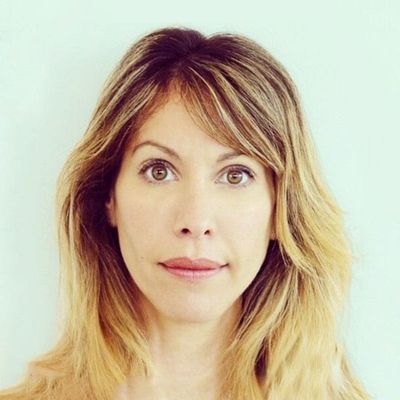
This Week: The wonderful Ilana Levine of the uplifting podcast Little Known Facts, drops by Shetler Studios to discuss her show, the inspiration behind the podcast, and what it was like learning from Robert Altman, Alan Alda, Cynthia Nixon, John Slattery, Neil Simon, Kristin Chenoweth, and countless others... Read More
From the show: BEHIND THE CURTAIN: BROADWAY'S LIVING LEGENDS » Podcast
Guests
About
This Week: The wonderful Ilana Levine of the uplifting podcast Little Known Facts, drops by Shetler Studios to discuss her show, the inspiration behind the podcast, and what it was like learning from Robert Altman, Alan Alda, Cynthia Nixon, John Slattery, Neil Simon, Kristin Chenoweth, and countless others. Every week director Robert W Schneider and actor Kevin David Thomas pull back the curtain on neglected, forgotten, and under appreciated musicals, as well as bizarre performances, endearing television appearances, and all things show business. Become a sponsor of Behind The Curtain and get early access to interviews, private playlists, and advance knowledge of future guests so you can ask the legends your own questions. Go to: http://bit.ly/2i7nWC4
Transcript
This transcript was automatically generated and might contain errors.
[0:00] ♪ Musical number: "My Favorite Things" — performed by Ilana Levine ♪
[0:17] Robert W Schneider: Hi, I'm Robert W Schneider, and happy throwback Thursday. My wonderful co-host Kevin David Thomas is not with us today. We miss him, but that's okay because I get to hog all of our guests' time today because I am obsessed with her. One of the things I used to love about NBC comedies, I know this is gonna be so off tangent, but here we go. So they used to do these little crossover episodes where characters from Cheers would show up in Wings and like Mad About You characters would show up in Seinfeld. And today we're having another podcast showing up on our podcast today. It's a crossover, and it's one of my favorite podcasts, and it hooks should be yours as well. It's called Little Known Facts. The host is the wonderful, brilliant, inspirational Ilana Levine.
I cannot stress enough how much I love her. Some of her guests on this podcast have included, are you ready for this? Alan Alda, Jordan Roth, Kelly O'Hara, Alison Janney, Matthew Broderick, John Slattery, and the list goes on and on and on and on. These episodes that she creates are inspirational. They are fantastic, and anyone who is working in the theater or the arts, or just waking up breathing every morning, should be listening to these to be inspired. And I am so happy and proud to say that the wonderful Ilana is with us today. How are you, Ilana?
[1:24] Ilana Levine: I am so happy to be here, and thank you for that incredibly lovely introduction. I cannot tell you how much everyone is so inspired by these episodes that you are creating. Let me ask you, you've been doing this since how long now?
[1:45] Robert W Schneider: 2016?
[1:46] Ilana Levine: About a year, a little over a year. So, where did this idea come from?
[1:50] Ilana Levine: You know, it really came from a lovely offer that came my way. A friend of mine started a podcast company, and we were talking about how much I love hearing people's stories. I was telling him that had my sister not sort of ticked the psychologist box in our family, that I was just so envious of her getting to sit for hours every day absorbing and helping people in their lives, and that anytime anyone shares an intimate truth about themselves with me, I am filled with gratitude. It makes me feel so special, and it also makes me just feel very connected to other people on this planet. And the idea of getting to sit in a very cozy podcast booth, which has now come to feel a bit like a confessional in a way.
[2:41] Ilana Levine: Yes. But for both of us, both me as the interviewer and my guests, there was something about that opportunity as someone who had listened to podcasts and loved audio storytelling so much. I started listening to The Moth kind of thing, and then slowly as podcasts grew and grew and grew. Mostly NPR was the place that I got my content. But then you go to iTunes, and there's just one million of us doing this about everything you can imagine. So, all that being said, the night before my friend mentioned this podcast idea to me, I'd had a conversation with my husband where I was like, I'm gonna say yes to anything that comes my way that in no way harms our family financially, emotionally, or physically.
But I was sort of ready to embark upon a new journey adventure, and so my instinct when he said you want to host a podcast was like, No, I don't know a thing about podcasts, and then I remembered I just said I'm gonna say yes. So I did, and I thought about when writers start writing, they're often instructed to begin with what you know. And I thought, well, as a podcaster, and I couldn't even call myself that at the time, but as someone trying it out, I thought, well, who do I know? And then I bumped into John Slattery, who is an old friend of mine, and I told him this idea. He's like, Oh, come on, and he did, and you know, that was a good place to start.
[4:13] Robert W Schneider: Your first guest.
[4:14] Ilana Levine: Yeah, your first wonderful guest.
[4:15] Robert W Schneider: Yeah. So now we're gonna jump back a little bit. We're gonna get back to Little Known Facts a little bit later on. Where did you grow up?
[4:22] Ilana Levine: I grew up in Teaneck, New Jersey.
[4:24] Robert W Schneider: Teaneck, New Jersey.
[4:25] Ilana Levine: Just across the George Washington Bridge from New York City. And did you know that you were going to be in the arts?
[4:30] Ilana Levine: No, I didn't. What I did know is that every time something wonderful happened in our family, my parents collected all the dollars they could find under the couch cushions and mattresses and bought us tickets to the theater. That was how we celebrated any milestone or happy moment, or we'd make up reasons to go. And because we lived so close to New York City, and ticket prices weren't as insane as they've become. Oh, yes. Although there are all sorts of lotteries and ways in which people who don't have high-paying careers can see theater, that's what we would do. That was our family ritual, and cast albums were what we listened to in the morning. I'm much younger than my sisters, and they would go off to school, and I wasn't going to school yet.
And to calm me down, my mother would put on the cast recording of My Fair Lady or Camelot, or any number of ones that she loved. And that was like my pacifier and blanket, right? Oh my god. I would lie on the living room floor and just listen to like Feed the Birds or whatever. So those were the soundtracks for my emotional self-soothing from a very young age.
[5:45] Robert W Schneider: Yeah, great. What did mom and dad do?
[5:47] Ilana Levine: My mother was a teacher, my father was a lawyer and a CPA, and he still works, and he's almost 90. And his firm is in New York City. So we would come into the city all the time. His office was in Times Square.
[6:01] Robert W Schneider: Good for dad.
[6:02] Ilana Levine: Yeah, we could go to his office to use the restroom when the line was too long at the theater. We could ride to his office and run back and still get back in time for Act Two. Do you remember the first Broadway show you saw?
[6:14] Ilana Levine: I think the first Broadway show that I saw was actually something I was much too young to be seeing, and it was A Chorus Line. Oh, my mom saw that show repeatedly. In fact, I just found all these A Chorus Line show jackets that she purchased, and I want to get them to Broadway Cares, like to the Broadway Flea or something. Like I have all of these incredible A Chorus Line show jackets that she must have bought. We were cleaning up their house, and I was like, someone will love these. Anyway, I remember seeing it thinking it was extraordinary. I remember during intermission, I had a very pressing question for my mom, and she was very nervous, wondering what it could have been anything, right? And I asked her what was a resume.
[7:00] Robert W Schneider: Wow.
[7:01] Ilana Levine: That was that seemed to be the only thing. Wow. I didn't know. Everything else was very clear. But what is a resume?
[7:08] Robert W Schneider: What is a resume?
[7:09] Ilana Levine: Really, what is a resume? That's a great question. I think we're all still trying to figure out.
[7:13] Robert W Schneider: Exactly. Now, when did you go to this from like sitting in the audience going that's amazing to saying I want to be on that stage, creating that joy for others?
[7:21] Ilana Levine: I don't know. I don't know that that was ever something that I thought about and planned for. I know that through a series of events, I ended up finding myself the summer between high school and college in an auditing and acting class with a magnificent teacher named Gloria Maddox at the Terry Schreiber Acting Studios in New York City. I found myself there because I had a crush on a guy, and it was kind of a date, and I had no interest in acting and had never done it. I wasn't in school plays ever. And he ended up not staying, and I ended up finding my religion. And that changed everything, not in terms of I know I want to be an actress professionally, but I want to be around the kind of people who are so open and bear their souls in this way.
[8:10] Robert W Schneider: What did you think you were going to do with your life? Or do you are you not a big planner?
[8:14] Ilana Levine: I just go where the wind blows. I'm somewhere in the middle, but I did have a plan to go to college and study maybe advertising, or you know, I grew up with a businessman father, and I thought I would do something in that world, maybe go on to get an MBA. That was sort of the original plan. And then this happened, and everything changed, and I needed to find a theater program, and I lost the deposit on the university I was going to go to.
[8:41] Robert W Schneider: Sorry, were mom and dad okay with this?
[8:43] Ilana Levine: You know, it's funny, like in hindsight, everything feels so fluid and loving. I've blocked out any memory of them not being okay with that.
[8:54] Robert W Schneider: I like that.
[8:55] Ilana Levine: Yeah. We try to remember it that way, don't we?
[8:57] Robert W Schneider: Sure.
[8:57] Ilana Levine: And so what so now what happens?
[9:00] Ilana Levine: Now you found your religion.
[9:01] Ilana Levine: I found my religion. And I found myself accepted into NYU and Fordham University, and ironically, the Jesuit university offered me an incredible package to go to their school. And NYU rejected Ilana Levine's quest for financial assistance.
[9:22] Robert W Schneider: How dare they?
[9:23] Ilana Levine: How dare they? So that's what I ended up doing. I ended up getting into a theater program there, and as luck would have it, and this is how so many of these stories go. At the time, there was a theater company in New York City called Circle Repertory Company. Yes. And Lanford Wilson and all sorts of incredible playwrights were born out of that company. And our generation of playwrights that began to work there were John Robin Bates and Peter Hedges, and Joe Mantello at the time was an actor in that company and then started directing there because Erin Cressida Wilson, this wonderful playwright, had written a play. She's now a fancy, fancy screenwriter. Warren Light, all of these people were working there.
I had a professor at Fordham University, was he was a member of Circle Rep. They had started a lab company, which was sort of a junior company of young actors. He invited me to audition, and I got into that lab, Circle Rep lab company. And so it wasn't so much now, I'm starting, I'm out of school, I'm starting a professional career. It was like I'm out of school, and I've been invited into this artistic haven. And that would have been enough. Just like doing one acts there for free, like and waitressing for the rest of my life. Bill Hurt would come by and all of these incredible people were there. And at the same time, Steppenwolf started bringing productions to New York City. So you were seeing Balm in Gilead and the likes of Laurie Metcalf and Terry Kinney and Glenn Hedley and John Malkovich. I mean, all Gary Sinise, like these mind-blowing performers who were older than me, and still doing theater.
[11:15] Robert W Schneider: Yeah.
[11:15] Ilana Levine: That's all they were doing, right? This was before NCIS or CSI and all these things took them away. So I started just meeting and growing a community, and then I met some people and they were like, Do you know about backstage? You know, like I started going backstage, and I got a job in a summer stock company called the Berkshire Theater Festival, and there was another guy there who was beginning his career named Michael Grief. And Michael cast me in a play that summer called Cloud Nine. And then he got his kind of first New York City directing job doing a play called Machinal at a theater company called Naked Angels. He invited me to do that play with him, and they became truly my first artistic family, that theater company.
[12:02] Robert W Schneider: And then I was in.
[12:04] Ilana Levine: What do you look for in an artistic home?
[12:07] Ilana Levine: Wallpaper.
[12:08] Robert W Schneider: I love wallpaper.
[12:10] Ilana Levine: I'm a big fan of wallpaper, the good, the good toilet paper.
[12:14] Robert W Schneider: Oh, absolutely.
[12:15] Ilana Levine: People who are willing to work hard and make mistakes in front of each other, right? Like in an environment where you can fail just as much as you can thrive and continue to be welcome. That was a place where you were building the sets, cleaning up afterwards, directing, producing, bringing ideas.
[12:38] Ilana Levine: You know, we were doing everything together. So this was a real community of storytellers. Yeah. Most of them had gone to NYU together. Yeah. Um, the Atlantic Theater Company and Naked Angels sort of came up at the same time. A bunch of them had gone to school together, and then others who were friends of theirs came in. Um, but really, I mean, rent was cheap. You could have your own theater in New York City. And the, you know, Kenny Lonergan was a writer in our company, and um it was insane. John Kennedy Jr. was on our board, so we got a lot of heat at the time. Oh my gosh. Um, yeah. So there were all these kind of serendipitous things that happened that got us a lot of attention very quickly.
When you were performing, what do you think and in the beginning stages of your career? What do you think was the most transformative theatrical experience that you ever had? Oh gosh, that's such a good question. Um I think it was seeing Angels in America more than more than you know what I was doing on stage, but just the idea of it was like seeing an epic opera on stage, and the themes of that, that the content and the themes of what Tony Kushner brought to that and how huge it was. Um, and I knew people in it. I knew David Marshall Grant, and I knew I knew Joe Mantello, and then Cynthia Nixon came into the show. I knew all these people doing it, and I remember it was one of my first experiences going, I you're my friend, and you are a truly brilliant artist.
How am I in the company of these people? Like it was so confusing to me. How do I know you? Yeah. Like, how are we having dinner? And then you're going and doing that. I don't even understand what's happening right now. Um, so yeah, that was, I would say, when I think back to wow, look what you can do.
[14:31] Robert W Schneider: Can we talk a little bit about Jake's Women?
[14:34] Ilana Levine: Sure. So Jake's Women was your Broadway debut.
[14:37] Ilana Levine: Yes. Um, tell me about who this cast was. This is incredible.
[14:39] Ilana Levine: The cast was incredible. And by the way, I started in that show as an understudy, which was the happiest thing for me and remains. I realize I love rehearsing. And that as soon as an audience comes in and the press comes in, all of it changes in some way. Um, so the idea of just working and working on material is was kind of my dream. So I was cast in that play by Jay Binder, and I was doing an off-Broadway play at the time that was being produced by Daryl Roth called Schmullnik's Waltz, just as an aside, which is why I know Jordan Roth because he was, you know, 15 and coming backstage and hanging out. Um, and a remarkable thing happened. I auditioned, I got the understudy part, and I was like, you know what?
Thank you so much. I can't leave this play I'm doing. I love it so much. And Manny Aisenberg, who was this incredible producer who did all of Neil Simon's plays at the time, and Darrell Roth worked it out that I could do both. That it was unheard of at the time for me to have an understudy and an off-Broadway show. They kind of just counted on you not getting sick. Yeah. Um, but they hired an understudy for me on the off chance I'd have to go do my part on Broadway, which ended up happening a lot. Um, so that was a kind of amazing, beautiful gift that Daryl Roth and Manny Aisenberg gave me, and now I get to say thank you out loud. That cast of Jake's Women was Alan Alda and Kate Burton and Talia Balsam and Tracy Pollan and Brenda Vicaro and Joyce Van Patton and Helen Shaver.
[16:15] Robert W Schneider: What a group. What were some of the lessons you took away watching these pros at work?
[16:22] Ilana Levine: Well, I've had Alan Alda on my show, and I said this to him then. You know, you learn in movies and television, they call it number one on the call sheet. I don't know, it's I guess the above the title person on Broadway. When you have an Alan Alda at the center of something, he was, I mean, Alan Alda was as famous as he could be at the time we did this play, like at the height of Alan Alda's, you know, MASH had finished and he had done the fill, you know, four seasons and all of it, and Woody Allen films, and he was like, you know, couldn't walk down the street, iconic. He was the warmest, funniest, kindest dad to everybody. Um, and so from and Neil Simon, by the way, what was remarkable about watching Neil is whenever something didn't work during rehearsal, Neil Simon, the comedy doctor would be like, cut it, it's terrible.
Like, like immediately just assumed it was him. Like, it's bad, it's me. Instead of like, give us one second. Like, I think we messed up your words, actually, and we'll figure it out. But like, just being around these people who could not be more successful in their chosen careers, their generosity and their humility was mind-blowing.
[17:39] Robert W Schneider: And that's something that's stuck with you ever since, it seems to be nice, always be nice.
[17:44] Ilana Levine: Nice, be kind. I mean, it it's we are we are so lucky to call this work. Yeah, I mean, think of what work is. And I'm not saying it's not hard and it's not vulnerable and it's not scary, but it's a privilege. And um, yeah, I learned that really quickly.
[18:04] Robert W Schneider: And then is there a difference between um the generosity you find in a rehearsal hall and the generosity that you would find on a studio set? Do you find that it's it's comparable or or not so much?
[18:17] Ilana Levine: Um, you know, I think it really has been my experience for the most part. I mean, the kind of fanciest TV star I've worked with that's sort of comparable to Alan Alda, let's say is Jerry Seinfeld, right? I was on Seinfeld at the height of Seinfeld Mania, and I would say it was kind of the same thing. I mean, maybe maybe there were more assistants around or more people to kind of buffer that person from the rest of the world, but that was not how Jerry led. He led, he was a true ensemble member, even though it was called Seinfeld.
[18:57] Robert W Schneider: Yes. And just for our listeners to be aware of, you weren't just on any episode of Seinfeld.
[19:04] Ilana Levine: I was on the episode of Seinfeld.
[19:03] Ilana Levine: The contest.
[19:04] Ilana Levine: Yeah. The most iconic episode in all of the show's history.
[19:08] Ilana Levine: Yeah, it was so lucky. If you're gonna do one episode of Seinfeld, do the contest.
[19:12] Robert W Schneider: So, did you enjoy doing film and television as well as theater? Or did you prefer being on stage as opposed to being in front of a camera?
[19:20] Ilana Levine: I've done much more stage, so it's I guess it's more what I knew. Um, my first job in television was this incredible experience. I did a series that the film director Robert Altman created for HBO.
[19:36] Ilana Levine: Yes. It was called Tanner 88.
[19:39] Ilana Levine: One of my favorites. It was a remarkable experience. It was sort of right out of school. I couldn't believe I was there. It's where I met Cynthia Nixon, because she was the star of that series. Um, Pamela Reed, a wonderful theater actress, it was filled with theater actors along with uh all Danny Jenkins, who every time you open, you know, the theater listings, Danny Jenkins is still in some remarkable play. Um so that cast was a truly extraordinary cast, and it felt like a theater troupe. I mean, there was something about my first series that kind of had that feeling to it. Um and so again, Robert Altman would do this thing where right away, before you even did a table read of whatever that week's episode was, he'd take us all out to dinner.
Like immediately he was like, We're a family. We're a family, right? And they were amazing dinners. This is like Robert Altman when he, you know, yes, really loved to go out and eat. And uh, and that was my introduction also to like fine dining. I mean, there was so much I learned along the way about like what's a good wine, and what I mean, it was kind of amazing. Ron Rifkin, who played my dad um in a play called Wrong Mountain that David Hurson wrote, uh, he taught me everything I know about wine. You know, along the way, people just share these things that have nothing to do with theater, like a tuna nicoise is actually canned tuna. That's the real way to do it. Like we'd go to a restaurant and they'd be like, and the tuna is seared, and he'd be like, No, if it's not like a can of Bumblebee, that's actually not a real Nicosia. Just say little known fact.
[21:11] Ilana Levine: I was gonna say there you go. Like, okay. It seemed to me like the fresh salmon would be great, but no.
[21:18] Robert W Schneider: You learn something new every day.
[21:20] Ilana Levine: Yeah. And uh this I mean, getting to work with Robert Altman.
[21:22] Robert W Schneider: Oh my god, that's so incredible.
[21:23] Ilana Levine: Uh the series is called Tanner 88, and it's available on Hulu, and it's available on no, it's actually available on Filmstruck. It's part of criterion now.
[21:30] Robert W Schneider: Yes. So if you have not seen, because it's way ahead of its time.
[21:34] Ilana Levine: Yeah, I mean, it really is. It's a political satire where this wonderful actor Michael Murphy of Woody Allen film fame, among other things, played a fictional candidate, and we would go around during the primaries where all the actual candidates were running, uh, and pretend that we had a real candidate and we were all part of his world. And Gary Trudeau, the guy who wrote Doonesbury, was the screenwriter for this series.
[22:02] Ilana Levine: This is incredible.
[22:03] Robert W Schneider: It was incredible. Did you do the second installment when they did the reunion as well?
[22:07] Ilana Levine: We did another like six of them in 2015.
[22:10] Robert W Schneider: And what's it like coming back to a character after being away from it for so long?
[22:13] Ilana Levine: It's the craziest thing. It's the craziest thing. I mean, of course, just the reunion of all the people that you love, and now at this point, I had my brand new baby with me when we got to shot that. And so to bring my baby to the set with these people who were with me at the very beginning of it all was incredible. Um it was a dream, and you feel like they're real people.
[22:38] Ilana Levine: Yeah, you know, like I thought Andrea Spinelli, this crazy character, uh, had grown up a bit, and um it was the best. It was the best. He died, you know, shortly thereafter, but I feel like to have that one more moment with Bob Altman was pretty special.
[22:54] Robert W Schneider: You've had some amazing teachers in your time. Um, do you enjoy the process of teaching yourself?
[23:01] Ilana Levine: I do. I love it.
[23:01] Robert W Schneider: What to you as the ideal student?
[23:07] Ilana Levine: I feel like being able to ask questions and to be okay. This is I'm gonna try to think for a minute because this is a really interesting question. I'm not sure what the best student is, so I'm not even gonna pretend to answer. I just know people who come to play just make it really fun for all of us. This is not math. There is no right answer. That's that's the joy and the hardship of acting. You just never know. Is it landing? Is it not landing? Why did it land last night? Why isn't it landing tonight? Like you're like, what is going on? There's no science. Um, but if you're just willing to play, and everyone talks about it's all about listening. I don't really know how to explain what that means.
[23:59] Ilana Levine: Yeah. Like, of course it is. I'm listening. Um, what kind of listening is not the like is this not the right listening? But it really is like, you know, listening. Someone who's willing to listen, willing to be openly.
[24:13] Robert W Schneider: Within the scene.
[24:14] Ilana Levine: Within the scene. Yeah. You know, you seem like such a positive energy, and you're so celebratory of the fact that we're we are storytellers. How do you handle conflict? How do you handle disagreement? In my life? We'll say in your life or in the rehearsal hall. Um you know, I've never, I've never really experienced a tremendous myself disagreement or pushback. Um I'm there to serve the writer and the director. Uh I have not written a one-woman show. I don't know what it's like when you are all of those things yourself. I don't know how Sherry Renee Scott and all these brilliant people do it. Um I am there, I've been hired to serve their vision. And so if my idea doesn't feel like that's what they want, then that's fine. I mean, they've been working on this thing so much longer. Almost every job you get, there have been years and years of behind the scenes stuff, and you know, before you show up at that rehearsal.
[25:18] Ilana Levine: So I kind of trust that they have a vision and an idea that that is based on a lot of time spent. I have been in a rehearsal room when there is great conflict between another actor and a director, and I find it incredibly painful. I am the youngest child. I often feel like I was born in order to be the peacemaker in my family. Um, and it makes me so anxious inside when people are fighting. Yeah, it's the worst, and I just feel like are mommy and daddy gonna get divorced? Like it's horrible. Um, and I've seen the most brutal sort of things go down, and then both those people showed up the next day at rehearsal, and they were actually fine. And I was still like shaking.
[26:06] Robert W Schneider: Yeah.
[26:06] Ilana Levine: So I think people communicate in all different ways, and hats off. Hats off. Hats off. Uh let's talk a little bit about You're a Good Man, Charlie Brown.
[26:16] Robert W Schneider: Let's do that.
[26:17] Ilana Levine: Okay. So now how does this come into your orbit?
[26:20] Robert W Schneider: I don't know.
[26:21] Ilana Levine: You don't know.
[26:21] Robert W Schneider: I don't know.
[26:23] Ilana Levine: Uh I mean, I know some practical things that happened, which were Jay Binder, the casting director I mentioned earlier. I've done four Broadway shows. He cast all of them. So I have a fan in that office. I'm gonna put a pin on that. Do you enjoy auditioning?
[26:40] Robert W Schneider: Oh, I love it.
[26:41] Ilana Levine: You love it.
[26:43] Robert W Schneider: No.
[26:43] Ilana Levine: She's that was such a great convincing reading. I was gonna cast you on the spot. Um I have a lot of different feelings about auditions. Um I always walk out so happy I went.
[26:56] Robert W Schneider: Yeah.
[26:57] Ilana Levine: And I always walk in where my body is collapsing underneath me, like I'm a stroke victim. Like it doesn't understand why, why are we going in there? What's that? Why are you making us go there? There was a Chipotle right next door. Um so I have so many feelings about it. That whole thing when you start out where they're like, just think of it as a chance to act on a Tuesday. I'm like, I'm telling myself that, and still I don't want to go in. So that's another conversation that we can have in a moment. But I will say that Michael Mayer had seen me that play Mock and All. I mentioned to you early on that Michael Grife cast me in at Naked Angels. He had seen me in that play, which had been 10 years prior to.
I mean, that was my first play in New York practically. And um he remembered that. It was a very comedic performance of a kind of Billie Holiday sort of character. She was a she was like an old school telephone operator with like the headphones and like Murray Hill 7, 92, like all of that hilarious. And it was a really great fit for me and a great time.
[28:02] Ilana Levine: So that was in his head. Jay Binder called my agent. I don't know, there's this part, it's comedic. They want an actress who sings. My agent calls me. I'm like, and like I'm an actress, I don't sing. I fit half of that. And Michael Mastro, do you know the actor Michael Mastro who just did The Honeymooners? Yes. He had auditioned for it. And we were had he was part of Naked Angels and we were having coffee, and I he was around, he was there. He must have been with me when I got the call. And I said no, like four times. Like it's just, I don't know what you're talking about. I don't, I wouldn't even begin to know what to sing. And he was like, You gotta do this. I'm telling you, you're perfect for this.
[28:40] Ilana Levine: So I met. I had never done anything like this before. I was introduced to Steven Lutvac, who went on to write A Gentleman's Guide. Um we came up with um I Want It All, Veruca's song from Charlie in the Chocolate Factory, great fit. Yeah. He came and played with me at the audition. Um when I was in that room with Michael, who was so warm and sweet, and Jerry Mitchell and Andrew Lippa, and a million producers, I'm sure. Um, I remember saying, like, I don't even care what happens, I'm singing on Broadway right now, because it was at 890 Broadway, the famous place where like you rehearse and do stuff for Broadway shows.
[29:26] Ilana Levine: And I remember being in the waiting room, and every musical theater woman that I admired was sitting in that waiting room, and I was like, okay, I'm sitting, I'm just getting sit. I get to sit next to her, like I don't even care. Um, and then I got a callback, and I was like, This is come on. Am I being punked? Like, what's happening? And at that callback, Andrew Lip, I remember sat at the piano with me, and he was playing all these notes and asking me to repeat them. And I was like, it's over, people. And then I got the job. And um, I, you know, and then I was raised by a pack of acting angels. Roger Bart, B.D. Wong, Stanley Wayne Mathis, Kristin Chenoweth, and Anthony Rapp. Um, for some reason, decided to wrap their magical talent capes around me.
[30:23] Ilana Levine: And they brought me with them. That's beautiful. That's really what happened. They brought me with them. They were my biggest fans and cheerleaders. I didn't read music. So I had to like just learn it by listening and listening and listening, which was really hard. Kim Grigsby, all of these people. Jerry Mitchell was like, Don't worry, you're gonna look like you can dance by the time we like it was just crazy. It was great. But what a supportive community that you had enveloping you.
[30:51] Robert W Schneider: And Michael Mayer, he, you know, directors go away and then they come back. You would never need the stage manager to tell you that Michael was seeing the show. He would laugh the hardest. Like six months in, you'd be like, Michael's here. Like it was like, you know, he was just so supportive. He loved us, and he really let us know that. You know, this is a really tough career. How do you keep yourself so positive? How do you keep yourself so motivated to keep getting out of bed every morning and doing it?
[31:22] Ilana Levine: You know, I grew up with a family. My parents were like major volunteers. There was always something they were volunteering for. There was always an organization, a cause, an event that they were either like telethon style raising money for, or like, we need coats. There are people in need of coats. We're going through our house, we're gonna get our coats, and then we're gonna knock on every neighbor's door. When I went trick-or-treating, they would make me go with like a thing to like raise money at the same time for some organization. I was like, Can I just get candy? They'd be like, No, you also there's this thing, this thing going on in Russia, and we need to make it like there. I was like, okay, like it was so amazing.
[32:07] Ilana Levine: So I think I've always had a sense that whatever I'm feeling, there are people with real need out there, and I've got a warm coat and a home and food, I'm good. Right. And also, I loved waitressing. I'm not kidding. That was never a threat. If you told me, like, you're gonna have to go back to waitressing, I'd be like, great.
[32:31] Robert W Schneider: You loved it.
[32:32] Ilana Levine: You just love meeting new people. Is that this? Cash in my pocket at the end of the night. I mean, maybe I would have loved stripping too. I mean, there are lots of careers that like, but I'm not a great dancer, and Jerry Mitchell wouldn't have been there to like make sure the pole and I looked, you know, simpatico. But I I don't know. You know, Edie Falco came on my episode and she was talking about how she loved to act and she needed to make money. And she never really assumed that either of those things would go hand in hand with each other. She would do whatever she could to act whenever possible, anywhere, and she would do what she had to do to make money.
[33:07] Ilana Levine: And when she got the pilot of Sopranos, she like she was like, What? Then it went to series, and she was like, I could own my apartment. That's hilarious. Like, there was just so I think there were a bunch of us who came up. Independent film was beginning in America to kind of like you could go from student film in college to like some indie film where you were cutting carrots and then doing your part and going back. Like I grew up starting this theater company. The idea of like making a lot of money from it or doing it all the time seemed so impossible that that was never my expectation.
[33:52] Ilana Levine: Um I got to be on Broadway for many years. I got to do a lot of things that I never expected to do. I worked with incredible directors very early on, and that made it hard. As soon as I wasn't, I started on Robert Altman, Gene Sachs, Michael Gry, like not everyone is like that. So I also saw, like, oh, it's not always this. Yeah. It's not always Alan Alda. Yeah. Right? It's not, yeah. Um, but I do think having this focus on helping others and not just sound Pollyanna about it, has always been equally important and equally busy making.
[34:33] Robert W Schneider: Yeah.
[34:34] Ilana Levine: More busy. I have to put my volunteer work aside to get to that audition, which is hard. That's incredible that you were raised with that sort of ethic.
[34:43] Robert W Schneider: Yeah. What do you know now that you wished you knew growing up or starting out in this career?
[34:49] Ilana Levine: To really appreciate the now to be in the moment. I remember Michael Murphy on Tanner 88, my first job. I'd been out of school two seconds. I'm, you know, I knew who Cynthia Nixon was. She did two plays at the same time on Broadway while in college, right? It's like, okay. So I knew who she was. And I remember him telling I didn't know who Robert Altman was, and that's why I got that job. I think it was that innocent, like, I don't know who this guy is. And then afterwards I was like, oh my God, those movies are amazing. But I hadn't seen McCabe and Mrs. Miller or Nashville. That wasn't my oeuvre of film.
[35:27] Ilana Levine: Um Michael Murphy just looked at me as like, you know what, kid, it doesn't get better than this. And I was like, okay. But he was kind of right. Like that kind of um integrity and commitment to work and joy in the process and respect, that that was a and getting paid. Yeah. That was incredible. And traveling all over America. Like it was, it was awesome.
[35:51] Robert W Schneider: And so and you bring that joy to everything you do, it seems.
[35:54] Ilana Levine: I tried.
[35:55] Robert W Schneider: Yes.
[35:55] Ilana Levine: Oh, yes. I've heard about 70 episodes of you bringing joy in on a frequent basis.
[36:02] Robert W Schneider: So let's talk now about Little Known Facts. So, where does the title of Little Known Facts come from?
[36:06] Ilana Levine: If you are a musical theater lover, you know that Lucy sings a song called Little Known Facts in You're a Good Man, Charlie Brown. Um, so it's a bit inside, although a majority of my listeners are lovers of Broadway, so it it wasn't a surprise to them. Um it also just made sense in the end. You know, as I was looking for a title for the podcast, someone once said, Don't stress it, it'll come. And it just did. It organically came. I don't remember who I might have even been talking to B.D. Wong about it. Um, but it made sense because what ends up happening in every episode is a reveal of these little known facts, sometimes even forgotten by my guest until we're in conversation.
[36:50] Ilana Levine: Um I'm never gonna be thrilled with a name. I love my children's names, but every time I hear another name, I still think like, should I have named Georgia Eloise? That's a great name too. You know, like names are so hard. Yes. Um, every once in a while, even with my dog, I'll try a different name, and and I'm like, oh, she answers to that. Like, if I say it the same way as Lola, I can just say, you know, like Cashew, and she comes. So I have a hard time being sure about the right name, but that is the title, and it works.
[37:24] Ilana Levine: And you and I and the podcast itself works. Now, let me ask you, how do you decide on who you want to interview? How do you decide where that process begins? Because I mean the guests have been incredible. I mean, just absolutely incredible.
[37:39] Ilana Levine: I it's funny, I was worried I'd run out, right? And and now it's like, how do I handle the backlog of people? The one, you know, I joked earlier about telling my age by admitting I saw the first, you know, Angels in America on on stage the first time, not the revival.
[37:57] Ilana Levine: The really beautiful thing about being a grown-up and having worked for as long, you know, being around this business for almost three decades, is the incredible people I've met along the way. I'm so proud of my friends. And now, I mean, obviously, most of the people are people I know or I worked with. Slowly now, people are coming to me. Like, I got a call from Uma Thurman to come be on my podcast. I don't know Uma. I've been an admirer of her work. I had the most extraordinary conversation with her. We know a million people in common, but it turns out she had heard Julianne Moore on the episode. Oh, and they're friends. And in fact, Uma's assistant and Julianne's assistant are great friends. Like, it's just funny the way, and so they are coming from all different sources right now, my guests. And I choose, there's a criteria, it's quite simple, incredibly talented and incredibly kind. That's kind of it.
[39:04] Robert W Schneider: That's the criteria.
[39:05] Ilana Levine: Yeah, that you know firsthand.
[39:08] Robert W Schneider: Is it hard to separate in the interview your friend from the person you're interviewing?
[39:13] Ilana Levine: I think I've gotten better at that. I think my early interviews when I just started might almost feel too inside, right? Like we're telling a hysterical laughing Slattery tells this whole story about when I'm like in this cra—I mean, it's funny now, but we thought I was drowning. I didn't, so it's funny. But I literally look like I was in the spin cycle of the washing machine, and we're dying when he's retelling it, and it's something that he and I see so clearly in our mind's eye, like it was yesterday. You know, BD and I were just talking about that too. He's gonna come on again, and I think I was learning at the time, I was so scared to include any of myself in my early interviews, thinking no one wants to hear anything about Alana. They just want to hear about BD. They just want to hear about Laura Linney. And slowly I'm learning that actually people are interested in the conversation.
[40:05] Robert W Schneider: Oh, yes.
[40:05] Ilana Levine: They're listening because Laura Linney is on, but it's become, I'm not anxious about that anymore. So I feel like it's going really well.
[40:14] Robert W Schneider: How much prep work do you do before you begin the interview?
[40:17] Ilana Levine: A hundred hours.
[40:18] Robert W Schneider: You do?
[40:18] Ilana Levine: I do an enormous amount of work, and sometimes even more for the people I do know, because I don't want it to just be like, I remember the time I saw you in, you know, Death of a Salesman, Bill Camp. Like I want in, and Bill Camp is my neighbor. So it gets confusing. It's like I live in an acting, you know, retirement home and everybody's there. I do a crazy amount of research, and it serves me well because I may not even talk about three quarters of the things that I've looked at, but it's all, it's like doing a tremendous amount of preparation, and it either is or is not useful in the end when you act the part, but it's all in there. It's all in there somewhere.
[41:00] Robert W Schneider: Yeah.
[41:00] Ilana Levine: Do you structure your interviews? Do you come in with a really definitive idea of what you want to ask?
[41:04] Ilana Levine: There's an arc. There's an arc. There's an arc. And then, like all good documentary, you have your idea, like we're doing a doc about, you know, Behind the Curtain podcast, and then there was a murder next door, and suddenly we're like, oh, that was lucky. Our ratings just went up. So I think it's gonna be one thing. I do kind of have a beginning, middle, and end to every story. The audition story is kind of a signature piece of the podcast. It's one of my favorite moments each time, hearing the most hilarious in retrospect audition stories by our stars. I must ask you what is yours?
[41:39] Robert W Schneider: If you're willing to share.
[41:41] Ilana Levine: I can. I mean, the one, I mean, there's every one of them, every one of them has either something comedic or humiliating. In an early audition, I was auditioning for a play, and Jonathan Mark Sherman wrote the play. I think it was called Women in Wallace. And the character shows the person she's talking to a condom. And I don't know why I thought it would be like amazing, but like I was like, I'm gonna bring the condom in. As if, like, what, like if we hire her, like, oh good. She's gonna be like, We've just saved a dollar. Like, I don't even know what I'm thinking. But like, I, it was like, you know, they say do something no one else ever does, and that's how they'll remember you. And this is like so the beginning of my thing.
And so I put it in my pocket, and I've, you know, I was still, and I'm a firm believer that if you can learn the whole thing by heart, I know they say, you know, you don't want it to seem like a finished product. So finding that like sweet center of how to do this, but I knew it so well that I could work with props in my audition. And I got to the moment where I was like, it's okay, Wallace. I have a—it got stuck in my pocket, and I'm like, oh, it's stuck. Okay, I'm gonna keep going, but like I'm really bummed out because I had this great bit that I was gonna do, and the audition ends, and I basically tank it myself because I'm so like, like who cares? Who cares about this idea I have? But I did, and talk about like not just staying in the moment.
I leave the room, like, you know, wan wa, here I go, up the long, long stairway out of the theater at Lincoln Center. I'm in the outside waiting area, and I'm like, I'm going back in. I'm gonna go back in. I'm gonna go back in. So uninvited, I go back in. They're having their little, you know, powwow, and I hand Daniel Sweet, the casting director, the condom. I'm like, look. He's like, what? I'm like, the condom. And I left. And I won the Tony for that play. And I held that condom up like it was so stupid, the whole thing. Oh my God. And I imagine if Daniel Sweet is listening to this, and he may, he has no recollection of what I'm talking about. He doesn't dine out on this story. If he were asked, like, what's the stupidest thing someone did? He'd be like, well, there was this girl back in the 90s. But I was like, yeah, I'm still like, I can feel it. I'm hot inside. I'm embarrassed like it happened yesterday.
[44:36] Robert W Schneider: Yeah.
[44:36] Ilana Levine: So yeah.
[44:37] Robert W Schneider: Oh, that's yours.
[44:38] Ilana Levine: Yeah, that's mine. I love that it unites all the episodes, though. I think that's a great unifier. When you mentioned before earlier that each episode has an arc, do you know that arc going into it? Do you think, okay, I know I'm gonna start with this and I'm gonna find a way of going into it, or does it just happen randomly?
[44:55] Ilana Levine: Well, it doesn't happen randomly. I mean, there is a very clear, you know, if you look at like the screenwriting structure of the different acts that you know exist, and then you go off script. So I want to have a very clear idea of what I want to do in case that needs to stay kind of set up for the whole time. The difference is I tell everyone we're gonna talk about 45 minutes. Yeah, and a lot of my guests have a heart out, and I'm like, or do you need it to be less? So some of the thing that I don't know is how long they're gonna stay. I tell everyone 45 minutes. Donna Murphy and I ended up chatting for over two hours, which is why hers became a two-parter. So there's my idea of what's gonna happen, and then there's like whatever organically happens that day. And I'm completely open to that. If someone wants to stay for hours and my booth is open, that's amazing.
[45:56] Robert W Schneider: Yeah.
[45:57] Ilana Levine: That's amazing. But that also changes how we structure our conversation.
[46:02] Robert W Schneider: Absolutely.
[46:03] Ilana Levine: Um, who do you think is the greatest interviewer?
[46:08] Robert W Schneider: No, I don't say I don't want to say greatest. I don't like that. Who inspires you as an interviewer?
[46:13] Ilana Levine: Um, Terry Gross. Mark Marin.
[46:16] Robert W Schneider: Yeah, oh yeah.
[46:17] Ilana Levine: So, so kind of very different personalities. But um, Terry, I mean, I love that Terry interviews people from every walk of life. It's not obviously just artists, it's people doing interesting things, and she manages to get a story out of everyone, even people who aren't used to being interviewed and talking about themselves. And Mark, you know, I've been a fan of his podcast and his relationship to his guests for a long time. So they're great inspirations to me.
[46:52] Robert W Schneider: Um, who if you had a time machine and you could go back and interview any artist you wanted, and you had half an hour with them, who would it be?
[47:04] Ilana Levine: Do you edit your episodes?
[47:06] Robert W Schneider: Okay, so I'm gonna pause for a minute.
[47:08] Ilana Levine: Um, I gosh, take your time. That's really hard. Can I think about that?
[47:13] Robert W Schneider: Absolutely.
[47:16] Ilana Levine: Can I call you back?
[47:18] Robert W Schneider: Yes, of course you can. You tell us and we'll tweet it out to everybody.
[47:21] Ilana Levine: We'll just, yes, or let them guess. Making call it.
[47:23] Robert W Schneider: Oh, yeah. I love that a guessing game.
[47:26] Ilana Levine: We'll play a game.
[47:27] Robert W Schneider: What do you want your listeners to take away from Little Known Facts?
[47:31] Ilana Levine: Well, I'm gonna give you something that happened right before I walked in here today. Love it. There's someone that a lot of your listeners may know who she is because she's very active on social media, and her handle is Broadway Girl NYC.
[47:44] Ilana Levine: Oh, yes. Her real name is Laura Haywood. And Laura is someone who is really involved in promoting the world of theater in all sorts of ways. And Laura has unplugged and has gone to write a memoir. And I don't know where she's—well, I do know where she's writing, but it's a secret. Okay. And she emailed me and tweeted out this morning that she was in the most beautiful place in the world, suffering from intense writer's block. So she took a moment to listen to my episode with Nia Vardalos. And much of what Nia and I ended up talking about is what inspired her to go ahead and write My Big Fat Greek Wedding for herself, which turned into My Big Fat Greek Movie that we all know of, and has gone on to do amazing things since then.
And Laura wrote to me and said, I'm writing again. I was really stuck. I listened to that episode, and I have this renewed energy and faith in my ability to create something. Now, for me, if you ask me what my dream was, there you have it. That a conversation that I helped to curate and inspire is inspiring artists or humans, regardless of what they're pursuing, to go back to what they want to do with a renewed faith and passion in themselves. That's the dream. So sometimes people have told me what the dream was in a way that I could never have been as articulate about it. But that's it.
[49:16] Robert W Schneider: That's it.
[49:17] Ilana Levine: And I will say that you make those dreams come true every day for so many people. I mean, there are so many people who love this podcast, myself included. It is such a valuable service that you are doing. It's not just entertainment. I mean, you are changing people's lives on a daily basis. And long after you are gone, these stories will still be around, still inspiring people. You've created something quite beautiful.
[49:40] Robert W Schneider: Thank you.
[49:41] Ilana Levine: And to all of our listeners, I'm sure you do subscribe, but if you do not subscribe, once again, it's the Little Known Facts podcast with Ilana Levine, and it really is incredible. It really is. So thank you from the bottom of my heart for all the great work that you do. And I cannot wait to see what comes next.
[49:57] Ilana Levine: You are so kind, thank you very much.
[49:58] Robert W Schneider: Thanks for being here.
[49:59] Ilana Levine: Thanks for having me. I'm honored.
[50:01] Robert W Schneider: I'm honored.
[50:02] Ilana Levine: Till next time.
[50:03] Robert W Schneider: Bye-bye.
[50:04] ♪ Musical number: "My Favorite Things" — performed by Ilana Levine ♪
© Broadway Podcast Network, All Rights Reserved