

This Week: The genius of "Give Me Fat Boy's Famous Arrow," holograms of Cassie and Sheila, altering original staging, Kevin throws some Dolly shade, Whatever Happened To Baby Vanjie, a Better sing along, revisiting The Madwoman of Central Park West, Rob sings a solo, Wakefield Poole makes Broadway history, how a porno funded A Chorus Line, Sondheim goes for a walk in the woods, James Lapine buys an armchair, and Lil Marty stars in Anyone Can Whistle Jr... Read More
From the show: BEHIND THE CURTAIN: BROADWAY'S LIVING LEGENDS » Podcast
Featured Shows
About
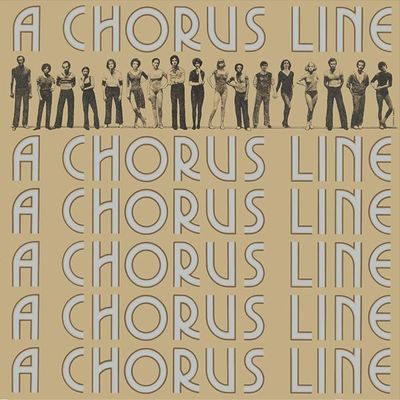
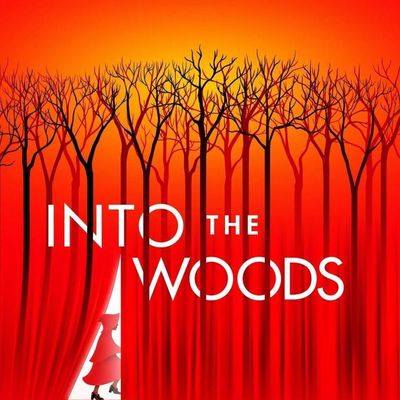
This Week: The genius of "Give Me Fat Boy's Famous Arrow," holograms of Cassie and Sheila, altering original staging, Kevin throws some Dolly shade, Whatever Happened To Baby Vanjie, a Better sing along, revisiting The Madwoman of Central Park West, Rob sings a solo, Wakefield Poole makes Broadway history, how a porno funded A Chorus Line, Sondheim goes for a walk in the woods, James Lapine buys an armchair, and Lil Marty stars in Anyone Can Whistle Jr. Every week director Robert W Schneider and actor Kevin David Thomas pull back the curtain on neglected, forgotten, and under appreciated musicals, as well as bizarre performances, endearing television appearances, and all things show business. Become a sponsor of Behind The Curtain and get early access to interviews, private playlists, and advance knowledge of future guests so you can ask the legends your own questions. Go to: http://bit.ly/2i7nWC4
Transcript
This transcript was automatically generated and might contain errors.
[0:00] Robert W Schneider: Raindrops on roses and whiskers on kittens, bright copper kettles and worn woolen mittens, brown paper packages tied up with strings. These are a few of my favorite things.
[0:19] Kevin David Thomas: So Daddy, do you would you care? Do you want to dance? And he said, I'd Maggie, I'd love to. Oh do you know what's alright? So I totally forgot. Oh, hi everybody. It's by the way, it's my favorite things. Uh hi.
[0:31] Robert W Schneider: So um I totally forgot something I was supposed to say on the last thing. Uh a couple episodes ago.
[0:36] Kevin David Thomas: Got every little step?
[0:37] Robert W Schneider: Yes. One of my favorite sequences is when they have all of the ladies who are auditioning at the ballet, at the ballet, at the ballet. And it is it is so difficult. It is a difficult note for a legitimately trained only singer who doesn't dance and can move, can sing. But you have these dancers singing it, that they have got to have a killer voice. So they have they cut they splice together all of the people trying to hit the note, but like one long succession. It is so funny.
[1:06] Kevin David Thomas: Is it like what those people do now with like the on YouTube?
[1:08] Robert W Schneider: Yeah. Where they give like uh like last five years, where she's like, James, you know, and I, you know, like the most dramatic part of the song, and you hear they just give me fat boy's famous arrow.
[1:19] Kevin David Thomas: Yes, such a good one. I love those things. I mean, that's like really nerdy, like movies. Who's doing them? We love whoever you are. Thank you for your time and dedication to the happiness that is uh musical theater and the doing all that research.
[1:34] Robert W Schneider: And I'm gonna make a suggestion. If I can have a clip of uh Curtis was supposed to love me.
[1:39] Kevin David Thomas: Yes. Would be great.
[1:40] Robert W Schneider: That would be awesome. That's a good one. That's one of my favorites. That's a really good one. No, all I'm doing is trying to think of like really dramatic moments that we could string together from popular shows. I mean, I think that's like the big one. That's a really good one. Or anyone uh come visit your good friend Sweeney.
[1:58] Kevin David Thomas: My alas, my right arm is complete again.
[2:01] Robert W Schneider: My right arm is complete again. Because it's the first time he gets to speak the climax of the song. I love that in the musical when they speak the climax.
[2:11] Kevin David Thomas: But we were before we went on air, we were talking about I don't know if anyone else remembers this. I don't know if this is a myth or it's not. Uh, but you you think it happened, which is the that when a chorus line was revived on Broadway, it was supposed to not look at all like the original. I kept hearing that they were gonna do like holograms and film and like you were gonna see the memories.
[2:30] Robert W Schneider: Which bring yes, that's what I don't know if that's true, but that's what I heard. And I just remember that, and I recall that, but it makes me think of productions like a chorus line that were so iconic, ran for so long. Cats, let's let's say cats as well. Let's put this in these shows that were the direct uh they are so intertwined that you when you revive it, you do the original.
[2:51] Kevin David Thomas: Yeah, you have to get even with this revival of a chorus line, they literally had even like on the chorus line, their body language had to be replicated. So Rent, uh, I'm thinking of shows that have always when they redo it. So here's my challenge is I want to see a version that can reinvent it again. A chorus line.
[3:08] Robert W Schneider: Yeah, or like something like a chorus line. I would love to see a reinvented version. I don't know if it's possible, but because it is about Michael Bennett, his choreography, they're so intertwined. How can you remove that and recreate it? Also, that music was literally written for him, and it's when we talk to choreographers, the challenge that they have when they're reinventing choreography is because it's like trying on someone else's clothes. Like the music was written for that choreography, so to invent something new to add to that music is very difficult.
[3:33] Kevin David Thomas: Yeah, that's true. Because the music was it's so and with Bennett and Hamlish and all that, I mean, they were like, come on. I mean, I think there was a production up in Canada recently where it was done in the round or in Thrust or something.
[3:46] Robert W Schneider: I think an ex of mine was in that.
[3:47] Kevin David Thomas: Yeah. I don't and I don't know. I don't know how you I don't my feeling is if you're gonna I'm okay if you want to do something new, but it has to be better than what was just out there.
[3:55] Robert W Schneider: Right, don't just reinvent it just to reinvent it.
[3:57] Kevin David Thomas: Don't yeah, don't reinvent just to reinvent. Don't know that. I but but also but then I don't want to stifle someone taking a chance and you know risking um being different, but then do it for a reason.
[4:07] Robert W Schneider: Yeah, but as long as the reason is I don't want it to look like what it looked like before.
[4:10] Kevin David Thomas: Right. That that's not a good reason.
[4:11] Robert W Schneider: Indeed. Then then that does that doesn't work.
[4:14] Kevin David Thomas: Happy Thursday.
[4:15] Robert W Schneider: Oh happy Thursday. I was thinking of other shows that had that same syndrome. Or no, like hello Dolly. Like it works. Like Goward Champions choreography works. So we don't need like a black dress and an Irish accent, is what you're saying.
[4:29] Kevin David Thomas: I know what you're referencing for. And that's shady.
[4:32] Robert W Schneider: That was a little shade.
[4:33] Kevin David Thomas: I shouldn't have been watching too much RuPaul's Drag Race.
[4:36] Robert W Schneider: Well, you know what? Because I wanted to talk to you about certain things, so we have more of a bond between each other. I watched the first episode of the first season.
[4:44] Kevin David Thomas: Now we're like into episode like four or five.
[4:46] Robert W Schneider: Uh so good, right?
[4:48] Kevin David Thomas: Yeah. I saw there's a woman named Miss Cracker.
[4:51] Robert W Schneider: Yeah. And uh this is a spoiler alert if you haven't seen it, but uh Vanji was let go on the first episode and had the best exit I've ever seen. She did she literally looked at the camera and said, Miss Vanji, Miss Vanji, Miss Vanji without blinking, and then just disappeared in the mist.
[5:11] Kevin David Thomas: Mm-hmm. I was like, I would have been like, bye guys.
[5:14] Robert W Schneider: No, no, that then the exit's part of it. You have to like have an extra.
[5:16] Kevin David Thomas: Really, it's a big thing a little bit.
[5:18] Robert W Schneider: That's a big thing. If you can have your dignity still, as you sachet away.
[5:22] Kevin David Thomas: Can I tell you that's one of my pet peeves in a musical?
[5:24] Robert W Schneider: Wow.
[5:24] Kevin David Thomas: Is when the director has given somebody a star exit.
[5:27] Robert W Schneider: There's the what what's a star exit?
[5:29] Kevin David Thomas: Oh, you know, where like they I never thought of it. And honestly, you're the director. I've never thought of this before. You know, where a character says something and is supposed to just leave. And but they like leave dramatically up the staircase, and it's like they do something big, like like, yeah, they do either a big dramatic entrance or they do something really weird when they exit the stage. And then go. And the audience is like, yes. I have to clap now. Like, let's move on with the play.
[5:52] Robert W Schneider: I also hate slow exits. Like it, just milking it. Stop milking. We're not on old McDonald's farm.
[6:01] Kevin David Thomas: E I eternity.
[6:04] Robert W Schneider: That's what I have to say.
[6:14] Kevin David Thomas: Better is better.
[6:16] Robert W Schneider: Love. I actually love that score. I know we're going all over the place.
[6:19] Kevin David Thomas: What C Song?
[6:20] Robert W Schneider: No, a chorus line. I mean, a class act.
[6:22] Kevin David Thomas: Oops.
[6:23] Robert W Schneider: I've been rich. I've been poor. Poor is better. I've been fire. I've been ice. I've been naughty. I've been nice.
[6:30] Kevin David Thomas: Edward.
[6:33] Robert W Schneider: I've been naughty once or twice.
[6:36] Kevin David Thomas: Twice is better.
[6:38] Robert W Schneider: Yeah, and I is better. Think and you'll agree. Better.
[6:44] Kevin David Thomas: No. Uh oh, I love I love that I love that so much.
[6:49] Robert W Schneider: Sorry, I was just thinking about it. Right? I was first introduced to it in Phyllis Wuman's The Madden Woman of Central Park West.
[6:55] Kevin David Thomas: I which you can watch on YouTube.
[6:57] Robert W Schneider: Yes. We did a favorite thing, didn't we?
[6:59] Kevin David Thomas: Did we?
[7:00] Robert W Schneider: Yes, we did. And it's I still am a little disturbed by it.
[7:03] Kevin David Thomas: Why?
[7:04] Robert W Schneider: A couple things.
[7:05] Kevin David Thomas: Alright.
[7:07] Robert W Schneider: The daughter's like, Mom, pay attention to me. Pay attention to me. Pay attention to me. Mom, get out of my bedroom. I want to stay here all day and sing songs and not face the world. Go. Which is I'm sure a very real thing for someone who has a certain amount of money and lives in a bedroom on upper west side. This is something we talk about with our therapist.
[7:21] Kevin David Thomas: Yeah, I'm not I'm okay. Like, and then it feels a little bit like a vanity project. Like it was a little bit like, wait, what theater can I get? Alright, I'll do it. Let's do it. I don't want to pay forty dollars at West Side Arts to watch you. I really I'm sorry.
[7:37] Robert W Schneider: Although I do like we talked about it because remember she had that horrible cheerleading number. So I guess we don't have to talk about it right now. We can just go back to that other episode.
[7:43] Kevin David Thomas: Yeah, go back to the other episode. We don't need to relive this right now. You're welcome, everybody. Sorry about that. But I do like when she sings Don't Laugh.
[7:48] Robert W Schneider: Yes. Actually, I love that. I think that's a good thing.
[7:50] Kevin David Thomas: Isn't that a Sondheim song?
[7:52] Robert W Schneider: It is. They wrote he wrote it for Hotspot.
[7:54] Kevin David Thomas: Right. Right. Right. Right. Right.
[7:57] Robert W Schneider: And Vicky Clark does a great version of that in one of the concerts as well.
[8:00] Kevin David Thomas: Yeah. If I can if I can convince Don't Laugh.
[8:05] Robert W Schneider: If I oh shit, I do it all the morning in the shower. Why can't I do it now?
[8:12] Kevin David Thomas: Show me a glass of water. I'll show you a soggy dress. Show me a tube of toothpaste. I'll show you a mess. Show me a fresh laid sidewalk. I'll show you where my footprints are. Show me a fire hydrant. I'll show you my car. Show me a hundred lighters. I'll show you the one that won't. Show me the train to Boston. Oh shit, I fucked it up already.
[8:42] Robert W Schneider: Oh. I'll show you St. Paul.
[8:47] Kevin David Thomas: Thank you, Rob.
[8:50] Robert W Schneider: No, it's really good. I like it.
[8:52] Kevin David Thomas: That was that nice.
[8:53] Robert W Schneider: Thank you.
[8:55] Kevin David Thomas: Sorry.
[8:56] Robert W Schneider: No, I had no sorry. I used to know all the words.
[8:58] Kevin David Thomas: I didn't know you loved that song so much that you knew all the words.
[9:01] Robert W Schneider: I get nervous. Sometimes it's okay. It was really good though. The first three verses. That was nice.
[9:07] Kevin David Thomas: Sorry, Rob's doing his email right now.
[9:10] Robert W Schneider: No, wait. No, no, no, no, no. How dare you? I hate you. Um, so what's your favorite thing today?
[9:17] Kevin David Thomas: Well, well, now hold on. I'm trying to check a lyric because now I'm angry.
[9:21] Robert W Schneider: Oh, now you really want to you're gonna pull it up and sing the rest of it?
[9:23] Kevin David Thomas: Well, I'm not gonna sing the rest of it. I'm just looking at the lyric to figure out what I did did wrong.
[9:29] Robert W Schneider: Oh, show me the latest dance step, I'll show you the latest fall, and I'm not even looking. I'll uh show me the train to Boston. I'll show you Saint Paul. Show me a hundred lighters, I'll show you the one that won't. Show me a priceless Vosno, don't. See, that's called acting.
[9:45] Kevin David Thomas: No, yeah, I man. I told you he was gonna do it anyway, you guys. And then if he comes back to it, which is so good. Show me a broken window, I'll show you a bat and bowl. Show me the boat to Europe, I'll show you St. Paul. It's a joke. She's always going back to St. Paul.
[10:00] Robert W Schneider: Okay, never mind. Oh, my favorite thing. How dare you? Why would you even ask me what my favorite thing is? Can't you see I'm not sure?
[10:09] Kevin David Thomas: Can't just kill it. Can't you see? Can't you see I'm singing here? Can't you see I'm leaving? What if I said to you, Kevin, I'm doing the mad woman of Central Park West? I'm like, and this is it, the podcast? And I'm and I'm no, but I'm playing Phyllis Newman. What if I recreated the whole set and I literally showed up as Phyllis Newman and I be can I be the daughter on the other end of the door that's always knocking on the door?
[10:29] Robert W Schneider: You mean the character who never appears?
[10:30] Kevin David Thomas: Yes. So you can stay home so you don't have to watch me. Okay, well, you've made a choice today. You've made a choice today. What is my favorite thing? Oh my gosh. I knew nothing about this person. I am so fascinated. This favorite thing is actually a suggestion from one of our guests, Erica, who um is known on Instagram as the Lady Groucho.
[10:50] Robert W Schneider: Oh, one of our listeners.
[10:51] Kevin David Thomas: Yeah. What did I say? One of our guests.
[10:52] Robert W Schneider: Oh, sorry. I'm sorry. I just couldn't remember which Erica we'd say. Sorry, my apologies.
[10:57] Kevin David Thomas: One of our listeners, Erica, um suggested this to me. Awesome. And I was like, I'm like, okay, I'm gonna watch it's a documentary, and I watched it, I'm like, I had no idea about this person. So it's this is all new to me. Cool. I'm excited. This is all very new to me.
[11:17] Kevin David Thomas: It says song I'm writing on the spot.
[11:18] Robert W Schneider: Oh.
[11:19] Kevin David Thomas: I thought this was a little carnival.
[11:21] Robert W Schneider: No. What is that song?
[11:22] Kevin David Thomas: I don't know. Is it real nice?
[11:25] Robert W Schneider: No, Carnival has one of my favorite songs.
[11:27] Kevin David Thomas: Carnival makes me sad that I can't sing. Because I would love to do her face.
[11:31] Robert W Schneider: Oh, yeah. That would take.
[11:33] Kevin David Thomas: There it is. Two other hands.
[11:35] Robert W Schneider: Goulay has to have done it at some point.
[11:37] Kevin David Thomas: Not mine.
[11:38] Robert W Schneider: Well, he just did it.
[11:40] Kevin David Thomas: That would take.
[11:41] Robert W Schneider: Dos manos.
[11:43] Kevin David Thomas: Why is this the Spanish? Why is he always going to be?
[11:46] Robert W Schneider: Why do you want to describe him going to Spanish?
[11:48] Kevin David Thomas: Well, I do really well in Tijuana. Night to have my listeners to feel like they're included. Escuchame.
[11:59] Kevin David Thomas: No masagua. La boca is so perfecto.
[12:04] Robert W Schneider: That means I don't need any more water.
[12:05] Kevin David Thomas: My mouth's perfect. Thank you, Robert.
[12:12] Robert W Schneider: Oh, hey. Kyle, a pleasure. Wait, I'm on the edge of my seat. Okay, so have you ever heard of a gentleman by the name of Wakefield Poole?
[12:23] Kevin David Thomas: Never in my life.
[12:24] Robert W Schneider: Neither had I. Wakefield Poole.
[12:28] Kevin David Thomas: It's like P-O-O-L-E.
[12:29] Robert W Schneider: Yeah, Wakefield Poole, P-O-O-L-E. The documentary, and uh Erica, thank you so much for recommending this because I watched it as soon as you recommended it, and I I'm fascinated. Um the documentary is called I Always Said Yes, The Many Lives of Wakefield Poole.
[12:45] Kevin David Thomas: Um Many Lives?
[12:47] Robert W Schneider: Yeah, it's a documentary from 2013. Let me tell you who Wakefield Poole, what he's known for, and then I'll tell you why we're talking about it today. Wakefield Poole was known for being the first person to produce gay pornography in a commercial environment.
[13:05] Kevin David Thomas: So he made a film called Boys in the Sand.
[13:09] Robert W Schneider: Get it?
[13:10] Kevin David Thomas: Yeah, I yep, yep, got it. Sounds messy, but got it. Um and another one called uh Bijou, and then another one called uh The Bible.
[13:19] Robert W Schneider: Um, Bible.
[13:23] Kevin David Thomas: Yeah. Are you reading IMDB right now?
[13:26] Robert W Schneider: No, no, no. I'm just I'm just telling you.
[13:28] Kevin David Thomas: No, I know. I just have the adult gay film that's called The Bible.
[13:31] Robert W Schneider: The Bible. Well, no, that one that one uh was uh heterosexual.
[13:34] Kevin David Thomas: So it branched out.
[13:37] Robert W Schneider: Not um religious at all.
[13:39] Kevin David Thomas: Gotcha. Yeah, not religious at all, you know, and just inspired by. Um as a gay man, I didn't know anything about him, which I felt bad about because I because because he created such an important part of our history. What it did was it legitimized um gay sex on screen and the fact that two men could be intimate with each other the same way that like Deep Throat did, and the same way that year are we talking about the 70s?
[13:59] Kevin David Thomas: Thank you. The early 70s. So we're ostensibly our straight porn already existed.
[14:03] Robert W Schneider: Well, I mean it's always existed, but yeah, but the I but the I there's an idea in in the the history of pornography, uh cinematic pornography, between um I play it at a stag party and nobody else sees it and we can't talk about it, to actually making it an event that everybody goes to see, like like it's it's you know a movie theater when 42nd Street, that's that road you could go to see movies. And it would be and it's fine for people to go, so it's it's more acceptable. And so that's things like the movie, the pornographic movie Deep Throat, The Devil and Miss Jones, like all of that stuff, which is what people went to like I don't want to say as a family outing. But there was like an artistic element to it, would you could you say?
[14:41] Kevin David Thomas: Uh I don't want to say high art, obviously. But there was I know that there is websites that actually that's not about the sex side of it and getting off, but it's about like how they were made, and like literally there was there's an appreciation for the art of it.
[14:54] Robert W Schneider: Yes, absolutely. You're absolutely correct. And so Boys in the Sand does that, but for uh the gay community, so heterosexual couples are gonna go see this um and uh uh enjoy themselves as as a movie going experience, not as something sexual.
[15:10] Kevin David Thomas: Right. So anyway, um, why are we talking about him and why are we talking about this? Because um half the movie is that part, the latter half, which is his his life-changing um uh the pornographic industry for the gay community. Uh the other half before that is he was a Broadway dancer, was the choreographer of Do I Hear a Waltz, and uh assistant to Joe Layton, and the video supervisor on Bring Back Birdie.
[15:39] Robert W Schneider: That's what the first half of the movie discusses.
[15:41] Kevin David Thomas: Oh my gosh. Now I'm gonna be honest with you, as a documentary, as an an objective observer, I'm like, there's so much talk about Broadway that doesn't really fuel his the rest of yeah, but for me, I'm like, hey, amazing we got a document. Wait, what? So what's it called again?
[15:58] Robert W Schneider: It's called I always Said Yes, The Many Lives of Wakefield Poole. So he started off as a dancer in the Ballet Roos, but then he did the revival of Finney and Rainbow. He was in the ensemble of Tenderloin, the unsinkable Molly Brown. He was the in the ensemble of No Strings. Richard Rogers liked him so much that he directed and choreographed the West End premiere of No Strings. Then Richard Rogers, oh, he did the girl who came to supper. Now, this is where it gets interesting.
[16:20] Kevin David Thomas: And um, he wanted to become a choreographer and director. And so Richard Rogers was like, Great, come back and you can choreograph do I hear a waltz? And the director, John Dexter, was like, no, I direct and core, even though he'd never done really a musical. He's like, I will direct and choreograph. And they made up a new title for um for this guy, and it was Choreographic Associate.
[16:41] Robert W Schneider: Um, so rock strike. So all of the a lot of the film though shows great footage from the in color of the original Do I Hero Waltz. Then uh Joe Leyden hired him, and he was his assistant on George M and Dear World. But then, now wait a minute, this gets really cool. We're now we're in we're in 70s, yeah. The um he's looking for a job. So guess where he gets hired? Triton Gallery.
[17:06] Kevin David Thomas: And he becomes real now, now you're gonna love this story. He became really friendly with David Byrd, the great graphic designer who gave us that brilliant poster of Follies with the woman looking out and the crack in her face. Now, wait a minute. Wakefield Poole is responsible for that poster. They were looking for someone to do the poster. They said to David Bird, um, submit three I items to us. He did three sketches. Wakefield Poole looked at them like, this is the most brilliant thing I've ever seen in my life. This poster perfectly encapsulates the show. Wakefield Poole is hired to teach all the old women in the show how to dance. So he does tap dancing classes once a day for these old women.
And one day Hal Prince walks in and Wakefield Poole says Style Prince goes, Hey, wait a minute. He goes, My friend David submitted posters to you. He goes, Those posters were the best posters I ever saw. Why did you not sub accept them? And Hal Prince was like, I never saw them. He's like, So he's like, Can David bring me the posters today? So Wakefield Pool called his friend. David Byrd rushed over, and that's why we have the Follies poster.
[18:08] Kevin David Thomas: Wow. Because if it wasn't for Wakefield, he's many lives. Um, so anyway, so that's that's a thing. And then he does the um the movies, Boys in the Sand and Bijou and all that stuff. Did they talk about how we got into that?
[18:23] Robert W Schneider: The pornography?
[18:24] Kevin David Thomas: Yeah, yeah. I mean, it's kind of like your Broadway career's going up, and all of a sudden you're like it was going down for him. Because he was like, I'm never he what he realized was that he wasn't really going to spark.
[18:36] Robert W Schneider: Oh, he was never gonna get his.
[18:37] Kevin David Thomas: And when he was working over no, and when he was oh, that's that's actually a really great story. Hold on. I'll give you hold on one second on a chorus line. Um I'm putting a pin in that. Um Wakefield Pool was doing these uh sl multimedia slideshows at Trident Gallery, like of David Byrd's work and other poster designer's work, and one day Saundime came and was like, Wakefield, I didn't know you had this in you. And he was like, Oh my god, I realize I'm a visual artist. I'm not I'm not a theater actor, I'm a visual artist. And it was because Saundes said great work. Um, the chorus line story. Michael Bennett, the producer of Boys in the Sand, um, was this businessman. Boys in the Sand made so much money that the the guy was actually making more money as the producer of Boys in the Sand than he was in his normal business.
His neighbor was Michael Bennett, and Michael Bennett's like, I'm broke. He's like, I've got no money. He's like, I need something to hold me over. And he's like, and I'm doing this recording session. I need money to rent a studio.
[19:29] Robert W Schneider: Wait, wait. What? Wait. Michael Bennett was really broke before a chorus line.
[19:34] Kevin David Thomas: Yes. So this guy who produced Boys in the Sand with his excess money.
[19:38] Robert W Schneider: Yes.
[19:38] Kevin David Thomas: Gave it to Michael Bennett. Thank you. And that helped create a chorus line. And when a chorus line was a huge success, Michael Bennett gave the guy all the money back, but the guy was like, if it wasn't for Boys in the Sand, there would have been no money to give Michael Bennett. And there wouldn't have been a chorus line. And they talk about that in the document.
[19:55] Robert W Schneider: Oh my gosh. And then the 80s hits and the drug craze happens. And one of the things he talks a lot about Bring Back Birdie, because if you remember, Bring Back Birdie was all about those video screens. Remember those television screens?
[20:06] Kevin David Thomas: Yes, the whole back wall, yes.
[20:07] Robert W Schneider: And uh Wakefield Poole did all of the So he was doing working in the porn world and still doing Broadway stuff.
[20:13] Kevin David Thomas: No, he was doing no, he was only doing it because Joe Laden asked him to. So he was came back to Joe Laden was like, hey, don't you do film now?
[20:19] Robert W Schneider: Then that flopped. Um and he became very addicted to drugs, and he got into rehab and everything is great now.
[20:29] Kevin David Thomas: He's still with us?
[20:30] Robert W Schneider: He's still with us, he's still alive.
[20:31] Kevin David Thomas: We should talk to him. Um but the documentary interviews David Byrd and it interviews the owners of the Trident Gallery and it interviews Mary Rogers. Um it's really so it's really fantastic, and I'm so happy Erica recommended it. Like I said, I cannot wait. Where'd you watch it?
[20:45] Robert W Schneider: Uh it's oh god, I think I watched it on Hulu or either on Hulu or Amazon Prime. Um The many lives of the many I I always said yes. I always said yes. The many lives of Wakefield Poole. And like I said, there's great footage in there. Um it's not some just so you're aware, they'd show clips from I'm not gonna watch this with my mom and dad.
[21:07] Kevin David Thomas: I don't think so.
[21:08] Robert W Schneider: Yeah. Um, I'm not. I'm saying that as a fact. I'm not gonna watch this. But also, you know what, not to be an asshole. It's I mean, the what you see in I mean, you see nudity. I mean, you just see nudity, you don't see any sex acts. Um, and it's beautiful. He actually did a beautiful job photographing human bodies. So it's not it's not it's not showing. I'm just wanting to be ashamed of. It's it's it's not like don't put this on in your classroom and be like we're gonna learn about Broadway today because you're gonna see things that you probably shouldn't be seeing.
[21:35] Kevin David Thomas: Yes, I'll be able to do that. But I want to see it for all that footage and just the top of the to not to to know all the characters he's associated with and yet never know him. I just it's a crime. And so it's and like I said, as you know, as a gay man, I feel guilty because I'm like, I should have known about him for what he contributed. And then as a theater artist, I feel like I've learned about somebody I never knew about.
[21:56] Robert W Schneider: Yeah. But yes, I believe he is still alive, he is still with us. Uh Wakefield Poole, the movie is called I Always Said Yes. And Kevin is going to tell us his favorite thing.
[22:06] Kevin David Thomas: My favorite thing uh is a uh I feel like I've done a lot of these, but I can't help it. I've been on a kick. Another little documentary, but this is a YouTube documentary. Um and I've talked about this a lot. Um I think every student and lover of musical theater who wants to understand how a writer writes and how that relates to the actor and what the actor's responsibility is and interpreting that material and how to interpret that material. And I think the reason why this is anybody can watch this now is because the what this this documentary is about the writers of a certain piece about this certain piece. And what's really cool is that this piece has since been made a movie. So everyone knows this musical in our country now, or at least almost every young person does, when they might not have known it.
And there's many ways that you can see this musical, but the writers talk about how they made it, why they made the decisions they made, and how the advice they're giving to young people and other actors, just professionals as well. Uh, and in fact, this was made by the licensing company, which is MTI. MTI put this out in the 80s, in the 80s. This is made. My mind is I have no idea what I'm saying. No, I think you, I'm sure you do. Uh, it's a conversation, it's called it's uh it's it's a conversation piece is how they build it. It's a 50-minute little documentary.
[23:22] Robert W Schneider: Is it with Sondheim?
[23:23] Kevin David Thomas: Yes. Yes, it is, and James Lapine.
[23:25] Robert W Schneider: Oh, for Into the Woods.
[23:27] Kevin David Thomas: Into the Woods. It's the Into the Woods. I don't even know what to call it because it was not commercially released. It's something like it's like a study guide. It is basically it was it when MTA first released the rights and they licensed their thing, their thing, they think they included this as like a study guide with it. This I'm sure it was originally a you know VHS cassette tape. You would watch that, and that would help inform you with your community theater production of Into the Woods. I think the idea is that this stuff is so it's Sondheim, and it's not it's not like you know, jazz hands, and that's it. There's a lot of depth to this. And that uh what's interesting to me is that this is a time when theater is transitioning a little bit more into our now.
We have Dear Evan Hansen, Come From Away, Band's Visit, where the music and the drama are so laced together. But that was a little new for actors for actors to have to interpret that much information and that much layers that the mu like literally Sondheim's on saying, I am acting out the characters when I'm writing this stuff. And I'm he's he's has says that in other interviews, but to hear it in this version of it um is very special because it is specifically about Into the Woods. And they section up this 40 minutes is sectioned off by pieces and pieces. But okay, but a couple of things. But first of all, what you have to appreciate is that these guys, how they got Sondheim and LePine to do this, but it starts because so it's Into the Woods, a conversation piece, B-roll footage of Sondheim and James Lapine walking out of a forest together. Like literally I'm serious as the credits are rolling up. It's Sondheim and LePine just kind of taking a little stroll in the woods together.
[25:01] Kevin David Thomas: Basically, I mean like, and then the closing credits are them walking back into the woods. So it's like they came out of the woods. What are they, fucking Brigadoon? They come out of the woods to share this information and then they go back in. But that's the only little funny cheesy part. The rest of it is straight up uh it's like a very interesting lecture, in that it is it's dense information, but it is fascinating and important to understand and hear and hear the master themselves and talk about it.
[25:05] Robert W Schneider: Are they holding the baskets?
[25:29] Robert W Schneider: This is on YouTube.
[25:29] Kevin David Thomas: This is on YouTube. I I don't think it's a legal thing because I don't think you can buy this thing. I think it's just it's literally it's educational. Um, and yet it is done in Sondheim is literally sitting at the piano and he talks about the themes of the songs. So so the way that they they separate it by uh uh music, music themes and characters. So then Sondheim will talk about he'll see he even says like watch the tempo markings here. I mean, all it's all the things that I talk about in my music theory class where you you have to observe what a composer wrote in the score. You can't just listen to the cast album and sing a song. That's not how we interpret music. We have to go back to what Sondheim intended and what the character intends, and how he is reflected that in the score.
So he literally confirms all of that. He says, watch the tempo markings, watch the dynamics. You know, if I did this uh softer, I did it for a reason. You don't just sing it softer to sing it softer. Uh so then that that then they have character types and how they play they he um character tips. Sorry, I can't read my own handwriting. So James LePine will be in his little grandfather chair and is like you know, reading chair, talking about the characters and how they came up with all these characters for this production. They have song tips. So Sondheim will go through "Agony" and he'll talk about why he wrote it a certain way with the with the how it's a competitive song and how that the princes are trying to one up each other and how that's reflected in the swaying of the music and all of that.
He basically shows the function of everything. That is nothing is arbitrary. Um they go on to talk about the sets and costumes and and how they came up, you know, why they chose that information and what you can do with your production. Um he talks about directorial uh tips, uh James Lapine does. So it goes back and forth with Sondheim by himself at the piano and then LePine by himself. And then a couple of times they'll show B-roll footage of them just hanging out. It's very funny the B-roll footage. Um and then um Oh, and then the last message, I just love this, is just Sondheim saying, you know, and he's very confident because at this time he knows he's the this is like he's written all these shows, he knows how great he is.
But he says, you know, uh no matter what happens, he's like, it's not about the singing, it's not about hitting that note, it's not about getting the right dance step. He's like, the only thing that matters is the intention of the scene. And I just think it's I don't know, it's refreshing to hear. Yeah, even though we know that and we know that's what it's supposed to be. But to hear him say why they wrote it, how they wrote it, what it all means, and how he came up with all that, even so much as like the da-da, like that, you know, when the starts like I wish, and he's like, That's supposed to wake you up, it's supposed to jolt you awake. Like it's a it's a here's a story we're gonna tell. So, anyway, I I'm a I'm uh for those Sondheim fans and those who or those who don't get Sondheim, even more important, these this is for you because this is how you will uh you will appreciate, even if you do not like Sondheim, you will appreciate why the people who do love him love him so much because he does inflect everything in there.
And I like it because you get to he's an older gentleman now, and and we don't get to see him that much, but you really get to know him a little bit because he he let's face it, we've asked him, and I told you we he responded and said, guys, no, I'm too old, I'm not doing any more interviews like this. I've already said everything. Well, if you want to see the things that we wanted to talk to him about, this is it right here. This is and you get a younger, very more outgoing Sondheim, and so you get a little get to know him a little bit.
[28:32] Robert W Schneider: That's so cool.
[28:33] Kevin David Thomas: I I know they exist, but I've never seen one.
[28:36] Robert W Schneider: It it is a it's an easy watch. It it is a fun watch. Oh, and there's lots of b-roll. They they show lots of clips from the from the stage. I mean, from even though we have that video of it, the PBS, but um it it's great. I'm I so this is called Into the Woods, MTI Conversation Piece.
[28:52] Kevin David Thomas: I've seen the one he did for MTI of Pacific Overtures Jr.
[28:56] Robert W Schneider: Mm-hmm.
[28:57] Kevin David Thomas: Stop it. Because you know that's a big popular one at the high school. The junior one. Right next to Anyone Can Whistle Jr.
[29:07] Robert W Schneider: God. All right, little Marty, take it again. Everybody says don't.
[29:11] Kevin David Thomas: Everybody says don't.
[29:13] Robert W Schneider: No, Marty, louder, louder, Marty. I can't hear you. I have to go to soccer practice.
[29:20] Kevin David Thomas: I wish they did that. Anyone Can Whistle Jr.
[29:22] Robert W Schneider: Okay, so um uh mine was uh I always I always said yes, I always say yes.
[29:29] Kevin David Thomas: No, no, no, Rob. No, no, no, not how you are on Friday nights.
[29:32] Robert W Schneider: Oh, oh the shade of it all.
[29:34] Kevin David Thomas: There's no shade. Ms. Bangie.
[29:37] Robert W Schneider: Miss Vanji.
[29:45] Kevin David Thomas: Mine is I always said yes to many lives of Wakefield Poole, Kevin's. Uh the MTI conversation piece on Into the Woods on YouTube. Amazing.
[29:54] Robert W Schneider: And a big thanks to Erica for recommending that.
[29:56] Kevin David Thomas: Thanks, Erica. I can't wait to watch that documentary.
[29:58] Robert W Schneider: Yes, take care.
[29:59] Kevin David Thomas: Bye.
© Broadway Podcast Network, All Rights Reserved