

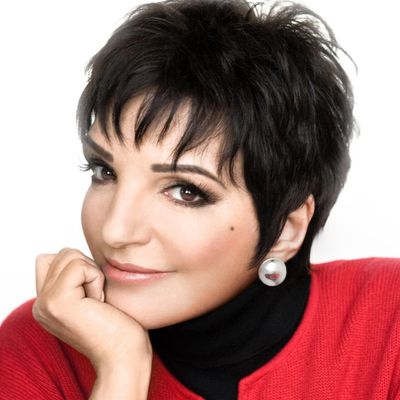
This Week: Celebrating two major events that happened at Carnegie Hall. TRIVIA THIS SATURDAY!!!!! Venmo Robert-Schneider-5 a donation to get the code! MY FAVORITE BROADWAY. LIZA MINNELLI: AT CARNEGIE HALL. SOME PEOPLE WON'T GIVE LIZA 88 BUCKS... Read More
From the show: BEHIND THE CURTAIN: BROADWAY'S LIVING LEGENDS » Podcast
Featured Artists
Featured Shows
About
This Week: Celebrating two major events that happened at Carnegie Hall.
TRIVIA THIS SATURDAY!!!!! Venmo Robert-Schneider-5 a donation to get the code!
Transcript
This transcript was automatically generated and might contain errors.
[0:17] Robert W. Schneider: Happy Throwback Thursday, everybody.
[0:20] Kevin David Thomas: Well, look who's in the house today.
[0:23] Robert W. Schneider: Look, look who's, now there you are. Now there's that face, that face that somehow...
[0:31] Kevin David Thomas: Oh, how are you, listeners? Oh, it's been a while.
[0:33] Robert W. Schneider: You know, actually, it's a podcast, so they don't see our face.
[0:36] Kevin David Thomas: Maybe it's the sweetest sounds I've ever heard.
[0:40] Robert W. Schneider: A little Bob Goulet for us, Rob?
[0:42] Kevin David Thomas: Oh, I was trying to do Richard Kiley, but that's okay.
[0:44] Robert W. Schneider: Oh, Richard. One of my favorite voices of all time.
[0:50] Kevin David Thomas: There's that YouTube clip of him singing, what they call the Wind Mariah.
[0:53] Robert W. Schneider: Oh my gosh, it is just truly magical.
[0:56] Kevin David Thomas: I love Richard Kiley.
[0:57] Robert W. Schneider: Can I ask you a really stupid question?
[0:59] Kevin David Thomas: Sure.
[1:01] Robert W. Schneider: Why don't they just say they call the Wind Mariah?
[1:04] Kevin David Thomas: Right, because it's spelled Mariah.
[1:05] Robert W. Schneider: Wouldn't that be like A-R-I-A-H, Mariah?
[1:08] Kevin David Thomas: Yeah, like, why Mariah? But it's Mariah.
[1:11] Robert W. Schneider: You know that? Do you know why?
[1:13] Kevin David Thomas: I do not know why. I should find this out.
[1:15] Robert W. Schneider: Listeners? No, listeners.
[1:16] Kevin David Thomas: Mariah, what a great name. I mean, that's like, they call the Wind Mariah.
[1:22] Robert W. Schneider: But maybe that because it's a whole thing about, you know, because in the show, there's like, there's the whole Mexican contingency.
[1:28] Kevin David Thomas: Maybe they didn't want it to be like Mariah is ethereal.
[1:32] Robert W. Schneider: And not that a Maria can't be ethereal.
[1:35] Kevin David Thomas: No, no, no, no. But at that time, what a great observation.
[1:38] Robert W. Schneider: Friends, if you know the answer to why they call the Wind Mariah.
[1:42] Kevin David Thomas: Or if you even know what song we're talking about.
[1:46] Robert W. Schneider: Or if you've stumbled onto this podcast by accident, we're very sorry.
[1:51] Kevin David Thomas: Welcome back, everyone.
[1:52] Robert W. Schneider: Yeah, it's good to see you, my friend.
[1:55] Kevin David Thomas: Yeah, I miss you, Rob.
[1:56] Robert W. Schneider: Oh, I miss you. Okay, so we should probably catch up a little bit because I haven't seen you in a long time.
[2:00] Kevin David Thomas: What have you been on?
[2:02] Robert W. Schneider: What, it's been a minute.
[2:03] Kevin David Thomas: Five hundred twenty five thousand six hundred minutes.
[2:07] Robert W. Schneider: Which is basically how long it's been since we've recorded an episode.
[2:11] Kevin David Thomas: It really is.
[2:12] Robert W. Schneider: Oh, that's really how we've gotten the largest.
[2:14] Kevin David Thomas: How do you measure a year in the pandemic?
[2:19] Robert W. Schneider: We everything's good.
[2:20] Kevin David Thomas: Crying and dying and lots of crying.
[2:25] Robert W. Schneider: The business shut down.
[2:27] Kevin David Thomas: I got no work.
[2:29] Robert W. Schneider: No, it's been good.
[2:30] Kevin David Thomas: It's been actually.
[2:31] Robert W. Schneider: Thankfully, I've been teaching a lot.
[2:33] Kevin David Thomas: So that's been wonderful.
[2:34] Robert W. Schneider: This weekend, my students at the Professional Conservatory of Musical Theatre, they graduated and it was a really, really, really wonderful, wonderful time.
[2:43] Kevin David Thomas: They had a showcase and it was just it was a very proud, very proud teacher.
[2:47] Robert W. Schneider: Oh, yeah.
[2:49] Kevin David Thomas: And of course, raising a child is always an adventure.
[2:55] Robert W. Schneider: Crawford is.
[2:56] Kevin David Thomas: Yeah, it's Crawford now.
[2:57] Robert W. Schneider: Yeah.
[2:57] Kevin David Thomas: So listeners, if you've listened to us for any amount of time, you've sort of been through the gamut.
[3:00] Robert W. Schneider: You've heard it all.
[3:03] Kevin David Thomas: But now my son is almost three.
[3:06] Robert W. Schneider: He's going to turn three in June and he is just full of life.
[3:11] Kevin David Thomas: He is so happy and he loves all things dinosaurs and cars.
[3:15] Robert W. Schneider: And he's very empathetic and he's a good kid.
[3:19] Kevin David Thomas: And he's just really, really wonderful.
[3:21] Robert W. Schneider: And it's just an adventure every day.
[3:23] Kevin David Thomas: He is adorable.
[3:24] Robert W. Schneider: He is really adorable.
[3:26] Kevin David Thomas: I'm not going to ask about when a brother or sister might come because I know.
[3:30] Robert W. Schneider: No, I know people don't like that question.
[3:33] Kevin David Thomas: But we thought we thought we had two and then we had the one.
[3:36] Robert W. Schneider: And we're like, OK, this is good for now.
[3:39] Kevin David Thomas: Let's just absolutely let's just really invest in this.
[3:42] Robert W. Schneider: But no, it's been really it's been really it's been really amazing.
[3:45] Kevin David Thomas: That was one of the silver linings of the whole pandemic because I was home all the time.
[3:52] Robert W. Schneider: So for the last two years, I've really gotten to be with him and spend quality time with him.
[3:59] Kevin David Thomas: The last eight months, I've been teaching and working and doing a normal schedule.
[4:02] Robert W. Schneider: So I've been away a little bit.
[4:04] Kevin David Thomas: But to have that foundation has been really, really, really wonderful.
[4:07] Robert W. Schneider: And I just I couldn't be happier.
[4:08] Kevin David Thomas: So, yeah, it's been really good.
[4:10] Robert W. Schneider: Well, I couldn't be happier for you.
[4:12] Kevin David Thomas: OK, thank you.
[4:13] Robert W. Schneider: All right, Rob, what's going on in your life?
[4:14] Kevin David Thomas: That's fine.
[4:15] Robert W. Schneider: I don't he doesn't need a brother or sister.
[4:17] Kevin David Thomas: It's OK.
[4:18] Robert W. Schneider: You can be you can be the you know, the great uncle, the great as in wonderful capital G, not old.
[4:23] Kevin David Thomas: But no, it's that it's an old it's an old.
[4:28] Robert W. Schneider: I have so much great whatever's left of my hair is so great now.
[4:33] Kevin David Thomas: But no, I'll be I'll be anything you want me to be.
[4:35] Robert W. Schneider: I call me call me Uncle Rob and I'll take him to shows.
[4:39] Kevin David Thomas: Definitely.
[4:40] Robert W. Schneider: And then one day he can write about it in his autobiography.
[4:42] Kevin David Thomas: Uncle Rob used to show up in his jalopy in a straw hat, waiting to take me to see the newest follies.
[4:49] Robert W. Schneider: It was 2030.
[4:50] Kevin David Thomas: And I don't know why he still wore this hat or drove this or drove the jalopy or even knew what the follies were.
[4:57] Robert W. Schneider: Exactly.
[4:58] Kevin David Thomas: Or what a jalopy is.
[4:59] Robert W. Schneider: What do you what do you been? How you been busy?
[5:00] Kevin David Thomas: I know I know a lot of things that you've been doing.
[5:02] Robert W. Schneider: So why don't you tell us?
[5:03] Kevin David Thomas: Oh, a theater company had our second season of musical theater spotlight.
[5:09] Robert W. Schneider: We did a class act a day in Hollywood.
[5:12] Kevin David Thomas: A night in the Ukraine and the Baker's wife.
[5:15] Robert W. Schneider: Yeah.
[5:15] Kevin David Thomas: And those and those were our three shows.
[5:17] Robert W. Schneider: And I'm so touched because lots of our podcast listeners showed up.
[5:20] Kevin David Thomas: Oh, no.
[5:21] Robert W. Schneider: So thank you all.
[5:23] Kevin David Thomas: That's wonderful.
[5:24] Robert W. Schneider: It was wonderful.
[5:25] Kevin David Thomas: It was very sweet.
[5:25] Robert W. Schneider: And now we're talking about what we're going to do next year for season three.
[5:29] Kevin David Thomas: So if anyone's got ideas, pitch them our way.
[5:32] Robert W. Schneider: Should I put Robert and Elizabeth on the list, Kevin?
[5:35] Kevin David Thomas: Oh, I've got one.
[5:36] I've got a couple ideas.
[5:37] Got a couple.
[5:37] I would love to see a Harold Rome.
[5:38] I think Harold Rome.
[5:39] Yes.
[5:40] What do you want?
[5:41] Fanny?
[5:43] Fanny.
[5:44] Maybe Destry.
[5:45] Like Destry as again.
[5:46] Come on.
[5:48] I can get it for your wholesale.
[5:49] It's really interesting.
[5:50] I don't know if it holds up as well.
[5:51] But I think that it could really be very interesting.
[5:55] And it's got quite a good score.
[5:56] And David Merrick produced it.
[5:58] It was it had, you know, there was a lot of credibility to it.
[6:00] I like that score.
[6:01] I really like that score.
[6:03] Probably not gone with the wind.
[6:04] No, I'm thinking.
[6:05] You mean nay Scarlet.
[6:07] You mean nay Scarlet Tokyo original cast recording 1974 white cover Scarlet.
[6:14] I think that's what you meant to say.
[6:16] That's the one.
[6:17] The one and only.
[6:18] Great songs though.
[6:18] Great songs.
[6:19] Oh, yeah.
[6:21] No, it is.
[6:21] It actually is a really great score.
[6:23] But I don't think we can burn Atlanta on that tiny stage.
[6:28] But I would be curious some of the things that you're thinking about.
[6:31] Because there are so many hidden gems out there that really deserve to be re-explored other than Goldilocks.
[6:36] You know, there's.
[6:37] Oh, my God.
[6:38] An angel.
[6:38] An angel, of course.
[6:40] But those are never going to be done.
[6:42] They're never going to be done.
[6:43] But who knows?
[6:46] It's fun to dream.
[6:48] What's that from?
[6:49] That was beautiful.
[6:51] I don't know.
[6:52] It's fun.
[6:54] She likes basketball.
[6:55] How about that?
[6:56] Oh, yeah.
[6:56] It's nice to dream.
[6:58] Yeah, there you go.
[6:59] I think I'll be honest with you.
[7:01] I think what you like it, you don't like it.
[7:04] It's one of my favorite songs.
[7:06] What is that half-half sign?
[7:07] What is that?
[7:08] I don't know.
[7:09] Sometimes I love it.
[7:10] And sometimes I'm like, eh, I don't know.
[7:13] She likes basketball.
[7:14] How about that?
[7:16] It's the rhythm of a dribbling ball.
[7:17] That's something in common.
[7:19] Oh, I feel it.
[7:20] It's like it over my head.
[7:22] OK, get it right on the nose there.
[7:25] I was convinced I could be a musical theater actor on Broadway because I grew up listening to people like Jerry Orbach, who is a beautiful singer.
[7:33] But pitchy in some live performances.
[7:36] Oh, remember when they redid the Promises Promises album?
[7:39] They remastered it.
[7:40] Yeah, they remastered it because it was so, you know, ooh, wrong.
[7:45] But I thought like, oh, if you can sing like that and be on Broadway, I've got it made.
[7:50] I was wrong.
[7:53] Kevin David Thomas: You are a fantastic performer.
[7:55] You're so funny.
[7:56] I'm obsessed.
[7:58] But you have to figure also, Jerry Orbach was inventing it.
[8:00] You know, he didn't go to school for this.
[8:02] Yes, yes.
[8:03] Boy, that's a good point.
[8:04] You know, he just was doing it.
[8:06] You know, that whole generation of performers had to kind of make it up as they go along.
[8:11] And and for him to say, all right, no, it's the singing has got to be there.
[8:14] But it's more about the storytelling.
[8:15] Oh, boy.
[8:16] You're right for that.
[8:17] You're right.
[8:18] You're right.
[8:18] I don't know.
[8:19] No, you're right.
[8:20] Let's go pitchy.
[8:22] OK, now here, here's a little musical theater trivia for you.
[8:25] Here we go.
[8:27] In Promises Promises, he invites her to the basketball game, right?
[8:32] She doesn't show up.
[8:33] But in the movie, The Apartment, the source material, he invites her to see a Broadway musical and she doesn't show up.
[8:42] What Broadway musical does he invite her to?
[8:48] Kevin David Thomas: How now, Dow Jones?
[8:50] Robert W. Schneider: No, that's not a not a bad choice.
[8:53] It's the Music Man.
[8:55] Kevin David Thomas: Oh, he gets tickets.
[8:56] He gets tickets to the Music Man.
[8:58] See, I'm not a movie buff like you are, Rob.
[9:00] I haven't I haven't even seen The Apartment.
[9:02] I'm ashamed.
[9:03] I know, I know, I know, I know.
[9:05] Is it?
[9:05] Yeah, I honestly haven't seen it.
[9:07] Have you ever played it?
[9:08] I've just not seen a lot of the classics.
[9:09] Shopkin Promises Promises?
[9:11] No, because there's not a lot of productions of Promises Promises that are being done, really.
[9:15] So I would love to.
[9:17] You just wait.
[9:18] You just wait.
[9:18] I would love to.
[9:19] Yeah, I wish.
[9:21] That'd be fun, actually.
[9:22] Yeah.
[9:22] I, God, I love it.
[9:24] I actually really love it.
[9:25] I went through a phase in my life where I listened to that score probably every day because when it was remastered, I had they gave you a double disc, right?
[9:32] They gave you the remastered score and then like the original with like the, you know, and you heard all this new strings.
[9:38] Everything just sounded so more vibrant.
[9:39] But I think every one of those little songs is dated and problematic as some of them are is a bop.
[9:45] You know, there is like, you know, the whole Upstairs, Two Flights Up.
[9:54] It's so sexy.
[9:54] $86.50 a month.
[9:56] And this is a Baccarat score, folks.
[9:59] So it's got that whole bouncy, contagious, hummable score.
[10:04] That's really, I don't know.
[10:05] I like it.
[10:06] And then it's got Jill O'Hara singing I'll Never Fall in Love Again.
[10:09] And I've worked with her once.
[10:11] OK.
[10:12] So I'm just going to move on.
[10:15] OK.
[10:16] All right.
[10:16] Segway, segway, segway.
[10:18] Move on!
[10:19] Thank you.
[10:20] That was my rock version.
[10:21] OK.
[10:22] So, yes, I've been doing that.
[10:23] I've been finally seeing some theater.
[10:25] Whoa, I got to see Plaza Suite.
[10:28] First show I ever directed in high school, my friend.
[10:31] No.
[10:31] Wow.
[10:32] Yep.
[10:32] Ahead of your time.
[10:33] Oh, yeah.
[10:34] I was a junior, and I cast myself in the leading role.
[10:38] And starred.
[10:39] And starred.
[10:39] I mean, and directed it.
[10:40] You starred and directed it.
[10:41] Yeah, yeah.
[10:42] Bold.
[10:42] Bold, Rob.
[10:43] Very bold.
[10:43] Well, you know, much like Andre Gregory, I see myself as a visionary who doesn't know how to use Zoom.
[10:52] Remember, Kevin, remember you thought he was testing us?
[10:55] You thought he knew?
[10:56] I still think that he was playing us.
[10:57] He knew how to use Zoom, and he just wanted to fuck with us?
[11:00] It was like one of his little theater techniques.
[11:02] This guy had us for 15 minutes, and he was just sitting there.
[11:06] Just looking at us.
[11:07] Just trying to figure out, who are these guys?
[11:10] I could get to know them based on their reaction to Zoom.
[11:13] Oh, yes.
[11:13] This theater experiment that he gave us.
[11:15] Oh, absolutely.
[11:16] I'm sure Wallace Shawn called him that night, and he was like, well, you'll never believe what I did tonight.
[11:20] I had two men looking at me.
[11:25] And I thought, well, what if I put them in a dramatic situation?
[11:30] Yes, yes.
[11:32] And see how their human natural behavior took over.
[11:36] And it was fascinating, Wally.
[11:37] It was just fascinating.
[11:39] Wallace Shawn is like, you're not wearing clothes again, are you?
[11:42] Yeah, he's like, I'll write a 10-hour play about this, actually.
[11:46] Poor Wallace Shawn.
[11:47] OK, so anyway, I saw Plaza Suite.
[11:49] Yeah.
[11:50] And God, whatever happened to the boulevard comedy?
[11:54] Kevin David Thomas: So tell us, we may not know what that means.
[11:57] And obviously, so many of us know what that means.
[11:59] But tell us, what is a boulevard comedy?
[12:01] Robert W. Schneider: Boulevard comedy is kind of what sitcoms became.
[12:04] And back in the 50s and 60s, it was the tired old businessman comedy, which was, it was just a-
[12:09] Kevin David Thomas: Promises, promises.
[12:12] Robert W. Schneider: A Neil Simon comedy.
[12:14] Woody Allen's Don't Drink the Water.
[12:16] Comedies that had no sort of substance to it.
[12:19] Like, you're not supposed to leave with a big moral message.
[12:22] You don't have to think.
[12:22] You can just go and have a good time.
[12:24] Kevin David Thomas: No, you just go in and you just, like, enjoy yourself.
[12:28] Robert W. Schneider: And so things like, oh, well, Success, Spoil, Rock, Hunter, the seven-year itch.
[12:34] And the list goes, Boeing, Boeing is actually an example of a boulevard comedy.
[12:38] So it's just a play that goes, it makes you like, Plaza Suite fits that category.
[12:42] And I was worried going into it because-
[12:46] Kevin David Thomas: It's a very dated piece. The whole second act is about name-dropping, and if you don't know who Yvette Mimieux is, you might be a little bit behind. Thank God I did, and the woman in the oxygen mask next to me, she also knew. She was kind enough to give me a ride back to the home. She said, whatever happens to Yvette Mimieux? And I said, I don't know whatever happened to your pants, madam. And so, we had a nice time. She said, hey, you want some? You want some? Did I tell you that at the time I saw Very Warm for—no, is it Very Warm for May? No. Oh, it sounds like it. No, no, I Married an Angel. I saw I Married an Angel at Encores, and the guy started to sing It's Very Warm for May, and I swear to you, this yenta behind me said, it's already April! Full voice. And some old queen went over and yelled at her, and it was the best thing I've ever seen in my life. Yeah, only at Encores could that kind of fight happen.
[13:42] Robert W. Schneider: Yeah, where there's really no fight.
[13:44] Kevin David Thomas: In the balcony, yeah.
[13:45] Robert W. Schneider: In the balcony. Oh, I don't like that balcony up there. It scares me. It's too far away. You're like a football field away. Right? So anyway, I was like, whatever happened to Boulevard Comedy? I was a little bit worried that it was going to be dated. It's not dated. These performances are fantastic. Matthew Broderick and Sarah Jessica Parker are wonderful. It's so nice to see him doing comedy again. Like, the second act and third act—the third act is brilliant. The third act is absolutely fantastic between the two of them. The second act, they got really well stylistically. The first act, she's got this whole show on her shoulders. But I forgot what a brilliant actress she is. She started out on stage. I mean, she's been doing it for a long time. She really is wonderful. It's nice to have them back.
[14:26] Kevin David Thomas: Yeah, and if you don't know Plaza Suite, folks, it's a Neil Simon play from 1968. It's a two-hander, ideally. And it was George C. Scott and Maureen Stapleton, and each act, they play a different couple that all just happened to have had the same hotel room at the Plaza Hotel. And this is Matthew Broderick and Sarah Jessica Parker. And he's a little uneven in the first act, but the second and third act—my god, that third act is a home run—just laughs. And it makes you appreciate how versatile she is as an actress. Beautiful set design by John Lee Beatty, former guest.
[15:02] Robert W. Schneider: And he was, too. Broderick, we had—
[15:05] Kevin David Thomas: Oh, yeah, and Matthew Broderick. Yeah, and he was great. Yeah, but really nicely done. A really beautiful performance from the three of them. So, folks, if you're in town, go see Plaza Suite. Maybe we'll rerun the Matthew Broderick episode just to get a sense. I thought that was so fantastic when he was on.
[15:20] Robert W. Schneider: It was lovely. It was lovely.
[15:22] Kevin David Thomas: Yeah. So, Plaza Suite. And also, if you want any more opinions that Kevin and I might have, but you want them in print, I encourage you to go buy 50 Key Stage Musicals at Routledge Press or on Amazon or support your local Black-owned bookstore. I think it's good to support local.
[15:39] Robert W. Schneider: And so, yeah, so 50 Key Stage Musicals, that's also what I've been working on.
[15:43] Kevin David Thomas: Oh, and tell us more about that. I know that some of our listeners are familiar, but what is this?
[15:47] Robert W. Schneider: Ah, yes. So, I was hired by Routledge Press to write a book that makes a case for the 50 most influential musicals. Not influential culturally, but influential on the genre. And I decided it would probably be great to have other people besides me in there. So, I asked 47 other people to each write a chapter. Kevin's chapter was on Oklahoma.
[16:11] Kevin David Thomas: Yeah.
[16:12] Robert W. Schneider: And it's wonderful. And if you miss our voices, you can go to 50 Key Stage Musicals, the podcast, where each chapter gets its own podcast episode with a special guest.
[16:21] Kevin David Thomas: That's fantastic. I like that. And how did you pick? I'm just curious. How did you end up? I'm sure you had a lot of musicals on the cutting room floor. I'm sure some people have opinions about, like, why'd you include this one? Not this one. Where's Pickwick?
[16:34] Robert W. Schneider: Goes to Charlotte Wright.
[16:38] Kevin David Thomas: Did not expect that.
[16:40] Robert W. Schneider: No, Charlotte.
[16:40] Kevin David Thomas: How did you? No, no. But how did you pick them? What was the criteria?
[16:47] Robert W. Schneider: The criteria was, you have to say that if it wasn't for musical A, you wouldn't have had musicals B, C, D, and E. So, that was what we did. And so, every musical that we did, we had, like, a little web going out of it to show that, you know, how you could justify it. Musicals that did not make, and I'm sure, I'm interested to hear what people have to say, because I'm interested to hear, like, how could you not put in Blah Blah Blah?
[17:13] Kevin David Thomas: Right.
[17:13] Robert W. Schneider: But, like, one of my favorite shows is The Music Man. That's not in there.
[17:17] Kevin David Thomas: Yes. A lot of shock over that. Yeah.
[17:19] Robert W. Schneider: Yeah. Because I love Music Man, but I was like, I cannot point to what did it influence. You know what I mean? Like, I couldn't find it. That's not in there. In hindsight, I wish I had put in, like, one of the princess shows, because that I feel like we have a big gap. But maybe next time, when we do a second edition, maybe I'll get, I'll put in one of the princess shows.
[17:43] Kevin David Thomas: Yeah.
[17:43] Robert W. Schneider: Well, we were almost, we were almost not going to put in Hamilton, because we couldn't figure out, because it's so, it's so soon.
[17:51] Kevin David Thomas: So new. Yeah.
[17:52] Robert W. Schneider: Yeah. We're like, it was hard for us to figure out what other shows are now created, because Hamilton existed. But I think we found our way in, so we're good. Yeah. Hamilton, Dear Evan Hansen were two that we were on the fence about. But read the book. Let us know your opinions. Let us know your thoughts. I'm curious.
[18:10] Kevin David Thomas: I can't wait. I'm excited. Tell us the title again.
[18:13] Robert W. Schneider: 50 Key Stage Musicals, published by Routledge Press.
[18:18] Kevin David Thomas: Lovely. And we have a little event coming up in a week.
[18:21] Robert W. Schneider: We do. We do.
[18:22] Kevin David Thomas: We're appreciating our trivia night, folks.
[18:25] Robert W. Schneider: Oh, yes, we are. Yes, we are. We're doing, our charity is called Maya's Hope. And it's helping out children that are special needs that are currently in the Ukraine that need assistance. And so once again, you know the drill, you can Venmo Robert-Schneider-5, the number five, and $5 more if you want. And all that money goes to the charity. We don't keep a cent of it. It goes right to the charity. So please join us. And Kevin, what's the theme of this week's trivia?
[18:55] Kevin David Thomas: Well, we thought we'd reprise a popular theme that we did a couple years ago during the pandemic, and that would be the theme of Stephen Sondheim. So different questions, I think, but more trivia about our great, great late Stephen Sondheim. And it's always a fun time. I mean, I'll be playing and singing some songs in one of the categories. Rob will have his witty banter and witty questions in another one of them. The questions in some categories will be so, so hard that only Rob will get them and maybe one or two other people. But no, no, no, we really want you to be there because it's a nice time for camaraderie and to celebrate this little crazy art form that we love so much.
[19:36] Robert W. Schneider: Yes. And all the money goes to a great cause. And it's always nice to see your faces.
[19:40] Kevin David Thomas: Yes.
[19:41] Robert W. Schneider: We miss seeing you. But now hopefully you've missed us because that's going to justify what we're going to do next, which is give you a favorite thing. All right, Mr. Thomas, who goes first?
[19:54] Kevin David Thomas: I'll go first because I know that you've got, I know that you have some good ones, or a good one. So I was truly shocked that the one that I'm going to talk about, I had, I probably looked it up three times thinking that we talked about it. Oh my God. Can't believe it. And if we have talked about it, everyone just pretend like we haven't. But I really think this is the first time we've talked about, this is a video, this is from a concert. I'm going to go back to the way we used to do this, where you have to guess what it is, because I think you'll guess it right away. This is when you and I would have been in our most indelible, impressionable years growing up. This would have been the late 90s. This was a concert that was so epic that I don't think that we've ever come close to a concert that celebrated the art form and preserved it the way that this one night at Carnegie Hall did. And it's like revisiting again. I am completely elaborate.
[20:50] Robert W. Schneider: Is this my favorite Broadway, The Leading Ladies?
[20:53] Kevin David Thomas: Yes.
[20:54] Robert W. Schneider: Get the fuck out. Wow.
[20:56] Kevin David Thomas: You remember this?
[20:58] Robert W. Schneider: Yeah. How have we never covered it?
[21:00] Kevin David Thomas: I know, Rob. All right. Oh boy. I got to sit up because I'm getting excited. So this is, this was called My Favorite Broadway, The Leading Ladies. Now, I know that some of you listening are nodding your head vigorously saying, oh yes, yes, yes. Of course, this is amazing. I grew up with it. 1998, picture it. September 28th, 1998, Carnegie Hall, one night concert. In this concert, directed by, for the stage, Scott Ellis, great Scott Ellis, previous guest. And David Thompson did all the banter and he wrote the book behind it. But really, it was just a collection of all of the leading ladies of Broadway of the previous, oh, I would say 40, 50 years. And what you have is this collection of almost three hours worth.
The video was on YouTube, folks, so just type that in the old YouTube. The only unfortunate thing is that you have to watch an ad every four minutes and the ads come right in the middle of the song. I'd rather have, and right into the ad. It's not, it's not cute. It's not fun at all. I got very frustrated. But the concert is there and it's free. And it is, it is so, I think, important to watch this on for many, many, many reasons. There is, there is the camp. There is the comedy. There is the queens. There is every single thing you can think of in between. Let me, I could go through the whole thing. I want to give you sort of the highlights of what this evening was, because it really was, um, I forgot how special it was, Rob.
And I watched it growing up and it was, and it was so, and now it's fun. My favorite thing about musical theater in this art form is that you can love something at 18 and then you can love it at 28 and then you're like 41 and you like it again and you get something out of it differently because you have different, you have different contexts. This goes with the books that I read. This goes with cast recordings. This goes with every single facet of this. And I love that, that everything ages and beautifully and you get more out of it. Sometimes your opinions change a little bit. Sometimes you didn't, like there are performances that I never got before and now I get in a different way.
[23:03] Robert W. Schneider: I'm so curious. You said that like, like, like who can you think of one like off the top of your head?
[23:07] Kevin David Thomas: Yeah, no, I've definitely, uh, Dorothy Loudon. I watched Dorothy Loudon's performance. So, so in the concert, they, they, you get about, oh, I would say almost a dozen performances of, of these grand dames of musical theater who are singing the songs that they sang originally. Let me give you a list of the ones though. This is people that, you know, some years earlier, sometimes it's only a couple years earlier, like Faith Prince. Faith Prince is giving on going back from Bells Are Ringing. That was just, that was just like, that was about to be, uh, produced actually. You've got, you've got Faith Prince singing, um, you know, Adelaide's Lament. So that was in 1992. So that's seven years earlier.
Then you've got Priscilla Lopez singing Nothing from Chorus Line, which was 20 years earlier, 23 years earlier. You've got Leah Delaria who sings I Can Cook on the town that she revived and was, you know, well known for. Deborah Monk had just done, uh, Steel Pierce singing Everybody's Girl. Um, then you get the, the, the real legends like, uh, Jennifer Holliday singing And I'm Telling You. I mean, she, the audience, she was the penultimate, I think she's the penultimate singer. And she literally brought the audience to their feet with her, that very fascinating version of the song, which is truly iconic in every single way. I don't know if anybody could do some of the things that she did and get away with it.
And yet everything from the, the back bend, holding the microphone, like she's going to swallow it at the very end of the song to, to the, the, oh, my favorite part is when she, she, she holds the, she tells the orchestra to cut off her hand. She's waving in the background. Like, Paul, Paul, Paul Gemignani, stop, stop, stop. It's me. It's my, my turn, my turn. All that stuff. I, I live for it. Um, you've got Dee Hody. Uh, could I leave you? That was, she did a paper mill play house, but then you've got the real legends like Elaine Stritch. She was the last, you know, solo singer. She gives you, you know, here's the ladies who lunch, ladies who lunch. Uh, I mean, I talk about a legend, but then to answer your question, finally, it really was the Dorothy Loudon who we would lose just a couple of years later, Dorothy Loudon, who won the Tony award for playing Miss Hannigan and Annie, who was known as this comedian, you know, really legendary comedian.
And I did not appreciate her when I was younger, the way that I now do. Um, and we interviewed Billy Goldenberg, the guy who wrote, you know, Ballroom, which this song was from. I love this song so much. I think it's such a perfect song about love, about, you know, wanting to be with someone. And if you can't have all of them, but you love
[26:01] Robert W. Schneider: Welcome back to Behind the Curtain: Broadway's Living Legends. Today, we're diving into some of our favorite moments from Broadway, specifically focusing on the leading ladies and the iconic Liza Minnelli at Carnegie Hall.
[26:31] Kevin David Thomas: That's right! Liza's performance at Carnegie Hall is legendary. It's one of those events that truly showcases her talent and charisma.
[26:51] Robert W. Schneider: Absolutely. And speaking of leading ladies, there are so many remarkable women in Broadway history who have left their mark.
[27:21] Kevin David Thomas: Yes! From Ethel Merman to Bernadette Peters, each one has brought something unique to the stage.
[27:41] Robert W. Schneider: And let's not forget about the impact of Liza Minnelli. Her energy and stage presence are unmatched.
[28:01] Kevin David Thomas: Right! Her concert at Carnegie Hall in 1979 is a perfect example of that. The way she connects with the audience is just magical.
[28:21] Robert W. Schneider: And the setlist! It’s filled with classics that highlight her incredible range and ability to tell a story through song.
[28:41] Kevin David Thomas: Exactly! Songs like "Maybe This Time" and "New York, New York" really showcase her talent.
[29:01] Robert W. Schneider: And the arrangements are just stunning. They really elevate her performance to another level.
[29:21] Kevin David Thomas: Plus, the energy in the room that night must have been electric.
[29:41] Robert W. Schneider: For sure! You can feel that energy even when you watch the recording.
[30:01] Kevin David Thomas: It’s a testament to her ability to captivate an audience.
[30:21] Robert W. Schneider: And let’s not forget the incredible musicians who accompanied her. They played a huge role in creating that unforgettable experience.
[30:41] Kevin David Thomas: Absolutely! The synergy between Liza and the band is palpable.
[31:01] Robert W. Schneider: So, what do you think makes Liza stand out among other leading ladies?
[31:21] Kevin David Thomas: I think it’s her authenticity. She brings her true self to the stage, and that resonates with people.
[31:41] Robert W. Schneider: That’s a great point. Her vulnerability and strength are what make her performances so relatable.
[32:01] Kevin David Thomas: And her ability to convey emotion through her songs is truly remarkable.
[32:21] Robert W. Schneider: Yes! It’s like she’s sharing a piece of her soul with the audience.
[32:41] Kevin David Thomas: And that connection is what keeps people coming back to see her perform.
[33:01] Robert W. Schneider: Definitely! Liza has a way of making every performance feel personal.
[33:21] Kevin David Thomas: And that’s what makes her a true legend in the world of Broadway.
[33:41] Robert W. Schneider: Well said! I think we can both agree that Liza Minnelli’s legacy will continue to inspire future generations of performers.
[34:01] Kevin David Thomas: Absolutely! And we’re lucky to have her recordings to relive those incredible moments.
[34:21] Robert W. Schneider: For sure! So, what’s your favorite Liza moment from that concert?
[34:41] Kevin David Thomas: I have to say, her rendition of "Cabaret" is unforgettable.
[35:01] Robert W. Schneider: It’s such a powerful performance. You can feel the emotion in every note.
[35:21] Kevin David Thomas: And the way she interacts with the audience during that song is just brilliant.
[35:41] Robert W. Schneider: It’s a masterclass in performance.
[36:01] Kevin David Thomas: And it’s a reminder of why we love Broadway so much.
[36:21] Robert W. Schneider: Exactly! The stories, the music, the talent—it all comes together in such a beautiful way.
[36:41] Kevin David Thomas: And Liza is a shining example of that.
[37:01] Robert W. Schneider: Well, that wraps up our discussion on Liza Minnelli and the leading ladies of Broadway.
[37:21] Kevin David Thomas: Thanks for joining us, everyone! We hope you enjoyed this trip down memory lane.
[37:41] Robert W. Schneider: Be sure to tune in next time for more insights and stories from Broadway's living legends.
[38:01] Kevin David Thomas: Until then, keep celebrating the magic of musical theatre!
[38:47] Robert W. Schneider: Now, here's the really interesting thing about this, folks, and I really should have looked at this before I talked to you about it today. I don't think you can find it on Apple Music or Spotify, so you might actually have to go to Amazon and buy a copy of this. And let me tell you, it is worth it. The reason I'm talking about this today is very simple. Liza has been in the news a lot lately, after the Academy Awards section. I was sitting there, and after Will Smith slapped Chris Rock, I thought to myself, can this ceremony get any more bizarre? And indeed it did, because for best picture, here comes Liza Minnelli. And she was so, she looked rattled, she looked confused, and it was a very, for a woman who exuded, who would still exude such strength, and such like verve in her life, it was so sad to see her where she is right now.
That's all. And Lady Gaga was incredibly helpful, although Michael Feinstein is now saying that they sabotaged Liza. They sprung that wheelchair on her at the last minute. I don't know. Okay, cool. What I did love about that, I was like, this can't get any more bizarre. And then it did, because I am pretty sure a producer looked at Liza Minnelli and said, you're going to announce the best picture winner, but don't take up a lot of time, because we're running long. And that's why she, Lady Gaga, the best picture goes to, and she looks at Liza Minnelli, and Liza Minnelli goes, okay, Coda. Coda, best picture. She was like, I won't take any time. I have two lines. I'll take a note. Okay, and Coda.
Great. I'll make it one line. We'll get out of here a little faster. That's how daddy likes it. And she was just like, okay, got it. So I was like, yep, this is the cherry on top of the most absurd Oscar ceremony I've ever seen in my life. But it got me to thinking, which is, I think it's, I don't want anyone to be thinking about her in negative terms. Because first of all, she got herself out there. She was still funny. She was still vibrant. So what? She's in a wheelchair. Big fucking deal. And I thought to myself, we need to celebrate her. And let me tell you something, my friends. On my other podcast, this was a thing. Great podcast. Love it. Love that podcast. We did an Oscar bracket. And it was the Oscar bracket of the world of the Oscar's most awkward moments.
And the winner for us was when Bette Davis went off script at the 1986 Oscars. That, don't say that Liza was the most awkward thing ever to happen at the Oscars. 1986, Bette Davis off script. Oh, you don't know this?
[41:03] Kevin David Thomas: No, what happened?
[41:04] Robert W. Schneider: I can't, I'm not a good gay person because I can't do an actual Bette Davis impression. I can only do Bette Davis older in her life. So this actually is going to kind of fit my wheelhouse here. It was 1986. They had asked Bette Davis to come in and announce the best actor nominees and then give the best actor winner. So they brought her out and she said, I'm sobbing a beer. Now, young man, who are the best actor nominees? Now, if you remember, we know this rule. What happens? The person goes, Kevin David Thomas for A Little Night Music. And then it's a clip of you. Okay. She didn't read anyone's names. So the first clip starts to play of an actor. She doesn't say anything. Then out of nowhere, a second clip plays.
Then she realizes she has to be saying the names. So she's like, James Woods, I'm missing. And it's like Sam Waterston. And so it's like, everything is all screwed up. Anyway, the winner is Paul Newman. And the voiceover goes, accepting the award for Paul Newman is Robert Wise, who was like the president of the Film Academy and the director of Sound and Music, the director of West Side Story. He did not need any explanation of who he was whatsoever. That's like going into a Broadway house and someone being like, that's Patti LuPone. We all know who she is. So Robert Wise comes up to accept the Oscar and he goes to lean into the microphone and she goes, wait a minute. I want to say a few words about you, Mr. Wise.
Do you now? And she starts giving Robert Wise's entire resume and biography and will not leave the podium. To me, that is 10 times more awkward than, okay, got it. But anyway, I wanted everyone to think of Liza in a positive light today. And so for me, I want us to look at Liza Minnelli at Carnegie Hall from 1987. What I love about this particular album more than anything is first of all, it's two albums, which is incredible. So you get four sides in total. It's her coming out of her rehabilitation. People were very worried about her. And I think that this album, even just the first five songs show you her range and how brilliant of an actress she is and what a wonderful vocalist she was. Because I know, like you just said in the last one, she wasn't in great voice, but she still performs.
This album, I think, is her at the peak of her powers, not only just in terms of music, but in terms of interpretation. She opens it up for, oh, and all the way, by the way, I thought you would love this. Music director was Marvin Hamlisch. Fred Ebb did all the new lyrics and all the book stuff. And it's got a 47-piece orchestra. It starts with her singing, I Happen to Like New York, Cole Porter. Then she moves into a medley of Here I'll Stay, Our Love Is Here to Stay. She sings songs from A House of Flowers. She sings Old Friends, which to me, I was like, how she never played Mary Flynn? Like she would have been brilliant. Don't you think?
[45:05] Kevin David Thomas: Hands down. I mean, like that, there's so many parts that I wish that we could have seen her play, but for sure. Can't you see her like sitting at the bar? So what do you do? I drink.
[45:14] Robert W. Schneider: Yeah, exactly. No, what do you really do? Even like paint. All the songs. She does If You Hadn't, But You Did. So she covers Jerry Herman, Comden and Green, Kander and Ebb, obviously, all dressed in Halston. She does You Better Sit Down, Kids, the Sonny Bono song. But she marries it, no pun intended, to Married from Cabaret, which is great. And then of course, at the end is her Kander and Ebb medley. She sounds better in 1987 than she's done in any other recording, I think, before or since. So, you know, one of the things I really love in this album, there's no video record of it. So we can't—
[46:00] Kevin David Thomas: I'm shocked by that.
[46:01] Robert W. Schneider: I know. I would have thought that there was some—
[46:04] Kevin David Thomas: No, so you can't. If there is out there, somebody let me know. But you can't see, and she's clearly doing bits and stuff.
[46:09] Robert W. Schneider: Oh, yeah. And so you have to guess what they are. But my favorite is, is right before she goes into, sorry, Ring Them Bells.
[46:21] Kevin David Thomas: Classic.
[46:22] Robert W. Schneider: There is one queen who recognizes the vamp and just screams. And I want to know who that queen is. I want to know, were you the screaming queen?
[46:29] Kevin David Thomas: It's got to be somebody we know.
[46:30] Robert W. Schneider: That was like, because she goes, she goes, gather around. And we hear, ah. And I'm like, got it. She's doing business during If, and that old queen is loving it as well. So I don't know who you are, queen, but come to me, bend to me.
[46:49] Kevin David Thomas: And do you have a video?
[46:51] Robert W. Schneider: And do you have a video? Oh, no, he wouldn't have recorded it. No, because if he screamed and they saw him with the camera, please.
[46:56] Kevin David Thomas: Please, the ushers were all over that.
[46:58] Robert W. Schneider: Oh, they would. Oh, absolutely. She also does a very contemporary song at the time, Somewhere Out There from An American Tale, which a critic, the New York Times critic on the concert said it's actually a brilliant choice because it sort of marries Judy Garland's Somewhere Over the Rainbow.
[47:18] Kevin David Thomas: I see that.
[47:18] Robert W. Schneider: Through like a contemporary lens. And I was like, that's great. But my personal favorite is when she's, her second to last song is Cabaret.
[47:28] Kevin David Thomas: Of course.
[47:29] Robert W. Schneider: And she goes, she goes at the end, and when I go, and the lyric is, I'm going like Elsie. She goes, when I go, and she holds the note out forever and then goes, I'm not going like, and the whole crowd goes.
[47:46] Kevin David Thomas: Loses it. They lose it.
[47:47] Robert W. Schneider: Because they know that she's going to be clean and sober now. Everyone talks, no, I'm being serious.
[47:52] Kevin David Thomas: Yeah, no, I know, but just what she had to go through.
[47:59] Robert W. Schneider: So mine is Liza Minnelli at Carnegie Hall, and there's a moment in Buckle Down Winsaki, where there's like this very long pause, and then the audience goes wild, and you don't know what she's doing. Folks, I did my research. I did my research. It was at the top of Act Two. She came out in a very like nice brown dress, and then during Buckle Down Winsaki was like, I don't feel comfortable, ripped off the brown dress, and underneath was a Halston with sequins.
[48:31] Kevin David Thomas: I was just going to say sequins.
[48:32] Robert W. Schneider: So when they're going crazy, folks, that's why they're going crazy. I at least was able to find that out.
[48:37] Kevin David Thomas: Amazing.
[48:38] Robert W. Schneider: I know that everyone talks about Judy at the Palace, and my friends, I think if you want to find an album that goes right up there with that, seek out at Carnegie Hall, Liza Minnelli, 1987.
[48:51] Kevin David Thomas: Rob, I just tried to look it up on Apple Music, and you're right. I'm shocked that it's, I wonder why, because it's not a concert. We all talk about Judy at the Palace. I have the LP. You can get that everywhere, and I wonder if that's why we don't talk about this concert more is because it's just not accessible. There's no record of it, but it makes no sense.
[49:13] Robert W. Schneider: How did you listen to it? How were you able, did you find it on YouTube?
[49:16] Kevin David Thomas: I, no, I had a CD of it years and years and years ago. And I, yeah, I mean, I have it on my computer. Maybe I can find a way of sharing it if somebody wants the link.
[49:27] Robert W. Schneider: Man, it just kills me that it's just something that you can't, in this day and age where we can literally get anything. We can't even get Liza's—
[49:35] Kevin David Thomas: And it wasn't on Spotify, right?
[49:40] Robert W. Schneider: No, I couldn't find this, folks. If you all know of a way of accessing it, let us know. But once again, mine for this week was at Carnegie Hall, Liza Minnelli, 1987. Kevin's, once again, tying a thread in. My favorite Broadway, The Leading Ladies, also featuring Liza Minnelli, but just about 11 years after this.
[49:56] Kevin David Thomas: I love it. All right, so friends, don't forget, join us this Saturday, which is April 30th, I believe. Yes, April 30th, 8 p.m. Eastern Standard Time for Stephen Sondheim trivia. All the money goes to Maya's Hope, which is helping children with special needs over in the Ukraine right now, because Lord knows they need it. The suggested donation is $5. We suggest you can give more. All the money goes to them directly.
[50:21] Robert W. Schneider: All right, my friends, it was so nice getting to talk to you all. Goodbye for now.
[50:25] Kevin David Thomas: We miss you. We'll see you soon. And we'll have more episodes soon.
[50:29] Robert W. Schneider: Yeah, we're getting back into the swing of things.
[50:31] Kevin David Thomas: All right, till next time.
[50:33] Robert W. Schneider: Bye, everybody.
© Broadway Podcast Network, All Rights Reserved