

André Jordan joins the pod squad to discuss his journey to Broadway, the unexpected challenges of the pandemic shutdown, and how the cast of Diana: The Musical took an active role in advocating for diversity, equity, and inclusion... Read More
From the show: Beltline to Broadway
Featured Shows

About
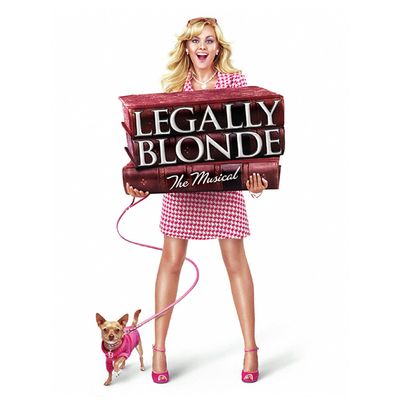
André Jordan joins the pod squad to discuss his journey to Broadway, the unexpected challenges of the pandemic shutdown, and how the cast of Diana: The Musical took an active role in advocating for diversity, equity, and inclusion. He also opens up about the challenges of body image and fatphobia in theater, his experience in Legally Blonde, and the broader cultural shift happening in the arts.
André Jordan is a rising star in the theater world, best known for his role in Diana: The Musical. A versatile performer with a passion for advocacy, he has been vocal about the need for systemic change in the industry, from racial equity to body inclusivity. His credits also include Legally Blonde and The Lion King, and he continues to use his platform to push for safer, more inclusive spaces in theater. With a deep love for the craft and a commitment to progress, André is helping shape the future of Broadway for the next generation of artists.
Transcript
This transcript was automatically generated and might contain errors.
[0:10] Lauren Van Hemert: I'm Lauren Van Hemert, your host, and on this episode, I'm chatting with André Jordan.
[0:29] Lauren Van Hemert: Last year, André Jordan, like so many others, was about to make his Broadway debut in the musical Diana.
[0:36] Lauren Van Hemert: That show was supposed to open March 31st, 2020, but didn't due to COVID-19.
[0:45] Lauren Van Hemert: Just months after the shutdown, however, the producers of Diana brought the cast back together to rehearse and film a new version of the show for Netflix.
[0:56] Lauren Van Hemert: The producers also used that time to collaboratively, along with their cast and crew, create a more equitable, inclusive and safe work environment.
[1:09] Lauren Van Hemert: And that is where my conversation with André Jordan begins.
[1:52] André Jordan: We also recorded the cast album. It was a very, very exciting time. One thing that happened during that filming process, at least from what I understand, is that the casting crew had presented a list of equity and inclusion demands to the producers.
[2:14] Lauren Van Hemert: I love this because so many people I've spoken to have told me they've been afraid in the past to speak out. So to hear that you all did and the result was positive is amazing. So tell me what you did, what the demands were, what happened.
[2:32] André Jordan: Sure. So the pandemic happens, we get shut down. And then in June, the first week of June, we got an email to come into a meeting, and they told us that we were going to be going back into rehearsals for that month to go over the new material that they wanted in the show because they wanted to change a lot of the beginning and that they were going to use that time to do that. So we were going to do all Zoom rehearsals, all musical Zooms, the rewrites, whatever it was all gonna happen on Zoom. And that was great. That was on a Wednesday we found that out, and two days prior to that, George Floyd was murdered.
[3:05] André Jordan: So while we were going back into the process of putting the show back together in a way, there were tons of things happening outside of our homes, right? Calls for social change, calls for dismantling of white supremacy in every industry, including ours. So we knew that we had a prime opportunity while we had the cast there and the creatives there and the producers there with us to do something about it, you know, and to acknowledge it in our show and to figure out how to make it better. And that's kind of what we did. Basically, what happened was the cast got together and came up with a list of things that they had noticed or felt could use change within our show. And then it just became a thing about sending emails and saying we need to set this time aside to talk about these things.
We have some questions, we have some concerns. And it's something that's very, very important to us. And that was met with nothing but acceptance. Like, no problem, we'll figure it out. It was we'll set the time aside and make sure that you guys have your time to speak and everything like that. And we presented that list.
[4:10] André Jordan: And I'll tell you some of those things that were on that list. We were talking about moments during rehearsals where, you know, people where something might have happened and someone could have spoken up and then they didn't, right? Maybe certain lines were crossed and people were silent about that because those were things that happened not just in our rehearsal process, but in past iterations of our show, where the lines were crossed, where micro or macro aggressions had occurred. So we just opened that wound sort of to say, like this is something that had happened. How do we make sure that this doesn't happen again? That's how we kind of came up with the idea of doing the anonymous digital tip line, you know, as a way to say, like, okay, you know, let's say you see something happen to me, but you're not sure.
Okay, does André want me to defend him? Did I really see that? Was that okay, not okay? That way you can put this into the system and let someone know that you saw something. That way it's not just a he said, she said versus me and that person, that there's other accountability within the company there.
[5:11] André Jordan: And another thing that we asked for was to have unconscious bias training. One of our cast mates knew a man named Mike Roglin who does that kind of work. It's similar to diversity, equity, inclusion training, but it has to do with biases and unconscious biases that we put on people based off of how they look or what they sound like or any of that. And that was great because he became our point person to kind of get our thoughts organized together as a cast before presenting them to the producers. He was also there to let the producers and the creative team know that, you know, when these people, these black and brown bodies are going to tell you how they feel, it's a time to listen and not a time to react.
Really like setting the stage and making the space safe for everyone for us to be able to proceed. And in that time, we brought in cast members from before that made of, you know, something happened to them that someone said, they were able to say it in that room and let that person know that they disrespected them. And they were, you know, they were able to have their allies step up and say, I saw that and I didn't say anything, and that was wrong.
[6:22] André Jordan: As I've been talking about this with other shows, I call this like the cleaning the air part. Like every production, when going back into their theaters has got to address the things that have gone on before this all happened. Like it's just a big part of it. We cannot just come back and just like try to do new things. We have to clean house, we have to clear it all out. It's we've got to figure, and every show's got their stuff, right? Our show's got our things going on, Jagged Little Pill has their own stuff going on, the Music Man's got their own stuff. Those are things that they've got to figure out within themselves if you know that they've got to, you know, work through and talk and talk through.
And then even after that, you know, we got to a place where we started talking about like, okay, well, how do we change it? What do we do? You know, what can we do? And so now we're talking about doing outreach programs with marginalized schools to bring them into the theater and not just on an actor level. Like a lot of times, you know, schools come in and it's like the drama clubs come in, but it's not just performers that come in there, like the stage group kids come in, right? So, like we want anyone to know they can come to the theater, and you know, if they see the costumes on stage, they can be like, Oh, I want to I would love to have a talk back with the costumers, you know. I would love to have a talk back with the hair board, I would love to have a talk back with lighting and sound. So we're trying to make generational changes within our show right now that we can just open up the community and bring more people in.
[7:51] André Jordan: And that's pretty much just like what we decided during that workshop. And then when it came time to do the Netflix, we were able to implement those changes, like the staging that we thought was a little, you know, questionable, we changed, you know, or anything that the show that we thought was out, you know, people that we thought shouldn't be a part of the company more were out. Like we spoke up and we said we're uncomfortable, we're not safe, it's not okay. We can do better. And that's just what happened. Like our producers just did it, they didn't question it, they were right there with us and have still been right there with us to support us. We saw this influx of intimacy coordinators, you know, you have your fight directors, and then we started seeing this influx of intimacy coordinators, even on Broadway, you know, Frankie and Johnny had their intimacy director.
[8:48] Lauren Van Hemert: Do you think that's gonna be where we go next? Having anti-racism facilitators, coordinators come in to navigate and help companies have these conversations.
[9:03] André Jordan: I do. That is definitely something that we intend to do in our show, it's something that we're encouraging other shows to do as well. And the ultimate goal would be to eventually get the union on board with this so that it's not just things that's happening in Broadway houses, so that it's happening in the regional houses. So you can go to North Carolina, you can go to Utah, you can go to Florida and go to these houses that are great and do great theater, but know that you're still being protected because it's your union is protecting you fully, and that's a bigger thing to do. But that is the hope. I'm also having these conversations with regional theaters and trying to implement these changes as well.
But it would be great if it was law. Absolutely, 100%. And I do think that having a facilitator, having someone who is really experienced and well-versed, has this lived experience as well, who can help companies have these conversations because I think it would be very difficult for some companies maybe to have these conversations and try to navigate these issues.
[10:11] Lauren Van Hemert: Absolutely.
[10:12] André Jordan: Absolutely. A third party is necessary, I think. I really do. And the other piece of this, the Broadway companies don't have like HR people that you could go to and have these kinds of discussions or complaints.
[10:28] Lauren Van Hemert: So you guys have advocated to have that for yourselves.
[10:31] André Jordan: We have, and honestly, it's not just, I mean, it's yes, it's Broadway, but it's like it's not an equity standard. Like it's house to house, like it's not a thing in the theater industry, you know, and it really is, and it kind of adds to that awful address that, like, oh, you know, this isn't a real job, they don't even have HR. You know what I mean? It's like, no, we need this kind of structure in this workplace because it is a workplace, you know what I mean? There are some great things that happen, there's some magic that happens, but it is a workplace, and there are different people coming in with different experiences, and things happen just in any like in any other workplace, you know, and it's all it's a team, just like any other workplace. It needs that to happen as well.
[11:11] André Jordan: Yeah, but um, and more, and I'm you know, I think more people are watching that and seeing that, and their minds are blown. So I'm hoping that that's gonna be a sweeping change as well. Well, and so actor actors equity, you mentioned equity, they kind of came under fire also, along with Broadway League, because their response after George Floyd was murdered, and you had this rising up and the we see white American theater movement.
[11:41] André Jordan: There was a little bit of radio silence, and they said a little bit, but people felt it wasn't enough, people felt it wasn't strong enough.
[11:50] André Jordan: And recently they had an actor convention and passed an equity bill. Can you talk about that a little bit so that people are aware of even what that is?
[12:07] André Jordan: Sure, yeah. It's a bill that passed, it's called the Black Theater Matters Bill. It did pass. There are a lot of great things that are added into that bill. There are things like bringing drag artists into the union, changing the name of equity, which they definitely is good, they're going to change the name, putting money into more different programs, but and that's all great. The problem is that something awful and racist happened during the convention, and equity's not talking about it. And that's the problem. That when a black body was speaking passionately about how they felt about what was going on in this union, someone DM'd them and said that they felt that they were being violent, this, that, and the third, and then there was a walkout of the black and brown bodies, and a lot of people left that meeting, and that's what equity is not talking about, and that's despicable.
So when it comes to putting that legislation into practice, that's where they are in the next step. They have to prioritize making all of those things that went to the Black Theater Matters bill the number one thing. But I don't even know what to start with my union and Mary McCall. So I don't, so disappointing.
[13:17] André Jordan: So Susan's on Facebook with us, and she said she thinks we assume that Broadway is just an open-minded, safe place, that Broadway's already done this work, and sadly that doesn't seem to be the case. And the problem really is that it's, you know, a lot of these shows that you see too, these stories that are being told, I don't know if you saw Once on This Island, that is a story with and about black bodies, and no one behind that creative team, those producers were those people telling those stories, you know what I mean? So it is still a classist system, it is still a business, it still has roots in white supremacy, and that's just what it is. And yes, we're working towards it, and the more stories we'll get out there, the better.
But at the end of the day, the diversity doesn't just stop on stage, it doesn't just stop with one or two token people in the ensemble. It's gotta be in every single tier of the business from producers to directors to every, it has to be completely awash with inclusion from everywhere because it is a, people don't realize how it's a full team to get like Diana up and going again, took so many people. It's what they love to do, right? And they all deserve to be able to come into the space and know that they're gonna be respected for the work that they're doing, and that's it. And that's all that really matters.
[14:45] André Jordan: Yeah. When we talk about equity, diversity, and inclusion, we haven't talked a whole lot until recently about fat shaming and fat phobia on Broadway. You had an issue prior to this most recent thing when you were in Legally Blonde. So can you talk about that? I know you were featured in the LA Times recently about this. So can you talk to me about this fat phobia, fat shaming, and how do we change that piece of this?
[15:15] André Jordan: So basically what happened to me was, yeah, it was 2010. I was in the National Legally Blonde. It was a non-union tour. And you know, I had all the auditions and I went through every thought process. And then one day during one of my many jobs at that time, I was juggling many, many jobs. I was, when I was young, I had a lot, you know, I could do that kind of stuff. But I got the offer to do the show, and they said to me, I remember I was working a kid's birthday party at a paint-your-own pottery store over on the Upper West Side. And I slipped into the bathroom and I went on the phone and I didn't have an agent at that time, and the casting director called me directly and said, "Congratulations.
They want to offer you, you know, they want you for the lead bond. They want to offer you the role of Carlos in the ensemble, and this is how much money you're getting," you know, and it's this awful number, but I'm like, great, whatever, I'll take it. And then they said, "And the team would like you to lose 15 to 20 pounds before you start rehearsals," which was like three months from the time that I had gotten the call. So it was like in my mind, oh, okay, sure. Like I really just, I just said, okay, that's something I have to do. You know, I personally have grown up with all types of body issues. I was a much heavier child. I got a lot of stuff from my family and at school about my weight growing up and even in just deciding to do this as a career, you know, I was always very aware of it when I got to school.
At that time I really hadn't been because I had been doing shows before. I had just done Rent at the Dutch Has Botanic Theater, and then right before that I was in Hong Kong doing The Lion King, and like none of that, and before that, Disney, like I was not ever, that was never a thing in my professional life, like in my professional career. But that happened. And then, you know, I spent that summer. I was like, I didn't drink, I didn't eat that much. I over-exercised myself. I made sure I think I drank the trim spa type drinks, like I was drinking the fast stuff, like something just to get it all off me fast, all the worst ways to lose weight, because I didn't want them to fire me on the first day.
Like that was a fear of mine that like I had signed this contract saying I would do this, and then I showed up and I didn't do it or whatever. You know, but then I got to the rehearsal that first day, and yeah, I found out that I not only, you know, I was the only person that they asked to do that, no one else in the ensemble was asked to do that. They didn't tell anybody else to do that. Where this intersects is that I was also the only black man in that show. There was one other black woman in the ensemble, but that's, I was the only one asked to conform to the shape and this thing that they wanted for the show. And you know, we were always, we had weigh-ins, which are actually a very big standard thing in the industry.
I did weigh-ins when I worked on Disney Cruise Line. I know that I think Disney doesn't do them anymore, but I know a lot of other cruise ships still do weigh-ins. We did weigh-ins on Legally Blonde. You know, sometimes it was every month we had them, I want to say, or every couple of months. Yeah, you know, we were young. The show we were doing was insane. There was no way any of us were keeping on weight anyway. It was impossible to keep, it was so hard to maintain a healthy lifestyle really because, you know, we were non-union, we were doing these one-nighters, all of our lunch stops were gas stations, and you know, maybe a Subway or a Wendy's. It was just hard, you know, hard to really take care of yourselves and to eat healthy and to do the thing that they wanted you to do in a good way, you know what I mean? It was just hard.
[18:56] André Jordan: So should weight or size be part of the demands, the equity diversity inclusion demands that people or companies are gonna be asking for? Does this fall under that same umbrella or no? Yes, it does. I think so because a lot of times when we do breakdowns of characters, when a casting goes out and says, you know, we're looking for this character, they don't include a body type, right? Or even the inclusion of saying any body type. And then, you know, it leaves the casting and everyone's teams open to just how people, what everyone assumes of a leading lady is, right? Like I heard this the other day in an interview. At any point in our lives, we all play, we're all the lead, the leading player of our lives, right?
At one point you're gonna be the supporting character to your friends, you're gonna be the funny one over here. So the fact that the idea that I can't be a leading man because I don't look a certain way, you know what I mean? Like that there's a standard and an idea of what you think a leading man is or what a character is. So yes, we just have to just open it up, and I've seen people of all different body types on Broadway and doing different things in the shows, but they're used as tokenism, right? It's like, oh look, we have one bigger body person here, a fuller body person, and that's enough, right? And it's like, well, no, like we do need to see more different. There's, you know, there's no reason that I think of like a, I want to say Dear Evan Hansen now because I think of Dear Evan Hansen.
I mean, it's great that they have had so many different people of color playing Evan Hansen, but like why haven't we talked about a different body person playing Evan Hansen? Like he doesn't, does he have to be a skinny version every single time? No. But that's what we've decided, but it's that one time, and that's the only thing we can interchange is the color of his skin. No, you know what I mean? That's, yeah. I agree with you. I think we need to kind of change the rules a little bit. Just change the rules. And honestly, it's, there's, when I said that story and since the articles come out, the reactions that I've had from it, or like reading other people's stories, this is a major, major, I would say 70% of people leave the theater for this reason.
Like just couldn't do it anymore, could not take another, just couldn't do it, just could not take the standards and the pressure of it and being told to their face by these people that they're trying to, you know, impress and work with that, yeah, their bodies aren't enough. It's a shame.
[21:31] André Jordan: How can audiences educate themselves and be aware of what's going on in the industry? Because I believe that one way to keep theaters accountable is through ticket purchases. So if we don't buy tickets to shows that are not doing the work, then that will send a pretty clear message. So, how do we educate ourselves?
[21:56] André Jordan: You know, it's funny you say that. Like, you know, I've heard this a lot. Like when something comes out about like, well, you might be long or about this, and then they say the list of the shows, and they're like, oh my gosh, how did I not know this? Or how do I, you know, what's, how did I not know this before sending my money? Because there really hasn't been that much news around these types of things for that long. That's a tricky question because, you know, I feel like because maybe because I'm in the community, I, you know, I get it and I see it, and I just try to share it as much as I can, but actually getting to people that don't get here often, I don't know. And I guess that really speaks to the bigger thing about how the theater industry and the community feels, you know, so separate when we're like, it's not like it's the same people that are doing the shows on Broadway are coming to do the shows in your town.
Like it's, we're all this, we're all the same. Like it's all the same. I don't know. I also think that the theaters and companies should be more transparent when you're going to buy the tickets, right? Like, I would love for Diana to have our inclusion action plans and everything available to them and that people know that when buying your tickets that this is a safe space, right?
[23:05] André Jordan: I think that would be great to have that side included in that bio, right? Somewhere there that lists out what we're about, you know. How do you those of us who are outside of New York, outside of Broadway, keep our regional theaters and our community theaters accountable?
[23:24] Lauren Van Hemert: Yeah.
[23:25] André Jordan: I was speaking to a friend of mine in Canada yesterday. And with the Canadian equity and with, you know, the kind of their social money, they don't really have like a Broadway necessarily. So a lot of their theater is all regional, it's all on smaller contracts. So it's like, how do you have these conversations all the time with maybe, you know, when you're bringing in different directors, when you're bringing in different teams? I think that these plans do need to be house plans within the theater, that they happen, you know, congruently with whatever show that they're doing.
[23:59] André Jordan: Um, so if they're in rep, you know, they think ahead of time, okay, we got this amount of people and they're gonna be coming in. We need to do some pre-rehearsal community building, as someone put it to me, which would include that type of training to get everyone kind of up to speed. Um, and that it would be just a part of their mandatory, you know, it makes it like a part of their safety meeting, just make this another part of the safety training of making like the full, not just your physical safety, but like your mental and your emotional safety.
[24:28] André Jordan: Um, one more thing I'll say about the regional shows too, because I think a big problem with regional theaters in America too that they run into is that some of these places are not great. Some of them do not have the best directors and best artistic directors there, and a lot of those people do a lot for the community, so it's hard to call those people to account, to call them to action. But I would for anyone if they're watching this and you know something that has happened at a regional theater or something, it all only takes is like someone else to be there with you. And the more people you have there to talk to and to move into the next space of confronting, I really want us to get rid of the oppressors in the theater industry everywhere possible. Like I want them all gone.
[25:14] André Jordan: Like I don't want them anywhere. I don't want anyone to ever walk into a theater space and feel abused or oppressed ever. I don't want to ever have that type of theater experience again at all. So I just hope that like using my voice and saying it's okay and to do it, to do it, to do it, I'm empowering you to speak up and to fight back right now. I'm empowering you to do it because I did it and like please just do it because if you want to wait till I get there, great, I'll book a show and I'll come and I'll get rid of them for you. It's not a problem or, you know, if you need help, if you need to know how to form those ideas, if you need help about organizing and mobilizing, please reach out to me or reach out to anyone. But we can accomplish so much more together.
[25:56] André Jordan: We really, really can on this platform when we've had conversations like this. A lot of some of the anti-racism folks, the facilitators who've come on have said that they believe that establishing an anti-racist theater system begins at the educational level.
[26:17] Lauren Van Hemert: Absolutely, absolutely, absolutely, absolutely, absolutely.
[26:20] André Jordan: Yeah. You know, I went to AMDA, the American Musical and Dramatic Academy. And recently a lot of people have come forward with a lot of things that have happened in them at school. Sexual harassment, racism, transphobia, body display, awful things, fat shaming, fat phobia, anything you can think of. I don't know what the term is for discriminating against someone who is disabled, but lots, lots of that.
[26:53] André Jordan: So it's hard for me to talk about this because I know I've come from a school that has done harm. And when you think about like, okay, what were their reasons for doing it? They were just doing what they thought they had to do to get us jobs. At the end of the day, they were following a standard that was set by whoever at some time, right? They were also complicit in the spell. It just was what it was. It's harmful and it's awful and it's still happening. You know what I mean? There are still people that are fighting against this because it's benefited them in some way maybe or they're too old-fashioned, they don't know how to get with it.
[27:30] André Jordan: But this is also part, you're absolutely right, it has to change on the educational level in what these schools say if they're true to their mission statement that they are open and that they are an inclusive space and that they actually do have the teachers that are able to teach these to teach and to understand experiences that they don't understand. A lot of these maybe these teachers aren't capable, maybe these teachers aren't keeping up with the new generation that's coming up behind us. Like they're just not, right?
[27:57] André Jordan: Like we're having, we have so much more trans and non-binary entertainers and performers in our industry now. And these teachers are misgendering them and don't know how to, oh, I don't know how to, what a place you let them tell you how what they want to do. You know what I mean? Or if you don't understand, you need to teach yourself. You've got to learn because this is the future. You know what I mean? And maybe your time is up. Maybe we need to let some new blood to be able to really assist these kids in any way and to give them the fullness to allow them to be themselves.
[28:36] André Jordan: And because at the end of the day, that's how you can work. The talent's all there. Yes, you got to the school, you've got the talent, you got everything. The thing that makes you special is you. And if you spend that whole time in that educational experience with someone breaking down the core of who you are, that's not, I just think of the chorus line song. Like, this is nothing. This course is nothing. You want someone to go find a better class, like you're paying all this money and you want to go to this school and they're telling you that they can, they're the ones to get you to be the best actor, best singer, your best dancer.
[29:11] André Jordan: Anyone can do that, anyone can teach you how to do that, be great. Are you gonna like really, really help these people and these kids and these folks be the best that they can be, all that they are as they are fully, like as they are presently, not who you think that they should be or what type you think that they should fit? No. My fear, and this is where I'm cautiously optimistic, is my fear is when theaters were closed, right? It's really easy to put out a solidarity statement. It's really easy to back your performers up and say, yes, you're absolutely right. We're gonna tell more, um, we're gonna cast a wider net.
[29:51] André Jordan: We're going to give people more opportunities, bring more people to the table, bring diversity to the table. But then your theater's gonna reopen. You've lost all this money because you've been closed for 14 months. Right. Are we gonna go back to, my fear is that people are gonna fall back into their old habits and then put on the same shows that we've all seen six million times because those are the titles that sell tickets? Do you think that this cultural shift that we're seeing is gonna stick?
[30:25] André Jordan: That's gonna be dependent upon the work that we do now and how really seriously we take full reopening as Broadway, even just to set a new standard in hopes that other people do. Um, and I would also, when it comes down to regional shows, you know, I mean they count on their subscribers, they count on their people that are loyal to them. So if you want to see something different at your theater, trust me, you can bombard their emails and I know plenty of shows that happened because they were tired of hearing, oh gosh, we get one more request for this or one more thing, because they are, you are their customer. You are who they're putting the shows on for, essentially.
[30:43] André Jordan: So if you want to see more diversity and inclusion, you want to see different shows, you have a specific show that you're like you don't want to see anymore, right? Like maybe you're tired of your theater doing My Fair Lady again, like you know, say that.
[31:15] Lauren Van Hemert: Yeah, well, and I ran a survey. I think the DC area did a survey, and I'd love to see this survey done in more regions, but they did a survey of theater patrons and it was really a survey about when will people be ready to go back to the theater, but buried in that survey were questions about equity, diversity, and inclusion. And it said, would you, I think the question was phrased like, would you be more likely to support a theater that's doing the work and showing varied voices on stage, black and brown bodies on stage, representing BIPOC artists and really listening to what's been said to them over the last year since George Floyd's been murdered.
[32:04] André Jordan: And I think 40% of the patrons said that yes, they would be more likely to support a theater that's been doing the work.
[32:11] Lauren Van Hemert: To end things on a lighter note, you brought Joe and tell. What did you bring to share with the class, André?
[32:22] André Jordan: I haven't done this in so long. Oh my gosh, I love it. Um, I don't remember if we got these on our first day in the theater at Diana or our first preview night at Diana, but everyone got commemorative opening night plates. It's my Diana plate. I love my Diana plate. I think it's so beautiful.
[32:41] Lauren Van Hemert: If you would like to see what André's Diana commemorative plate looks like, or watch video clips from this interview, check out our IGTV channel on Instagram at Beltline to Broadway. And if you have truly fallen in love with André as I did during this conversation, I'll put links to André's social media channels in the episode notes so you can follow him on Instagram and Twitter.
[33:10] Lauren Van Hemert: On a personal note, I want to thank all of you for nominating Beltline to Broadway's best Facebook page and Indie Week's Best of the Triangle readers poll. Please go to the Indie Week website and cast your votes for all your Triangle favorites. And here's something else really exciting we have coming up. We're just about to celebrate our 100th episode of this podcast.
[33:36] Lauren Van Hemert: And we would like you to be part of that special celebration. If you have a favorite episode, guest moment or memory, or you just want to give us a shout out, be sure to record a voice recording or video message and email it to me at Beltline to Broadway at gmail.com. As always, thank you for your love and support. It truly means the world to me. Until next time, I'll see you at the theater.
© Broadway Podcast Network, All Rights Reserved