

Aaron Harrington joins the pod squad to discuss his journey from North Carolina to performing alongside stars like Jeremy Jordan, Skylar Astin, and Rob McClure... Read More
From the show: Beltline to Broadway
Featured Shows
About
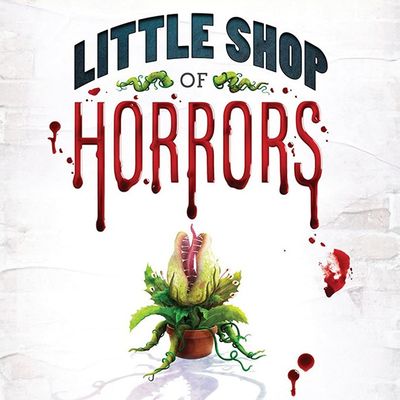
Aaron Harrington joins the pod squad to discuss his journey from North Carolina to performing alongside stars like Jeremy Jordan, Skylar Astin, and Rob McClure. He offers behind-the-scenes insights into the puppetry magic of Audrey II, what it’s like adapting his performance to different Seymour actors, and why Little Shop continues to captivate audiences of all ages.
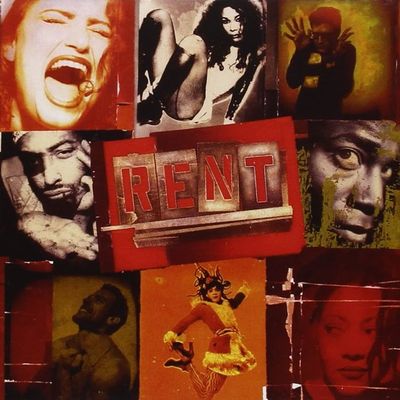
Aaron Harrington is a powerhouse performer known for his deep, commanding vocals and stage presence. A Durham, North Carolina native, he made his professional debut in the Rent 20th Anniversary Tour before landing the role of Audrey II in Little Shop of Horrors. With a background in both musical theater and live performance, Aaron has made a name for himself in the industry through his dedication, versatility, and passion for storytelling.
Transcript
This transcript was automatically generated and might contain errors.
[0:09] Lauren Van Hemert: This is the Beltline to Broadway podcast.
[0:12] Lauren Van Hemert: I'm Lauren Van Hemert, your host, and on this episode, I'm chatting with Aaron Harrington.
[0:29] Lauren Van Hemert: Hi everyone, and welcome to Beltline to Broadway. When I talk about what Beltline to Broadway means, I'm talking about a two-way street between inside the Beltline of North Carolina, where I am, and the bright lights of New York City. And perhaps nobody embodies that path better than Aaron Harrington.
[0:55] Lauren Van Hemert: Harrington will be playing the role of Audrey II opposite Jeremy Jordan in the Off-Broadway production of Little Shop of Horrors when it reopens this fall. Harrington made his onstage debut in the Theater in the Park production of A Christmas Carol, but tells me it was a community theater production of Rent at North Raleigh Arts and Creative Theater that got the wheels turning on a dream he didn't even know he had. And that is where our conversation begins.
[1:50] Aaron Harrington: So to graduate, do the show, leave the show, go to New Jersey, audition for the show, and then the following year be a part of that tour. That blew my mind. It even blew my mind that the auditions were happening around the time that I ended up moving, you know, up to New York. And it wasn't, you know, like a small production. This was the 20th anniversary tour for what is Rent, you know what I mean? So God knew what he was doing with me. I think, you know, I couldn't picture it for myself, but it was definitely something that he placed in the path. And I was like, you know what? Let's go for this ride. I did not imagine that I would be in this position. I'm still that much more grateful just about everything that's happened and the way that it's happened.
[2:34] Lauren Van Hemert: So let's talk about Rent for a second. It is such an iconic show. Talk to me about the show, its legacy, and how it plays 20 years after the fact.
[2:51] Aaron Harrington: It's not an easy show. You know, you're dealing with themes of like suicide, a lot of death, and then a sort, especially when you're doing your own research about, you know, what was happening during that time. A lot of lives were lost to this disease, and you know, even the president at the time, you know, Reagan couldn't say anything about it; he just would not acknowledge it in the way that it should have been. And so it's funny how it's still—it's a period piece, don't get me wrong, but it's still relevant even to today. Of us still trying to navigate life and remain calm and remain present during times where things just look bleak and there's so much wrong with the world, and there's so much death, you know, from a disease.
Turns out this one happens to be a virus, speaking of COVID, but it's still relevant. Like I don't think it'll ever not be relevant. I think that's why even now it's going, you know, on the final, you know, tour for the 25th year. Such a beautiful show. I can't even begin to express how grateful I am to that show and for Jonathan Larson and the Larson family and like just the whole Rent family. It's something special to be a part of.
[4:06] Lauren Van Hemert: Now, was that the first show after you moved to New York, the New York area?
[4:12] Aaron Harrington: Yes, that was my very first audition. That was my very first show. I showed up to that audition with no book, no sheet music, no headshot, no resume. I just showed up because that's how naive I was. I didn't realize exactly what I was doing, but you know, I was told about the audition and I went and got a rude awakening. But you know, thankfully everyone took a little chance on me and about how green I was, and things still progressed, you know, that didn't stop me, but it was a very first show, very first thing I auditioned for.
[4:44] Lauren Van Hemert: What was the best part of being on tour with that show?
[4:48] Aaron Harrington: Honestly, for me, it was two things. Because again, this was my first time being on a tour. So, you know, we went to a bunch of different cities and a bunch of different states, and even went to Japan, but it was being able to compare the response, you know, with the different audiences. So you'll have, you know, the audience in Montana that would be completely different from, let's say, just New Jersey, you know, just throwing in different areas and how you can definitely tell which areas were a little bit more sheltered and a little bit more conservative versus, you know, these areas, especially when we went to California that were just so excited, just, you know, go to a show, you know, feel seen, feel represented.
Which turns me into the second part that was my favorite. We reached so many people from just even not only the old just generation of Rent heads, but we also reached the new generation of Rent heads, people that were dedicated to this show, fell in love with it, you know, whether or not it was from the movie, the last Broadway production, or just any version they saw, you know, they were captured by the show, and it was an honor to be able to go to their city. They bought tickets for, they came to see us. We poured our hearts on the stage, and they'd see, oh, we'd see them at stage door, and they're like, "Thank you. You know, I've gone through this journey of, you know, I'm I myself am in, you know, a transition and just seeing you guys, you know, be on the stage and do this beautiful show has really just lifted me and just gave me more light."
But the different people we were able to meet, that was probably some of the most beautiful moments and memories that I will always have and always keep. It is a timeless piece and it will live on forever.
[6:29] Aaron Harrington: I believe it will too.
[6:31] Lauren Van Hemert: What did you learn from performing it at Interact from being Tom Collins in that environment that you brought with you to the tour?
[6:43] Aaron Harrington: It's funny. The biggest, and this was the biggest struggle for me because, you know, in North Carolina, the way we were raised, you know, there were things I had no clue about. I had no idea about the trans community. You know, I had no idea about what was going on within the gay community. I had no idea, you know, just about the LGBTQIA+ community, period. And so this show in itself taught me way more than I could have ever expected. You know, one of the things that I had to realize is that no one is any different, any better than you are. And one of the things I struggled with having to do the show in North Carolina was the thought of, "Wait, but I have to kiss a boy. Like I can't do that.
I'm not in love with him. I'm, you know, I love girls." That was my whole thing. And I really had to separate myself from that selfish moment and be like, "This is so much bigger than you are." And of course, as we toured the show, there were certain places that also had that issue, especially in the South or in the Midwest, that had that issue with same-sex couples or same-sex relationships. And I really struggled with that at first, but, you know, with my Rent family, especially in the Raleigh area, they were able to really just snap me out of that selfish moment and say, "This is not about you. This is a big story that is way beyond you and way beyond your sheltered life." And it really opened my eyes to so much more that I'm able to, you know, really, you know, shout from the mountaintops now as I'm defending our community, you know, our LGBTQIA+ community.
I'm in a better place as a human being, you know, being able to accept, you know, not only all the flaws about myself, but all the flaws about everybody else, and also all the beauty of everyone else. It doesn't matter where you are or where you come from, who you are, that's not what's important. What's important is what's in your heart. And that's why I owe so much more to it because I think that I am so much of a better person. I'm a better man because of that show. And I'm so secure in myself to be able to just continue to do what I do and to continue to spread love to whomever. It doesn't matter. You know, love is love. That's one of the biggest things Lin-Manuel said on stage that will always stick around with us. Love is love, you know what I mean? I love that show so much.
[9:17] Lauren Van Hemert: Prior to COVID, okay, talk to me about auditioning for one of my favorite shows, Little Shop of Horrors.
[9:28] Aaron Harrington: You know what? This 2019 into 2020 was probably like my most favorite time of being in New York and being in the audition scene because it started with I had just signed to a new agency. I left my old agency and just signed with a new agency. They started sending me things. I think I really started booking, like booked a workshop. I booked my first debut at 54 Below, booked my, you know, I booked my debut with Broadway Sessions, like little things were starting to add up. And at some point my agent sent me this audition for Little Shop. Now, prior to that, prior to like signing with all of them, a friend and I had gone to go audition when we first got the audition notice. And it was the very initial one, but we didn't hear anything back.
So I found it really interesting that when, you know, all this stuff started happening, my agents were like, "Oh, by the way, Little Shop wants to see you." And so I lit up and I was ready to go. So I go to this audition, and just it was perfect. The pianist was a friend of mine, and I was like, "Oh, this is great. Like, this is already set up." And then everyone behind the table, you know, the director, the choreographer, the assistant director, the assistant choreographer, and the casting agent, they were the most friendly group of people for an audition I'd ever had. So it literally became the most easygoing audition I'd ever had, and I think it translated into me singing the songs for them, and it translated just the energy in the room.
Most solid audition that I've ever had. And all of a sudden my agents called me, like, "Hey, got something to tell you. You booked the role." And from then on, I mean, I guess we'll get to that, but that at least that was the point where I was like, "Great, I got this role," called my mom. I'm like, "I got the role, I got the role." While I'm at work watching kids, I'm in tears, and I'm trying to balance myself between still being a responsible adult to do my job and also like being overwhelmed.
[11:37] Lauren Van Hemert: I'm feeling the energy off of you.
[11:39] Lauren Van Hemert: So all the way here in North Carolina. So you're in rehearsals for Little Shop, opposite, well, not opposite, but it's an incredible cast, but Jeremy Jordan was gonna step in. The show was getting fabulous reviews. You're in rehearsal and then COVID. So talk to me about rehearsing for the show, getting ready to step into that role.
[12:05] Aaron Harrington: So people, I mean, who don't know, you are playing Audrey II, which is the land...
[12:16] Aaron Harrington: Yeah, it was a plant. It is a man-eating plant. Yeah. So literally the day after I called my mom, I think I called her on the first, and we started rehearsals on the third. And we got straight into it. It was just a quick turnaround. And we started rehearsals, you know, I'm meeting the cast for the first time. You know, I'm seeing the show. So Gideon Glick was still in the role during it for Seymour. And Kingsley was still doing it for Audrey II. So I was able to see how the show goes, meet the current cast, and then we started rehearsal. So we do rehearsals during the day, and they do the show, you know, that evening or whenever the show was scheduled to be done. And we had been in rehearsals for two weeks, and we were in that very final week.
And that's when, you know, Jeremy and I were finally starting to get the groove of being able to go through the entire first act, and we also had, you know, some new urchins stepping in. So we were really getting, you know, into the groove of really taking this, you know, to the stage. And then like just like just about every other show, you know, there was a meeting like, "Hey, there's something going on, you know, there's something spreading and it's making people sick. And so we're gonna take a pause on rehearsal and we'll let you know about, you know, whether we do the show tonight." And I believe that was that Thursday, if I'm not mistaken, and we were supposed to debut that following Tuesday.
And then before we could all leave, they were like, "Yep, turns out we're actually not gonna do the show tonight." And you know, and that show was going to be like the cast party of saying goodbye to everyone else. And they were like, "Yeah, we're not gonna do the show. We'll keep you guys posted. Just go home, take a break, relax, and we'll keep you guys going." And then, you know, here we are. What is this? May 27th. So from March, I'm just gonna throw out a date because I think it's right, March 12th of 2020, you know, all the way until May 27th of 2021. It's been what we all know it to be.
[14:23] Aaron Harrington: It's been rough, it's been hard. Uh it's it's been full of so much uh I'll I'll I'll leave, I'll say it's been full of so much joy as well. I should also acknowledge, you know, the good things that happened um in 2020 and up until now. But it's been hard for a lot of us. But you know, being able to get this news really has put a fire under I can at least speak for myself. I got a fire under me. You know, I'm able to push forward for these next few months through the summer, come back strong, come back vocally rested, and just be ready to work, you know. You know, puppetry on Broadway has become a thing. Um and and it's come so far from like I mean, Lion King, I think set the bar for puppetry so high. Yeah, and then King Kong, that puppet was crazy off the charts. Did you learn anything from other people who had done kind of the voice and the puppetry of some of these other shows or no?
[15:28] Aaron Harrington: No. Um one of the things that a lot of my friends up here hate about me is the fact that I have not seen that many shows. I can probably count on one hand the amount of shows I've seen or been able to see. And if I'm not mistaken, all except one, none of them have puppets. And the one that I saw was Wicked. You know, they've got the big dragon, and I guess that's more of an animatronic kind of a thing, more than a puppet. I have a dream, also like a side dream to do voiceover work. So it was not really seeing, you know, these stage shows. It was more like seeing these shows that I'm like, oh, I could do that voice and trying to, you know, match my the speed of my talking to, you know, the way that the animated character is going and you know, memorizing the character.
Um, and that all started with Lion King, you know, Mufasa, I've got this, you know, this deep voice. I'm I'm like, I can do this, I could be Mufasa or I could be grown grown up Simba. It's kind of one of those things that they just kind of threw me in there, you know, not without any guidance, of course, um, but they kind of threw me in there and let's uh let's give it a shot. So me stepping into it and actually being able to see the puppet was probably the most cool, it was the coolest thing ever. And seeing how it's operated, you know, we have um you know, two great guys, Teddy and Eric, who actually are the ones in charge of manipulating the plant. Um, while I actually I'm in a booth at the top, I'm just singing.
They just have my voice, and so you know, Teddy, Eric, and I our job is to just make everything sync. So they're moving things with my voice. Um, I'm also trying to stay, you know, slow enough and also fast enough that it moves, but it also gives them an opportunity to move the plant. Um, and the size of that thing, it's enormous.
[17:08] Aaron Harrington: Shifting gears since the pandemic started, we've seen this rising up in the we see white American theater movement. Are we experiencing some sort of cultural shift in the stories that we're gonna see on and off Broadway? I think we are. I think it's it's starting. I think there's a start of us moving to that about who tells these stories, you know, who writes these stories that make it to the Broadway stage. Um, because at the end of the day, a lot of the shows that are returning um were already, you know, supposed to be in production, you know, before the pandemic. You don't really see too much of a change. Now, there have, you know, there's been some news about you know, new shows coming. I wish I could remember the name of the show, but as an all black cast, all male black cast.
Oh, Thoughts of a Colored Man. I think that's incredible. That's something that I can look forward to that I'm like, wow, now this is different. Um, you know, I haven't seen anything like this on the Broadway, at least in while I've been, you know, knowledgeable about what's going on on the Broadway stage. Um, I think it's a start. Do I think that, you know, the for example, the We C U White America movement has had an effect on the, you know, what's actually still being produced? No. Uh, but I do think that there were some eyebrows raised and some ears that were opened that, you know, I am really truly, truly, truly hopeful that they were listening and they were watching, and that we are able to see more of a change and more diversity uh within this industry.
You know, our cast definitely, you know, had that standard before, before we, you know, got cut off by COVID. Um, but there still are some things, even with our show, that you know, still need to be discussed, still need to be changed, still need to be monitored um and adjusted, simply put. I would like to see a bigger change essentially. That's why I wasn't able to answer that question uh as quickly as as I would have liked. But um, I see that there is a start, and I guess it has to start from somewhere when you're looking at an industry that was rooted in one thing, and we're trying to make a huge shift. Um, and that would not only just you know happen in New York on the Broadway and off Broadway stage, it also happened in the regional uh scene, it'll also happen on the tour scene, it'll also happen on the West End, you know what I mean?
Like there are other sections of this industry that it needs to trickle down to as well. So it's gonna be a bit of a fight. It's gonna be uh it's gonna be a little while. I I I hope we we do see some more diverse stories.
[19:57] Aaron Harrington: I do too. What has COVID and this shutdown taught you about yourself and being an artist? Well, I'll say one thing that it's confirmed. Um, let's let's talk. One thing that it confirmed is that this industry does not define me. Just because I'm not on stage, it does not not make me a creative, it does not not make me a singer or an actor uh or a musician. You know what I mean? If anything, what it has taught me is that I have even more time to really bring these aspects out. You know, one thing is sitting right beside me, one thing that I really tried to focus more on is learning the acoustic guitar and writing music again. And I even got a piano and a and a guitar, but it it's really taught me that you don't need the eyes of the world or the lights of a stage to really be what you already know that you are, what you are inherently, what I inherently am.
Um, and that is a creative. Um, I love to sing, I love music, and nothing, even though I'm not on a stage that still does not stop the love that I have had for music from being in church, you know, hearing my grandfather play the organ, you know what I mean? Um, watching my uncle play the drums or watching my aunts sing on you know in the pulpit or my mom. So it's it's it's really confirmed and really strengthened my love for music, if anything, and taught me that you you don't need everybody else to tell you what you can and can't do. If it's what you want to do and what you enjoy doing, um, do it. You know, life is short. And I don't know how many times we need to hear that cliche and be reminded, but life is short, it will always be short.
So you have to live it to the fullest. We can't, you know, sit inside and sulk. We have to do things, you know, we have to stay active, even when it comes to protesting. You know, I protested a lot during uh the summer, and even though it had nothing to do with music, it was my freedom of expression. It was I was still able to activate that. Um, so not everything had to be music done that was within music. It was just the fact that I could do something. Um, that COVID reminded me, you have you still have the ability to do it. You still have the breath, you still have the movement, do it. Just go do it, do something. So, yeah.
[22:13] Aaron Harrington: What advice would you have for young people who are growing up in Raleigh about making it, living this dream that you're living? My biggest thing would be don't put too much pressure on feeling like you have to do the right thing all the time. Um I was blessed and fortunate enough to be where I am, but it was not nothing was done intentionally intentionally. I am not doing um musicals intentionally. This was something that I was able to give myself time and to allow myself to enjoy or figure out what I enjoyed out of life. Um, when I went to Shaw, I started as a music major. I didn't particularly, you know, connect with what the curriculum was, so I switched my my major to psychology. Then I was like, eh, I don't really like psychology, so I kind of went undecided for a while.
And I'm a junior at this point. I'm a junior in college when I, you know, went undecided. And then come my senior year, that's when I found mass communications. And you know, that that has opened up avenues in itself, the fact that I did mass communications and and the work that I've been able to do with different people. But I'm currently doing something that I never intentionally went for, you know. I but it was something that I kind of found and realized that I enjoyed it more than anything I had been doing since then. I don't think there's a formula for anything in life because there's something called free will and destiny. You know what I mean? You can you can be destined to do so many things, but if you choose not to do it, then you know that was your decision.
Just enjoy life. That is the biggest thing. If you enjoy it, just do it. Just do it. Um I think I've done a lot of things in life where I felt like I had to. Like I even remember working for uh ATT's corporate office because it was within my field. Um, right before I went to Jersey, and I was miserable. I'm working in uh an office, I got an office job, and you know, it was like a what was a nine to six job, and it was good money, but I didn't enjoy it. I worked there, I drove home and I like ate and watched TV and went to bed and did it all over again the next day. Um, life is so much bigger than that. It has to be bigger than that. There has to be more. You cannot be stagnant in life. So my advice would just be do what you love.
And if you don't know what you love, find it. Try things, try new things. I'm the king of odd jobs. I was a ski instructor, I drove motorboats. I mean, I just did it all. A ski technician, like I just anything that I wanted to try, I just went for because why not? You know what I mean? And now I'm able to say, this is what I love doing. I tried it all, but this is what I love doing. This is what I enjoyed. This is what my purpose is in, because I allowed myself that time to figure it out. And I think that's something we all can do. And I don't think age or uh is a factor in this. You know, you can start now.
[25:13] Aaron Harrington: And so what does faith have to do with it? Because if your career is not an example of divine intervention, I don't know quite what is. So, what is faith? How does faith play a role in this? There's literally nothing. I mean, everything that I especially in this industry, you cannot have, you cannot be doubtful of yourself in this industry because this industry will chew you up and swallow you out. Um, sorry, chew you up and spit you out, excuse me. You have to be so confident in yourself, number one, and then you also especially have that faith in yourself in God, you know. And I and not maybe not everyone believes in God, but I can definitely say I do. You have to have some kind of faith to do what we do.
Um, because you can you will hear no after no after no after no. You know, I was in, you know, I've got my uh two of my best friends here that were also my roommates. I auditioned for Hamilton for the longest time and got all the way until the finals and was told no, you know, I went to the other guy, and you know, they had to watch me and hear all that all about that. But that couldn't stop me. That didn't deter me from continuing. That would have been probably one of the biggest moves uh in my career at that time, but it just wasn't my time and it wasn't my destined show. And I had to have faith again in myself that I could that you know it wasn't me. It wasn't about me. Um, and that it was just about the mold that I just didn't happen to fit at that time, and then I had to have faith in God that He has something bigger and better.
And now I'm looking at, you know, doing Little Shop of Horrors with the likes of Jeremy Jordan, Christian Borle, Tammy Blanchard, you know, Gideon Glick was doing this show. You know, I'm emailing with Jonathan Groff, just having casual conversation, you know what I mean? It just wasn't my time then, but it is my time now. Um, and I'm ready to take those reins and move forward. But I mean, you just faith uh is is the evidence of things not seen. You just have to have it, and that's what I'm doing. I had faith that if I stayed in New York, I wouldn't catch COVID. Didn't happen, so faith work there too, and I'm fully vaccinated. But it's just, I don't know, man, like faith is huge. You can't do life without faith in something.
You have to have faith in something. If it's not in other people or family or you know, religion or you know, spirituality, at least at the very least, you have to have it in yourself. No matter if you fall, if you fail, you have to keep going and know that things will work out.
[27:50] Aaron Harrington: The off-Broadway production of Little Shop of Horrors opens appropriately enough on the 21st day of September. Tickets are on sale now. I'll put a link to the show's website in the episode notes. If you like what you've heard today, please consider subscribing to this podcast, making a tax-deductible donation, following us on social media on Facebook or Instagram at Beltline to Broadway or Twitter at Beltline to Be Way, or visit us online at www.beltline to broadway.org. Until next time, I'll see you at the theater.
© Broadway Podcast Network, All Rights Reserved