

Nik Waker joins the pod squad to discuss the importance of representation in theater, the impact of ADHD on his creative process, and the power of storytelling as a grounding force... Read More
From the show: Beltline to Broadway
Guests
Featured Shows

About
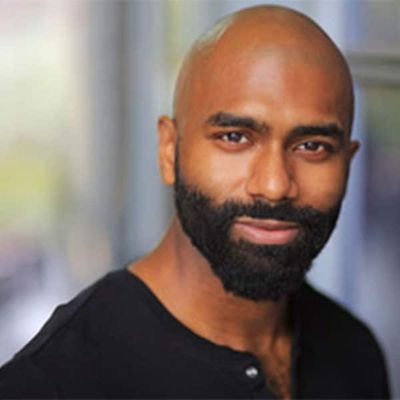
Nik Waker joins the pod squad to discuss the importance of representation in theater, the impact of ADHD on his creative process, and the power of storytelling as a grounding force. From his early days finding solace in the stage to starring in Broadway hits like Hamilton and Spamalot, Walker shares candid insights into his experiences. He also discusses his latest role in Theatre Raleigh's Bull Durham: The Musical.
Nik Walker is an accomplished actor, writer, and educator known for his dynamic performances on Broadway and beyond. He made a name for himself as Aaron Burr in Hamilton and has since appeared in Spamalot, Motown: The Musical, and more. Beyond the stage, Walker is a passionate advocate for diversity and inclusion in the arts, as well as an adjunct professor at NYU, where he mentors the next generation of performers. A self-proclaimed film fanatic and lifelong storyteller, he continues to push boundaries in the entertainment industry, bringing authenticity and depth to every role he takes on.
Transcript
This transcript was automatically generated and might contain errors.
[0:00] Lauren Van Hemert: Hi everybody, I'm Lauren Van Hemert, and this is Beltline to Broadway, where we talk about the theater from inside the beltline to the bright lights of Broadway and beyond.
[0:15] Lauren Van Hemert: Time for you to step into the beltline.
[0:21] Lauren Van Hemert: Time for you to step into the beltline.
[0:36] Lauren Van Hemert: Time for you to step into the beltline.
[0:47] Lauren Van Hemert: You are in Raleigh working on the premiere of Bull Durham, and I want to get to that in a second, but one thing that you've been tremendously open about, and I love this about you, is ADHD.
[1:07] Lauren Van Hemert: I know there's a lot of theater kids out there who can relate.
[1:12] Nik Walker: Yep.
[1:13] Lauren Van Hemert: You say that your ADHD actually led you to the theater and to the stage. So can you talk about that a little bit?
[1:23] Nik Walker: Oh yes. Let's, let's, yes, absolutely. Come on, ADHD, first of all. We out here. We in these streets. Um, so it's so funny because you know, when I was coming up when I was a kid, there wasn't necessarily, we didn't have all the information that we have about it now.
[1:41] Nik Walker: So I think that, you know, I feel so much for my mom, and I'm so thankful for my mom with her resourcefulness, right? She just all she knew was she needed to find something that could focus me. And storytelling became that thing.
[1:55] Nik Walker: Um, it was, you know, I was talking about Robin Hood Men in Tights, but it was that thing like my mind would be in 20 different places. But you see me in front of a movie, and I'm just, I'm in, right? So then a friend of hers had recommended theater, and it was Wheelock Family Theater in Boston.
[2:11] Nik Walker: They're this theater right outside of Kenmore, if you know Boston, and they were doing children's theater. And I think it was like Winnie the Pooh, or I think Winnie the Pooh was the first one, Charlotte's Web was the second one.
[2:22] Nik Walker: But it was just all of a sudden this place where I felt a hyper focus. And they talk about, you know, oftentimes people with ADHD, you will experience kind of, you know, your mind might be in 20 different places about life stuff doing the dishes, you know, anything that kind of gives you that anxiety, whatever it is, you know, but there might be one thing that like focuses you.
[2:47] Nik Walker: And for me, that was storytelling and theater and writing and movies, and so it really was this kind of wonderful place where I think theater was the first place where I felt safe. I felt safe to kind of just exist and not worry about how I appeared to people, how I was perceived by people.
[3:10] Nik Walker: Um, especially also growing up, you know, and I talk about this often as a black kid in Boston, like that comes with its own challenges. So theater was certainly a place where I just felt mentally and emotionally seen.
[3:22] Nik Walker: And so, um, yeah, it really didn't, it didn't cure my ADHD at all, right? It was certainly something that as the years went on, I had to, you know, talk to therapists and a psychiatrist, and for me, get medication for and figure out how I wanted to navigate the world with this thing.
[3:39] Nik Walker: But theater was certainly a place where for the first time I just felt like, yeah, and even without all those solutions, I'm okay. Do you know what I mean? Like I still, I still have a space that sees me and that welcomes me, and that meant the world.
[3:59] Lauren Van Hemert: Yeah. I love that you said that. And I really do believe, um, I have a son diagnosed with ADHD. I have a daughter on the spectrum. And I think, um, these really are the superpowers.
[4:16] Lauren Van Hemert: Like I think there are certainly challenges, but I think to find an artistic outlet or that thing, whatever it is, it could be sports, it could be anything for my kids, it's the arts. Um, I think really grounds you and gives you that safe space.
[4:36] Nik Walker: Absolutely. And just if nothing else, right, just gives your mind, I think, especially for ADHD, it's almost like we're looking for a dopamine rush. We're looking for a puzzle to solve, right?
[4:51] Nik Walker: And the thing you very quickly learn about life is life is not a puzzle. Life is an open-ended question, right? Life is a constant question. So if you're looking for the dopamine rush of fixing life, never gonna happen.
[5:04] Nik Walker: But the magic of a story is that a story is by its nature has a beginning, a middle, and an end, right? There's a catharsis, there is a closure to story. Um, so you can really kind of lose yourself in that sense of like, wow, like a world.
[5:22] Nik Walker: If in fact we're saying that my anxiety comes from a world where I don't know what's gonna happen next, and I have, it takes me a lot longer to process that than a world where I do know what's gonna happen next is like such a balm on my spirit.
[5:35] Nik Walker: Such like a momentary relief for me. And I, you know, even for the general audience, I think that that's why theater speaks to people, storytelling speaks to people in general is just that sense of like not that you know how it ends, but just like you trust that you are watching something that's been crafted, and so much of the world isn't.
[5:39] Nik Walker: So much of the world is messy and must stay that way. But stories you can kind of lose yourself in because that's what a story is. It's crafted for you to lose yourself in it.
[6:09] Lauren Van Hemert: Um, so yeah. Um, Jeffrey on Facebook, he posted a comment, he, his family loves you and your posts on men's health mean so much to him.
[6:21] Lauren Van Hemert: And I think just, um, your transparency and using your platforms for good just resonates with so many of us. Um, not just your talent, but your person, your humanity.
[6:34] Nik Walker: So I just love that.
[6:35] Lauren Van Hemert: It means a lot, thank you, Jeffrey. Um, I had the opportunity to see you in Hamilton and Spamalot.
[6:42] Lauren Van Hemert: I've seen Hamilton a couple of times, but you were my first Aaron Burr, and you will forever be Aaron Burr for me. Um, and I really enjoyed this revival of Spamalot so much.
[6:54] Lauren Van Hemert: I saw it with my family, my daughter, um, her first foray into the world of Monty Python. Um, you said in an interview that Spamalot was special for you because half the people who taught you how to do what you do were in that show with you.
[7:15] Lauren Van Hemert: So can you talk about how Hamilton was that training ground for you and the full circle moment coming into Spamalot?
[7:27] Nik Walker: So first of all, you were just an excellent interviewer and you were at like, I just love these questions. It's very, I feel very seen because you're just, this is awesome.
[7:38] Nik Walker: And I love talking about this. So yeah, Hamilton, you have to imagine, let me set the stage for you when I come into Hamilton and that will help you understand why Spamalot was kind of the full circle.
[7:50] Nik Walker: Hamilton was, I was coming off of a show Motown. I had done many, many years on Motown. And I'd done the original Broadway and then I did the tour.
[7:59] Nik Walker: And then the tour came back to Broadway. And it was very short-lived. The tour coming back to Broadway was very short. It was like we, I think we ran for like three weeks maybe and it was like crazy.
[8:12] Nik Walker: And I was getting married and I needed a job to help pay for this wedding. So as soon as I knew I was out of a job, I was like, okay, I need to find a job and I booked another show that, you know, that was good.
[8:24] Nik Walker: It was a Broadway show. It would have been a standby role, and it was cool and I was, you know, it was like, oh man, okay great I can go back to Broadway.
[8:33] Nik Walker: And then this Hamilton thing kept knocking at my door and Hamilton had been knocking for maybe five years at that point because I mean since they had started with the Hamilton mixtape like workshops I'd been going in for this thing.
[8:47] Nik Walker: And you know, I've told the story countless times, but this idea of like I didn't consider myself a rap guy, so it's like, yeah, it's just not my thing.
[8:55] Nik Walker: Um, but you know, then I had a friend who compared it to Shakespearean verse, and I was like, oh, that I know Shakespearean verse. I studied that in NYU. That was my thing.
[9:04] Nik Walker: So once I got the verse in my head and locked into it, I was like, okay. And then I booked it, and I was like, thank God I can pay for my wedding.
[9:12] Nik Walker: And from the get, Lynn and everyone in that office was so kind. It was like my first day I walk in, and you have to imagine, this is right after the Tonys.
[9:24] Nik Walker: Like, they are, this is the show. And I, you know, I have friends in it, but like, I'm also knowing that like the friends that I have in it were one person four months ago, and now post-Hamilton Tonys are in a completely different stratosphere of their lives.
[9:42] Nik Walker: But I walk in, the first thing that happens is Sasha Hutchings, who's one of my best friends, is blowing bubbles in my face and throwing like confetti at me.
[9:53] Nik Walker: I walk into the office, Lynn's eating like a slice of pizza. He's like, oh, hey man, like, welcome to the family. And David's just sitting there, like chilling, hey man, what's up?
[10:00] Nik Walker: And it was just like this, like it just felt, it was just this very surreal. Like, what is going on here? Like, y'all, this is just like a party house. Like, what is happening?
[10:11] Nik Walker: And it truly, I think what was hitting me, what I was feeling so, so much was like this sense of these people who had worked their butts off to create this piece of theater, who had taken their time creating this piece of theater, and it had finally been recognized in the way that they'd all hoped and dreamed, and now they could have just enjoy it.
[10:31] Nik Walker: And it was like hitting a lottery. And I was, I was an understudy, right? I was the Burr understudy at that point, but it was just like what a perfect place to learn how to navigate a successful Broadway show.
[10:50] Nik Walker: Like, what a place to learn how to navigate like all the feelings and emotions that come with that. Um, it was with people who I came up with, like Donald, like everyone who ended up in Hamilton, we used to call it Hamotown because it was like there was a period where it's like me, Brandon Victor Dixon, Donald Weber, Nick Christopher, Javon McFarron, like Cindy Winters, Crystal Joy Brown, like everyone who came through Motown came through Hamilton at like a at the same time.
[11:16] Nik Walker: It was almost like we were all expats, and we just ended up in this world, and it just felt, it felt good. It felt like we were doing good art. It felt like the audiences were happy, and it felt like we took care of each other.
[11:30] Nik Walker: Um, and then obviously you bring in the James Moral Eigel heart of it, and it all falls apart and everything goes to hell. Um, but no, but it was also that because James and Chris Jackson very much became like my big brothers.
[11:45] Nik Walker: Um, and whether I wanted them or not. So this, you know, I spend the first, you know, my early Hamilton days looking up to them. I take over as Burr on the tour, and the people I'm calling are Chris and James.
[11:58] Nik Walker: Like, how do you lead a show? How do you lead a company? I had never led a company before like that, not on a show that big.
[12:04] Nik Walker: Um, how do you do this? And the advice they gave me was invaluable. Um, James talked about this concept of like, I mean, he just really pointed out the humanity of leading a show, the idea of like, look, you're gonna have your A show, your B show, your C show, your D show.
[12:23] Nik Walker: Your A show is when everything, your voice is exactly where you want it to be, your body is feeling good, you've eaten right, you've slept, you're hydrated, like you're good to go.
[12:32] Nik Walker: A show's great. You can hit those high notes, no problem. B show, okay, like maybe you're a little tired, but like nothing's gonna, you know, take you out.
[12:40] Nik Walker: But you know, you're doing it. C show, okay, you're a little sick, or like not like maybe not like COVID sick, you know, because COVID's sick, don't be in the building.
[12:48] Nik Walker: Um, but like you're feeling a little under, but maybe you have like an important studio executive in the audience that night, and you're not gonna miss that show.
[12:56] Nik Walker: Um, so you know, pace yourself. And your D show is like you probably shouldn't be in that show tonight. But if you're gonna be in that show tonight, like how are you gonna navigate it?
[13:07] Nik Walker: How are you going to make the grace for yourself so that you can be like, ooh, it's not gonna be a perfect show, but can I do the show that at least doesn't detract from the show, doesn't harm anybody or myself, doesn't harm the company, doesn't take away the audience's experience?
[13:25] Nik Walker: Can I do that show? And that might be your D show, right? And you don't, it's very rare you'd have a D show, right? If you're at a D, call out, like don't do the show.
[13:34] Nik Walker: Um, but it was just that I think because when you take over as the lead, there's such a pressure to, oh, it has to be perfect, and it's never gonna be perfect.
[13:45] Nik Walker: It's never ever ever gonna be perfect. So relieving yourself of that need to make it the thing, I think was the biggest lesson.
[13:54] Nik Walker: And James taught me that. And Chris Jackson just makes fun of me all the time. So, like he all he just took the piss, and so I never had any ego to speak of because Chris would just rip it out from under me as soon as I had one.
[14:04] Nik Walker: Um, so then we get to Spamalot, and you know, you're I'm standing on stage with James.
[14:11] Nik Walker: Um, I'm standing on stage with Taryn, who came into the Hamilton family, you know, uh you know my my my first couple months there is King George and he is I mean I you know I I've loved his work on SNL but like he also was like it was like you know when you're in when you grew up like a nerd and you see another nerd who made it you're like oh you made it now we're here and he was that like he you know he I just the first conversation we had was Star Wars and we just and literally was I'll never he threw a a snob uh Saturday night on Broadway party in his dressing room and uh it was me him and my wife Sarah just talking about Star Wars in his in his dressing room for like an hour while like this party's raging around us and I was like I like you I'm uh I'd like to be your friend and like and here we are and like and it was crazy because it was really crazy because I I was actually kind of responsible for getting him that job um like because because Alex Brightman who did the role in uh DC um he you know my who's also my writing partner at Warner Brothers he was doing Shark is broken so he needed someone he was like I can't do the opening I I I have to come in a little later and I literally was like as soon as I knew that that was like Taryn would be perfect for this.
[15:32] Nik Walker: So I literally called my director I called Jeffrey our wonderful producer and I was like hey guys I don't know if you know Taryn but and it just it happened and it was just like oh to be like and it was also that idea of like being in a position thinking back to my beginning of Hamilton, where I'm like wide eyed, understudied, just like okay, to now like like being able to kind of in some way influence who gets cast in a show. Um, and and the human and I think that that was what was wonderful about Spam a lot was kind of this this coming into this place of like owning, like, oh, oh, okay, this is where we are now. This is a very different place. Like, and I I'm not a celebrity, but like I'm certainly not where I started. And so this is interesting. Can we, and and how can we make sure that we enjoy this? Because the only crime would be if we didn't enjoy this moment.
[16:23] Nik Walker: And it was very easy to do because I was on stage with my friends. Um, you know, it was it truly was just I I honestly, especially those first four months. I can't think of a time when we weren't just laughing our butts off on stage, backstage. It was just joy. It was just it was truly just like a group, and like the group thread's still going. Like, like it's still like every time somebody books something, we're always like, hey, you know, congratulations. Like, so I just I'm so thankful for that for that special moment. Um, and I think that Hamilton, you know, this is a very long and winding story, so thank you for spinning with me on it. But I I the condensed version is say, I think Hamilton prepared me for it simply because through Hamilton, I was able to see what a joyous building looks like, how to how to how to genuinely contribute to that joy.
[17:20] Nik Walker: And then with Spam a lot, when I was one of the people who was expected to kind of help maintain the joy, it was like, okay, cool. I remember, I remember what it was to just kind of there's there, it was an authenticity. You know, you know. You walk into uh Lynn Lynn eating a slice of pizza in his office when he's Lin Manuel Miranda is the most Lynn thing that he could do. And he's just himself, he's himself. That's joy, right? Just the freedom to be yourself is joy. So just helping people be themselves, I think is I think is part of your job as a as a leader of a company. Um yeah, so that's that's what I I aspired to do. I hope I I hope I did, you know.
[18:00] Lauren Van Hemert: I love that so much. Um you you mentioned being a nerd, you are a uh film fanatic, so um, much like Spamlot, which was inspired by this iconic film.
[18:19] Nik Walker: Um, so is Bull Durham. Bulldurham came out in 1988. It's hard to believe. Um, but as a self-proclaimed cinephile, where does Bull Durham sit on your list of films?
[18:36] Nik Walker: Top 10, top 100. It's certainly top 20. It's it's it's one of those Bull Durham, right? I think you know, when you meet Ron Shelton, who's our amazing book writer, um, you realize very quickly that he is Crash Davis. Um, like that's it just really and Ron Shelton is if you don't know him, he wrote every sports movie from the 90s that you love. He wrote this, he wrote Tim Cup, he wrote White Man Can't Jump. He is prolific, and he's a brilliant writer, and he knows how athletes speak and think, and he is he's just great at putting it on screen.
[19:10] Nik Walker: And he and he grew up on you talk to him, he grew up on Bergman films and westerns, like he is very much that kind of like of that John Wayne generation. But I I actually he's more like a Sergio Leone, he's like a Clint Eastwood. That's where he more fits. Like he's man with no name, and he actually, if you talk to him, it's so funny because he talks about how in his mind, Bull Durham is a Western, right? It's it's a it's a ball player, we don't know where he's from, who gets hired on to do a job and then gets kicked out when he's done with it, right? Like it is it's a western.
[19:40] Nik Walker: So it it not only does it sit high on my list, what's also crazy about it is speaking quite candidly, when I got the offer to do this, um, I had to do it for two reasons. Well, three. Mark Bruni and Josh Burgas, that I just I love their work and I want to work with them. Carmi QSAC, um, because you know, my pup my buddy Paul Nolan worked for him Bright Star, uh, and he's has said to me, maybe every time we meet up that she is the best actress he's ever worked with. Um, and I was like, I I need to just learn from this person.
[20:19] Nik Walker: And I and I'll tell you, spoiler alert, she is she's I mean, this is her work is stunning. Um the third reason being that this was a role that as a young black kid, I was like, ooh, that's amazing. And I will never get to do that. I will never get to be that Han Solo gunslinger type. They don't let black kids do that. They don't, that's just not who we are. That's not who we are in this public sphere. So if you're telling me that I can like I can essentially play the Han Solo of baseball, like I'm not like there's actually that's I was the easiest when I got that call, I was like, oh, that's the easiest yes in the world.
[20:58] Nik Walker: I actually have there's nothing that's gonna stop me from being present for this thing. And to the point where, like, because it, you know, there's a there's a week of overlap. So uh Bull Durham rehearsal started a week before a little night music, or two weeks before Little Night Music ended. So I was flying in on my days off to rehearse Bull Durham, um, and go back to time because I mean I was like, I'm not gonna miss this, I'm not gonna miss this. Um it it definitely is like it's not only a movie that I love, but it's just a role that I that I love and didn't, and just an archetype that I never thought I'd get to do.
[21:23] Nik Walker: I never thought I'd get to get my give my take on it. Um so I'm so honored that they would let me, you know, it's just it's like it truly is kind of like a like a and I'm I'm not being cliche, it's just it's a pinch myself. It's just like I I don't believe I'm here. This is very wild, this is very wild to me. So yeah.
[21:53] Lauren Van Hemert: I love so much that you said that. Um, folks who follow Beltline to Broadway know that we have a lot of conversations about um representation on stage, and um over the pandemic, we spoke a lot about um racism in theater and representation in theater.
[22:18] Nik Walker: And in your spare time, you're an a pro an adjunct professor at NYU.
[22:26] Lauren Van Hemert: Use it, you're not ruining the lives of the kids, I promise.
[22:32] Nik Walker: You know, I just got an email from a student today and he was asking some advice, and I was like, I'm gonna give you this advice, but I just hope that I'm getting because you don't feel such a responsibility, like, you know, they they trust these kids, and and if any of my students are watching this, you know, I've said this, there's nothing I haven't said to you already, but like they come to you and they expect that you know what you're doing.
[22:51] Nik Walker: And like the first thing I say is I just want to be clear, I have no idea. Like, I'm making this up as I go along. If you think I have any sort of like concept of like, you know, but I think there is you know, it's been fun to be you know a professor because it does two things.
[23:08] Nik Walker: It a you you are forced to kind of reckon with, well, how have I been doing this? Like, what is this thing, you know, that that that has seemingly worked a couple of times. Um what's lovely is you really do get to lean into how much you don't know. I think my favorite professors when I was coming up uh in my NYU with professors that were like, I don't know, let's see, right? Because it's it's it's not so much about having the information as it is being unafraid to ask the question.
[23:41] Nik Walker: I think that's that is the difference. You know, it learn allowing a student to discover for themselves, which takes more time, absolutely takes more time. And you know, when you have goals you need to hit and and a syllabus and curriculum and all these things, like definitely gets harder, but like the moments when you can just at least encourage that thing of like let's find out, let's discover it.
[24:03] Nik Walker: That I think sticks with the student more than any piece of information you can give to them when they own it for themselves, yeah.
[24:13] Lauren Van Hemert: I I love that so much, and and you've said that um your students, particularly your students of color, have much more freedom as they move about this theatrical space than you had as a kid coming up in this industry.
[24:34] Lauren Van Hemert: So are we making progress when it comes to representation and opportunities?
[24:41] Nik Walker: Yes, you know, I think. Yes.
[24:44] Nik Walker: Yes. Yes. Yes. And I want to say that I'm saying that emphatically, because I'm I'm I'm I'm what I'm thinking of is not a c a caveat, but but just kind of I'm I'm assessing as I'm saying. For me, it does feel that way. It does feel that way. That said, there's still a lot of ways to go, right? There's still a lot of things.
[25:06] Nik Walker: Whenever it is about faster, cheaper in any, in I don't care what industry you're in, faster, cheaper, whenever it's about faster, cheaper, somebody's gonna get left off the bus. That's just that's just the nature of it. Because you're not taking the time, right? The the the I think the dark secret of inclusion is that inclusion does in fact take more time.
[25:24] Nik Walker: Inclusion does in fact take slowing down. And yet, in the effort of making sure that you are doing what you say you want to do, which is making an equal playing field for everyone, oftentimes it is worth it to slow down. I've been thinking honestly about um, you know, the things that as I get older, the things that I'm gonna have to slow down for, right?
[26:10] Nik Walker: Right now, I'm in a space as a as a you know, middle aged millennial where you know, uh my my generation is kind of starting to, you know, uh lose our set on the trends, right? Like we we set the trends for a while and now it's Gen Z, right? Now now it's somebody coming up behind us. So the things that we thought would be just the things are no longer the things.
[26:33] Nik Walker: And part of my job is to, as a as a as a not even a professor or whatever, but just like a uh a civilian in society, a contributor to society, is to is to make space for what those things are and and understand they're not my things, right? And and and maybe even take the time to learn what those things are and not try to co-opt them with an agenda so that I can show that, like, oh, I know your things.
[27:01] Nik Walker: It's like, no, they're they're your things. And maybe and and and there comes a time when you listen as opposed to produce. And I think that that is so much of inclusion. This the idea of like, yeah, I understand how it was done in your day, I understand how it's done in your world, but there are worlds that have nothing to do with your world.
[27:20] Nik Walker: And if in fact you want them included, as you say, as people often say they do, it you need to slow down. So I think I think the the concept of slowing down can be extremely scary for some people. Bring it full circle for someone with ADHD, that is a death sentence. Tell me to slow down, my god, I don't know what that means, right? And yet, it is so necessary to everything that we as a society have often professed to want to do.
[27:51] Nik Walker: So yeah, I think that it is getting better. I just think that in those moments, I'm I think the moments that that are still sticking for me are the moments when I do see people rushing ahead. Um, and and and that's not a bad thing inherently, it's just a thing of like, I am always my prayer to my students for my students, is that in those moments when somebody's rushed ahead of them, that they won't be the only ones having to raise their hand and advocate that somebody else will be with them, that they will never be alone in that advocacy.
[28:25] Nik Walker: Because that's actually the only hard part of advocacy is when you is if you have to do it alone. If there's nobody standing with you, not even not even standing in front of you, standing with you, being like, nope, I see it too. That's actually all it needs to be. Um so yeah, if that makes sense.
[28:47] Lauren Van Hemert: 100%.
[28:48] Nik Walker: And I think um, too, advocacy and inclusion means, in my opinion, letting go of fear. And that is, you know, when you have millions of dollars behind a production, that's pretty that that's not an easy thing to do. Here's what's okay. I'm gonna say something that's crazy. You know, it's not an easy thing to do, and yet if we're talking about commercial theater, commercial theater is a casino. It's a casino. We know this. We know that like it's the and it's the most powerful, moving, emotional, cathartic, funny casino in the world. But it is a gamble if you're if you're talking about being a prison. We know you're rolling the dice on these things. We know. So the only way if we're going to a real casino, Las Vegas, I'm if you don't want to be that person who's like being hunted down by the loan sharks, then it better be expendable income.
It better be money that you're willing to lose on this thing, not because you're you're you know, you're trying like it's it can't all be about the game. Some things you just do because like you have the capital to do it, it's the right thing to do. So I always went, you know, I yes, it is scary, but if it's that scary, I question like, well, then how did you prep for this? Because you know what we've been here for seven years. You know what this is. Most of these shows don't work. So, like, what did you think this was? You know, what did you what did you convince yourself this was? Um, you know, it's it it really does speak to, and again, I'm not not trying to be on a freaking soapbox, but it's like I that's why I think about a national endowment for the arts.
You mean like that's the point. It's not it is it this is not a place to make money, it's just not. It's that's very rare here. And if you try to make it into that, well, then it becomes something else. This is a place for culture. You mean like it New Orleans isn't New Orleans because New Orleans is franchised. New Orleans is New Orleans because that's where you go to hear the music. It's New Orleans. Do you mean and that's I mean, I'll again off my soapbox, but I just I get so I'm just like, yo, what did you think? What did you think? What what were you thinking?
[31:12] Lauren Van Hemert: Um you called yourself a middle-aged millennial, so this is not me calling Nik Walker a mild middle-age, he called himself that. Um, but as a middle-aged millennial, um, you know, from what I've seen on social media, choreography, the physicality of Bull Durham is no joke. Um, this show is very physical. You all are dancing, throwing bats um up in the air, and it it the physicality is what's really striking me. And and if you don't follow Theatre Raleigh on social media, please follow Theatre Raleigh on social media because it's really fun to see the behind the scenes. How do you prepare physically for a role like this? Because I feel like night music is all about the vocal athleticism. And this is this is a a very physical show.
[32:12] Nik Walker: What's wonderful, I think it this honestly it's so crazy because you know, talk to me and talk to me in three weeks and ask me how my knees are doing. But what I will say right now is A, I get kind of a pass because my care that's the whole point of my character is that he is on the older side of this baseball life, right? So like this idea of somebody who doesn't necessarily have that same spring in the step is not, you know, is not as like it it kind of plays into the character. However, like, you know, I think that also I will say to their credit, Josh and Mark are extremely smart about the moves they have me do and don't do, right? Like the boy like the the things these boys are doing in this show are high y'all duh.
Like it's insane. I don't do 90% of those things. The bad tricks I do, I do the do the you know, tossing the bad tricks up in there, but that's all that's that's much more you know, um doable for me. Like I, you know, I'm and and and and keep in mind, like, you know, I I I think about like all the all the you know, I'm I'm 36. Think about like all the 40 plus men who've been jumping off that burr table, you know, for years at a time. Like it's still it's it's possible. You just you gotta you gotta prep. You gotta you gotta know what you're going into. So I will say, like, worked with my trainer, right? And said, okay, so I'm playing the catcher, so that means a lot of time in a squatting position.
So can we really build up like you know, posterior chain muscles? Can we do all those things? Um, and eating right and like drinking a lot of water, getting a lot of sleep, stretching, like all the things you can do. But I think I think that what I love about a moment like this, like this A, the show is so well constructed that you you actually feel really taken care of doing it. Like it doesn't everyone has a lot to do, but it's so well spaced out that nobody, maybe except for Carmen, who's like literally owning the stage every second, um, nobody really feels like pushed to their brink. It's not like it's so everyone has their thing and then has a rest, and that's lovely.
[34:30] Nik Walker: Um, so that helps. And then also I think that for me, crash, my character in particular, if you've seen the movie, like I said, he's a lone gunslinger. It's so much of his stuff is so 90% of what I do on stage is just take the piss. Like that's that's what my character does, is just is just take, you know, be a smart alec and take the piss out of scenes. And so it's it's more I find that my job is actually listening. That's actually the hardest part of my job in the show is just is just active listening, that sense of like, okay, I'm gonna scene with Carmen, I'm seeing scene with John, who's hysterical in the show. Um, and just like listening to them, seeing where they're at that day, and then like, how can I send this line in just the right way that I can get them to crack and then and move it on.
Like that's actually it's it's more math it's math which is ironic because baseball is math right that's the thing that I think I've learned more than anything doing this show is like how smart these guys are and I knew that but I didn't know that like I didn't understand that when you are at you know at the batter's box like you're not only watching the pitcher for how they're gonna throw it now you're also in your mind like that's what Teddy Williams used to do is calculate the sequence of like the pitches that came before him right like so it's these are guys are scientists they are they are physical scientists and I think that that part of it allows me to not have to worry so much about like okay I'm I'm in the you know in the body of a ball players like no this is all math everything Crash is doing is about the math of the game um so that that enables me to kind of reserve my energy when I need to and use it when I need to and you know and and again they've just I'm I'm not saying this because like my job is promote the show I really am not um even though my job is to promote the show this show is so special the show is so special and and it and we've all kind of had these you know me and Carmen have been hanging out a lot because we you know we we carpool in together and we just every time we're in the cardio we're just like this would be a good gig this is it this is it's one of those shows that you do and you're like it just feels right it just feels it sits right it's it's fun it's it's sexy it's funny and and it's and it's dramatic and it's and it's it's just like it's classic.
[36:57] Nik Walker: It just feels like a good classic musical um with a lot of cuss words and baseball and and you know just like ridiculous things um but yeah I've really I it not nothing so far has felt out of my comfort zone it's all felt like I'm right I'm right where I want to be like it's good it's it's in the pocket which is nice and I I will say um I I know the hope is that this does go to Broadway and and everyone's kind of treating this as a as an out of town tryout so to speak so um the show did have a short life at the alliance and this is kind of a um a new adaptation same writer's same but they're revisiting it um and and so we we do hope it goes to Broadway our our I and one thing that's been fun to watch is you're all spending a lot of time at the Durham Bulls Stadium um but you have you been to the old stadium where the movie was not yet and I have to go I have to go I have to go we so we've done we have we done the bulls and we spent a lot of time at Bulls um but no haven't the old one um and it's so funny too because like growing like I'm from Boston like so like like I'm a fenway guy right so like but it's so crazy as I've explored the new stadium here like you know down by the uh American Tobacco like it's just such a beautiful ballpark it's just gorgeous and I and I I'm sure the old one is too like and it's because it they just all have that there's just that it's community, like it's just it's just like you're in there and it's just it feels good.
[38:37] Lauren Van Hemert: Yeah, I'm I'm excited to to get to see a little more of it. The the old one's very gritty, um, but the new the new ballpark, truly, between the new ballpark and the Durham Performing Arts Center, it's completely revitalized Durham, um, downtown Durham. It's amazing. Um I read an article where you said you had three strikes against you in in high school, elementary school, your ADHD, your nerdum, which I love, and the fact that you're the only black kid in a predominantly white school.
[39:15] Nik Walker: Yep.
[39:16] Lauren Van Hemert: Knowing what you know now, what would you say to that kid in school?
[39:20] Nik Walker: Oh.
[39:24] Lauren Van Hemert: What advice would you give to him?
[39:26] Nik Walker: Oh man. I would hope. I would tell I I there's no way to tell him. That's what sucks about advice, right? Is like you can say it. You can say it, but like there's no way you have to again, they have he has to own it for himself. I just I I would say that I hope you know you're enough. Just you as you are. You know, I think that's been the thing. That's been the thing that's most moving about all these adventures so far, is like it none of them happen when I'm trying to make them happen. Right. They're the everything every really cool thing that's happened to me has happened in that moment when I'm just sitting, just trying really hard to just exist, and then all of a sudden I get a phone call and something says, Hey, come try this thing.
I'm like, all right. And then it becomes something. It becomes something. Or it doesn't, right? Like it was, it was just, you know, it stayed at a at a cool little thing or a big thing, or you know, but just that I think that my younger self wanted, still wants so badly to make things happen in the way that will make him happiest, that will make his mom happiest, that will make his wife happiest, that will that will solve everything. And instead of solving, I would just encourage him to daydream. Just dream for a second. Don't stop trying to fix everything. You know, you're enough. You're it just you as you are existing is actually more powerful than you'll ever know. Um it's it's the hard, it was I think that's what that's what the marginalization takes away from you, right? Is that sense of feeling like you belong, like you like you're enough, but you are you always are, no matter who you are. So that's what that's what I I would want to say that to him.
[41:39] Lauren Van Hemert: Yeah.
[41:40] Lauren Van Hemert: If you like what you've heard on this episode and want to talk about it, I would like to invite you to join our online community on our website at www.beltline to broadway.org. You can also find us on Facebook, Instagram, TikTok, or Blue Sky at Beltline to Broadway. Until next time, I'll see you at the theater.
© Broadway Podcast Network, All Rights Reserved