

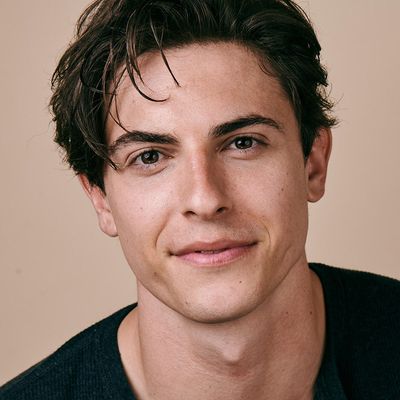
From April 2020. Derek Klena steps into The Batter's Box for Episode 31! Klena is currently starring as Nick Healy in Broadway's Jagged Little Pill, and has authored a phenomenal career on stage. In addition to this, he may be one of our podcast's most theme-appropriate guests... Read More
From the show: Break A Bat! where Baseball Meets Broadway
Guests
Featured Shows


About
From April 2020.
Derek Klena steps into The Batter's Box for Episode 31! Klena is currently starring as Nick Healy in Broadway's Jagged Little Pill, and has authored a phenomenal career on stage. In addition to this, he may be one of our podcast's most theme-appropriate guests.
As a high school pitcher in his native Southern California, Klena was a two-time first-team All-San Antonio League selection and two-time first-team All-Valley honoree, before enrolling in UCLA. While there, he was rostered on the school's iconic baseball team, pitching alongside eventual MLB All-Star hurlers Gerrit Cole and Trevor Bauer. He did all of this while simultaneously participating in theatre, with full awareness of the parallels between the two mediums. Klena has a clear understanding of the focus and dedication required to be successful both on the mound and on stage, as well as the necessary confidence to overcome peer pressure and stigmas.
We also had plenty of fun in this episode, as we re-hashed many of Klena's roles and highlights here on Broadway, as his other credits include Wicked, The Bridges of Madison County, and Anastasia. While speaking about Nick Healy in Jagged Little Pill, it was fascinating to hear why he believes Alanis Morissette's iconic music and the story it's set to - plays so well on stage, as well as his overall connection to the character he's taking on in the show.
Hosted by Al Malafronte
Guest Co-Hosts: Doug Horowitz and Erin Connors
Produced by the Broadway Podcast Network
Edited by Matthew Hendershot
Connect with Derek Klena on Instagram: @derek_klena and Twitter: @DerekKlena
Connect with Break a Bat! on Instagram: @break_a_bat_podcast
Transcript
This transcript was automatically generated and might contain errors.
[0:06] Al Malafronte: Hello and welcome to the Break a Bat Podcast where baseball meets Broadway, an attempt to show that my two favorite mediums don't have to live in such separate worlds and maybe even break some stigmas.
[0:18] Al Malafronte: We're happy to have you with us. Now let's play ball.
[0:23] Al Malafronte: Hello and welcome to Break a Bat where baseball meets Broadway. I'm your host, Al Malafronte. Very happy to be back with you for another edition of Break a Bat. Uh, we're right in the heart of our quarantine series. I appreciate y'all supporting us through this trying time. We hope that you and your families are all doing well. Uh, once again tonight, I'll be joined with my guest co-host, Mr. Doug Horowitz.
[0:45] Doug Horowitz: Hey, Al. Thank you very much for having me.
[0:57] Al Malafronte: Yes, and um, we also have Erin Connors rejoining us in the batter's box tonight. You might remember her from our very first episode on the Broadway Podcast Network with uh Angie Schwarz. So Erin, good to have you back.
[1:09] Erin Connors: Hey, Al, I'm happy to be back. Maybe this time I'll say more than two words.
[1:15] Al Malafronte: The show's come a long way, so we're no longer in that like scripted, uh, that we don't rely on that script the way that we used to anymore. So, like I said, I mean any notes I sent you all before is just a guide at this point. So hopefully we're all in sync and we're gonna have some fun for sure because uh, yeah, we certainly do have someone very, uh, very special joining us in the batter's box tonight. I'll actually go as far as to say that um, it may be one of the most theme-appropriate all-stars that we've had join us to date. Is that accurate, Doug and Erin?
[1:47] Doug Horowitz: Al, I don't think you could get anyone more appropriate for a podcast where Broadway meets baseball than Derek Klena.
[1:56] Al Malafronte: Like it himself, are you kidding me? I'm excited, maybe. Our guest today really is uh one of the most talented dudes on Broadway. He's got an unbelievable resume. It includes lead roles in Wicked, The Bridges of Madison County, Anastasia, and he's currently one of the stars of Jagged Little Pill here on Broadway, which features the music of Alanis Morissette's. Uh, part of what I think makes his story so theme-appropriate is that in addition to his passion for performing on stage, he also has a tremendous track record of great performance on the baseball field. You know, he's participated in both theater and baseball throughout his time in high school as well as college. He went on to pitch at UCLA in his native California. And uh, on top of all that, he's one of the true good dudes in this business. So if uh, you'll please turn your attention to home plate, just beyond the marquee. Now batting. Derek Klena.
[2:49] Derek Klena: What's up, Derek?
[2:50] Derek Klena: Hey guys, thanks for having me. This is awesome. How are you holding up?
[2:53] Derek Klena: Oh, it's good, man. Crazy times, crazy times. Uh, we were in New York. Now we're in Southern California. Uh, we're with my wife's family quarantining here. Um, but yeah, man, we're just everybody's in this together. It's kind of sobering when you start to think about all the things that are happening in the world that you know we're all not alone. The entire, literally the entire world is going through it. So that uh keeps us, keeps our hopes high, and everybody's doing what they try to do or trying to do what they can.
[3:23] Al Malafronte: So the marriage is staying strong, you think?
[3:27] Derek Klena: Yeah, yeah. The quarantine we've been strong through the quarantine. So all is good so far.
[3:34] Al Malafronte: So, which part of Cali are you in right now?
[3:36] Derek Klena: I'm in Southern California, Napa is where my wife's from, a little bit outside of San Fran. And uh, I grew up in West Covina, California. Uh, the heart of the San Gabriel Valley, about a half hour outside of LA.
[3:50] Al Malafronte: So is that a Dodgers town or an Angels town?
[3:53] Derek Klena: Ooh. I'd say we're more of Angels territory, closer to Orange County. I grew up uh going to Angels Stadium. My dad used to get some tickets through his work, so that was kind of the stadium I grew up going to.
[4:08] Al Malafronte: Who were some of your guys growing up?
[4:10] Derek Klena: Oh man. Tim Salmon, Troy Percival was either with big closer for the Angels back in the day. That big 2002 team was it when they won the World Series?
[4:21] Al Malafronte: Yeah, you knocked out my Yankees that year in the playoffs.
[4:24] Derek Klena: Yeah, man. Darren Erstad. Uh, Darren Erstad, not that Salmon was my boy though, I think. Because they had Erstad, Salmon, and Garrett Anderson who like went bananas that whole season.
[4:40] Derek Klena: He used to kill the Yankees. That was the year that Kennedy hit that three home run game, I think it was in the playoffs.
[4:50] Al Malafronte: Adam Kennedy, second baseman, right?
[4:55] Derek Klena: Yeah.
[4:57] Derek Klena: No, it was a good team. I that was uh, that was the shining light in the past uh 25 years for the Angels for sure.
[5:05] Al Malafronte: Let me take it back. Do they hate the Yankees where you're from in California?
[5:12] Derek Klena: Um, not so much the people that I surrounded myself around for baseball. We were all Angels fans, but I do know some diehard Dodger fans that uh hated the Yankees. Uh, that rivalry runs deep.
[5:30] Al Malafronte: Now your love of baseball, that comes from your dad?
[5:33] Derek Klena: Yeah. Yeah. My dad used to play baseball growing up. He played baseball in college at Cal Poly Pomona. And uh, his side of the family with the, I a lot of he's the youngest of seven kids, so he had four brothers and they were all great athletes. So I kinda grew up with it. He used to coach my sports teams growing up. Um, true story. I was pitching in Little League and I got yanked in the fourth inning because I had to make a curtain call for a sound music production I was doing at a dinner theater in Orange County. So that was uh basically sums up my childhood high school musical upbringing.
[6:17] Doug Horowitz: So you kind of had to balance it like it was like two different sports, it seems like, between the acting and playing baseball. So how was that?
[6:25] Derek Klena: Like it's like I remember when I was younger, um, I also grew up actually in a house. Did you grow up in a house actually of mixed arts and sports as well? Because personally I had my mother who taught me how to throw a football out of baseball and how to hit a bat uh ball. Then I had my dad who did ballet and has perfect pitch, but rides a motorcycle. So, you know, we all get a mixed bag here and there. You seem like you've got a collusion of both worlds, which seems fantastic, my friend.
[6:50] Derek Klena: It was a little bit of both. My mom was a huge fan of the arts growing up and a couple of my cousins um also were musically talented and and sang and played instruments. So that was all that was surrounding me, uh my whole upbringing. Uh, we had a real really good family friend of ours who started a children's um theater class, uh performing class where she also taught voice. So I got started with um in that with my younger siblings at a young age. And then my dad, you know, stepped up, stepped up to the plate, as it were, baseball pun, um, and coached a lot of my teams when I was younger. So the fact that he was able to coach those teams and give me that flexibility. And yeah, my dad was the youngest of seven kids.
Um, and they were you know, they were a big sports family. He had three other brothers who also played sports. My one of my um, so that was a huge part of my life growing up and a part of that family, uh, that side of the family. And my mom was also a huge fan of the arts. She was a teacher and had a really good friend of hers who started this children's um children's theater class and acting class and singing class, and she also taught private voice on the side. So um myself and my younger sister, we got started in that at a young age, and my mom realized that we had a really uh real talent for singing and performing and um started getting us involved in children's theater. Um that led to some regional theater productions in the area.
Um so I was able to do both because my parents were so supportive of that, and my dad was able to coach a lot of my sports teams growing up, so that kind of gave me the flexibility to to make both work and and to play baseball and soccer and basketball, but yet also pursue my love for for the arts. So that was that was really cool. And I had some I had great parents, parents obviously that supported me in that, and that was uh was crucial.
[8:56] Doug Horowitz: Yeah, that sounds amazing, man. I mean supported you in both different ways, but also it just allows you to succeed on your own and to find out what you like, and you followed both passions. Al and I think growing up, that's all of our friends were either captains of the different basketball, football, across baseball teams, and then they were also singing in the choir with us, singing like Messiah. Like I mean, it's ridiculous. Like, you know, and then they all see me actually performing a play one year, which we won't mention. It was kind of a joke, but I'm no Nick Healy, you know, so it's fine.
[9:34] Derek Klena: What a guy. What a guy. I think he's actually the only decent character on Jagged Little Pill.
[9:40] Doug Horowitz: Am I am I wrong?
[9:43] Derek Klena: They're all there's great characters. You just mean from a like a human from a moral standpoint. I feel like he's the only one with morals.
[9:50] Derek Klena: I mean, I mean, the there everybody has their their moral judgments tested um in Jagged Little Pill, that's for sure. But you know, luckily for Nick Healy, he ends up making the right choice and uh and sticking up for what he believes in and supporting his friends. So kudos, kudos to Nick, I guess.
[10:11] Doug Horowitz: Way to go, Nick.
[10:12] Derek Klena: You're the man. But I was gonna say, preparing for a part like Nick Healy, and like when you're for your days of pitching, you know, I can mention like you have to really immerse yourself within the character, it seems like. But then when you're also prepping to pitch, I feel like you still got the nerves that's kind of similar in both regards. Is do you feel like that the preparation that you put into acting and also into baseball was similar in certain ways?
[10:38] Derek Klena: Oh, yeah, definitely. I think they both go hand in hand. I think sports, I mean, I we say that a lot in theater. It's it's such a taxing profession. And I think a lot of people that aren't involved in the arts or haven't been a part of like an eight-show Broadway schedule uh a week, you know, that that's it it's pretty brutal in the body and your brain and and um taxing physically and mentally. So I think having that sports background and and knowing my physical and mental uh capabilities on like both sides of thing, definitely they definitely go hand in hand, and um, you know, being in the arts has supported me in sports and giving me that drive in sports and your work ethic and sports also helps you with accomplishing your goals in theater. So they definitely go hand in hand for sure.
[11:27] Derek Klena: Um, but yeah, I guess I was a pitcher growing up, so being put on that pedestal in that spotlight and um having to perform has always been kind of instilled in me and conditioned in me. At first, um it was harder when I was younger, you know, going through elementary school and middle school. Um, everybody's just trying to figure out who they are and and find who they are, and uh it you know, I I did feel self-conscious with my with my choices to pursue theater and to be doing that just because I think my my school friends at that point didn't understand. They didn't understand what it was, and you know, theater's changed over the years.
[12:19] Derek Klena: 15, 15, 20 years ago when I was in elementary school, middle school, um, theater just wasn't as cool as it is today. I think there's a lot of like modern theater that's kind of changed the mold and people's uh perspectives about what it what it means to be on stage and what it means to be performing. I think we owe a lot of that to our our more contemporary composers. You got your Tom Kitt, your next to normal, you got your Hamilton and your Lynn Manuel. I mean, I think there's a uh where theater is today and the fact that they've written these amazing musicals that can relate to not just the theater audience and kind of make it cool and um accepted by all has really changed the game. And I and I'm proud to be a part of the industry.
And um, you know, I I hope it's made kids feel like they can pursue both equally and and feel cool doing that. I I know it was a it took me a while to kind of feel proud about what I was doing and open to my friends. It wasn't until high school that I was really able to do both um and feel proud about it. I definitely still had those talks with my baseball coaches in high school about me having to be at a certain rehearsal or something, and and luckily he was he was cool about that. Um but it you know it's it's always a tug of war. If you're if you're doing both and and both things between school and sports and outside activities and performing, it's always gonna be a tug of war. But um hopefully nowadays uh educators and and coaches are more willing to allow their students and their players to to do as much as they can and to have those experiences.
[14:12] Al Malafronte: Now, Derek, around that age, peer pressure is like a really, really big thing. Where did you get the confidence to not let that stuff get to you?
[14:24] Derek Klena: Um failing and experiencing it, honestly. Um I there were a lot of hard times that I that I learned from. Um you come out the other side and you realize you're still alive and you still love what you do. And eventually, like there was a couple, there was a couple moments where friends of mine would come to see a show or they'd like succumb to support me and they'd see what I did and realize that I was good at it and how much I love doing it. And so they really grew to support me in that. But it did take some time. Um I think, yeah, you you you just gotta you when you get knocked down, you just get back up and believe in yourself and what you love to do, and and people will come around. I I don't think um it's always gonna be hard peer pressure and the way people talk down to you, and you know, um yeah, I mean, you just gotta pick yourself back up and realize that what you're doing is cool. Um, and everybody is entitled to their opinion. Everyone has one, so you can't let that bother you. You gotta do what you love.
[15:35] Doug Horowitz: I love that. I wish the the thing with our school was we had to choose between baseball or theater because like they would fall in the same season. You didn't have the option to do both, which was pretty tough. What was it that made you decide to play baseball in high school? Was it just because you had the option to do, you know, like those evening theater uh sets that you had mentioned, or was it were you better at baseball than you were at acting at the time? What was uh what was the decision behind that?
[16:02] Derek Klena: No, it's it's funny you say that. They um there I wanted to do theater in high school. I actually um to knock out some arts credits, one, and two, um, just because you know I wanted to be a part of the program. I wanted to do shows with the the friends that I saw every day and not just outside of school. So that was that was hard. Unfortunately, my it was actually my theater teacher that wasn't necessarily too keen on me doing both. She kind of gave me the ultimatum, and I knew that I could do theater outside of school, but I couldn't play um sports the way I could through my high school. So I I chose to you know, I chose sports in that scenario, and that was unfortunate. But I was able to do theater outside of school around my schoolwork and around my uh the different sports that I played in high school.
So that was just the path that that presented itself to me. Um, but I do, I I have a lot of friends who were able to do both in high school, and I think it's really important. And and the more that coaches and teachers can support that, um, it's healthy. I wish I I wish it would have been easier for me to do both at my high school, but unfortunately wasn't.
[17:19] Al Malafronte: Well, Derek, I've got to say, have you ever heard of Justin Tucker? He's the kicker of the Baltimore Ravens.
[17:25] Derek Klena: Oh, yeah, man. People easily doesn't football.
[17:27] Al Malafronte: Exactly. And also he has the most magnificent voice you've ever heard. And he sings.
[17:32] Derek Klena: Is he really auto? Are you kidding me with the Baltimore uh Symphonic Harmony? Like, he is beautiful. You've got to listen to him. This guy is a baritone like no other. And I'm telling you, this guy is professional. What I'm asking, why didn't you just do both? You could have done baseball, and then you could have done acting. You could have there you go. It's like butter and jelly. It's like this show, you know.
[17:56] Derek Klena: Yeah, there you go. Um, I don't I don't know, man. I I you know, I did I okay. So I'll tell I'll tell you a little bit about like how I departed from baseball and decided that I really really wanted to get into theater. Um so obviously, like I said, I know I played a lot of baseball in high school. I played baseball, I played football my two years, two first years of high school, and then I also wrestled a year because my friends were wrestlers, random. Um but uh one of the experiences, and you know, I was kind of I was always I always excelled in baseball, but you know, when it comes to like recruiting for the big leagues and stuff, they start recruiting so young, so you have to be like a 6'5, 13-year-old to really get noticed and like you know, have these major league and college scouts start following you.
So I was kind of a late bloomer in that sense, and I was younger for my grade, so it wasn't until my junior or senior year of high school that I was really excelling in baseball. We made it to the championship game, um, the CIF finals at uh Dodger Stadium. Actually, we did our championship game at Dodger Stadium my junior year. I sang the national anthem before the game, and then went out and pitched five innings, and we we didn't end up winning that game, but we did make it to the finals. We did make it to the finals the next year, and my coach was like, There's no way in hell you're singing this time. So he's like, you just you just concentrate on pitching. So I threw the whole game, we won, and I got um I got uh like I got player or one of the top players of the year in our division.
So I got a lot of accolades from that, which was awesome. Um but at that point I had already decided, you know, because you have to start auditioning for all your colleges and deciding on that midway through your senior year. So at that point, I had already um I'd always wanted to go to UCLA my whole life, and I knew that I would have a better chance getting in if I auditioned for the UCLA Theater department. Um, you know, it was one of those schools that I was like, I don't care how I get in, I just I want to go there. I want to go to the school. Um so I auditioned for UCLA's theater program, got accepted. Um, so by the time we won my senior year, I had already gotten into the school for theater, and that was that was what I was doing. I was gonna go to school for theater. Um, it's what I love.
[20:25] Derek Klena: So a couple a few months go by, and in about a couple weeks before I moved into school at UCLA, my coach, uh my high school coach, reached out to me. He knew that he knew um uh Savage, who was the coach at baseball or at UCLA baseball at the time, and he was and he asked me if I would be interested in maybe trying out for the team to be a walk on. And I said, uh, yeah, he's like, I was I was like, I I have no um, I don't even know that was a thing. So he was like, Yeah, yeah, let me let me call the coach and let me see if they, you know, tell them that you're already got into the school, tell them a little bit about you and then how and how well you did this past year, and and see if they have like a a tryout situation.
So I was like, Yeah, I mean, it it was always my dream to play collegiate baseball. I just didn't think it didn't really present itself to me. Even though I pursued it during high school, I just kind of I had let it, I had let that part of my life go at that point. Um so sure enough, uh the UCLA baseball coach, Savage. He's like, Yeah, we do. We do one media like we do one weekend a year where we invite anybody who wants to come out and try out and have a live tryout, and we'd love to see what he's got. So uh zero week of school after I'd already had a Tai Chi class and a ballet class in the theater program ECLA. I uh I went out and threw a bullpen for uh for the coach and you know, did some field work and at the time you see we had the we had some of the best pitching my freshman year in the country.
We had Garrett Cole was our number one, uh Trevor Bauer was our number two. Um we had 15 pitchers, so my coach was like, you know what, we're pretty stacked as far as pitchers go this year, but we really like what you got and like your stuff, and we love to keep you on it and work with you as kind of like uh a red shirt, um, as it were, and and work work you out this this year. Um, if you'd be up for that. And I said, uh, yeah, I mean, it was like literally my dream. So I said, yeah, I would love to give it a shot and work with the team and and have this opportunity.
[22:35] Derek Klena: So I ended up switching out of theater um because I couldn't do both. I went undeclared for a year. I trained with the team my freshman year at UCLA. Um, had an amazing time working with those guys. Garrett Crohl, Garrett Cole actually broke my glove. Yeah, he ripped a hole in the pocket. He was throwing so hard. What a jerk. He always wanted to play catching me for whatever reason. And he's throwing, he's like, I'm not gonna throw that hard. But you know, his heart is like 101 miles an hour, so his not hard is still 91. And sure enough, he popped my glove. Anyway, um, so that was like it was an amazing time, but I realized after the experience that you know I had other goals and aspirations and things that were really important to me in my life that I knew trying to be a professional baseball player was going to be a long road and not necessarily a realistic road um for where I was at in my life and and how I stacked up to the team.
So although that was an amazing experience, I was like, okay, you know, I miss performing, I miss singing. Um so I'm going to go to school and pursue that outside of school. And then I did a competition. Um, so that was my freshman year. I decided that I wasn't gonna play baseball anymore. Sophomore year rolled around, and there was this competition in LA called LA's next grade stage star, where they basically select eight to ten contestants or like um people to be in this competition, and you would perform a song for a six week period for a panel of judges that consisted of casting directors, um artistic directors of regional theaters in the in the area, actors um in the LA area, and they would judge you, and then they'd pick like a final five at the end of the six weeks.
[24:36] Derek Klena: So I ended up doing this competition, which led to me getting an agent, and um, and did a lot of regional theater in Southern California, California area. I made the top five, so I got to put together my own cabaret in the space. And at the time, Catch Me If You Can was doing their out of town in Seattle before they came into Broadway. And so I saw Aaron Tvate singing his big 11 o'clock number on YouTube, goodbye. And I told my accompanist, you know, I have to sing the song. Like, can we figure out a way? Could like, do you think you'd be able to play it? And he was like, Yeah, man, I'll work it out. So he was able to put some sheet music together for that. Long story, so stay with me. Sorry.
Um this is awesome. Keep going. Catch Me If You Can also. So he was able to do it. I ended up singing goodbye from Catch Me If You Can in my show. The cabaret that I ended up doing ended up getting reviewed by Broadway World, where they had mentioned um that I sang goodbye from Catch Me If You Can by Scott Whitman and Mark Shaman. A few days later, I get a Facebook message from Mark Shaman saying, I heard you sang the song. Did you sing it good? And at the time I was like, who's this guy? This is random. Um, but then I looked him up and I was like, Oh shit. Um, pardon my French. And then uh so I was like, Oh, I th I I think so. Like, I think I sing it well. And he's like, Well, if you do sing it again, you know, we're gonna be looking for Aaron Tvate standby when we move to Broadway this fall.
Um, send me a recording, I'd love to hear it. So um a couple weeks later, I got asked to sing the song again, and the people putting on this concert that I got asked to do knew Mark Shaman and wanted me to sing this song for the concert. They reached out to Mark, and Mark's like, yeah, before he sings it again, I'd love to hear a recording. So I can sign off on it. So I ended up recording the song at my at a family friend's recording studio, sending him a good track of me singing the song. And sure enough, he's like, This sounds amazing. You sound great singing it. I'd love to forward this to Justin Huff at Telsey and have you come out for final callbacks and for Aaron Tvate standby. And I was like, What?
This is wild. So um, sure enough, they set me up with a final callback. Uh, I flew out to New York with my mom because I was like 18 and auditioned for the team, did a dance call, did a work session. Um, and that was kind of my big first New York audition. Um, obviously, it didn't lead to me getting cast in that role. They thought I was a little green for the role at that time and pretty young, but Telsey did have another job that they or another show that they thought I'd be really good in um or good for, and that was Carrie that was off Broadway that MCC did. So I ended up sending in a tape again for Carrie coming out for multiple callbacks, and that was my first New York job.
[28:02] Derek Klena: Aaron loves Carrie, by the way.
[28:05] Doug Horowitz: Yeah, we love Carrie.
[28:08] Derek Klena: Yeah, I really was a huge fan of Carrie, and actually that's what made me excited to see um you and Christy Derek and Anastasia. Oh, cool. Al actually um reminded me the other day, I went to the show by myself because I was really wanting to see um the show before you left, and I was excited about the stage door, but while we were in the show, some freak snowstorm happened and it was a blizzard in New York. Um so the stage door was canceled, and I had been planning on going back, but just never got around to it. And so that was a bummer.
[28:39] Al Malafronte: That's awesome. Now, Derek, the fact that you, you know, you were an NCAA athlete at UCLA. How much did that help you for the Broadway lifestyle? Because this is a very, very challenging industry physically, mentally. Do you think that you know your excellence in athletics on a big stage, you know, really, you know, help prepare you for that?
[29:03] Derek Klena: Uh yeah, I think um, you know, I think theater prepares you for the sports world in the same way that that sports prepare you for the theater world. There's just a different level of preparation in both of those mediums that um and so much of it is expected of you. And kind of like the process of practicing and performing on the field is the same as rehearsing and performing on the stage. I mean, you it's all in the preparation, and I think you know, baseball is such a mechanical and methodical sport. Um that the two go hand in hand. And I feel like there's a lot of similarities there between that and also performing. And performing is so mechanical and and about um certain oh gosh, how do you say it?
Uh there's just a preparation quality. It's like practice makes perfect. The longer you do something, the better you're gonna be at it. And I think um having that preparation and those high standards expected of me in the sports world also carried over to me being successful in in theater and what's expected of you on Broadway. I think um I expect a lot out of myself, and therefore um, you know, I enjoy the process, I enjoy practicing, and I enjoy learning and and bettering myself every day.
[30:32] Derek Klena: Derek, we've often made the joke that uh in Anastasia, you did that song with John Bolton and Christy Altamar, learn to do it. And that scene when you're at the chalkboard teaching her all those facts. We've made jokes before that me and my usual co-host Chris Katzman, that's like us trying to educate Broadway and force the information down people's throats as far as like baseball statistics and stuff like that. I gotta tell you, dude, that's like one of my favorite, that's one of my favorite, like top ten favorite show tunes of all time. That must look like such a fun show to do.
[31:08] Derek Klena: Oh man, it was the best. Um, especially I you know, I I known Christy for four five years before we got cast in Anastasia because we played uh boyfriend and girlfriend in Carrie. Um, so I knew Christy from then, and and John Bolton became one of my favorite people. We still keep in touch and I love him to death. So so the three of us doing that song together was definitely a highlight of the show, and and sharing that friendship and experience with them was a highlight of that experience. Um yeah, it was definitely definitely an amazing group of people, and and that's just one of those that's why you love theater. I mean you l I love working with people, I love meeting people and getting to do stuff like that, you know, work with people like that towards a common goal. I think that's why we all love theater and we all love team sports. It's the camaraderie, it's it's what brings people together and yeah.
[32:03] Doug Horowitz: It's interesting. I think you should start in the next big baseball picture. You look like a better looking Christian Yelich. Like you could play a contemporary man.
[32:16] Al Malafronte: But I'm gonna say, if you know what, if they're hiring for foot for a baseball movie, they gotta get you first. But also, as I was gonna say before, you play the legend Nick Healy. Do you mind uh doing a like giving us a little tidbit about Nick Healy if you don't mind?
[32:27] Derek Klena: A little tidbit about Nick? Yeah, it's uh you know, well, you know, a little bit because you know, we already know that you're a fantastic actor, but you just love about this new guy that you've immersed yourself in so much that some are even talking about you might get a Tony for.
[32:46] Derek Klena: Oh gosh, I don't know, man. It's um thank you. It's it's the thing about Nick that's been I I'm the only person that's ever gotten to play Nick. So that's um there's a responsibility and like an ownership over that for me, um, of of doing him justice and making sure that he's portrayed this a certain way because it's a very delicate show with a lot of uh tough subject matters, and Nick is kind of thrown into the middle of a lot of that and to represent him and the type of man that he stands for uh was really important to me. And it's a very fine line, especially in this um this political and social environment of the world we live in. Um but one thing about Nick is you know, he's an 18-year-old kid, he's at that crossroad between adolescence and adulthood and defining who he was and then who he wants to be as an adult, and um so that is an obstacle which everyone faces, regardless of who they are um and how they've been brought up and what they decide to pursue.
So that was um that's been something cool, that's been cool for everyone to kind of watch and connect to Nick in that way. But um the challenge with with Nick has been I'm the oldest of my family, I'm the oldest of three, and you know, being the oldest sibling in a family, there's a certain uh expectation and and a certain and a certain um I've always strived to be the best and and wanted to achieve um things at a high level, and so and those expectations were placed on me when I was younger. Um so that has been really difficult is playing a role that you have a lot of similarities to, to be honest. Um, it's a lot easier to play a role that you're nothing like because then you're you're uh less concerned about how you're being portrayed and just you know focusing on playing this character.
Um, but having a lot of a lot of Nick's qualities relate to myself in in that way, that that's been that's been really difficult. Now, a lot of like my family and friends have been like, you know, how is it like playing like a version of yourself? I'm like, I'm like, really. I was thinking about that, you know. But I was like, but I was like, it's it's really it's really hard to play someone who you're a lot of like, but yet nothing like, like you, you know, and Derek now, um, an older and wiser Derek than I was when I was 18. Um, I like to think. Um, I don't know, my wife might think differently. But um, but you know, it's it's hard. So I I have a younger brother, he's 21. So in in like trying to figure out like where Nick's head's at um during these certain obstacles of the show, I had to really check myself and be like, wait, wait, wait, this is Derek.
This is what Derek would think he would do. But what would like 18-year-old what would 18-year-old Derek do? He wouldn't respond to that the same way, he wouldn't have the same relationship with his parents as I do now. Um, so I tried to harness a little bit of like my younger um my younger brother and and some of the things I see in him that eventually like I kind of grew out of. I don't know, it's complicated, but we love Nick. I try to do Nick justice, and I think Nick means well. Um, but you know, like all kids trying to figure themselves out, um, you make mistakes, and from those mistakes you learn to grow and and learn to define who you are.
[36:36] Al Malafronte: So now, Derek, as far as Jagged Little Pill goes, listen, there's a lot of iconic songwriters out there, um legends with iconic albums, some work, you know, some work really well on stage. We saw that with Carol King and Beautiful, um, because all the brilliant stuff from Tapestry was in there and Billy Joel with moving out.
[36:56] Derek Klena: That was, you know, almost 20 years ago, but all that great stuff from Stranger was in there. But then, of course, they tried to do stuff with the Beach Boys. Um, did not work out. But Jagged Little Pill, for example, is like the ultimate example of a critical and a commercial success. I just wanted to hear your thoughts on, you know, you and I around the same age, Derek. That album came out when before we probably had a great appreciation of music. Knowing what you know now, why do you think Jagged Little Pill works so well on stage?
[37:30] Derek Klena: I think I mean, for one, Alanis is just an incredible, like visionary uh realist, and her passion with self-help and the psychology and the relationship between people um rings through um in her music, and those are some of the themes that she deals with so clearly. And so the fact that she already de is dealing with those themes um and this amazing story that Diablo Cody's put together around her music. Um, it kind of is just the perfect marriage. Um, a lot of what she's written and what she deals with lends itself so well to the stage. Um, I think the people working on our show, we were it's kind of an embarrassment of riches with the type of the people and the minds that are in that room.
I think we have a lot of smart people on the team that um that just made it work. She deals with these, you know, like our show. We pride ourselves on our show being so relatable to a lot of different people because it it kind of gets in your face, and again, it we lay the harsh reality of the world out on stage, the world that we live in. Um and I think that's what Alanis has always done through her music. She's always been fearless um and relentless when it comes to the truth and the hard truth, whether it be relationships or politics. And so the fact that that's our motive on stage, and that was her motive of when she was writing the music, and obviously our show is a reflection of I don't know, it's a riddle reflection of that.
So I think that that's that's how I think her music is translated so well on stage and has even deepened the meaning of um of her songs and the messages that she's tried to portray for the past 25 years.
[39:33] Al Malafronte: Is that how you've grown to know her? Like do you identify her as this type of person? Because I had no idea until Jagged Little Pill that Alanis was like this or that she had experienced such things.
[39:45] Derek Klena: Uh yeah, I mean uh the show isn't isn't about her and her personal experiences, although we define we portray who she is and and what she stands for, not necessarily the things that she has gone through in her life. Um so we want to make that very clear. It's not really a it's not a bio show about her personal experiences or people in her personal life. We are demonstrating that. And and one of the one of the coolest comments she ever gave us is, you know, she was she was tentative to see the project and to be too involved in the project early on. It took her a while to kind of warm up to it because this is music and material that is obviously very near and dear to her heart, and it was and it was written during a tough time in her life where she obviously had a lot that she was working through.
Um so when she came to see a run through of our show for the first time when we were doing a workshop, at the end of it, she was overwhelmed with emotion and could not be more proud and grateful to the story and what we were trying to tell. She said everything I tried to do in that album and over and by recording it is now fully bef being fulfilled on the stage. She's like, it's there's one thing listen, it's one thing listening to the music and listening to those themes, and that's another actually seeing it. I think now that it's been physicalized, it even it it just intensifies those themes and and those feelings even more so. And she was thrilled and to watch her kind of sign off it and be that positive about the work that we were doing really meant a lot to all of us and gave us the confidence to really go there and know that we were doing something that if if we can move Alanis in that way, we knew that we were gonna be able to move and and challenge a lot of our audience, and that's our goal.
[41:46] Doug Horowitz: Yeah, I gotta say the social commentary before this COVID-19, that was so on spot, like for Jagged Little Pill. It really related to so many parts of Americans' lives. And I have to say, is that kind of what you'll be missing like from Broadway now? Like as you get this time up, what are you looking forward to getting back? Is it kind of thinking about, you know, just about the people that you work with who are getting that emotional experience out there or getting something for the people? I mean, it could be all three things, but I'm not sure.
[42:16] Derek Klena: I think um, yeah, it's I mean that's a good it's it's a trying time, not only because so many of our friends and colleagues and uh and co-workers are not able to do what they love and share what they love with with people, but um uh it's the unknown. There's so much unknown as to whether people will feel safe coming back into the theater, and um and we hope that we hope that they do. I mean, we're all in this together. Our whole shows, our main message in our show is is or one of them is healing. We all have different ways of healing, we all have different ways of coping and we and grieving with with trauma and hardships. And I think the world is gonna need a show more than ever coming out of all this.
I hope that people will come and experience that and we hope to shed light on a lot of the hardships and a lot of the negatives um of the world that we live in, both in politics and and socially, but hopefully we can offer some hope and a light at the end of that tunnel. Um there's there's not a person on this planet that is not dealing with this like an unprecedented hardship right now, and so the more that we can focus on healing and rebuilding and and our and ourselves and what we can do to be better people and and affect the world in a better way, um it's huge right now. So the faster we can get back in that theater and start spreading the love, I think that's gonna be really important.
[44:03] Al Malafronte: Yeah. Uh so I was just gonna ask if you've started any new hobbies or projects during quarantine.
[44:11] Derek Klena: Yeah, actually. Um I think like the it's so funny because it's like there's like different levels, there's different, I feel like there's different acts to this quarantine. Like we're like, we finish like act one, right? We're like, you're like, we're like, you're you're like developing, you're like developing the plot, you're developing the conflict. You have your I want song at the beginning of act one. Like you're like, you're like, what am I gonna do? Like what am I like? And now it's like, oh, now I have the problems, now I know what I want to accomplish, and now it's just about following through and like accomplishing those things. But like I tried not to stress myself out too much, knowing that like, you know, this is gonna be a long haul to pace myself through this.
So, but um, but one thing I have done is I started writing, you know, when you goof around with friends and you talk about hypotheticals and all of these, you know, these bits that you that you think would be really fun or make really good TV or or or material, um, I'm finally writing it all down. I'm trying to uh write a little TV show to see what I can do. And it's just been kind of fun. It's been kind of fun to explore these ideas that I've had and finally putting them on paper and seeing if they work. So I don't know, I've been trying to write. Um and see what comes of it. Anyway, when are you ever gonna get this chance again, though? I mean, you always hope, you always dream about this chance of having this free time to do these things, you just never think it's gonna come in the way it comes. But all we can do is look on the bright side and take advantage of the time and the resources that we have.
[45:54] Doug Horowitz: I'm like at a loss for words as far as what we're going through, but you know, I think that I could speak for all of us when we when I say that we're all looking forward to when Jagged Little Pill comes back and you know Broadway as a whole, because it's such a strong community, and you're a huge reason for that. So we appreciate you, buddy.
[46:11] Derek Klena: Thank you. Thanks, guys. And thank you guys for doing what you do. I mean, it's to get to step aside and talk about life and our our jobs when they do when they do come back with you guys for an hour has been awesome. So thanks for having me. This is awesome.
[46:27] Erin Connors: I would love to hear about that. But was that your secret success to marriage during a quarantine and living with six other people too, besides that, is just remarkable. So I gotta say. So yeah, being back in a house with five plus people, have you been hit with any April Fool's pranks yet?
[46:43] Derek Klena: Oh god, that's right. You know, that's one thing about quarantine, it's just like what day is it when I'm like lost in days in time? Um, it is April Fool's Day. Um, not yet, but now I'm gonna start plotting against my family members. Thanks for reminding me.
[46:59] Al Malafronte: Yeah, Derek, get to the West Coast. Now I have quarantine work for the rest of the day. This is gonna be great. Now, Derek, we do one segment to wrap every show. And listen, you accomplished a ton on the field, you've accomplished a ton on the stage. Uh, quick question for you. Are you familiar with who Aroldis Chapman is on the Yankees?
[47:19] Derek Klena: No, I sure am. Fastest throwing man of all time. Throwing a thrower in baseball, man. Is he would you say he's your favorite Yankee?
[47:29] Derek Klena: Favorite Yankee? Wow. I think uh no, he's not.
[47:38] Al Malafronte: I'm sorry. Who is who is?
[47:41] Derek Klena: I know. I know he's the face of the brand, but I gotta say name, man. I'm more of a Mariano, I'm OG, Mariano Rivera, man.
[47:51] Al Malafronte: That's fine. That's fine.
[47:52] Derek Klena: Yeah, at least it's in the Yankee family.
[47:55] Al Malafronte: So you know, you win some, you lose some.
[47:58] Derek Klena: Heck yeah. So you know what, then let's you know what? This could actually be more challenging then. Let's say it's the ninth inning, Derek. This is our last segment of the show. Um imagine yourself going up to bat, and you know Mariano's in the mountain, he you know what's coming, but you've got two scenes, uh it's got that cutter. Yeah. And you have to be on your game because right now your team's down a run. Uh, you've got men on second and third. You're the home team, so realistically, yeah, you can tie the game, but you really want to bring him home and win the game. Uh, we call this segment fastball derby. We ask you a question you think fast, say the first thing that comes to your head. How does that sound?
[48:38] Derek Klena: Oh god, sounds terrifying, but let's do it.
[48:41] Al Malafronte: At least Chapman's not pitching.
[48:42] Derek Klena: At least I gave you Mariano.
[48:43] Al Malafronte: It's not like it's 105 coming. You know what's coming, it's a cutter.
[48:48] Derek Klena: Yeah, but with yeah, well, Chapman, you know it's coming too. You know it's hard and straight.
[48:56] Al Malafronte: Yeah, exactly. All right, Aaron, why don't you?
[49:04] Erin Connors: So, Derek, what's your favorite place to eat in New York City?
[49:07] Al Malafronte: Uh five napkin burger.
[49:11] Doug Horowitz: Alright.
[49:12] Al Malafronte: Derek. Not bad, but I have to say, did you have a Broadway crush as a kid? Because I repeat this, man. But for me personally, it was Idina Menzel. But you can also do a coin flip between her and Chidowitz for me during the Wicked years. God damn, man. You must have been lucky when you were there. What are your thoughts?
[49:33] Derek Klena: My thoughts? Broadway crush? Yeah. Young and present.
[49:39] Al Malafronte: You can say past or present.
[49:42] Derek Klena: Young present.
[49:44] Al Malafronte: What?
[49:45] Derek Klena: Sorry, I'll go this far. I'll go this far. I was obsessed growing up with these bootleg clips that I saw online in the original Evita production. So I'd say old school Patti LuPone, man.
[50:01] Al Malafronte: Okay. I like it.
[50:02] Derek Klena: I got a crush on all of it. The voice, like the attitude. She was a wrecking ball, man.
[50:10] Doug Horowitz: She still is.
[50:11] Al Malafronte: Yeah. Younger present, right, Doug?
[50:13] Doug Horowitz: What, the actor?
[50:16] Derek Klena: I don't know. I'm trying.
[50:19] Doug Horowitz: Oh god, that was horrible.
[50:27] Al Malafronte: Alright, Derek, excluding shows you've been in, what's your all-time favorite cast album?
[50:35] Derek Klena: Oh man. Can I give you a top three?
[50:38] Al Malafronte: Heck yeah.
[50:40] Derek Klena: Okay. So we got Ragtime. Duh. Parade. And gosh, there's so many. Either Next to Normal or Spring Awakening.
[50:57] Al Malafronte: Nice. Okay. What is your favorite movie?
[51:00] Derek Klena: Gosh, mine's National Treasure, if that helps spark any ideas.
[51:06] Al Malafronte: No, it's not.
[51:07] Derek Klena: No way. Either American Beauty or Shawshank Redemption.
[51:17] Doug Horowitz: Man of good tastes, gotta say.
[51:19] Derek Klena: Yeah.
[51:19] Doug Horowitz: So what are you saying, Doug?
[51:21] Doug Horowitz: I'm a woman of bad tastes.
[51:22] Derek Klena: I mean, sorry. Person, great person of taste.
[51:26] Doug Horowitz: We all have different fantastic.
[51:29] Al Malafronte: But next question, my friend. Greatest baseball game you ever saw in person or on TV.
[51:39] Derek Klena: Um god, I don't know. Last, I mean, was it the playoff game last year between the Dodgers, the one that went like 17 innings?
[51:52] Al Malafronte: Oh, wait, with the Dodgers, Red Sox in the World Series?
[51:56] Derek Klena: Yeah, that was last year, right?
[51:58] Al Malafronte: Yeah, 2018. It was 18 innings.
[52:03] Derek Klena: Well, I can't say that I watched that game in its entirety because I had to leave in multiple parts, but then once I returned to it and realized it was still happening, I was like, what? This is nuts. Both teams just running out of pitching, people, yeah.
[52:16] Al Malafronte: It was nuts.
[52:17] Derek Klena: And I happened to be in LA at the time.
[52:20] Al Malafronte: Yeah. That's amazing.
[52:21] Derek Klena: And I'm listening, at least gotta be that's gotta be one of the best games in World Series history, if not ever. I mean, that was just crazy. The thing I love about that one, especially as a Yankee fan, at least that was the one game in the series that the Red Sox lost in that World Series.
[52:36] Al Malafronte: Yeah, yeah. I like that one too.
[52:39] Derek Klena: Those small victories, you know.
[52:41] Al Malafronte: Heck yeah. Do you put Bonds and Clemens in the Hall of Fame?
[52:50] Derek Klena: Oh man. Yeah. Yeah. Yeah. I love that idea. Just love it. You know, you know, because I don't know. I don't know. I mean, it's hard to speak about steroids unless you've done them. So, like, I can't ever say that like I've felt myself do like I've never done steroids before, so I don't know what kind of extra, you know, extra kick it gives you. If it does give you like that, you know, if I stepped up and did some steroids and all of a sudden I was hitting it over the, you know, 450, then I'd be like, I don't know. I might have to give them an asterisk. But the proof is in the pudding, man. They still accomplished a lot. I don't know. It's a, I mean, it's very controversial, but I'd give them a thumbs up. Send them in.
[53:45] Al Malafronte: Alright. What is the most embarrassing on stage moment that you've had?
[53:54] Derek Klena: Oh, the most embarrassing has been a lot of little ones. Um there's a time in you guys know the white room, right?
[54:10] Doug Horowitz: When you when an actor goes to the white room.
[54:12] Derek Klena: Um, nope. Don't know that. Elaborate, please don't.
[54:16] Derek Klena: So there's a place called the White Room in which every actor eventually falls into where you're on stage, usually alone singing a song or doing a scene or whatever, and you just lose track of space and time and forget everything that you're saying. And that happened one time in Anastasia. Luckily it was only one time, where in My Petersburg I completely forgot what I was singing and just ended up like sitting out like a whole line, and then just came in at the end of it being like, My Petersburg, and I was like, And you know, it's a gift and a curse being a part of musicals that you've like gotten to like sing the album for because you know I got to be on like the Anastasia album everybody comes, and it's like your song, and it's so everybody kind of knows the words, and then you forget half of them.
So that might have been one of my and then like Christy Altomare, like trying not to lose her shit next to me, laughing, and then watching the conductor understand what's happening and just be like, I got nothing, man. Like you're on your own. Like there is nothing I can do. And so that was one of like the worst. I don't even think it like really came off to the audience that bad, but in my head, probably the most embarrassing moment that I like most embarrassing I've ever felt.
[55:49] Doug Horowitz: You felt, but it probably was fantastic for the audience.
[55:51] Derek Klena: Fantastic. I don't know, they were probably very confused.
[55:59] Al Malafronte: We're gonna ask you, what was do you think the most memorable best experience you've had in your career? Um what are you most proud of?
[56:12] Derek Klena: Um a Dogfight, probably. Um I did Dogfight off Broadway after I did Carrie and at that point I had only moved to the city for about four or four months. I was new. I really didn't even plan on staying for longer than Carrie. Um at the time I was during it was in my junior year. I decided to take a quarter off to come out to New York to do the limited off Broadway run of Carrie. And towards the end of that run, I got an audition for Dogfight in New York. Ended up getting like six callbacks and booked it. And that was kind of like the defining factor of me deciding that I was, you know, possibly gonna be leaving school and moving to New York and staying. Um so I was this young kid who didn't really know what I didn't know what it meant to be a professional actor and to work in the city um at the level that was expected.
You know, I had been a big fish in a smaller pond in Southern California, and all of a sudden I was thrown into the deep end in New York. So there was a little bit um there was a learning curve for sure, but Joe Mantello getting to work with him and sharing that experience with Lindsay Mendez, who was incredible, um taught me so much, and it was an invaluable experience, one that will always be one of the most memorable, just because Joe really kicked my butt in the best way. Um and put us through like boot camp, and we came out of that confident, really feeling good about what we'd accomplished in the show and what I understood about acting and what I understood about myself through that process it was just really influential for me and yeah that that's up there for sure.
[57:47] Al Malafronte: Love it. And lastly, what's the best piece of advice anyone ever gave you?
[57:47] Derek Klena: Oh boy, yeah it's a wide special. Oh man, advice anyone ever gave me? Prepare. Just prepare. Preparation will solve most anxieties and most problems because the more prepared you are and if you, you know, the more prepared you are, the less you have to regret because yeah if you go in there as prepared as you can be with all your ducks in a row and the outcome doesn't go your way there's nothing you could have done differently. You know, you try to eliminate all the extra factors that could cause you to not accomplish something or not get a job and by preparing to the fullest you got no regrets.
[59:14] Al Malafronte: That was awesome Derek and you know it's funny you say you talk about preparation. Derek Jeter actually always used to say his biggest fear was being unprepared and look how it's serving you on Broadway right now.
[59:26] Derek Klena: So that's pretty awesome.
[59:27] Al Malafronte: Nice man I got yeah I've still I still got I gotta practice what I preach now. I was just thinking, alright Derek, you have a lot to prepare for random things. Like uh now now it's out there.
[59:40] Derek Klena: Dude, you're the man. I can't thank you enough for joining us today. And um, you know, when Broadway does come back, like I said, we will certainly be over at the Broadhurst Theater Chair N and Um yeah. You know, we'll get through this thing and you know, very excited for Jagged Little Pill to come back and thank you again.
[1:00:02] Derek Klena: Yeah, it's been awesome talking.
[1:00:04] Al Malafronte: Thanks for having me.
[1:00:04] Derek Klena: Anytime.
[1:00:08] Al Malafronte: That'll close out the ballgame here on Break a Bat. We'll see you next time.
[1:00:13] Al Malafronte: Thanks for listening to Break a Bat. This is produced by the fine folks at the Broadway Podcast Network. Visit and subscribe at BPN dot FM slash breakabat. You can find me online at break underscore a underscore bat underscore podcast. And you can also find the Broadway Podcast Network on Instagram at Broadway Podcast Network. It's been so great having you here with us today, and we'll see you next time.
© Broadway Podcast Network, All Rights Reserved