

From September 2020. Orfeh steps into The Batter's Box for Episode 50! From pop stardom to Tony and Drama Desk nominations, Orfeh's accomplishments in show business now span more than three decades... Read More
From the show: Break A Bat! where Baseball Meets Broadway
Guests

Featured Shows
About
From September 2020.
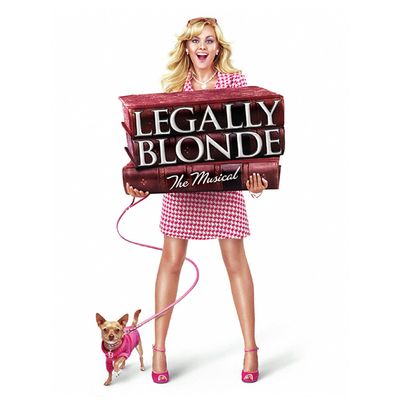
Orfeh steps into The Batter's Box for Episode 50! From pop stardom to Tony and Drama Desk nominations, Orfeh's accomplishments in show business now span more than three decades. She got her start in the performing world as one half of the pop group Or-N-More in the early ’90s, before making her Broadway debut in Footloose in 1999. She’s since gone onto establish herself as a household name in the Broadway community through her powerful voice and memorable performances in Saturday Night Fever, Legally Blonde, and most recently, Pretty Woman.
This raw and candid chat covers everything from the highs and lows of baseball and show business, her success in the recording studio and on Broadway, the Double Play combo she's formed on stage with her husband Andy Karl, and even the subject of Jeter & A-Rod!
Connect with Orfeh on Instagram: @orfeh and Twitter: @official_orfeh
Subscribe to Orfeh and Andy Karl's YouTube Channel here.
Connect with Break a Bat! on Instagram: @break_a_bat_podcast
Hosted by Al Malafronte
Produced by the Broadway Podcast Network
Edited by Matthew Hendershot
Transcript
This transcript was automatically generated and might contain errors.
[0:08] Al Malafronte: Hello and welcome to the Break a Bat Podcast where baseball meets Broadway, an attempt to show that my two favorite mediums don't have to live in such separate worlds and maybe even break some stigmas.
[0:20] Al Malafronte: We're happy to have you with us. Now let's play ball.
[0:25] Al Malafronte: Hello and welcome to Break a Bat. I'm your host, Al Malafronte, coming at you for the Broadway Podcast Network.
[0:32] Al Malafronte: Uh, we're so happy you could join us tonight for the 50th episode of our show. Our special hitter tonight actually got her start in the performing world as a pop star as one half of the singing group Or-N-More back in the 90s, before making her Broadway debut in Footloose in 1999.
[0:48] Al Malafronte: She's since gone on to enjoy a very successful Broadway career over the last two decades with other credits including Saturday Night Fever, The Gershwin's Fascinating Rhythm, Legally Blonde and Pretty Woman. Uh her performance as Paulette the hairdresser in Legally Blonde actually got her nominated for both a Tony Award and a Drama Desk Award.
[1:07] Al Malafronte: And we're super excited to welcome her to the batter's box tonight. So with that being said, if you'll please turn your attention to home plate. Just be on the marquee. Now batting.
[1:19] Orfeh: Oh my god, the pressure of a name.
[1:25] Orfeh: Hi. You had me cracking up a little bit there during that intro, I have to say.
[1:37] Orfeh: You have a good back of the baseball card, then you have good stats.
[1:40] Al Malafronte: Absolutely good stats.
[1:42] Orfeh: It's shocking because man, none of it serves me on any level in real life. You know, it's funny. We've had a pretty wide range of guests on this show before. I mean, we've had anyone from Broadway stars, ball players, broadcasters, folks from TV and film, even have one of the Beach Boys on. You're probably the first that comes from the bucket of like pop star turned Broadway star plus occasional voiceover artist. That's pretty cool.
[2:07] Orfeh: Yes, it's something. You know, I'm like, I'm just like, don't let the grass grow under your feet. Just keep going. Just keep moving.
[2:17] Al Malafronte: Yeah, that's a good way to think. And you know, I always love when we get to bring in a true New Yorker to the show. So, uh, and you actually grew up in the only neighborhood I've ever lived in in Manhattan in Murray Hill. So that's extra special.
[2:28] Orfeh: Did you live in Murray Hill? Where'd you live?
[2:31] Orfeh: So I was on 28th and 2nd for a little while. And then for the past two years until uh this wonderful coronavirus, I was on 39th and 2nd.
[2:40] Orfeh: You know, I was I grew up, I was practically born in on 35th and third. So you and I have probably passed each other in the street on multiple occasions in our lives.
[2:54] Al Malafronte: So that's weird. I've seen you on a Broadway stage or two, but we've, you know, that's probably happened also. We've probably been at, you know, Kipps Bay at the movies at some point we've been there, you know.
[3:04] Orfeh: So that's crazy.
[3:06] Orfeh: That's true, too. Was Patricia's there when you were growing up?
[3:09] Al Malafronte: Yeah. And uh, uh what's the other one? Um, the one that just closed. Oh my god, the one that was like Balducci's but it wasn't. Remember on Second Avenue, right in your neck of the woods.
[3:20] Orfeh: Wait, on second Ave Italian place? Um you know, an everything funky upscale kind of delicious supermarket.
[3:30] Al Malafronte: Oh, wait a second. Well, no, Amish Market is down a little bit.
[3:33] Orfeh: No, but no, no, no, not the Amish. The one that was uh God, I forgot what it was called. Tadar, not todar, Tadaro's.
[3:40] Al Malafronte: Okay. Alright, that oh yeah, oh, the Italian store. Yes, yes, yes, that did just close. That's right.
[3:44] Orfeh: And um Clover Clover, the bakery. That sh was still there not that long ago. Maybe it's still there.
[3:51] Al Malafronte: That is still there.
[3:52] Orfeh: Okay, good. Good. 34th and second. Not open on Sundays, though, as I learned when I was trying to get a cake for the Super Bowl.
[3:59] Al Malafronte: Not open on never open on Sundays, ever.
[4:02] Orfeh: And I think the Gemini Diner is still on 35th and 2nd.
[4:06] Al Malafronte: Oh, yeah, that's that's a go-to midnight spot.
[4:08] Orfeh: You better believe it. I had one of my first, one of my third dates with Andy at the Gemini Diner.
[4:14] Al Malafronte: No wonder you guys have a lasting relationship. That's amazing.
[4:17] Orfeh: Murray Hill, all roads lead back to Murray Hill.
[4:21] Al Malafronte: It is so true. And you know, I do have to ask. I know Andy's an Orioles guy, but you're a New Yorker. I have to know. Yankee fan or Mets fan?
[4:30] Orfeh: Well, the Yankees have asked me to sing the anthem more times.
[4:30] Al Malafronte: So you're a Yankee fan by default.
[4:37] Orfeh: No other reason. I have no kind of like, you know, attachment to either. But they, you know, one of them has brought me back a couple more times.
[4:46] Al Malafronte: When's the first time you got to do it? Like legally blonde era?
[4:49] Orfeh: No, I actually got to do the anthem a few times when I was in Saturday Night Fever because what happened is I did it for uh Nick's playoff game at the garden. And there were, you know, 30 some odd thousand people in the stadium, and the mic went out, and I kept singing and they could hear me.
[5:05] Orfeh: So word got out, and this was pre-internet pre, you couldn't pull out your cell phone and you know, show people that this happened. And uh word got out that hey, you know, if you have a technical glitch, hire the girl with the weird name because she can keep singing and you'll hear her.
[5:21] Orfeh: So I think that's how it happened. You know, thankfully that didn't happen again, and it didn't happen very often. I never heard it having happened to anybody else, but the mic went out in the middle of and the rockets, and I just kept singing and the crowd went insane.
[5:37] Al Malafronte: And you know what? Billy Joel once said that that's one of the toughest songs to sing. And to do that in front of a stadium, especially, I can't even imagine.
[5:44] Orfeh: Well, you know, I was young. So when you're young, you're completely fearless. And I thought, oh, I can I can belt this out. And there's an echo in here. I'll be fine. And I when I wasn't, there was like this man scrambling to get me a new mic, but I was like, buddy, the freaking money note's over. Forget about the mic. It's okay now. We're done.
[6:02] Orfeh: That's what I did. He came and he finally, after the big, big, big bad note, he handed me a new mic. And the home. I was like, great. No one cares now. They're all applauding. So nobody can hear what else is happening. But yeah, that's I think that's why very early on in my career, I started getting to sing the anthem a lot.
[6:20] Orfeh: Um, because I think that's what that's the little uh tidbit that got out about me.
[6:27] Al Malafronte: What a way to get discovered in the sports scene, too. And I, you know, you mentioned, you know, your Saturday Night Fever days. So we're talking like early 2000s. Derek Jeter was just making a name for himself. And you know, I even if you're a very surface level baseball fan, you probably know what makes a great performer on stage and off. You call yourself a Broadway diva. Does someone like yourself gravitate more towards a Derek Jeter or an Alex Rodriguez?
[6:52] Orfeh: Well, gosh, that's that's a similar um vibe. You know what I'm saying? There's a similar vibe to the people you just mentioned. I think that look, if you're very talented at something and you're also charismatic, that's where everything just kind of really marinates together and people really gravitate towards that person.
[7:11] Orfeh: And I think, especially in sports, if you're a rock star in a sport and you're good at the sport, that's when someone blows up. You know what I mean? That's when people get crazy over somebody.
[7:24] Al Malafronte: So, which is interesting that you mentioned two people that are very similar in a sense, you know. You know, Arve, in baseball, there's a number of players who come up to the big leagues who think they're going to be, let's say, a starting pitcher. And we as fans romanticize guys dominating over a hundred pitches in a game, you know, a Greg Maddox, a Pedro Martinez. And in the performing world, it's very much the same when it comes to folks who get exposure because of what they do in the recording studio, selling out stadiums for their concerts.
[7:52] Orfeh: However, there's also cult followings for those guys who kind of make their mark in the game in a different way from uh a starting pitcher or a Jeter and Arod who like we were just talking about. And they have just as much of success. If you look at like a Aroldis Chapman, for example, he came over from Cuba thinking he'd be a starting pitcher, took some concessions on his part, but he's since become an icon in the closer position because of his velocity, which had never been seen before.
[8:16] Orfeh: He throws 105 and that, yeah, it's best served for just one inning rather than spit out spread out through six or seven. And you know, I have his jersey up on my mantle over there. There's a lot of folks out there who display Legally Blonde playbills on their mantle, and that's largely because of like what you did in your performance in that show.
[8:34] Al Malafronte: You know, was there a certain moment? I know you started as a pop star where you kind of surrendered and embraced the fact that you're beloved because of what you've done on Broadway.
[8:43] Orfeh: You know, I realize it more and more as the years go by. I mean, I certainly, and I very, very readily admit this. So this isn't a secret about me, but I very much wish that the pop stardom thing had blown up to epic proportions. Um because people kind of no matter how much success I've had in other areas of the entertainment business, I'm kind of vilified in an odd sense that I didn't have the success in pop.
[9:19] Orfeh: And it was, we were very, very successful. It was on its trajectory to becoming a massive, you know, global sensation. And there were so many politics, and the rug was pulled out from under us while our record was still, you know, climbing the charts. And the video was on MTV 75 times a week. The radio was playing it in heavy, heavy rotation on all the P1 stations.
[9:42] Orfeh: And um, you know, it got it just it just disappeared in a flash after working on it your whole life. So the fact that I have the success I have still as a singer is satisfying. I think the people who knew me then or came up with me in the music business, I think they almost kind of clucked their tongues and sort of like cock their heads and feel a little sorry for me.
[10:07] Orfeh: And I'm like, I don't, you know, I don't know anybody else, New Yorker, by the way, who wasn't born to like, you know, mega wealthy parents who never had to have a grueling day job. So I think I'm doing pretty well. And it's only when people remind me that I didn't make it in my first career, which by the way, I still had a hit record. You can never take that away from me.
[10:21] Orfeh: I still had a top one, you know a top 40 billboard chart topper when there was still a hot 100 and it wasn't Spotify and it wasn't this and it wasn't that. You still had to go to the store and buy a CD. You know what I mean? So I feel like I was successful. I feel like, you know, I was on MTV. I was I was right in the game. But yes, it's interesting that my massive success, and right now at this point in my life, it's always Broadway Star Orfe, Broadway Tony Nominee Orfe, Power Couple Orfe and Andy Karl of Broadway.
[11:05] Orfeh: So it's become a part of my moniker, and that's fantastic. But I just wish people would just allow that to be what it is, as opposed to kind of, and maybe it's just my own projection of it, but I do feel vilified a little bit. Um, and so therefore I always say this. I'm very reluctant to own the Broadway. I get icon, I get legend, I get all of these things.
[11:28] Orfeh: And it's weird for me because I'm like, oh, okay, because I kind of feel like, well, when are you all going to turn that around and make it icky? You know what I mean? It's like, when are you gonna say, well, now Broadway's closed? And what who are you then? You know what I mean? It's like people never um kind of settle into what it is that I do because I've done so many things that they just it's it's kind of hard to be, you know.
[11:54] Orfeh: I get vilified that I haven't made a major huge transition into television yet. And people think that means it's because I can't test well, or I have been in for a thousand things and I haven't booked it, and they don't realize that I haven't done that. Do you know what I'm saying? Like I haven't had 10 pilot seasons and filmed six pilots and you know, had this big trajectory in TV.
[12:16] Orfeh: It's like I was busy doing eight shows a week and I wasn't flying to LA on Sundays to audition. You know what I mean? To get back to the stage on Tuesday. I took, I took my job and my craft very seriously. Um I have a very strong instrument, but I can't get on a plane and worry that I'm going to get sick and have to call out because I feel a debt to the audience if they're coming to see me and I this I don't want this to sound like sanctimonious, but if you're coming to see me, I can't be sick and call out because I was busy auditioning for a pilot in between. You know what I mean? And I'm not trying to justify it and make it okay. That's the reality of the situation.
[12:53] Orfeh: To this day people go, do you do TV? Yeah I do TV. I've done a bunch of TV. I had a recurring role on the Dave Chappelle show and he left on the he left on my first episode. That was the night he disappeared. He left for a cigarette and he never came back.
[13:10] Orfeh: But I booked a recurring but nobody knows that. Do you know what I'm saying? I'm on the Lost Episodes DVD compilation. But like nobody knows that it was like oh she had a recurring on Comedy Central but that's when the glorious genius Dave Chappelle he said I'm I'll be right back. And then none of us heard from him for a few years.
[13:34] Orfeh: But like I don't have time to tell everybody that story. Well you know we're on an interview we're doing this this is like stuff you want to know you can cut out whatever you want but you know this these are the things that happen and people don't know the story and they just kind of see sound bites of of somebody's career and existence and I don't generally like to explain myself.
[13:54] Al Malafronte: So who's vilifying you now?
[13:57] Orfeh: Oh everybody well everybody does. I mean that's just that's just the nature of the beast. You put yourself in this position, you're going to get poop one way or another from some portion of, you know.
[14:08] Orfeh: Now it's now it's mostly the people in the world of, you know, well, what has she done? Does she have a TVQ? Can we count on people to tune in? She hasn't done much TV. You know what I'm saying? It's like it's it's it's always something. And you always, no matter who you are, what you've done, you're always, always gonna have to prove yourself in some way or another. It's like in baseball too. Do those haters drive you though as a performer? I mean, I'm not saying they're haters. These are not haters. These are just people who kind of just, you know, they're not haters. I would say they're more doubters, you know, or show me, show me, show me. You know, their arms are crossed and going, okay, what can you do?
You know, we know what you can do, but can you do anything else? You know, especially with me, it's like I've played the same sort. Hold on. I've played the same type of role a lot on Broadway. So I think that, you know, the powers that be think that's what I do, and that's all I can do. She can only be this big, broad, kind of character-y loud, you know, edgy, you know, rock chick. So they're probably not immediately going to think of me when they think of like the assistant DA in a fancy suit, you know, covering a trial. And, you know, it and listen, it you want the path of least resistance. You want it to be easy for you. You're you have a job to do, but it's, you know, you're kind of damned if you do, you're damned if you don't. But I've I I think I've had a good career, but I don't want to hang it up and say, okay, well, so this is what I've done and this is who I am. And it's okay that you don't think I can do anything else. That's not okay. I don't think it's okay.
[15:51] Orfeh: If you could write, you know, your dream position to be in, would it be recording records during the day and doing Broadway shows at night? Would it be um would it be acting in television and then doing Broadway at night? Do you kind of have like a trajectory that you would, you know, it's kind of like a fantasy for you that you'd like to uh see unfold? I mean, I'd love to, I would love to do a whole lot more television because I just love the medium myself. I'm a fan of it, you know what I mean? Um in an ideal world, I would still continue to make records and produce records for other people. I've delved into more writing. Uh Andy and I have both been writing material for, you know, if they're not going to cast us in something, we're gonna write something for ourselves and hope that, you know, when it comes down to it, they can't say, well, it's great, but you two can't star in your show.
You know what I'm saying? So we've really been flexing muscles that we didn't even necessarily know we were really good at. And I I think that we have discovered that we're pretty good at it. So I think in a perfect world, I would continue to do everything, but with more of an emphasis on television. And listen, if there was an amazing music business to go back into, I would live there 24-7, whether it was writing songs for other artists, recording my own CDs, you know.
[17:13] Al Malafronte: You mentioned, you know, working with Andy and you guys have you're like the one of the best double play combos in all right, which I I just love the chemistry that you two have. Um let me ask you, I've always kind of been curious about this. And I meant to ask Andy a few weeks ago. You guys have been in a lot of shows together. Is it like a stipulation in your contracts? Or is it the producer saying, Well, if we could get Andy, we could get Orfe. If we can get Orfe, that means we can get Andy. How does it kind of work that you two are always on stage together?
[17:40] Orfeh: You know what? It's a complete and total fluke. Um Saturday Night Fever was a total fluke because we didn't know each other then. And he came, Andy came into the show uh to replace another lead who had left. And uh it that's where we met. Legally Blonde was a complete and total fluke. I was the very last person, along with Michael Rupert, who played Professor Callahan. We were hired for the show the night before rehearsals started. And Andy couldn't have begged harder for them to so much as give me an audition. So that was a fluke. Um, and as far as like legally, uh as far as Pretty Woman, Andy wasn't originally supposed to be in the show. I had been with the show for two plus years by the time Andy took over for the role, specifically in New York. So we didn't even do the out of town in Chicago together. So that was it, it's been a fluke each time. And the times that I've wanted to really be in a couple of the shows that he starred in, no dice.
[18:46] Al Malafronte: Well, you don't strike me as an Adrian Valboa, though. That's the thing. You have you have a little bit of edge to your performance, but that's not that's not you.
[18:53] Orfeh: That like no, but there were other roles in Rocky that I would have enjoyed playing, and and there were, you know, there have been parts where I was like, this would be really cool if we did it, or you know, both of us didn't get it, one of us didn't get it. We've we've done some uh out of town stuff together that again nobody's seen. Um, but uh being on Broadway together was a complete fluke. I'm happy that it worked out the way it did. And you know, you mentioned some of those shows. A lot of movies turned musicals and some epic ones. Do you have a favorite?
[19:24] Orfeh: Of my own? Yeah. Yeah, I, you know, I'm very partial to well, look, they're they're all special for different reasons. Footloose, because it was my Broadway debut. Saturday Night Fever, because I think it's one of the most underrated movie musical transfers of all time. And I had the best time in it. It was the most wonderful cast. The choreography was sickeningly hard. Um, the, you know, a lot of us are still close and friends. Um, obviously Legally Blonde for what it is to this day. You know what I mean? It it just it all this time after the fact, who would know it would be such an iconographic kind of you know, iconoclastic musical for the ages. You know what I mean? You wouldn't have known that while we were in the show because it didn't have the lengthy run it should have had.
And now it's like the most talked about musical, other than like, you know, obviously Hamilton and Wicked and things like that. But right under there is Legally Blonde. You know what I mean? And Pretty Woman because it was a really great cast, and we had a really great time. So it was one of those times where you're like, oh, this is easy to go to work every day. This is fantastic. So I love everything I've done for different reasons.
[20:36] Al Malafronte: You know, speaking of Pretty Woman, Orfe, um, I I think that your success has been so validated, uh, especially on Broadway. And I think of Sardi's as kind of like the Broadway parallel of baseball's Hall of Fame. You were doing Pretty Woman, you got your caricature up on the wall. How surreal is that?
[20:52] Orfeh: That was crazy. That was really crazy. Um I'm bragging now, and I I do it honestly, because it's factual, not because I'm trying to be fancy. But it was apparently one of the top two turnouts they've ever had at Sardi's. So that was pretty cool. I was like, oh, that's that's cool that people actually showed up for this. They must think I'm dying. I really, I looked around at my husband and my best friend. I'm like, do people think I'm dying? Because I I honestly, and I mean this, I'm not trying to be like falsely humble. I hate falsely humble people, but like I literally at one point thought, just do people think there's something wrong with me? Like that I have like a terminal illness of some kind.
Like it was bizarre that that it was so such a big deal because I tend to kind of I'm very subtle, believe it or not, off stage. I'm very, very subtle. So I couldn't believe the turnout, and I couldn't believe I had my, and I I couldn't believe how excited everybody else was. You know what I mean? I thought, oh, this is really a big deal. Or everybody thinks I'm dying.
[22:08] Al Malafronte: Now listen, do you know a thing or two about the Broadway fans by now? You know some sports fans in your circles. Who do you think's crazier? The Broadway fans or the baseball fans?
[22:16] Orfeh: Soap fans.
[22:17] Al Malafronte: Soap fans.
[22:21] Orfeh: I think here's the thing. I think obviously, because it lends itself to it, and I've thought about this. It's interesting you asked me this because I've thought about this a lot. Sports fans are a lot more overtly passionate. Do you know what I'm saying? You can't yell at people on stage in the middle of a Broadway show. You can, but you're gonna get booted out of the theater. You know, the the passion that comes with sports fans is unparalleled. Do you know what I'm saying? Uh, the love and uh syncophantic fan worship. You've got soaps, you've got sports, you've got Broadway. There's nothing like those three. That's the trifecta of like really, you know, high level high alert fandom. But sports, there's a passion that's allowable because you're in, you know, for the most part, you're in an open air, you know, especially with baseball.
You can just purge all your demons right then and there. You know what I mean? So I would say the passion and I think the the fights between, like, no one says, oh, I like Kristen Moore and I like Adina Moore. Oh, I'm gonna punch you in the face if you don't agree with me. Like that level of um fanaticism and enthusiasm obviously doesn't exist in in the Broadway universe, but that certainly is, you know, and we don't break into fights if we disagree with each other in the middle of a performance again because we would get fired. So there is a different tonal passionate malay for rack for lack of a better word that you can't get away with anywhere else.
[23:52] Al Malafronte: What about uh the stage door? Does that ever get a little crazy for you?
[23:57] Orfeh: It's been crazy. It's been crazy at times. Um, I I do need security now. I have for a while. Andy does too. Um, and it's not, again, it's not um it's not deliberate. No one's trying to be ill behaved. They just sometimes they don't, you know, there was a time where there weren't barricades and you know, you you kind of had nowhere to go if someone got really overzealous about wanting to touch you or hug you or kiss you. And I think it started to get really, really nuts at Legally Blonde. And that's when I was like, oh yeah, this is this is serious. I mean, I I I know that it sounds strange and people think you're being grand, but uh it's part of what I have to now have in my contract. I do need security to get me out of the theater.
Andy definitely needs security to get out of the theater. And you know, we wanna, you know, I'm sure people are like rolling their eyes, but you know, if anyone's being honest, they've seen it. Right. You know, it's interesting with baseball too, you know. I mean, that's why it's a little different because you're driving to a stadium. You have some guys who take public transit, but you know, there's underground tunnels that they take these guys through because there's a lot of lot of there's a lot of crazies out there, unfortunately. And unfortunately, it ruins it for the you know, the good folks who want to. Well, listen, what is it? One bad apple, one bad apple, you know. Um, but you know, I had a billion bad experiences before I thought I might should probably Andy and I might probably should kind of make sure we're safe when we because there's no underground tunnels.
You go in one door, you come out. There's no there's no hiding. They don't say, hey, you know, we take the subway to work. Subway was the safest part of, you know, the whole night. Um, believe it or not. But uh again, I'm you, you know, you asked a specific question, and I'm giving you a very raw answer about it. But I would far from think I I'm sure Ben Platt had much worse to deal with at Evan Hansen because those fans were very about, you know, sometimes you you realize people can't separate the character from the person, you know, um, and they expect a certain amount of time after the the show. And you know, it's 11:30 at night. You want to get home. And sometimes, you know, you have to do what you have to do.
You want to please, you want to please as many people as you can. You want to take as many pictures as you can. You want to talk to as many people as you can, sign as many play bills as possible. And and you know, it's like you said, it's one bad apple. And you go, oh, gosh, I wish that didn't happen. You know what I mean?
[26:36] Orfeh: I wonder if it's going to be a lot different when Broadway reopens as far as that whole stage door thing. Let me ask you, you think this January thing is realistic? And if so, you know, what do you think is going to change?
[26:46] Orfeh: You know, I I can't give you any sort of prognostication because I don't know what they're planning. Uh I know those theaters aren't going to get any bigger. I know those seats aren't, unless they're renovating every theater in the musical theater theater district, you know. I and unless everyone's going to do a two-person play in these big houses that hold 2,000 people, you know, um, I don't know what's going to make a big dent in the issue. Uh, in the issues that, you know, come along with having big casts on stage that are in close proximity, having seats that are, you know, this big, literally, you know, you're fighting for an armrest, you know. Um, so I don't know if January, you know, I, and I don't know about the vaccine.
I don't know what's going to happen there. I don't know if you can quick test people before they go into the theater. I just don't think we know enough about any of it in order to know how it's going to be possible to come back. I think the concert world is going to come back a little bit more quickly, possibly for acts like, you know, our group, because we're self-contained. There's seven people on stage. Those, you know, the venues are getting bigger, uh, you know, so it's a little bit different.
[28:08] Al Malafronte: You, I mean, I don't know. I don't know how they're going to make their ends meet and say, well, we're going to sell every other seat. I don't know. I don't know what their blueprint is. So I can't, I can't really speak on that. I wish I could. And you know what? It's nice that you've been able to keep yourself busy during the quarantine. And just for the folks at home, Orfeh is in more or less a makeshift voiceover studio in Florida right now, recording with us. Looks like a pretty cool setup you have over there.
[28:34] Orfeh: It's not bad. It's not bad. You have the perfect voice for voiceover. Do you have any like cool stories of how you got into it and some of the stuff that's happened, you know, since you've done it?
[28:46] Orfeh: You know, what's interesting is I was in Saturday Night Fever, and a wonderful man by the name of Marcus came to the show. He was one of the big agents at William Morris. And this was before William Morris was WME. And he came, he waited for me after the show, and he comes up, hands me his card. I'm looking at, I'm thinking this guy's gonna put me in a movie. He's like, you have an amazing voice. I'm a voiceover agent. You can do voiceovers. I want you to do voiceovers with me. So leave it to me, the one person who's doing musical theater in a big Broadway show, and I get discovered to do voiceovers. It's one of the funniest things. And believe it or not, to this day, he's still my voiceover agent.
[29:38] Orfeh: That's a long time. I had great success with him. You know, I had great success with my agent Eric Sea Strand. I mean, we've done very well for ourselves and together. And another woman I worked with, she's at the same agency. All of my biggest voiceover agents are now under the same umbrella, and they're all my voiceover agents. So this is one of those full circle moments. Because I also, when people were going, you do commercials, you do voiceovers. Ew, I was like, yeah, ew, all the way to the bank. You know, I'm not my mama didn't raise no fool. You know, but it was, it was not look, I can't say it was easy. It would, I have to say, other than promos and station IDs, I did a lot of radio station IDs.
That was my first gigs were like, you know, on the next hot one, you know, that was like my big start. But to book like a national network commercial, it took 300 auditions before I landed a gig. You know what I mean? It was just a lot of not saying no to the auditions and not saying, oh, I can't. It's you know, I just got back. I went, you know, it wasn't like this. You couldn't just send an audition, you couldn't send an MP3 in from your computer. That was, you know, for years I had to schlep around and go and do the voiceover auditions. And I just, you know, finally got lucky once. And as is the case, those same producers kept hiring me. I kept accounts for a long time. I think the one time I got replaced, I got replaced by an A-list Oscar winning actor.
And then the company that he replaced me for just imploded. So so much for them thinking that would help. Like it didn't help. But that's the actor. I'm not saying because I like the actor, it's not his fault. But they thought, oh, we're gonna rebrand. We're gonna rebrand with a new voice. It's gonna be a guy, and it's gonna be an Oscar winning actor, and we're gonna pay him 10 billion times more than we paid her. And this is gonna really work out well. It did not work out well.
[31:55] Al Malafronte: Was it Kevin Spacey?
[31:57] Orfeh: No, no, I told you I like this actor. He's oh no, no, no. He's a wonderful, wonderful, great, great guy. But yeah, they and I had it for a long time. I had it for like three to four years, you know. I had that was my thing. Like I was the voice of MTV for years, I was the voice of VH1 for years, IFC ESPN, because I could get to ESPN's like after hours like sports results were on 32nd in Madison, and I lived on 35th and third, so I could literally go there at midnight and do the live scores. So, you know, it was it was it was skill, sure. I was also a quick one take wonder, so I wouldn't mess up the words too much, but I was also accessible, you know what I'm saying? I was available, and that's that's half the battle.
[32:46] Al Malafronte: Oh, that's awesome, Orfeh. And you know, what we do to wrap every show on Break A Bat is a little segment called Fastball Derby, and I want you to visualize yourself. It's the ninth inning, there's two outs, men on second and third, you gotta bring in that winning run. So you gotta think quick. I want to ask you a question. You're gonna tell me the first thing that comes to your head. How does that sound?
[33:07] Orfeh: I'm scared.
[33:09] Al Malafronte: Come on, you're a New York chick. You got this.
[33:12] Orfeh: I know. All right, let's see how you do. Favorite New York City meal.
[33:19] Orfeh: Anything at the Odeon.
[33:22] Al Malafronte: If you could play one position in baseball, what would it be?
[33:25] Orfeh: Oh, I want to be the pitcher.
[33:27] Al Malafronte: Like Chapman.
[33:29] Orfeh: Yeah.
[33:30] Al Malafronte: Okay.
[33:30] Orfeh: Uh-huh.
[33:32] Al Malafronte: Yeah.
[33:33] Orfeh: Like Chapman.
[33:35] Al Malafronte: Yeah.
[33:37] Orfeh: He throws 105 miles an hour. I'd love to see that heat. I think I'd be good. I just would probably get hit in the face a lot. But yeah.
[33:46] Al Malafronte: You're a big music girl. What's your desert island album?
[33:50] Orfeh: Oh, Purple Rain.
[33:53] Al Malafronte: All time favorite film.
[33:55] Orfeh: All About Eve.
[33:57] Al Malafronte: One role you auditioned for that you really wanted and didn't get.
[34:01] Orfeh: Amneris in Aida.
[34:04] Al Malafronte: Did it go down to the wire?
[34:06] Orfeh: It really did. And my dear, dear Taylor Dane got the role. She replaced Sherie Rene Scott.
[34:11] Al Malafronte: Favorite late night snack, two show day, you get home, it's after midnight. What's Orfeh grabbing before she gets to the couch?
[34:18] Orfeh: Potato chips. Any kind of potato chips. Ideally salt and vinegar.
[34:24] Al Malafronte: I like your style. Coolest on stage moment that you've gotten to share with Andy Karl.
[34:36] Orfeh: Oh, coolest or weirdest. Can we do weirdest?
[34:39] Al Malafronte: Let's do weirdest.
[34:41] Orfeh: Because I asked Andy the coolest, and he told me that answer. So let's hear the weirdest.
[34:46] Orfeh: When the 52-pound bulldog puked in the middle of our intimate scene in San Francisco in front of 2200 people during like the first or second preview of Legally Blonde, and Andy is sopping up the puke with the squirrel toy that he would lure the dog out with because there was a huge dance number coming up next. So we had to make sure nobody hurt themselves, and we're ad-libbing through the whole thing, and the audience is going insane laughing because our ad libs are really silly. So that's the most memorable bizarre moment I've had on stage.
[35:24] Al Malafronte: I think that qualifies.
[35:25] Orfeh: Yeah.
[35:26] Al Malafronte: What did he say? Did he talk about the wedding?
[35:28] Orfeh: They're gonna have to listen to the episode.
[35:33] Al Malafronte: But I wonder which one he said.
[35:35] Orfeh: We've had so many.
[35:37] Orfeh: He said something a little different that kind of leads me to what's the proudest moment of your career?
[35:46] Orfeh: My personal career.
[35:48] Al Malafronte: Yeah, and it doesn't even have to be Broadway because you've done a lot of stuff. So you could say answer from any bucket here.
[35:53] Orfeh: Okay. I was on Spring Street. There used to be, you may remember this. There used to be an outdoor like mall on Spring Street in that little thing that was like a parking garage. And they were blasting one of the big radio stations from New York, and I was walking by and I suddenly recognized the voice, and it was my single blasting out of PLJ. And I lost my mind, and I will never forget it. And to this day, whenever Andy and I walk past that spot, I go, this is where I first heard Every Other Day on the radio. I will never forget that as long as I live because I was like, hey, I know that voice. And it was the first time I had ever heard myself after all those years working to get a record deal and putting out a CD and begging for people to add the record, which is such a nightmare.
And there it was, and you could hear it. And I was like, oh my God. And I just stood there and I just wanted to tell everybody, that's me, that's me. And I was so young, and it was such a great moment, such a great New York moment, such a great career moment. I'll never forget that.
[37:00] Al Malafronte: And lastly, what's the best piece of advice anyone ever gave you? And what was it?
[37:09] Orfeh: Now you're making me think really hard. It's a ninth inning. You gotta think quick. I have now that I'm older and people ask me advice. Now I realize why this was the advice that I got and I didn't believe it as a kid. You cannot take anything personally. It's never about you. It's never really about you. When you don't get a part, when you don't succeed at something that you, you know, were hoping, you know, it's mostly about not getting a role, obviously. It's never about you, it's about what their vision and their idea of the role was. And if you don't walk into the room completely, I you know, making them go, oh yeah, that's who I wrote, that's who I was thinking, that's who I wanted. You're more than likely, unless you like do something incredible in the room to change their minds, you're not gonna get the role, and it's not your fault.
And there's always gonna be something else around the corner, and that you will get it. So the other best piece of advice is that I got and now I give is no matter what, always do your best, always do your best, no matter what, because you never know when somebody who's watched the tape or has been in the room is gonna remember you from that audition that you didn't get, and then they're gonna say, hey, you remember so and so from that audition? They'd be perfect for this, and you're gonna get that role. So you never know.
[38:33] Al Malafronte: That is so epic, Orfeh. And I gotta tell you, since it might be a little while till I see you and Andy back on a Broadway stage, you know, I was wondering if, you know, you put out a pretty good Christmas album, you know, a few years ago. I think that we could use all the holiday cheer that we could get, you know, this coming December. Would you consider doing something like that during the quarantine, putting out a second album?
[38:53] Orfeh: You know, listen, we have our whole full length, the first version of Legally Bound, our concert versions. That's on CD, Legally Bound, Live at 54 Below. It's on Spotify too, for the folks listening on Spotify right now. Yes, it is. And you can, if you just don't even want to bother with that, you can go to our YouTube channel, Orfeh and Andy Karl, and watch every performance we've done in our costumes and lights and band and all that good stuff. And the Baby Please Come Home, my big cover, which I think has outsold every other thing I've ever done, is out, is available to download for 99 cents at any point in time.
[39:32] Al Malafronte: 99 cents. That is a great one.
[39:38] Orfeh: For a Tony winner, absolutely.
[39:40] Al Malafronte: For a Tony nominee, absolutely.
[39:42] Orfeh: I will take the winner.
[39:45] Al Malafronte: I won a Tony, didn't I?
[39:52] Orfeh: This was awesome, Al. I cannot thank you enough for joining us tonight. And if the folks at home want to connect with you on social media, where can they find you?
[40:00] Orfeh: I am at Orfeh on Instagram, I am at official underscore Orfeh on Twitter. TikTok is also official underscore Orfeh because people kept stealing Orfeh. But Instagram, you know what? If you go to Instagram or you'll see the link tree, so you'll be able to find me everywhere else. But go go subscribe to our YouTube channel because it's very underused. But it is also very awesome. And as a subscriber, folks, you know, I hope you'll take my word for it as well. So thank you.
[40:29] Al Malafronte: Thank you. Well, this has been awesome, Orfeh. Thank you so much again for joining us.
[40:35] Orfeh: Thanks for having me. Thanks for wanting to have me. I talk a lot of poop, so whatever. Thank you.
[40:40] Al Malafronte: Well, when we're on the other end of this thing, we'll have you and Andy together in studio with us. And then I'll see you guys perform on Broadway then.
[40:46] Orfeh: Oh, that would be awesome. Or you'll come to our concert because I think that might happen first.
[40:50] Al Malafronte: Ooh, any hints that you want to drop on Break A Bat?
[40:53] Orfeh: We were all about breaking news and breaking bats.
[40:54] Orfeh: No, but I mean, I mean, I think we have some scheduled, you know. Like I said, a lot of this year's concerts got postponed. So I'm hopeful that maybe come March, April, you'll be able to see us somewhere live doing Legally Bound 4.0.
[41:07] Al Malafronte: That sounds good to me.
[41:08] Orfeh: So I hope perfect. Fingers crossed, folks. Send that good energy our way here.
[41:14] Al Malafronte: Yes, please. Well, folks, this is Al Malafronte signing off from the Broadway Podcast Network. Thank you so much for listening tonight. We'll see you next time. Bye.
[41:26] Al Malafronte: Thanks for listening to Break A Bat. This is produced by the fine folks at the Broadway Podcast Network. Visit and subscribe at BPN.fm slash breakabat. You can find me online at break underscore a underscore bat underscore podcast. And you can also find the Broadway Podcast Network on Instagram at Broadway Podcast Network. It's been so great having you here with us today, and we'll see you next time.
© Broadway Podcast Network, All Rights Reserved