

Anthony Rapp steps into The Batter's Box for Episode 54! A native of the Windy City, Rapp is a lifelong Chicago Cubs and baseball fan who's now visited more than 30 Major League ballparks... Read More
From the show: Break A Bat! where Baseball Meets Broadway
Guests

Featured Shows
About
Anthony Rapp steps into The Batter's Box for Episode 54! A native of the Windy City, Rapp is a lifelong Chicago Cubs and baseball fan who's now visited more than 30 Major League ballparks. In this episode, he rehashes some of his favorite moments as a fan of one of America's most beloved teams, thoughts on performing in the postseason, his highs on Broadway, and the many parallels he sees between baseball and theatre. As told to host Al Malafronte, he was even in the midst of a performance at 54 Below on the night the Cubs won the pennant in 2016 and shares a phenomenal story about throwing out the ceremonial first pitch at Wrigley Field during that championship season.
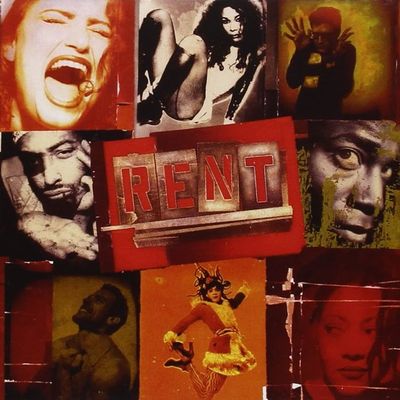
A Drama Desk-nominee, Rapp's Broadway career dates back to age ten, and now spans more than 35 years. Some of his prominent credits from the stage include Rent, You're a Good Man, Charlie Brown, and If/Then. His work in show business has also extended to the screen with credits such as Adventures in Babysitting, A Beautiful Mind, the film adaptation of Rent, and his current role in Star Trek: Discovery.
Connect with Anthony Rapp on Instagram: @albinokid1026 and Twitter: @albinokid
Connect with Break a Bat! on Instagram: @break_a_bat_podcast
Hosted by Al Malafronte
Produced by the Broadway Podcast Network
Edited by Matthew Hendershot
Transcript
This transcript was automatically generated and might contain errors.
[0:08] Al Malafronte: Hello and welcome to the Break a Bat Podcast where baseball meets Broadway, an attempt to show that my two favorite mediums don't have to live in such separate worlds and maybe even break some stigmas.
[0:20] Al Malafronte: We're happy to have you with us.
[0:22] Al Malafronte: Now let's play ball.
[0:25] Al Malafronte: Hello and welcome to Break a Bat. I'm your host, Al Malafronte, coming at you for the Broadway Podcast Network.
[0:31] Al Malafronte: Uh tonight we're joined by one of the longest tenured big hitters of stage and screen that we've had the privilege to welcome on the show. Broadway fans might know him as the man behind Mark Cohen and Charlie Brown. Uh he's also done some phenomenal work on screen, whether that's uh in Adventures in Babysitting, Dazed and Confused, A Beautiful Mind, or his current leading role in Star Trek: Discovery on CBS All Access. And in addition to all of his accomplishments in show business, uh, he may just be one of the biggest baseball fans here in the Broadway community. Uh, he has a lifelong love of the Chicago Cubs, which I'm really stoked to talk to him about. So it's a real honor to have him join us tonight. Uh and with that being said, if you'll please turn your attention to home plate. Just beyond the marquee. Now batting.
[1:19] Anthony Rapp: Anthony, welcome, buddy.
[1:22] Anthony Rapp: Thank you so much.
[1:22] Anthony Rapp: I got a little announcement for being at bat.
[1:25] Al Malafronte: That's cool. What number would you wear if uh you know you were playing?
[1:31] Anthony Rapp: Um, 10. It's a mostly if I if it was available, it's probably it might not be available with every team, but um October is the month of my birthday and also my mom's birthday. So it's always been a meaningful number for me.
[1:44] Anthony Rapp: Um, if that wasn't available, then I would do 19, which is my mom's birth date.
[1:50] Al Malafronte: Okay, so October, a lot of good vibes for you. Obviously, that certainly came in handy. 2016 is certainly a memorable October for you, right?
[1:57] Anthony Rapp: Yes. That was a banana October. I was actually doing a series of concerts with Adam Pascal at 54 Below during the NLCS. I was on stage when the Cubs clinched, which was really hard because I was like, you have no idea how long I've been waiting for this moment.
[2:20] Anthony Rapp: And I actually um I actually was talking about it from the stage between songs, and I was like, can anybody just tell me what's happening? Because I they they were doing well in the game. I was watching before I had to go on stage, so I knew that the game was in pretty good shape. But you, you know, of course, you just never know. Um, and then happily somebody on stage did tell me, or you know, in the audience did tell me that that they had clinched, and that was pretty exciting. But it was a little bit of a bummer not to get to watch it live, but at the same time, it was also very meaningful to have to get to share that moment in a public way was pretty cool.
[2:54] Al Malafronte: I love that. And when you look back at like that 2016 World Series, um, I you know, I it's funny for me, it's a little bit different. I'm a Yankee fan, so a lot like my fondest memory, if people ask me about it, it's like the '99 World Series. That was the first year I fell in love with baseball. And you know, I think back, you know, that was right after the '98 championship. The Yankees were already a juggernaut. Um, for you personally, is like 2016 the pinnacle, or is it you know, going back to when you were a kid growing up in Chicago and when you fell in love with the game and some of those like Ryan Sandberg, Andre Dawson teams?
[3:28] Anthony Rapp: Well, I have very fond memories of watching baseball after school, like with all the day games. I like Jody Davis, Ryan Sandberg, Andre Dawson. These people are very present in my imagination, but the emotional journey as an adult and the appreciation for how long the drought had been, and you know, all the sadness of 2003, you know, and all of that, yeah, the culmination of how it happened. And it wasn't just that it happened. It was that it seemed to, you know, who knows these guys individually personally. I like to think that their personas, as they come across, are close to how they are. It really seemed like a very good group of people. And that Joe Maddon certainly is a good person. And that so that it was done in a way, it was like the good guys won kind of feeling, which is always, I think, easier to root for them than if it was just a bunch of, you know, asshats.
[4:31] Anthony Rapp: So um, and then one of the other really amazing things that happened that year was uh I got to sing the national anthem at Wrigley that season in like August or something like that. And I got to throw out a first pitch. And I've sung the national anthem in a number of stadiums over the years, and it's always very meaningful, but it was especially meaningful that year to be at Wrigley and get to do it. They gave me a jersey with my name on it, which is really cool. But one of the very special things that happened at the end of that experience was um Joe Maddon. I sang the national. Normally, when you sing the national anthem, you finish and then you just go, you leave the field. It's done. Um, Joe Maddon walked up to me afterwards and he extended his hand and he shook it, shook my hand, and then he talked to me for like a minute.
And that was really special because I was such a huge admirer of his. I was an admirer of his before he joined the Cubs, what he'd done in Tampa Bay. Um, so it was just really special that he took that opportunity to thank me for what I'd done and just, you know, and I got to thank him. And that to be even that small part of that magical season, I is a wonderful thing that I carry with me.
[5:38] Anthony Rapp: And they put you on a baseball card, man. I mean, I don't think it gets much better than that.
[5:42] Anthony Rapp: I didn't know that was gonna happen. That was pretty wild.
[5:46] Al Malafronte: Now you mentioned Joe Maddon. Obviously, he got David Ross at the helm this year. He had pretty big shoes to fill. Are you happy with the job he's done and how the Cubs are playing this year?
[5:54] Anthony Rapp: Yeah, I do. I mean, it's a little strange, you know, it's such a compact season. Like the sample size is so weird. There's some of our bigger guys who are really struggling, relatively speaking, at the plate. But um, I do feel like I was happy when he took the job when he got the job, because I do feel like he could have the respect of those young guys that he was with in 2016. And he really seems like one of those people who holds people accountable in a way that doesn't disempower them, that doesn't shame them.
[6:27] Anthony Rapp: And uh, so it's not I'm not surprised that they've been that he's done well in the position. Um, and you know, a manager can't get someone to hit better, you know. I mean, although, so I don't know if you're aware of this. My brother-in-law is a former ball player. He actually was on the Yankees briefly um in his career, but he won the World Series in 1990 with the Reds. Hal Morris, are you familiar with him?
[6:48] Anthony Rapp: Oh, yeah, sure.
[6:49] Anthony Rapp: He first baseman.
[6:50] Anthony Rapp: Yeah, he's my brother-in-law, and he's he's always really willing to talk about um his experiences being in the game. And you know, he's super smart. He's he still is involved in sort of tangential ways for a while. He was a scout. He's doing other cool things around it right now. But um, he talks about when he was with Lou Piniella in Cincinnati, and then I think also again in New York, but I can't remember exactly, but that Lou was an incredible hitting instructor.
[7:19] Anthony Rapp: So Lou could, as a manager, tell him the smallest thing, and that would affect Hal's hitting. But I don't think all managers are that, nor do they need to be, nor should they be. You know, that's not the epitome of their job. So I, you know, I don't know, I don't think that that's David Ross's forte necessarily is like hitting instruction, but I think one of his forte seems to be creating a sense of responsibility and community and accountability, but also like really like having a lot of faith and trust in these guys, and that they that they walk through that fire together, how could that not make them have this incredible bond?
[8:01] Anthony Rapp: Something's definitely working. And the one thing that does surprise me is given the way his tenure started in Chicago, I did not think that Yu Darvish was going to be the front runner for Cy Young. That's been pretty cool to see because I've always loved him, even back from his Texas days. It may be a little bit of a thing of the no crowd, maybe part of it a little bit. But we also have learned that like in the World Series, they were stealing signs. So when he supposedly quote unquote folded under pressure and gave up all those home runs and stuff, they were stealing signs. So I, you know, it who knows for sure. We'll never know the real consequences of that whole situation.
[8:43] Anthony Rapp: But how could it not make a difference? With especially with somebody like you, Darvish, who has 18 pitches, you know. So if you and you, how could you not always just try to be guessing what he's gonna throw? Because he can throw any of them at any time and any count. So when you know what he's gonna do, then how could that not help you get a barrel on it? Imagine, I mean, you didn't have to deal with the Astros as a Cubs fan in the postseason. I had to deal with it twice as a Yankee fan. Um, I don't know how you felt about the way Rob Manfred handled it, but would you have stripped the title?
[9:17] Anthony Rapp: I you know, I get it it gets really problematic to strip titles per se, because there are so many factors. It is certainly a hugely significant factor. I do believe that the the there should be penalties, but stripping a title, it's like uh it's uh I just don't know. I don't know how you do that exactly. Um I do think that the play it's a weird thing because the players union is so strong, the players were 100% participating, but it is so hard to penalize the players to the degree that they should be penalized, and but it's because of the players' union, which is strong and needs to be strong.
[9:58] Anthony Rapp: And I'm a union person, so I believe in strong unions.
[10:01] Anthony Rapp: But this is one of those areas where it's I think interfering a little bit with the truest sense of justice and accountability. Now you mention you're part of a union. Has there ever been like a big ethical dilemma for you as an actor, you know, between the union fighting against someone on your behalf?
[10:20] Anthony Rapp: Uh, not really. I mean, it's interesting. Some there are times where it feels like um, you know, there's like I forget really how many. There's the equity and IATSE, and then there's are there really any other major unions on Broadway? It's really just the two.
[10:35] Anthony Rapp: Um, that there are times when we were not, oh, in the musicians union, that we want to make sure that we all have each other's backs, and there has been a couple times where it hasn't always felt like if equity is asking for certain things that we have all the other unions also there with us. But that's a more political thing. I do feel like the union, it's you know, it's really hard to be a union in our day and age anymore with so much pressure against unions for whatever reason. I'm just grateful that we have a union.
[11:07] Anthony Rapp: And you know, I know people who've been doing non-union tours. I know I there's a whole thing about minor league baseball. It's very similar. In fact, it's much worse for minor league players of how badly they're treated and how few resources they're given, given, you know, it's it's all this notion of like you have to pay your dues.
[11:26] Anthony Rapp: But yeah, you have to pay your dues to such a degree that you're like have to just eat ramen while you're trying to be a trying to develop yourself as a as a baseball player. I mean, it's it's bananas, similar, very similar with non-equity tours of what sometimes the these young actors, and again, it's a similar thing, like you have to do it. They or people feel they have to do it or they can't get ahead. So you have to be a minor leaguer. You can't just go right to the majors mostly. But to do so, you're gonna be really hard-pressed to like rub two nickels together.
[11:57] Anthony Rapp: And meanwhile, still expect to maintain your health and well-being at an elite level when you have to like, you know, buy like fast food because you can't afford anything else, because they're paying you nothing. So I don't know what the solution is for that, but considering how rich baseball is, it seems like there's some way that they could take better care of their minor leaguers.
[12:18] Al Malafronte: Yeah, and you hope as things hopefully go back to normal uh in 2021, all these guys that you know had to get cut by these teams because of no minor league season will find themselves with a job because you know, that's uh that's the future of baseball right there, and it could get very messy if there's uh no resolution to that.
[12:34] Anthony Rapp: And you feel for the kids for for sure.
[12:38] Anthony Rapp: 100%.
[12:41] Al Malafronte: Yeah, you have this love of baseball that goes back to when you were a kid. Um, and you were a child actor simultaneously, and you were coming up on Broadway at that time, pretty young for the uh for the industry. Was it in any way unusual to like theater and baseball simultaneously?
[12:59] Anthony Rapp: I never I don't really remember talking about it with my fellow actors too much. I mean, my brother is a big baseball fan himself, and so that was one thing that we shared.
[13:07] Anthony Rapp: Um, and my dad, I didn't grow up in the same house as my dad. He left, you know, he left when I was a little kid, but that was one of the ways in which we bonded. But there was a period from the like, you know, I remember when I was in London doing Rent in 1998, and this is the early days of the internet, so you couldn't watch anything. I could only like follow the scores, and the and the Cubs were in the wild card that year.
[13:28] Anthony Rapp: Um, but then they didn't, you know, go any was it the wild card or the wild card, yeah. But they were they were in the hunt. And I remember talking to my brother, you know, just on like AIM on AOL, because that's all I could do. I couldn't see anything.
[13:40] Anthony Rapp: So there was a period where I couldn't really watch games anymore. You know, this is before the MLB network, before the app, anything like that. So it was it wasn't really until after, you know, I moved to New York in the in 1989.
[13:57] Anthony Rapp: It wasn't until 2003 the playoffs that I could really watch the Cubs again because they hadn't been in the playoffs since maybe they had been once. No, 89. 98, they did win the wild card. That was the year when Sosa hit the 66 home runs. Yeah. So but I think 89 was the last time until or 98 rather until 2003. I think those five years there was nothing. So I couldn't really watch too much. I mean, it was like in the wilderness. So the 2003 postseason was the first time again I could really watch and really fall in love again with the experience of you know Wrigley Field and the again, a really great group of players that just seemed like they were really special people. Um, but then of course, that whole disaster, that disaster of uh, you know, game six, game five?
Six. No, I'm gonna forget game six, Steve Bartman. Um yeah, that that whole situation was soul crushing. Um, I mean, I it was soul crushing to and also to see what happened to Steve Bartman after that was terrible. Um, because it was so clearly not his fault. That it was and and years later, Bob Costas did a did a piece about you know, he talked to he would have this series where he was talking to players about big moments, big games, and game six was one of the games, and he had Alex Gonzalez on. And Alex was like, I need to let you know that I booted that double play ball, and that is a huge part of what lost that game for us. And I need to make sure that everyone knows that that's the case, and it's not about Steve Bartman reaching for a ball that Moises Alou got mad at him about, you know.
So that was meaningful, but it's still it really still took forever. It took the Cubs winning the World Series to finally have people go, like, oh, Steve Barton's okay, which is ridiculous and terrible. Same kind of thing with Bill Buckner in Boston, that he wasn't even welcome to come to Fenway, essentially. And then finally they win, and then they can have, and you know, I think that he handled himself with incredible grace, but the whole situation is just so unfortunate. And to hear the stories about how his kids were treated by Boston fans after everything. I mean, it's just that's the uglier side of all this. That's just not what I'm not. That's not the reason I'm a baseball fan, to say the least.
[16:19] Al Malafronte: Now, who's more passionate or who shows their passion more? The baseball fans, you think, or the Broadway fans? Because I know that you helped establish Broadway Con. So you've really seen the most rabid fans on both ends of the spectrum. I'm curious to hear your thoughts on that.
[16:32] Anthony Rapp: That's interesting. I mean, I think that in, you know, in the heat of a moment in a stadium, the cheering and the, you know, the incredible energy of like a huge moment, there's nothing like, but also the numbers of people you have 30,000, 40,000 people. There's something that happens in that moment that's there's not, you can't ever really get that on Broadway because it's, you know, at most 2,000 people. But I will say that there's a kind of personal connection that is possible, I think, between theater artists and audiences. Isn't as possible between athletes and and and their fans, as much. You know, there's there's always a bit more separation. Um understandably, I mean, it's a different kind of thing.
Um, although I mean, I do hear stories about like when people, when ball players are out at a restaurant and people come up to them, I think mostly they probably treat him okay. But you know, I it's a it's a strange thing that's it's become more and more as you become a famous athlete, you also have to become like a PR person. You have to be willing to give interviews, and there's there's like a crossover with like actors in in some ways with that. I also think that baseball and theater are very linked in a way of like the grind of it. Like if you're a theater actor and you're doing eight shows a week, it is so much like the baseball schedule. And if you're doing a tour, it's so much like the baseball schedule.
Especially if you're doing like a bus and truck tour where you're changing venues every day or every other day. So I've all I've and I that's actually something that I've talked to Hal about too. Is like that's part of the I think that's part of the kinship I've always felt is it's like you got to show up every day in baseball. It's it's not like football for sure, where it's once a week. Basketball is pretty it's close, but it's just a short much shorter season. That that that that idea of grinding it out and the and the the fact that every day, no matter what, you gotta like walk that tightrope and do your best. That's something that I really um connect with and identify with baseball. And I think it's really amazing because I'm sure that you know, having grown up watching the game, it's something that you were able to apply at such a young age and you had success early.
Um, you've done a lot of big shows on Broadway, and you know, in some cases, even decades later, the fan bases are as strong as ever. Uh, what's your favorite thing you've done out of all the stuff that you've uh you know worked on here in uh New York City?
[18:58] Anthony Rapp: I mean, the it's I know it might sound obvious, but it's Rent is the most life changing experience artistically that I've had personally. It I mean, it was such a pivotal moment. Um, and it yeah, it it it's it changed everything. And and it the fact that it continues to have so much resonance for so many people all these years later is incredibly meaningful. And that we who were a part of it in the original company still have a very strong connection to one another, and Michael Grife, the director, and Jonathan Larson's family. Um, yeah, we all we are all still in each other's lives in a in a meaningful way. And that's that's just a wonderfully rare experience.
[19:42] Anthony Rapp: If it's a sore subject and you don't want to touch on it, I understand. But um, where were you when you found out about the passing of Jonathan Larson while you guys were doing previews for Rent off-Broadway?
[19:52] Anthony Rapp: Well, we had done the the dress rehearsal the night before, and Jonathan had not been feeling well, but certainly there was no indication that he was gonna die. Um, and the next morning we were gonna come in for, you know, after the first after your dress rehearsal, you come in the next day, you get notes and you rehearse for a few hours and you do your first preview. That's like the the typical way. So I'd set my alarm and um got up in the morning and my phone rang like right away. And it was my agent um who told me. And it was so I was, yeah, it was just like getting up like a normal morning, getting ready to go to work after, and the dress rehearsal was really fantastic. Like, you know, dress rehearsals are not always fantastic.
Um this one was. It was like the audience went bananas. It was uh it was extremely exciting. So we were flying high. And uh she was the one who told me, and it was it, and she knew as early as she did because his agent was at the same agency. So she'd gotten the word really early. And um, yeah, just got on the phone and started like calling people. There were some people, because I'd gotten to know Jonathan a little bit from doing the studio production and then the off and then the off-Broadway. So I'd knew him for about a year. And there are people that we, a couple of people we had in common that I wasn't sure were gonna be necessarily high on anyone else's list of of people that might be notified.
So I was actually the first the first person to tell a couple people, which was really intense. I don't I had never done that before, where you know, call up someone and share with them the news that someone that they love died. Um and then we gathered together at the theater just to try to figure out what the next steps would be. So uh it was it was a very surreal, intense experience to go through that. It was beyond anything that was ever would ever have seemed reasonable or possible. Um, but you know, the show is so much about coming together in the face of loss and how do you keep going. And so it was like we we felt also the gift of the show itself helped us through that process.
[22:02] Al Malafronte: Yeah, and you know, we see in baseball a lot too, you know, different teams will come together over, you know, tribulations that they have to go through and tragedy in some cases. Uh I've always found it kind of interesting, you know, when looking at your tenure in Rent, because you have a lot of folks, you know, who will play out their contract for a certain character, and then they'll want to move on to something else.
[22:23] Anthony Rapp: Yeah. You have done a number of stints as Mark Cohen and Rent, whether it be on tour or the Broadway revival. What was it about Mark Cohen that made you want to keep going back and uh performing as uh as that character?
[22:35] Anthony Rapp: Well, I mean, it's just I get to do everything in that role. I get to be funny, I get to be serious, I get to dance, I get to sing, I get to um I I you know, I feel like Mark is the holds the space of the of the show. Um, and so that always, I don't know. I always felt very at home with that responsibility. And not just at home with it, but I felt a need to maintain that responsibility, almost like a team captain kind of thing. Like that's I felt that was part of my job. And and that was a part of my job that I loved. Um, and to like to hold the integrity of it and the and the structure of it, like it was on my shoulders in many ways. So, yeah, team effort for sure, but I had to like if I didn't do that, then everything else like it wouldn't fall apart, but it would suffer.
Um, and so yeah, when when I mean I didn't want to leave, I I'd been around long enough to know how special it was, and it wasn't worth it to just leave to just do something else. I mean, and there were a couple, like at a certain point in our negotiation of our contract, we had what what are called outs. So if I'd gotten a TV gig, I could have left it to do an episode of something and come back. And I did get close to a couple of those kinds of jobs, but I now, if you ask me, I don't know what they were, but they seemed like, oh, that would be cool thing. But it was it would never, it would have all paled so hardcore in comparison to what I was already doing. But then at a certain point when everybody was moving on for their own reasons, and I was one of the last men standing, I was certain I was the last of the principals in the cast.
And it just got a it started to feel a little lonely. Um, and I was missing them. And then what came up was the opportunity to do the show in London, and that had been a dream to get to go to London and perform there. So then I was like, okay, now I can now I can leave it here. But to let's take it to London. There were four of us who did that, and that was really exciting. Um, and then I was like, okay, I think this chapter is done. Um not knowing that there would even be necessarily another opportunity to do it, certainly not thinking of the movie, certainly not the number of years that had passed between doing the show and the movie. But when we all got in contacted about the possibility of doing the movie, we're like, really?
They really would have us do it, of course. So yeah, just it just keeps it just kept coming back in a beautiful way. And then because the movie, you know, the the there used to be thinking that if you do a movie of a musical while the musical's still running, it would make the musical suffer. Like the run would, you know, people wouldn't want to see it anymore. And it actually proven very much not to be the case. Like Chicago approved that it actually brings people to the theater, they want to see the live thing. So then the movie um made the show kind of bump in the box office. And so that that's when the producers asked Adam and me to come back, and we're like, Yeah, we yeah, let's do this.
And there was a good cast on Broadway at the time, so it felt like it was in a strong place and that we could go in just for a short thing, but just like to feel what that's like, and then that went so well. Then they're like, How would you feel about doing a tour? And then that also felt like a really wonderful opportunity to kind of like a last hurrah of taking it around the country and like representing Jonathan in that way, felt very meaningful, and um, and the response on the road was unbelievable. So it was it was very, very rewarding. And we got to go to Japan and Korea with that tour, you know. It's a it's an the whole experience over all of these years has just continued to expand my life in the most incredible ways, the people I've met, the experiences I've had, the places I've seen, all of it.
[26:14] Al Malafronte: One of my all time favorite cast albums for sure, and you certainly had uh some great ones in that. I loved, I know you did the back and track on Santa Fe, but I particularly love the finale when you know you had the male parts and the female parts singing like back and forth like that. It was just like brilliant. And I wish I could have seen it live, you know, because uh, you know, unfortunately, you know, during the revival, I was in college, you know, in in the late 2000s, so I didn't get the opportunity to see it. But I think, you know, just having watched the film uh is absolutely fantastic. Um do you have a favorite song that you got to perform in that one?
[26:47] Anthony Rapp: What you own. What you own like was the it was it just felt like such a great culmination of everything ramping up into it. Really that whole sequence of Halloween into goodbye love into what you own, that was the most satisfying thing every night, and especially with Adam Pascal. Like every night we we were just always in sync.
[27:08] Anthony Rapp: And uh it was an incredible thing to be able to rely on him that way. What about uh you're a good man Charlie Brown? What comes to mind when you think back on that one?
[27:18] Anthony Rapp: It was a very, very sweet experience. Um, and it was a very, you know, a good not antidote is not quite the right word, but a good transitional experience after the intensity of the Rent experience. It was so intense. And my mom passed away during the run, um, in addition to everything else. So um when I was trying to think of like what what can I do next? And when Charlie Brown came along, Charlie Brown was actually a show that I'd done when I was a kid. I played Snoopy, but it was it had been a part of my childhood, and so it had real resonance for me.
[27:52] Anthony Rapp: Plus, it was something that my mom loved. So it was another way to feel connected to her for it to be the first show that I would do after her passing that she didn't get to see, because she did get to see Rent. But she, but for everything else to follow it not be something that she was a part of. Um, it was very, it was very sweet that this was something that I knew that she loved and that she would be really happy for me for and that she would really enjoy. Um, and it was just bittersweet that it didn't do as well as we hoped. I mean, when we did an out-of-town tryout tour and we got great reviews and like in like the Chicago Tribune, which is a tough paper. They loved it. And then we came to New York and Ben Brantley just did not love it.
And he loved Kristen Chenowith as, you know, as well he should, but everything else about the show pretty much got kind of trashed. And it was really hard to compete after that. And our producers, bless them, gave it everything they had to keep us open as long as they could. And then we got a bunch of Tony nominations. Actually, Kristen and Roger Bart won the Tony, but we lost the revival Tony to Anna Getragun. And then we, after the Tonies that night, we posted our closing notice. We closed the next week. You know what? I mean, 20 years later though, it's pretty amazing how it's kind of found a second life, you know, through Spotify and the cast recording, and you know, it certainly did make a star of Kristen Chenowith, and certainly one of your big roles on Broadway. And you know, you've done some great ones. Is there a dream role that you'd either like to create or something out there that's been done in the past that you'd like to step into?
[29:25] Anthony Rapp: I would love to get to do more Shakespeare. I've had a couple really wonderfully rewarding experiences doing Shakespeare, but like Iago in Othello is one of the roles that at some point that would be an amazing thing to get to play him or any other really great Shakespeare role. Um, in terms of new shows, it's like I was like, I don't know. I'm excited to hear what else is out, what new writers are creating and to be a part of things that continue to push the barriers of what kinds of stories we can tell, shining light where there's been a little bit of darkness, you know, that's something that I really want to be a part of, things that help to make a difference. And you've done a lot of screen work as well. Do you enjoy the, if you have to pick one? Do you enjoy screen or stage acting more?
[30:14] Anthony Rapp: I ultimately if it was really if I had to pick one, it would be stage acting for sure. The, I love that tightrope experience. I love the live experience of connecting with an audience and I love the, you know, the just something about the routine that I really get into. Um, because it's not about just being a robot and doing just pressing play. It's about you have to generate it every single time. I love that challenge. Um, and at the same time, like the, some of the film experiences and television experiences I've had have also been amazing. So it would be hard to say like absolutely, but yeah, it's definitely one is higher than the other in the end.
[30:54] Al Malafronte: Now, Anthony, you've accomplished some big things in your career. Um, but now it's about to get tough. We do a little segment here on Break A Bat called Fastball Derby. And I want you to think about this. Um, ninth inning, two outs, uh, teams down a run. Let's say you've got men on second and third. So I mean, you at least want to tie the game and do a pretty good job. Um, if you really want to, you know, impress everyone, you can try to win the game and you know, hit that single in, you know, the right field alley and get both runs in. Uh, but Aroldis Chapman is on the mound throwing 105 miles an hour. So you gotta think quick and be on your game. Think of me as Chapman. I'll be pitching, I'll ask you a question. You say the first thing that comes to your head. How does that sound?
[31:39] Anthony Rapp: Okay.
[31:45] Al Malafronte: Let's start with this one. New York City slice or Chicago deep dish.
[31:47] Anthony Rapp: New York City Slice.
[31:53] Al Malafronte: All-time favorite baseball player.
[31:57] Anthony Rapp: Oh boy. It's kind of becoming Kyle Hendricks in a way, but that's hard to say all time, you know. But he's somebody that I would watch him pitch every chance I get. And I've seen him live a few times, and he's been incredible. I love that he is able to do what he does with the finesse and the care that he does. When he's on, it's like it's incredible to see how badly these other hitters look when he's not, he's throwing 88 at the top, 84, 82. Like, and he makes them look like they're idiots. And he does it with such composure. I know I'm not just rapid firing. I'm sorry, I'm digging into it. That's one of them, but that's like that's so they like he's so high up there for me right now, and has been for the number of years now. So it's I it's hard to like Ryan Sandberg as a kid, you know, it's but it's different now.
[33:01] Al Malafronte: Right. That's like for me with Jeter and A-Rod compared to Chapman nowadays or Gleyber Torres.
[33:06] Anthony Rapp: I don't totally get where you come from. Not to bring up sore subjects about former Chicago Cubs, but let's move on.
[33:14] Al Malafronte: Like that was a win-win ultimately for both of us, I think.
[33:18] Anthony Rapp: I agree.
[33:20] Al Malafronte: Most embarrassing on stage moment.
[33:24] Anthony Rapp: Um, I was in If/Then with Idina, and I've always been really good with lyrics with words. I don't go up on stage. So I do not know what happened. There, the song "Some Other Me" one night. I literally I was singing the song and I was in a white room. I did not know the next word. I really don't know. I wasn't like, I don't remember thinking about something else. I don't remember being distracted. I could not for the life of me think of the next word. And Carmel Dean, who was our music director, she literally had to go, whatever either. Like she said those, spoke the lyrics to me, and I got it back, but it was I it felt like a really long time. So that's probably one of the most embarrassing moments.
[34:18] Al Malafronte: All-time favorite film.
[34:21] Anthony Rapp: All-time favorite film. Uh, one of them is "Eight and a Half" by Fellini. At the time that I saw it, it just I felt like my brain broke. I it just said to me what what's possible. It's actually the movie that Nine is inspired by the musical Nine. Um, that's like all time of the more recent years. Uh one in one A or "Moonlight" and "Parasite."
[34:44] Al Malafronte: Would you put steroid users in the Hall of Fame?
[34:47] Anthony Rapp: I would I would rather not now. Um, but I if they are in, I want big asterisks. I want it, I want it to, I want the truth, the whole story to be told. I do not want to just be glossed over and pretend like it didn't happen. I love the Hall of Fame. I've been to the Hall of Fame, it's an amazing place. And I think that in some of the exhibits, they've actually put asked, they've they've tried to do something to acknowledge some of the stuff. Um it's hard. I understand it's hard to do, but I think it does need to be addressed. Um yeah. I know we're strained from rapid fire, but uh, I'm not sure if you saw the Bonds 756 ball. The person who sold it to the Hall of Fame mandated that he would only do so if he got to burn an asterisk into it.
And that baseball that Barry Bonds hit for his 756th home run is in there, but with a big asterisk right on the sweet spot. I think it's necessary. I mean, there's no question. Like when you look at his body when he was a young player, and then you look at his body later, there's just anyway, it's it's it's unfortunate. If the folks at home really want to laugh, look at Barry Bonds' before-after steroids. But if you really want to laugh, look at Brady Anderson, because that one's even funnier.
[36:09] Al Malafronte: Yep, yep.
[36:12] Anthony Rapp: Your desert island album or song?
[36:15] Anthony Rapp: One of my desert island albums is "So" by Peter Gabriel. That's always been one of them for me. That's probably the prime one.
[36:23] Al Malafronte: Proudest moment of your career.
[36:28] Anthony Rapp: Opening night of Rent on Broadway. And my mom, who had been ill, um, she'd been fighting cancer for a couple of years at that point, but what she was well enough to be there. And that at different moments of the way that the stage, the way that the lights were, I could see into the we could see pretty well into the audience, and I could see he was in the front row of the mezzanine, and I could see her. So periodically I could look up and see her. And that will forever be my proudest moment.
[36:55] Al Malafronte: And lastly, what's the best piece of advice anyone ever gave you?
[37:00] Anthony Rapp: The only way out is through. And I mean, you know, it was in a dark moment, but it's proven to be true over and over and over and over again.
[37:13] Al Malafronte: That's the first time I've heard that answer, but I think that's a really great one. I like that. Thank you.
[37:20] Al Malafronte: So, Anthony, I gotta ask, you know, we're in the heart of the playoffs right now. Gun to your head, you think the Cubs are winning at all?
[37:28] Anthony Rapp: I don't think the Cubs are winning at all this year, no. But who, I mean, anything can happen in these weird postseasons. Um, because you all you have to do is get hot at the right time. I mean, I think they have the ability to do it. Um, and they certainly got over the hump of history, so that's not ever going to be an excuse anymore. But uh, I don't think that they're the best team in the National League or all of baseball right now, but anything can happen. So I I won't say absolutely not, but I don't think that I'm not counting on them winning everything right this year.
[38:03] Al Malafronte: Seems like the Dodgers finally should. I mean, it's weird that they haven't, especially what, but on the other hand, the Astros were cheating, so that's a big part of it. So maybe Clayton Kershaw's slider will uh work the way he wants it to this year.
[38:18] Anthony Rapp: Yeah, I will say though, I'm telling you, Clayton Kershaw has one of the worst, he has a huge sample size in the postseason, and he has one of the worst ever lines of any pitcher who's had anything close to the amount of sample size he's had. So it's not simply that the Astros were cheating. He's blown up many, many, many times in the postseason, which is interesting. Like there's clearly something going on. Like, how can your numbers be that divergent? Anyway.
[38:48] Anthony Rapp: And that's the thing. It's not just like he's he's not even a 500 pitcher in the postseason. It's like a drastically different line. I mean, he's a losing pitcher. ERA's over four. This is a guy he's won three Cy Young awards, and he's gonna go right to the Hall of Fame because of what he's done in the regular season. But to just suddenly crumble like that year after year after year, uh, you wonder with him, let's say if he finally does have the big postseason and it's in 2020. It's this shortened season, you know, you're not necessarily sure of people how how people are going to view this World Series championship. Does that fully shake the stigma from him? That's something that I've been asking myself.
[39:24] Al Malafronte: Well, I don't know if it could shake the stigma entirely because it's a very long, it's a big sample size. If it had just been like one postseason and he blew up, okay, but it's like over and over and over and over again. So it I don't think it's like it's fully balanced, but it should hopefully like at least for him, I think would be, I would like to think it would be meaningful for him to get over that hump and demonstrate, okay, I really can do this. You know, I mean, I who I who am I to say? I don't know what has to go through your mind when you're doing things like pitching a baseball game. I mean, who knows? The amount of stuff you have to like blot out and focus and be a road. I think you do kind of have to be a robot to be an effective pitcher, probably to some extent.
But how could that other noise not penetrate your brain? And yet some people are able to do it. But then other times pitchers talk about adrenaline and how that helps them and getting mad sometimes that helps them. So I guess yeah, it's it's different for everyone.
[40:23] Al Malafronte: Yeah, I mean, and you look at, you know, I'm a Yankee fan. I look back at someone like Andy Pettitte, great pitcher, all-star, but didn't have nearly the skill set that Clayton Kershaw had. But you know, you'd see him out there grinding it through seven innings in the playoffs, yelling into his glove, working in and out of jams. It was just like that mental, that slight mental edge. And you wonder, you know, if something's ingrained in Kershaw at this point that uh if he can get over it. But I guess it remains to be seen. I hope, you know, I personally like the Cubs too as one of my National League teams. So if uh the Cubs and Dodgers square off, you certainly know who I'm looking for.
[41:01] Al Malafronte: Thanks for listening to Break A Bat. This is produced by the fine folks at the Broadway Podcast Network. Visit and subscribe at bpn.fm slash breakabat. You can find me online at break underscore a underscore bat underscore podcasts. And you can also find the Broadway Podcast Network on Instagram at Broadway Podcast Network. It's been so great having you here with us today, and we'll see you next time.
© Broadway Podcast Network, All Rights Reserved