

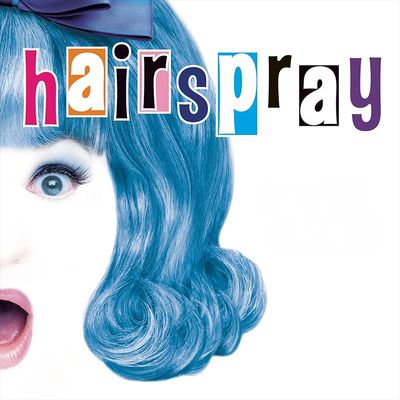
Good Morning Baltimore! There's no showtune more appropriate to get into the spirit for this week's episode, as Mike Bordick joins us in The Batter's Box! A Baltimore Orioles Hall of Famer and proud member of the New York Mets' 2000 National League Championship team, Bordick's big-league career spanned 14 seasons from 1990-2003... Read More
From the show: Break A Bat! where Baseball Meets Broadway
Featured Shows
About
Good Morning Baltimore! There's no showtune more appropriate to get into the spirit for this week's episode, as Mike Bordick joins us in The Batter's Box! A Baltimore Orioles Hall of Famer and proud member of the New York Mets' 2000 National League Championship team, Bordick's big-league career spanned 14 seasons from 1990-2003. His notable accomplishments include an All-Star Game selection in 2000, two World Series appearances, and 1,500 career hits to his name. In recent years, he's lent his knowledge and expertise to the broadcasting booth, as one of the TV voices of the Orioles through the 2020 season.
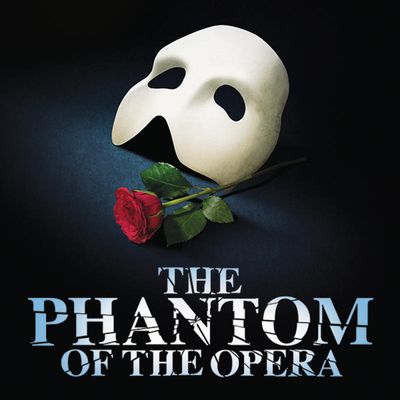
This week, he joins host Al Malafronte to revisit his time on Broadway and to discuss the many parallels of his own playing career to that of a Broadway performer. That was particularly evident when he took on his most signature role as the Orioles shortstop, as he replaced the legendary Cal Ripken Jr. and then established his own unique mark on the position in doing so. He also discusses the era in which he played in, avoiding the temptation to use steroids in order to gain an edge and even his love of The Phantom of the Opera!
Connect with Break a Bat! on Instagram: @break_a_bat_podcast
Hosted by Al Malafronte
Produced by the Broadway Podcast Network
Edited by Matthew Hendershot
Transcript
This transcript was automatically generated and might contain errors.
[0:08] Al Malafronte: Hello and welcome to the Break a Bat Podcast where baseball meets Broadway, an attempt to show that my two favorite mediums don't have to live in such separate worlds and maybe even break some stigmas.
[0:19] Al Malafronte: We're happy to have you with us. Now let's play ball.
[0:25] Al Malafronte: Good morning, Baltimore. Oh, sorry, folks. I got into the baseball meets Broadway crossover spirit there. Uh, Al Malafronte here, coming at you for the Break a Bat podcast on the Broadway Podcast Network.
[0:38] Al Malafronte: Uh, tonight, our special hitter is in fact someone who made just as much of a mark in the City That Reads as Tracy Turnblad. Uh, in addition to his tenure manning shortstop for the Baltimore Orioles, he also spent some time here on the stages of Broadway playing for the New York Mets during their 2000 pennant winning season, in which he took on my New York Yankees in the Subway World Series that captured the hearts of New Yorkers everywhere.
[1:01] Al Malafronte: Overall, his big league career spanned 14 seasons in which he was selected to an All-Star team in 2000 and played in a total of four playoff teams, two of which made the Fall Classic. In recent years, he's lent his talents to the broadcast booth and was doing so for the Orioles through the 2020 season. And we're so grateful he could join us tonight.
[1:19] Al Malafronte: So with that being said, I ask you all to please turn your attention to home plate, just beyond the marquee, now batting Mike Bordick.
[1:28] Mike Bordick: Hey, thanks so much for having me. Great to be here. Uh, such an honor. And listen, I, you know, I mentioned your time with the Orioles. I know you weren't in uniform when Hairspray premiered, and that wonderful opening number that I just did came to be, but just good morning, Baltimore. Maybe bring back some memories of batting practice during your broadcasting days.
[1:46] Mike Bordick: Yeah, no, absolutely. Uh, for sure. Yeah, you know how Baltimore gets a little bit trendy sometimes. So they were riding that one pretty hot and heavy. I think, uh, a lot of tradition, obviously, with Hairspray. I think it's safe to say it's like the only show tune that's fully immersed itself into baseball culture. I think we got to get a few more of those into the loop.
[2:07] Al Malafronte: Hey, got no problem with that. How you been, Mike?
[2:10] Mike Bordick: Yeah, really good. Thank you. Really good. So happy that it's baseball season, to be honest with you. It has been a long, I think, trying year for everybody. Um, and every sport has really kind of suffered through this, but so nice to finally see kids back out on the field, obviously Major League Baseball, getting things going again. So a great time, uh, great time of year, and really happy we're kind of turning the corner.
[2:36] Al Malafronte: Now, are you still in Baltimore in their Maryland area, Mike?
[2:40] Mike Bordick: Yeah, just outside of Baltimore. Uh, and right now helping out, uh, with some lessons, uh, doing some clinics and things. I'm actually starting or trying to start up a podcast myself and, uh, maybe launch a little, uh, TV show. I made a little pilot, did an interview with Jim Palmer. So a lot of fun things in the works right now.
[2:59] Al Malafronte: Oh, that's really exciting. And, uh, you know, obviously, you know, us being in New York, we appreciate great performers like yourself. And, uh, I know you were only in New York for a short period of time, but for all the folks here in the Big Apple, take me back to one of the most recent golden ages of baseball here in the city. We're so happy it's back now, but seldom are we gonna get a summer like we did in 2000. You're fresh off making the All-Star team with the O's, and you get when you're being traded to the Mets. I haven't played in Baltimore for such a long period of time. Are you blindsided by that? Did you know it was coming?
[3:29] Mike Bordick: Well, it kind of seemed like things were, uh, gonna work that way. Kind of in the cards, I guess, because the Orioles certainly hadn't lived up to expectation. I think year after year we kept getting quality players in there, but we just couldn't get over the hump. And of course, the Yankees had really turned the corner in the American League East. So, uh, the Orioles were struggling a little bit, payroll was up, so they decided to trade, restock their, uh, minor leagues, and, um, you know, I was fortunate enough. I've always wanted to, I guess, experience everything the game had to offer, and being traded is one of those, and fortunately, to a potential, uh, playoff team. The Mets were just on the fringe, right?
A fringe wildcard team, and we were able to sneak in there and go all the way. An awesome group of guys, and I want to tell you something. It was so much fun. Uh, you know, I was in awe really, uh, since day one, being in, you know, stepping into Shea Stadium, uh, the impact that baseball had there. You know, I always appreciate and I'm really a traditionalist in the game, but man, oh man, those Shea Stadium fans are something else. I mean, not take anything away from Yankee fans, but in the playoffs, Shea Stadium I thought was gonna come down. It was unbelievable.
[4:41] Mike Bordick: That's what I love about baseball and Broadway so much, because you know, much like on Broadway, the energy of a house can be so contagious to a performer. You know, what comes to mind when you think of Shea, you know, during the course of that pennant run and the building was literally shaking.
[4:54] Mike Bordick: Yeah, I'm telling you. Well, well, in the playoffs, when we were starting to, uh, make it through, and the crowd obviously and the city got behind us and the miracle Mets kind of stuff was being chanted, and you're seeing all the legendary Mets come around and, and of course, uh, the entertainers. I, one of my greatest experiences, I come in the, uh, the locker room of Shea Stadium, and you know, there are superstars in there anyway, just the players, you know, Mike Piazza, uh, and the like. So who was sitting on the couch in there but Jerry Seinfeld and Chris Rock? And I was, I just looked, I was like, no way I've seen this. So I go over to my locker, and I'm not kidding you here. Chris Rock yells out, "Hey boy, hey boy, don't get this stuff in Baltimore, do you?" I said, "No, no, no, I don't, man." Uh, and he said he welcomed me to New York, and, uh, yeah, it was such a good time there. Had a lot of fun.
[5:50] Al Malafronte: That is so, so awesome. Do you fanboy in a moment like that? Are you kind of starstruck, you know, having Seinfeld and Rock in the clubhouse like that?
[5:57] Mike Bordick: Absolutely, absolutely. I mean, and it seemed like every day there was a star in there, you know, walking around, uh, and a lot of times just uncomfortable to even talk to them. I get very starstruck, uh, to be honest with you. I one time met Peyton Manning. First of all, he was way bigger than I ever thought he was going to be. And then looking up at him, I just didn't even know what to say. I mean, the guy is just, you know, he's a living legend. And, uh, I got to play with living legends too. So it takes a little while to find out they're actually human, you know what I mean? I played with Cal Ripken, mentioned Piazza, Ricky Henderson, Eckersley, just a ton of Hall of Famers, and I've been around great Hall of Famers, but, uh, initial, uh, meeting of people, yeah, I'm absolutely in awe, and I just can't believe the stuff that they've done in their careers.
[6:46] Al Malafronte: Now you accomplished a lot in your career as well, and you're a baseball lifer, you know what a special roster looks like. Were you in any way shocked that a team that had Benny Agbayani and Jay Payton in the outfield was taking down guys like Bonds and Kent and Jim Edmonds that you know you're suddenly facing the Yankees in the World Series?
[7:03] Mike Bordick: Yeah, you know what? I wasn't. And I think all good teams really have a great combination of young players and veteran players alike. And the beauty of the New York teams, and I've always admired them, and Boston as well. First of all, it's not easy to play there. You're always going to be scrutinized by the media and even the fans. I mean, you know, one day the Mets fans were cheering me. The next day, I can't even tell you what they were calling me, and trying to get me out of there. So, but that just comes with the territory, right? Some players get used to that, other players, it's a little bit harder. So I kind of lost my train of thought right there. But I'm telling you right now, it's the greatest place to play, but it's also the toughest place to play. And, uh, when you do good things, they really forget about everything you've done in the past.
[7:55] Al Malafronte: Yeah, no, that's for sure. Now, one memory I have, Mike, and I think every baseball fan will think of this one when you talk about the 2000 World Series, uh, Clemens Piazza incident. What was going on in the dugout once Clemens threw us that splintered bat at Piazza? Because to tell you the truth, I think this would be pretty interesting for our audience because you're the first guy who played in that World Series to come on this podcast. What memories do you have of, uh, game two?
[8:17] Mike Bordick: It was pretty intense, you know. I mean, the World Series in and of itself is just incredibly intense. Everything's under a micro, uh, you know, microscope. Every play, it seems like every breath is being watched and kind of monitored and analyzed. So you want to be on top of your game. And then when something as bizarre as that happens, just so unexpected, it just kind of pulled everybody back. I think, you know, hindsight's obviously 2020. Do we all wish Piazza would have charged the mound and tackled Clemens? I think that might have been kind of a game-changing moment, but I think everybody was in shock, really, of what had happened. And then to look at Clemens just kind of raging out there a little bit, and Piazza was in shock.
And I think that's why he didn't do anything. He's just, we were all kind of taken back a little bit by that. And especially from their past history. So, you know, I think we're all kind of looking at that though as a motivational point, even though Piazza didn't, uh, charge the mound. I think we all took it like, let's go, let's get after these guys. But, uh, just wasn't in the cards.
[9:21] Al Malafronte: As far as Clemens goes, do you think it was Roy Rage?
[9:26] Mike Bordick: I don't know, man. I can't speculate on that, to be honest with you. But I know that he facing him, you know, my whole career is as intense a competitor as I've ever seen. And I think, uh, that's a good thing, to be honest with you. I'm not gonna say it's Roy Rage or anything like that, but I think when you get to that moment, right in sport when both teams are fighting for the ring, the championship, you know, that kind of aggressive competitiveness is awesome. I, you know, I know I just said we were everybody was taken back from it, but I think as a competitor, you know, there are times when I lost my cool and I go in and you know, I most generally I'd take it out on the bat rack or something like that or throw my helmet. Um, but, uh, yeah, it was on the field right there, and it was, you know, that bat was like inches away from sticking into Piazza. Now, if that would have hit him, it might have been a completely different story.
[10:23] Al Malafronte: Now you talk about, you know, you weren't afraid to show your emotions. Were you always like that growing up, you know, coming up through the system, or does that kind of come once you're a grizzled veteran in the game, you know, where you just you need to vent your frustration from so many, you know, so many at bats you wish could have gone a different way? Like, when does that start to come into the equation?
[10:41] Mike Bordick: Well, it's just baseball in general. I think the frustration starts at eight years old, you know, when you hear your dad or your coach yelling at you, come on, keep your head in there, quit pulling off the ball, and you're just standing in the batter's box wanting to fire your bat at whoever's saying that because they just don't understand how hard it is right there. You want to get a hit, you want to do a great job. And it happens at every stinking level, you know, in the big leagues. I can't tell you how disappointed I was in myself at the World Series for just I wanted to do so well, came out of there with one stinking hit, you know, and all I wanted to do was great things. I wanted to bring a championship to the Mets.
I wanted to help that team. They brought me there for a reason. And everybody thinks like that. Everybody wants to do well. Start of this season, we're seeing so many great players just want to get off to a good start, help their team. And guys are struggling right now. It's that mental part of the game. And some guys can really take that deep breath and control themselves in the heat of the moment. And other guys battle through like every other normal American human being would, you know what I mean? So yeah, it is not easy in those types of situations to kind of control your nerves, um, but it's all part of it, and you wouldn't have it any other way. I guarantee you, every guy that has been in the postseason, and especially the World Series probably says that, uh, it's as alive as they've ever been. I mean, your senses are just as heightened, and you are as intense and focused as you'll ever be.
[12:07] Al Malafronte: Yeah, it's like performing on a Broadway stage, a hundred percent. Now, uh, I've always been curious about this. Uh, you know, obviously, we as fans, we often take it personally. And you know, I mean, you know, you talk about today's game, you know, I'm a Yankee fan. Uh, it frustrates me that that mental fortitude sometimes isn't there because of the way that certain organizations coddle guys, and that happens a lot with the Yankees, especially in recent years, with Aaron Judge and Gary Sanchez. Um, you yourself faced quite a bit of adversity when you were trying to acclimate yourself to the Orioles fan base.
[12:37] Al Malafronte: A lot of times on Broadway, even, you know, fans aren't always excited to see the replacement for their famous performer. You know, your case is sort of unique because you were pegged to play shortstop while Cal Ripken was still on the team. It's my understanding, he wasn't happy about it either. Take me through that.
[12:53] Mike Bordick: Well, uh, you know, who would be, right? Somebody's coming in to take your position that you've actually changed the position of shortstop yourself. I mean, Cal Ripken is just an unbelievable player, obviously, Hall of Famer. He changed the game as far as the size of players at shortstop and how they move. Incredible pro on and off the field. And I got to talk to him actually before I came over to Baltimore. We had a phone call, and yeah, I could tell he wasn't really happy. He, you know, I kind of got the feeling that it was gonna be this move may be done with or without me. You know what I mean? I mean, they might find somebody else. And it seemed like that's what Pat Gillick was thinking at the time.
And, you know, Cal basically said you got to do what's right for your family. And I took that as a little bit of a green light because I wanted to come back to the East Coast. I mean, we were out in Oakland. I had great times in Oakland. I came up with that organization, but Miguel Tejada was coming up in that organization at the time, so he was knocking at the door. But I saw Baltimore and I wanted to win. You know, when I came up with the A's, man, they were just ending their dynasty, right? They had gone to the World Series, they just won the World Series in '89, back to the World Series in '90, and that was my first year, my first taste of the big leagues was being on that team, playing in the World Series against the Cincinnati Reds.
And then the next year, a little bit of a drop-off, but right back to the postseason in '92 with kind of an overachieving team. But, you know, the next few years were a little tough. LaRussa left, McGwire left, they went to St. Louis, and I was itching to try to win. And I'll tell you what, Baltimore, you remember in '96 playing the Yankees, you know, it looked like they had a game taken away from them, a chance to go to the World Series, and it just seemed like they were poised to make a nice run. And in '97, man, that team was back. Great pitching. Jimmy Key came over, and I know you know, and he was awesome. And we rolled right through, wire to wire. And I thought we were the best team in baseball, and unfortunately just didn't quite make it at the end.
But you know, back to Cal, incredible teammate. Day one being on that team, he made me feel comfortable. It seemed like he supported me. We played catch every day. We talked shop, we stayed afterwards, talked about pitching, talked about defense. I learned so much watching him play and just watching him carry himself as a professional that those things will continue to impact me, and I think I've kind of given my kids some of his lessons.
[15:39] Al Malafronte: Now, was there ever a moment where, whether it be '97 or thereafter, where you felt like you had to step out of your comfort zone as a performer to, you know, try to win over the fan base, or is there a big main game that comes to mind, you know, above others where you did something different and it yielded results?
[15:56] Mike Bordick: Oh man, oh man. When I first, uh, the first month and a half with the Orioles, you know, I go back to that mental part of the game. Now I played six years in the big leagues, so I had a lot of at-bats, experience under my belt. And the reason they brought me into Baltimore was experience up the middle, be strong up the middle, have that range, some leadership out there as well. And I just, it got all in my head. I just put way too much pressure on myself, especially like the, I think it was the first game, man. There was a line drive hit up over my head, and I jumped up and I missed it. And I heard a fan say, "Cal would have had that one, Bordick." And I was like, "Oh my gosh, Cal's right beside me."
And he heard it too. I know he did. And I just kind of, once you start thinking about stuff, it just grows, you know, that exponentially. And all I did was keep thinking about that kind of stuff. Oh my gosh, every fan wants Cal to do this. There were times we had a giveaway day, they gave away like Camden Yards baseballs, and a couple of them landed right next to the on-deck circle, man. They were trying to hit me when I came up to bat. That's how bad I was doing. And the turning point was honestly, I had just had another rough game. And you talk about just trying too hard. I almost sprained like both of my ankles going after a ground ball. I stepped on the ball. I was scuffling, hitting about 180.
And it was Sam Perlazzo, the Orioles third base coach, came up to me. He goes, "Man, oh man, when are you gonna relax?" And I was like, "What do you mean?" And he goes, "Can you just have some fun out here?" And I just, I did. I just started looking around me and saying, "Man, oh man, these guys, they're a bunch of Hall of Famers out here. This is a great team. We're winning." And I started loosening up. I started playing much better. I had a huge second half, you know, and I did pretty well to start the playoffs against Seattle. So that's all it was. You know, somebody I trusted kind of getting in my ear, telling me to relax a little bit. And I'm sure there were other guys that were saying that.
I'm sure my wife said it a thousand times as well. But, you know, those are the days you just, you bring the game home, you chew on it, you stick to your stomach every night, and you want to go back and get in there and get a hit for the team, for the city, and try to, you know, help them forget what just happened, that big transition with Bordick coming in for Ripken. And I think the fact that we won just kind of helped ease that through. And I ended up becoming very comfortable and enjoyed every day I played in Baltimore.
[18:29] Al Malafronte: Now, if there's any validation needed for the mark you were able to make with the fans, I think your induction to the Orioles Hall of Fame says it all. How surreal was that for you?
[18:38] Mike Bordick: Yeah, it was, I don't know if I deserved it. And I'm saying that in real sincerity, because the guys that are in the Hall of Fame, the Orioles Hall of Fame, are just incredible legends. And I think the Orioles advocates who the Hall of Fame is really supported by may have had a soft spot in their heart, right? Saying, "Man, that Bordick went through too much, man. Let's stick him in here." And listen, I did have my best offensive years with Baltimore. Terry Crowley helped me out tremendously. One of their great hitters in Orioles history really taught me how to turn on an inside pitch, and that helped my power game. Camden Yards helped my power game, one of the hitter-friendly parks in the game. So, you know, finally figuring out how to turn on a ball helped get me traded, and ended up with the Mets. So, you know, it all worked out.
[19:30] Al Malafronte: You know, it's interesting, you know, and I'm gonna use another Broadway parallel here. It would have been very easy for you as the times were changing for the shortstop position to want to step outside of yourself and the type of, you know, you were an established veteran when once you got to Baltimore, for example, and around that same time, you started having A-Rod and Nomar and Jeter put up the big numbers. And really the whole landscape of the position changed. You know, here on Broadway, you know, you're stepping into a role that's pretty established, the shortstop position, but as it's changing, you want to adapt to that. You want, you know, I'm gonna just give you an example, such as, um, let's say if Meghan Hilty is taking over for Kristen Chenoweth in Wicked on Broadway.
Um, you want to stay true to what was there originally, but you also want to make your own unique mark on the position. What did you do to differentiate yourself and stay so competitive and such a, you know, an important piece of a team puzzle, really? What would you say that you did on that front?
[20:33] Mike Bordick: Well, I didn't take steroids, I know that. So that kind of separated me from a handful of players, and I feel proud about that. And I'm not afraid to even talk about it. There was a day, and I will, I'm not even embarrassed. Rick Burleson was my hitting coach, it was 19, um, '91. And I said, "Rick," and he was one of my heroes, actually. I used to watch him on TV, right? When he was the shortstop for the Red Sox, and now he's my hitting coach. And I asked him one day, I said, "Rick, so do you think I should, you know, try to compete with these guys to take steroids?" And he stepped back, he said, "Please just catch the ball. Just catch the ball." And that's what I kind of hung my hat on. I just tried to be as professional as I could every day, trying to make myself better in fielding, especially.
And then, you know, obviously the hitting, I think through experience came along, and I got more confidence in myself. I think young hitters in the game, even today, get labeled, unfortunately. And I was labeled as a young hitter, and then I had to kind of learn how to build my confidence back up and get the right people around me. So that helped my offensive game tremendously. But I always felt really confident in my defense. And, you know, that's I think what I feel like is a separator because every day I just tried to be better at making a play. Just tried to not let the pitcher down, not let the team down. If I could get to a ball, it had to be an out.
[22:05] Al Malafronte: Now you mentioned the steroid era. Um, I have to know, you played with Palmeiro in Baltimore, you played with McGwire and Canseco in Oakland. Um, you're one of the clean guys of that era. Did they ever try to, did they ever propose it to you? How aware were you that it was going on in your own clubhouse and how accessible was it? If I, I'll use it, I'll phrase it that way.
[22:26] Mike Bordick: Yeah, you know what? I'm gonna be honest, I never ever saw it in the clubhouse. I never did. Now I saw players change, I saw their bodies change, and I knew it was around. It just wasn't a secret. But I never saw it being used, and I was never even asked by a teammate to use it. Truth.
[22:49] Al Malafronte: If, you know, I know that obviously the game's changed quite a bit. Do you think that we're still feeling some attempt to replicate what was from that era with all the home runs? And, you know, unfortunately, it's kind of having a different effect here because, you know, the league batting average in 1999 was 270. Right now it's around 230. Do you think that that, you know, chicks dig the long ball thing really ended up haunting the game in the years to come?
[23:16] Mike Bordick: Um, yeah, I think a little bit. I think unfortunately, yes. But this game today is a little bit different. And I'm not a huge fan of it. I think it's starting to come back around. I, you know, I'm more of the situational, traditional kind of player. I, when I see the shifts, it just blows me away that a guy wouldn't try to hit it the other way. And I'm starting to see a little bit more of that. I think some teams are really starting to press the issue and understand that it's just hard to wait around for a three-run home run. You know, I mean, pitchers are throwing harder. Um, it seems like the game, the analytics have kind of taken over, so they're teaching this launch angle stuff, and everybody's kind of dropping their back shoulder, but then they're teaching them how to throw the high fastball, and that's become a common pitch.
I mean, let's go. Somebody's got to learn how to stay over the top of a fastball and get back to hitting. I mean, that's what it's all about. That's the skill of the game. I mean, I could go in there right now. I'm not going to say I'd hit 20 home runs, but if he gave me a free chance to take 500 at-bats and swing as hard as I could, I'd probably hit a few home runs. And that unfortunately seems like the way the game's going, I think the strategy's got to get back in place. And I think the good teams are able to do that. Understand what's being presented to them on the field, be able to read the scoreboard and execute.
[24:40] Al Malafronte: How would you face a guy like Chapman throwing 105?
[24:44] Mike Bordick: Man, I just, uh, I try to shorten up, right? And you just gotta look over the plate and hope you can time him up. Because really, yeah, somebody throwing that hard, it's just gearing into your strike zone, maybe starting a hair earlier. But if you try to catch up to 100 by swinging, you know, extra hard, it's just not gonna happen. And that, listen, I was a very average hitter. So don't take my advice on how to hit Chapman. I'd probably be pinch hit for, to be honest with you.
[25:14] Al Malafronte: So that's the truth about that, too.
[25:17] Mike Bordick: Mike Eastler said the same thing that he'd probably be pinch hit for also. Common theme. And uh speaking of Aroldis Chapman, we do a little uh segment on the show kind of in his honor. It's called fastball derby. So I want you to picture yourself back in the batter's box. Um, and in this case, I'm Aroldis Chapman throwing 105 miles an hour. I'm gonna ask you a question. You're gonna tell me the first thing that comes to mind. How does that sound?
[25:43] Al Malafronte: Hey, let's try it.
[25:45] Mike Bordick: All right. Favorite New York City meal.
[25:49] Al Malafronte: Steak.
[25:51] Mike Bordick: Toughest pitcher you ever had to face.
[25:58] Al Malafronte: Interesting.
[25:59] Mike Bordick: That cutter. Oh, it just drove me crazy, man. I fell down in Yankee Stadium, tried to hit that dang thing. Oh, it was just so frustrating. And I found out later, I asked Ron Darling, actually, uh, I said, what do I do to this guy? You know, how do I make an adjustment? You know, I'm tried choking up and this and that. He said, why don't you move off the box or off the plate a little bit? Because he tries to throw the cutter to you as a hitter, not the plate. So I moved off the box. He actually walked me. So that helped a little bit. And I didn't, of course, get as many at bats after that. But yeah, so it's pretty interesting. And you know, that at that point, I guess it was my fifth year in the big leagues. Ron Darling was pitching for the A's, and he gave me that little bit of advice. But so of course it didn't carry over for the rest of my career against Pettitte. I struggled. I think I only got one hit off him my whole career.
[26:53] Al Malafronte: How about a guy you owned?
[26:56] Mike Bordick: Uh Brett Saberhagen. Yeah, I got him pretty good, and I have no idea why. He was one of the nastiest pitchers I've ever seen. And he was nasty even his last day in the big leagues. And uh I yeah, I got him. I hit home runs off him. Um he was pitching for the Red Sox. And I actually, before the game, I said to our hitting coach Rick Down, I said, man, I wouldn't be surprised if Saberhagen hits me today, man. I said, I gotta I own this guy ever since I broke in in 1990. And sure enough, he hit me right in the head, man. I was sitting on a curveball. I was sitting on a curveball and it didn't break, and I just went just like a ducked and it hit me right on the Oreo bird. Oh my gosh. So yeah, but then uh Scott Erickson ended up hitting Omar Garcia Parra twice. So yeah.
[27:50] Al Malafronte: Old school baseball.
[27:52] Mike Bordick: Yeah, seriously. And what it's worth, you know, Brett's a friend of the show. If you want, I want me to see if I can get him to apologize for drilling you in the head.
[28:00] Mike Bordick: No, absolutely not. Man, I hey, I I abused him so bad that I'll take that little bump of the head. Okay. Here's a fun one. Most ridiculous Albert Belle story.
[28:15] Mike Bordick: Hmm. Wow. Well, I loved Albert. Okay. And there really wasn't anybody as consistent and as good as Albert for about an eight year stretch. I mean, he was a beast. But he did have his little unique kind of characteristics when he taped, you know, around his locker, kept the media away. But I only had one problem with Albert. And uh there was one game we were down in Tampa and he hit a ground ball and he didn't run. And Ray Miller at the time wanted to show how tough he was, so he pulled Albert Belle out of the game. So I'm not ha taking that. You gotta hustle down the first baseline. So Albert Belle comes out of the game and he goes up in the clubhouse and he was so upset he pulled out every Bud Light.
Now at the time that was the only beer I was drinking. I mean, I was a Bud Light heavy guy. And he threw every Bud Light off the TV screens, and not only did he break every TV screen, but all the glass and everything went down into our spread. So we couldn't eat and I didn't have any Bud Light, I was chapped. It was one of the roughest nights I had in the big leagues.
[29:24] Al Malafronte: I've never heard that story.
[29:29] Mike Bordick: Oh, that was frustrating. I you know, because I was always hungry after a ball game and I needed my Bud Light too.
[29:36] Al Malafronte: On the subject of food. Favorite late night snack, uh, doubleheader, you get home from the stadium, it's after midnight. What do you grab him before you hit the couch?
[29:44] Mike Bordick: Oh man, oh man. Uh when I was playing, it was it it might have been a piece of pizza or or uh, you know, a 7-Eleven burrito or something like that. Nowadays I I've completely changed my my diet and everything. I'm more uh carnivore, so uh I eat things like chicken hearts and livers and things like that. So I'm enjoying that. But back when I played, you know, it was nothing better than a nice cold beer and maybe some chicken wings. So yeah. I had a pretty loose uh diet plan back then.
[30:14] Al Malafronte: You can be the lead in one Broadway musical. What is it?
[30:19] Mike Bordick: Oh man. Well, uh hmm. How about uh how about Phantom of the Opera? That was like the first show I ever saw. I saw it out in San Francisco with my wife. It's always been one of our favorites, and and uh yeah, I don't know if I'd be the lead, maybe one of those little guys holding a candelabra or something like that in the corner.
[30:45] Al Malafronte: That's a great choice. Did you like the movie too?
[30:48] Mike Bordick: Uh, you know what, to be honest with you, I never even watched it. I never watched the movie. I saw Phantom of the Opera twice, and I saw it once here in Baltimore and once out in San Francisco. I absolutely loved it. Did you catch any shows while you were playing in New York?
[31:02] Al Malafronte: You know, either as a Met or as a visiting player.
[31:05] Mike Bordick: Yeah, we uh we've seen a few shows up there, actually. Had some great times. Uh Lion King. Um trying to think of a couple more. And I love the Broadway shows. I love live entertainment, live music. I I'm such a fan and I'm in awe of of watching performers. Um, and why I can't think of the rest of these shows, it's beyond me.
[31:32] Al Malafronte: That's all right, because our next question actually has to do with the Lion King. Which of your two teammates would make the best Timon and Pumba in the Lion King on Broadway?
[31:44] Mike Bordick: Oh my gosh. Wow. Wow. Um maybe McGwire and Canseco. How about that? That would be interesting, right?
[31:56] Al Malafronte: I think of Canseco as more of like star, you know, the bad guy.
[32:04] Mike Bordick: Maybe, maybe so.
[32:06] Al Malafronte: Fact about Mike Bordick that would surprise people the most.
[32:14] Mike Bordick: Wow, I don't want to go there. I just gave kind of an interesting fact about uh me being a carnivore. I I think that's pretty cool. I've I've been so I'm 55 years old now, and probably eight years ago I finally stopped drinking Bud Light. So hallelujah to that. And then I also quit dipping. So I I made a little change, a little health change. I lost my father, unfortunately, to cancer, and I started doing a little research and learning about some things. There are some incredible health and wellness podcasts out there right now. Um that I have just I listened to them religiously. I've learned so much about the human body and about nutrition, and uh really the importance of eating nutrient-dense food.
And I've I've been feeling great. I'm not even close to as sore as I was, you know, 10 years ago. I was still feeling the aches of pains playing, and uh right now I'm doing some things that that I haven't done in a while, so feel really good about it. I still have a couple young kids at home, so I get to chase them around.
[33:16] Al Malafronte: Proudest moment of your career.
[33:20] Mike Bordick: Wow, proudest moment of my career. I I think the first day in the big leagues, to be honest with you, and and it was uh it was pretty intense because the Oakland A's had just won the World Series. And uh we're in the Oakland Coliseum, and back then it was the Coliseum, man. It was legit, it was awesome. 56,000 people, maybe 58. It was huge. Opened up to the Oakland Hills out in center field, and the place was packed. They shut the lights off, and then they give a tribute on the big screen to the 89 World Series champs, and then they give them the World Series rings, and I'm standing in line going, like, are you kidding me? I'm with these guys right now. What? I felt like the bat boy for crying out loud.
And thank God La Russa didn't play me for like a week. So uh, but it was intense, and and I love that moment. And those guys, man, were awesome. Man, what a team. It's like stepping into the ensemble of a you know Tony winning show. That's that that's a that's uh one parallel I like to make on the Broadway front.
[34:25] Al Malafronte: There you go, yeah.
[34:26] Mike Bordick: Yeah, absolutely. Yeah, this is the last one that we use to wrap every show. What's the best piece of advice anyone ever gave you?
[34:34] Mike Bordick: That's not taking steroids from your hitting coach because that's pretty good advice, but that's on the case. No regurts. Oh, wait, no regrets. No, no, wait, let's see here. Best advice, you know. I I've heard so many great analogies, uh, you know, and I love quotes. Um but one of my favorites is, and and we moved out to this small town in uh outside of Baltimore called Moncton, and we have a we have a little farm, and we actually we named it, and we named the farm This Day Farm. And the reason being is because there's a great quote by uh this guy named Van Goether or something like that. It looks like Van Gogh, it might be Van Gogh, I'm not sure. And he says that nothing matters more than this day. And uh so I think that's the advice that I try to lead by. And every day I wake up and I kind of say thank you. Let's get after it and see what we could do to make it a better day. So nothing really matters more than this day.
[35:36] Al Malafronte: That is awesome, Mike. And uh for the folks at home who may want to connect with you on social media or what you're doing with This Day Farm, where's the best place where they can find you and know some more info on that?
[35:45] Mike Bordick: Oh my gosh. Well, to be honest with you, I don't even know what my I just started social media. So I've got a Twitter account, it's like Adam Bordick, maybe. I've got an Instagram, it might be at mbordick, I'm not sure. And I've also got a Facebook. So I'm out there somewhere, I don't know how many Bordick there are, but uh I just really started and I'm looking to get into it a little bit more because I've really enjoyed getting more involved in the community, helping kids out. I think now more than ever, we have to encourage kids not just with baseball, but to get out and play, play all sports. And I'm not talking about competitive, and and just to lose their mind in playing, right? And I think parents can kind of get that, it's like meditation.
Lose yourself and your kids watching your kids play and start educating your kids on health and wellness because this COVID stuff, if nothing else, should open our eyes to, yeah, we need to get vaccinated. I'll promote that. But how about taking care of ourselves? Because it's all the comorbidities, heart disease, diabetes that are really hurting us. So we got to pay a little bit more attention to health and wellness.
[36:53] Al Malafronte: That's awesome, Mike. And uh, this was such a great chat. I cannot thank you enough for coming on the show tonight, my man.
[36:59] Mike Bordick: Thanks for having me. I appreciate it.
[37:02] Al Malafronte: Well, that'll close out the ballgame, folks. This is Al Malafronte signing off for Break a Bat and the Broadway Podcast Network. We'll see you next time.
[37:12] Al Malafronte: Thanks for listening to Break a Bat. This is produced by the fine folks at the Broadway Podcast Network. Visit and subscribe at bpn.fm slash breakabat. You can find me online at break underscore A underscore bat underscore podcast. And you can also find the Broadway Podcast Network on Instagram at Broadway Podcast Network. It's been so great having you here with us today, and we'll see you next time.
© Broadway Podcast Network, All Rights Reserved