

This episode features Riza Takahashi, who gives us tips on how to book a Broadway show from an open call! Riza is a New York based actor/singer/dancer who can currently be seen as “Sophie Kawachi” in the ensemble of “Mean Girls” at the August Wilson theatre... Read More
From the show: Breaking Broadway with Kerry Butler
Featured Shows
About
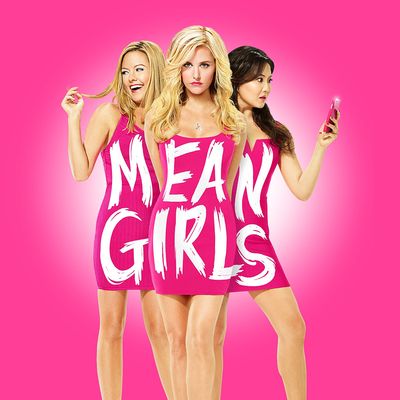
This episode features Riza Takahashi, who gives us tips on how to book a Broadway show from an open call! Riza is a New York based actor/singer/dancer who can currently be seen as “Sophie Kawachi” in the ensemble of “Mean Girls” at the August Wilson theatre.
Originally from Itami, a small town outside the city limits of Osaka in Japan, Riza fell in love with musical theatre at a young age. The idea of someday performing on Broadway quickly became an all-encompassing dream. After years of hard work and exhausting all the performing opportunities in her hometown, she realized if she wanted to make her dream a reality she would have to learn English and eventually make her way to North America.
At the age of 16 she said goodbye to her family in Japan and landed in Langley, British Colombia. She was accepted into a Canadian Performing Arts High School where she taught herself English and was able to concentrate on her training. After high school, she went on to receive a Bachelor of Fine Arts degree in Musical Theatre from The Hartt School in Connecticut.
Resources mentioned in this episode
- Riza’s Instagram: @rizatakahashi
- Find Equity chorus call
- The MUNY
- Pasadena playhouse
- 5th Ave Theatre
Produced by Dori Berinstein and Alan Seales
A proud member of the Broadway Podcast Network.
Transcript
This transcript was automatically generated and might contain errors.
[0:36] Kerry Butler: Now come with me, I'm your host, Miss Kerry Butler. Together, you and I are breaking Broadway.
[0:53] Kerry Butler: Hi, it's Kerry Butler with Breaking Broadway. Today's guest is my friend from Mean Girls, Riza Takahashi.
[1:02] Riza Takahashi: Hi!
[1:03] Kerry Butler: Hi! I'm so excited to have Riza here because she has one of the most interesting stories I have ever heard. So why don't you kind of start with how you even got interested in musical theater?
[1:12] Riza Takahashi: I'm from Japan.
[1:13] Kerry Butler: Uh yeah, so I am from Japan.
[1:17] Riza Takahashi: Hi, I'm Riza Takahashi. I'm originally from Japan. I was born and raised and grew up until I was 16. But growing up, I just danced, sang, acted, but all in Japanese. And at some point along the way, I found out this place called Broadway. That they have all these musicals on one street. And I don't know how I've heard it, but I have proof that I think second grade or something in an album it says I want to be on Broadway. Oh my god. Yeah, written in Japanese, and one of my teachers had said that to me, and I was like, I have no idea how I found out about Broadway. So then it was always my dream to be on Broadway. But I think around like 12 or 13, I realized if you want to be on Broadway, I need to be able to speak English.
[2:17] Kerry Butler: Well, wait, did you listen to Broadway cast albums? Or did you have any knowledge of Broadway?
[2:20] Riza Takahashi: No, really.
[2:23] Kerry Butler: You just heard about the street hall shows.
[2:26] Riza Takahashi: Okay. Yeah. But I did go see all these shows in Japanese.
[2:31] Kerry Butler: Oh, like Broadway shows that would come to Japan?
[2:34] Riza Takahashi: Oh, okay. But it wasn't in English, it was like translated in Japanese. So I would see like Cats, or so I knew what musicals in the high production like that is. But I've never seen Broadway shows or I knew that Broadway existed.
[2:51] Kerry Butler: Oh, so then around like 14, 15, so in Japan, the school system is a little different. And six years of elementary school and three years of middle school. So then when I was about to graduate from middle school and everybody was picking high school, I was like, this is when I should leave Japan because if I don't leave now and if I have too thick of an accent, then 16-year-old me thought I'm gonna be only doing Asian shows. Not that that's a bad thing, but I wanted to expand my opportunities to be in any kinds of shows, whether your skin color is my collar or white or black or anything.
[3:38] Riza Takahashi: Yes. So then I was like, I'm gonna leave Japan. So then I did. So how did you do that? Were your parents supportive?
[3:44] Riza Takahashi: Yeah, actually, my mom is the one who was like, go, just do that.
[3:51] Kerry Butler: Wow. So you went to high school in the United States?
[3:55] Riza Takahashi: Actually, I found a public high school in Canada.
[3:59] Kerry Butler: Okay.
[3:59] Riza Takahashi: And that's where I went for three years of high school.
[4:06] Kerry Butler: Did you live by yourself?
[4:07] Riza Takahashi: I lived with a host family.
[4:09] Kerry Butler: Oh my gosh.
[4:10] Riza Takahashi: For three years. So I just like left by myself, which was, you know, now scary. Now I think about it, it's like, oh yeah, that must have been scary. But I was so determined back then that I was like, this is what I'm doing, and I didn't even look back, which now like that's a very fearless thing to do looking back, and that's crazy.
[4:31] Kerry Butler: But you didn't even speak English at that point, right?
[4:33] Riza Takahashi: I didn't.
[4:35] Riza Takahashi: But I don't think I think sometimes not knowing what you're getting yourself into is very helpful. I didn't know.
[4:42] Kerry Butler: Right.
[4:43] Riza Takahashi: So I was like, I'm just gonna go. And then I went and I was like, oh no, I have no idea what anybody's saying. So the first day of school is me basically running around school trying to find out where this gym class is, because it wasn't at the gym, it was at the library, but I didn't know how to read or ask, I guess. So it was like a vivid memory of like me running around school.
[5:09] Kerry Butler: How did you learn?
[5:11] Riza Takahashi: So it was in a very rural area where there were cows, horses, the bus would only come once in 30 minutes. So there were no other really Japanese people. So I was forced to basically learn the language.
[5:28] Kerry Butler: Which is helpful.
[5:30] Riza Takahashi: It's kind of the easiest way, toughest way, I guess too, but I was forced to learn. So then by the time I graduated high school, I was good enough to get into a musical theater college in an English level.
[5:46] Kerry Butler: So you applied, did you have to audition for college?
[5:48] Riza Takahashi: Yeah, I did fly down to LA by myself. And they had this like unified audition where all the colleges would come and audition a bunch of kids. So I went there by myself and auditioned a bunch of schools. And I got into one of the schools in Connecticut, so at The Hartt School. So that's where I went for college.
[6:12] Kerry Butler: And you did you have a BFA in?
[6:12] Riza Takahashi: Yeah, yeah, yeah. I went to a BFA program.
[6:17] Kerry Butler: And was it in musical theater?
[6:18] Riza Takahashi: Mm-hmm.
[6:19] Kerry Butler: Yeah.
[6:20] Riza Takahashi: Okay, yeah. Okay, so you finished college, and then what happened?
[6:26] Riza Takahashi: And then I mean, throughout college, I was able to audition for a bunch of regional theaters, and I was fortunate enough to be hired for The MUNY during college.
[6:39] Kerry Butler: Yeah, during college.
[6:41] Riza Takahashi: So I knew what I like, I got my feet wet a little bit of like, oh, this is what real world is gonna be like. And that was so wonderful to be able to work with Broadway stars at The MUNY and Broadway stars at Wichita. And it was really cool. So after that, four years of college, I moved to New York City by myself, obviously, like just like everybody else. Yeah, and I started auditioning.
[7:06] Kerry Butler: Did you get your equity card from doing those shows at The MUNY?
[7:11] Riza Takahashi: I didn't turn equity then, but I got the show after a year on a year after graduation, this show called Waterfall, and that was a Maltby and Shire show.
[7:24] Kerry Butler: Oh yeah.
[7:24] Riza Takahashi: That's how I got my equity card.
[7:27] Kerry Butler: Was that on Broadway?
[7:28] Riza Takahashi: No, it was out of town tryout. It's still in process of reading and everything, but it was in Pasadena Playhouse in LA and Seattle, Fifth Avenue.
[7:41] Kerry Butler: Okay. And did you have an agent when you graduated from college?
[7:45] Riza Takahashi: I didn't.
[7:48] Kerry Butler: So were you just going on open calls?
[7:50] Riza Takahashi: Every day.
[7:51] Kerry Butler: Really?
[7:51] Riza Takahashi: Yeah. During the season time, I would go a couple auditions a day.
[7:56] Kerry Butler: So most of these jobs that you got, you got through open calls.
[7:59] Riza Takahashi: Yes.
[8:01] Kerry Butler: And you weren't even equity at that point.
[8:02] Riza Takahashi: No.
[8:02] Kerry Butler: So you had to did you have to like wait hours to go in?
[8:05] Riza Takahashi: Yes. One time, I think I auditioned for A King and I on Broadway. And I showed up maybe like six o'clock in the morning and sat in the like bottom of the building. I don't remember what building, but just because I was like, I need to be seen for this. So I waited hours and hours in the cold, and then the building opened up so we were able to like get in. But I think we were it was at the equity building, maybe. So then if you're not equity, you can't get in.
[8:37] Riza Takahashi: Right. So then there's like this hallway where like non-equity people can wait or something. So I waited and then I got seen. I didn't get the job, but yeah, I would do that basically every day when there's an audition happening.
[8:54] Kerry Butler: Okay, and so then you did end up getting an agent.
[8:58] Riza Takahashi: Yes, I did. How did you get your agent?
[9:00] Riza Takahashi: So I did initially when I graduated and I came here, I think it was a time where still like paper submissions were like acceptable. I don't know if they are right now.
[9:11] Kerry Butler: Yeah, it's mostly electronic.
[9:12] Riza Takahashi: Yeah, but digital. I did make like a cover letter and headshots and put it in like an envelope and sent it out to all agencies. Because that was a couple years back, maybe five years back or so.
[9:26] Kerry Butler: Good to know it works because it may still work now.
[9:29] Riza Takahashi: Yeah, but when I met up with those agencies first thing after college, they weren't very interested. They still met up with me, but they were like, let me know if anything comes up. Is kind of what they said, and nothing happened afterwards. But when I got the job, Waterfall, that was kind of my way to reach out again to those agencies and said, Hey, we met a while back. Could we have another interview again? I have something coming up.
[10:04] Kerry Butler: And so that's a great lesson. If you meet with an agent and they say, you know, oh, follow up when you get a job or something, then do it. Don't be afraid to do it because Riza is an example that's how she got her. And it was probably years later, right?
[10:19] Riza Takahashi: Yeah, yeah. So it still worked. It was like a year after, like of unemployed, I was just auditioning.
[10:26] Riza Takahashi: And then I finally got the job. I was like, this is the time to reach out for an agent. Because but it's such a weird battle because if you don't have an agent, it's hard to get a job. But if you have a job, then you can get an agent to get more jobs. It's really interesting how it works. But that's how I got my first agent. And then you said when you auditioned for Mean Girls, you actually had an agent.
[10:52] Kerry Butler: I did. But what happened?
[10:55] Riza Takahashi: But I feel like sometimes it's hard to get in the room, even though you have an agent. And they're so on your side. And I love my agent now. And he's my friend and he's the biggest supporter of me. But sometimes they can't get me in the room because I've never been on Broadway and such. So I was still going to a lot of open calls. But because I was equity, I was guaranteed to be seen. But I still went to an open call because I didn't get invited to Mean Girls Dance Call. Yeah, so I went to an ECC and I had a great time. It was easier this time because now you're equity, right? So you didn't have to wait for hours or anything.
[11:43] Kerry Butler: No.
[11:43] Riza Takahashi: Easier, but still a lot of work, I'd have to say. Who's doing exactly the same as your ex putting exact amount of work? So non-equity, it's hard in a way because you're not guaranteed to be seen and you're putting in so much work. Right. So that's the mental game, I think that you have to play as non-equity and equity. But even if you're equity, you still have to push for a job. I think Riza is the perfect example of someone who stands out in the room. Like I'm sure her personality is coming across on this podcast. She's just like this ball of energy and light, and just always has a smile on her face. And I think that people respond to that. And that isn't something that you can really necessarily work on.
Although you should. Because that is something that will help you get the job. You know, I'm doing all these podcasts, and people say, you know, it's who do I want to be with for a year? Right. And so I feel like that's something that comes across with you. So walk us through the audition process for Mean Girls.
[12:58] Riza Takahashi: Um, so I wasn't in the lab. Uh-huh. I wasn't either. They did for Mean Girls, they did about four, I feel like maybe four, something like four labs before it actually goes to Broadway. Lab is kind of where they workshop it. They do a staged reading almost or a production just to see what they have, and then from that, each one they'll make changes. So neither one of us, almost everybody from the workshops ended up being in the Broadway show, but we weren't in the workshops. Yeah, so I wasn't in the lab. I didn't I wasn't able to audition for the lab because I was back in Japan visiting my family. Uh so then I thought I missed out. Oh, this would have been so fun. Uh, but then I saw an ECC pop up, so I was like, oh, I don't know what this means, but I'll go.
Um, so then I went, and I was because sometimes ECC, we don't know if they're really looking for if they're they're required to have shows are required to have equity calls, even if the entire cast has already been cast.
[14:05] Kerry Butler: Yeah.
[14:06] Riza Takahashi: Um, so sometimes they're actually looking for people, sometimes they're not. So you can prepare for this audition and get in the room and not even know that they're not looking for anybody. Yeah. But it's still good to go because they might keep a mental note and they might remember you, oh, for replacements, and things like that. I'm sure I know that they remember people. Yeah, it's always worth to go, but you can't really expect an outcome from it. Yes. The expectations have to be controlled within yourself so that the rejection doesn't hit you as huge.
[14:38] Riza Takahashi: Yeah, my goal is always just to do my best and then let it go. Like I throw out my audition sides, everything. I just want to do my best, and if I do my best, then I feel like it was a worthwhile audition. Yeah. You leave it in the room. That's right. Then say goodbye. Yeah. Other after that, you can't control anything that happened. Um, but it was one of those auditions for me where I was able to have so much fun. And it doesn't happen always because audition seasons are hard. And especially if when I was unemployed, I was going to auditions all the time. And then going home to babysitting or going home to survival jobs. And then the next morning you will get up early again and go to auditions. So it's like the cycle of that. And if you start to beat yourself up of why you're not getting jobs, then you start to burn out.
[15:29] Kerry Butler: Yes.
[15:30] Riza Takahashi: But somehow, Mean Girls audition, I didn't feel that way. I there was a drum, John Epcar was playing the drum, and the piano was fun, the music was fun. I've never heard of this music, but it felt freeing. The choreography was fun. Is it hard? Because that choreography is perfect.
[15:48] Kerry Butler: It was it was hard, but it was very freeing.
[15:52] Riza Takahashi: It was, it's from underdogs in Fearless, which is like all the girls are dancing because they feel the freedom from Regina. That part of the dance was the ECC dance, and I had so much fun that I was able to leave it back in the room. And then I got a call back for weeks after. And all you had to do for the first audition was dance.
[16:17] Kerry Butler: Dance.
[16:18] Riza Takahashi: Oh, that's it. No singing. No singing. So that was kind of nice. So that I didn't know if I got cut or if I did good or bad. I had no idea. But I just danced and that was it. And I went on with my day. Uh and then I heard later that there is a callback, but it was the invited dance call. So what happens, I don't know if whoever is listening knows, but yeah, tell them everything. But the invited dance call is usually through an agency, through castings where you get invited to the dance call. So if you are in Broadway or if you're known by the casting, they'll send you an email to the dance call. But if you are not invited to those, you have to go to an ECC to be invited to the invited dance calls. Does that make sense?
[17:09] Kerry Butler: Yes, totally.
[17:09] Riza Takahashi: So it's almost like you're auditioning to get the audition.
[17:12] Kerry Butler: Yes, exactly.
[17:13] Riza Takahashi: So I showed up, I was like, oh my god, I got a call back. And there's still lots of girls that were invited that had more credits than me that I've seen, or my friends who I know that they're doing great in this business. So I was like, oh shoot, like I thought I did good, but here I am. Uh but I still had fun and they made a cut and they had us sing. So when they cut people, that just means are you guys all standing around? How does that happen?
[17:45] Kerry Butler: So you dance in the room. Usually you they teach you the combination, dance three or four at a time, and then sit they'll send you back to the holding room. And usually the casting comes in with a pile of headshots and say the following people, could you stay and sing? And then they'll call you.
[18:05] Riza Takahashi: Oh painful.
[18:10] Kerry Butler: It is a painful time, but we all do it.
[18:13] Riza Takahashi: I know I kind of remember having that when I started out too.
[18:17] Kerry Butler: Yeah.
[18:17] Riza Takahashi: So you're we're all in the room. Sometimes your friend gets to sing and I don't, or I get to stay and somebody else doesn't. But that time I was lucky enough to stay and sing. And I remember this round, it was Brendan, our dance captain of Mean Girls and Bethany Knox, the casting. It was just them. I was super nervous, but I prepared my song, so I sang it, and I was like, oh, this is it, I'm done. And they asked me to sing one more song. And usually what happens is like you have to prepare your book.
[18:57] Kerry Butler: Yes.
[18:58] Riza Takahashi: So you have a couple of song options so that you if they ask something like this, could you sing another song that's more ballad or pop? Or yeah, I'm gonna do a whole podcast on a book on your book.
[19:10] Kerry Butler: Great.
[19:10] Riza Takahashi: So listen to that. But um, so I had a song, but in my mind, I was like, oh, I'm done. So then they asked me to sing, and I got so nervous. And I left and I was like, oh, I could have done better. And I taught I remember talking to my friends, I was like, I wish I had another chance because I can do better. And then I got a call back. So I was like so happy, and I was like, oh, I can show them I can do better. Basically, and um, and that was the final call.
[19:44] Kerry Butler: Oh wow, so only three rounds for me.
[19:48] Riza Takahashi: Because what I didn't know was that they were only looking for one track for the ensemble. Oh I had no idea. Uh so I show up to the final call. There's Tina Fey, Jeff Richmond, or um, and now everybody, Casey, everybody was in the room. And sweet Casey goes, hi everybody, thank you for being here. We're only looking for one female ensemble and two swings. So please don't be, don't feel like you're rejected or anything.
[20:25] Kerry Butler: That is so sweet.
[20:26] Riza Takahashi: Yeah, like let's have so much fun, and you guys are all amazing. I love him. Yeah, so that kind of like took a lot of pressure off my shoulder because, like, oh, they're looking for one. Yeah, it's not gonna be me. They're 30, 40 girls still here on the final call, and that's crazy. And I had no swing experience, and I saw a lot of my friends who's done swings on Broadway.
[20:52] Riza Takahashi: Swing is um they sort of understudy everybody, every single track in the ensemble. Yes, so it takes a certain mindset to be a swing. You have to be crazy organized and crazy incredible, crazy talented, be able to do so many different things. Because they also, I mean, everybody has a featured part, especially in Mean Girls. Yeah. Everybody has lines, yeah. Yeah, so you have to have a different character for each person. Okay, so anyway, that's the swing. That's a swing. Thank you, Gary. Yeah, so then they said one track, one on stage track, and two swings. And I was like, okay, maybe I'll have a chance for swing, but I was like, no, I don't. I've never done it before. So then I was kind of able to like have fun in the room, dancing.
Uh, and after that, they made a cut, and they had a few of us sing our own song. And they made another cut, and it was down to like maybe five or six of us to read. And that's where like I read for Janice, I believe. Uh-huh. Yeah, where I understudied Janice. Um, but yeah, so that was the final call, and it was a crazy experience because you know, Tina was right in front of me, and Casey Nicola, and everybody, like Jeff and Nell, and everybody was in the room, and I was like, wow, this is so cool. Like, I'm doing this.
[22:24] Kerry Butler: So, how did you find out you got it?
[22:26] Riza Takahashi: Uh, so then two days later, my agent called me.
[22:29] Kerry Butler: Oh, so then they went through your agent.
[22:31] Riza Takahashi: Even though you didn't audition through your agent. Okay. No. And they my agent called me and said, Hey Reesa, um, what color do you wear on Wednesdays? Ah! And then I broke down. I was like, no, my okay. I'm like remembering tearing up. I was like a pin station. I was like, oh my god, oh my god, you're gonna be on Broadway. I was like, oh my god, what's happening? So Reza got her made her Broadway debut through an open call. Yeah, it happens. Um that was great, Reza. What I'm gonna just ask you two more questions. Um what do you wish you knew when you started?
[23:10] Riza Takahashi: I think there are two things. I wish I still am learning, but how to deal with rejections and how to mentally prepare for that, but also deal with what happens after you get rejected, and how to deal with your brain going through. And I still have to kind of I'm still learning.
[23:35] Kerry Butler: What do you do now? Do you have a go-to?
[23:37] Riza Takahashi: Just like we said, you know, like try to leave it in the room. After that, there's nothing else you can do. If it's something that I really, really wanted, I mean, like a real dream role, I will allow myself a day to indulge and listen to sad music and cry it out. Just stay, you know. I mean, I used to do this more when I when I didn't have kids. Now that I'm kids, I'm not, I don't I don't really have liberty to do that. But that is what I would do. I would just be like not getting out of bed today, you know. I'm just gonna, and then and then let it go after that day. It's like, all right, I mourned that part being gone. Does that happen to you still now? Where it's like no, I don't normally I don't get upset at all anymore. Just because I've just, you know, I have kids. I'm I'll more be upset that I'm I don't have money to I'm like, oh great, now I have to pay for school. I don't know how I'm gonna pay for so much more like life things.
[24:31] Kerry Butler: Yeah, yeah.
[24:31] Riza Takahashi: Yeah, more so than like, oh my gosh, I have to play this part. Yeah, right, right. More like a serious day-to-day thing. Yes, yes, yes. Yeah, but what do I do? Um, I love coffee.
[24:40] Kerry Butler: Coffee helped.
[24:42] Riza Takahashi: You get over the rejection. Yes. So I'll like go get like a fancy coffee at a fancy cafe and treat yourself. You're treating yourself. Yeah, treating myself. Um, you know, and I love Toy Story. Oh, Toy Story is my favorite thing ever, so I might watch like one of the movies. That's smart. Or buy the go to the Disney store and buy myself Toy Story figure or anything to treat myself and tell tell myself that I'm good enough and I'm talented.
[25:14] Kerry Butler: Oh, that's awesome. And that's hard to do when you keep getting rejections.
[25:18] Riza Takahashi: Totally. But it's so important. And if that means that you need to go to your friends and say, tell me that I'm talented. Yeah, you have to have somebody. Yeah, and you have to have friends or support system in the city to do this, do this crazy business. Because you can't do it alone. I've been doing it since I was nine. And so my parents instilled in me that um, you know, it's not about you. It might just be that they want someone with a different color hair. That you know, it's and it is so random. My first Broadway show I got, uh part, I think partially why I got it, was that I had the same name as the main producer's niece, and they loved her. Um you never know. You just never ever know. Uh never know.
[26:07] Kerry Butler: What advice do you have to young people starting out? Are there any um like secret things that people might not know about? You know, like oh, where they could get their equity card or any, can you think of anything like that?
[26:18] Riza Takahashi: Like, oh, this I this is a great um. I I'd say take care of your mental health. Be aware of where your feelings are, and just you're allowed to feel anything and let yourself feel whatever you're feeling, whether sad, angry or whatever. Jealous. Jealous. That's okay. And I feel like oftentimes I suppress that. I was like, no, I should be grateful. Oh. And yeah, we we all are grateful for living healthy life. But that's okay for you to feel whatever you're feeling. And also enjoy the journey. Yes. I'm so thankful to be on Broadway, but I'm also very thankful for the journey that took me here. And I'm still on this journey. Yeah. And I don't think I realized what that means.
[27:18] Kerry Butler: Really?
[27:18] Riza Takahashi: I feel like people told me that before. It's like it's all about the process, but I think I was so focused on like, oh, I want to be on Broadway. Which is, you know, that's a goal. But that's not the ending. That is exactly right. Yeah. And like I don't know about you, but I would be happy performing anywhere. I just love, and I think that if you want to do this, this is you have to love this so much that it doesn't. Yes, Broadway is a goal, but you have to be happy doing it in some small town in Texas or wherever, just because you have this passion, you just want to perform. Yeah. Because if you're not happy performing in a small town, that's right. You're not gonna be happy on Broadway.
[28:00] Riza Takahashi: 100%. We've worked with people like that. People on Broadway are miserable because they thought this was going to change their life, and it doesn't change your life. The work still continues. You still have to work hard. You still have to do exactly the same thing what you were doing. It's on a different stage. And if you're not happy when you're not on Broadway, if you're not happy because you're not on Broadway, when you get on Broadway, you're still not going to be happy because it's not going to be what you thought it was. Yeah. Or you're gonna still compare yourself. That's right. To other people that are in Broadway. Or other people that are doing Tetters. There's always a way for humans to compare yourself.
And that's the battle as humans. And you can't have these like expectations. And I'm still learning and forcing myself to enjoy this journey that is life. And it's incredible when you can enjoy it and enjoy the relationship that or friendship that you build. Like this is so fun to talk to you, Carrie.
[29:07] Kerry Butler: Oh well, I am so happy to have you on.
[29:11] Riza Takahashi: Thank you so much. We had so much fun in Mean Girls. Reza would um her character, and she created this. Would make um what is it called? It's origami paper. And so when I was Miss Norberry, I would come around and every time it was so much fun. We would just improvise little little scenes while the main scene was going on. So I come over and confiscate her. Or like take them. She'd get so mad when I would take them. Because also a lot of times she would give them and then they would collect them.
[29:40] Kerry Butler: Yeah.
[29:40] Riza Takahashi: And what would they do with them? Did they auction them off? Or I so I give one to Cheech, who plays Kevin G, who's my stage boyfriend. I'll give one to him and one to the stage management. And the stage management will collect all the origami. So now we've done like what, 600 shows, so they have like 600 origamis.
[30:00] Kerry Butler: Oh, they still have them?
[30:01] Riza Takahashi: They should have auctioned those off in the flay market.
[30:03] Kerry Butler: Oh, we did.
[30:04] Riza Takahashi: Okay. Actually, but there's so many that like we still have a lot. So if you're interested, if you want to donate to B C E F A. Yes, yes, uh Mess D DM Reza on Instagram. What is your what's your Instagram handle?
[30:19] Riza Takahashi: At Riza Takahashi. Find me on Instagram. And do you have anything else you want to plug?
[30:26] Riza Takahashi: Um, no, honestly, follow me on my journey on Instagram. And if you have any questions about anything, just feel free to DM me. And, you know, I support also Asians on Broadway or any colors of people on Broadway. So if you have any questions about that, feel free.
[30:43] Kerry Butler: Oh, thank you, Reza.
[30:45] Riza Takahashi: Of course. Thank you so much for listening to Breaking Broadway, produced by Dori Berinstein, edited by Alan Seales, opening song by Erin Acurso and Joey Mazzarino. If you like this podcast and want to hear more, please like, leave a comment, or share with your friends. See you next time for more insider tips to making it on Broadway. Together, you and I are breaking Broadway.
© Broadway Podcast Network, All Rights Reserved