

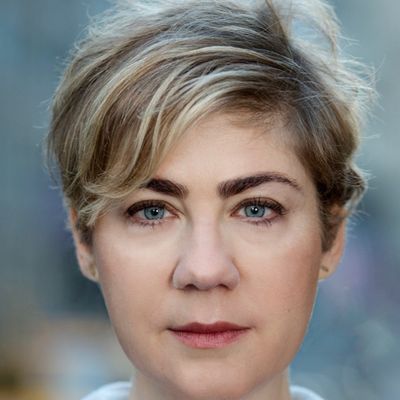
What a full, and at times bittersweet, conversation with Jenny Steingart today about her life in the arts. Jenny spoke about how her mentor, the late Margo Lion, paved the way for her in producing, what most nourishes her about the arts, and the poignant inspiration behind her founding Arts Nova... Read More
From the show: Broadway Biz with Hal Luftig
Guests
Featured Shows



About
What a full, and at times bittersweet, conversation with Jenny Steingart today about her life in the arts. Jenny spoke about how her mentor, the late Margo Lion, paved the way for her in producing, what most nourishes her about the arts, and the poignant inspiration behind her founding Arts Nova.
Jenny produces theater, film, and television. Recent productions include Freestyle Love Supreme on Broadway, a limited engagement of Sir Patrick Stewart's A Christmas Carol, Tina Fey’s Mean Girls, Fiddler on the Roof in Yiddish and Natasha, Pierre & The Great Comet of 1812 starring Josh Groban. She most recently produced the documentary We Are Freestyle Love Supreme, which premiered at the 2020 Sundance Film Festival, and is now available on Hulu.
Jenny produced the cult film Black Dynamite and the subsequent animated television series on Adult Swim, and is the co-founding partner of the Japanese animation studio Ultra Super Pictures (Trigger, Sanzigen, Ordet and Liden Films). She is a partner in FLS Academy, a music, improvisation and rap school founded by Lin-Manuel Miranda, Tommy Kail and Anthony Veneziale.
Jenny is also the co-founder of Ars Nova, New York City’s premier theater for emerging artists and new work. For 18 years, Ars Nova has launched the careers of such artists as Beau Willimon (House of Cards), Liz Meriwether (New Girl), Billy Eichner, Tommy Kail (Hamilton), Alex Timbers (Moulin Rouge!) along with Pulitzer Prize winners Annie Baker and Lin-Manuel Miranda.
Visit ArsNovaNYC or follow Ars Nova on Instagram @ArsNovaNYC for the latest and greatest artists on the rise. Be sure to keep up with Jenny on Instagram @JennySteingart.
Transcript
This transcript was automatically generated and might contain errors.
[0:00] Jenny Steingart: I was always, I was so used to working with scripts and breaking scripts down. And it was always a passion of mine. And I was, you know, as an avid reader growing up, not just plays, but I mean, my dream is like to sit for a day in front of a fireplace, you know, immersed in some amazing piece of literature or some story. That is where that's what drives me. That is what's exciting for me is being immersed in that. And nothing is more exciting to me than being around artists.
[0:38] Hal Luftig: Hi everyone. This is Hal Luftig with my Broadway Podcast Network show, Broadway Biz, where every episode I will chat with my friends, some of the top theater professionals in the business about the business of Broadway.
[0:56] Hal Luftig: I'll join the Broadway Biz. You'll be a Broadway wiz. You'll learn to raise cash to open your smash. You'll be all the rage from the patron stage. In no time you'll know the business of show, the greatest job there is. So join our squad as we unlock our things Broadway business. Let's get busy with the Broadway Biz.
[1:30] Hal Luftig: My guest today is producer of film, television, and theater, Jenny Steingart. I most recently had the pleasure of working with Jenny, producing the Yiddish language Fiddler on the Roof off Broadway last season. Jenny is also the co-founder of Ars Nova, New York City's premier theater for emerging artists and new work. Ars Nova has launched the careers of iconic artists like director Alex Timbers and Pulitzer Prize winner Lin-Manuel Miranda. And I'm so excited she's agreed to join me on this episode of Broadway Biz.
[2:05] Hal Luftig: So hello, Jenny Steingart. How are you?
[2:09] Jenny Steingart: Hello, Hal Luftig. It's wonderful to talk to you, honey.
[2:12] Hal Luftig: Oh, lovely always to talk to you. Hey Jen, do you remember when we first met?
[2:19] Jenny Steingart: I do. I was working as an intern. I started as an intern at Jude Jampson in 1992. And I was in Margot Lyon's office. Andrew Cato was her assistant at the time, and he very generously allowed me to kind of trail him. And then I ended up staying in Margot's office and working in Margot's office, and that was right at the time when Jelly's Last Jam was running and I guess Angels was prepping to open, and you were working with Margot on both of those projects. And so you would you were in and out of the office all the time. And I just remember adoring you. And we connected and the rest was history.
[3:03] Hal Luftig: That was well, we can't have a conversation without talking about Margot, but we're going to do that in a little bit. I've always wanted to know like what role has theater played in your life?
[3:14] Jenny Steingart: You know, from the earliest that you can remember to, I guess now. Yeah, it's always been a huge part of how I identify and who I am. I kind of think like everyone who works in the theater in some capacity, we were all theater kids. You know, whether you're on stage or you end up behind the scenes, we were all really theater kids. And I was for a good portion of my life a theater kid, but I was a performer. I was an actress. You know, it started really like most people, you know, doing the school play and doing and listening. Um, in my day dating myself, you know, I was, I guess must have been about nine years old when Annie first opened on Broadway. So I, you know, Andrea McArdle was a couple of years older than I was, and I she was just aspirational to me.
So I played on my little, I guess it was like a Fisher Price record player. I played the Annie LP over and over, just like a million other girls at that time. You know, I went on and I studied, I took class, I began moving into working professionally. I went to NYU, not although not for theater. I ended up being a philosophy major, which is very practical. But while I was in New York, I auditioned and, you know, I worked a little bit, um, nothing, nothing major. I did commercials, I did a little work on the soap opera, but I always knew that I wanted to be a part of that world of the world of theater, the community of it that just felt like my tribe. And then there was really a point where it became clear to me that I was not my best self.
It wasn't the best version of me as an actor. I knew I was never really gonna be the kind of actor I would have wanted to have been if I were gonna do it professionally. And I think the life wasn't really the right one for me, but I also knew there was just no way I was gonna leave the business. So it was really about figuring out what I was going to do in the business because I didn't really know what a producer even did. I didn't realize actually that the whole time I was an actor, I was working as a producer at the same time and didn't even realize it. Like I remember we would put showcases together to try to get agents. And I was always the person who would, you know, rent the theater and find the director who was going to direct us, and I'd pick the material and work on the program.
And, you know, when everyone else would be looking at the guest list in the evening for performance, like who was coming, you know, I would be looking at that same list, but I was like, who comped that person? You know what, like I was really thinking about you know, I didn't even realize it was a job. I didn't understand that. And I am um I'm you know me. I mean, I'm I'm fairly type A. I present type B, but I'm really type A. So, you know, I'm really always kind of pushing and going. And um, I don't think it occurred to me that that just wasn't what you did. Like that's how you get work is you you do that. I realized, you know, at a certain point in my early 20s that it just wasn't the right life for me, but I really wanted to find something that would suit my skill set and that would keep me in the world that I loved and allow me to have some kind of creative expression because you know, up until that moment, my creative expression was through acting, and I didn't understand just how creative and how fulfilled I could feel creatively by producing.
[7:09] Hal Luftig: Wow. That is, I always find it fascinating, Jen, when people are producers or managers and their trajectory into that role. And yours is a fascinating one, I must say, because you are a terrific organized person. I don't mean I mean that in the best sort of way. And it makes sense to me that how you became a producer. Jen, I want to ask you a question that I get asked a million times. And I would love to hear your answer to it. How do you define producing?
[7:51] Jenny Steingart: It's so funny. It's such a simple question and it's so complicated also. I mean, because it looks, it it looks different for everyone. But for me, when I think of what a producer does at his or her best, it's really finding a way to bring important stories to life, to bring them into life, and all of the things that it takes to facilitate that, to make that happen. It's a job description that requires you wear a lot of hats. I mean, it is everything from identifying talent to being able to also have a good relationship with talent, ideally, to financing it, raise it whether you're writing a check yourself or whether you are raising that money, um, having a sense of who to bring together. And I mean, it's the ultimate, that's like being able to put together a great dinner party and seat the right people next to the right people.
You know, it is really about creating a team and having a vision for what something can be. And really, you start with nothing and you end up with a if you've done it right, you've end up with something that is beautiful and magical that is on stage that gets shared. So it's really wearing all of those hats and knowing enough to know when you need to step back and let other people take the wheel. But you're always, as a producer, you know, you're always sort of in the parent role. You're always making sure that you're helping people navigate through difficult conversations. Um, sometimes you're the one, most of the time you're the one having the difficult conversations. You know, you kind of have to be the grown-up in the room.
But at the same time, I think the challenge is as a producer to be, as I as I just said, the grown-up in the room who's willing to say no, but also to keep the sense of possibility open and to try to lead with yes as much as possible. And that's a really that's a that's a hard line to walk, but that's always my goal is how to encourage people and make them feel that anything is possible, and also still sometimes not be popular with what my answer may have to be.
[10:25] Hal Luftig: Yeah, I mean, the purpose of this podcast is to speak to people who are at the top of their field in different areas of theater and discuss how we match the financial side of the business. It is a business, it's called show business, with the artistic side. Because there's that part too. As you say, you want to support the artists, but you know, sometimes what they want is is financially unfeasible. Yet you have to find a way to make that compromise, right? To give the artistic team and support their vision. But you know, that's not always possible, as we know. So I would love to know when you feel the most creative as a producer, you know, in that process of trying to, you know, match those two entities, finance and artistic vision.
[11:22] Jenny Steingart: You know, most of my career has been about being in the trenches with artists. Um, and part of it is also because you know, I come to it from a very specific place because my background is, you know, as the co-founder of Ars Nova, which is a not-for-profit, and because of the origin story around Ars Nova and how we started and why we started, what drives me is different than, and that's it's not better or worse, it's just different. What drives me is oftentimes very different than some of my colleagues. The things that get me the most excited are generally the um ideation period of a project when we're putting together a creative team when an idea is being born um as that's happening, working with the artist after I, you know, after I came out of the acting world, you know, I was always I was so used to working with scripts and breaking scripts down and it was always a passion of mine and I was, you know, as an avid reader growing up not just plays but I mean my dream is like to sit for a day in front of a fireplace you know immersed in some amazing piece of literature or some story that is where that's what drives me that is what's exciting for me is being immersed in that and nothing is more exciting to me than being around artists and I you know early in my career worked a lot dramaturgically with artists that we would be developing um even pre-Ars Nova and I curated you know like there was a brief period in time where Naked Angels would had a they had a longgoing series called Tuesdays um Tuesdays at nine and that was where artists would come in and they would read plays and things that they were working on and I for a while curated that for them and this God that was really long time ago.
[13:37] Jenny Steingart: I'm thinking about it, I'm like I don't even know what year that was but that's a lot, it's going close to 30 years ago. Holy moly. But anyway, in doing all of that I really discovered my the thing that got me out of bed in the morning that was very, very exciting to me and continues to be all of these years later when I am in the middle of dreaming about what something new could look like, that's the most exciting part for me, which is also why my work at Ars Nova has been so fulfilling on many, many levels. I mean, that one goes deep, all the reasons why that's fulfilling for me, but a big piece of it is the excitement of working with emerging artists or artists at the moment of inspiration for them, or when I watch the penny drop and something cracks open for them that they struggled with.
And even if I'm not the writer or composer, or I'm not the person doing that, just the fact that I've participated in the conversation around it, and maybe something in our conversation somehow led to that moment for the artist, makes me feel great and it makes me feel like a part of something bigger than myself. So that's for me, that's super exciting and deeply nourishing.
[15:07] Hal Luftig: Yeah, what a great answer. You summed up exactly how I feel in that department. When you're part of something that sparks an idea or a vision or something like that, it's kind of incredible. It makes everything else we have to do as a producer kind of bearable, right? Because you were kind of there when that embryo sort of took flight. Um, I want to go back a little bit because you're ahead of me in where I want to go. So let's just go back for a second because I want to talk a little bit about Margot. Um, dear Margot Lyon, who, you know, I was so touched by your Playbill article in which you paid tribute to her recently that I wanted to just take a few moments and talk to you about her and your relationship, you know, with her, because I think we what we have in common, you and I, is that she was an incredible mentor and source of emotional support for both of us as we were just starting out. Can you share a little bit about your relationship with Marg and how you met her and what were some of the most valuable lessons she taught you and some of your best memories of her?
[16:27] Jenny Steingart: Sure, absolutely. I mean, I don't even think I really understood. I was, you know, I was in my early 20s, and I don't think I even understood just how lucky and blessed I was to have ended up in her office. But um, so in 1992, I made the switch from being an actor to being an intern. Um, I made that big switch. Um, I ended up through the kindness of two people, Abigail Seymour, who at the time was Rocco Landisman, who was the president of Juju Jampson, but Rocco's assistant and just kind of an all-around amazing person. And she, you know, it's funny. I will say that I have always paid it forward because she took the time to pay it forward for me. Somebody, um, a casting director. I’ll never forget this actually.
I was in, I was at 1501 Broadway, and I was still acting, and I remember there was a casting director in those days named Leonard Finger, and he had his office there, and I really hated the schmoozing and like the networking part of being an actor. I hate, even though I'm a really social person, I just I just didn't like it. And I remember thinking, you know what, I really need to just make myself do this. And so I like knocked on his door and he had a tiny little office. It was just, I don't remember how many people were in it, but it was a pretty small operation. And he was sitting right there and we talked, and I guess I must have been having a really bad day. And I must have said that I was kind of leaning towards not acting anymore.
And I was talking to him about what I that I was looking for some other option, and he said, um, you know, I have a friend at Ju Jampson, let me give her a call. And so, God love Abigail. She brought me into Ju Jampson. I started interning, and I ended up, as I said earlier, Andrew Cato, who was Margot's assistant at that time. We hit it off, and he very generously let me trail him in the beginning. And then Margot got so busy that they ended up keeping me on in the office. So I was, you know, sort of an assistant to her assistant. Um, but right out of the gate, I think, as you know, I was a young woman, and she was really great about nurturing women. And she was certainly wonderful to Andrew, but she was, you know, she really took the time to ask about me and know what I was interested in.
And, you know, there were two offices that were designated at Ju Jampson in those days that were non-Ju Jampson people, people who weren't on staff. And Rocco at the time gave them both to producers that he was working with, and those producers both happened to be women. They were Margot in one office, and right across the hall was Elizabeth Williams, who at the time had done Crazy for You in Secret Garden. And so there I was surrounded by two really powerful women. Both of them were mothers. Both of them were in the throes of mothering. You know, their kids were still young enough that they were, you know, full-on moms and also really badass producers. You know, they were amazing. And Margot was a force.
I mean, it was a lot of just my keeping my mouth shut and listening and trying to soak up as much as I could. But I watched her as she really fiercely advocated for the artists that she believed in. And, you know, people would joke, there's the joke that and I've read it now since her passing a million times about the statue, the sculpture in her home that she would continually, it would make it in and out of the house, depending if she needed extra money or not. As much as that was a joke, it wasn't really a joke because that's how passionately she felt about the artists she believed in, the project she believed in. And, you know, Jelly's Last Jam, like if you really think about from a historical standpoint on Broadway, you know, you have you have a woman who, as a lead producer, who's taking on a project and put together um, you know, a creative team, which had huge number, particularly in those days, of people of color.
That just wasn't happening. And I remember, you know, the big conversation at the time, um, and listening in the office, you know, to talking about how to get audiences of color to come and see the shows and how we were gonna get people there. And Margot, she just she didn't care. She this was her passion, and she was gonna do this show, and she didn't care how many naysayers there were. And I heard her advocate for and fight for artists, and she took a chance, you know. Hindsight is 20/20, and now people can look back and say, well, it was George Wolf, of course, but George Wolf wasn't George Wolf yet. You know, he was becoming George Wolf, but he he's George Wolfe in large measure because of Margot's belief in him. And that stayed with me. Her passion and her advocacy for the voices of artists was very influential for me. And it's definitely something that has stayed with me through my career, without a doubt.
[22:10] Hal Luftig: It's a beautiful story, and I couldn't agree more. She did the same thing for me, which only proves what you said is when she believed in something or someone, she almost became like a lioness, you know, not in an aggressive kind of way, but with steady passion and just calm demeanor. But she never compromised. And I when I was coming up the ranks, and she was my mentor, it's interesting, um, because I never actually I don't think I stopped and said, Oh, she's a woman in a male, you know, dominated business. I just was I didn't even see her agenda because she was such a great producer. That's right. Just soaked it up like a sponge. Even even I wonder if you had this experience. There were many times she would ask my opinion.
I was frightened to give my opinion because, you know, what do I know? She's very lawyer. And she used to say to me, you know, Deary, remember she called everyone Deary. Oh my God, that was her word, Deary. Deary. And she said to me and hun. And hun. Yeah. I got mostly Deary. I don't think she ever called me hun. Um, yeah, I got Deary a lot, which I'm fine with. And I remember once she got kind of angry and she said to me, stop saying you don't have an opinion. You do. And every time you express it, it's usually dead on. And I don't ever want to hear you say that again. Do you understand? And I was like, wow, I just got like yelled at. But it was that kind of, but she was so right. It was that kind of of you know, guts that she had. And uh we miss her terribly.
[24:04] Jenny Steingart: Well, and you know, she I think that some of it also was like the messaging. Like there were times where she'd be going into a meeting with you know, heavy hitters, and she would say, Come in and sit in on this meeting and take notes. And, you know, as I said, I was I was just starting out. I was so green, I didn't know anything. And that was, you know, a vote of confidence for me. And you know, it also you what you just said um about not seeing her gender. It's so interesting. A couple of months ago, there was an article that the Times did on female producers. And so um, I was interviewed along with many of my female colleagues, and I remember really naively thinking to myself, what's what's what are people gonna say?
Like what's the you know, I can't imagine because my experience has been so specific, and my experience was in part um formed when I was so young and I was surrounded by two really powerful female producers. I truly, and I mean, this is this is naive, and I when I look at it, I when I look back on it, even just you know, within this last year, I feel kind of silly, but I'm also really grateful for what I'm about to say, which is I mean, how it honestly never occurred to me that being a woman was going to be an issue because it never was an issue when I witnessed it. You know, Rock O'Landesman didn't care if you were a man or a woman. He cared about what your ideas were. If you had a good idea, you had a seat at the table.
I grew up, and I, you know, I had grown up with um a successful father in um the broadcasting world, and I saw how he treated people, and it was the same way. And the messaging I always got at home was, you know, if you work hard and you you show up and you know, you're entitled to that seat at the table. So that honestly, I never thought about my gender ever. And that is both, as I said, naive, and I but I feel really lucky. So when I remember reading that article from the Times when it came out, and I thought, oh my God, everyone, I mean, look, everyone is has his her own experience. But I was so shocked that I was really the minority of people who felt like it hadn't been an issue for them. And I'm very, very grateful that that's been the case. But and also I've had the good fortune of creating an environment in by co-founding a theater where I helped create the culture of that place.
[26:59] Jenny Steingart: So part of the culture of that place is you know, no one looks at gender, no one looks at color, no one looks, I mean, that's just a that's a non-issue. The barrier of entry is talent, and that's it. And but that's partially because that's just how I grew up in this business. That's what I saw. Now we have to, because you've mentioned it several times. So I feel I feel like for Miss, if we didn't bring up Ars Nova, which is one of the most creative, I'm gonna call it a think tank, but in the theatrical world of a think tank that I have ever seen, um, nurturing talent and ideas and playwrights directors that have gone on to incredible, incredible success. But you gave them their first stepping stone. Can you talk a little bit about the genesis and how Ars Nova came about?
[27:59] Jenny Steingart: It's very personal to me in in more ways than just it's you know, a theater that I co-founded. It's because it it comes out of what has, you know, to date been one of the biggest losses of my life. My uh younger brother Gabe, he had a brain aneurysm, and um he was just gone instantly, and I was you know, aside from the grief of all of that, which you know we've all experienced that grief. I was in my late 20s at the time, and um I really had kind of an existential crisis too, because having someone so young in the middle of their life, or at the beginning of their life, really, and he to be have them gone instantly was just such a shock, and it was very hard for me to wrap my head around it.
And Gabe was um he was very deeply creative, he was mute music, music was his love, and he was really probably one of the smartest, most um innovative human beings I've ever met to this day. I mean, he really had um uh quite an extraordinary mind. And at age 26, he had already um he had a classical music label, which focused on early music, and he was a real innovator, and he had put out nine, I think at the time of his death, it was nine or eleven different albums. The spot that Ars Nova sits on right now was at the time in the late 90s, was this tiny little building. I think it was like an accounting office, and the the firm had gone bankrupt. And so he'd gotten this for a song, and he bought it and was going to be constructing mastering studios.
And in the middle of all of this, he died. And I was in such grief, but it was more than that. I felt like his song had been cut short, and I didn't know how to continue it. It didn't feel right to me that I was going to live my life and live my dreams. And he wouldn't, and his presence wasn't going to be felt anymore. And so I always say that Ars Nova was like a grief reaction because early on, when people would say, like ask me to talk about it and ask me about the business model, and I'd say, yeah, there was no business model. Like there wasn't, there wasn't one.
[30:36] Jenny Steingart: The story that always kind of comes to me was something that happened the week he died. We sat Shiva. It had been catered because there were a lot of people coming through. And so there was, you know, a small wait staff and you know, it went through. And at the end of the week, the last day of Shiva, the head waiter came over to me and he said, one of the servers has asked if uh she could speak to you in the kitchen. And I remember thinking, like, okay, you know, like, and she introduced herself and she said, you know, I just wanted to let you know I've been here all week. I'm so sorry for your loss. I've been listening to people talk about Gabe, and I wanted to let you know that I'm the same age as your brother was.
I'm 26, and I'm a fine artist. You know, I'm doing this job to pay the rent, but I'm a fine artist, and every night when I've left here, I've gone home and I've been inspired to paint, and I have painted a whole new series of art this week, and I'd love to show some of it to you if I could. And she had brought with her a large portfolio, and she took it out and she opened it on the kitchen table, and she showed me these beautiful paintings that she had created, she had created that week. Because I thought to myself, you know, she didn't know my brother, and his life and his death had inspired art in a completely different medium. It wasn't music, it was it was painting, and that's when the penny dropped for me because I had been so concerned about what was I gonna do.
I love theater, how was I gonna continue his music? And then it dawned on me I didn't need to continue his music. All I needed to do was give voice an opportunity to emerging artists who would have the chance to fulfill their dreams because Gabe never got the chance to finish it.
[32:54] Jenny Steingart: My husband, who was not my husband then, he was my partner then, but we conjunction with support from my family, we decided to start Ars Nova, the mission being to support emerging voices, emerging artists, early career stage artists. I think that Ars Nova has managed to kind of keep its integrity, is because the origin story has never changed, and everyone who works there knows that story, and it has at every turn, if something has not felt aligned or has felt difficult, the culture of that place is you lead from the heart, you lead with good intentions, you're a good human being. And anything short of that, it's the wrong place for you. Early on, people said, because we did everything on a handshake in the beginning.
I mean, everything. And we were, it was as Mickey and Judy as you could get. I mean, we literally, you know, took the tickets and programmed it. And, you know, we used to, we had no audience and we had no database. I mean, we had nothing. And although I had produced before, um, I had, you know, worked for a few years as a producer, I knew zero about running an arts organization. And honestly, we didn't even know what we had, and we didn't know what we were doing, but everyone involved, we, you know, and we we set it up and structured it in a way where I knew I couldn't really pay people, but we brought in curators at the time in exchange for office space. We had, you know, Mandy Hackett from the public theater did our theater programming, and it was really like a clubhouse.
Um, and that was always the dream that you would bump into somebody in the elevator, and maybe something would happen and a new project would come out of that, or people would be standing around or sitting in the green room, and and that is exactly what happened. I mean, it was really just became all of this cross pollinization with different artists in different fields, someone doing comedy, someone doing music, someone doing dance. Our first year we managed in our tiny little shoebox of a theater to have two separate shows that both required a trapeze. The idea of like this, you know, hybrid of theater and music and comedy, and it was just always people thinking outside of the box.
[35:18] Jenny Steingart: And the biggest compliment in those days we would get would be these like really incredible artists that only work downtown or in Brooklyn who 54th Street was like getting a nosebleed for them. No one ever came that far uptown. And they were like, you know, this is as far as we're going, but we're gonna go because we, you know, they they got behind um they got behind what we were trying to do. It was a really unusual start but I think it's kept, as I said, it's kind of kept us honest. We always try to develop and and really cared about developing young audiences. So making, you know, we subsidize our tickets so that you know the average ticket price is as comparable as possible to a movie ticket as we can do in the early days I mean it was way below a movie ticket.
In the early days everything was free or five bucks. You know, we really keep our ticket prices down and that's budgeted in so that kids can afford to come because the barrier to see theater now on Broadway is is it's untenable for you know even um grown ups you know people with with kids and I mean it's just not it's not possible. And but so as a result of Ars Nova I think even the way I approach because I also work in commercial theater on Broadway and off Broadway and I still approach it with a mindset that I have for Ars Nova and for the artist's voice and caring so much. I mean, we are not, we've always been artist driven as opposed to project driven. So uh sometimes that's meant supporting an artist, even if we know that that project might not be the one, that doesn't matter to us.
What matters to us is getting behind the artist and supporting them and giving them resources, and it's been different for everyone. Artists come at all different stages. Um, some of them are super green, they have tons of talent, super green, don't have an agent, don't you know, and in that case, we'll help them get an agent. We'll have but we've wanted to treat them at all stages of their career with respect and making sure that they um were supported in every possible way.
[37:37] Hal Luftig: I was going to say, you know, you you also treated artists with incredible dignity. You know, first of all, every time I walk in that building, I always think of Gabe. I do. Um, you know, I had known him, I was at that Shiva, and and I know how devastating firsthand that was uh for your entire family. And every time I do walk into that building, I do think of him. But I remember, you know, clearly when you were showing me the space, it was almost done, but not quite. You hadn't open to the public yet, but enough that we could walk around. You know, I remember being impressed, it did have offices, it had a very nice lobby, it had a great bar area. But then we went up to the top floor, and I said, What is this?
And you know, because it was like an apartment. What the heck? You know, we were building an apartment in a theater, and you said because artists sometimes need a place to live. If they have no place to live while they create, you know, they're not gonna create. You created this beautiful uh space. I remember asking you, can I move in? Um because it was it was gorgeous, but it it became clear to me at that moment that it was not only the nurturing the talent, but but giving them the dignity that an artist deserves as they find their sea legs, if you will.
[39:01] Hal Luftig: I've always been impressed at Ars Nova, even most recently when Broadway uh announced that we had to shut down because of the coronavirus uh pandemic, Ars Nova made an announcement that they were going to close their doors, and that during that period, everybody, the staff, even the artists in residence were going to retain their full salary and their full you know health benefits. You know, not many people you were a leader in that as well as many things, but not many people did that. So it just goes to the point of how Ars Nova nurtures and protects and supports and all those things that um is necessary to to theater and creativity. So my just want to say publicly, my hat is off to you. Always has been with that, always will be. You guys have created some amazing things.
[40:01] Jenny Steingart: Oh, thank you for saying that. Well, it's because it's true. It's true. I wanted to talk a little bit about Ars Nova's programs, which also, um, I think are incredible in what they nurture. And specifically, I wanted to talk about the ANT festival and the, uh, the play group. Can you talk to us a little bit about those two?
[40:23] Jenny Steingart: Sure, yeah, yeah. So Antfest is all new talent, and it's an annual, it's an annual festival.
[40:30] Jenny Steingart: It's a month long, and we showcase new work from some of New York's most adventurous emerging artists. It's kind of the next wave of pioneering theater. It's comedy, it's music, it's theater, it's burlesque, it's drag, it's variety arts, it's all kinds of like hybrid theater makers who we put on our stage with their most dynamic ideas. Um, and again, like everything else at Ars Nova, it is artist driven. You know, we choose based on it's approximately 30 nights. It's each night is a different artist or group. We get, you know, probably close to 300 applications this point in time for AntFest, and we have somewhere between 25 and 30 slots. And we've had some really incredible people coming out of AntFest who were discovered.
I mean, they're really when they come to us, they're really emerging. It is one of the earliest levels of entry. But we've had people, you know, like looking back, like Jeremy O'Harris, who, as we all know from Slave Play, was in uh, you know, was a part of AntFest. Um, Raja Feather Kelly, the wonderful choreographer, was a part, Matt Rogers and Bowen Yang. Bowen, uh you may know, is was um one of the first, was the first Asian American on Saturday Night Live in the last couple of years. Whitney White came out of it. And we've had some really great, great people coming out of AntFest. Um, so it's a very dynamic, exciting festival because you, you know, you're really going every night. You could go for 30 nights and see 30 different performances by 30 different groups or individuals.
It's it's um it's very exciting and dynamic. How does Ars Nova keep in contact with the artists after you know they've they've done their stint, if you will, at Ars Nova they've created some work, some don't. But the one thing that also impresses me is that Ars Nova keeps in direct contact. How does that can you talk a little bit? How does that work?
[42:42] Jenny Steingart: I think a lot of it, and you know, and and we can talk in a moment too. I'll tell you about some of the other programs, and Playgroup is a big piece of it, um, our writers group, but I think with with all of the programs that we have, you know, we are so kind of in the trenches with the artists. And because I always think of us as sort of like midwives, where we are there to help birth projects and help get everyone set up. And as a result, we I think we represent a safe space for a lot of these artists. So you'd be surprised or not surprised how many artists we've worked with over the years, some of whom are very, very successful working at a very high level. You know, we will all depending on our individual relationships with those people, still get calls, you know, on the DL for advice or something, but it's just on a much larger scale now, and it's about projects we're not involved in.
I think because we give so lovingly and so authentically to our artists because they become our family, they feel that way. I hope, I believe they feel that way about us as well. When you work with people at the early stage of their career, and um it feels either like um, depending on who it is that they're working with, um, it could feel parental, it could feel like an older sibling, but then there's a sense, there's a bond and a sense of safety. We feel really blessed that you know, like at our benefits and things like that, we always have incredible people who are now successfully working in in the business who always say yes and come back and help us raise money and help us support the next generation of artists. I like to think that that's because they feel that they were taken care of and so they're paying it back. So that's that's a lovely way to stay in touch.
[44:47] Hal Luftig: Yeah, and may I just say to our listeners that Ars Nova has one of the best yearly uh gala benefits in the world. Every year it has a different theme. Jenny is absolutely right. Some of that talent now that is on that stage is incredible, is one of the most fun galas and and heartfelt. It's not just frivolity, you know, there are people who really talk passionately about what the theater has done for them and why it needs to be encouraged and supported. And you know, I wanted just to change direction for for a second, if we could. You know, I I respect you so and and your opinion and your clarity at things. And I remember when I saw Fiddler on the Roof in Yiddish, it was still downtown at the uh Holocaust Museum.
And I remember calling you and saying, Jen, could you go down and see it? Because you know, they were asking me to move it, and I was considering it, and I thought, is this like you know, crazy Mashika crazy? Jen, could you go down and like just tell me am I nuts? And you know, you came back. I'm so grateful and thankful. You said, uh, not only are you not nuts, but I want to produce this with you. And it was, it made me so happy, and what we accomplished uh together was was an amazing feat. You did something, and one of the things I love about you the most is that no is not in your vocabulary. I just love that. You know, if something needs to get done, there's no such word as no. And one day you walked into a marketing meeting for Fiddler in Yiddish, and you said, I want Fiddler to sponsor World Refugee Day.
And I thought, oh my God, is she great? This do you know what that undertaking is going to be? And you, like I said, no, was not in your vocabulary, and you just did it. Can you talk a little bit about how that came about and and what that day meant to you and and sort of why you were so impassioned? I'm so glad you were, but I'd love our listeners to to hear about the genesis of that.
[47:03] Jenny Steingart: Yeah, absolutely. And and first and foremost, I I don't want to take credit for that um because that was also, you know, I I worked um with two incredible people on that project on our inner team, part of the Fiddler team, but Catherine Markovitz, who was doing group sales for us at the time, um, and Ross Yoder, who is my associate in my office, um, both of them were not just instrumental to this, but Catherine had been thinking a lot about uh World Refugee Day. And she she was the one originally who spoke. The three of us had been speaking a lot offline about the refugee crisis. Um, and you know, when Fiddler was running, just to remind the listeners from a timing perspective, this was really right in the middle of the crisis, refugees and immigrants, and all the talk of children sleeping in in cages.
I mean, it was really just as horrible as the only thing that's worse is every other thing that's happened in the administration since then. But um, it was up until that moment, really, I think the lowest of the low. And and so Catherine, Ross and I had been speaking a lot about it, and and Catherine was actually the person who had called my attention to World Refugee Day coming up, and that was for me then a moment of like, well, we need we need to do this. We need to do something around around World Refugee Day. We endeavored to put aside one show on that day and get it underwritten through going to individuals. Um, there wasn't really time to think about going, you know, for grants or anything like that.
We knew it was going to cost, you know, a certain amount of money. Um, and we were going to fill the theater, 500 seats with all refugees. We wanted it, um, and we did. We filled that theater that night with refugees as far back as Holocaust survivors, all the way through current day. We had over, I want to say it was over 30 countries represented in the audience. Most of them had never seen theater before. They spoke multiple languages, and we worked with I easily 25 to 30 partner organizations all around the immigration space.
[49:35] Jenny Steingart: You know how part of why I was so moved originally when you had me go down and see Fiddler, which was you know, it's interesting. When you first called me about seeing Fiddler, the idea of my producing it is really not something that normally would have been in my wheelhouse because I have you know spent the last 20 years really looking at newer artists, um, original pieces, all of that. But then I went down and I saw it, and I was blown away, blown away in um, it was a really profound experience watching it. And it was also a time, again, just to contextualize where we were in time. It was we were seeing a rise in anti-Semitism in the United States. Um, multiple universities within two weeks had swastickers defacing walls and teachers' offices, and there had been some really unpleasant and disturbing and ominous uh things that were beginning to percolate and happen.
And so it felt, of course, very important. On a personal note, I hadn't heard Yiddish spoken since my grandparents were alive, which is a long time ago, and they used to, um, they were both, you know, Eastern European Jews, and they um they would fight in Yiddish in front of us so that they could fight in front of us and we wouldn't know what they were talking about. And then it was amazing. And then, of course, there would be like two days of silence where they weren't speaking to each other. Um, and then they would talk in English again. But whenever they were fighting, it was Yiddish. Um, so I hadn't heard Yiddish, so the nostalgia piece of it was very powerful. But the part that was so moving for me beyond that, and where I think the the seed for World Refugee Day and what we did as um as a company then for the Fiddler Company, what we did then happened at the end of the show, the way the brilliant Joel Gray staged the ending of that show, where they're leaving Anatefka and they're walking, first the family is walking on the stage, and gradually every cast member comes in and it's like a snake walking through as they leave.
And I remember suddenly looking at it, and I thought, oh my god, there is the caravan, Donald Trump. Like that's their caravan right there. What struck me is that although, of course, Fiddler on the Roof is the ultimate Jewish story, it's really so much more than that. It is the ultimate immigrant story, and it's iconic. It is, it is, you know, it's been produced in more countries and more languages than any other musical. It is with World Refugee Day coming up, it seemed like the perfect show to be experiencing in that moment in time. And then we had Luis Miranda, Lynn Manuel Miranda's dad, who is an incredible human being to begin with. He's and deeply knowledgeable and works in the immigration space tirelessly and has for so many years.
He hosted uh the talk back. We did a a talk back after the show, which was so powerful. I mean, I looked like when I look at footage from the day, there were a couple of interviews that we all did, and there is one where I'm like, I look like a dish rag. And the reason was I was sobbing all day long, as was everyone else in that theater. I mean, people were just in floods of tears. And I think was the fact the universality of the story and of the immigrant experience, and um, that was so powerful to see, and I think that's why the show was also so successful and resonated for so many people. And I mean, how you know this better than anyone, how many people and how many reviews said this, but audience members would say, I've seen this show a million times, but it's like I'm watching it for the first time.
[54:04] Jenny Steingart: And it is what it is exactly what happened, and it was I think a combination of the fact that it was in Yiddish.
[54:12] Jenny Steingart: And so, as a friend of mine said so beautifully, she said, having it in Yiddish, it bypasses your brain and it goes right to your heart.
[54:21] Jenny Steingart: It really was what that show was about for me. You didn't need to read the super titles, you could understand every moment of that show because it is a human experience, and the immigrant experience is a human experience.
[54:37] Jenny Steingart: It is something that we all can tap into. And so it felt so essential to pay tribute and to also say to these people who are undocumented, we see you, you are seen, and you're not alone, and we want to bring attention to this to what's happening to you.
[55:03] Jenny Steingart: And so that was really where it came from. And um, you know, I certainly it was with the support of everyone.
[55:11] Jenny Steingart: I mean, the whole team was so extraordinary. But in particular, you know, I need to give a shout out to Catherine Markowitz and Ross Yoder because they were just extraordinary.
[55:21] Jenny Steingart: What I've never seen, and what was such a miraculous experience working on Fiddler, um, and you know, you were such a talk about like a leader who led with his heart, also.
[55:21] Jenny Steingart: You know, you were so full and so full of love, and you know, I would I'd follow you anywhere because you're you're so um you're such a mensch, but beyond being such a gifted producer, you're such a mensch.
[55:49] Jenny Steingart: And that is um not always the case in in life. And um, you know, I'm certainly at a phase in my life and a stage of my life where it's not even life is too short, life is too long to work with people that you don't that you don't love.
[56:05] Jenny Steingart: But you put together such a wonderful team because everyone working on that show, they all, you know, we were a little off Broadway show, but you would have thought from the way that people showed up from you know PICO and advertising to marketing, everybody showed up and treated us like we were a giant Broadway show with the kind of love and focus, and you know, everyone got so behind World Refugee Day and what it represented.
[56:40] Jenny Steingart: It was incredibly meaningful and really beautiful to watch because we all know in life, you know, you do this enough times, and it's very easy to get cynical.
[56:50] Jenny Steingart: And there was none of that, not even for a minute, on the entire project working on Fiddler from beginning to end, but but also in particular around World Refugee Day, I think it was a very meaningful day for everybody, and they we all felt honored to be able to give back in some little way, even if it didn't move the needle in a huge way.
[57:15] Jenny Steingart: Um, it at least it it put it it put something out there that was well intentioned.
[57:22] Hal Luftig: Yes, it was.
[57:23] Jenny Steingart: It really was.
[57:25] Jenny Steingart: And and it was so effective.
[57:29] Jenny Steingart: Um I happened to be sitting at that performance behind these three women from Mozambique, and they showed up to the theater in their most beautiful uh outfits.
[57:42] Jenny Steingart: Two of them had children. One was a an infant, the other child was, I would say about three years old, and it was sitting on his mother's lap, and not knowing if he understood anything that was going on, but when to life came on and they started singing To Life to Life, he like wiggled out of his mom's lap and he stood in the aisle dancing.
[58:06] Jenny Steingart: And I, you know, I just lost it. I can't even tell you the rest of the show.
[58:12] Jenny Steingart: Just I just, you know, was sitting there next to Seward just weeping.
[58:16] Hal Luftig: It was a beautiful, beautiful day, Jen.
[58:19] Hal Luftig: And uh I thank you for making that happen for Fiddler.
[58:23] Hal Luftig: As in everything in life, all good things have to come to an end, right?
[58:27] Hal Luftig: And and so uh does this does this wonderful conversation that we're having.
[58:33] Hal Luftig: But before uh I let you go, I have three questions that I ask every guest.
[58:39] Hal Luftig: I all I ask is that I ask them. You don't think about it, you don't overthink, you just answer.
[58:44] Jenny Steingart: Okay.
[58:45] Hal Luftig: Okay.
[58:45] Hal Luftig: Um so the first one is what is your favorite musical?
[58:49] Jenny Steingart: She loves me.
[58:51] Hal Luftig: Okay.
[58:51] Hal Luftig: Number two is what is the wackiest moment you've experienced in the theater.
[58:59] Jenny Steingart: Oh my lord, how left.
[59:01] Jenny Steingart: That's such a tough one because there have been so many wacky moments at Arsenal.
[59:06] Jenny Steingart: Wacky could mean silly, wacky can mean outrageous, wacky could mean, you know, I can't believe I just saw that.
[59:14] Jenny Steingart: Um I'm gonna go with I I don't know if I'd call this the wackiest moment, but I would say the most unexpected surprising moment actually happened last year.
[59:28] Jenny Steingart: So I'm one of the producers, um, I think we've talked about one of the producers of Freestyle of Supreme, which I've been producing with my partners for uh 16 years.
[59:41] Jenny Steingart: And that was founded, it's the group that was founded by Lynn Manuel Miranda, Tommy Cale, and Anthony Veniziali.
[59:48] Jenny Steingart: And so happily we did, we just did a Broadway run that we ended a few months ago, but prior to that, we had done an off Broadway run of it.
[59:58] Jenny Steingart: And opening night of the Off Broadway run, the guys got to a part of the show where the particular segment is called true.
[1:00:10] Jenny Steingart: And it is when they sit up on stools and the audience gives various words and they choose a word.
[1:00:18] Jenny Steingart: And then they either, depending on who is on the stool, they either sing about it or freestyle about it.
[1:00:26] Jenny Steingart: The rule is it has to be a true thing.
[1:00:30] Jenny Steingart: And it has ranged every single time I've seen it.
[1:00:34] Jenny Steingart: I mean, I've seen it hundreds of times over the years.
[1:00:37] Jenny Steingart: And it always is, it's my favorite part of the show, Barnone.
[1:00:43] Jenny Steingart: And this particular time, you know, and it can bring it's it's often brought me to tears, or it has brought me into fits of laughter.
[1:00:51] Jenny Steingart: And I want to say that for opening night, the word that was thrown out that they chose, I'm pretty sure it was tampon.
[1:01:01] Jenny Steingart: So everyone else, you know, kind of went through their thing, and it was very funny.
[1:01:06] Jenny Steingart: And it was, you know, about someone's first girlfriend having to go to the store and get tampons for her for her, or whatever it was.
[1:01:13] Jenny Steingart: But then it got to Udkarsh Bootkar, who's in our show, UTK.
[1:01:20] Jenny Steingart: He started, I don't know how it started, but somewhere along the way, I could see on stage the other, the other people on the stage, the other guys, kind of looking at each other and looking at him because he kept saying, um, this was all freestyling.
[1:01:38] Jenny Steingart: He was saying, in the moment, I don't know how much I should tell you.
[1:01:41] Jenny Steingart: I don't know if I should do this.
[1:01:43] Jenny Steingart: And I could see they were all giving each other looks, and it was the look of they didn't know whether he was going to say it.
[1:01:51] Jenny Steingart: And I just kept thinking, what is he about to say?
[1:01:54] Jenny Steingart: And he managed in freestyle.
[1:01:57] Jenny Steingart: Uh his mother was in the audience because it was opening night, so everyone's families were there.
[1:02:01] Jenny Steingart: He managed in freestyle to tell his mother that she was about to be a grandmother and that his girlfriend was pregnant.
[1:02:09] Jenny Steingart: And the I have chills actually, just telling you the story, because in my life I have never seen a reaction like that in the theater, and I don't think I've ever experienced a reaction like that.
[1:02:23] Jenny Steingart: Like there was utter, there was like silence, and everyone gasped, and I whoever I was sitting next to, we like clutched each other's hands, and like people, strangers were clutching hands, and then people, everyone got up to their feet and were applauding uproariously, and people were crying, and it was he was in complete shock that he had told his mother this way, and he got off the stage, came into the audience, hugged his mother, and he told me, he told me later that apparently his mother whispered to him, this was not the way to tell me.
[1:02:59] Jenny Steingart: But um, but it was the most magical thing to witness and to have shared with everybody.
[1:03:07] Hal Luftig: You are so right, Jen.
[1:03:10] Hal Luftig: I was there that night.
[1:03:12] Jenny Steingart: Oh, that's right.
[1:03:13] Hal Luftig: You were there by your by your wonderful graciousness of inviting me to opening night.
[1:03:19] Hal Luftig: And I was sitting actually right in front of her at your dead on.
[1:03:25] Hal Luftig: He said it.
[1:03:26] Hal Luftig: Everyone like kind of gasped and said, Wait, is this a joke?
[1:03:30] Hal Luftig: Turn to her.
[1:03:31] Hal Luftig: And everyone was hugging her.
[1:03:34] Hal Luftig: Hugging her, I was hugging her, crying, hugging her.
[1:03:37] Jenny Steingart: And what I remember her saying to him when she he whispered in your ear is, I'm gonna kill you.
[1:03:46] Hal Luftig: Oh my god, amazing.
[1:03:48] Hal Luftig: I mean, it was amazing.
[1:03:50] Hal Luftig: It was you're right.
[1:03:52] Hal Luftig: It was the most spectacular thing I've ever seen in my life.
[1:03:55] Jenny Steingart: Yeah, it was a pretty epic moment.
[1:03:58] Hal Luftig: So this third question is the lesson learned from that is well, there you go.
[1:04:06] Jenny Steingart: I mean, we just said it, right?
[1:04:08] Jenny Steingart: Like this is the power of the theatrical experience.
[1:04:13] Jenny Steingart: This is why we go to the theater to be moved and to have a shared experience with other people.
[1:04:20] Jenny Steingart: I mean, it is where you're sharing tissues with the stranger next to you or clutching their hand because you just witnessed something and you don't even know them.
[1:04:29] Jenny Steingart: That to me, it it's it is just the most emblematic example of how powerful an experience it can be to sit in a theater and and share with with strangers.
[1:04:42] Jenny Steingart: Um, and it's also what is so beautiful about something like that is it exists only really in the minds of the people who were there that night to experience it, and um, and that is, you know, a theater, despite the fact that now, of course, you know, people are whipping out their cell phones.
[1:05:03] Jenny Steingart: One of the things we did with Freestyle was we used um yonder pouches, you know, where when you'd come in, you would have to put your cell phone in a little pouch, and you didn't have access to it, just like the old days when we would go and not have our phones glued to us at every moment.
[1:05:18] Jenny Steingart: And it kept everyone really present.
[1:05:21] Jenny Steingart: And um, and it and as much as you know, I wish and on some level, of course, like that those that was something people could see and experience, how special it was for those of us in that room.
[1:05:35] Jenny Steingart: And um, and so I just think it it again just speaks to the great power of theater to bring people together and to share.
[1:05:45] Hal Luftig: So, Jen, like every great thing in life, you know, things have to come to an end.
[1:05:50] Hal Luftig: And so must this conversation that you and I are having, which I am so grateful you've taken the time and and shared so many of your wonderful insights.
[1:06:02] Hal Luftig: Um, so I just want to thank you again for for being on Broadway Biz.
[1:06:08] Jenny Steingart: I am thrilled to have been on Broadway Biz.
[1:06:11] Jenny Steingart: I'm always thrilled for any opportunity to talk to you, and um couldn't be happier at the thought of doing many more shows with you.
[1:06:18] Hal Luftig: So um thank you.
[1:06:20] Hal Luftig: You heard it here, folks.
[1:06:21] Hal Luftig: There she cannot back out.
[1:06:23] Hal Luftig: Um, okay, Jenny Steingart, what can I say except thank you and I love you, love you, love you.
[1:06:32] Jenny Steingart: I love you too, Hal Luftig.
[1:06:34] Hal Luftig: Thank you, sweetie.
[1:06:39] Hal Luftig: Thank you for listening to today's episode.
[1:06:41] Hal Luftig: Broadway Biz is part of the Broadway Podcast Network, is produced by Dylan Marie Parent and Kevin Connor, and is edited by Derek Gunther.
[1:06:51] Hal Luftig: Our theme music is by Nell Benjamin and Larry O'Keefe.
[1:06:55] Hal Luftig: Be sure to subscribe to Broadway Biz and follow us on Instagram at Broadway Biz Podcast.
© Broadway Podcast Network, All Rights Reserved