

Twenty-five years ago, Rent changed Broadway and pop culture. Jonathan Larson’s landmark musical began life at New York Theatre Workshop in 1993 and later went on to sweep the 1996 Tony Awards and win a Pulitzer Prize for Drama... Read More
From the show: Broadway Gives Back
Guests
Featured Shows
About
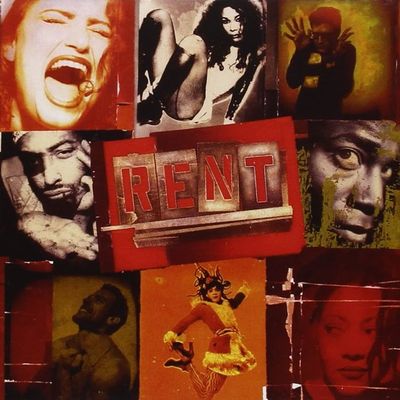
Twenty-five years ago, Rent changed Broadway and pop culture. Jonathan Larson’s landmark musical began life at New York Theatre Workshop in 1993 and later went on to sweep the 1996 Tony Awards and win a Pulitzer Prize for Drama. Join original cast member Adam Pascal, New York Theatre Workshop Artistic Director James Nicola, and director Andy Señor Jr. for a look back at this groundbreaking show.
Looking for ways to give back?
Check out New York Theatre Workshop and the Rent-related events discussed in this episode:
- New York Theatre Workshop
- 25 Years of RENT: Measured in Love NYTW Gala on March 2 (purchase tickets, streaming through March 6)
Connect with Adam:
- Facebook: @adampascal
- Twitter: @adampascal20
- Instagram: @adampascal
Connect with Andy:
- Twitter: @andysenorjr
- Instagram: @andysenorjr
Connect with New York Theatre Workshop:
Connect with The Broadway Gives Back Podcast:
- Facebook: @broadwaygivesbackpodcast
- Instagram: @broadwaygivesbackpodcast
- Twitter: @broadwaygives
Hosted & Executive Produced by Jan Svendsen and co-produced & edited by Jim Lochner.
A proud member of the Broadway Podcast Network.
Special thanks to Dori Berinstein, Alan Seales, Brittany Bigelow, Katie Rosin, and Yo Nikolova from BPN; Julian Hills from The Bulldog Agency; Eric Becker and Broderick Street Music; the Charity Network; and Glenn Weiss!
Transcript
This transcript was automatically generated and might contain errors.
[0:05] Jan Svendsen: Welcome to the Broadway Gives Back Podcast.
[0:07] Jan Svendsen: I'm your host, Jan Svendsen.
[0:10] Jan Svendsen: This podcast spotlights Broadway actors, shows, and organizations in their pursuit of social impact and philanthropy.
[0:17] Jan Svendsen: Join us as some of the brightest lights on Broadway share their stories about their favorite charities and how they got involved and the people and the causes who benefited from these philanthropic efforts.
[0:33] Jan Svendsen: From Hades Town and once to what the Constitution means to me and now Slave Play, for over 40 years, the New York Theatre Workshop has been known for its provocative, challenging theater.
[0:45] Jan Svendsen: But no other theatrical work has made a bigger cultural impact than Rent.
[0:49] Jan Svendsen: Jonathan Larson's landmark musical, which began life at the New York Theatre Workshop in 1993, and then later went on to sweep at the 1996 Tony Awards, as well as winning a Pulitzer Prize for Drama.
[1:03] Jan Svendsen: This year marks the 25th anniversary of the show, and I'm thrilled to welcome Rent's original Roger, Adam Pascal, New York Theatre Workshop's artistic director, James Nicola, and my friend Andy Señor Jr., whose documentary, Revolution Rent, is set to be released this summer.
[1:21] Adam Pascal: It's a pleasure, thank you.
[1:23] James Nicola: Thank you for having us.
[1:24] Andy Señor Jr: Great to be here.
[1:26] Jan Svendsen: So I'm a total Rent head, first of all, full confession, and so were my three daughters. I can't even count the number of times that we saw the show or spent time singing along to the cast album at home or during car rides.
[1:38] Jan Svendsen: But Rent is so much more than a musical. It took on major social and political issues, and it's basically a story of love and giving. And the intention when I created this podcast was really about all of those things. So to me, this podcast, this recording and having you all as guests is so very important to me.
[1:57] Jan Svendsen: Adam, I want to start with you. We were just chatting with it. We've probably met each other at different Broadway and Broadway or Stars in the Alley or Tony's concerts and things. But I had heard a story, and I want to find out if it's true, that 25 years ago you didn't even really know about Rent. And was it something about Idina Menzel asked you to audition or connected you somehow? What's the story?
[2:22] Adam Pascal: Well, let me start by saying 25 years ago that nobody knew about Rent. So it's not like I was personally in New York on something. I did not have any prior theater experience prior to Rent. I grew up playing in rock bands, and I also grew up as a down-the-street neighbor of Idina Menzel. So I've known her since third grade, and you know, we went to elementary school all through high school together, and stayed friends, you know. And so she had been cast as Maureen in the New York Theatre Workshop production of the show, and knew that they were having trouble casting this role of Roger, and she thought of me because they had opened up the casting. She knew that I grew up playing in bands and that I didn't have theater experience, but she also knew that they opened up the casting to people who didn't necessarily have any prior theater experience. And so she thought of me and called me up and asked me if I wanted to audition for it, and that's how I got in there.
[3:19] Jan Svendsen: And that's how you got in there. So you've played Roger on Broadway and the West End. I think it was in 2005 to maybe 2009, you were touring all over the US and in I think the Far East. And I just I saw you everywhere. But your performances and I guess getting the authentic rock band guy was really a good move for the show, but I wanted to ask you that role, I mean you embodied it in every way and I just wonder what that role meant to you both professionally and personally.
[3:54] Adam Pascal: That's a very complicated answer. Because the real answer would take some time, you know, because it's meant everything but it's also been like, you know, the best and worst thing that's ever happened to me in certain respects, you know what I mean? And to go into what all of that means would take a long time, but I would say certainly the best outweighs the worst in terms of what it's done for me in my life and my connection to it. And I really wouldn't have the life that I have, you know, as difficult at times as it may be, it's still a wonderful life, you know. And I wouldn't have met the woman who ultimately I married and then became the mother of my children. I wouldn't have my children, I wouldn't have my career that I adore.
I wouldn't have, you know, I just, I wouldn't have any of this, you know, because I wouldn't have known that doing theater was what I should be doing, you know. It's like Rent called to me and it pulled me in, and not just for its own sake, but for the sake of exposing me to where this path that I belonged on.
[5:13] Jan Svendsen: Speaking of that path, Jim, I want to ask you, I mean, Rent was such a hot ticket. It was kind of like the Hamilton of its day, I guess. But take us back in history. How did the initial workshop come about? And tell us, you know, tell us what happened back then. And obviously, we're gonna, you know, we have to talk and we need to talk about Jonathan Larson, and I would love to hear from all three of you how you felt about Jonathan.
[5:39] James Nicola: We were a very different organization at that time. We were still fledgling. We moved to the East Village from the West Village. We were at the Perry Street Theater and we moved to our own home instead of renting a place. Interesting. That word comes up. And we were thinking about how do we make roots here in this new community that we're a part of that we'd like to speak to or we'd like to engage with. And as the fates would have it, Jonathan Larson rode by as we were renovating the space, thought this is the perfect space for this musical that I'm working on about the East Village, dropped it off. The associate artistic director, Chris Kravaski, listened to the first tape that was Jonathan singing all the songs, and brought it to me and said, You should listen to this, you should look at this.
And that was '92, the summer of '92. We were moving into the space and renovating. So he came by at that point. And then the spring of '93 was the first reading that we actually did of that first rough draft. The thing that in retrospect that is distinctive to me about his vision, Jonathan's vision for this piece in this initial stage directions, it says there's a rock band on stage and a traditional Broadway orchestra in the pit. And that was very appealing to me in the sense of it was a synthesis to something new that was taking two different traditions and melding them to make this new form. And that was very exciting to me. That he was not approaching it as an iconoclast in sense of like throw it all out and I'm gonna make it new again.
He was gonna make it new again by building on what this did and making it speak and sing to a new generation with a different set of ears. Over that next two or three years, we worked extensively in process on it. It was pretty bumpy. I think the quest there was from that first cassette tape with him singing, the third song that I heard on that cassette tape was Light My Candle, and it was in that moment that I understood this is a special gift this guy has because he's not only fulfilling the genre of a pop song, he's also made a dramatic scene. So he's got the gift of theater making, telling a story in the theater, and he can write a fantastic pop song, and that was kind of what sold me on it.
It was like, okay, here we're going forward. As we worked, I think we discovered that he was a much more fluent songwriter than he was a playwright, and that was always the focus of the work and the development was like how do we make the story assemble to hit these songs and release them to reveal the glory that they were.
[8:47] Jan Svendsen: Wow. You know, I'm sure all of you have been asked so many times, but you know, when Jonathan passed away and you had just done your first invited dress, right? Isn't that what it? And it was that night. And then the next day you went on with the show and you performed. You know, that must have been so devastating. But any specific memories of that or anything, you know, what motivated you all that next day just being together or how did you cope with it?
[9:18] James Nicola: Well, I got a phone call at eight in the morning which, you know, anyone who lives in the works in the theater knows don't call anyone at eight in the morning. So it was really unusual and I was a little, and it was our production manager saying that she'd been on the phone with the police and that Jonathan had was dead and I said I'm getting dressed and I'm going to be at the theater, we'll start calling the cast. So we rounded up people from our artistic community, the usual suspects, and we called the cast and we said just come here, come to the theater, spend the day, we don't know what's going to happen but we all need to be together. And Adam probably remembers a lot from that day as well.
It was an emotional day for sure. But I think the gathering part of it was the profound experience of it. And somehow in the middle of all that we had to make a decision about whether there was going to be a first preview or not and late in the afternoon Jonathan's parents arrived from New Mexico and they kind of solidified what we had all been thinking which is the worst thing that could happen at eight o'clock tonight is for this not to be in the air, for this not to be out there. So Jonathan's parents said yes, and we canceled the performance, but we invited family and friends to be in that room. And that was maybe the most memorable performance ever, I think.
[10:50] Jan Svendsen: I had the privilege and honor to sit with Jonathan's parents and sister at Tick Tick Boom when Lynn and Leslie and Karen performed it. And I was just crying through the entire thing because I was just, you know, they were amazing people. You know, I would now want to pivot a little bit to Andy. Andy, my dear friend, you made your Broadway debut playing Angel, and then you went on to perform on the West End and on the tour, both nationally and internationally. What was it like stepping into this iconic character? And how did all this come about for you?
[11:30] Andy Señor Jr: Well, the first time I heard about Rent, I was in theater history class at FIU in Miami. And I'll never forget, it was like two o'clock in the afternoon, and my professor Ferald Todd, he lifts up a magazine and it's the Newsweek cover of Adam and Daphne with Daphne and Adam on it. And he's like, This is changing theater. He said something like that, and I was like, what is that? And then I was like, they look really sexy. I wonder what that is. And then he started posting all these photos on his door of his office. Then I watched the Tony Award. And first of all, you know, hearing Seasons of Love, watching La Vie Bohème, I was just like, I used to watch the Tony Awards all the time, but this was, yeah, I had never seen anyone that looked like me, you know, Hispanic kid from Miami.
I was studying theater, but I thought, oh, maybe I'll be in the ensemble of a show or something, God knows. But when I saw Wilson win the award for Angel, the Tony Award, I was like, oh, he looks like me. I was, and it made me even more curious about the show, and then I just waited until the soundtrack came out, memorized every single word. You know, I was like, you know, there was no YouTube or anything back then. So like if they were on Rosie O'Donnell, I was like, wow, if they were on Jay Leno, I had my little VHS with all my little clippings. And just fascinated. You know, the music was sensational. For, yeah, I grew up listening to rock music. That's what I learned to sing to, but I was doing musical theater in school.
So it was the perfect blend for me. And then when I was auditioning for grad schools, Michael Grife was the artistic director for La Jolla Playhouse and he saw me do my two monologues and then afterwards he asked me, like, can you sing?
[13:52] Andy Señor Jr: And I just the first thing that came out of my mouth was like like a bird. And then he was like, Okay. Um and so he he arranged an audition for me in New York. Um and I went to New York for the first time and I walked into I think what was the final callback with all my angel material and I did all my songs and um 24 hours later I got the call uh from Bernie's office letting me know that you know what they said to me was like it's time you know it's time to drastically change your life um and that's that's literally what Heidi Marshall said. Um and it I mean and it really has uh you know this was in back in 1997 for the LA company and rent has been uh a huge part of my life since not only as a performer but as a as a director um you know mounting all the different productions that I do all over the world and and I hope that that the show continues to be a a big part of what it is that I occupy my time with.
[15:02] Andy Señor Jr: Um while I've got you're talking about this. Um can you talk a little bit about um the film coming out and and I was lucky enough to see some of the rough cuts um early on and I can't wait to see the final cut but take us through that journey about you making the film yeah in um 2014 uh the Cuban Ministry of Culture um and the Neederlander worldwide they invited me to go to Havana, Cuba to uh put up uh to put up rent there and it was the first uh cultural project between the United States and Cuba. Um what was significant about that for me was that my parents are both Cuban exiles and they both uh just they they vowed to never returned to Cuba until it was a free country. So when they learned uh about this the prospects of me going to Havana, they my whole family, my community, everybody was very much against me going and very upset with it.
And you know, at that point I had already been to, you know, as a performer all over the world, and I had already directed it in uh in uh in Japan. So I was like, of course I'm gonna go. I I'm absolutely gonna go. This is for the artists, and and uh I'm absolutely going. And and knowing the power of the show, knowing the message of the show, knowing what this that rehearsal process does for a cast, um I was absolutely gonna do it. And I'm going to bring somebody to film this because God knows what's gonna happen. Um you know, I I've tended to do the show during very strange times. You know, I I when we were doing the show in London, there was a bomb that went off at one of the gay bars around the corner.
Uh when I was doing the show in New York on Broadway, 9-11 happened when we did the Asia tour in China, it was the bird flu. So I was like, you know, I'm going to communist Cuba to put up rent. What could possibly happen? But what ended up happening was that um six days before uh the opening of the show, which was on December 24th, uh Obama uh declared the normalization between the two countries. And we just happened to be there. We happened to be in rehearsal watching it while uh all of us together uh around the television. And so that all of that is in the documentary uh Revolution Rent, which really just captures that whole entire journey and that particular window in time. Amazing.
[17:29] Andy Señor Jr: So New York Theater Workshop is doing a um basically a a big gala um celebrating Rent's 25th anniversary. Um and you have a crazy amount of talent um that are gonna be joining you for that uh for that performance, virtual gala, I guess. Tell us about it. What can what can us rentheads expect with that? Well, it's a peculiar moment to try and do any sort of celebration on anything in this non-gathering place. And there's some sadness I feel about not being able to be in a room together and mark this occasion. But that said, the rough cut that I have seen of this streamed event, I'm starting to cry. It it just overwhelmed me. I think it's going to be a very special celebration. Ticket sales are amazing.
There are people all over the world that are going to be at this event that we could not have in a room, you know, in a in a someplace in Manhattan to celebrate in the old way. So I think it's there's something wonderful about that. And I think uh what I came out of watching that rough cut the other day with thinking about was it was this actually was the first moment 25 years later that I've been able to sit through anything to do with rent and appreciate it just for this beautiful piece of work that it is, as opposed to someone who's thinking about, oh my god, this song, you know, that that in that time after Jonathan had died, and we were in previews, that that sense of but we're unfinished.
We've got the show to do, and I think I've been in that mode ever since. And to actually sit and take it in for the beautiful thing that it is, in and of itself was an incredible gift. And I think it really speaks to this moment that we're in. Um, because ultimately to me, it's about community. It's about feeling like you're an outsider or that there's no one else like you on the planet. And then you find your tribe, you find your group and you celebrate that. And I feel like we're all feeling isolated and alone and without our tribe. And it really, it really hit me.
[19:48] Jan Svendsen: So speaking of feeling isolated alone, this year, well, 2020 and now 2021 are obviously really tough years for everyone, um, particularly for people who work in the in the industry. Um, and I just wondered, you know, how are you all coping between you know COVID and systemic racism and all the political upheaval and just you know, how are you doing, Adam? How are you doing?
[20:12] Adam Pascal: Um well, you know, um, it's been I'll start by saying the obvious it's been incredibly hard. I've also had, you know, I just it just happens to be that this year has been incredibly hard for me personally, things in my personal life, you know what I mean? Like things have just this it's so so things have been it have been particularly difficult. Um, but that being said, you know, I think I'm doing the same thing that everybody else is doing, which is I I'm I'm clawing to the next day. I'm clawing to the next week, and I'm clawing to the next month, you know what I mean? And I'm just like getting to the next closer to whatever it is that a return to normalcy will be. We just have to keep clawing ourselves to get there, you know, not clawing, you know, clawing all along to get there.
And and and uh um, you know, uh some days are okay and some days are not okay, you know what I mean? I you know, I think it's gonna take many, many years for the the the the mental health of this entire planet to return to anywhere near normal, you know, after what we've gone through as a world with not just COVID but the political situation in Trump and all yeah I mean like it's just been an unbelievably stressful time, certainly the most stressful time in my life, you know. Um it's like it it was it's like we lived through like what what what the what the immediate aftermath of nine eleven felt like within like those those those few months after nine it's like we've been living through that you know for the past you know year and a half or whatever it feels like, you know, that the intensity of of what that was like.
[21:48] Jan Svendsen: Exactly. And you know when you think about nine eleven, I just remember how the theater community banded together and that sense of you know back to what you were saying about being connected and community. And I feel like that even if it's virtual, I'm sending you a massive virtual hug through the Zoom here. But I think there is there that I think people are connecting and finding creative ways to connect.
[22:10] Adam Pascal: Um yeah yeah definitely. What about you Andy?
[22:15] Andy Señor Jr: Um I've had a very interesting uh pandemic year. Uh it started off with me flying to uh in the at the very beginning of the pandemic when the at the the beginning of the shutdown, I flew to Korea to mount rent there. Um which was that whole experience of just the travel, the quarantine, the government checking up on me and the rehearsal process, opening the show was really, really intense. But we got the show open. Um and uh it was very interesting for for the Korean company to understand what was going on back in uh you know the in in the 90s uh uh but in present day context. Um so that was really interesting. [23:01] Um so that was really interesting. Then this past fall I was supposed to go to Japan to mount the show, uh, but since Japan was closed, I had to direct the entire show uh over Zoom.
Which was insane. Uh I was like, I don't understand how we're gonna do this. Uh double cast in Japanese. Um so that was uh again an uh uh uh uh of a learning experience, but the show got uh got got up and running and then three performances in the entire the the whole cast got COVID.
[23:41] Adam Pascal: Oh my gosh.
[23:42] Andy Señor Jr: Yeah. Yeah. After all that work, um and then uh had to had to shut down. And then shortly after that I'd been working on um um the rent twenty-five. Um and that has been just so so so special. Just uh being able to sit uh with you know, you know, because the part of it is is very much a documentary. Um and so being able to not only to to you know work with New York Theater Workshop and and the amazing team that's there and and and sculpt and create this thing that we're that we're doing, but to uh hear uh the different stories uh from the original cast, from um new cast members, uh their perspectives on uh uh and all the very different perspectives um has been wild. I've learned so much uh and you know, I've been with this show for so many years, uh, but I I've you know things that that that i just had no idea about that i just you know so yeah it's been it's it's it's been a uh a a year of rent um but fantastic so jim I'm gonna ask you this question the same question but also I'm gonna ask you how has New York Theater Workshop dealt with all of this and um you know particularly you know this being a podcast about philanthropy on your fundraising side um you know things have to be done very differently so how's how's all that going for you well it uh not like any other year uh I think we've tried to figure out how do we well how do we sustain but most importantly how do we do our core mission which is to support artists when there is no way to make that happen so we have um been working in a we created a cohort largely with 25 artists probably half of them from artists writers and directors mostly whose projects were interrupted either last season or things that were this what was supposed to be this season and we gave them a small grant each in late June and said think about what you might be able to do in a sphere that is not gathering in a room but might be online might be in Zoom, might be in some other platform, might be outside.
What would you do? Um, and let us know, and then we'll see what we can do. So that early August, those plans and dreams started to come in, and from September onward, we've been trying to realize those inventions. Um, and that has been a thrill. I feel like this period of time, this this look at what what was created in this moment at New York Day Workshop will be such a beautiful little thing, it's in and of itself, the whole collection. The big learning thing for me was that when we set out on that instigation, I thought we were asking theater people to make theater in another medium. And what I soon quickly learned, watching what the artists' imaginations yielded. There's no theater. This is not theater.
This is some wonderful other art form, but it's not theater is a thing that happens in time and space in a room, and it's a ritual reenactment, and people gather. That's theater. This is not, it's something really exciting and interesting. It's also not content, it's not Netflix, it's not the networks, it's something in between.
[27:34] Adam Pascal: And there are no rules. We're making it up as we go. Um, and that was terrifying and frustrating and full of mistakes. I'm talking about the cast, the staff trying to realize all of this. Um, but we also learned and we bonded in a whole new way. So I feel excited about it. I feel the thing I keep coming back to is the 21st century of theater making is arriving, and we are in the pangs of the death throes of the 20th century and the emergence of the 21st. And who knows what it's going to look like? I do know the core thing is never going to change. We're never not going to gather in a room together, shoulder to shoulder, and watch amazing gifted artists up there. But everything else is under is, uh, you know, up for grabs. Very exciting.
[28:28] Jan Svendsen: It is exciting. You made me get tears in my eyes. Um, this podcast, I started it and I really wanted to inspire people to talk about philanthropy and what that means to them and social activism and to motivate people to do more and give. Um, Adam, you have always given of your talents and your time to so many causes over the years. And I just wondered, you know, if you look at the word philanthropist, what does that mean to you? And maybe that's not the right word, you know, maybe it's social activist or maybe it's being of service, but you know, how would you define this whole idea and what does it mean to you personally?
[29:16] Adam Pascal: Um, well, I, you know, I've just always um felt so fortunate and honored that there was something that I was able to offer that somebody would want to use to bring attention to whatever it is that they were trying to bring attention to, you know, it and and so like you know, I I I pretty much, you know, I don't have a lot of personal causes myself, you know. My cause is like is like goodness in the world, you know what I mean? So like I'll do almost anything I'm asked to do if it's a look if it's a good cause, you know what I mean? Like I'll I'll sing a song or I'll I'll you know, I'll especially now during Zoom, I've done so many recordings of just performances of songs, you know, for this exact for that exact thing.
You know what I mean? And and and so I've I've actually been able to do more under these particular circumstances. But you know, um I'm actually uh you know I I'm a very believe it or not uh uh I I I'm a pessimist you know what I mean and I'm I'm a and I'm a glass glass half empty guy I'm a glass all empty guy you know and so um and so I do want things to be better and and and and I want to you know and I mean I want to feel like maybe there's something I could do to make anything better. You know that's one of the great things about being you know in a show like Rent was like we knew we were not just entertaining people. We were doing we were making things better. We were making people's lives better even for maybe even just for the moment but like we were you know we were putting out an energy and a message and a vibe and a whole that was like just better it was it was betterment for the world you know what I mean what we were doing and what that show does and continues to do will always do because of the nature of what it is you know what I mean.
[31:06] Jan Svendsen: Absolutely and Andy same for you I mean you know we've gotten to know each other because of you know some of the philanthropic work that you've done what what motivates you and and what would you you know if you were going to talk to fans or you know Broadway folks that don't sing or dance or have a platform you know how would you advise people to get involved um how would I advise people to get involved.
[31:31] Andy Señor Jr: You know, I think I I think you just have to listen. And once you listen, just respond. I think that I I I think the way I like to approach it is from a very intimate place. And it's it's in the circle around you. Like there's you know in a certain sense the world's on fire and and there there's help is wanted all over the place. For a few days ago one of my cast members from Cuba he writes me on Facebook and he's like I need to get out of here. I is like I cannot I'm HIV positive. I can't I cannot get my medicines. I'm nowhere near the list that I need to be on in order to get my medicines and I and and and it's just it's so bad here I don't I don't know what else to do. And so we've been spending you know um we've been going on this back and forth um conversation just like trying to figure out you know what can what what what can be done so that you know now that becomes my next quote unquote project.
I think it's you know I I try not to look at it on these like huge scale like I'm gonna now create a not for profit or this and that. I just think that it's it's you know I like to approach it c you know person by person by person by person and and I think if you're available and you make yourself available people will ask you and and and if they're not asking you then ask yourself why aren't people asking me maybe I need to make myself available in a very particular way so that so that you know people can count on me. But I like the idea of being of service versus uh that uh that's that's how I that's the term that I would use um and that can happen just with one person that you know it could happen on the street with a little old lady uh I think it's just a way of being uh a a constant way of being uh and interacting in life.
[33:14] Jan Svendsen: So I have one last question for all three of you um I've been asking my guests if you could wave a magic wand what changes would you want to see when theater reopens you can be sort of cerebral about it or you could be very specific I've had all kinds of answers.
[33:54] Adam Pascal: I want more money more money I want more money bigger salaries for actors that's what I want no in all honesty though yes of course I do want that but but no I I would love to see and I think we certainly will see a um uh a drop in initial ticket prices as as the attempt to get audiences to come back to theater uh you know takes over and and then but I I hope we don't see the which the will probably be probably be the inevitable uptick of those prices over the course of the next few years back up to the crazy you know amounts that that get charged um because I you know I I think it just you know look it's this we've been having this conversation for years you know one of the main arguments is that it just alienates so many people from from the opportunity of seeing you know this incredible art form that we all work so hard at and you know and and love so much so money okay on all sides money.
[33:54] Andy Señor Jr: Yeah, that's a really hard one um because I've been seeing theater just pretty much around the world and the you know, I live in Barcelona, I'm working in in in Asia but also working in the United States and theater takes different forms. Well it's also interesting because you do have that international perspective, which a lot of us don't have, as you and especially the um, you know, from the from the Far East, where you know, if you look at COVID and how they had handled COVID is so different than what we've done. Um so I would I would I wondered if there was anything that you've seen or experienced that you know is something that you we think we you think we should bring to the US to do, you know.
[35:40] Jan Svendsen: You know, if I w if I could or not do Yeah, yeah. If it was a wand over the US, I think it would be freedom to like like unconstrained, you know, uh like forget about the you know, I mean a show has to be successful in order to make money and so forth, but like a real sense of of of creative freedom, uh that wasn't bound so much about uh with within the business, although I I the business is incredibly important. Um maybe it's over the audiences as to less the theater, but more like the audiences to be open and you know, actually how about this? I would wave my wand around um audiences, particularly Hispanic audiences, audiences of color to uh to to attend and and for ticket prices to be available um to to that uh to uh those groups of people. That's something that I would do. Um programs that would that wouldn't that would inspire uh uh h you know, for example, I'm Hispanic, Hispanic community to to attend theater regularly um to make it part of the culture.
[36:58] Jan Svendsen: Great. And how about you, Jim? You'll have our you'll have our last word.
[37:02] Jim Lochner: Well, there's a lot to say. This is a whole other subject. I think where I sit is in the place between we want lower ticket prices and we want everybody to be compensated better. Um and I don't know how you put those two things together and and have a functioning system.
[37:19] Adam Pascal: You don't.
[37:27] Jim Lochner: You don't, you don't, and we we don't. We have the American system of providing the theatrical experiences is um been made up over the last 50 years from minute to minute. The wonderful thing about it, and I I realized I didn't really answer your question about philanthropy, um, but the thing that has been most one of the most moving things over my time in the not for profit theater has been the collaboration that happens between a donor and the entity, and whether it's a theater or whether it's a social service organization, that sense of collaboration is profound. And I think when uh when an organization, a not for profit organization is really functioning well, there is a sense of a community that we're doing something together.
Um I think what we need in the end when we come back is for all of us to understand that this moment of interruption exposed the flaws and weaknesses of our collective system, and that we can make it better. We can work together together. So, in other words, um things like this the situation for a performer in the theater is now essentially defined by a negotiation between a labor union and a collective of management. And that's the solution, that's the way to an answer. And I think there's other answers, you know, that maybe maybe the health care for a performer is better provided by national health care and not by an agreement between labor and management, which feels like uh something from 1920.
You know, that I hope, but that's what I'm hoping that the theater comes back in the frame of uh of a culture whose imagination has been inflamed to really reconsider what we've what agreements we've made and how can we do it better and and help everybody everybody in the culture benefit, not just the one percent.
[39:41] Jan Svendsen: So I'm actually gonna have the last word because I'm gonna just plug that everybody should buy tickets to go see the 25th anniversary of Rent performance on March 2nd. And um, in our episode page, we'll put all the information in there and a link so people can go buy tickets. Yeah, um, it was so great to talk to all three of you, and I'm actually glad that I could connect to you guys because it sounds like some of you haven't spoken or seen each other for a while. So it was really nice to watch your reunion as well. Great. Um, thank you so much for being part of the Broadway Gives Back podcast.
[40:12] Adam Pascal: Thank you.
[40:12] Andy Señor Jr: Bye.
[40:13] Jim Lochner: I love you guys.
[40:14] Jan Svendsen: It's great to see you all. Thanks for listening to this episode of Broadway Gives Back. Broadway Gives Back is part of the Broadway Podcast Network, produced by Dori Berinstein and Alan Seales with Brittany Bigelow, and music by Eric Becker at Broderick Street Music. Special thanks to my producing partner, writer, and friend, Jim Lochner, and to Katie and Yo at BPN, Julian Hills from the Bulldog Agency, the Charity Network, and to my fiancee, Glenn Weiss, who is always my consultant. If you like what you hear, don't forget to subscribe and rate this podcast wherever you stream your podcasts. You can also follow Broadway Gives Back on Facebook and Instagram at Broadway GivesBack Podcast and on Twitter at Broadway Gives. To learn more, visit bpn.fm slash Broadway GivesBack.
© Broadway Podcast Network, All Rights Reserved