

Talk to anybody in the entertainment industry—not just Broadway!—and they’ll sing the praises of The Actors Fund, which provides a safety net for performing arts and entertainment professionals... Read More
From the show: Broadway Gives Back
Guests
Featured Shows

About
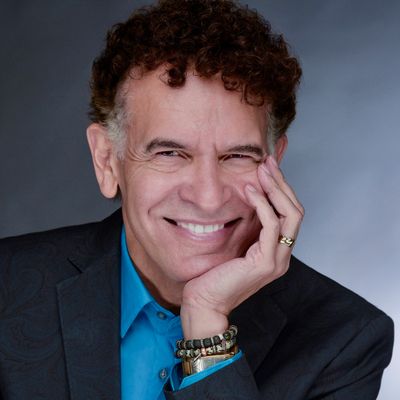
Talk to anybody in the entertainment industry—not just Broadway!—and they’ll sing the praises of The Actors Fund, which provides a safety net for performing arts and entertainment professionals. The Fund serves everyone in film, theater, television, music, opera, radio, and dance, with programs including social services, emergency financial assistance, health care, housing, and more. Join The Actors Fund Board of Trustees Chair (and Tony Award winner!) Brian Stokes Mitchell and President & CEO Joseph Benincasa for an inspiring look at how the organization continues to support struggling artists throughout the entertainment industry during these difficult times.
Looking for ways to give back?
Learn more about the many great programs being done by The Actors Fund across the country, as well as other amazing organizations discussed in the episode, and ways you can help.
Connect with Brian:
- Website: BrianStokes.com
- Twitter: @bstokesmitchell
- Instagram: @bstokesm
Connect with Joe:
- Twitter: @GoodHouse7
- Instagram: @Benincasa.Joseph
Connect with The Actors Fund:
- Website: ActorsFund.org
- Facebook: @theactorsfund
- Twitter: @theactorsfund
- Instagram: @theactorsfund
- YouTube
Connect with The Broadway Gives Back Podcast:
- Facebook: @broadwaygivesbackpodcast
- Instagram: @broadwaygivesbackpodcast
- Twitter: @broadwaygives
Produced by Dori Berinstein and Alan Seales with Brittany Bigelow
A proud member of the Broadway Podcast Network.
Special thanks to my producing partner, Jim Lochner; Katie and Yo from BPN; Julian Hills from The Bulldog Agency; Eric Becker and Broderick Street Music; to everyone at the Charity Network; and my fiancé and consultant, Glenn Weiss!
Transcript
This transcript was automatically generated and might contain errors.
[0:05] Jan Svendsen: Welcome to the Broadway Gives Back Podcast.
[0:07] Jan Svendsen: I'm your host, Jan Svendsen.
[0:10] Jan Svendsen: This podcast spotlights Broadway actors, shows, and organizations in their pursuit of social impact and philanthropy.
[0:17] Jan Svendsen: Join us as some of the brightest lights on Broadway share their stories about their favorite charities and how they got involved and the people and the causes who benefited from these philanthropic efforts.
[0:34] Jan Svendsen: Talk to anybody in the entertainment industry, not just Broadway, and they'll sing the praises of The Actors Fund, providing a safety net for performing arts and entertainment professionals.
[0:44] Jan Svendsen: The Fund serves everyone in film, theater, television, music, opera, radio, and dance, with programs including social services and emergency financial assistance, healthcare, housing, and more.
[0:57] Jan Svendsen: The Actors Fund envisions a world in which the individuals contributing to our country's cultural vibrancy are supported, valued, and economically secure.
[1:07] Jan Svendsen: Today I'm thrilled to welcome two very special guests at the heart of this very special organization. Chair of the Board of Trustees, Tony Award winner, amazing artist, and awesome human being, Brian Stokes Mitchell, and president and CEO, and the nicest guy I know, Joe Benincasa.
[1:27] Jan Svendsen: I'm so proud to call them my friends. Welcome to Broadway Gives Back Podcast, Stokes and Joe.
[1:33] Brian Stokes Mitchell: Thank you, Jan.
[1:34] Brian Stokes Mitchell: It's great to be here.
[1:36] Joe Benincasa: It is great to be here, Jan.
[1:37] Joe Benincasa: Thank you.
[1:38] Jan Svendsen: So, Stokes, I think I'm going to start with you.
[1:43] Brian Stokes Mitchell: Actually dates back to Jelly's Last Jam and then Ragtime and Kiss Me Kate.
[1:49] Brian Stokes Mitchell: But I think where I really got to know you was right after 9/11, and we put on that service, that public service spot in Times Square, where we all sang, well, you all sang "New York, New York," and I helped produce it.
[2:02] Brian Stokes Mitchell: And that was such a life-altering moment.
[2:05] Brian Stokes Mitchell: And I feel like from one life-altering event to another, being our pandemic, I wanted to ask you about your experience.
[2:13] Brian Stokes Mitchell: Early in the pandemic, you tested positive for COVID.
[2:16] Brian Stokes Mitchell: And I wondered how did that inform how you and Alison and Ellington coped over the last year?
[2:22] Brian Stokes Mitchell: And most importantly, how are you doing?
[2:25] Brian Stokes Mitchell: I'm doing well.
[2:26] Brian Stokes Mitchell: Thank you.
[2:27] Brian Stokes Mitchell: I have to say that I feel I'm 100% of my old self.
[2:33] Brian Stokes Mitchell: Occasionally I feel like sometimes I have a little COVID brain left over, but unfortunately, I think I had COVID brain before I had COVID.
[2:41] Brian Stokes Mitchell: So I don't know that I could blame it entirely on having COVID.
[2:44] Brian Stokes Mitchell: I think, you know, maybe it comes with some of the years as well.
[2:47] Brian Stokes Mitchell: But I seem to have been able to escape most of the bad effects that everybody seems to be having from it.
[2:56] Brian Stokes Mitchell: My hair did fall out.
[2:57] Brian Stokes Mitchell: I'll talk to you about that a little bit.
[2:59] Brian Stokes Mitchell: It's come back since then, but that was one surprising thing because as you mentioned, I came down with COVID early on, and one of the frightening things, I guess, about it was that nobody really had any information on it at that point.
[3:14] Brian Stokes Mitchell: That was in March of last year.
[3:16] Brian Stokes Mitchell: And one of the things that I've been saying about this terrible virus all along, and it really hasn't changed, is that it has posed more questions than answers.
[3:29] Brian Stokes Mitchell: And even now, even with all the answers we have, we still have questions.
[3:34] Brian Stokes Mitchell: But at the beginning, particularly, I think we were all wondering what is this disease?
[3:41] Brian Stokes Mitchell: What happens, how easy is it to catch?
[3:43] Brian Stokes Mitchell: Will I get it?
[3:44] Brian Stokes Mitchell: Will I be hospitalized?
[3:46] Brian Stokes Mitchell: Will I die from it?
[3:47] Brian Stokes Mitchell: Will it give me lasting damage?
[3:49] Brian Stokes Mitchell: How will I know I have it?
[3:50] Brian Stokes Mitchell: What does it feel like?
[3:52] Brian Stokes Mitchell: And so what I decided to do actually is to go public with it.
[3:58] Brian Stokes Mitchell: I went on my social media once I found out that I had it because I kind of wanted to demystify the disease for people.
[4:05] Brian Stokes Mitchell: And it was just one version of the disease because it has kind of come across in many guises, different guises for different people, and we still don't fully understand why that is.
[4:15] Brian Stokes Mitchell: But it's why I went public with it actually and kind of gave nearly daily updates on how I was feeling and what was going on.
[4:25] Brian Stokes Mitchell: One of the things that I had during my time with COVID was a fever that kept spiking.
[4:31] Brian Stokes Mitchell: And I found out that that seems to be a usual thing for people that have a fever.
[4:36] Brian Stokes Mitchell: It tends to go up and down and up and down.
[4:39] Brian Stokes Mitchell: Mine came in after sundown, and then I'd be fighting with it for hours, and then by the time the morning came around, it was gone.
[4:46] Brian Stokes Mitchell: But it would go up and up, and every day it would go up and down and up and down and up and down higher and higher, and finally it got very, very high.
[4:54] Brian Stokes Mitchell: And I talked to Dr. Jason Kint, one of the doctors with The Actors Fund or Health Center, and who was on the phone with me and talking to me and guiding me through this all the time and just asking him, you know, what should I be doing now?
[5:08] Brian Stokes Mitchell: And he gave me some incredible advice all the way through.
[5:13] Brian Stokes Mitchell: He said, if my lips aren't blue, if I can breathe, stay home.
[5:17] Brian Stokes Mitchell: Because at that point, hospitals did not know yet how to deal with COVID patients, how to even admit them.
[5:24] Brian Stokes Mitchell: They weren't set up for admissions in emergency rooms.
[5:26] Brian Stokes Mitchell: So it was interesting.
[5:29] Brian Stokes Mitchell: Happily neither Alison nor Ellington, my son, got it, and you know we live in close quarters; my son and I share a restroom, but it really attests to wearing a mask and washing your hands and just how much you can control this virus just by those two simple things.
[5:47] Joe Benincasa: Well, I was very appreciative of your updates because I was actually in New York alone and I wasn't feeling well, and your updates really helped guide me and calm me down.
[5:59] Joe Benincasa: Also, you made national news during that lockdown by singing outside your window to serenade the frontline workers.
[6:06] Joe Benincasa: I was busy banging pots and pans out my window, but you used your gorgeous voice.
[6:11] Joe Benincasa: Where did that idea come from?
[6:13] Brian Stokes Mitchell: Well, it kind of came from out of the blue. One of the things that I was doing as the disease progressed was making sure it didn't get in my lungs too deeply, and fortunately for me, I could feel it go into my lungs, but that was towards the very, very end of my illness, and I think by that point I had enough antibodies built up that it was able to battle off any kind of terrible infection in my lungs.
[6:40] Brian Stokes Mitchell: But still I would come into this room where I am right now, which is kind of my studio, my own dressing room, office, whatever, all those combination rooms like we all have here in New York City, and I would vocalize, and it was the way that I kind of made sure I could breathe and to check out what my throat was feeling like and what my lungs were feeling like.
[6:40] Brian Stokes Mitchell: And every day it still, I would run to the window and open the window and applaud all the workers, as you were saying, as we did here in New York.
[7:12] Brian Stokes Mitchell: I was especially doing it in gratitude for Dr. Kint who was getting me through, but all of the other people on the front lines as well.
[7:22] Brian Stokes Mitchell: And one day I just thought, you know, I think I can sing.
[7:27] Brian Stokes Mitchell: And I just spontaneously started singing "The Impossible Dream" after the applause had died down from everything else.
[7:36] Brian Stokes Mitchell: I just love that line.
[7:37] Joe Benincasa: Yeah.
[7:38] Brian Stokes Mitchell: Doesn't everybody?
[7:39] Brian Stokes Mitchell: And it was interesting because there, you know, of course I'm overlooking Broadway, and there are a number of people on the street still walking on the street, and it seemed like the street all of a sudden just stopped, and they all looked up at me.
[7:56] Brian Stokes Mitchell: And I was just thinking, this is gonna be a one-off.
[7:59] Brian Stokes Mitchell: You know, I'm not gonna do it again.
[8:00] Brian Stokes Mitchell: And the next day I was at the window applauding again and everything, and the applause dies down, and I'm ready to close my window, and then all of a sudden I hear from somewhere in the street, "Sing the song."
[8:10] Brian Stokes Mitchell: So I sang it again, and then that kept happening every night, and the crowds kept coming back and getting larger.
[8:19] Brian Stokes Mitchell: And so I did it for about two and a half months.
[8:22] Brian Stokes Mitchell: It was great.
[8:23] Brian Stokes Mitchell: It was super inspirational.
[8:25] Jan Svendsen: Joe, let me pivot to you.
[8:27] Jan Svendsen: The Actors Fund helps more than just actors; it helps all professionals in film and theater and TV and music.
[8:34] Jan Svendsen: And the shutdown has obviously been devastating for everyone in the arts.
[8:38] Jan Svendsen: How has The Actors Fund emotionally and professionally ridden out this wave of the last year?
[8:43] Jan Svendsen: And also how have you and your family coped?
[8:46] Joe Benincasa: Well, first of all, Nancy and I and our boys and our granddaughter, we're fine.
[8:52] Joe Benincasa: The Actors Fund, you know, we've been very working very hard to maintain the health of our staff because, you know, it's 24/7.
[9:03] Joe Benincasa: You know, we no one knows what a weekend is anymore.
[9:05] Joe Benincasa: The challenges we've provided more than 21 million dollars in direct financial assistance.
[9:11] Joe Benincasa: So many theater performers, musicians, stagehands have lost their health insurance.
[9:17] Joe Benincasa: So our Every Artist Insured program has been incredibly important.
[9:21] Joe Benincasa: We're also navigators under the Affordable Care Act and healthcare counselors in Los Angeles and in New York and around the country.
[9:29] Joe Benincasa: So we've been very busy helping people maintain their health insurance.
[9:33] Joe Benincasa: You know, Stokes mentioned Dr. Jason Kint, the medical director at our healthcare center in Times Square, which never stopped.
[9:39] Joe Benincasa: I mean, a lot of it is telemedicine, but they're there every day providing healthcare.
[9:44] Joe Benincasa: And that team has done a great job of helping people, you know, through this.
[9:49] Joe Benincasa: Also, all the counseling that needs to be done, it's all done, you know, via Zoom, and it's not the same as being in person with people, but it's not bad.
[9:59] Joe Benincasa: One of the silver linings of this pandemic, and there are very few, you know, is that our programs on the national platform have reached many more people now because now a lot of our workshops that may have been done in person in Los Angeles, Chicago, or New York, are now on these beautiful national platforms, and we're getting terrific attendance, you know, and lots of people being engaged and involved and getting help from The Actors Fund.
[10:26] Joe Benincasa: Now, our residences, you know, that's kind of a different kind of an operation because they can't work remotely.
[10:35] Joe Benincasa: So, you know, our team out in Englewood, New Jersey, at the Friedman Residence at West 57th Street in Manhattan, or in downtown Brooklyn at Skirmahorn, we're at the West Hollywood residence.
[10:46] Joe Benincasa: They've all stayed on the job.
[10:49] Joe Benincasa: And they have been extraordinarily careful.
[10:53] Joe Benincasa: We've had plenty of PPE for everyone early on.
[10:56] Joe Benincasa: Our administrator Jordan Stroll out in New Jersey, he shut down that nursing home a week before the governor required nursing homes to shut down.
[11:06] Joe Benincasa: So we have not had an incidence of COVID happening at the home since April 4th of last year, which is kind of remarkable.
[11:14] Joe Benincasa: And I just want to add one more thing about the community, the creative community, which is so terrific.
[11:19] Joe Benincasa: You know, right at Rosie O'Donnell launched right into her fundraising event for The Actors Fund, and Seth Rudetsky and James Wesley started "Stars in the House."
[11:29] Joe Benincasa: And absolutely the fundraising has been tremendous, and the support we've received from everyone in the creative community has been really kind of incredible.
[11:39] Joe Benincasa: So we're very fortunate that we've been able to provide help and our staff is healthy, staying sound, and we're continuing, and you know the pandemic has a long tail.
[11:50] Joe Benincasa: So we know we're gonna be at this for a while as because people without work weeks are gonna have a hard time getting their health insurance back from the unions, guilds, and employers.
[12:00] Joe Benincasa: We also need that there's gonna be a greater need for financial assistance with the rent and mortgage moratoriums ending in the fall.
[12:08] Joe Benincasa: We were concerned about people who are accumulating debt, and we know that they're gonna be turning to The Actors Fund for more financial assistance.
[12:16] Jan Svendsen: Let me ask this question, Stokes.
[12:18] Jan Svendsen: So on the board side, how has the board rallied to keep the organization going?
[12:23] Brian Stokes Mitchell: What's wonderful, I think, about our board is even though we have differences of opinion and everything, we're all very much of one mind.
[12:30] Brian Stokes Mitchell: And I think one of the great things about serving on this board is that we all know we're there to help people, and we're there to help people that are in the entertainment and the performing arts.
[12:42] Brian Stokes Mitchell: And that goal alone makes it very, very easy for people because a lot of other boards and other organizations, they get very political and they get about other issues.
[12:52] Brian Stokes Mitchell: But the bottom line is we're there to help people.
[12:55] Brian Stokes Mitchell: And Barbara Davis, our COO, one of the things she gives to our board and the board report is basically what we have done, and it's one of my favorite reports to listen to over the last year or over whatever period of time we happen to be dealing with.
[13:11] Brian Stokes Mitchell: But it's amazing because you sometimes forget when you're sitting at a board at a table or now, you know, on a screen, the effect that you can have together as a group in helping other people and people that you don't know, and people that you don't know necessarily need your help and they come through the staff, and the staff does that incredible difficult work.
[13:35] Brian Stokes Mitchell: Um, but to be able to get the feedback about how many people we've helped, to hear letters from people as well, which we occasionally get to do, is really, really moving. And I think that it charges us all up to just do better and to help more people and in more ways. And that really is at the end of the day, what the impetus was for this podcast. It's about impact. And it's so important to keep those impact numbers and those impact stories, you know, top of mind because that is what motivates people. Um, Stokes, you just you mentioned the word political. So I want to um I want to talk to you a little bit about the Black Lives Matter movement. It was such a powerful statement in 2020, and it continues to be moving forward.
Um, our industry has come under much needed scrutiny when it comes to our racial practices, and you have been instrumental in forming um Black Theater United coalition with Audra McDonnell and Billy Porter and many others. And I just wondered if we could just take a little segue here, and if you could tell us about the progress that's been made so far and what still needs to be done.
[14:40] Joe Benincasa: Progress in racial justice is made incrementally. We all have things that we would like to do. What is fantastic is seeing so many groups that have formed as we sat at home during this pandemic and watched the murder of George Floyd happen in front of us. This is one of those things that black Americans have been talking about for generations. It has been heartbreaking and frustrating and anger-making many times to not have other members of our country understand that. But because we were in a position with this terrible pandemic where we were all kind of held captive in our own homes in front of our televisions, we saw what happened, but unlike in a usual time, we couldn't then say, okay, let's go see the show now.
Let's go to the bar now, let's go meet our friends at the restaurant, let's do whatever we were gonna do. We were all stuck in meditation of what we had seen. And the formation of Black Theater United, as Audra says, it came because we were mad, we were angry, and we needed to do something. And um, so Audra kind of started up some conversations, and the circle kept growing larger and larger, and we formed this group of incredible people. In addition to the Actors Fund board, because again, everybody is of one mind. And it's to forward and protect black people and black bodies and black lives, not only in the theater, but in the larger world in the United States, and call out systemic racism when we see it.
[16:25] Brian Stokes Mitchell: And um, and also try to um solve some of the problems that we have in our own industry, because systemic racism, of course, is systemic. It means it is everywhere. And our beloved theater industry is not immune to that as well. And so we have been dealing on many, many different levels. Um talking with lots of different people. We had um a summit with uh Lourdes Theaters not too long ago. We've also done a number of town halls during the time we were trying to get the vote out and with the census uh with uh with Stacy Abrams. Uh we just had some incredible support uh coming from other people as well. So it's work that we're just kind of we feel like we're just at the beginning of. Um we actually formed, it was the last June, I think, and part of what we're doing is also trying to get our focus together.
And also, how do we harmonize? Uh, one of our members says, you know, we're not in competition with other groups, we're we're in concert with them because it's like during the civil rights movements, you had Martin Luther King, and uh you you had Malcolm X, and you had many, many different people all going after the same goal with different ways of doing it. And so we decided to kind of get together and use our celebrity in our years of experience. There was a half joke uh that I think between us, we had about 500 years of experience together uh on Broadway, and um that has um uh allowed us to do some things. We just came out um with uh a video uh called Stand for Change uh about a week ago as well, and for fundraising and awareness as well.
And um, I'm just so happy to be involved with these uh incredible human beings that are part of uh Black Theater United. And I'm grateful to all of the other members and allies that have joined us uh as well.
[18:29] Joe Benincasa: And I think you're you're so right. You know, you were saying about your conversation with Audra that we were all sitting there, you know, just staring at our television, and we had nowhere to go after, and it hit so hard. And I think we meditated on it, but we also had conversations about it that we wouldn't normally have had. Um, and then now it's just so good to see that action is being taken, and also steps that are helping people understand and become allies and become accomplices in a positive way, right?
[19:03] Brian Stokes Mitchell: Yes, and people are doing their own self-examination too, and kind of realizing um how they may have played a part in this, or just even by their ignorance of what uh black America has been going through, how they kind of unwillingly uh play a part in it as well. You know, it's what uh the term white privilege, you know, when people don't realize that not everybody lives and thinks and dreams the same way, and uh there's a segment of the population, uh many segments of the populations in the United States that don't think and dream and um have different fears and different concerns. And one of the great things is it's opened up a lot of people's eyes, like I said, allies who've come forward and saying, what can we do?
What how how how can we help? And one of those ways, of course, is read some books. You know, there's a lot of wonderful books out there about um about what racism is and um how to confront your own uh issues that you have as well. And it's been really wonderful seeing that and the DEI training that's been going on now uh within the different organizations and unions uh that's happening. So there really is some positive change coming from it, but this kind of change moves slowly, you know, and we can't expect everything to all of a sudden flip and it's gonna be okay. Um it's gonna take time. This has been a long process that has caused this kind of harm, and um, you know, it it won't be quickly gotten out of, but it will be gotten out of if we stay um on the course and keep our eyes on the prize, as we like to say.
[20:46] Joe Benincasa: Absolutely. And you know, whether it's the pandemic or whether it's the murder of George Floyd that we all witnessed, there is good that comes out of bad. And I feel like uh on both fronts, there are positive things that have come out of this year of 2020, and hopefully we can take those with us into the future and um and leverage those for good. I want to talk a little bit about just the concept of philanthropy. And Joe, I want to start with you. Um you serve on the board of Broadway CARES, you've won um a Tony uh honor for excellence in theater for your devotion to charitable causes. Talk to me a little bit about philanthropy and your DNA. Where did it all come from?
[21:24] Joe Benincasa: Well, it came from my mother and father and from their commitment to uh social justice issues. You know, my father founded a union in New Jersey, uh the AFSME Union, which is American Federation, you know, of municipal and state employees. Uh he created helped create the Rutgers Labor Center. So we were always involved, whether it was the social justice movement within the Catholic Church. I was raised Catholic. I was uh educated by the Sisters of Charity and then the Jesuits. So it's always been part of uh my family's life of participating and helping other people. Score one for my parents. I think they did a good job of inculcating me with that. And philanthropy, uh, I'm just I have to say I'm amazed by the creative community, uh, which I think they the creative community has been leading the charge when it comes to philanthropy.
[22:18] Brian Stokes Mitchell: Uh Broadway Cares, I always tell my good friend Tom Viola that it's kind of miraculous what Broadway does, you know, in terms of raising money. And you know, we're the biggest uh we receive about half the funds raised by Broadway Care's Equity Fights AIDS. Uh they are our partner. We are joined at the hip in everything we do. And that's it's really amazing and uh and wonderful. This year we have seen the best of philanthropy at the Actors Fund. We've raised almost $90 million dollars in the last 12 months, which is about twice as much as we usually raise. Wow. Uh we've had people step up uh who have never stepped up before. Our challenge, of course, will uh to make sure they stay with the actors fund since we have a lot more to do to help members of the theater, film, television, the whole creative community.
And we have a lot more to do, so we're going to need a lot more help moving forward. And as I mentioned earlier, the pandemic has a long tail. You know, people will need the services of the Actors Fund for a couple years before they get on their feet. So we're uh we're working very hard. I have to say that we're, you know, Stokes mentioned earlier uh that we've kept on working and uh we've never stopped. And in fact, some of the initiatives that we had launched a decade ago uh have come to fruition. We closed uh in December on a hundred and twenty million dollar residence in Hollywood, uh 152 affordable units in one building and then another building which has a theater, a training center, uh, and offices for the actors fund.
So the we call it the Hollywood Arts Collective. And I was talking to just talking to Rocco Landisman, who as chair of the NEA. I miss Rocco. Rocco's doing great. We had a great time talking. He's a member, he left the NEA and he joined one board, uh, the Actors Fund Housing Development Corporation Board, which is a subsidiary of the Actors Fund dedicated to building more affordable housing around the country for artists. But he's doing terrific, and he uh he's very proud of the fact that the NEA made a grant to the Actors Fund to do a feasibility study uh about a decade ago, and that feasibility study has turned now into this 120 million dollar project in the heart of Hollywood.
[24:39] Brian Stokes Mitchell: Stokes, you received the Tony Award in honor of Isabel Stevenson for your philanthropy. So I want to talk to you about it because not only are you involved in Black Lives Matter and the Actors Fund, but Americans for the Arts and The March of Dimes and USO and I mean, you're you know you're the consummate philanthropist. I just what does philanthropy mean to you and what motivates you to be of service?
[25:05] Brian Stokes Mitchell: Well, like Joe, I think uh I got it from my parents as well, who were always giving back to society. My father was a Tuskegee Airman uh originally, and then uh he went through a number of different jobs, but he was always a Tuskegee Airman, and they have a foundation. He was always doing a lot of help and talks and scholarships through that organization. Um my mother was very much involved in education and a lot of different causes. Um her father, my grandfather, Frank Stokes, was the head of the NAACP, the first head in Spokane, Washington. And I was surprised to find out during Ragtime, I had a picture of Booker T. Washington uh that was in my dressing room that was kind of our family picture, and I was very surprised to find out that actually he was a frequent visitor to the home uh of my mom in Spokane, Washington, and we have many, many letters from him.
And um, and I think that's one of the things that ignited my mother to do the right thing. She also was the first black policewoman in Seattle, Washington because and my mother is the probably one of the last people that you would ever think would be uh a policewoman, but um, because she was an educator and she had a master's degree in sociology at that time, uh the NAACP came to her and said, We need uh uh we would like to put a black policewoman in there to help deal with um at that point at uh in time, it was uh family disturbances, you know. But they wanted a black officer to be able to go into black homes as well. And so she agreed to do that for three or four years, and that's when I was around the time that I was born.
But her work continued through education, and I think it just kind of rubbed off on all of the children, and it certainly rubbed off on me. Uh one of the things that I uh have always been very appreciative of is I say I'm the luckiest actor in the world because I um literally when I left home at 17 years old, I left home with a job in the theater and I worked in the theater, uh, moved up to Los Angeles with the job and immediately started working.
[27:01] Brian Stokes Mitchell: And it's really all I've ever done for a living is work in the theater and in film or television or voiceovers. Um, but it's always been in the entertainment field. And one of the things I always say is when the universe has been good to you, when it asks you to give back, you say yes. And so it has been my pleasure and my joy to be able to give back only, I feel a fraction of what I have been given through, you know, who knows what, but lots of good people that have helped make my way and just that, you know, luck or whatever that is, you know, we must have done something good, as was said in The Sound of Music, you know. You just don't know what these are. So when an opportunity comes along to help, I remember when Joe asked me a number of years ago if I would be willing, I was already a board member to serve as the chairman of the board.
I kind of went into a bit of a panic because I was still doing a show on Broadway. My son was about to be born, and I just bought a new house and, you know, an apartment. And I thought, Joe, I just want to make sure that I can be useful to you. How long is this gonna be? This term for this? And he said, three years. I said, Joe, three years. I can't possibly do three years. I said, let's do this, let's visit each other after a year and have a sit down, because I want to make sure that I'm being useful to you too. I just don't want to be a face or a name. I really want to be helpful to this organization. So let's be able to have an honest conversation. So here I am 15, 16 years later. I've lost count.
Like what you said, Joe, what's time anymore, right? And so happy to have been able to serve for this long. But I also feel one of the things that I've said to Joe, he and I have talked about this a little bit. Actors Fund has been around 138 years now. It feels almost in a sense to me that the 138 years that have preceded, because we're in such a challenging, terrible time right now, it almost feels like those 138 years of incredible work that the Actors Fund has done, almost felt like now a preview or a dress rehearsal for where we are now, and because of all of the incredible groundwork that was laid by previous board members, all of the other people that have helped the board out. Joe's been here 31 years now, is it? I think, Joe.
[29:31] Joe Benincasa: 31 years, Stokes.
[29:32] Brian Stokes Mitchell: Oh, 31? Oh, see? What's time? What did I get 26 years from? Sorry about it. Yeah, I know it's been Joe, Joe has been with us for such an incredible long time. And I have to say, what you see of the Actors Fund, so much of that was built by him. But it's really incredible to see that because now that we're in the middle of this pandemic, just what the Actors Fund has been able to do, because of all the previous good work and organization, has been an incredible thing. And I really feel also that, in a sense, that's why we're all here on the planet right now. I don't think it's an accident, you know. It's an awful, terrible, challenging, you know, frightening time. But everybody has something that they can give in times like these, you know, different talents, different skills, and even people that think, "There's nothing I have."
Yes, you do. You have something that you can do, some way that you can contribute, some way, if it's even just helping one neighbor get through this. Everybody can do something to help. So it's been wonderful to see the philanthropy that's been coming out of organizations and individuals to help us all get through this together. I've really been moved by that. And it's what's kept me involved with the fund so much, you know. When we hear these incredible letters at our board meetings or at our special performances, the ninth performances that shows do for the Actors Fund. Before the shows, generally we'll go back and talk to the companies and thank them for doing this extra show, which is very, very difficult.
Doing eight shows is impossible. Doing nine shows is just crazy. And we ask them if there's any questions and tell them about the fund and say, "If you ever need us, let us know." Then what happens is we go out the stage door and go sit in the audience and watch the show. Almost every time we do that, before I get out the stage door, somebody grabs me and pulls me to the side and said, "Can I talk to you in a second? Just can I talk to you?" I said, "Yes, yes." I just want to say thank you for your work with the Actors Fund and what the Actors Fund is doing. And they proceed to tell me some incredible story about how the Actors Fund has helped them. And that's what's kept me involved with this organization for so many years.
It just fills my heart up to see how it's helped people. And then those people that tell those stories want to give back to the Actors Fund as well and do things for us and be able to help others that are also in a situation that they need help. So it's quite incredible. Philanthropy and goodness is catching like a virus, you know, it's a good virus, you know. So it's something else that when we see other people do that around us, we want to do the same.
[32:13] Jan Svendsen: You segued there, but I was gonna say you have so many fans, and I've witnessed women and men swoon over you. Um, and I just wondered, you know, what would you tell people about the best ways to get involved in social activism or charitable work? Because as you started to allude, you know, a lot of people, they just don't know how to start or they don't know sort of what strategy or how to tap into that part of them. Yeah, especially people who have maybe weren't raised with parents like either of your parents. Any advice for people?
[32:45] Brian Stokes Mitchell: I would say go towards what you're attracted to. You know, there are so many causes that are needed by so many different people, and people have different skills. Some people may be able to supply a name or sing a song. Some people may be able to help out with accounting or legal skills. There's all kinds of things that people can do to help out, but find that organization. What do you love in your life? That would be the first thing I would do is what draws you? Do you love the theater? Do you love social justice? Do you love film? Do you love children? Are you interested in immigration? Are you interested in politics and government and equality? What are you interested in? What calls to you?
We all have something that goes off in our heart if we see a news story generally about something that makes us feel strongly about it or feel some pull toward it. That's what I would say. Go there, start there. But there are so many things and organizations that need help right now. So whatever your talents and skills and desires are, you'll be able to find somebody and something that can use your help and will be deeply appreciative of it.
[33:57] Joe Benincasa: I agree, Stokes. And you know, we're so blessed at the Actors Fund that we've had wonderful volunteers, whether they're accountants, forensic accountants, lawyers like Karen Wiener, who's our volunteer attorney, a brilliant attorney who spends hours voluntarily helping us out with our legal issues. So everyone brings what skills and talents they have, and we're fortunate that the Actors Fund is attractive to them. That they, as our vice chair Annette Benning says, the organization walks the walk. We have the highest rating of any charity in the country or among the highest rating. Our nursing home doesn't just have five stars from the federal government, it has a perfect rating over and over again from the state of New Jersey, and all of our residents get the same kind of independent evaluations.
So the organization walks the walk, and I think that is appealing to people who say, "Well, maybe I can't sing the way Stokes does, or maybe I can't dance the way our other vice chair B. Newark does. But I can do this." And we work very hard to find a way for their talent and skill to benefit the Actors Fund.
[35:10] Jan Svendsen: So I think walking the walk.
[35:11] Joe Benincasa: Yes, you guys absolutely do walk the walk. I have one last question. I'm going to start with you, Joe. I'd like you both to answer this. And I've asked this of all of my guests, and at some point I'll probably put together a sort of big summary about all the answers. But if you could wave a magic wand, what changes do you hope to happen in the theater industry as theaters reopen?
[35:32] Joe Benincasa: Well, A, we'd like to see all the safety protocols put in place. We want to see full theaters. We want to see fairness and equity within the entire community. You know, we want to see a robust theater, film, and television community. And we want all of those disciplines to be combined and recognized as one community. And when I think about Stokes, you know, Stokes does concerts, he works Broadway, he's on television. Like so many other people in the creative arts, they are resourceful and they are multi-disciplined people. So we're looking for equity and fairness, and we want to make sure that every member of the theater and the creative community can earn a fair living, have health insurance, be able to live decently and have good housing.
So it's kind of basic, I think, what I look forward to. But certainly we want to see all the safety protocols put in place, we want to see theaters filled, we want to make sure that everyone is safe, secure, and that it's really hard to get a seat for any show.
[36:42] Jan Svendsen: How about you, Stokes?
[36:44] Brian Stokes Mitchell: Wow. It's a big question. It's a huge question, and Joe answered a lot of what I would have said. Equity and safety, people feeling safe. I think more than anything, and this is kind of the world at large, how I feel, but also for our own community. My hope, my wish is that we don't forget the lessons that we have learned, that we don't in our euphoria of opening up and getting back to quote unquote normal, whatever that is, forget that there are people that are hurting, there are inequities, there are problems that we have that need to be looked at. And in our intoxication of the joy of coming back, and man, I plan on being intoxicated by that as well. But I hope that in that intoxication we don't forget what we need to pay attention to and the lessons that we have learned.
You know, just by quieting ourselves, just by spending time walking through a park and listening to birds, just by sitting with our families or the people that are close to us that we've been able to be with, whether on a screen or if we're lucky enough to be with people in three dimensions, as I like to say, you know, to really appreciate what we have and what it is like being a human being, what it's like to be alive on this planet at this time and what we can do to make everybody's lives just a little bit better. If each one of us did something that made people's lives just a little bit better, that would be a wondrous thing. So I hope we don't forget and we keep moving forward and keep going towards justice and equality and safety and diversity and all of those ideals that we have in our heart that were laid so bare during the last year.
[38:52] Jan Svendsen: If there were a video, you'd see that I have tears streaming down my cheek right now. Thank you. That was such a beautiful way to end this podcast, and I'm so appreciative and I'm so grateful. And you're right. If there's anything I've learned this last year, it's just to be grateful for the life that we have and the good things that we have in our lives. And I'm so grateful for the two of you. Thank you so much for being part of this podcast and for everything that you do.
[39:17] Brian Stokes Mitchell: Thanks for having us, Jen.
[39:19] Joe Benincasa: Thank you very much, Jen.
[39:22] Jan Svendsen: Thanks for listening to this episode of Broadway Gives Back. Broadway Gives Back is part of the Broadway Podcast Network, produced by Dori Berinstein and Alan Seales with Brittany Bigelow, and music by Eric Becker at Broderick Street Music. Special thanks to my producing partner, writer, and friend, Jim Lochner, and to Katie and Yo at BPN, Julian Hills from the Bulldog Agency, the Charity Network, and to my fiancé, Glenn Weiss, who is always my consultant. If you like what you hear, don't forget to subscribe and rate this podcast wherever you stream your podcasts. You can also follow Broadway Gives Back on Facebook and Instagram at Broadway Gives Back Podcast and on Twitter at Broadway Gives. To learn more, visit BPN.fm slash Broadway Gives Back.
© Broadway Podcast Network, All Rights Reserved