

From standup comedy to movies, TV, and Broadway, Rosie O’Donnell has done it all... Read More
From the show: Broadway Gives Back
Guests
Featured Shows


About
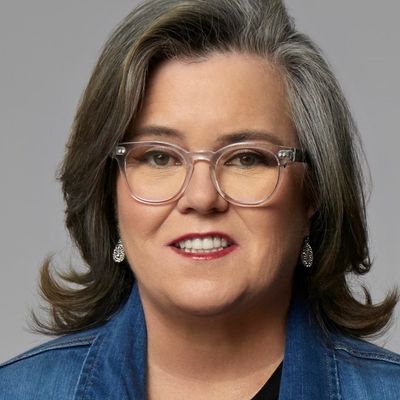
From standup comedy to movies, TV, and Broadway, Rosie O’Donnell has done it all. She has been a 3-time host of The Tony Awards, winning a Primetime Emmy as host of the 1998 Tonys, and she has been a tireless supporter of Broadway during the six years she hosted her daytime talk show, The Rosie O’Donnell Show (for which she won an astonishing 11 Daytime Emmys), as well as during her tenure on The View and on her SiriusXM radio show. Along the way, she has lent her voice to a number of important causes, receiving the Isabelle Stevenson Award at the 2014 Tony Awards in recognition of her commitment to arts education. Join Rosie for a lively discussion on the joys of theater, the importance of arts education, and more.
Looking for ways to give back?
Learn more about the organizations discussed in this episode:
Connect with Rosie:
- Website: Rosie.com
- Twitter: @Rosie
- Instagram: @Rosie
- YouTube: @Rosie
- TikTok: @Rosie
- Rosie O’Donnell photo by: Eric McNatt
Connect with The Broadway Gives Back Podcast:
- Facebook: @broadwaygivesbackpodcast
- Instagram: @broadwaygivesbackpodcast
- Twitter: @broadwaygives
Produced by Dori Berinstein and Alan Seales with Brittany Bigelow
A proud member of the Broadway Podcast Network.
Special thanks to my producing partner, Jim Lochner; Katie and Yo from BPN; Julian Hills from The Bulldog Agency; Eric Becker and Broderick Street Music; to everyone at the Charity Network; and my fiancé and consultant, Glenn Weiss!
Transcript
This transcript was automatically generated and might contain errors.
[0:05] Jan Svendsen: Welcome to the Broadway Gives Back Podcast.
[0:07] Jan Svendsen: I'm your host, Jan Svendsen.
[0:10] Jan Svendsen: This podcast spotlights Broadway actors, shows, and organizations in their pursuit of social impact and philanthropy.
[0:17] Jan Svendsen: Join us as some of the brightest lights on Broadway share their stories about their favorite charities and how they got involved and the people and the causes who benefited from these philanthropic efforts.
[0:33] Jan Svendsen: From stand-up comedy to movies, TV, and Broadway, Rosie O'Donnell has done it all and she continues to do it all.
[0:41] Jan Svendsen: She's been a three-time host of the Tony Awards, winning a Primetime Emmy as host of the 1998 Tonys.
[0:48] Jan Svendsen: She's been a tireless supporter of Broadway during the six years she hosted her daytime talk show, The Rosie O'Donnell Show, for which she won an astounding 11 Daytime Emmys, as well as during her tenure on The View and on the SiriusXM radio show.
[1:03] Jan Svendsen: All along the way, she has lent her voice to a number of important causes.
[1:07] Jan Svendsen: She received the Isabelle Stevenson Award at the 2014 Tony Awards in recognition of her commitment to arts education.
[1:15] Jan Svendsen: I'm so thrilled to have her here today.
[1:17] Jan Svendsen: Hi Rosie, welcome to the Broadway Gives Back Podcast.
[1:20] Rosie O'Donnell: How are you?
[1:22] Rosie O'Donnell: I am hanging in there.
[1:23] Jan Svendsen: How about you?
[1:25] Rosie O'Donnell: Oh yeah, the pandemic has successfully kicked my ass, I will say.
[1:30] Rosie O'Donnell: It was bad, you know, it was really bad.
[1:32] Rosie O'Donnell: I mean, when I was moving here, I just moved to LA.
[1:36] Rosie O'Donnell: Here we are, out of New York, out of the sadness of staying inside in New York and fighting the weather in New York.
[1:45] Rosie O'Donnell: And I just really felt like I needed sun and I needed some sort of cozy little place from which I could restart right now.
[1:57] Rosie O'Donnell: And that's what I've done, you know, and it feels really good.
[2:01] Rosie O'Donnell: I mean it's interesting.
[2:02] Rosie O'Donnell: It was sad.
[2:03] Rosie O'Donnell: It was sad to see the emptiness and the shuttered delis and our breakfast place closed and the laundromat closed and the people that you'd see in your neighborhood.
[2:14] Rosie O'Donnell: And you know, it was a big mind trip, I think, for the country and for the world.
[2:19] Rosie O'Donnell: And um most people are profoundly changed by it, I think.
[2:24] Jan Svendsen: I think you're right.
[2:25] Jan Svendsen: I feel very changed too.
[2:27] Jan Svendsen: And you know, I've articulated this to some friends, and I feel like so the priority shifted, and um, you're right, it's sort of a you're restarting your life.
[2:38] Jan Svendsen: And in a weird way, this horrible thing has had good come out of it, and this opportunity to be able to restart.
[2:46] Rosie O'Donnell: A lot of people, unfortunately, did not have that luck at all, right?
[2:51] Rosie O'Donnell: Right, exactly.
[2:52] Rosie O'Donnell: What people are, you know, people who are struggling in one-bedroom apartments with their three children in the Bronx.
[3:00] Rosie O'Donnell: I don't even know what it was like, you know.
[3:02] Rosie O'Donnell: I can't imagine what it was like to not be able to get out of your house.
[3:06] Rosie O'Donnell: And you know, mind you, when you have 8,000 square feet, there's always a place to go to be by yourself, but mostly they're just big empty rooms, you know.
[3:16] Jan Svendsen: Yeah, yeah.
[3:17] Rosie O'Donnell: Big empty rooms.
[3:18] Rosie O'Donnell: I think we all suffered and we all suffered in different ways and to different extremes.
[3:24] Rosie O'Donnell: But I think that hopefully we're seeing the light at the end of the tunnel.
[3:27] Rosie O'Donnell: And um, and now look, you're gonna be a bicoastal person just like I am, and it's actually the best of both worlds, you know, because you get to come to New York when um, you know, when you want to, or when the weather's nice or when you need to.
[3:40] Jan Svendsen: Right.
[3:41] Jan Svendsen: And so I spent most of the lockdown in LA, but I started off in New York, and that was just it was really tough.
[3:48] Rosie O'Donnell: Yeah.
[3:49] Rosie O'Donnell: Yeah.
[3:50] Jan Svendsen: Well, listen, you know, this is actually going to be the finale of the first season of my podcast.
[3:55] Jan Svendsen: So thank you for joining today, especially.
[3:58] Jan Svendsen: Um, I started with Judith Light and I'm ending with Rosie O'Donnell.
[4:01] Jan Svendsen: I think that's pretty damn good.
[4:03] Rosie O'Donnell: Um Judith Light.
[4:05] Rosie O'Donnell: So do I.
[4:07] Rosie O'Donnell: What an amazing actress she is.
[4:08] Rosie O'Donnell: What a great person.
[4:10] Rosie O'Donnell: Yeah, and she's like you, she's uh an amazing human being and an amazing philanthropist, too.
[4:16] Rosie O'Donnell: And um, you two have a lot in common.
[4:18] Rosie O'Donnell: Um, so I feel like it's a nice bookend um for this first season of uh Broadway Gives Back.
[4:24] Jan Svendsen: And I thought maybe we could start just to have a little fun.
[4:28] Jan Svendsen: Um I'm gonna shoot you some rapid-fire questions, like maybe five or ten questions, and you just answer first thing that comes out of your mouth.
[4:35] Rosie O'Donnell: Okay, and we know with you that could be dangerous, but let's try it anyway.
[4:39] Jan Svendsen: Okay.
[4:40] Jan Svendsen: All right, first one.
[4:41] Jan Svendsen: What's your guilty pleasure?
[4:43] Rosie O'Donnell: Uh Ben and Jerry's chubby hubby ice cream.
[4:48] Jan Svendsen: At what job would you be terrible at?
[4:51] Rosie O'Donnell: Life guard.
[4:54] Jan Svendsen: Can you swim?
[4:55] Rosie O'Donnell: I could swim, but I think the panic of someone else drowning would be I would have a panic attack in the middle of my job.
[5:01] Jan Svendsen: So I would not want to be a lifeguard.
[5:04] Jan Svendsen: Okay.
[5:05] Jan Svendsen: We're duly noted.
[5:07] Jan Svendsen: Um, what are three adjectives that would describe you?
[5:12] Rosie O'Donnell: Funny, chubby, happy.
[5:20] Jan Svendsen: Okay.
[5:21] Jan Svendsen: What do you most give a damn about?
[5:24] Rosie O'Donnell: Justice.
[5:26] Jan Svendsen: What is a dream that you have that you've yet to accomplish?
[5:32] Rosie O'Donnell: Oh wow, there's so many, you know.
[5:35] Rosie O'Donnell: I mean, I'd like to really learn how to be a great painter.
[5:38] Rosie O'Donnell: I've been painting since 9-11, but you know, I'm self-taught and it's kind of primitive, and I try to watch tutorials on YouTube, and but I would love to be um, you know, more accomplished in my painting.
[5:53] Rosie O'Donnell: I did have a couple of art shows and I was in a museum once, the Baltimore American Visionary Museum.
[6:00] Rosie O'Donnell: So I shouldn't complain, you know.
[6:03] Rosie O'Donnell: But uh that would be one thing.
[6:05] Rosie O'Donnell: I'd also like love to direct something.
[6:07] Rosie O'Donnell: I'm not sure what, but I, you know, I think I would really enjoy doing that, the multi-layered, not with me acting in it just to direct something.
[6:16] Jan Svendsen: Um so listen, on the first one, um, our neighbors in Los Angeles are painters, and so they actually give painting lessons as well as being painters in their own right.
[6:26] Jan Svendsen: So I'll hook you up because they're all awesome.
[6:28] Rosie O'Donnell: Okay, great.
[6:29] Jan Svendsen: Um, and then I do happen to know a director.
[6:30] Jan Svendsen: I'm engaged to one, so maybe he can help you with the directing thing.
[6:34] Rosie O'Donnell: It takes so long to direct that a you know, I part of me has to really have a couple years that I think are gonna be lull, you know.
[6:43] Rosie O'Donnell: It also depends on what you're directing, whether it's a film or whether it's television or or whether it's a live variety show, which goes quicker, by the way.
[6:51] Jan Svendsen: Yes.
[6:51] Jan Svendsen: Um what are you most proud of in your life?
[6:55] Rosie O'Donnell: Being a mom, raising my kids, you know, uh having a good relationship with my kids, um, having myself accessible to them at all times.
[7:06] Rosie O'Donnell: And you know, I think that the mother part of my life and career has has by far been uh the best thing.
[7:15] Rosie O'Donnell: It overshadows everything else.
[7:18] Jan Svendsen: Amen.
[7:20] Jan Svendsen: What are you most grateful for today?
[7:23] Rosie O'Donnell: I'm most grateful for you know, the kind of life that I get to live.
[7:28] Rosie O'Donnell: You know, there's a lot of people who felt the way I did in the pandemic and got severely depressed and don't have the ability to go to their apartment in New York or fly to LA and rent a house for a year.
[7:40] Rosie O'Donnell: You know, I am exceptionally grateful and privileged from the success I had from six years of work on my TV show, which has enabled my entire life to be pretty much carefree uh financially as a result of doing that show.
[7:59] Rosie O'Donnell: And uh it's provided me with so much comfort and and stability and a lack of fear of what the future will bring.
[8:11] Jan Svendsen: And a lot of times on this podcast we talk about kindness, and I just wondered what's the last random act of kindness that you performed for someone.
[8:21] Rosie O'Donnell: Oh, that I performed, you know, all Jewish people say you're not supposed to talk about the mitzvahs that you do.
[8:28] Rosie O'Donnell: You know, I'm a Jew, but I just asked the question anyway.
[8:32] Jan Svendsen: Yeah.
[8:32] Rosie O'Donnell: But I, you know, I have a hard time doing that, you know.
[8:36] Rosie O'Donnell: I do it anonymously sometimes.
[8:39] Rosie O'Donnell: I do it to people in need that I see on the internet, people that I know that are in uh crisis.
[8:46] Rosie O'Donnell: Um I do it all the time.
[8:51] Rosie O'Donnell: I try to do it.
[8:52] Rosie O'Donnell: You know, I mean, I'm a very big tipper.
[8:54] Rosie O'Donnell: I leave 100% usually.
[8:56] Rosie O'Donnell: Um and I remember what it was like to be a waitress and so I know and and there's been so many times that I'll be walking in the theater district uh after or before a show and somebody'll stop me and go I was a waiter at Joe Allen's and you left me 200 on a 200 bill and I was able to pay my rent you know like people tell me stories like that which make me even more excited to be able to do it.
[9:23] Jan Svendsen: That's a very nice act of kindness and it is a small things that count too.
[9:28] Jan Svendsen: Yeah um so speaking of Broadway and Times Square and Joe Allen's um I want to segue a little bit into your career and um and Broadway in particular.
[9:38] Jan Svendsen: Broadway is such an important part of your life um and you know in sort of whatever you did whether it was television or um radio you've Broadway's always been incorporated.
[9:49] Rosie O'Donnell: So I I know you have a great story about growing up and and your teacher and I just can you just tell people how you your where your love of theater comes from?
[9:49] Rosie O'Donnell: Well my mother loved it my mother loved it so much and she loved Barbara Streisand that's where my love for Streisand comes from from my mom and you know she would listen to the original Broadway cast recordings of Oklahoma and South Pacific and we had them all in our house.
[10:18] Rosie O'Donnell: We weren't really allowed to you know use her records or touch them because there were five little kids and and a lot of uh scratches that could happen on on her very very loved and desired um original Broadway soundtrack.
[10:34] Rosie O'Donnell: But I remember learning all the words to Sweet Charity, you know, being a little, a little uh kid in school, and everybody else in show and tell would say, I brought this doll, I brought this.
[10:46] Rosie O'Donnell: I said, I'd like to do uh a number from South Pacific.
[10:51] Rosie O'Donnell: Bloody Mary is the girl I love.
[10:53] Rosie O'Donnell: And I would perform, you know, uh some Broadway show tune.
[10:58] Rosie O'Donnell: I remember in high school, I auditioned for the high school musical doing Chicago.
[11:03] Rosie O'Donnell: Come on, babe.
[11:04] Rosie O'Donnell: What a sound.
[11:07] Rosie O'Donnell: But I just always loved it.
[11:08] Rosie O'Donnell: I mean, I was lucky enough to get to the theater when I was pretty young, and I fell in love that first time.
[11:14] Rosie O'Donnell: And you know, I saw very early on, I saw um Alan Seuss in Sherlock Holmes, and he was fantastic.
[11:25] Rosie O'Donnell: I mean, absolutely fantastic.
[11:27] Rosie O'Donnell: And I saw Bette Midler when I was 10 on Clams on a Half Shell.
[11:32] Rosie O'Donnell: And I remember thinking when I saw her, I want to be her.
[11:36] Rosie O'Donnell: I didn't think I want to be like her.
[11:39] Rosie O'Donnell: I didn't think I want to try to, I wanted to be her when I saw what she was doing up on the stage, and not that I could ever do that, not that I had that singing voice, but inside of me I knew that was the goal, is what Bette Midler was doing on the stage.
[11:54] Rosie O'Donnell: And I was lucky enough to see her do that live when I was only 10. You know, I never got to see Streisand perform until I was an adult. And that's only it been in concerts. It hasn't been in a Broadway show or you know, anything like that. So I think that Broadway is the reason I wanted to be in Showbiz, you know. Hollywood was sort of a vague and elusive place. I didn't know how one got there or what one did when you're there. And it wasn't the Long Island Railroad, let's put it that way.
[12:25] Jan Svendsen: Right.
[12:26] Rosie O'Donnell: Exactly. Yeah. And you couldn't just hop on the train and get a $5 standing room ticket, you know, which you could do when we were little. Right. And um, so I always wanted Broadway to be part of my career. I wanted to be a harlotte, a backup singer for vet for many years. And uh, you know, I'm totally the wrong type. They were all like, you know, pretty voluptuous, sensual women in dresses dancing behind her, you know. I don't know why I thought that would be a perfect job for me, but that's one thing that I wanted to do when I was when I was very young. And so Broadway has always meant a lot to me. You know, when my daughter ran away, she's 23 now with two children, but when right before she turned 18, she ran away to her birth parents.
And it was a devastating time for me. And Hamilton had just opened at the public, and I was lucky enough to see that in one of the first iterations of the show. And um I was sobbing pretty much the whole time. And so my shrink, after about six months, would say to me, you know, where's your tears about this situation with your daughter? Where's your tears? I said every night at the public theater that I can get a ticket. I go to see Hamilton and I cry. And I cried about my daughter, I cried about, you know, the place that we were both in, and it's quiet uptown, and you know, for forgiveness, can you imagine? You know, there was just so much that really stuck to me. So I've always been saved by the life raft of Broadway. Like just when I think I'm going under, you know, in comes another something that just lifts my soul and spirit, and I know everything's going to be okay.
[14:17] Jan Svendsen: I love that. My God. Lynn was a guest on this podcast too. I'm gonna make sure he listens to this because it'll lead a lot to him. He is he he's something else. I mean, you know, it's hard for a young person to take their place among the greats like Sondheim, and but he did, and he is, and you know, it's amazing. But you and I, we have worked together on several occasions. You were the kids' night on Broadway Ambassador when I was at the Broadway League. Um, we worked a lot with Rosie's Theater Kids and on the Tony Awards. Um, and you know, you for me, you have always been one of the most caring people I know, but there are a lot of caring people, but you're also one of the most outspoken people I know about what they care about. And and that's why I really respect you and I really wanted to have you on this podcast. And I wanted to ask you what motivates you to stand up for those beliefs and for the causes that are so important to you.
[15:14] Rosie O'Donnell: I think my mother, you know, my mother was very concerned when there was no justice. You know, she was very vocal, and um, she was the head of the PTA at my school, and she was the head of the parish council at the church. And, you know, I remember her coming home from the parish council meeting and saying that, you know, Father John was yelling at her, saying, Roseanne, stop rocking the boat, you know. So I always knew that you know, my mom had sort of a fierce defendant, was a fierce defender of um the underdog and and people who were wronged. And you know, remember as a little kid her collecting all the clothes that we had, and we were not by any means wealthy, you know, but and putting giving the clothes to St. Vincent De Paul, and then I would see a family in this school with our clothes on, my family's clothes, you know.
And I it taught me at a young age how if you think you have a better off, bad off. There's always people who have it worse. And you know, reminded me or taught me that that was important to care for our neighbors and brothers and sisters. And you know, I don't know. I think it was from my mom. I learned to stand up for what I believe in, and I just have always been that way.
[16:35] Jan Svendsen: I don't know. My mom was similar. I think our moms could have been friends because my mom was very similar, and I would probably answer that question in a similar way. Just my mom has been definitely my influence. Um and speaking of women who've been influential, um, I'm thinking of Isabelle Stevenson. Um, and there was an award, a Tony Award named after her that you received in recognition of your commitment to the arts, um, particularly arts education, um, and specifically for New York City school kids. Uh, I have actually gotten to witness on many occasions the amazing programs that you have done with Rosie's Broadway Kids and now Rosie's Theater Kids. And I think you just had a gala recently too. This past week, right?
[17:16] Rosie O'Donnell: Passing it on mentorship program, yes. So I want you to talk about Rosie's Theater Kids, but I just know for me, what was so astonishing and meant so much was that I, you know, your whole idea of the program was to start with these kids when they're young and to be with them the whole time and get them into college and just help them with whatever it was they needed. And it was such a holistic, sort of 360 kind of approach. And I hadn't seen that, and I I still really haven't experienced that in other programs that I've been involved with. It's very hard to get funding for programs that are all inclusive like ours, because you know, if people have a need that is more visible, if people are hungry or they, you know, it's a sick child or they need shelter, or it's so much easier to sort of raise money and to keep the services going.
But for uh a program like ours, which does start in the fifth grade and is a um is a holistic view of the life of these children, and most of these children live below the poverty level, they're on free lunches, they've never been to a Broadway show. So we do the 17-week in-school program, and then um we take all the kids to see a Broadway show. And the first time we went, there were like 200 kids, it was our first summer, we didn't know how we were gonna do it. And we went to AIDA, and um this little boy Zion said to me, Where do we sit? And I said, How about right there in those empty seats? It was 200 empty seats in the orchestra. And he said, 'You mean in the velvet.' He couldn't believe that he got to sit in the velvet, you know, and it really made me choke up, you know.
I got such tears in my eyes, and I thought every kid in New York deserves to sit in that velvet and watch the magic that happens in a Broadway theater. It's like if you lived in uh Hawaii and you were never allowed to go to the beach. You'd have to walk past the beach and you know, smell the salty air and feel the sun on your face, but you weren't allowed to get there, you know. And that's sort of what is what is happening now with the pricing of Broadway shows, that the cost is so high that it's really prohibitive for most families. And so we wanted to make sure that these children got a chance to see it early on in the fifth grade so that it would stay with them and be hopefully like it was for me, a rope down in a tunnel or in a hole where you could climb your way out, you know.
And there are people at the top of that rope making sure it's anchored and encouraging you, telling you how to do it, you know, inch by inch. And we have so many families that write and say no one in their family ever went to college, and they never thought when they started this 14 years ago with their kid or 20 years ago, in fact, um, that that would be the outcome, you know, is all of the percentage of kids who go on to college. I think we're at 100%, and that's pretty remarkable. Um, Lori Klinger, who runs the program with me for me, she does an amazing job and um really loves each kid up close and personal and affects their life in a very beautiful and dramatic way. And she's wonderful at doing what she does.
Her mother did the same exact thing in a small town where she grew up in the middle of the country, and now Lori has sort of taken the mantle and is doing it in New York and has been for a long time. She worked with Jacques D'Amboise before she worked for us, and uh, we based our program on Jacques D'Amboise's Dance America, how we brought the theater to the kids, and how Jacques brought the dance to the students, and um, I think it's been widely, widely recognized as a phenomenal um program and one that really does alter the families' lives of the students we touch and teach.
[17:16] Jan Svendsen: You know, I I want you to describe for people because I don't like I just think about that townhouse and I think about the the homework room and the studios and just, you know, it was like a place for kids to go to in addition to, you know, all going to the Broadway shows and being exposed to the arts, but it was like this actual physical place that we felt so safe and that kids knew they were supported there. And I think that was part of the the approach, right?
[21:47] Rosie O'Donnell: Yeah, totally. I mean we needed them to have like a home base. We first few years we didn't have a home base, but we thought we were only going to do fifth grade. Then the next year we had 10 fifth graders who were now sixth graders and then the next year we had like 20 and then we had we finally we had this core of people that we needed a place for. So we bought an old sewing machine factory and uh ripped it out and had it redone and and we made it really nice because um you know the kids don't have great places to live a lot of the time and we wanted them to have a clean shower and fresh soap and towels and so if they're not able to get that at home they can get it there and and we have uh nutritional guidance and there's food so they can you know eat whenever they're there it's and it's healthy options and we teach a lot of them about the importance of nutrition and um how to make better choices in their family food wise and you know we we made a home for them and when they first came in they're like this is ours like this is yours they're like this whole place like this whole place and it's been for 20 years now you know it's been uh remarkable success and I'm very proud of it.
[23:10] Jan Svendsen: It's it really is amazing and um and I I loved being involved with with all of that. Um I love the story about the Velvet it's always stuck with me. Um how has uh the program gone during the pandemic like what happened what did you guys do for the last 15 months how did you handle that she did zooms you know did zooms and and learning and individual counseling and stuff one to one on Zooms or in classes on Zooms but you know it's been hard.
[23:41] Rosie O'Donnell: It's tremendously difficult to raise money during a pandemic. I mean everyone is suffering and, you know, we worried whether or not we would get through it but we did luckily and we got some grants, you know, that we really needed and we're hoping that we can keep it running as long as we can and, you know, when I was on TV it was a little easier to raise money than it is now, you know. So we keep trying and, uh, so far we keep getting by.
[24:12] Jan Svendsen: Well the name of this, the name of the townhouse is named after your teacher, right? One of your teachers?
[24:12] Rosie O'Donnell: Yes, uh, you know, the Maravelle Arts Center. Her name was Pat Maravel and she was my math teacher, which was one of my worst subjects. And I ran away from school like the first week because somebody asked for my mother's phone number and I didn't want to say that she was dead. And it was just two years after she died and I ran and was in the woods and all the, they couldn't find me and it was a big thing and all the teachers knew. And this one teacher took interest and befriended me and let me into her life and family, and she was the first person to say I love you to me, the first person to really hug me. And she changed my life, you know. I'm the godmother of her children and, uh, she passed away when Vivi was born and I miss her every day. And she, I don't know what would have happened to me in my life if there hadn't been a Pat Maravel.
[25:21] Rosie O'Donnell: And for these kids, a Lori Klinger, you know. And Anna Rosie O'Donnell.
[25:24] Jan Svendsen: And a Rosie O'Donnell.
[25:26] Rosie O'Donnell: Yeah. Um, so from arts education, LGBTQ issues, you've been passionate about a lot of causes, and you've supported lots of organizations. And I just wondered, um, how do you choose? I mean, obviously, the arts education we've been talking about, and that seems like pretty obvious why that you're there. But if people ask you to support other things, or how do you think of other things, like you support political causes? And I mean, how do you decide where you're gonna put your money, where you're gonna put your sweat equity, your mouth, you know, the whole bit.
[26:01] Rosie O'Donnell: Well, you know, you do your research, try to find out about the organization before you just donate and, um, get involved, or you use your name, you know, you try to make sure that it's on the up and up. And, um, you know, there are causes that come to me, you know, through the newspaper. I was reading the internet, and, um, I read that this 24-year-old woman was about to be arrested by the, was arrested by the federal government for releasing the proof that Russia interfered in our elections. She worked at the NSA and she was a translator, and she had a stellar record in the Air Force and a stellar record, uh, in her career as an interpreter. She spoke Farsi. And she was arrested and given the largest sentence ever given to someone for that charge.
And, you know, I've been fighting hard for her release. And how I found out about that was I read it and then I Googled and I found her mother. And I called her mother and said, you know, this is Rosie O'Donnell. And if there's anything I can do to help you with your daughter in this situation. And, you know, she was overwhelmed and very grateful. And, you know, I've come to know Reality Winner and have corresponded with her during her prison time. And she's, you know, hopefully about to get out. And that will be a happy day. And then we can work on, you know, getting her record expunged so she can vote, so she can do all the things that, you know, non-felons can do. But we'll see, you know, we'll see if Joe Biden steps up and really, really fights for that cause.
[27:48] Rosie O'Donnell: But whenever there's a cause that really hits me, I am powerless. You know, I used to say to people who called me, like I remember one organization called the Scleroderma Foundation. And at the time I didn't know what it was. And they sent me a video and I watched the video. And I, of course, went to the event, but then I said to my publicist, don't send me any more videos. Because I'm powerless. I'm powerless to do it. When I hear of it, I feel like who am I sitting in this, you know, lap of luxury to not help, you know? Who am I? But you know, you're only one person at the end. And you know, it's a hard thing to learn when you're the one who feels like or people think that you have a magic wand, but you don't, you know, you don't have a magic wand to fix. Now, maybe people like Bill Gates and Oprah have magic wands, but I never got one.
[28:45] Jan Svendsen: Well, I'm gonna pretend for a moment. Let's pretend you have a magic wand. And you could use that magic wand to make any change you want to the entertainment industry, Broadway specifically, but the entertainment industry at large. What changes would you want to see? For example, Broadway's reopening um in a few months, um, actually in a few weeks because of Bruce Springsteen. Thank you, Bruce. Um, but what you know, as Broadway comes back, it's been a, you know, it's been a pause where I think Broadway needed to also make some changes in how they do business and how systemic racism issues and other things. But I just wondered if you could wave that magic wand that you just talked about, what would you think happened?
[29:27] Rosie O'Donnell: Well, the systemic racism, the misogyny, the unequal pay, the horrible pay, the unions, uh, not being respected, and I don't know. I, uh, there's so much wrong. And you have such a dream of Broadway when you're a kid. I will say this: of all aspects of show business that I've been lucky to be involved in, including being an author and being on Broadway and TV shows and movies and producing, and, you know, I never have had as close to an experience as I dreamed of as I did on Broadway. Showbiz is the best on Broadway. That doesn't mean it's not without problems, and there's some Me Too stuff that we need to clean up. And, you know, there's like a monopoly by the three families. They're like the Gambino and the, you know, all of the crime families that run everything.
And, you know, I came in as an independent producer thinking, oh, Broadway will be nice to me because I helped them for so many years. And, you know, we were eviscerated. My production life of a Broadway producer was quickly, uh, ended after the lack of success of Taboo.
[30:43] Rosie O'Donnell: I want to say one thing. I, for Taboo, I went to the, um, it was the night before opening night of Taboo. I sat next to you. I don't know if you remember this or not. And the best part about that night, well, I'd seen the show, first of all. I, that was my second time seeing it. So I seen it a few nights before, and then I got invited back, I think it was by your brother, and I was sitting next to you, and I sat there just watching you out of the corner of my eye, but also more feeling your energy and feeling all that connection. And it was one of the most amazing experiences I've ever had on Broadway was just you leaning in to that show. And that show, it's a good idea. I love that show. Steven Sondheim said it was one of the most underrated musicals in American musical history, which I felt like validated and, you know, vindicated by Stephen Sondheim.
So thank him for me if you have a chat with him. But, um, yeah, it was a disappointing, a big disappointing. I thought after my TV show, I was gonna be a Broadway producer and just produce musicals, but boy, how that world is closed if you're not a Nederlander or, you know, a Schubert. Like you're in, you're out there by yourself in a land of sharks, and you got a blow-up tube, you know, in the ocean, and it's not easy to survive. But, um, you know, we have to take responsibility for ourselves, and what kind of an organization do we want Broadway to be? There are beautiful things about Broadway, like Equity Cares, uh, Broadway Cares Equity Fights AIDS and the way the community sticks together and the Gypsy Rose contest and all of those things that raise money for different charities. I just think it's the best part of show business is Broadway.
[32:31] Jan Svendsen: I agree. You know, you have so many fans from all of your different things that you've done in your career. Um, the heart of this podcast is really talking about giving back, being of service, philanthropy. There's so many different words for it. But how would you, if you were talking to fans, particularly younger people, how would you talk to them about the best way to get started or to continue in doing good? Um, when there are so many causes that do need help. How do you, how do you think people, if they came to you and said, Rosie, give me advice? You know, I want to be a good person, I want to be a philanthropist. What does that mean to you? And how do I get to do that?
[33:12] Rosie O'Donnell: You know, there are little ways that people can do it every day, and there are big ways, you know. And the people who give a million dollars get lauded as, you know, the most virtuous. That's not the case. It's just they're the richest, you know. But you find out that the people who give the most to GoFundMe and all of these charities are people in need. They're not the very wealthy. I have found the very wealthy have forgotten what a wonderful gift to yourself to be charitable, to be a philanthropist. What it feels like to take the money that you have and spread it out, encouraging young things to grow, as Dolly Levi said. Um, you know, that is a joy that is unmatched. And when you can make someone's whole day or week or year or life, you know, by giving a little bit of yourself, you should do that if you have the chance. And don't wait till you're rich to become a philanthropist. You can be one at any income.
[34:12] Jan Svendsen: That is a perfect way to end this podcast. Thank you so much.
[34:15] Rosie O'Donnell: Thank you.
[34:17] Jan Svendsen: Um, and to all the viewers out there, all the listeners, I guess. Um, we'll be back in the fall um with more season two of Broadway Gives Back Podcast. Thank you, Rosie.
[34:27] Rosie O'Donnell: Thank you.
[34:29] Jan Svendsen: Thanks for listening to this episode of Broadway Gives Back. Broadway Gives Back is part of the Broadway Podcast Network, produced by Dori Berinstein and Alan Seales with Brittany Bigelow, and music by Eric Becker at Broderick Street Music. Special thanks to my producing partner, writer, and friend, Jim Lochner, and to Katie and Yo at BPN. Julian Hills from the Bulldog Agency, the Charity Network, and to my fiancé, Glenn Weiss, who is always my consultant. If you like what you hear, don't forget to subscribe and rate this podcast wherever you stream your podcasts. You can also follow Broadway Gives Back on Facebook and Instagram at Broadway Gives Back Podcast and on Twitter at Broadway Gives. To learn more, visit bpn.fm slash Broadway Gives Back.
© Broadway Podcast Network, All Rights Reserved