

From the Biden-Harris Inaugural Concert to their wildly popular “Stars in the House” live-stream concert series, Seth Rudetsky and James Wesley have not only brought hope and entertainment to Broadway fans around the world during the pandemic, they’ve raised awareness and hundreds of thousands of dollars for The Actors Fund and other notable organizations... Read More
From the show: Broadway Gives Back
Guests

About
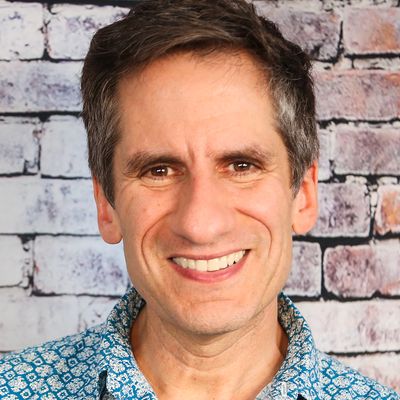
From the Biden-Harris Inaugural Concert to their wildly popular “Stars in the House” live-stream concert series, Seth Rudetsky and James Wesley have not only brought hope and entertainment to Broadway fans around the world during the pandemic, they’ve raised awareness and hundreds of thousands of dollars for The Actors Fund and other notable organizations. Join these two Broadway icons as they discuss decades of social impact—in front of and behind the curtain.
Looking for ways to give back?
Check out these worthy organizations discussed in this episode:
Connect with Seth & James’s work:
- Seth’s Big Fat Broadway - SiriusXM
- “George on My Mind” Rock the Runoff: Broadway for Georgia video
- “Seasons of Love/Age of Aquarius” Biden-Harris Inaugural video
Connect with Seth:
- Website: SethRudetsky.com
- Facebook: @SethRudetskyBway
- Twitter: @SethRudetsky
- Instagram: @SethRudetsky
Connect with James:
- Twitter: @JamesWesleyNYC
- Instagram: @JamesWesleyNYC
Connect with The Broadway Gives Back Podcast
- Facebook: @broadwaygivesbackpodcast
- Instagram: @broadwaygivesbackpodcast
- Twitter: @broadwaygives
Hosted & Executive Produced by Jan Svendsen and co-produced & edited by Jim Lochner.
A proud member of the Broadway Podcast Network.
Special thanks to Dori Berinstein, Alan Seales, Brittany Bigelow, Katie Rosin, and Yo Nikolova from BPN; Julian Hills from The Bulldog Agency; Eric Becker and Broderick Street Music; the Charity Network; and Glenn Weiss!
Transcript
This transcript was automatically generated and might contain errors.
[0:05] Jan Svendsen: Welcome to the Broadway Gives Back Podcast.
[0:07] Jan Svendsen: I'm your host, Jan Svendsen.
[0:10] Jan Svendsen: This podcast spotlights Broadway actors, shows, and organizations in their pursuit of social impact and philanthropy.
[0:17] Jan Svendsen: Join us as some of the brightest lights on Broadway share their stories about their favorite charities and how they got involved and the people and the causes who benefited from these philanthropic efforts.
[0:41] Jan Svendsen: Their wildly successful Stars in the House live stream concert series has played nearly every day since last March, and it's raised over $750,000 for the Actors Fund and other notable organizations.
[0:55] Jan Svendsen: Today I am so excited to welcome these two guys who have done so much for the Broadway industry for decades and have given of themselves and their talent in front of and behind the curtain.
[1:06] Jan Svendsen: So welcome James and Seth to the Broadway Gives Back Podcast.
[1:10] Seth Rudetsky: Thanks, Jan.
[1:11] James Wesley: Hi Jan.
[1:12] Seth Rudetsky: Hey.
[1:13] Jan Svendsen: So I want to talk about something that's super timely and relevant, first of all. We're recording this podcast two days after President Biden's inauguration.
[1:23] Jan Svendsen: Say that again, President Biden and Vice President Harris.
[1:27] Jan Svendsen: And politics is something you guys have been involved in for a long time. So quick factoid. You two produced two amazing Broadway segments that are very near and dear to my heart because my fiancé hired you guys to do the Broadway What the World Needs Now is Love Sweet Love for the Democratic Convention in 2016.
[1:49] Jan Svendsen: And then you just did Seasons of Love and Let the Sunshine In mash-up for the inauguration two days ago. So I was so blown away. I loved both performances so much. But um, I will say the one two days ago, you guys had a very, I know this because I was listening to Glenn. You guys had like five minutes to prepare for this.
[2:11] Jan Svendsen: How did that come about? It looks like it took months to prepare. But how did you get all that amazing talent and how did you put it together?
[2:18] Seth Rudetsky: Oh my gosh. Well, first of all, shout out to you because Glenn said he was actually nervous that we had so little time, and he wrote to me and he said, "But Jan said, if anyone can do it, it's Seth and James." So actually, you're sort of responsible for it happening.
[2:31] James Wesley: Okay, that is true.
[2:34] Seth Rudetsky: He was scratching his head, and I said, "Honey, maybe I should try it." He goes, "No, no." I said, "Well, the only people that really could pull this off would be Seth and James." So that's where they love it. You know, of course, the first song I thought of was What the World Needs Now is Love. Because I'm like, that was always our dream to do it at the Hillary inauguration. I'm like, wow, that would be an amazing book, and if we get to do it again, and then James was like, I don't know why.
[2:54] Seth Rudetsky: It was like, well, I said it was really connected to 2016, and this is new and different, and we're obviously in a much different place than we were four years ago. And so he put the kibosh on it. So then I remember that, you know, you may know that on inauguration day 2017, James and I did something called Concert for America. And even before then, one of our signatures, we always would end basically every concert we've ever done with Let the Sunshine In because it's just such a joyous song.
[3:22] Seth Rudetsky: And full of hope. So I thought, oh, we should do Let the Sunshine In. But whenever we do our charity concerts, we always say, "Listen, everybody, we love this song, but basically ignore every single lyric for the first four verses." It's like, you know, outer space, sitar, it's just the weirdest lyrics. I'm like, I don't think we can get away with singing that because I can't tell America, hey, by the way, ignore what we're singing right now.
[3:44] Seth Rudetsky: And then so I was like, oh my God. I was like, the Fifth Dimension did Aquarius into Let the Sunshine In. I'm like, we can totally do that. It's a perfect combination. So we were waiting for the phone call back. And then I texted her, and of course, all of us know that we probably only know a smidge of the trouble and craziness of the transition. And so basically, I don't know if we fell off the radar, but we definitely were not a priority, which we completely understood.
[4:13] Seth Rudetsky: And we were disappointed, but we got it. And then by the way, but I knew Ricky would be working on it. Ricky and Glenn. So I just wrote to Rick and I said, by the way, I said, if you really ever do need any Broadway help, like we could just pull something together if you need it. But then I was like, why am I writing him? Like he does the Tony Awards, like he could just, he could do it himself. It's very like he doesn't need my help. But I was like, I'll just say like we're willing to help if you need any help. Right.
[4:35] Seth Rudetsky: And then on what day was it? It was uh, it was the 13th, January 13th. Which is what, a week before exactly a week before inauguration. I got an email from Ricky saying, "Can you call me at 4:30?" And of course I got the email at six because I'm literally still on AOL and it comes in like three hours later. So mortifying. I just, I can't get it together to like go to something newfangled like Yahoo.
[4:56] Seth Rudetsky: Anyway, um, so I called him back, he wasn't there, and then we started doing, and I was like, oh my god, I think maybe it's about the inauguration, and then we were doing Stars in the House or our live stream, and the phone rang, and it was, I didn't recognize the number and it was like 8:03. So we had just started it at eight o'clock. We were on doing the live stream, but as soon as I saw it, I wouldn't recognize it. I'm like, it's, I gotta take this call.
[5:15] Seth Rudetsky: So I literally left the live stream. I was like, you just gotta take a look at it. So literally the first time then in like over 300 episodes, Seth got up from in the middle of the live stream. We're live, it's not, you know, and he got up and it was just me. And I take in the damn call. I took over the show by myself for like 10 minutes while he was talking to Ricky.
[5:34] Seth Rudetsky: And he was like, you know, he said if he said, "When we're streaming the show, we're not gonna have any commercials, so we need to fill those commercial slots. What would you think of that could fill a Broadway segment?" And first I was first of all.
[5:46] James Wesley: Well, wait, wait, wait. I just want to interrupt and say that on the only on the networks were their commercial breaks, but everywhere else it was actually part of the show.
[5:54] Seth Rudetsky: So only on CBS, NBC, and ABC. So really you were part of the main show.
[6:03] James Wesley: So, oh, I love that.
[6:03] Seth Rudetsky: Yeah, so you of course you know, like my AOL, I don't really understand the difference between streaming and network, so I'm like, whatever. So I was like, what the hell? So first I thought he meant to fill all those slots. So the first thing I thought of was like, oh, Wheels of a Dream. And he was like, oh wow, Soaks and Audra for that one slot.
[6:20] Seth Rudetsky: I said, oh, wait, I said if it's only one slot, I said it shouldn't be a duet. I said, it really needs to be a group number with all these Broadway people that are out of work and singing something joyous. What about Aquarius? Let the Sunshine In. And he was like, oh wow, sounds like a great idea, but no commitment, just like sounds good.
[6:34] Seth Rudetsky: It's a week before. I don't know why he didn't just say right away, yes, do it. Instead, he was like, I don't know, take your time. So then the next day I was like, well, wait, wait, wait. So Ricky called Glenn, and this is on what I'm hearing on my end. Ricky calls, I talked to, you know, because they had decided that they were gonna go to you, and um, and then they're saying, yeah, they're Age of Aquarius, Let the Sunshine In.
[6:54] Seth Rudetsky: And I'm like, oh yeah, yeah, yeah, that's great. And Glenn is like, what the what if the stars are in planets and I don't understand this? And I said, but honey, it actually is the Age of Aquarius now. He goes, no, no, this is way too woo-woo. So everybody started talking, and I heard them talking about Seasons of Love, and of course, you know, we all love that song, and then that goes, then you guys came up with that idea too.
[7:15] James Wesley: Interesting.
[7:15] Seth Rudetsky: Well, the next day I sent Ricky the video of Georgia. We just done this video of Georgia on My Mind.
[7:21] James Wesley: Yep.
[7:21] Seth Rudetsky: For Stacey Abrams. And I said, this is sort of like what it would look like. But then of course it backfired because it was like this video was put together over 10 days. And Ricky's like, haha, you don't have 10 days, you can't take that long. And I think that's not the point of the video.
[7:33] Seth Rudetsky: I was like, we can do it in a short amount of time. And by the way, the 10 days was over Thanksgiving, you know. It was like that long. It took longer because of that. And by the way, we had 60 people in it. So, which of course makes it a little bit longer.
[7:47] James Wesley: But by the way, it was so spectacular, the Georgia on My Mind.
[7:50] Seth Rudetsky: George on My Mind, thank you.
[7:52] Seth Rudetsky: Thank you. But by the way, this is our signature. I mean, James, just take two seconds off to just talk about um Voice for the Voiceless. And when we had that phone call with those superpowers.
[8:00] James Wesley: So our the first time that we did like James and I really teamed up together on a charity event, right?
[8:05] Seth Rudetsky: Right.
[8:05] James Wesley: So the first time that Seth and I worked on a big charity event was in 2015 in the spring of 2015 for this organization called You Gotta Believe, which is the only organization in New York that works exclusively with finding older foster youth forever families.
[8:24] James Wesley: Because normally once a kid hits seven years old, they just basically stay in, you know, in foster homes and they never get adopted and they just age out of the system. And the then uh commissioner of uh child protective services administration for children's services in um in New York City was basically cutting their funding in half.
[8:42] James Wesley: I don't know the whole political reasons, but it wasn't based on merit, and it really, it really upset us. And uh, and so we were like, we got in contact with the people who run it, and we said, we're gonna put this on Broadway, and we wanted to do it before the city council, their fiscal year ends June 30th.
[8:48] James Wesley: So we were like, you know what, let's do it at the end of June. Maybe it'll turn, you know, turn some minds towards restoring some funding. And so, and of course, the best way to do it is to do it on Broadway.
[9:13] Seth Rudetsky: And we knew that there had never been an event like that for foster care on Broadway. So we're like, we're gonna do it, and this by the way, is early May. And so we talked to two, we won't say high, but really high power, kind of like Ricky and Glenn, but not Ricky and Glenn. People like that that produce, Jan.
[9:31] James Wesley: So we said, we have this idea you want to do it on Broadway, and they were like, whoa, whoa, whoa, you need at least a year. You start discussing it 12 months in advance, 11 months, you then pick the, we're like, okay, click, and then so we called some from some friends because it always helps if you've got some quote unquote A-listers, and TNFA said yes right away, and then everything sort of fell into place, and we did the concert on Broadway at the St. James Theater the last Monday in June, raised half a million dollars for the organization, and they're still around and thriving.
[10:07] Seth Rudetsky: And uh, but the show ended with Let the Sunshine In. So it's a combination of story A ended with that B, they told us we couldn't do it in six weeks. I'm like, I'm ADD, like everything is fast for me. So when Ricky's like, you gotta put together fast. I'm like, don't worry, it will be really fast.
[10:20] James Wesley: By the way, can you maybe tell us that we're doing it? Because then we need so now it's literally Friday afternoon, and it's like one o'clock, and he writes and he says, "Well, what do you? He goes, if you could think of Seasons of Love or Let the Sunshine In, which one would you like better?"
[10:35] Seth Rudetsky: So James and I called our director, Shelley Williams, who we work with a lot, and who directed Georgia on My Mind. And she said, "Well, she goes, which one's more of a call to action?" And I said, "Well, Let the Sunshine In is a call to action because it's like, come on, like, let in this light."
[10:47] Seth Rudetsky: I said, "But Seasons of Love really represents what we've been through, like with the pandemic, and we're learning how important family is and love." And she's like, "You're right, they're both great." I'm like, "Yeah, they're both great. If only we could do both."
[10:57] James Wesley: Wait a minute.
[10:58] Seth Rudetsky: And that's when we were like, we're literally gonna put both together. And we wrote to Ricky and Glenn, and both Ricky and Glenn wrote back with such nice, like, "This is such a fresh take. What a great idea." They were so supportive and so great.
[11:08] Seth Rudetsky: And that was finally our go-ahead. And then poor James basically, because they said, "You don't ask anybody until we've given you the go-ahead." And then by the way, once you ask them, they all have to be vetted.
[11:18] James Wesley: And of course, I had already started because we had so little time, I had already started asking people.
[11:22] Seth Rudetsky: And Ricky wrote and said, "You shouldn't be asking people," but I already had, you know, to like, because we were under such a time crunch, and we knew we wanted people who either had been because we know the importance of vetting because we had to go through that for the Democratic Convention, right?
[11:37] James Wesley: But we knew that, like, okay, maybe some of the people who did What the World Needs Now is Love, you know, then who had been vetted, people who had done Georgia on My Mind just because we love the talent. It was really important to us that it was a very diverse representative group of Broadway and of America.
[11:54] Seth Rudetsky: So that was really important to us.
[11:56] James Wesley: And so, you know, we really had to, we really expanded and we worked hard to make sure that that was the case and to try to get everyone represented.
[12:06] Seth Rudetsky: It was amazing. And the day and the dance and the dance segment at the end, oh my god, it just was so spectacular.
[12:12] James Wesley: Yeah, it was like, you know, I was I was suddenly thinking, I was like, this is Broadway. Like, like every video has been so, you know what probably music in the mirror probably really inspired me. There's a great video that was made for American Dance Machine that Donna McHeckney worked on of like 20 different people doing the music in the mirror.
[12:26] Seth Rudetsky: I was for it just came out three weeks ago. So videotaping dance was on my mind, and when we were doing Let the Sunshine In, I'm like, we could really have some dance in it. So I just texted Charlotte Demboise and I said, "Hey, would you just do like 20 bars of Let the Sunshine In?" And she's like, "Well, I just sprained my ankle."
[12:40] Seth Rudetsky: She literally is full sprained ankle doing that. And I was like, what could you try anyway? So she literally did it outside, videotaped herself, sent it to me with a sprained ankle, and her and by accident her friend had filmed it with the iPhone vertical instead of horizontal.
[12:53] Seth Rudetsky: So I wrote back and I was like, we can't use this. And she wrote back all capital letters, "I'm going to effing kill you." But then she redid it. And then the last person we added for dance was Chita Rivera, which was post-vetting.
[13:07] James Wesley: And poor James had to work his wiles again.
[13:09] James Wesley: Yes, I wrote to the folks with uh with Ricky. It was Monday now. And it was and everyone had been vetted, and I'd already been told that's it, that's it, that's it. And so I basically, you know, I just wrote and I said basically Chita Rivera is an icon. She's the only, and then I still got to know.
[13:28] James Wesley: And I said, which I get, you know, I get it, but I pushed. I was like, you know what? I'm just gonna push. Because it's important. I can't have, look, we're friends with Chita. I'm very happy to say we're good friends with her. And I also knew, you know, you're also dealing with it's Charlotte Demboise, but you can't have a video with Charlotte Demboise, and Chita Rivera is available to not have her.
[13:50] James Wesley: And so I hauled out the whole look, she's the only musical theater actor who has the Presidential Medal of Freedom given by President Obama. You have to have her, please.
[13:58] Seth Rudetsky: I'm pretty sure she's vetted, yeah. I have to tell I have to tell you, Glenn snuck a little cameo of me in one of the um segments where they sing um um lovely day, and all the little people, me included in that little thing, everybody had to be vetted. So the vetting thing is like for real. And for anyone listening, for anybody listening to this podcast, we're saying a lot of, we're talking really fast. Um, just had to be clear who all the people are. So Ricky Kirshner and Glenn Weiss produce and direct, Glenn produces and directs the Tony Awards. Um, and they did the um the inaugural events, and Glenn happens to also be my fiancé, and Ricky is his producing partner. So now you know who's who. James is my husband.
[14:40] James Wesley: Yes, yes.
[14:41] Seth Rudetsky: So let's just let's actually let's just segue for a second. You guys are married, you've got a daughter, you work together. Um, and I have a little experience with working with my, you know, a partner, so that you're living with. Um, what is that like for you guys working and living together? And how do you manage everything, especially this last year?
[15:01] James Wesley: Oh my gosh. Well, you know, look, we have our ups and downs. I think ultimately we respect each other as people and our talents and as artists. We never disagree in the long run on anything artistic ever, ever.
[15:16] Seth Rudetsky: No.
[15:16] James Wesley: It's just to get there, you have to deal with my horrible personality. So it's more like James is much more easygoing and I'm much more quickly opinionated. And then James just sort of deals with it, and then we come up with a conclusion, I'd say. And I would say that the trajectory of it over the course of the pandemic, Jen, has been more of me like calling him out on it early. And I'm like, you know what? If this marriage is gonna survive this pandemic, you gotta you gotta do this, you gotta not do that, and so on. And yeah, feel free to tell me the same thing, but that's the only way because you're right. It's a lot. It's you know, well, I because of my sass, like I've taught him to use more sass.
Like, like let's say Chita Rivera's birthday's coming up, and he called Chita's friend and assistant, and he's like, Chita Rivera's birthday, you know, Chita's birthday's coming up and starts in the house. It would be great if we did something. Yeah, did something. And I was like, why don't you literally say can Chita make an appearance? So it's like that's where like I'll teach him my sassafras and he'll teach me to maybe be a little bit nicer. And that's kind of how we're right.
[16:14] Seth Rudetsky: And and because there were times during the week, just this past week, that you were like, I don't know how I'm gonna do this, or right, or it's not gonna happen.
[16:24] James Wesley: I no, I don't say it's not gonna happen. I just I just felt very nervous about the final results.
[16:28] Seth Rudetsky: You were nervous about the results, and I trusted and I trusted based on what we've done before that it will all work out. And I also trusted that I know that Ricky and Glenn do amazing work, and so they wouldn't allow something that wasn't great to be on the show. So I figured all of those things, I was just like, okay, I'm not gonna worry about it. And just for people listening, I'm not one of those neurotic, oh, this is gonna be bad. I normally trust dancings. But "Seasons of Love" is a group song with 15 people singing in unison. It's not a solo.
[16:59] James Wesley: Right.
[16:59] Seth Rudetsky: So to have these weird voices going like in inches, in miles, I was like, this is gonna sound crazy. I was really like, This is not these are not for solos, and that's why I was getting really panicked. Because we were getting the end we were getting the tracks, of course, of someone just singing in miles or whatever the lyrics were or in inches, and separately they sound crazy.
[17:20] James Wesley: They sound like what?
[17:22] Seth Rudetsky: Yeah, like it's not there's no line to it. It's just like cops, have coffee. You're like, oh my god. But when you put it all together with the visuals, with the visuals, it's like, oh, this is beautiful.
[17:31] James Wesley: Right.
[17:31] Seth Rudetsky: Yeah, so it did work out, but we both build each other up and I think we work really, really great together.
[17:36] Jan Svendsen: And who cooks?
[17:39] James Wesley: I do more cooking, but I'm also really weird, and I have like all these diets. I'm always like, I'm always on a diet. So basically, when James wants a normal meal, his mother, who lives in an attached house, will make them something.
[17:50] Seth Rudetsky: Thank God for my mom. My mom basically has fed me through the entire pandemic.
[17:55] James Wesley: Yeah.
[17:55] Seth Rudetsky: That is no joke. And she's been very supportive of like if we're really overwhelmed with the project like this past week, she'll literally do our laundry. Like she's been very supportive and helping. But she does demand that I play three games of Rummikub with her every night. So even in the midst of everything, I gotta do it.
[18:14] James Wesley: He's not joking. And by the way, I probably owe her Jen about nine games because it was really exhausting the last several days. I owe her probably about 20 games at this point.
[18:25] Jan Svendsen: You know what though? That probably gives you some good balance. And what about your daughter? Is she I mean, I know I saw her in I saw her in the video though.
[18:34] James Wesley: She's very she's really supportive of all of artistic stuff. She she loves it. She's really gotten she's always been political, but she's gotten super political, which we love. She'll our hair looks crazy right now because she's not home. She's actually at she's actually staying in her mom's right now. So like she does she's she has a cosmetology license from Aveda. So she'll do our hair, she like makes us look amazing, and she's super supportive. But there's a lot of can you please just do the dishes?
[18:58] Seth Rudetsky: So I the answer is always no. So we also want to talk about one thing because you've talked about your mom, and now we're talking about kids. You know, one of the things that I think has been interesting in this podcast is a lot of people have said that the reason that they are the way they are today, um, in in terms of being philanthropic or socially conscious or whatever, is because of the way they were raised. Some people have said they were raised and they had a model, you know, role models and mentors and their parents who showed them how to be philanthropists, and others have said actually the opposite, that they came from families where it wasn't happening, so they really doubled down and wanted to be like that. So I just wonder, each of you, how do you feel like your background, your upbringing has contributed to the amazing and enormous amount of philanthropic work you guys have done and the enormous work you've done with social impact?
[19:46] Seth Rudetsky: Well, I could answer that first. I would say for sure my upbringing um did because I I'll start to cry because it's been such an emotional five years, and then it was such a beautiful culmination on Wednesday. But I was raised by a single mom, and a single mom in Texas in early 70s, a woman who had not been married to have a baby was very, very rare. And yet she there was no shame. She raised me. We lived with my grandparents until I was five. And I grew up from a very young age. My mom was like the top person in her congressional district who was writing letters to her congressman opposing the Vietnam War, opposing Richard Nixon. In fact, and I remembered literally her congressman came to the door to visit my mom because she had written more letters than anyone else.
[20:36] James Wesley: Wow.
[20:36] Seth Rudetsky: You know, so and it was definitely I am woman, you know, like those type of songs playing in the house all the time. So I definitely was raised with that um from her for sure. But also it's like, you know, my mom later on married someone who was abusive, and um, you know, so there was domestic violence that I saw growing up, and many of friends and family had been sexually abused as kids, and so, and we were not, we were, you know, we lived in a house that was not nearly as wealthy as others, and money was always an issue, and I saw the injustices growing up in Texas. Um, if you were black or gay, or you basically were not a white Christian. And so that impacted me greatly. And so I have no doubt that that that had an impact for me for sure.
[20:43] James Wesley: For sure.
[21:29] Seth Rudetsky: Yeah, I have tears in my eyes. What about you, Seth?
[21:32] James Wesley: Um I grew up very wealthy and Protestant.
[21:37] Seth Rudetsky: Brother.
[21:40] James Wesley: No, definitely my parents. I mean, my parents were always talking about how they did this thing called the anti-poverty march in the 60s, and they were marching against the Vietnam War. So I always felt like I grew up with these liberal parents. My dad was in the Democratic Party, he like ran in our town. So it was always that sort of liberal march against which you know, believing my parents had a lot to do with forming the teachers union because they began as teachers. And so I always had that sort of like stick up for the underdog. I think also growing up gay and Jewish, I always felt like the underdog. Like I just hated that every TV show always had Christmas was always celebrated 100%. There was never any acknowledgement that you could be anything but Christian.
So I always was like, just always felt you had a fight if you were the underdog. So I always had that fire in me. And then when I went to college, I um Which was sorry, I went to Oberlin. I we had winter term projects in my first year, or maybe my second year, I was like, I've always wanted to play "Rhapsody in Blue" with an orchestra. So I just put a sign-up sheet, and I got this big symphony orchestra together of like, you know, people my age, but they were brilliant musicians, and I played "Rhapsody in Blue," and I was like, wow, you could just do something yourself. So I think the combination of believing in these liberal values and fighting for it, but also like, God, you could just put together something with a lot of talented people, and people will show up, made me just start doing all these events where I'm like, I'll just do it.
Like, that's always been my theory. It's like, let's like that, the foster care conscious, like, let's just do it. It's not hard to get a bunch of people, as long as you have good taste and you have talented friends, like you can do it.
[23:00] Jan Svendsen: I think that you are such a do-it person, and um and and the balance of the two of you, I think, where James, you kind of help figure out the logistics in the way, you know. But um you're such a great combination. But I think that idea of just do it, you know, is so important. And I think a lot of people just get stuck. Like they may have the desire, they may feel it, but they they just they don't take that final leap.
[23:24] Seth Rudetsky: And you are not risk-adverse at all, either of you, which I think is so admirable that you just go for it every time.
[23:30] James Wesley: That's not to say I'm not phenomenally insecure, and I don't think, oh my god, this is gonna be horrible. Like, I'm not one of those I know this would be amazing, but I agree, I don't I don't like waiting, and that's probably part of my adult ADD. Uh also you know, ADD has some definitely some good side effects too, you know, right?
[23:46] Seth Rudetsky: It does, it really does. Get shit done.
[23:48] Jan Svendsen: Um, you know, Seth, you've done so much. I mean, I was looking at your bio, and it was like it was mind-blowing to me how much you have done and what an important part of the Broadway community you really are. And I just, you know, your work is so prolific, and and even like the Sirius XM radio show, which I'm now embarrassed because I'm sitting here interviewing you, we should be interviewing somebody else.
[24:10] Seth Rudetsky: I love it, it's a nice change.
[24:12] Jan Svendsen: Um, and you've written books. I just, you know, what motivates you and what inspires you to in your work?
[24:21] Seth Rudetsky: It's so interesting you say that. I definitely if you want like a literal answer, like what inspires me. Like, definitely when I go to a bookstore and I see book covers, I get such a feeling of like, oh my god, I want to write a book. Like, I just love when I look at a book, I just get so excited about writing. So that always inspires me. I just that's how I wrote my first book. I think it was the "Nanny Diaries," and I was like, you know, the inside world of being a nanny. I was like, well, what about the inside world of being on Broadway? And that's when I wrote "Broadway United." So I love just seeing pretty covers. It really makes me feel extremely creative. Um and um, I just I don't know, I get a kick out of it.
I mean, I do because it's fun. I mean, that's really it. I feel like I've been very lucky that everything I've ever done has been fun. And when people say to me, Oh, you work so hard, I'm like, I'm not working in a coal mine. It's like it's all fun. I love I love doing the things. I mean, the one thing I didn't like was when I worked at the Rosie O'Donnell show because it was all day long. I didn't like having to be somewhere from 7 a.m. to five. That I can't stand. But if it's an hour here, an hour there, like I absolutely love it.
[25:24] James Wesley: But that did get you nominated for a few Emmys, right?
[25:26] Seth Rudetsky: Three Emmys. Mercy Buttercups.
[25:28] James Wesley: What it also got me to write the opening number to the Tonies twice.
[25:33] Seth Rudetsky: Speaking of your husband, I got to write two of them. Um and and James, you know, same for you. You've you've done so many, so much work, and you've done so much, you know, philanthropic work and and and charitable work. So it's, you know, I and I think in some ways, you know, Seth is so out there, and you're sort of the in some ways the unsung hero, you know.
[25:52] James Wesley: Thank you.
[25:54] Seth Rudetsky: But I feel like it's important that everybody see the the team here, the teamwork that you guys have. Um let's talk a little bit about "Stars in the House" because okay, that's insane. Every day, a concert, like, how is that even possible? Just tell can you walk us through like how you book it, how you think about it, how you you know produce it? Like, how does that happen every single day?
[26:16] James Wesley: It's mostly James. Um, it's funny because we're actually taking off it'll it'll be our first full week off. And when I say off, it doesn't even feel like it's really off. It's not really off, but it's when it's the first full week we're not doing the show because we're gonna have to do that.
[26:30] Seth Rudetsky: We're off from eight to nine at night. I'll say that's where we're off.
[26:32] James Wesley: And and and me booking. So actually, maybe for me, it'll be more of a time off. So I'm busy booking for the next couple of weeks and trying to get ahead. But um, you know, we started Broadway Shut Down on March 12th, and we started "Stars in the House" on March 16th. And, you know, back when we were all a little bit naive and thought that it would only only quote unquote be six weeks, you know, ten weeks tops. We thought, oh, we can do two shows a day and um every day because we knew that we would be it would help combat our depression or anxiety about what was going on, and we sure as hell were not gonna go anywhere. So it was sort of like what else are we going to do? And um, and so we just started, and and also it's we wanted to give our friends a place to come and share their talents, their stories.
[27:24] Seth Rudetsky: Um we thought it would be cathartic.
[27:27] James Wesley: Yeah. And so we started booking booking. Can I just can I just ask? Because you talked about depression, anxiety, catharsis, all the things that we're a lot of us are feeling. And has it helped? Like, do you feel like it gives your days purpose and and has it helped specifically?
[27:40] Seth Rudetsky: Yeah. Uh-huh. I remember once saying to my therapist, I was like, Oh my god, why can't I just marry someone rich and so don't have to work? And she was like, You would kill yourself if you weren't working. So if I didn't have these things to do, I don't know. I it's a quote unquote dream to sit around and read, but I would hate it. So a hundred percent it's kept me from being depressed.
[27:58] James Wesley: Oh, absolutely. I mean, it's totally given us a purpose, and you know, we didn't know it would become what it became, but definitely in those early days, it was just non-stop. It really wasn't that hard to come up with show ideas, especially when we started doing like TV and we added two events. James said it goes, people are so anxious, he goes, they need to have—he would call it Comfort TV. He goes, seeing these casts and TV shows you love, it's comfort TV. And that was a great idea from James, and that really blossomed the whole show because it allowed us to reach an audience who doesn't know theater, who had never heard of the Actors Fund before. Obviously, it allowed, you know, Broadway out of all the entertainment mediums doesn't necessarily get the same amount of love and attention as the others.
So I thought, well, with TV we'd get more publicity for the show and the Actors Fund, and therefore more money. And we knew people, like we knew Mary Lou Henner. So we were like, well, can you organize a taxi reunion? And she said yes. And we, you know, we know David Hyde Pierce because he's done Broadway, and he was like, okay, I'll get the Frasier cast together. And he did. And it just sort of like went kind of like that. I mean, I'd say if you want to have any dish, I'm definitely surprised that we haven't had more maybe people in positions of power reach out to us and say, hey, do you want to have our show on? It's basically always been us reaching out to everybody. Or actors reaching, you know, actors 100% have reached out.
But I would have thought that more other people would go like, hey, here's my TV show, here's my Broadway show. What do you want? But instead, it's basically been the sound of silence. But you know, I guess it's all good. It would make our lives easier if more people reached out to us on that end. But definitely the actors, everyone has basically said yes to us. We haven't had any no's. I mean, it's you know, and we don't really run out of ideas. I keep thinking, oh, that's it. But then like another great reunion happens or another great person comes on.
[30:05] Jan Svendsen: Well, you've brought, you know, I mean, so many everybody's suffering from grief and from anxiety, and I think you've helped so many people feel better. And consider this a little bit of a microphone then intended to like people reach out, reach out to Seth and James if you've got an idea, you know, talent. Come on, let's do this. A lot of people reach out as audience. They're like, hey, what about every union of? And we're like, great, who do you know? Like, you know, right. It's always us making the cold call. But it's you know, it's been great. And we've had people come on more than once, and we've had Scandal come on, and now we have the rest of the cast of Scandal coming on. So it's like we definitely have repeat people.
[30:41] James Wesley: Yeah, I love the Scandal ones. Nora and Tony.
[30:46] Seth Rudetsky: Oh my god.
[30:48] Jan Svendsen: So just talking about the pandemic and the situation we're in, and obviously they're saying it's gonna get worse before it gets better, but you know, how do you guys feel about? I mean, you've helped a lot of Broadway people sort of again keep their hopes up, but also give them something to do and raise money for them. How do you, you know, how do you envision this year?
[31:10] Seth Rudetsky: Oh well, continued updates from Dr. John LePook. We can't talk about Stars in the House without mentioning him, who donates his time, is there basically on every show, giving us updates. And I'll say that it's definitely made me feel better having him as a resource because he does know Dr. Fauci and he does know the people at the top of healthcare in this country and what's going on. So to be able to have a lot of times he's broken stories that have not been on CBS News. He's the chief medical correspondent for CBS News. He'll literally break stories on Stars in the House before he gets to CBS News. So that actually helps. I will say who knows Broadway right now is I guess scheduled to open June 1st. I don't know if that's going to happen.
I can't imagine that it will, and I think most people don't, so I would imagine in the fall. And we are determined to keep doing this until theater comes back. Until theater comes back in Broadway specifically. But I don't know. I mean, to answer your question, we're not going to stop. I mean, I just, you know, what I really keep forgetting what month it is. It definitely has just become like every day is kind of the same, but it's good days. It's not like days are boring, but it just seems like this is just going to keep going until something changes. So that's how I envision the future. The schedule is very—I kind of like the set schedule. I mean, and it's comforting to me. Like right before we came on with you, Jan, I was talking, I was emailing with Bebe Neuwirth about doing a show dedicated to Anne Ryan King, and she's going to put it together.
So to be able to do that, to, you know, Bob Avian who just passed away, you know, he was on our show several months ago, and so to be able to pay tribute to him at the top of the show and show a clip from when he was on Stars in the House is very special and meaningful, and an honor really, I mean, to be able to do that.
[33:19] Jan Svendsen: How do you think Broadway's going to change when it comes back? I know there's a million committees and people working on it, but do you guys have any feeling how when it first comes back, how do you think it's going to happen? And what changes do you think they'll be?
[33:32] James Wesley: I mean, certainly diversity is really on people's minds. I think you're not going to be able to get away with, you know, there's been more diversity, but there's gonna have to be a lot more when Broadway comes back. And specifically behind the scenes, I would say an emphasis on behind the scenes, both creatively, crew, on the musicians, yeah, everything. I think that's gonna be—now that we do have a new administration and so much of the focus of our friends, specifically in the theater community, specifically of color and allies who've been so focused on having January 20th happen, now their energies, I can guarantee you, are gonna be focused, laser focused on these changes between now and let's say the fall in ways that I don't even know what they will be, but there will be. You know, I don't want to call it a reckoning, but definitely a correction that's much needed and overdue.
[34:32] Seth Rudetsky: Yeah, you know, so many people have said, and I believe this too, like this is a horrible situation we're in. It's just—but I always do believe the good can kind of come out of bad too. So I believe that there will be good that comes out of this for Broadway and for all of us individually.
[34:49] James Wesley: Oh, absolutely. There's been so much good that's come out of this already. I mean, even these, you know, reunions, like I was able to do a reunion of the musical Carrie.
[34:56] Seth Rudetsky: I was just going to put that—continue.
[34:59] James Wesley: This is a great example. Well, because I never would have been able to talk to, you know, Betty Buckley in Texas, Michael Gore in Connecticut, Dean Pitchford in California, and Lindsay Hatley in London at the exact same time. I never could have organized that. We just didn't—we never thought about doing internet reunions. But see, not only that, I thought you were in the middle of the year.
[35:17] Seth Rudetsky: Okay, and then on top of that, the healing that came from that you can talk about, James.
[35:21] James Wesley: No, it'd be, you know, Carrie is known as a really infamous musical from the nineteen eighties that it was a quote unquote bomb, even though there were many things about it creatively incredible that were incredibly brilliant. There was a lot of pain from the creative and cast from that show. And I want to say that probably on Stars in the House, that was the first time that everyone had gotten together, you know, and talked about it in length. And we're talking about also the composing team that, you know, to all get together, and it was just afterward they—everyone texted or emailed us or texted Seth and said, thank you so much. And they used the word healing. That it was like there was some catharsis and closure and therapeutic and hearing the stories about what really happened.
I mean, Michael Gore said literally the show opened after the Saturday matinee, they went home to work on the commercial. Like, how are we gonna sell the show? They knew they had these great quotes, and when they got back that night, they posted the closing notice. So like they didn't even know it was gonna close. I mean, I think a lot of people didn't know each other's story because it was closed and they were gone, they never spoke again. So it was so—you were right, a lot of good stuff. Horrible stuff has happened, but a lot of good stuff.
[36:31] Seth Rudetsky: And I would even say though the other thing I'll say real quick is that Stephen Schwartz was on the show a couple of months ago, and it was with three of the Pippins.
[36:43] James Wesley: Yeah, three of the leading players from the original Pippin.
[36:48] Seth Rudetsky: I'm sorry, yeah, Pippin, I'm so sorry. The Pippins. And they were—and I don't think all of them had been together. And Stephen Schwartz was learning things that he had never knew about, like Michael Rupert's story. And it was really—like they never knew the story because John Rubenstein kept getting these uncomfortable shoes, and he had literally a diva fit, which he never had, and he's like, I'm not wearing any shoes tonight to punish them. And then Bob Fosse was like, that's brilliant, keep it. He's like, huh? It was fascinating. Like, you know, all these people talking, they've never talked before.
[37:19] Jan Svendsen: Well, I know I've been much more living in the moment, which is healthier, right? And feeling grateful every day for the good stuff. You know, people hopefully will be listening to this podcast. And you know, one of the things that I think is important is that we talk about like how can people be more philanthropic, whatever that means. And there's so many different words for philanthropy or, you know, giving, being of service, social impact, social responsibility, charity. But you know, I feel like a lot of people don't know how to take that step. And what would like if you were gonna give, you know, listeners advice on how to, you know, be sort of a more giving person, especially in this time where we are more mindful, and what would you say, or what advice would you give each other, even?
[38:05] James Wesley: Well, I can tell you this. We've been kind of focusing on this from the beginning, which is to encourage theaters to encourage individuals to literally—we—the platform we use is StreamYard and to literally do what we do. And in fact, that's—and meaning having forums of getting together, maybe raising money for their own theater, their own nonprofit. It's a great platform because you can show video clips or not paid spokesman, as I've said many times for StreamYard. It's just a great platform, and it's because you can stream out to YouTube and Twitter and Facebook. And that's what we found has happened, including, you know, with the NAACP Legal Defense Fund. I had the honor of like being the tech guy for them in July, Black Theater United specifically, when they had Stacey Abrams on and Sherilyn Ifill and Viola Davis.
And at one point, Sherilyn Ifill, who's the head of the Legal Defense Fund said, what is this platform you're using? And I was like, that's the—that's the question I've been waiting for. And I said, well, and I told them, and guess what? The forums that they've been using since have been on StreamYard, and so they're doing more of these virtual events. They're so easy.
[39:25] Seth Rudetsky: And it's really James trying to say support your local theater.
[39:28] James Wesley: Exactly. Broadway is gonna come back. Like, I am not worried about Broadway, right? But all these theaters, classics need support. So wherever you live, reach out to your local theater and just be like, how can I help? But like James said, it's so easy to put on just a little virtual show. Just put it on, even if it always need money, just raise awareness of your theater. You could show, you know, old clips or just pictures of past shows.
[39:50] Seth Rudetsky: Past shows.
[39:50] James Wesley: Yeah, so that's what I would say. And there's gotta be—and I'm talking about even community theaters.
[39:54] Seth Rudetsky: Yeah, absolutely.
[39:55] James Wesley: You know, I mean, everyone has, you know, video that they've taken, and there's always someone in a community theater who sings. Like just do it, do a special, you know, that goes out, even if it's a hundred people on your Facebook group, yeah, send it to the hundred people on the Facebook group. It'll make—it'll be healing for you, it'll be healing for the people watching, it'll help you feel connected during this time when we're so isolated.
[40:18] Jan Svendsen: Okay, I think we have to put a pin in it because this was a perfect way to end this podcast. I feel so inspired and hopeful. And I will say that on the episode page for this podcast, we'll put in links for many of the things that you talked about in many of the causes. So if people want to check it out, they can go and donate and learn more. Thank you so much for being a part of this, and thank you for everything that you have done over the decades, and particularly in this last year, you have helped so many people through this hard time. I just want to hire you as my therapist because your voice is so soothing.
[40:43] Seth Rudetsky: Are you available?
[40:49] James Wesley: We'll talk after.
[40:52] Seth Rudetsky: Love you guys.
[40:54] Jan Svendsen: Bye.
[40:54] James Wesley: Thank you.
[40:57] Jan Svendsen: Thanks for listening to this episode of Broadway Gives Back. Broadway Gives Back is part of the Broadway Podcast Network, produced by Dori Berinstein and Alan Seales with Brittany Bigelow, and music by Eric Becker at Broderick Street Music. Special thanks to my producing partner, writer, and friend, Jim Lochner, and to Katie and Yo at BPN, Julian Hills from the Bulldog Agency, the Charity Network, and to my fiancé, Glenn Weiss, who is always my consultant. If you like what you hear, don't forget to subscribe and rate this podcast wherever you stream your podcasts. You can also follow Broadway Gives Back on Facebook and Instagram at Broadway Gives Back Podcast and on Twitter at Broadway Gives. To learn more, visit BPN.fm slash Broadway Gives Back.
© Broadway Podcast Network, All Rights Reserved