

Marissa Jaret Winokur is one of “the nicest kids in town.” Best known for her Tony Award-winning role as “Tracy Turnblad” in the hit Broadway musical HAIRSPRAY, Marissa has also starred in film and TV, where she also became the first winner of CELEBRITY BIG BROTHER... Read More
From the show: Broadway Gives Back
Guests

Featured Shows
About
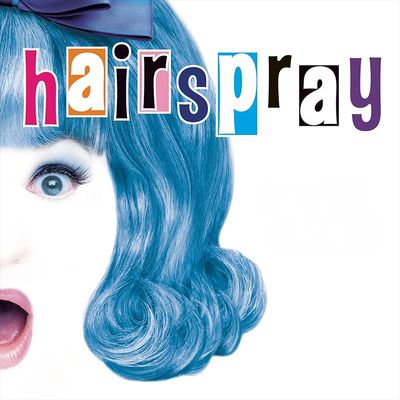
Marissa Jaret Winokur is one of “the nicest kids in town.” Best known for her Tony Award-winning role as “Tracy Turnblad” in the hit Broadway musical HAIRSPRAY, Marissa has also starred in film and TV, where she also became the first winner of CELEBRITY BIG BROTHER. In addition to being an award winning artist, she’s a cancer survivor, a wife, a mom, and a philanthropist. Join Marissa as she talks about reuniting with her HAIRSPRAY family for the opening number at this year’s Tonys, the importance of the role of Tracy, and the power of giving back.
Learn more about about the worthy causes discussed in this episodes and how you can donate and/or help:
- Broadway Cares/Equity Fights AIDS
- Hydrocephalus Association
- She Should Run
- Prevent Cancer Foundation
Connect with Marissa:
- Website: officialmarissajaretwinokur.com
- Facebook: @marissajaretwinokur
- Twitter: @marissajwinokur
- Instagram: @marissajaretwinokur
Connect with The Broadway Gives Back Podcast:
- Facebook: @broadwaygivesbackpodcast
- Instagram: @broadwaygivesbackpodcast
- Twitter: @broadwaygives
Hosted & Executive Produced by Jan Svendsen and co-produced & edited by Jim Lochner.
A proud member of the Broadway Podcast Network.
Special thanks to Dori Berinstein, Alan Seales, and Kimberlee Garris from BPN; Julian Hills from The Bulldog Agency; and Eric Becker from Broderick Street Music.
Transcript
This transcript was automatically generated and might contain errors.
[0:05] Jan Svendsen: Welcome to the Broadway Gives Back Podcast.
[0:07] Jan Svendsen: I'm your host, Jan Svendsen.
[0:10] Jan Svendsen: This podcast spotlights Broadway actors, shows, and organizations in their pursuit of social impact and philanthropy.
[0:17] Jan Svendsen: Join us as some of the brightest lights on Broadway share their stories about their favorite charities and how they got involved and the people on the causes who benefited from these philanthropic efforts.
[0:33] Jan Svendsen: My guest this week is best known for creating the role of Tracy Turnblad in the hit Broadway musical Hairspray, for which she won the Tony, the Drama Desk, and the Outer Critic Circle Award for Best Actress.
[0:45] Jan Svendsen: Marissa Jaret Winokur has also starred in film and television, where she also became the first winner of CELEBRITY BIG BROTHER.
[0:52] Jan Svendsen: In addition to being an award-winning artist, she's a cancer survivor, a wife, a mom, a philanthropist, and I'm proud to call her a good friend.
[1:01] Jan Svendsen: Marissa, you are finally here with me on the Broadway Gives Back Podcast. Welcome.
[1:06] Marissa Jaret Winokur: Thank you.
[1:07] Marissa Jaret Winokur: Oh my gosh, I know.
[1:08] Marissa Jaret Winokur: I can't believe it took me this long to get here.
[1:10] Jan Svendsen: I know, I'm so glad you're here.
[1:11] Marissa Jaret Winokur: Me too.
[1:12] Jan Svendsen: So we know each other pretty well, and I was wondering if I could ask you a few personal rapid-fire questions so that our listeners can get to know you as well and see what an amazing fun person you are.
[1:22] Marissa Jaret Winokur: Of course.
[1:23] Jan Svendsen: All right, so let's do this. You ready?
[1:25] Marissa Jaret Winokur: Ready.
[1:26] Jan Svendsen: If you were an animal, what animal would you be?
[1:29] Marissa Jaret Winokur: Oh, a labradoodle.
[1:33] Jan Svendsen: Halloween is coming up. What is your favorite costume?
[1:37] Marissa Jaret Winokur: Oh, my mom made me an M and a green M&M when I was little. That was my favorite costume. A big round green M&M.
[1:44] Jan Svendsen: What is your favorite position in bed?
[1:46] Marissa Jaret Winokur: I mean, for sleeping, not for sex.
[1:50] Marissa Jaret Winokur: The opposite of sex. Um, with like literally my like on my side with my back to my husband.
[1:57] Jan Svendsen: Tell us about yourself and tell us one thing that nobody would think is true, but is actually true about you.
[2:03] Marissa Jaret Winokur: Oh, that I'm a complete control freak organizer. Like I'm like, there's not my favorite thing is my special superpower would be like organizing. Like I am a complete, like, uh I like my superpower is literally like organizing the kitchen, organizing anybody. I can like I can pack a car, I can do like I'm a but I and I don't want anyone else to do it. I wanna do it. I have to do it.
[2:28] Jan Svendsen: Okay, I need you to come over and do this for me. Thank you.
[2:31] Marissa Jaret Winokur: I love it. It's my give me your Tupperware drawer, please. It's my favorite thing. If the tops don't match, they're going in the garbage.
[2:39] Jan Svendsen: Um so I'm gonna ask you to describe yourself in three words. I'm guessing the first word is gonna be organized.
[2:44] Marissa Jaret Winokur: Ugh it control. Like I feel like my biggest thing, the organizing is coming from needing control. So controlled, um, focused, but then I would say I'm very controlled, very focused. Um, but then on the flip side, I'm loosey goosey. I know it makes no sense. It's the most, you know, probably I need the biggest therapist in the world, but it's all like I'm a walking contradiction. Like I'm so loosey goosey with plans. I don't want to make plans. I never make plans, as you know, as being my friend. I'm like, you're like, let's do lunch, and I'm like, sure. And then I panic, right? So very loosey goosey with plans, but very controlled and organized and focused at home and with my career.
[3:25] Jan Svendsen: Favorite movie or favorite Broadway show?
[3:29] Marissa Jaret Winokur: Well, I mean, oh my gosh, that's hard. Uh Evita, when I saw Evita with Patti LuPone, that was my favorite. That's my favorite show. That like changed my life. And Gypsy is my favorite show. Oh my gosh, I have I don't have a favorite movie. I have tons of favorite Broadway shows though.
[3:48] Jan Svendsen: What would you say is the biggest mistake you ever made in your life?
[3:53] Marissa Jaret Winokur: Oh my gosh. Honestly, this is a crazy one that I'm that nobody even knows, obviously about. I once had a Christmas movie idea. And I honestly, this is my biggest mistake. I had a Christmas movie idea, and there were two different producers fighting for my Christmas movie. And I went with a producer I knew rather than a new producer that like was up and coming. And I should have gone with the up and coming one because I the movie never happened, and that up and coming producer is one of the biggest producers there is.
[4:27] Jan Svendsen: Wow.
[4:28] Marissa Jaret Winokur: The I mean the biggest.
[4:30] Jan Svendsen: Okay. We'll talk about this after the podcast.
[4:32] Marissa Jaret Winokur: Um name one of the things that you are most proud of in your life.
[4:37] Marissa Jaret Winokur: Oh my God, I have to say my son, right? Because I'm a mother. I mean, let's literally, I'm like, say your son, don't say anything else. Say your son.
[4:44] Jan Svendsen: Well, why don't you say in addition to Zev, what are you most proud of in your life?
[4:50] Marissa Jaret Winokur: Um, in addition to being in addition to Zev, my the thing I'm most proud of is my follow-through and my tenacity, because everybody always told me I wasn't going to do what I did. My whole childhood, people were like, Yeah, but what's your backup plan? What's your, you know, even with Hairspray, which you know the many stories of, even the Hairspray producers were like, you're not doing this show. We're auditioning 3,000 more people. You're never gonna do it. And I was like, yeah, I'm gonna do it. And no the more people tell me I'm not gonna do something in my career, which I've been told my whole life, you know, being just like a cute chubby Marissa was not, you know, fashionable in the 80s and the 90s, even in the early 2000s, it was not the thing.
Whereas now I think people are given a lot more opportunities than they were when I was growing up, but I was always told I was never like, what's your backup plan? What's your backup plan? And I I knew that I that was my backup plan. There was no backup plan. So I think I'm most proud of my just my follow-through.
[5:50] Jan Svendsen: What TV sitcom or what Broadway show family would you want to be a member of?
[5:57] Marissa Jaret Winokur: Ooh. I mean, listen, I was I'm so obsessed with Schitt's Creek, like everybody else was. That family, I feel like that, I feel like I fit into that family. Like, I feel like Marissa absolutely was is part of that family. 100%. I feel like I could have been her daughter and his sister. I feel like Schitt's Creek is really my family.
[6:18] Jan Svendsen: I love that.
[6:19] Marissa Jaret Winokur: I'd probably be August: Osage County.
[6:25] Marissa Jaret Winokur: Listen, they're not my family is the most not Schitt's Creek family, but I belong in the Schitt's Creek family.
[6:31] Jan Svendsen: Um so let's talk about this idea of family. Um, you have this incredible Broadway family of Hairspray, and you all were just reunited. Um, and on the Tony Awards a few weeks ago. Um, you got to perform on a Broadway stage again with your friends and castmates.
[6:48] Jan Svendsen: Can you tell us what it was like to be on stage again and to be with your friends from Hairspray, your family from Hairspray?
[6:56] Marissa Jaret Winokur: Yeah, my family from Hairspray. I mean, there was so much going on that night at the Tonys. I mean, first of all, we opened the show, which was like incredible. I feel like I felt like I felt like I was a kid again. I felt like it was my first time on a Broadway stage ever. I had the excitement and the joy of like, I'm on a Broadway stage. I feel like as you know, as we get older and a little more jaded, you forget why we do what we do, right? Like you forget why, why did I want to be on Broadway? It wasn't that I wanted to be a star on Broadway. I wanted to just work on Broadway, be part of the Broadway community. And with Broadway closed for what, over 14 months now, it was opening the Tonys and turning around and starting that show and walking down that stage and being on that stage just felt like how people refer to like walking in the grass, or people refer like I jumped in the river and I felt like one again, or you know, like a lot of people talk about it with nature.
Like I went walking through the desert and I found myself, well, for me, that's the Broadway stage. That's just being on stage. And then, you know, the night before we did it to just meet back up with Matthew and Carrie, uh, you know, and just be with them again. Listen, I'm really good friends with them. I see them all the time, but to be like, We're back on stage with Mark Shaman standing there and Darlene Love, you know, and Chester Gregory just being like, here we are, we're like all together in this very important moment. And what I think a lot of people might have even forgotten during Hairspray, Hairspray happened the year after September 11th. We opened in 2002. So, like, for we opened, we were like the first big show really opening after, and the producers was open were was opened during September 11th, but we came, we were like that big show after when New York was coming back.
So it had that same feeling of like, God, there's been so much sadness around New York and and through our country. And then to feel like a part of getting to open it and be together again was was so incredible. And just the audience was of our peers and our friends and our community, um, it definitely made me remember. It's been a while since I remembered why I grew up as Marissa wanting the dream of being on stage. It definitely was like, oh right, this is where I'm supposed to be. This is where I live. What am I doing in Los Angeles? Like, you know, I definitely I put on the highest heels and the tightest dress and the biggest hair and was like, oh, this is where I, you know, this is my nature. This is my my roots.
[9:25] Jan Svendsen: You looked amazing. And when we were in the green room before the show in Applebee's green room.
[9:31] Marissa Jaret Winokur: Oh my God. It was the best green room ever.
[9:34] Marissa Jaret Winokur: It's so, it's so it's so what Broadway is, though. You know, you I think it's Seth Rodeski that always talks about how like it's like Narnia when you look inside, but then when you're in there, you're like, oh, this is the you know, this is backstage. It's a mess. My dressing room is two feet by two feet.
[9:49] Jan Svendsen: Yeah.
[9:50] Marissa Jaret Winokur: Applebee's.
[9:51] Jan Svendsen: Applebee's, yes.
[9:52] Marissa Jaret Winokur: And Carrie with her um her shield on the wrong way.
[9:56] Oh my god. Carrie to have so when you're filming, you wear these shields so that you don't have to wear a face mask, right? Just telling your audience, but Carrie Butler put it on upside down. Like so she was almost like collecting the spit, you know? Like it was so good. And I just took pictures of her and didn't even tell her it was wrong because at that point it was too late. But it just makes me laugh because it's so Carrie to just have it on wrong. Like it just is so funny.
[10:22] Jan Svendsen: Let's talk about your role of Tracy and what it meant to you both personally and professionally.
[10:27] Marissa Jaret Winokur: Oh my gosh. Well, being Tracy, you know, I look back now as an older lady and I think, oh my gosh, like how lucky I was that I didn't know the importance of Tracy when I was doing Tracy. Um, I was just there and present and living I was living my dreams through Tracy, right? So Tracy was fulfilling her dreams as was Marissa, right? So I mean, I didn't realize I was a role model. I didn't realize I was, you know, changing the world without trying to change the world, you know. I didn't understand the importance of Tracy Turnblad. Um, you know, and it's still to this day, I'll go to a job and somebody will be on set and be like, oh my gosh, I saw you in tra, you know, I just worked on What We Do in the Shadows.
And Harvey, an actor on the show, came up to me and was like, I came, I was eight years old, and you know, I was a chubby Mexican boy living in Los Angeles, didn't think I, you know, could do anything. And I came and saw my theater teacher was like, wait till you see this girl. And he was like, and that inspired me to be like, I'm gonna follow my dreams. And you're just like, and I here I am, you know, a fan of his now, going, wow, that's a crazy story that when you were eight years old, you related to being Tracy Turnblad. There were so many people that it changed the way they felt about themselves because Tracy was so confident, slash I was so confident, you know.
[11:47] Marissa Jaret Winokur: So there were so many crossovers. Like I didn't know that I was a plus-size role model while I was doing it. And I remember when, you know, interviewers or news people would ask me, like, what's it like to be a plus-size model? And I would be like, oh my God, did you just call me fat? And I would be like mortified sitting there, like, why are you talking about me being plus-size? That has nothing to do with my acting and singing and dancing. That has nothing to do with Marissa. Why are you talking about that? But now as a mom and an adult, because I clearly wasn't an adult, I didn't understand the importance. I think back and I'm like, oh my gosh, like that was so changing for girls that came to Broadway.
Uh I, you know it was so important and it was such an important time to show young girls I mean we didn't have social media the way we do now where there's so many people that have body positivity but like I was just happy to be living my lifelong dream of being a leading lady in a Broadway show like I didn't think I was like oh I'm gonna be a role model for people and whenever people asked me about that I would almost be devastated you know I was like why are you talking about my weight like are you asking Carrie Butler what about you know like oh look at you you're so pretty and skinny up there how where did you get your self-confidence from you know people would ask me how are you doing this?
Where did you get your self-confidence from and I'd be like what are you talking about? Like I'm singing and da what let's talk about my dancing let's talk about my acting let's but I didn't know so the good news was I was oblivious so I didn't I was you know I internalized that I didn't um I never thank gosh I I didn't ever come out and say oh my God did you just call me fat because that would have been horrible um but I didn't realize what I was getting into. I think if I did the job today, oh my gosh it would have been a much different job right I would be like oh my gosh the pressure of I had no pressure I was just living my dream I was truly I had no pressure I didn't I didn't feel like I was doing anything special except for fulfilling my own personal journey you know I do but I also think I mean the world has changed so much since 2003 and the way the perception of you know being a just saying a plus-size model.
[14:00] Marissa Jaret Winokur: Right. You know, back then I think it more had a more of a negative connotation, right? Where now, I mean, and you were part of the change that made it more positive to be whoever you are, right.
[14:12] Marissa Jaret Winokur: Yeah, and I do, I again, like it did have a negative. If you they were like plus-size clothes was a negative thing, you know, where now it's like a billion dollar market. And also, you know, we can all say everything we want to say about horrible social media and the horrible worlds of TikTok and Instagram and body shaming, but we also can say, I follow a thousand girls now who are bigger than me, taller than me, rounder than me, but and they are more self-confident.
[14:39] Marissa Jaret Winokur: So that's like we're getting to see that too. You know, you can talk about, oh my god, I'll never be Kylie Jenner, but you also can find role models out there easy now, right? So I do think back in when my generation of as a working actress, I remember always being like, it would be I would audition for a TV show before Hairspray, and it would be me against a girl with funny sneakers, or she had funny glasses, like you know, and that's why she was the character actress, and I was always like the other white meat. Like it was like maybe they'll pick me, you know, but I was the only one at that time, really. There was not very many of us. So now there's so many, and it's wonderful, you know. Now you get hired for your talent, not for just because you're the right size.
[15:26] Jan Svendsen: Right.
[15:26] Marissa Jaret Winokur: Yeah. I was um I was also thinking about how many films and TV shows you've done. And I was channel surfing last week, and there was a double feature of Fever Pitch and Never Been Kissed.
[15:35] Jan Svendsen: Oh my gosh.
[15:36] Marissa Jaret Winokur: And there you were in both of them.
[15:37] Jan Svendsen: Oh my god.
[15:38] Marissa Jaret Winokur: And I forget sometimes. I'm like, oh, there's Marissa. Um, but I just, you know, I thought it'd be interesting, like talk, you started to tell a little bit about the beginning of your career and how people were doubting you when you, you know, you weren't doubting yourself.
[15:51] Jan Svendsen: Right.
[15:51] Marissa Jaret Winokur: What got you into acting and singing and dancing and um what motivated you? Um, I honestly I saw my first show I ever like my parents, I grew up in New York. So I I grew up in uh upstate, a little upstate Westchester, it's not upstate, it's an hour from New York, it's not considered upstate, but upstate-ish, I always thought. And um my dad loved Broadway, so he would take me to Broadway shows my whole childhood, and I thank God I had access to it. I was horrible in school. I'm horribly dyslexic. School was very hard for me, but I'm obviously a smart person, so I could I snowed my way through it. You know, I would able, I was definitely, it was before people were diagnosed with any learning disabilities.
Nobody thought about it. They were like, put you in the cubby hole, you're out, you can't keep up in this reading class, and I'd be like, Oh my god, I'm so dumb, I'm in the cubbyhole class, right? But I was able to shine in other places, and um because of that, I was able to still have self-confidence and not feel you know, I still to this day sometimes feel dumb when I have a hard time reading something, but that was because of my teachers who basically made me feel dumb, but not because I am dumb, right? Um, but I saw a I think it was Darien Dinner Theater for my parents' 25th anniversary, and they were doing Meet Me in St. Louis, and it was the first time I saw kids in the show, and I was like, wait, kids can be on stage.
I want to be on stage. I want that, I want to do that, and that was it. Like that was it. And then I I mean, I I grew up in a age though where you just did community theater and your school plays, and then I I just wanted to be Ethel Merman. I would have records. I listened to records, those were the big brown things, you know. And I would listen to my records, and I would like I remember seeing Dreamgirls and Big River on this on a Wednesday, I'd go to one matinee and then go to a night show on the same same day. I just I was just that's all I wanted to be Ethel Merman. Like I still want to be Ethel Merman. That's still my that's still my goal. You know I haven't even I I've made so many goals but I still am like I'm still not Ethel Merman, you know so I was gonna ask you what is one dream that what is one dream that you've yet to achieve so it's being Ethel Merman.
It's it's doing Gypsy. It's doing Mama Rose. I mean I know that that seems so cliche and everybody you know there's not probably an actor growing up who doesn't want to be a part of Gypsy but I gypsy is the show that I know that's like my Tracy Turnblad job. It's like that's the job I'm supposed to do. That’s the show I'm supposed to do like I definitely I sing through the score all the time and and you know I did a parody of I turned from Hocus Pocus Winnie into Mama Rose into and I was like just like singing like five bars of I had a dream I was like oh my god everything's coming up Roses rather and I was like this is what I'm supposed to be doing like I'm so but I'm supposed to be you know grounded in those ugly shoes with the ugly wig with the bad dress and just be Mama Rose and and I I will do it even if it's at you know some community theater someday that will be that is the job that I will have to do before that's my goals. I don't care where I do it. I don't have to do it. It doesn't need to be the biggest Broadway show you know I just have to do it one day.
[19:05] Jan Svendsen: I can totally see it. It's it's really good. Like it's really good. I can say that it's really good.
[19:12] Marissa Jaret Winokur: So just a little pivot here this podcast, um, many of my guests before have said that being kind is one of the most important things one can do in the spirit of philanthropy in giving back. And I've known you now since 2003, and you are one of the most kind, honest, down-to-earth, open and savvy humans that I know. Um, we became friends in around about 2003, and I always will remember this one particular moment in our friendship. Gosh, through all the amazing things that were happening with you that year with Hairspray, um, you were still there to comfort me because I was going through a really hard time with my daughter, who's severely disabled. And there's this one time where um you were rehearsing for the Tonies, so it was in June, like the first week of June of 2003 or whatever, and um you were at Radio City Music Hall, and I'd had a really rough morning.
I had decided to move my daughter out of our home into a residential program. And you were on stage rehearsing with Hairspray, and you saw me come in to Radio City, and you literally jumped off the stage and came down the aisle and just gave me this huge hug to see if I was okay. And I will never forget that moment of kindness. Um I just wanted to talk about this notion of being kind because it really is such a fundamental piece of philanthropy and giving back. And I guess I'll start with if that was one moment of kindness that you showed to me, what was the last random act of kindness that you performed for somebody?
[20:41] Marissa Jaret Winokur: Oh my gosh. I it's so funny you say that because it's I s I remember that day. I remember that month of your life. I remember moving forward what that is. I I think it's it's um a blessing and a curse. I definitely feel like I, you know, when there's people who give massages and then they feel everything that that like right now, I felt like I was about to cry when you were telling that story because I remember exactly where we were. I remember that moment. I remember, and I remember even like I remember you being surprised that I was even thinking about it. Like I remember all of that, but it's like I there is something that I have always been able to do is separate the theater from the reality, right?
Where like what was going on with you and your daughter that day and that year and your life with you know your beautiful daughter is way more important than any theater show. And and it it like the difference is the reality and the and and the show, right? Like we can put on a show. There's always a show, but that's not what's that's that's just the fun part of life. Like my random acts of kindness are pr I honestly will say that it's just kind of who I am. Like I will always stop what I'm doing, which is a sometimes a curse because I do always put everybody else's needs in front of my own through my family, through my friends, my godchildren. I recently lost my one of my best friends, and she left and she was in the broad, she was actually in Gypsy during when I was in Hairspray.
She sat with me, she understudied Bernadette Peters and sat next to me when I won the Tony, right? So you're like, oh my gosh, what a crazy weird, like if my Tracy Turnblad understudy was sitting next to Bernadette Peters during that year it would have been, I would have killed her, right? But um my one of my best friends, Kathy Treen, and she she re she passed away a few months ago, leaving her 19 and 20 year old children. And that's like now I've spent the last months just taking care of them and and needing to take care of them, and what can I do? And the night of the the night of the Tonies, her daughter was this t this year, her daughter came over, and then the next morning I woke up, got rented a car, picked her up, drove her to a place to stay for the week with me, and like it was like, yeah, I just did the Tonies and I just wore the best dress and the biggest shoes, but like that's not what really matters.
What really matters is this girl who needs our love and support, right? So I think I'm always the person who I'm I always say I'm a I'm not really good in fair weather. I'm not a fair like you know, people are like, oh, she's a fair weather friend, she's always around when things are good. I'm I'm the opposite. I'm actually the person to call when things are in the shitter. Call me. I will come, I will help you, I will fix your problems. If you're willing to let me help you, I'm there. If everything's great, uh call me in a few months. Like I'm definitely I'm like a I'm a bad weather friend. Like I'm the person to call when you need to get your life together. You know, like my girlfriend had a she was getting married.
Um, my girlfriend Ashley was just getting married and during COVID, and there was no like, you know, you didn't want to do an inside wedding, and I was like, have the wedding at my house, because you can do it outside. Like, that's just kind of that's a perfect example of like keep your wedding date, just move the venue to my house, you'll go outside. No one needs to be inside during COVID, everyone's vaccinated, yes, but like you can do the outside wedding at my house.
[24:13] Jan Svendsen: Was that totally annoying and bad timing? Sure, but they needed a place to get married, you know.
[24:19] Marissa Jaret Winokur: So that's sort of where I always am.
[24:21] Jan Svendsen: You are. You are one of the most generous people I know, and it and one of the most empathetic. You know, you've had your own health challenges, and I wondered if you'd be willing to share with the listeners some of your experiences and insights um relating to your cancer diagnosis and and everything that you went through, and and and then how you supported a lot of charities that were cancer-related charities.
[24:43] Marissa Jaret Winokur: Yeah, I I was diagnosed with cancer in the year 2000. And so we opened Hairspray in 2002. So from the years of my diagnosis to when we opened, I was, I would do, you know, they would do the readings every six months. You'd have a reading of Hairspray. We'd, you know, learn new songs, and I didn't tell anybody. My cancer was a big secret. It was a big, big secret. Not because I was ashamed or embarrassed. My cancer was my own story. It was my own thing, but I also was scared I would I would lose my job in Hairspray. And also then when Hairspray opened, I didn't want to share my story because I wanted everybody to just look at me as Tracy Turnblad, not like, oh my God, that girl beat cancer last year.
This sounds crazy. Like, oh my gosh, she's just in newly remission. This is crazy, right? So I didn't want to be known as the cancer girl. I just wanted to live my dream as being on Broadway. Um after that, after that, I realized as I got older that it was irresponsible of me to not share my story with other people about having cancer because so many people are hit with a diagnosis, or people are hit with their mother has cancer or their sister has cancer, what do I say? And I realized that me not sharing my story was actually I wasn't helping anybody. Like all I was doing was keeping a secret for why, what was the point? Which when you're going through it, it doesn't feel like a secret. I felt like I just had to fight cancer and do my own thing and take care of myself.
But afterwards, you know, and it started slow. It definitely started slow, where I was just like, oh, this happened to me. I'm just telling my story. It was a very slow process. It was definitely when I was trying to get pregnant because I I couldn't have a baby because uh naturally I I personally couldn't carry my son because I had a radical hysterectomy so I still had my ovaries which means I could still produce eggs but I couldn't carry my child I needed to have a surrogate and once I started going through that I realized there's so forgetting the cancer there's so many women that want to have children there's so many women that want to be mothers there's so many families that are made so many different ways and if my story of surrogacy could help them realize like oh there's other options I can adopt I can have a surrogate if you want to be a mom you can be a mom you don't need to it there's so many different ways and I realized that and while I was telling that story of just how to be a mom if you want to and look I talked about my shots I talked about going through infertility like because there's so many hot topics that people are ashamed of or embarrassed of or don't want to talk about and once I started thinking about that I realized that cervical cancer is it it's it what's so crazy about cervical cancer not even to get into it but it's the most preventable curable like cervical cancer is the one of the ones that like we actually know how to prevent we actually know how to um di early detection you know all the things so welcome to Broadway people I'm gonna talk about your cervix now but no but like to keep it light there were so many people I could help rather than just sit on my story of my cancer journey so yes going through, it's been so many different journeys, my cancer, because but it also, my cancer made me who I am today.
And I have no, I if I could change anything, I would not change that. I wouldn't have my son if I had had didn't have cancer, I'd have a child, I wouldn't have Zev. The way Zev happened was through mad science and a wonderful woman who said yes and carried our child to turn like, you know, there's so many things that had to happen to lead up to me having Zev that I could wouldn't take away any of those hardships, you know? And I think we all need to look back on like this year of COVID has been so tragic. And and I mean, I lost one of my best friends, and I still don't look back at this year and think, oh, I think of what what's the plus side of this? Because if we don't, if you don't come up with the what's the plus side of it, you'll live in horrible sadness and depression.
[28:57] Marissa Jaret Winokur: We all can. I could say, boo-hoo, poor me, I had cancer. I wasn't able to carry my son. Or I can say, Oh my gosh, I have the love of my life. I was able to have my son this way, you know. So my cancer journey also made Hairspray so incredibly special. I had this little secret in the back of my head, this almost didn't happen. I almost didn't get to do this. And so when I got to do, you know, they would say, Do you want to open the Thanksgiving Day Parade? I was like, Yes. Do you want to do David Letterman? Yes. Do you want to light the Christmas tree? Yes. Do you want to do the morning show? Sure. Do you want to sing at the Jewish representative? Yes. Like I said, yes. Like I didn't ever think of myself better than the show.
I wasn't a star. I was like, bring everybody. Like I knew it was an experience. And I, you know, during like the curtain call, I remember during the first night when we were in Seattle, you know, Harvey, Harvey looking at me and saying, you know, they can never take this away from us, no matter how the show does in New York, because we didn't know. He's like, they can never take away this moment because the audience was so, oh, I have chills just remembering it. But I knew even more so, like, oh, this it doesn't matter what happens next. Look what's happening now. And I think that's how I spent all of Hairspray. I still think of Hairspray as the gift that keeps on giving. You know, I just opened the Tony Awards 20, almost 19 years later, they still asked me to come and sing a song and open the Tony Awards from that one show that I did 19 years ago. That's such a gift, right?
[30:34] Jan Svendsen: Totally. Can we talk a little bit about some of the work you've done with the charities that are important to you?
[30:41] Marissa Jaret Winokur: Of course. And how I mean it would make sense, obviously, the charities that are cancer-related charities. Um, and I just wondered, you know, how do you select which organization you're gonna support? And how do you decide how you're gonna support them? Like whether it's either they come and ask you and say, Hey, we'd like you to perform, or can you write a check, or will you be on the board, or will you tell your story? Like, how does it, how does it come about for you?
[30:59] Marissa Jaret Winokur: Well, for me, I feel like because we're singers, right? So it's always so easy for someone to come and say, Can you sing a song for such and such? It's very rare I say no. I again, I'm a yes person. Um, especially during this COVID time, it was so easy. I didn't have to go anywhere. I could stand in my closet and sing a song, come up with something fun, send it in. You know, um, it's usually through friends, like Laura Bell has a lot of charity stuff that she gets going on. And she'll be like, Can you, you know, sometimes it's can you sing an entire number, or can you just open, you know, do an introduction? You know, and then there'll be other charities that will call me and say, Hey, can you just come and be at the party?
Or I find what's interesting is I used to really be like, I'm just gonna focus on my cancer charity and I have to focus on, you know, my Broadway Cares, Equity Fights AIDS charities. Like I have to be very like, or else, or else I'm giving everywhere, right? And that's how I used to feel. And then I thought, well, who cares? So I'm giving everywhere. You know, like when people ask if it makes, you know, it doesn't have to like make sense in my political or my emotional and do I find a line as long as I'm not against it. Like I feel like there's so many charities that have asked me to do stuff that like I don't have any, I don't know anyone with that disease or that issue. But like if you think me coming is gonna help, great, let's help.
You know, I it's very rare that I'm gonna be like, sorry, can't make it, you know. Um that being said, it depends on like what's going on in the world, also sometimes, like where like a lot of times I'll do it like in it on TV, there'll be a lot of game showy things where they're like, you can donate to this charity, right? And um, you know, you're winning. Like if I it's like, you know, like celebrity blackjack or whatever it is, you know, or like Zev and I did like uh mama, you know, like big shot little shot, and who do you want to give your money to? And you can pick the charity or celebrity um uh what's like family feud. It's like who do you want to give your money to? Those times when I'm picking a charity, I try to pick ones that people aren't really aware of.
Not that the Equity Fights AIDS doesn't need my $5,000 winning, right? But I feel like there's usually these little charities that people don't know about, and that a $5,000 gift from me playing celebrity apprentice thingies, you know, is a lot of money to that charity. So when I'm when it's like um a game showy thing, like one time I did the like um one where it was for like women running for office, like they was helping giving money to a fund that helped women who run who were running in politics. That it's like um, I think it's called oh gosh, I'm totally blanking on it now. But but I remember it was happening, it was during all the election stuff, and I was like, ooh, this is a good one to be politically involved without turning anybody, going making anyone crazy, but also still getting to say what I want to say.
So picking a charity when I'm like, oh, this is a money charity that I get to pick because they're gonna give my winnings to for like you know, family feud, like it depends on sometimes I'll pick a smaller charity to help get no like notoriety to that charity that people might not know of. But like that one was like I said to a couple of friends, like, hey, do you know of any little great little charities that are doing something with women in politics? That was the one then, because I I I'm I am very political, but I am I I I became more outspoken um in the past few years, to be honest, obviously. As we all have we all have, and as we all had to, it it got you know, I remember spending many times being like, Well, I'm just not gonna talk politics.
I don't, but it became obviously more important in the past few years. Um yes, I vet them in the sense of usually somebody, you know, and at the end of the day, when I'm like, Oh, I don't know, I'm like, glad, glad's a good one. You know what I mean? Like, there's always ones like my go-to ones, you know, that I'm like, if I the get, you know, and a lot of times, I will say these network TV shows will be like, here's one of three that you can choose. That happens a lot. Um, so then it's always a human's right one. Then I'll always go for human rights, because that's that's something I believe in across the board. So um, but sometimes when I try to find these littler charities, um, I had one that a doctor was doing research for cancer years ago, and I would always try, and it was like a small research.
So, like $5,000 to a small research was so much bigger than to you know, motion picture television, you know, who people send millions and they give them millions and millions of dollars all year round, you know.
[35:45] Jan Svendsen: You made a bigger impact, yeah.
[35:46] Marissa Jaret Winokur: Yeah. So I try to depend on where I'm going to give a to make a bigger bang, a more bang for my buck for these smaller charities.
[35:53] Jan Svendsen: How did you get into being a philanthropic person? Was it something that you saw modeled for you by your parents or part of your community? I know that you lost your mom a few years ago, and you are an incredible mom to Zev. And I wondered if we could just talk about that concept of like being a parent and how parenting and modeling that for kids, how to be of service, how to do good, how to give back. And I wondered if that was something that you had in your life and that you're now sort of paying forward with your family.
[36:26] Marissa Jaret Winokur: Death or how my parents were s I I I don't I would have said it was I would always believe, oh, it was because the the the the temple they I we went to. It was a very the the synagogue we went to was very like you had we did so much like donation, shoe donation, food donation. Like it was always like something um always about the mitzvah, always about the mitzvah, always, always, always. So I didn't even realize that's where I until you just said that. I my brain went right back to like, oh my god, my parents were always doing stuff. And I wonder that it's interesting that you say that. I'm like, oh, it absolutely, you know, we always had someone who lived with us because either like an exchange student situation or like someone who needed a little help getting off their feet, you know, or they'd lost their job, or I we always had someone living in our guest room.
And and I to this day, I don't think I've ever had my house empty. I always have an unemployed actor living here. You know, it's made our family, but I and I think back to like, well, my house was always full, and I want to show Zev, you know, like, you know, listen, sometimes the unemployed actor was just Matthew Morrison. Like, we're not talking like, you know, like Matthew Morrison, Corey Reynolds, they've all lived at my house, like before their next big job, right? So, so like, let's be perfectly clear. These aren't like, oh, I'm I'm an unemployed actor, boo-hoo. I'm like never worked before in my life. Like, I moved half of Broadway to California because I'd like you can live in my house.
But I also feel like if you have a room, there's no reason for someone to not live in it. Like, there's no reason for someone. So my son growing up, you know, he would say, like, oh, I have a roommate, Ryan. Ryan's my roommate. Ryan was a 40-year-old gay man that lived, you know, like Ryan, Ryan O'Gunner wasn't his roommate, he was just our really good friend that needed a place to live, you know, while he was going through his divorce. Like, it wasn't like, you know, like a oh no, poor Ryan. It was just, I was like, Ryan, come live at our house, you know. That's so there's always someone at our house. So I think my son has grown up with, no, you share. You, and it's hard for an only child, right?
So having an only child, I always throw him into like situations of like that are a little uncomfortable in the sense of like, come on, we're going it, we're working with um, you know, like on Thanksgiving, we've done the what's that called? Like all the like angel food, like giving the doing making the foods and doing the on Thanksgiving doing making sure you know other people have food and do and I make him do it. Does he love it? No he's a he was a 10 year old kid. He doesn't he doesn't want to do it. He thinks it's totally weird and but I've always made him go and serve food to people that he doesn't want to you know let's be honest like he doesn't want to do it but he'll who but he doesn't get to choose. He's that's being a kid you know well he'll appreciate it later in life when he looks back on and somebody's doing a podcast recording with him asking him this question.
[39:11] Jan Svendsen: Yeah and he'll be like oh yeah my mom was crazy.
[39:16] Marissa Jaret Winokur: You have so many fans that love you and I just wondered what advice would you give them about being a person who cares being a person who makes a difference in the world and how to go about doing that.
[39:27] Marissa Jaret Winokur: I mean I honestly the biggest difference you can do it you it's not even about the world. I always think it's about your family. It's about your friends it's about like if you can be good in your small circle if you can be helpful in your small circle and then it branches out like that's great if it branches out but it's that's such a big um concept to people because I I don't know how to other than like you really like dogs well then go help at a you know at a dog shelter like if that's something find the thing you love and just help out one weekend right but if that feels such like a big idea. So I always say to people it's it's trying to find like how to like to listen to your friends to pay attention to not just like I mean, like, there are so most people are fair weather friends, let's be honest.
Like, people don't like dealing with the trauma. Like, nobody wants to deal with the drama. I have talked to many people on like what to say when someone dies, what to say when you find out someone has a cancer. Because I think the biggest thing people don't realize is there are there are things you can say, yes, it's gonna be uncomfortable. Like, I I'll never forget Zev had my son had a friend whose grandpa passed away. And I said, You tell them, you know, that you're so sorry, you must be so sad. And he was like, Oh, that's gonna feel so weird. I'm like, it's only gonna feel weird to you. Your grandpa didn't just pass away. Like, tell your friend, your mom told you that your grandpa passed away and you're so sorry.
And just say it. Yes, it's uncomfortable, but but the person needs to hear it, you know. And I I think back to like when I found out I had cancer, it's not telling people, it's like that's why you have to do it with your small small group. Listen to them, be there. When someone dies, say that sucks and this isn't fair. You don't have to be like, oh, they're in a better place, everybody's great, like you're gonna be better. No, this sucks. This isn't fair. And and and there's things you can say and do, and if it's uncomfortable, sure it's uncomfortable for you, but it's 10 times worse. It's more lonely and sad for the other person. So I always find that like, what would you want someone to say to you and to do it?
And and if you can do that in your small family and your small group of friends, then it will slowly branch to other things as you get older, to bigger things in life, to your co-workers, to your, you know, it's not about sending flowers on opening night, it's about texting, I love you when things are bad, you know.
[42:01] Jan Svendsen: Totally. I understand. That's a great last word. And I will just say this, you know, in the spirit of Hairspray. If you can't stop the bead, but you certainly can't stop Marissa. And um, I'm so grateful for you. Um to be a friend of yours, but also just so grateful that you're in the world making it a better place.
[42:19] Marissa Jaret Winokur: Oh, thank you. You too, man. This is a beautiful podcast you are doing. It's beautiful.
[42:24] Jan Svendsen: Thanks for listening to this episode of the Broadway Gives Back Podcast. Broadway Gives Back is part of the Broadway Podcast Network. Special thanks to my producing partner, writer, editor, and friend Jim Lochner. And thank you to everyone at BPN, including Dori Berinstein, Alan Seales, and Kimberlee Garris. I'd also like to thank Julian Hills from the Bulldog Agency and Eric Becker from Broderick Street Music. If you like what you hear, don't forget to subscribe and rate this podcast wherever you stream your podcasts. You can also follow Broadway Gives Back on Facebook and Instagram at Broadway Gives Back Podcast and on Twitter at Broadway Gives. To learn more, visit BPN.
© Broadway Podcast Network, All Rights Reserved