

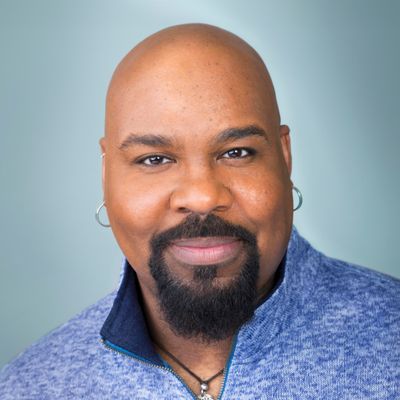
From his Tony Award-winning role as everybody’s favorite genie in ALADDIN to rapping as J-Soul in FREESTYLE LOVE SUPREME, Broadway has never had a friend like James Monroe Iglehart... Read More
From the show: Broadway Gives Back
Guests
Featured Shows



About
From his Tony Award-winning role as everybody’s favorite genie in ALADDIN to rapping as J-Soul in FREESTYLE LOVE SUPREME, Broadway has never had a friend like James Monroe Iglehart. He’s also appeared in HAMILTON, MEMPHIS, THE 25TH ANNUAL PUTNAM COUNTY SPELLING BEE, and CHICAGO, and stars in the fantastic new audio drama called TWITS on the Broadway Podcast Network. Join James as he freestyle raps about some of his favorite roles and discusses what it means to be an activist—on and offstage.
Learn more about about the worthy causes discussed in this episodes and how you can donate and/or help:
- Broadway Advocacy Coalition
- Lymphoma Research Foundation
- The Actors Fund
- Broadway Cares/Equity Fights AIDS
- Covenant House New York
- Broadway Barks
Connect with James:
- Facebook: @james.m.iglehart
- Twitter: @jamesmiglehart
- Instagram: @jmiglehart
- TWITS: A Steampunk Distraction
- Freestyle Love Supreme
- Hamilton
- Aladdin
- Chicago
Connect with The Broadway Gives Back Podcast:
- Facebook: @broadwaygivesbackpodcast
- Instagram: @broadwaygivesbackpodcast
- Twitter: @broadwaygives
Hosted & Executive Produced by Jan Svendsen and co-produced & edited by Jim Lochner.
A proud member of the Broadway Podcast Network.
Special thanks to Dori Berinstein, Alan Seales, and Kimberlee Garris from BPN; Julian Hills from The Bulldog Agency; and Eric Becker from Broderick Street Music.
Transcript
This transcript was automatically generated and might contain errors.
[0:05] Jan Svendsen: Welcome to the Broadway Gives Back Podcast.
[0:07] Jan Svendsen: I'm your host, Jan Svendsen.
[0:10] Jan Svendsen: This podcast spotlights Broadway actors, shows, and organizations in their pursuit of social impact and philanthropy.
[0:17] Jan Svendsen: Join us as some of the brightest lights on Broadway share their stories about their favorite charities and how they got involved and the people on the causes who benefited from these philanthropic efforts.
[0:33] Jan Svendsen: From his Tony Award-winning role as everybody's favorite genie in Aladdin to rapping as J-Soul in FREESTYLE LOVE SUPREME, Broadway has never had a friend like James Monroe Iglehart.
[0:45] Jan Svendsen: He's also appeared in Hamilton, Memphis, The 25th Annual Putnam County Spelling Bee, and now will be appearing in Chicago.
[0:53] Jan Svendsen: James is also the host of Fifty Years on Broadway at the Kennedy Center, and he is in a fantastic new audio drama called Twits on the Broadway Podcast Network.
[1:02] Jan Svendsen: Most importantly, he lends his voice and his talent to a number of important causes.
[1:06] Jan Svendsen: And I'm so thrilled to have him here today.
[1:09] Jan Svendsen: James, welcome to the Broadway Gives Back Podcast.
[1:12] James Monroe Iglehart: Thank you very much, Jan. So glad to be here.
[1:14] James Monroe Iglehart: So I was lucky enough to interview FREESTYLE LOVE SUPREME in Times Square.
[1:20] James Monroe Iglehart: And what struck me so much is that the cast members before each performance, you all say, "I've got your back."
[1:26] Jan Svendsen: Oh yeah.
[1:27] Jan Svendsen: And you know, I was thinking about that in terms, and I think you have always had other people's backs.
[1:33] Jan Svendsen: And that's just one of the reasons that I always wanted you to be a guest on this podcast since I started it.
[1:38] Jan Svendsen: Um, you're just, you know, that kind of Broadway guy who's involved with so many different causes and so many different shows.
[1:45] Jan Svendsen: Um, you won your Tony Award for your performance as genie in Aladdin.
[1:50] Jan Svendsen: So I thought I would turn the tables on you a little and I would ask you if there was a genie that was coming out of a bottle and said to you, "James, you can have three wishes." What would they be?
[1:59] James Monroe Iglehart: Well, it's funny, I've thought about this before, and it's always a fun and yet difficult question because for me there's the public, you know, thing you want to do and you want to say, I would love for world peace, and I would love for everyone to just get along and no more homelessness, no more this. And then there's the conceited personal moment of going, you know, I wish I had the power to just make the remote control come to me. You know, get up and just come to me to my hand. Or honestly, you know, if I had three wishes, um, you could do six. You could do three for public good and three for your personal.
[2:44] James Monroe Iglehart: Let's do that. Let's do six wishes.
[2:45] Jan Svendsen: Yeah, you got it.
[2:45] James Monroe Iglehart: Cool. So far, I'm a cool genie.
[2:47] Jan Svendsen: You are awesome, Jan.
[2:49] James Monroe Iglehart: For public good, I just because it's something that's very near and dear to my wife and I's heart, um, homeless kids, I would love for them to not have that anymore. I'd love for them to be able to have food, have a place to go, have a place, you know, not just the Covenant House, which I love and I support wholeheartedly, but a place where they can actually call, you know, their own.
[3:09] James Monroe Iglehart: Um, also we have a big heart for little furry animals, you know. We just want to make sure that they're okay. You know, people who say, "Oh, I want a dog because it's COVID," and then when COVID's over, you know, "Oh, I don't want a dog anymore." No, don't do that. Just, you know, give these wonderful animals a place to go. And then, you know, it's hard not to watch the news. And I know this sounds like, um, you know, a Miss America pageant or something like that, but just, you know, just for everybody to just listen to each other for a moment and try to put themselves in the other person's shoes.
[3:41] James Monroe Iglehart: Um, something my wife and I always talk about very much. My wife, her name is Dawn. Um, January 12th, we've been married. We will have been married 20 years, January 12th.
[3:49] Jan Svendsen: Wow, congratulations.
[3:50] James Monroe Iglehart: No, we're very looking forward to that milestone. Um, we always talk about how we on our side, if there are sides, really, which there really aren't sides, we're all a part of the human race, but the folks that we seem to be against think just as strongly about their views as we do. But there's a moment where you have to say, "Hey, you're encroaching on other people's lives with your opinion." Are the things that these people are doing encroaching on your home life? Is it bothering your home life so much that you feel you must interfere with how a woman, you know, chooses to do what to choose to do with her body, how a male chooses to be, or what a person decides they want to grow up to be? Is it bothering your household so much that you need to get involved?
[4:40] James Monroe Iglehart: And my wish would be, "Hey, live and let live." Unless it's directly bothering your household family, let people live how they choose to live. As long as we follow laws that will make our community and make our society great and make our society wonderful and make our society, you know, run as smoothly as possible. We could vote on those things. We could discuss those things. But when you're discussing someone's personal life that has nothing to do with you, that's a problem. And I would, my wish would be that people would honestly either look at, try to put on the shoes of other people and walk in that life or just keep those opinions to yourself. Nobody said you can't, nobody said you can't be racist.
Look, it's a free, this is America. We always say it's a free country. If you want to be racist, go right ahead. Be racist in your own home. You know, be at home and say horrible things to you and your family and have a great time at the cookout and nobody says a word. When you get outside, treat everybody the way you would want to be treated. That's how I, that that's kind of how those wishes would be.
[5:44] James Monroe Iglehart: And then of course there were those personal wishes of wishing, you know, I could eat um thousands of Krispy Kreme and I gain any weight. Um, be able to use the Force to grab the remote control. And also to be able to uh teleport to work to be able to like literally open up a portal, not have to ride the train, not have to get an Uber and just be able to portal to where I need to get to. That would be a fantastic power because then I would never be late, you know, and I hate being late. And you know, it's nothing like it because it's always someone else's problem. You like to say it's your problem. But someone else's problem, you're like, "Oh God, the Uber guy was late," to say actually you got up late, then you got the Uber which took 30 more minutes. You know, so those are my three personal and those are my three wishing I could, you know, help the world.
[6:28] Jan Svendsen: Well thanks for sharing that. I totally hear you on all six of them actually, although the remote I don't really care so much about. Oh, I lose the remote, I lose my phone constantly and I wish I could just like do like Luke Skywalker and it just kind of like, "Yes, got it."
[6:45] Jan Svendsen: Um, so in thinking the same spirit, so thinking about Broadway in 2022, what do you think is important this year in making Broadway better?
[6:45] James Monroe Iglehart: You know, I think just listening more. I think we started it, and I think it needs to continue. I think it needs to continue. I think the opening up the ears and listening to everyone's opinion and making the best decision for our community. Um, I don't think it's a moment of listening to just one. I don't think it's a moment to listening to just the ones that are coming up. You know, there's a whole, there's this whole thing where like we have to, I heard some actors say during the pandemic, and it bothered me so much. We need to burn it all down. You just burn it all down. And I was like, "Guys, uh, when was the last time burning it all down helped?" What we really need to do is need to go inside the house, and we need to fix the things that need to be fixed.
[7:44] James Monroe Iglehart: When you go into a house, it's a fixer-upper. When you go into an old house that needs repair, you don't burn the house down. You go in, you say, "Okay, right now we can fix this. Let's fix this. This beam is just completely, you know, riddled with termites. Let's get rid of the termites and get something to hold it up so we can redo this beam." And you know, you look at New York City, and New York City is the one thing New Yorkers and tourists hate is it's constantly got scaffolding. There's scaffolding everywhere, and it's just a freaking eyesore.
[8:19] James Monroe Iglehart: But in the rain, it's good.
[8:21] Jan Svendsen: Oh, and the rain is great.
[8:22] James Monroe Iglehart: The fun thing is you always notice the scaffolding, but yet you never notice how good the building looks when the scaffolding is gone. There's that moment where the scaffolding's been there for eight months, then the scaffolding is gone, and you go, "Something's missing. Something's missing." And you're now complaining about that thing that you complained about the whole time, not realizing that the building actually looks better. I think we don't need to burn the building down. I think we need to go into our Broadway community, see the cracks, see the termite-riddled places, and fix those places so that we can have something so beautiful that when people start to come in 2024, 2025, 2026, they don't even notice that something was wrong. All they notice is that it's fixed.
[9:10] James Monroe Iglehart: And so those are things. And that's a wonderful actory answer of metaphorical physics of what could be done, but it really is about listening and working hard to fix those things that need to be done. There are groups that have been there forever who have been trying to do things and no one's listened. At least everybody needs to sit down and go, "Okay." And also people need to learn the word compromise. There is no one right way. You can't go, you can't shift from something that's been going on for a hundred years and just totally turn it around the other way. Because that's not how our business was built. Our business was built on a foundation of commercialism. Our business was built on a foundation of, you know, the economy being what it is.
[9:59] James Monroe Iglehart: So because we know that, because this isn't regional theater, because this isn't community theater, this is Broadway, it is professional theater, and professional means you make money, you use money to make money. Because we know that, we have to be a little bit more conscious of how we're using our money, where we're spending our money, where the money is going to, and to listen to those groups who have not been allowed a piece of the pie because they have been the backbone of this money-making machine for hundreds of years. And you if you want this to stay the same, then you've got to change. We're not saying, we're not saying we don't want it to be capitalism, and I know just some people say, "Oh, it's capitalism." Guys, that's how this country was built. Unless you literally want to come to work for free, eight shows a week and do this thing for free, and then work at a Starbucks. I don't. That's not how I look at it.
[10:56] James Monroe Iglehart: So we have to look at the situation and be realistic and go, "Okay, what's the compromise on both sides?" So that everyone has an equitable piece of the pie and do this the right way and still, you know, make some cash so we can all go to Ruth Chris at the end of the night.
[11:15] Jan Svendsen: You know, you're so right. And this idea of compromise, you know, they say that in compromise, everybody feels pain, right?
[11:22] James Monroe Iglehart: Because everybody still needs to hurt. And you so that's when you know you have actually a good compromise, when everybody's sort of feeling something bad, some something bad happens. Because you're you come in with a it's kind of like when you come in with a list of demands, you have like 20 demands, and you go, I want all 20, you go, that's not gonna happen. You go, okay, I want 15. That's not gonna happen. You go, okay, you have 20, I have 20. We're not doing I want 10, you have 10. And they go, fine. But there's always gonna be those extra 10 that you really wanted that you won't get.
[11:58] James Monroe Iglehart: Right, right. But is everybody are you okay? Can you live your life? Can you feel like you are heard? Can you feel like you can live with this and not live with this and feel it feeling like, oh my god, I gave in. But no, can you live comfortably like that? And if you can, then okay, because you're not gonna get everything you want in life. And that's just a fact of life that you learn when you're a kid. I want to eat all the candy. No, you can have two pieces of candy. Right. I you got the candy, great, beautiful. Same thing on the other side of the of the adults of the of the you know the of the older people, grown people. You can't have everything.
[12:40] James Monroe Iglehart: Well, that's not gonna work because I know no disrespect, but you're gonna be dead in about 20 years. So we're gonna have to fix something because they you ain't gonna be here to use it, so you might as well teach us how to do it and teach us, let us do it our way so we can keep this thing going. You know what I mean? So it's it's one of those type of things. But compromise always seems like it's a dirty word. People like if I compromise and I've given up something, yes, you're right, you have because there are two sides. There are two sides, and if you have one side, it's not a democracy, it is a dictatorship, and we've already gone through that.
[13:11] James Monroe Iglehart: We don't need to do that anymore. We don't need to be just pounded and um discriminated against from one side of the on one side of the table. No, there needs to be two sides of the table, people talking, and also you have to realize these people who are talking, even the people talking are at a position of power, it's the ones under who are waiting to see what these two sides are gonna talk about, hoping that they come to a compromise that is great so that they can actually have something, right? And I think that's what'll help our Broadway community.
[13:41] James Monroe Iglehart: And the great thing is our barber community is broken, but it is not devastated, it is not destroyed, it is still going, and people still love this. There's still that moment of I love walking into a theater and watching art. It doesn't matter whether it's a musical, it doesn't matter whether it's a play, it doesn't matter whether it's dance, it doesn't matter whether it's a 54 below concert, it doesn't matter if it's like some sort of weird avant-garde. Hi, I am painted gold with a little bucket of coins in front of Bubba Gumps, and that you're like, this dude's doing art, and that's so great.
[14:17] James Monroe Iglehart: Whenever I put the coins in, he starts moving and weird sounds happen. You know what I mean? It's not to the point where we have we don't want to lose that. So let's just stop being so doggone, you know, ridiculous, and come to the and people always say come to the table as adults. The problem is, at least in my personal opinion, this is my personal opinion. Most people don't grow up, they just grow old. Growing growing up is different.
[14:43] James Monroe Iglehart: Growing up is learning learning how to deal with situations on your journey. Learning growing up is learning that, oh, I can't get everything I want, but I can get what I need. Growing up is saying, you know what? There are other people I have to hear. Growing old is when I get to be an adult, I'm gonna do what I want to do, and I'm not listening to anybody. And when you when you get to that point, you're that person, you're you're still that dude. You just have not grown up.
[15:09] James Monroe Iglehart: You're still that little kid, you're just older, you still got the same opinions, you still got the same attitude, and you wonder why everybody still don't like you. Like nobody's liked me since high school. Well, you ain't changed. Right. You're the same person. I I love the idea of listening, and I feel like that's something that I've been trying to work on myself, is just like not to sound corny or anything, but like holding space for somebody else and really listening and just being still with that, you know, and it's hard to do in talking about Broadway, you know, Broadway is this amazing community, but it's also a family, and family dynamics come into play here, right?
[15:45] James Monroe Iglehart: So all the shit that happens in a family, you know, even the best of families have their stuff. That's the same thing's going on with Broadway right now. So we just need to like listen. And I love your idea about compromising. And Broadway is inherently collaborative, so why can't we collaborate, you know, better when it comes to the business side? I think I think that's the thing. I think don't get me wrong.
[16:03] James Monroe Iglehart: Uh, when I first came up, uh, and I hope this doesn't sound uh too, you know, I say about growing up and learning. When I first came up, I thought, you know, yes, theater is a family. Theater is a oh my god, theater is a family. Because when you you get together for your auditions and you get together for rehearsal, and you guys have only three weeks, and you guys get so close within those three weeks, and you do the show and you move on. It's called show business.
[16:28] James Monroe Iglehart: And most people come into this business looking at it as a family. When you come into this business looking at it as a business, it changes your perspective. And you have to look at it as a business because the folks who are at the top, the producers, the theater owners, the people who own the restaurants, the people who actually have the money, they are looking at it as a business. And they're looking down as a business, and they're enjoying the fact that you, as the performer, that you as the collaborator, that you as the writer, that you as the director, that you as the actor, the dancer, that the swing, the understudy, you're looking at it as a family, and you keep waiting.
[17:07] James Monroe Iglehart: You keep waiting for grandma and grandpa to finally go, Oh, we were wrong. Hold on, here's a Christmas present. Nah. This is a business, and we have to look at it as a business moment. And you are not a commodity, but you are a you're selling this, who you are from top to bottom. And when you realize that you are a very valuable product, you have to decide what will I work for and what will I not work for, and stop waiting for them, whoever they are, to treat you like a a a cousin or a nephew or a son or a daughter.
[17:45] James Monroe Iglehart: No. You have to go into it, like, okay, look, here's the deal. I'm gonna do it like this. Well, if you don't do it, someone else will. Actually, no, they won't, because we're all looking at it as a business. So you either have to, we need you, and you need us. Because you're not gonna go out there and eat shows and we can do this. So if you want us to, let's start talking in a normal way. And I think once folks start looking at it as a business, and we can be, you can be a family in a cast.
[18:08] James Monroe Iglehart: You could be a family in your own little pod. But when it comes to this thing called the Broadway community, the Broadway community, when we're together in Schubert Alley and we're watching, that is a family. That is us together watching on. We're all fans of each other. But when it comes down to talking about business, we need to keep family outside and treat this thing for what it's been called for a hundred years. There's no business like show business and treat it like a business.
[18:35] James Monroe Iglehart: And once you do that, then there's no question. Then there's nobody's feelings are hurt. Because you come into it going, hey, um, business is business. And when business is over, we can go, we can go play squash, we can go play pool, we can go play dominoes, we can kick it. But right now, let's discuss what's on the paper and discuss it well and compromise to where we're both okay with what's going on and keep stepping. I think that's that's something that you know folks are starting to do.
[19:04] Jan Svendsen: Hey, do you see yourself as an activist? And if so, what impact do you think you can make in advancing some of the areas that you just talked about?
[19:16] James Monroe Iglehart: I I the funny thing is activists, oh, if whenever I think of the word activists, I think of uh loftier people than myself. I think of, you know, I think like the Broadway Advocacy, you know, coalition. I think of those folks. Uh I think of, you know, MLK, Martin Luther King, I think of, I think of people who stepped out and were talking. Myself, I think I I'm a realist, and I think of how can I help in my own little way with or things like this.
[19:44] James Monroe Iglehart: You know, if there's a cause that I believe in, I will put my money behind it. Sometimes I think people think activism is talking loud and tweeting a lot and posting every day about something. And for me, it's about where you're putting your money. Where where does your money go? Where are you going to support? Where are you going to show your face? You know, that's that's helping in my in my way.
[20:11] James Monroe Iglehart: So if I see a cause that I'm that I'm really for, then I will show up for you. I'll be there for you. You know, that I if you need me to say something, great, I'll say something. You need me to, you know, provide a help in financially whatever I can, that's that's what I mean. So you do that. I mean, I know that when you get a call or a text or an email to help with some kind of philanthropic endeavor, you know, in the spirit of great improv, you always say, yes and.
[20:35] Jan Svendsen: That's very true. Um, how do you decide which causes to support? And how do you decide if you're gonna help financially by writing a check, or if you're gonna give your time or talent, or if you're gonna work directly and go to a, you know, like to the charity and be hands-on. How do you make those decisions for yourself?
[20:52] James Monroe Iglehart: It's something something I truly b believe in. And the great thing is I have to be very um what's the word I'm looking for? I have to be very uh careful with my time. There are a lot of things I believe in, but there's not I can't do everything. Right. Because you know, I still have a family, I'm still a husband, I'm still a I'm still a parent, I'm still a performer. So the things that really, really uh touch me, and the things that I know that I can actually speak on, like I can support you, but no, I have no voice in this.
[21:23] James Monroe Iglehart: I have no stake in this. I have I I can be there to support, but me talking is not going to help because this is it's my fight, but I am not I'm not the one who should be talking here. Like there are women issues that I feel very strongly about. But the last thing you need is another dude getting up and going, ladies, what you need to do. You don't need that. You don't need that.
[21:47] James Monroe Iglehart: But I will be there and I will stand with you and I will put my money behind it. But you don't need to see my face. I mean, you need maybe to see my face, but you don't need to hear my voice. You know what I mean? You don't need me to mansplain for you. There are enough powerful um individuals who can speak. And as a man, I need to be there to stand on the side, stand behind, and just stand there so that you know, as we say in you know, freestyle, I got your back.
[22:16] James Monroe Iglehart: So, are you there? Yes, doggone it, I am there. I don't need to speak, just just know that if you need me, I'm here and I want you to see my face. So it's it's things that really, really mean something to me. It's things that it's things that keep me up at night that I I want to work on. It's things that I see that I say, you know what? When I was younger, I didn't have to go through that, but this person's going through that, and let me help them and let me find out what's the best way to help them.
[22:43] James Monroe Iglehart: And that goes again to listening, going to the people and going, what do you need me to do? What's the best way to help? How can I help? Like, for example, um, my wife is a uh cancer survivor, and so I helped the Lymphoma Research Foundation, and that was the one time where it was best to use my quote unquote so-called star power.
[23:06] Jan Svendsen: You are a star.
[23:07] James Monroe Iglehart: Well, to put my face on a poster, to put my face on their Instagram, to put my face in their social media and say, Hey, Tony Award-winning James Iglehart is here for this. And my wife and I spoke about that. But when it comes to certain things, you know, it's like I just need to be there as not James Monroe Iglehart, just as James. You know, and I think that's the difference. There's a difference of using James Monroe Iglehart, the performer, and then just being like, no, I really feel passionate about this as just myself, James, because there are two different ones. I think people need to understand that there are two different, there's the performer and then there's the person. And there are times when it's there's a performer that needs to say something, and there's time when there's the person needs to just show up and do things.
[23:47] Jan Svendsen: That's so interesting, you know. And I've done like now 50 interviews in the last year, and no one said that, and that makes total sense. I get it. That's so interesting. What right now? I mean, there are so many things that keep us up at night, I know. Um, and for me it changes from night to night, but like right now, what's keeping you up at night? Like what causes, what problems?
[24:07] James Monroe Iglehart: Um, you know, I really, I really want to, I like I said, I mentioned it. Um, this thing, I just there's nothing like my mom was a very powerful woman in my life, and my wife of 20 years is a very, very just the best thing that ever happened to me. And I have uh three nieces, and they're like my daughters. I help raise them, and I mean I was hands-on. And I just want them to be okay. I want them to have a voice. I don't want them to feel like they're being drowned out. I don't want them to feel like they're not being listened to. I don't want them to feel like they're constantly behind the eight ball, no matter how many strides forwards they take. I don't want them to feel like no matter what happens in our world, that women will always be at the bottom.
It just bothers me to know, and it just kills me because I know how hard they work and I know how smart they are. And I know all the potential that they have and what they can do and what they can be. And I want to, that's the one time where I don't use the the whatever, you know, the James Monroe Iglehart thing. It's just what does James need to do? Where do I need to go? Who do I need to talk to? Where do I need to put my money? Where do I need to be to make sure that is taken care of? That's that's something that keeps me up at night.
[25:28] Jan Svendsen: So a little slight pivot here, but I'm I was just thinking about your passion and some of the things you've been involved in. And when you were in Memphis, um, I was working at that time at the Broadway at the Tony Awards in the Broadway League, and one of our sponsors bought out the entire performance and gave all the seats to at-risk and underserved kids.
[25:48] James Monroe Iglehart: Yeah.
[25:48] Jan Svendsen: And you were a cast member, but what you didn't know was that secretly we were working with all the kids who'd be attending the show, and we taught them the finales and the choreography. And when the number began on stage, there was a full-on flash mob, and every kid in the audience stood up and sang and danced. And the cast stood on stage and just was in shock. Some of you cried. And I just wondered, you know, that to me is such an amazing experience because it impacted so many people in so many ways. What was that like for you?
[26:18] James Monroe Iglehart: That was one of the greatest experiences on Broadway I've ever had. Um, I've always wanted to be a performer, and I've always, you know, once I realized what Broadway was, I always wanted to go. And to be on stage in the show that I loved so much, and to look up in the audience, and first of all, that part of the show is such a cathartic part. You've gone through two hours of the show, you've gone through the story, and now we're just jamming. You know, now we're just, you know, nah nah nah nah nah. We're just having a good time. And to look up and to see all those kids doing the choreography was just one of the most amazing blessings I have ever experienced. And I'll never forget because it was Jay Bernard Calloway, the uh the tallest, biggest member of our cast who broke down first.
I always say Jay is the toughest brother I know, but also he's the biggest mushball. He's the biggest mushball we got. And he started crying, and he made me cry. And I looked over Derek Darius crying and my Tigos done, and we're like, oh my god! You know, because it was just there's nothing like it because we all I think it's funny because people freak when they say you want representation on stage, and the kids see themselves in us, they forget that we also see ourselves in the kids. We were those kids, we were those kids who wanted to be there. We were those kids who wanted to jump up and dance in the aisles, and people said, Don't do that, it's rude. Sit down. And when they did, we were like, Yes!
Jump up and do things, you know. It was so great. And I and also they were flawless, they were absolutely flawless. I mean, they had it. We had people in our show for four years and never got that dance in life, and they were just fans. We were like, yeah. Oh, it just we were so excited. We still we still talk about that. We still laugh about that. That, you know, when I think about my like top 10 sort of Broadway experiences, that was definitely up there for sure.
[28:12] Jan Svendsen: Oh gosh, yeah. But in addition to Memphis, like other shows that you've worked on have all been involved or touched upon some kind of charitable initiative. I always think about like Aladdin. You guys did special performances for kids who had sensory issues and were on the spectrum.
[28:26] James Monroe Iglehart: Oh, listen, um, yes, because uh I have um several friends who have kids who are on the spectrum. Uh one of my dear, dear friends, uh Chris Jackson, who would play George Washington, uh, his son is also autistic.
[28:39] James Monroe Iglehart: And I love CJ. CJ is a good one. I love CJ too. He's so great. You know, now CJ is, you know, in in the best possible way, CJ is uh is a building. CJ is like six foot something, and like you're the boy. He's a big boy.
[28:54] James Monroe Iglehart: But the funny thing we always laugh about it, I always go, uh Chris always like me's big boy. I'm like, Chris, you're not a small man, man. You the boy has your genes. And when you look at Chris and you look at CJ, I always tease him, I was like, you could never ever say that's not your boy. He looks just like you.
[29:11] Jan Svendsen: Yeah.
[29:12] James Monroe Iglehart: And to be able to do a show that CJ could come to, which he did, you know, for CJ and V and JD to come, I was so happy because I got to do a show, a family show, and to do it for my family, and my family came and saw the show. And I'll never forget one of my favorite moments. Oh gosh, one of my favorite moments. A young man came down the aisle, and his uh teacher had to take him back, and he was so sad. And we were like, oh, he feels for Aladdin. No, he was so sad that Jafar died. He was a Jafar fan, and he was so mad that Jafar was defeated. Like you, and then you thought when you think about that, he was hoping this whole time that Jafar won. And we cracked up about I mean we laughed about that backstage for hours.
We kept telling, we kept telling John DePree, we're like, yo, man, he really wanted you to win. He really wanted Aladdin to go to jail and Jasmine to be married to Jafar, the G to go away. And it was, but it was real. It was so real. And those performances to me are the best ones because those young people are the most honest. The fact that that kid would come down the aisle and go, Jafar, poor Jafar, you're like, that kid was with us. He was feeling our show the whole time. And I love those performances. I I'm always looking forward to, you know, moments where we get to do the sensory uh performances like that, sensory sensitive performances.
[30:45] Jan Svendsen: Well, what you don't know is that I was at that performance too with my daughter who um has is pretty severely disabled and has a lot of neurological issues, and you know, for a family like mine, we love theater and we were never able to bring my daughter Lena to the theater until those performances. Um now I have to be honest, she doesn't always love them, but as long as she has her popcorn or something to eat, we can make it through. But for her sisters and for me, being able to have her in the theater sharing that experience with us, even if it didn't mean as much for her, it was so important to her sisters, and that's what made it so beautiful for me. So thank you for that.
[31:23] James Monroe Iglehart: Oh, please. Um, I always think about Hamilton also. We've done so much work together. I've worked with Lynn on, you know, so many fundraising initiatives the last five years, and you've been involved in a lot of them, and um, and even with Freestyle Love, um, you know, we help raise money for the scholarships for the FLS Academy. And um, do you I was wondering, like, do you think each show should have sort of a philanthropic mission? Or how do you feel like philanthropy could be integrated more into Broadway?
[31:51] James Monroe Iglehart: I mean, obviously it is through Broadway Cares and the Actors Fund. I think with the Actors Fund and with Broadway Cares, I think we do a lot. I think for each individual show, I know this is gonna sound uh I hope this doesn't sound terrible. I think the show needs to be a viable hit before they start trying to help people. I think I say that only because um it's it's such a risk to do a show, and and uh those people have put so their hard-earned work and their harder money into a show. It takes so much to get up there, and I think people see that I think what people don't understand what it's like to build a Broadway show. And I think once they see the lights, they go, Oh my god, they must have all the money in the world.
No, no, it took so much just to get those lights on and those doors open. But if your show is doing well, I think you should give back. If your show is doing if your show is doing well, I definitely think you should give back. I think you should look around and go, okay, what can we do to help the community that is allowing our show to exist here? How can we help? Then yes, I definitely think a show should choose something, you know, get the cast involved to go, hey, what do we what do we feel strongly for? Let's do that. Whether it's Toys for Tots or whether it's Broadway Barks or whether it's the Covenant House, anything. We should do something because though there are people out there that are looking at our show and they hear about our show on the internet, they hear about our show on the news. They're able to let's do something other than just collecting accolades of just being great. You know, now that we've done that, that's great. Let's do something. You know what I mean?
[33:33] Jan Svendsen: Yeah, I mean, look, I love the way Hamilton has always been able to integrate cause into the into the show's sort of DNA and whether it's supporting the orphanage or whether it was, you know, election and voting rights. Um I think that's I think that show is an I think all shows should do it, but I think Hamilton is an anomaly because the people that built that show were already involved in those things before they built the show. So those kind of things, you know, Luis Miranda, education, um, uh civil, civil service, those things were already built into the DNA of not only him but his son, their family, and whatever they touched.
[34:10] James Monroe Iglehart: So it couldn't help but happen. And Disney is the same way. I know Disney gets a lot of flack, and I will defend Disney to the day I die. And I'll go up against folks because folks like to talk about Disney and they have no idea what they're talking about. Yes, corporations are bad, but also corporations are good. So let's just put that out there. And Disney will step out and help people. I've been there, you know what I mean? I've been there, and also there are different divisions. We could talk about this for an hour, but there's different divisions of Disney that split up and do different things. And the ones I was with, we were doing a lot of things for some people like, you know, again with the autistic community and different things like that, but also LGBTQ community.
So, you know, with Covenant House as well. So there were a lot of things we were doing. So I think there's certain entities where that was just built into their DNA to help anyway. I think what needs to happen is when the new shows come up, they need to, that could be a performer thing, you know. You know, while the producers are putting together the show, the performers can go, hey, what's a better way to get the name out of the show? Maybe we can go do this for this community and help them out while at the same time promoting our show. You know what I mean? Those are the kinds of things I think. That's what I mean by looking at it as a business. Well, I think help using the business to help the community. Yep, I think that's right. And that becomes a win-win.
[35:29] Jan Svendsen: So speaking of all your shows, I want to talk a little bit about your different roles. And I'm sure that each one brings something different to your life, but you also bring something unique to each role. So I thought maybe we could play a little word association. I'm gonna try this. And I'm gonna ask you, I'm gonna shout out a phrase, and you can choose whether you wanna just give me a few like three words that you know, the first words that come to your mind when I say this, or if you were really game, you can do a quick freestyle rap. Um, okay. Whatever you want to do. All right, so we're gonna do three of these, okay? I'm doing everything in threes today. Um, first up, winning the Tony for Aladdin.
[36:10] James Monroe Iglehart: Unexpected, but respected in the situation sitting in the seat, looking up at the lights and going, Oh my gosh, this is neat. Thinking about the fact that when I was 17, I used to watch the show, never ever thinking that I would actually be there though, sitting next to my wife, realizing how my life had changed. I look up and realize once I grabbed that statue, the whole thing was rearranged and looking back at the crowd at Radio City Music Hall, I was looking back and going, I know I'm about to have a ball, but I knew that this journey would not end at this moment. But all of a sudden I have the Tony, had so many new friends. And it was just one of those things that I will never ever forget. And it's one of those things I will never let myself get to a point where I think is not what was the best, but I can sit back and look at that Tony and know that after that moment I could never ever rest.
[36:55] Jan Svendsen: Oh my God. I just want to say for the sake of a video listening, this was not rehearsed. He had no idea this was gonna happen.
[37:04] James Monroe Iglehart: Oh my God. Okay, we're doing two more. Playing Lafayette and Jefferson in Hamilton.
[37:12] James Monroe Iglehart: Every now and then you have this thing called family. Well, somebody will come back and they'll wanna talk to you G and they'll say, Hey, you were here a long time ago, but now you've done some cool things. How about you jump back into the show? And I was really, really scared because of my homeboy digs. I mean, he already won his Tony and he did something really, really big. And I said, There's no way I could actually rap that fast. And he said, brother, chill, relax, chill your ass. You know you can do it. You know you've got it, you know you got the skills. Just get up there and do it and use your will. And once I put that purple coat on, when they turned those lights, I was like, this show is mine and gone.
[37:49] Jan Svendsen: Oh my God. Amazing. All right, last one. I can't stand it. All right, Billy Flynn in Chicago.
[37:55] James Monroe Iglehart: Never in a million years did I think that Chicago would call. But I was in Mandy Gonzalez's dressing room, and I said, you know what? You know what we'll be having a ball? Playing the Phantom, or maybe even playing Billy Flynn. But in my dreams, that's one dream that never slipped in. But then a couple months ago, all of a sudden Chicago was on my phone and they said, We want you to be in our show. Not you just alone, but we want you to go in and do it for the win. James Monroe Iglehart, how do you feel about playing Billy Flynn? And I said, Listen, when I look at that, there'll be nothing above because once I put that tux on, it is all about the love.
[38:30] Jan Svendsen: Oh my God, you are all about the love. That's amazing. Thank you. Oh, I need a moment to recover. That was so great.
[38:40] Jan Svendsen: Okay. Um, you're, I'm not gonna, I'm not gonna ask you to do any freestyle here, but we can just talk about let's talk about Twits because I'm confused a little bit. This is your new audio drama on the Broadway Podcast Network.
[38:52] James Monroe Iglehart: Yes.
[38:52] Jan Svendsen: And the steam, no, steampunk distraction is part of the description of the show.
[38:59] James Monroe Iglehart: What does that even mean? I've been trying to Google it and I couldn't figure it out.
[39:02] James Monroe Iglehart: The steampunk distraction is it's a steam, it's a story in the steampunk era, but it came out during COVID, so it's a wonderful distraction from all the things that are happening.
[39:10] Jan Svendsen: Okay, got it.
[39:12] James Monroe Iglehart: So it's one of those, you know, it's one of those things when I, whenever I talk about it, I always go, hey, you know, get away, put your phone down for a minute, but turn your phone on. Put your phone down, but turn your phone on. And go to the Broadway Podcast Network or wherever you listen to podcasts and check out this crazy story of me playing Ahmed Ben Fitzwilliams as this man who creates amazing hats for the different characters in Twits. And I mean, it's just a fun mystery type of story that goes deep into comedy and you know ridiculousness, and it's a great journey to be on. Steampunk is a whole different genre. So what it is is like where there are moments of there are worlds of magic where magic runs everything.
Then there are worlds of technology where technology runs everything. If something happens where technology and magic don't exist, in that but in between world is a steampunk era. It's that era of where instead of going to the gas engines, it was the steam, it was the steam drill, it was the steam engine. It was those things that came up, and there's a certain type of look and technology all in itself, little intricate robotics that make things work, and that world has its own genre of novels, cartoons, video games, everything. And the fact that they took Twits and put it in the steampunk world, that's what it is. That's what steampunk is. It's a genre of storytelling and a world that's built.
[40:35] Jan Svendsen: So before we wrap up, I just I wanted to talk a little bit more about sort of what advice you would give listeners about taking action and supporting important causes or being philanthropic or getting involved.
[40:49] James Monroe Iglehart: I, you know, I say, um, as I say to when people say, Well, what is your advice to give to young actors? And I always go, act. Go find a place to do it. Find something you believe in and go support it. Or if you know, ask questions. Go find what is important to you? And you say, Well, nothing's important to me. Well, that's not true. There's something that's important to you. There's something that you feel strongly about. What do you feel strongly about? Is it is it women's rights? Is it LGBTQ rights? Is it Black Lives Matter? Is it just people in general? Is it just the underprivileged in general? And that could encompass so many things. And it could be something, it doesn't have to be I'm gonna go out there with a sign and march, march, march, march and scream and holler.
That's not some that's not a lot of people. Some people love that. I have never been to a, I mean, I hope this doesn't get me in trouble. I've never been to a protest. That's not my thing. Me going out and marching with a sign, that's not my thing. But you tell me where the meeting is and where I can listen and where I can help. And if that means, you know, signing things, if that means answering phones, if that means, you know, texting people, if that means writing an email, let me know what that is. And literally, ladies and gentlemen and everyone else, it just means acting. Activism is acting on something. I think sometimes we see activism as this big word, and activism, the root word is act.
So act. Do something. And find something you truly believe in and get behind it. And you know, research. The thing you're getting behind, is it legit? Is it where's the money going? Is it really helping people? Ask questions. Ask folks who've been there for a while, that's folks who just got there. Google it. Find diff and don't just do it on one Google. Google it several times. Find out what's really going on. What's the root cause? What's the root issue? Who's in charge? What have they done before? And have they helped in any way? And try your best to be involved if that's what you want to do. And also for those people who don't want to be involved, I say that is your right as well. But if you don't want to be involved, don't talk out loud.
Because it's really, you can't talk if you're not doing something. It's everybody has an opinion. That's great. But if you have an opinion and you're not doing anything, is your opinion really worth it? And I'm not trying to hurt anybody's feelings, but you know, I feel this way. What you gonna do about it? Well, nothing. Well, then what's the point of saying something? You just want to be you just want to be heard, you know. So I guess that's what I would say. I would say to those people who want to do something, find something that you're really that you are passionate about, and make sure you are passionate about it because it does take work. And act. And it doesn't have to be you giving a little will be more than you think.
You giving a little is more than just the fact that you acting is a big step. Just the fact that you calling is a big step. The fact that you helping is a big step even if it's just a homeless shelter and you're handing out soup or you're handing out, you know, food or handing out bags of lunch just that in itself is a lot you know what I mean.
[43:57] Jan Svendsen: I do. I do. Ladies and gentlemen, acting with James Monroe Iglehart, thank you so much for being a guest on Broadway Gives Back. This was so fun.
[43:59] James Monroe Iglehart: Thank you.
[43:59] Jan Svendsen: Thanks for listening to this episode of the Broadway Gives Back Podcast. Broadway Gives Back is part of the Broadway Podcast Network. Special thanks to my producing partner, writer, editor, and friend Jim Lochner, and thank you to everyone at BPN including Dori Berinstein, Alan Seales, and Kimberlee Garris.
[44:43] Jan Svendsen: I'd also like to thank Julian Hills from the Bulldog Agency and Eric Becker from Broderick Street Music. If you like what you hear, don't forget to subscribe and rate this podcast wherever you stream your podcasts. You can also follow Broadway Gives Back on Facebook and Instagram at Broadway Gives Back Podcast and on Twitter at Broadway Gives. To learn more, visit BPN.fm slash Broadway Gives Back. Thanks so much.
© Broadway Podcast Network, All Rights Reserved